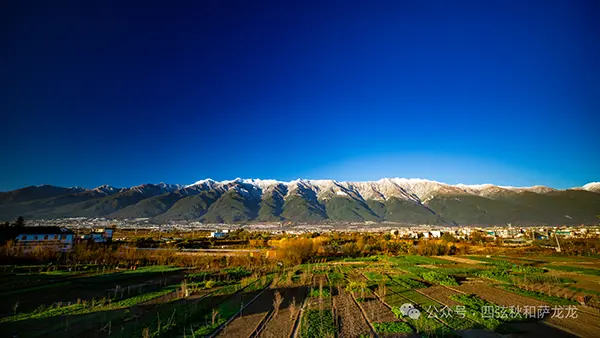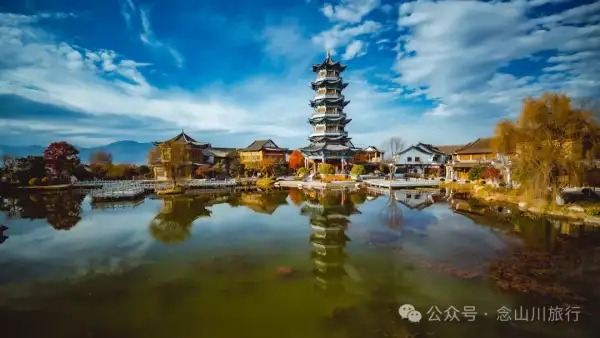

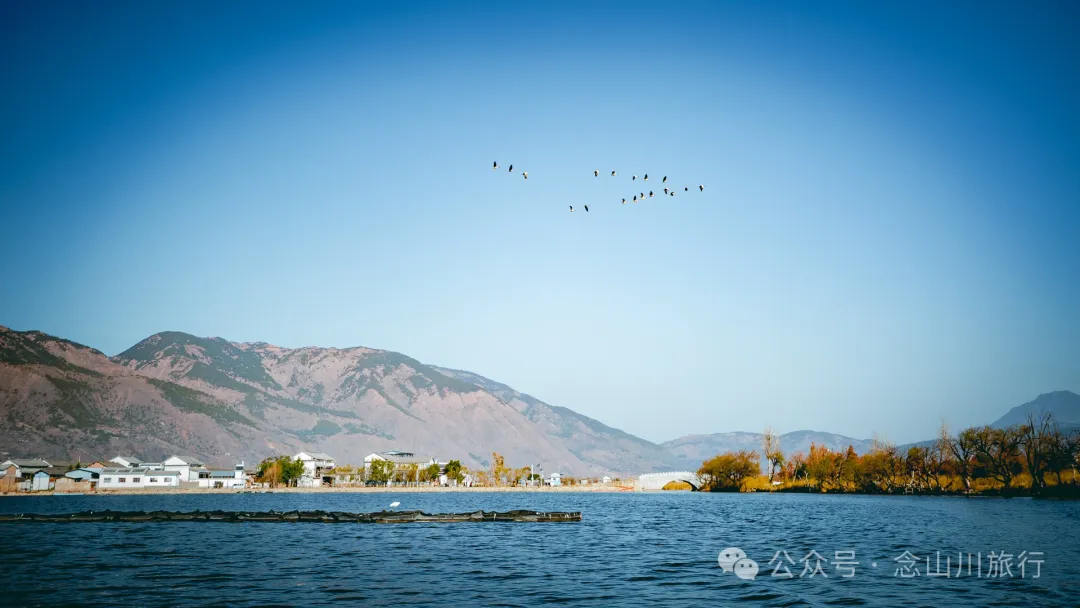
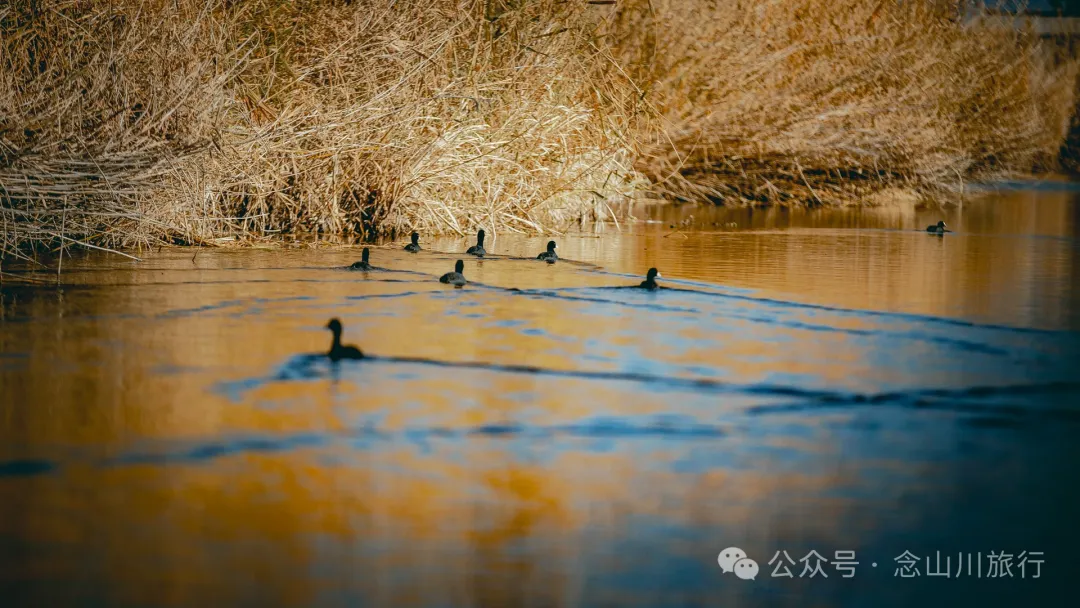
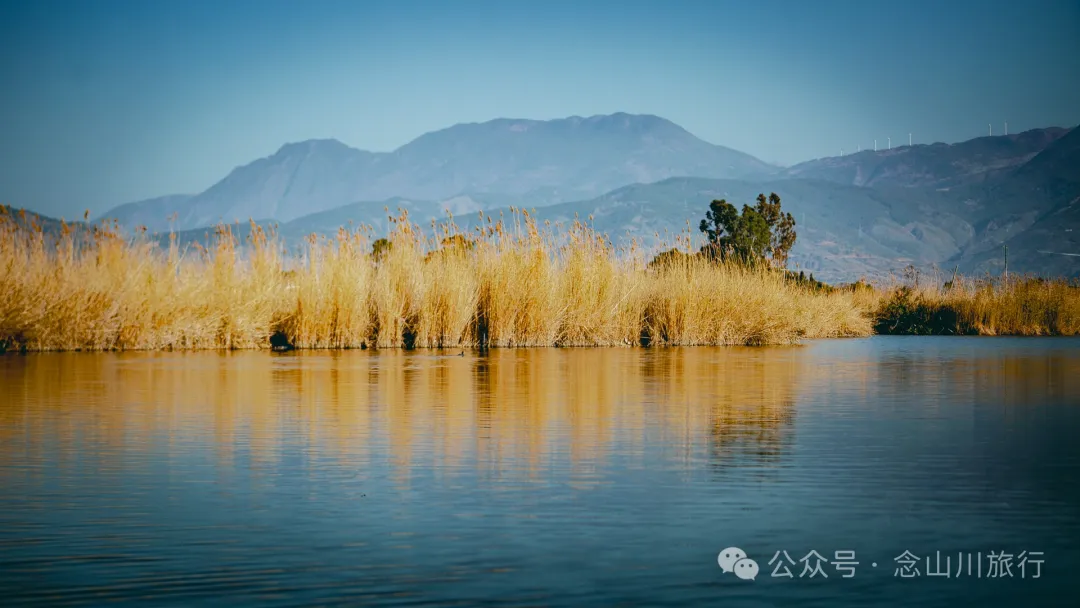
The pristine waterscape of Eryuan West Lake is unforgettable. Even though we have visited many times, there are always new lives and scenes that make our repeated visits not a reunion but a new encounter. Our last visit to West Lake was in autumn last year. At that time, several excavators were working outdoors along the shore of Nandeng Village. There was no ready-made path along the lake bank, which was overgrown with reeds and weeds. Pedestrians could only stumble through the wild grass taller than their heads, startling numerous water birds perched there.
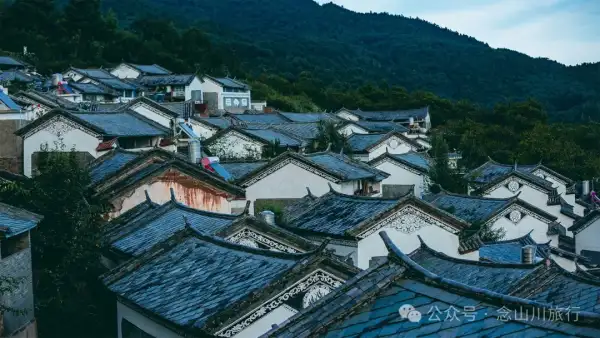
Now, a flat and wide gravel road stretches along the shore. The weeds are gone, and the water birds are gone too. I know this is the local government's effort to attract more day-trippers. On the opposite shore, Zhongdeng Village is already deserted, with only demolition company staff coming and going to finish the remaining work. Soon, this fertile water land where the Bai people have farmed for generations will eventually become a tourist attraction, receiving waves of generous tourists from all over the country.
Before that day truly arrives, we still have the chance to enjoy the beautiful scenery before us. Under the warm spring breeze, we board a private small boat in Nandeng Village and follow an experienced boatman to a stretch of water we have never seen before.
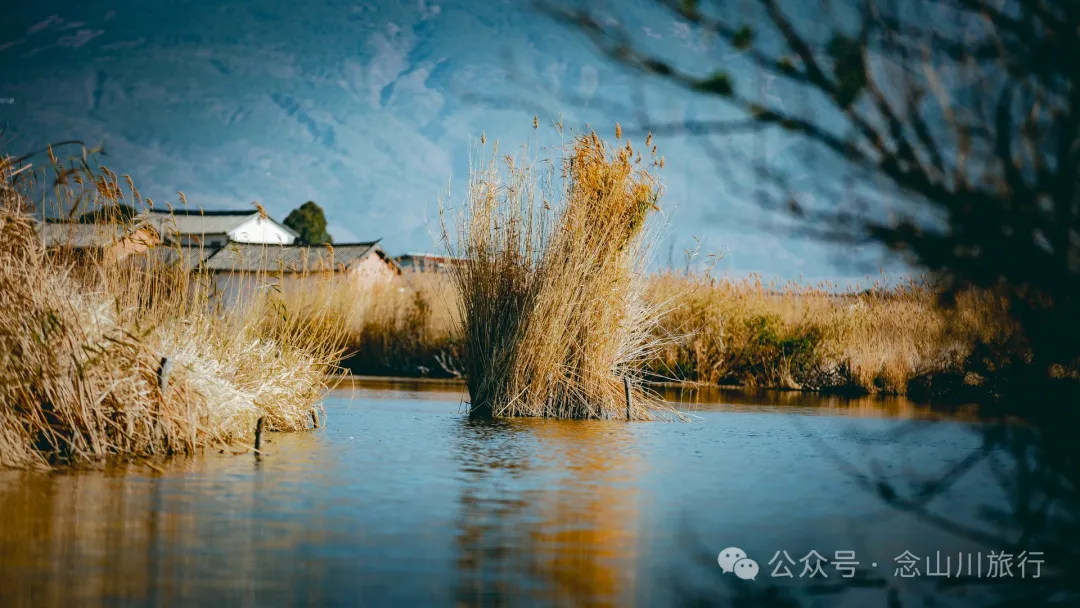
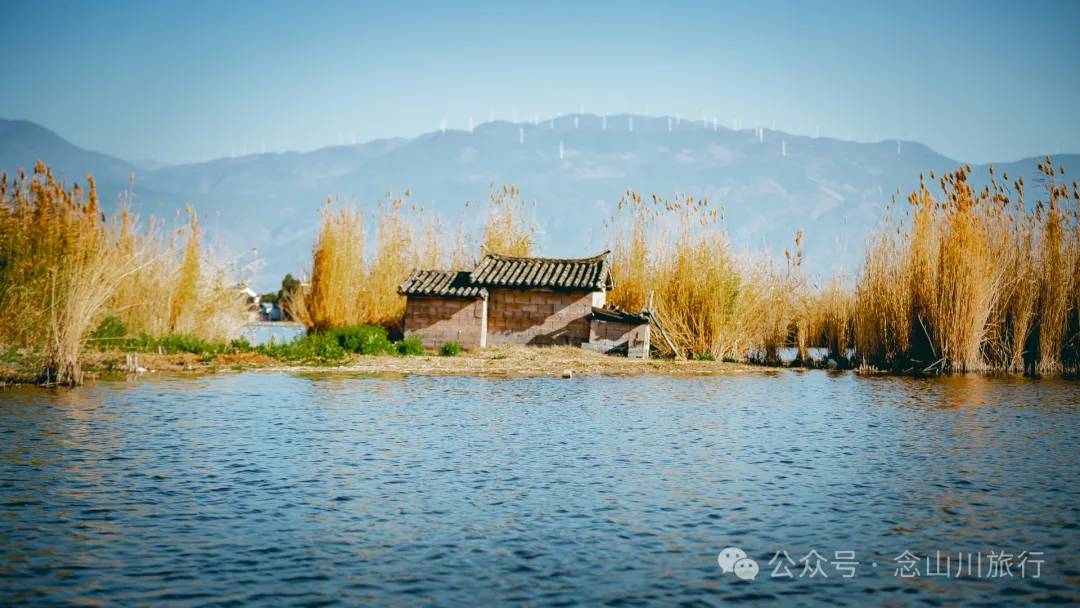
We sit in a single row in the center of the narrow boat. The children busily imitate the boatman rowing, teasing the receding splashes, while the adults are busy admiring the scenery.
On this calm and silent water surface, I prefer to quietly gaze into the distance, carefully searching for the liveliness and vitality I haven't seen before. The enthusiastic and knowledgeable boatman didn't give me that chance. Along the way, he poured out the same spiel he tells every passenger, confidently instructing us where to look to capture the best moments of light and shadow, and at what angle to point our cameras to photograph the cheerful purple swamphens.
But I'm not entirely annoyed. At least when I expressed confusion about a low brick wall in the middle of nowhere, he patiently answered my doubts, telling us it was a local god temple.
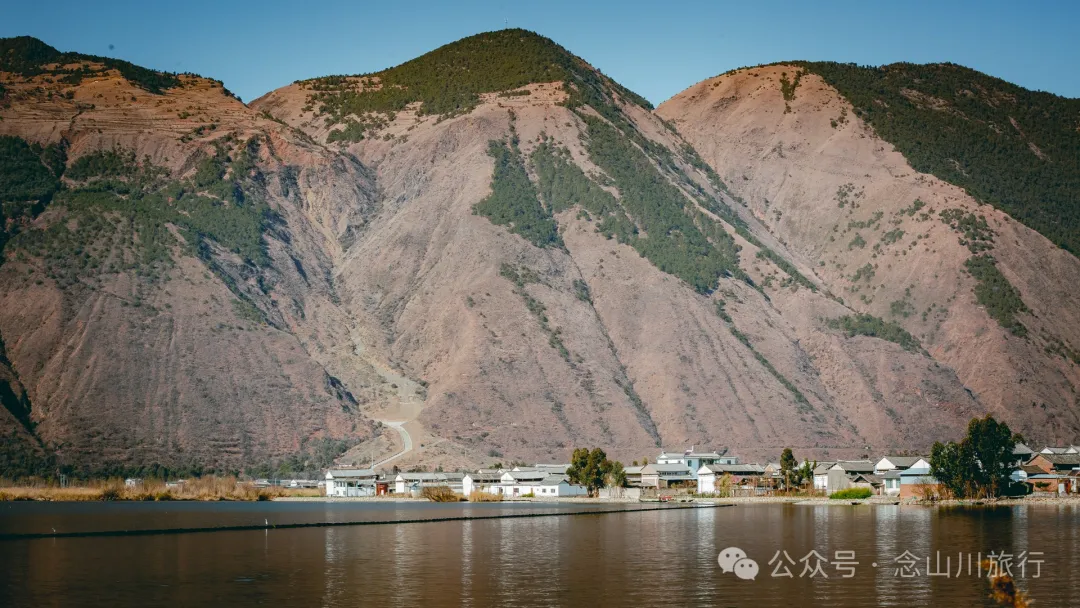
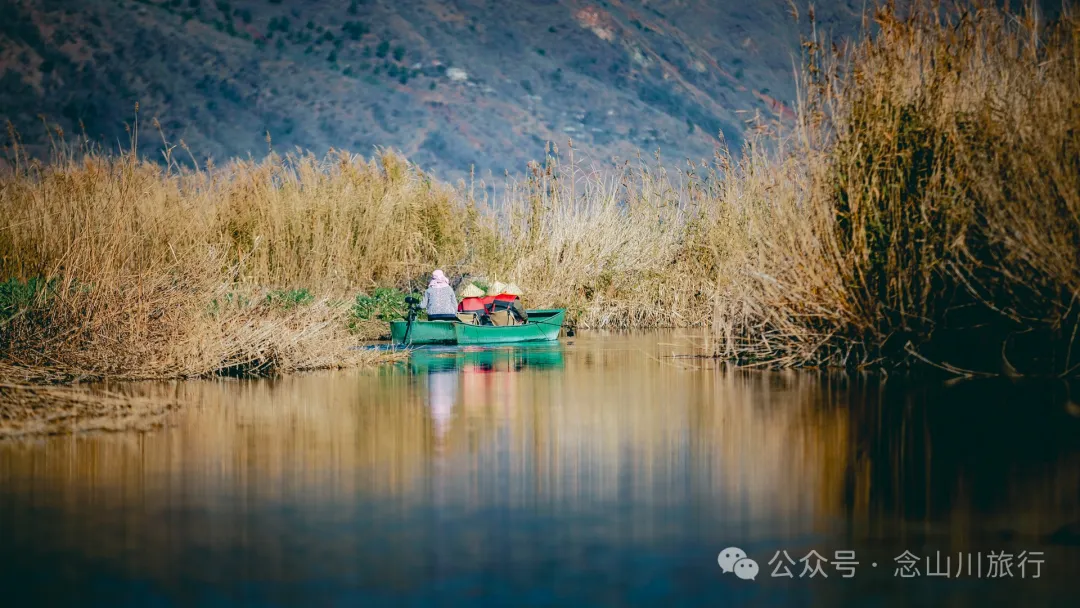
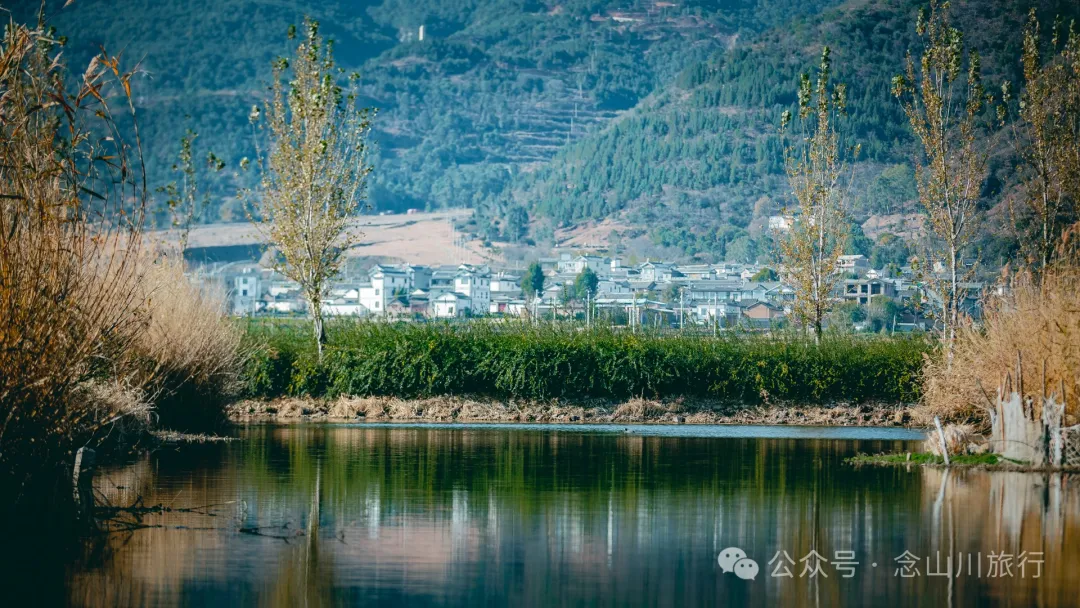
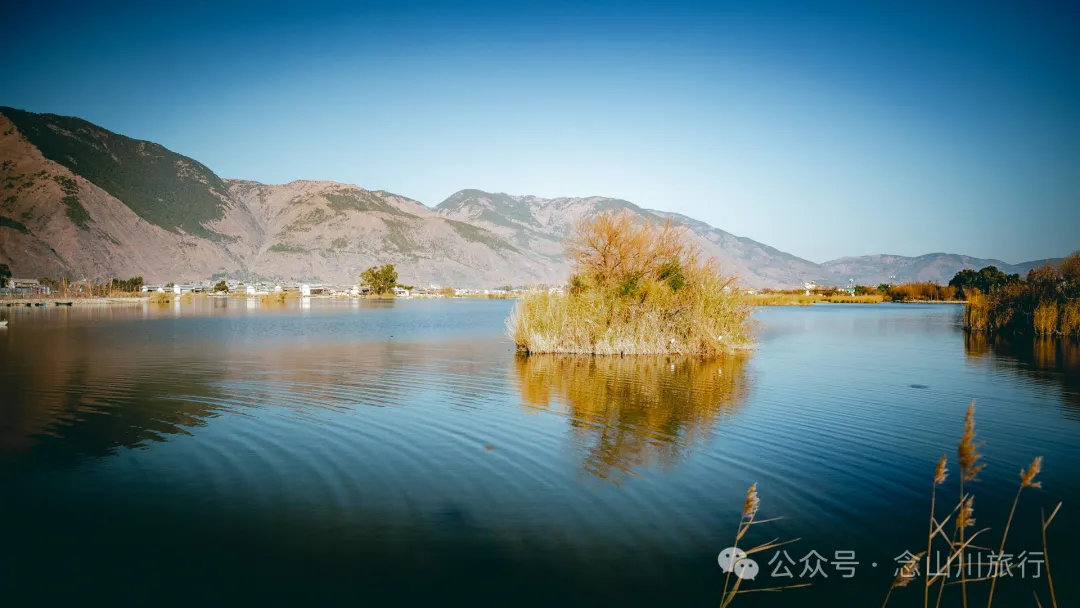
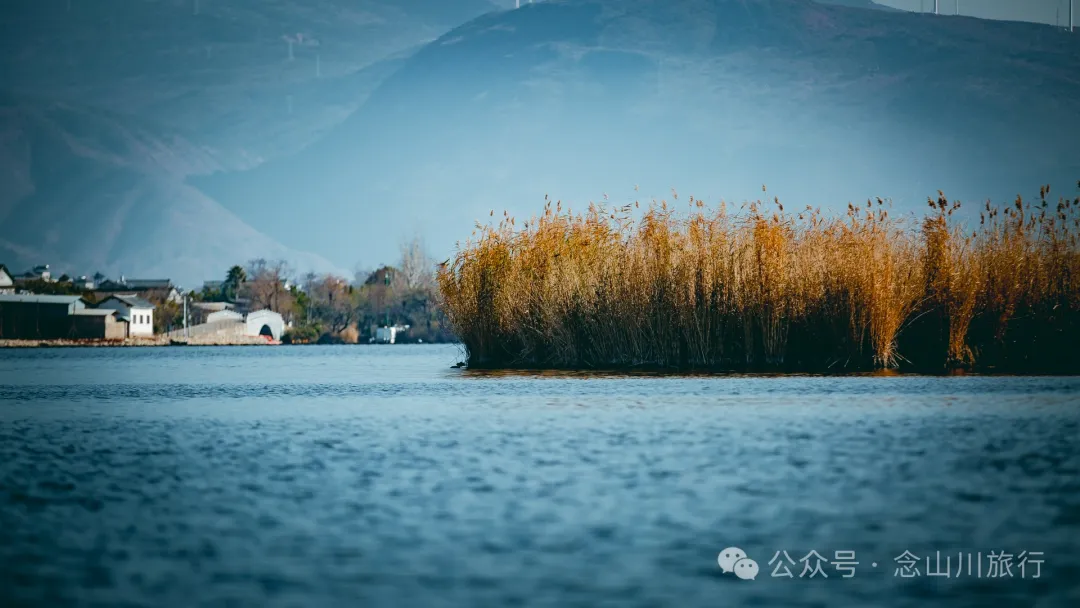
When the boatman first spoke with us, he said he would take us to the widest and most scenic area, with the longest route, more than double that of the neighboring tour company. Soon, he kept his promise. Before we were halfway through the journey, we were drifting on a water surface we had never seen before. As the small boat rounded clumps of reeds that blocked our view, the joys hidden in this open space unfolded before us one by one.
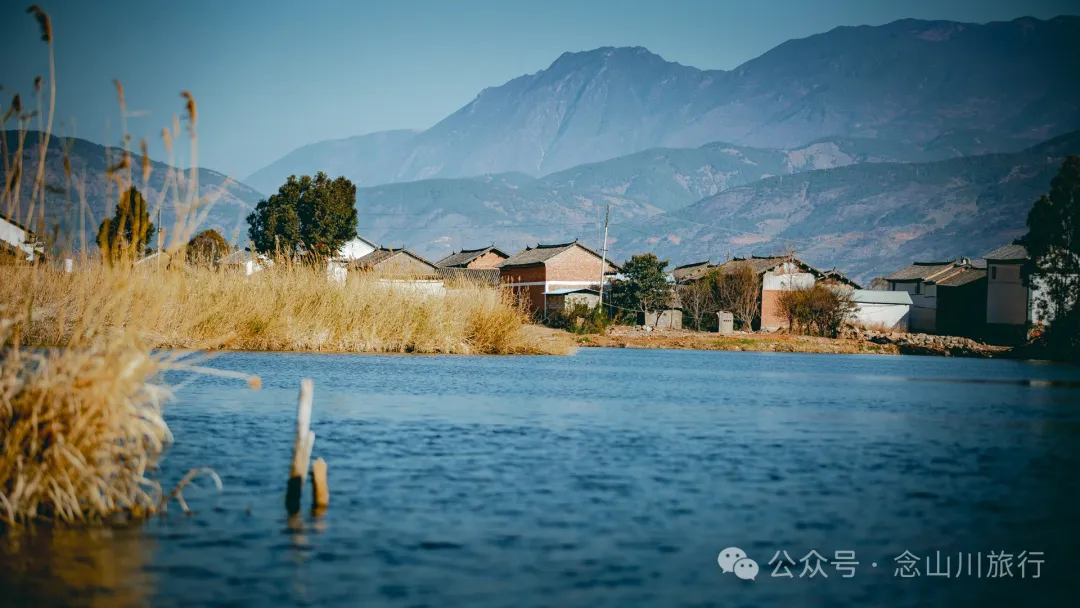
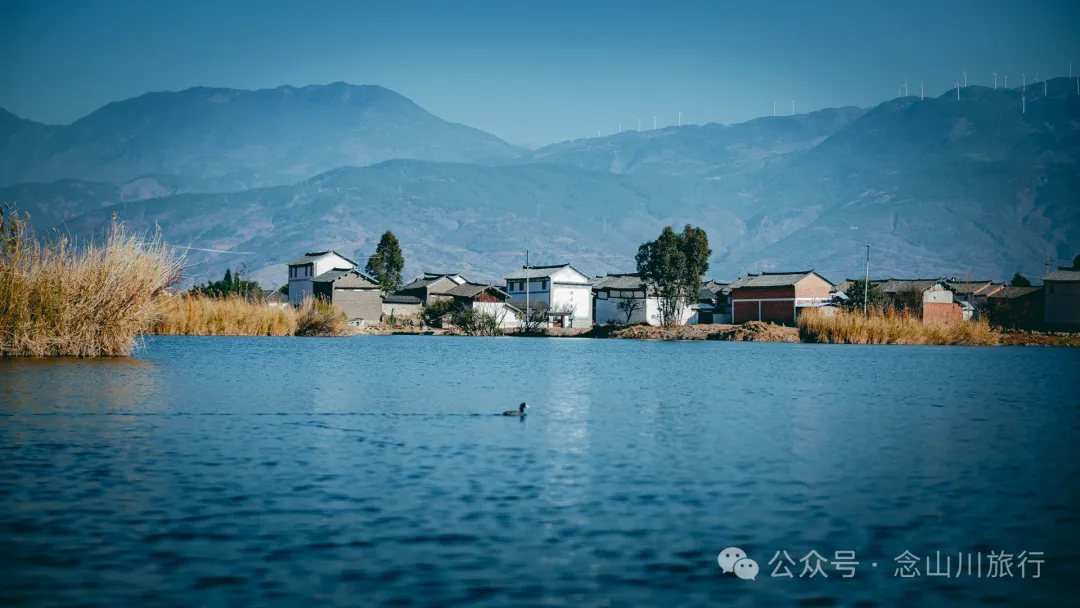
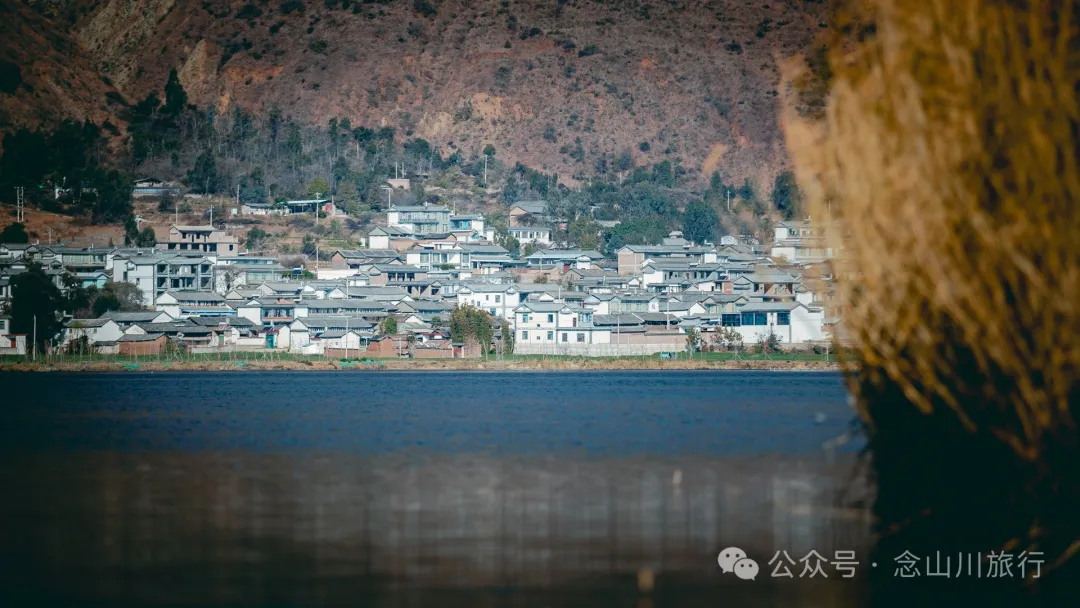
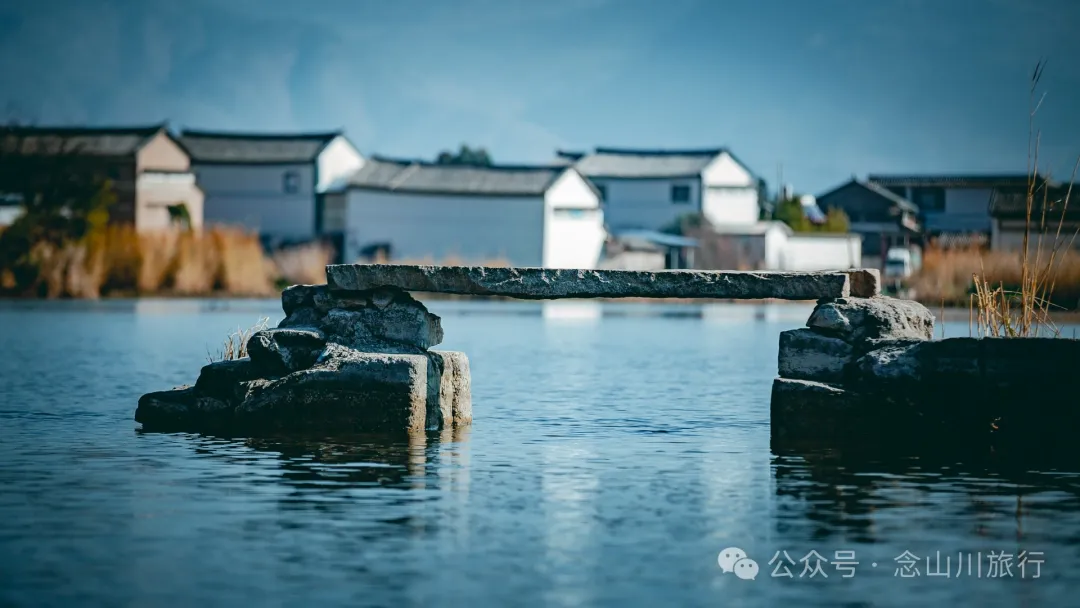
This seemingly redundant short stone bridge spans the narrow water. Just as I was about to ask why it was built, the boatman solemnly reminded us to quickly bend down and crawl, as the boat was about to pass under the stone bridge. Afterwards, he explained that the water on the other side of the stone bridge was shallow and prone to grounding, so fishing boats could only pass through the middle section.
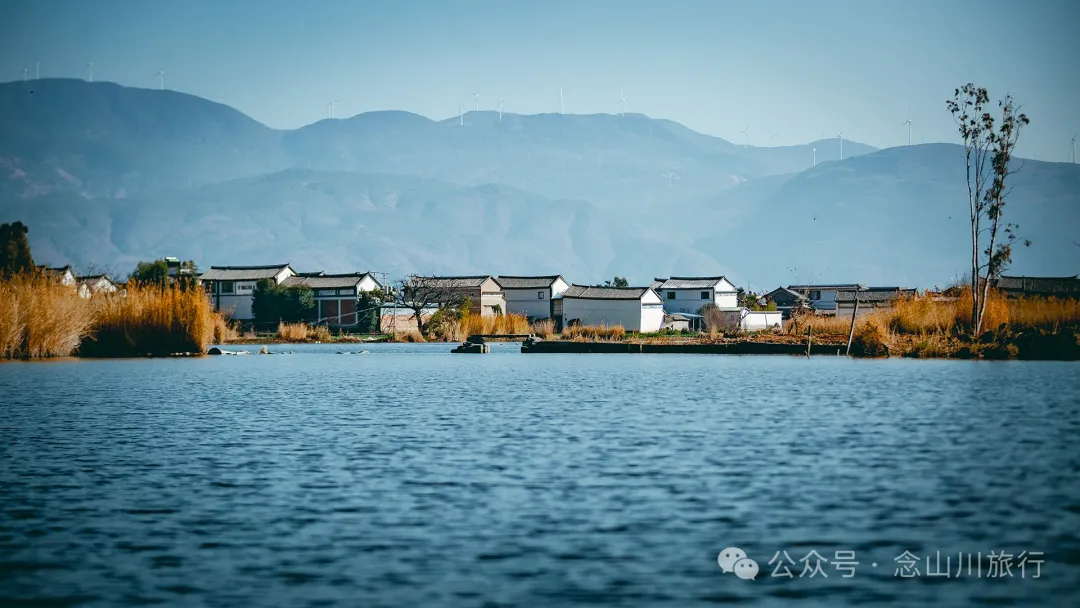
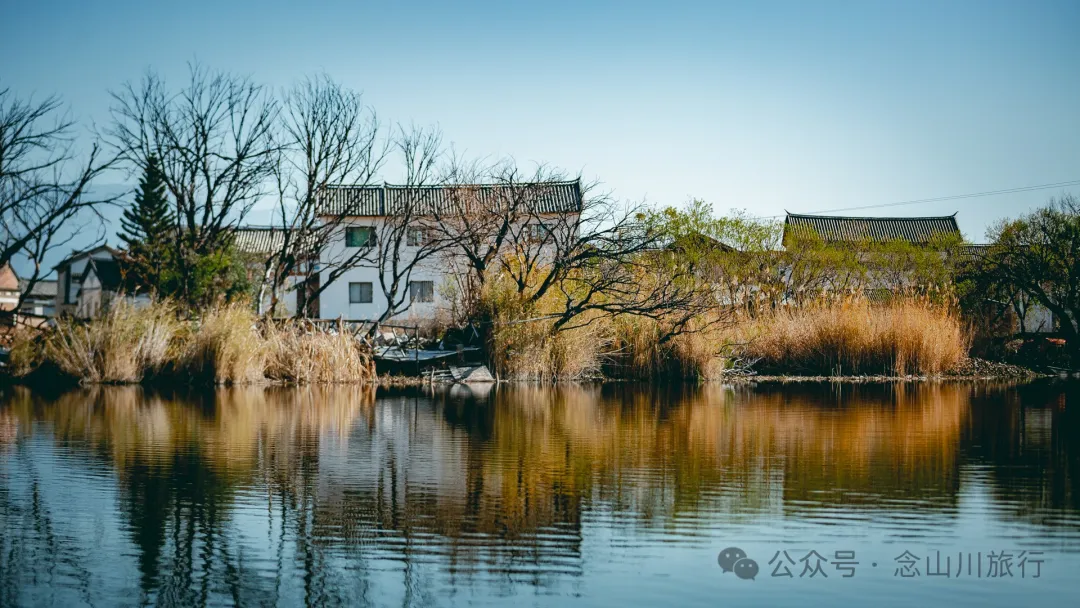
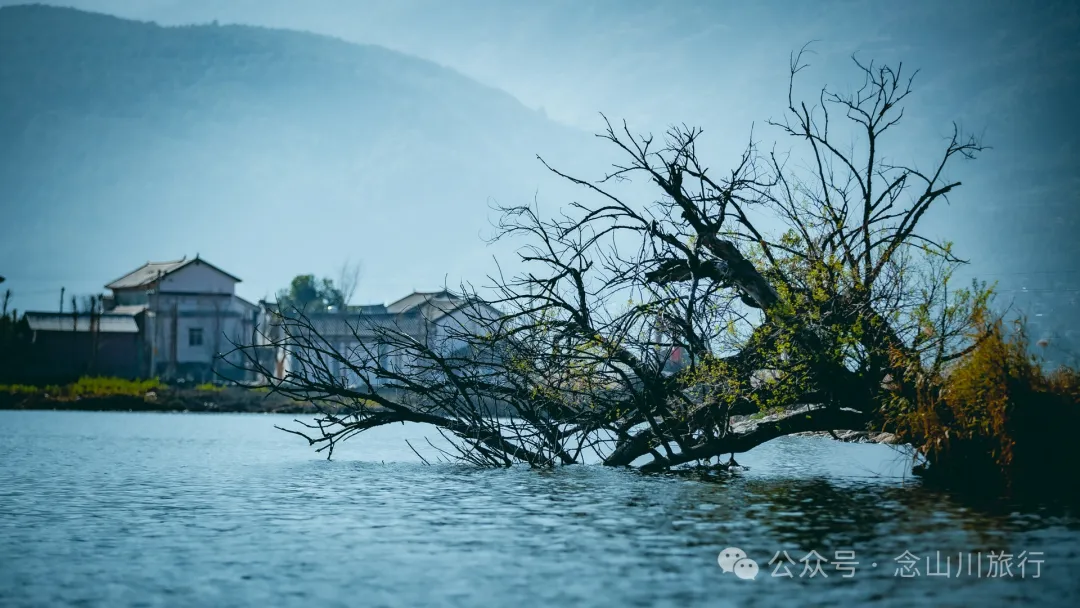
It was early spring, and the black willows growing on the islets had already sprouted new leaves for some time. New life had quietly burst forth on this lovely land.
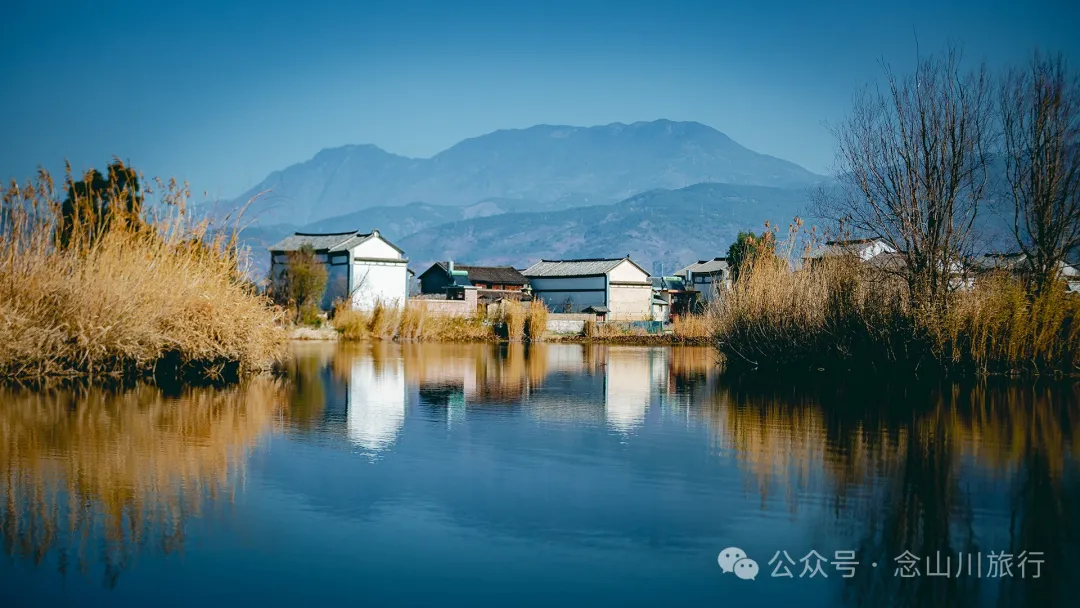
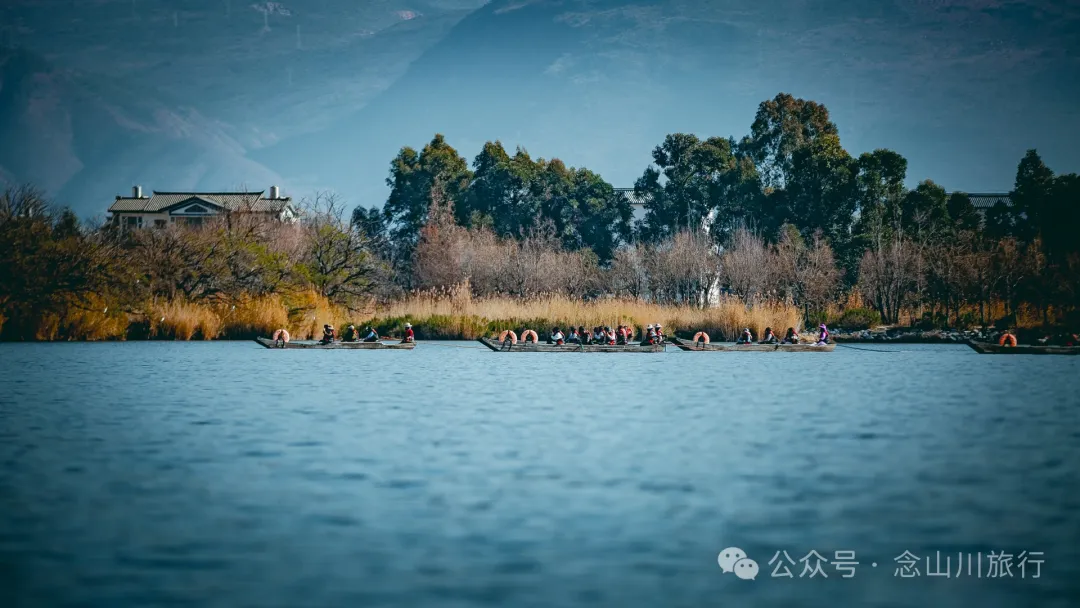
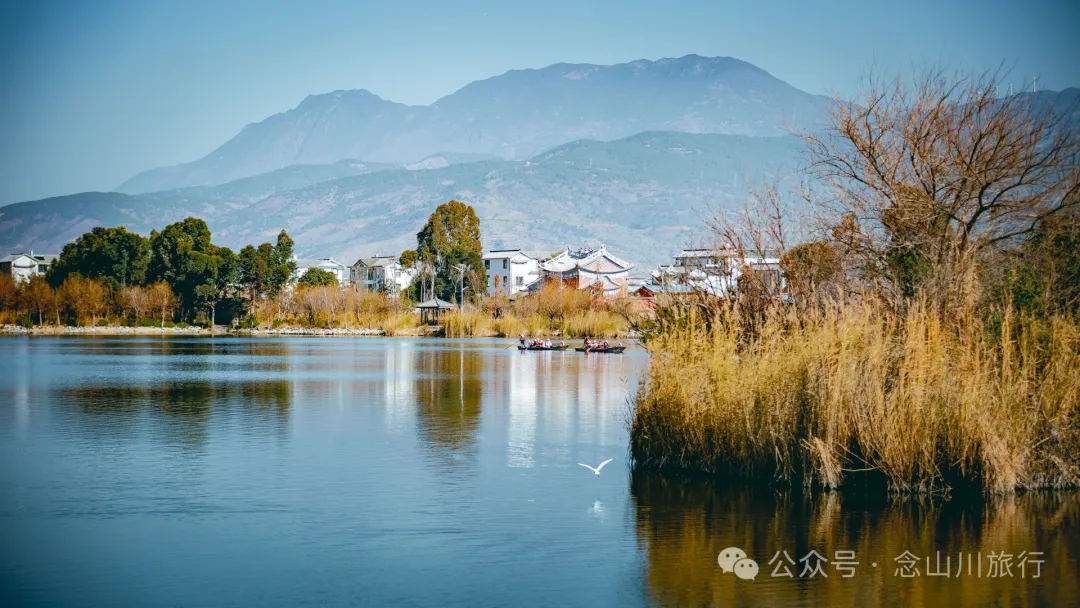
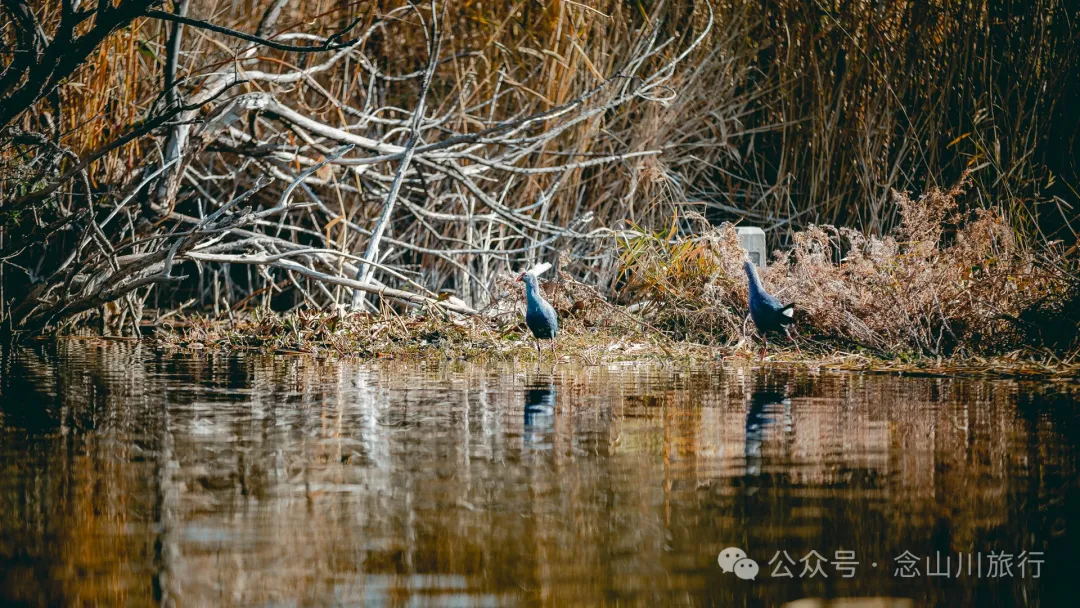
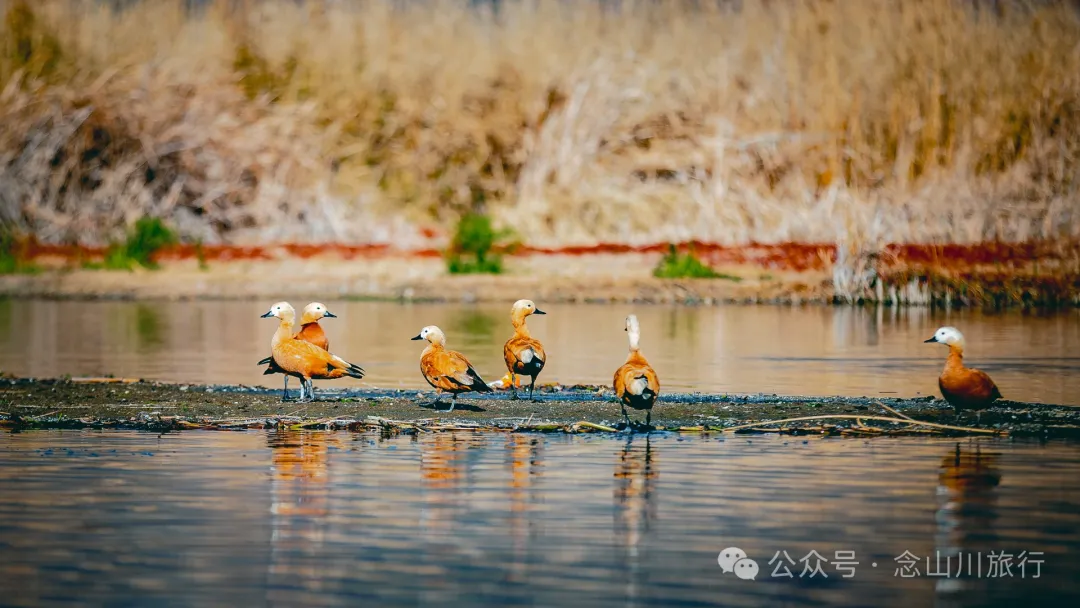
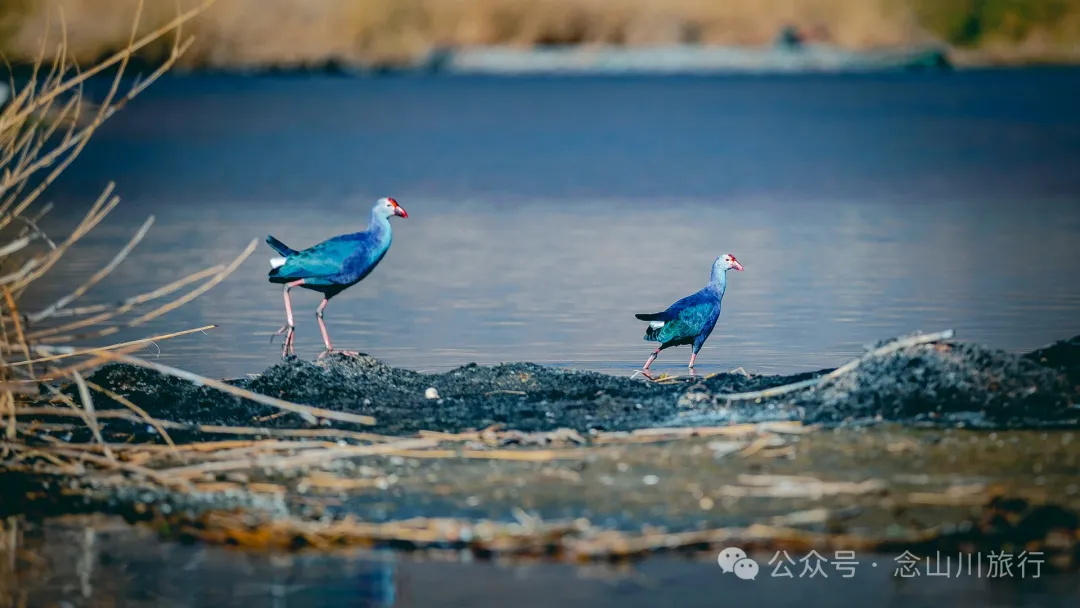
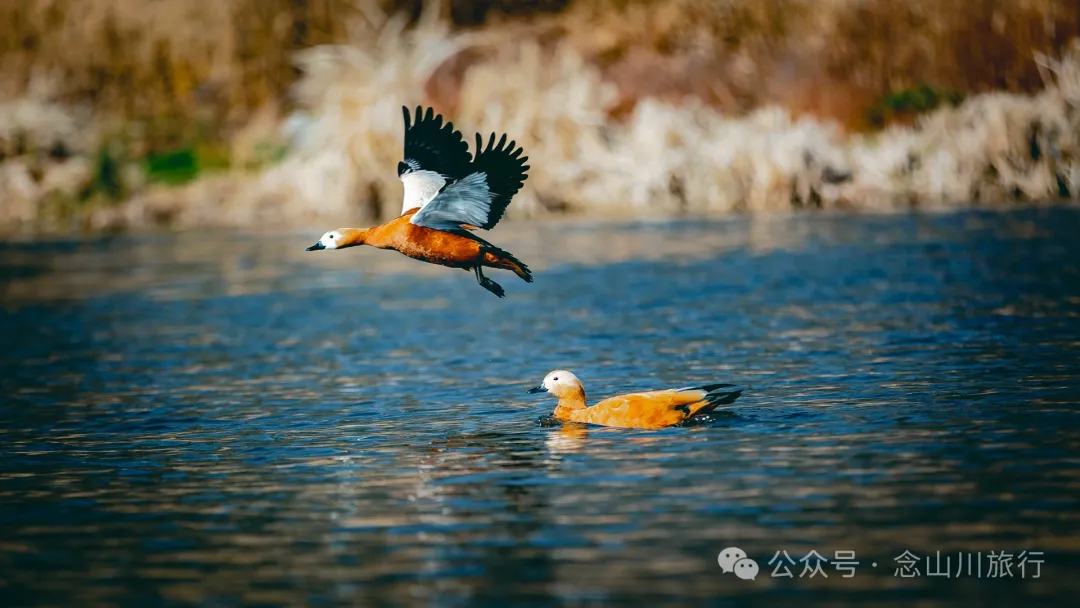
Migratory birds still linger in this warm water town, reluctant to leave. As for the resident birds, they have familiar hiding places here, plankton beneath the water for their survival, and a pristine, untouched water park that humans cannot yet reach. They are safe and free, and the ever-changing light and shadow will keep them happy for a long time.
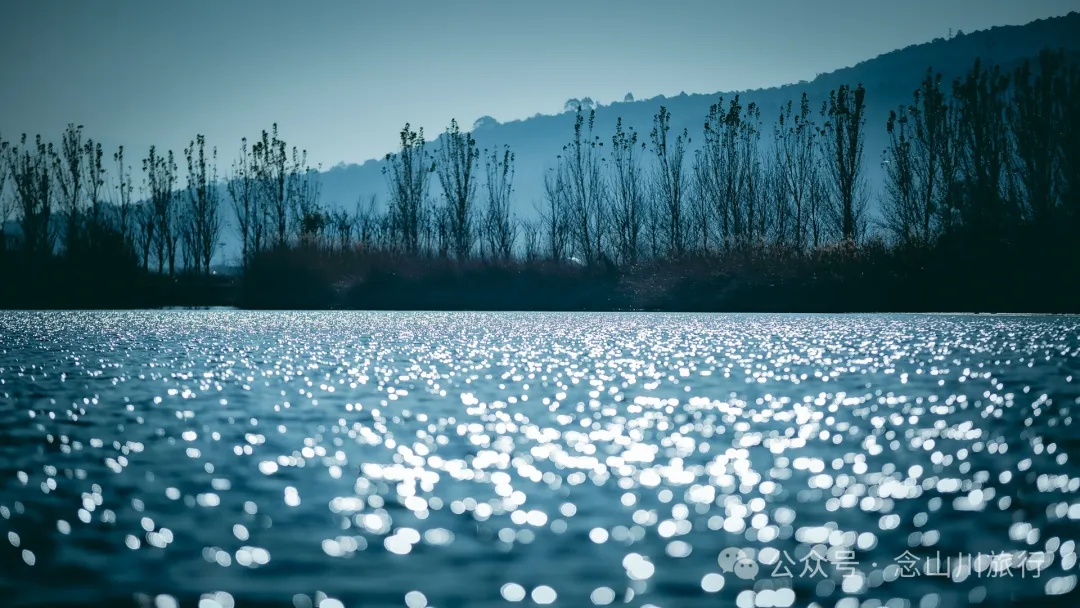
The sunlight, like broken silver, spills onto the water surface, like a string of children's laughter, pure and flawless.