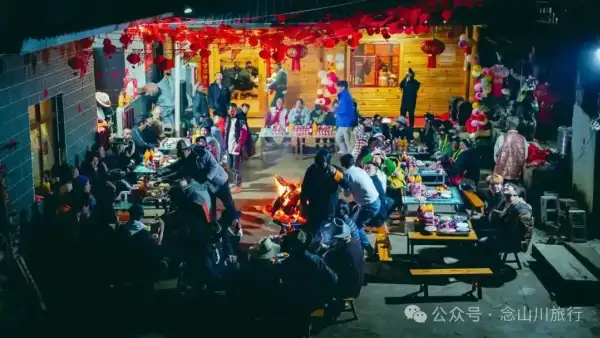

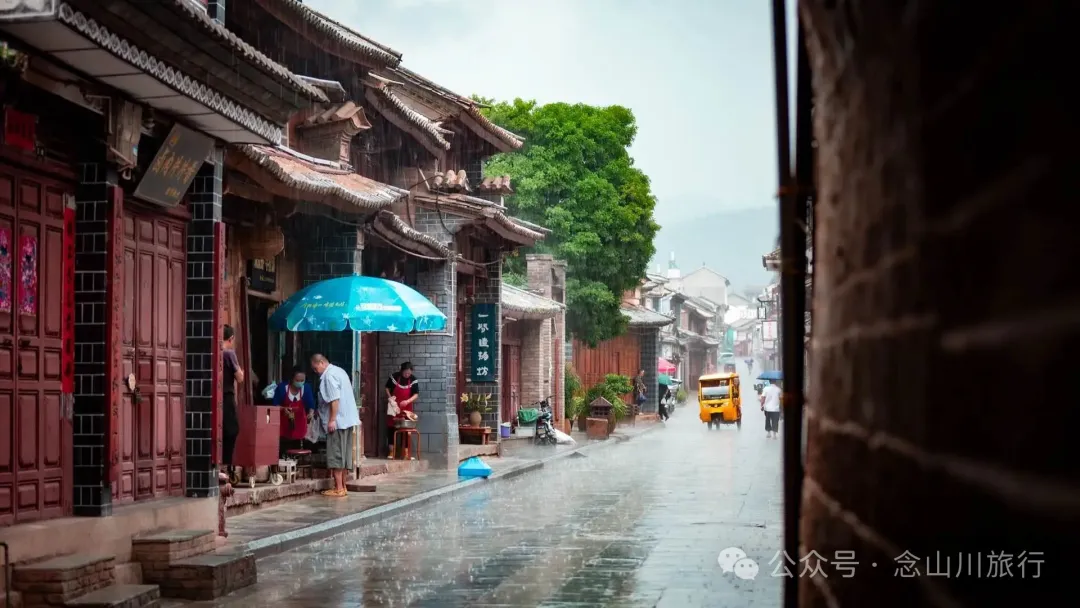
The 25th day of the sixth lunar month is the Torch Festival of the Yi ethnic group. From early morning, Weishan Ancient City bustles with activity as tourists pour in to celebrate the festival, along with many villagers from mountain villages who come to join the fun. The festive atmosphere of the Torch Festival in Weishan Ancient City is even more vibrant and lively than the Spring Festival. Yi friends say that the Torch Festival is their "New Year" celebration. When torches are lit in the city's squares, large and small, and the dark night sky is illuminated by fireworks, the Torch Festival reaches its狂欢 climax, lasting all night long.
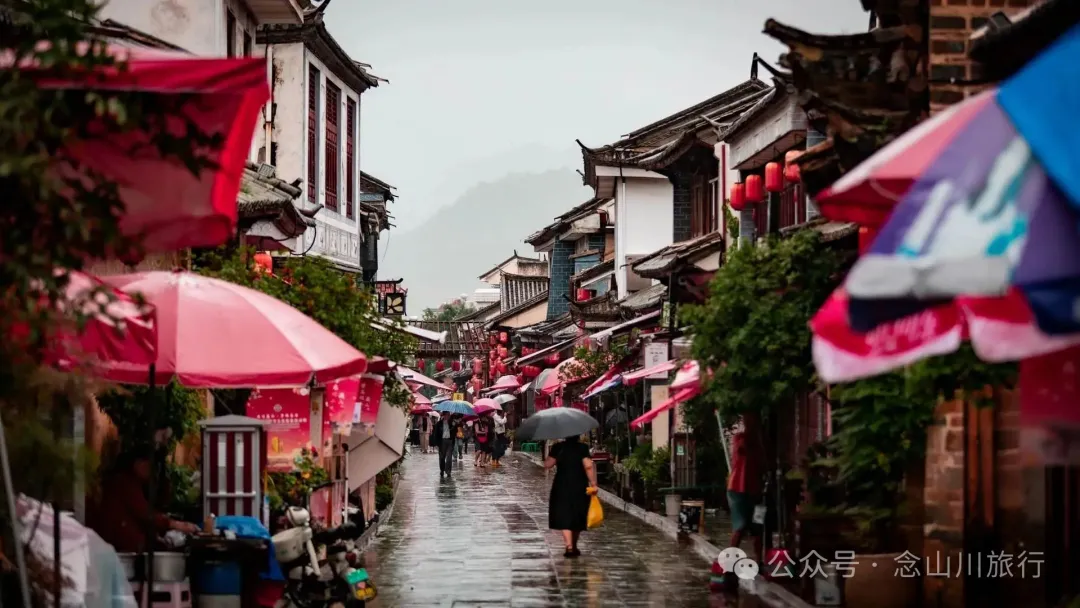
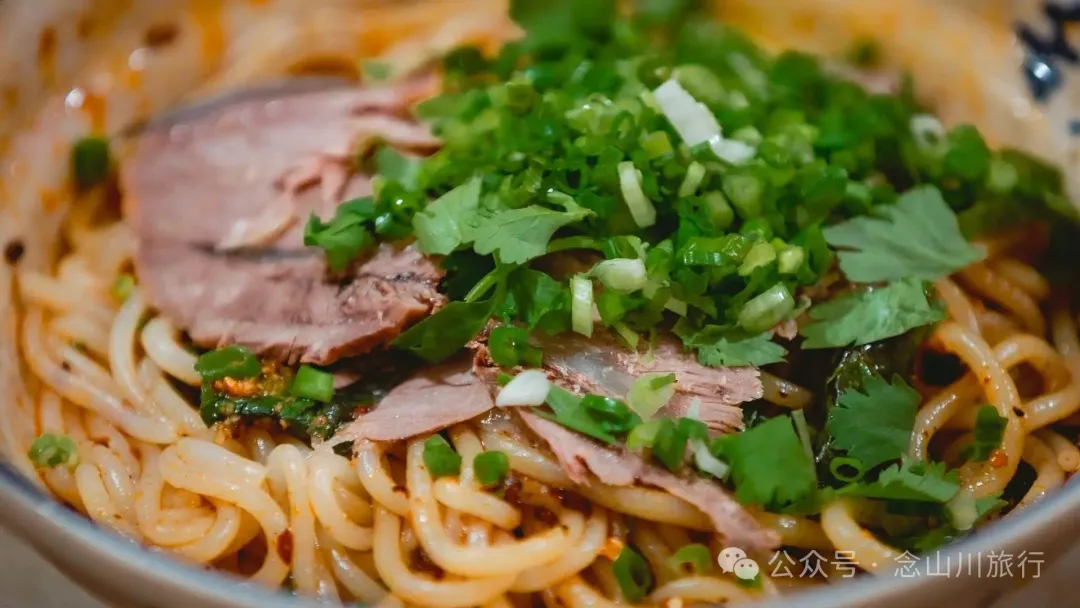
This is my third Torch Festival since moving to Weishan Ancient City. It starts with a satisfying bowl of lamb rice noodles in the morning, and the festive spirit fills every inconspicuous corner of the streets. On ordinary days, the ancient city is still quiet at eight o'clock, with only parents dropping off children at school in Yuanshi Lamb Restaurant. Today, the counter is crowded with tourists, and the owner's wife doesn't even have time to look up and greet, yet she thoughtfully reminds two elderly diners to watch their steps as they leave after their meal.
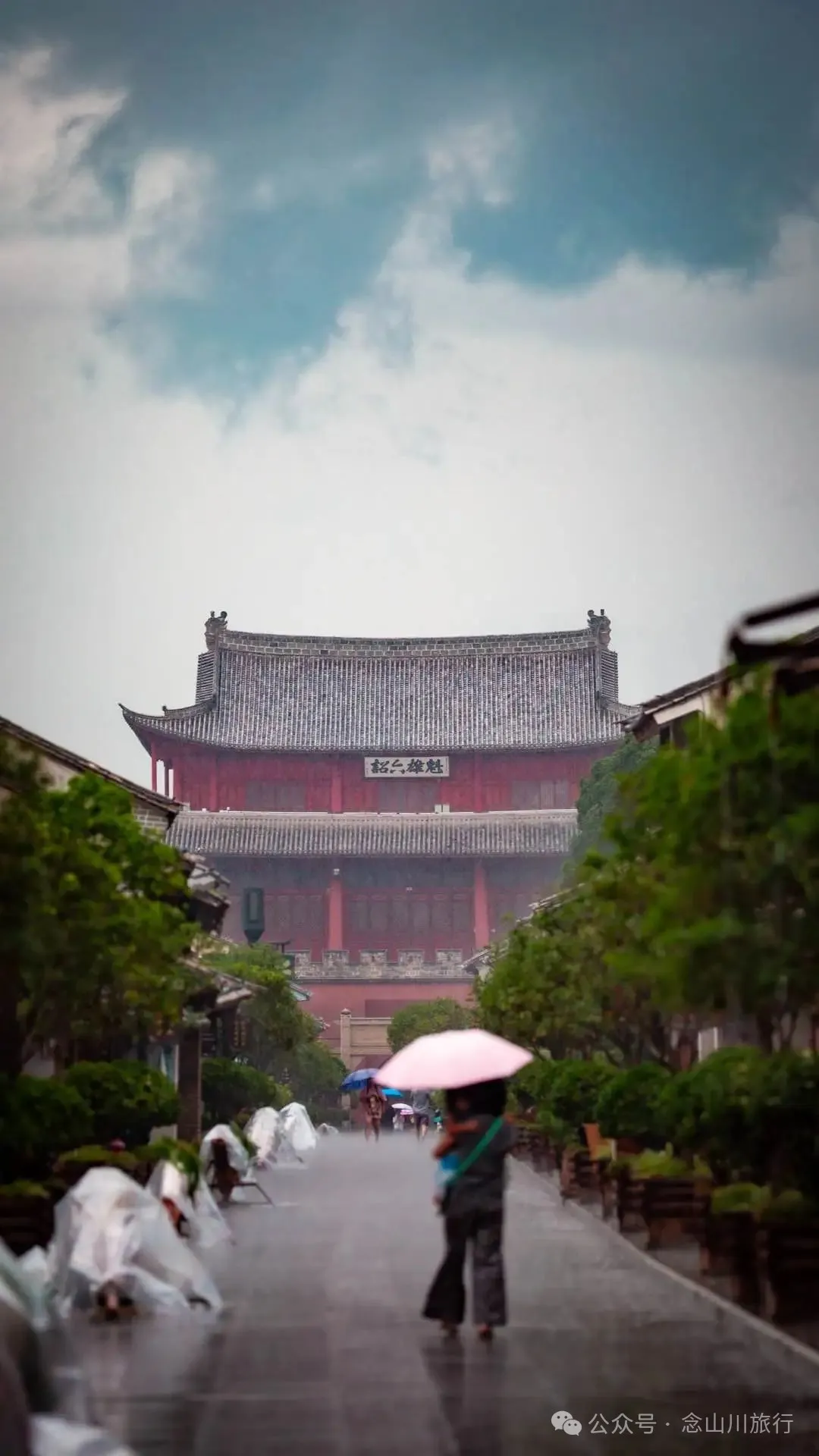
The newly built Gongchen Tower, standing ten years old, remains majestic in the gloomy rain. In the past, there was a teahouse on the tower where locals would sit, drink tea, and chat—a cherished pastime for Weishan residents. However, due to poor management, this landmark building was tragically destroyed by fire and had to be rebuilt into the new tower we see today.
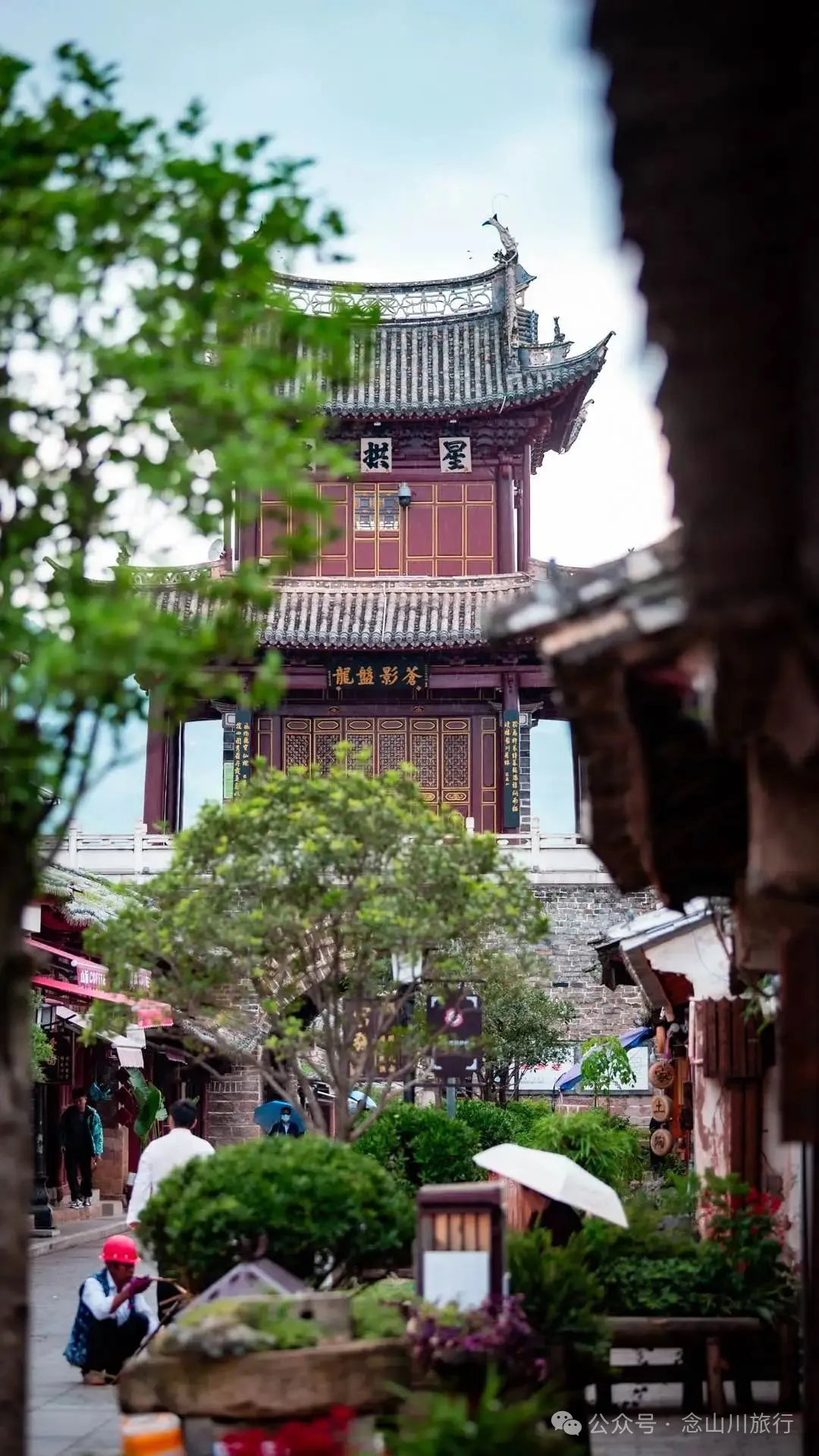
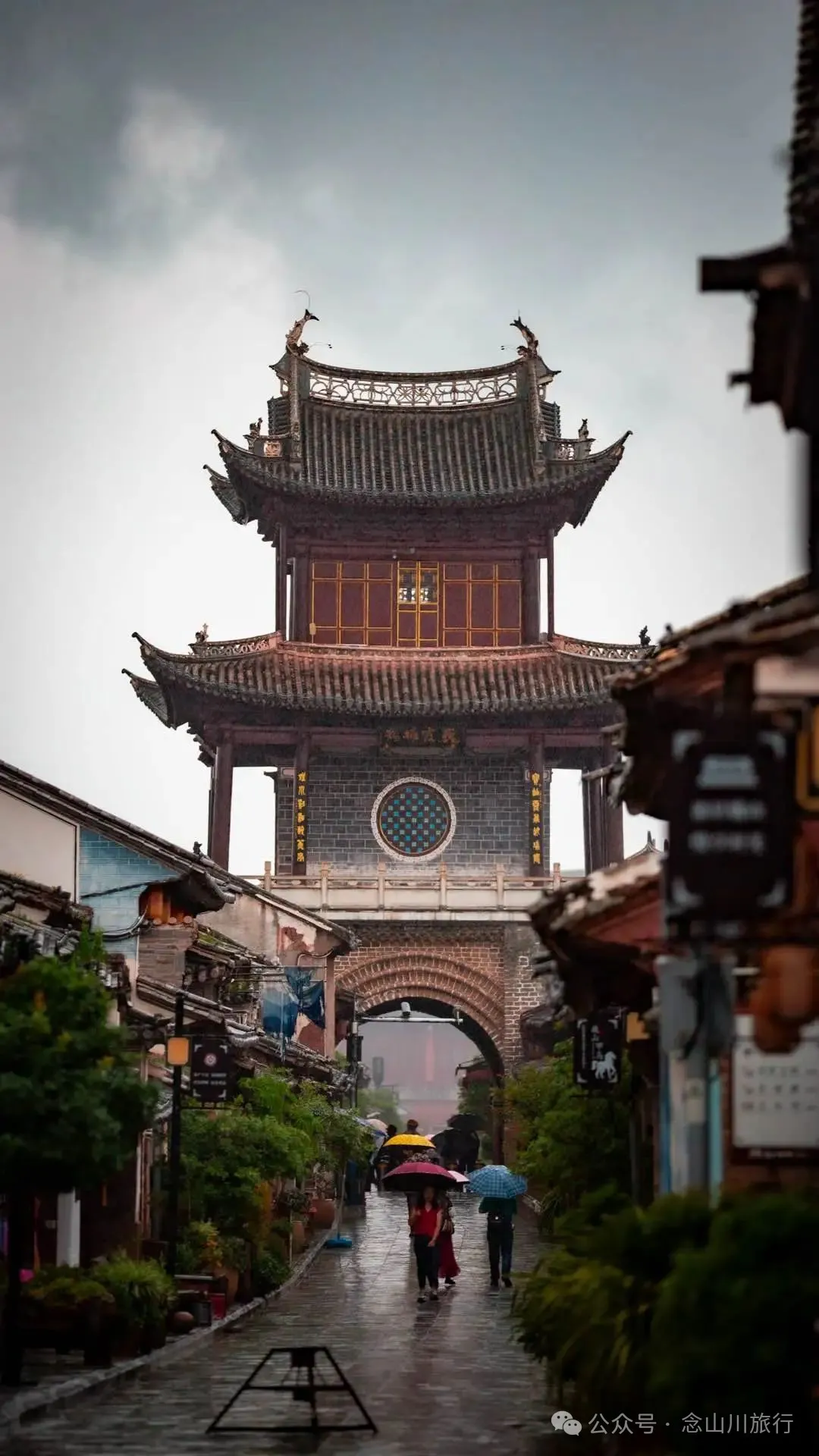
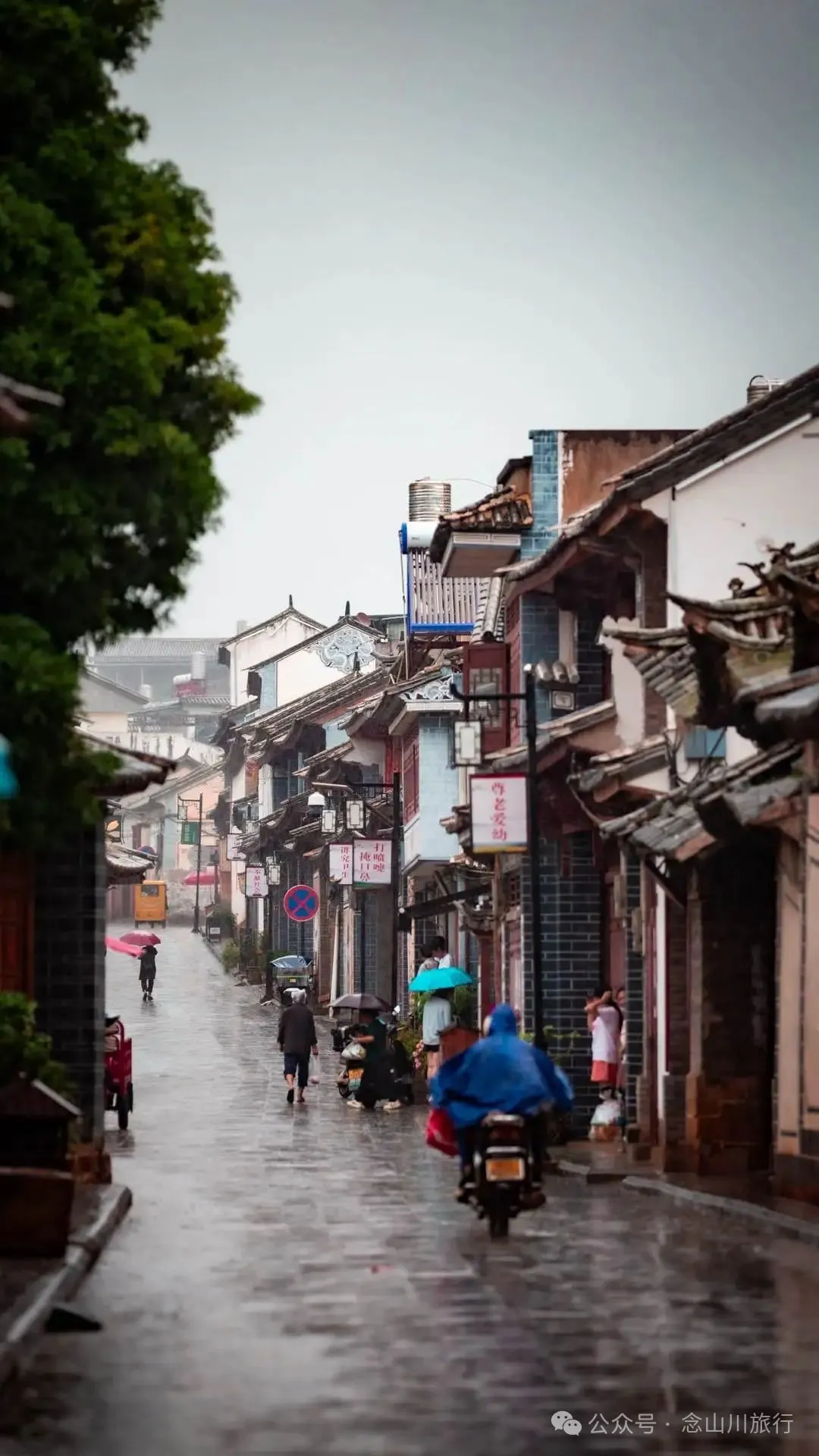
Not far south of Gongchen Tower stands another antique city gate, Xinggong Tower, which was once the central crossing tower of the Ming Dynasty Menghua Prefecture. The four streets extending from Xinggong Tower in four directions are named after the directions. The street between Gongchen Tower and Xinggong Tower is North Street, and the street between Xinggong Tower and the South Gate is South Street. Walking from the intersection in front of Gongchen Tower toward South Street, you can see people bustling about everywhere, preparing for the Torch Festival.
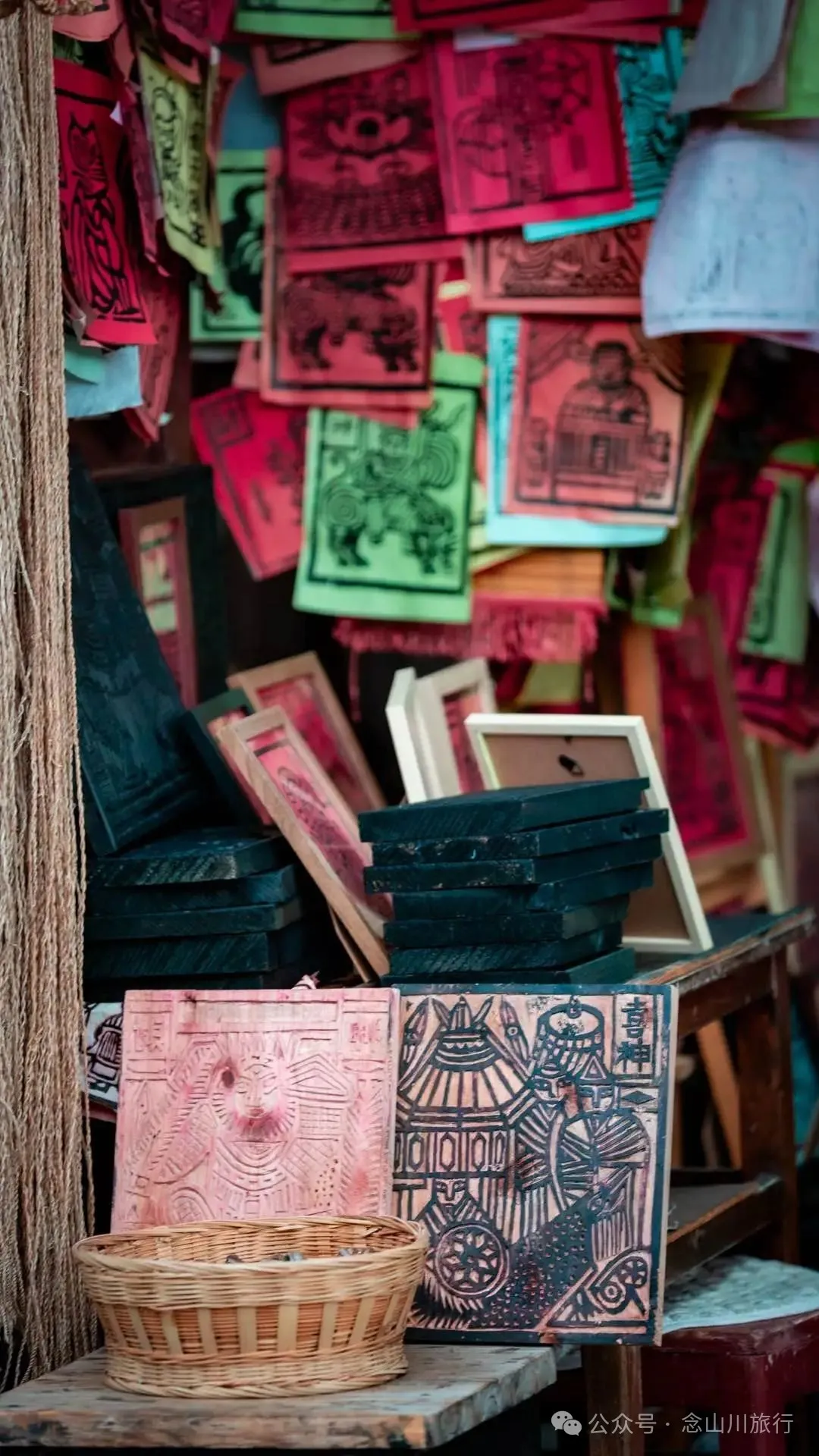
The intangible cultural heritage inheritor, an elderly woodcarver of Jia Ma (a type of folk art), has long been stationed in his shop, continuing his craft day after day, year after year. For the old man, running the shop is no longer about business; it's a window to pass on Jia Ma to passing tourists, a transmission of an ancient skill. Across the street, in an old teahouse, tourists have already taken their seats, sipping tea under the eaves, chatting with friends, and listening to the rain. The tea is ordinary, 5 yuan a cup, but the leisurely life is priceless.
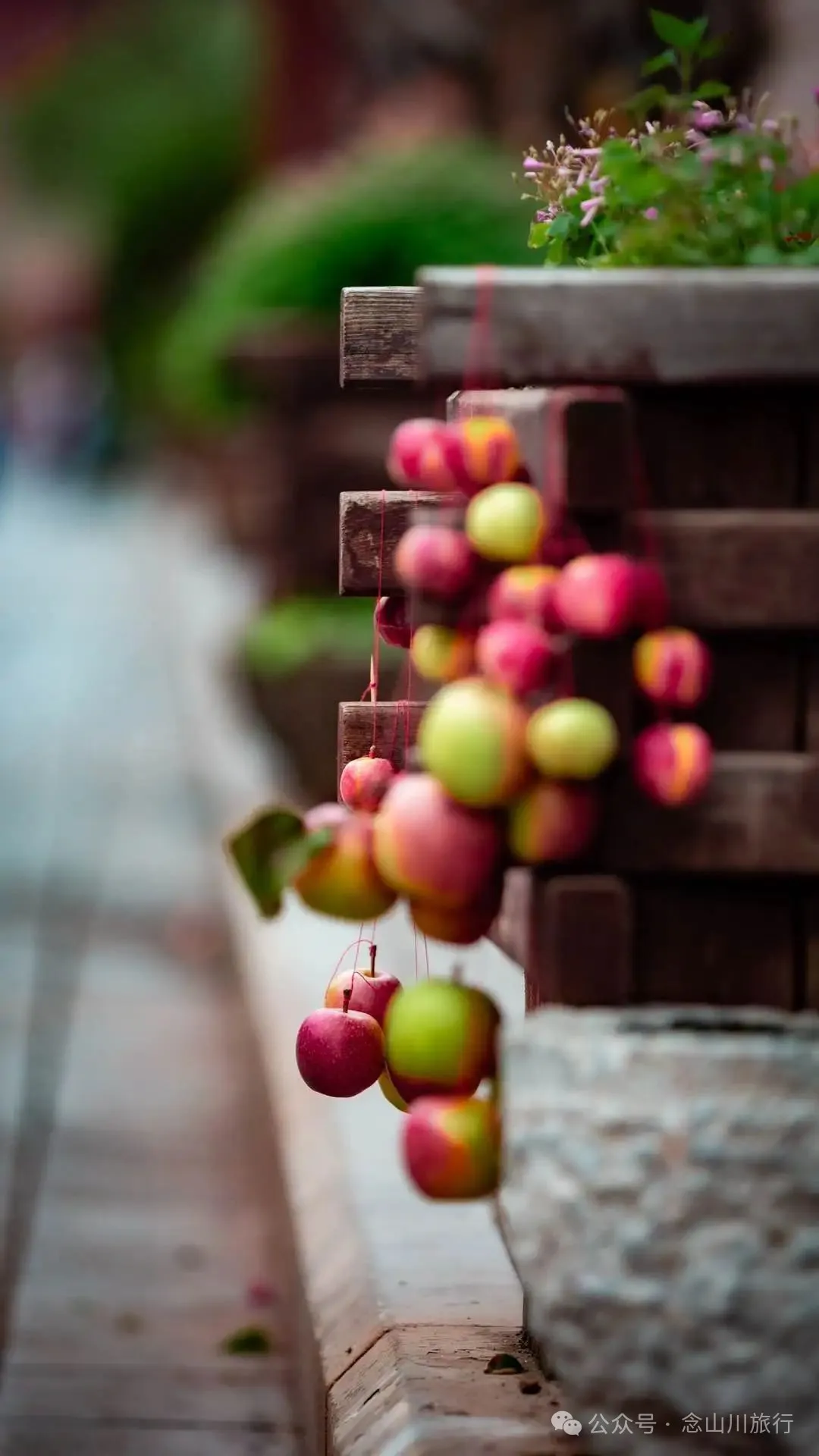
Many shops along the street haven't opened their doors yet. Two elderly women sit outside, preparing the auspicious fruits needed for the Torch Festival. They string apples, pears, or longans with red ropes and hang them layer by layer on tall torches. When the torches are lit, people will happily gather around, waiting for the fruits to fall, scrambling for these lucky charms.
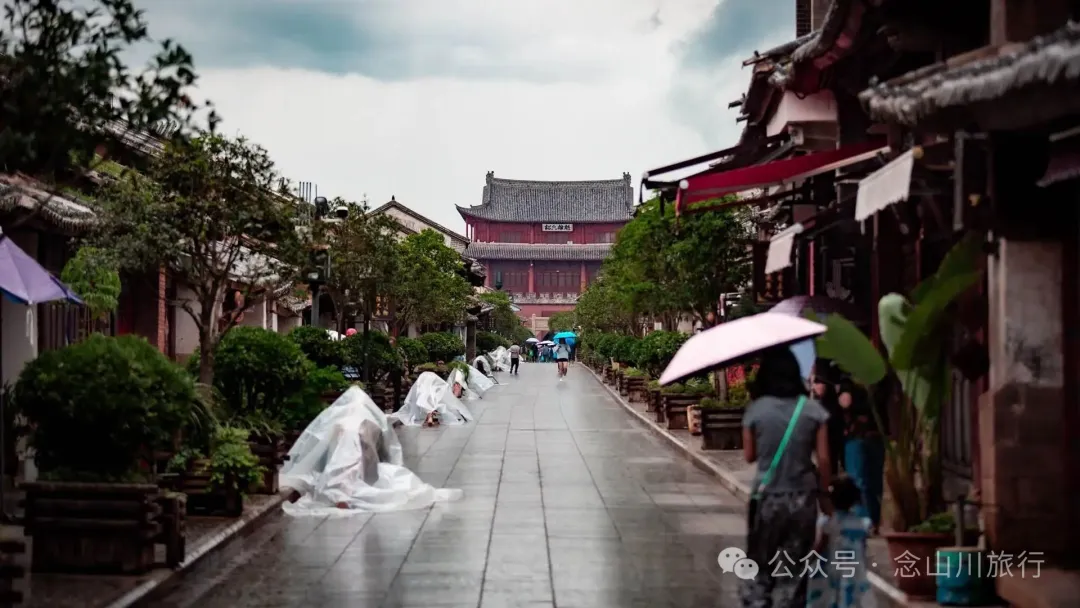
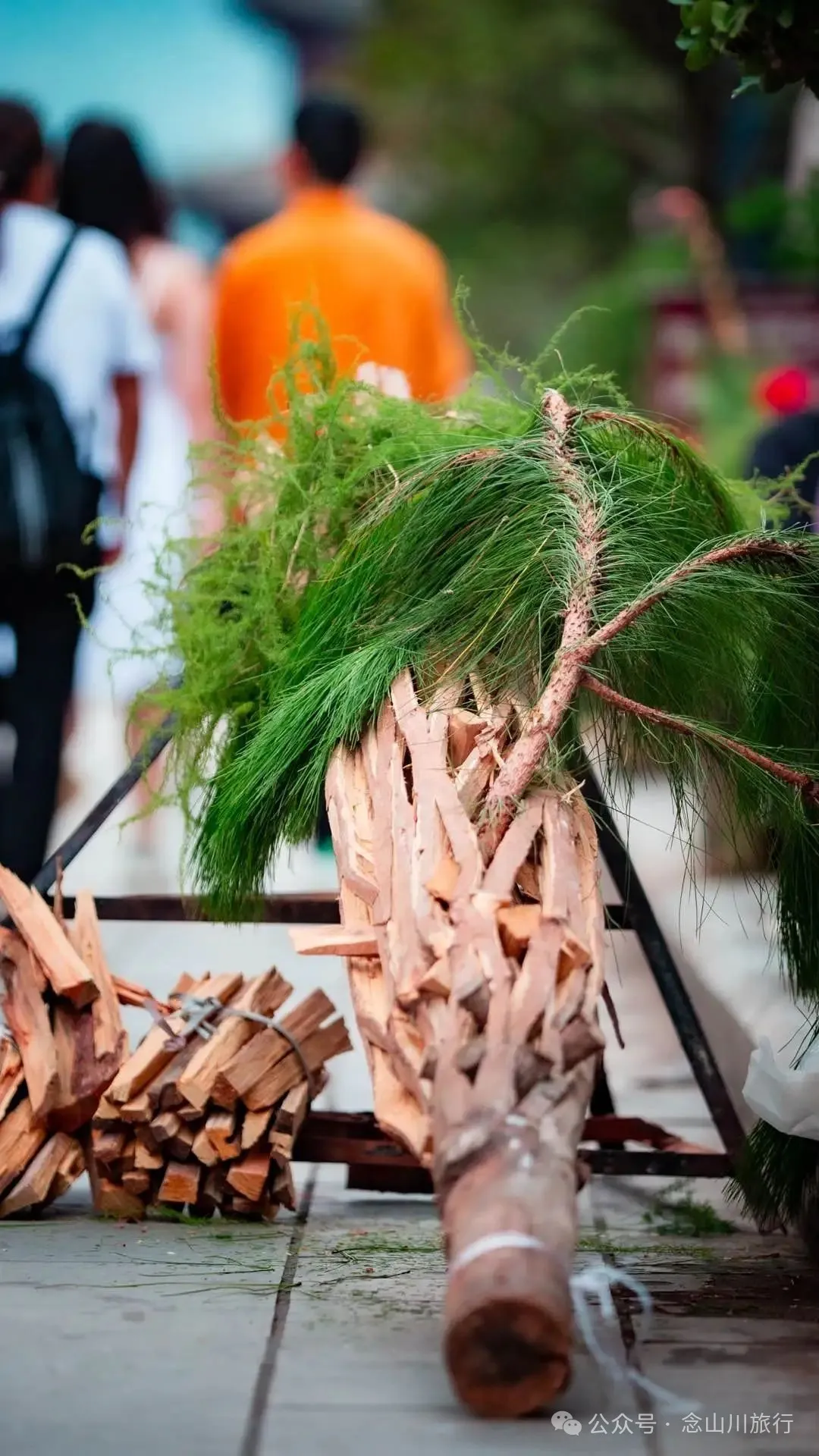
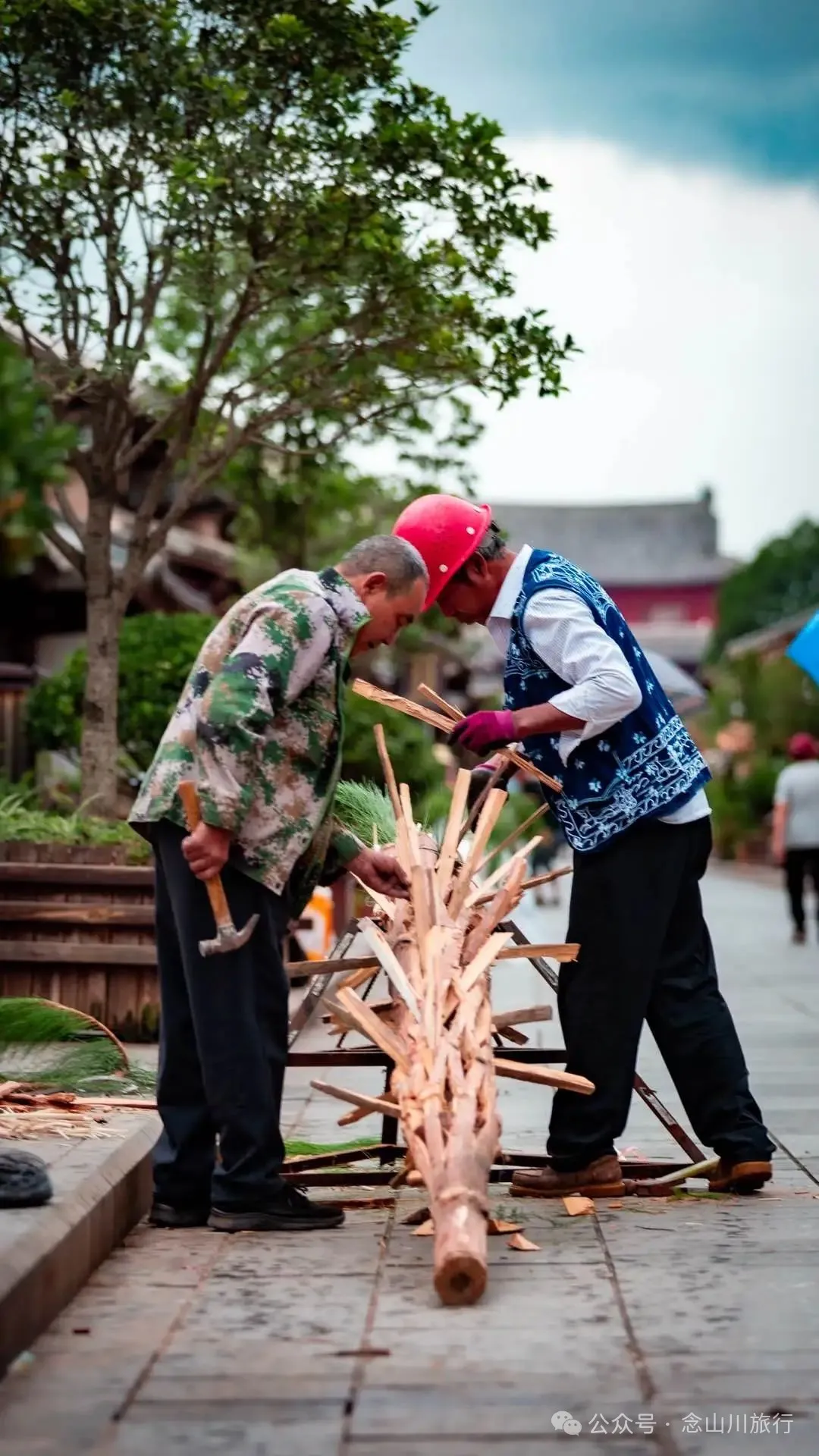
On North Street, torches are placed every few meters along the roadside, their decoration still incomplete. When night falls, they will become stars surrounding the moon, bringing the entire ancient city to a boil.
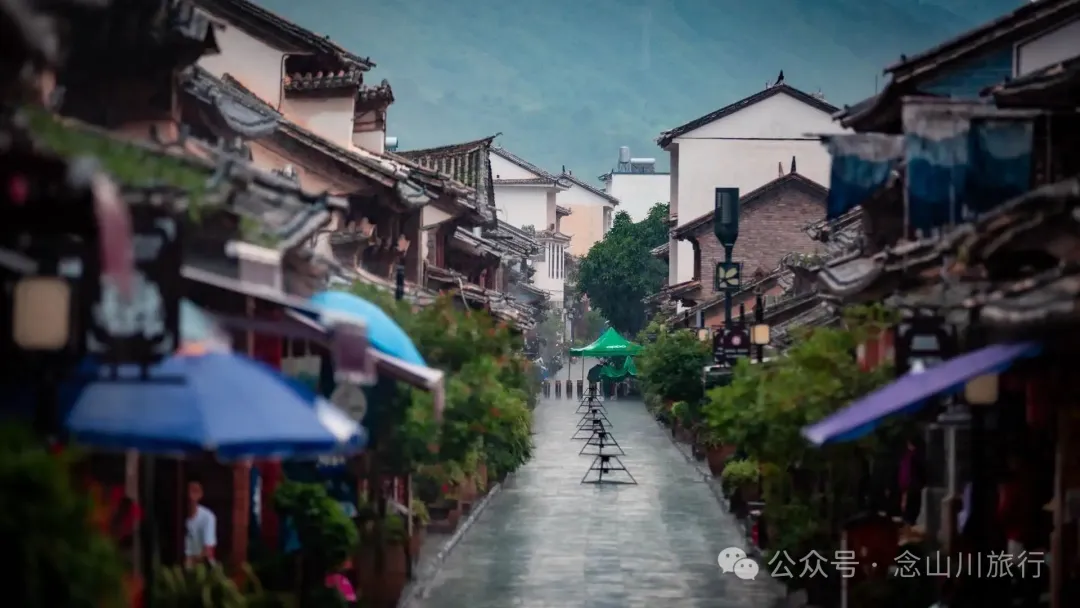
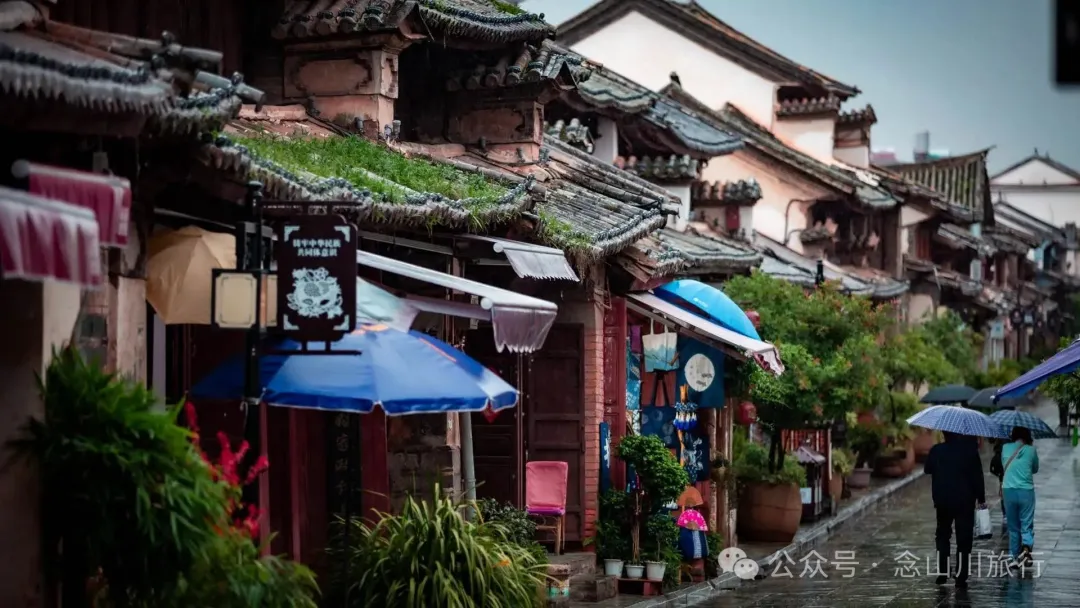
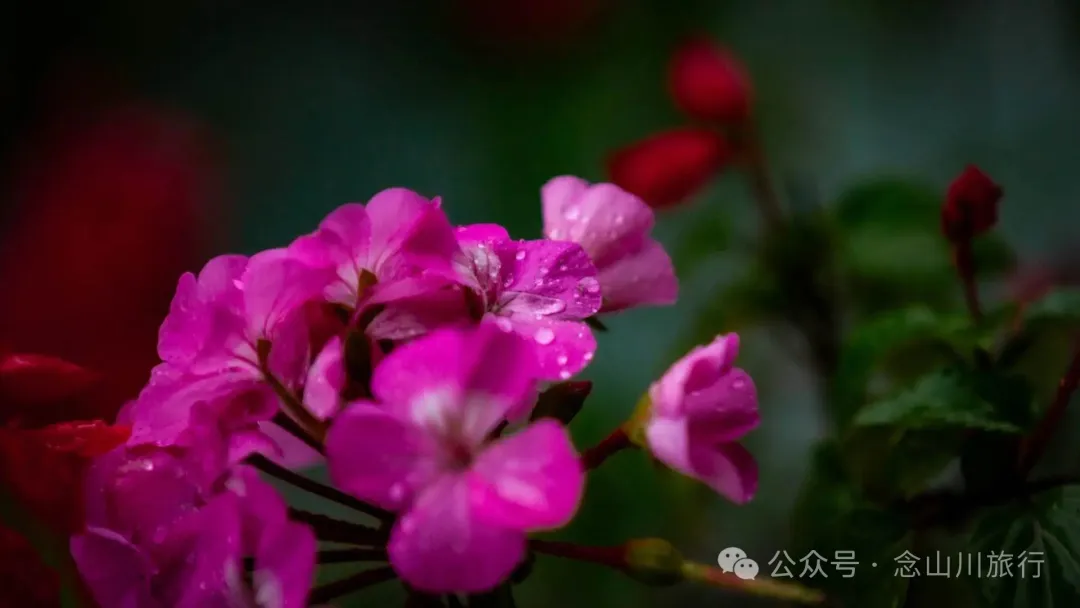
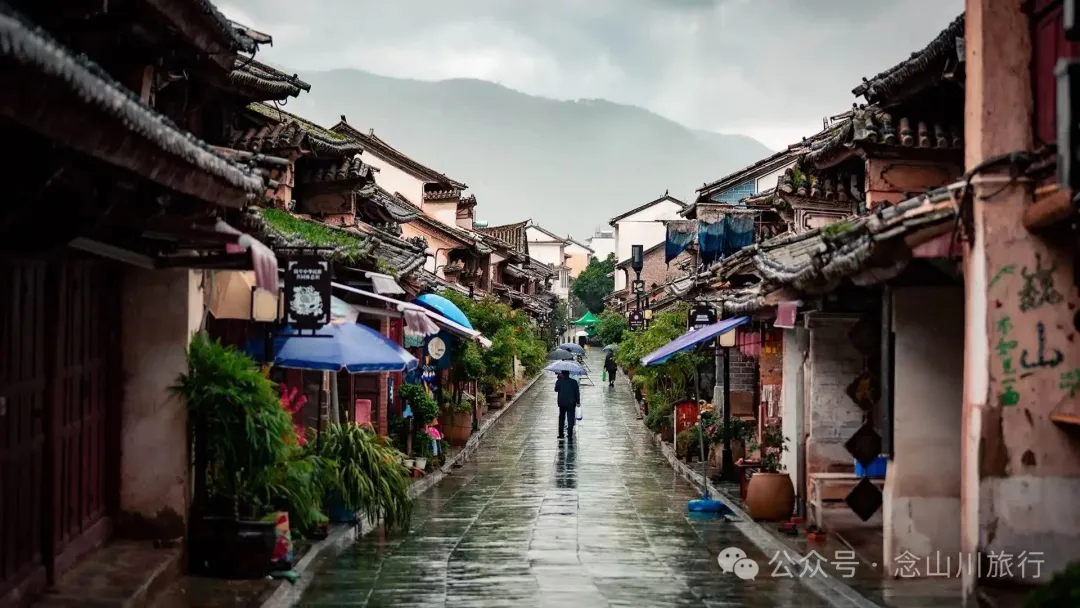
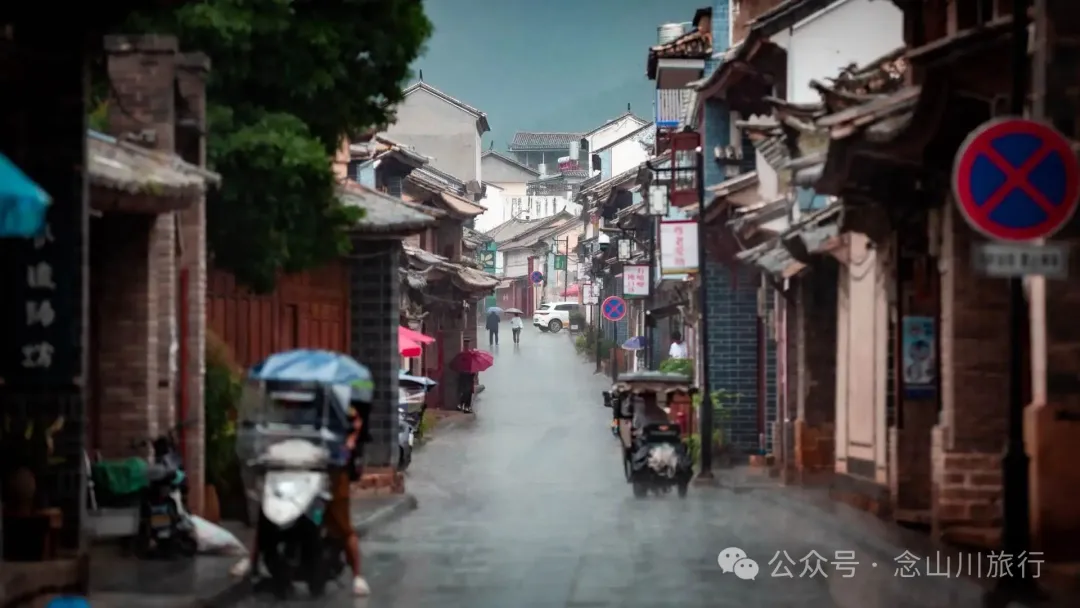
When I first entered Weishan Ancient City ten years ago, South Street was our favorite. At that time, not only were there few tourists, but there were also few shops along the street—mostly residential areas for locals, with only a handful of stores. The wooden flower beds on both sides were planted with geraniums that bloom all year round, quietly blossoming. Today, South Street is much livelier with more shops, but compared to other streets in the ancient city, it remains the quietest. The old buildings on both sides have hardly changed, maintaining their rustic charm, allowing one to glimpse the peaceful years of the past.
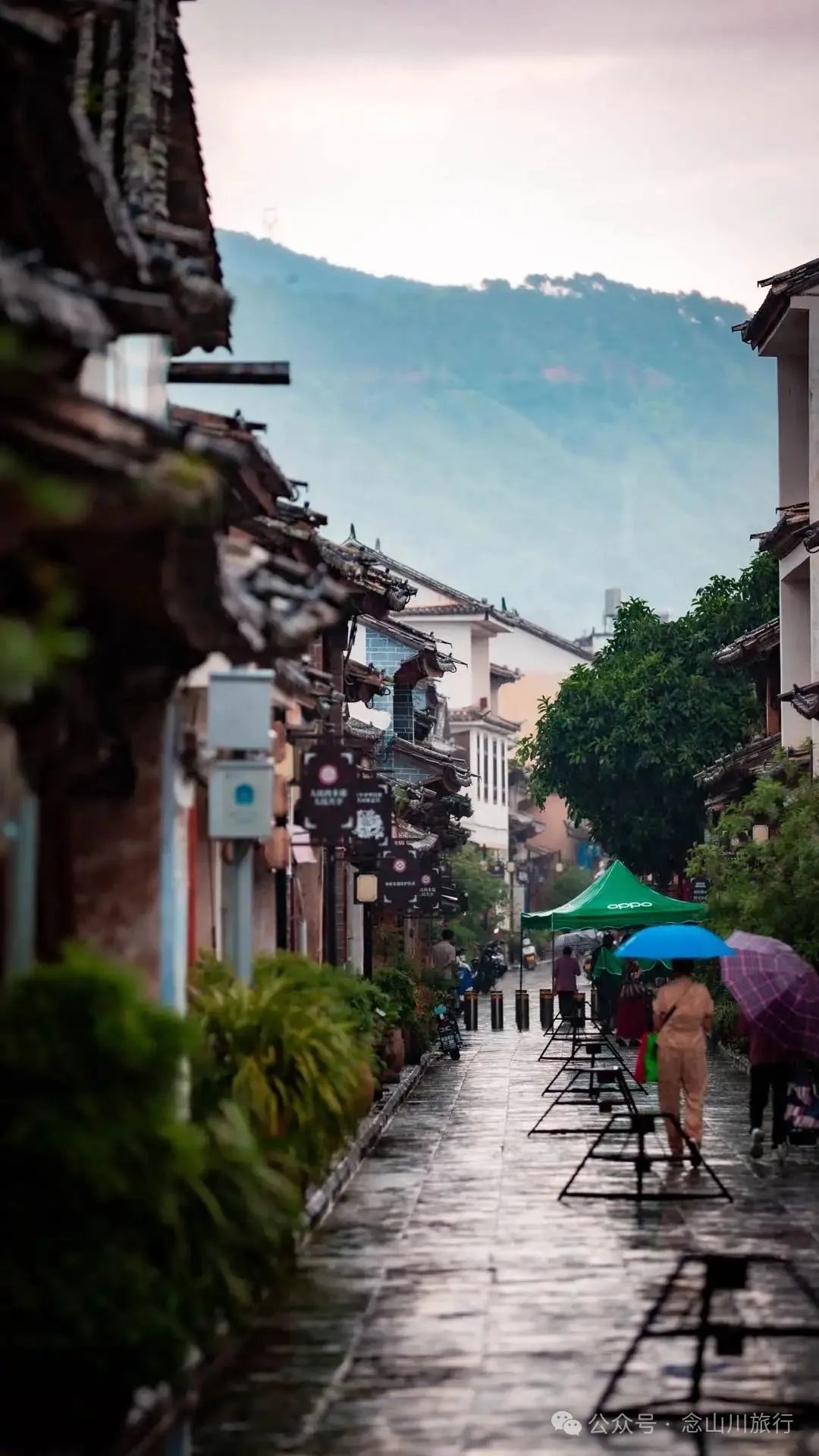
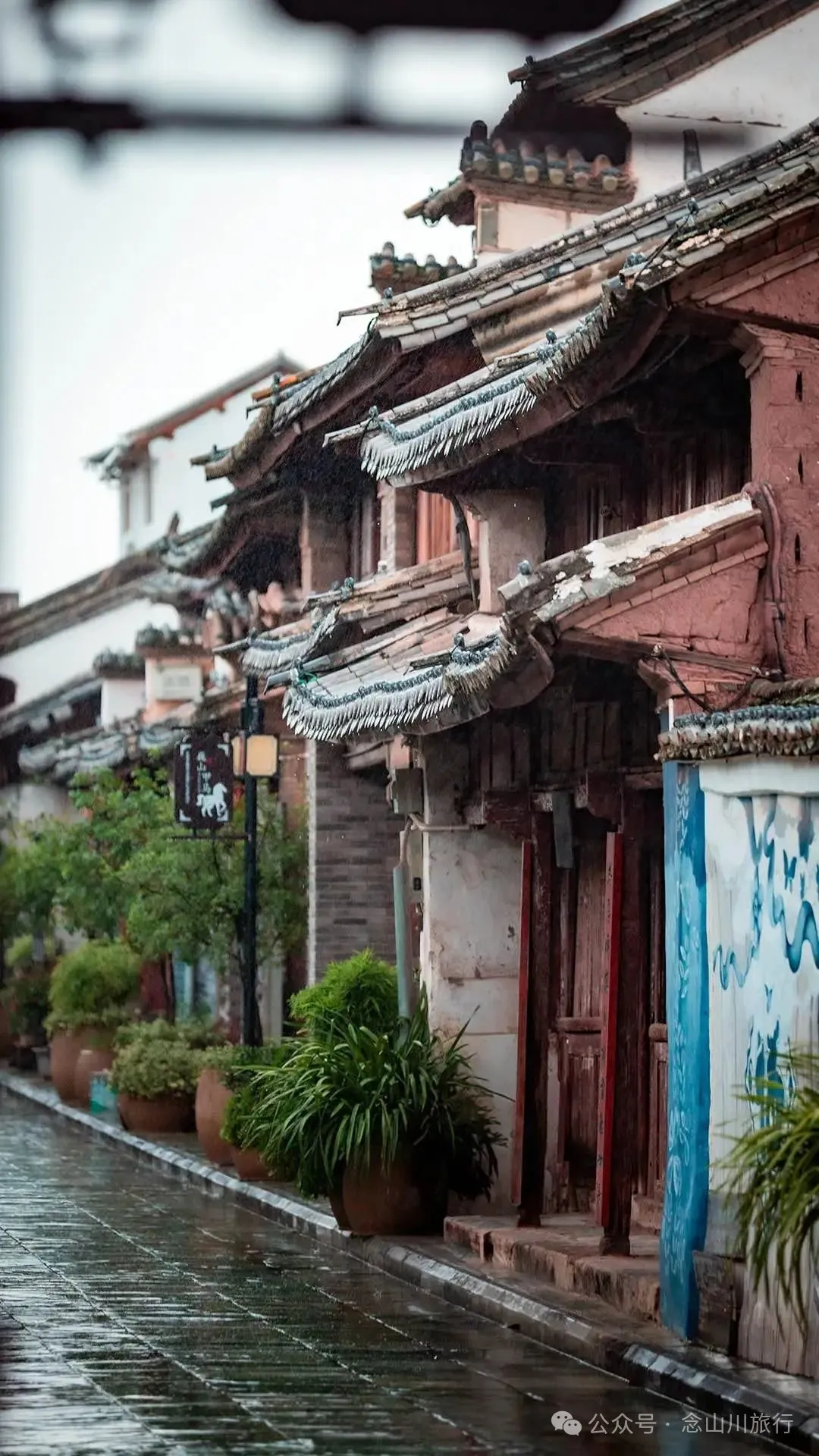
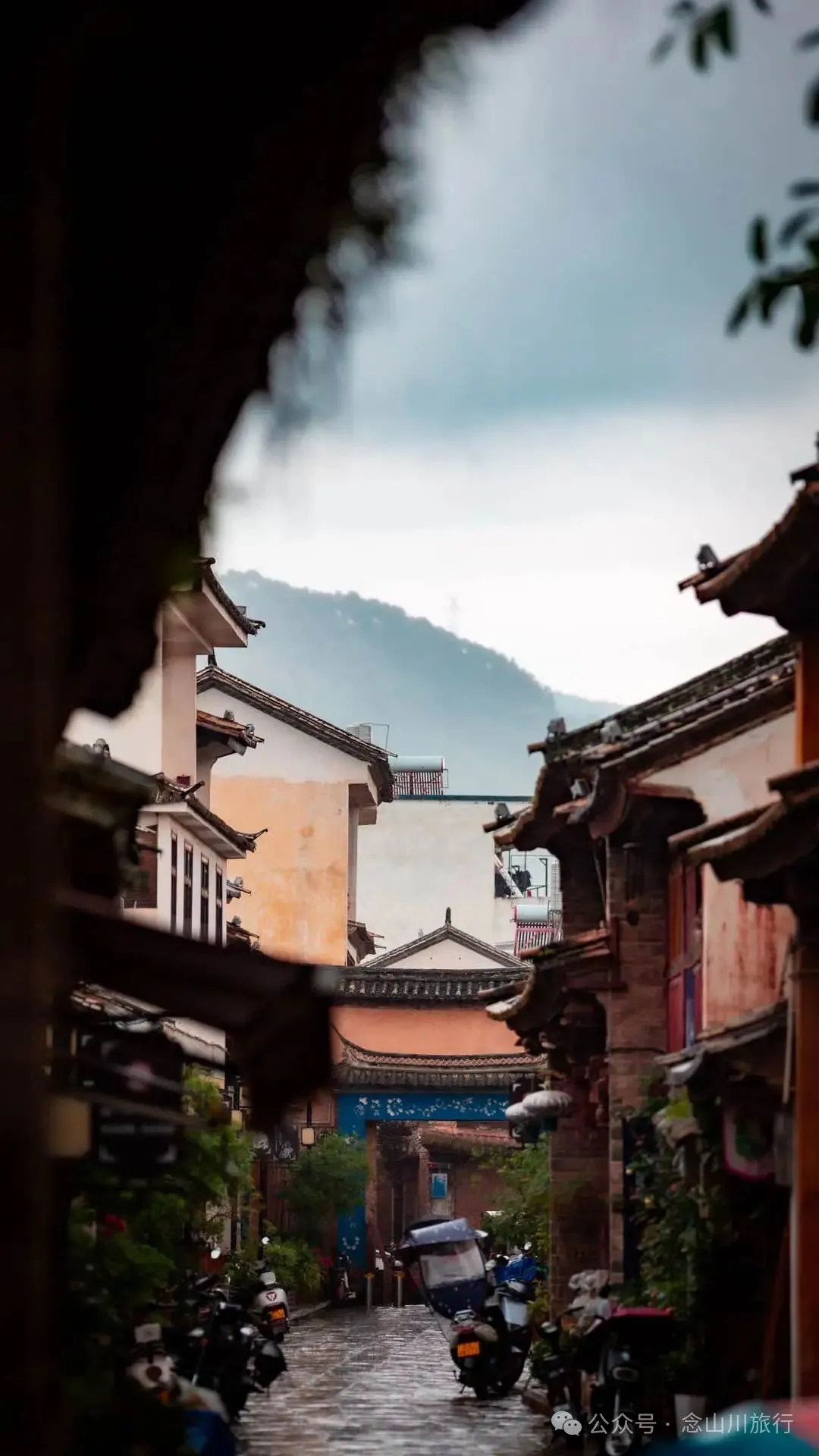
The low, old buildings with upturned eaves on South Street stand quietly amidst occasional pedestrians, telling stories of ordinary life filled with the warmth of daily existence. Bakeries, noodle shops, barbershops, and breakfast joints that have been operating for decades still welcome familiar old customers in sunny or rainy weather. The exchanges between shopkeepers and customers are more like neighborly chats, full of human touch. If you're not in a hurry, take a seat on a long wooden bench by the roadside and listen to their warm greetings—this is the truest melody of life flowing through this land.
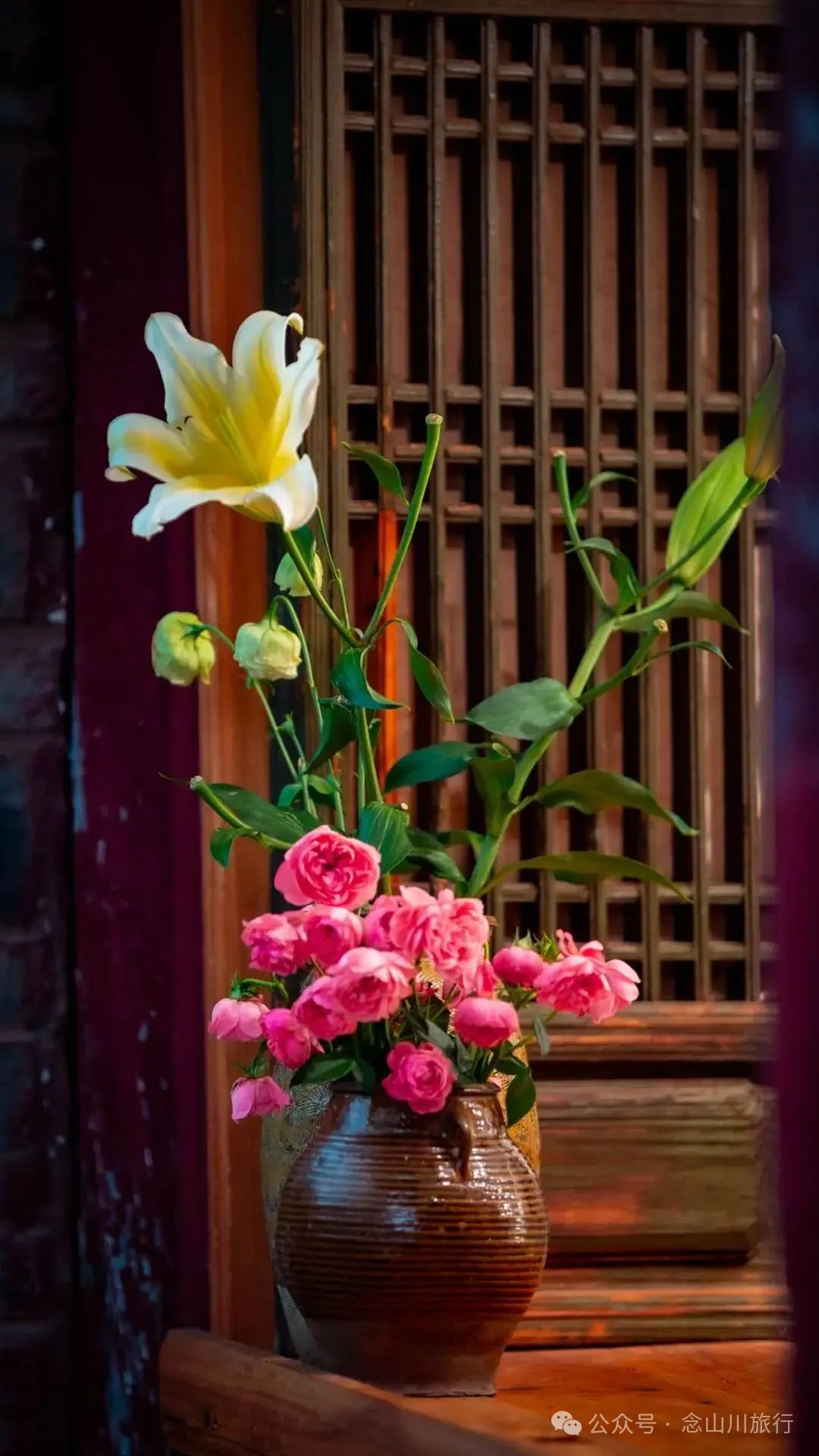
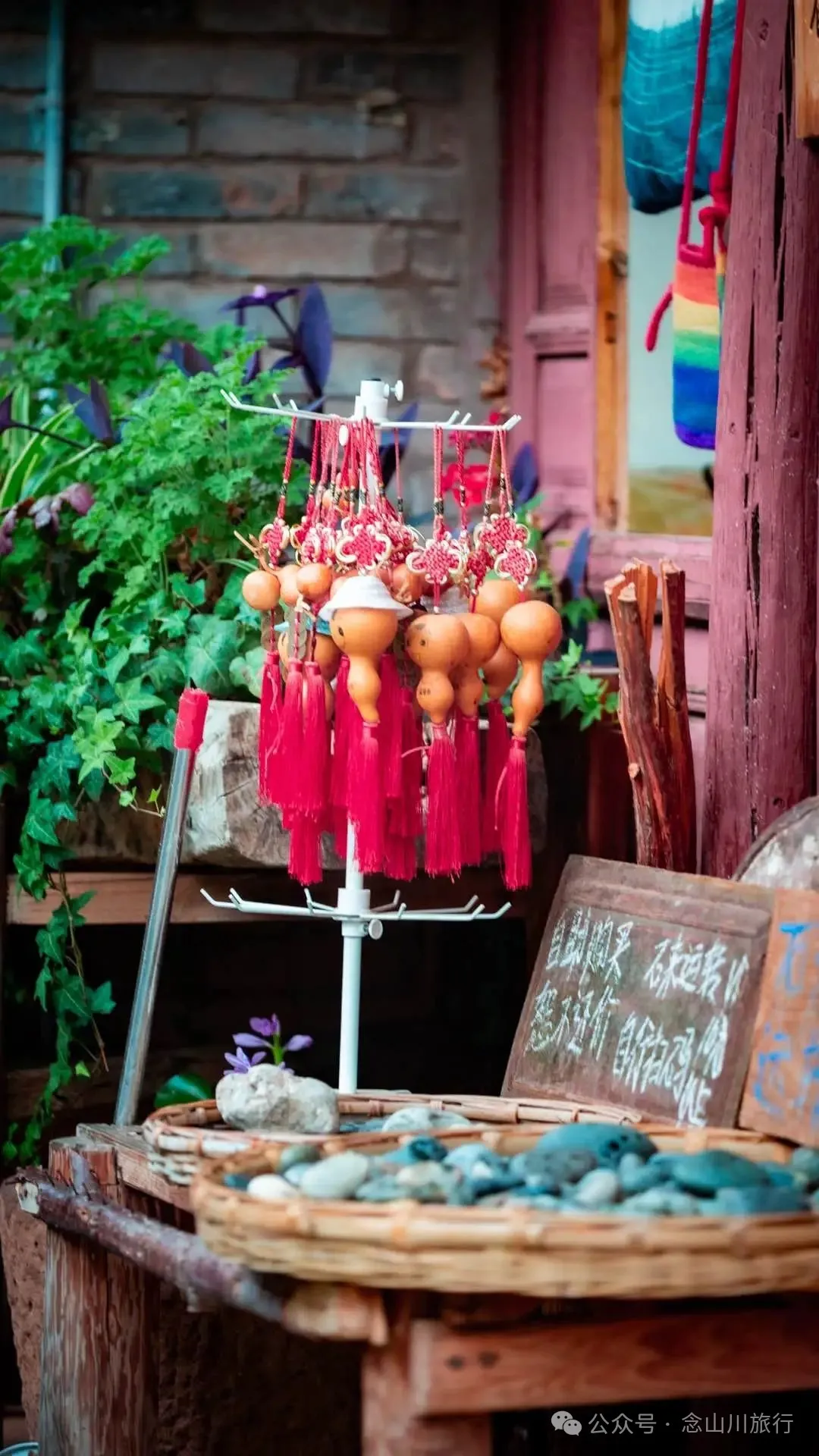
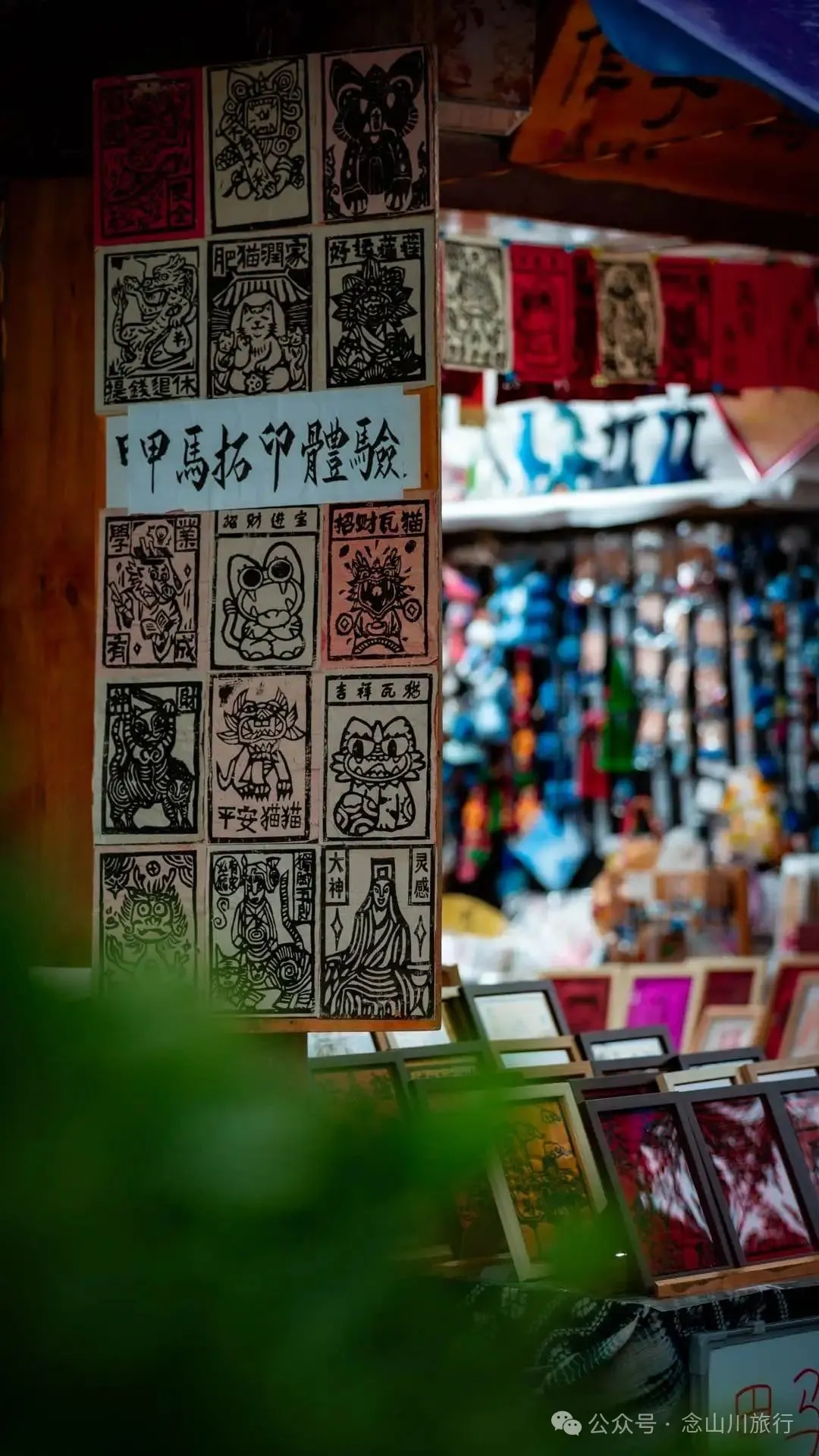
Several creative shops have appeared on South Street, opening early to welcome visitors from all directions.
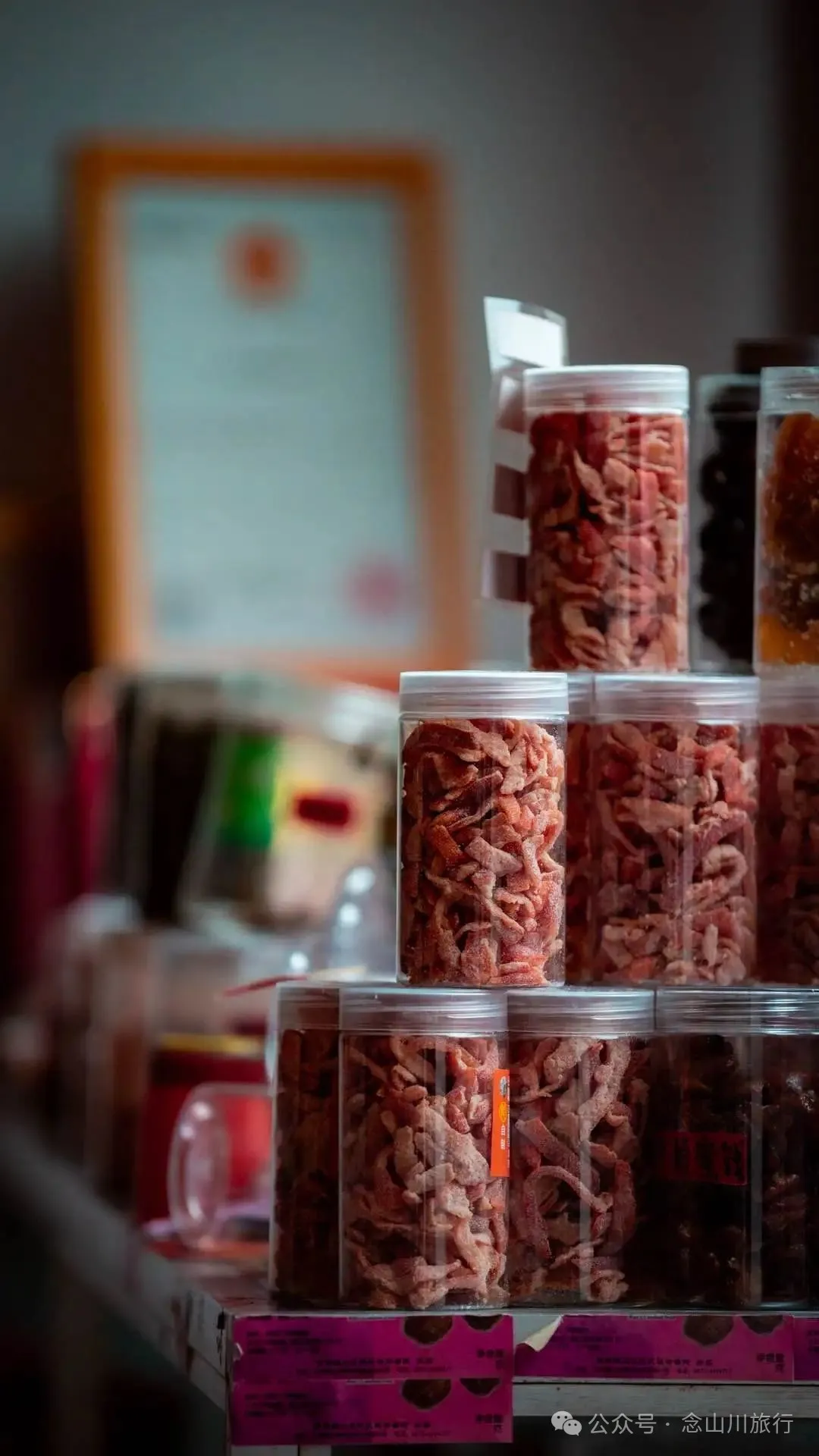
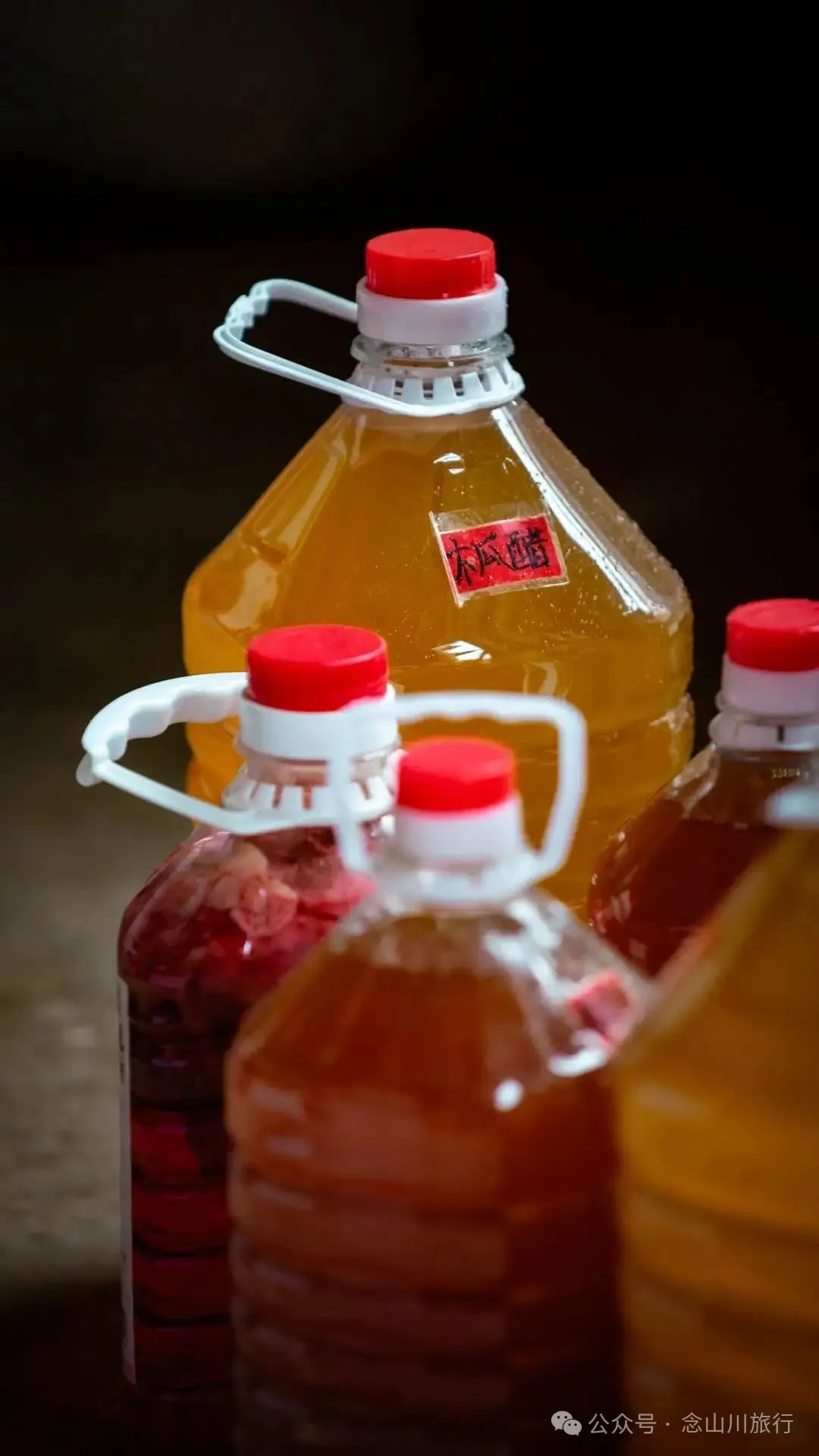
A heavy rain disrupted people's busy pace, and we took shelter at Rao's Preserved Fruit shop at the entrance of the snack street. We've known the hostess for years; she had already picked out two easy-to-light torches for us. Seeing the heavy rain, she warmly insisted we stay, brewed tea, and chatted with us about our lives.