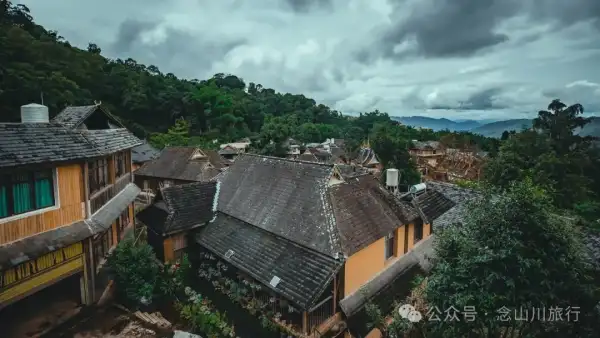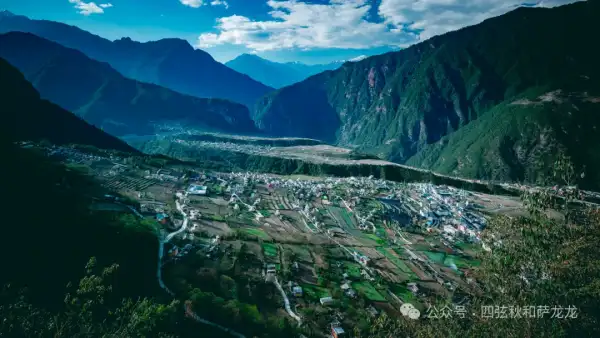

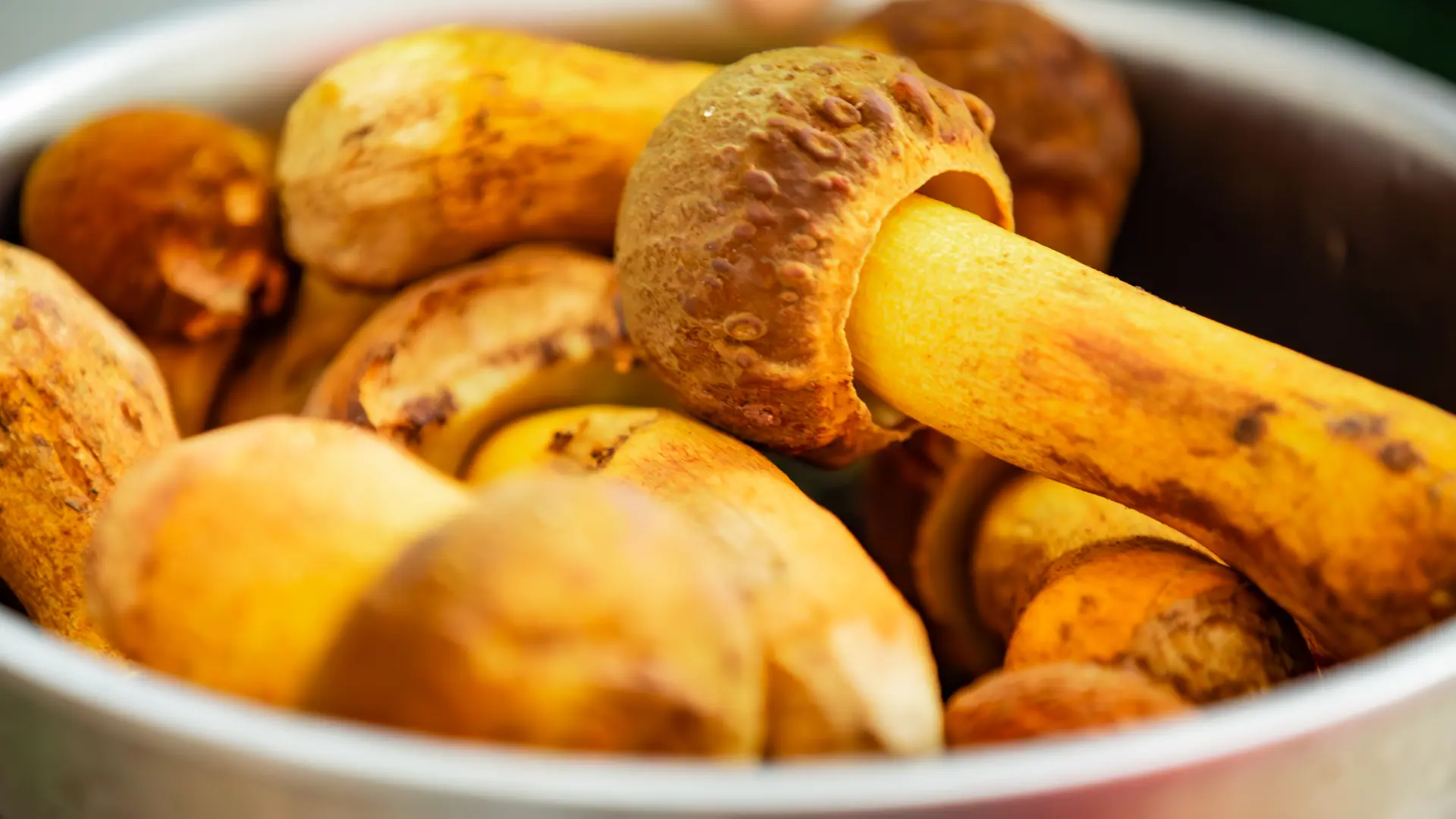
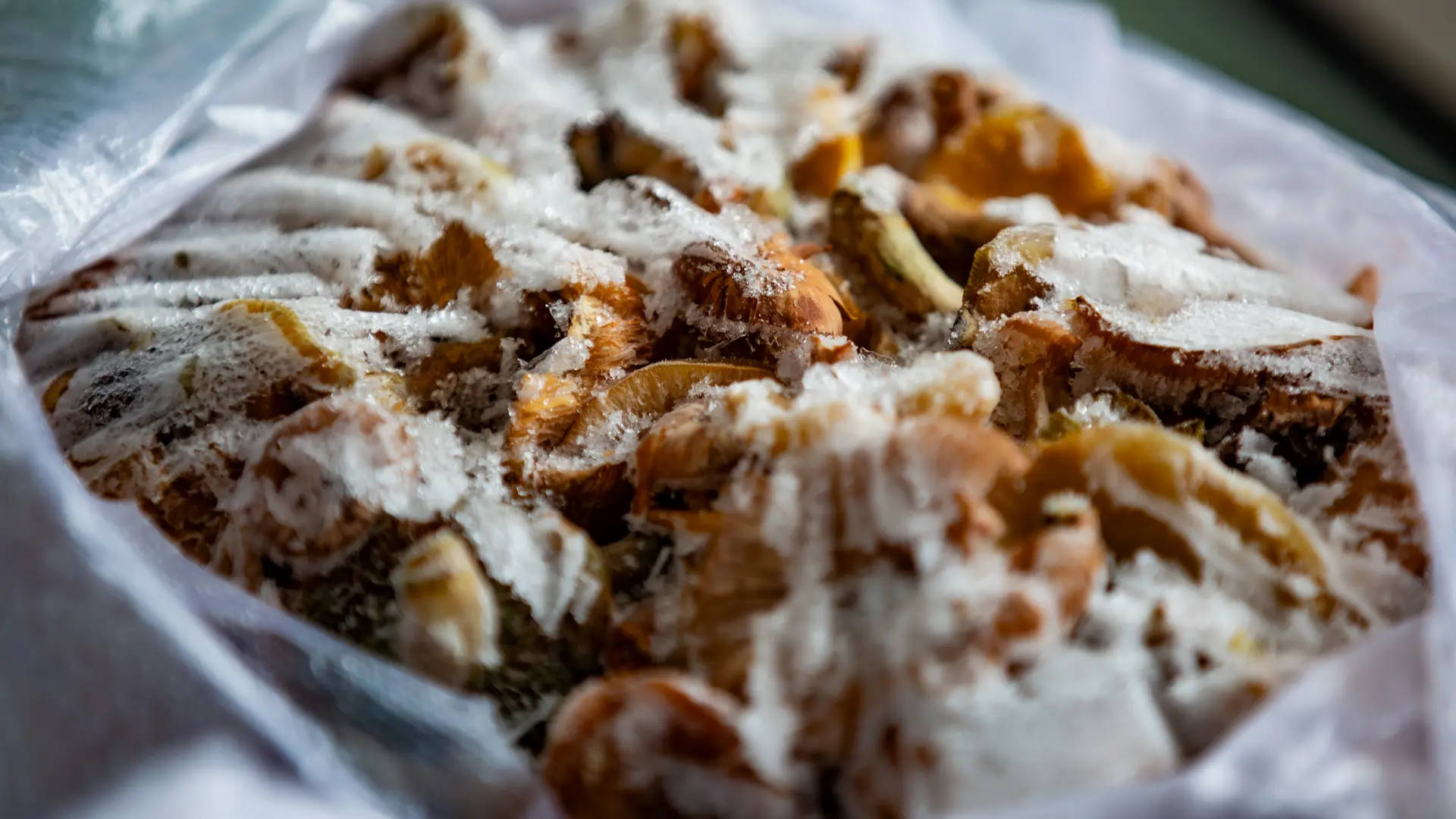
A year later, we returned to Daheli Village, once again to attend a more grand and lively wild mushroom feast. A few days earlier, we met Sister Hong at a dinner party, and she warmly invited us to her home the next day to eat wild mushrooms. "These days, I go up the mountain every day to pick mushrooms. Even on a slow day, I get five or six jin, and I freeze them all in the fridge, just waiting for you to come and eat," Sister Hong said. She is extremely hospitable and sociable; although she lives in the countryside year-round, she has many friends. She said that since she invited us, she had to notify many friends and neighbors in the village to join us for the mushroom feast, so everyone could have a good time. So, this was truly a feast in the name of wild mushrooms. It was also the first wild mushroom feast we had attended in over ten years of living in Dali, and we felt greatly honored.
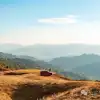
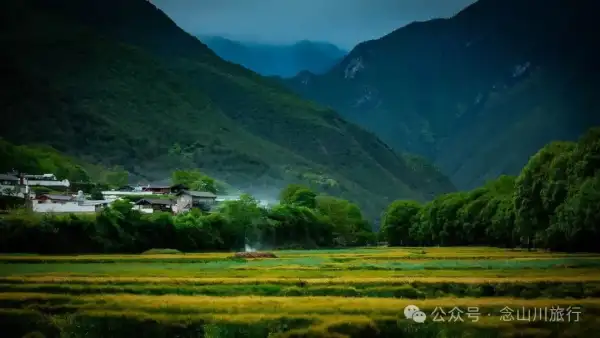
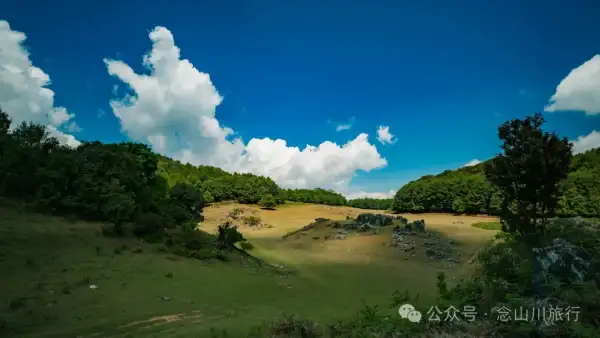
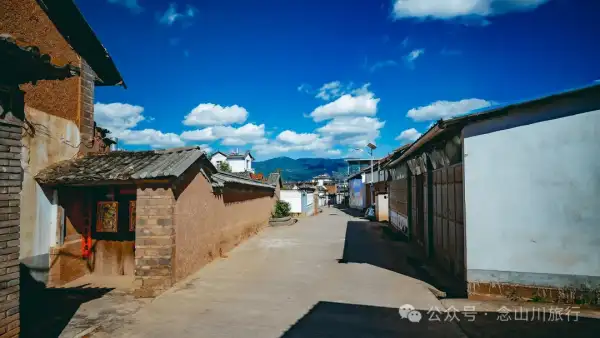
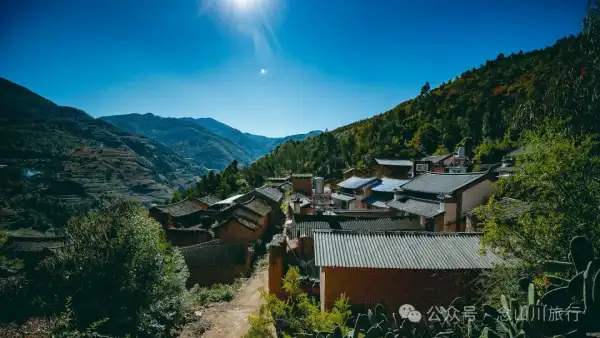
Daheli Village on a sunny day and on a rainy day are two completely different worlds, even in the same summer. On a sunny day, we walked along a winding road stretching through the fields. On one side of the road was an undulating highland, and the breeze effortlessly climbed up from the other side of the highland, brushed past us, and lightly ran down to the low valley. Looking against the wind, we couldn't see the ground; rows of sturdy corn held up the horizon, its lines still gentle and soft, not irregular, without messy sharp angles or jagged edges. Pure white clouds moved slowly behind the broad corn leaves, drifting northward, dazzlingly bright where the sun shone directly, a very serious white. The blue sky receded far into the distance, a clarity only seen after a heavy rain, when the sky and clouds are so distinctly separated. The low valley on the other side of the road was another field, also corn and tobacco fields. Villages clustered in the deepest valley or scattered on the lush green opposite slopes. When sunlight pierced through the drifting clouds and shone on the villages, our hearts were moved. Whether white or earthen walls, the fact that they were built in the mountains was itself a comfort and solace.
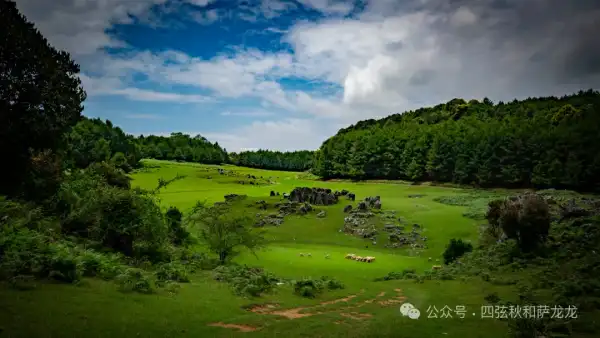
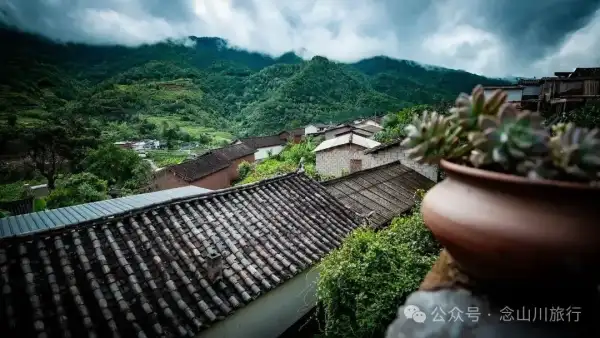
On a rainy day, the gloomy mountains shrouded in low, heavy clouds became everything in this world. We ignored all life along the way, couldn't see the undulating corn and tobacco fields, and didn't care which direction the wind blew from. Even during the day, the distant villages remained silent, indistinguishable from the surrounding nature, unable to speak. Compared to the heavy sky and earth, the light and lively white clouds in the mountains were much more conspicuous, easily capturing our attention. Those ink-wash-like scenes vividly appeared before us. Under the heavy clouds, on the slopes beneath the dense forests, there surged a brief but joyful carnival world—tiny, damp, dark, a world filled with the unique scent of fungi. Sister Hong always walked into that world first, relying on intuition, effortlessly finding their growing spots. Those wild mushrooms seemed as if she had planted them herself; as soon as she entered that world, they would reveal themselves to her. But she didn't keep the mountain to herself; people always liked to follow her into the mountains, sometimes grabbing the mushrooms that had pushed up from under the pine needles before her. But the next year, she would again be the first to know their whereabouts.
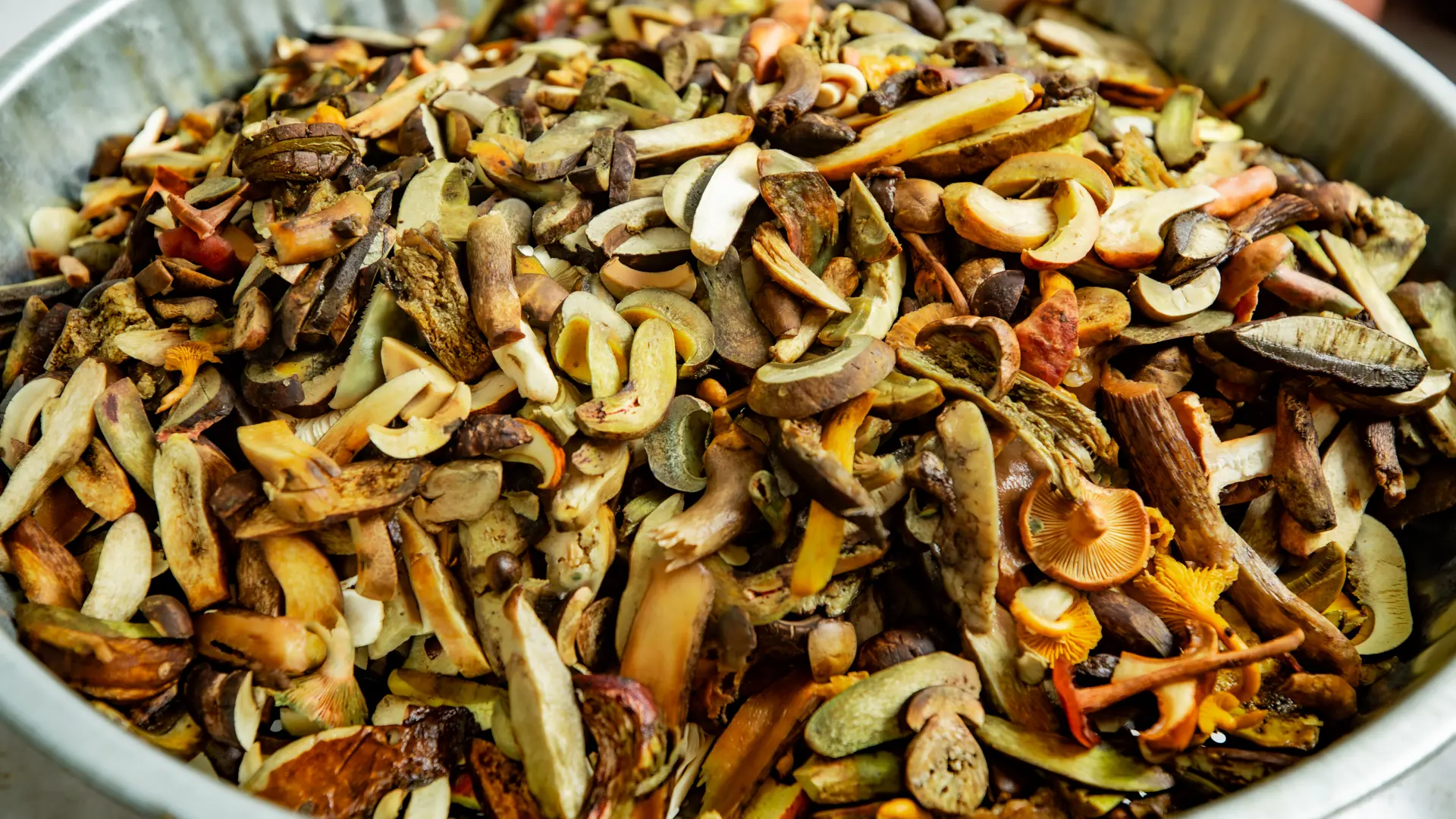
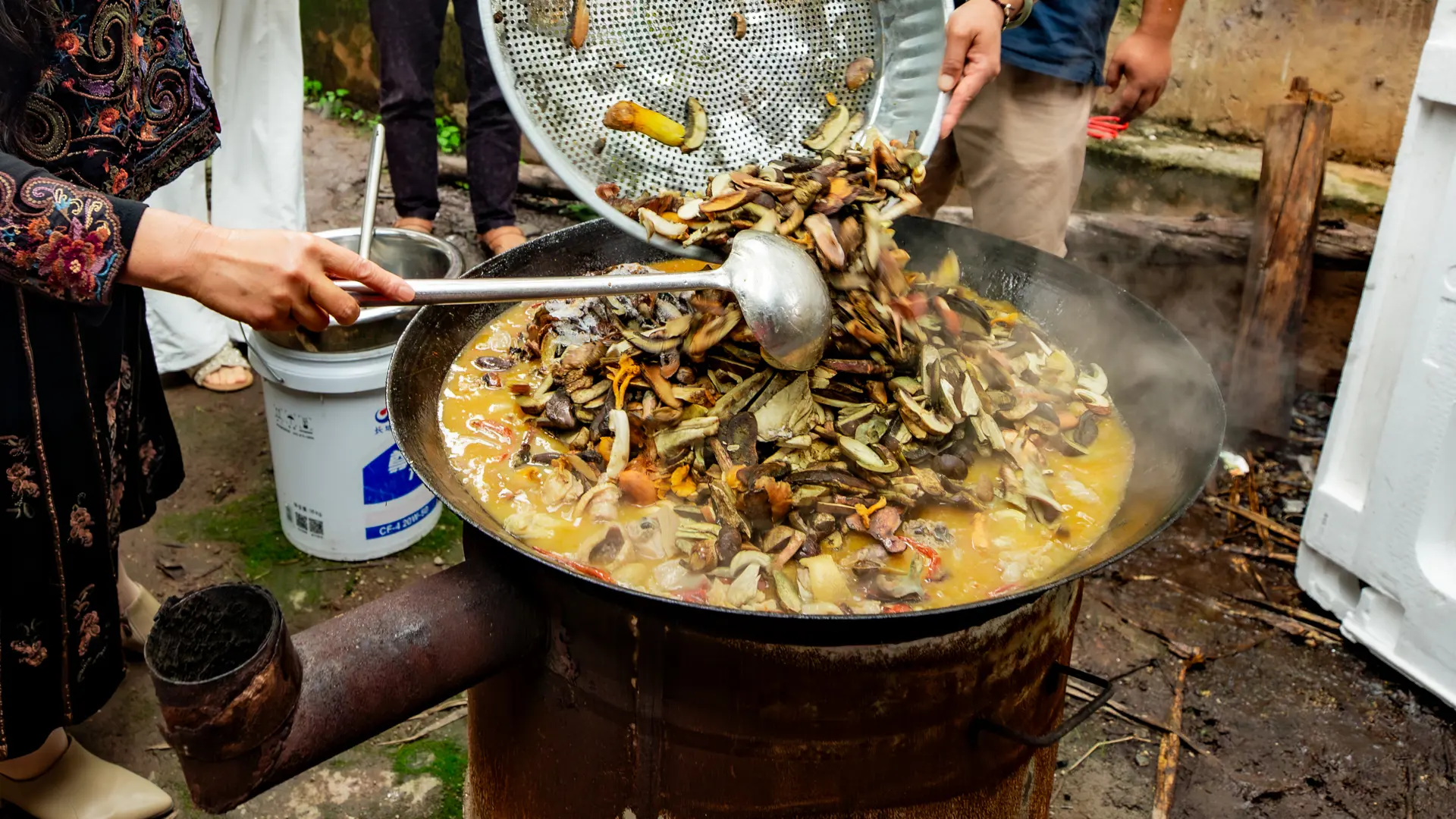
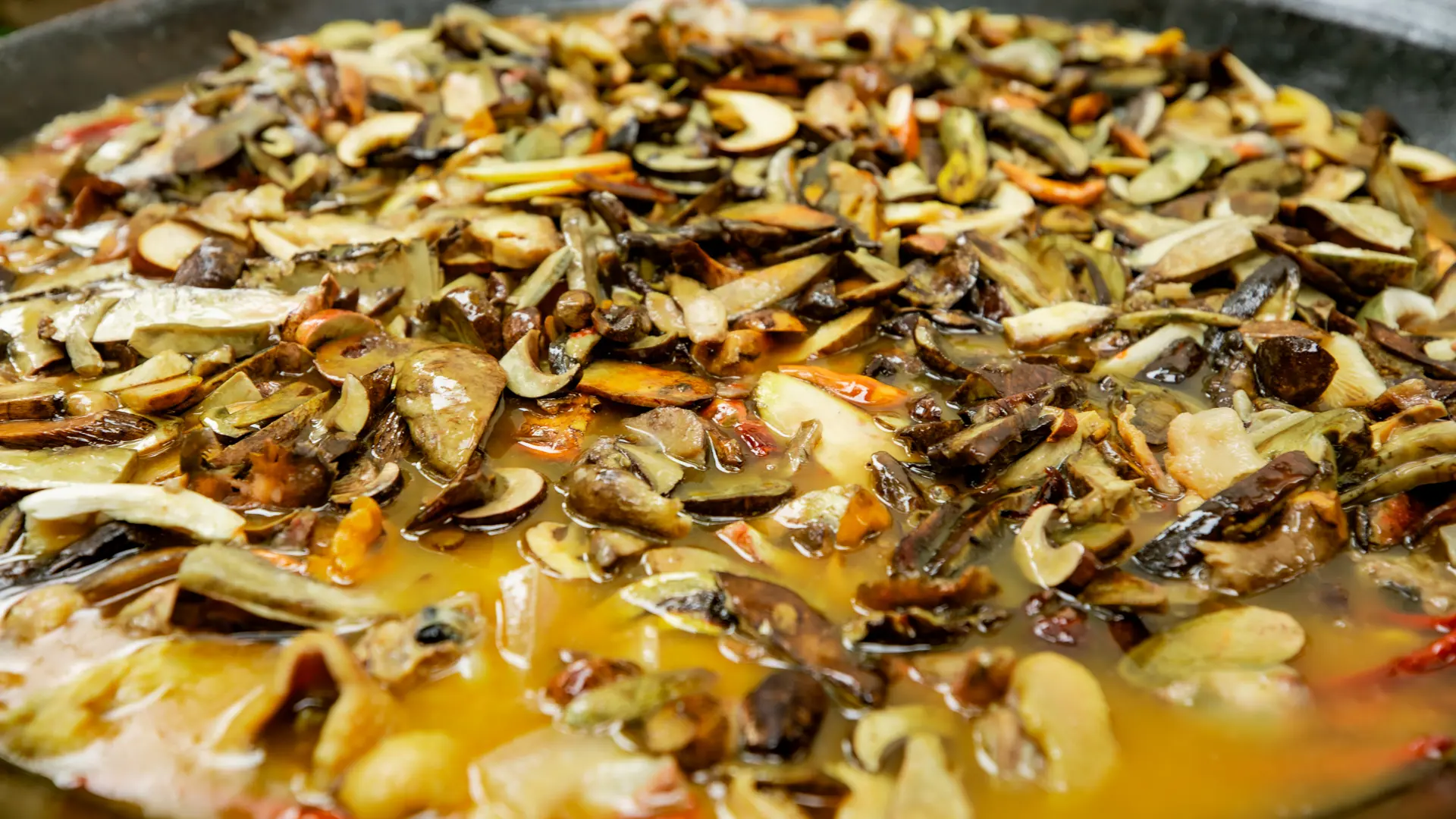
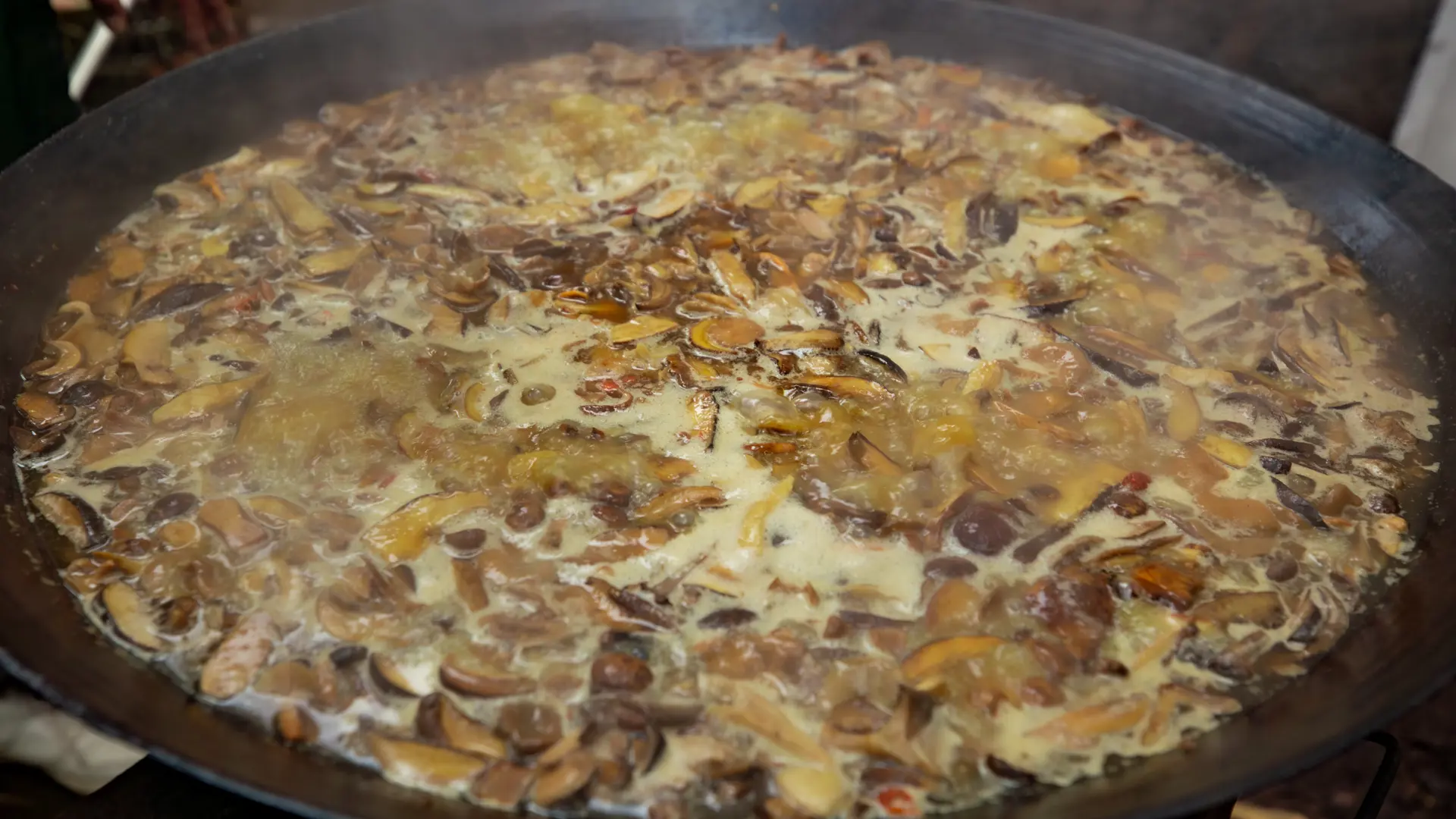
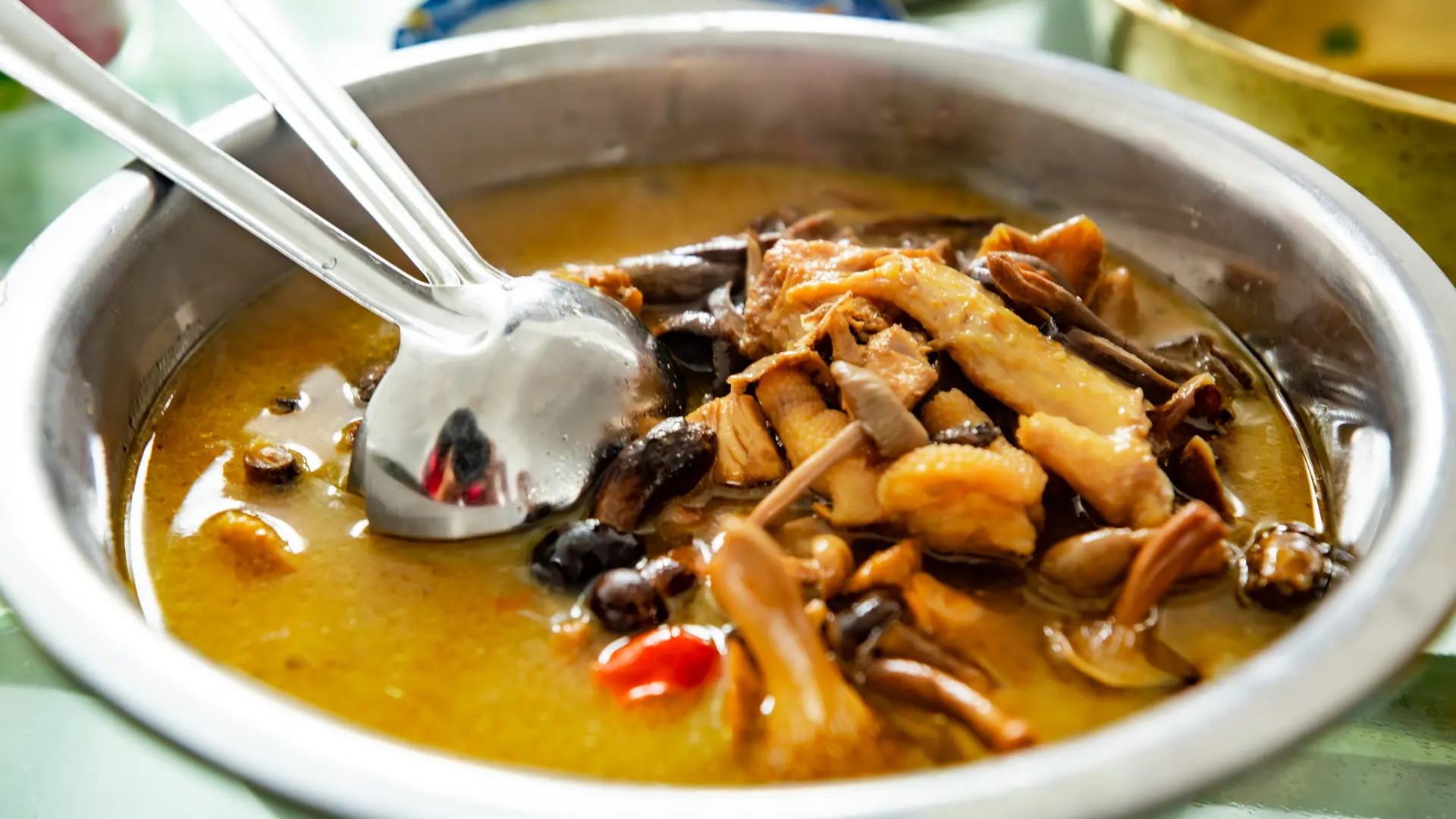
We arrived at Sister Hong's home near dusk. She had already prepared enough wild mushrooms for three or four tables of guests. A large stainless steel basin over a meter in diameter was filled with various fresh mushrooms she had cut up, which she had found in the mountains just yesterday. Still feeling it wasn't enough, she took out three large bags of frozen mushrooms from the fridge. She said there was no need to thaw them; just put the frozen mushrooms directly into the simmering chicken soup pot. This way, the mushrooms wouldn't fall apart when cooked; they would remain whole, with the same tender and smooth texture as freshly picked mushrooms, without any loss of flavor. This was experience she had accumulated over decades of picking. The moment all the wild mushrooms were poured into the large iron pot, the whole yard was filled with a rich mushroom fragrance, as if the essence of the entire mountain had poured into it. Everyone passing by the pot was already steeped in the mountain's essence.
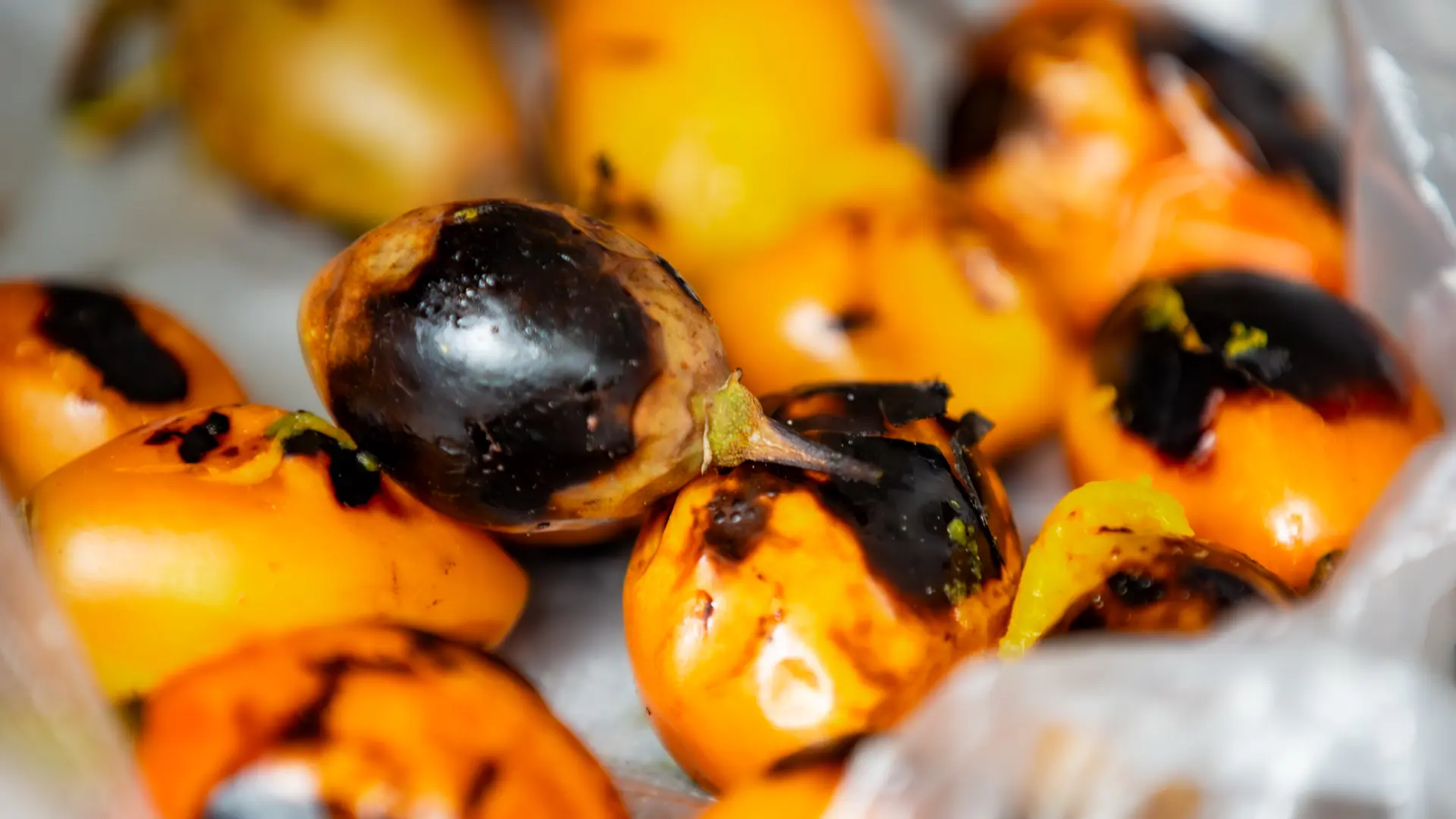
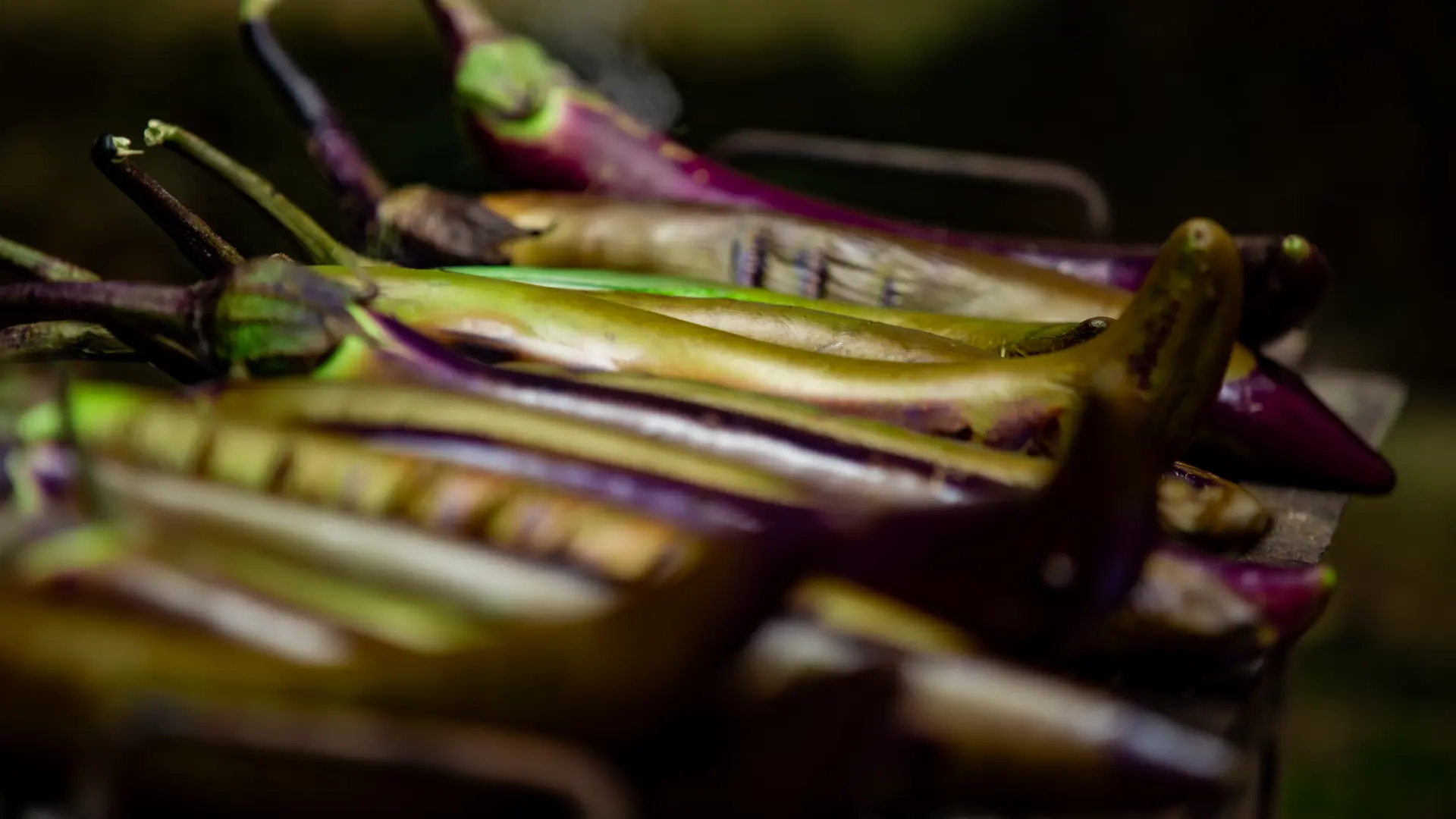
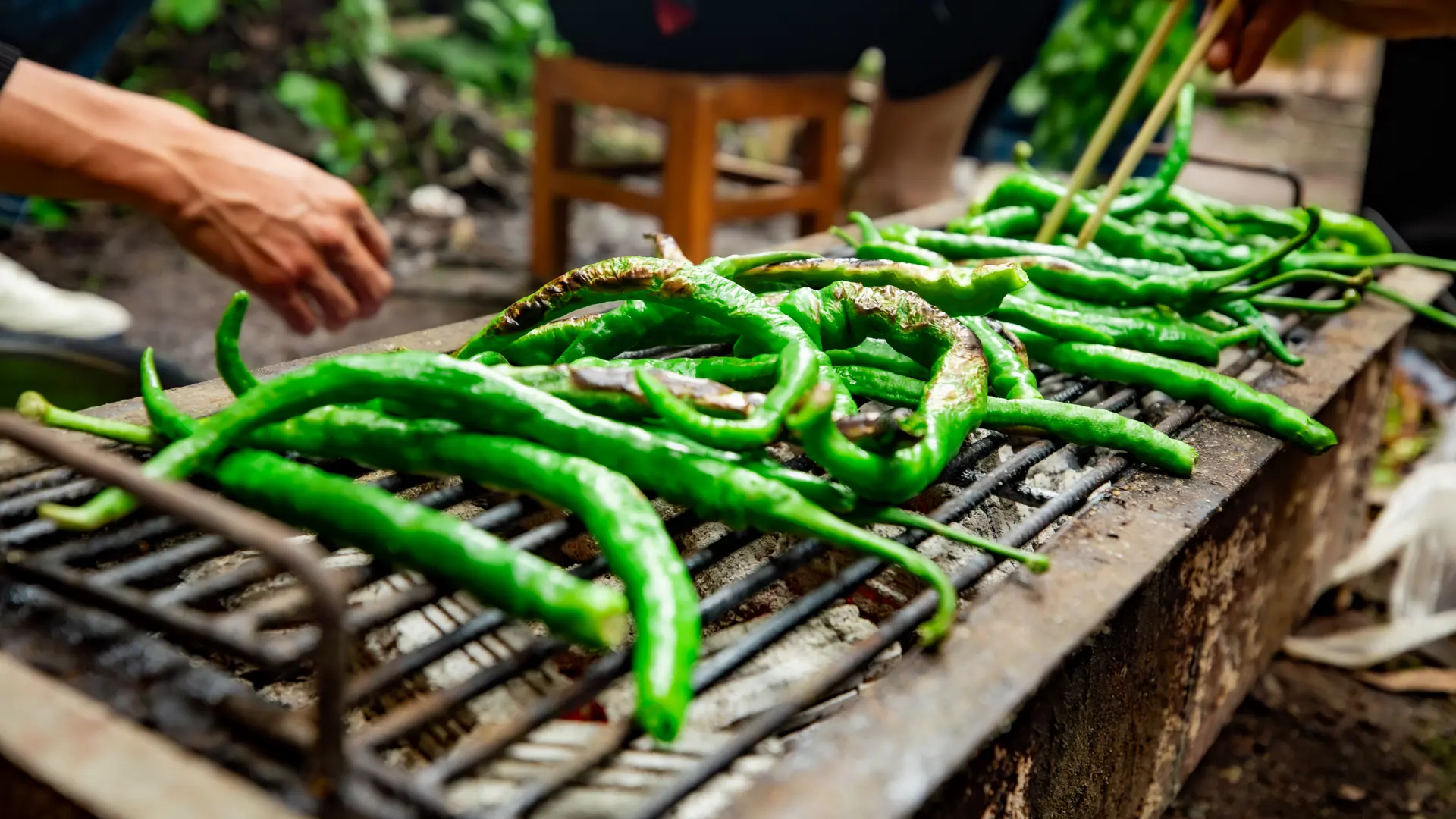
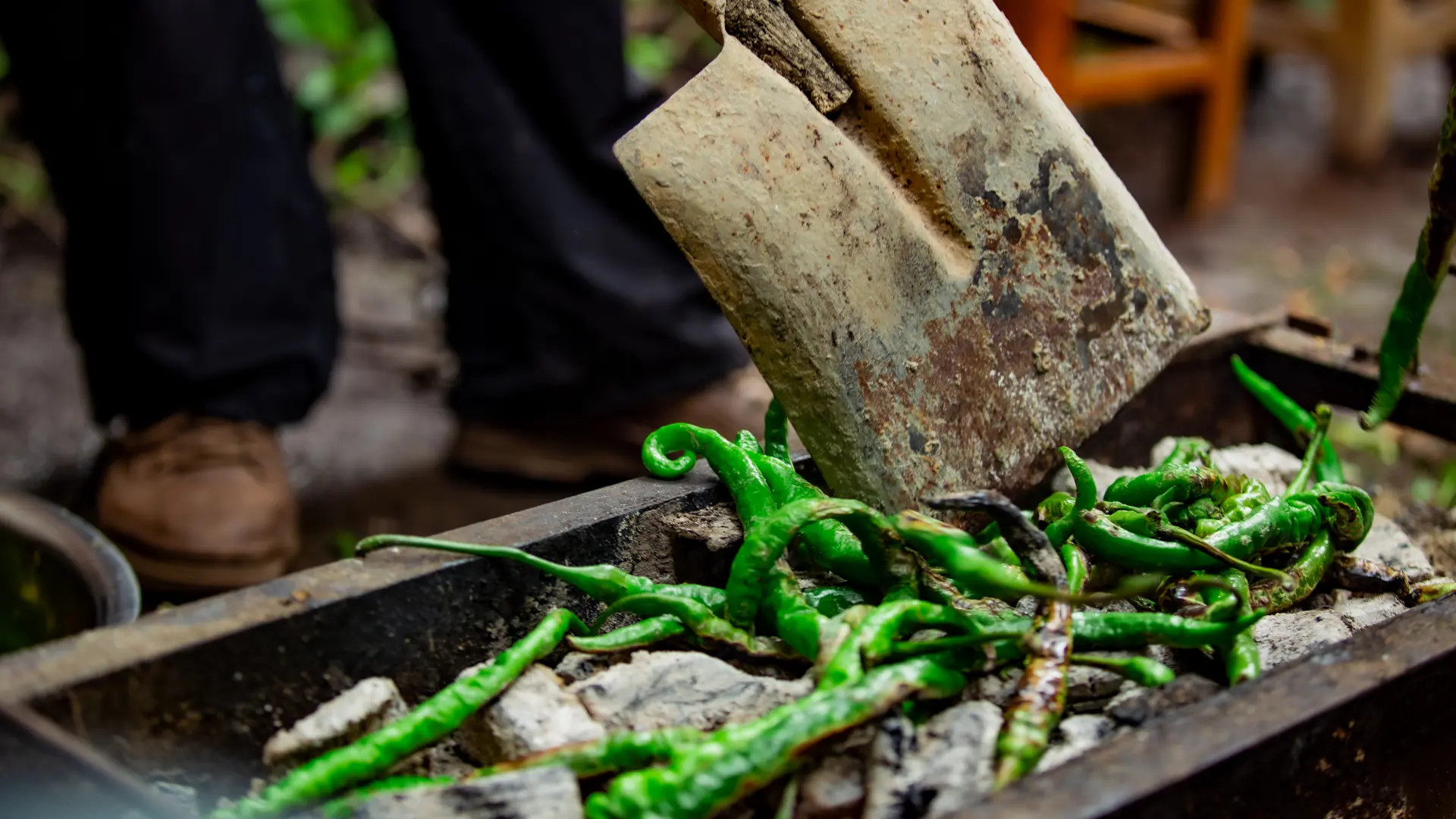
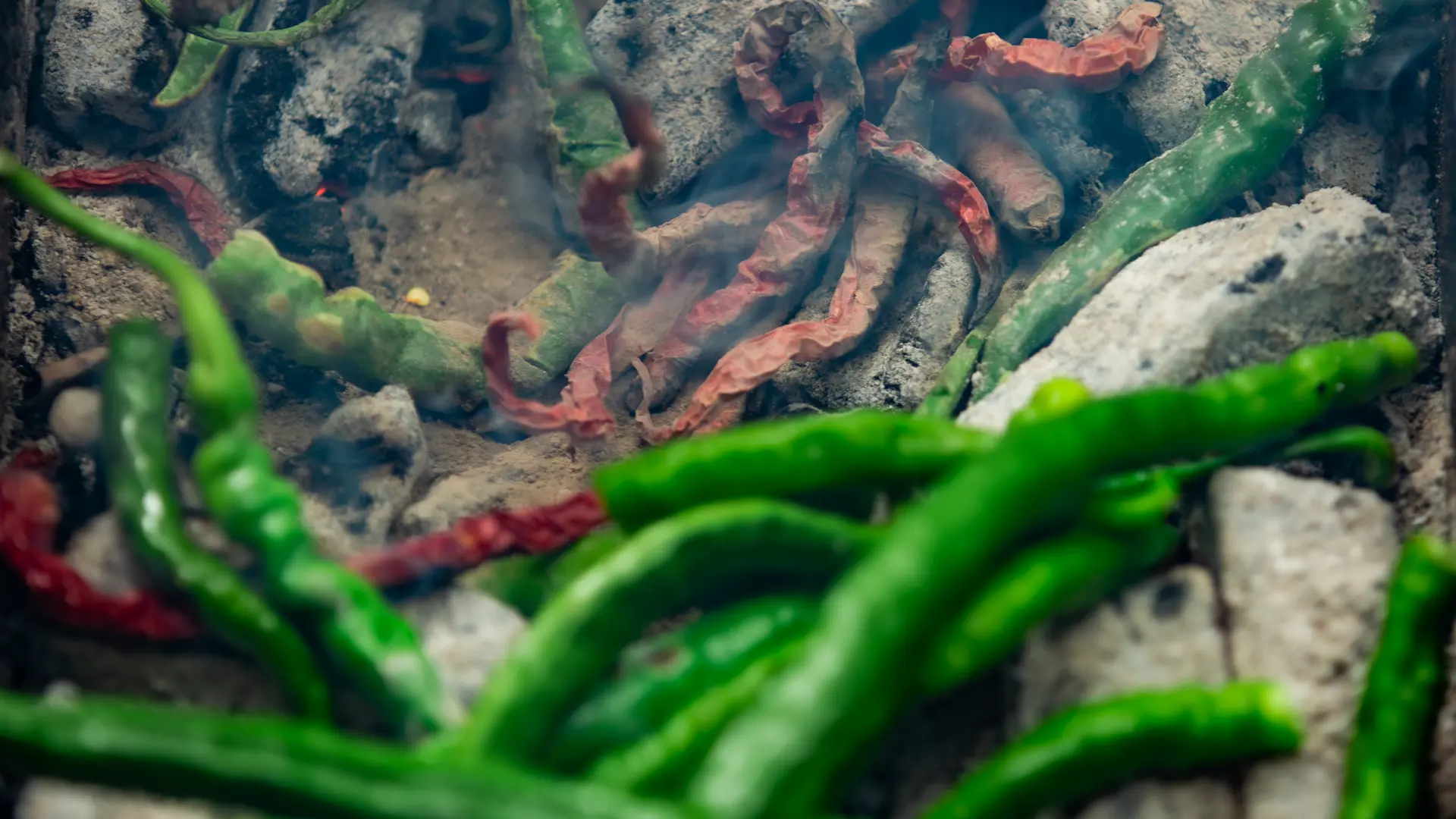
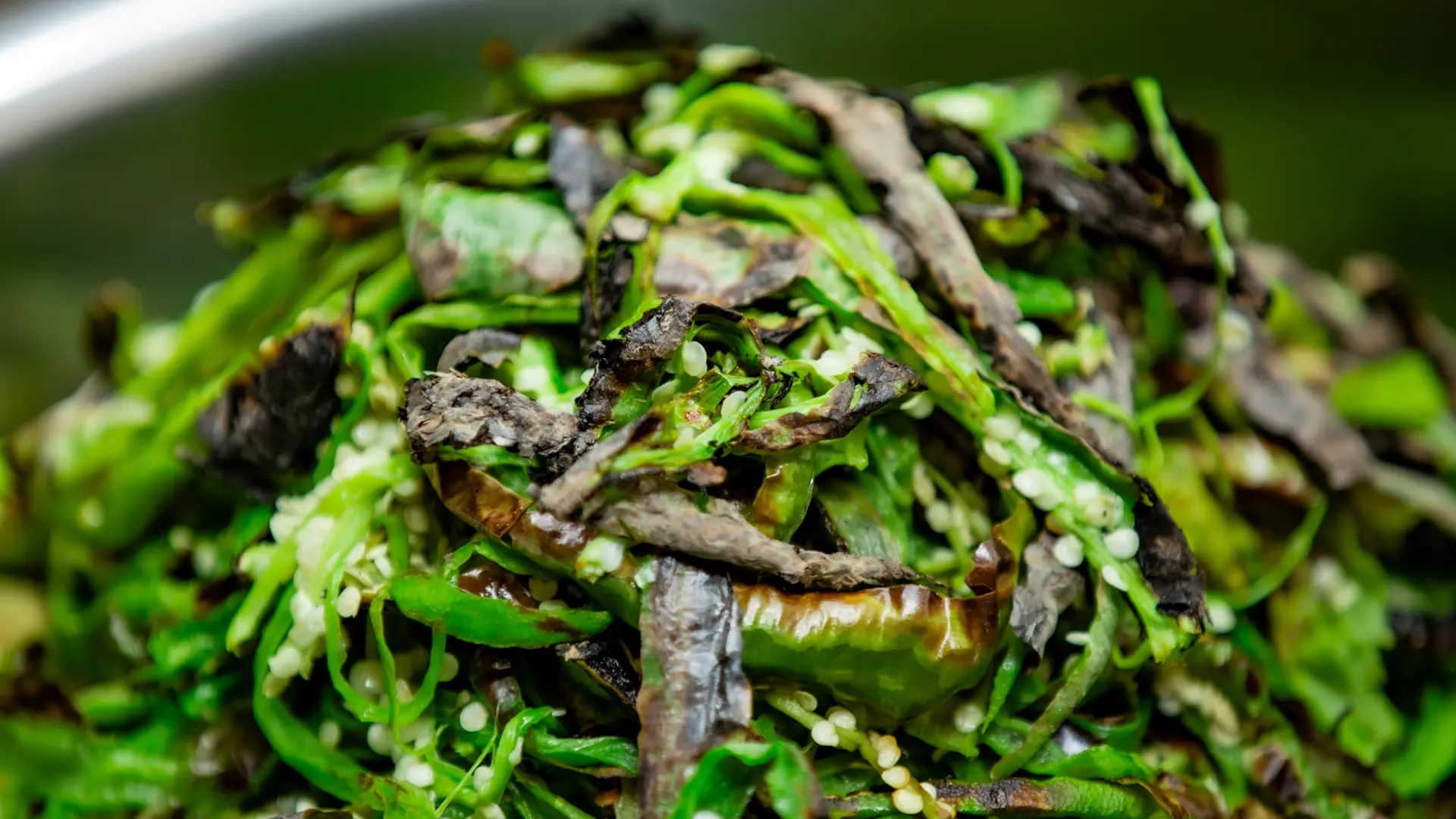
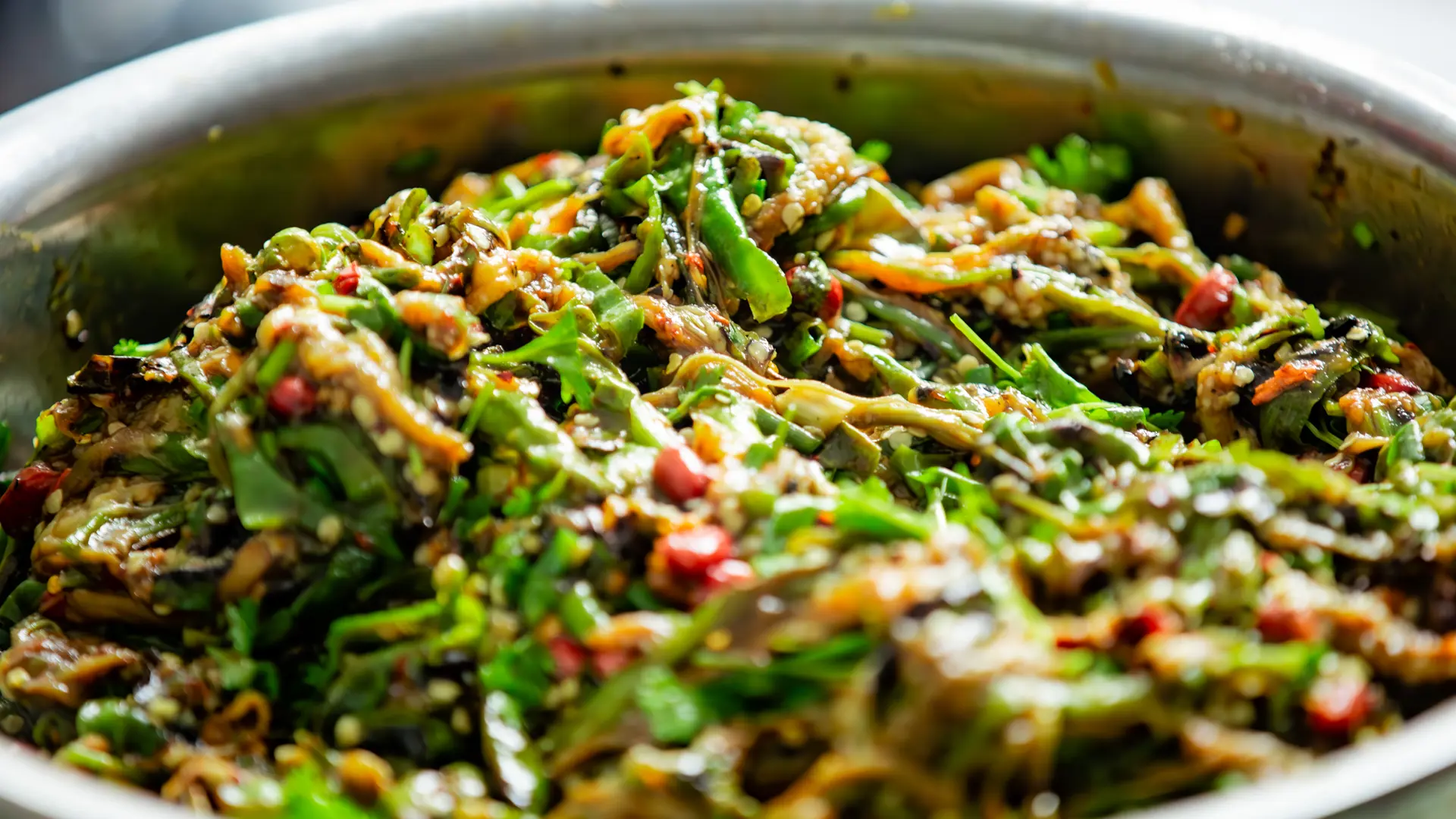
The wild mushroom and free-range chicken soup was already magnificent and dazzling, so no other meat dishes were needed to enhance the feast. But in the damp and cold rainy season, a bit of fire-roasted vegetables was necessary. Homegrown chili peppers, eggplants, and a few sour tree tomatoes were all roasted over charcoal fire and then mixed into a cold dish to go with drinks. Perhaps considering that we were guests from other provinces, at first the eggplants and chili peppers were roasted on an iron rack. But as more local relatives and friends arrived, they found this method too pretentious and couldn't stand it, so they removed the heavy iron rack and placed the chili peppers directly on the charcoal fire, inside the stove where the soup was cooking. Once the skins were charred, they quickly pulled them out, without waiting for them to cool or blowing off the ash from the grass. Even if it burned their hands, they tore them into small strips while still hot, as if any delay would let some essential flavor escape. The onlookers sitting nearby could only participate with their eyes in such a joyful scene, but they could taste the flavors beyond the dish itself before others. Although we didn't live in the village, this wasn't our first time seeing such a scene. Not only did we not mind, but we were actually delighted. Compared to the chemical additives in other foods, the ash from the grass could even be considered a rare seasoning for us.
When all the guests had arrived, basins of wild mushroom and chicken soup were brought to the table. Everyone, adults and children alike, first ladled themselves a bowl of the aromatic soup, as if it were a procedure to activate their stomachs, before starting to eat other things and engaging in lively drinking and boasting. They liked to call casual conversation "boasting," but there were actually no real boasters, except for one or two chatterboxes who had a few extra drinks. The wine didn't have to be expensive; small-still corn wine was very popular, gentle on the stomach and not causing headaches. They knew where to get this mellow, sweet aftertaste homemade wine.