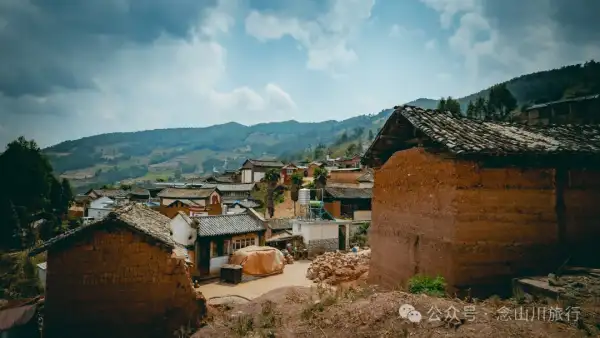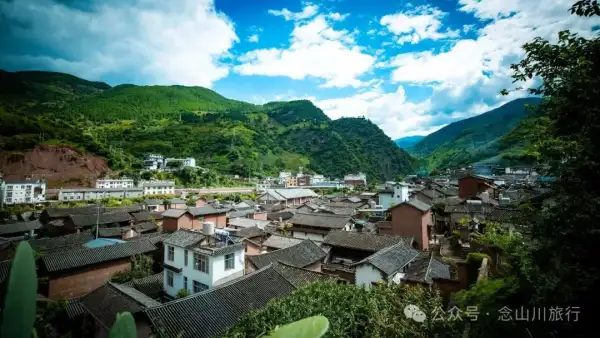

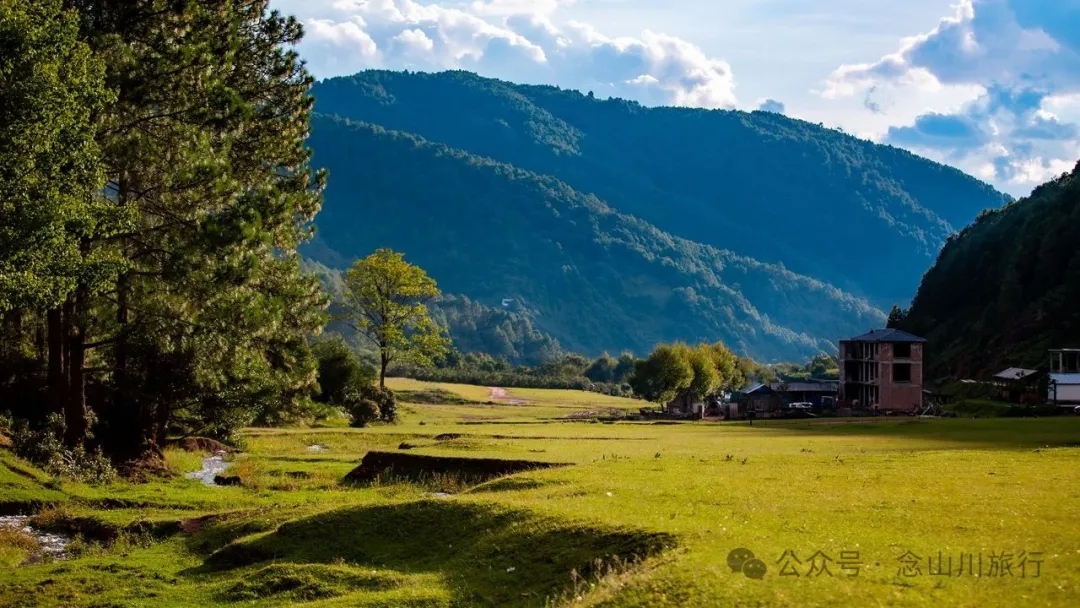
Grasslands in the mountains, regardless of size, are like mountain villages preserving old buildings—they always hold a strong attraction for us. The charm of alpine meadows is no less than the vast stars in a clear night sky. Every time we encounter a new place, our past senses and experiences are automatically blocked. We burst in with the surprise of a first encounter, like gazing at a star seen for the first time, starting from the most superficial and intuitive experience, gradually understanding it through walking, a brand-new cognition without any accumulation of civilization.
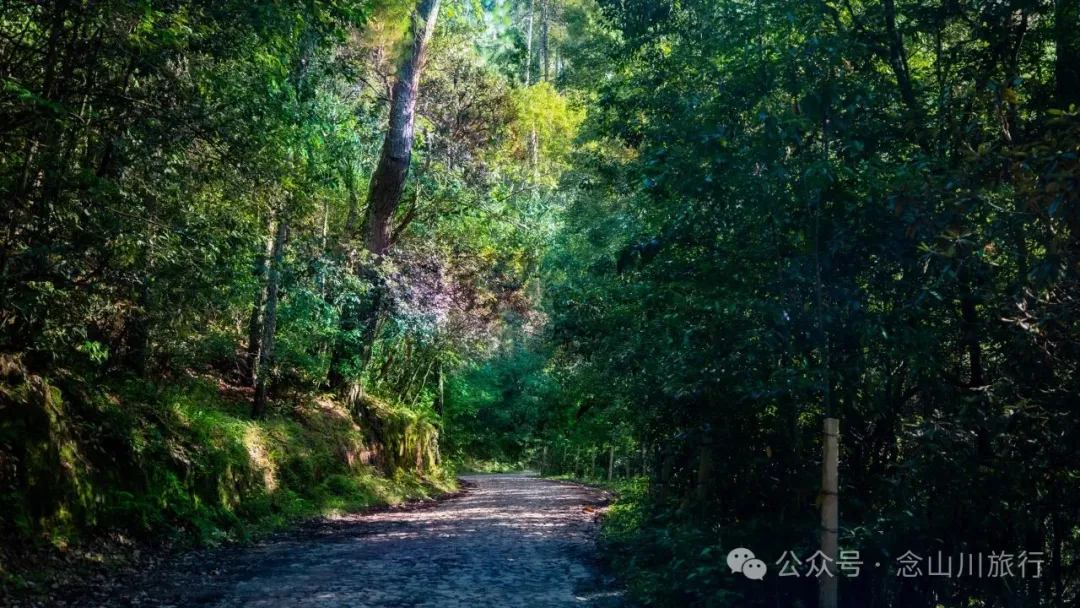
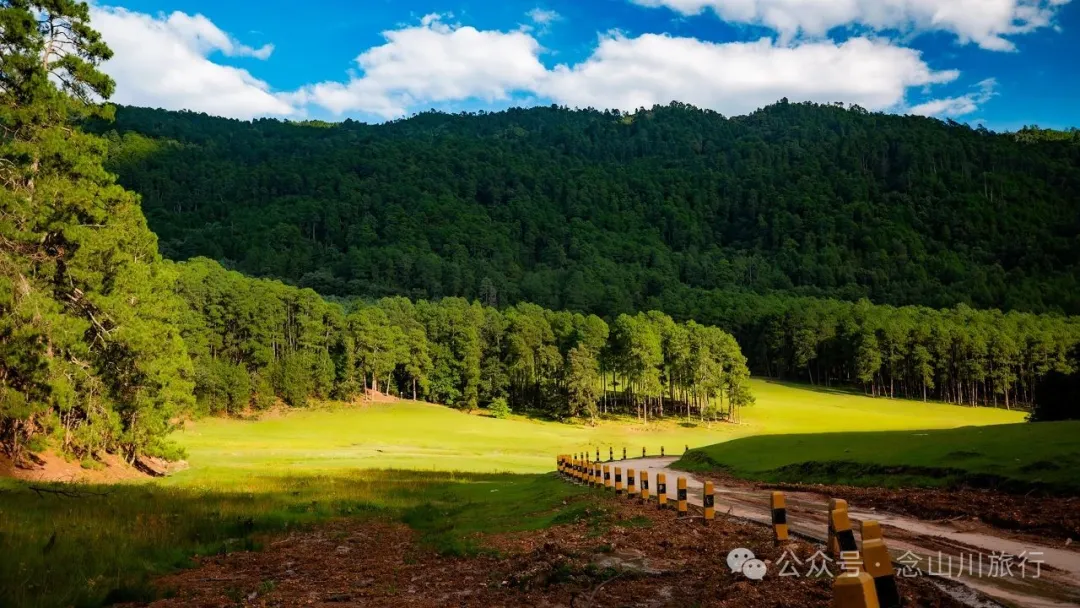
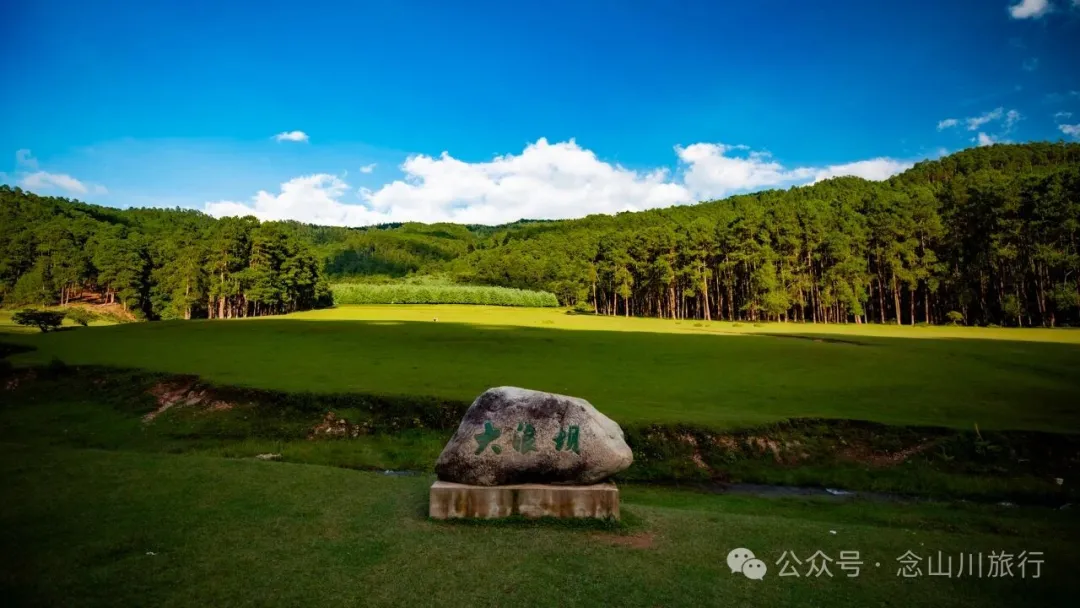
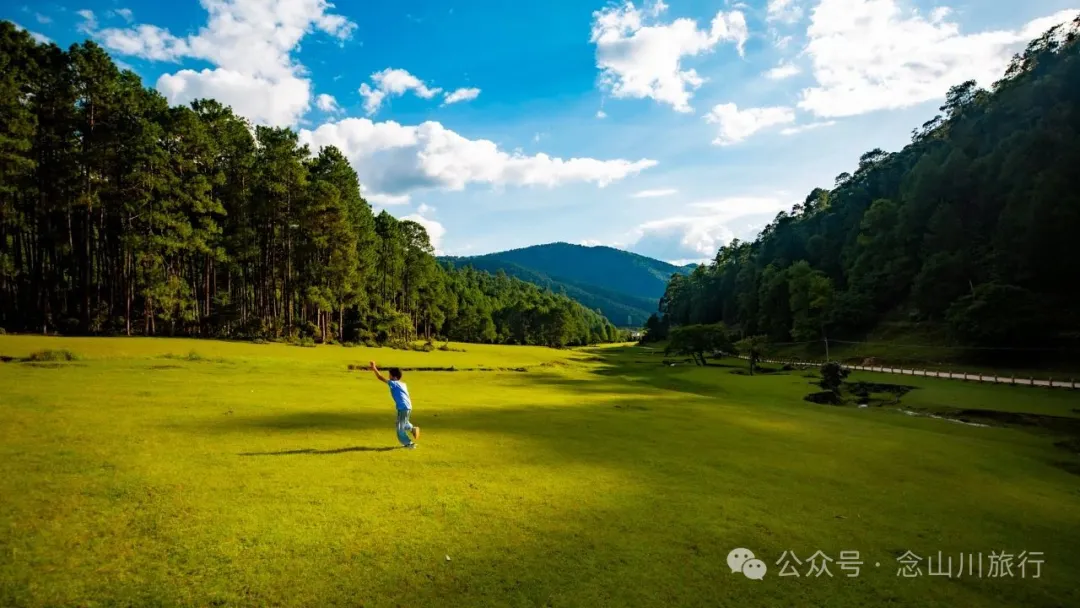
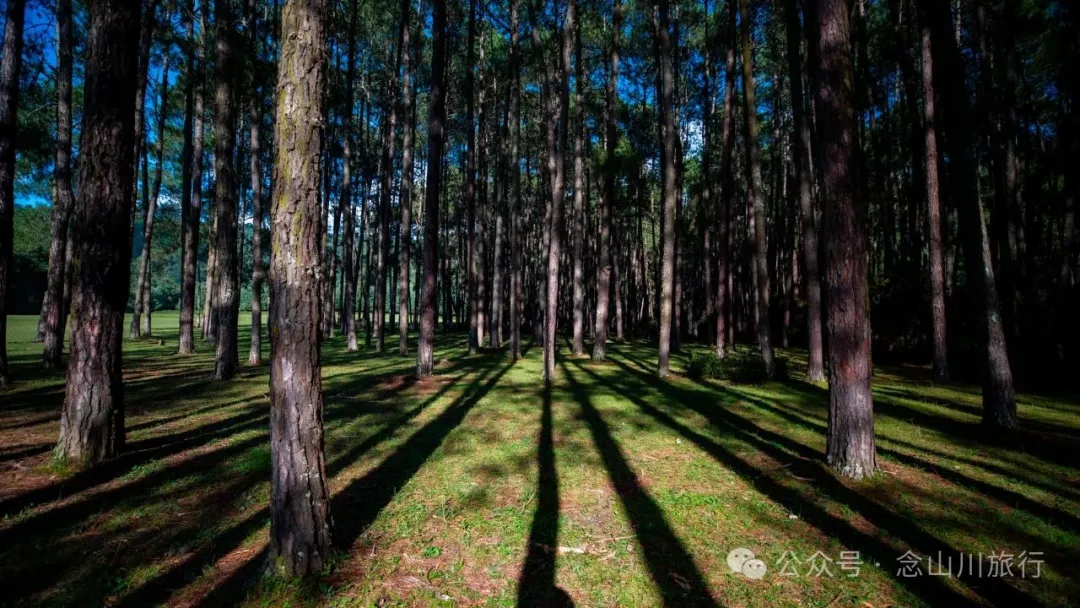
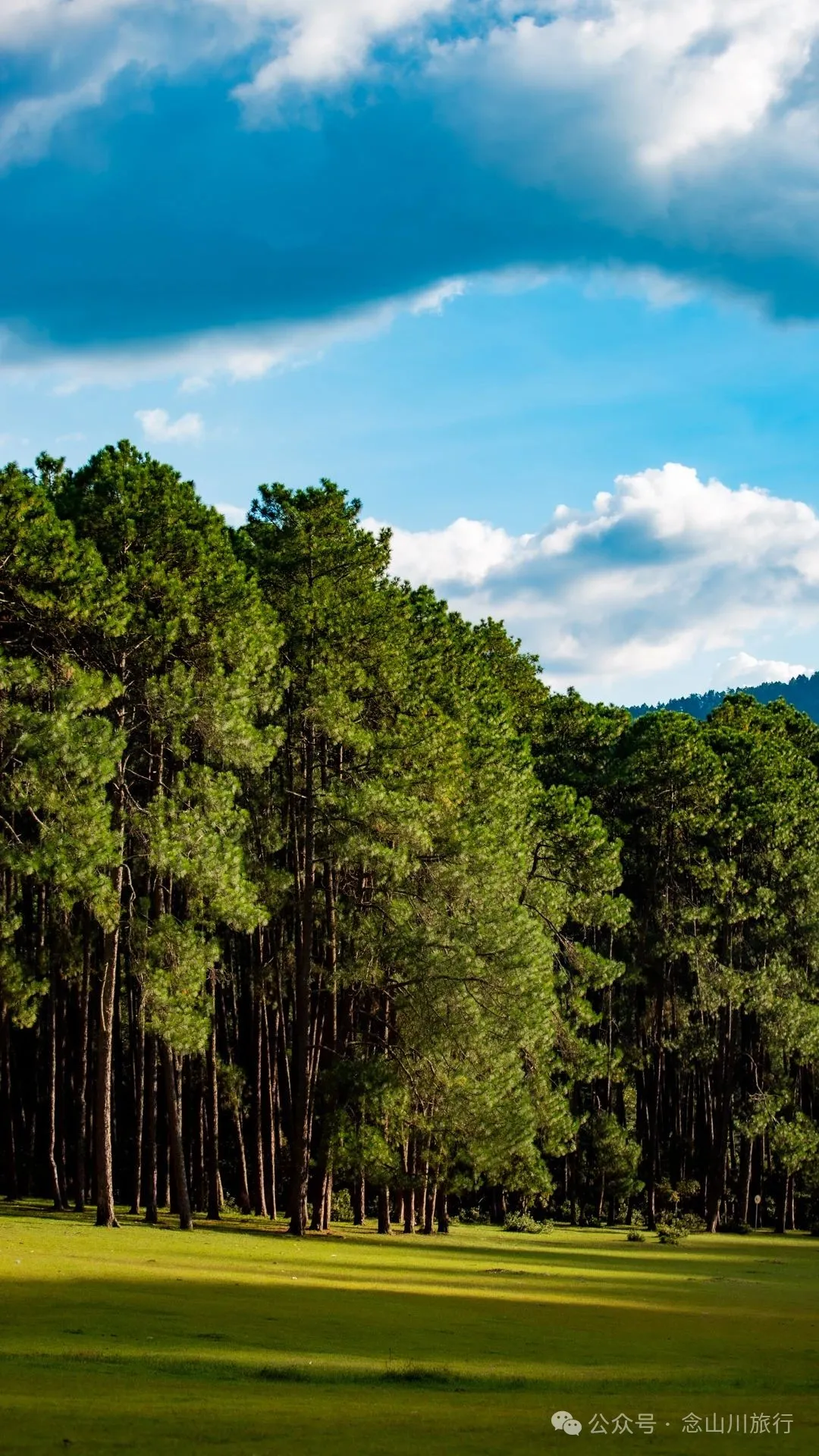
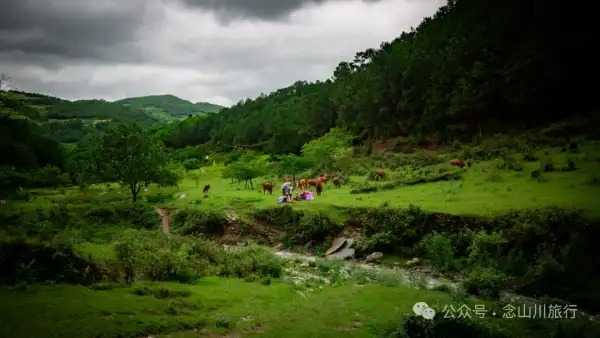
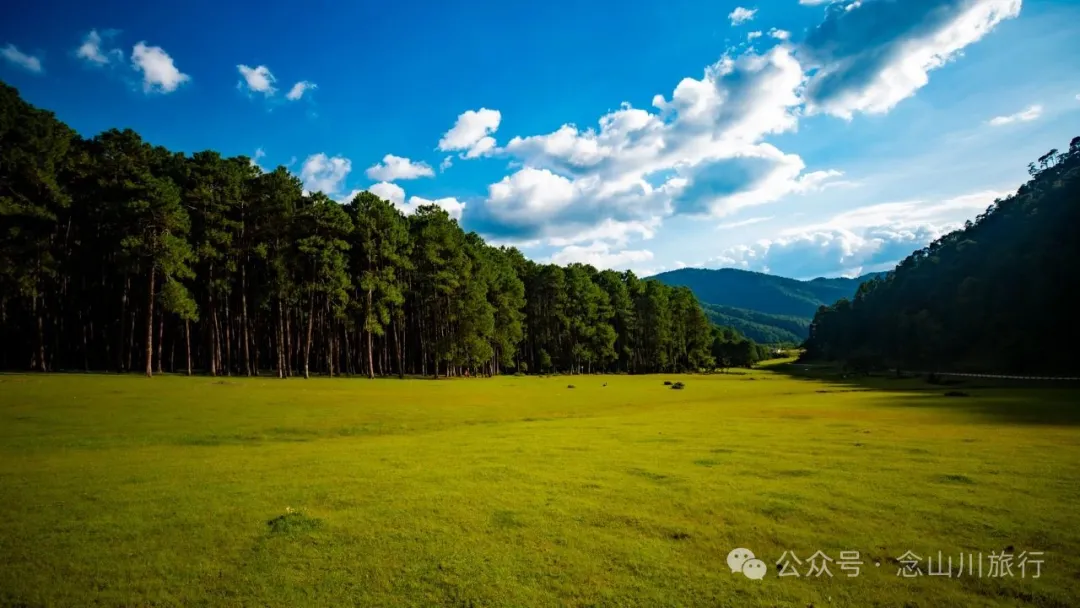
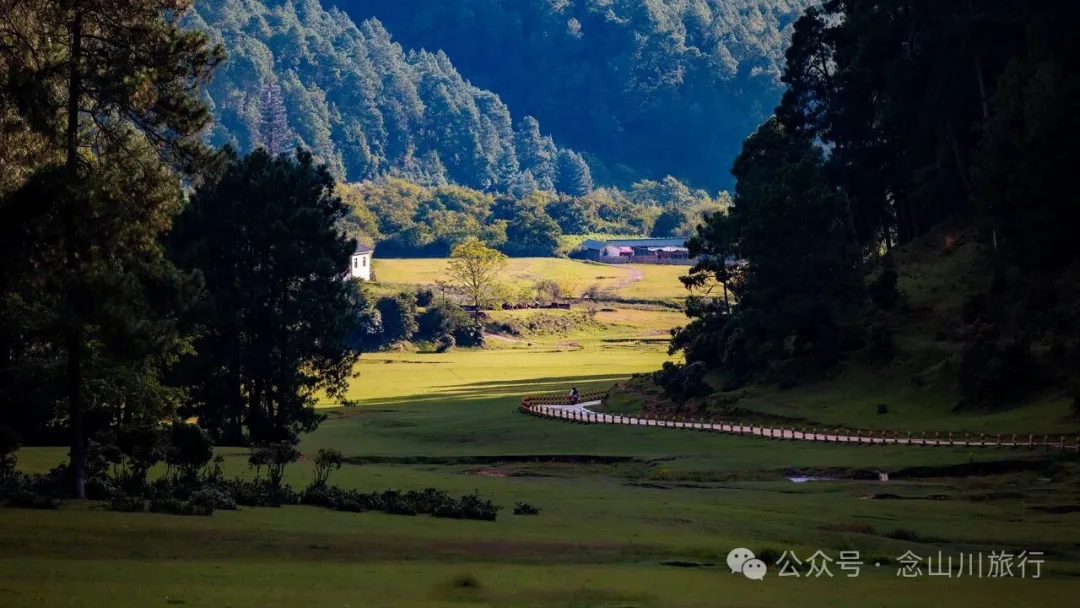
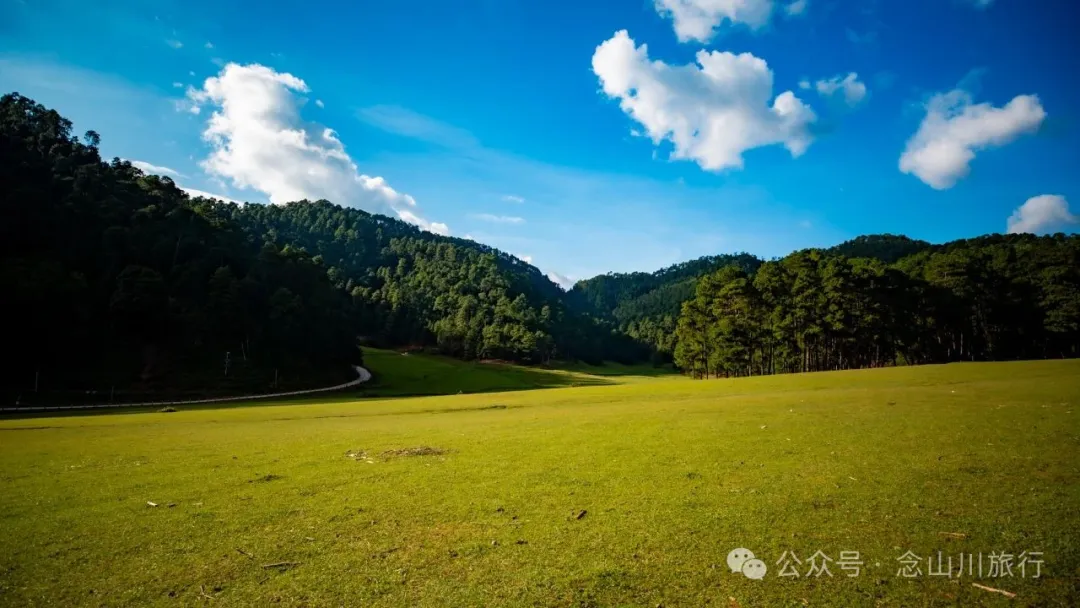
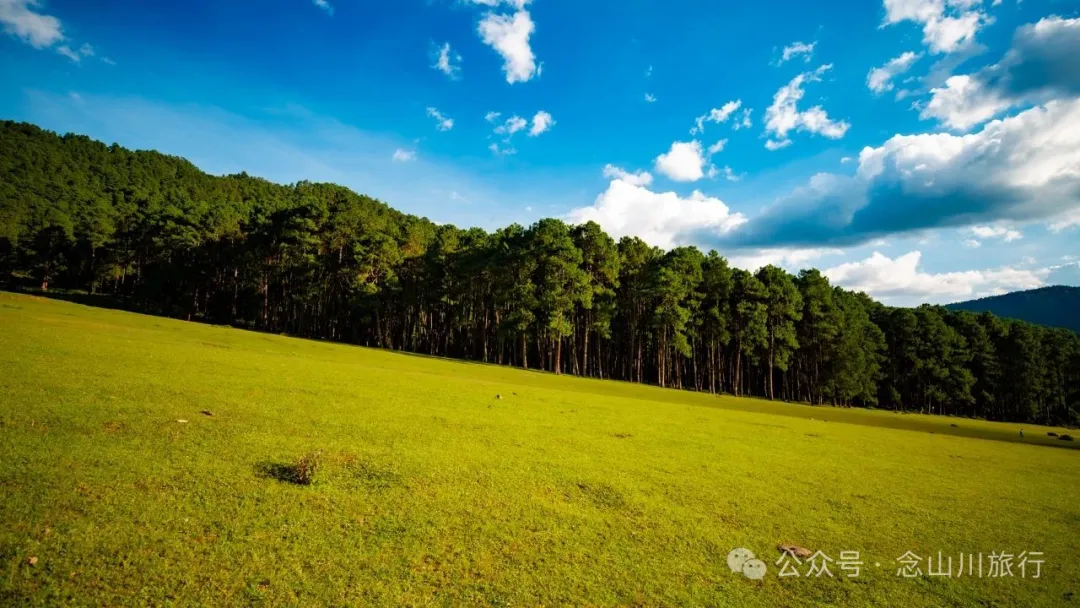
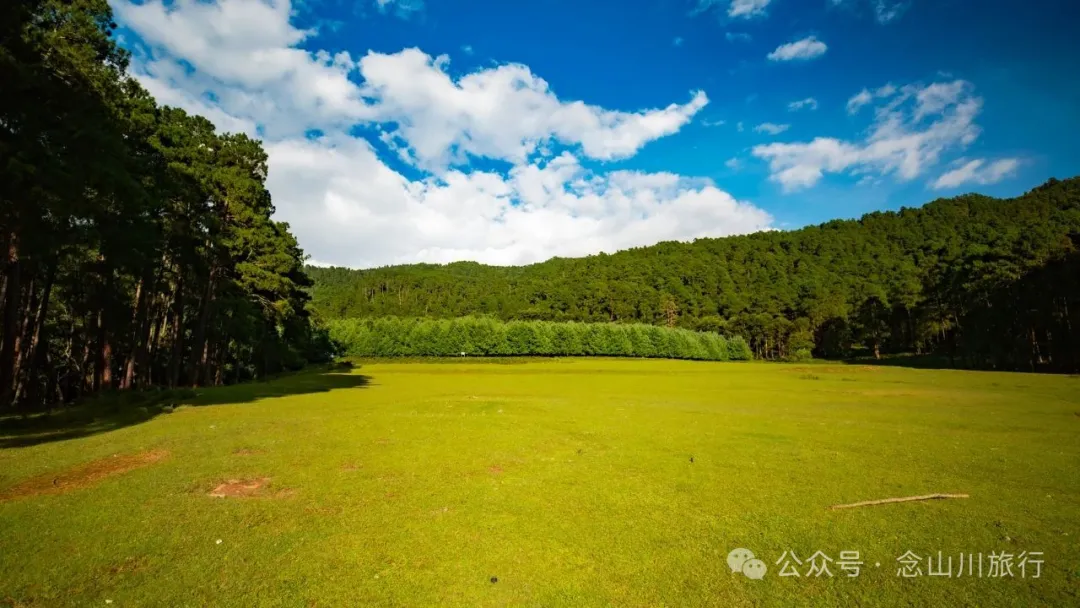
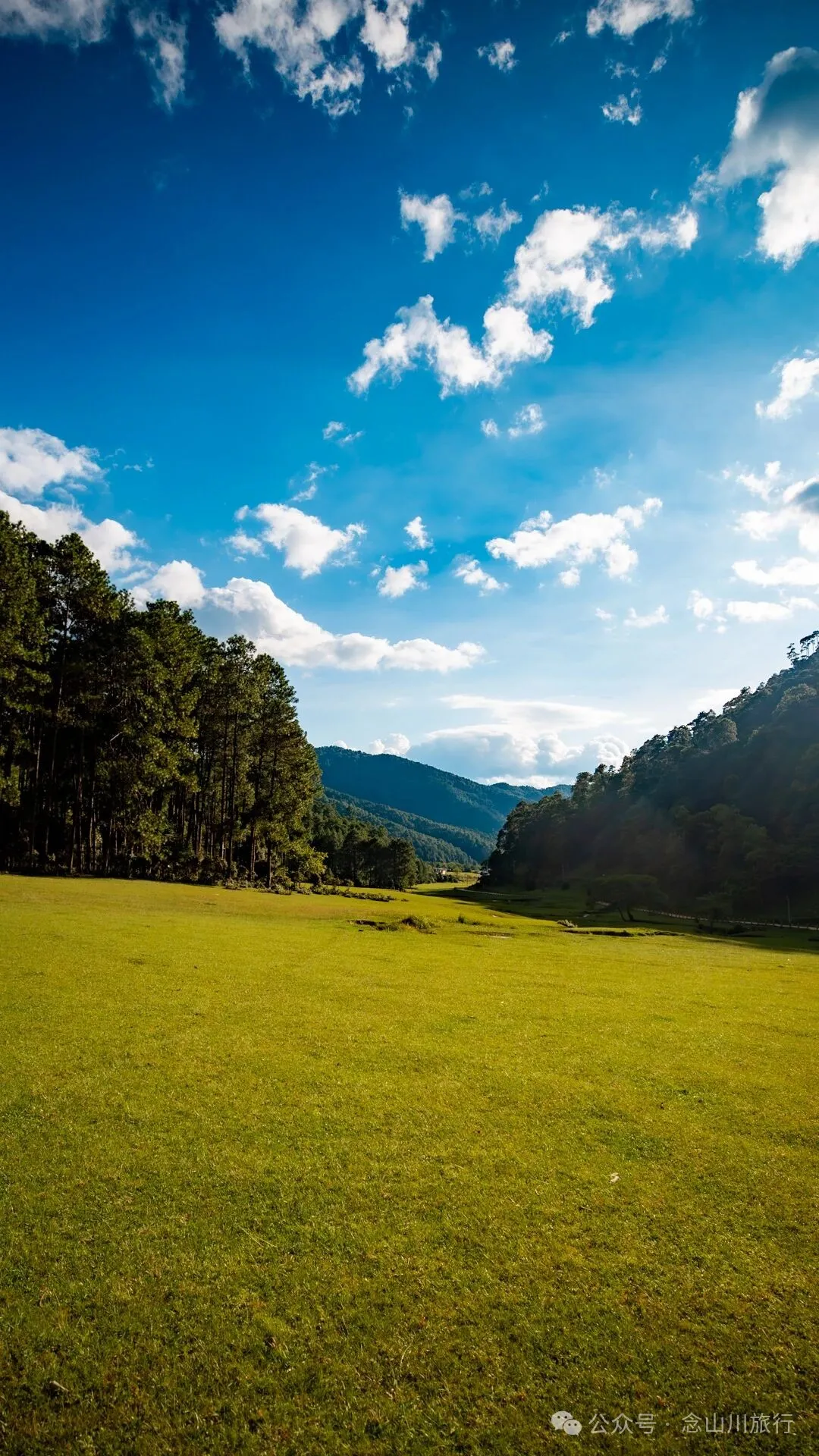
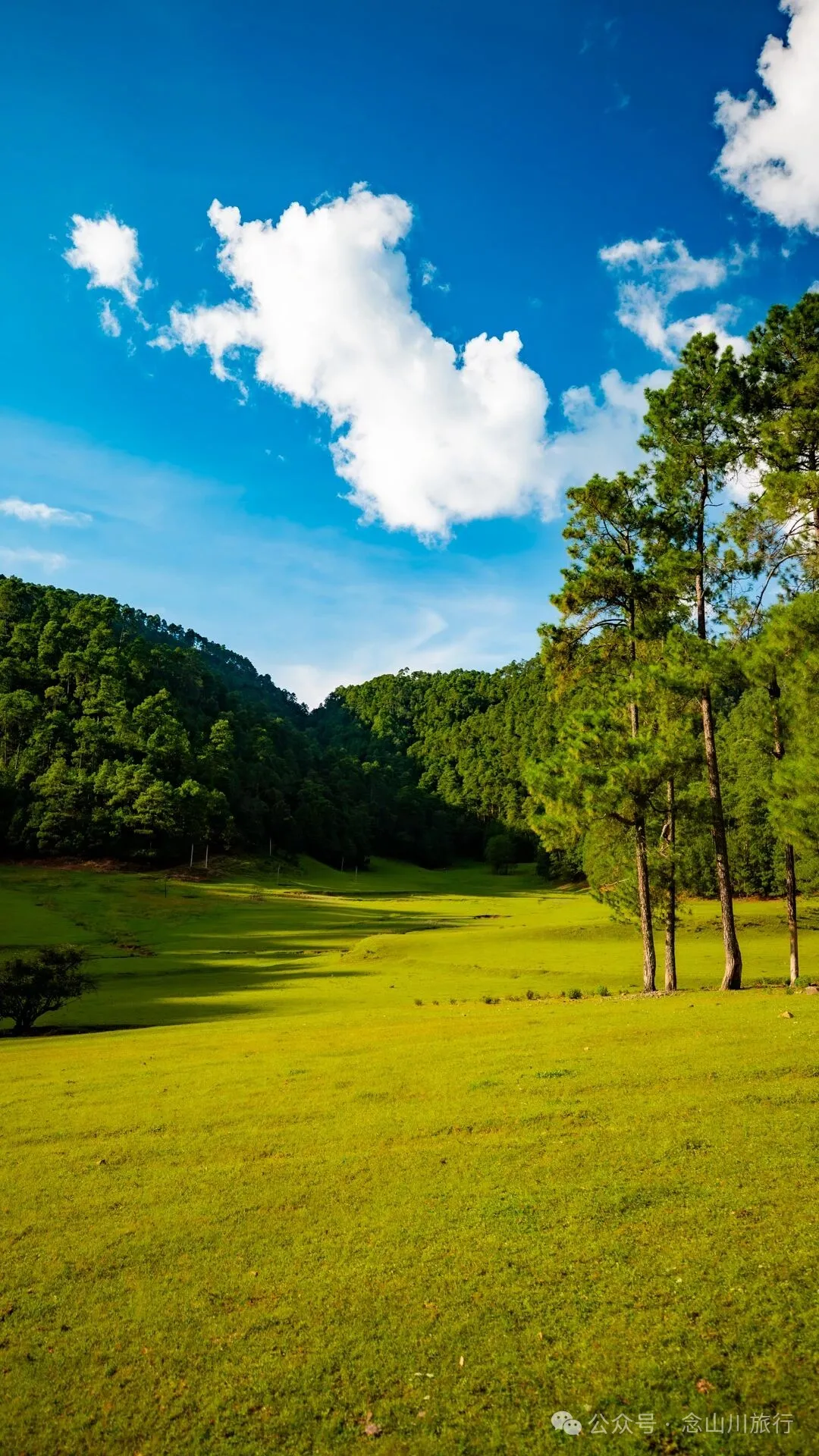
Passing through the ancient and eerie primeval forest of the Tianchi Nature Reserve, the bright green grassland of Dalangba finally leaked through the narrow gaps between roadside trees, lazily stretching under a large white cloud that blocked the setting sun, listening to the endless babbling of streams at the edge of the meadow. The pine forest at the edge of the meadow looked just like in the pictures—sparse, rugged, and distinct. When the clouds hovering above slowly shifted away to other areas, the pine forest gradually bathed in the gentle evening sunlight, exuding a bright and gentle atmosphere.
Fortunately, there were few traces of human activity on the grassland. Occasionally, a few conspicuous white plastic bottles lay in the grass, seemingly disdainful of their surroundings—perhaps they understood their situation better than their owners. The road wound into the distance, and at the end of the view was another small patch of green, which first bathed in the soft sunlight, looking warmer and brighter.
By the roadside, a villager was cutting wood—thick Huashan pines that had been knocked down by mountain floods during the rainy season. He had already sawed them into pieces about a meter long, thrown on the slope below. One pine tree, about five or six meters long, had its roots completely detached from the ground, one end resting on the mountain surface and the other end propped against a power line, looking very dangerous. The villager pointed east and said there was a village there, the nearest one called Shuchang, where he lived. Winters here are long and cold, and during the night and cold season, they consume a lot of firewood.
On the grassland sat an elderly woman in dark clothes—the only villager we saw who was enjoying the entire meadow alone after we arrived. When we ran back from a distance to the most open area of the grassland, she let out a long call, like a gust of wind roaring from afar, dissipating across the mountains. Her herd of cattle would receive the signal in the forest and return to the agreed spot before the sun completely set, then follow her home. Every morning, she would bring her six cows to this spot where she sat, and the cattle would forage on their own without supervision. Ten hours later, she would just sit here and sing loudly for a while, and the cattle would follow the sound, emerge from the forest, and follow her through the thick dusk back to the village, settling into the cowshed.
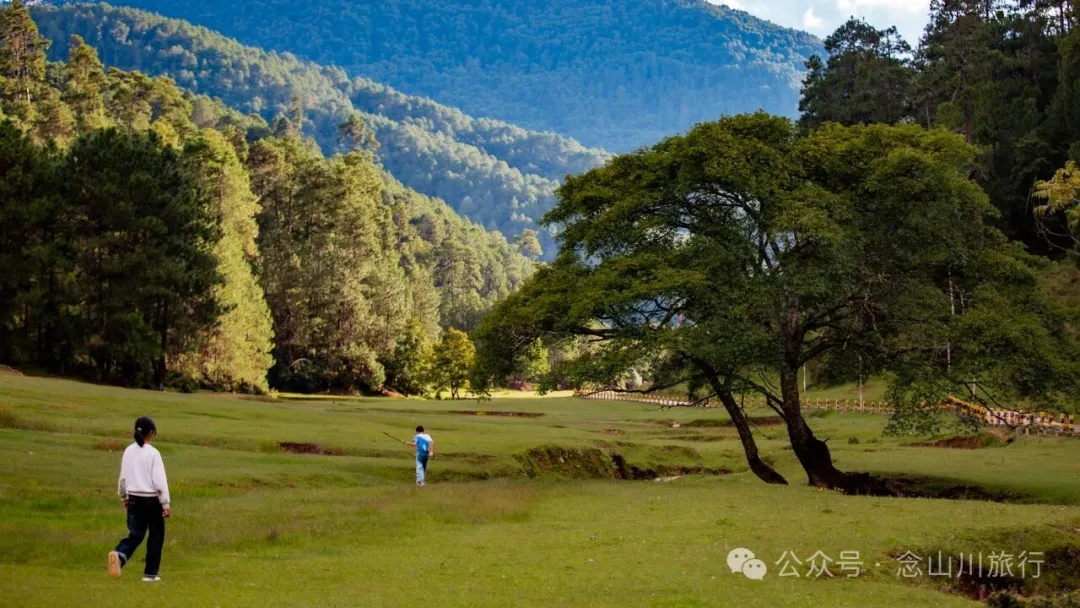
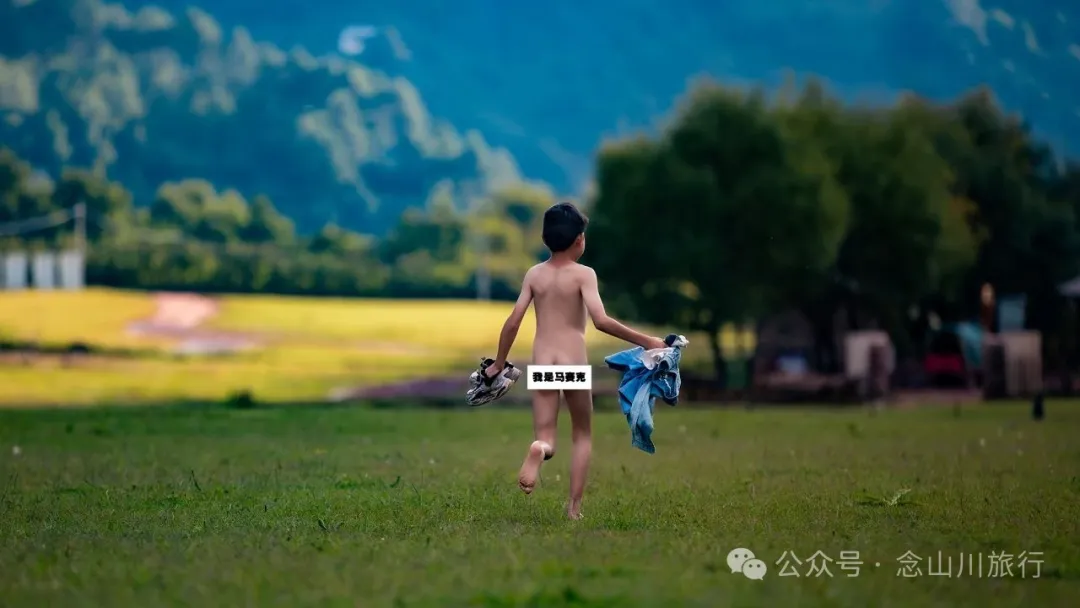
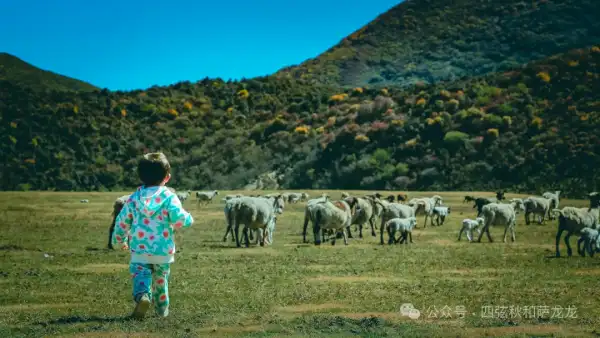
The children ran and played on the grassland to their hearts' content, not caring that the slippery grass made them lose their balance and fall flat on their backs. The boys simply took off their mud-soaked clothes, running around like wild animals without any restraint, chasing the last quickly fading rays of sunlight, hoping the sun would instantly dry their clothes.
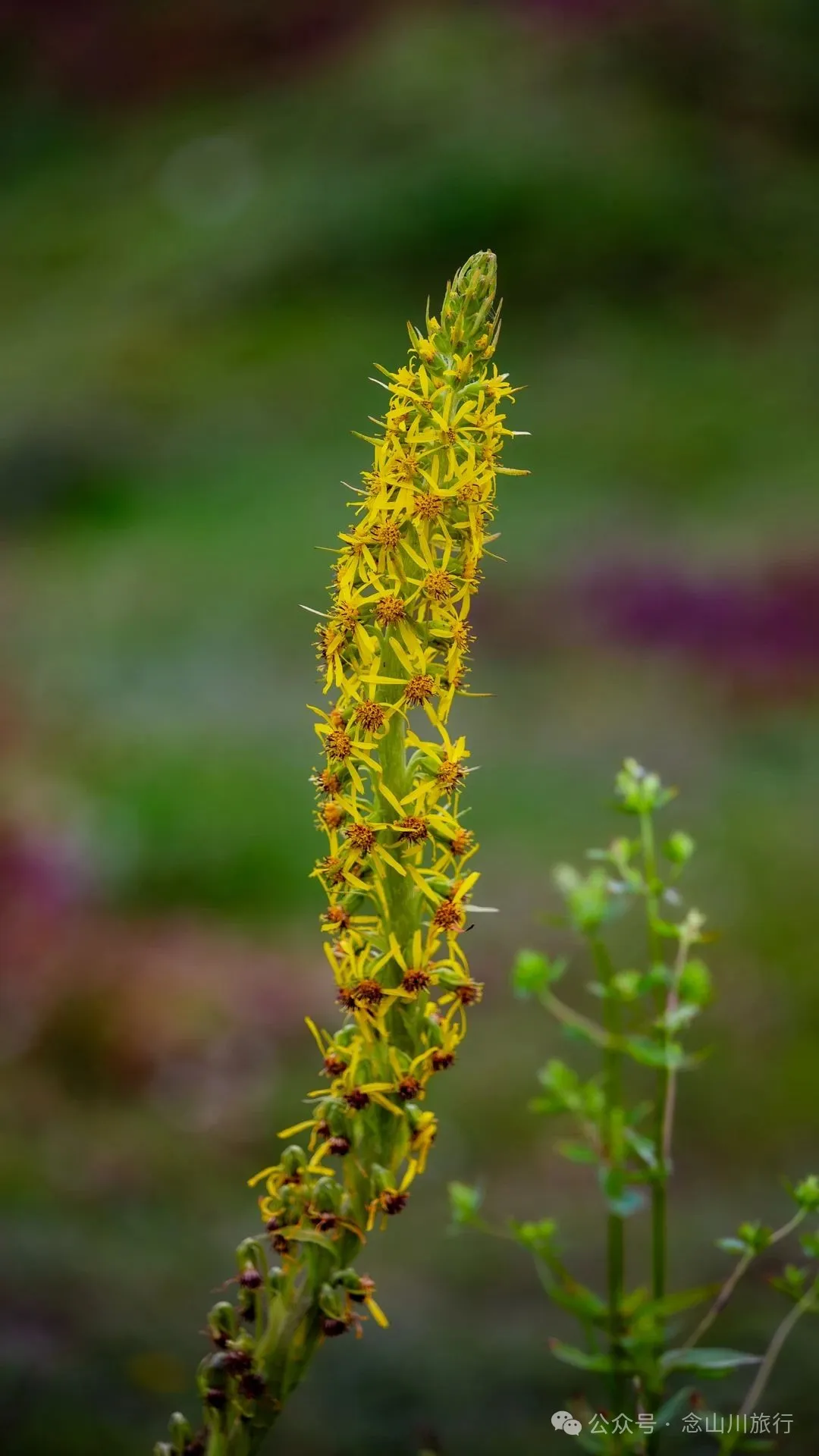
By the stream, a single Ligularia stood tall like a night lamp, illuminating the direction of the flowing water at a bend.
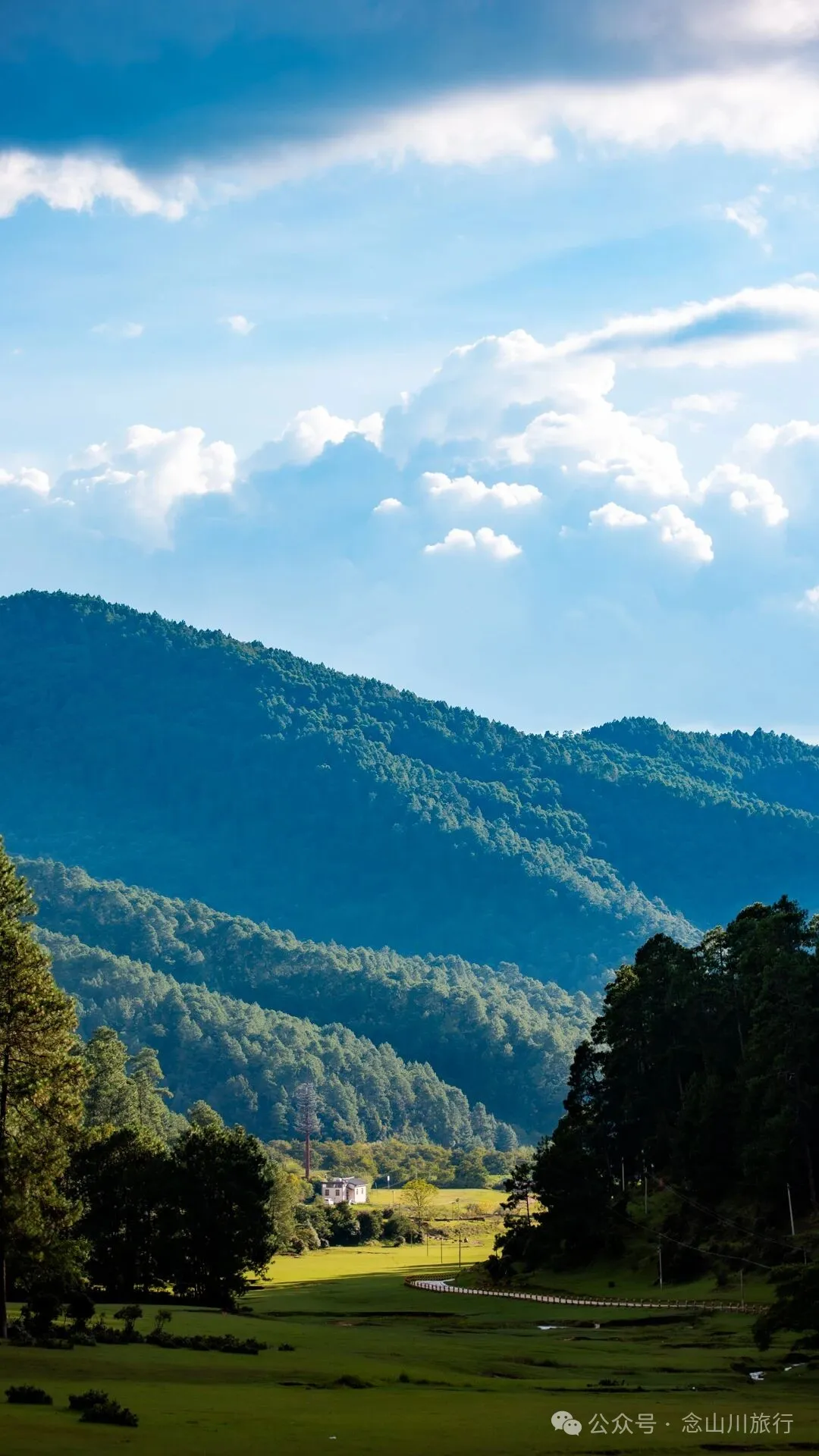
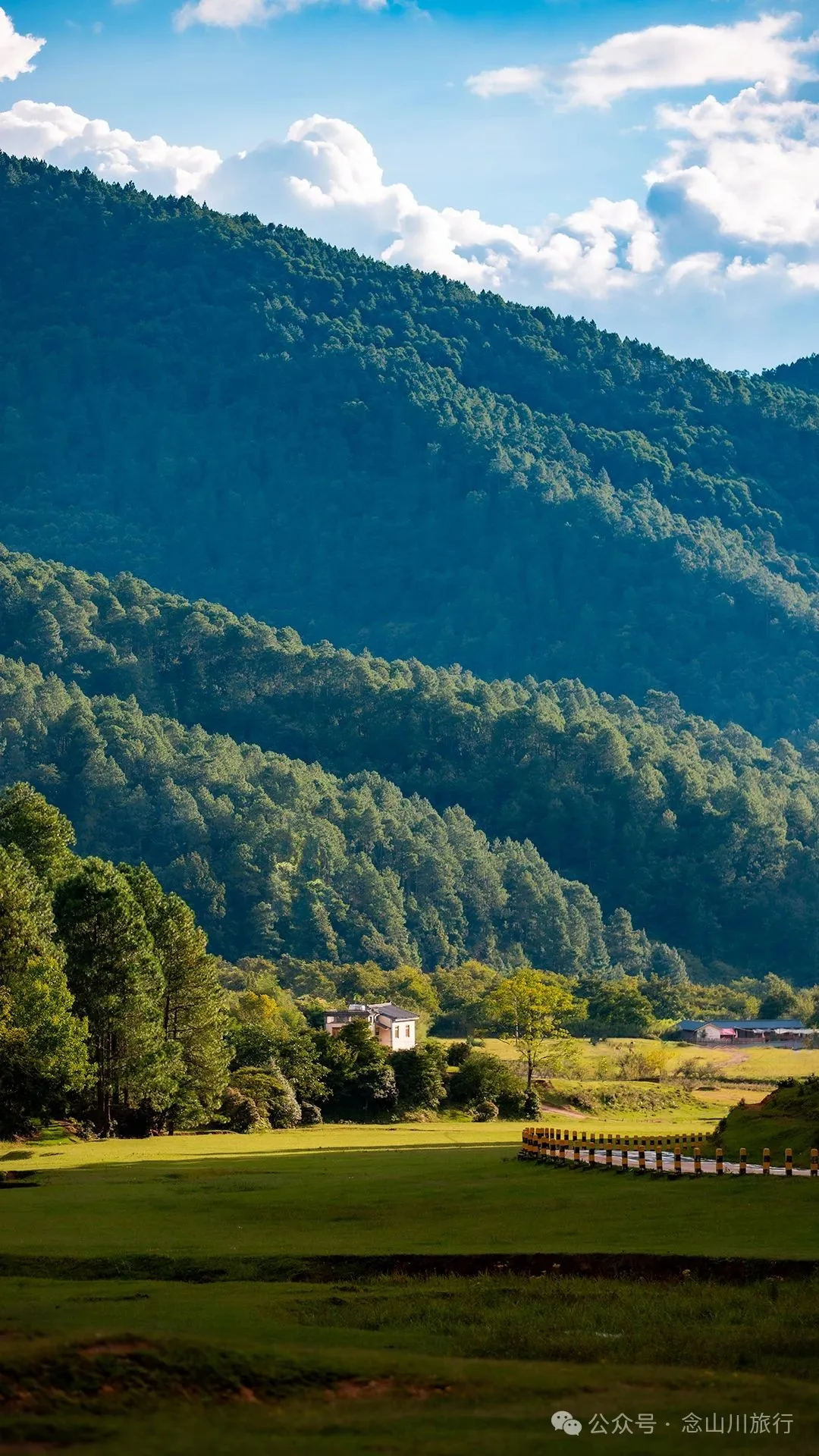
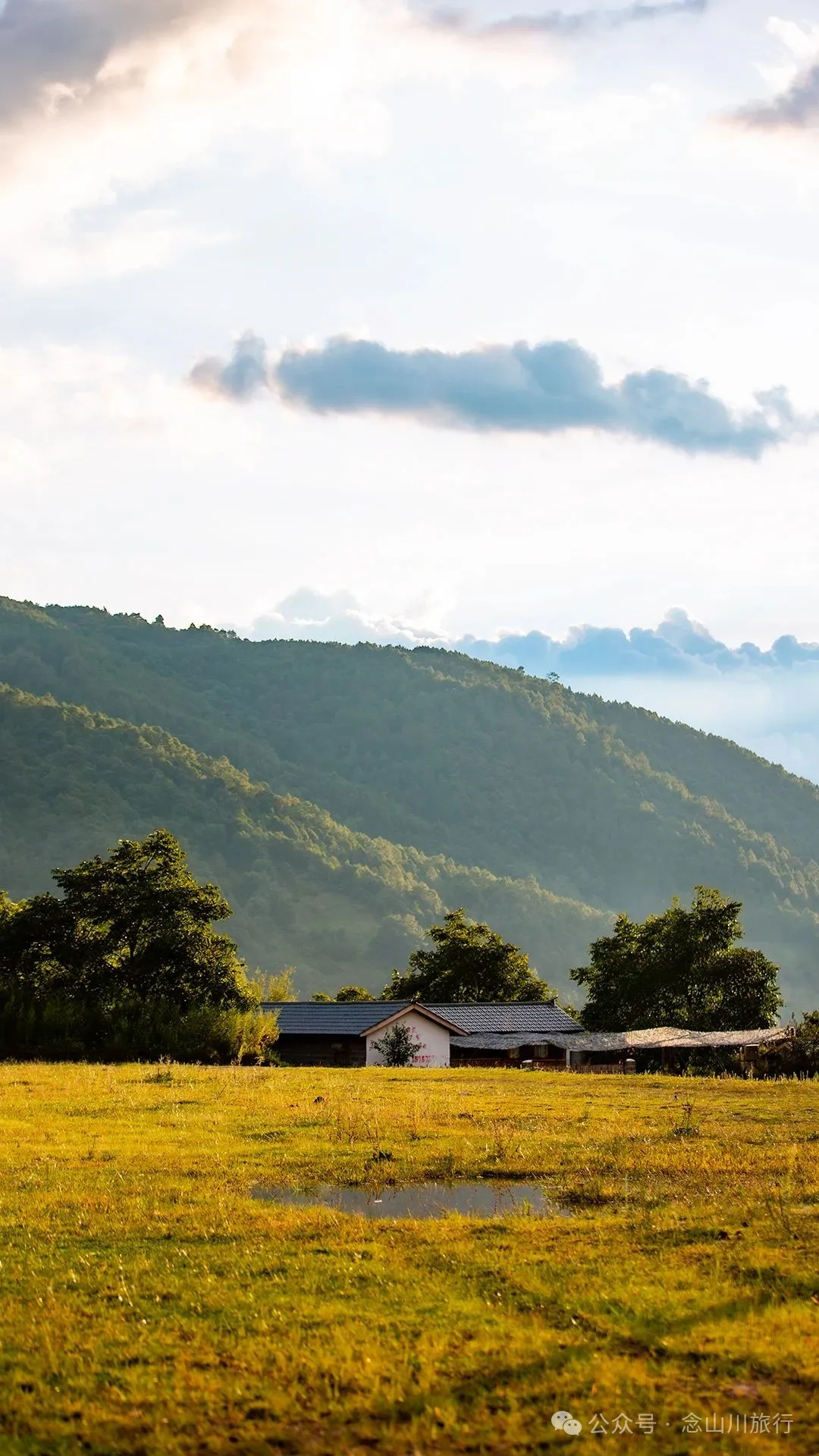
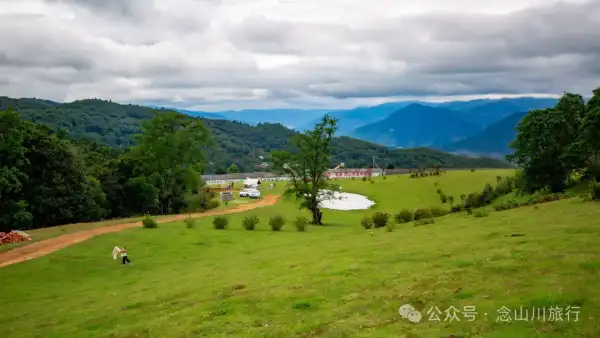
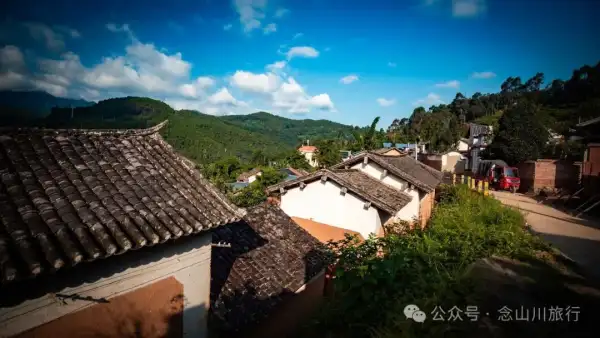
As we walked from the narrow grassland toward the village, the elderly woman's six cows were still hiding in the forest, reluctant to show up. We chose a campsite surrounded by farmhouses, next to a farm, which seemed safe. The villagers said black bears wouldn't appear here. I fetched a bucket of mountain spring water from a farmer who was building a new house. The owner was washing large pieces of termite mushrooms and warmly invited us to share. Carrying the spring water back to the campsite, the setting sun near the ridge had already dyed the grassland a beautiful orange, and the mountain seemed to have suddenly entered autumn. I imagined myself as a herdsman living here long-term, walking back to my tent, the mountain as usual, deep and quiet.
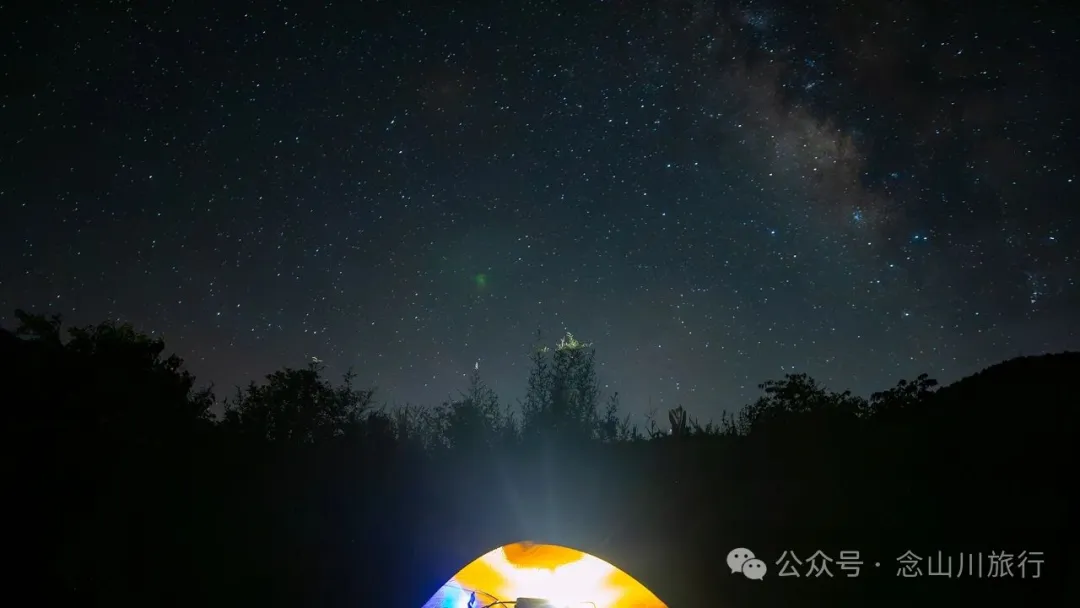
The night was cool as water, and a pot of hot soup slightly relieved the children's chill. After dinner, they crawled into the tent and snuggled into sleeping bags. A crescent moon hung low on the horizon, and then stars began to appear one by one overhead. At ten o'clock, the sparse sky was crowded with stars, and a faint Milky Way appeared in the southwest, like a fallen leaf on a bluestone path, its veins messy and blurred.
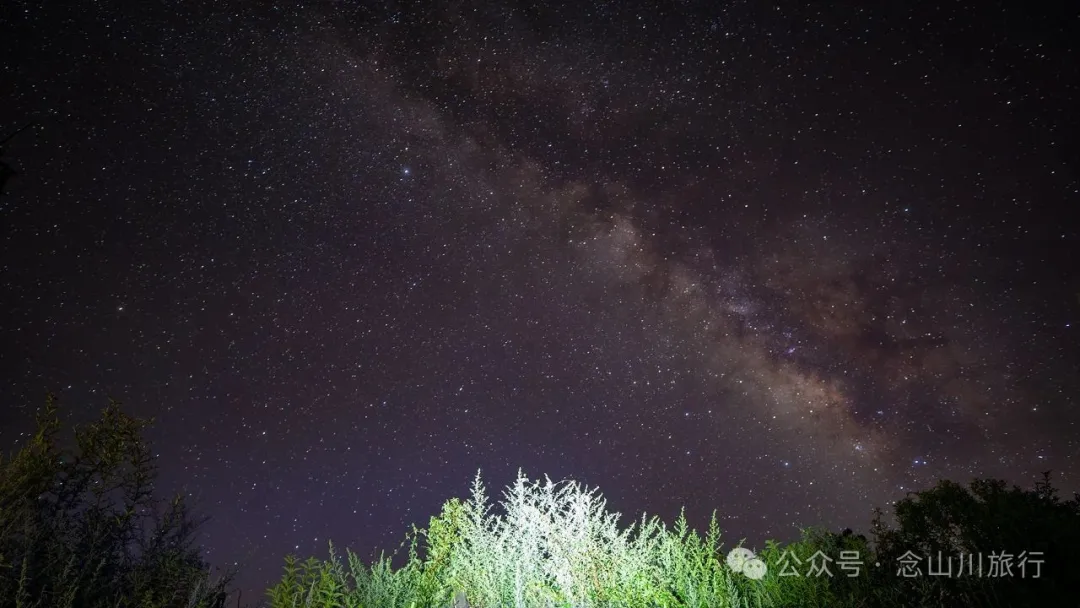
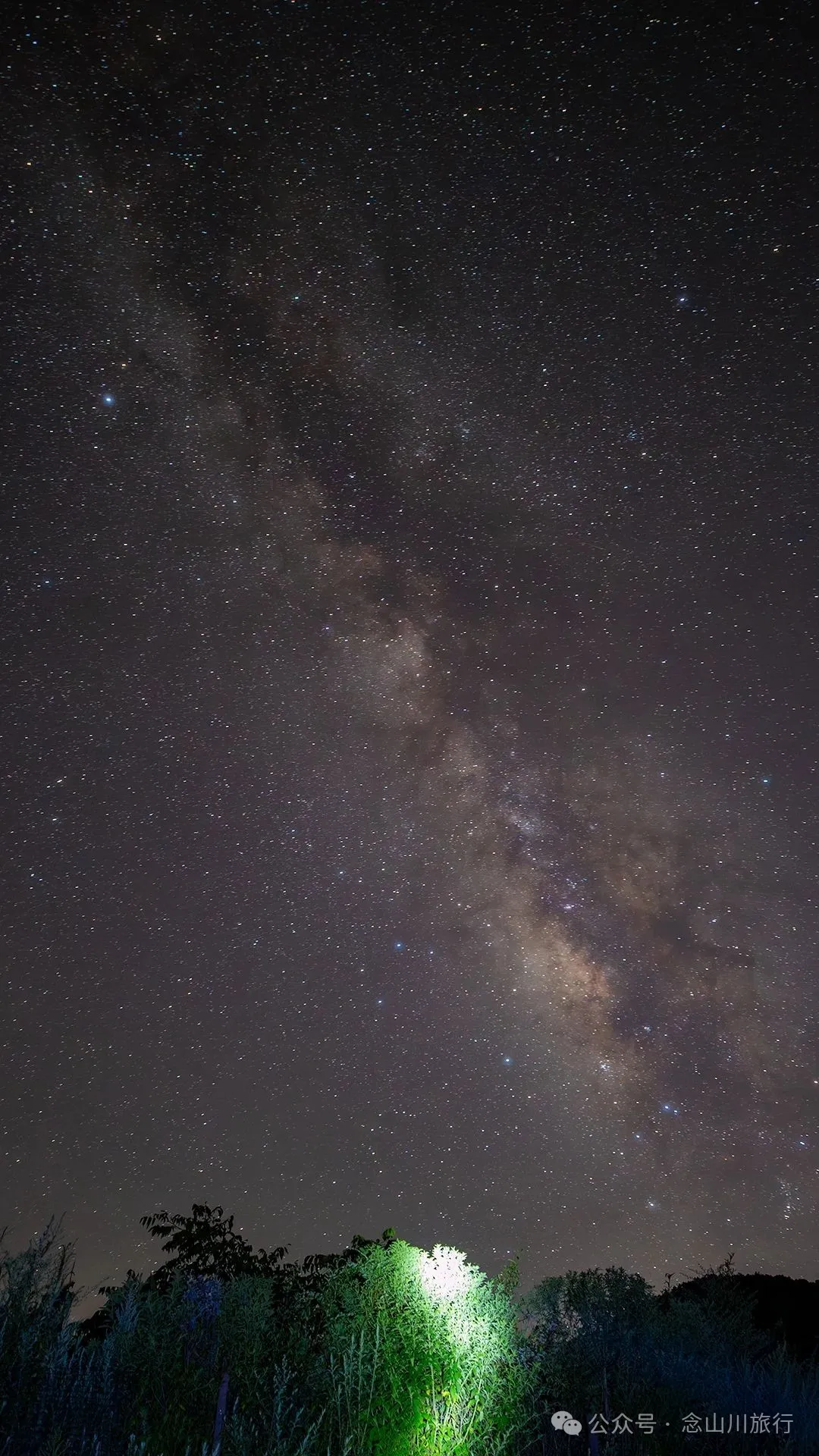
A lonely firefly rose from the darkness a few meters away, flying toward us, but our exclamations scared it away. It flew into the tall grass about two meters high and paused its glow. Compared to the stars filling the sky above, this firefly was too lonely. It appeared near the campsite by chance, perhaps searching for companions, or maybe it mistook a faint light for a companion and flew toward us. If it could see the starry sky, would it envy the lively species beyond the sky, lamenting the loss of its own kind?