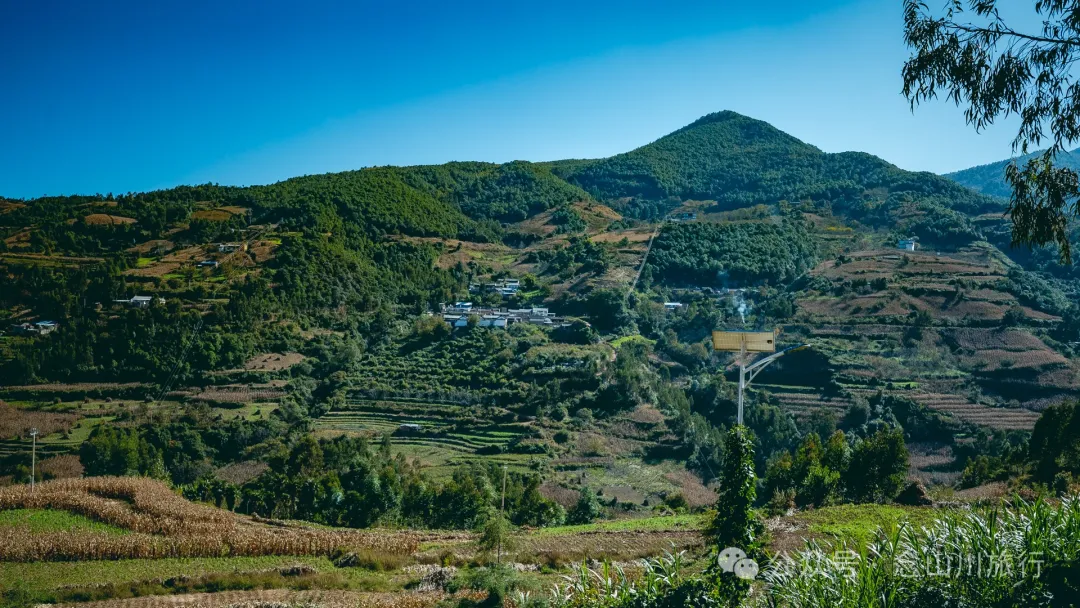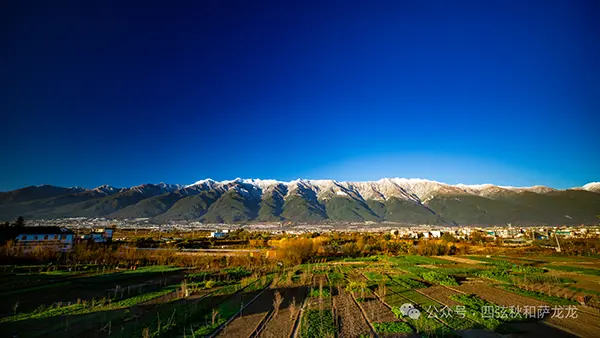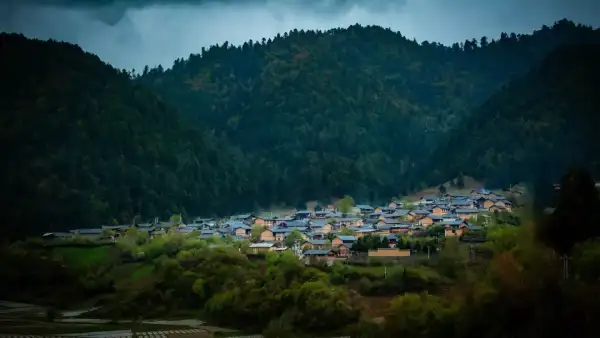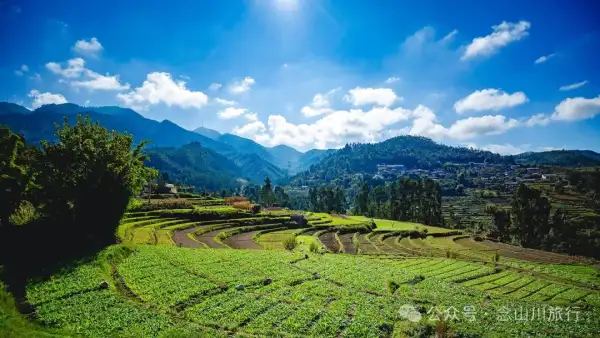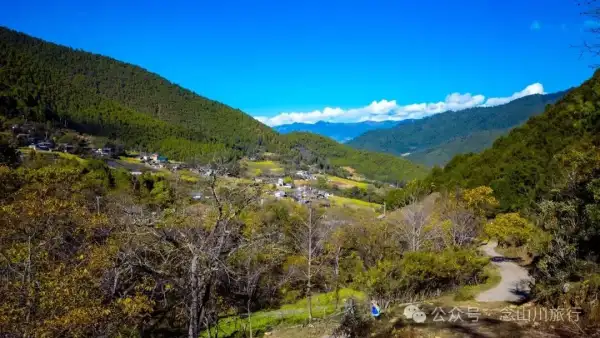

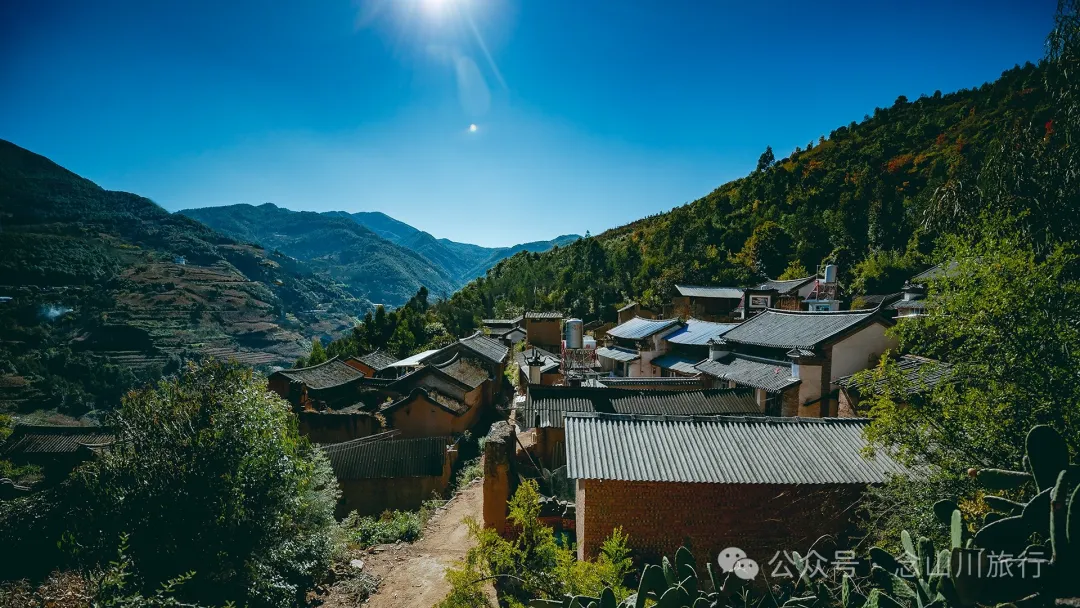
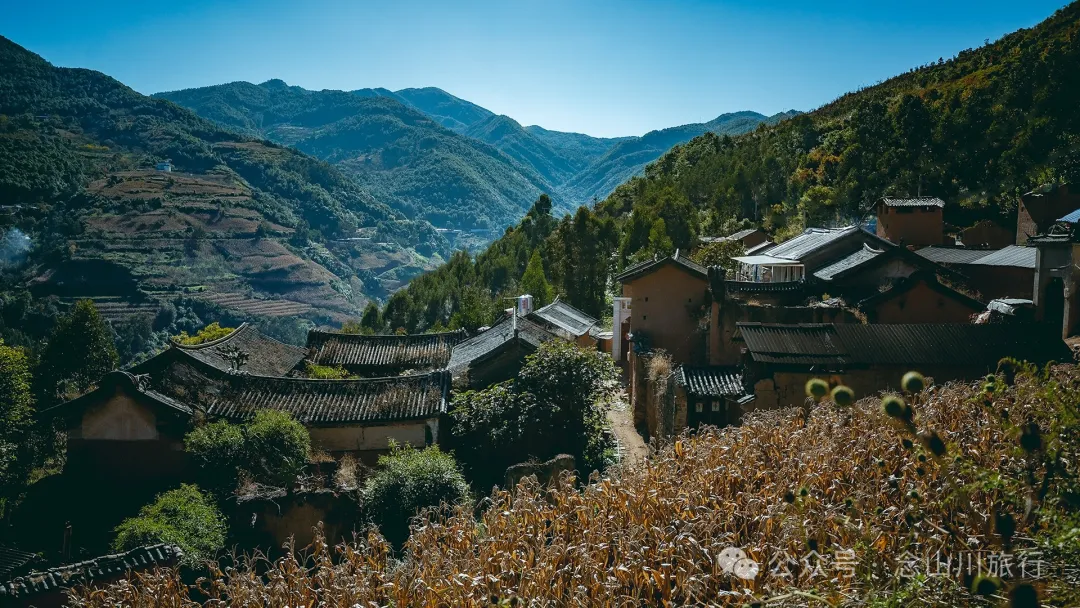
Driving from Weishan Ancient Town westward into the mountains, it takes only half an hour to reach Datizipo Village, a mere 10 kilometers from the ancient town. As we crossed the highest ridge before the village, the bustling town disappeared, leaving only a single village scattered in the vast valley, enveloped in boundless tranquility. The winter fields, bleak and barren, lacked vitality. In that moment of crossing the ridge, we seemed to fall into another world—a pure world as calm as water and as vast as the ocean.
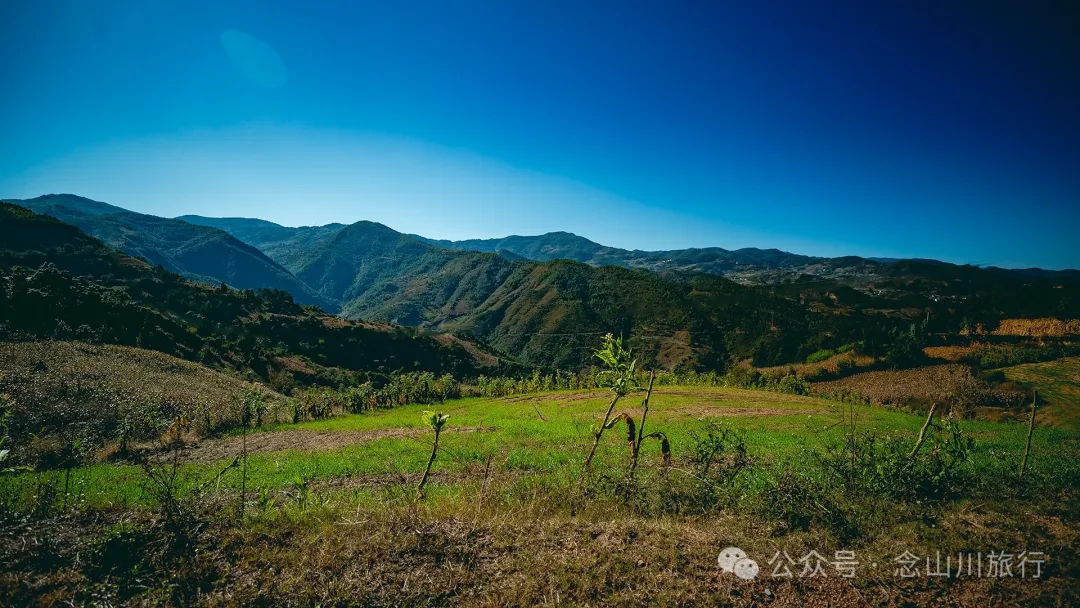
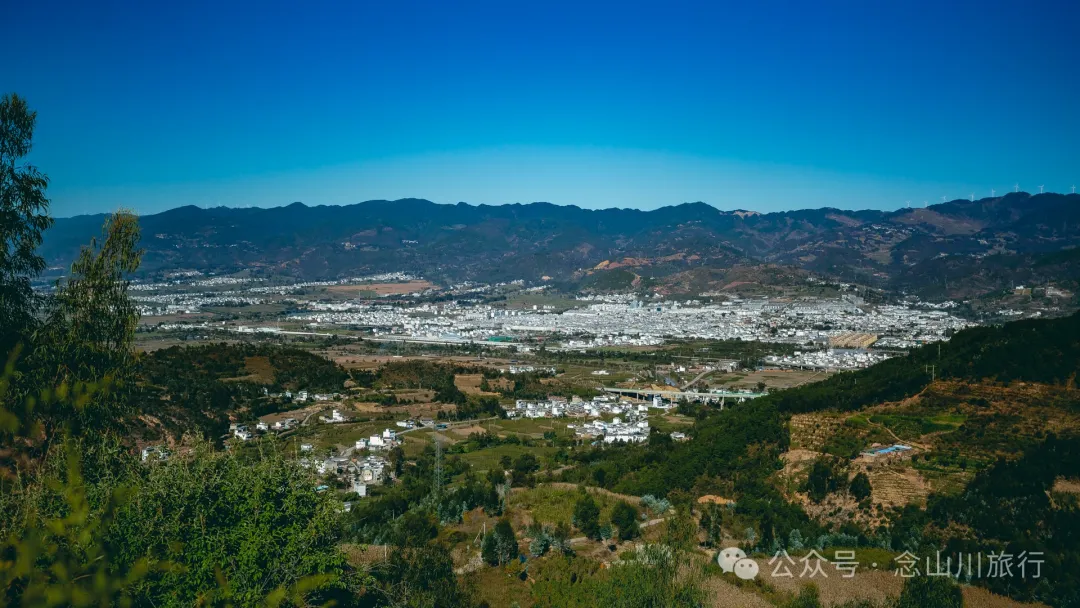
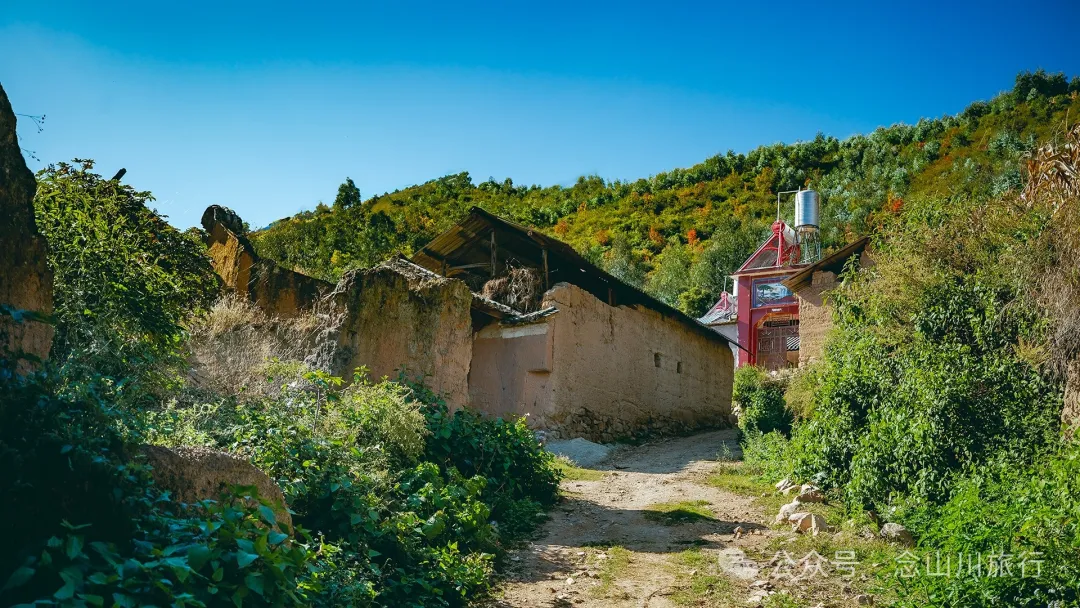
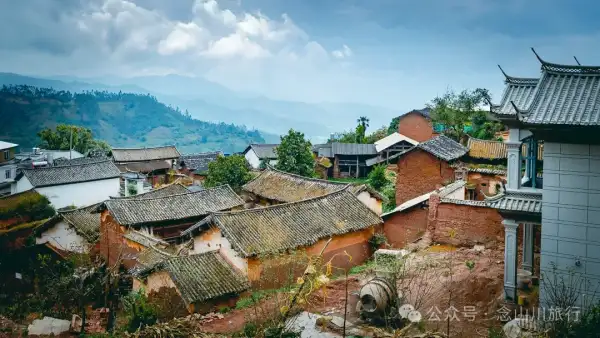
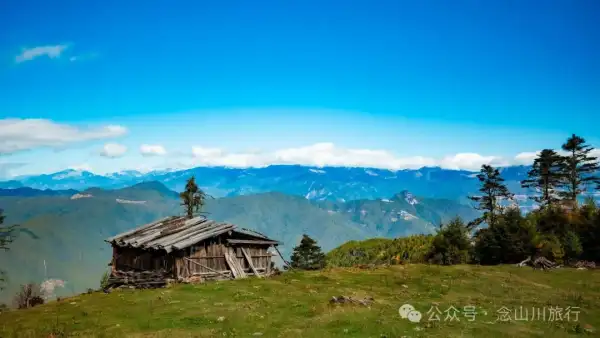
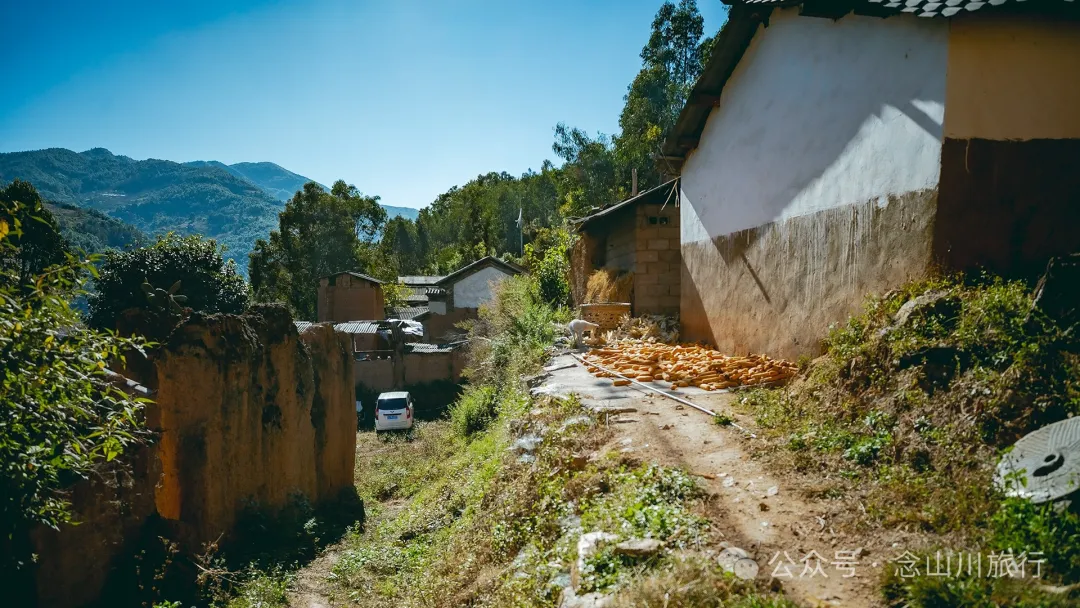
The houses of Datizipo Village are not concentrated along the flat cement road in the center; we only saw the full layout of the village when we reached Xiaotizipo Village on the opposite side of the valley. On that high ridge, many white modern buildings clustered together. Further west, hidden among the trees on the slope, were dark, low, old rammed-earth houses. These old houses were not built together but scattered across the vast hillside, like groups of different species of animals, each ruling its own territory.
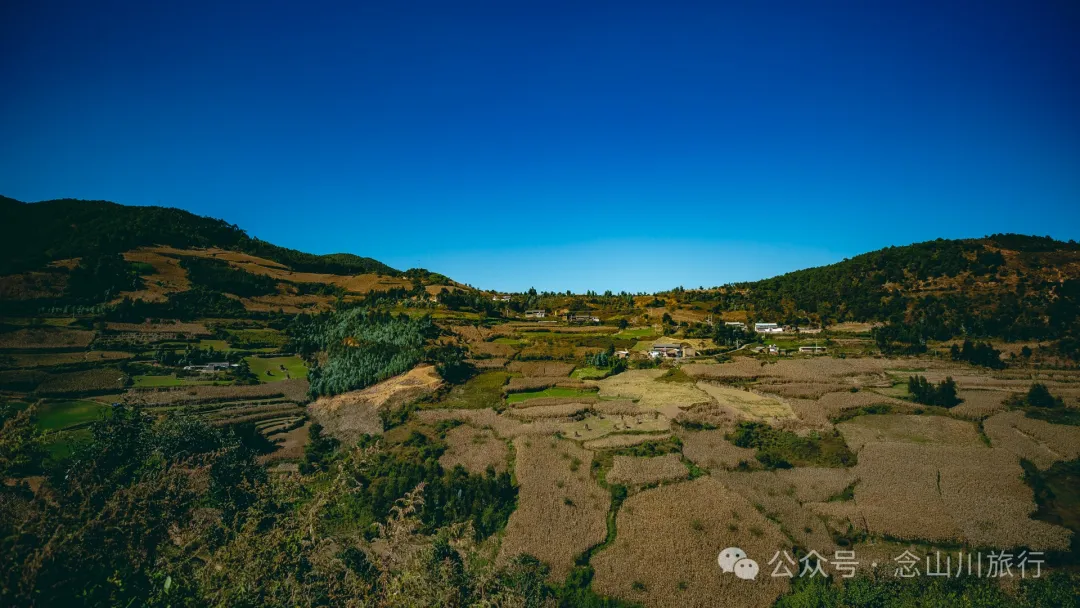
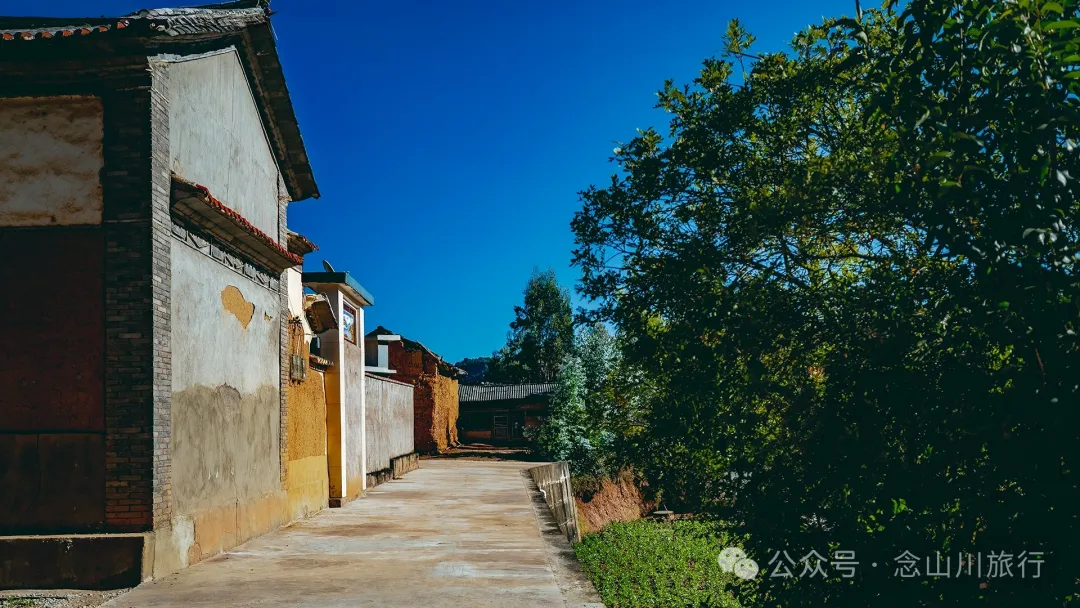
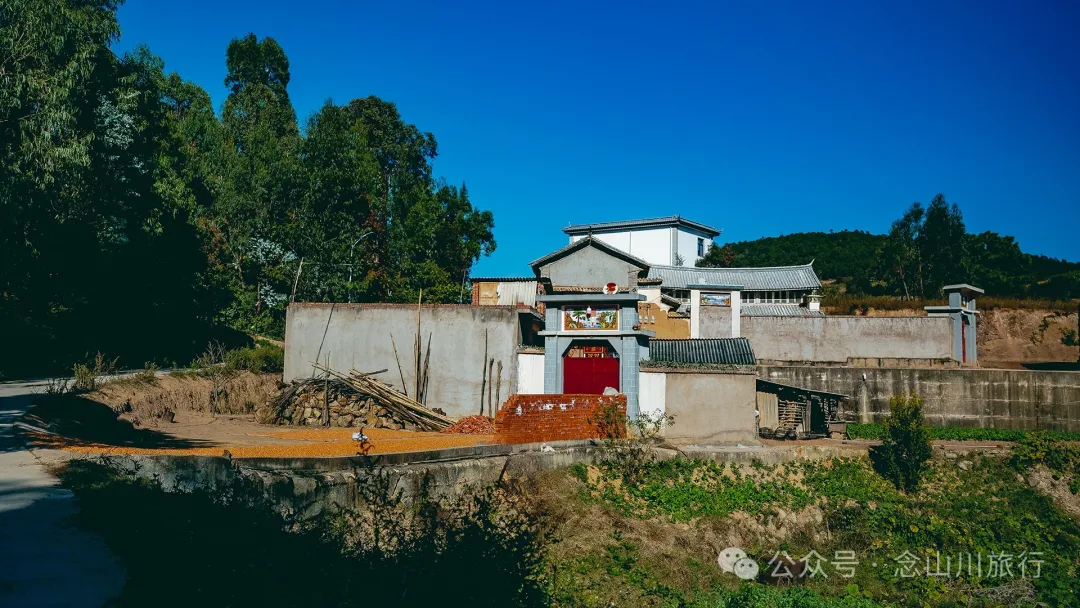
Returning from Xiaotizipo to Datizipo, we relied on rough memories to find the old houses we had glimpsed from the opposite slope. As we climbed a steep slope, the guard dogs in nearby farms barked in unison, causing a commotion. Several villagers, busy with unknown tasks in their yards, poked their heads over the walls to see what was happening. The pack of about five or six dogs, barking incessantly, chased us relentlessly, following wherever we went.
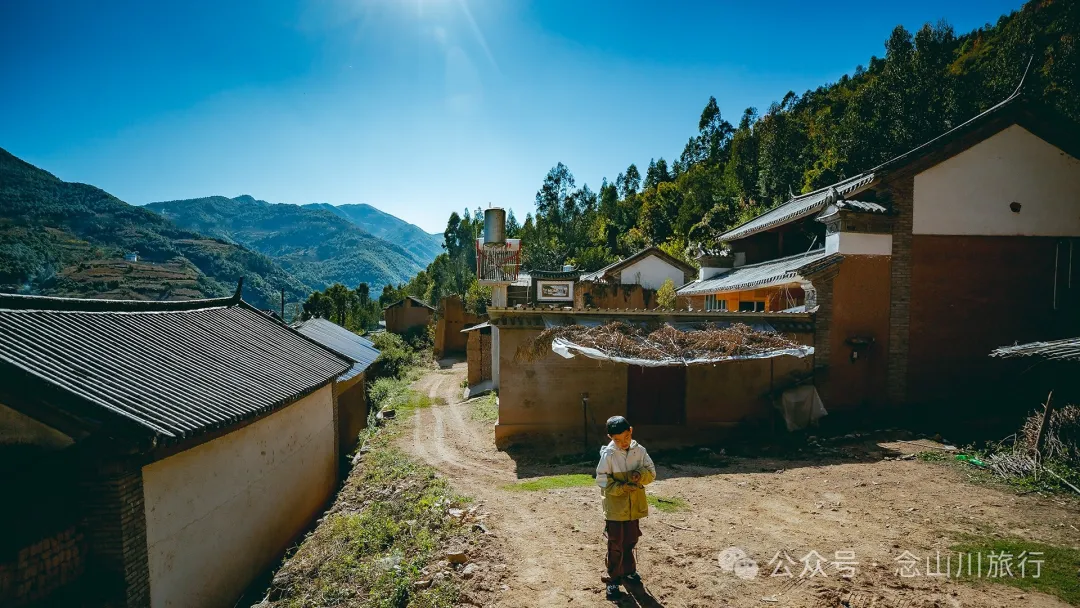
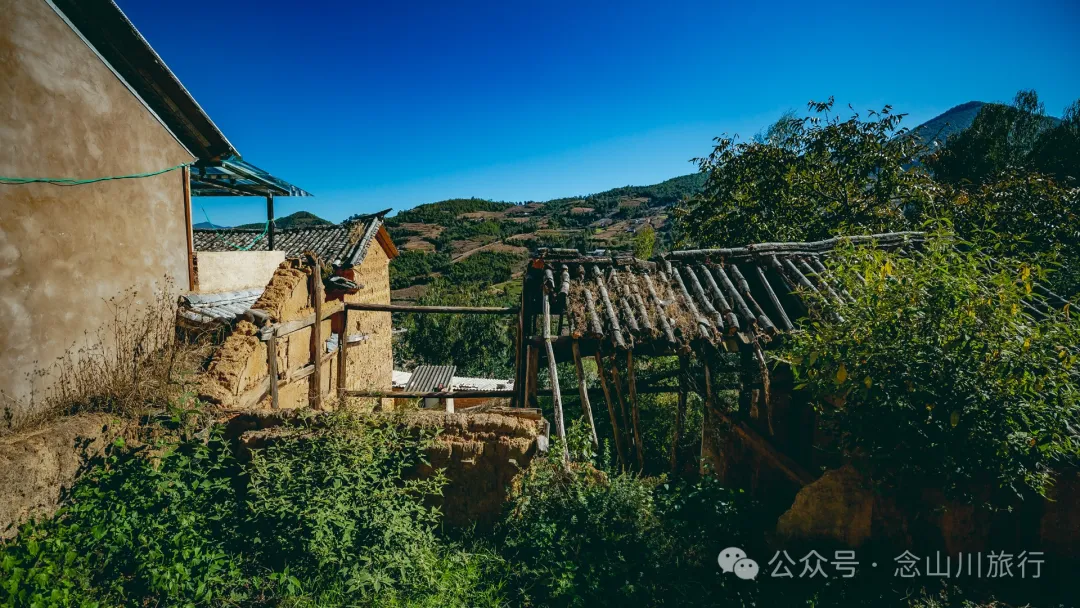
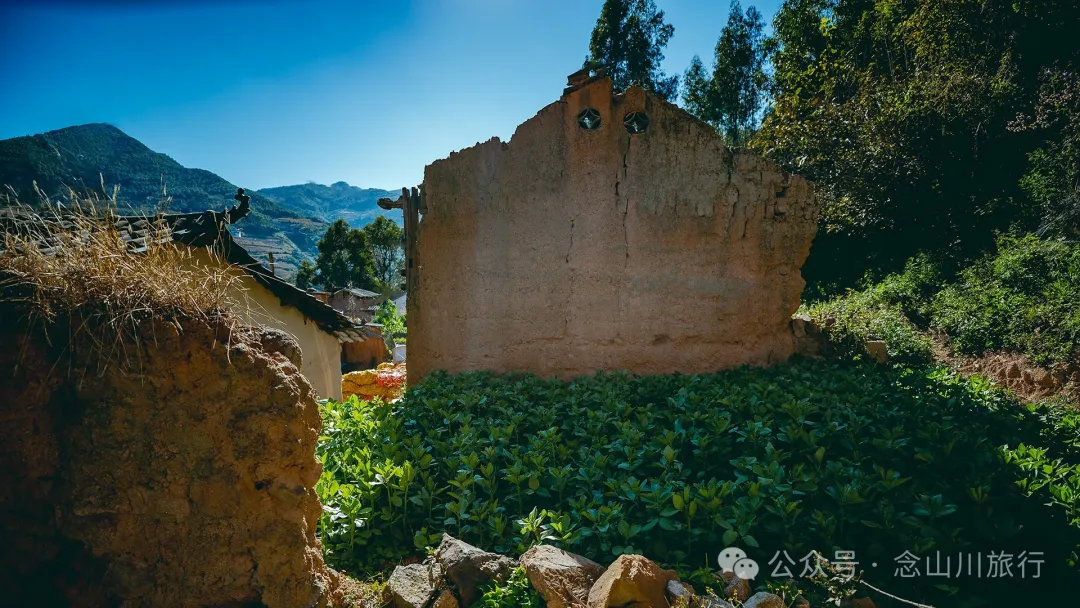
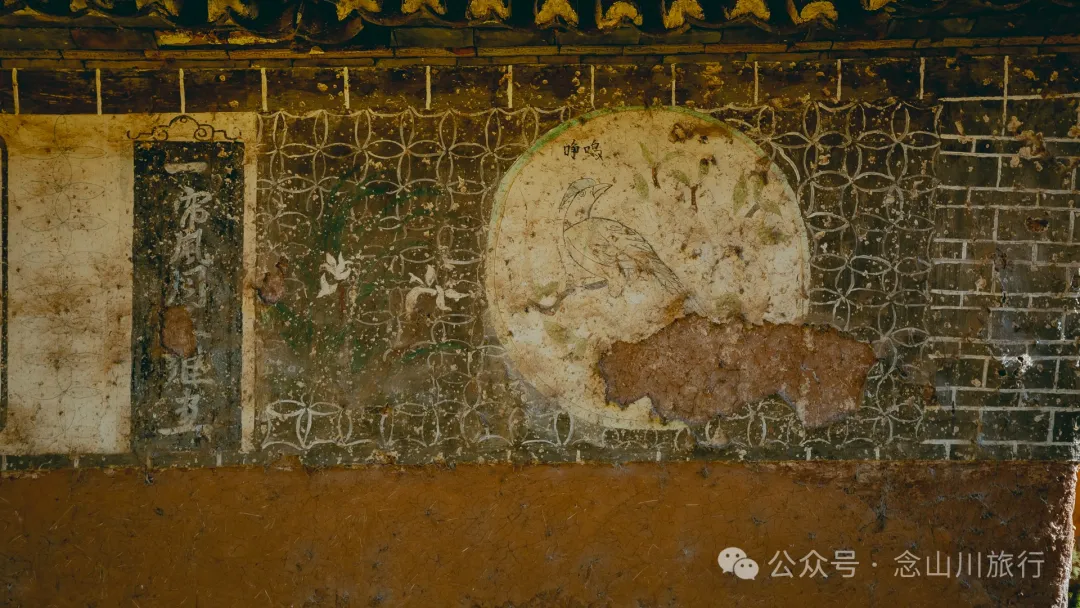
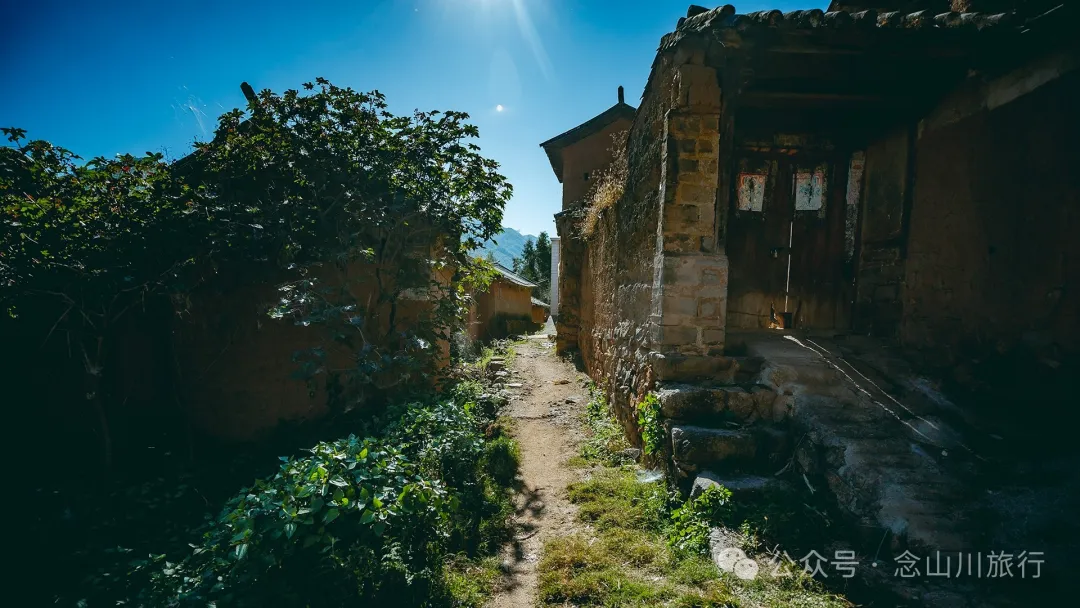
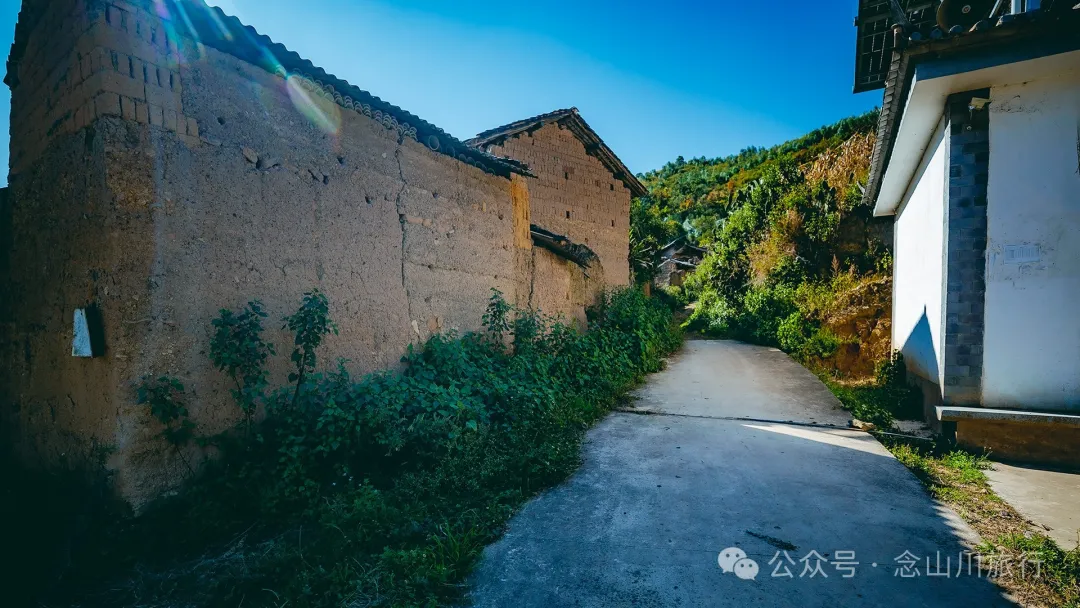
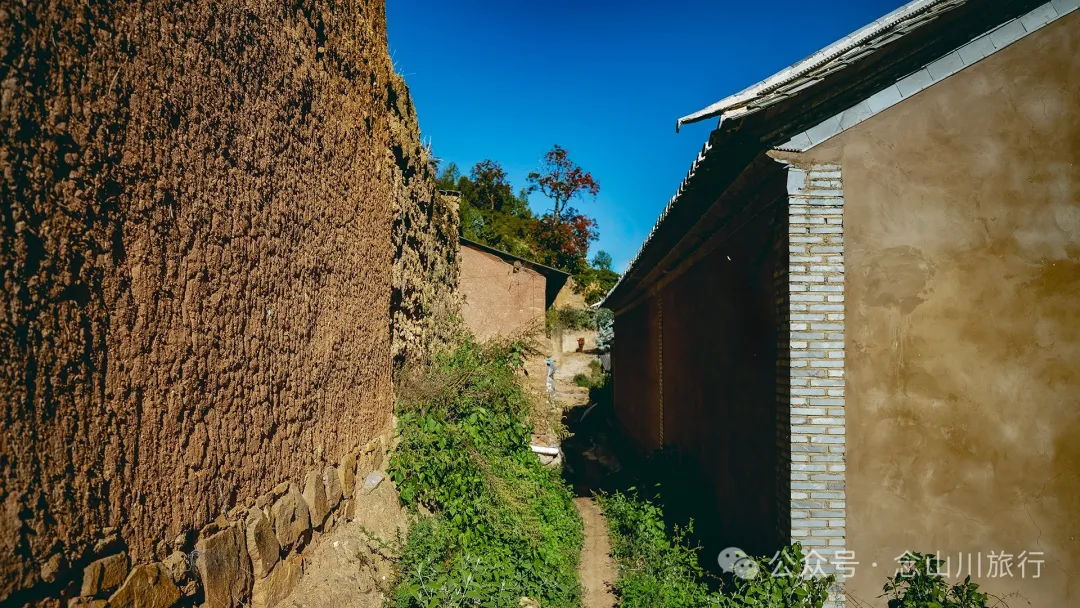
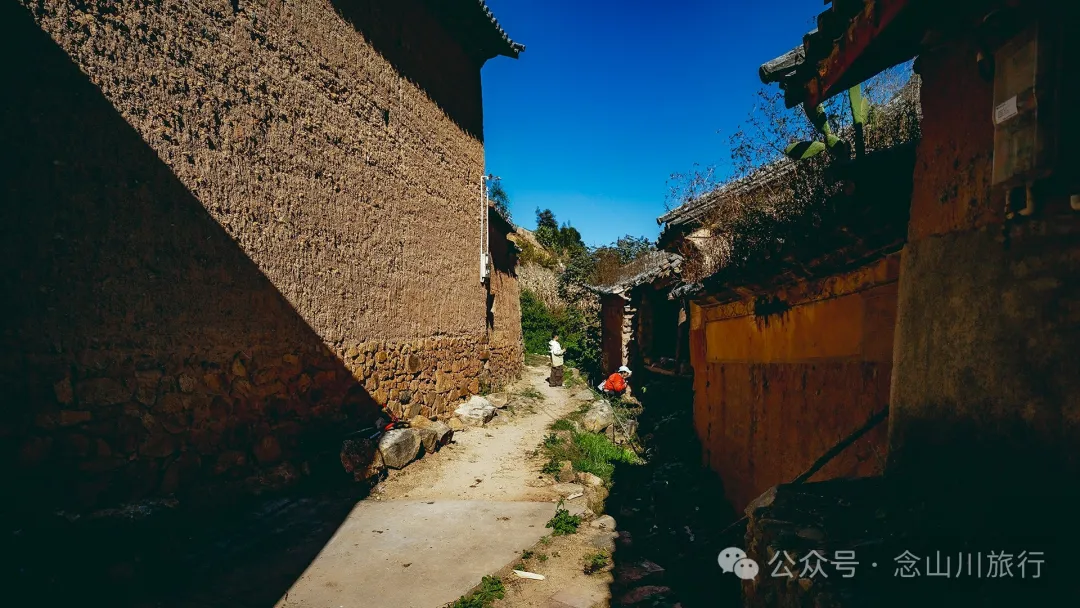
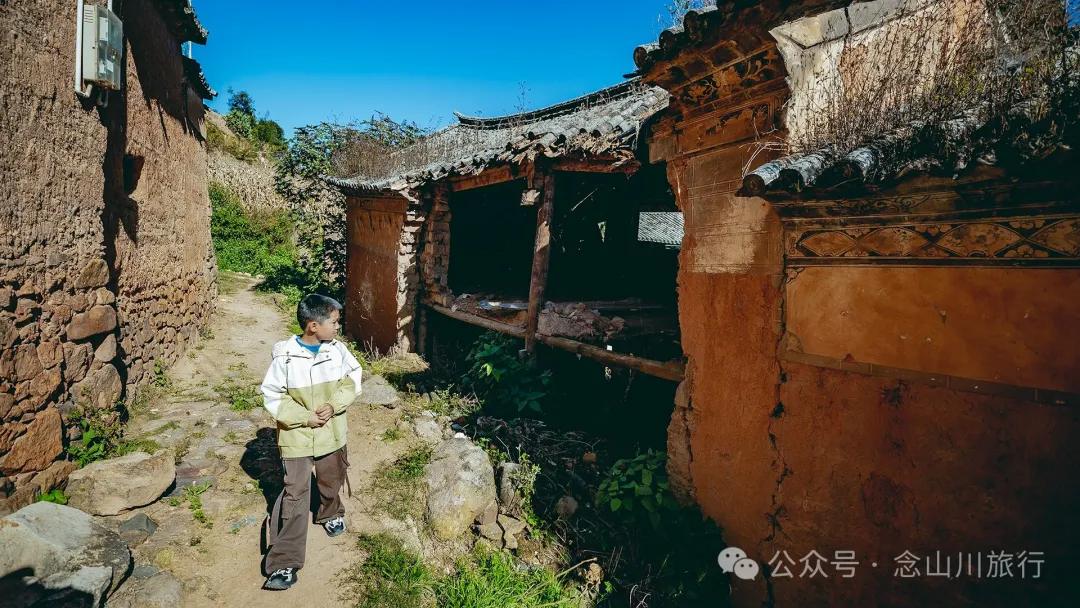
In this old village area, many ancient houses had collapsed to varying degrees due to age. Many entire buildings were abandoned and uninhabitable, but their former glory was still discernible. The clearly outlined murals on the walls had become fragmented and mottled due to peeling plaster. Amid the broken tiles and crumbling walls, farmers had carved out vegetable plots of various sizes. New life constantly sprouted, grew, leafed, bloomed, bore fruit, and then perished beneath neglected earthen walls, awaiting the next cycle in silence. The earthen walls, like sculptures, silently observed the countless cycles of tiny lives, casting only short shadows, faintly expressing their existence. Time reversed—when the courtyards were still intact and the owners lived there, the earthen walls must have heard many stories.
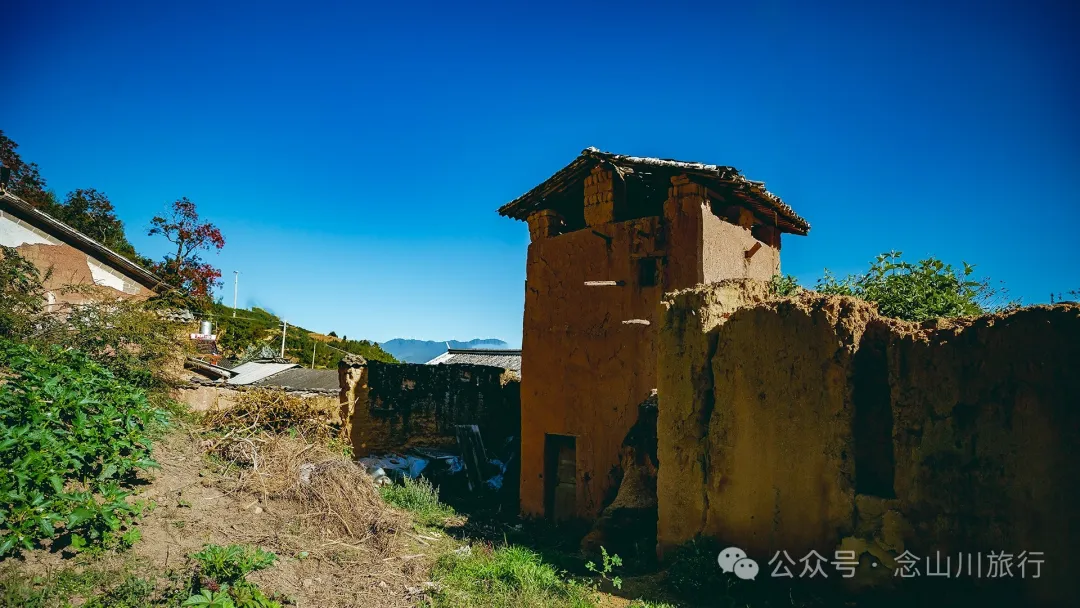
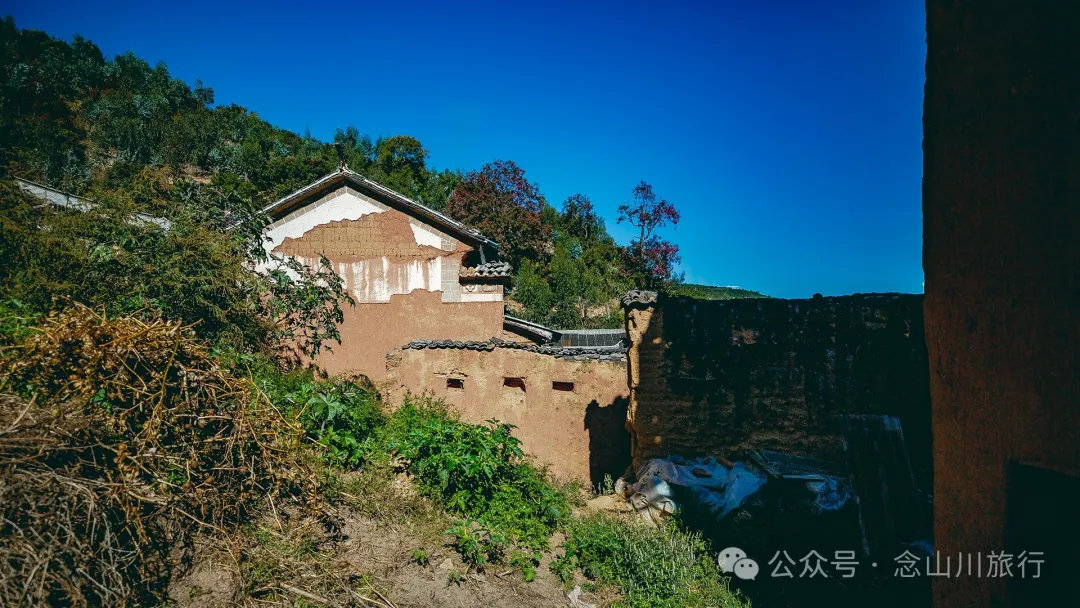
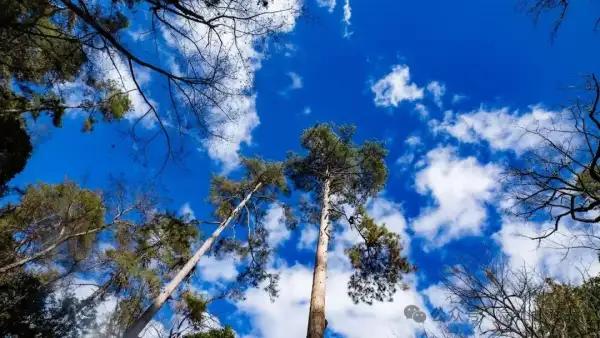
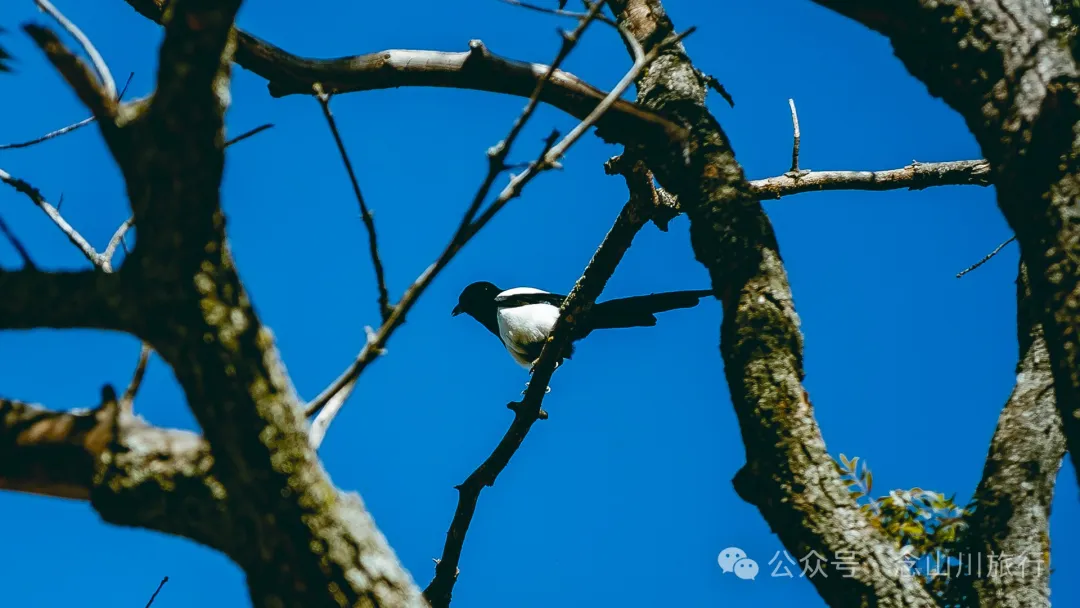
Above the old village area lay a forest. A tall Chinese pistache tree, with its dense branches, hid countless magpies. They perched high on the branches, far from humans, making sounds like a stapler—not particularly melodious, but certainly cheerful. When they looked down and spotted humans approaching, they stopped chirping and flew away from the pistache tree into the depths of the valley. When I looked up to find them, the branches were empty, only the red fruits of the pistache tree embedded in the indigo sky, shimmering in the soft winter sunlight. The black-and-white silhouettes had vanished from sight.

While searching in vain for the magpies, we were fortunate to glimpse the splendid autumn colors above the village. "At dusk, I look eastward, wandering, unsure where to go. Every tree is adorned with autumn colors, every mountain bathed in sunset glow. Herdsmen drive their calves home, hunters return with game on horseback. We look at each other but know no one; I sing a long song, longing for the hermits of old." When the sunset touches the high eastern ridge, and we stand on the ridge looking back at the village, we should also capture such poetic scenes as herdsmen driving their calves home.