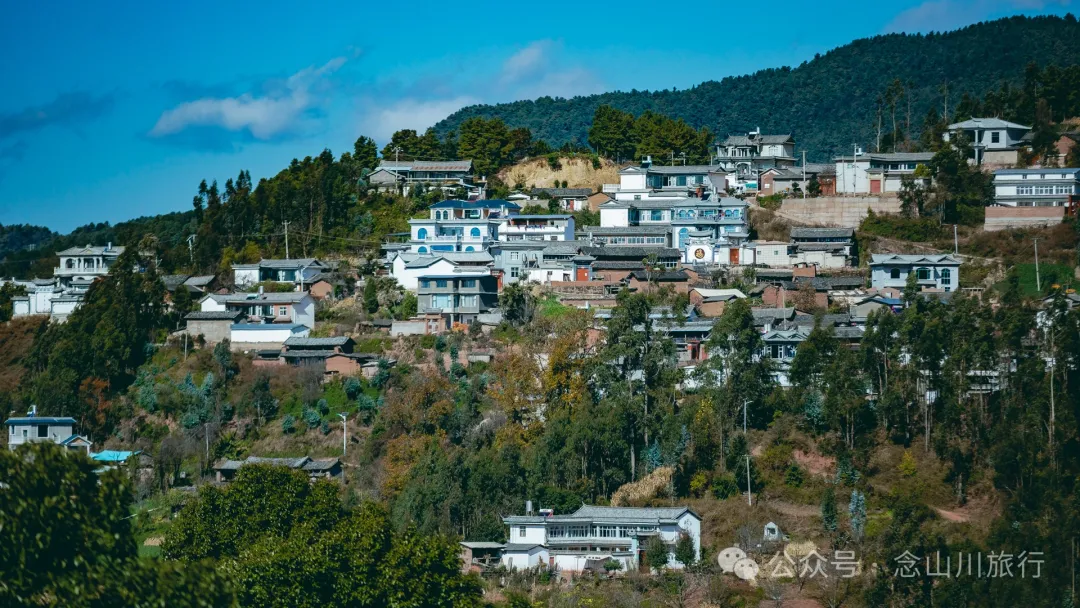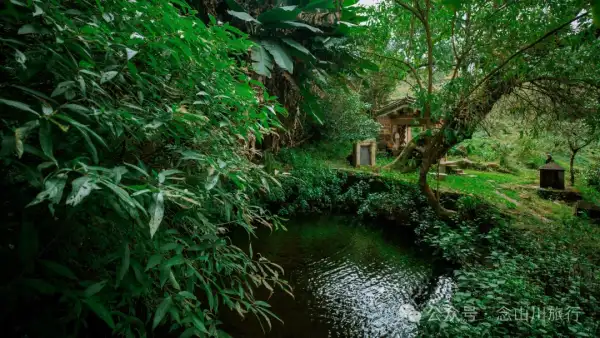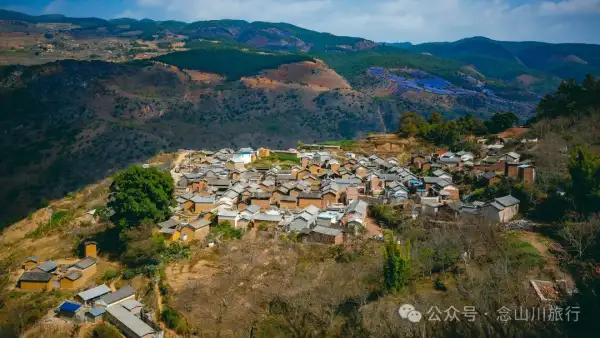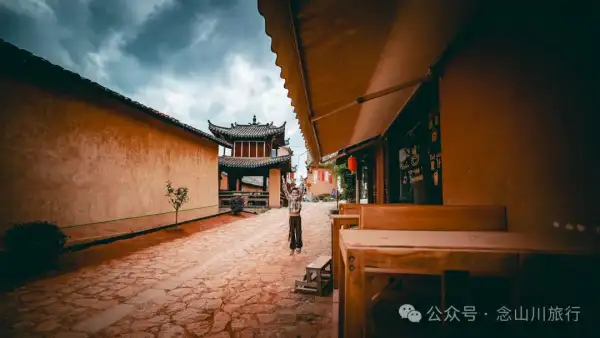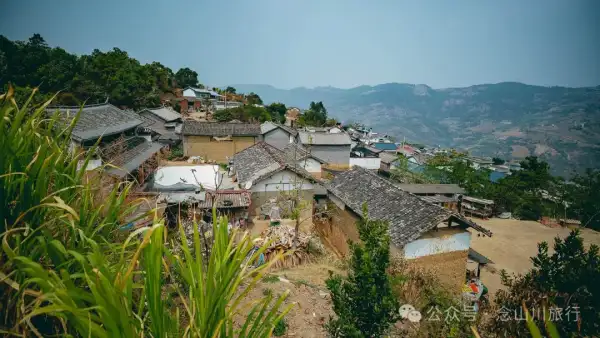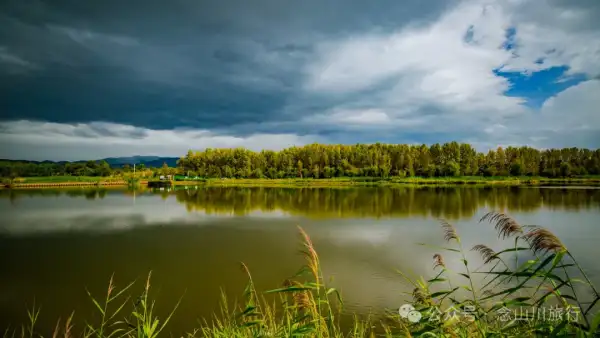

The first time we climbed the steep slope at the end of the concrete road in Xiaotangzi Village and stood on the rugged ridge, we saw the Black Dragon Pool hidden under a vast canopy of ancient trees. Its tranquility instantly rippled through the warm, clear winter day, and invisible waves of serenity washed over us from the quiet distance, penetrating deep into our hearts.
Waiting for a reunion is like waiting for a good day. Whether in anticipation or in the moment of meeting, that beauty is a steady stream, a deep and silent flow, a precious clarity that remains even as a mountain stream rushes through the wilderness into the mundane world.
I remember last time we stood on the mountaintop in the fierce wind, waiting for the clouds to disperse and the wind to calm, but we were disappointed for a long time. That day, a heavy downpour drove us away from the mountains, and we only stayed briefly at the Black Dragon Pool, without time to explore it thoroughly. As our car sped down the slope, a rainbow—a symbol of good luck—arched across the sky behind us. I took it as a sign that we were not yet ready.
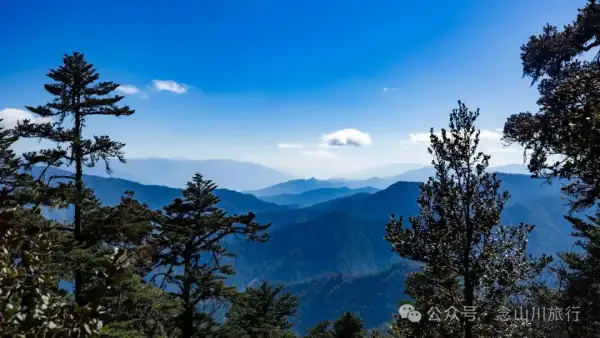
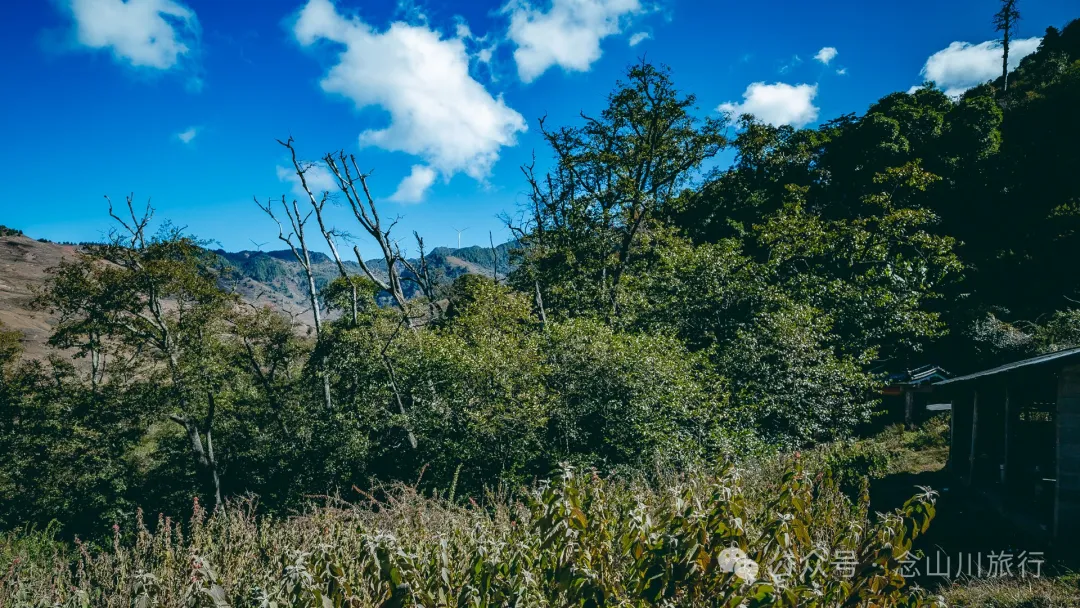
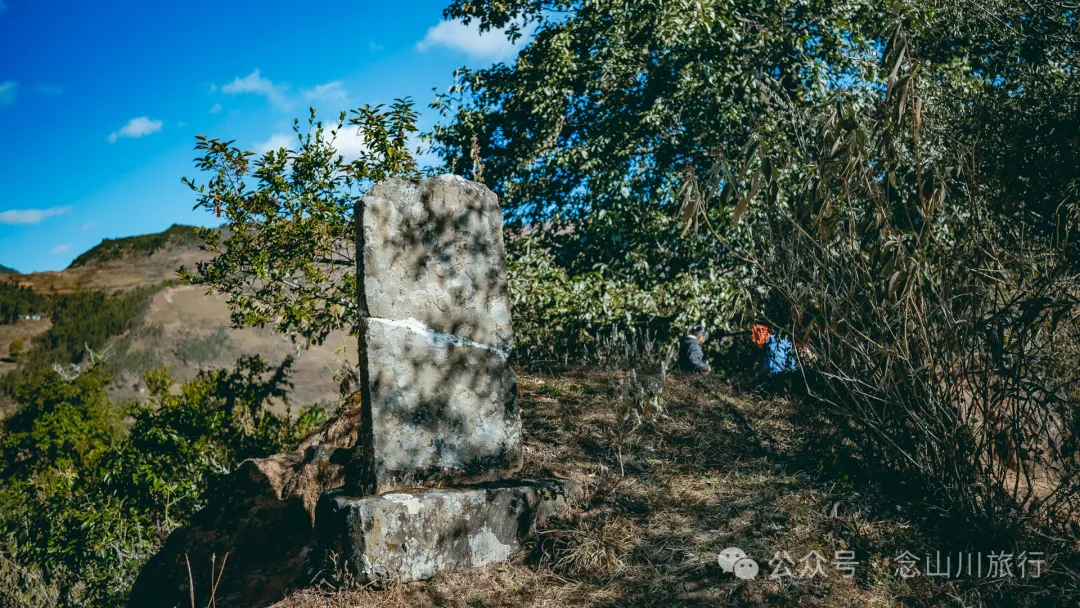
So we were fortunate to encounter this sunny weekend. As leisurely white clouds drifted across the gradient blue sky, and the cold and mist dissipated with the rising sun, we once again stood by the stone tablet inscribed with the "Bianfu People's Covenant" and rushed into the ancient forest that had been protected for generations.
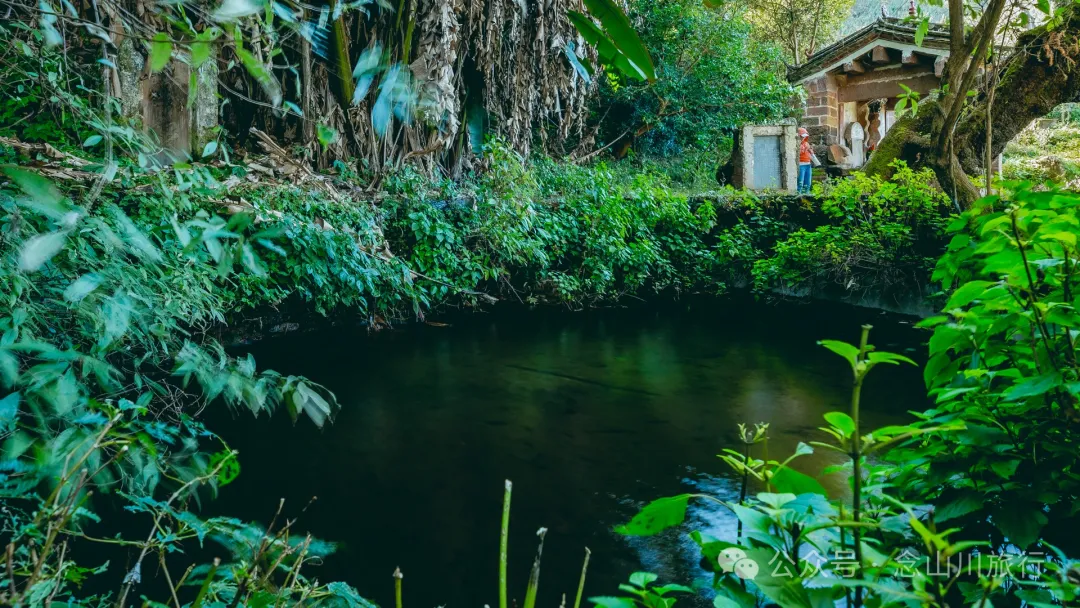
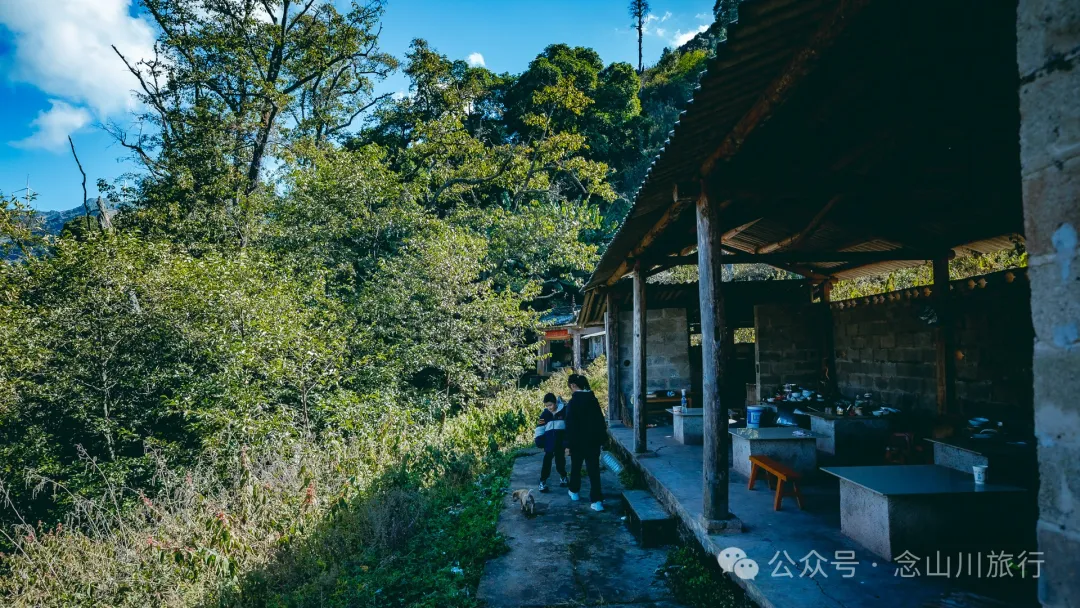
As before, there was no noise here. The villagers of Xiaotangzi were busy with their daily routines; only on major festivals would they come together to worship, burn incense, and share a meal. The arrangement of the brick house beside the dragon pavilion was exactly the same as we had seen last time—the stacked pots and pans were all covered in dust. This time, however, besides us, a couple arrived at the Black Dragon Pool almost simultaneously, carrying several empty buckets of various sizes. They had specifically ridden a motorcycle from Weishan City to fetch water.
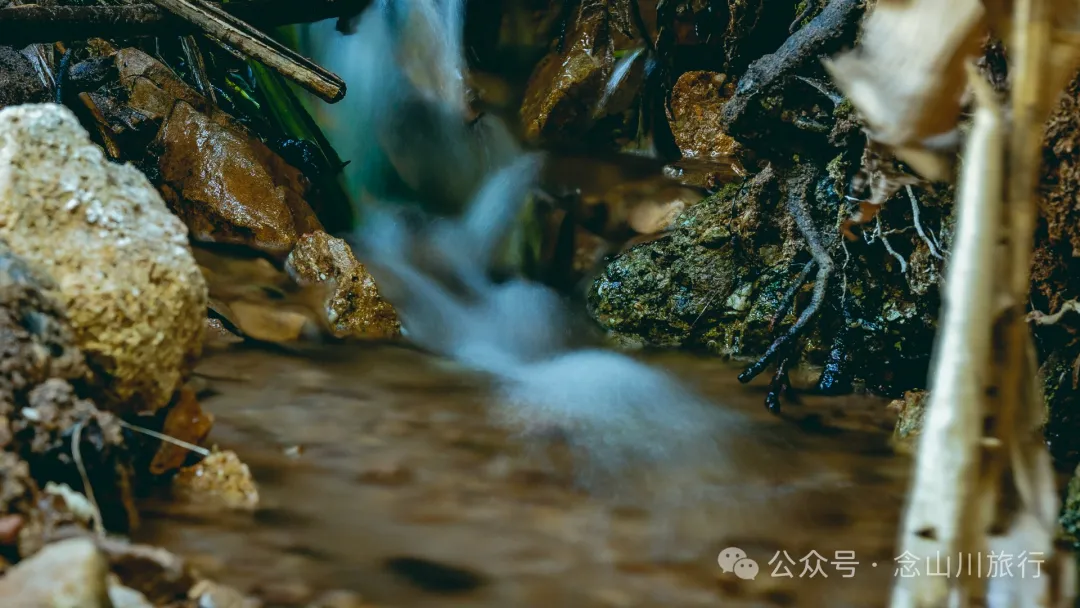
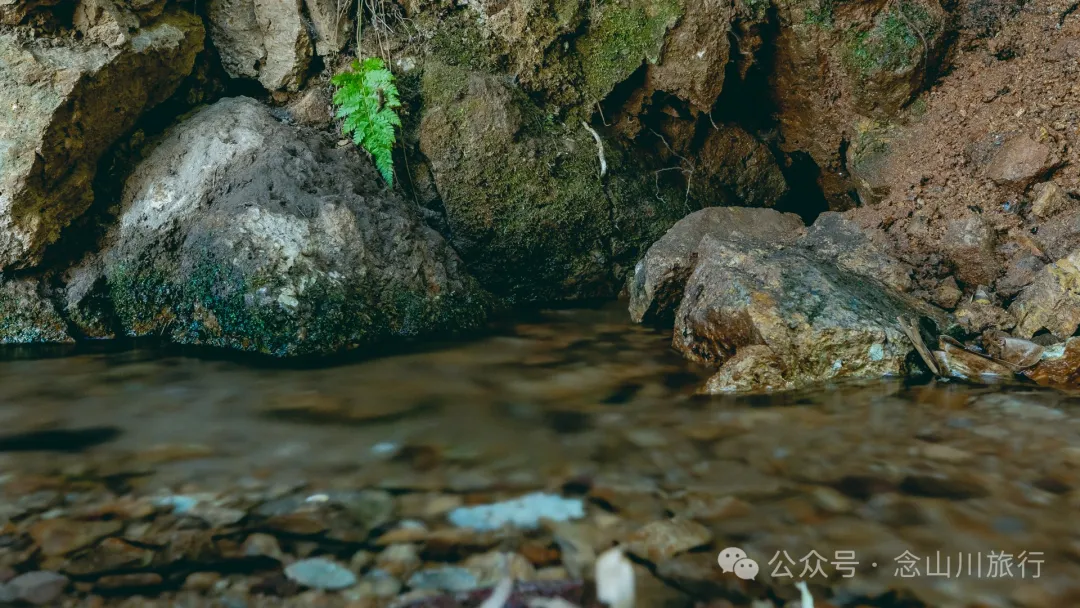
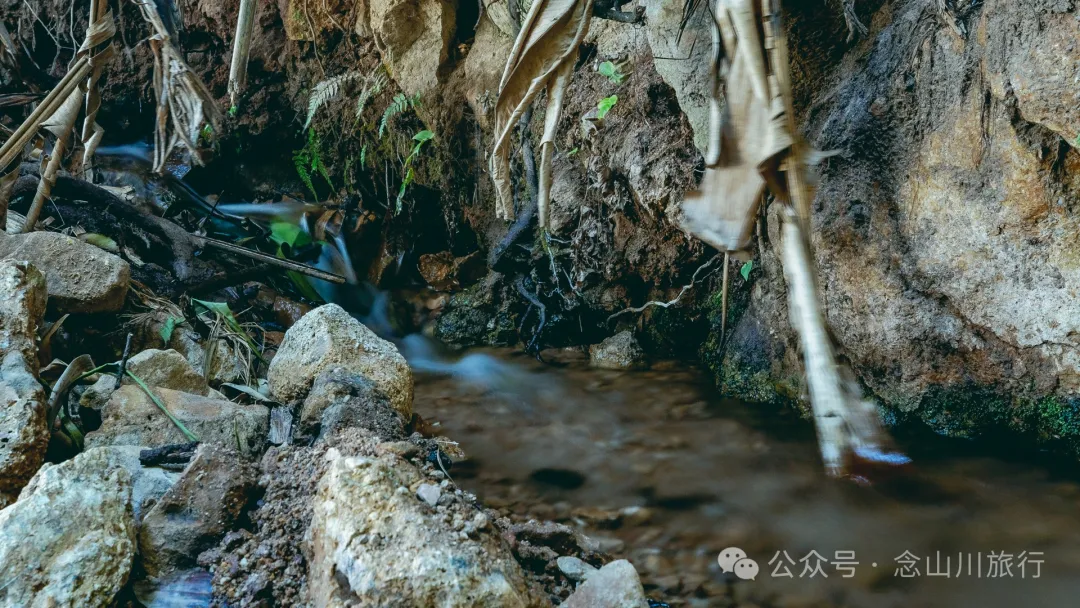
Thanks to the good weather, we had ample time to stay. A reader told us that a beautiful flower blooms in the mountains during this season. In search of the flower, I plunged into the dense thickets and unexpectedly discovered many small tributaries of the Black Dragon Pool. These were actually shallow ditches, thin and narrow. But no matter which direction they flowed from, the water in the ditches was extremely clear and bright, without any turbidity.
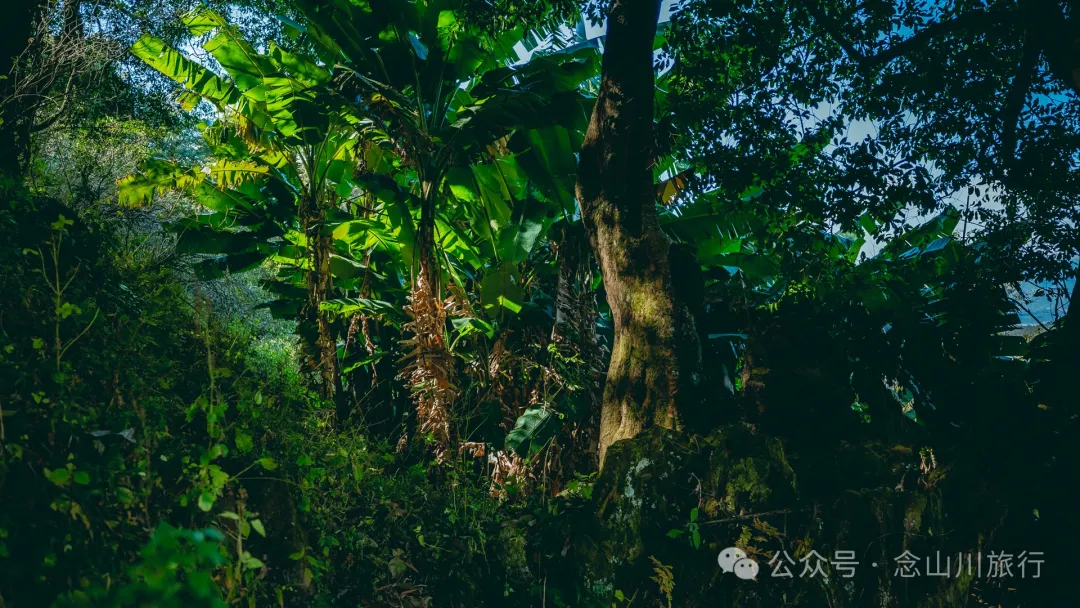
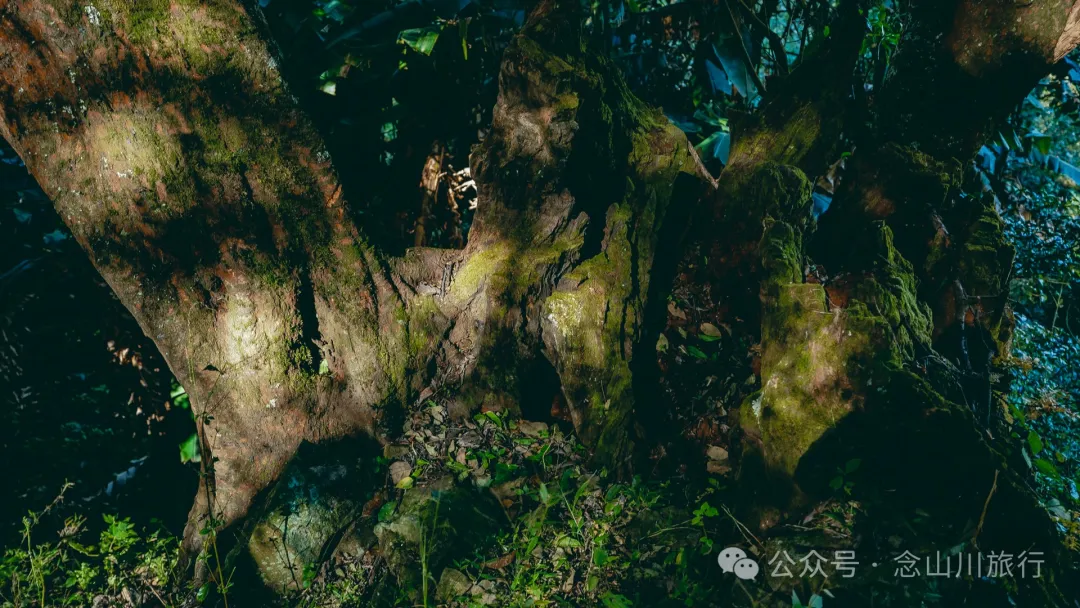
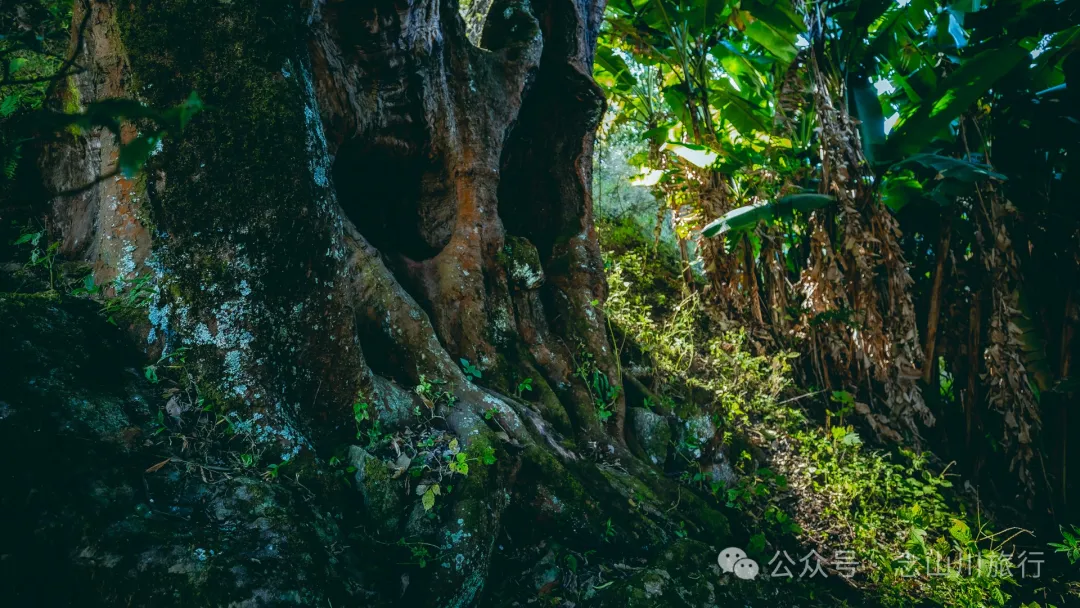
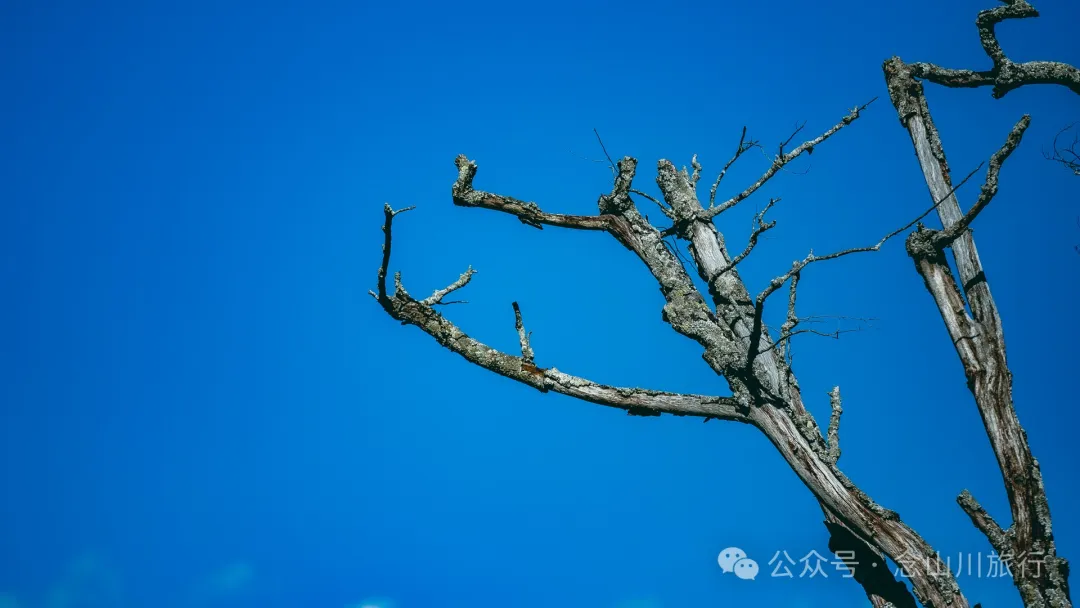
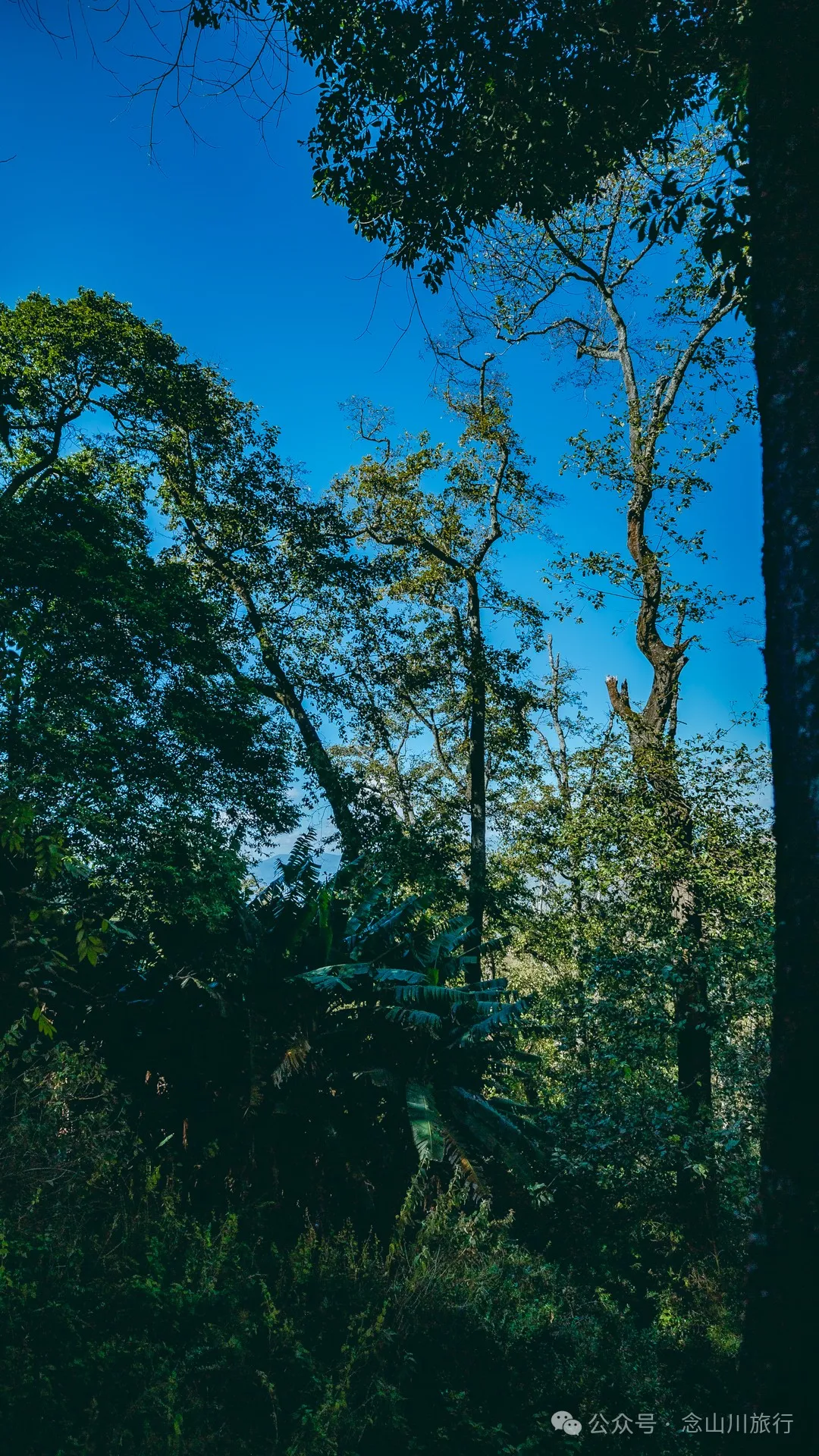
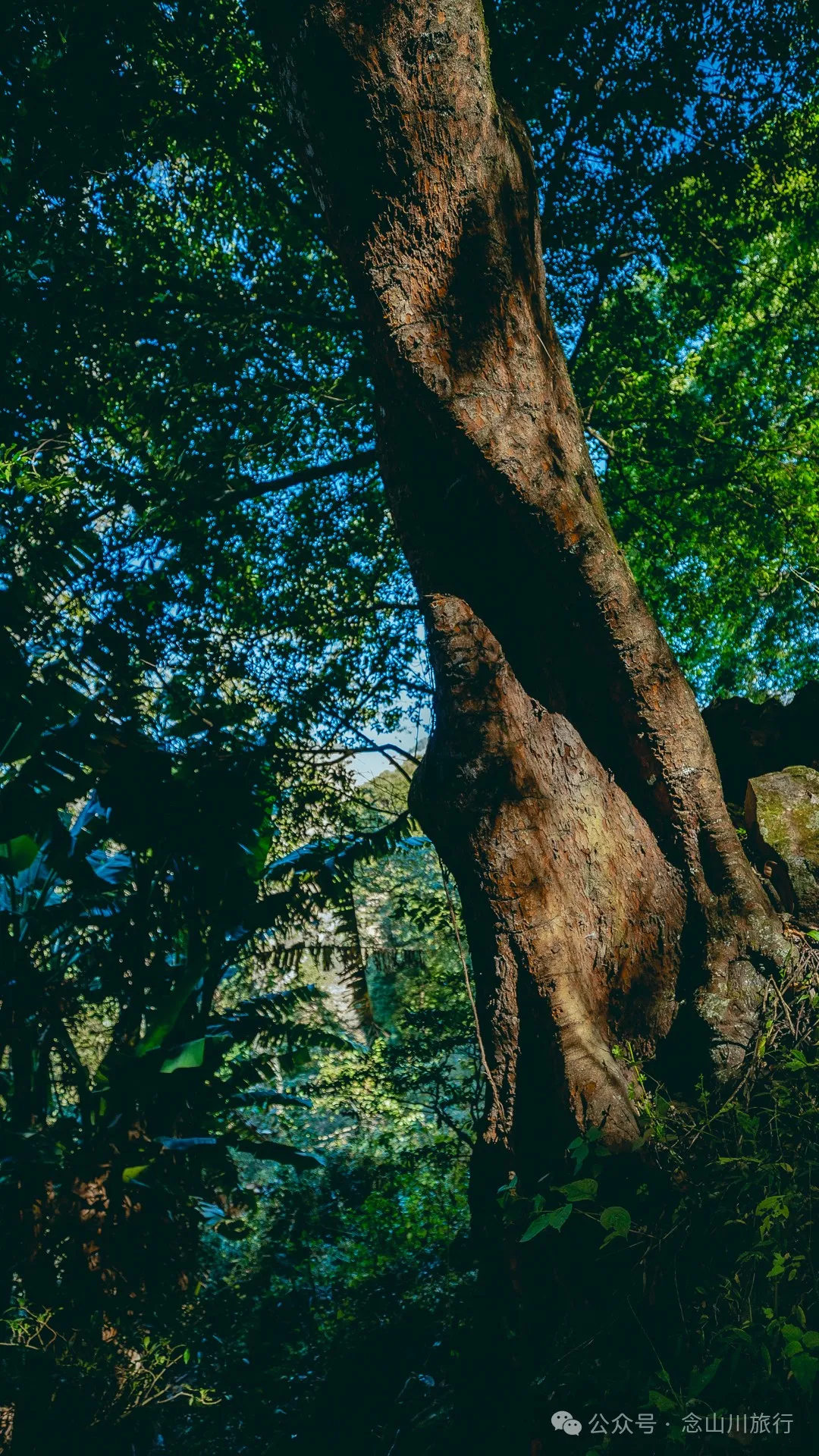
This crystal-clear spring continuously gushed from the depths of a cluster of tall banana trees beside the Black Dragon Pool. Following a narrow, rugged mountain path, I explored and found the original outlet of the spring. The water emerged from under a dark, massive rock, above which was a slope covered with towering ancient trees. On the slope above the banana trees stood several large trees, one of which had been dead for many years, leaving only a stump firmly rooted in the ground.
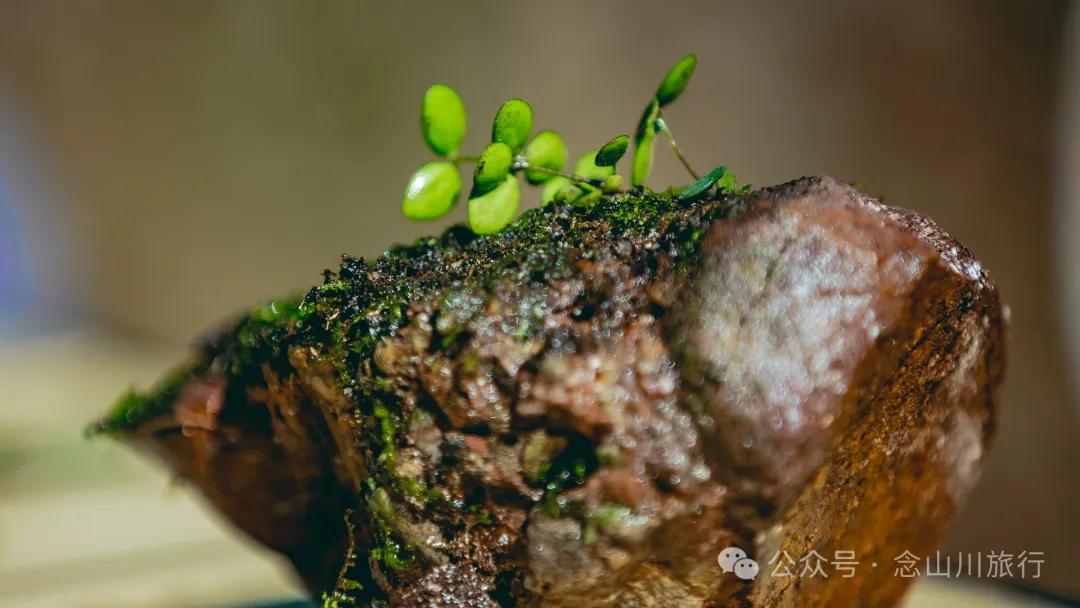
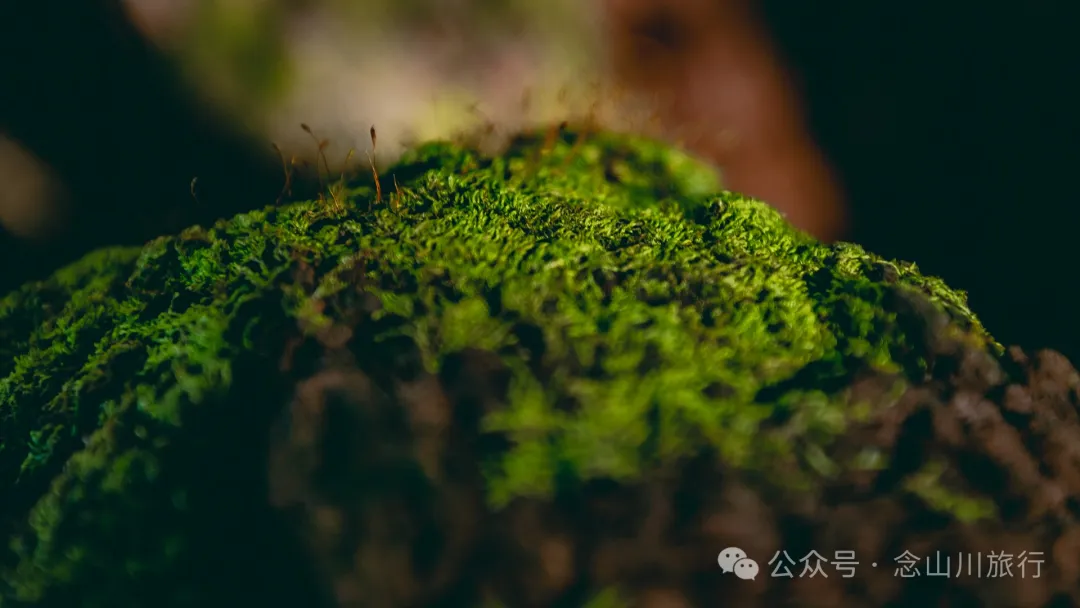
The thick stump would require three or four adults to encircle. Its bark had long since peeled off, and the exposed trunk surface had been decaying for who knows how many years, cracked like a dry riverbed into deep grooves. Yet life still thrived on it: it was now covered with countless mosses, and this once mighty ancient tree remained lush and green. Compared to the tap water we drink at the foot of the mountain, the spring water here was extremely sweet and smooth, making tea with it much less astringent. I think this ancient tree of unknown age still radiates vitality because it benefits from this mountain spring.
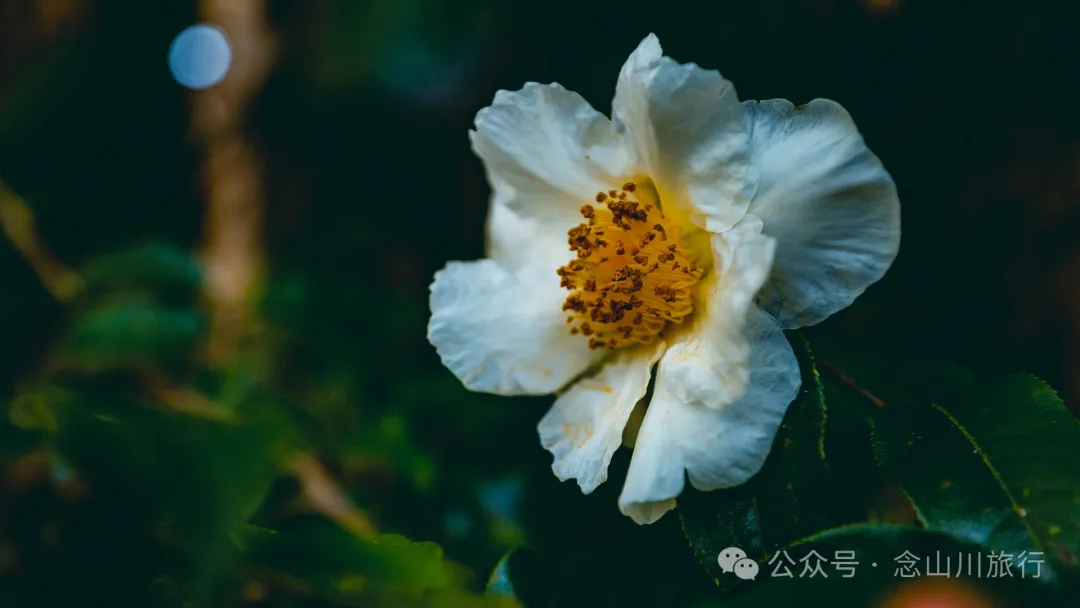
We came for a type of camellia called "monkey wood flower." A reader shared with us that several tall camellia trees beside the Black Dragon Pool bloom in December, with pure white flowers that are very pleasing to the eye. When we arrived, we indeed found a few palm-sized flowers on two camellia trees about two to three meters tall. Two or three had fallen on the ground by the stream, and more buds were hidden among the branches. This was our first time seeing this near-threatened species. I think our good fortune in seeing it is greatly related to the Qing Dynasty stone tablet at the top of the mountain. Without that strict punitive decree, there would probably not be so many pure and flawless spirits in these mountains.
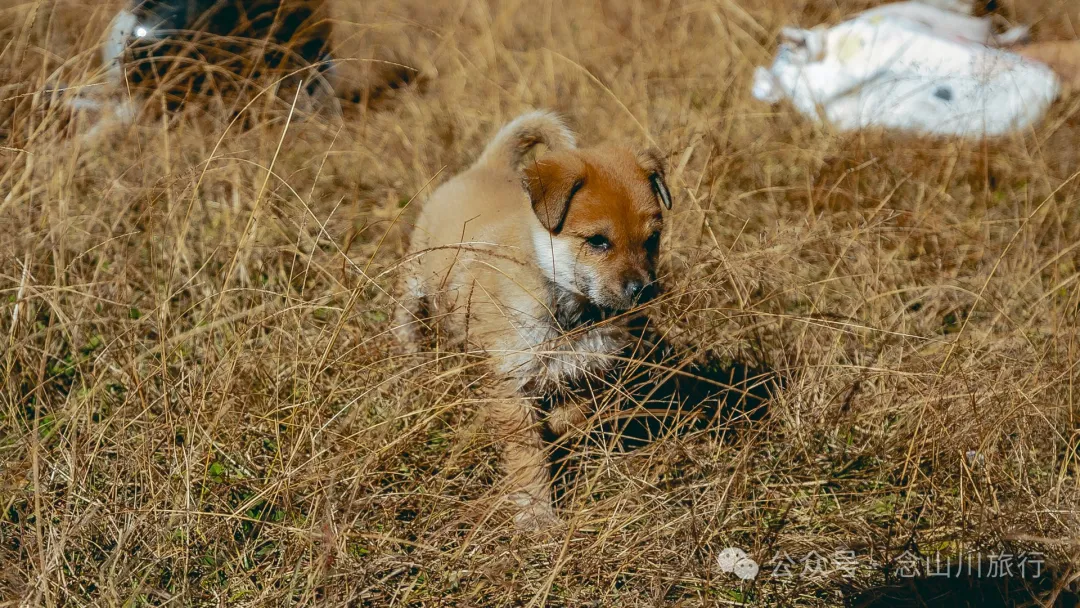

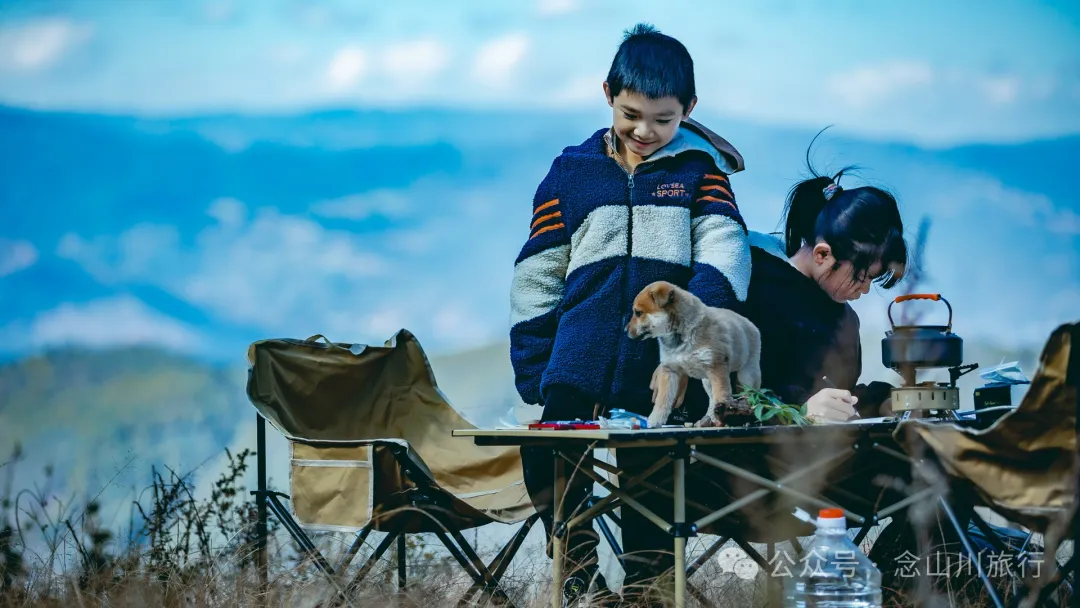
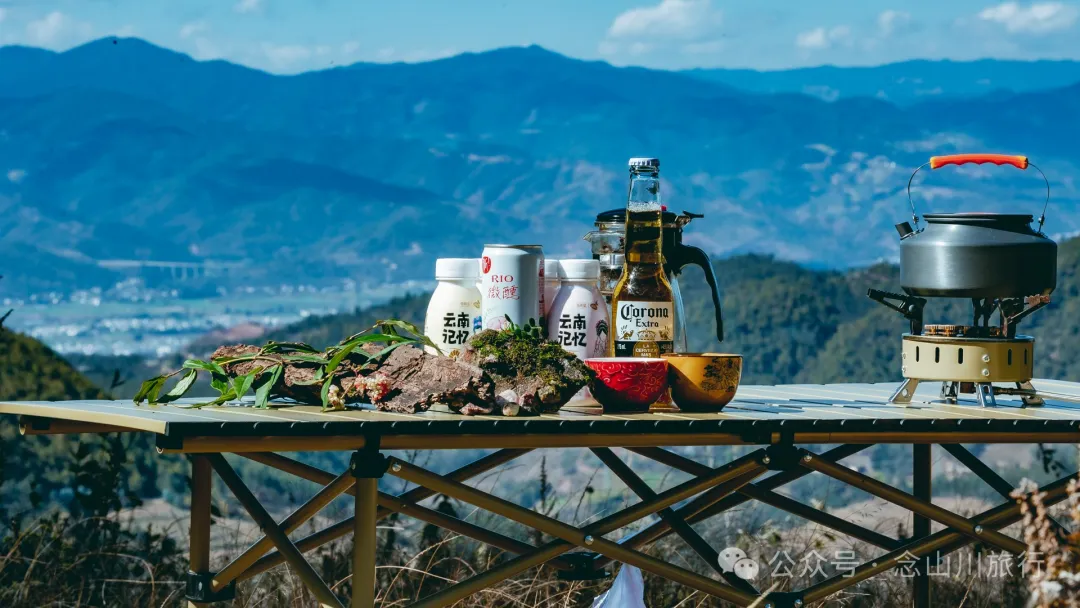
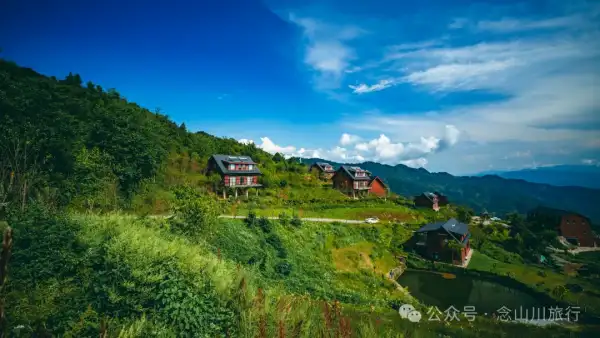
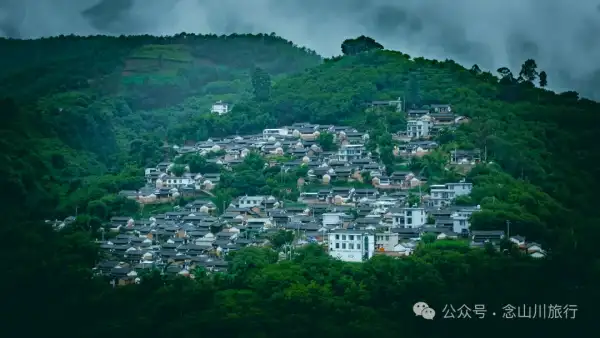
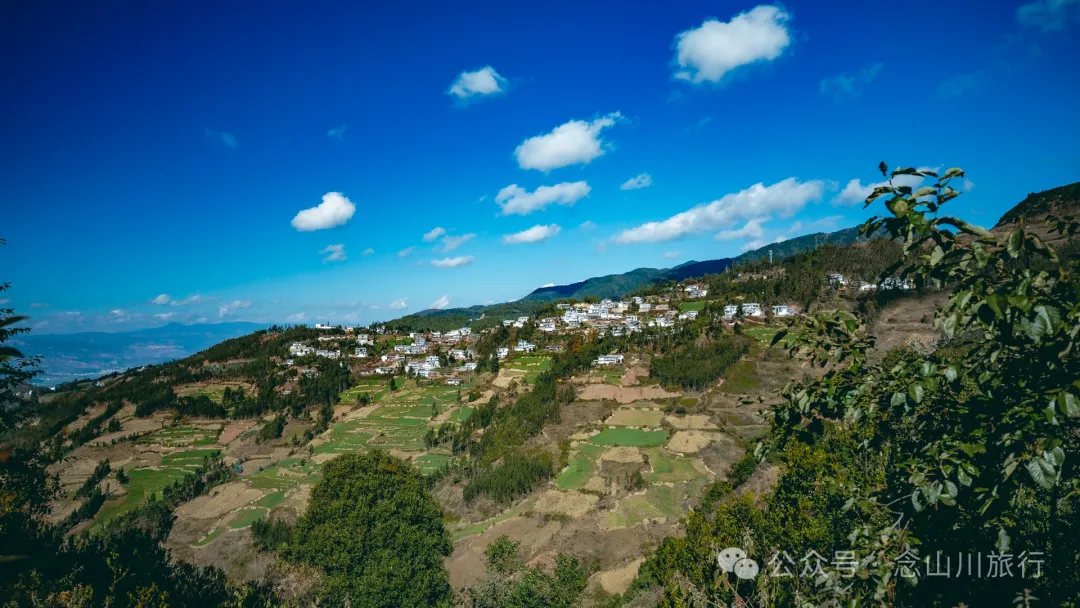
We camped on the mountaintop. The village of Duoyu on the opposite slope was like a spectator, admiring our mountain area day and night. The gentle air flowed past us, and everything was so quiet and beautiful.