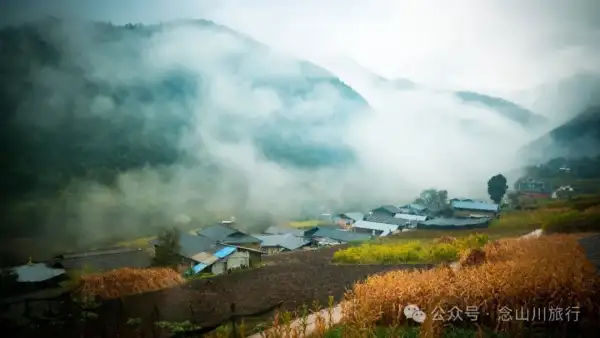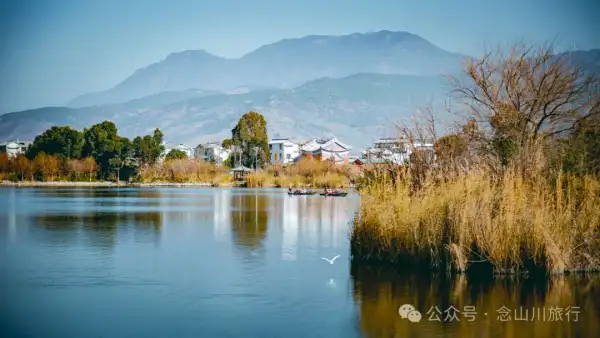

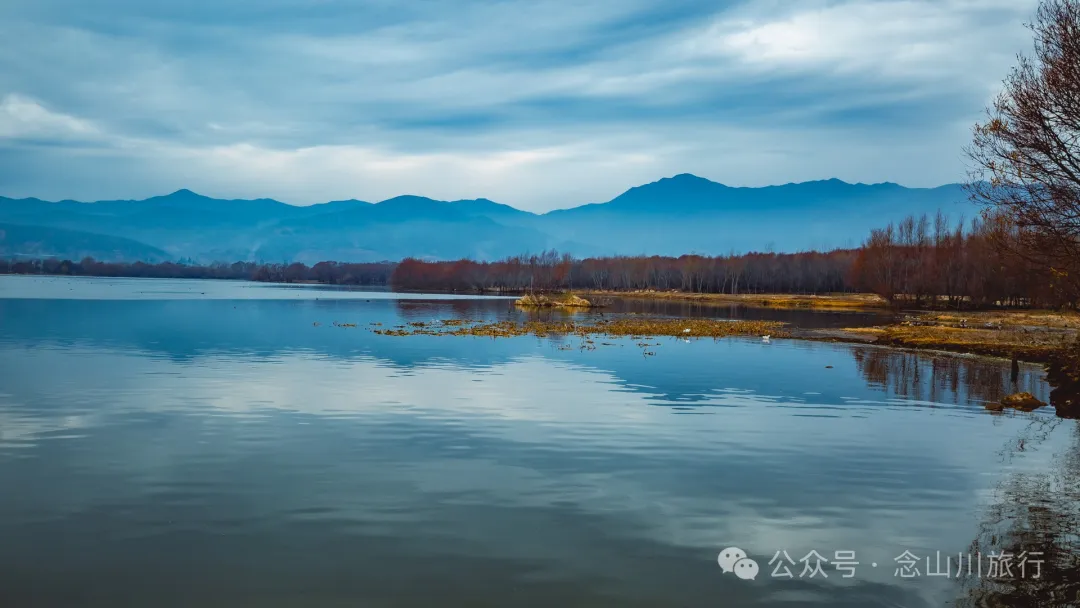
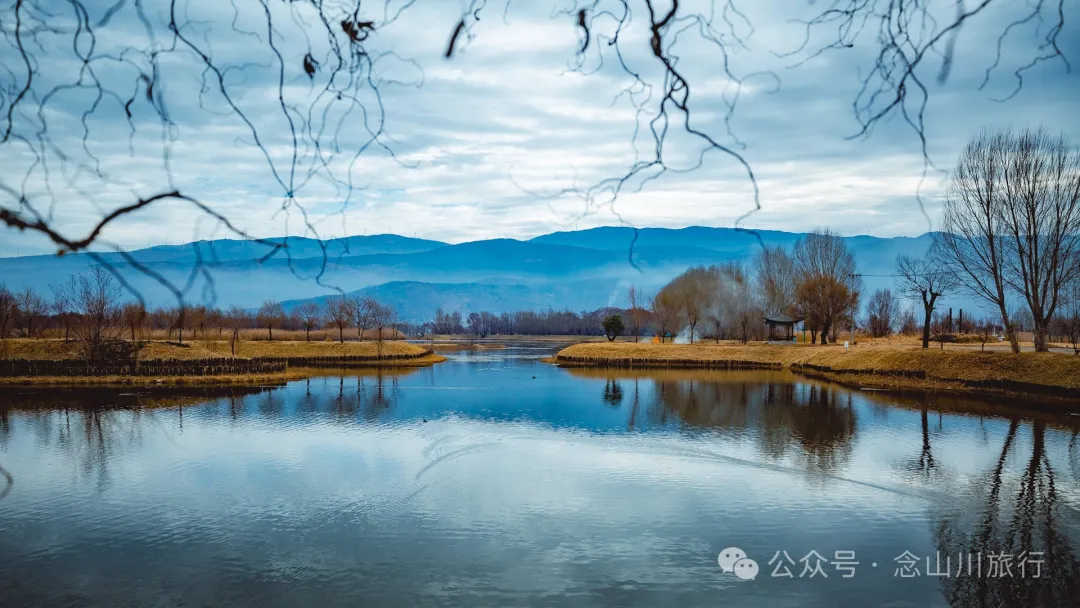
On the winter solstice, the thin clouds gradually thickened, and the blue morning sky was slowly covered by clouds until the sky was completely blocked above the clouds. Mist rose in the distant mountains, a sight that worried me, wondering if I could still see the most beautiful winter lake view. But fortunately, the misty Jian Lake had a unique charm, every frame full of poetic atmosphere.
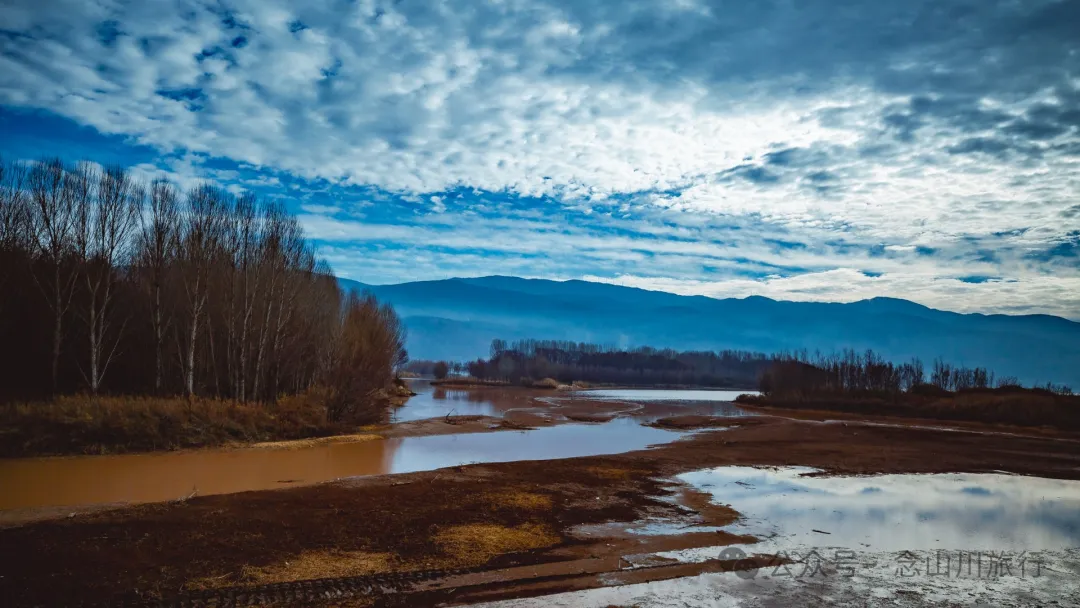
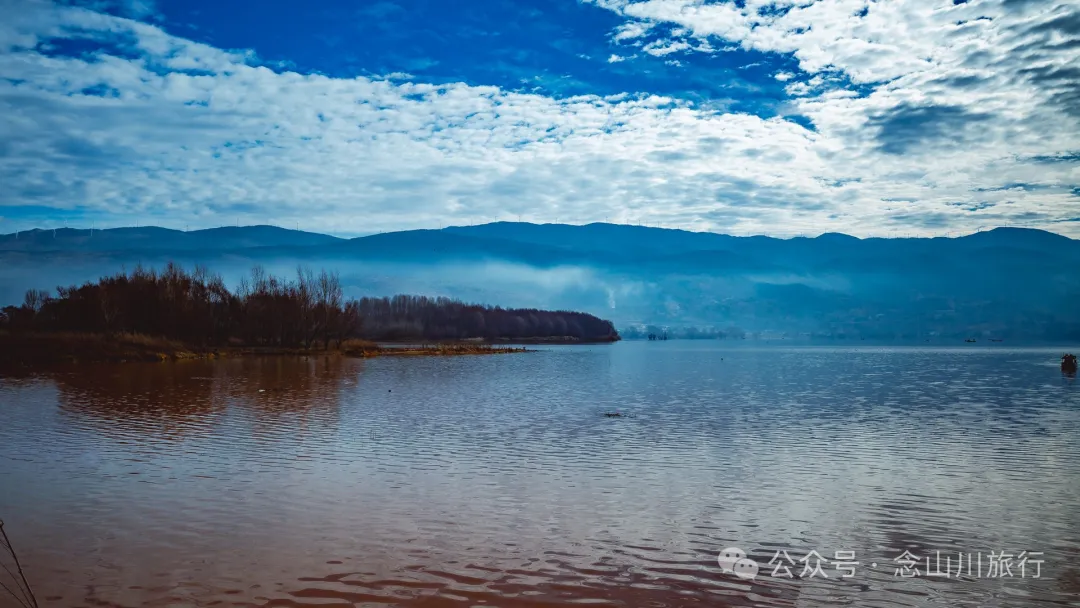
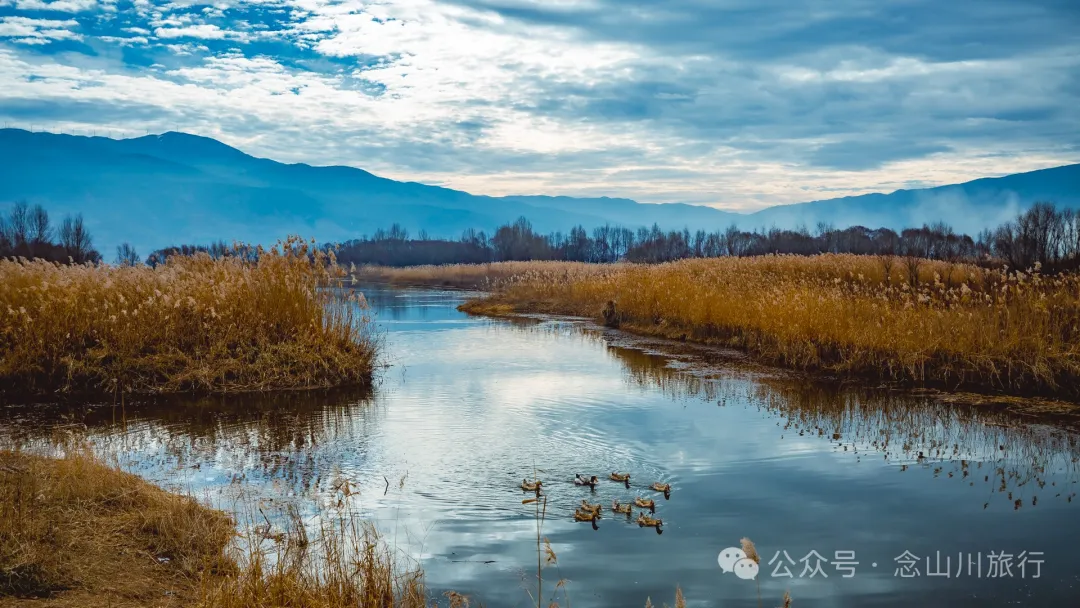
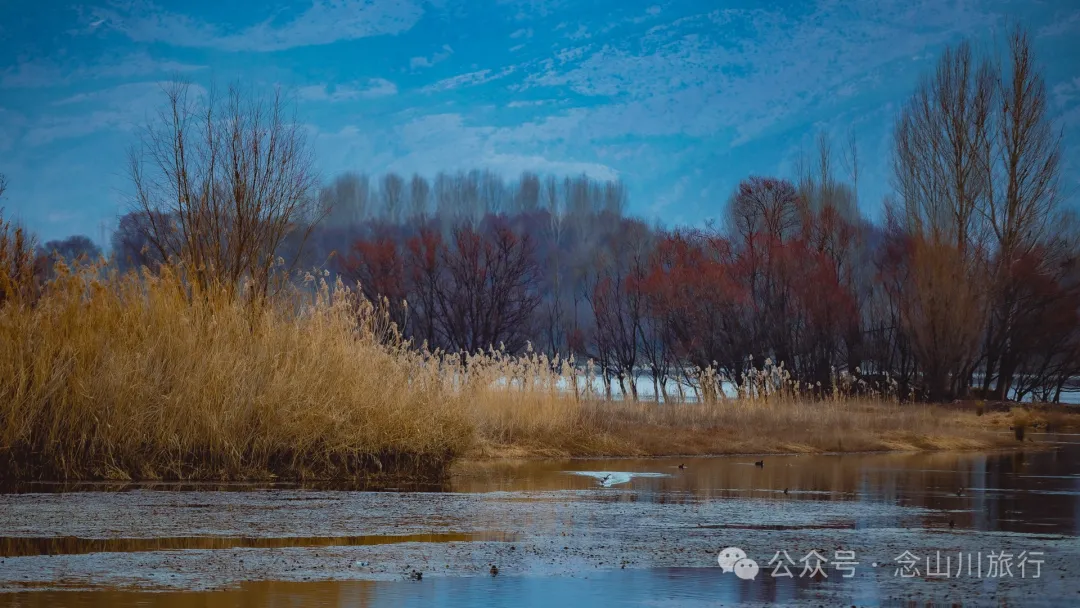
As we sped past the narrow Heihui River on the south side of Jian Lake, the withered cattails lying on the bank and the weeping willows leaning toward the river on the other side reminded me of Thoreau's words. "Today is clear and bleak, like November. We go with the wind, not needing to row. The leaves of the boxwood have all fallen, the black willows are withered and drifting, the vines are almost gray, and the withered sedge or rushes are reflected in the water. It has been a long time since I last traveled on the river; today it is cold and cool, especially fresh." He described the scenery of the Walden Pond area where he lived in many of his works, and the wild and vibrant natural environment was enviable. At Jian Lake Wetland Park, we found many scenes that matched his words.
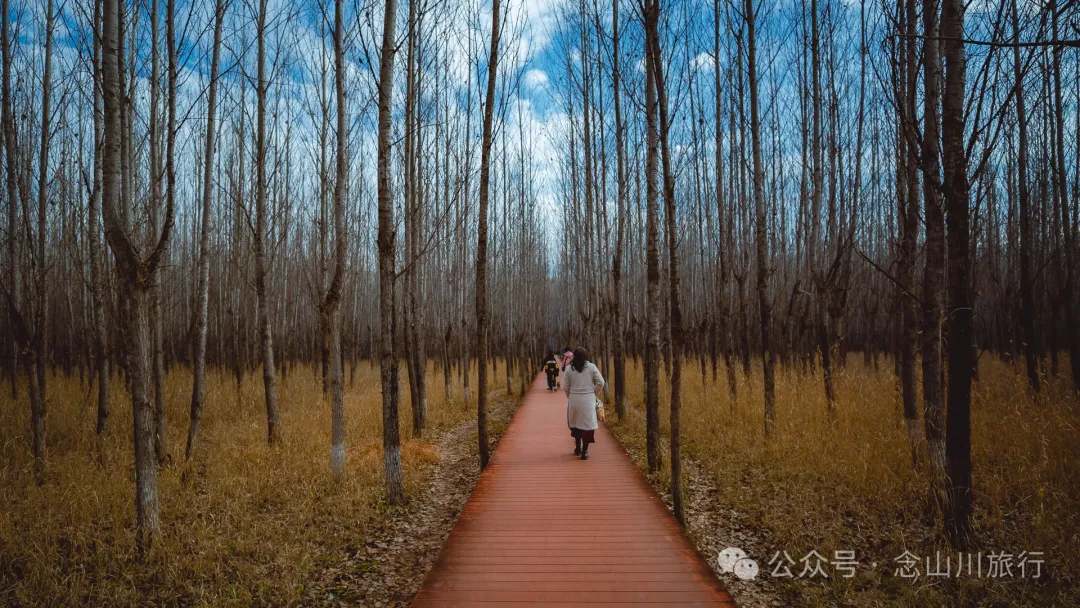
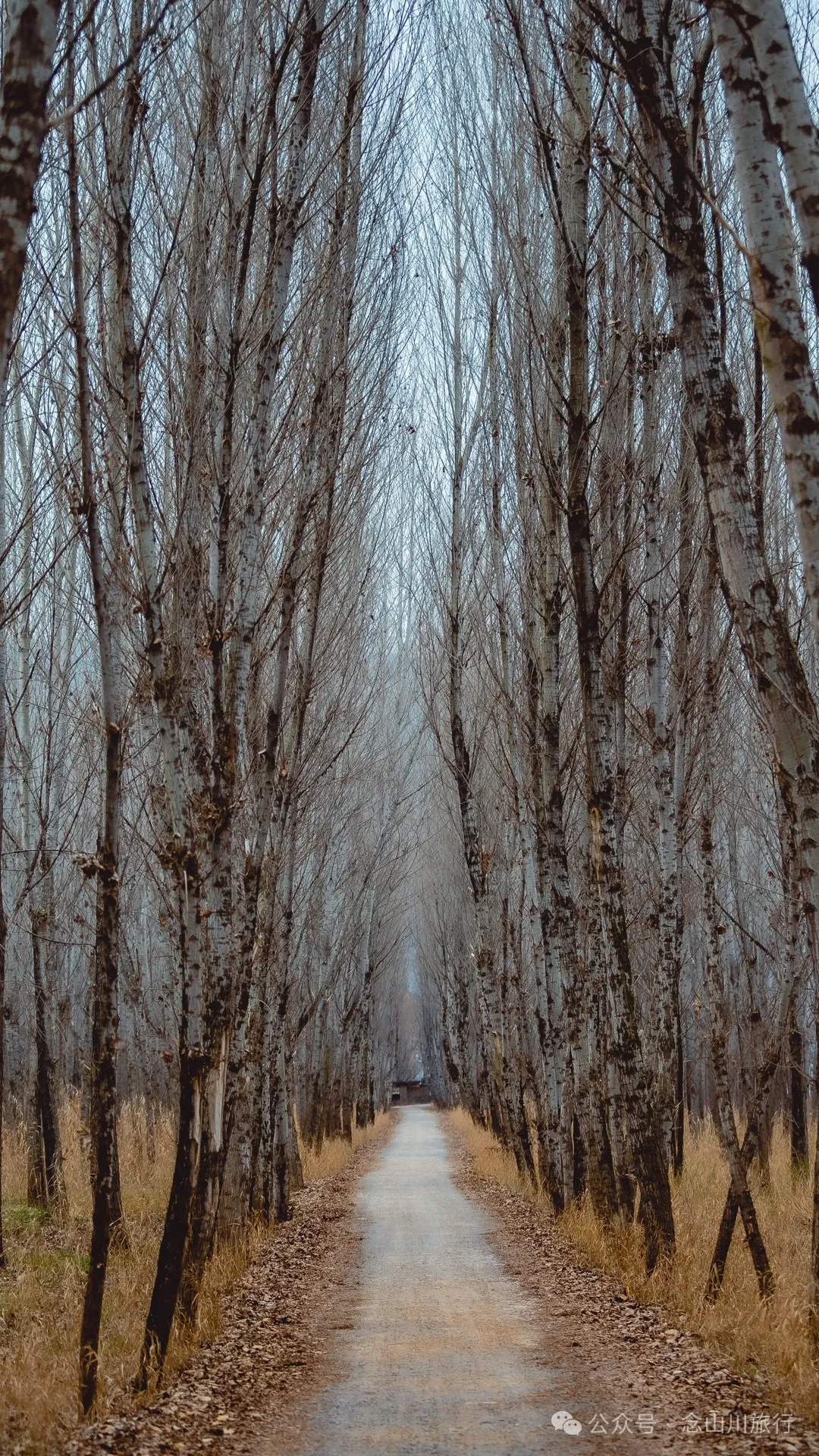
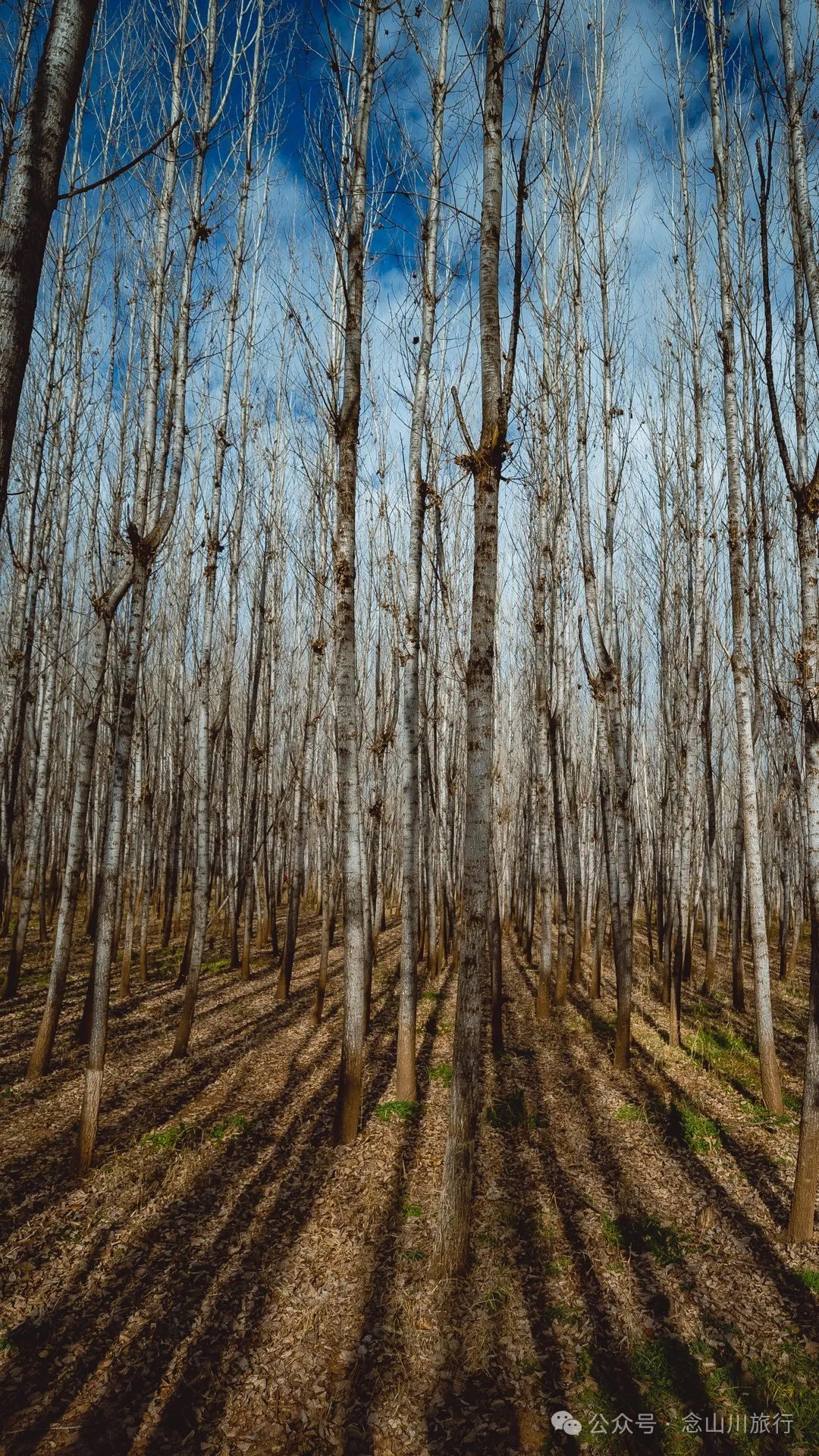
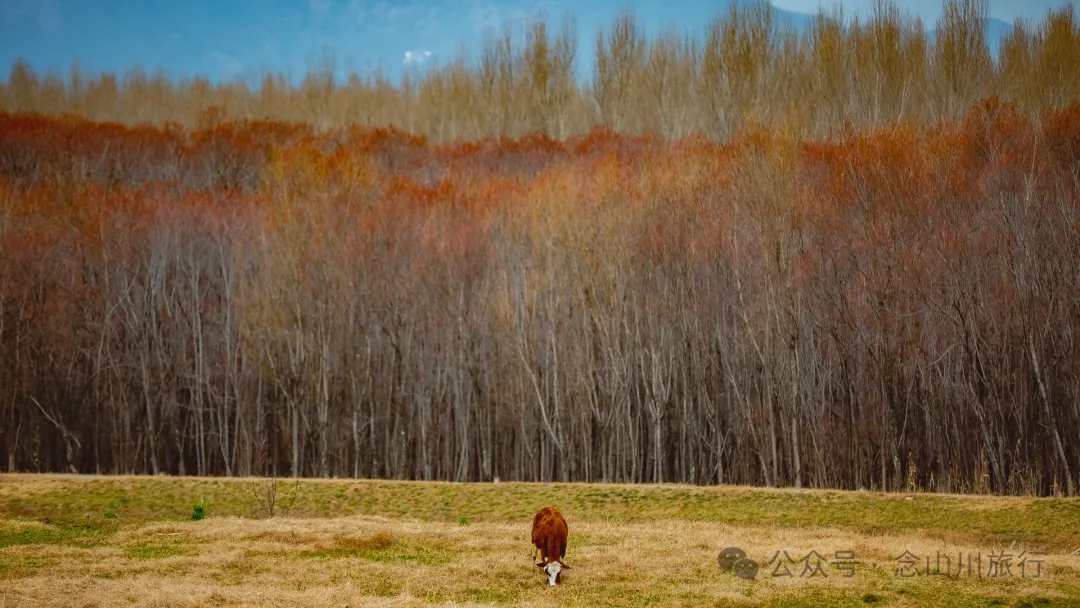
At the entrance of Jian Lake Wetland Park, there is a neat poplar forest. Every time I see them, they seem dead, the whole forest exuding a deathly stillness. The ground is covered with dead leaves, and when pedestrians step on them, the dry leaves seem to emit a final crunching sound before their souls dissipate, never to be seen again. I once thought this was a long-dead forest, so every visit brought no trace of life. But my first two visits were in October, and this time it was even later, at the end of December, the end of the year.
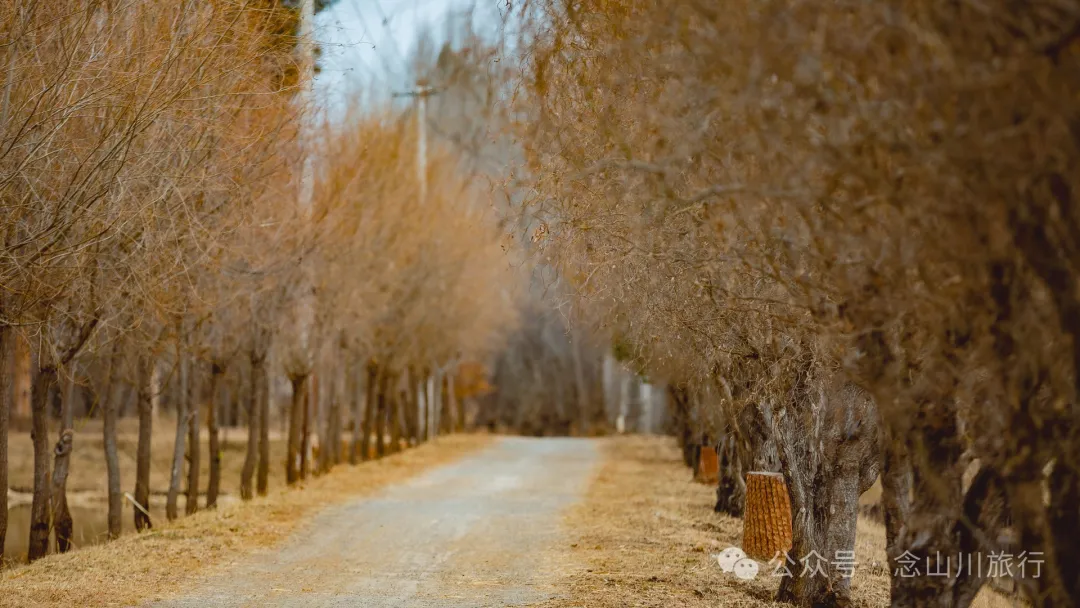
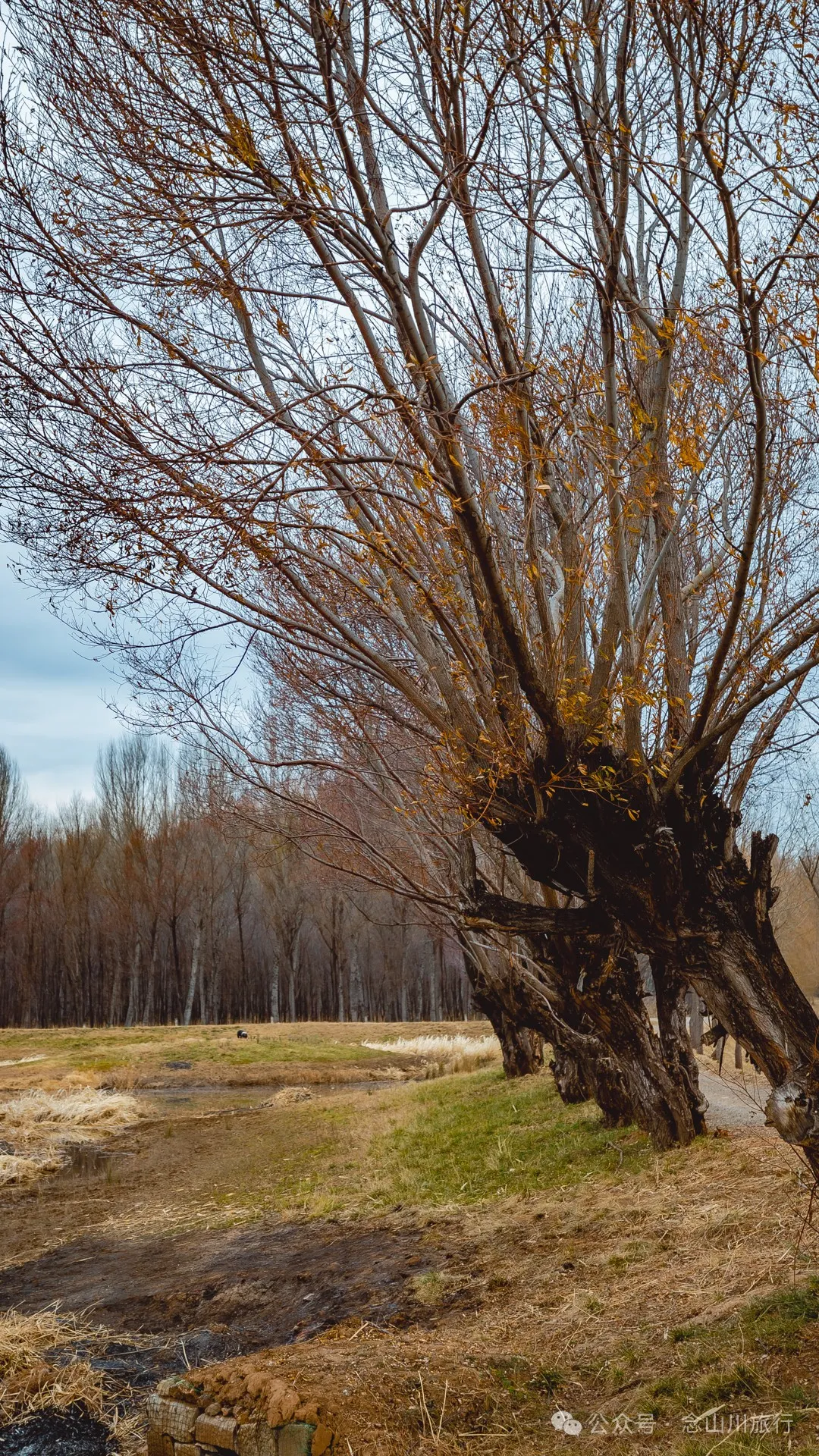
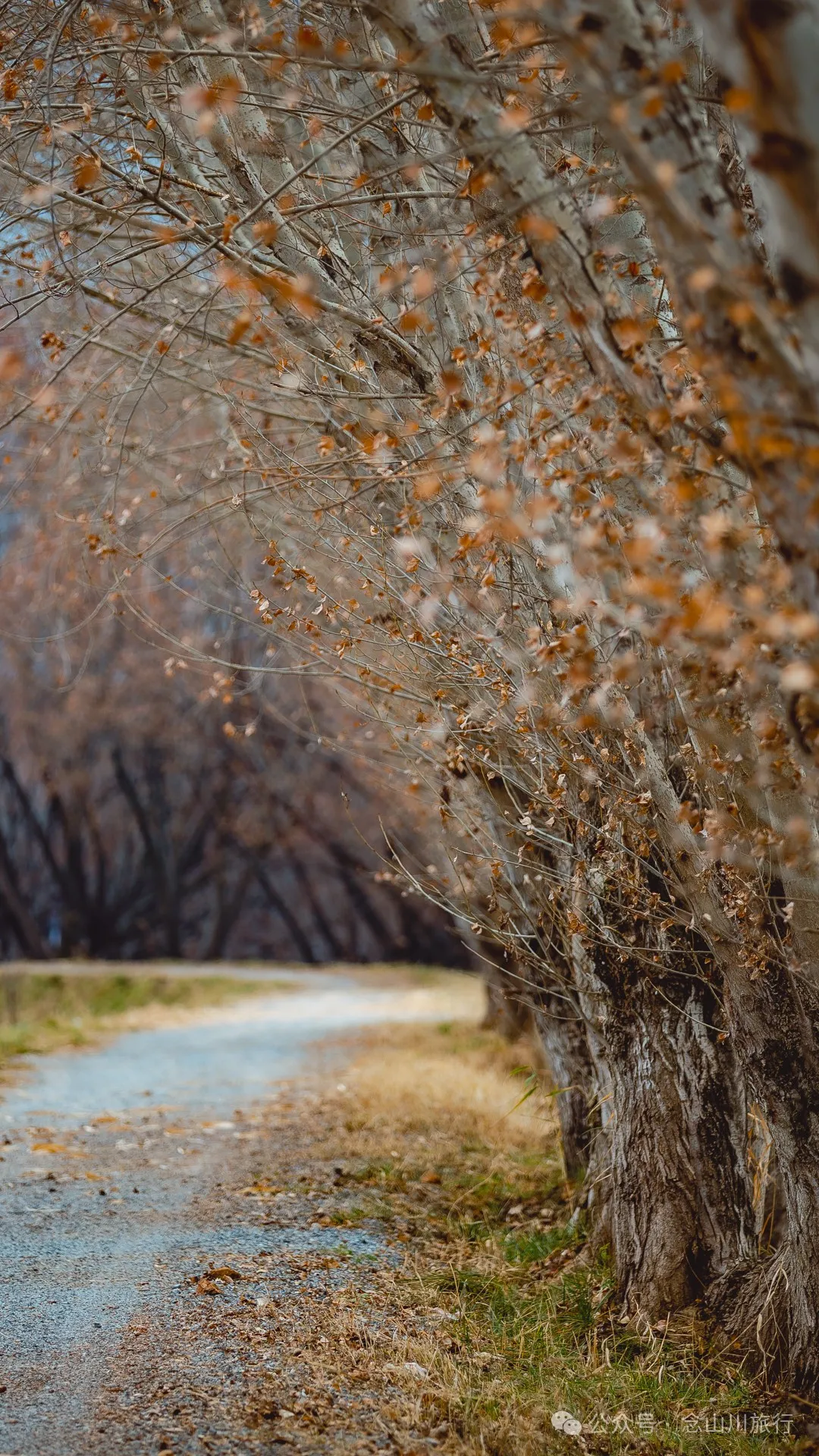
I asked the workers cutting grass and tidying the road nearby about the forest. They told me it was a poplar forest, and new leaves would grow in March or April each year. This news was both delightful and full of anticipation and imagination. So they weren't dead; life had just pressed pause this season, at least on the surface. Each branch bid farewell to the falling leaves, watching them drift to the ground, fade, dry, rot, and finally merge with the earth, nourishing the roots below.
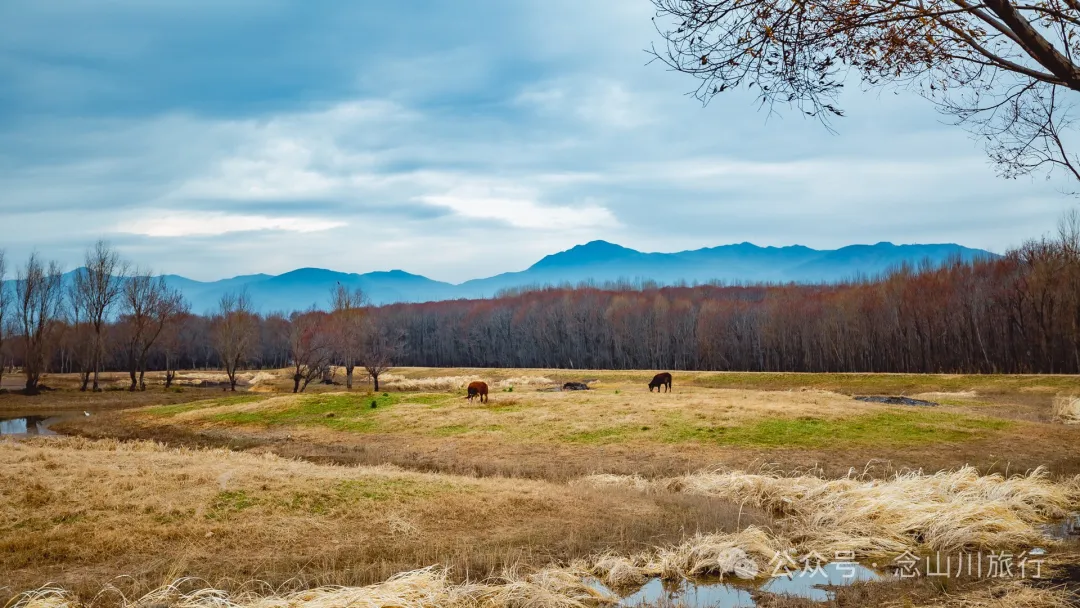
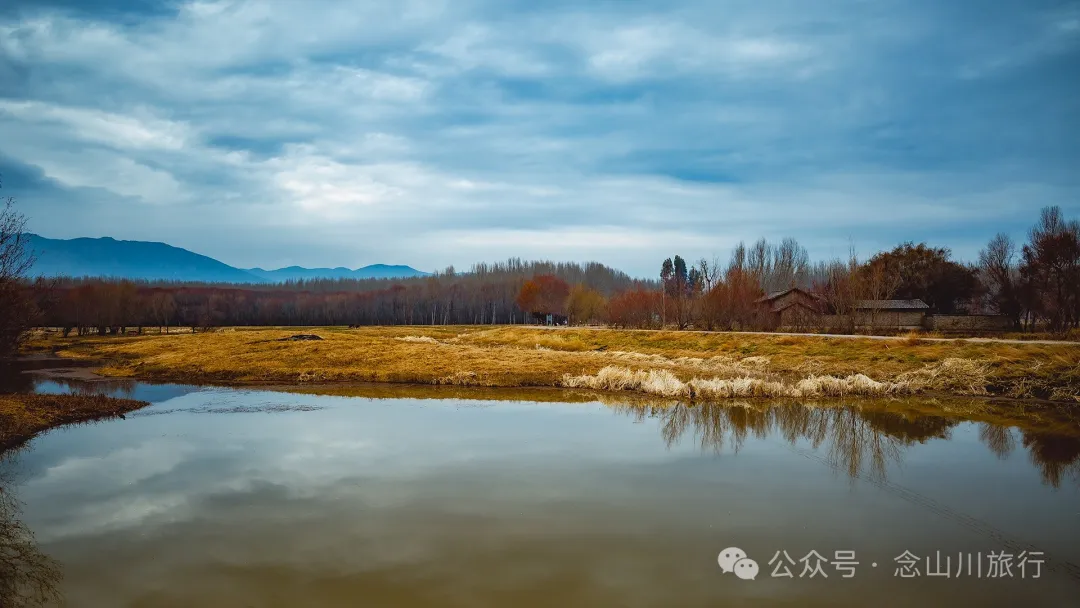
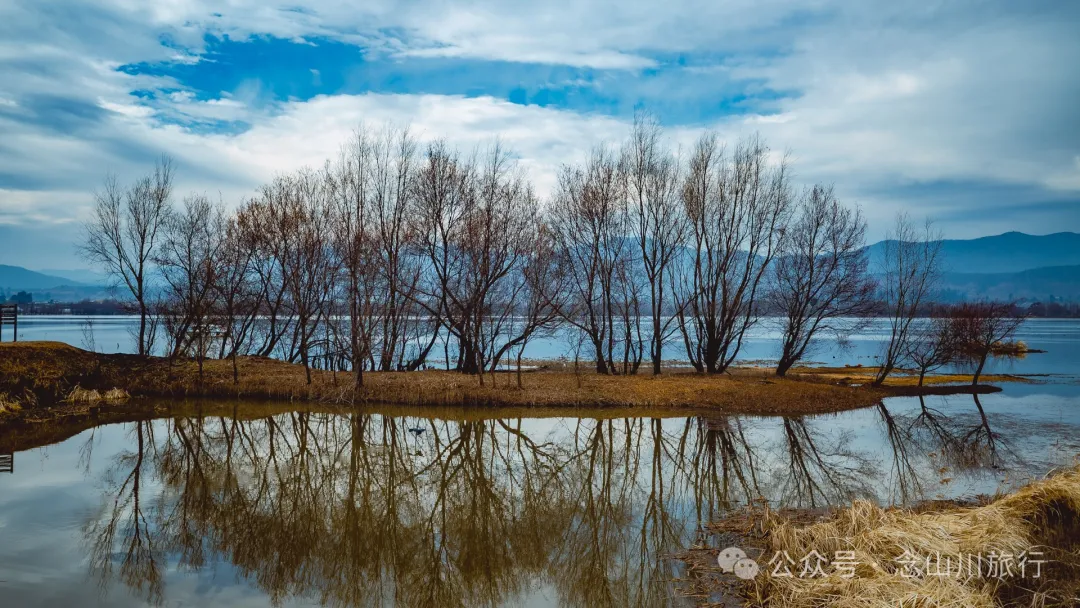
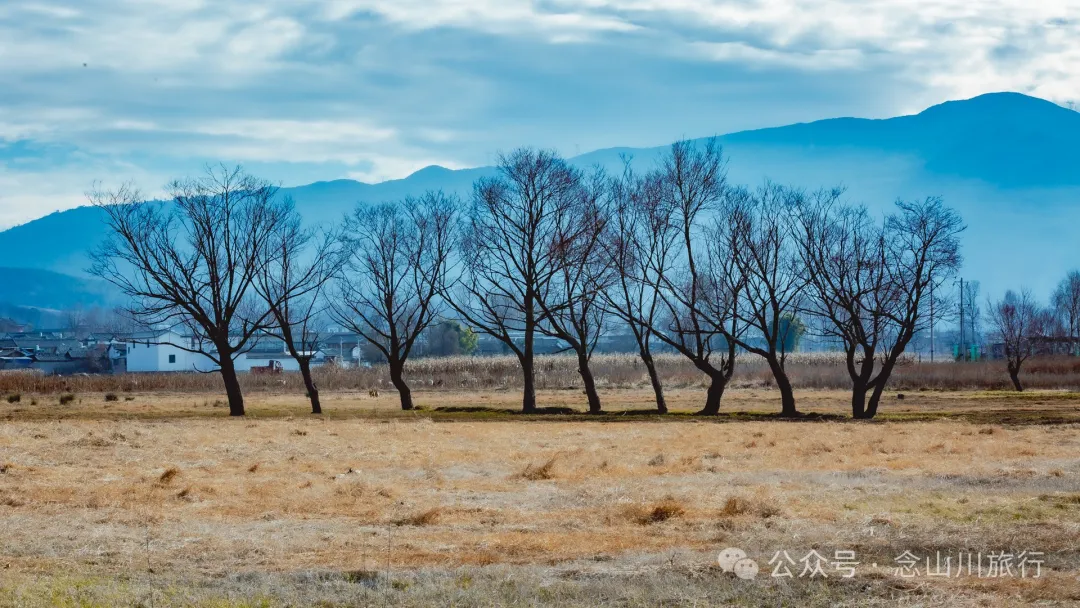
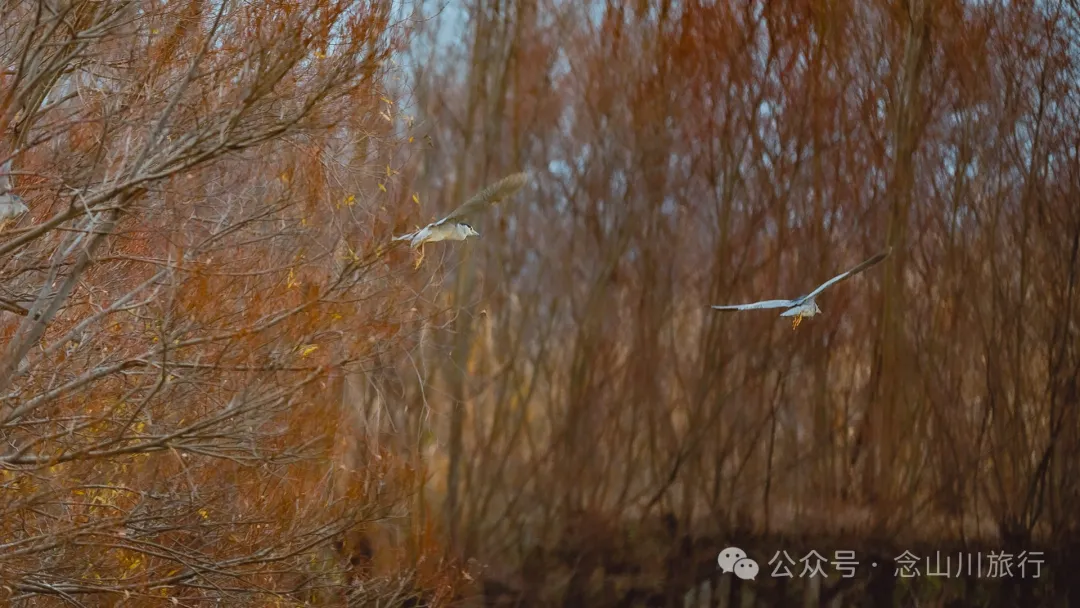
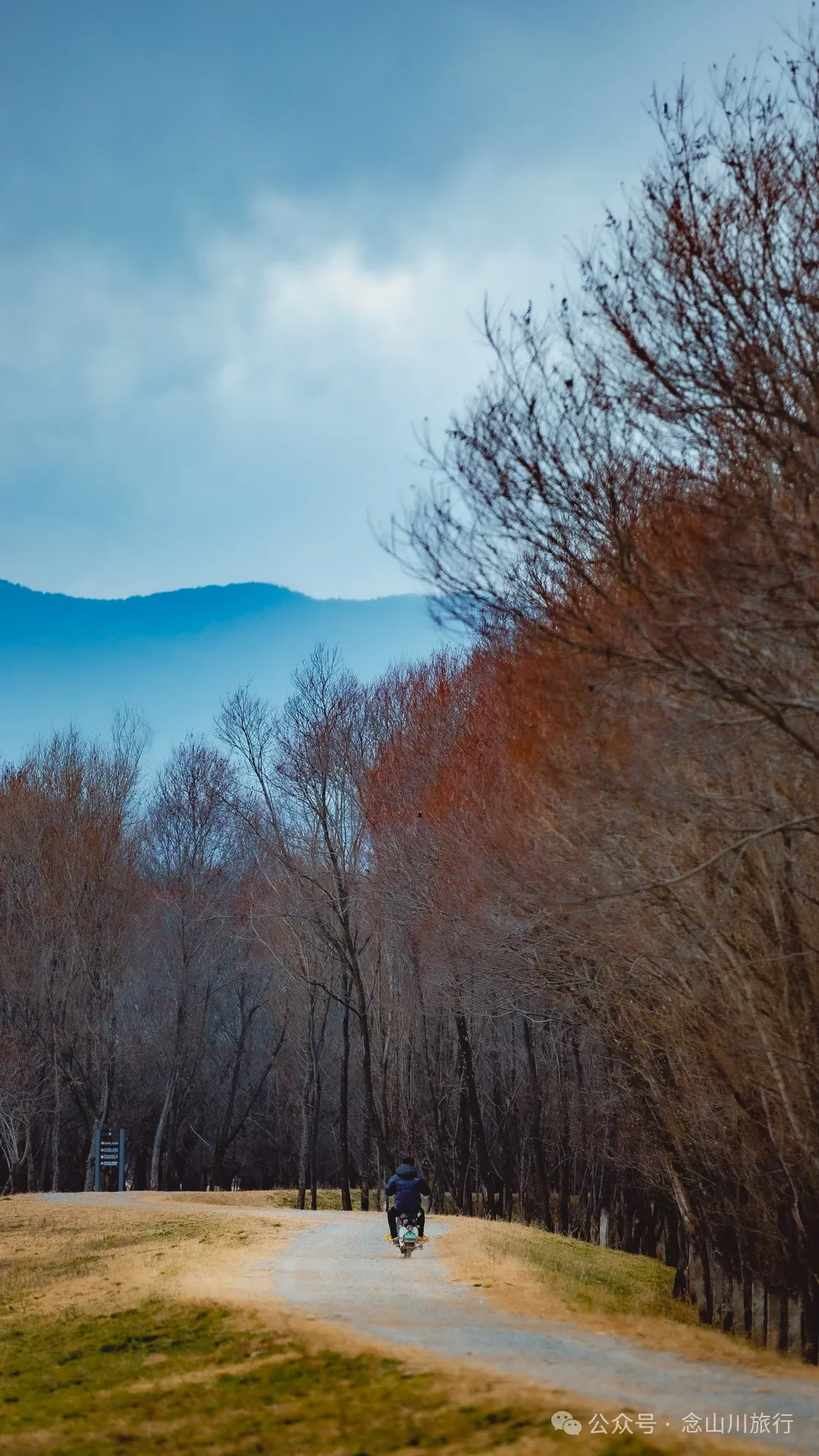
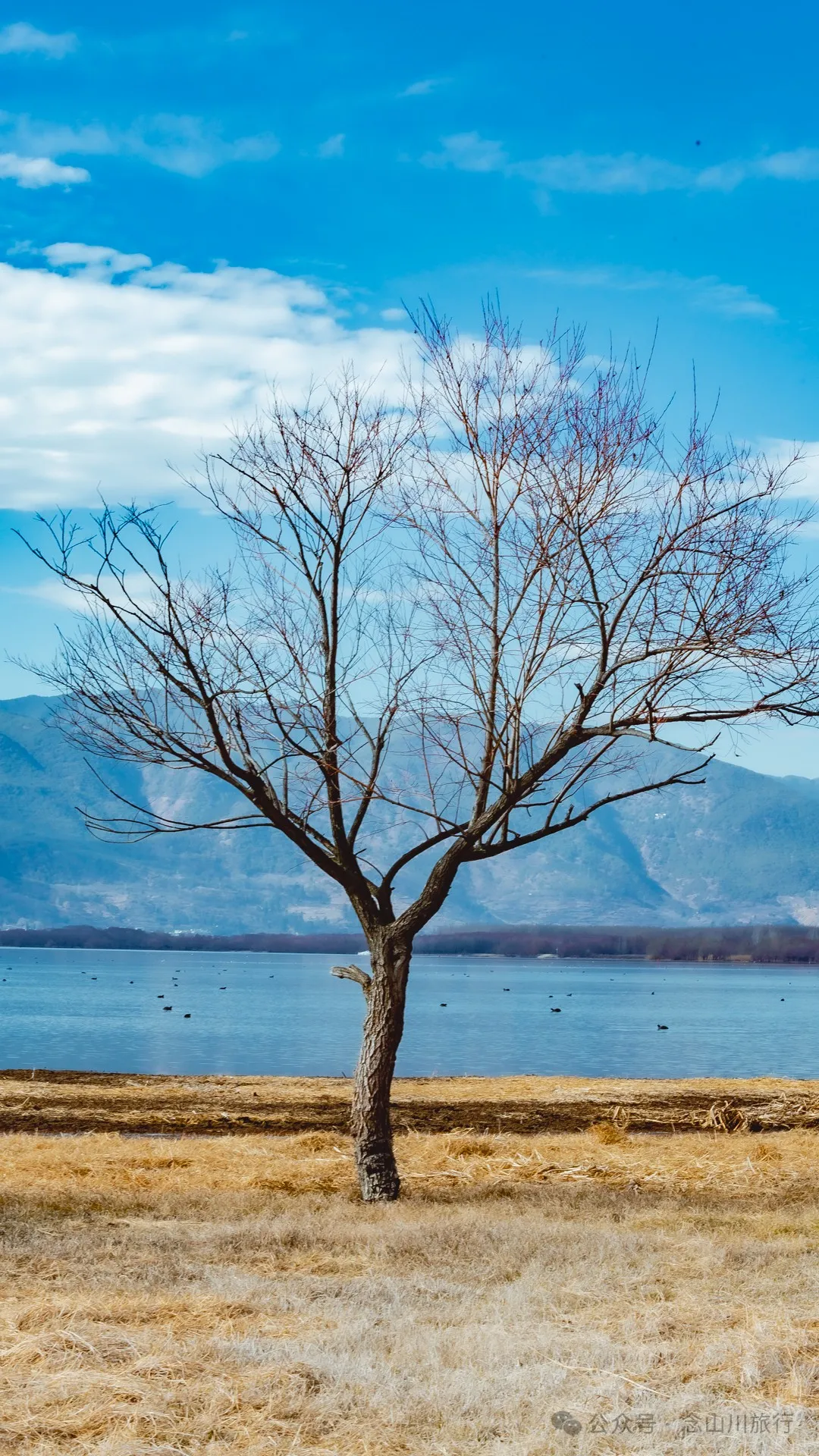
Besides this poplar forest, as still as a windless lake, countless deciduous forests grow along Jian Lake: weeping willows, dragon-claw willows, white birches, and Chinese pistache. The bare branches of these trees point straight to the distant sky, their slender tips like claws reaching for the endless heavens, grasping at the lingering souls of fallen leaves. Their dark gray trunks are aloof, proud, and unapproachable, but the treetops of different species show bright hues of red, pale, or light yellow, giving this desolate forest new life and vitality.
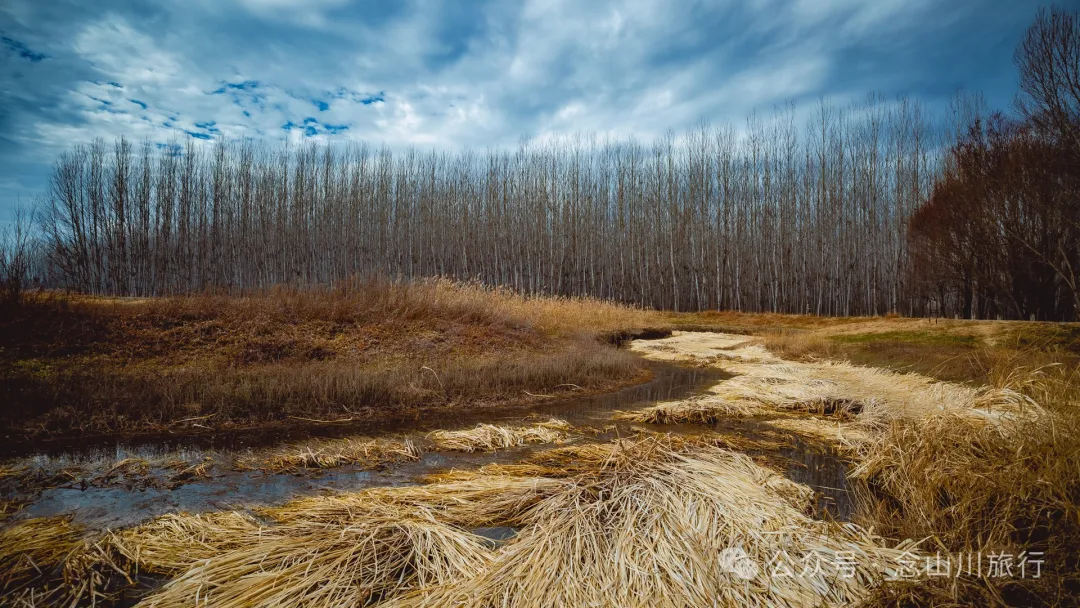
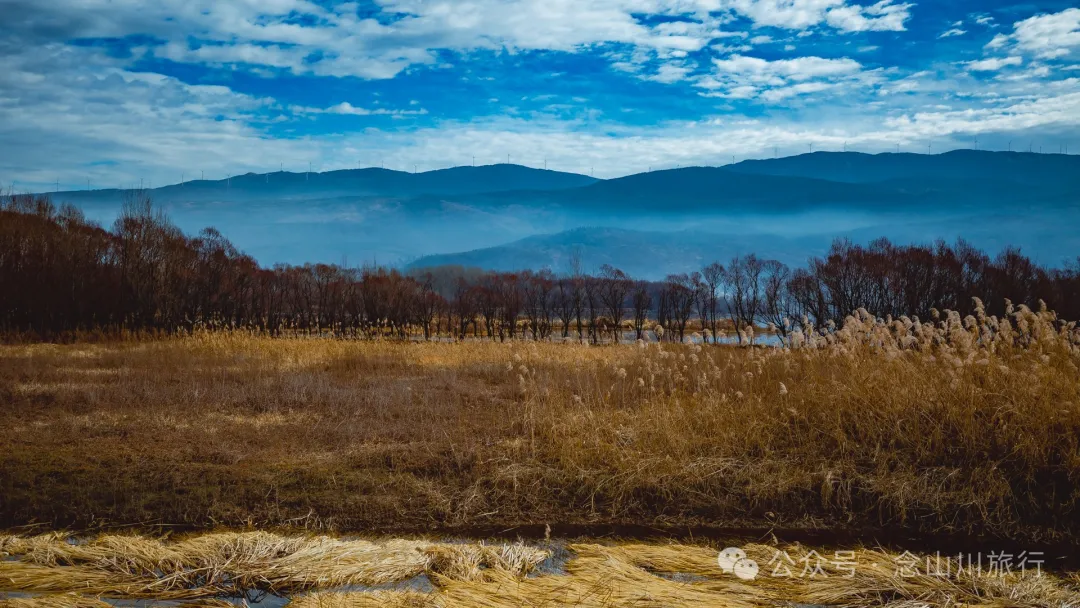
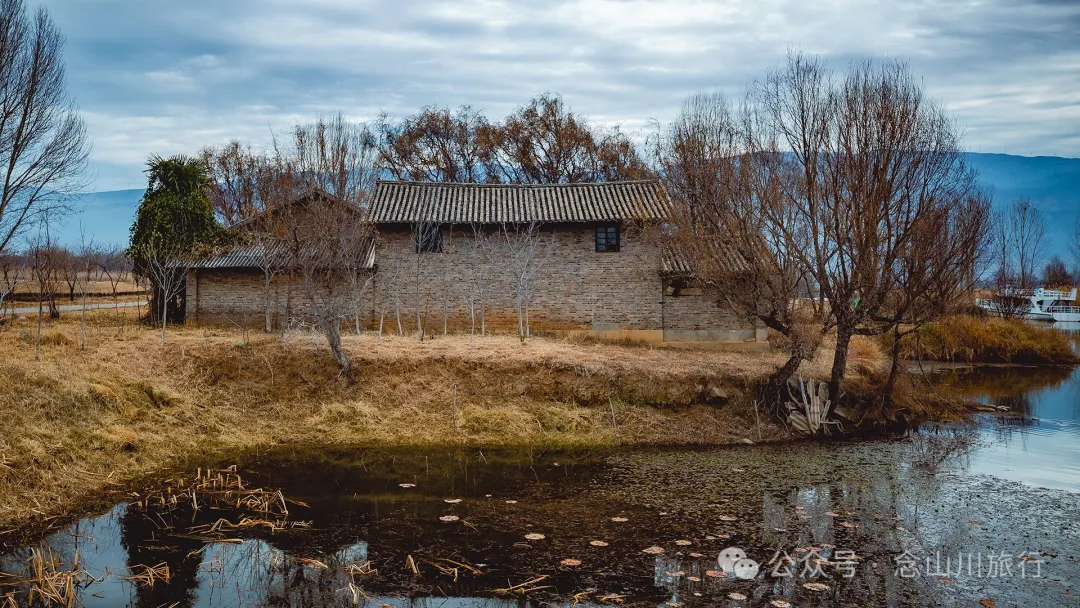
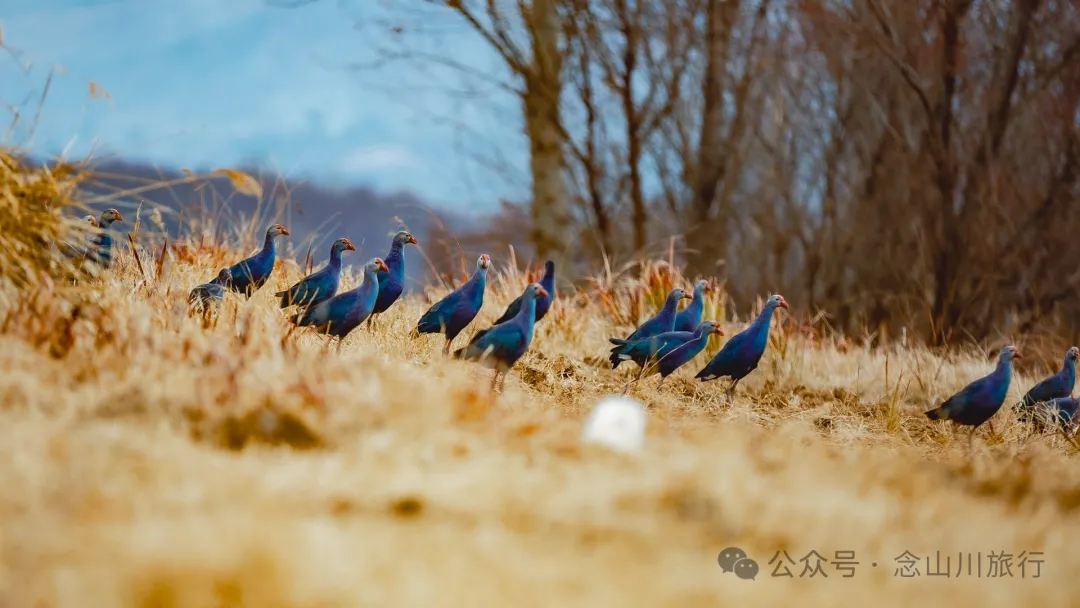
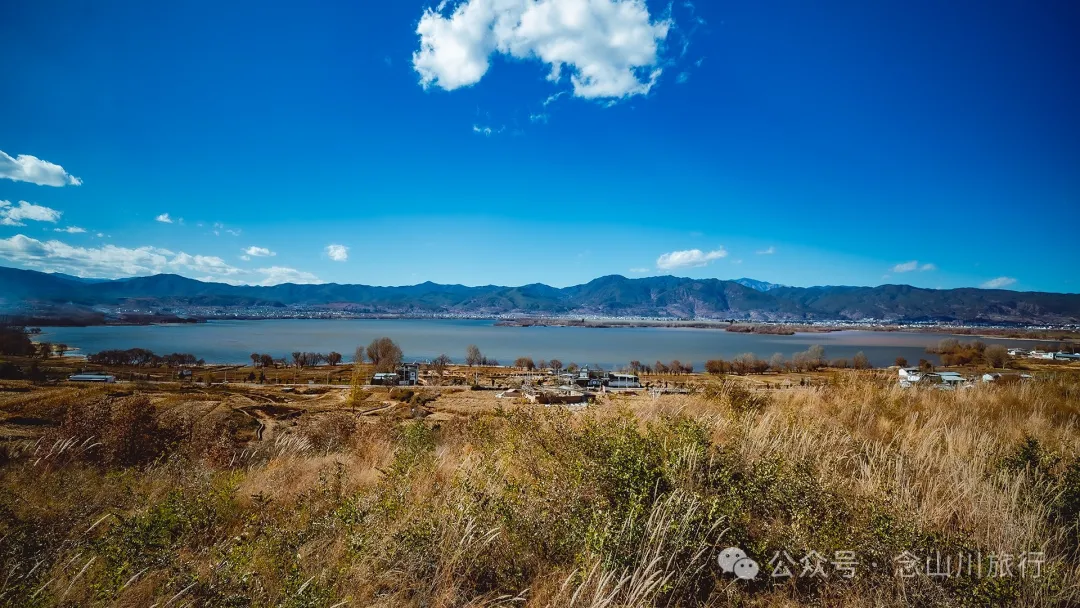
We followed the old path to the lakeshore we had visited before. The reeds in the wetland park were swaying lively in the wind, but the familiar path had changed its original appearance. Many reeds had been cut down and burned, the overgrown path widened and paved with gravel, and the once poetic reed beds transformed into square ponds surrounded by wooden stakes. The road was much smoother, but the wildness here had diminished—that unique wildness that tempted us to come again and again.
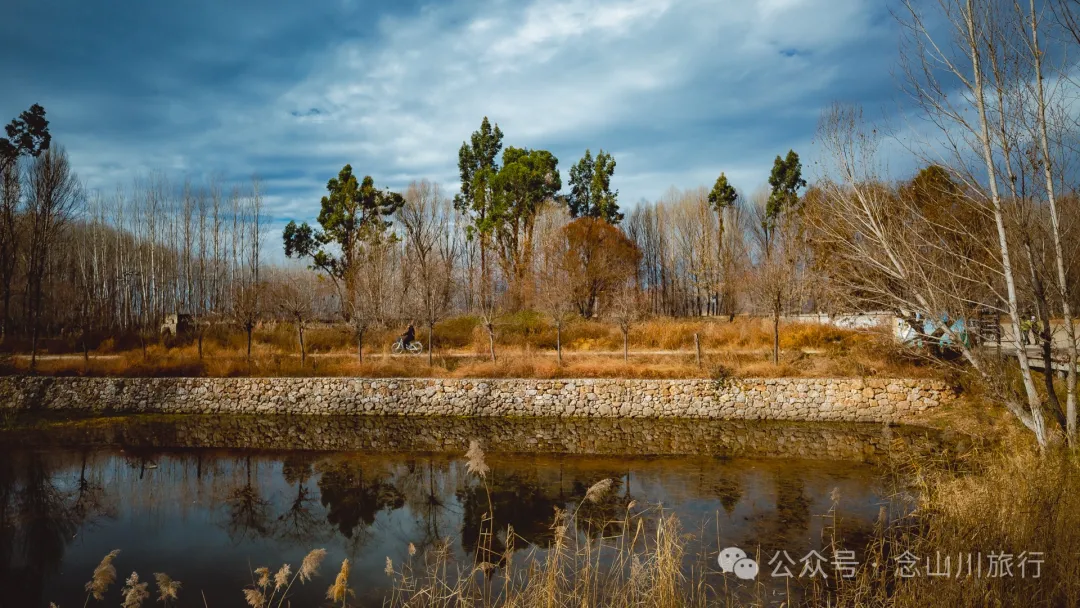
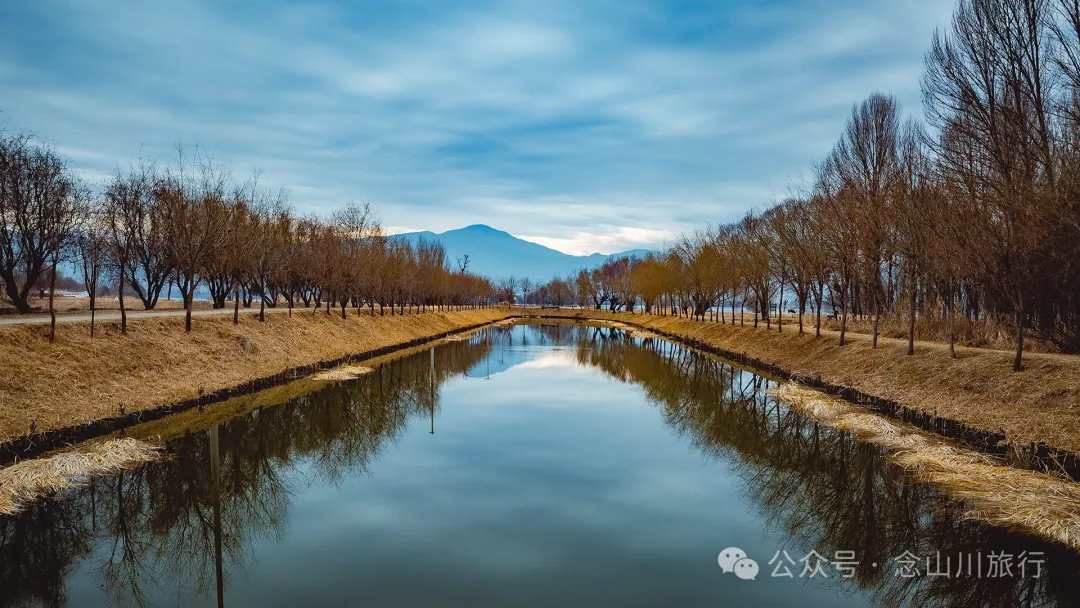
Thoreau once wrote: "...life and wildness coexist. The most wild is the most vital. Wildness has not yet succumbed to humans, and its existence invigorates the spirit. A person who tirelessly advances and labors, who grows rapidly and endlessly explores life, will always find themselves in a new countryside or wilderness, surrounded by the raw materials of life. He will step over the prostrate branches of primitive trees." Without this most vital wildness, Jian Lake loses its charm.
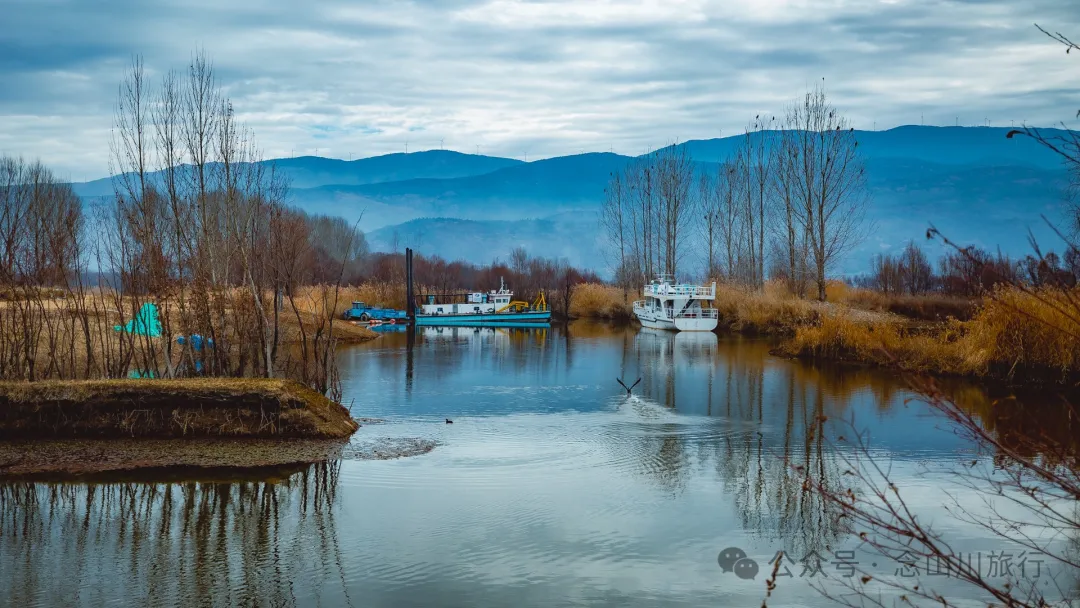
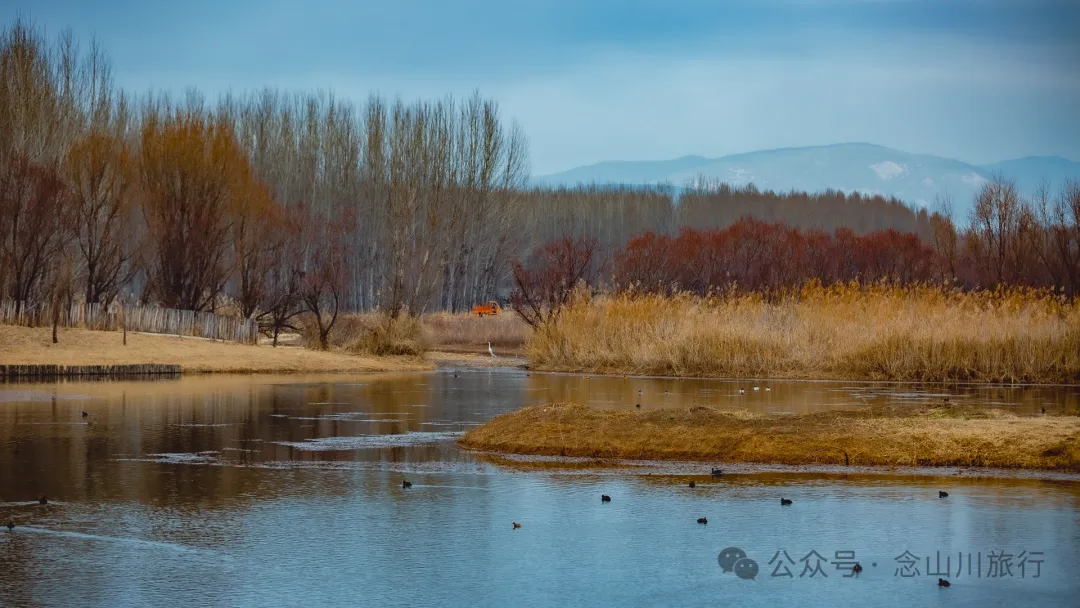
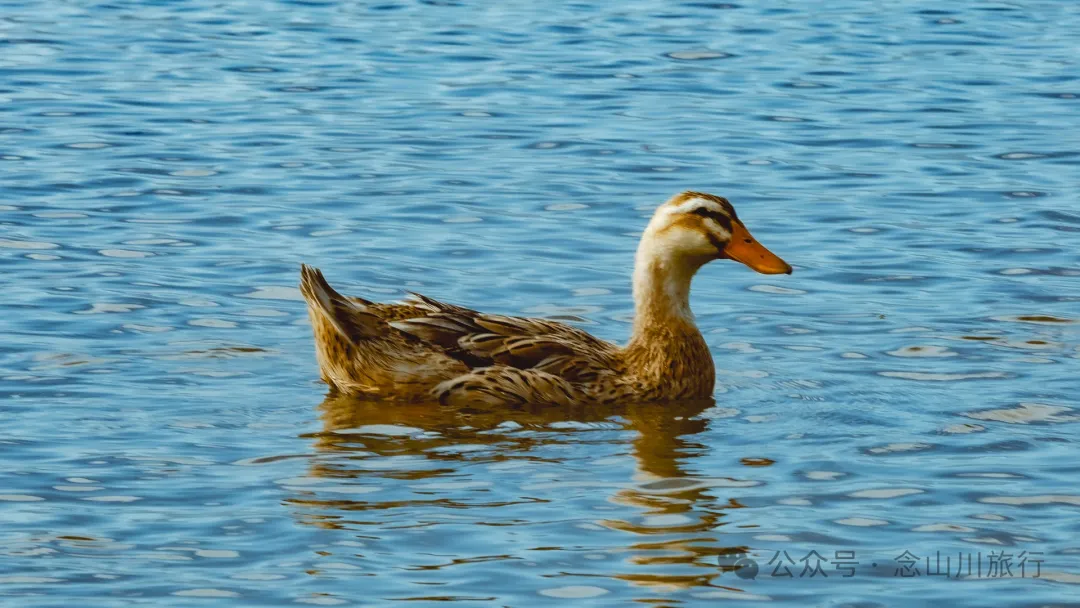

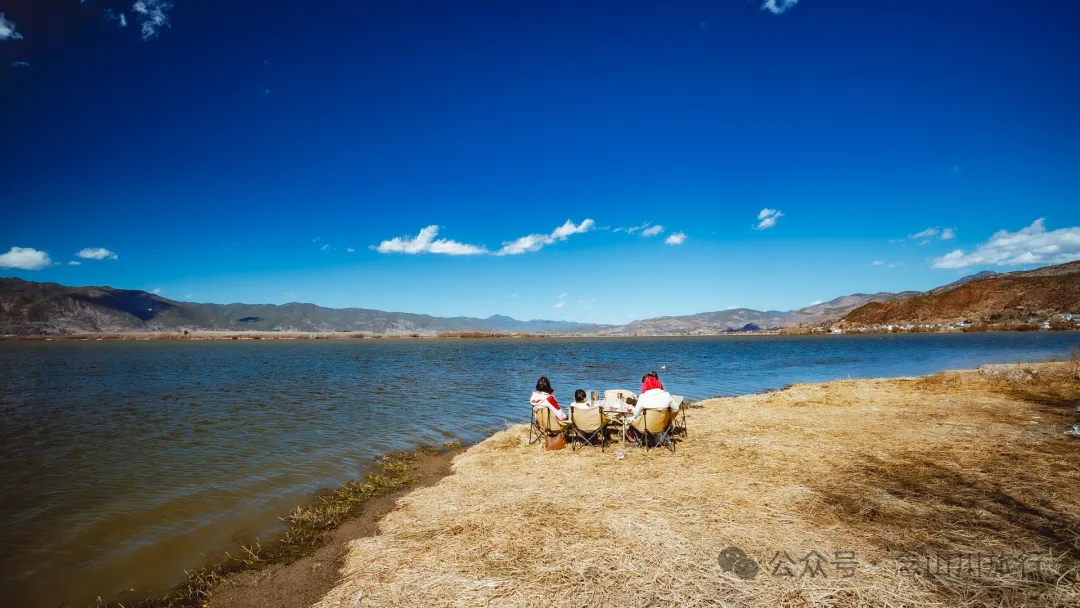
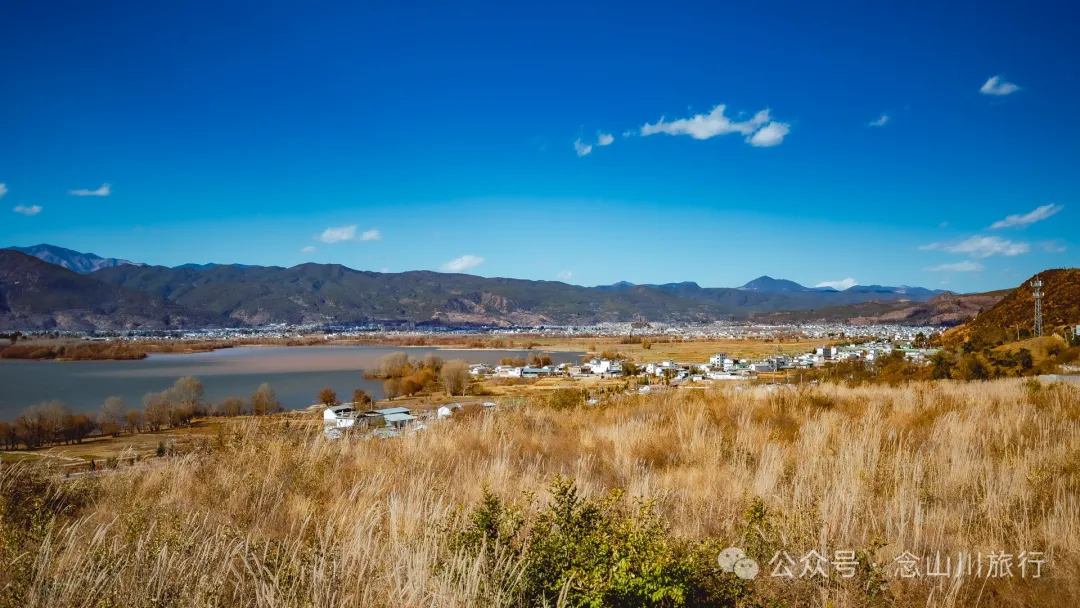
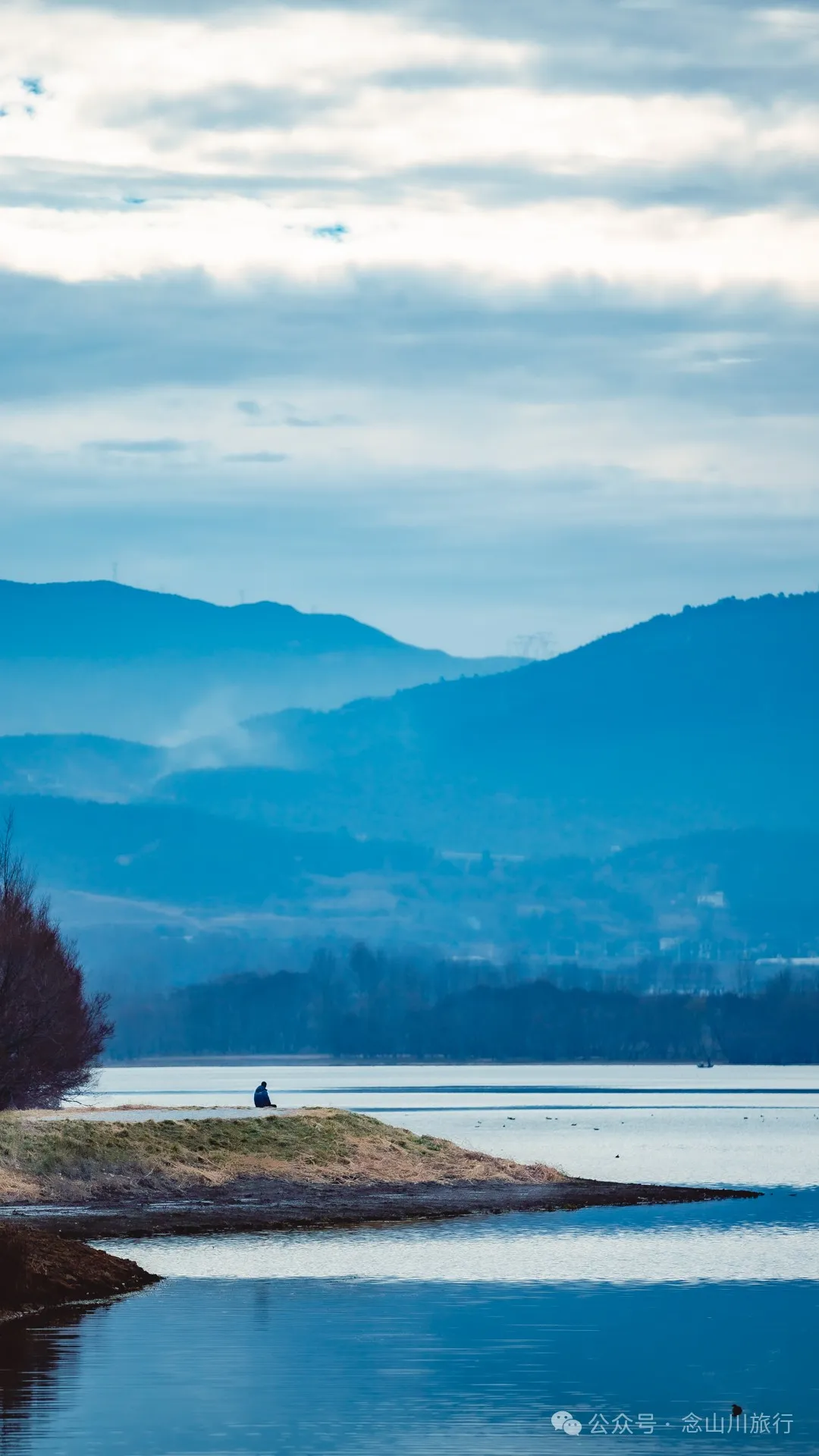
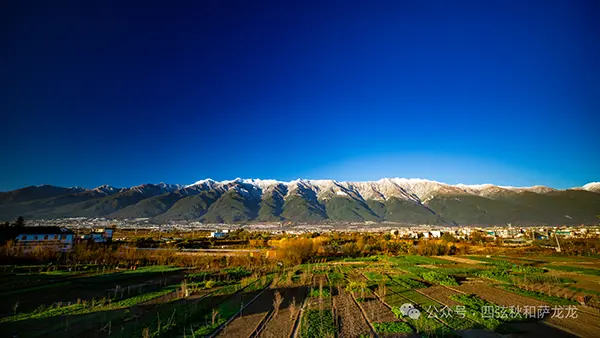
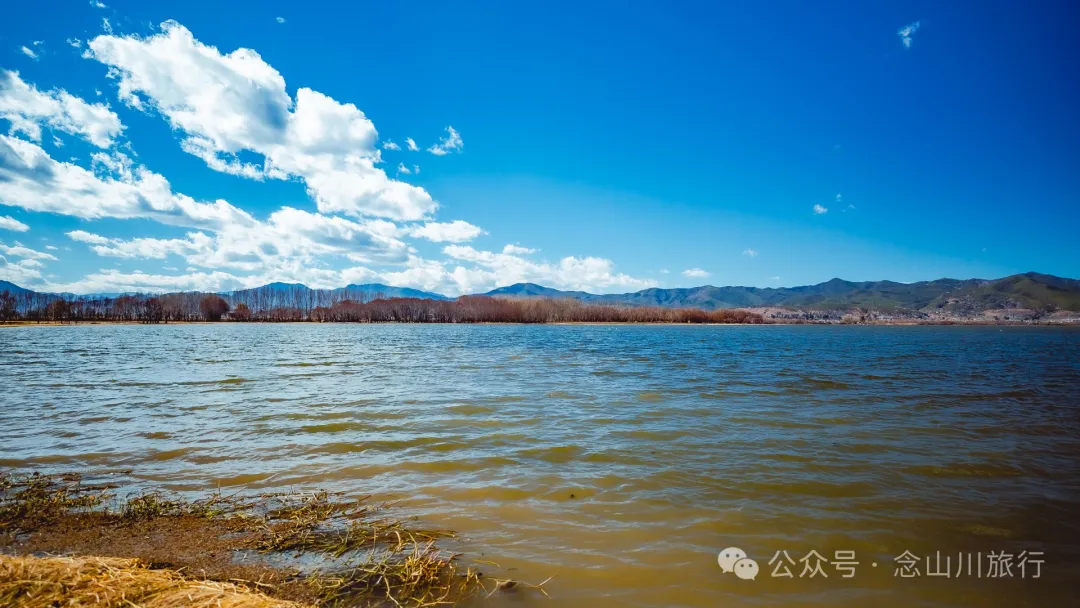
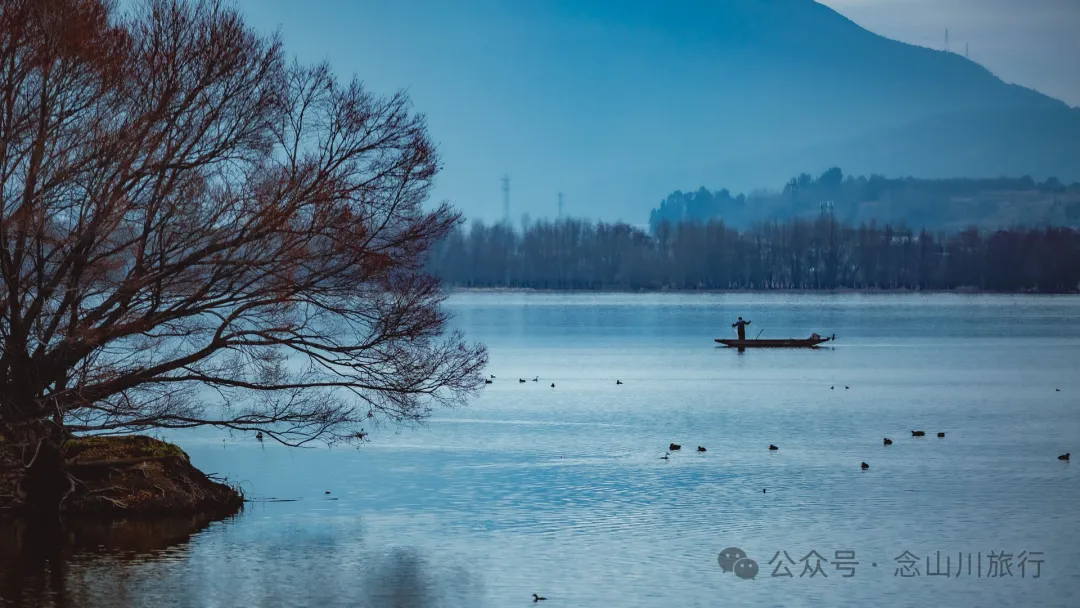
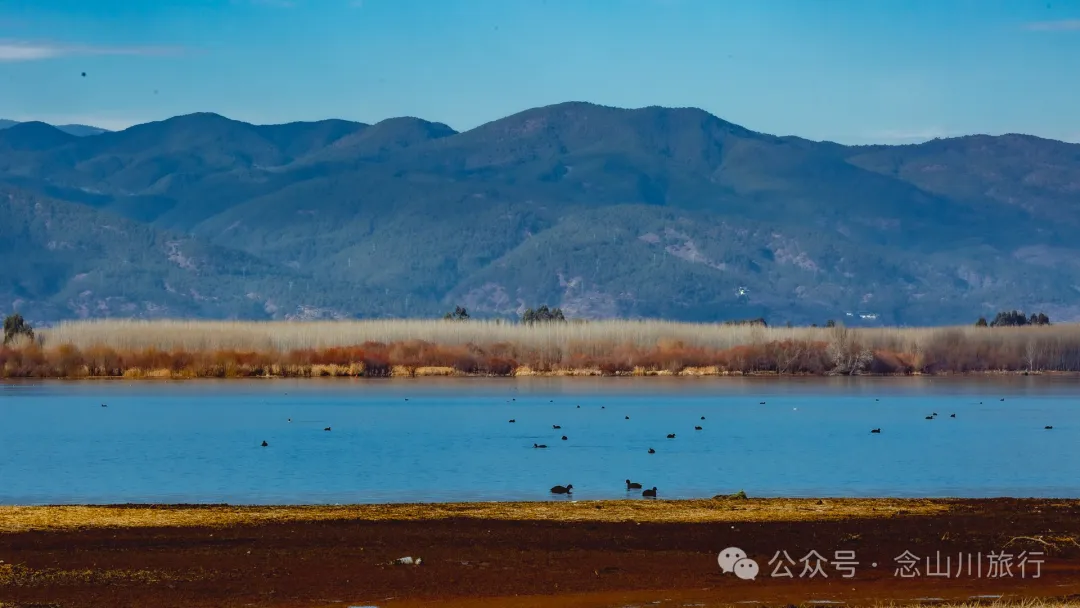
When the blue sky broke through the dissipating clouds and spread above us again, the sun warmly shone on the calm lake. Waterbirds, near and far, drifted leisurely on the lake. A sound of nature crossed the water, drifting toward us sitting on the shore, and toward the bright forest in the distance, drifting to a distant place.

Find a small restaurant on the lake road and order a Bai-style sour and spicy fish to add warmth to the cold winter solstice.