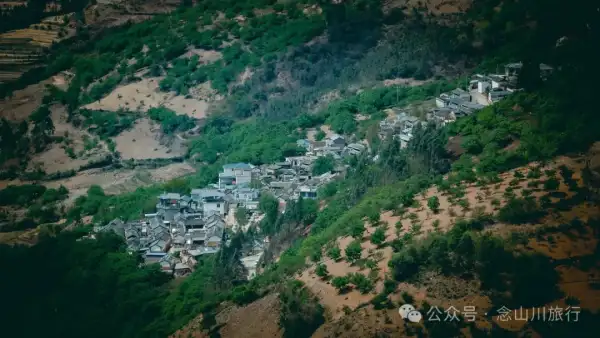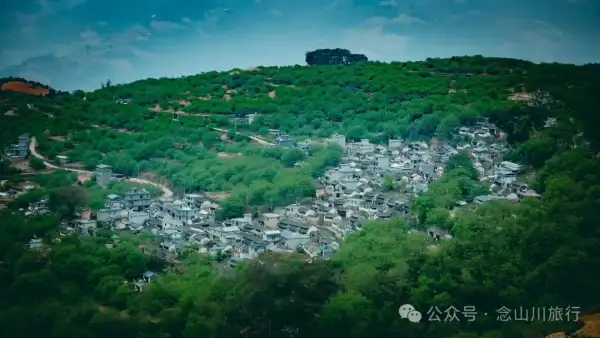

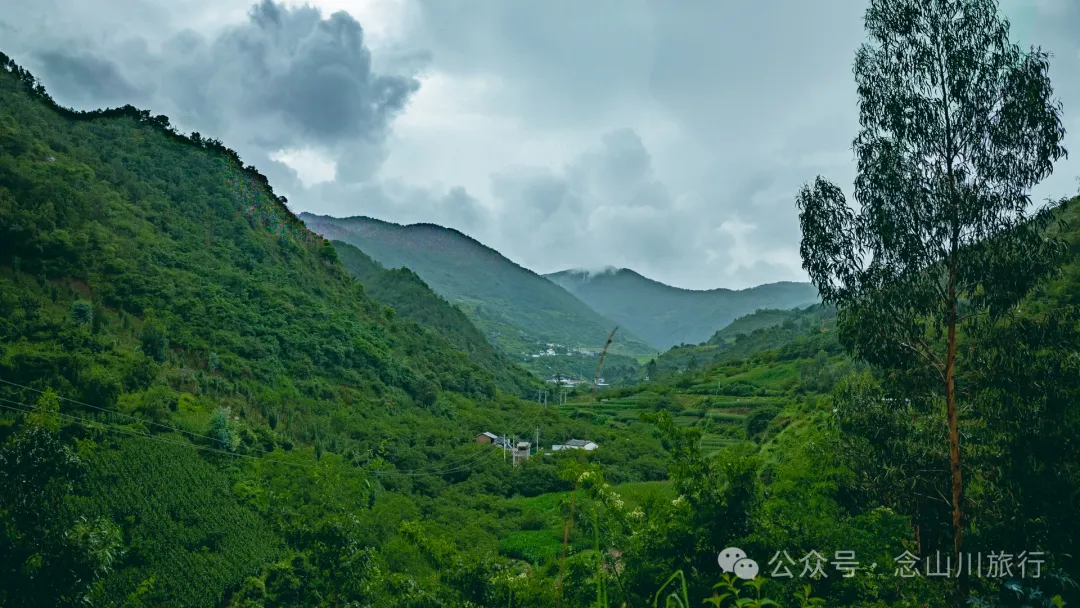
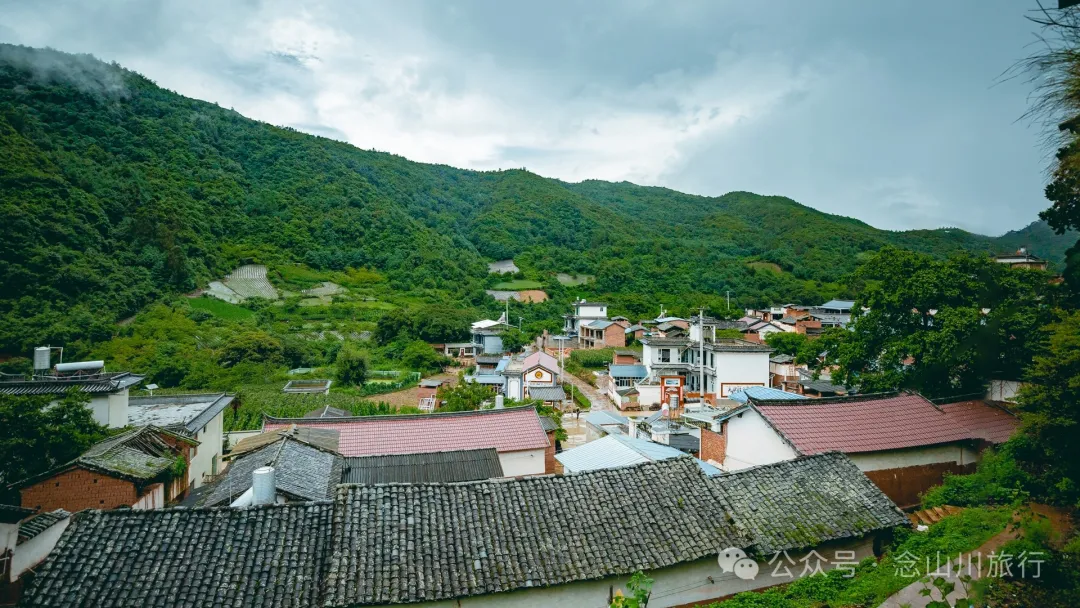
There are several Tizipo villages near Weishan county town. The one we visited is a Yi village deep in the mountains southeast of Weibao Mountain, only 17 kilometers from the ancient city of Weishan, about a 30-minute drive. Follow the navigation to reach the destination.
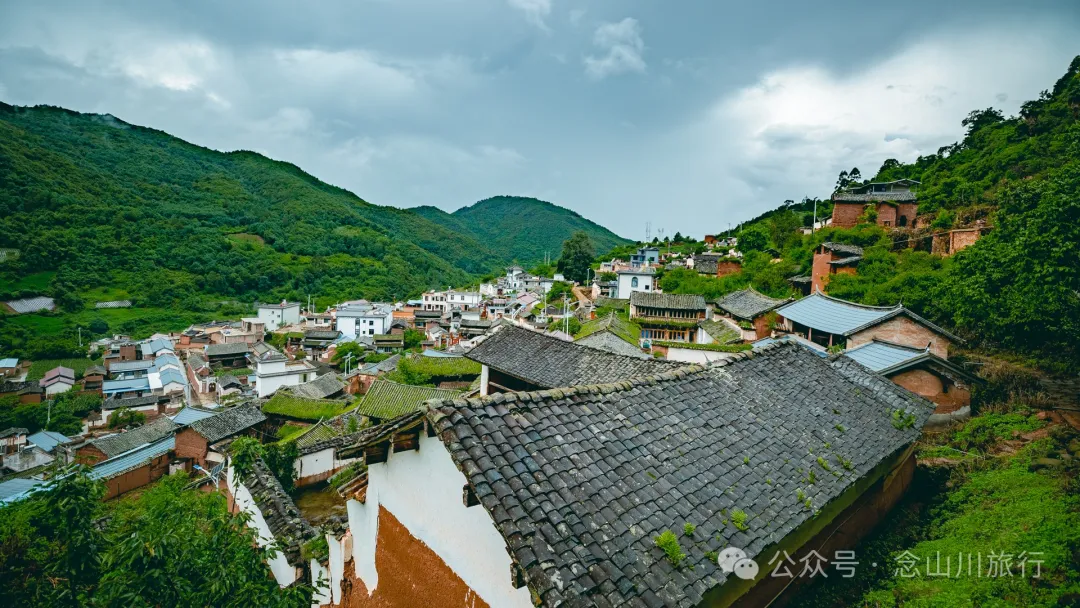
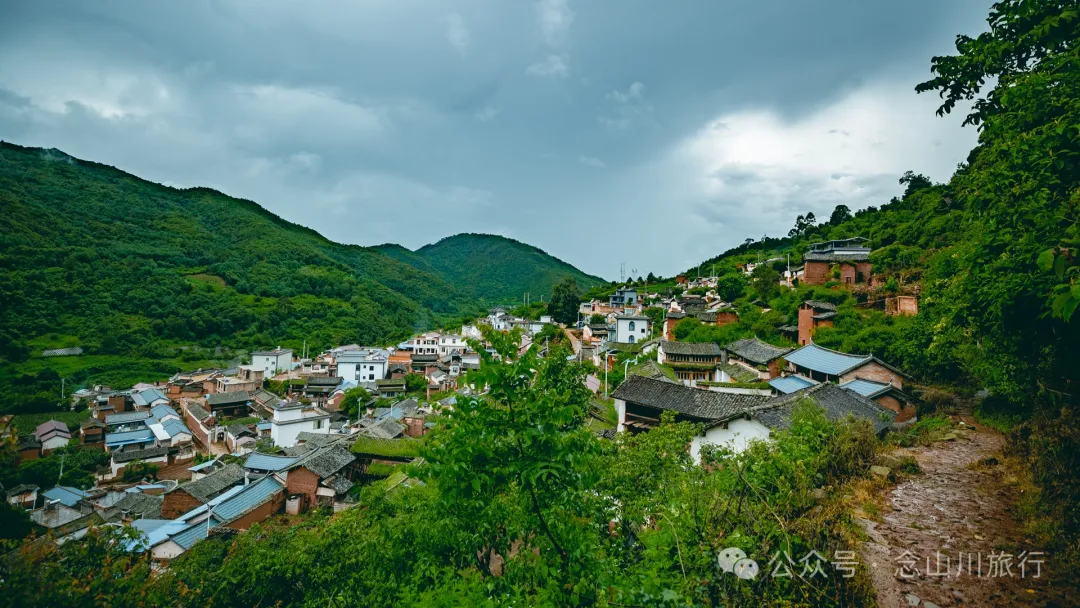
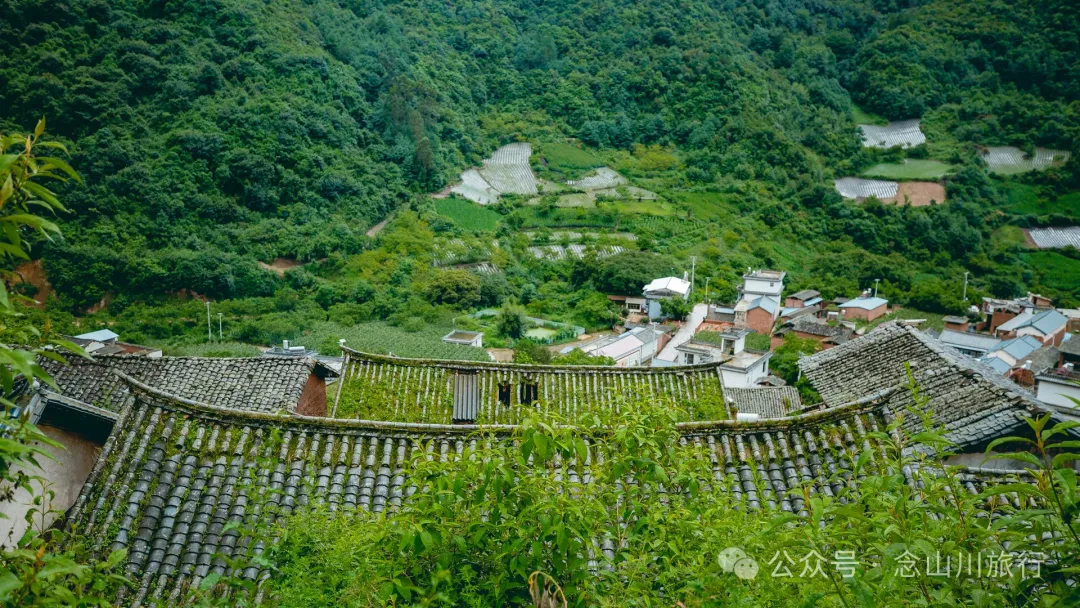
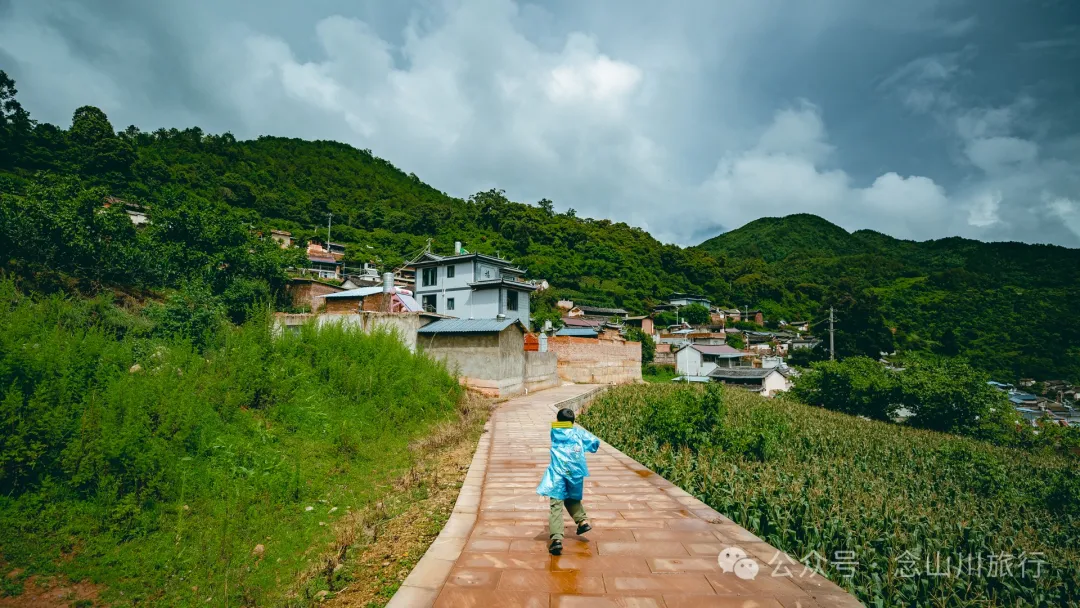
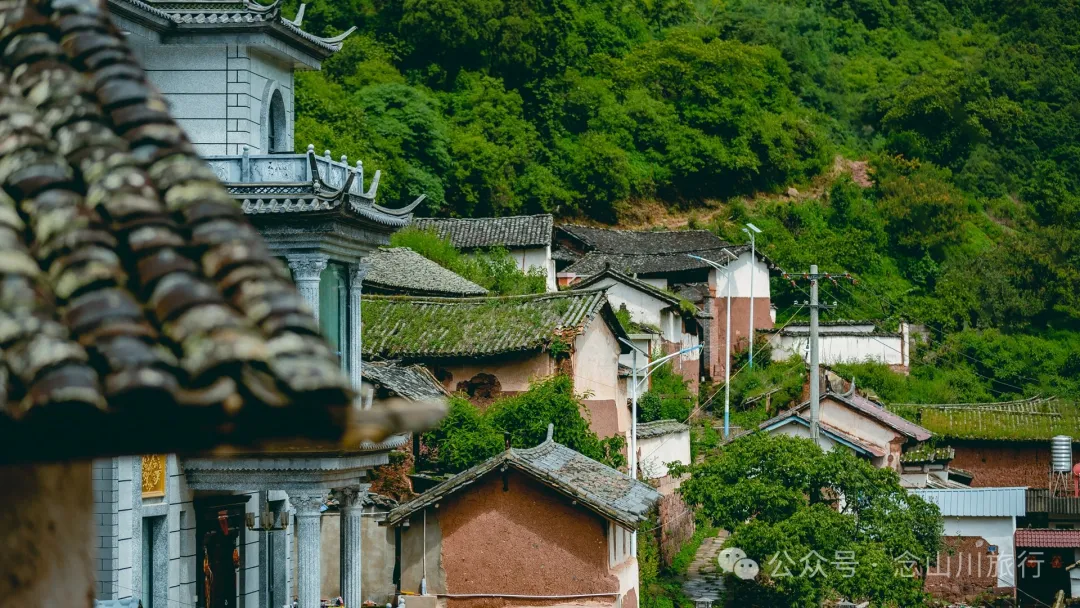
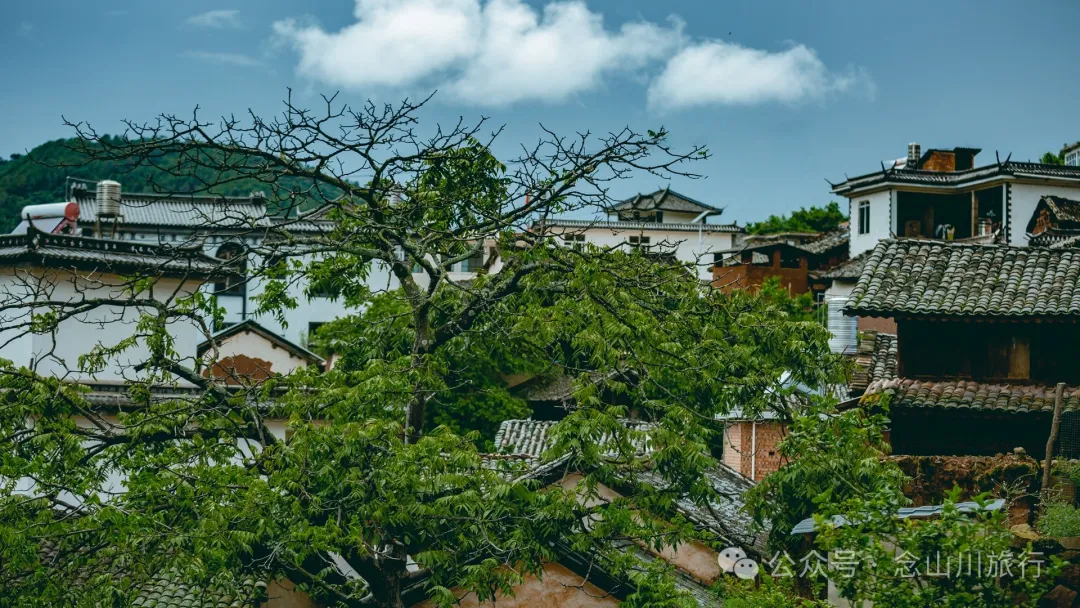
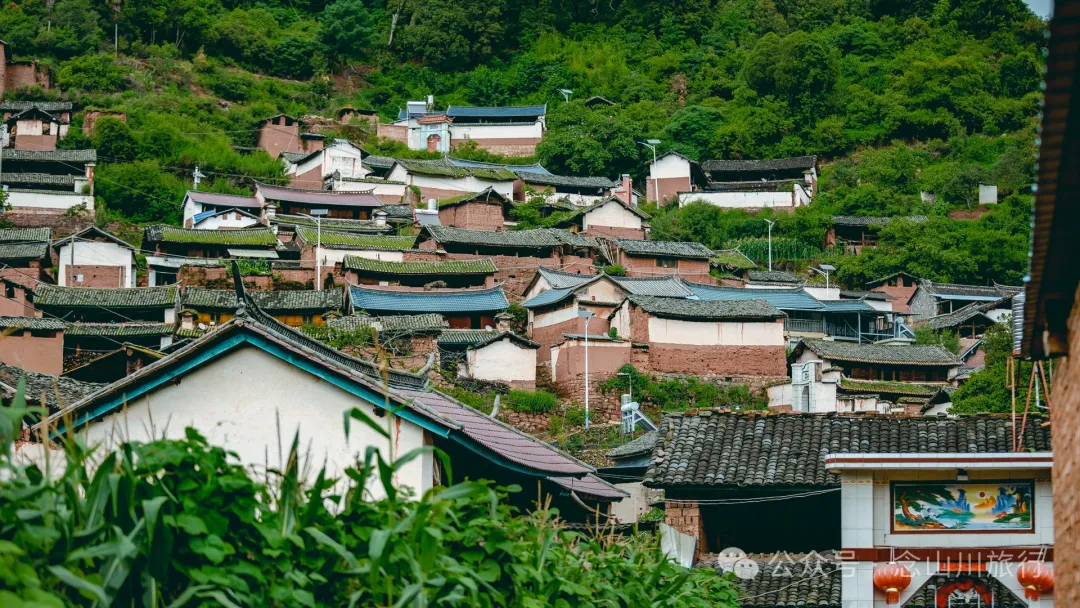
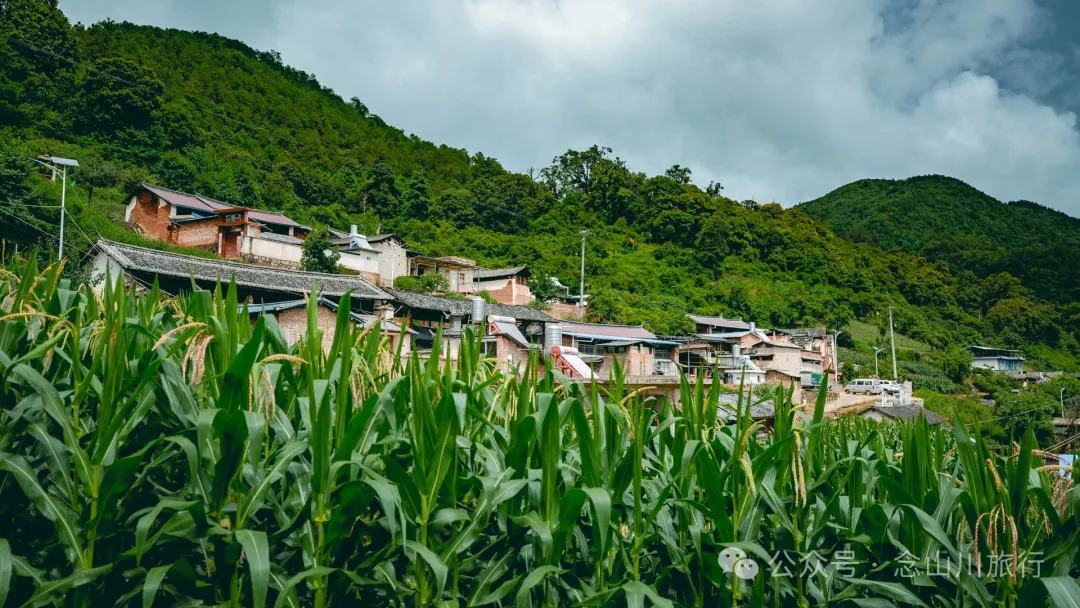
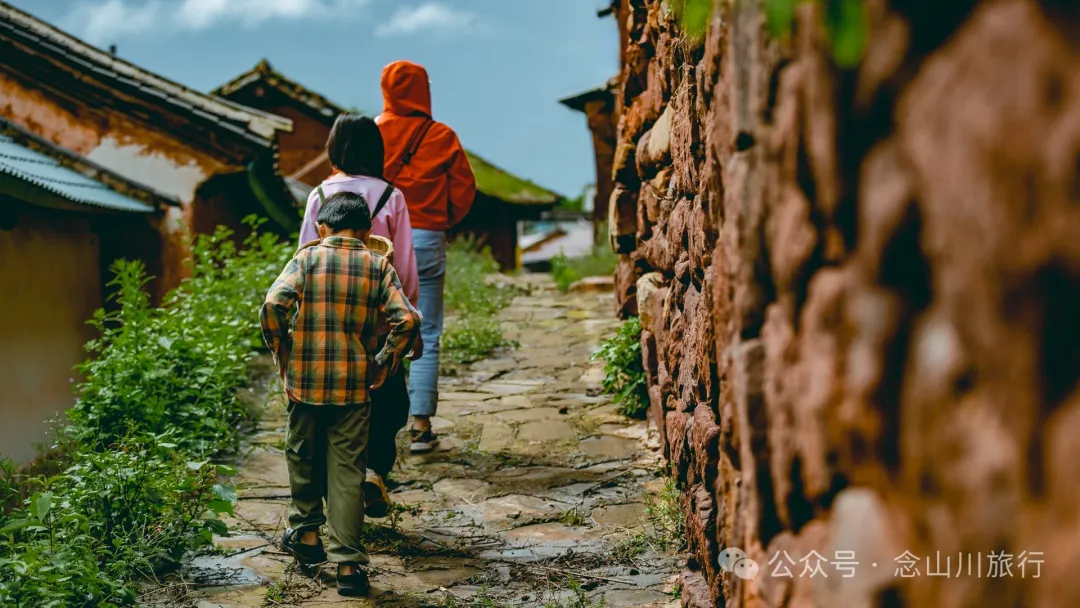
The village is built on a steep hillside, spreading upward along the ridge from the valley. The height difference between the front and back rows of houses is significant, which is probably why the village is named Tizipo (Ladder Slope). The valley is long and narrow, stretching for several kilometers, but the space between the village and the opposite slope is very cramped, only a few hundred meters. Standing at their doorsteps, villagers can closely experience the gifts of nature.
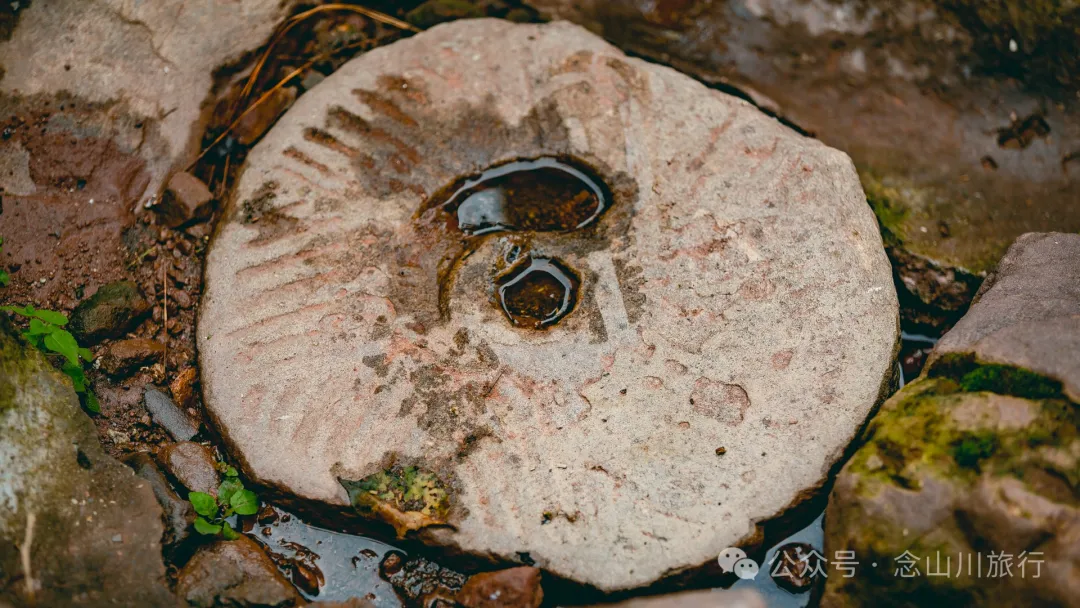
A stone mill, once used to grind rice, peas, and soybeans, has been placed on the stepped path in the village at some unknown time.
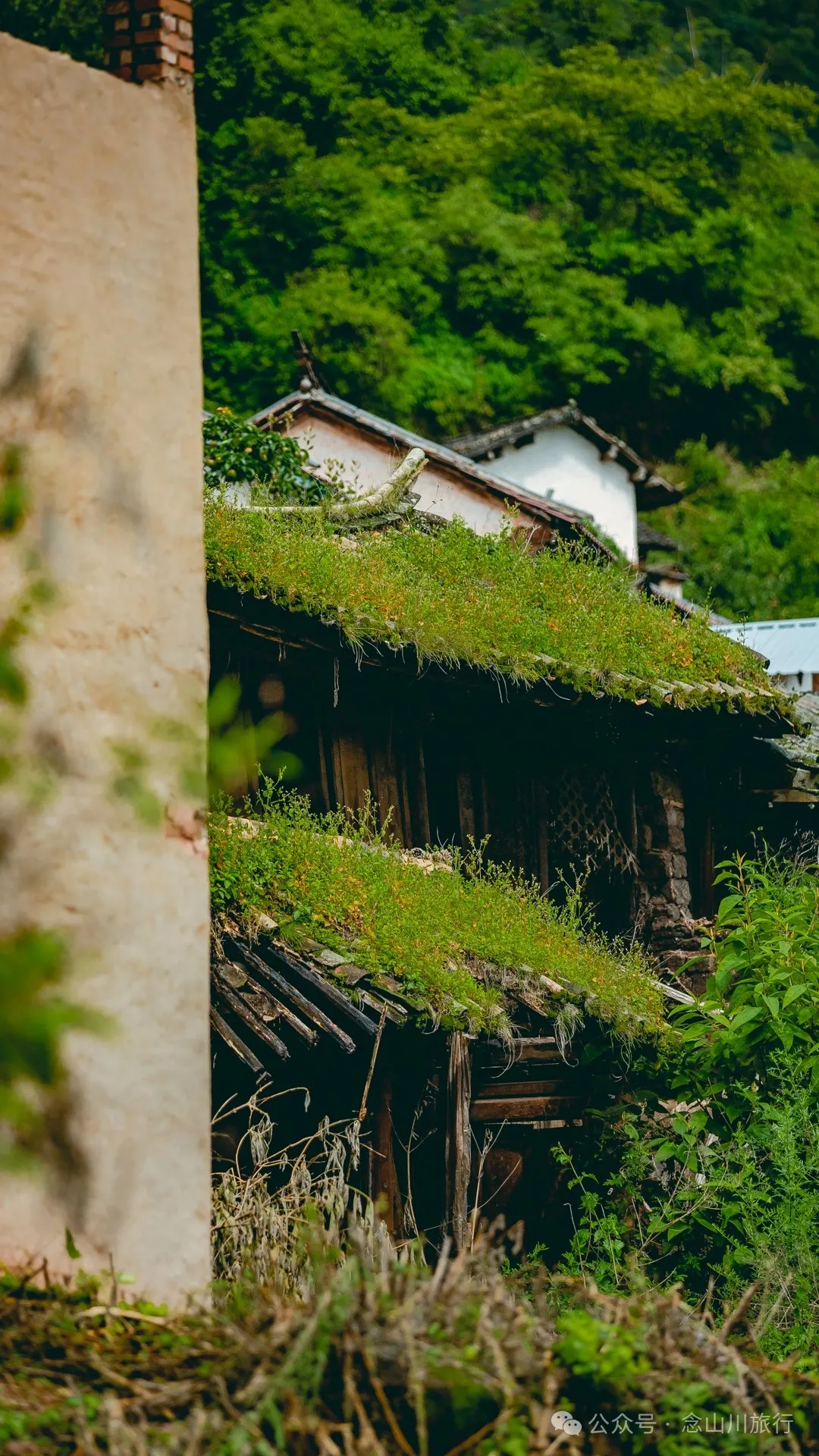
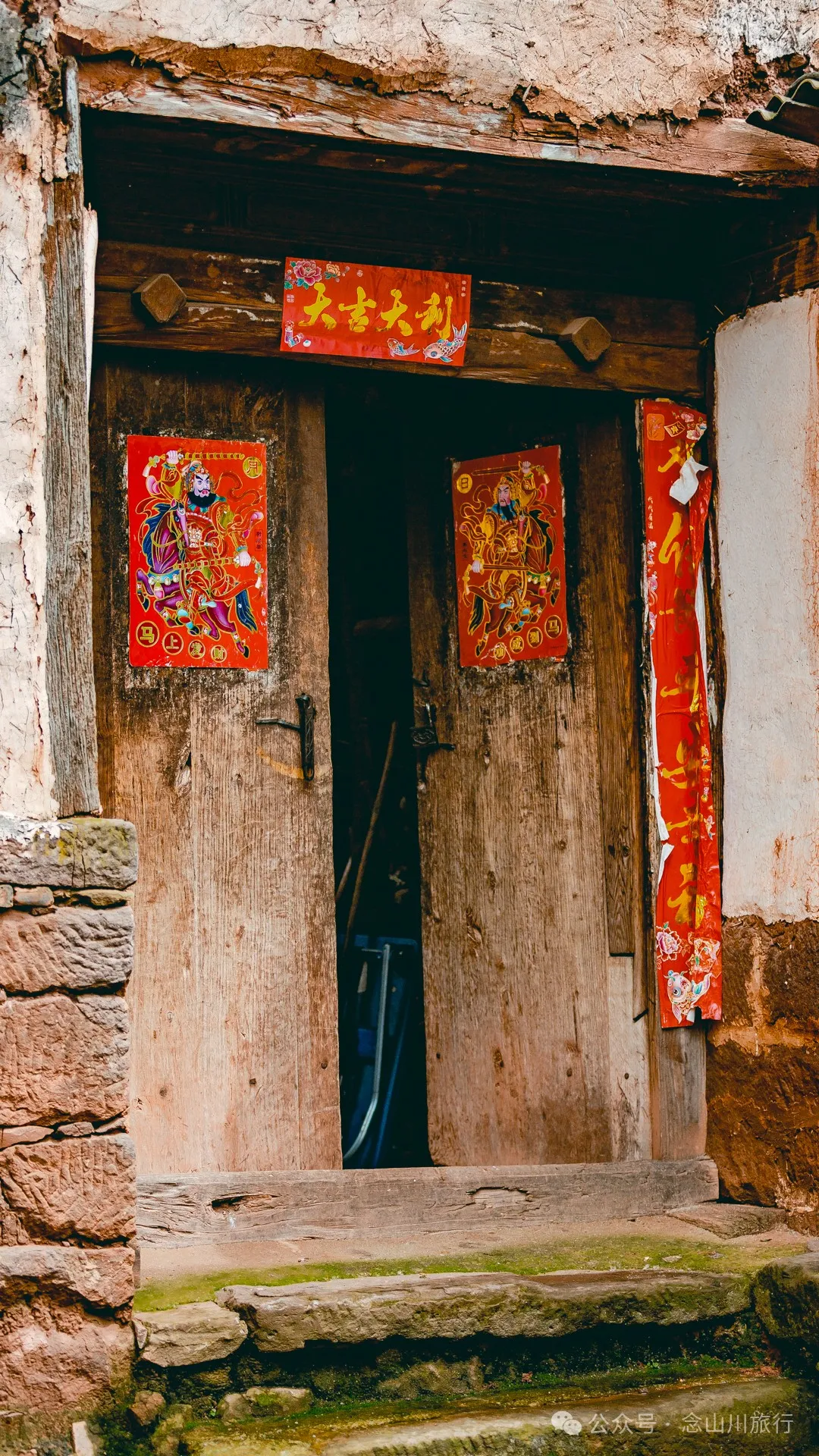
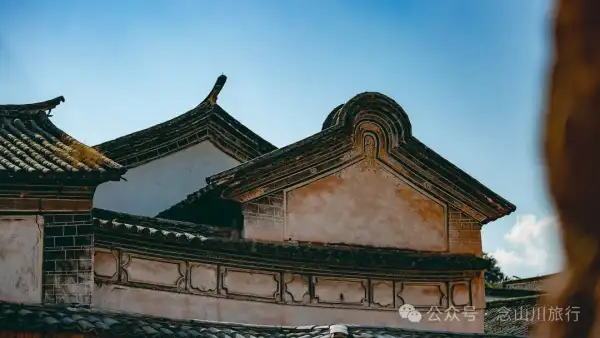
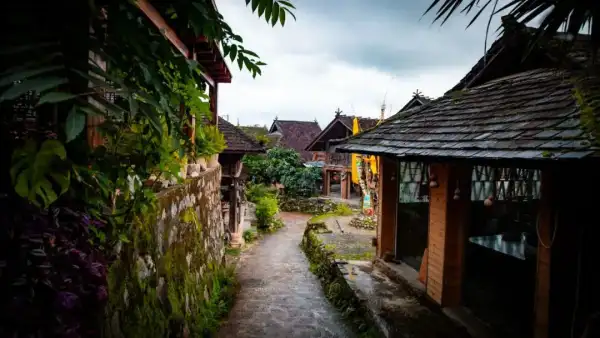
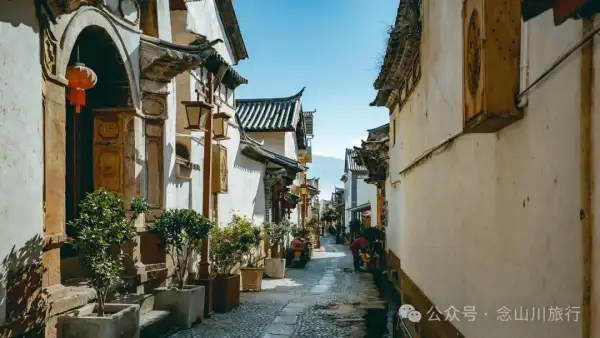
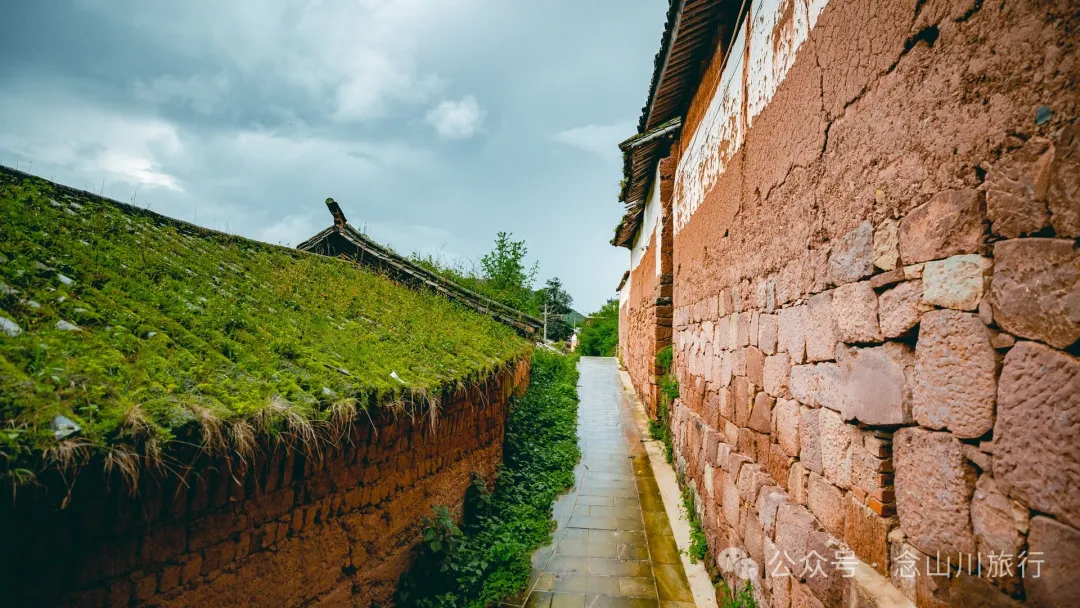
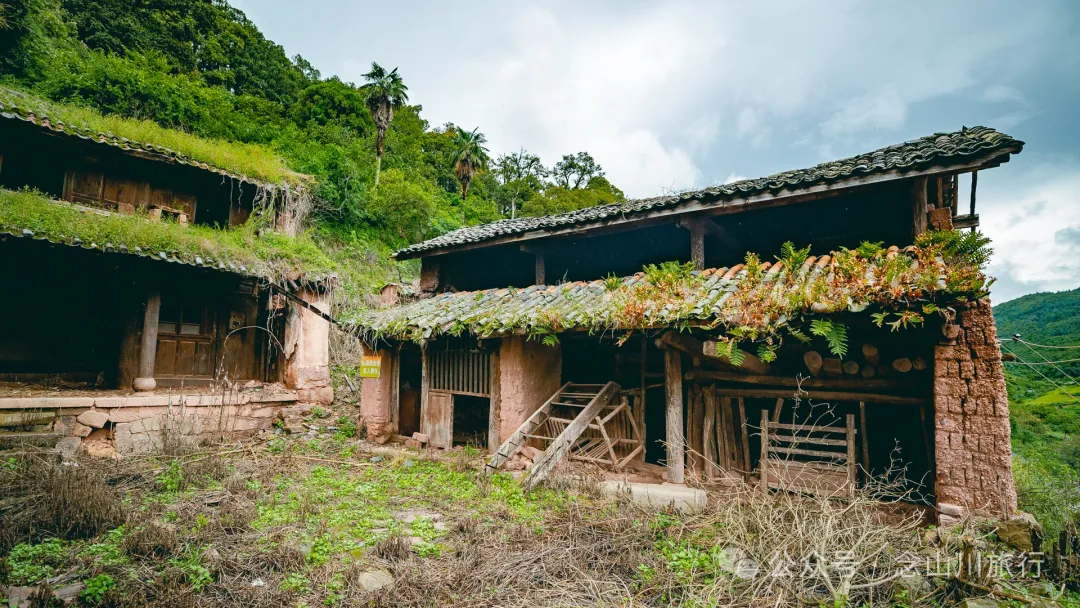
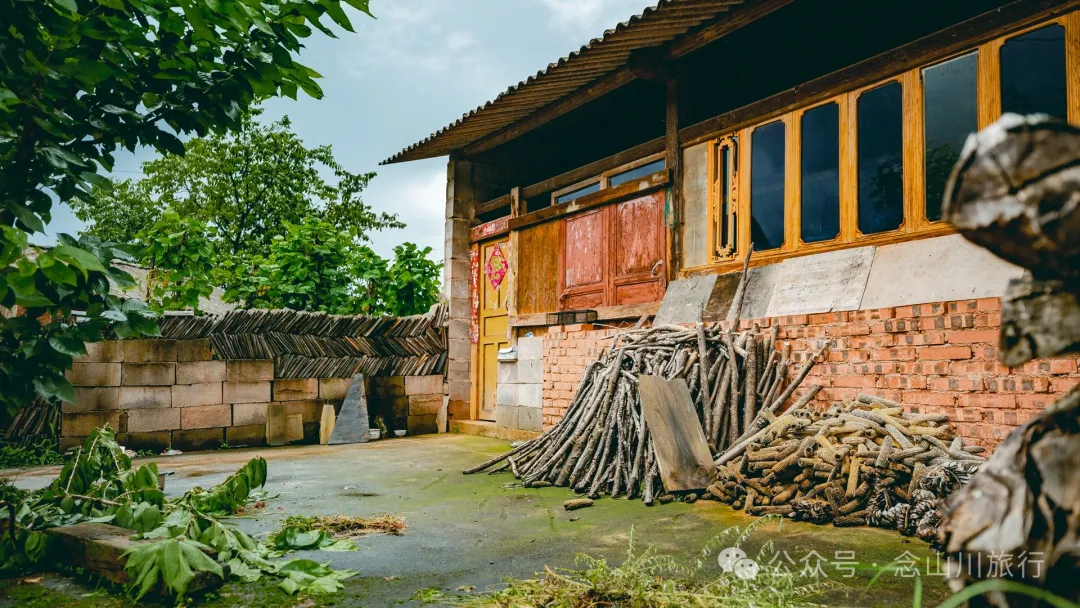
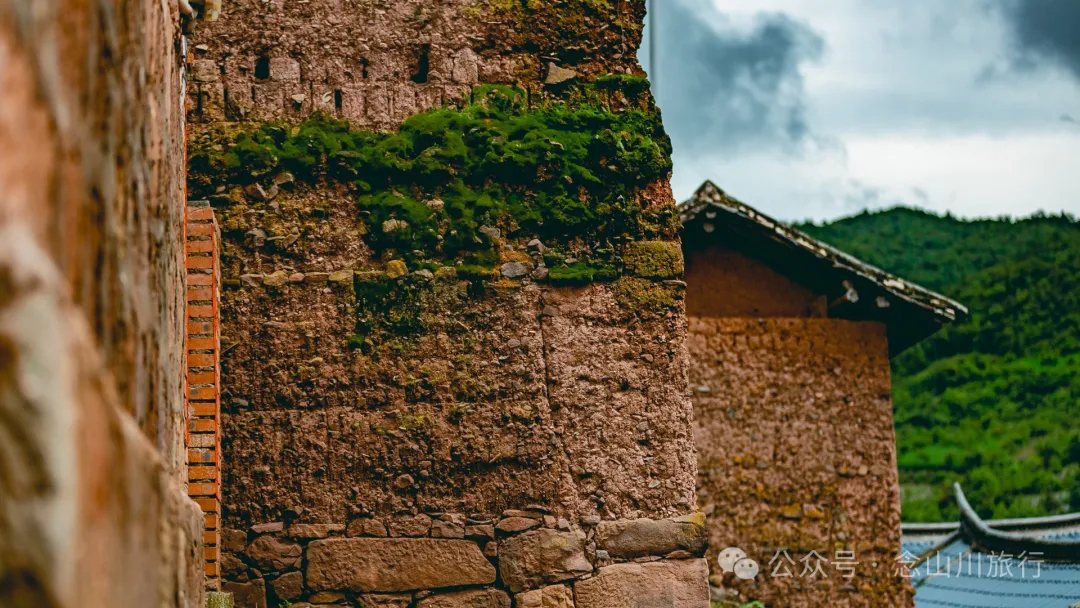
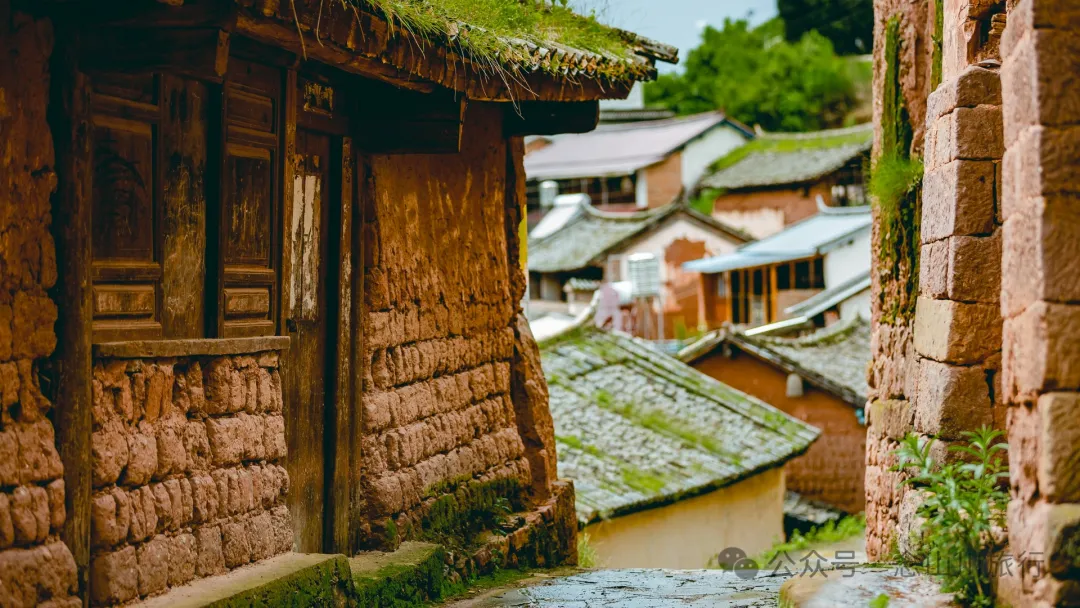
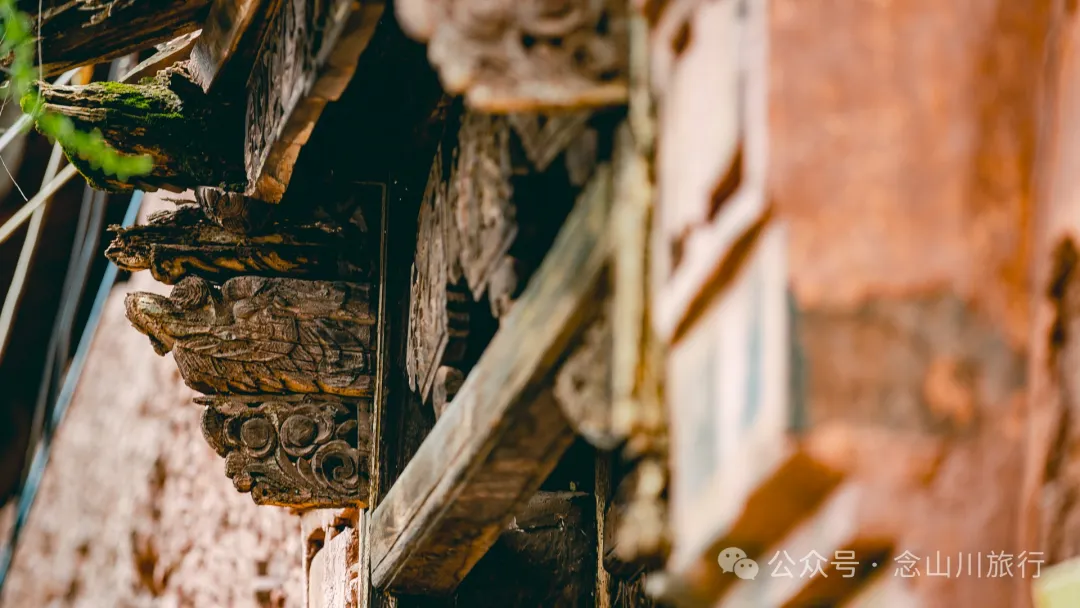
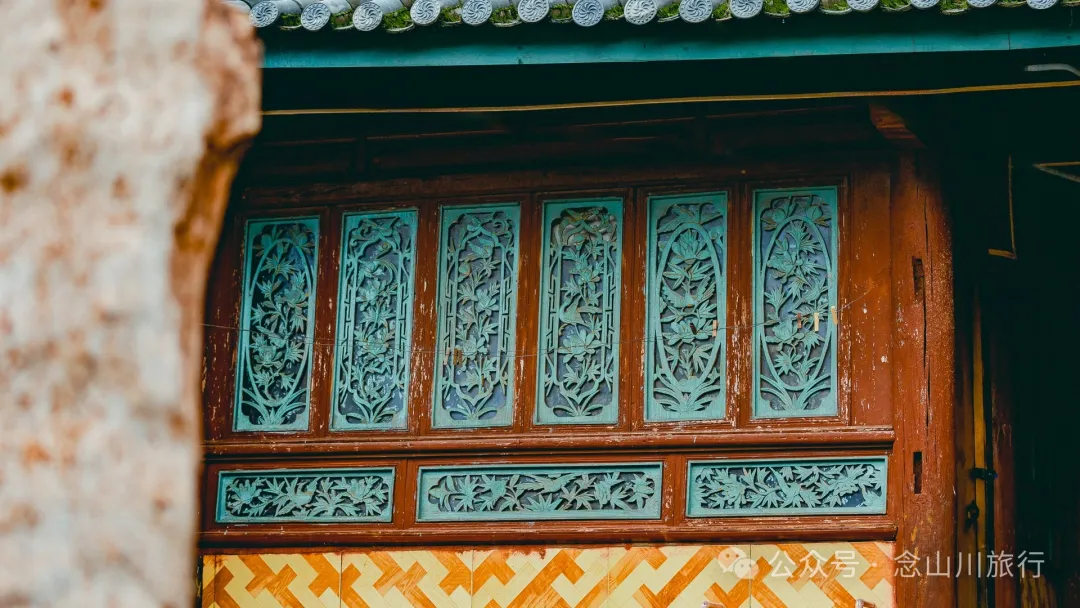
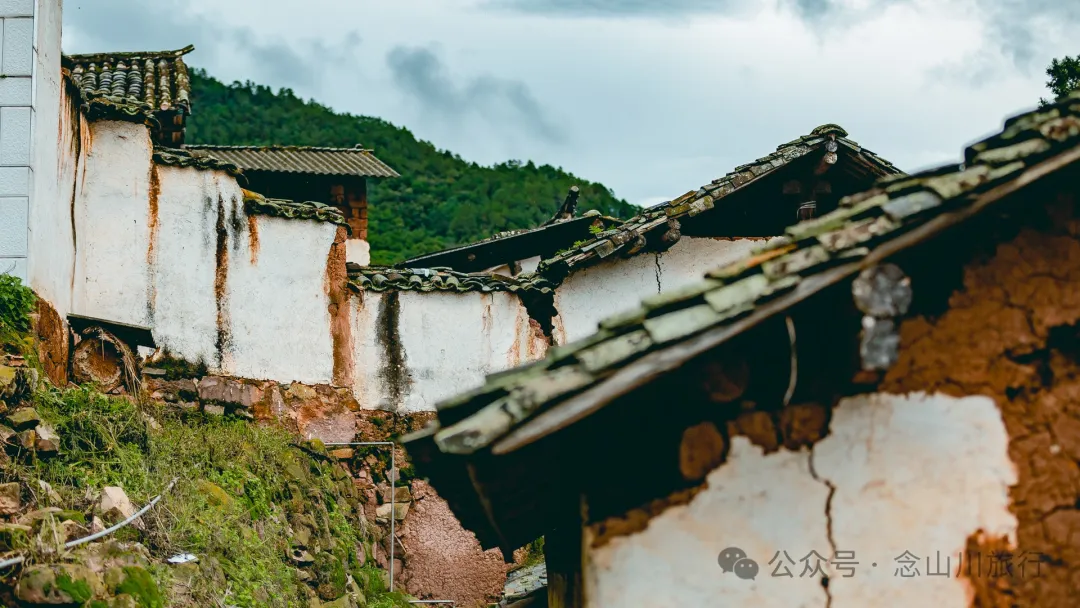
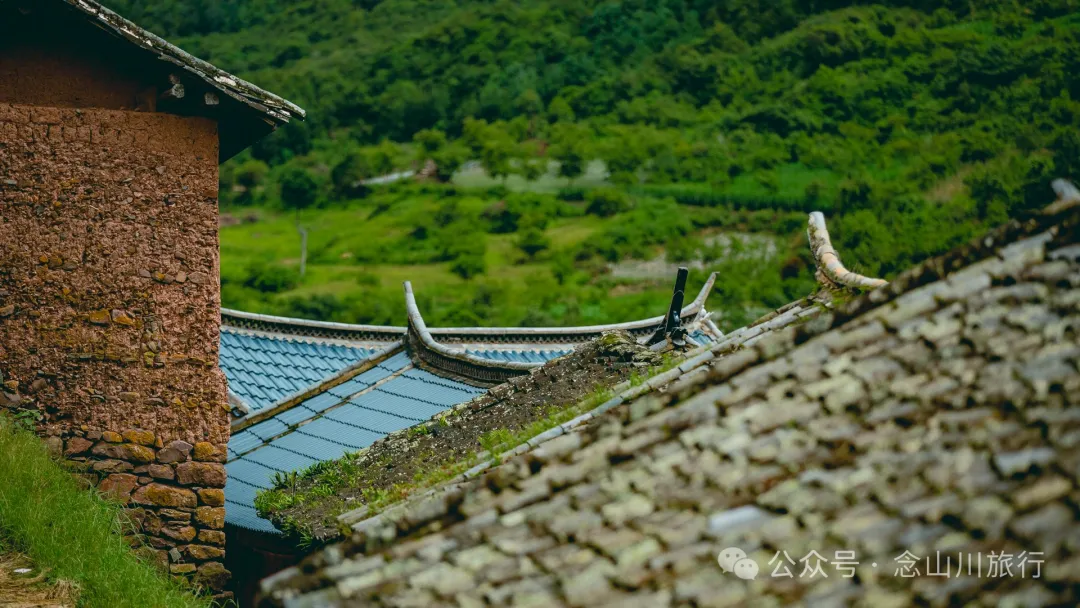
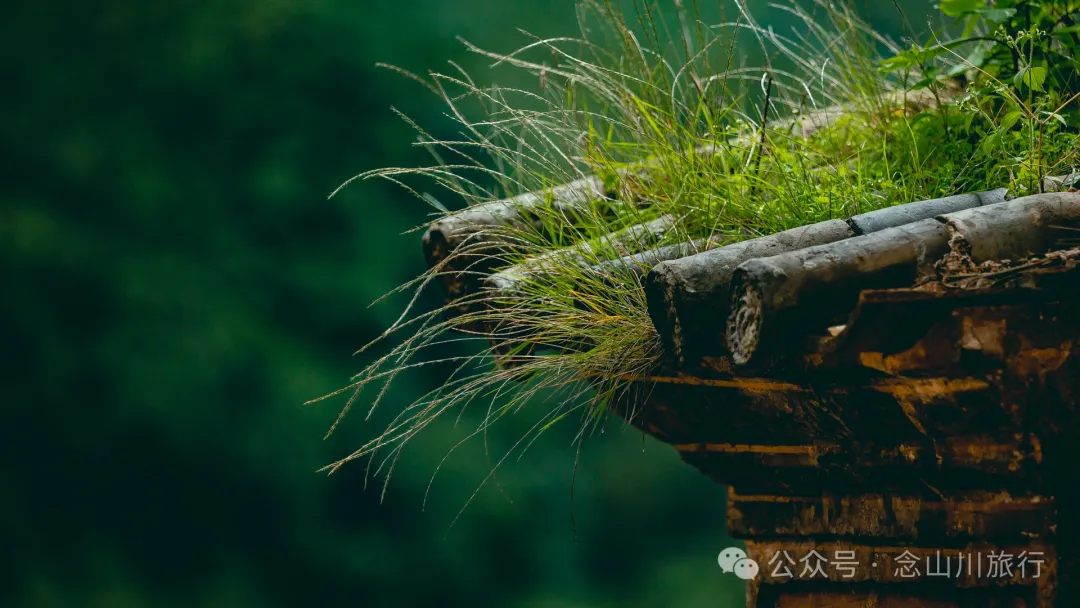
After climbing a few steps, we met two aunties at a corner. One of them enthusiastically gave us directions, telling us where the Guanyin Temple was and which path led to the grazing lands for cattle and sheep, and specifically advised us not to go the wrong way. We noted the directions and wandered freely around the village. New and old houses are intermingled; most villagers live in new houses, while the old ones belong to the elderly. Some more dilapidated houses are on the path to returning to dust. Roofs overgrown with grass, broken wooden doors, faded carved windows, and crooked beams—these once-proud house components have been etched with the marks of time, gradually fading away from the glory of hardworking farmers, dimming in the mountains. The joy when the last new beam was put in place has long been lost in the torrent of time.
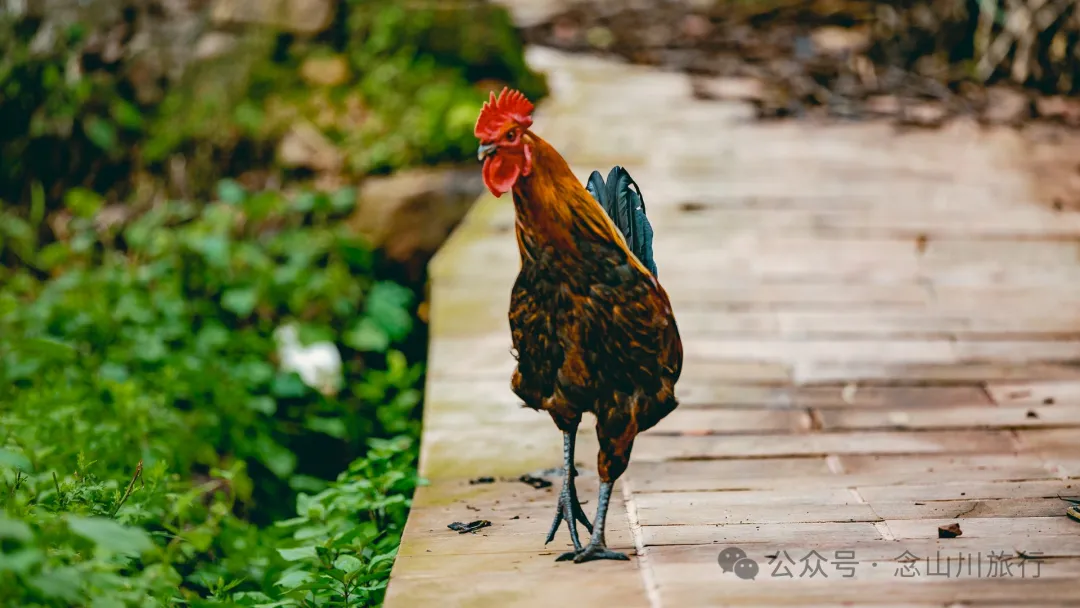
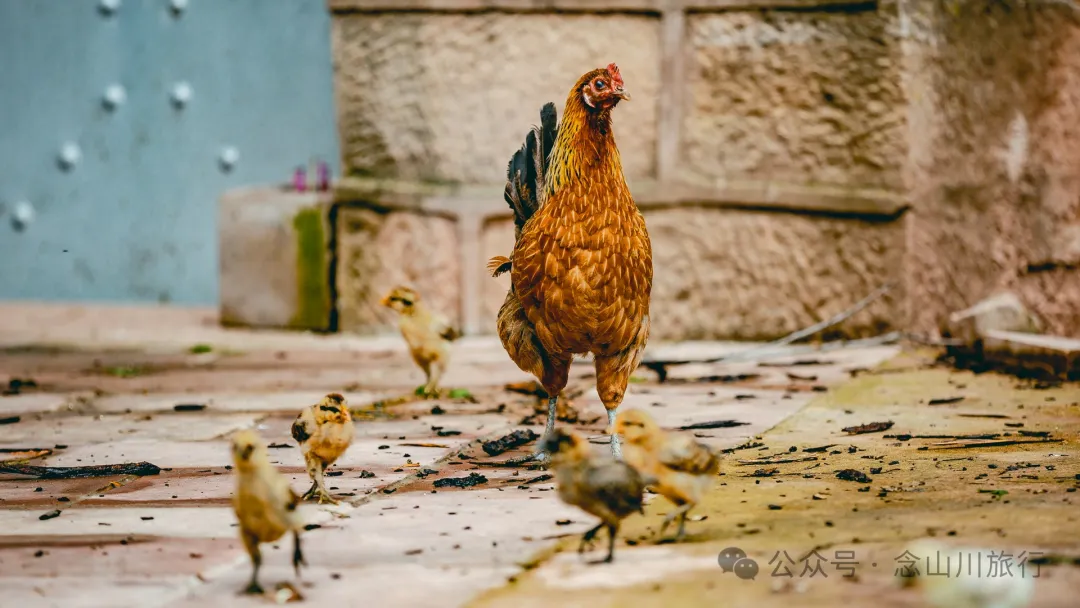
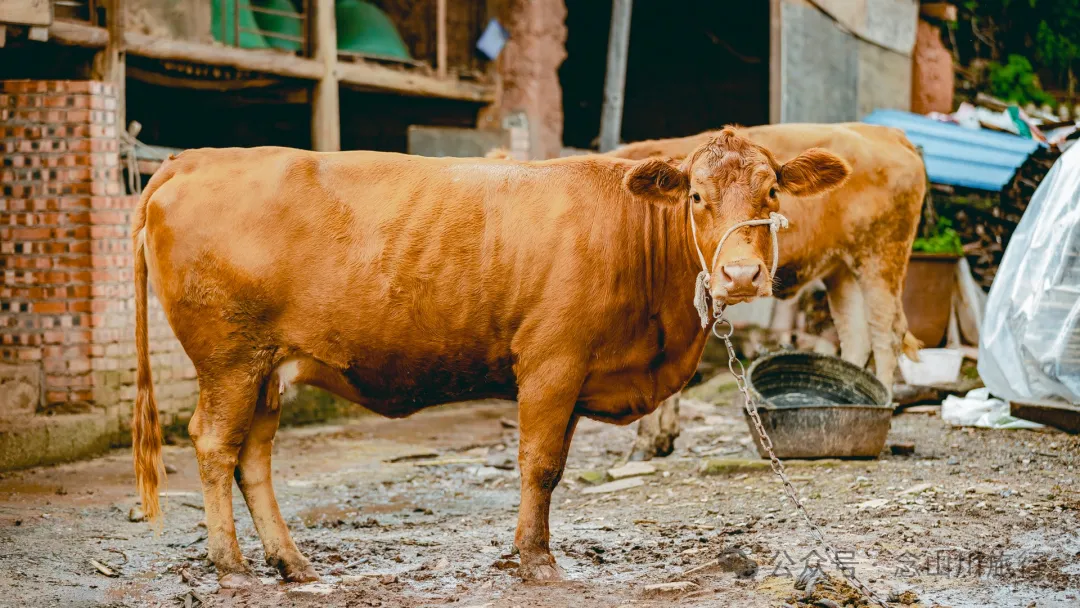
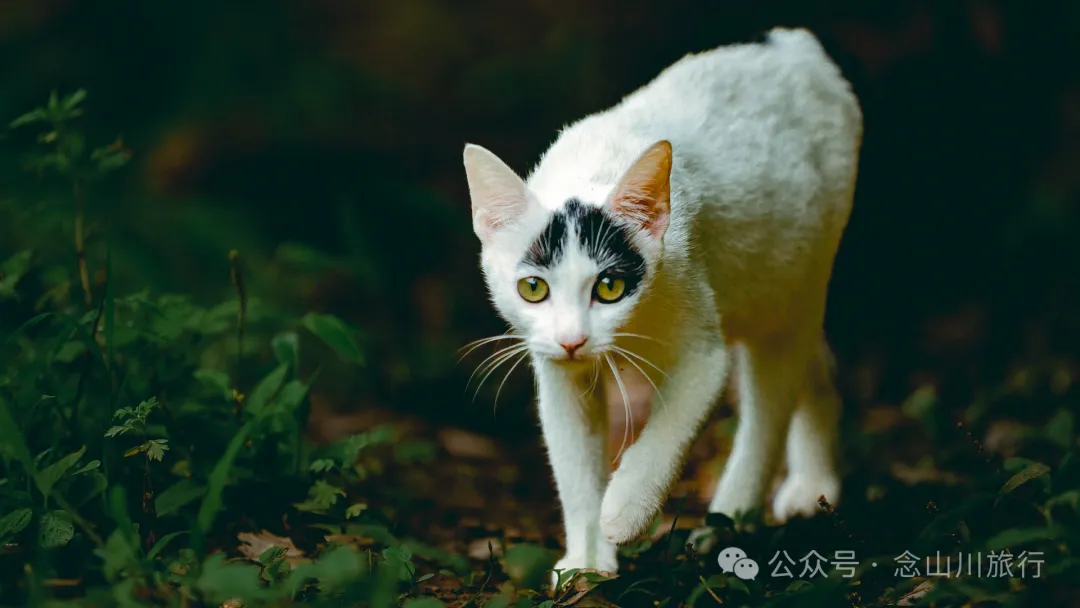
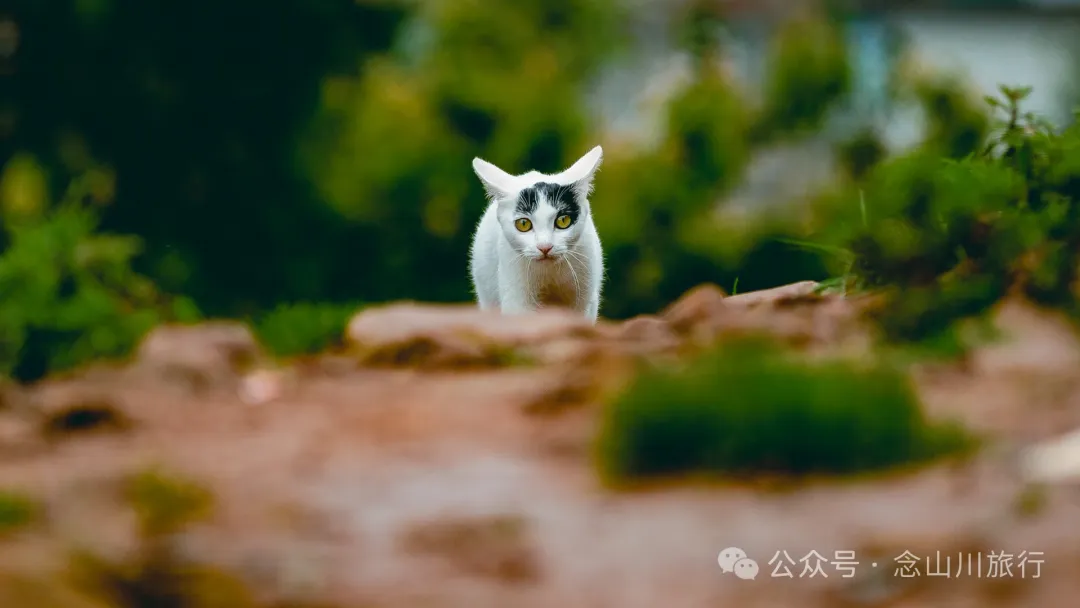
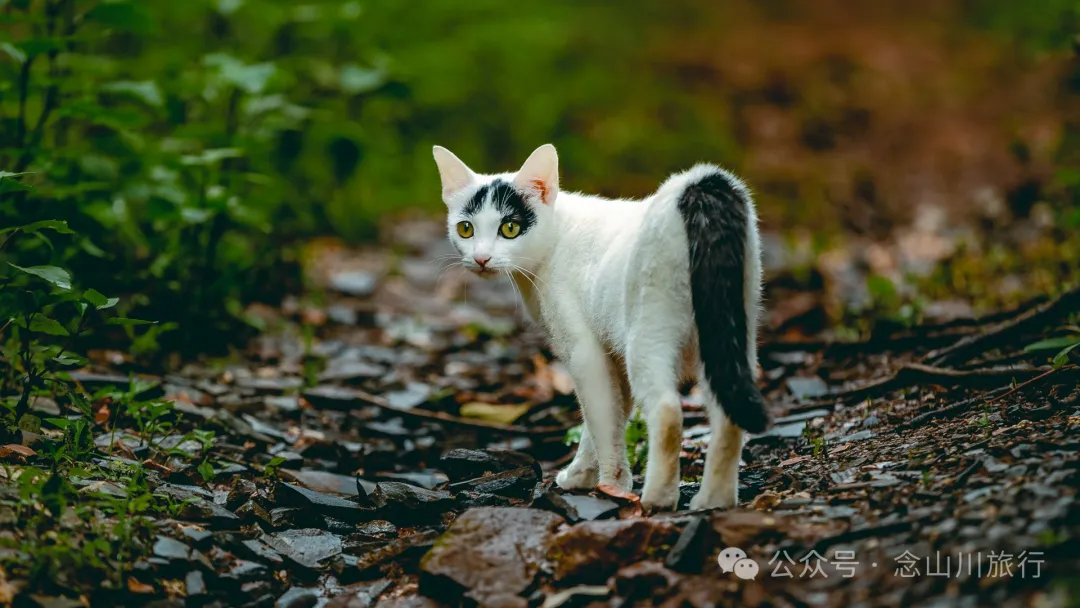
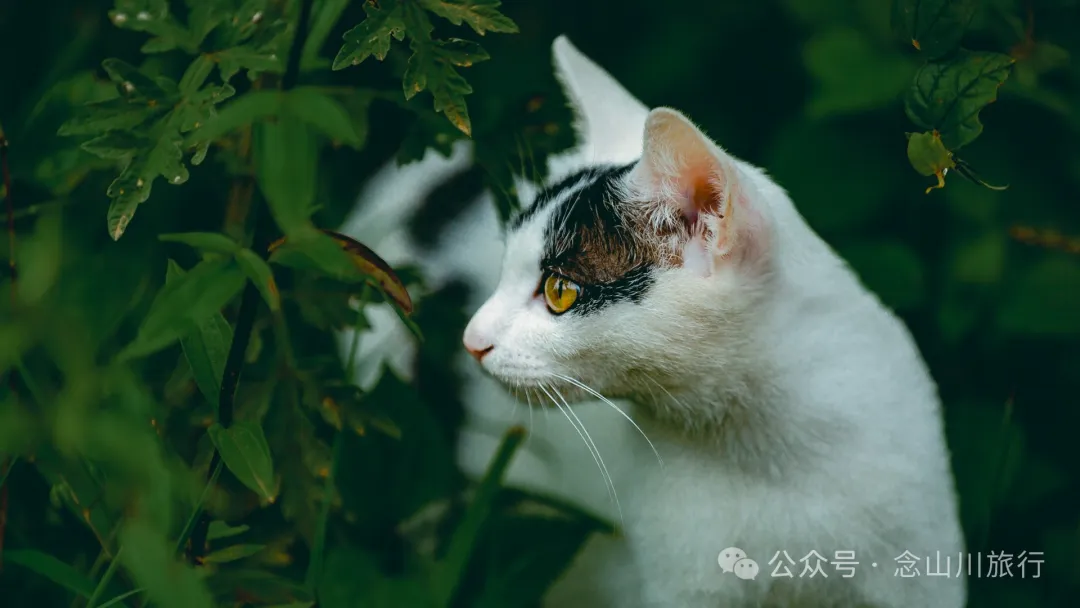
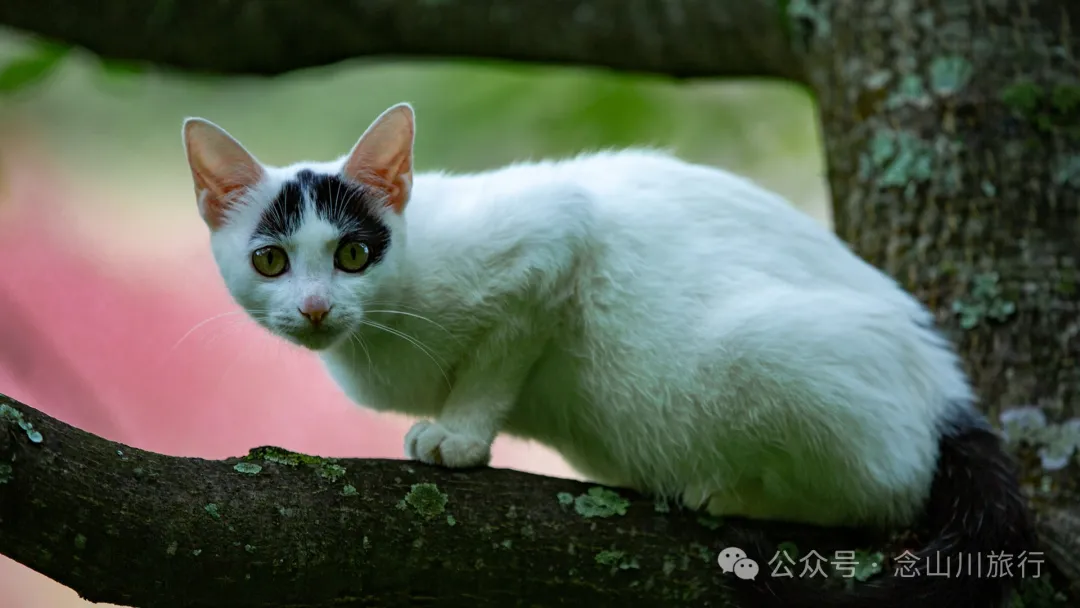
Summer is a stray cat we adopted. It not only likes to eat roadside weeds but also wants to stay in the wilderness, refusing to go home.
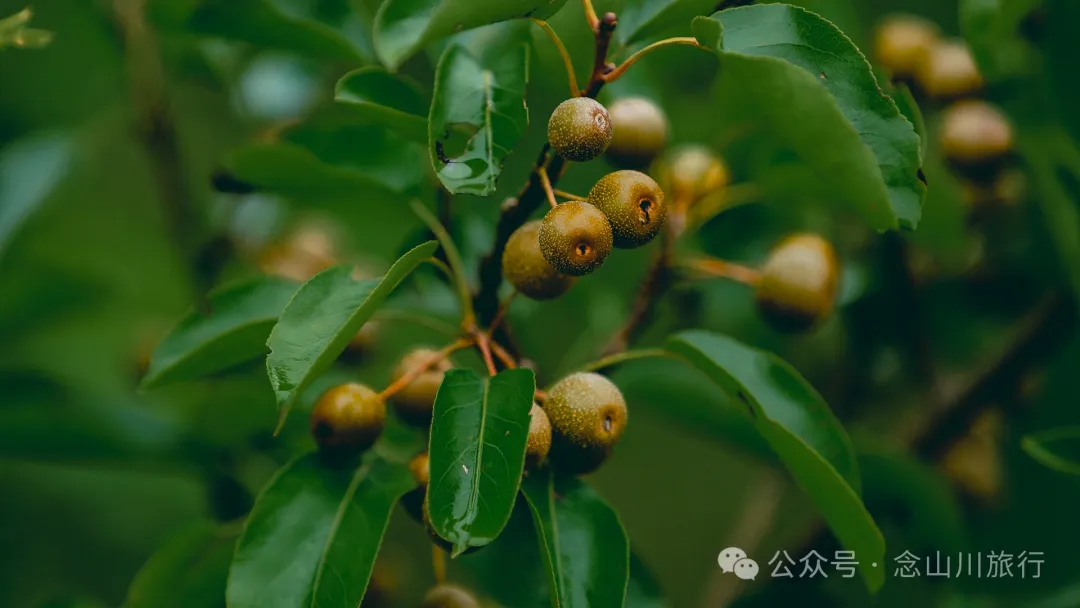
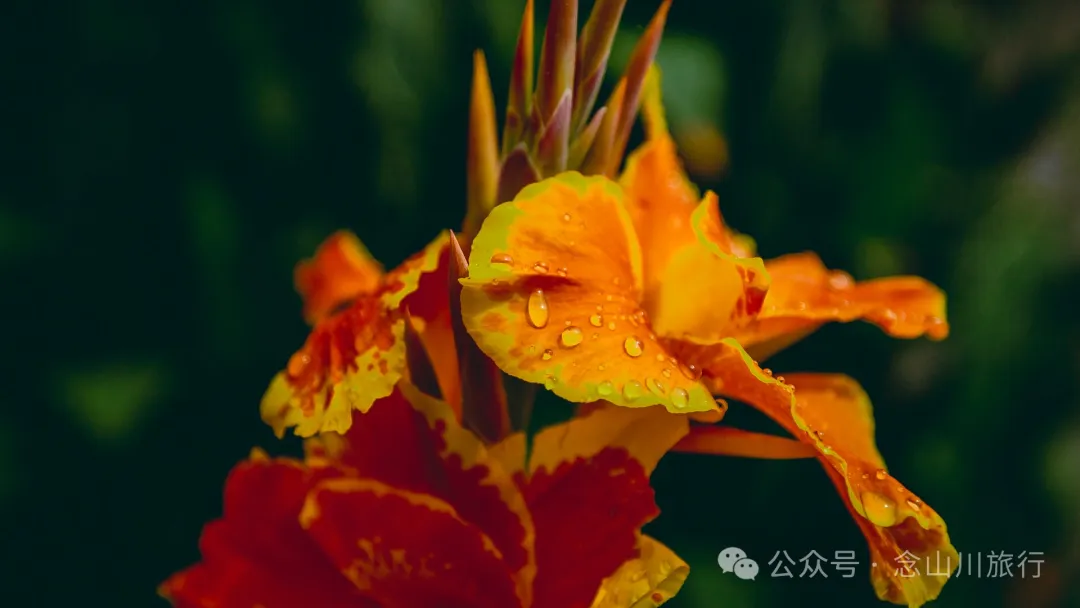
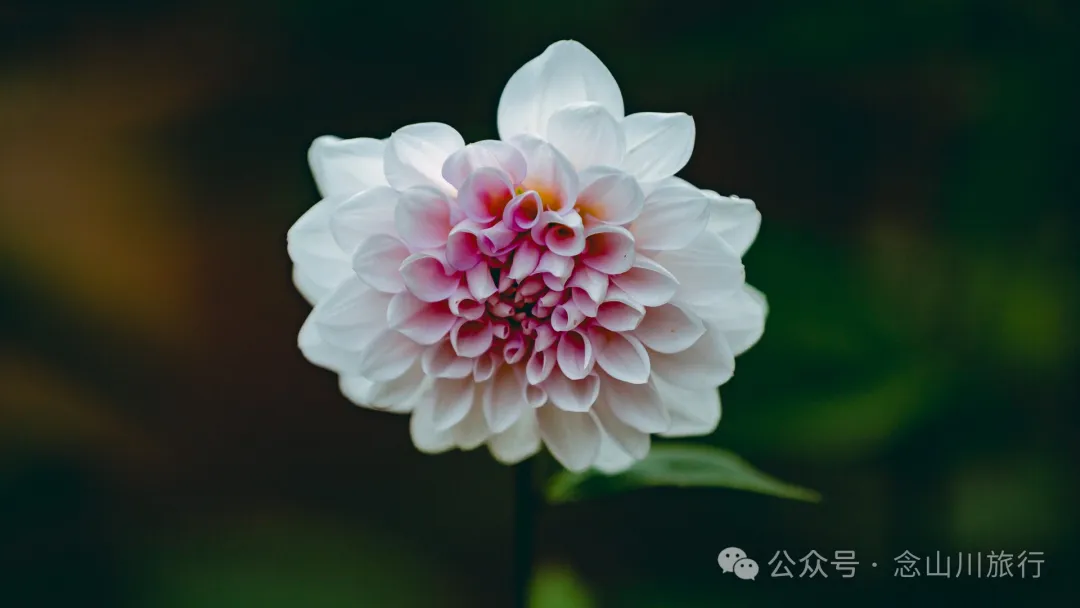
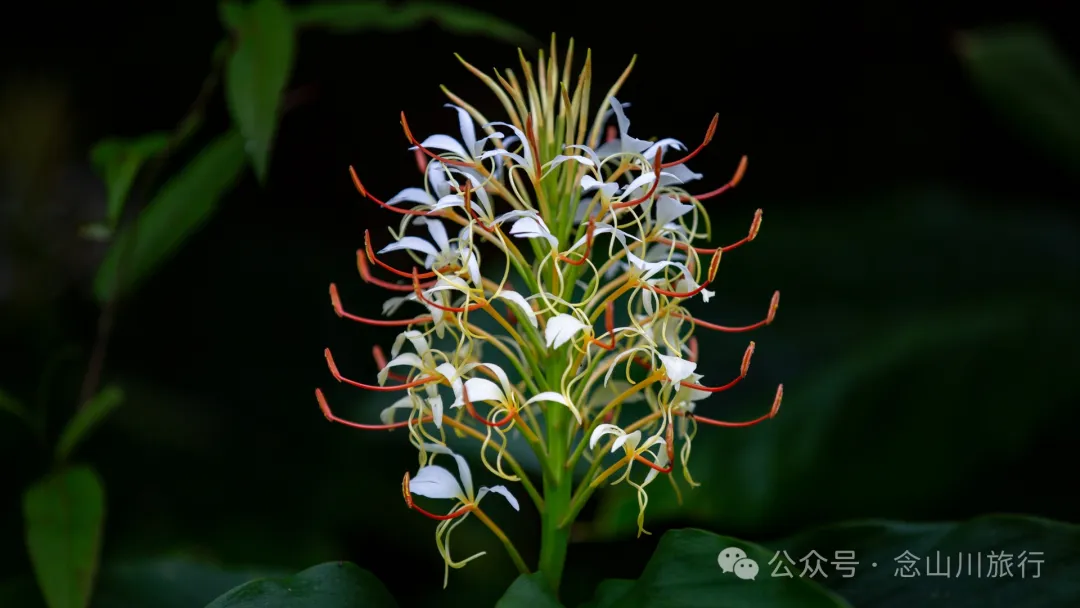
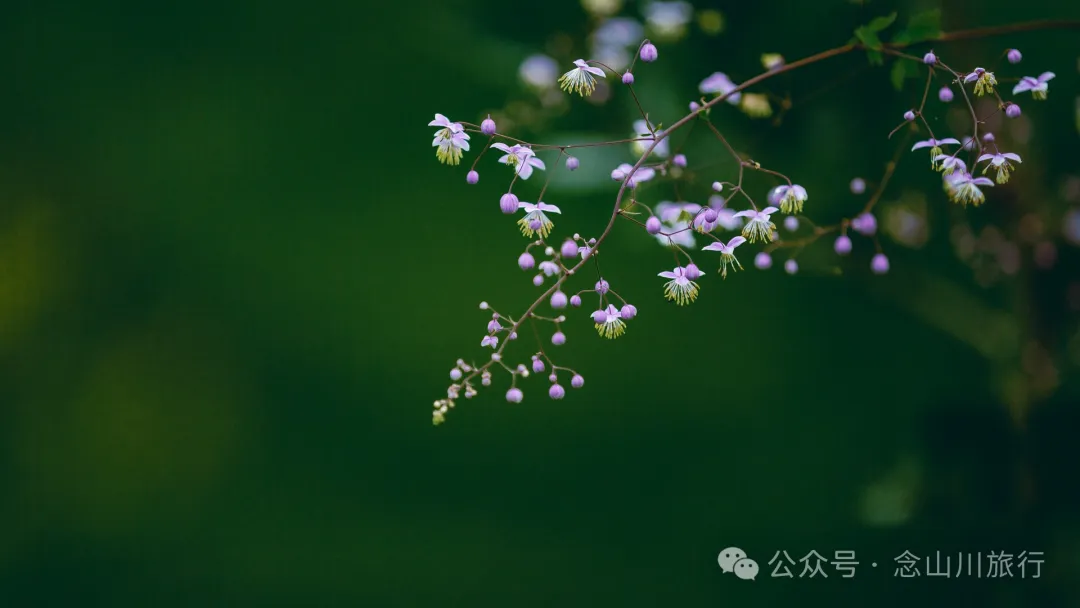
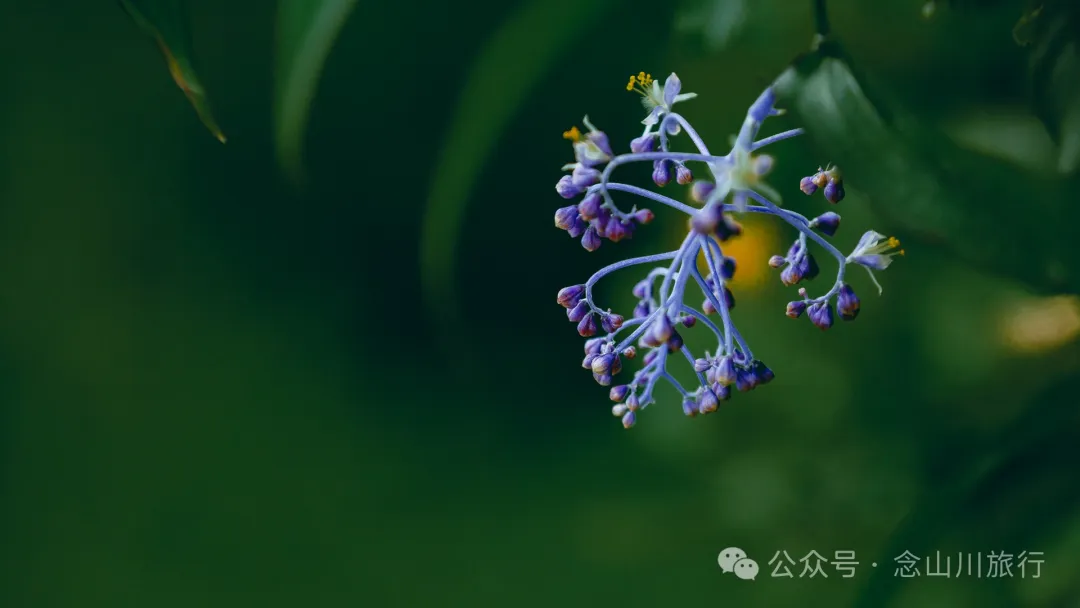
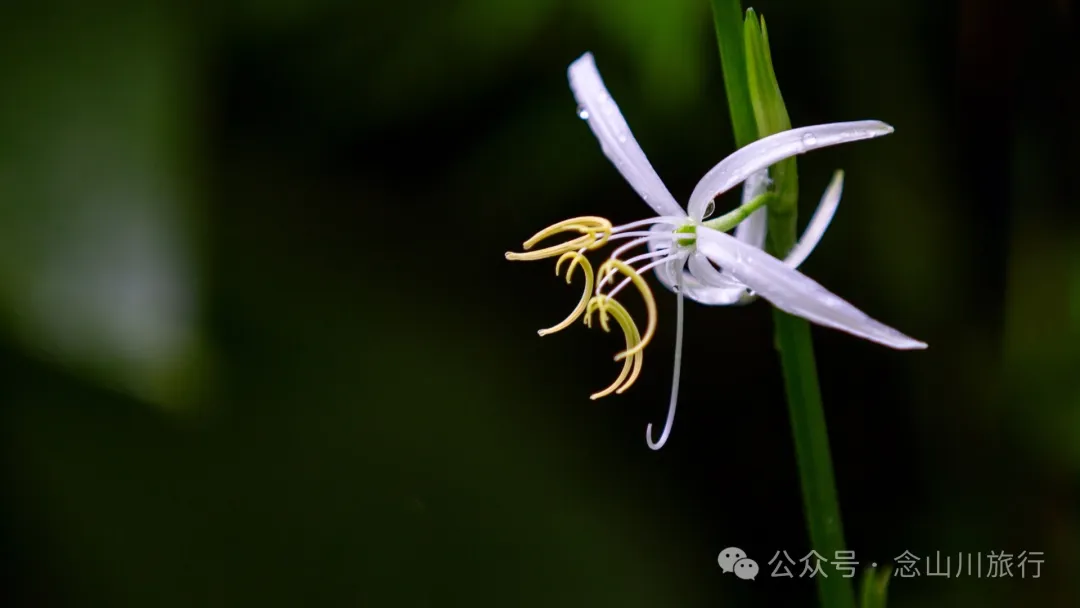
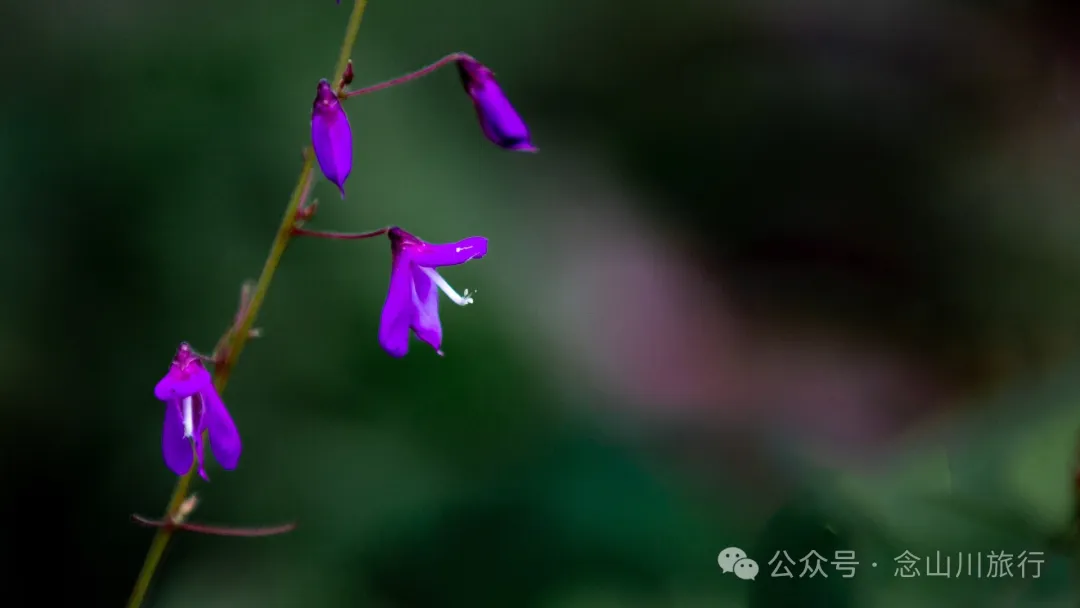
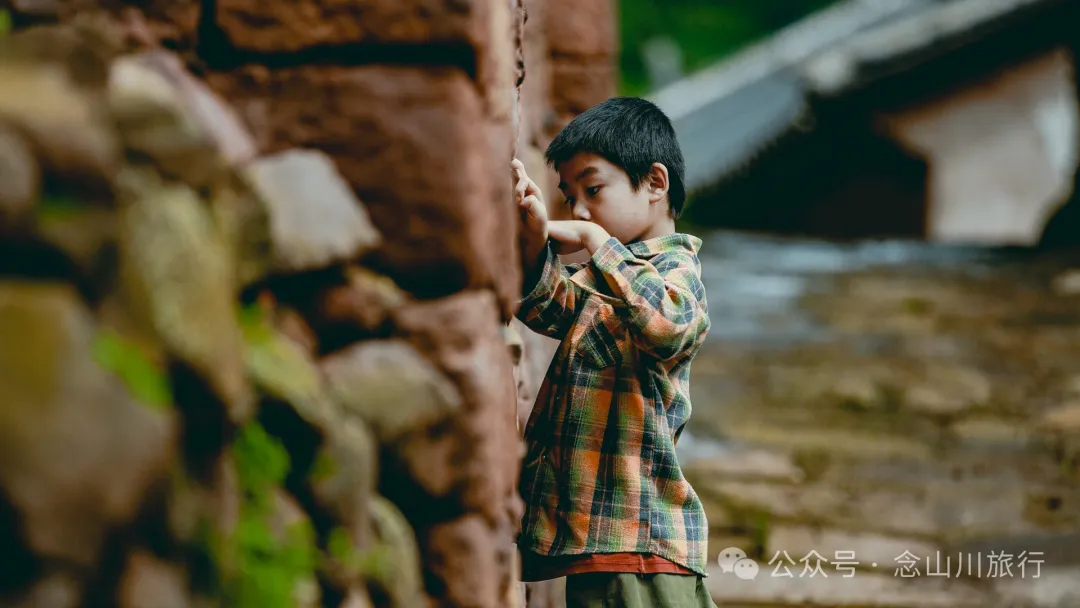
We walked through the quiet and clean village after a sudden rain. The air was filled with a strong sweet fragrance, a mix of the natural scents from roadside pear trees, papaya trees, plum trees, and various wildflowers and grasses, as well as the surrounding mountain forests—a refreshing aroma we had never encountered elsewhere. Children sucked the natural sweetness from the canna lilies they picked at the entrance of a farmhouse.
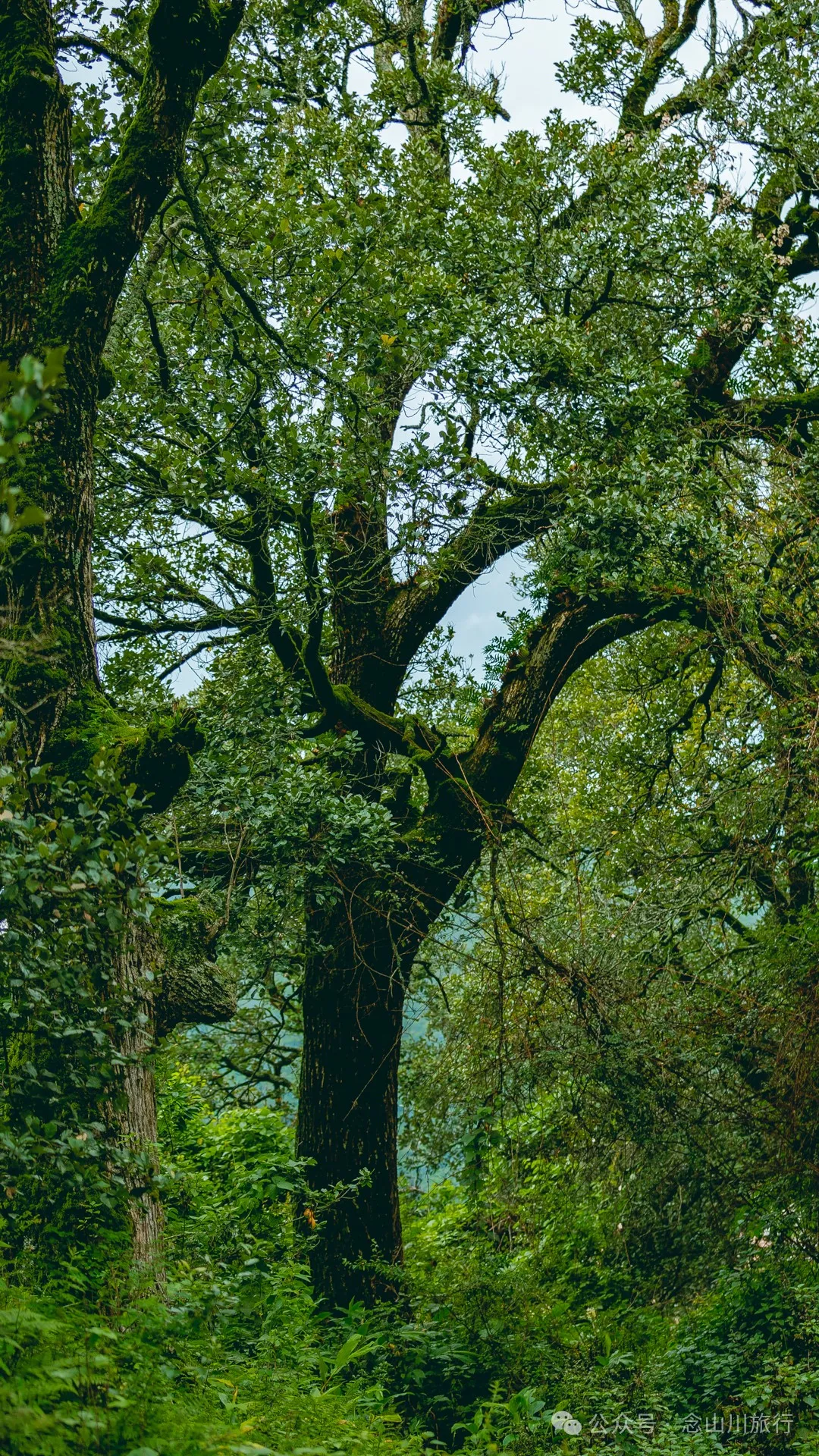
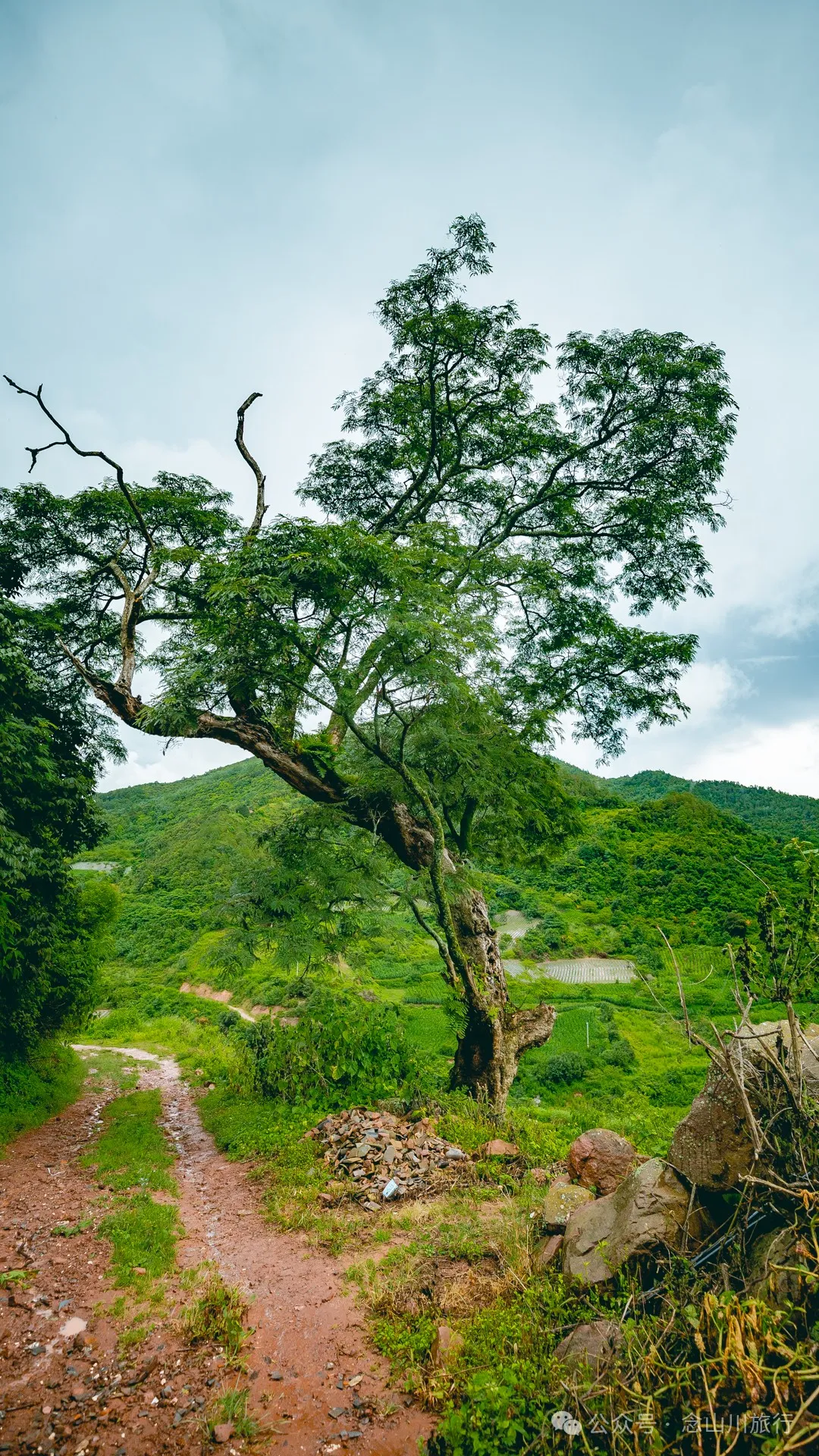
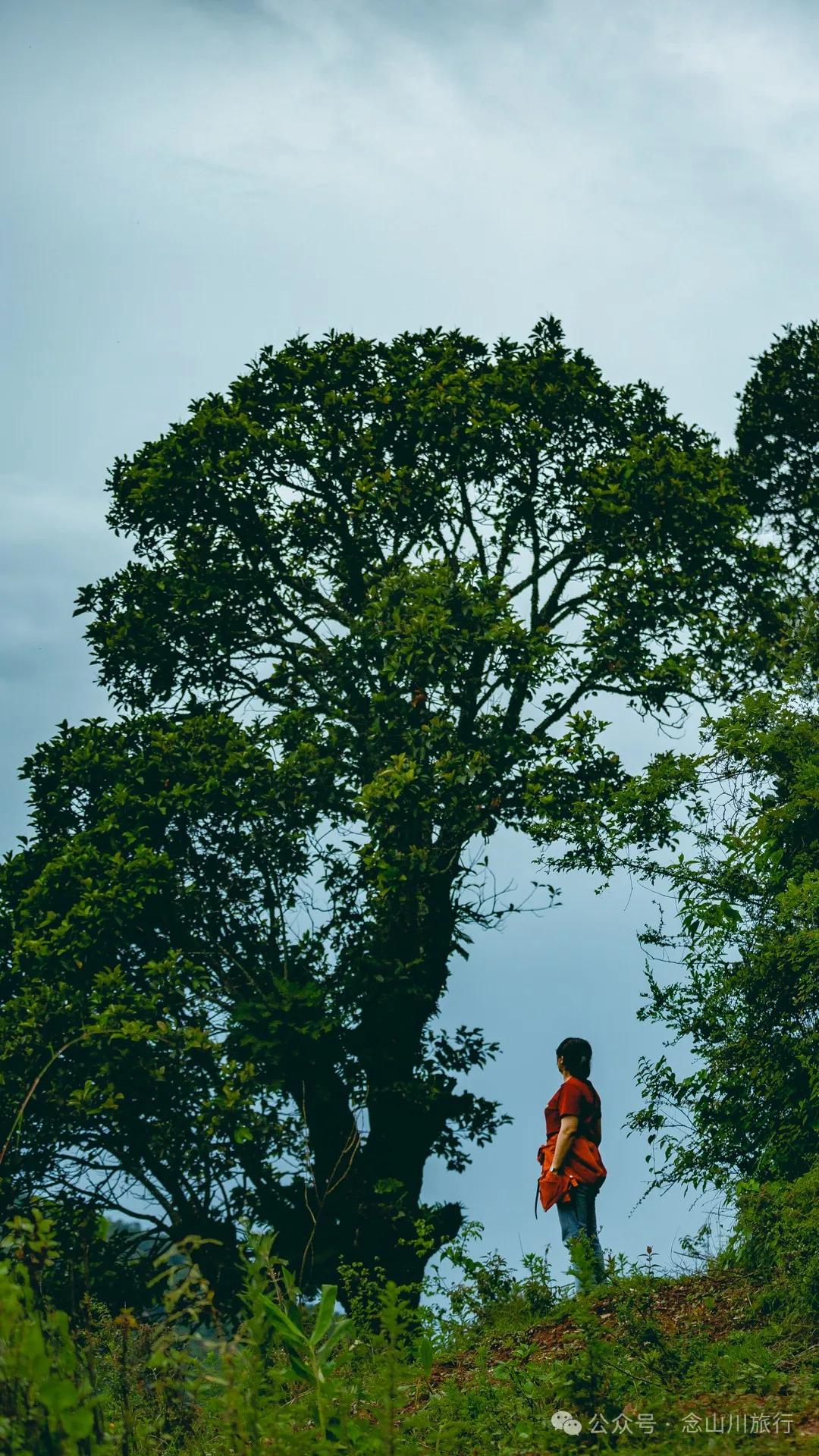
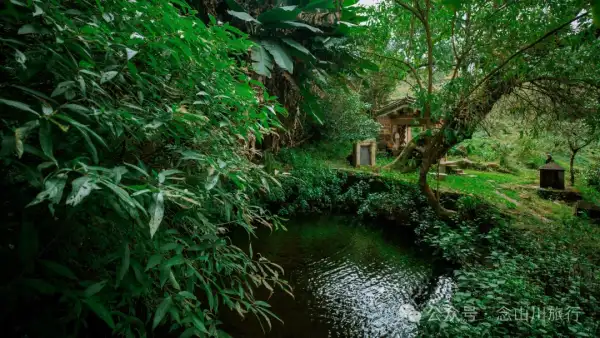
The Guanyin Temple is in the mountains behind the village. Following the wildflowers and grasses, we quickly found it in the direction indicated by the villagers. Clematis grapes, purple-flowered meadow rue, Yunnan ginger, egret grass, purple vetch, and long-wave-leaf tick trefoil—these wildflowers, rare elsewhere, are common here.
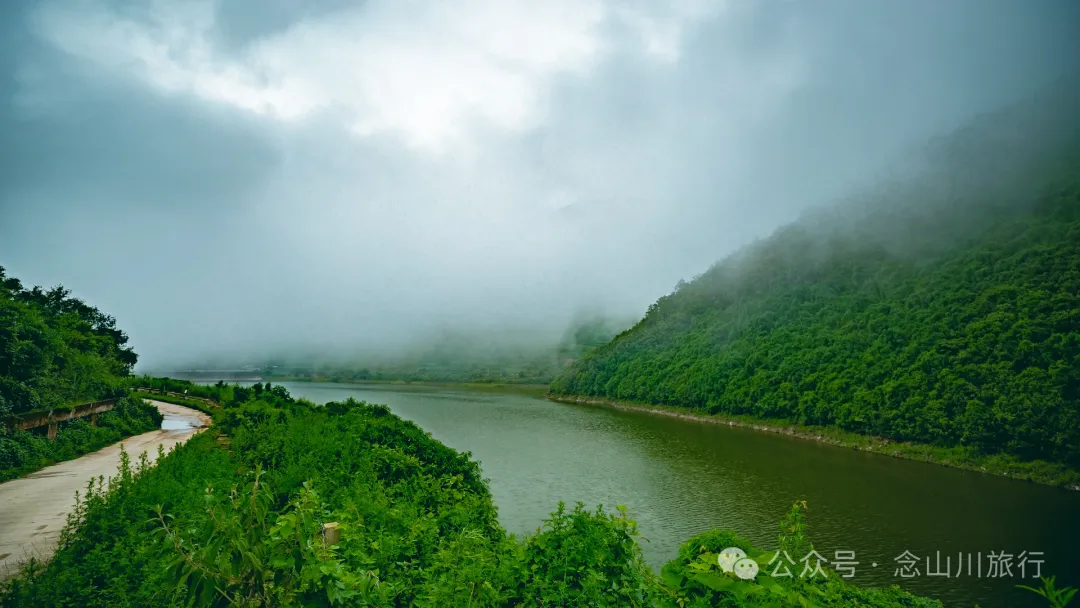
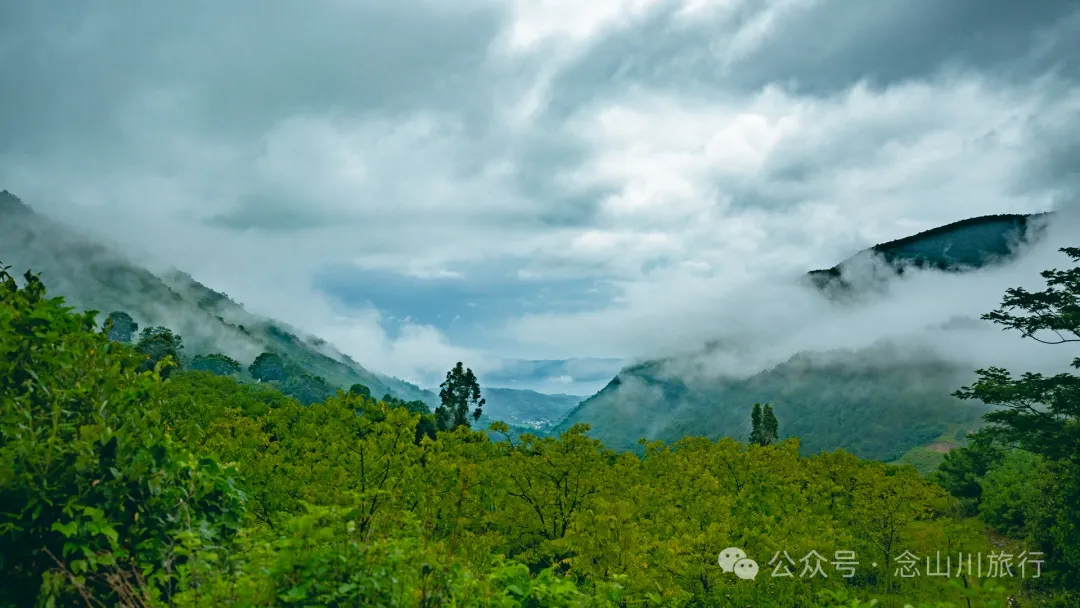
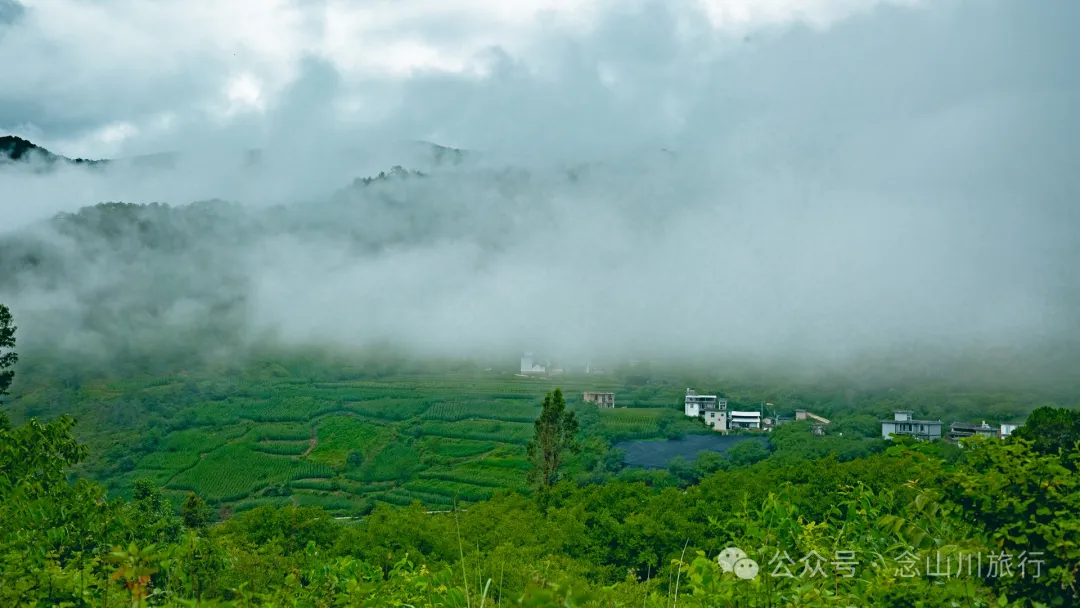
The hiking trails in the village are hidden deeper in the mountains, but due to weather and time constraints, we couldn't go. On the way back, the mist drifting through the mountains was ethereal and mysterious. The vines covering the opposite slope formed a dense green waterfall, with occasional circular gaps that seemed to lead to another magical and unknown world, sparking our imagination.
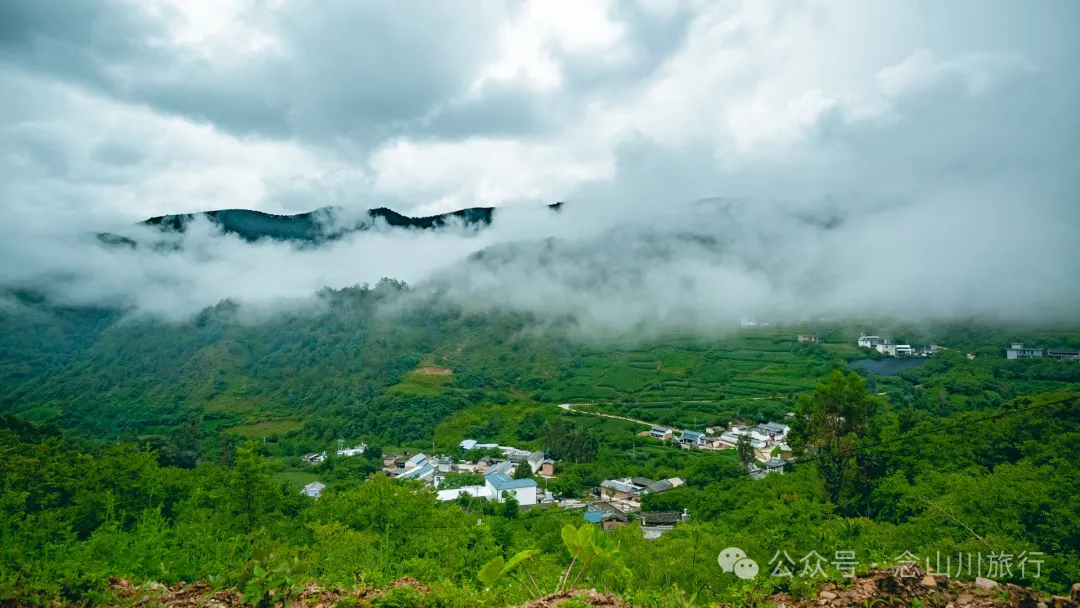
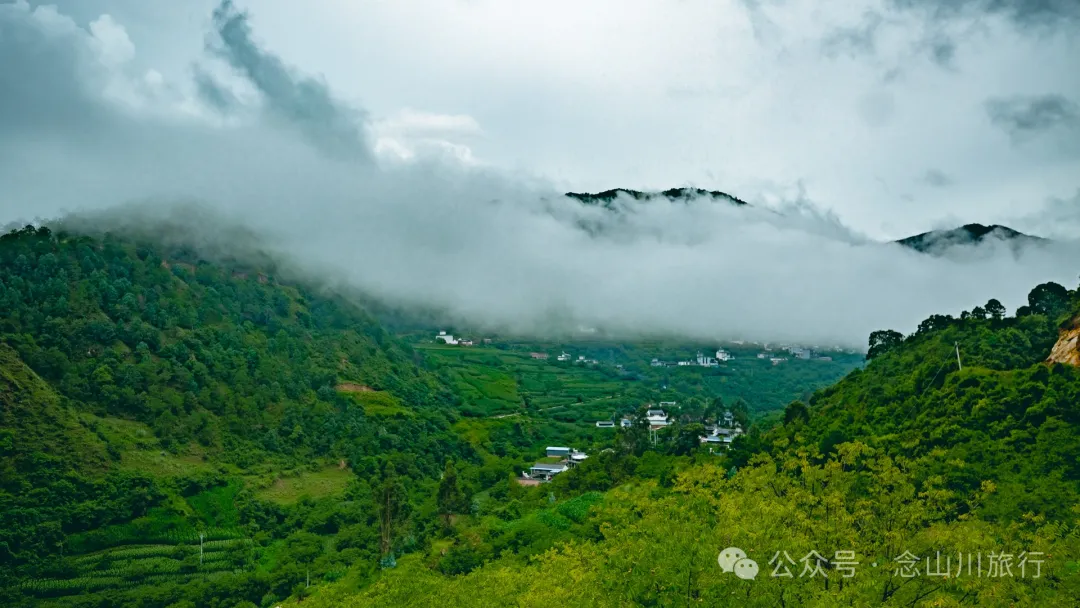
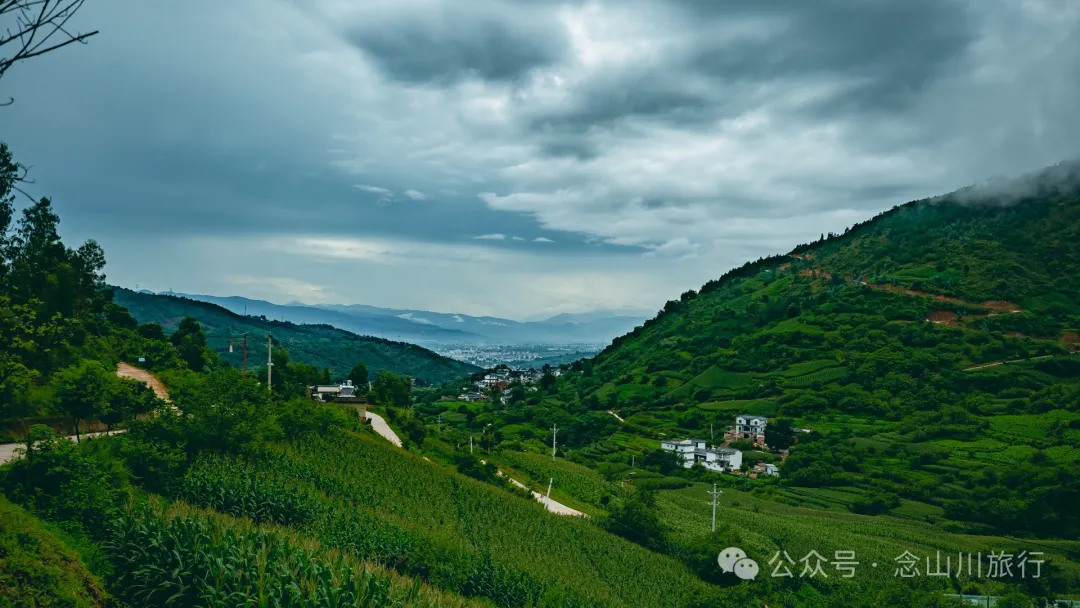
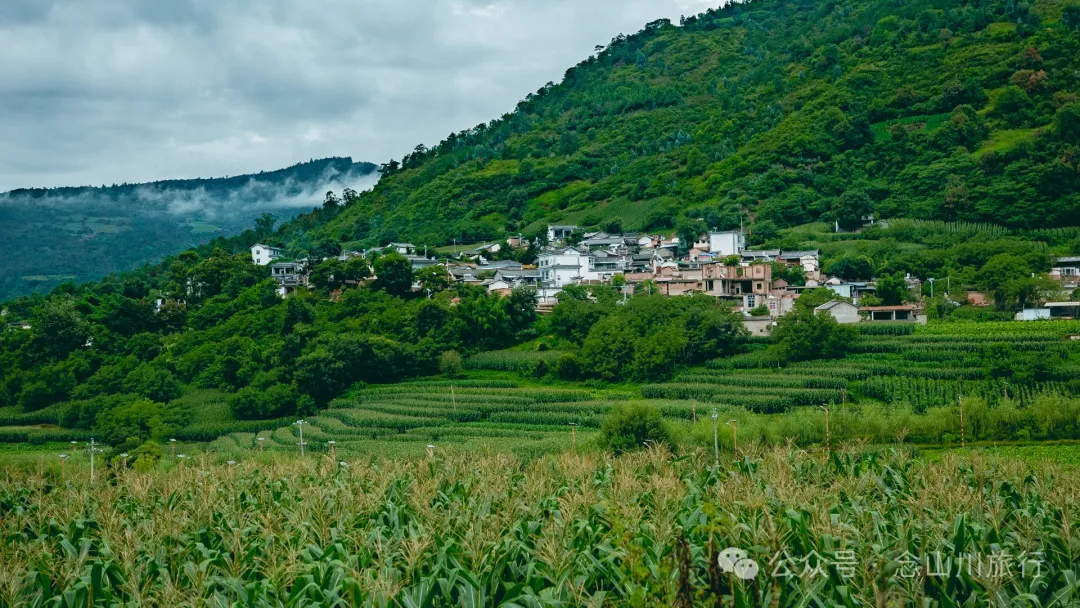
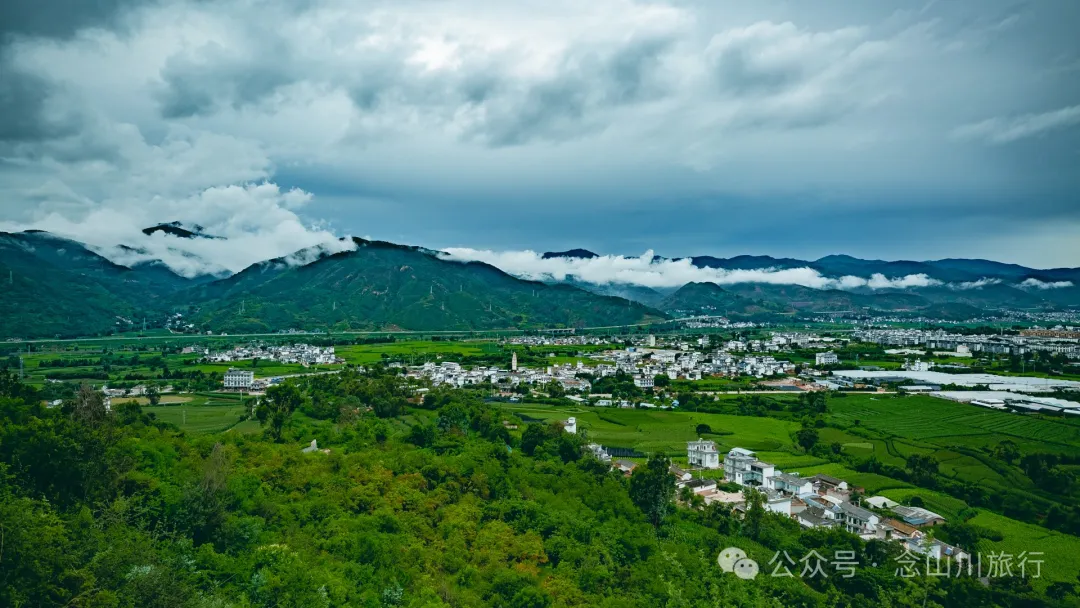
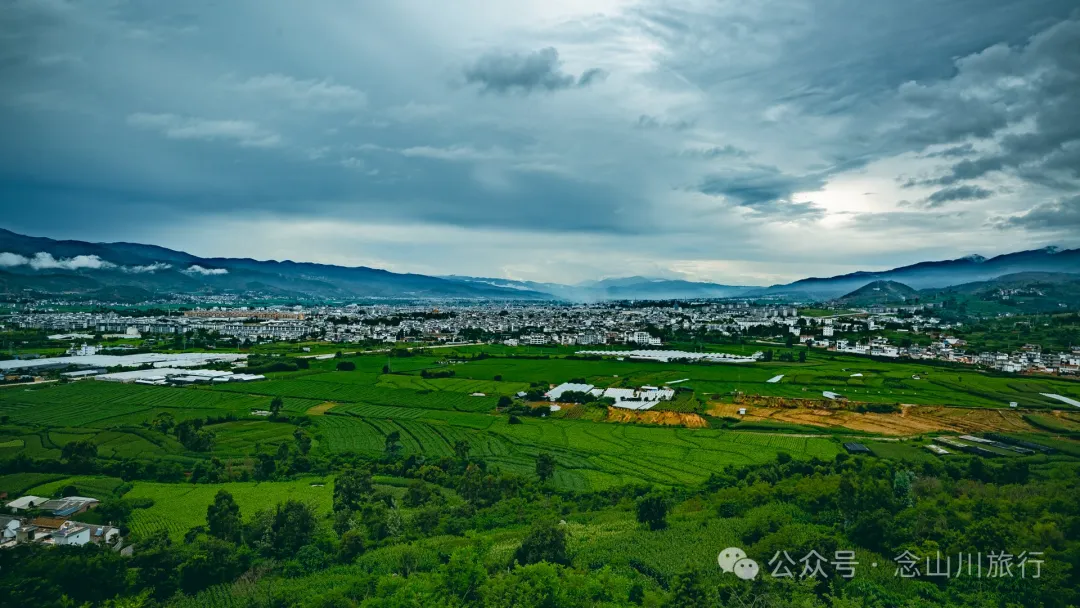
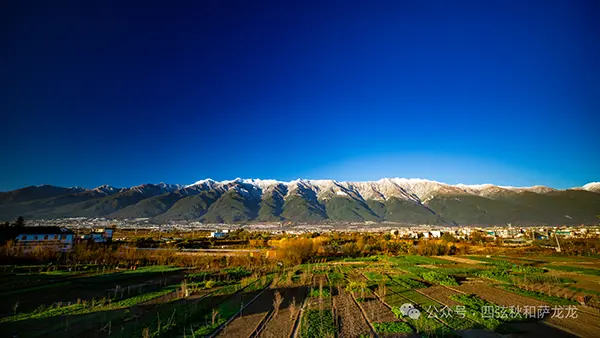
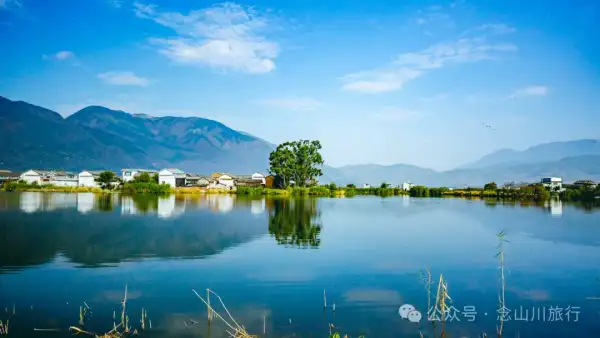
Every time we go to Weibao Mountain, the Weishan Basin is always worth photographing.