
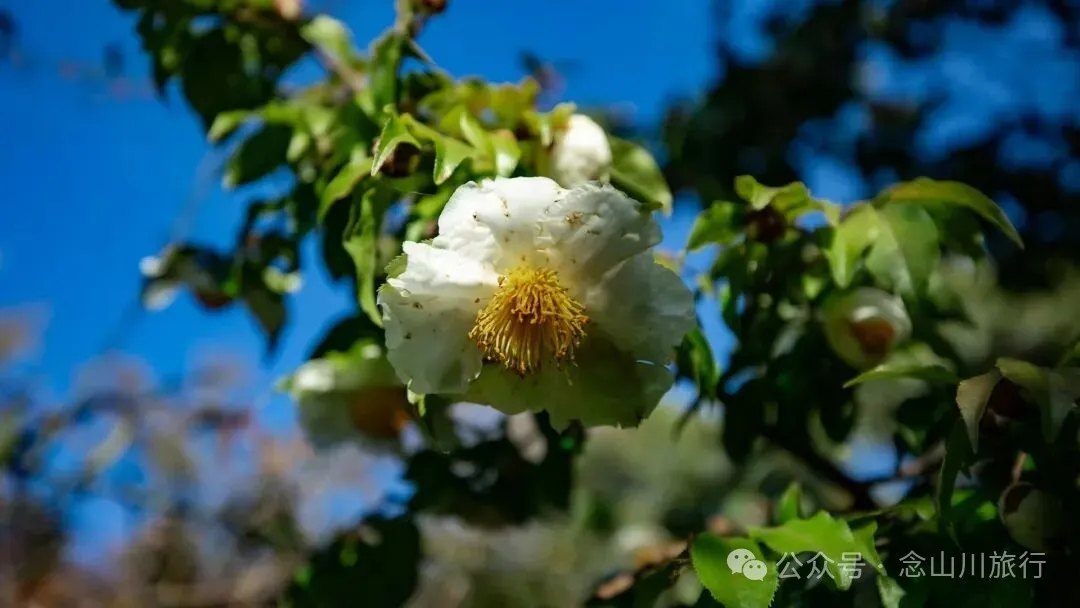
The monkey tree, a member of the camellia family with an interesting name and distinctive features, is listed as Near Threatened (NT) on the IUCN Red List of Threatened Species. Over the past two years, I have visited the Black Dragon Pool behind Xiaotangzi Village many times, where two ancient monkey trees over a century old grow by the spring.
Year after year, the clear, sweet underground spring nourishes them, and tall, graceful trees accompany them, shading and filtering out excess sunlight and dust. Their brownish-yellow trunks are as solid as rock, stretching across the stream like two hermits guarding each other in the silent, long passage of time. In August, I saw their apple-sized red fruits hanging heavily from the branches; they must taste good, as many tea fruits were partially eaten by birds perched nearby. November and December mark the beginning of the monkey tree's blooming period, with most flowers still tightly wrapped in imbricate bracts, only a few blooming alone at the top of the tree, not easily viewed up close.
More than five months later, at the start of the new year, I came again to explore, and unexpectedly had the fortune to witness the spectacular full bloom of the monkey tree flowers. The two monkey trees, like a devoted couple, emerged from the secluded secret realm, standing in the warm winter sun, their bright white flowers covering the trees like snow, giving them a dazzling radiance, no longer silent in the uninhabited mountains.
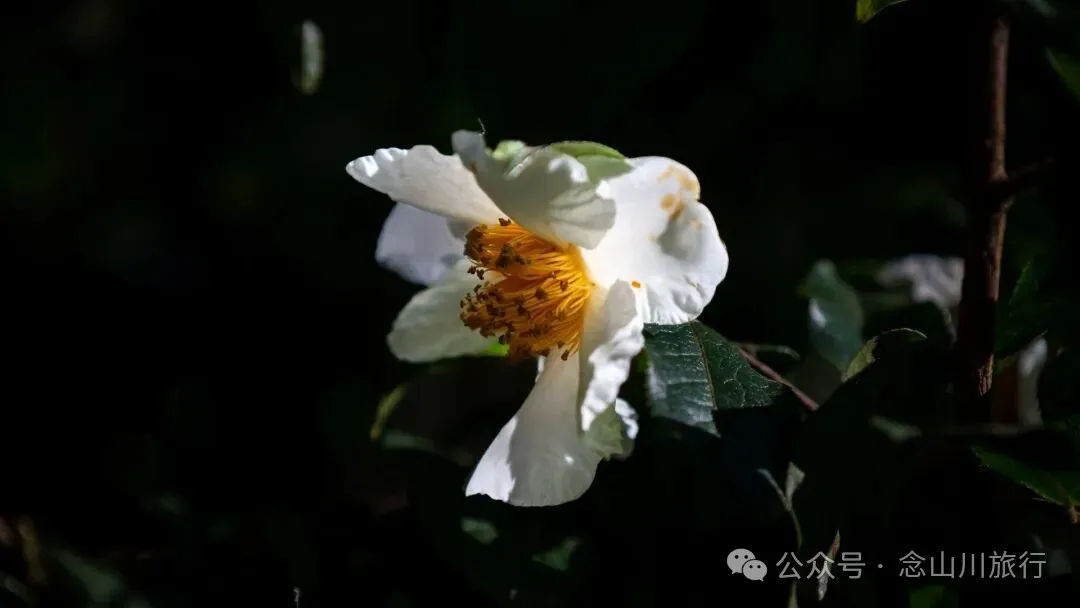
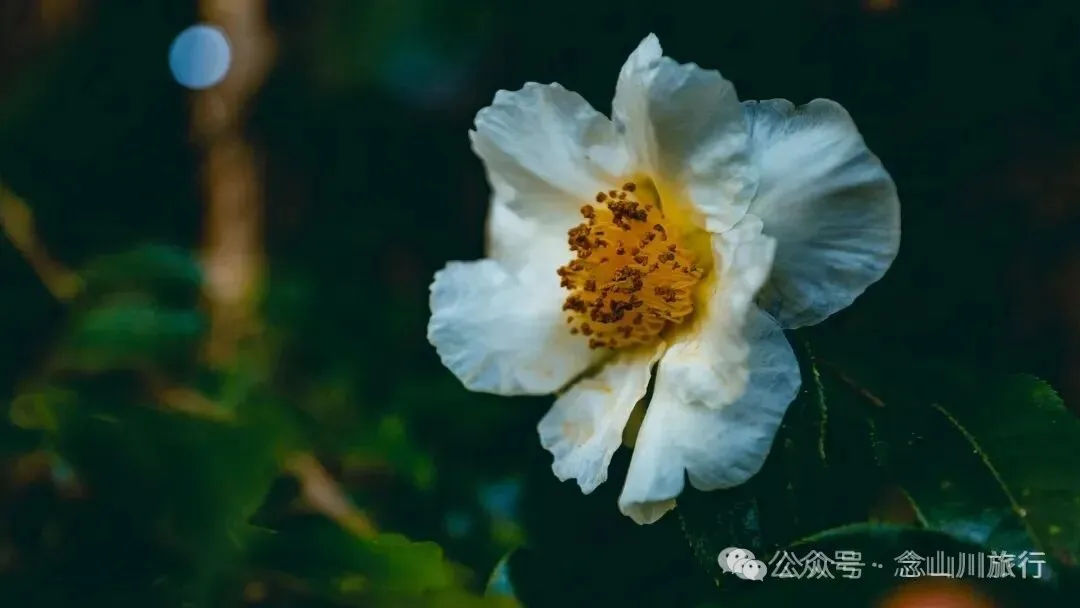
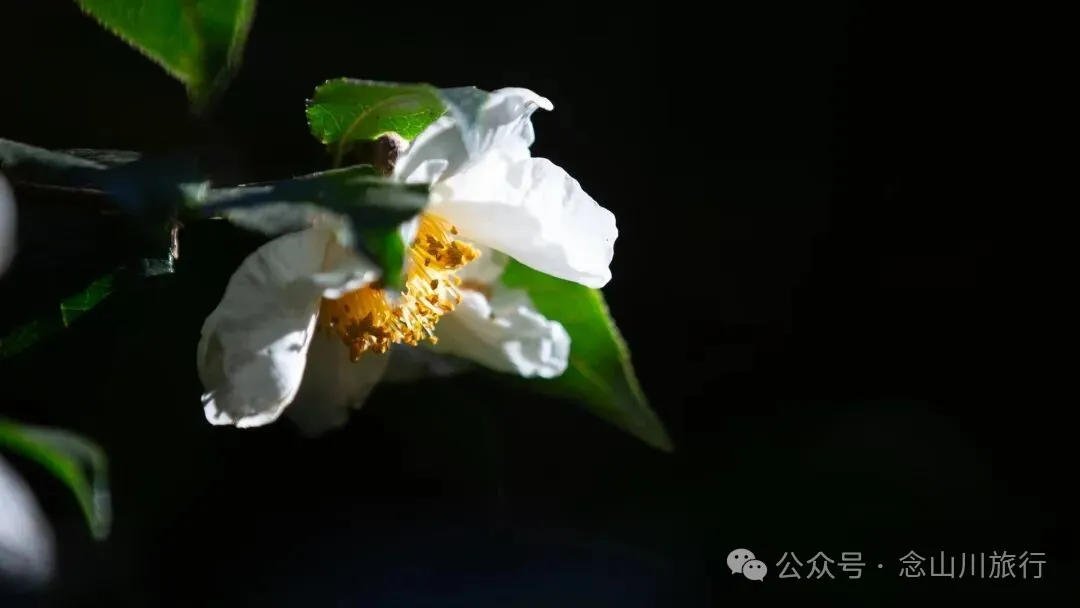
The petals of the monkey tree flower are white with wavy edges, thick in texture and full in shape. A single flower typically measures about 5 to 10 centimeters in diameter, two or even three times the size of the common pink camellias found in the nearby mountains. The yellow, silky stamens are densely arranged in the center of the flower, like a blazing flame, creating a striking contrast with the white petals.
Breaking through the blockade of frost and cold wind, the monkey tree flowers proudly hold themselves on the branches, singing boldly in the deep winter when all other trees are dormant. Compared to their colorful relatives raised in sheltered gardens, wild monkey tree flowers are too plain in color and too proud in posture. All the flowers are high above, far from the hustle and bustle. Humans must step outdoors into the cold mountains, stand on tiptoe, and look up to catch a glimpse of their stunning beauty. Such magnificent white radiance cannot be seen from the comfort of home.
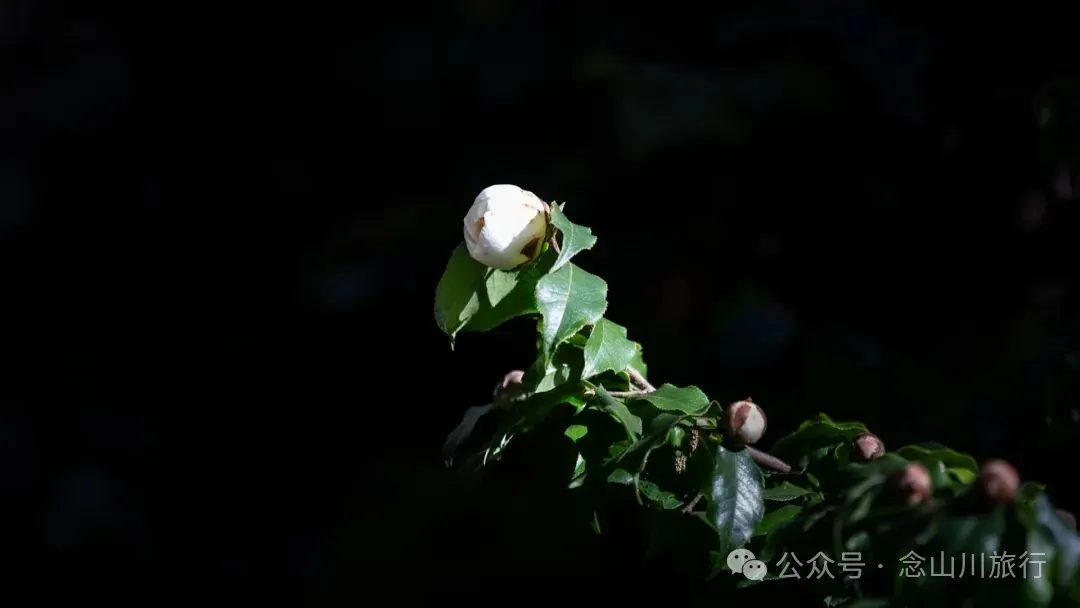
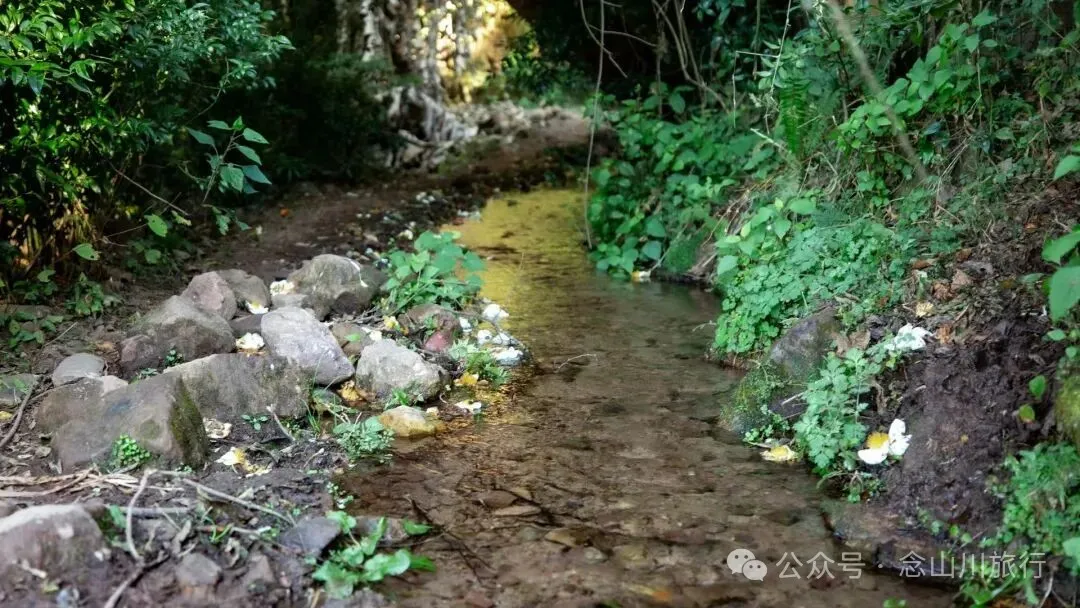
One, two, three... countless monkey tree flowers, like stars in the night sky, continuously enter my field of vision, too many to count. This joy evokes continuous exclamations of wonder. January and February each year are the peak blooming period for monkey trees, but many flowers on the branches are still in bud, patiently waiting for their time to take the stage. Some flowers, like residents of more distant heavens, have already begun their journey of departure, either falling into the clear shallow stream to chase the flowing water, or dropping onto the soft mud to turn into spring nourishment for the next generation. The spring water gushing from the ground seems like a silent guardian, carrying the purity of the monkey tree flowers from the branches to the untouched secluded places, ensuring they are not polluted in the slightest.
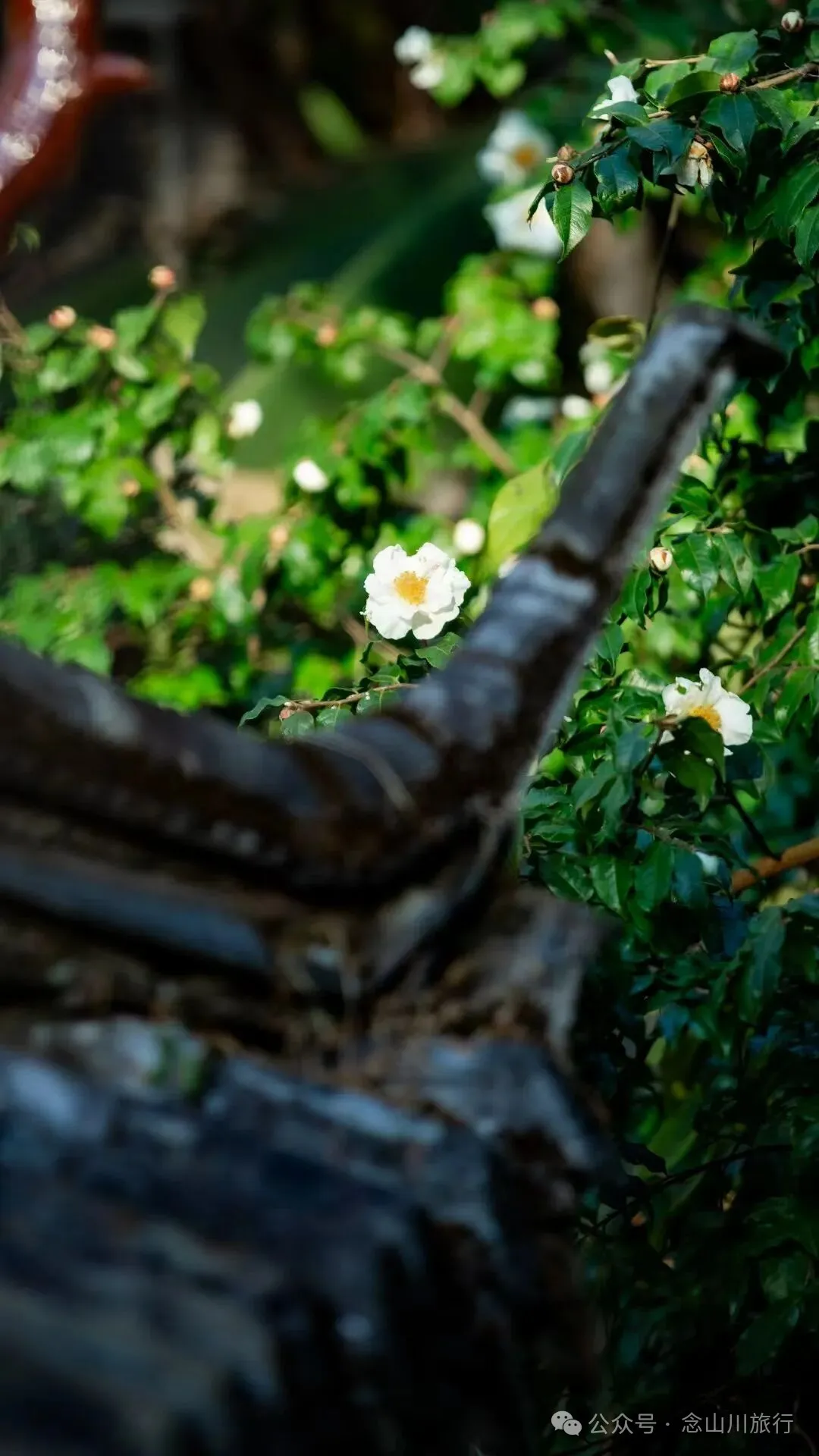
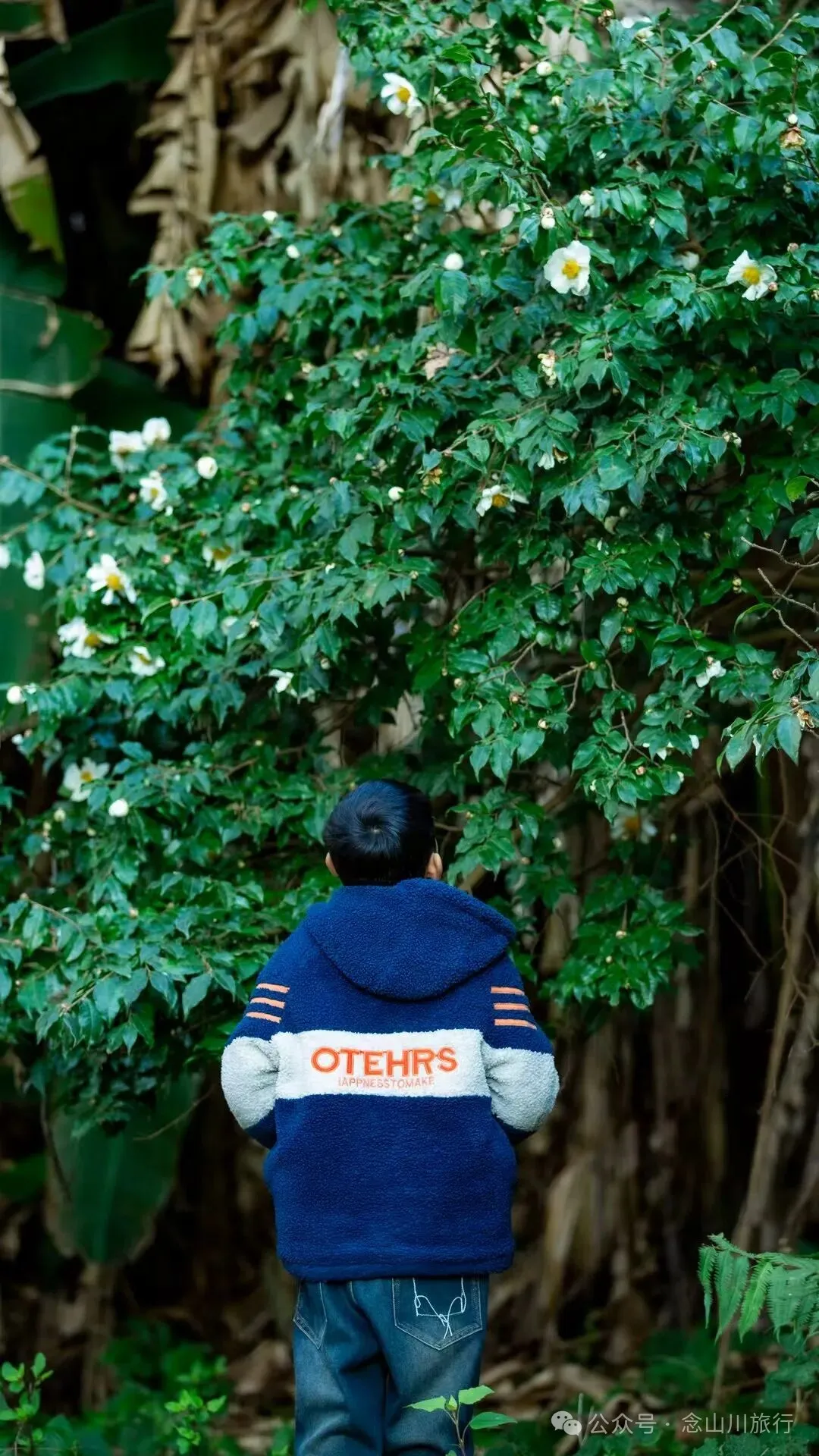
When the sun tilts westward, the two monkey trees, growing under the shade of tall trees, are finally bathed in sunlight. The flowers briefly step into brightness, like suddenly lit street lamps emitting dazzling light, blooming deep in the mountains. They have long lived in seclusion in the dark and silent wilderness, with no one to admire them, yet they remain beautiful on their own.
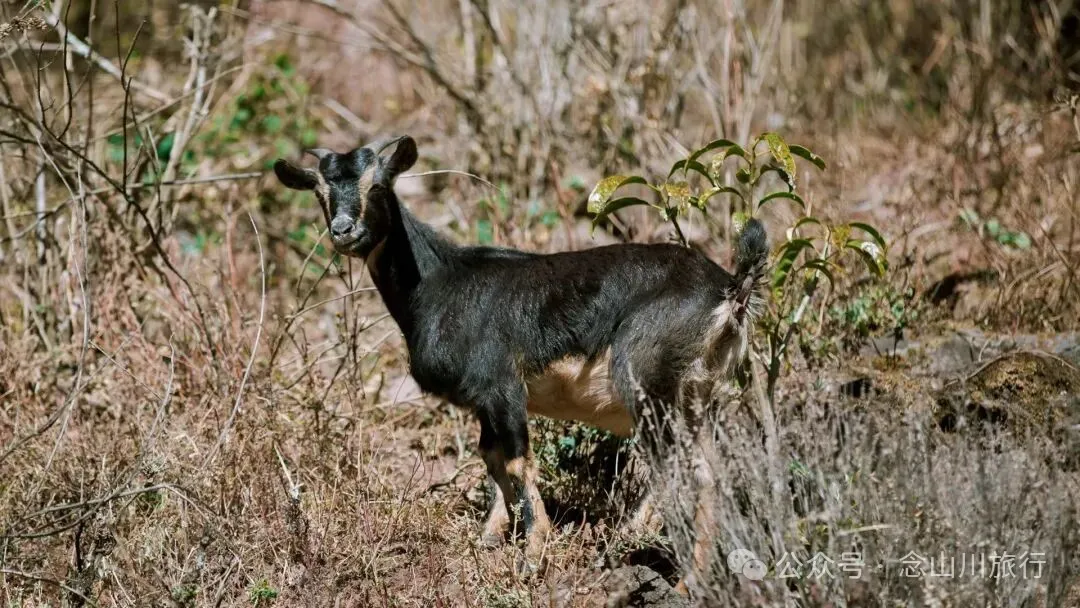
At dusk, a group of goats gathered from various parts of the mountain make a noisy commotion. They scurry through the withered shrubs and wild grass as if lost, slowly approaching the two monkey trees. But they seem more like close neighbors of the monkey trees. Without a herder driving them, they follow a narrow mountain path to this spot, linger for a while, then cross the ridge and leave before the sun slides behind the ridge. They are the only and long-term loyal audience of the monkey tree flowers. How fortunate they are.