
A Weishan Yi wedding in the mountains is full of anticipation. The complete traditional wedding rituals, sumptuous feasts, and the all-night revelry of Dage (a traditional dance and song performance) make the wedding more than just a joyful gathering. More importantly, it is a rare opportunity for the traditional culture of the Weishan Yi people to be showcased, a temporary stage where the wisdom of past lifestyles, lost in modern life, is briefly revived.
Attending a wedding in a mountain Yi village is an unforgettable cultural and culinary feast. Although I have attended several weddings in Weishan County town, due to various limitations, those weddings had to lose many traditional elements, leaving little more than toasting among relatives and friends, and rushing through banquets. The fast pace of modern life has dampened people's enthusiasm for carrying on traditional wedding customs; everything has become simple and convenient, prioritizing ease. But in the mountains, both manpower and space provide great possibilities for completing traditional Yi wedding customs.
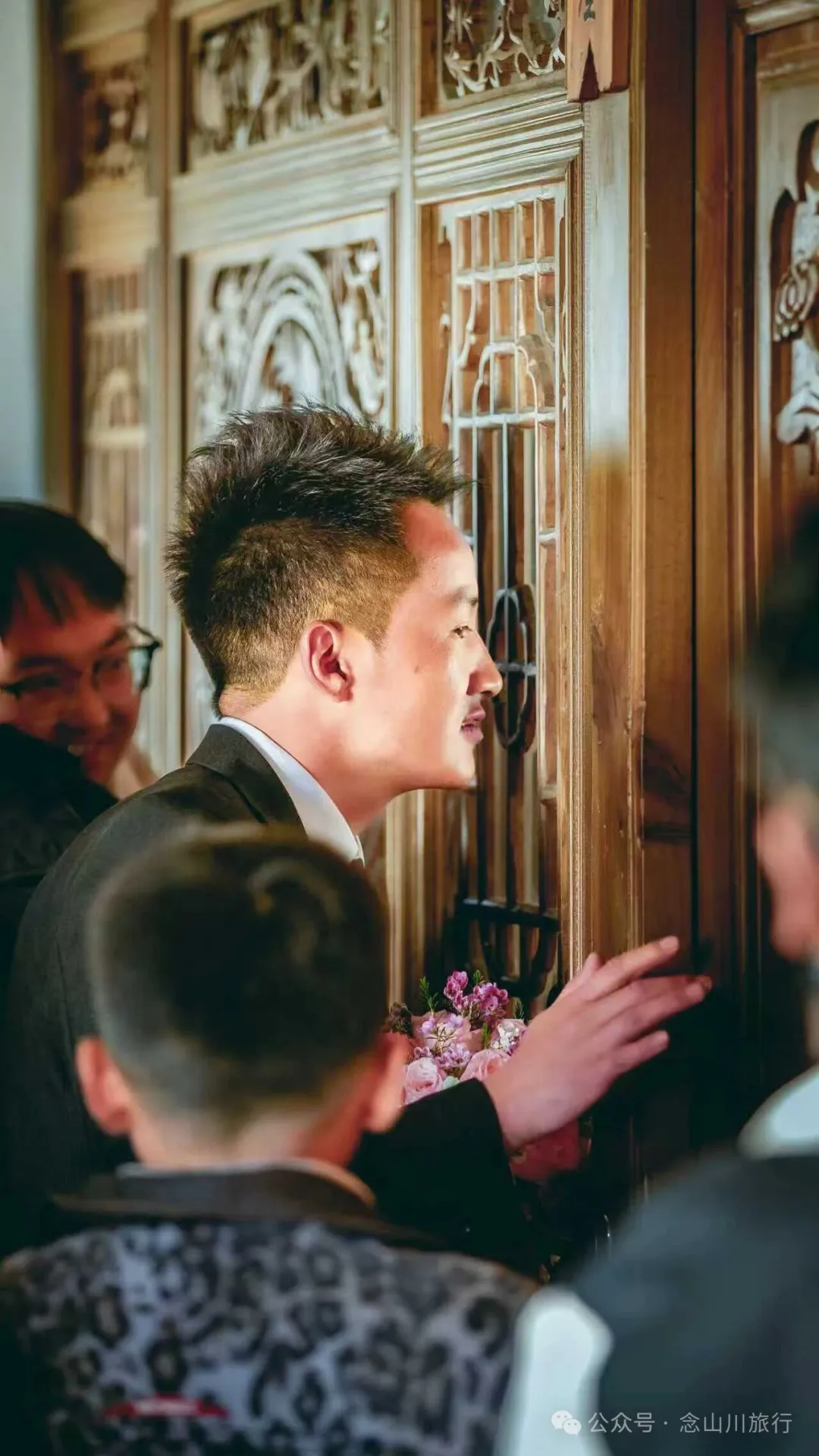
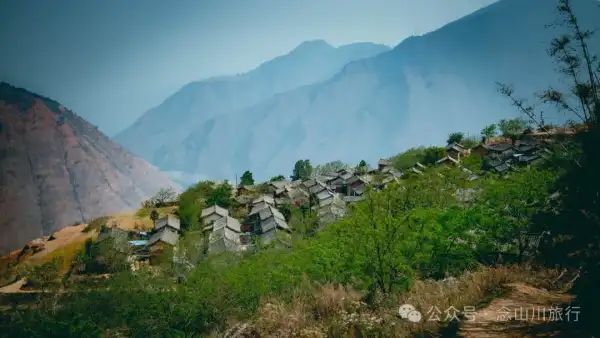
The bride is from Binchuan, Dali. Due to the long distance, she and her relatives stayed in Weishan County town the day before the wedding. She got up early to dress and make up, quietly waiting for the groom's procession. The groom led a long convoy from Caochang Village, a Yi village 20 kilometers from the county town, arriving at the bride's lodging at an auspicious time. Standing at the door, he was visibly anxious, excited, and full of anticipation. Before seeing the bride, he had to face symbolic challenges from the bride's relatives, such as blocking the door and hiding shoes, with joy and happiness spreading through these playful obstacles.
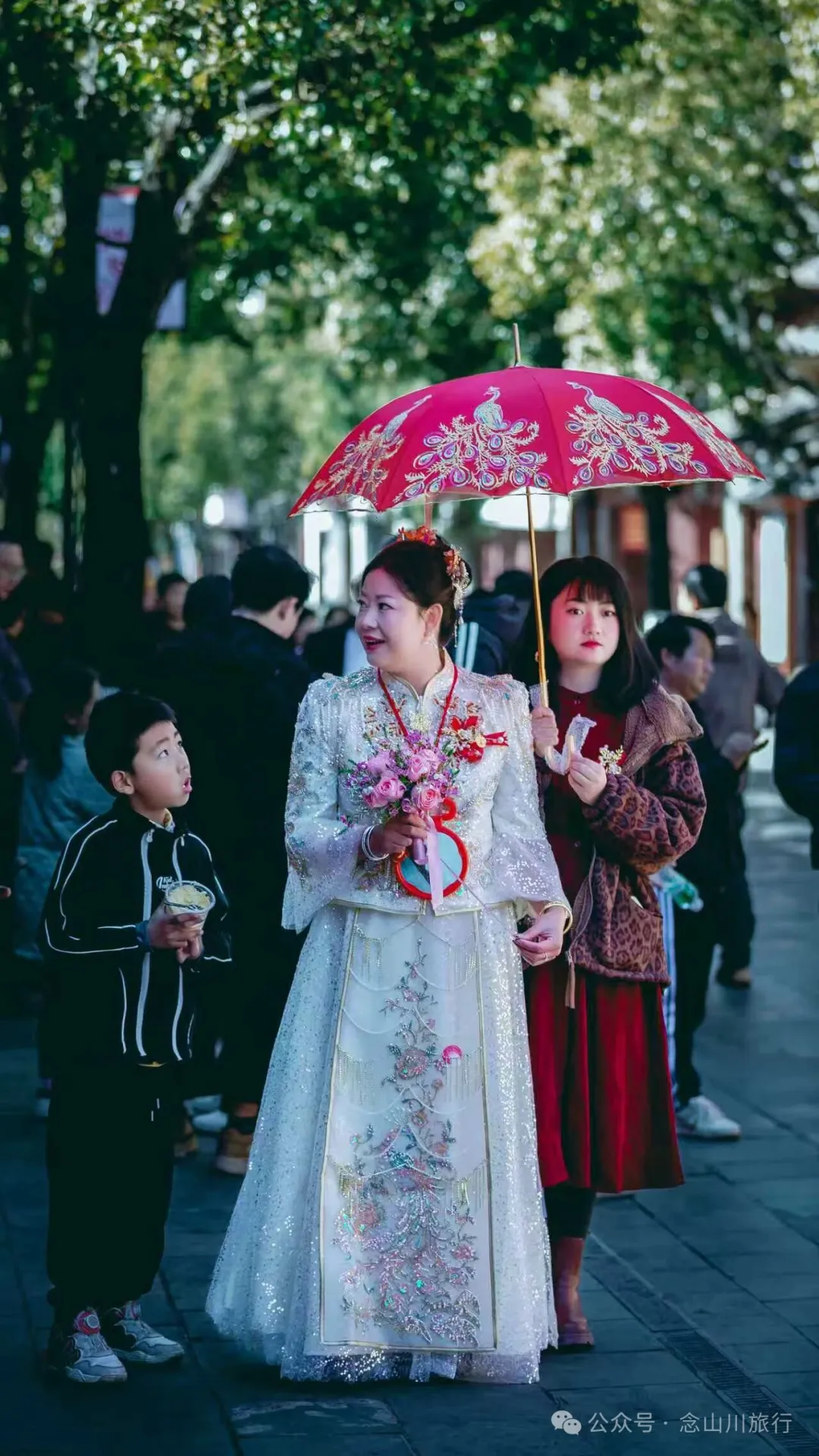
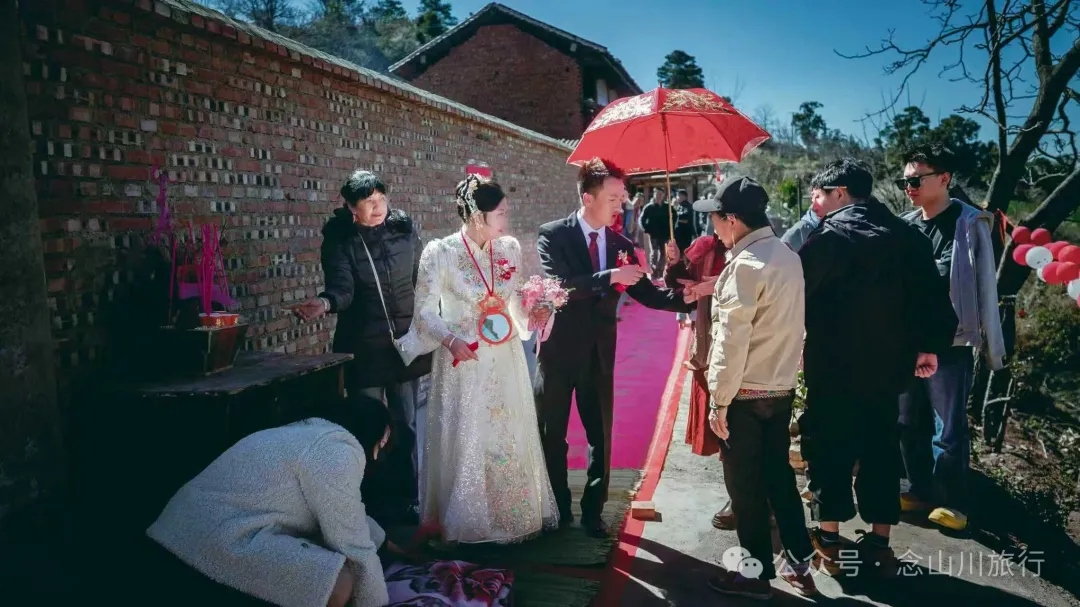
Some of the bride's relatives, being compassionate and unwilling to make things too difficult, secretly told the groom where the shoes were hidden, only to be scolded as traitors, which only intensified the laughter and merriment. The bride wore a gorgeous dress with a mirror hanging on her chest, accompanied by a bridesmaid holding a red umbrella, as she walked to the convoy. In most areas of Dali, a mirror is hung on the chest of a married woman, a long-standing custom. The mirror is called a "demon-detecting mirror," used to ward off evil and avoid misfortune.

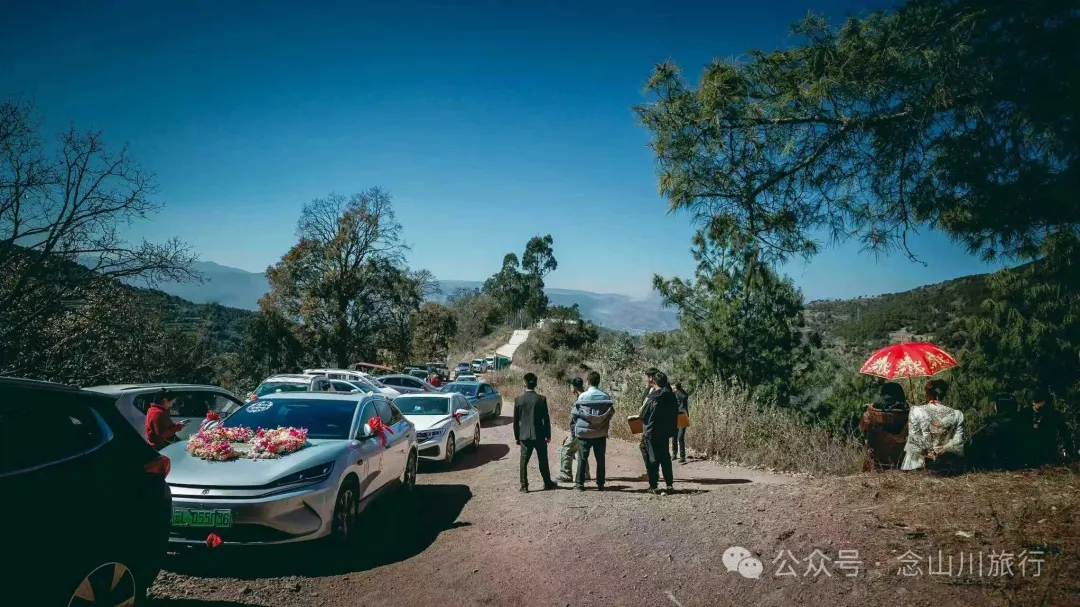
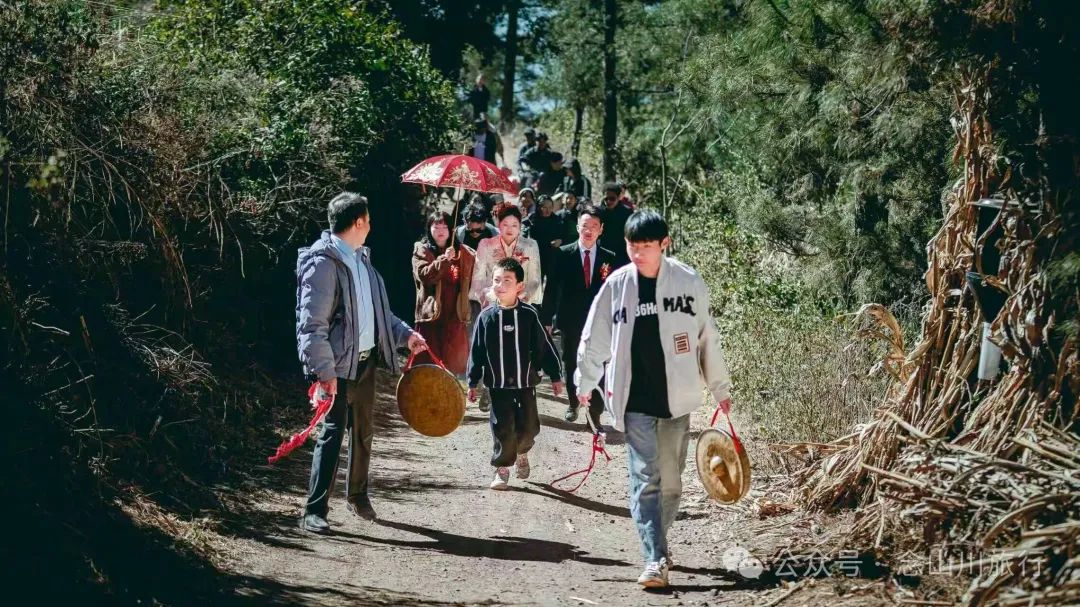
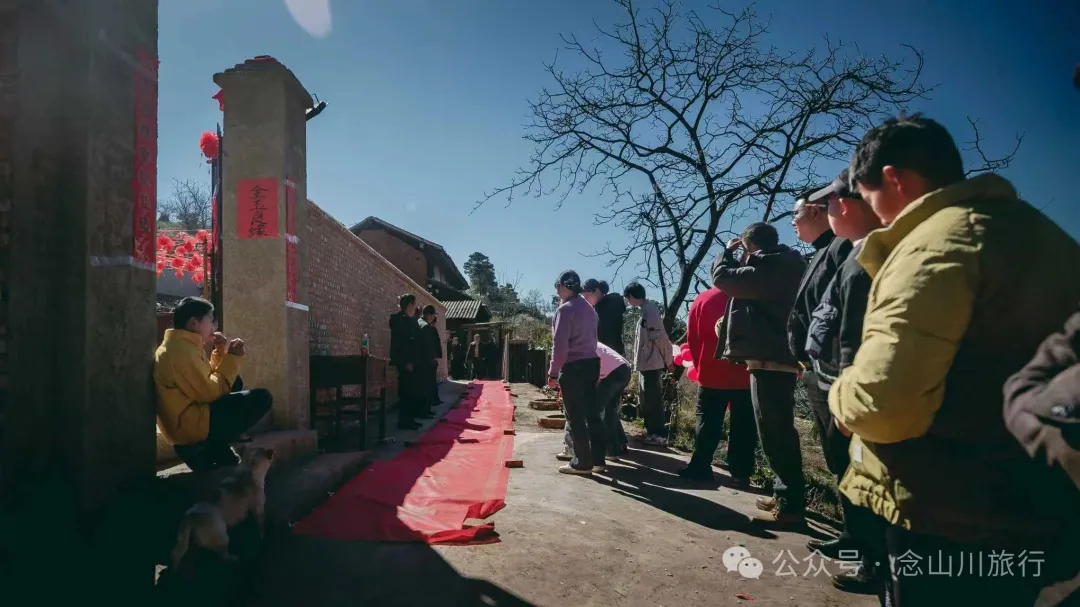
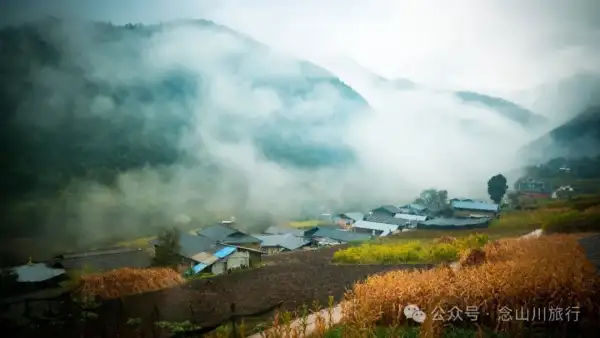
The lively convoy traveled under the bright, mild winter sun, smoothly bringing the couple back to the village. Cement roads now reach every household, and cars are common, so the wedding procession is no longer a difficult, lengthy affair. But twenty or thirty years ago, it was much more曲折. If the bride's family lived far away, just the procession could take a lot of time.
A friend recalled a wedding he attended as a child (the wedding of another good friend, A Kui's parents), about thirty years ago. The bride was from Midu County, beyond the mountains behind the village. The wedding party set off early in the morning with shoulder poles and ropes, climbing over mountains. By sunset, they still hadn't returned. The mountains were high and the roads dangerous, and the young men in the party had to carry heavy dowries over the mountains, which was exhausting. According to local custom, no matter how heavy the dowry or how treacherous the road, once the dowry was on their shoulders, it could not touch the ground. At that time, the dowry was prepared by the bride's family, so the groom's party had a heavy responsibility.
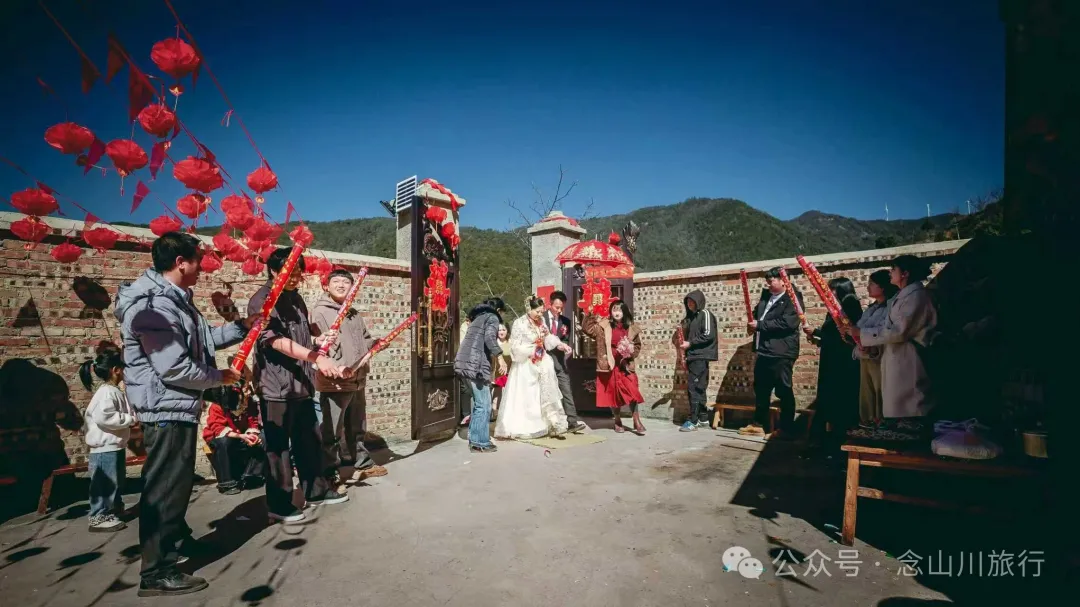
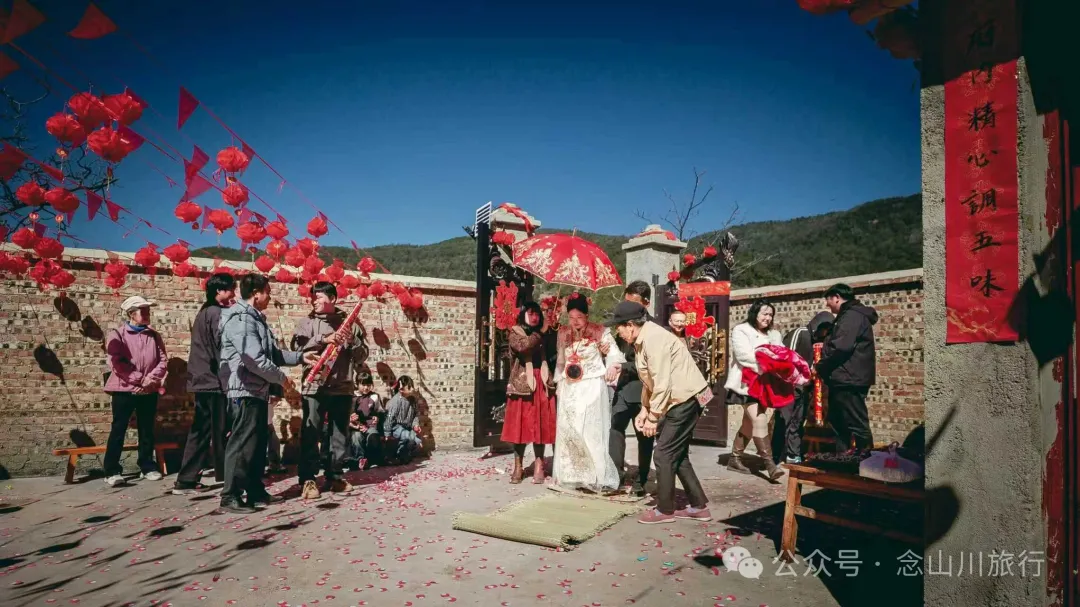
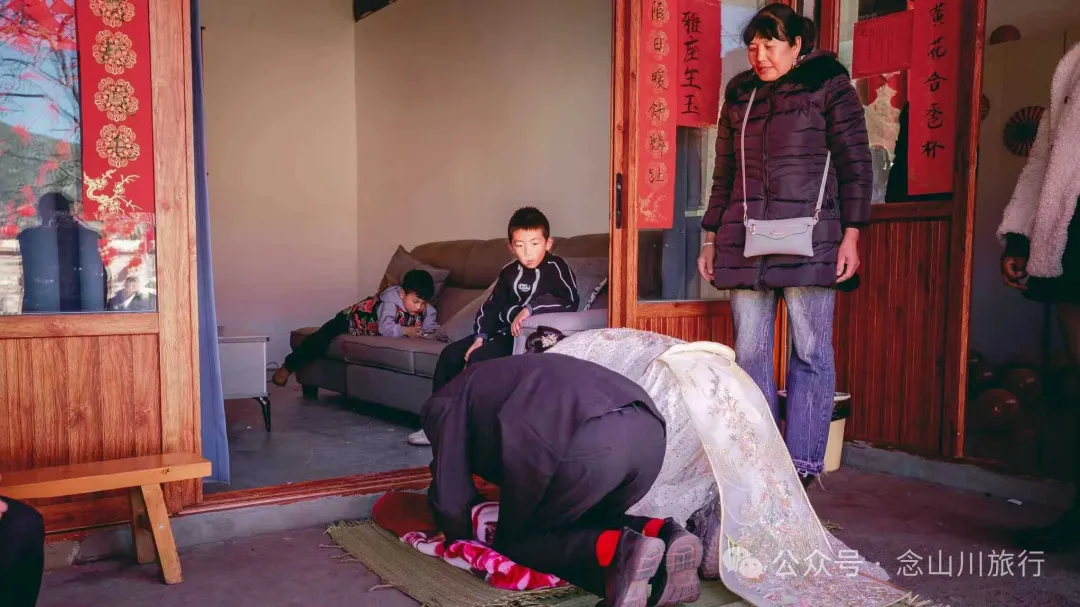
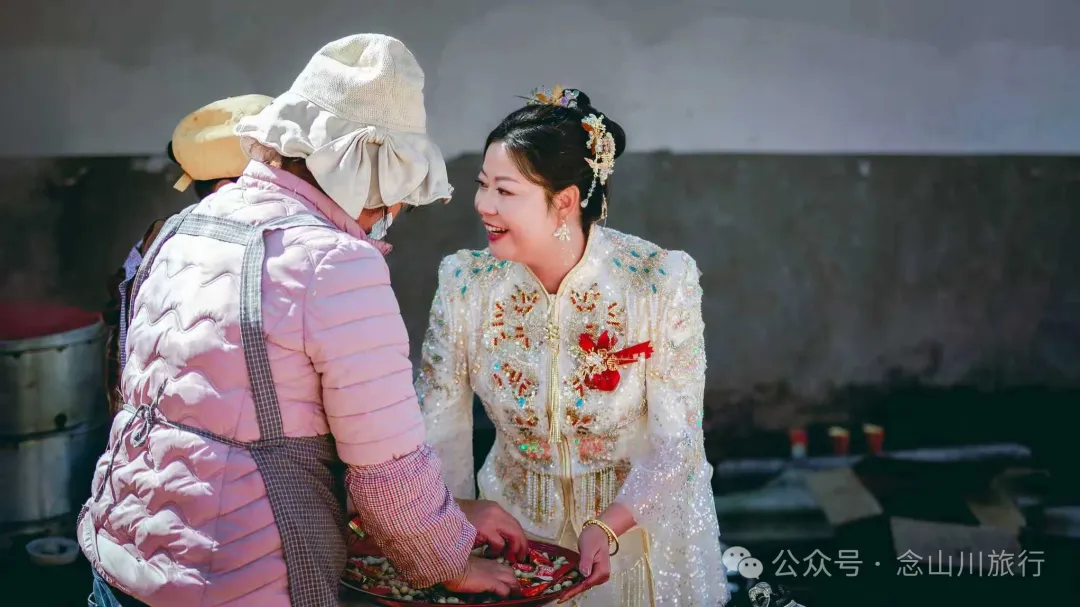
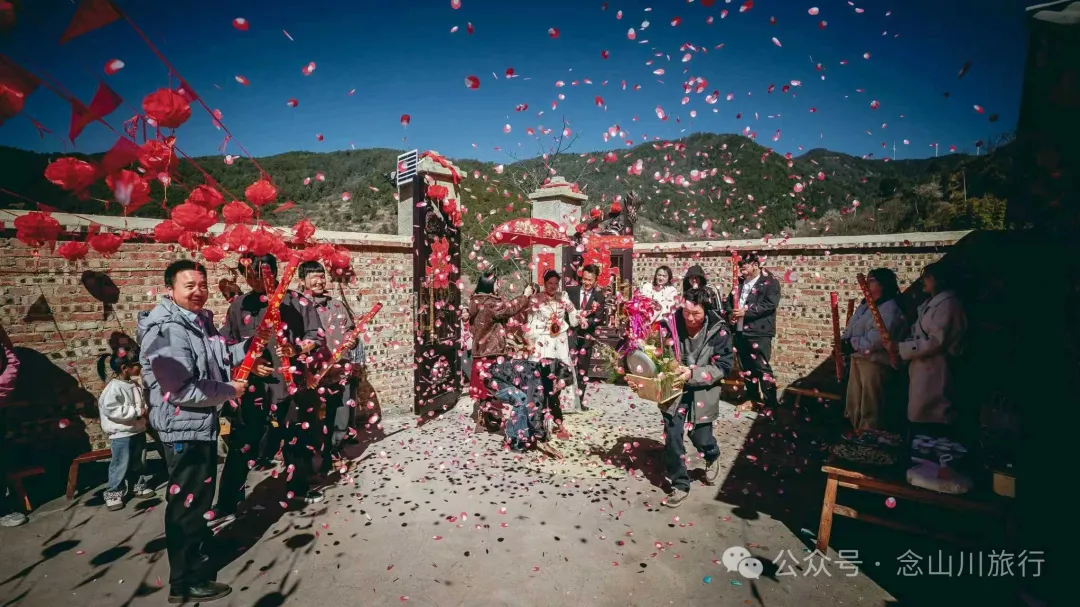
Now, with greatly improved transportation and no reliance on manpower for dowries, the wedding procession is very light. In just half an hour, the convoy entered the village, bringing life to the quiet, secluded place. Amid the crackling of a long string of firecrackers, the couple walked on a red carpet, stepped on straw mats into the courtyard, knelt before elders, and presented gifts to relatives and friends who came to help.
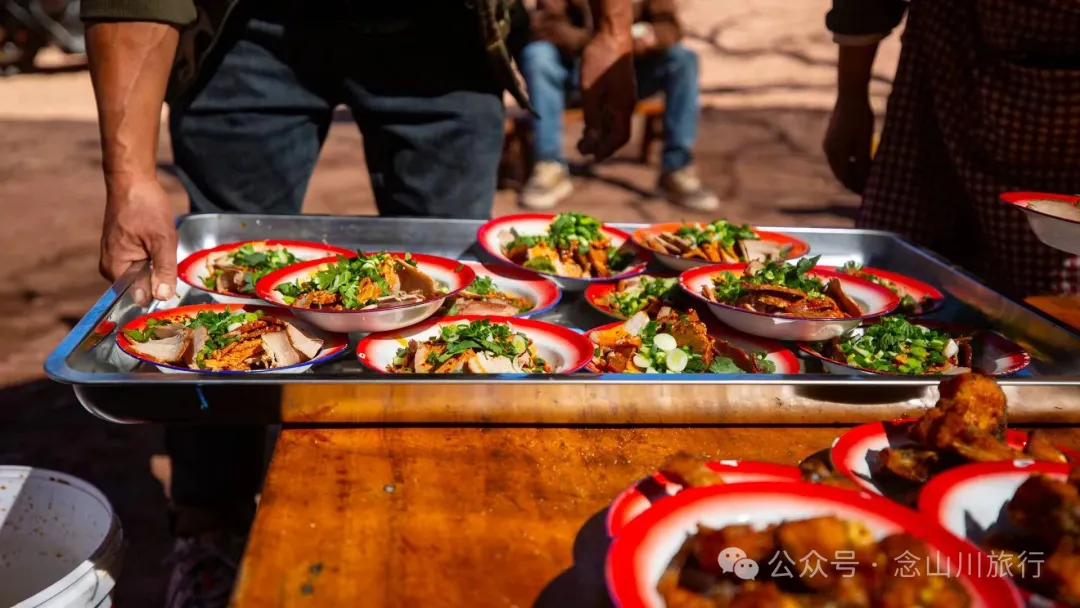
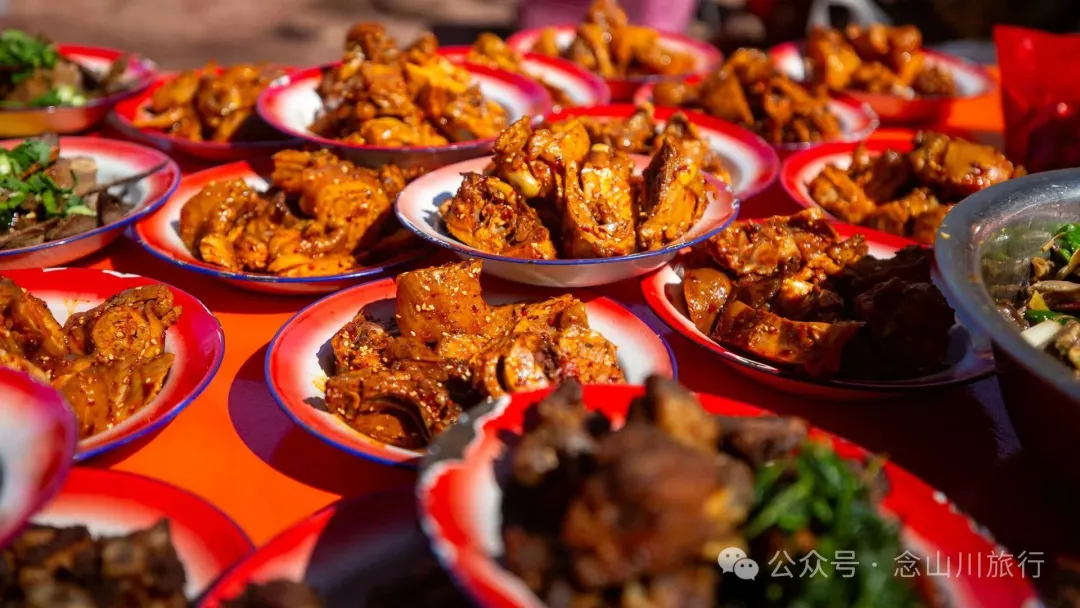
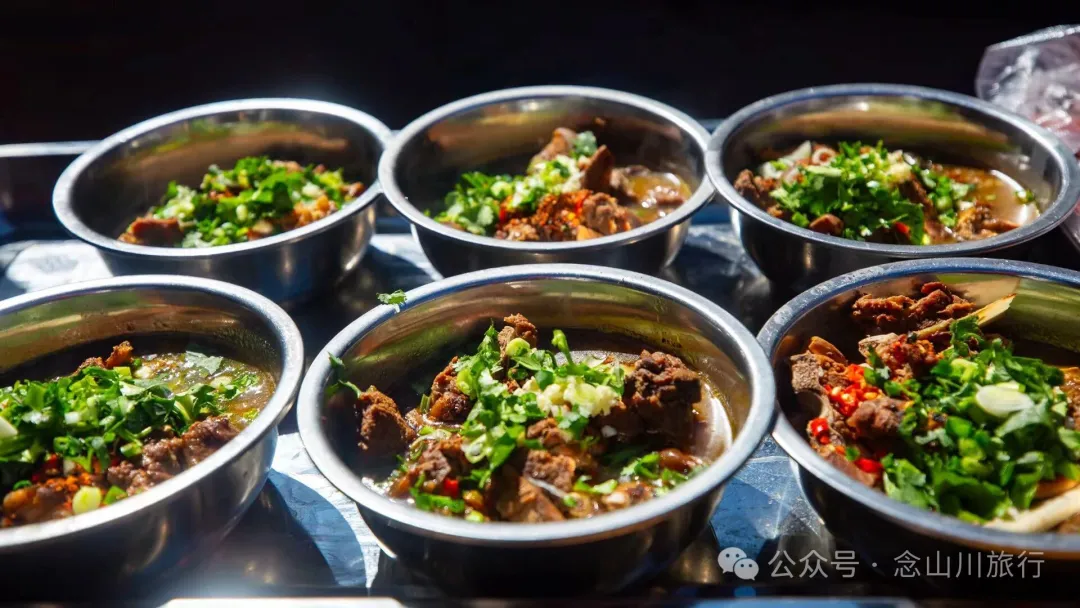
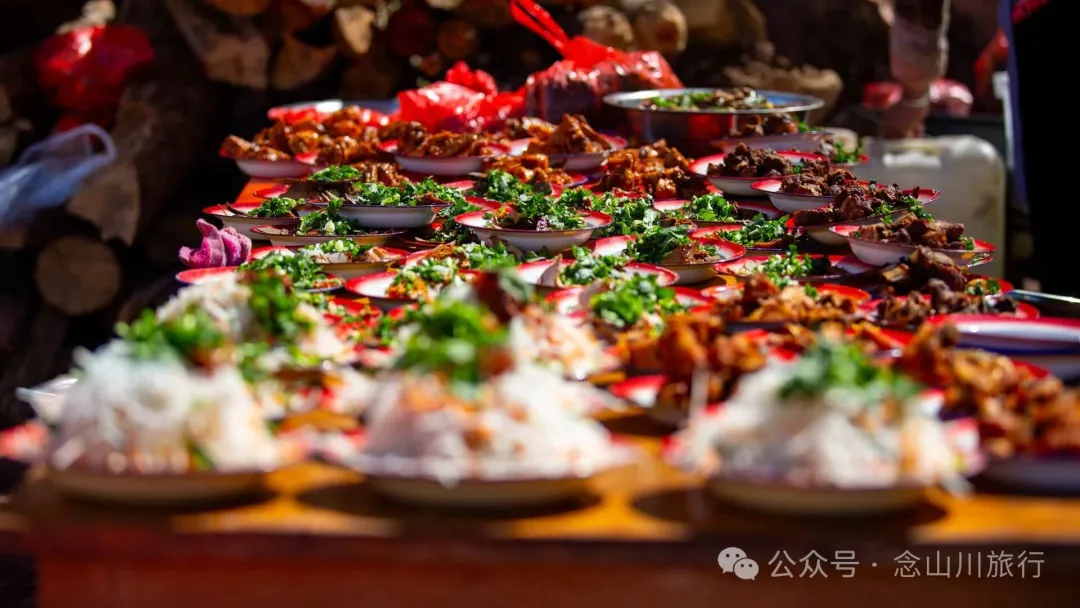
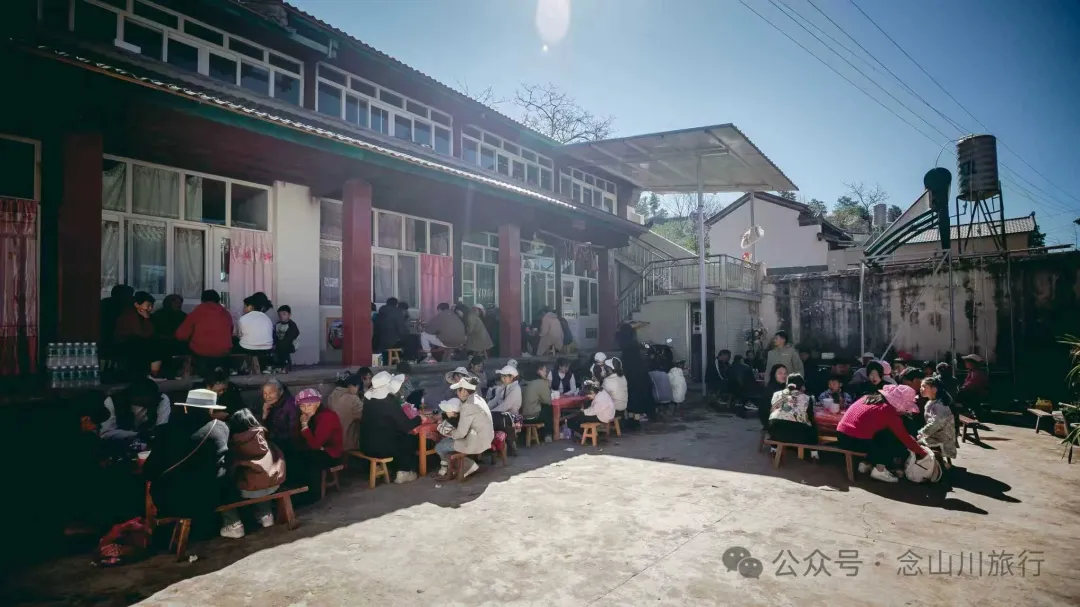
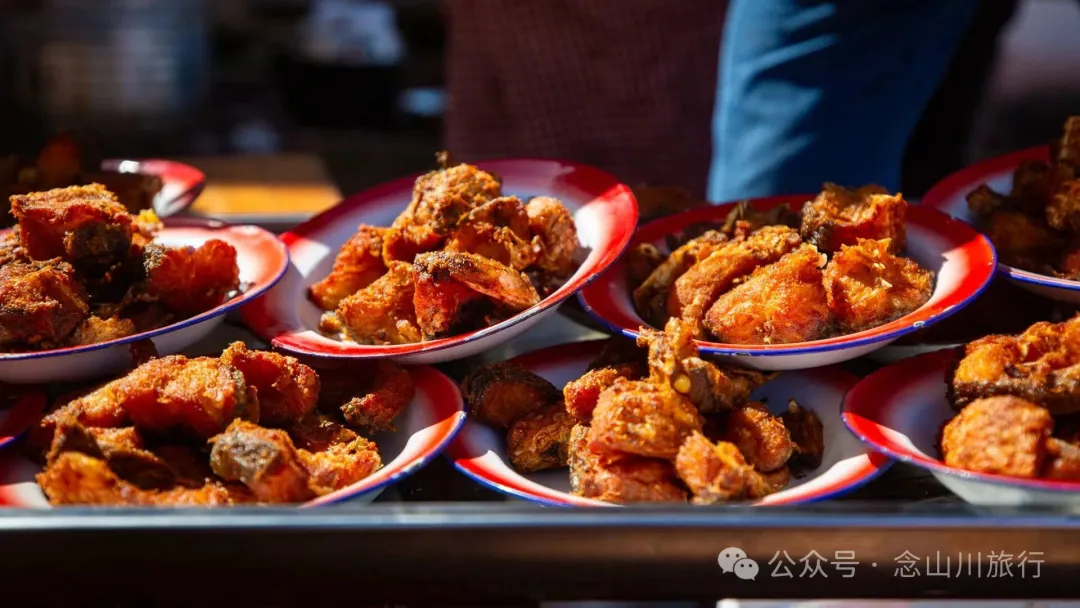
Weddings in the village generally last three days. Many dishes for the banquet need to be prepared a day in advance. The chefs work hard for two days in a makeshift open kitchen to prepare a variety of delicious, flavorful dishes. Weishan cuisine, with its unique flavor of being fragrant but not spicy, oily but not greasy, is loved by locals and tourists alike. I will introduce it in detail elsewhere, so I won't elaborate here.
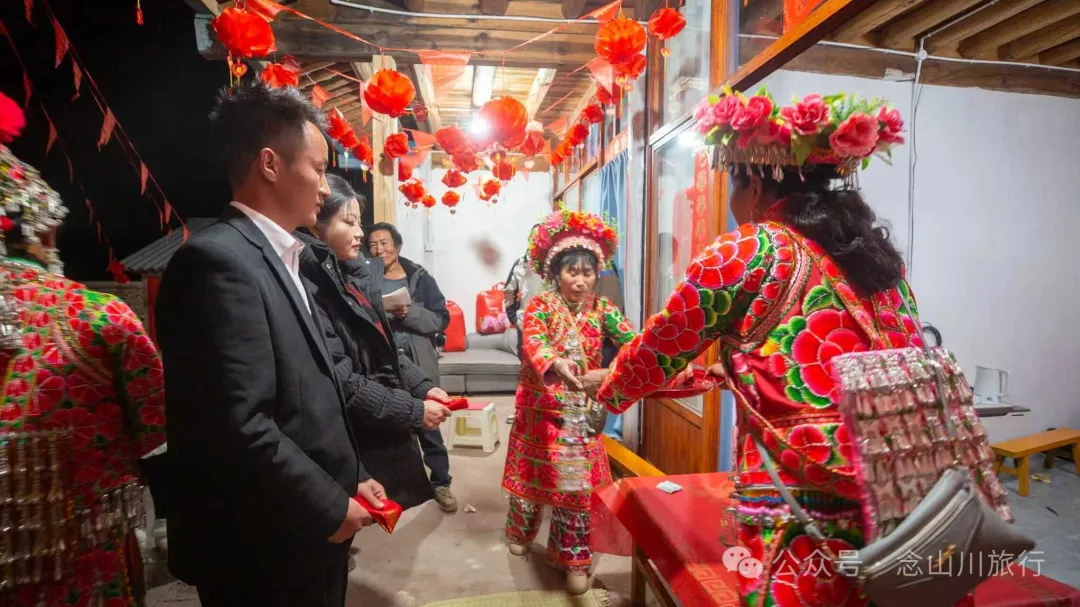
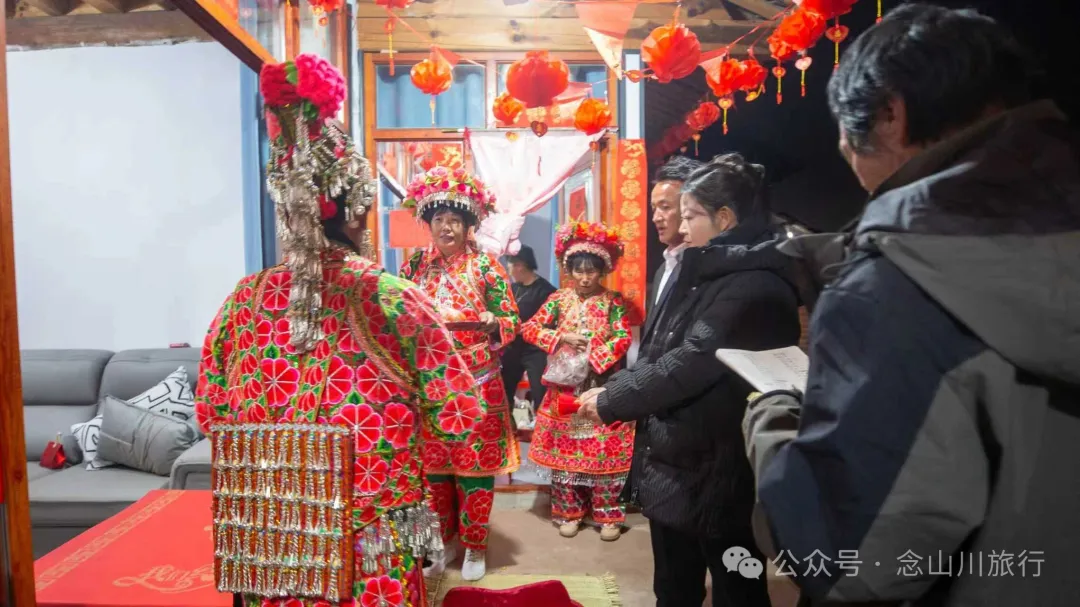
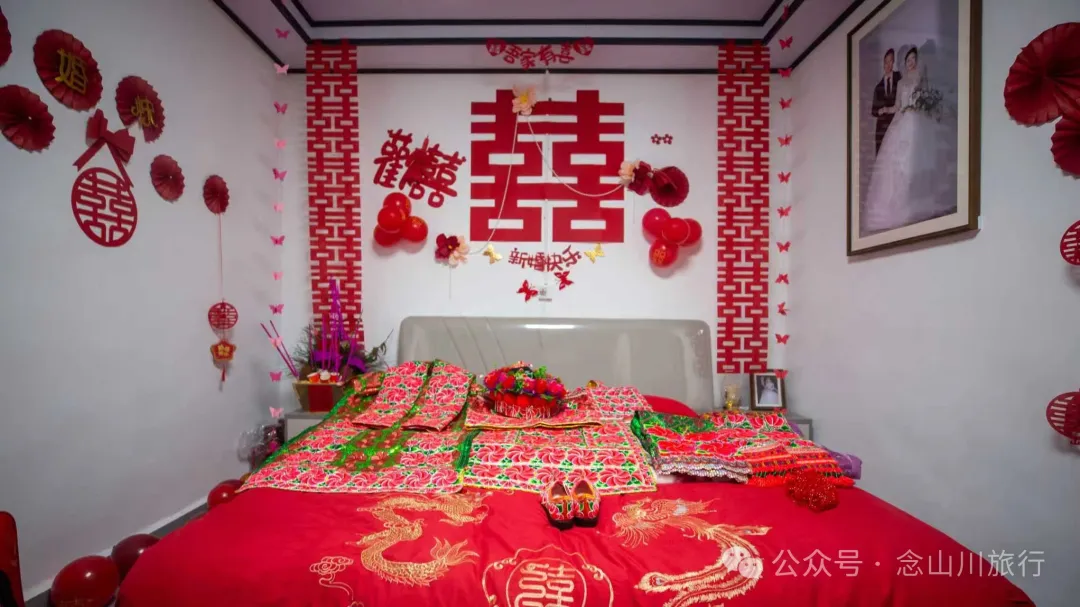
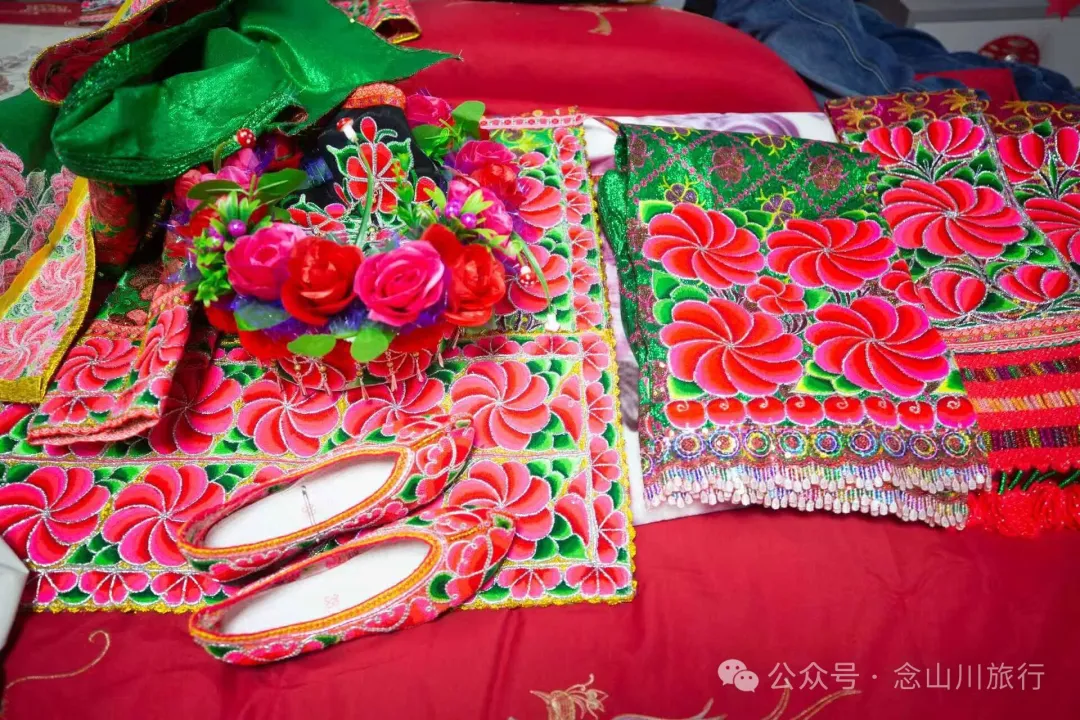
After nightfall, the wedding ceremonies continue. The bride, led by relatives, kneels before the elders of the clan, offering them candy as a sign of respect. The elders give blessings and earnest advice. A set of exquisite and expensive Yi clothing is spread on the couple's bed, a gift from the groom to the bride, and also a symbol of her new identity.
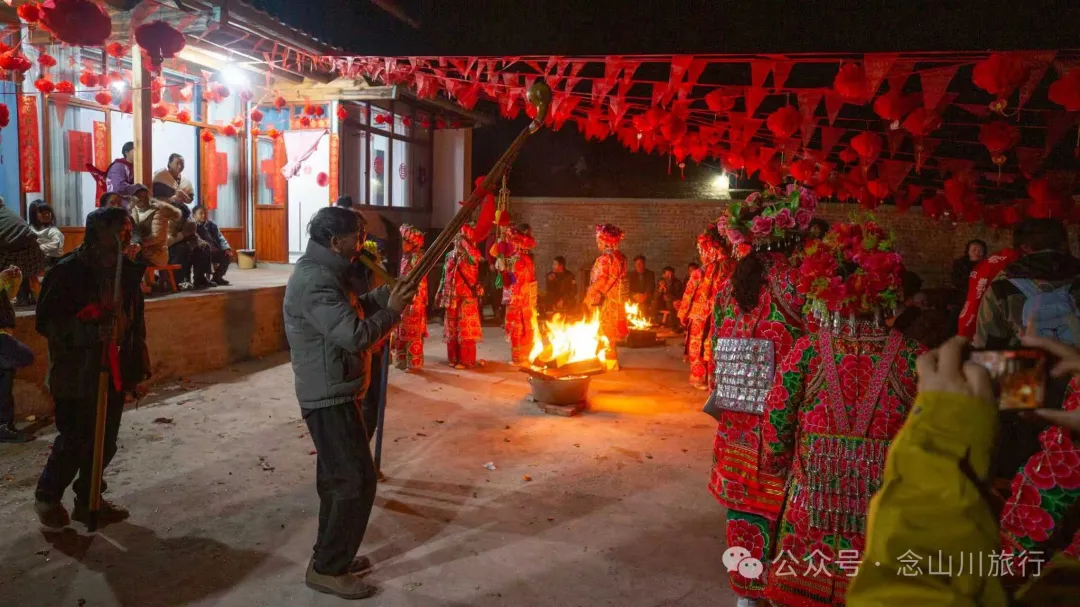
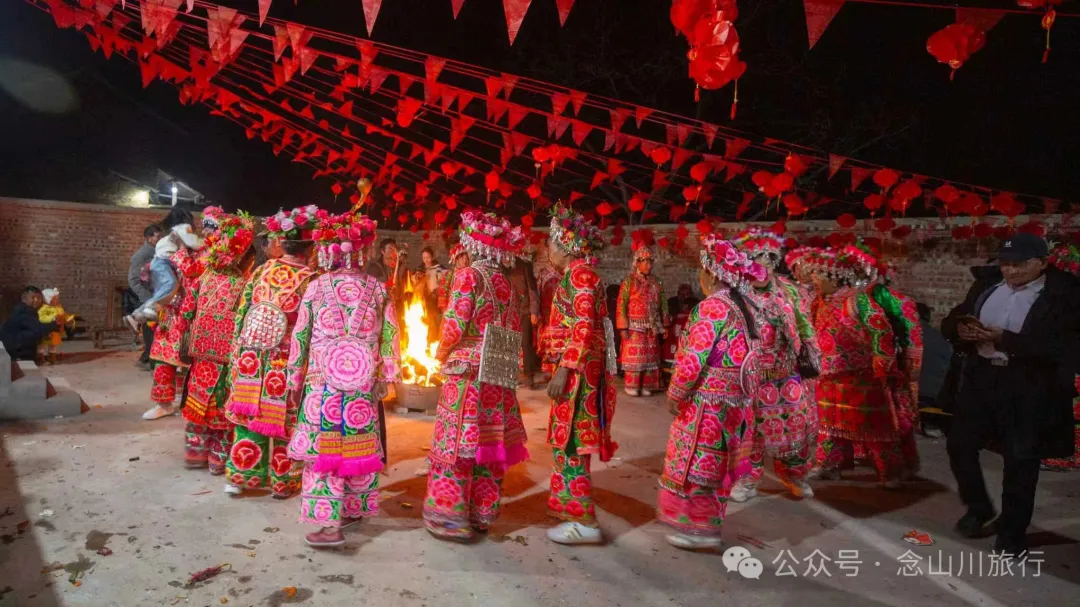
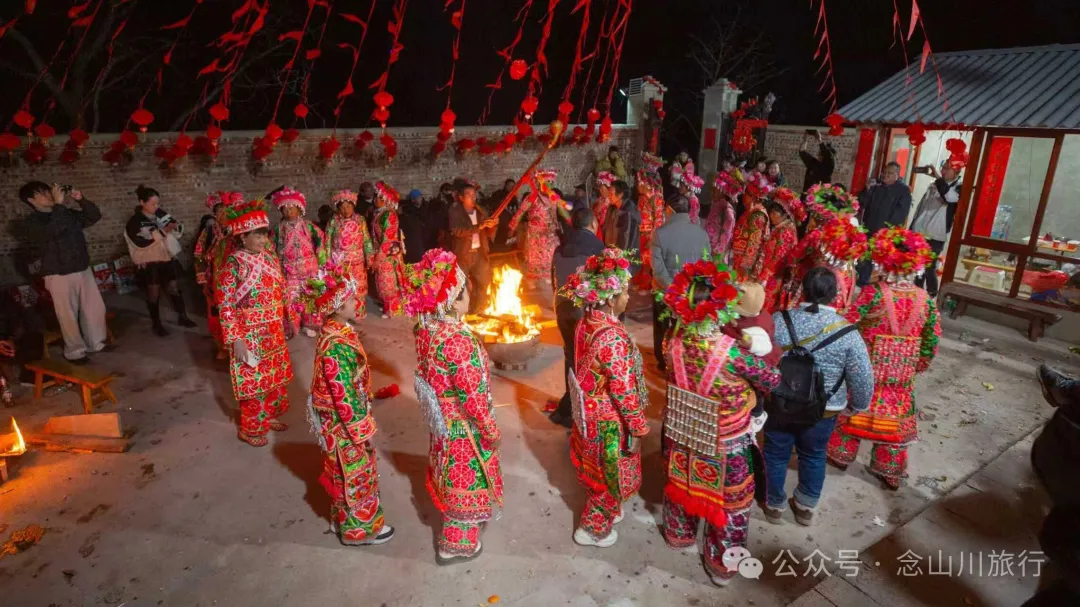
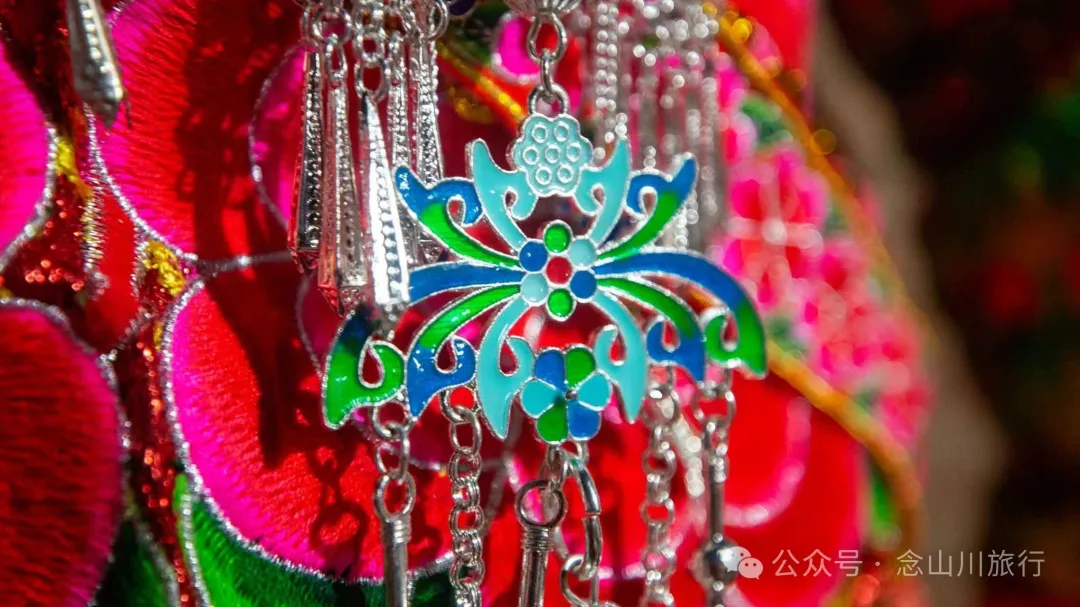
The night-time Dage brings the wedding joy to a climax. When all ceremonies are over, members of the village Dage team, dressed in costumes, enter the courtyard, using this ancient method to convey beauty and happiness to the couple. Dage consists of three parts: the reed pipe player sets the tone and guides the direction of the dance; the broadsword dancer controls the rhythm, striking the ground with the sword, and the outer dancers step in unison, keeping the dance orderly; the outermost female dancers are also singers, performing slow dance steps while singing blessing songs in the ancient Yi language. The intricate silver ornaments on the dancers' heads, chests, and waists make crisp, light sounds like the whispers of stars. The dancers are mostly elderly. A friend said that young people not only cannot sing but also cannot understand the lyrics.
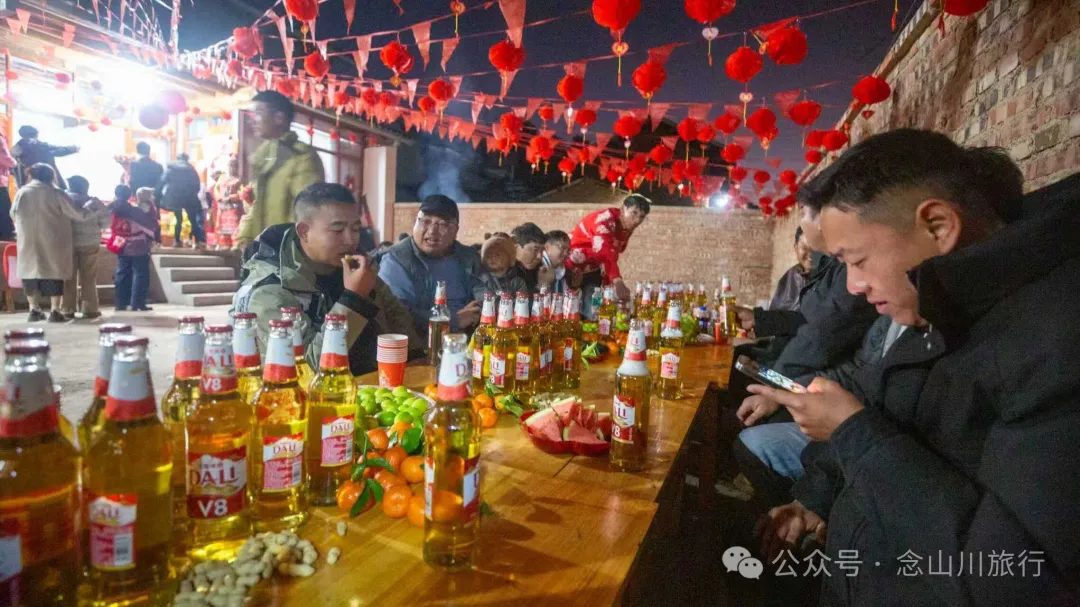
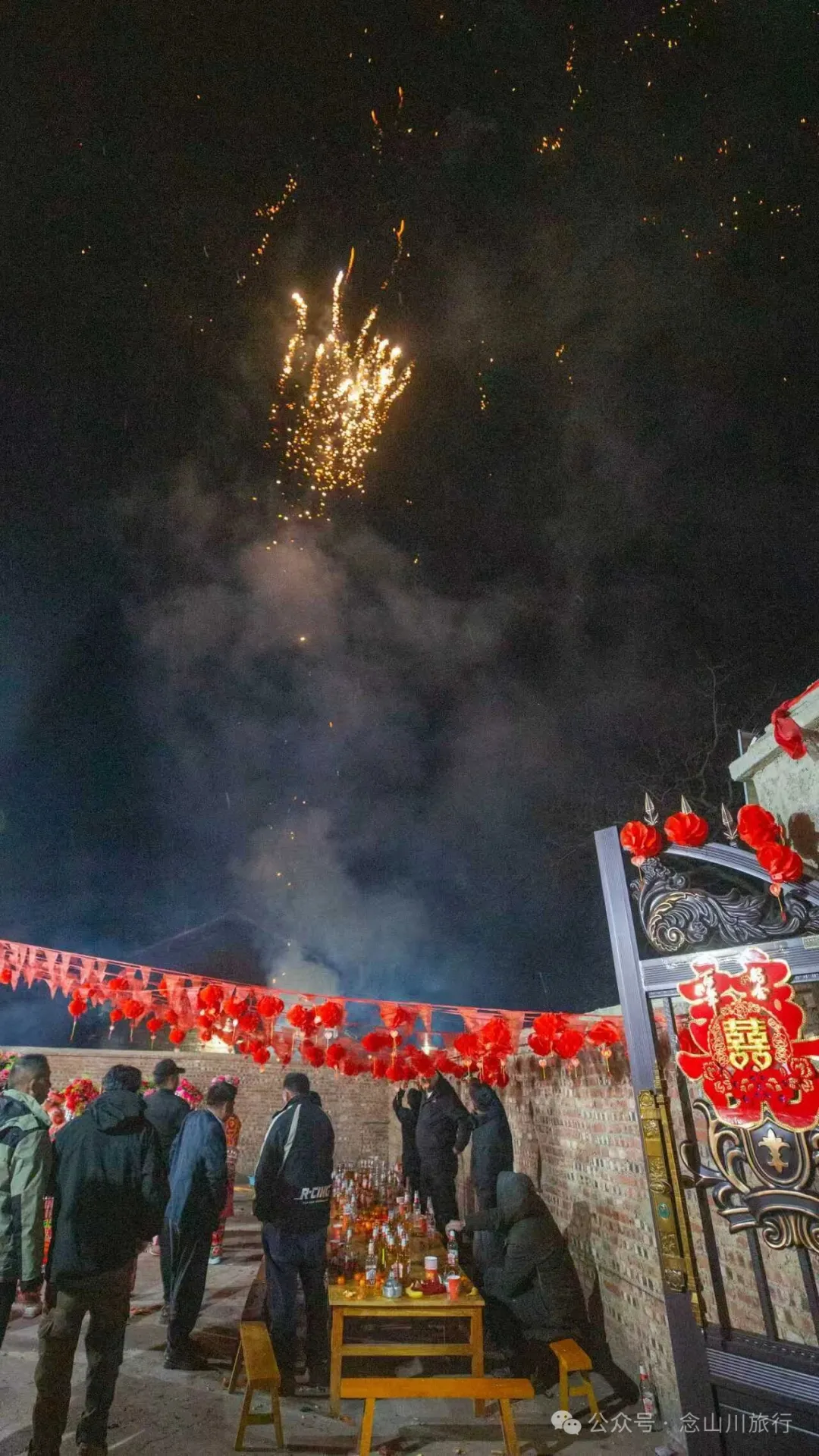
The entertainment style of young people is very different. They sit around the corner, drinking bottle after bottle of beer, their conversations rising and falling, a stark contrast to the traditional, ancient celebration of the elders.