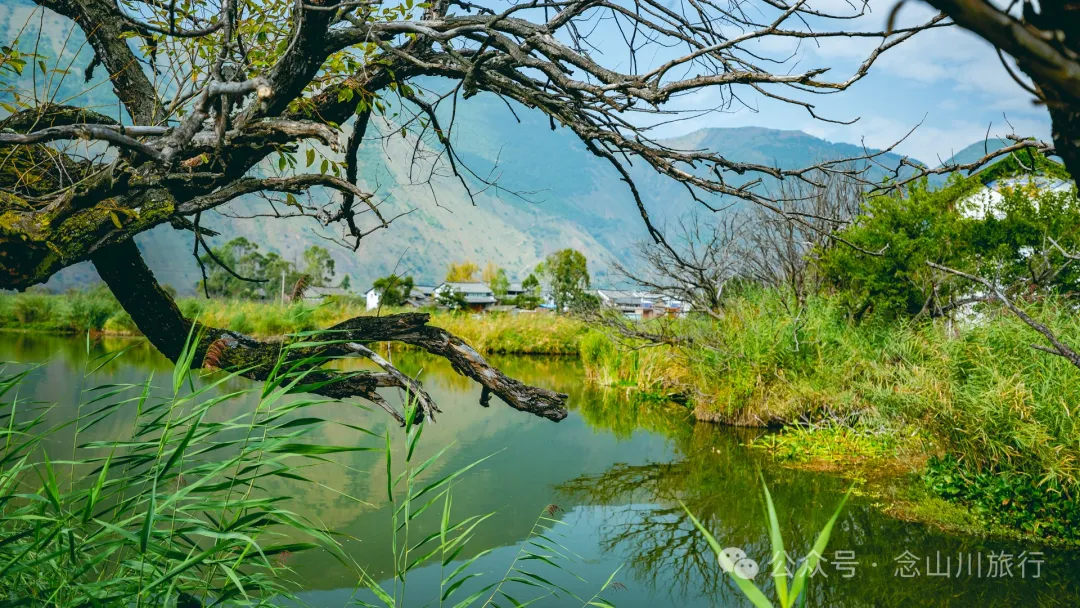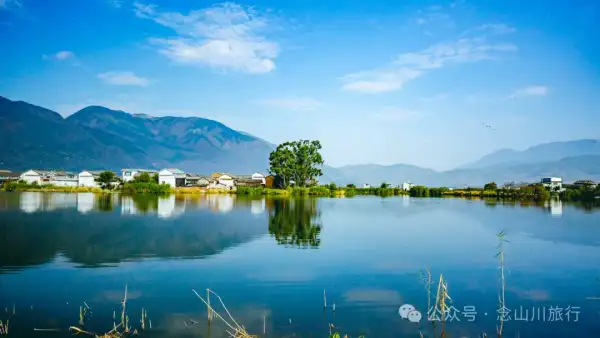

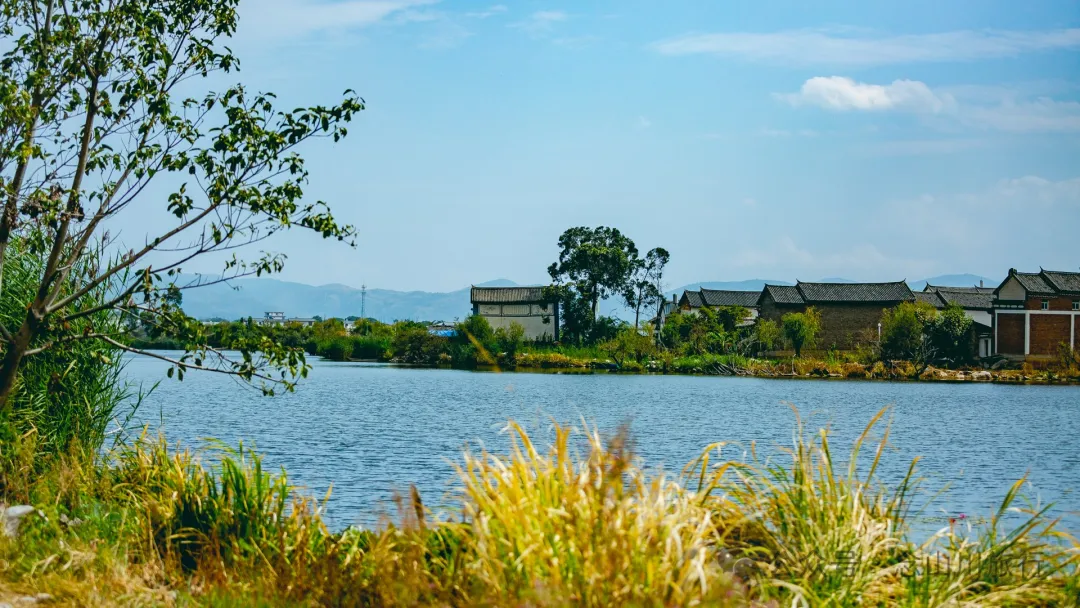
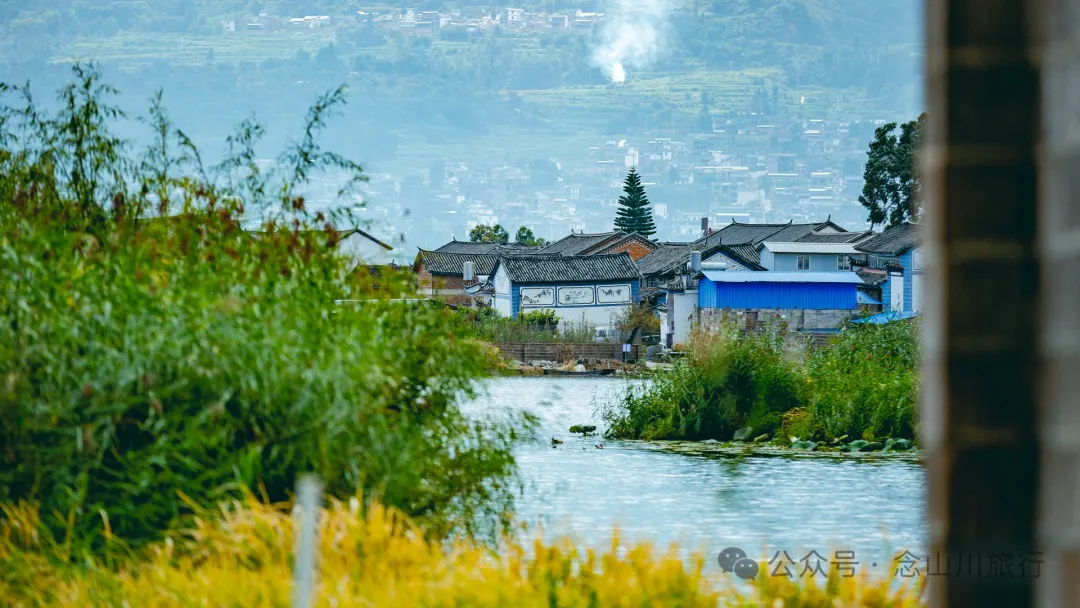
Standing on the shore of Nandeng Village, gazing at the other quaint villages across the water, the villagers told us there were two villages: Dongdeng and Zhongdeng. Most households in Zhongdeng had already relocated, and demolition had begun. From the tranquil lakeside of Nandeng, it was easy to spot Zhongdeng, where the intense vibration of excavator drills sent ripples spreading across the lake. It was said that some families in Dongdeng would also move, but no one knew when.
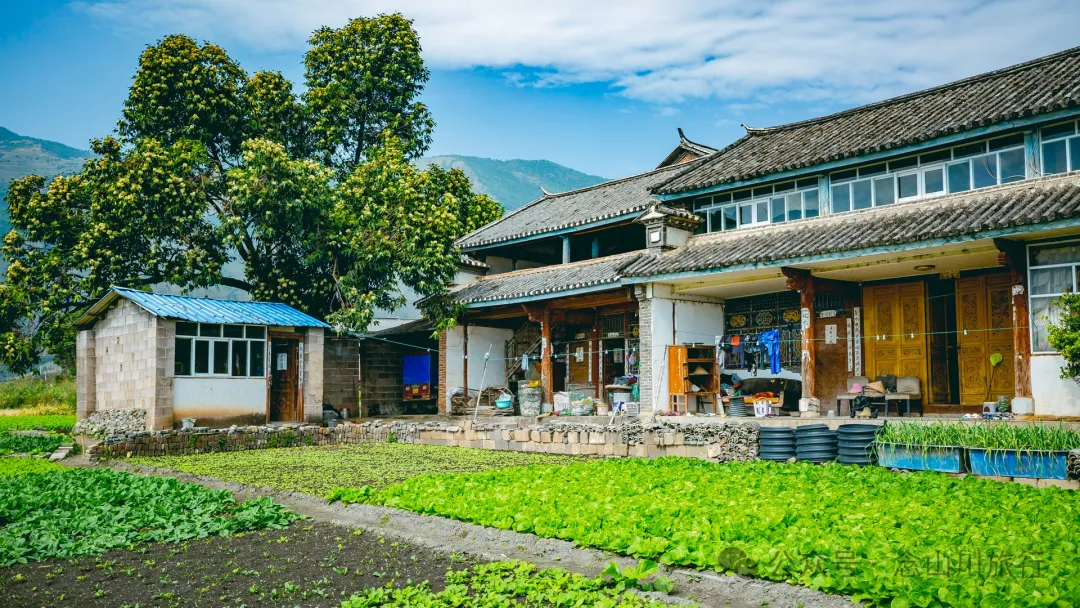
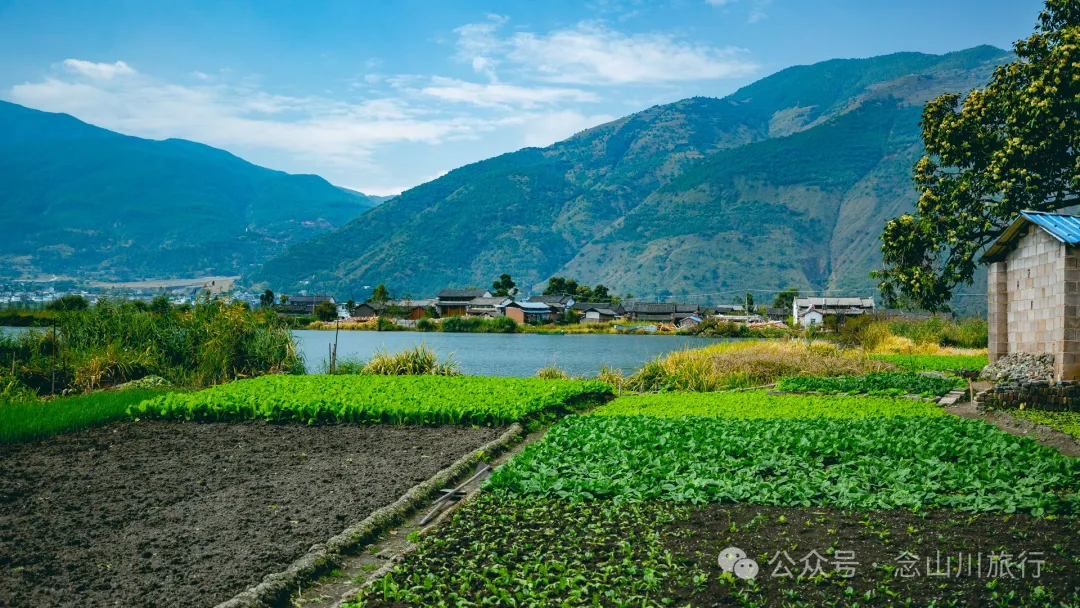
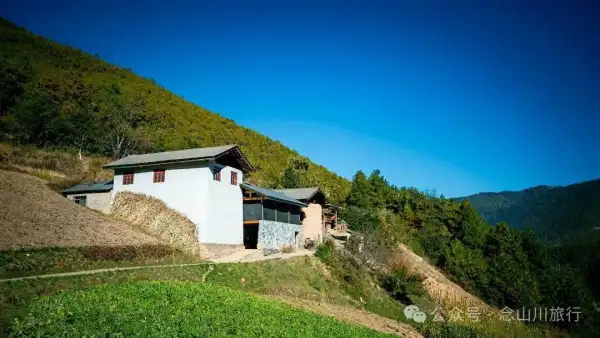
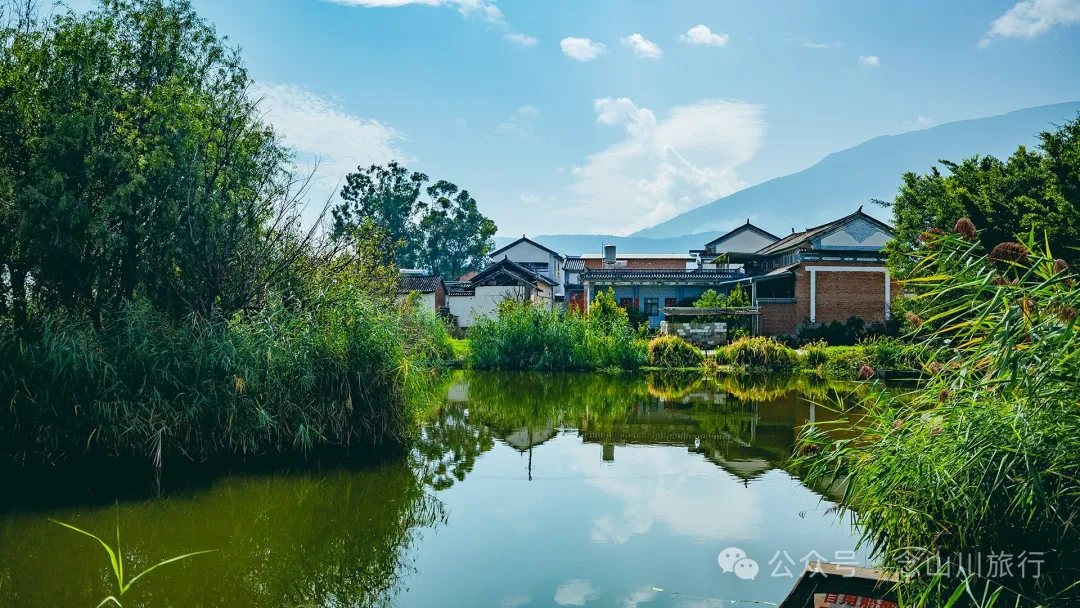
Following the villager's pointing finger, I looked toward Dongdeng. A house by the lake had its yellow wooden door ajar, occasionally opening to reveal a black-clad youth and a man in white. Too far away, I could only discern their leisurely gait, unable to read their expressions. But I imagined that living in this picturesque waterside village, with a spacious wooden house, a fertile vegetable patch in front, and the lake gently flowing beside, they must be at ease, free from worries of livelihood, protected by nature from the mundane world.
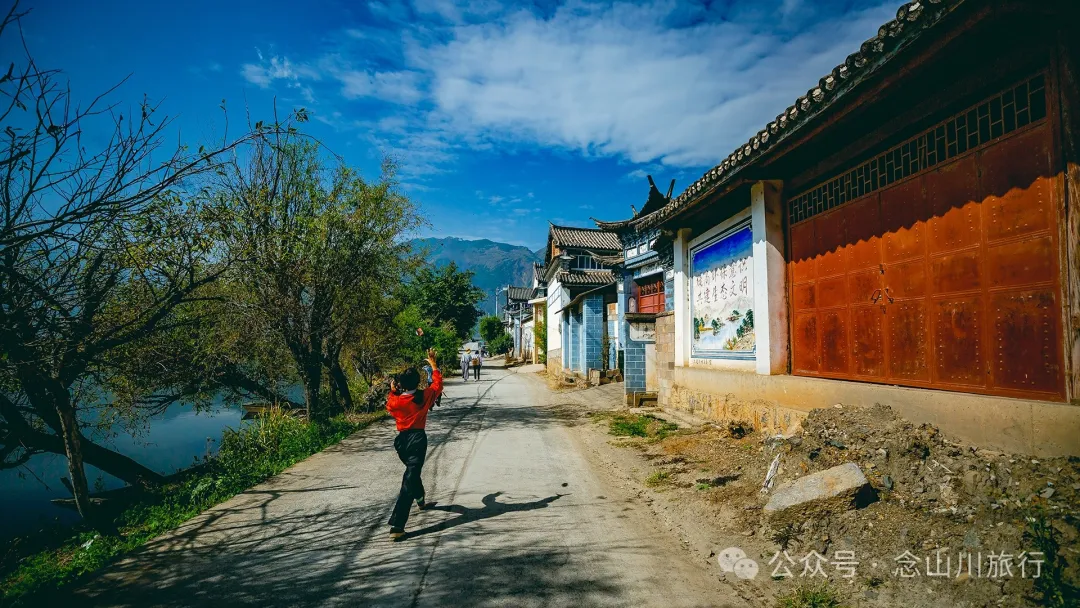
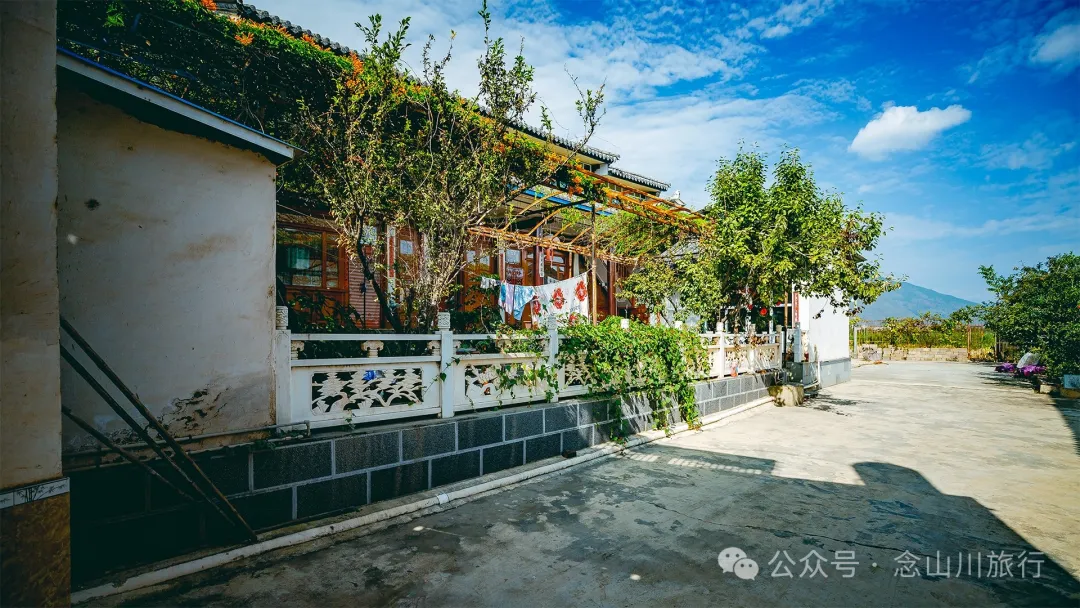
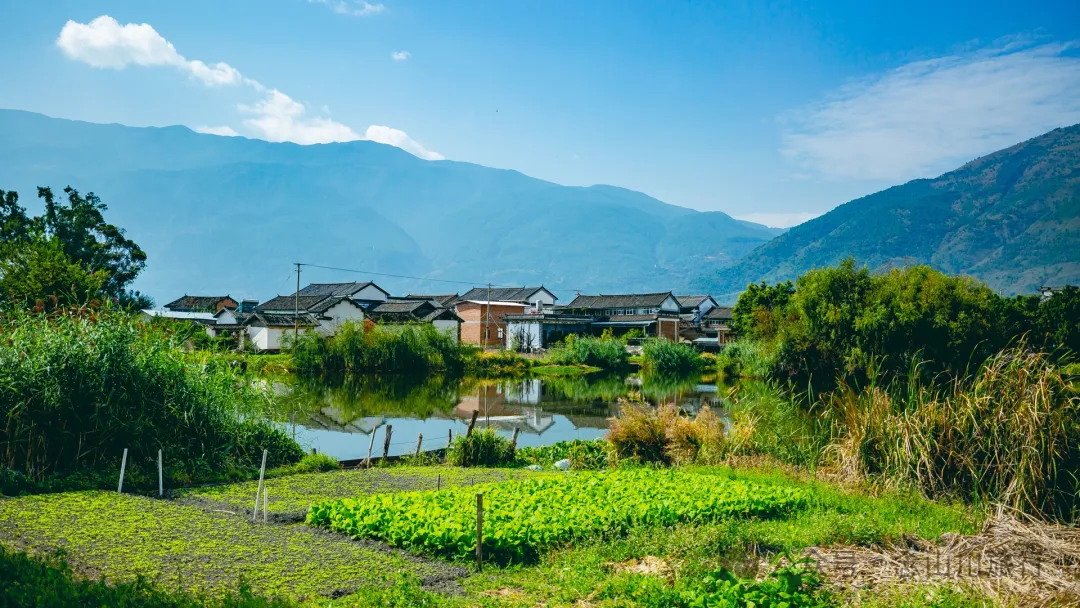
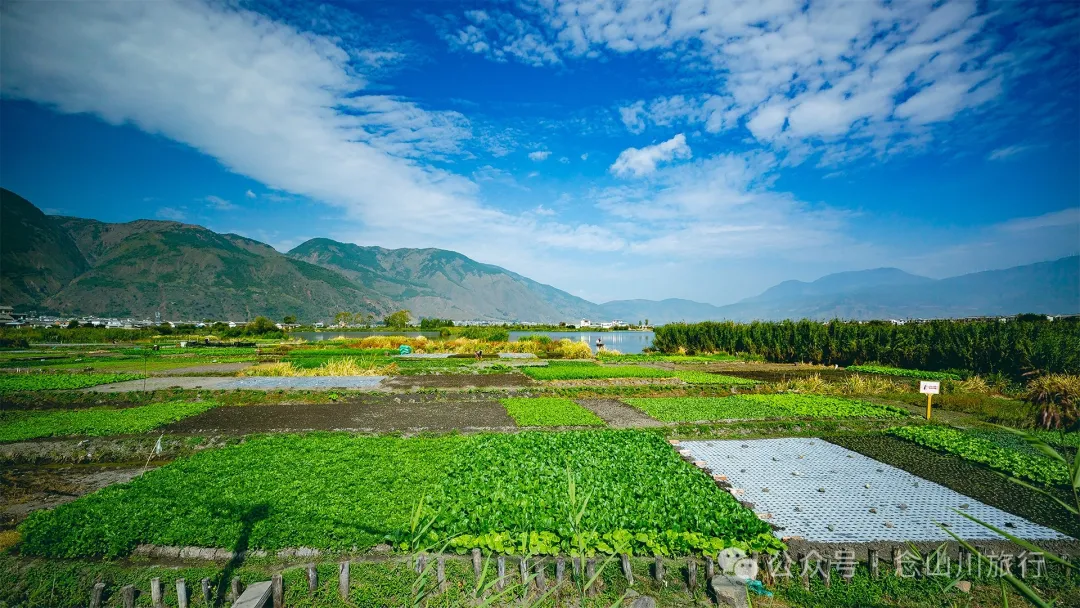
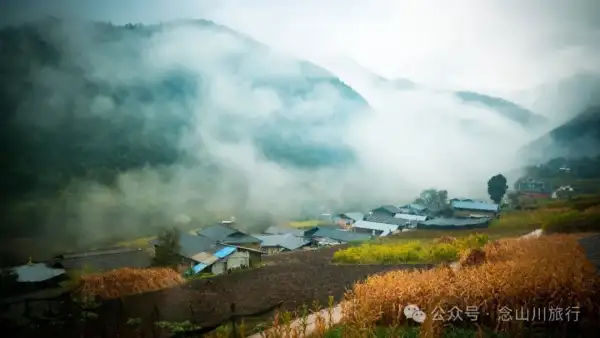
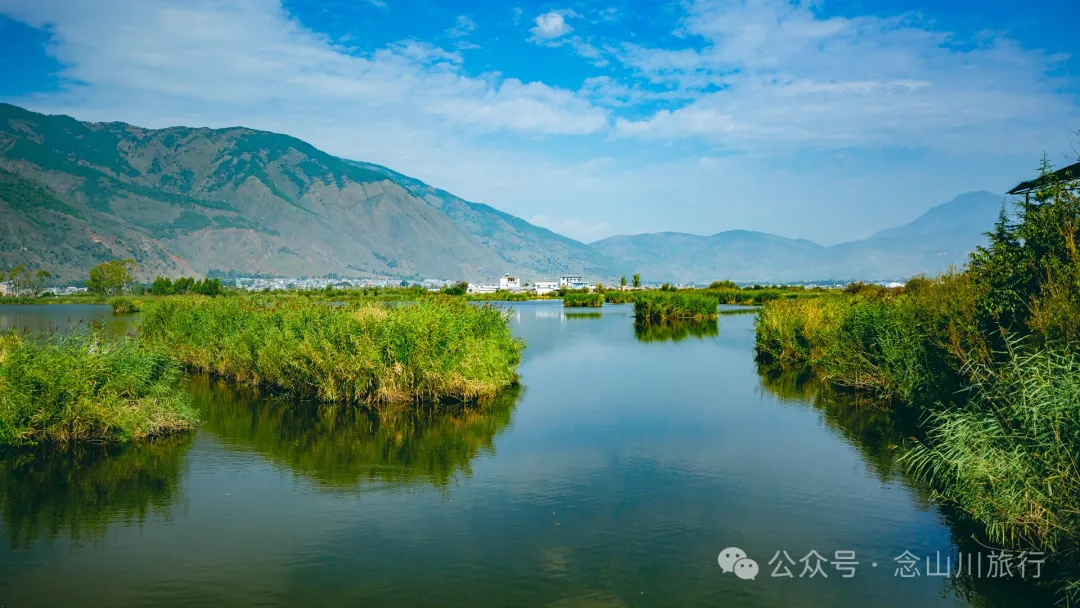
Dongdeng and Zhongdeng villages are located in Yousuo Town, Eryuan County, Dali Bai Autonomous Prefecture, Yunnan Province. They are two of the six villages within the Eryuan West Lake scenic area. Together with the other four villages (Zhangjiadeng, Qingshuitang, Dongdeng, Nandeng, and Haitang), they form the unique landscape of "lake within village, village within lake" at Dali Eryuan West Lake.
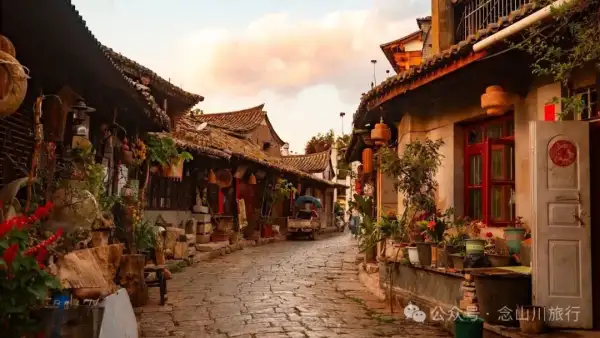
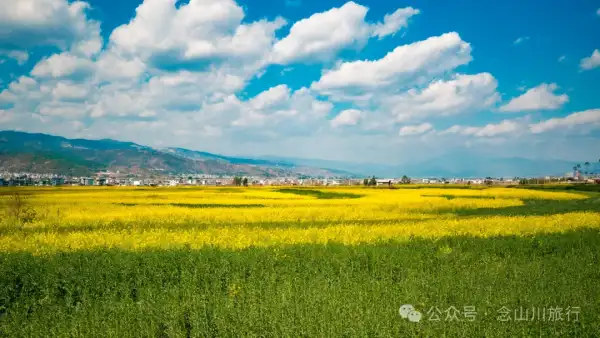
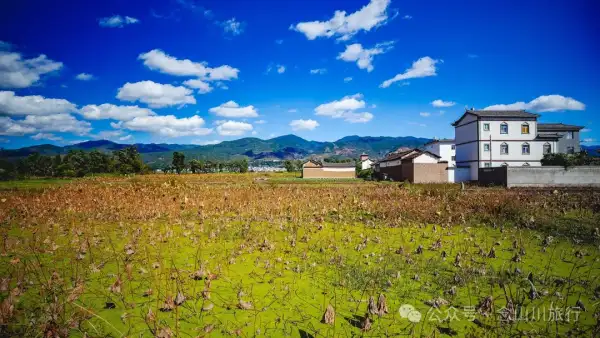
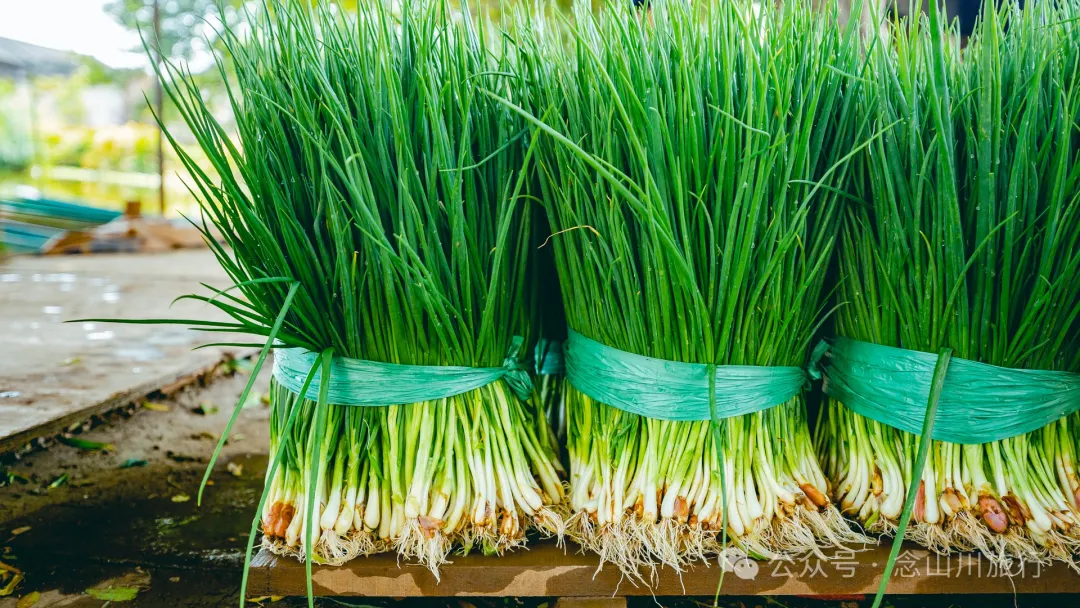
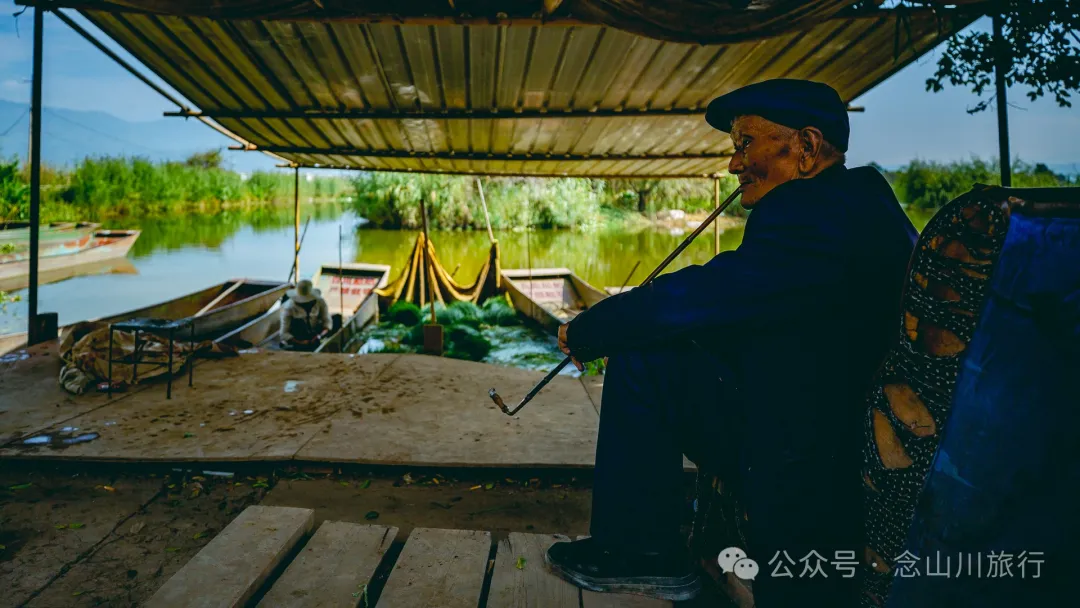
The villagers primarily engage in agriculture, growing crops like rice and rapeseed. In recent years, with the development of ecotourism, the villages have also started rural tourism, offering activities such as boating and hiking to attract visitors to experience the local natural scenery and ethnic culture. Whether boating on the lake or strolling through the village, a sense of tranquility and peace permeates, with the pastoral beauty constantly offering a cleansing and meditative aesthetic.
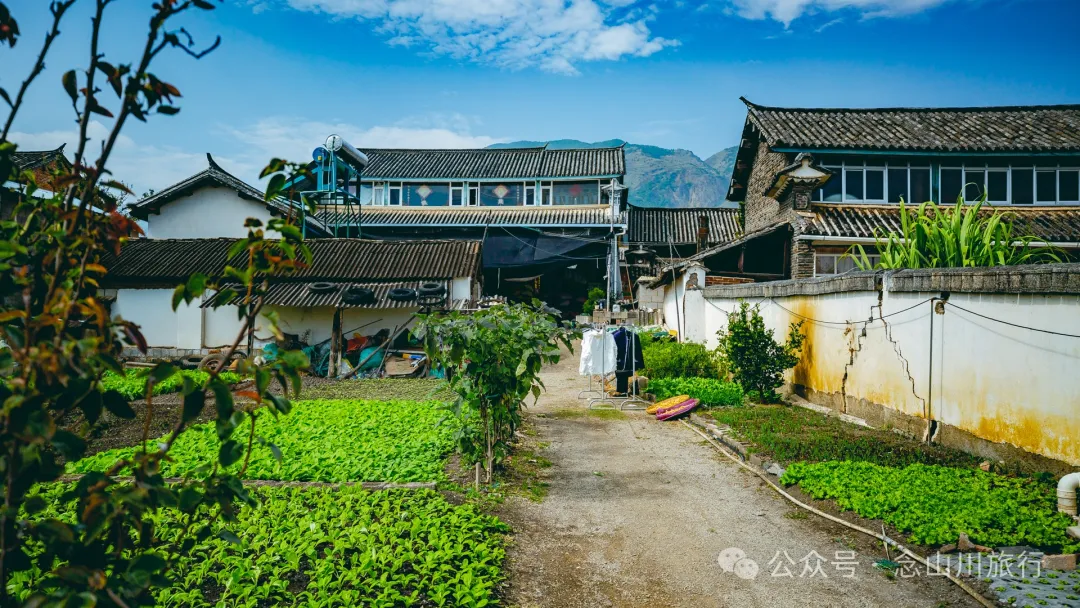
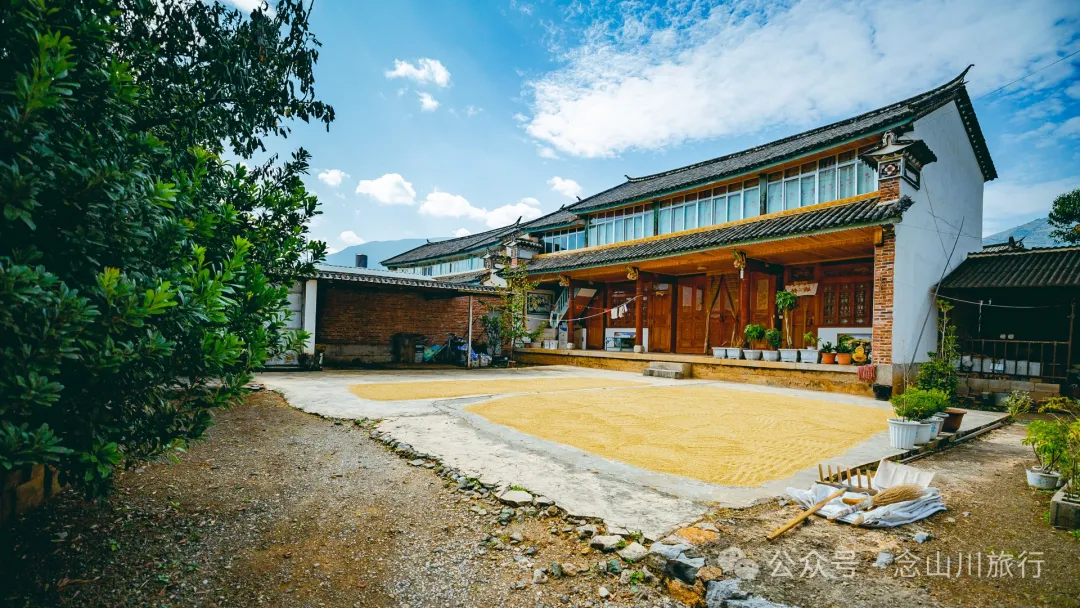
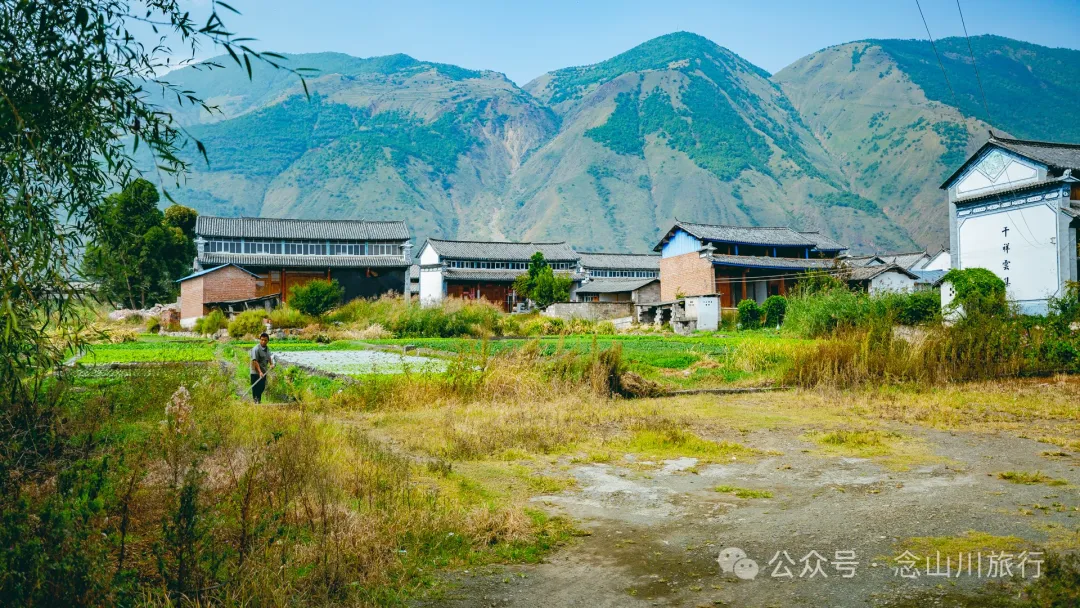
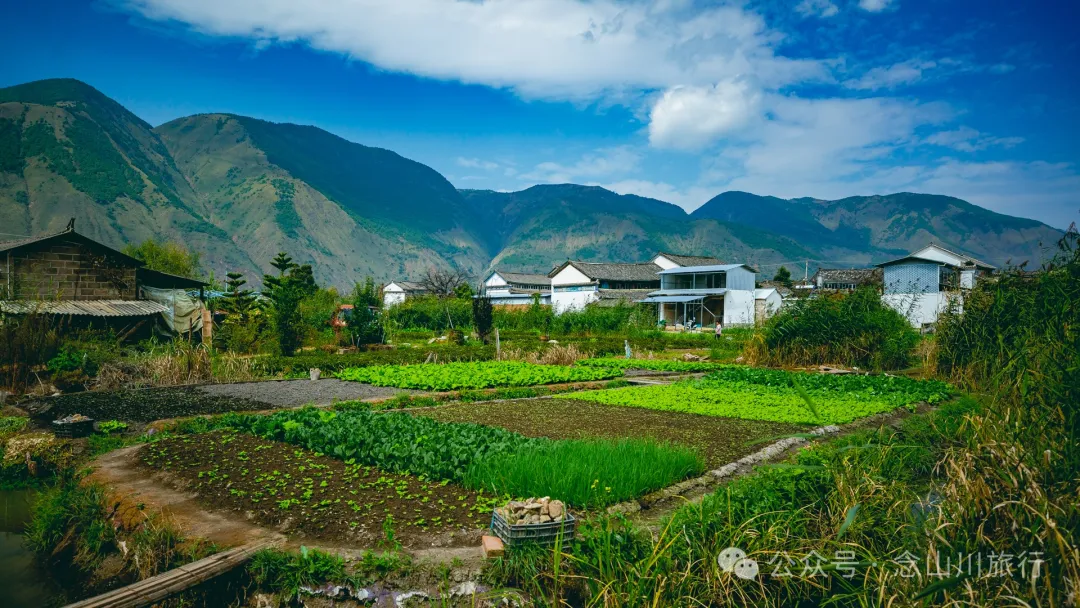
Like Nandeng, Dongdeng villagers still farm the land. On the flat fields around the village, busy farmers could be seen. They tended their plots meticulously, and the crops they planted were as pure as white clouds in the sky, as if they were works of art poured with lifelong effort, not just for survival. Pulling out weeds from the vegetable patch might not be entirely necessary, but they preferred to spend more time on such trivial tasks, as if their time was meant for these details.
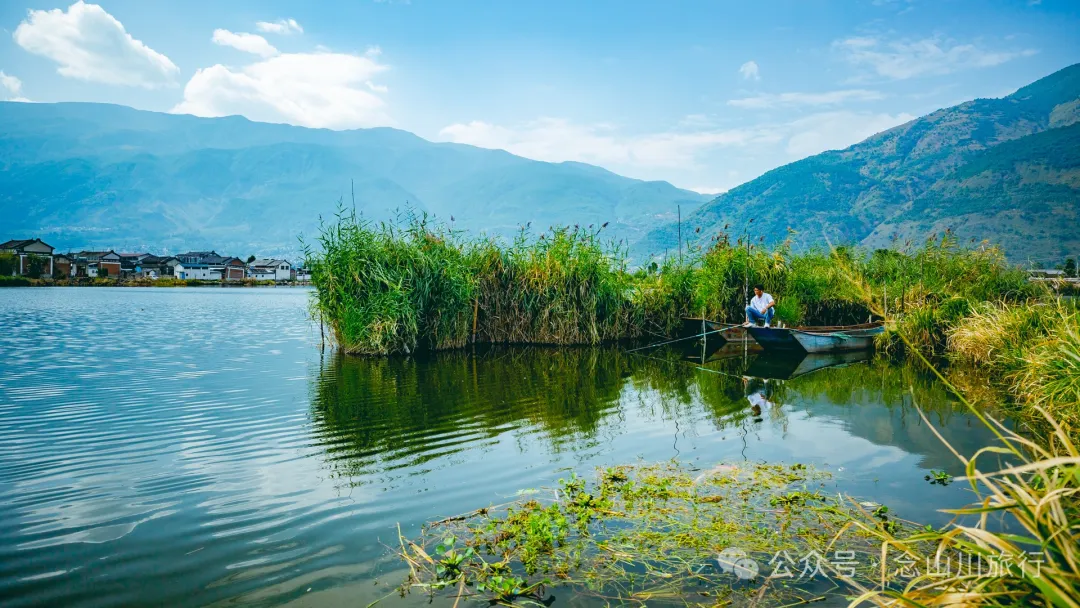
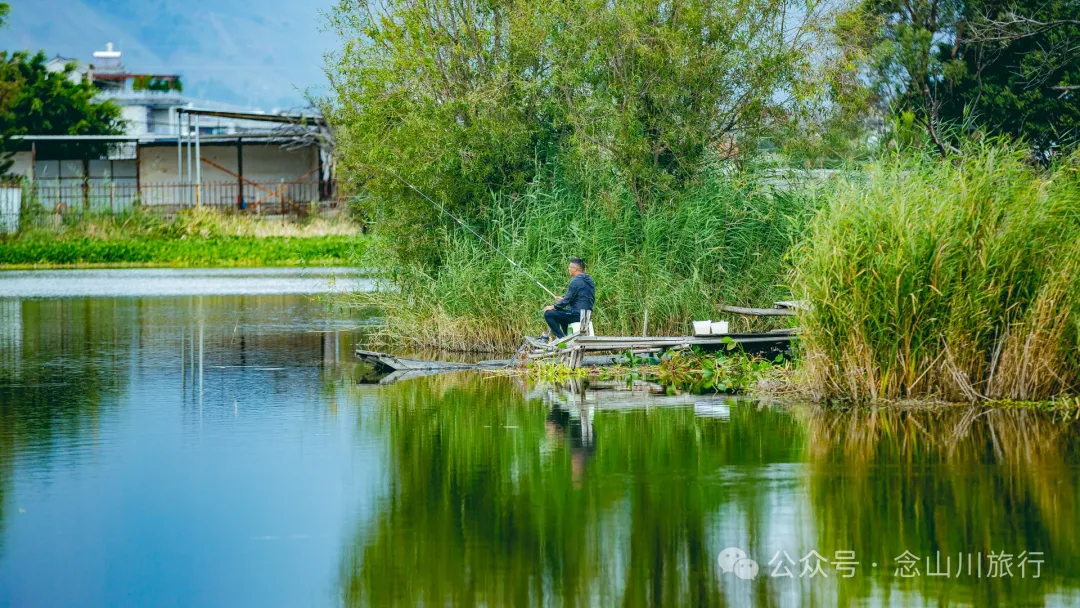
Tending the fields was something the elderly enjoyed, but the young were different. They preferred to find a secluded reed marsh by the lake near their homes, fishing there all day undisturbed. I guessed they didn't care much about the catch; living in such a generous and solid homeland, spiritual abundance might also count as material harvest. Isn't that a kind of fair exchange?
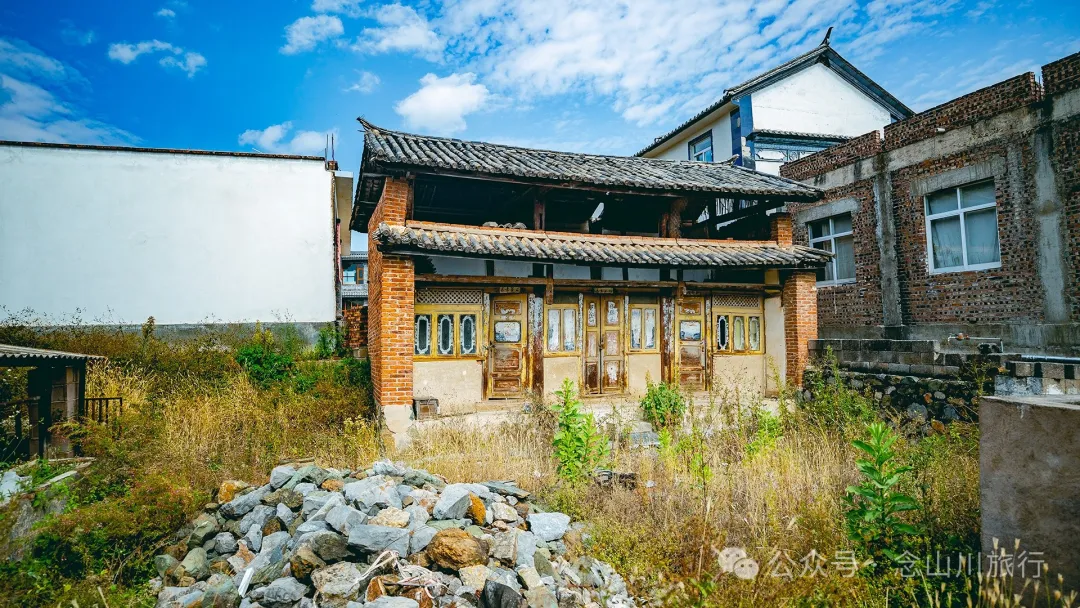
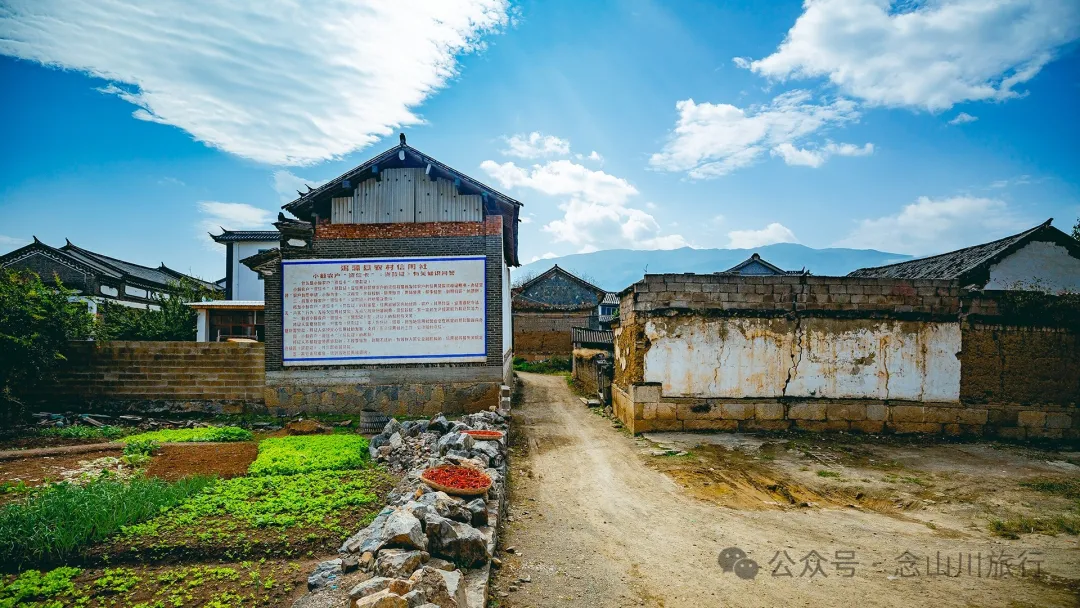
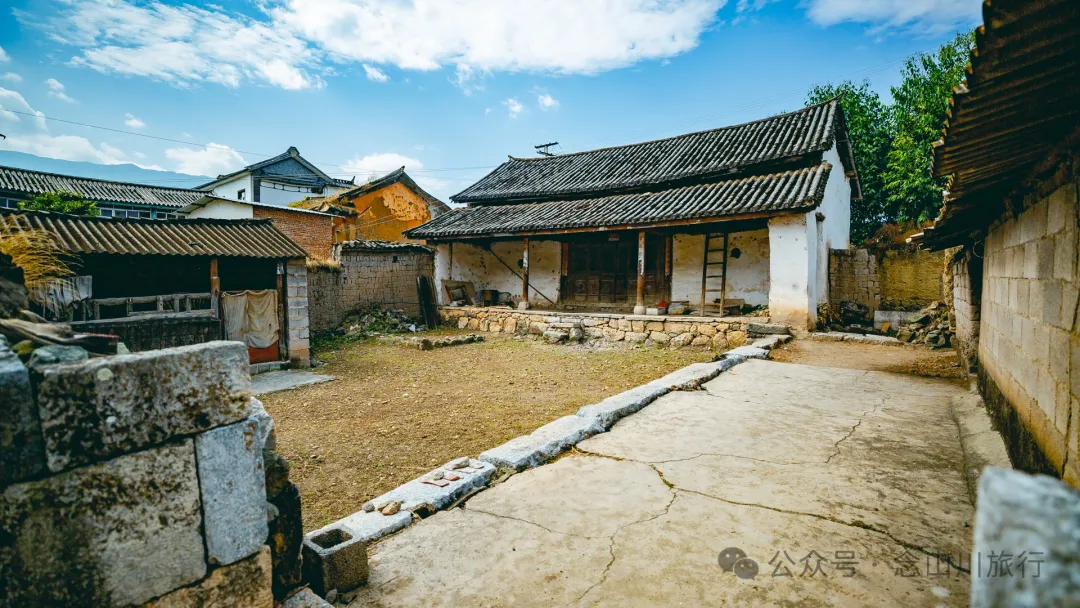
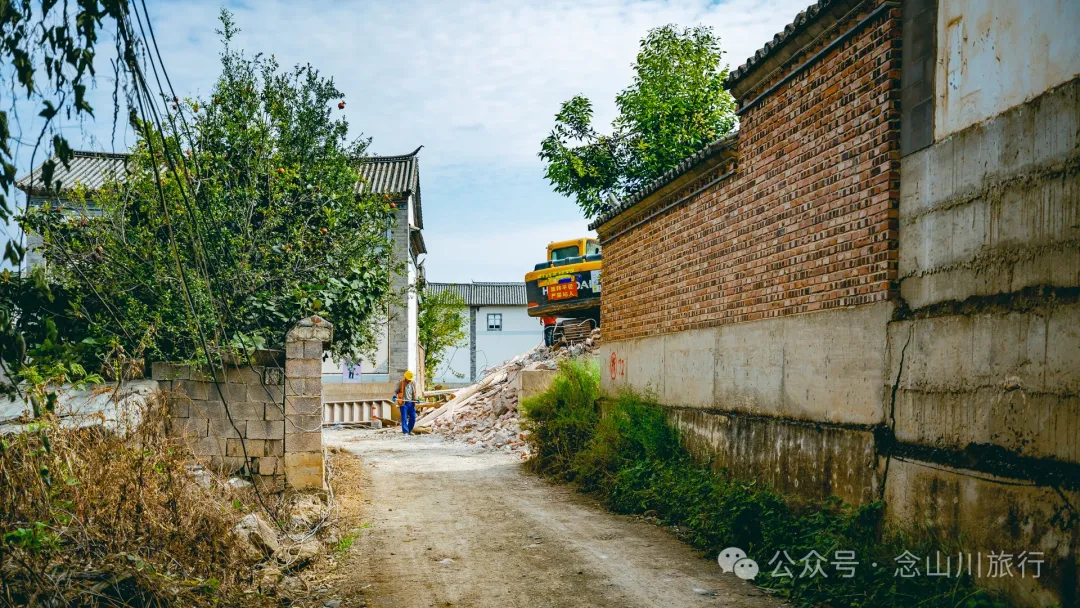
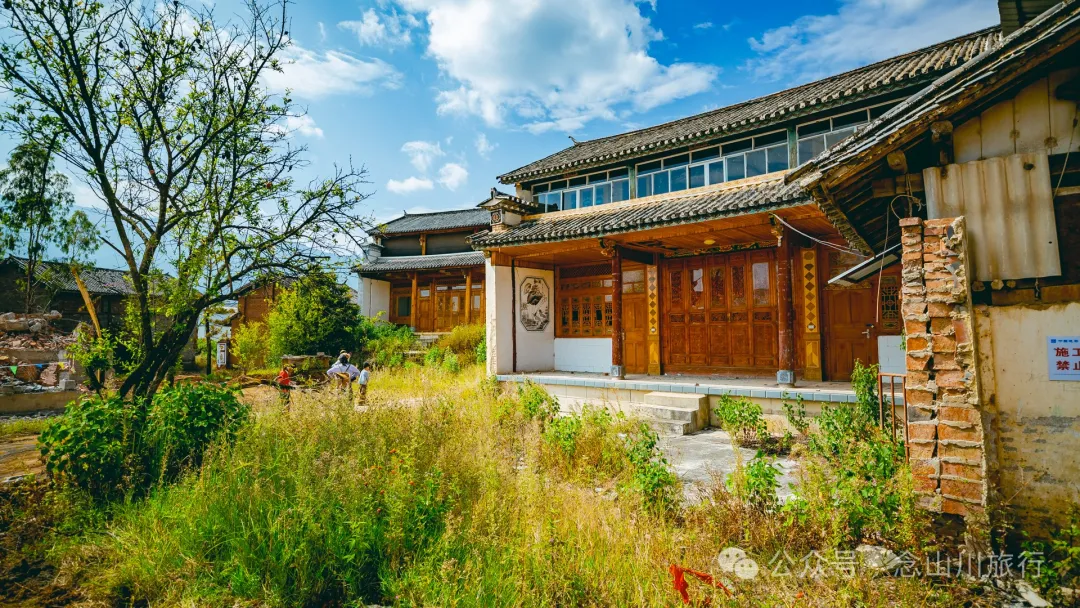
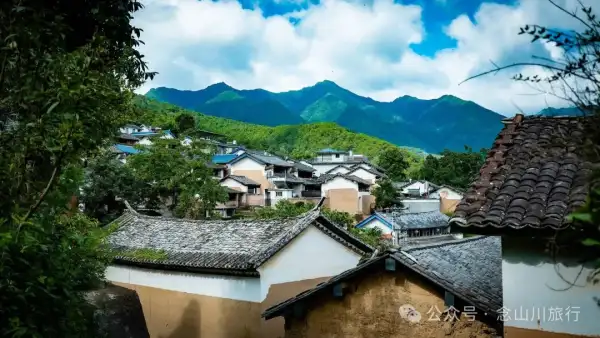
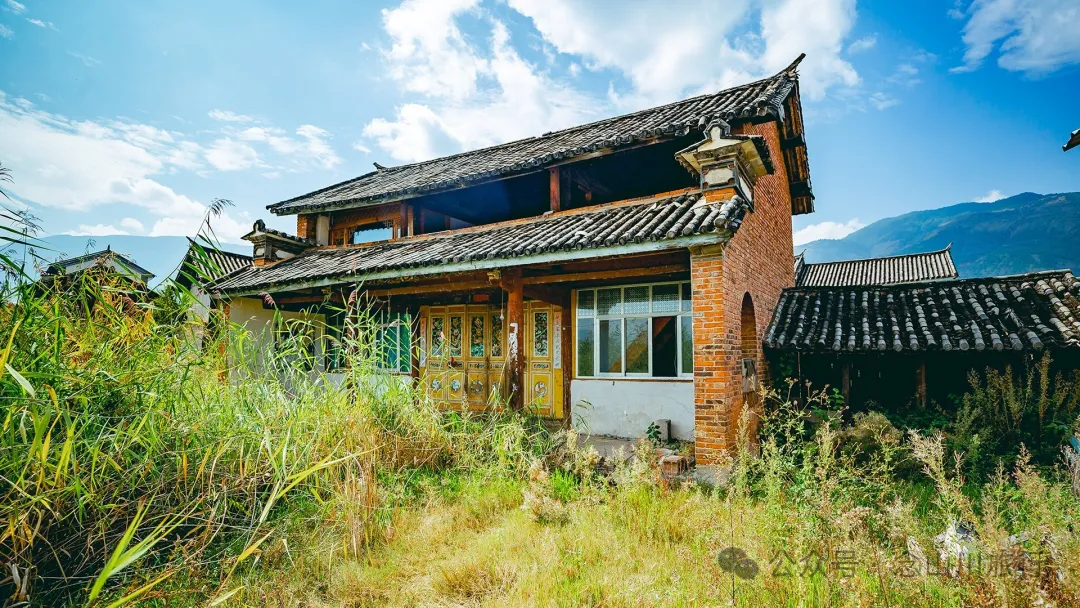
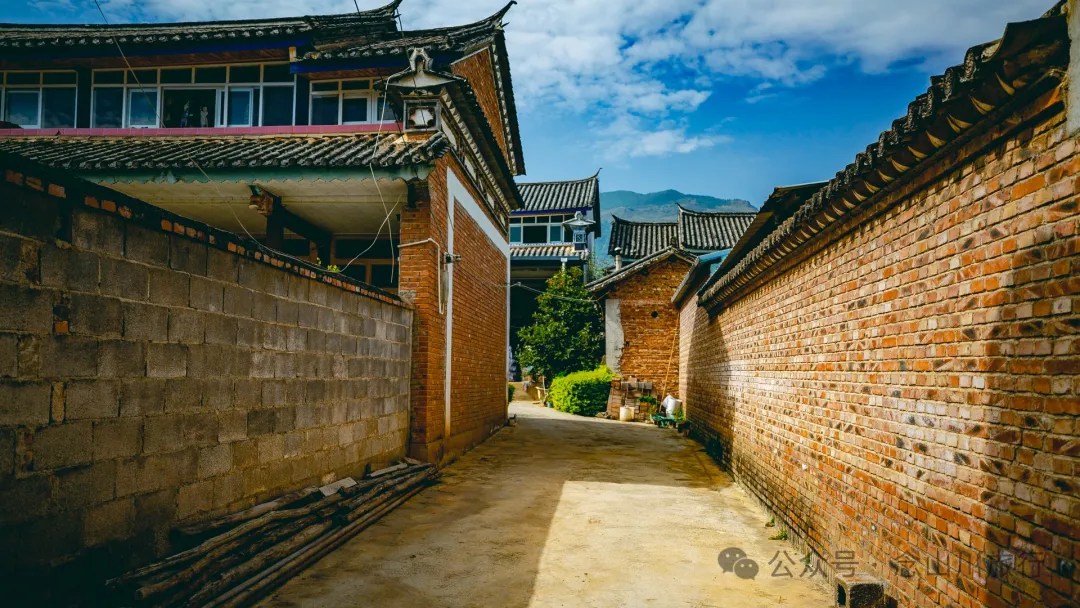
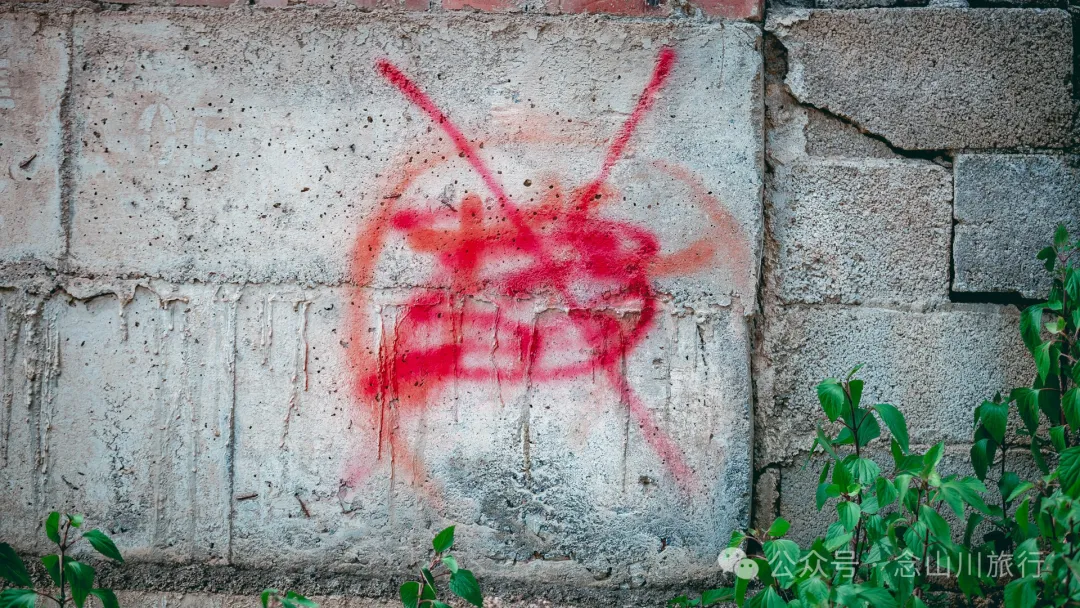
Zhongdeng was different. A desolate feeling of abandonment filled the air. We didn't meet a single person along the way, only the growing roar of machinery. No one knew when the relocation began; now only houses awaited demolition. The paths were covered with wide tire tracks and mud. Houses, old and new, were spray-painted with the character "拆" (demolish), and excavators would soon crush and remove them.
We walked through the deathly silent Zhongdeng, wanting to witness these houses one last time before they disappeared. In a while, they would become rubble; after a longer time, who knows what this place would become.
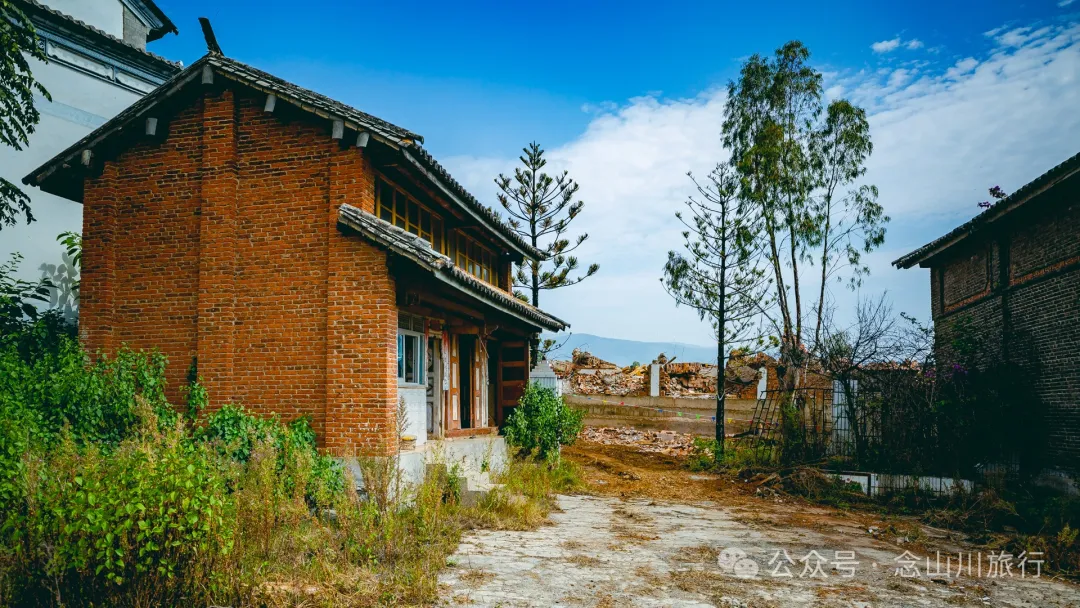
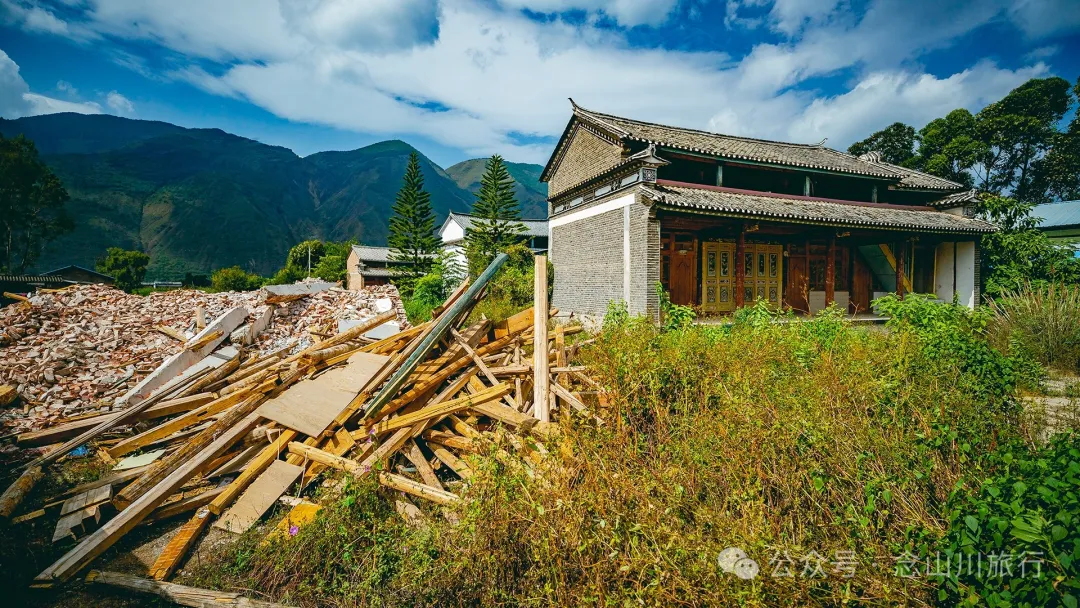
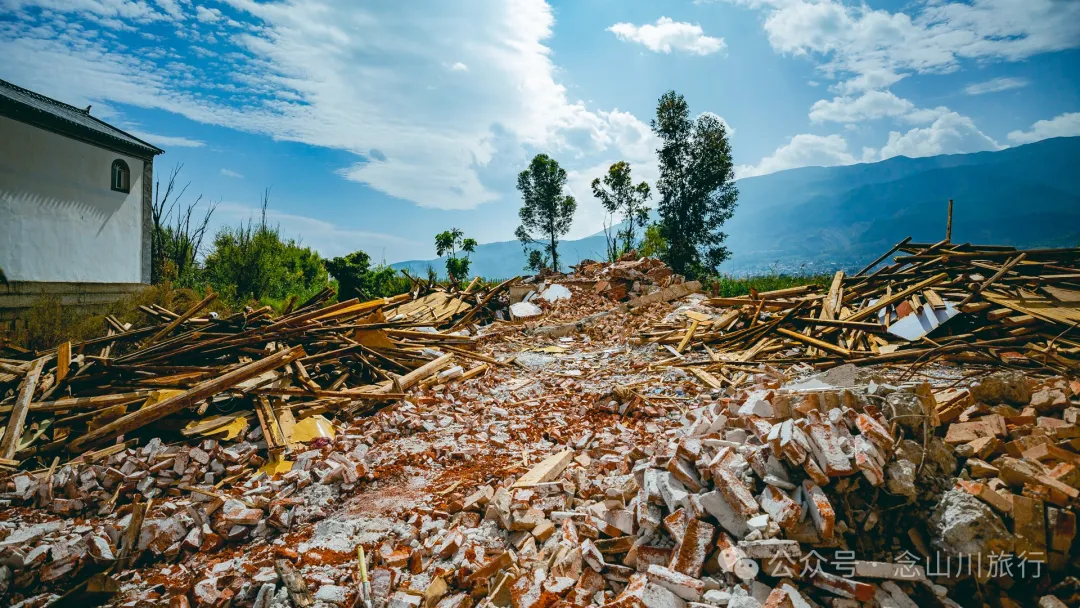
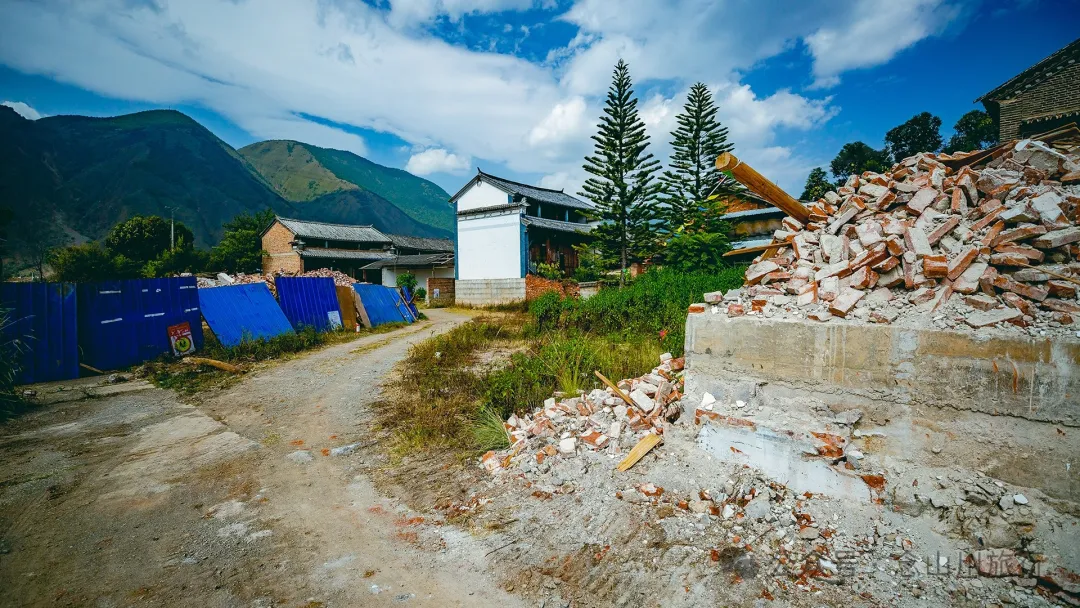
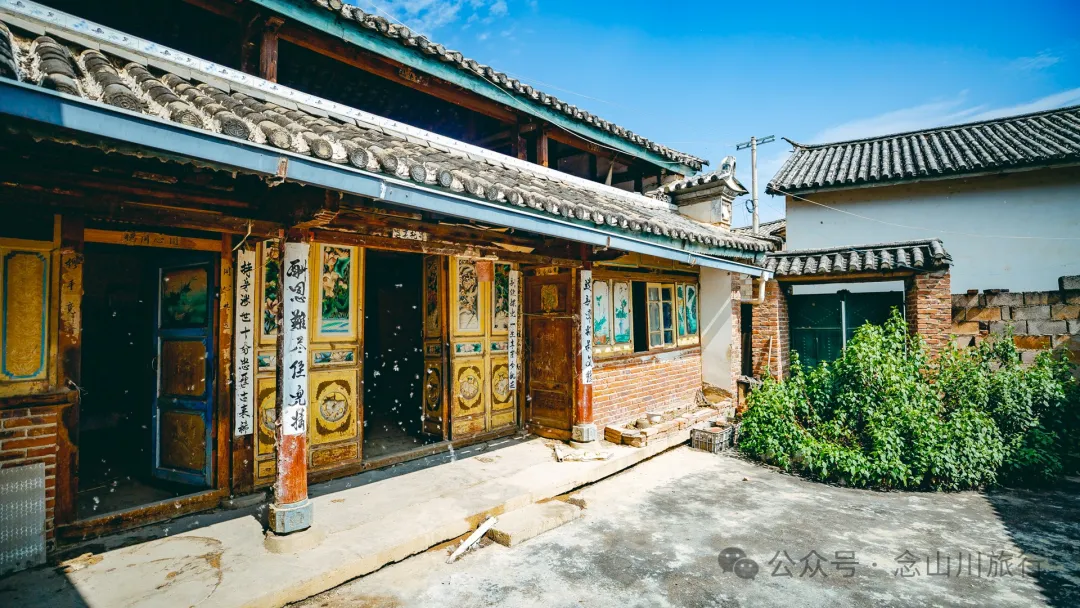
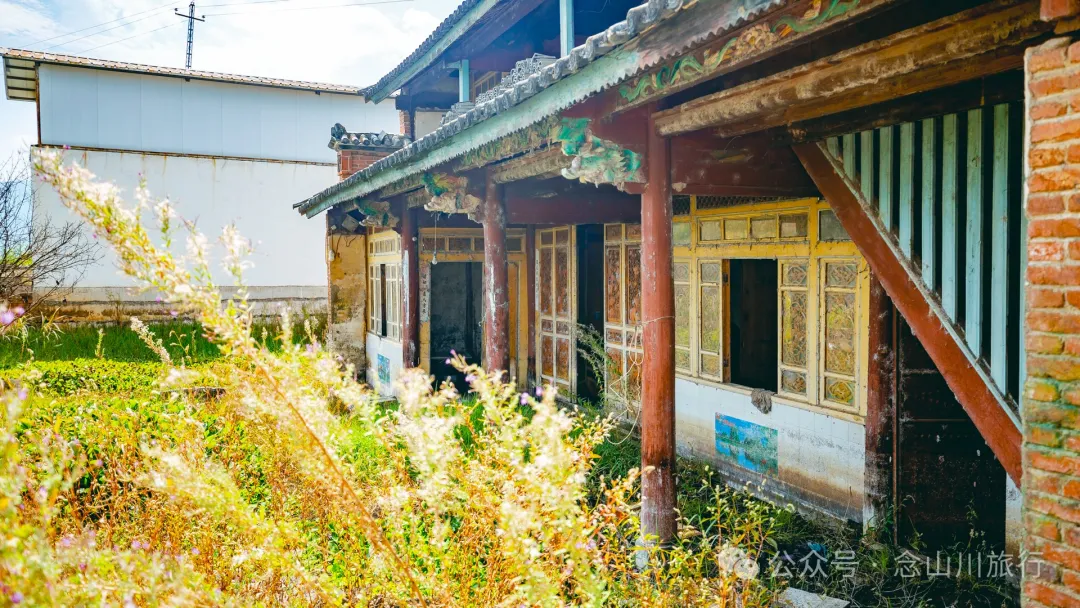
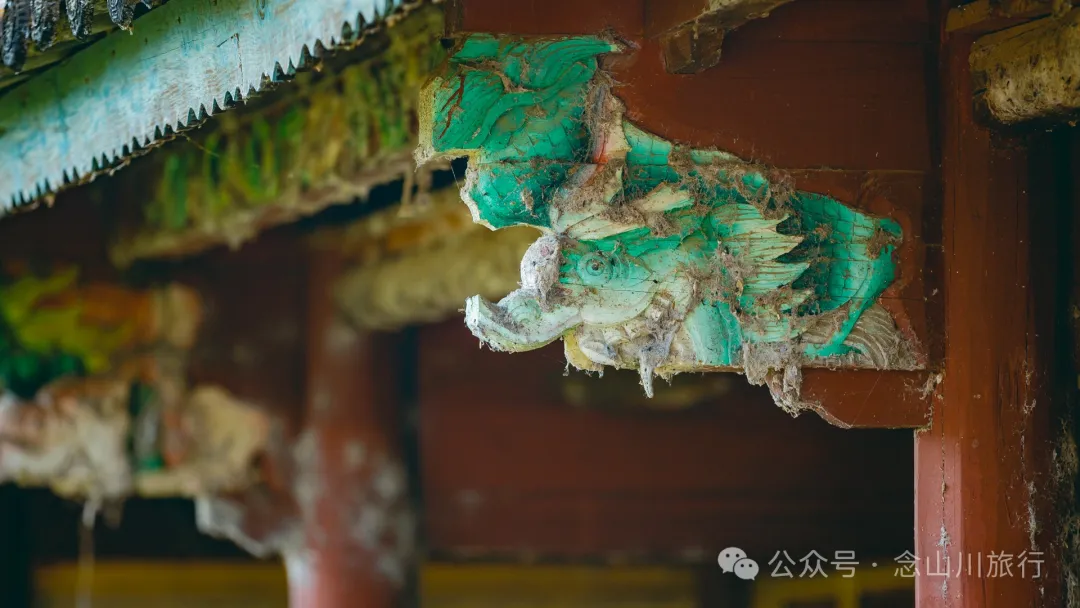
I stepped through a half-open green iron gate, crossed an empty room, and found a courtyard overgrown with weeds, basking in the warm autumn sun. Its owners had moved to a new home, leaving behind these exquisitely carved beams and painted rafters—what a pity.
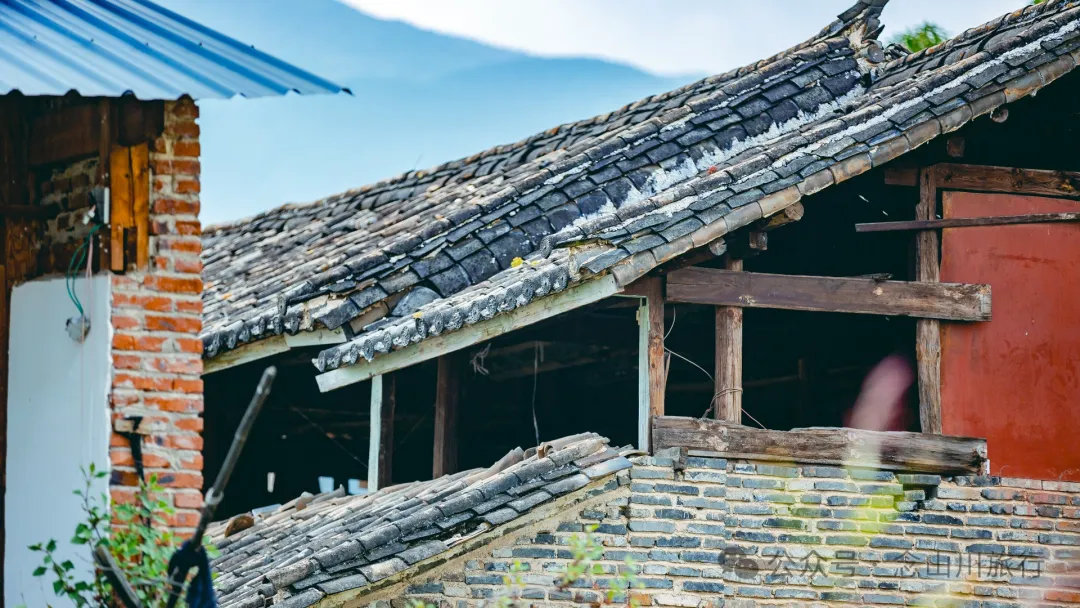
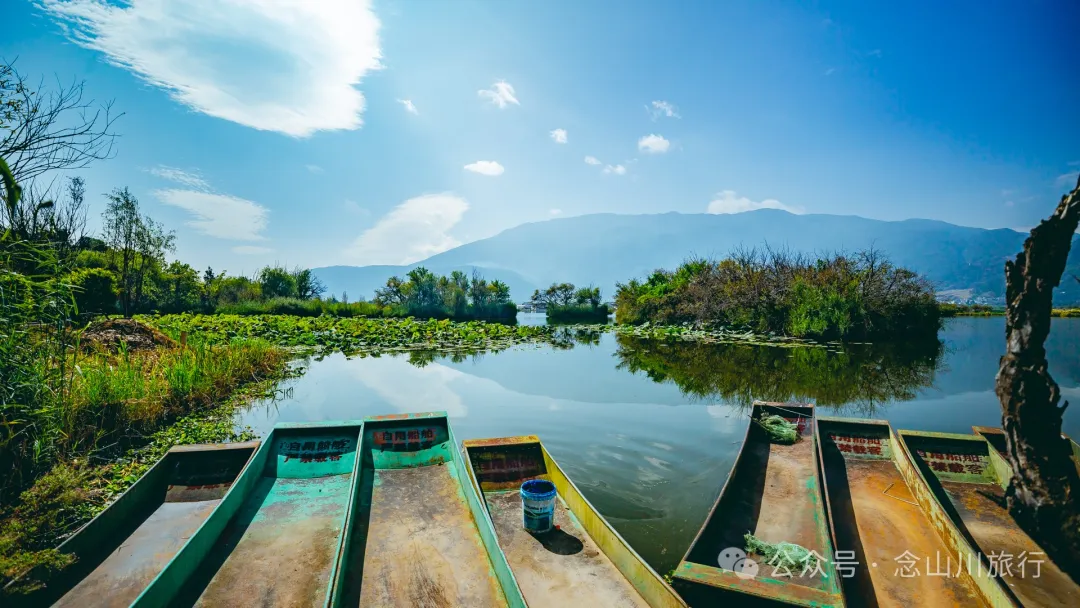
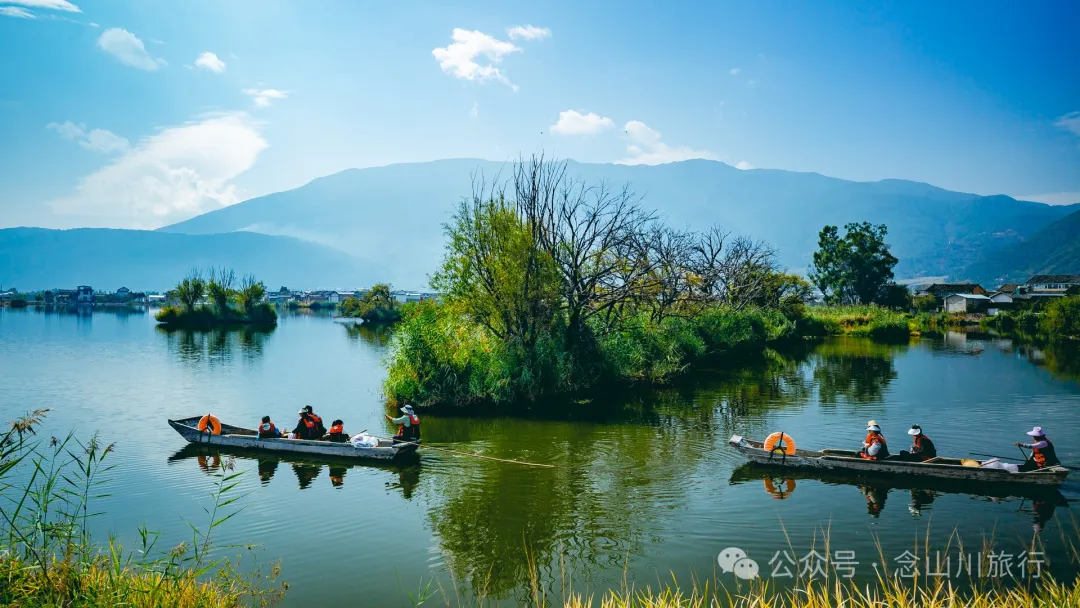
We withdrew from Zhongdeng, and the beautiful lake view quickly replaced the sad demolition scenes. Boats full of tourists passed by, enjoying the joy this land brought them.
I don't know when I'll visit these two villages again. When I return next time, will I fail to recognize the scenery I once saw?