
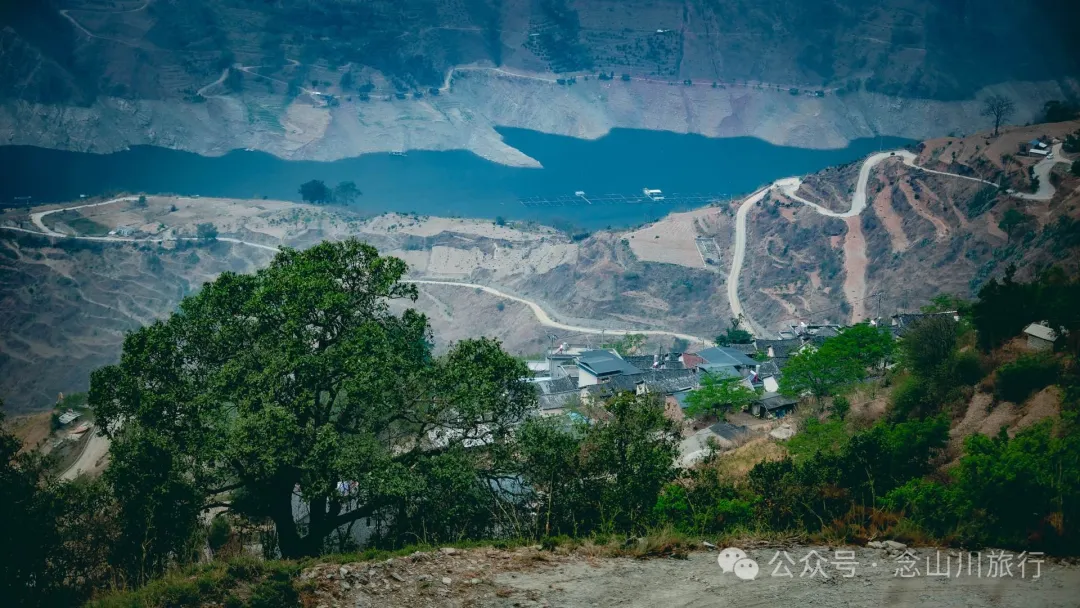
Leaving from Laojia Ku Village onto the county road, we soon arrived at a three-way intersection. A large stone by the roadside marked another cement road leading to a village by the Lancang River called Laoheichu (Rat). Seeing that it was still early, we decided on a whim to drive a few kilometers to check out the village. Here, people pronounce "rat" as "chu," so seeing this name, I couldn't help but wonder: could the original meaning of the village name be "Old Black Rat"? With this question, we drove onto a cement road, but soon the cement turned into an unpaved stone road. As the car passed, it stirred up a thick cloud of dust, instantly obscuring everything behind.
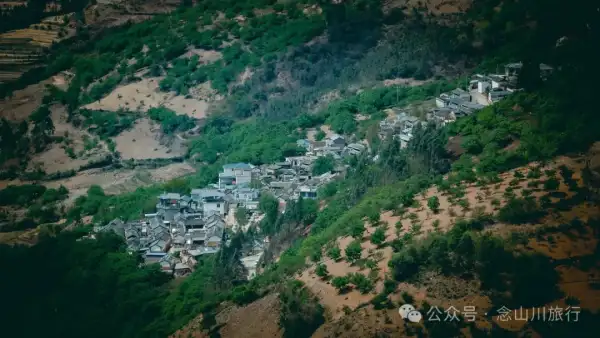
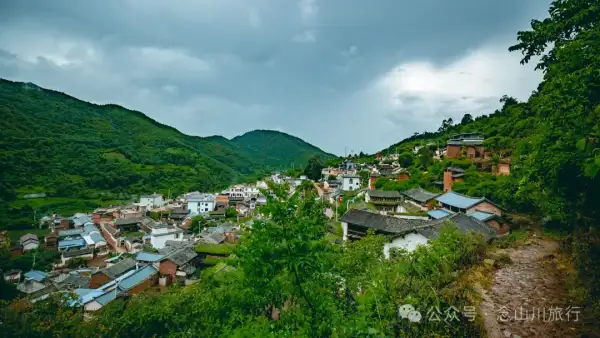
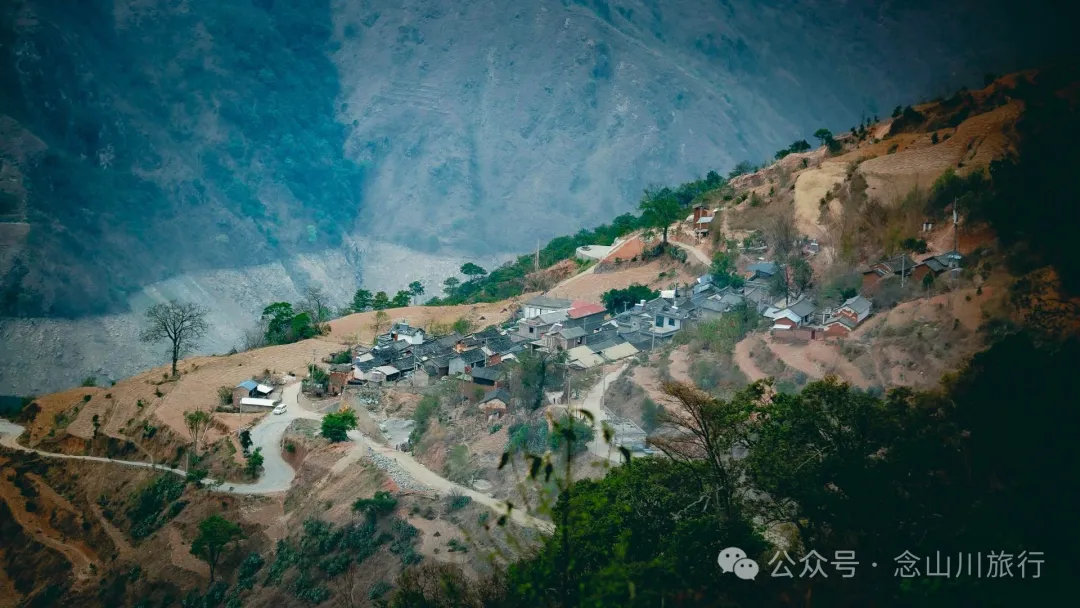
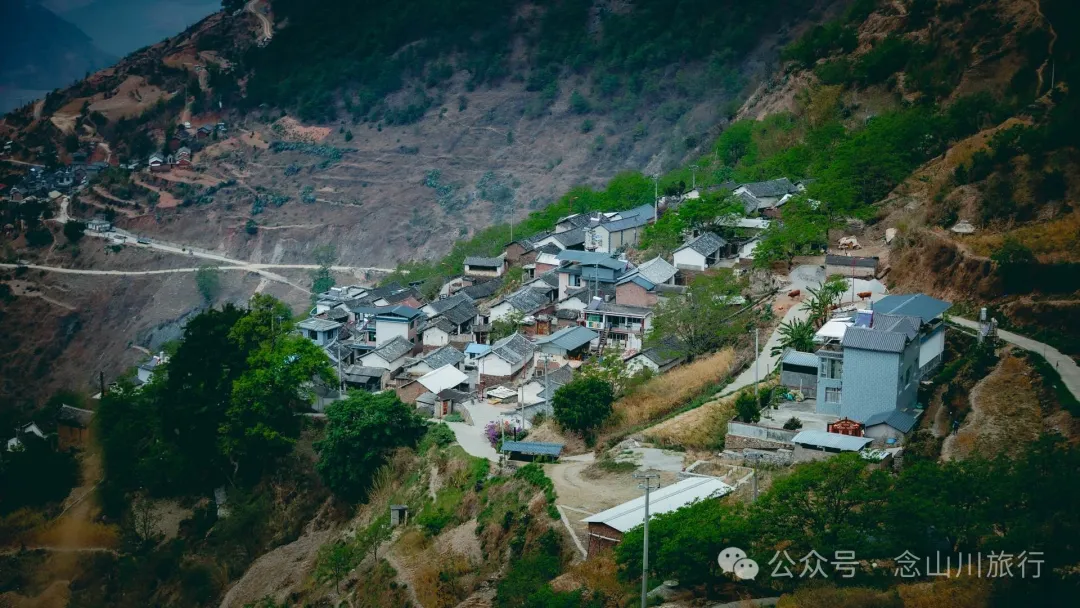
On the map, there are several places marked as Laoheichu Village, including Laoheichu Big Village, Laoheichu Middle Village, Laoheichu Lower Village, and Laoheichu Three-House Village. We weren't familiar with their exact locations, so we assumed they were all in one area and collectively referred to them as Laoheichu Village. Turning to the side of the mountain facing the river, we saw several human settlements in the distance. We chose a place with many old houses and stopped, so we're not sure which specific Laoheichu Village we photographed.
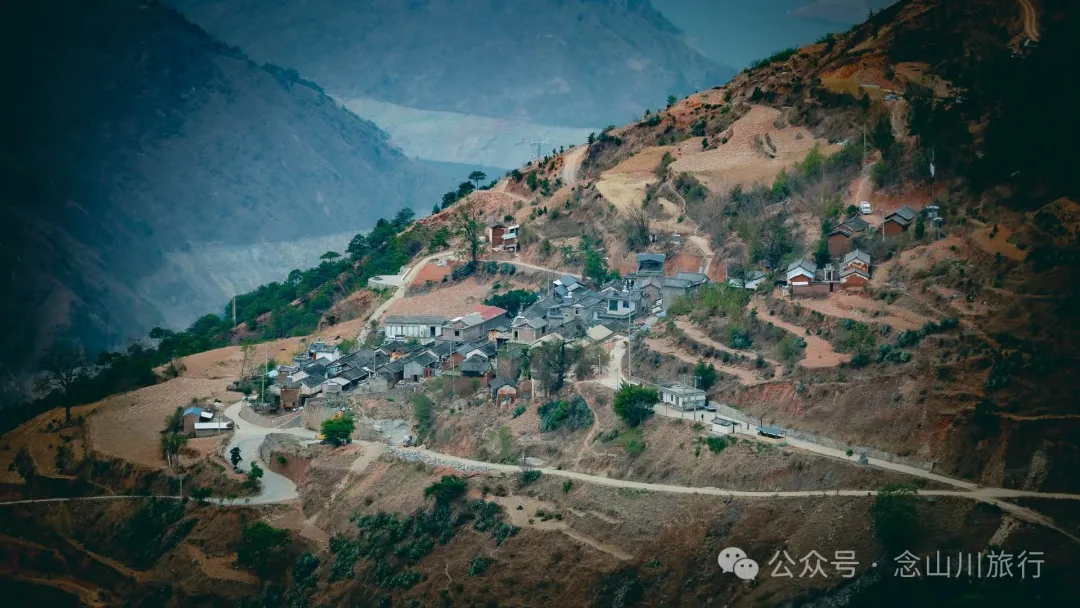
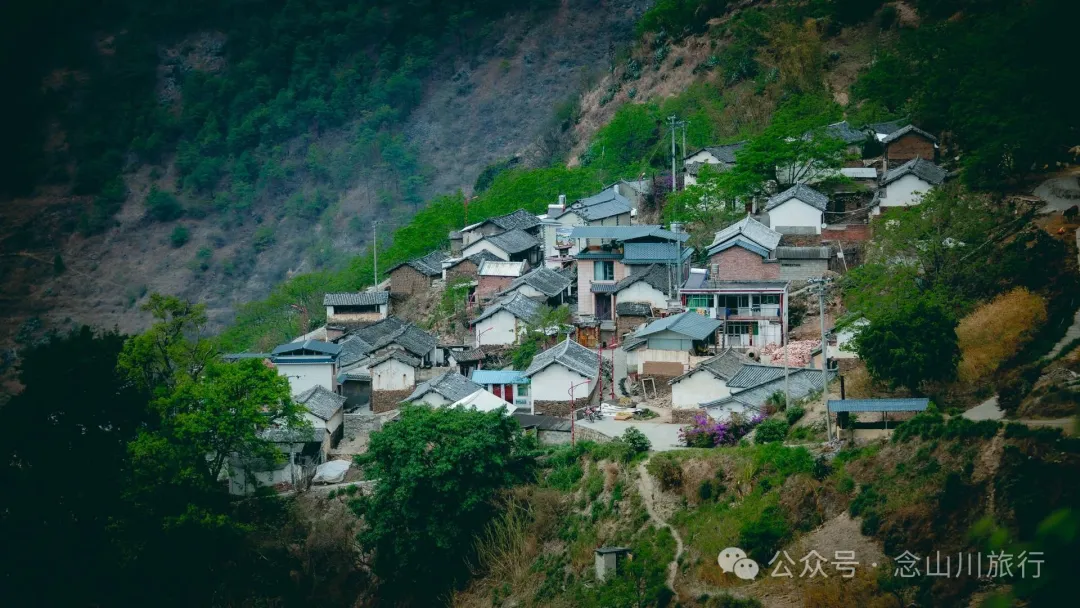
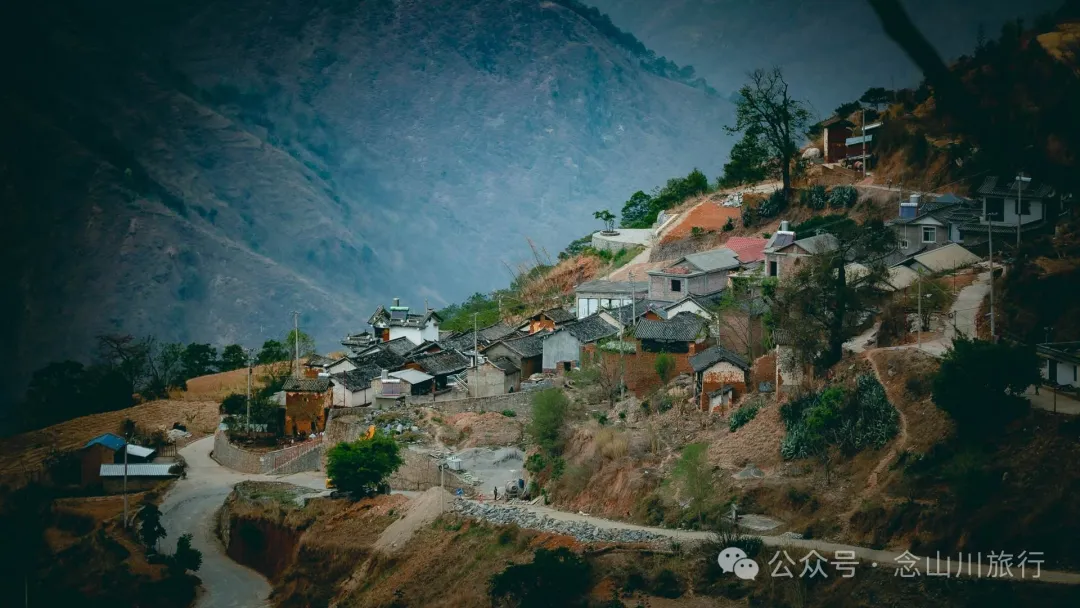
The mountain we crossed is called Laoheichu Mountain, so I guessed that the mountain might resemble a large rat, hence the name, and the village was named after the mountain, thus called Laoheichu Village. Being in the mountains, we couldn't see the full shape, so we weren't sure, but we could confirm that the mountain was high and the road dangerous, with rugged rocks and barren land. The winding and difficult mountain path made it easy to imagine the hardship of life here.
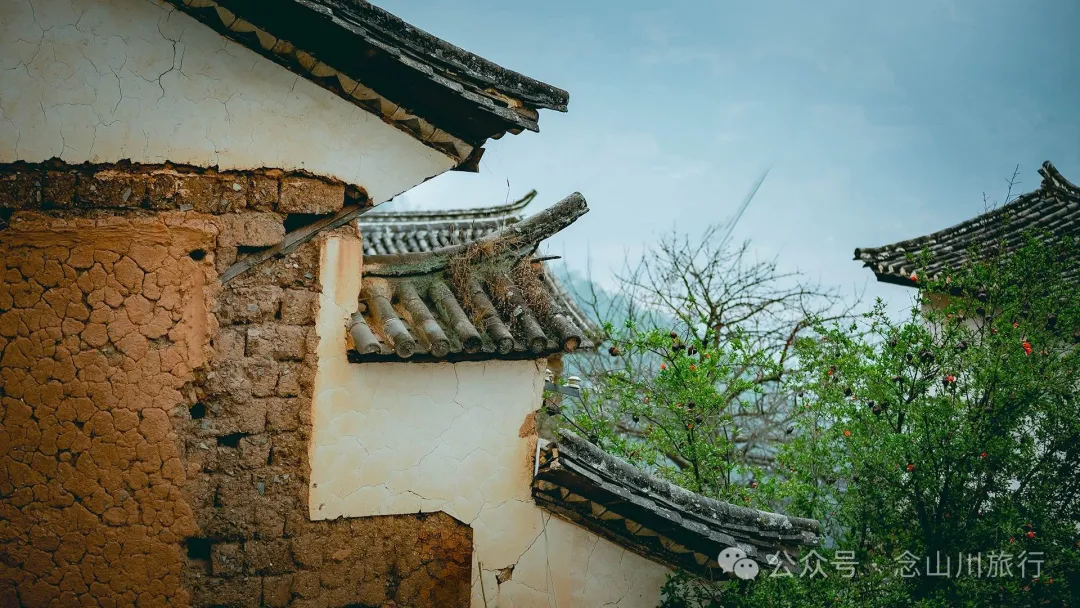
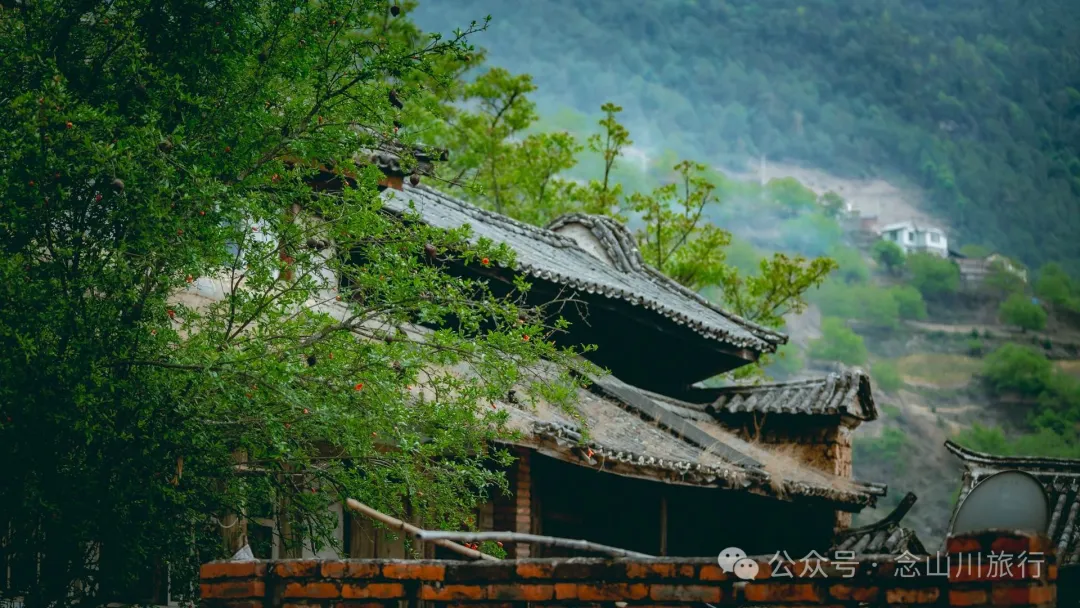
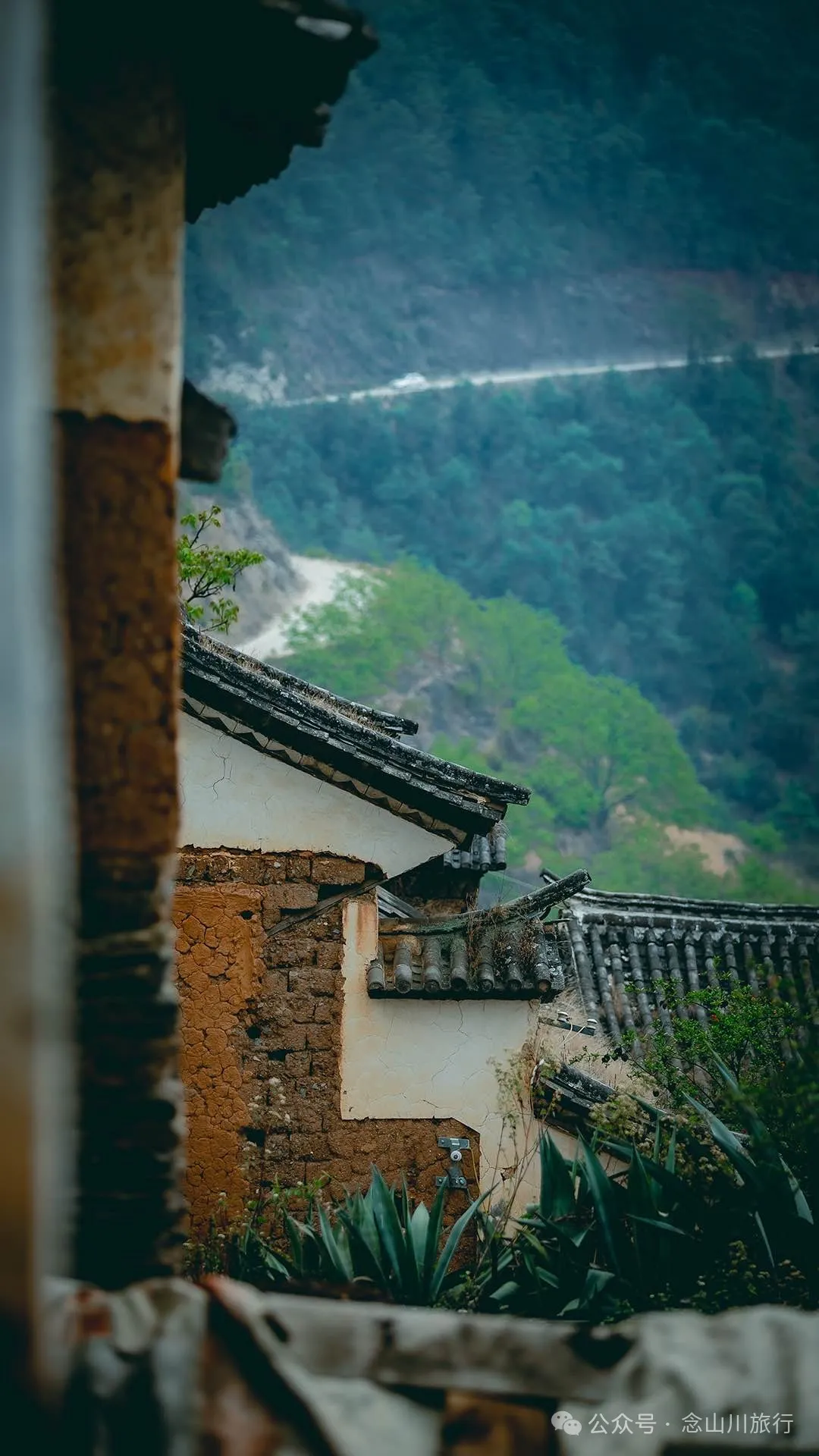
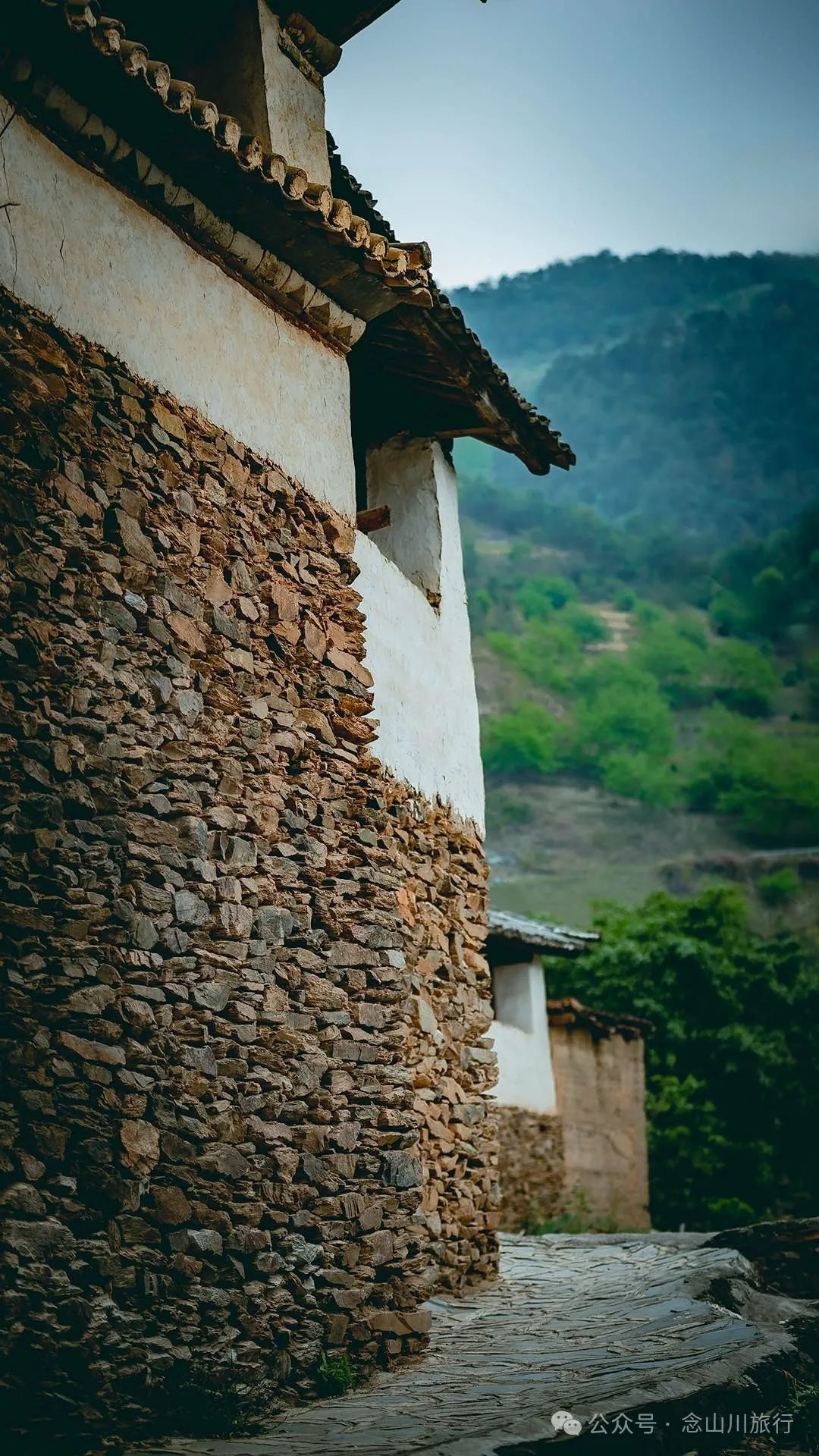
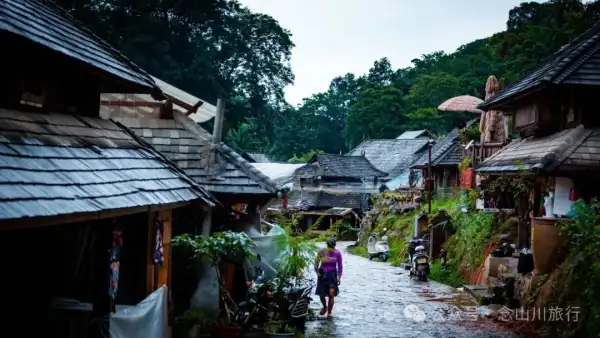
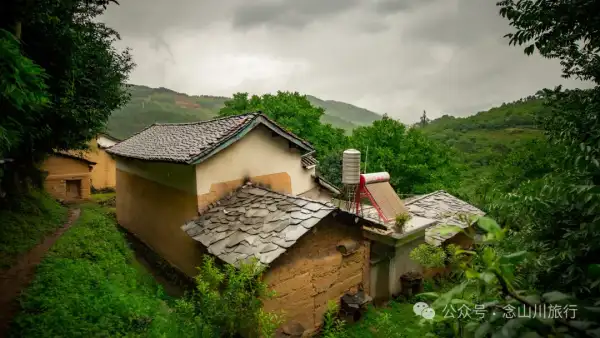
The village was quiet, with traces of time flowing slowly everywhere. A difficult mountain road isolated the village by the Lancang River, preventing the rapid changes outside from entering. The village always greeted each dusty tomorrow at its own slow pace. So, while people outside had already stepped into a future world, the villagers still lived in a slow, rustic simplicity, as if everything belonged to the past—both an old past and a nostalgic one.
But the trees in the village welcomed new life in time. The pomegranate tree happily grew a full canopy of new leaves and blossomed with new flowers. When summer passes and autumn comes, there will surely be branches heavy with pomegranates.
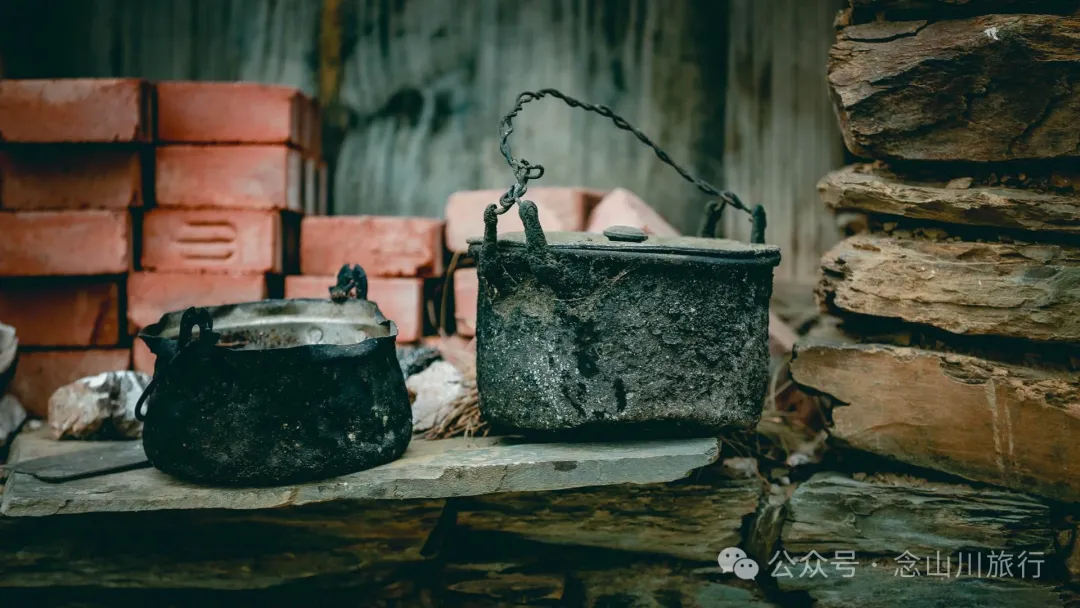
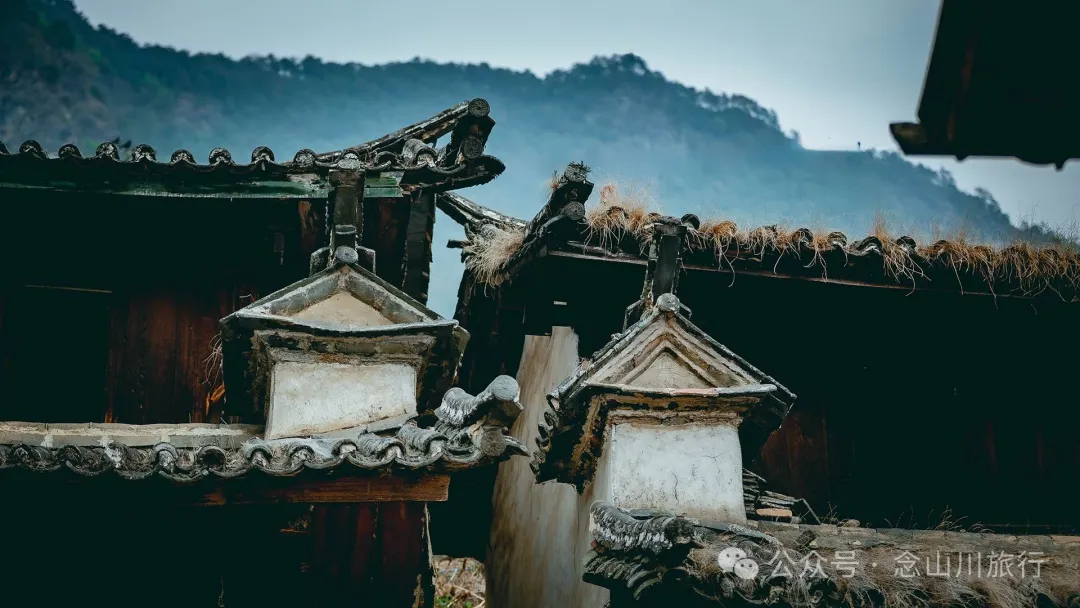
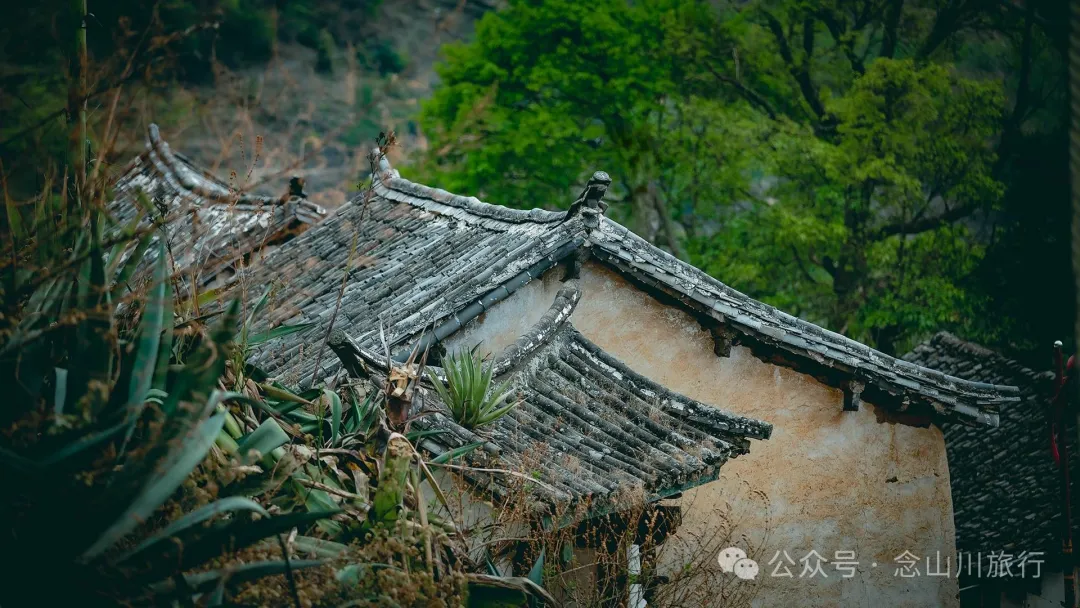
The aluminum pot at the door, the withered grass on the tile roof, the mud walls with peeling lime, and a lazy wisp of cooking smoke—these are all traces of old times. In some people's eyes, there's nothing worth writing or photographing. But if you walk into the village and adjust your heartbeat to the rhythm of the village's breath, you can read the village's emotions from these things, and a heartfelt feeling arises when you look at them.
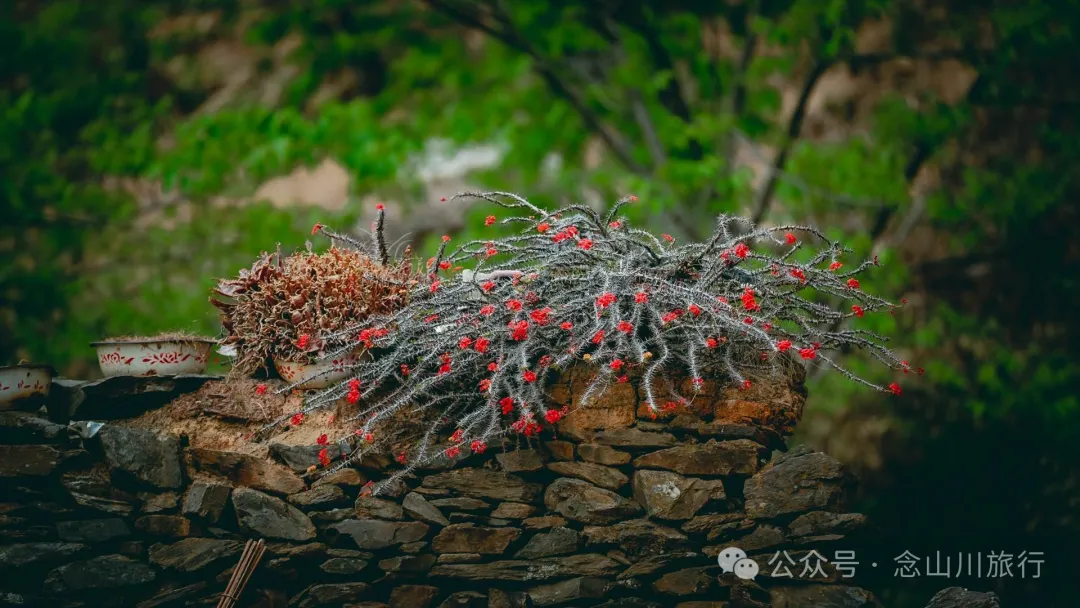
On a low stone wall built by someone, a pot of crown of thorns was planted, with a bright flower blooming at the tip of each thorny stem. Judging by its vigorous growth, the crown of thorns had spent several or even a dozen years on this stone wall, like a ray of light shining into the villagers' simple and unadorned life.
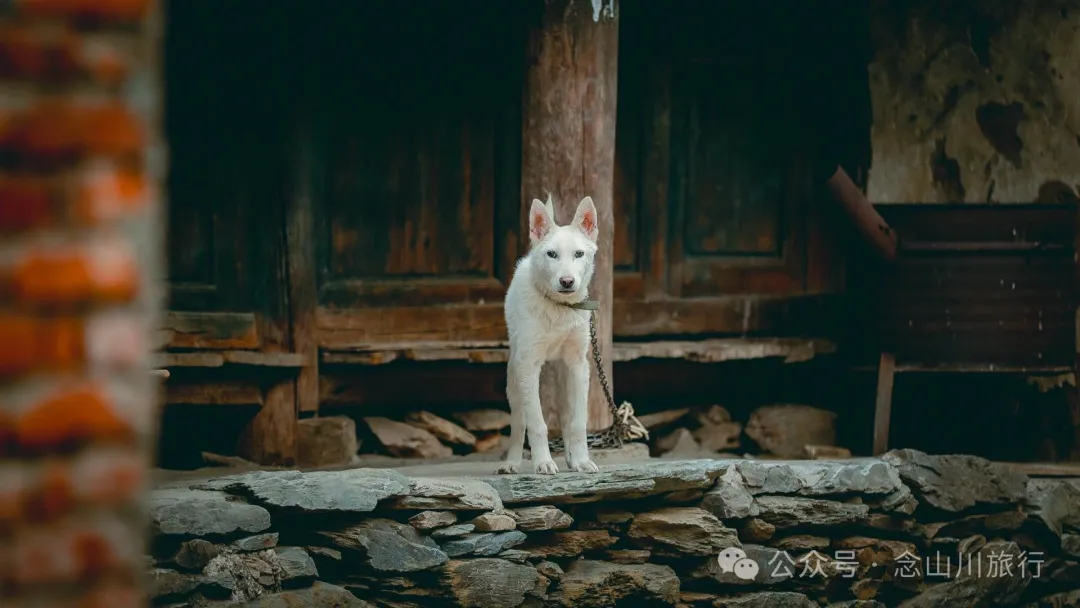
In an open courtyard, we saw this dog with pure white fur, looking just like a fox, staring at strangers with sharp eyes.
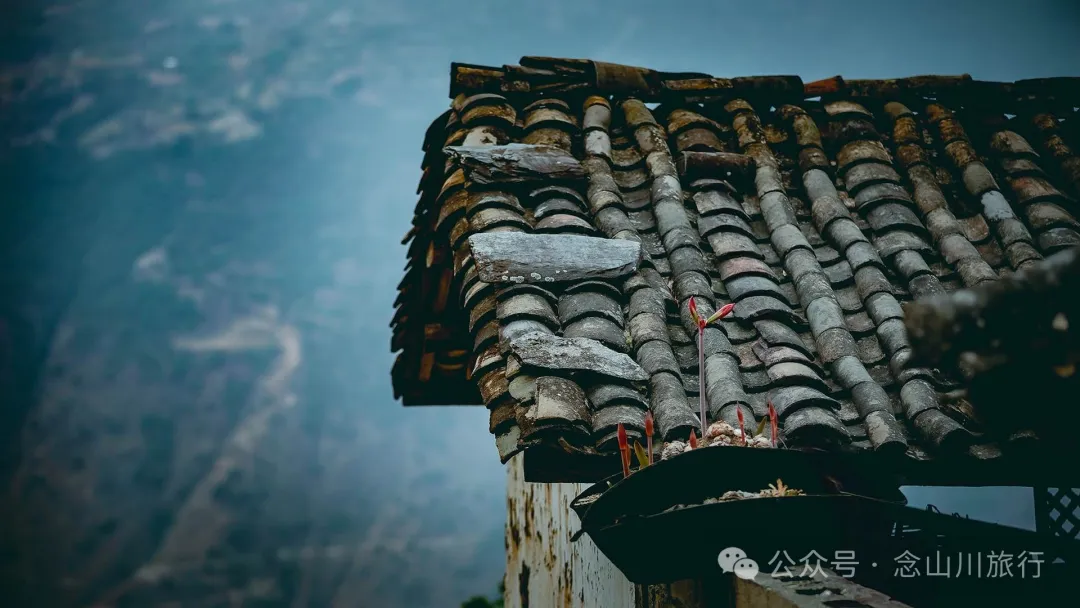
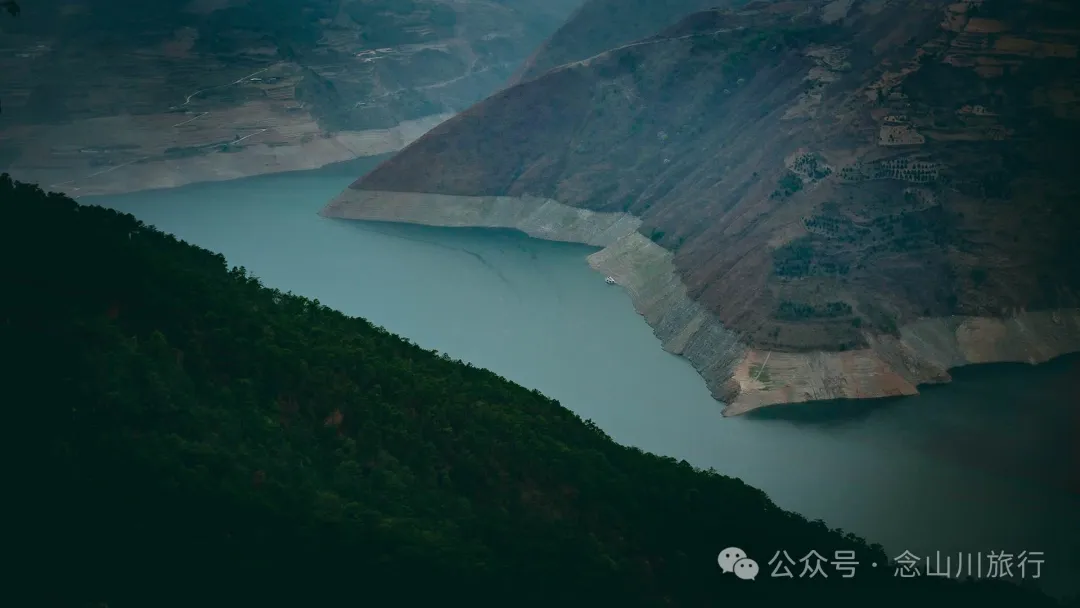
The azure Lancang River flowed day and night in front of the village, but the steep valley seemed to offer little convenience to the villagers.
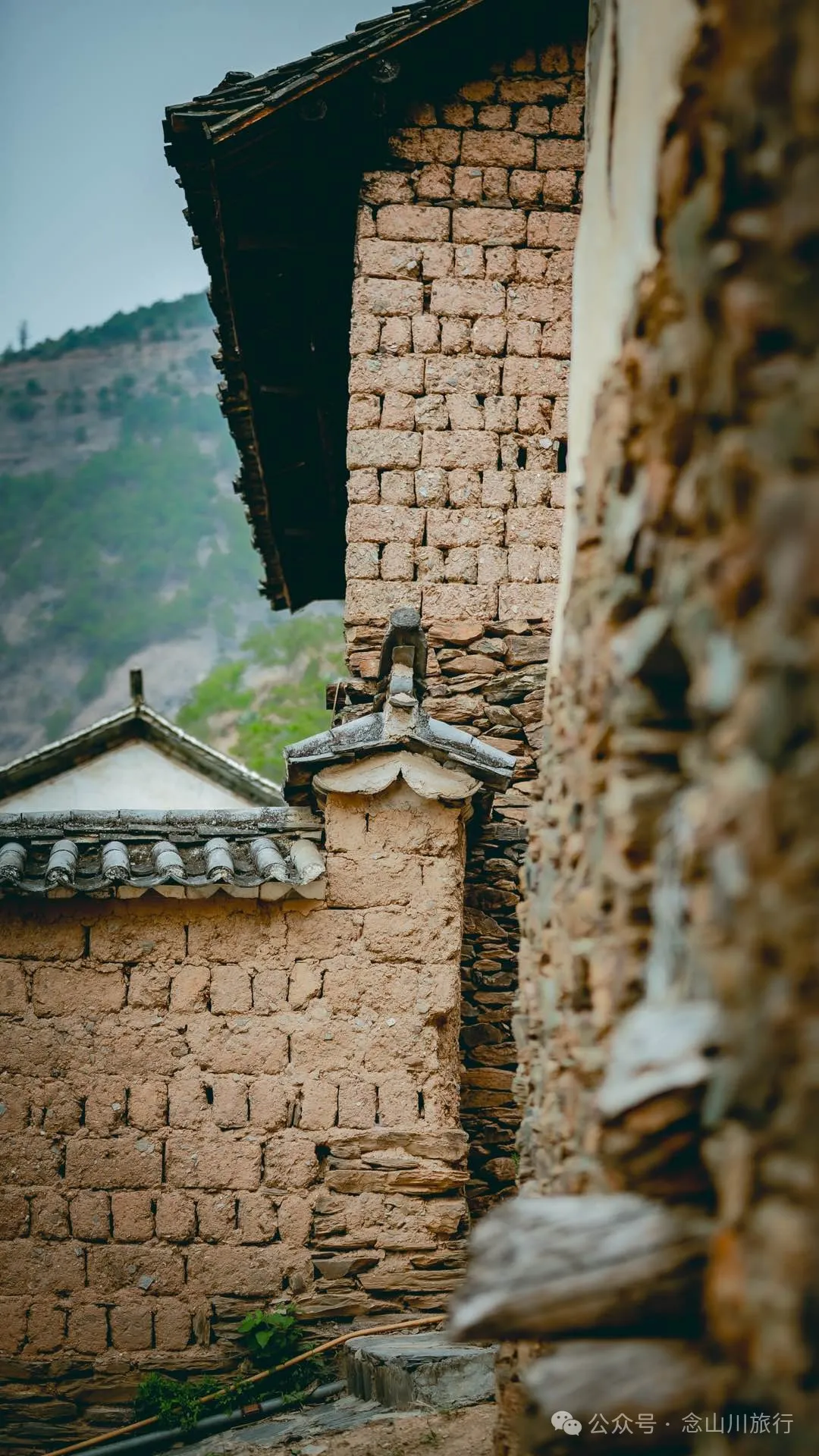
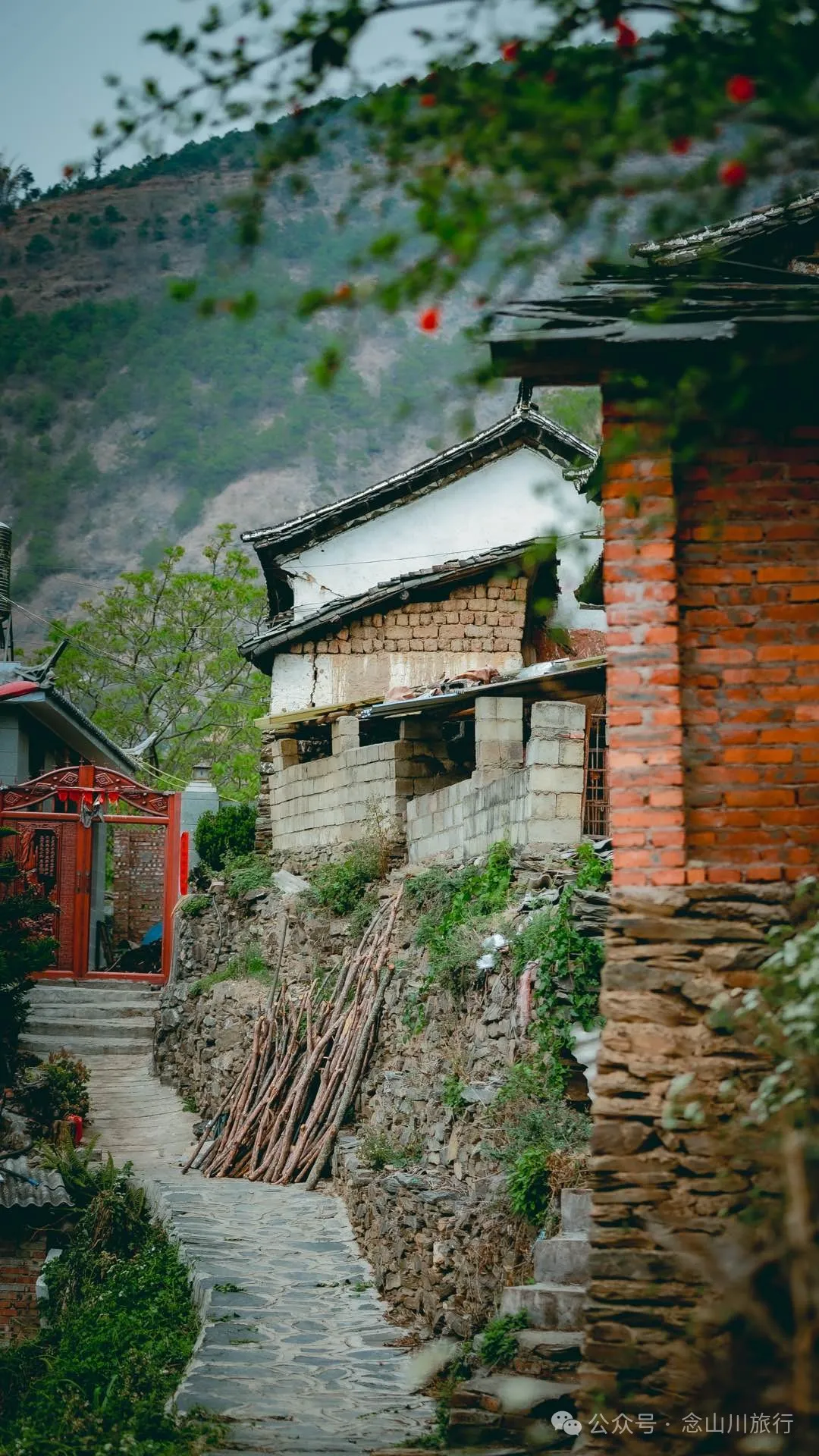
Apart from meeting a young girl feeding cattle, we didn't see any other villagers in Laoheichu Village. Most houses had their doors tightly shut. Just as we were about to leave after taking photos, a family at the head of the village returned from sweeping tombs in the mountains. The owner mistook us for businessmen who came to take photos for money and waved from afar, saying they didn't need it. After some difficult communication, they warmly invited us into the yard to sit and drink tea. When the uncle learned we were from Jiangxi, he nostalgically shared his experience of making a living in Jiangxi eight years ago. The uncle said their ancestors might also be from Jiangxi, having moved here a very long time ago.
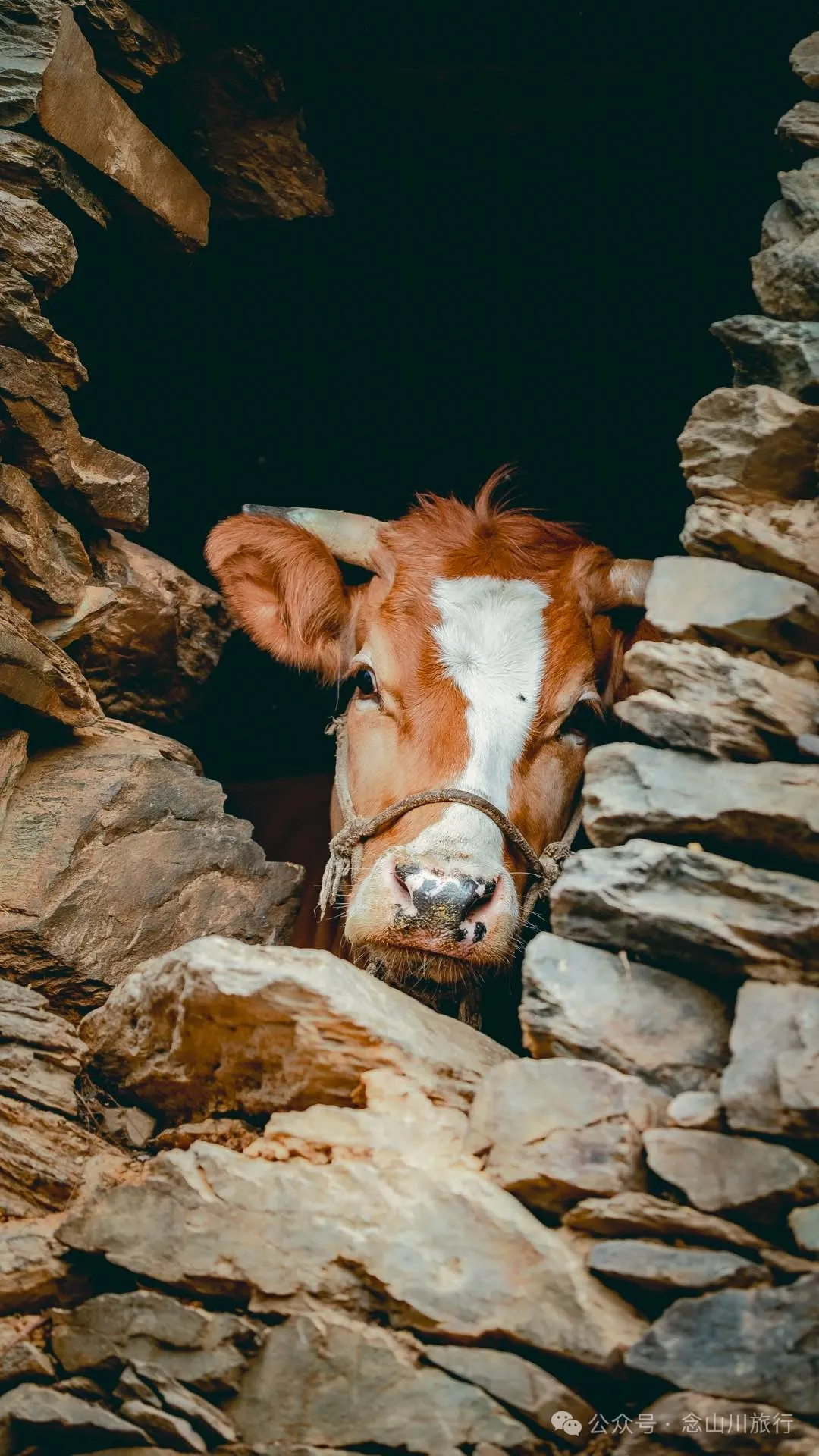
In a cattle pen by the roadside, we saw a yellow cow looking at us with innocence and curiosity, as if seeing strangers for the first time in its life.
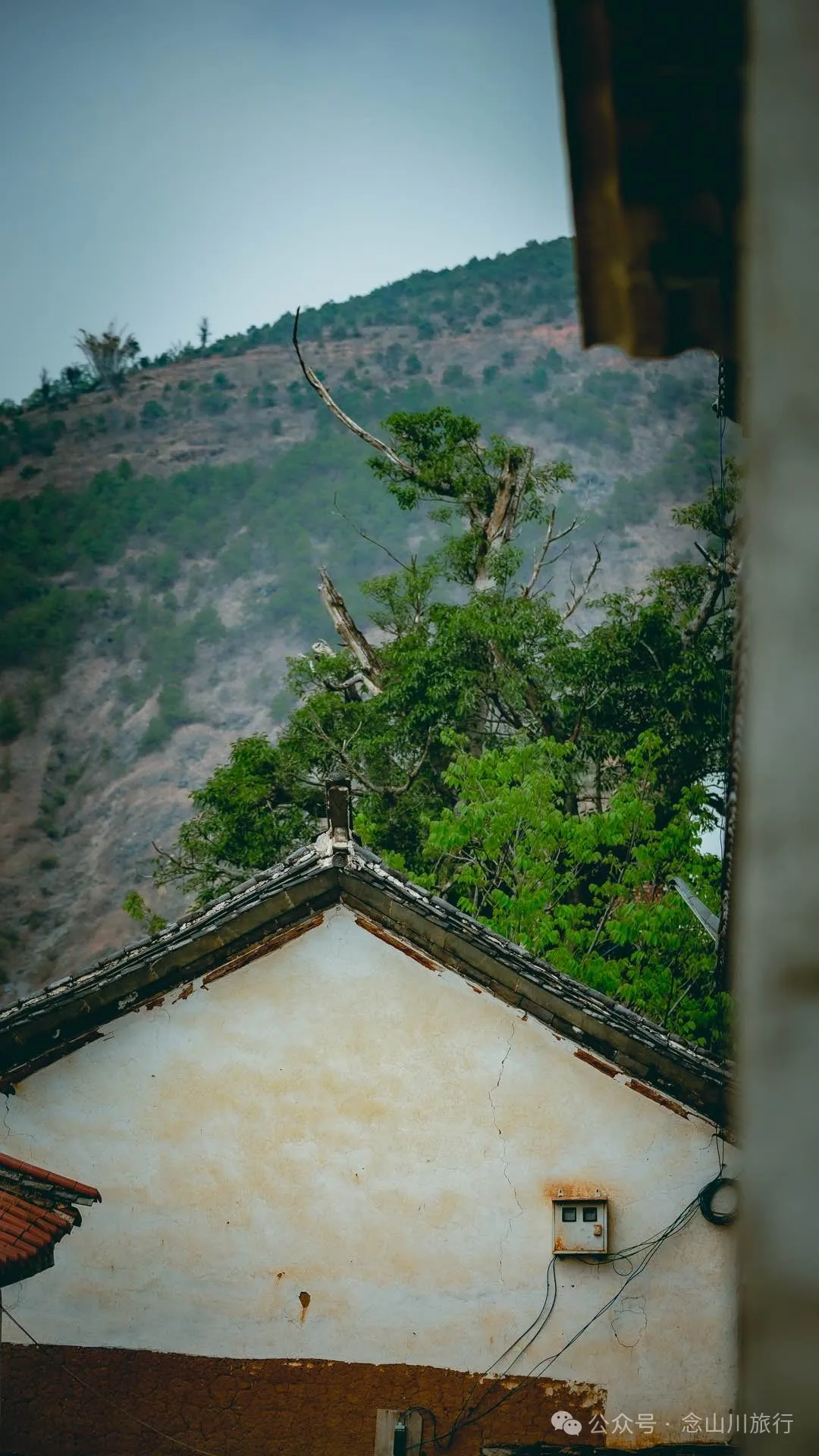
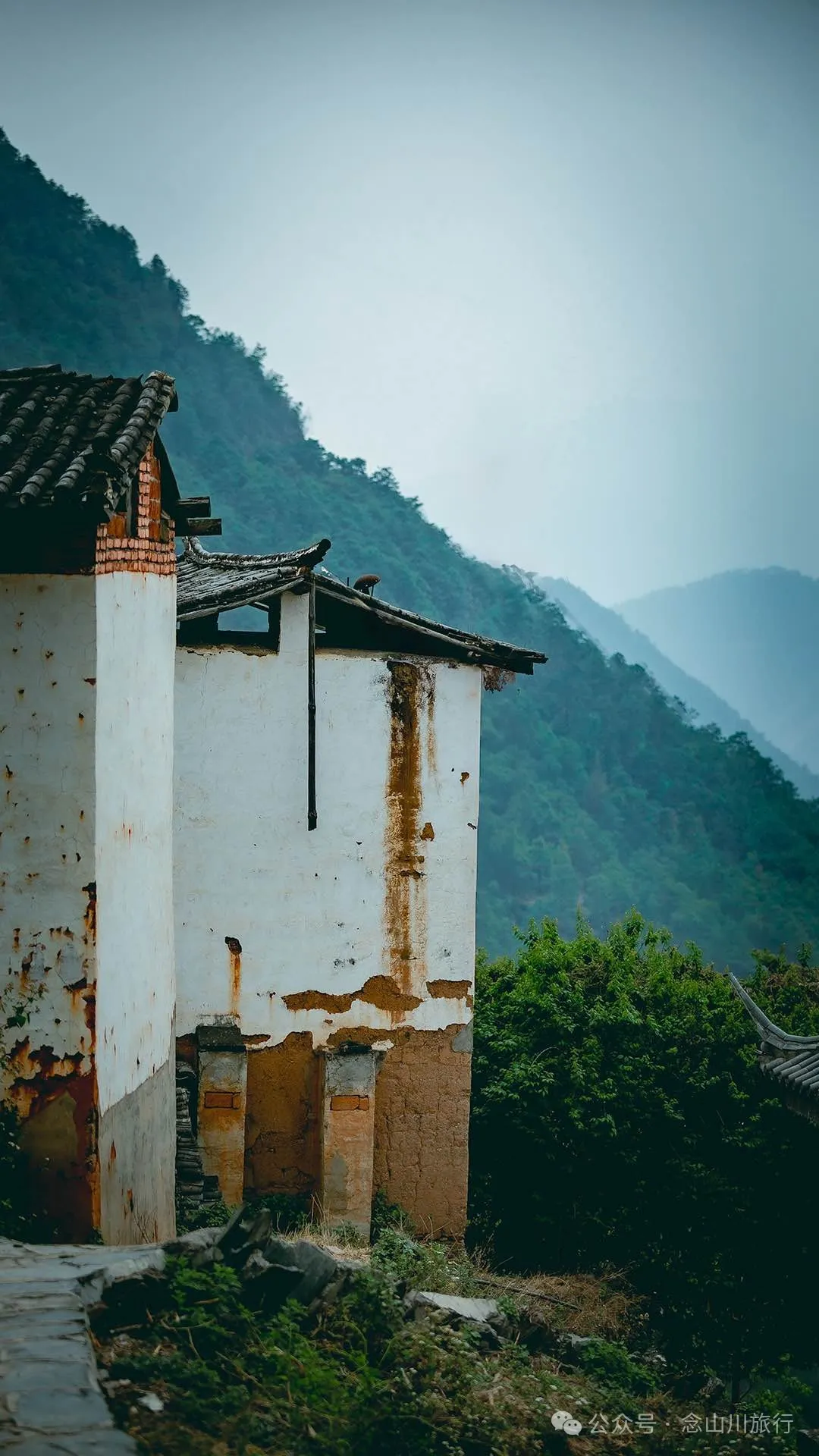
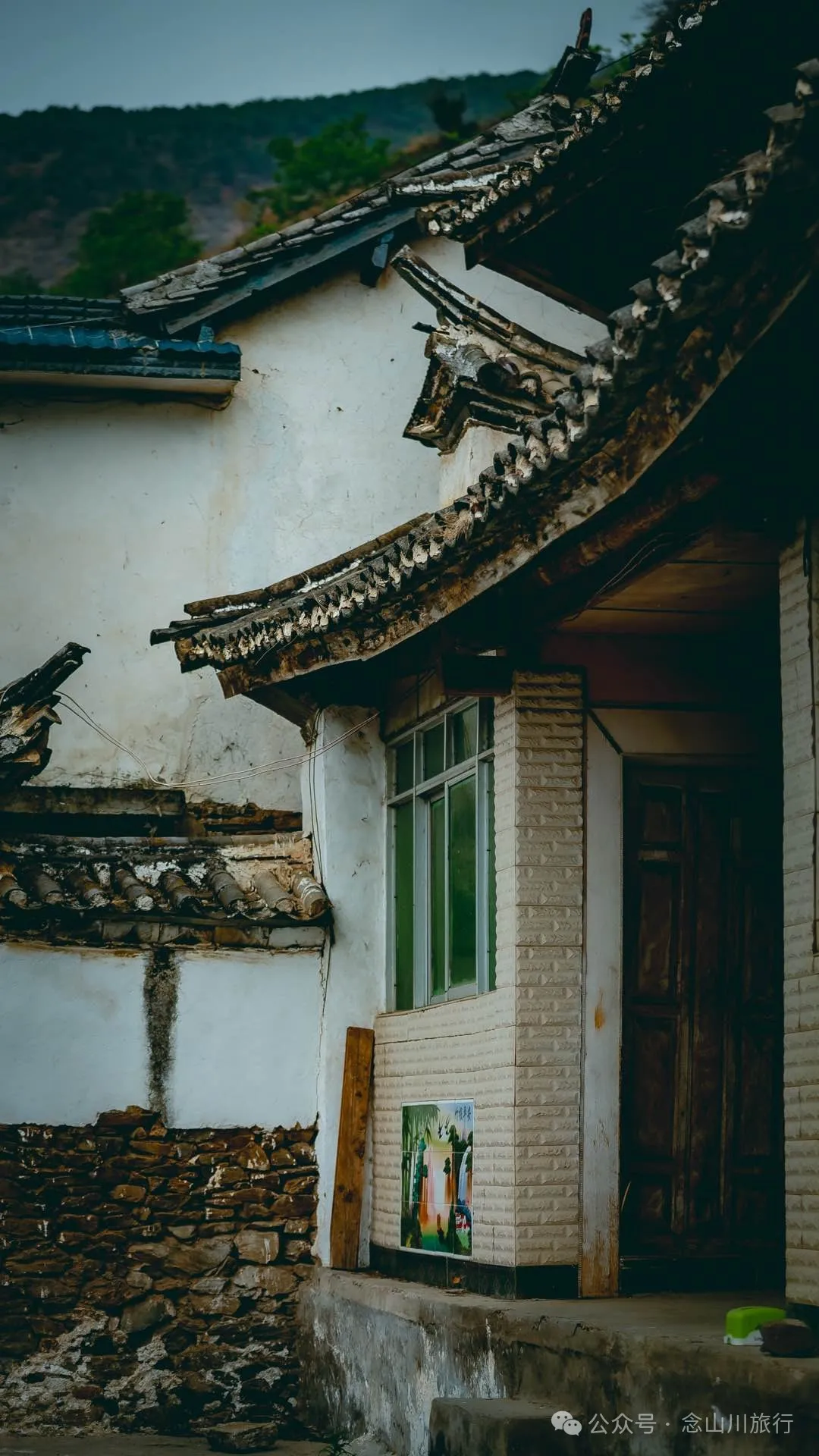
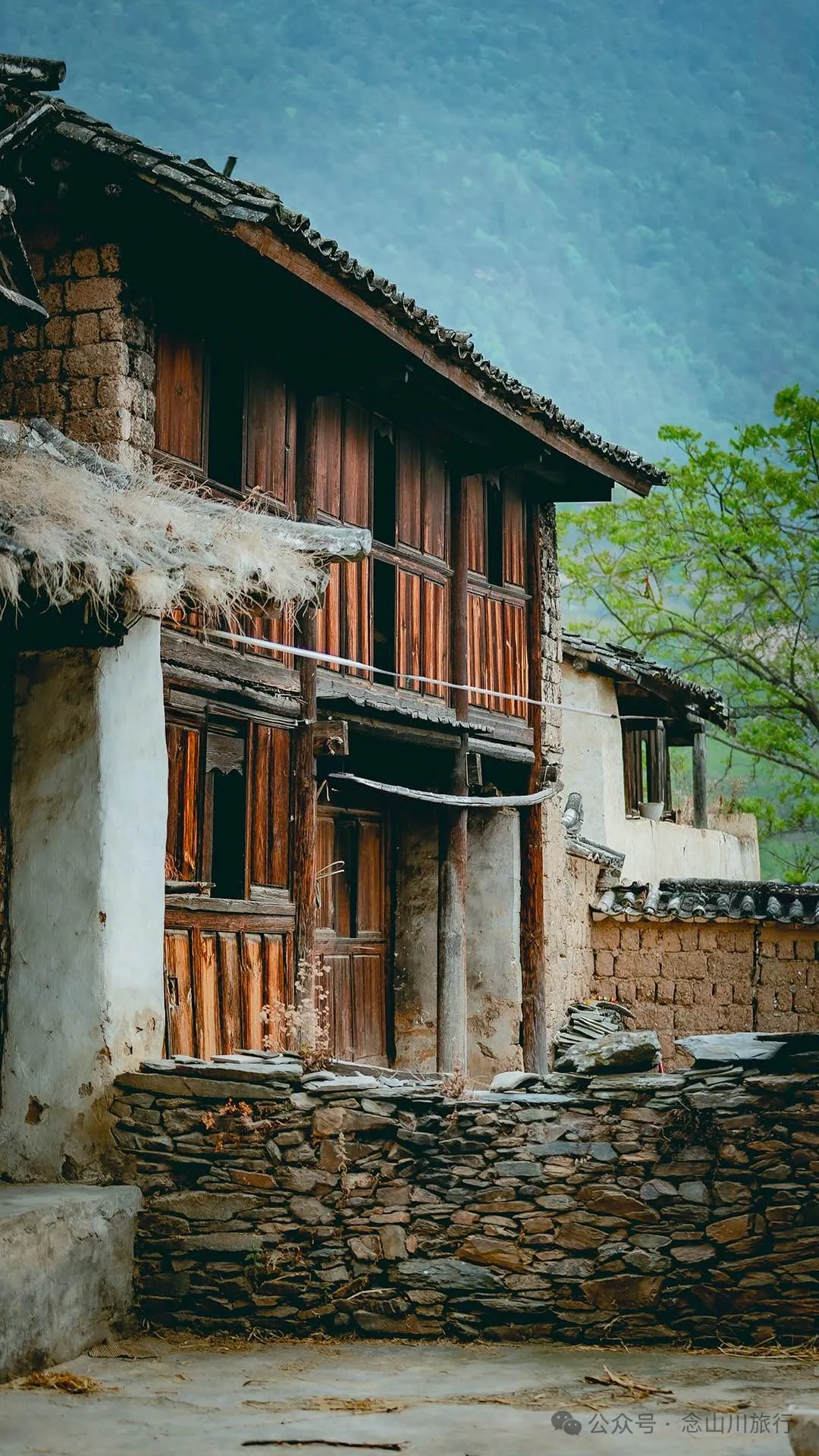
Some houses in the village were gradually decaying due to lack of inhabitants, and it's uncertain how long they can last. The wooden doors and windows will be the first to lose their functionality, followed by the mud brick walls, and finally, only the low stone wall in the yard will remain, stubbornly resisting the erosion of time, standing firm in place. Years later, the traces of old times can only be found there.