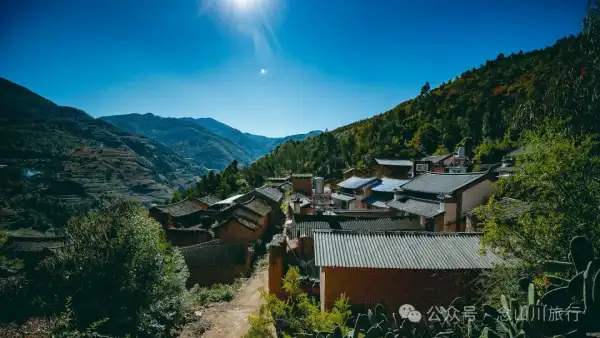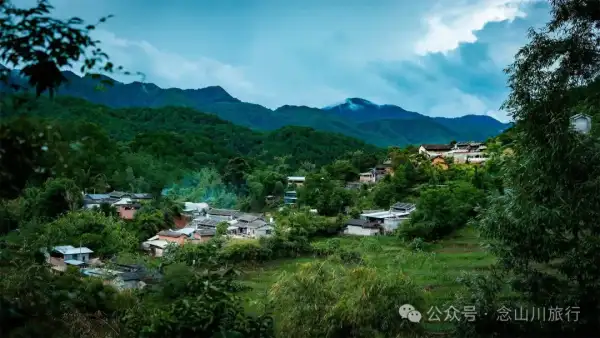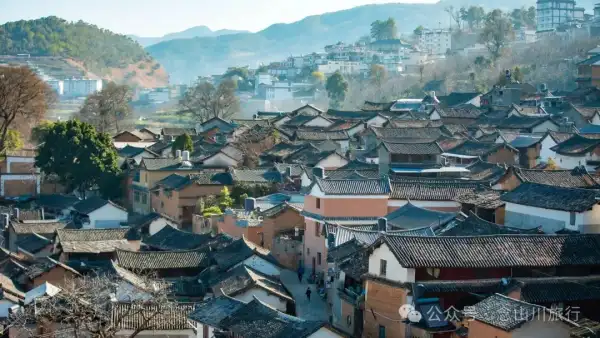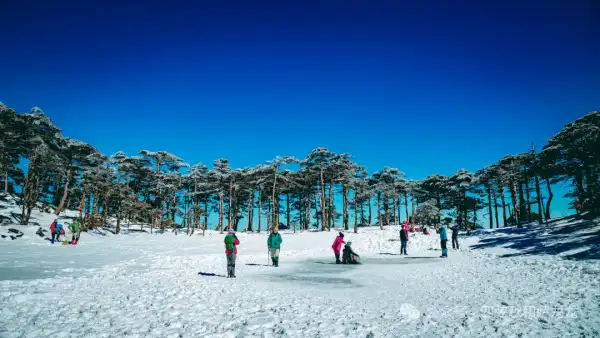

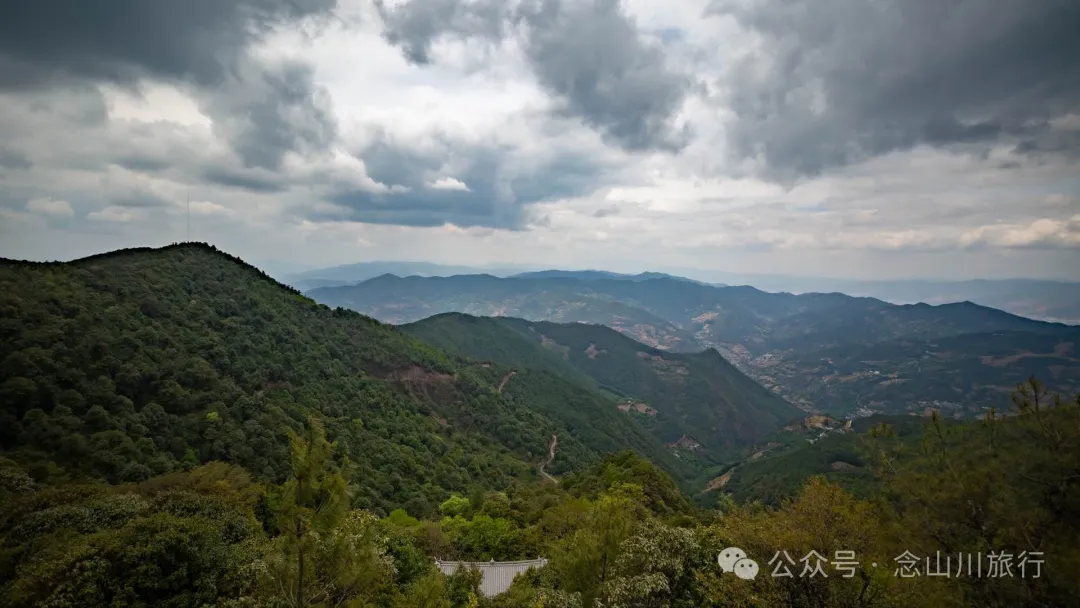
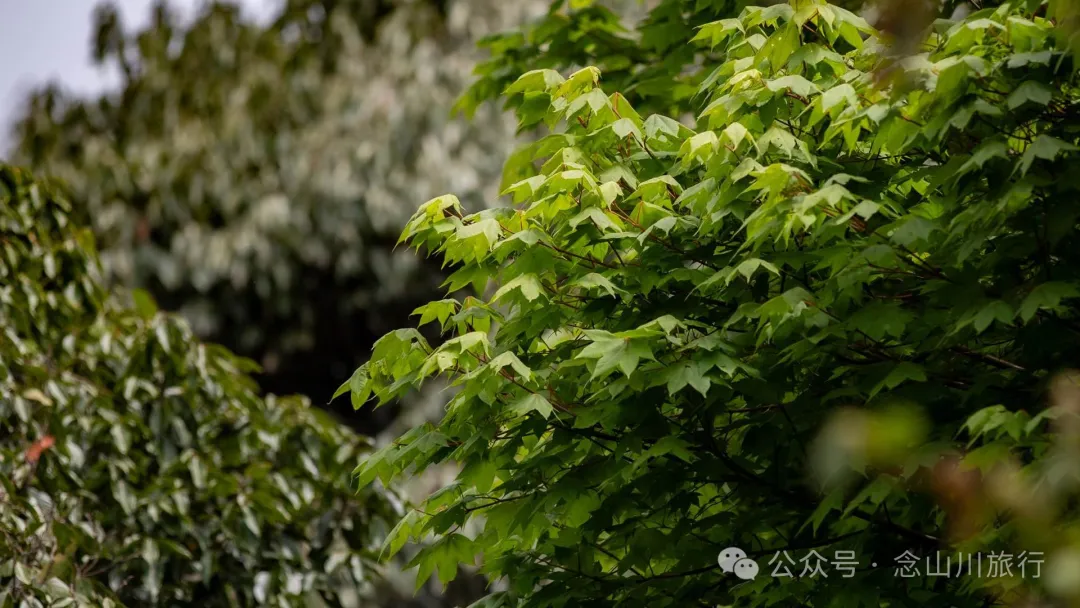
Xiao Jizu Mountain is located in Bainai Village, Wuyin Township, west of Weishan County, bordering the Aga Natural Village of Minqiang Village Committee in Qinghua Township, adjacent to Wuyin Mountain, with an altitude of 2797 meters. It is named for its shape resembling the claw of a rooster crowing at dawn, standing out among the surrounding mountains. Due to its majestic and spectacular terrain, towering over other peaks, it was called the "Ancestor of All Mountains in the West" in old Weishan records. The word "Xiao" (small) naturally refers to its comparison with the Buddhist holy land of Jizu Mountain in Binchuan.
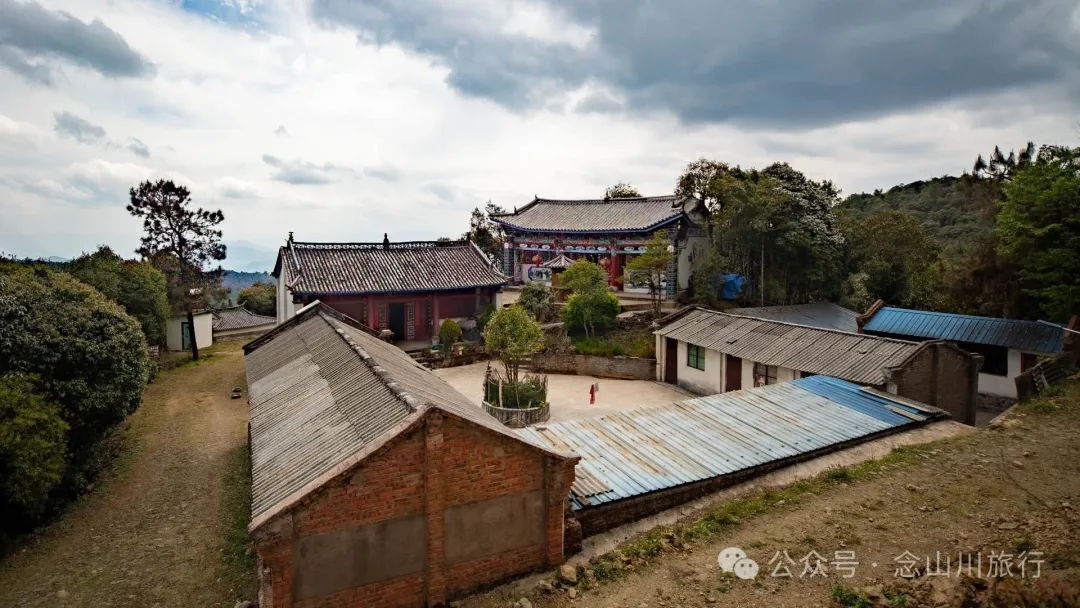
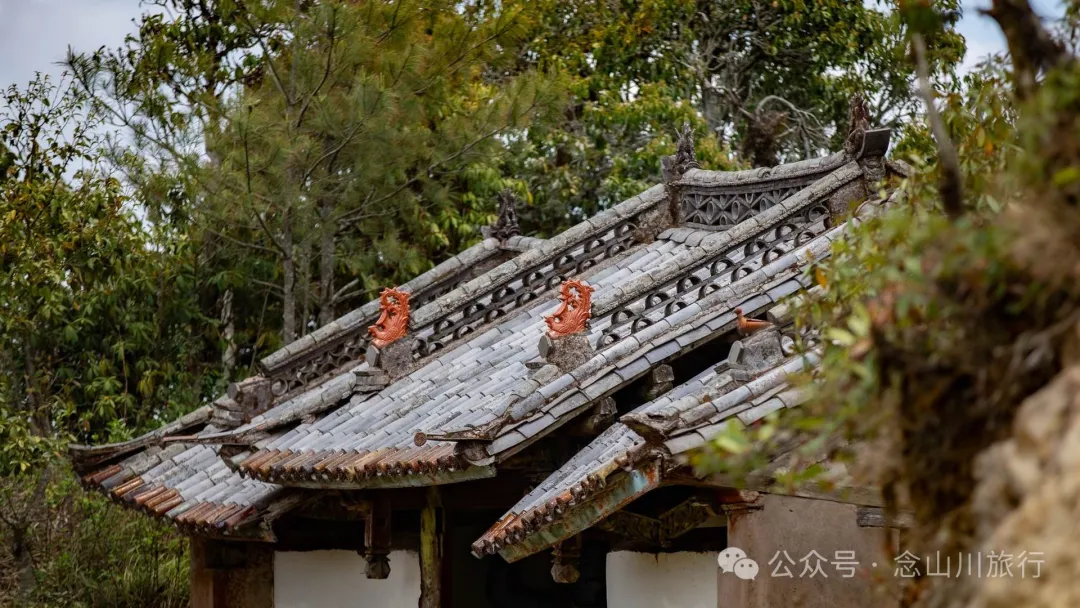
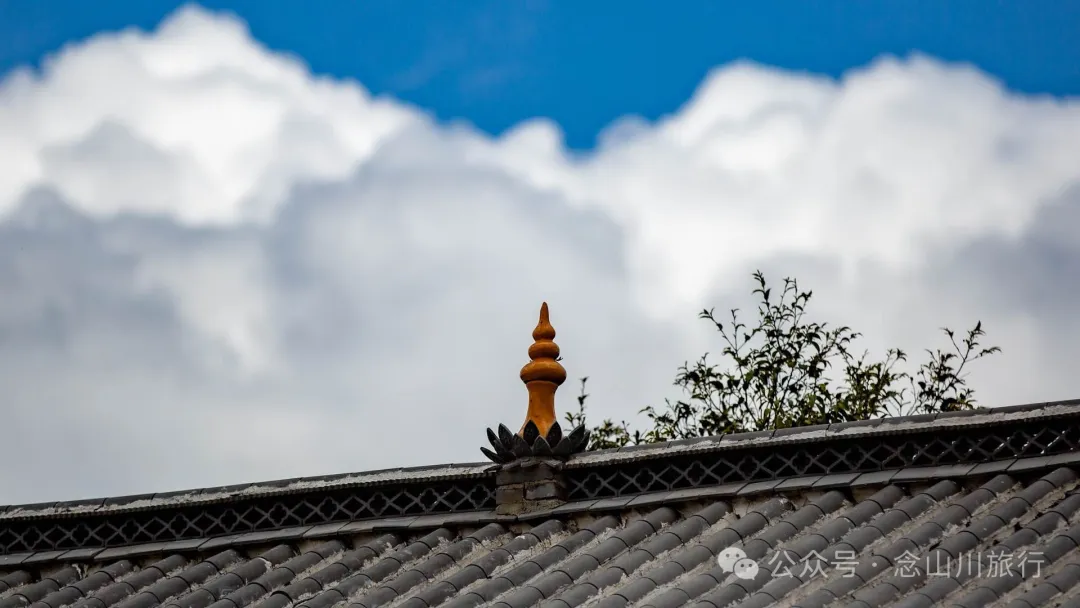
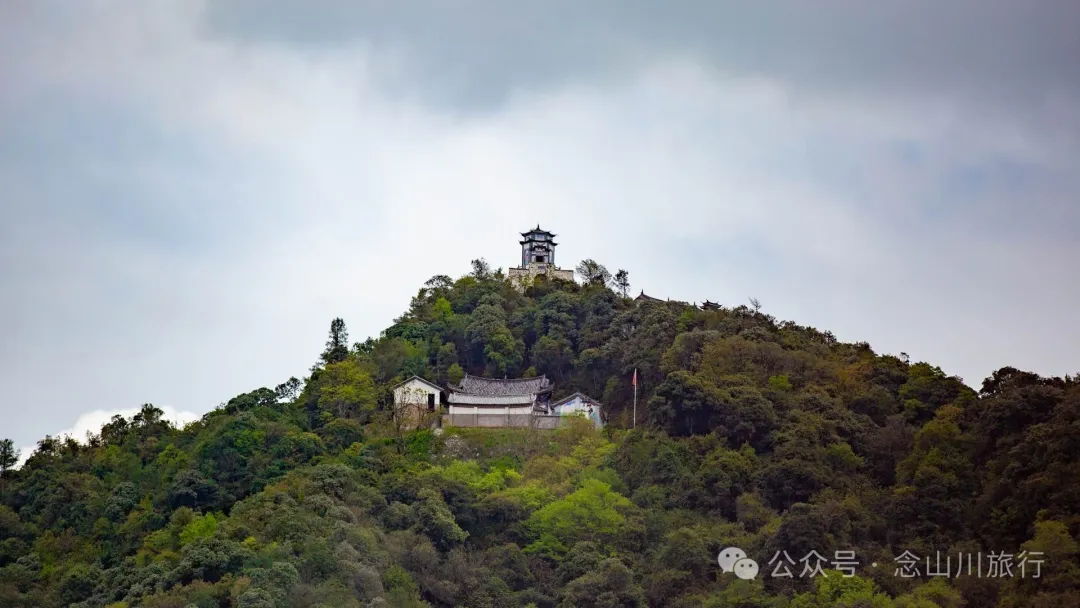
Legend has it that Xiao Jizu Mountain is a sacred site where the eminent Buddhist monk Kasyapa Matanga once manifested. Since the Ming and Qing dynasties, Buddhist devotees built the Kasyapa Pavilion on the summit to commemorate this, and constructed the Guanyin Temple on the mountainside to promote Buddhism. Every year from the 13th to the 15th day of the first lunar month, the pilgrimage fair at Xiao Jizu Mountain takes place. Pilgrims come from afar to worship the mountain and Buddha, and people of all ethnic groups sing and dance together. Besides singing and dancing, pilgrims gather at the Sunrise Viewing Platform outside the Kasyapa Pavilion at dawn on the 15th day of the first lunar month to watch the sunrise. According to the "Menghua County Annals: Mountains and Rivers," "Xiao Jizu Mountain is extremely high, with the Kasyapa Pavilion built on its summit. Every first lunar month, locals come here to watch the sunrise."
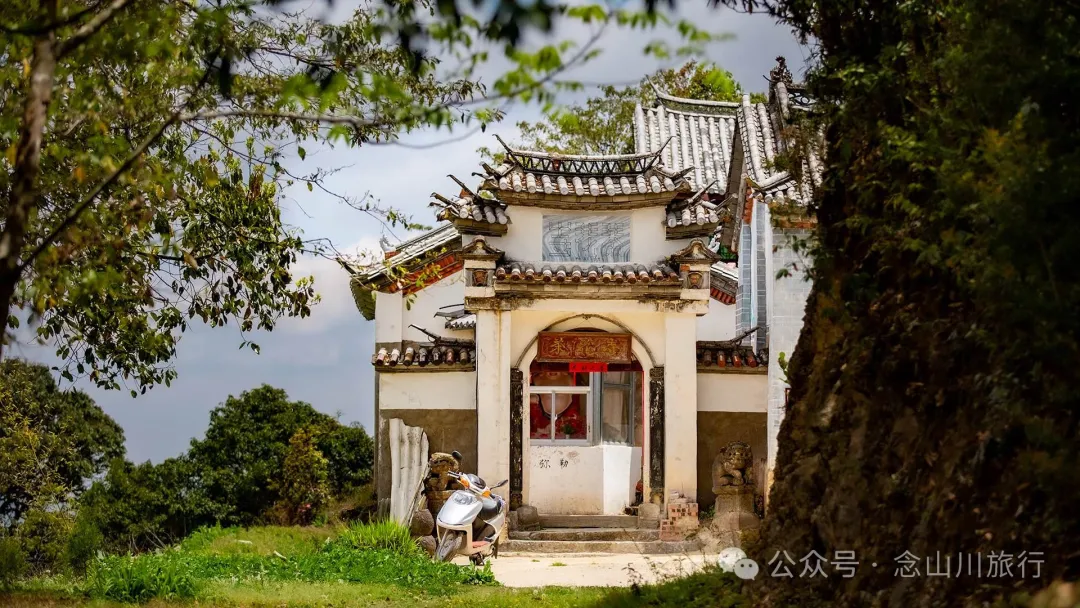
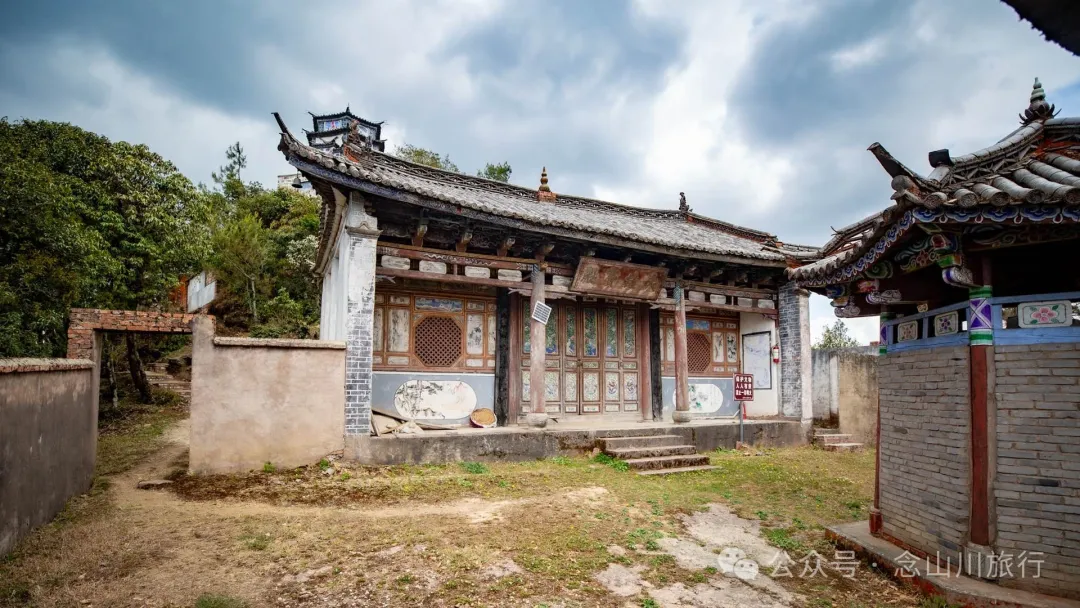
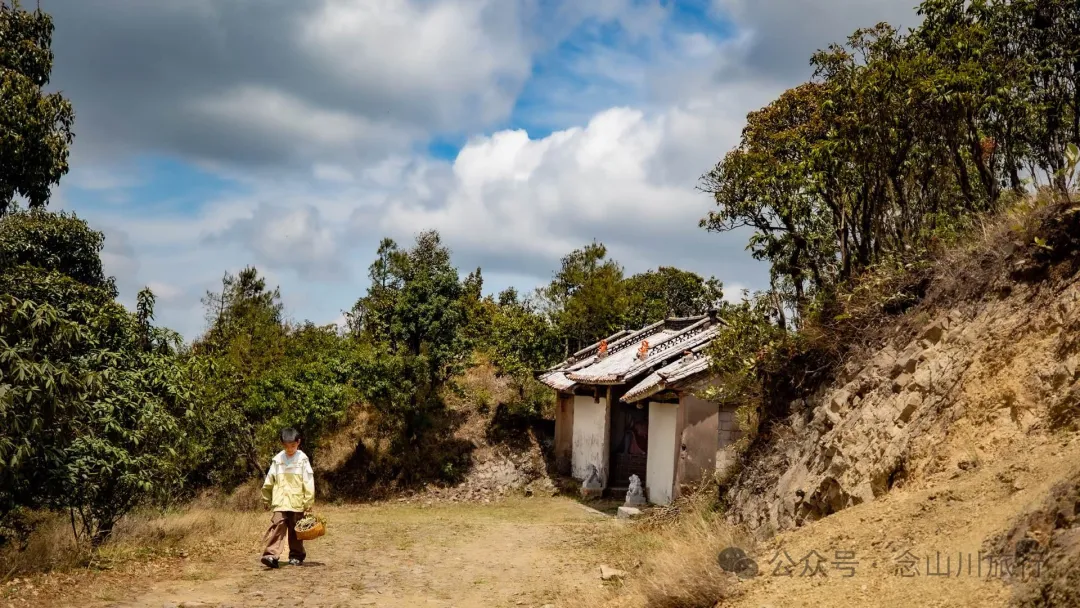
In the second and eighth lunar months, visitors can also watch the sunset and evening glow from the Sunrise Viewing Platform at the Kasyapa Pavilion, a beautiful sight that gives the platform its name. Since the Ming and Qing dynasties, Xiao Jizu Mountain has been one of Weishan's famous scenic spots, attracting a continuous stream of tourists. Scholars and literati from all directions have left many poems and couplets for Xiao Jizu. For example, Chen Yujing, a Qing dynasty scholar from Weishan, inscribed a couplet for the Kasyapa Pavilion: "From Kunlun split apart, from south to north, a single peak rises as the ancestor of Lianzhen; Rivers surge and send, residing in the center and controlling the periphery, all eyes become auxiliary stars." During the Qing dynasty, Xiao Jizu Mountain also produced famous monks like Xinpei. Every March and April, especially when looking down from the summit of Xiao Jizu Mountain, thousands of acres of wild alpine azaleas bloom in full splendor among the rolling mountains, covering the slopes and competing in beauty, like clusters of red flames igniting the entire spring, adding much color to the mountain fair.
The Kasyapa Temple is located on the summit of Xiao Jizu Mountain. Below it is the Mahavira Hall, and further down are the Camellia Temple (Guanyin Temple), the God of Wealth Temple, and the Ksitigarbha Temple, all in a row. Among them, the Kasyapa Temple is designated as a cultural relic protection unit of Weishan County. The other buildings each have their own characteristics, reflecting the local people's love for traditional Chinese mythological stories and their pursuit of a better life.
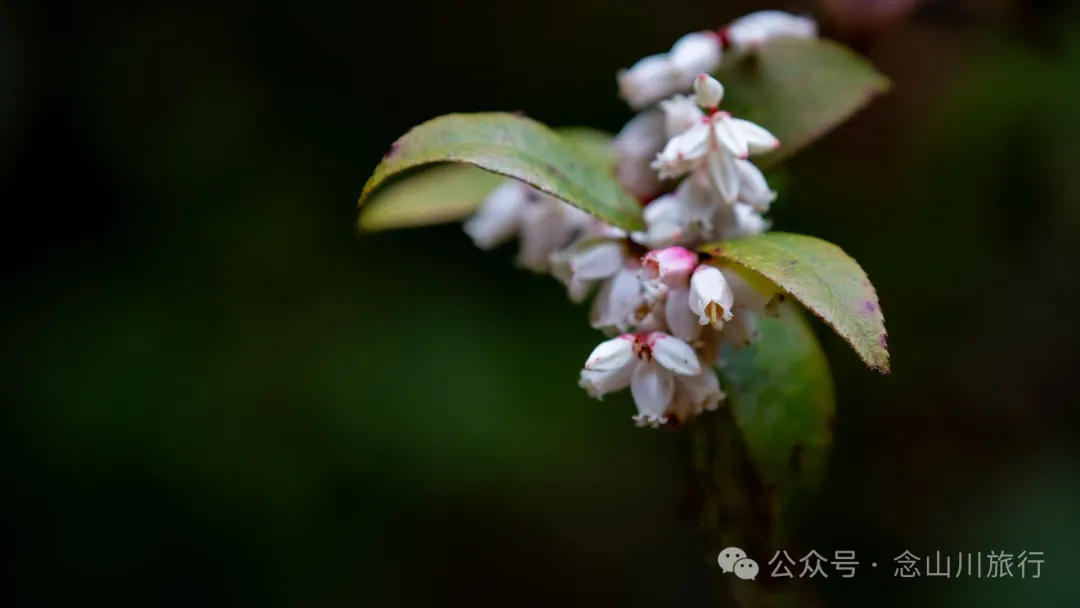
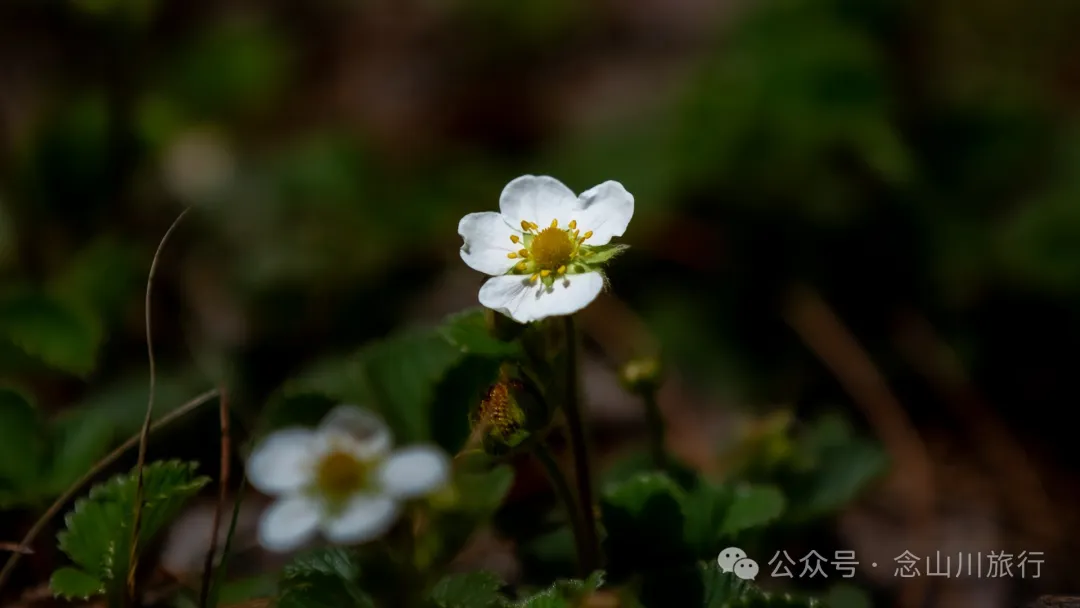
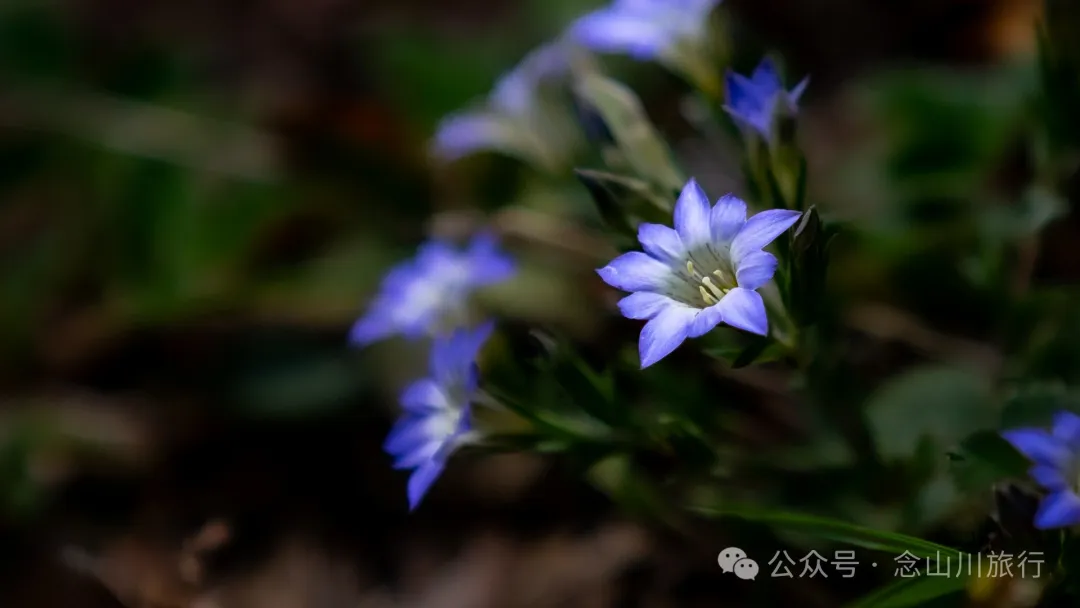
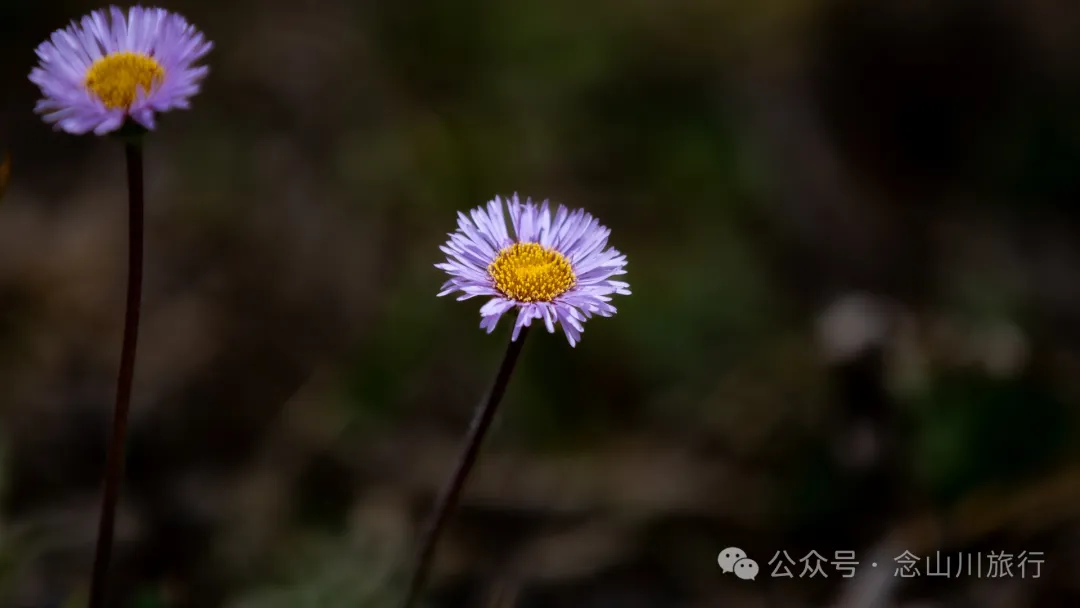
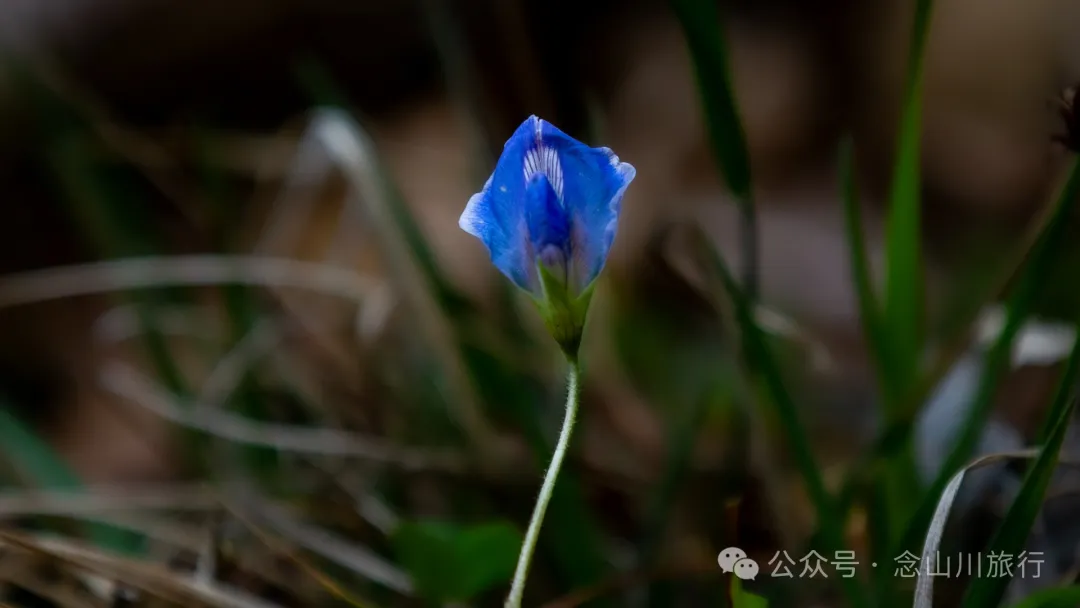
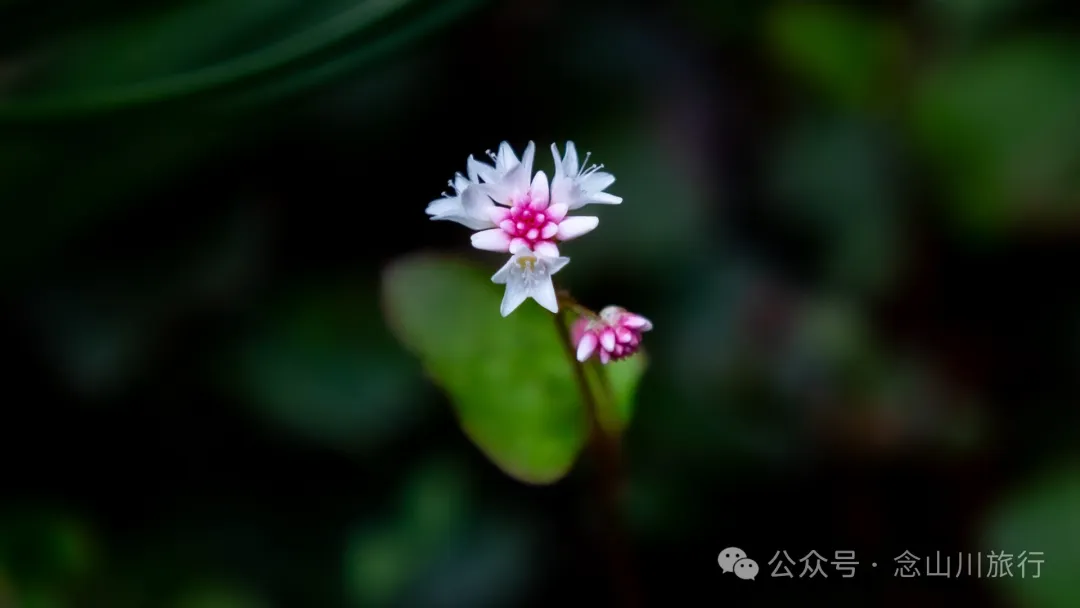
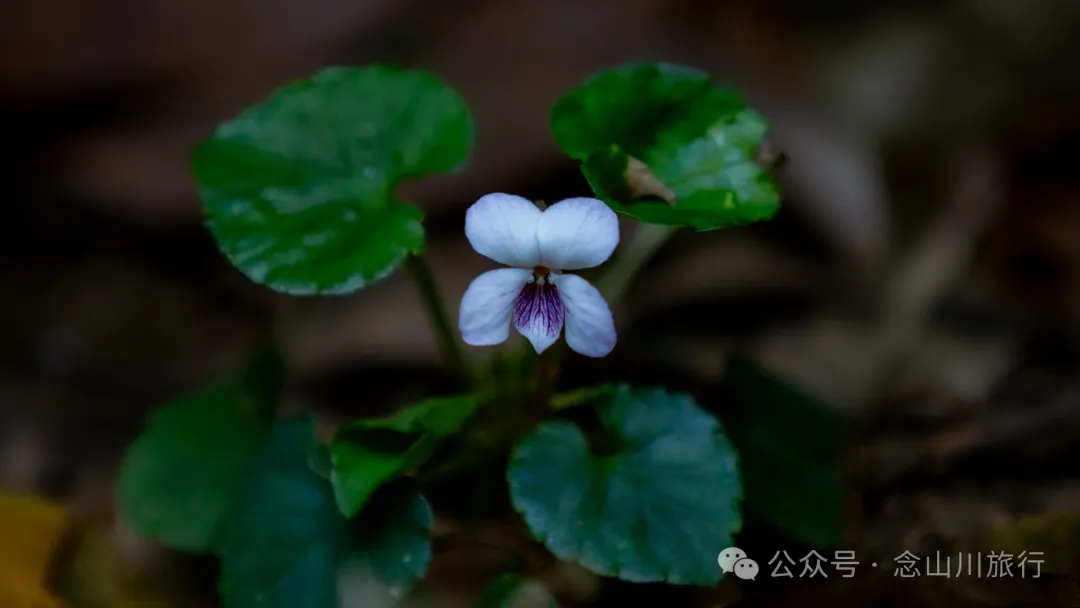
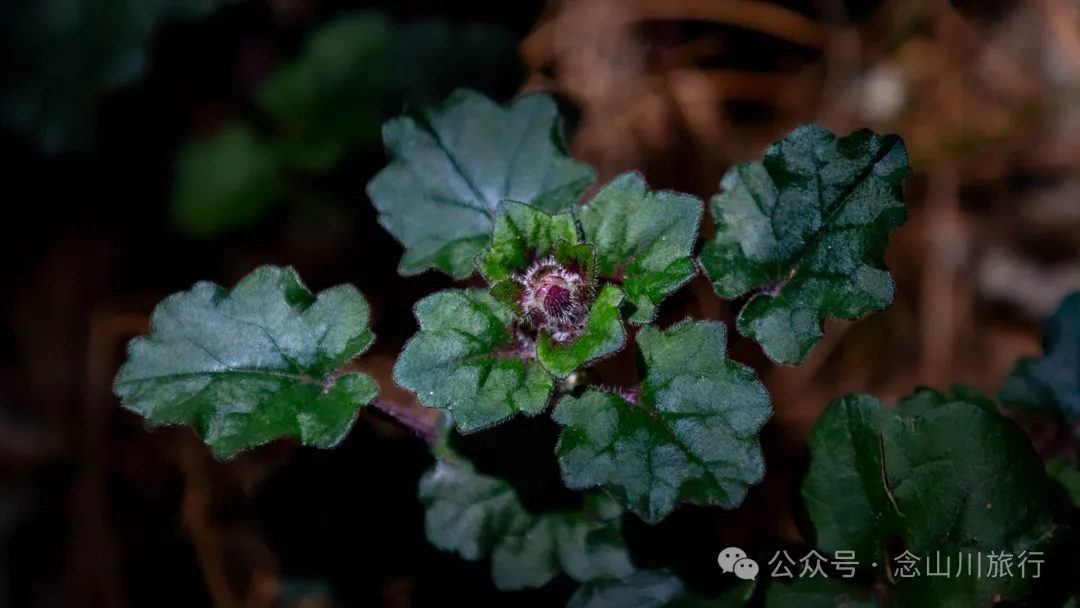
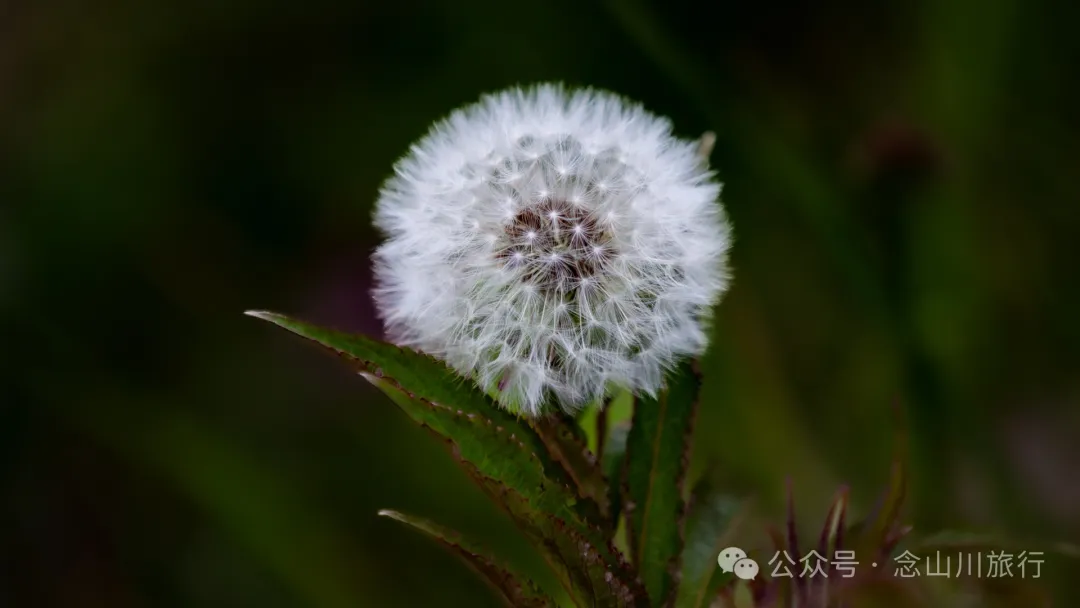
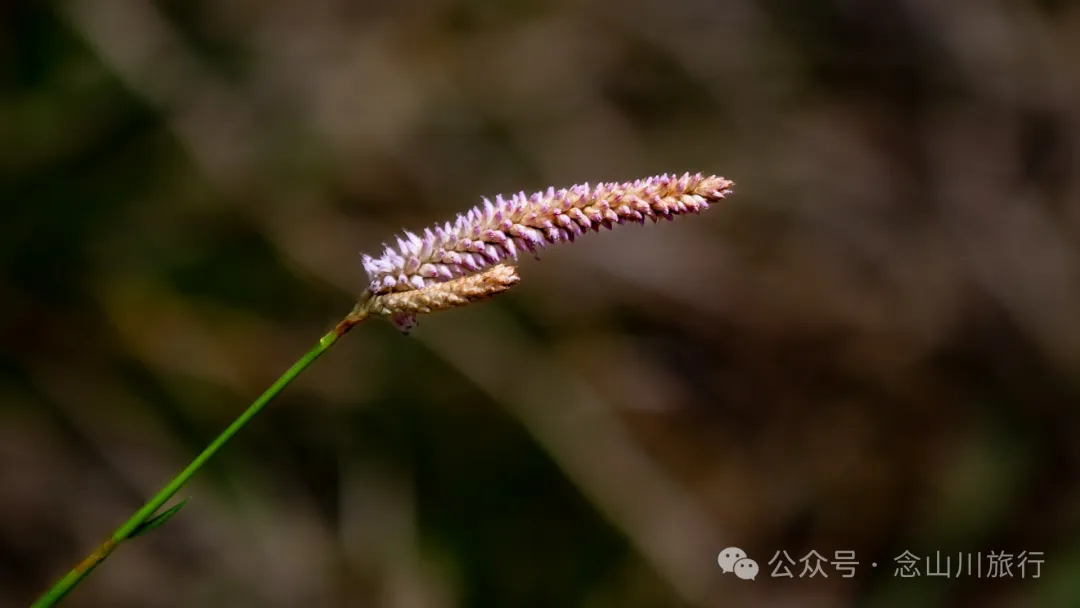
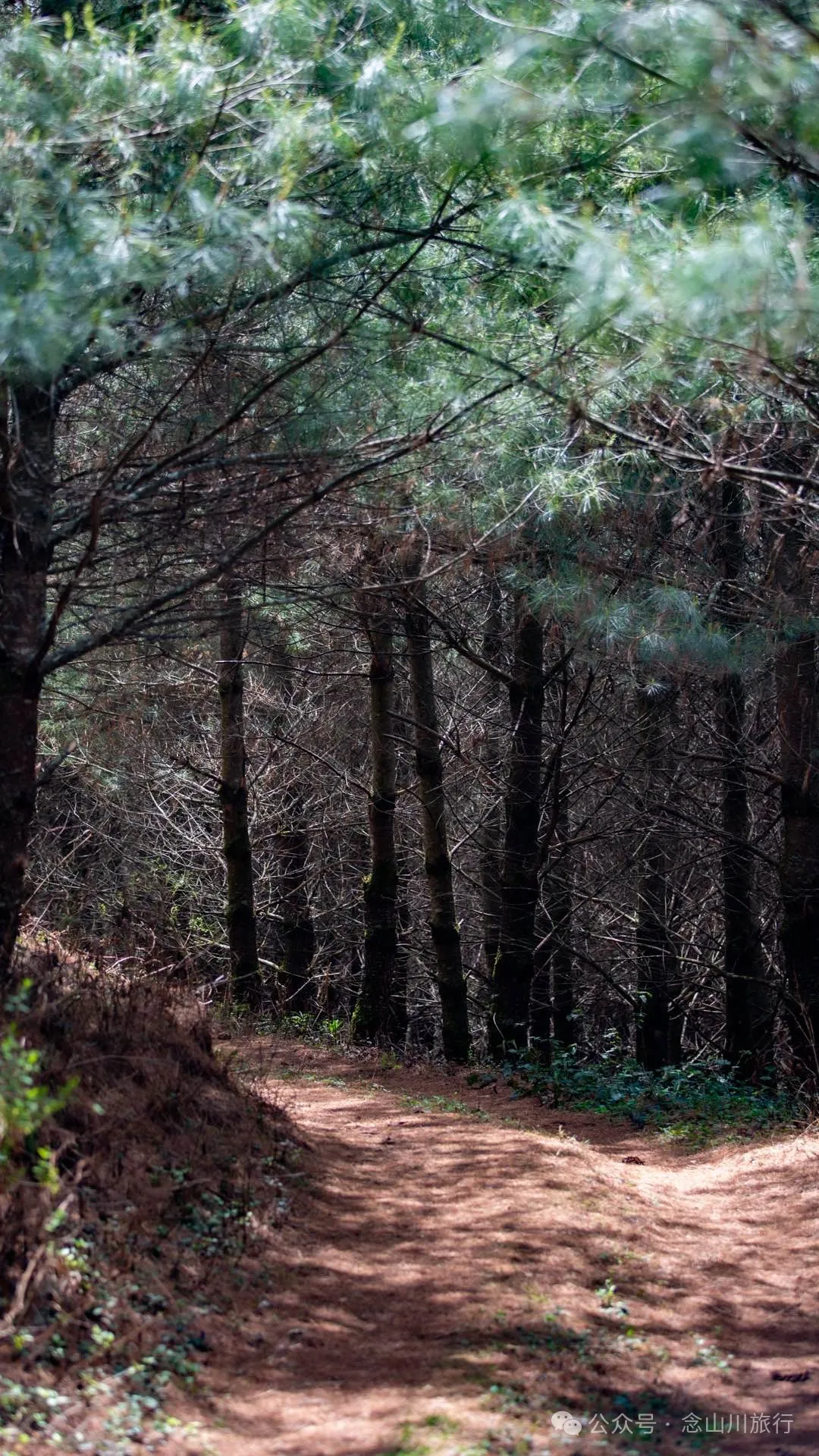
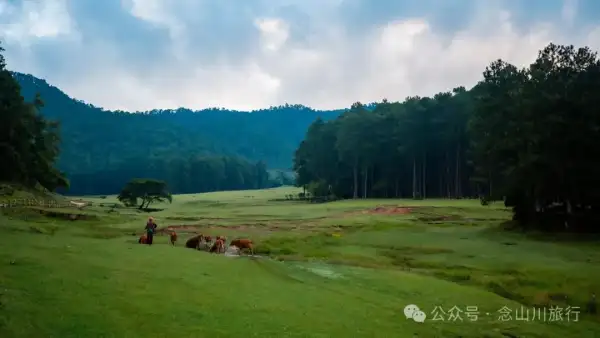
Xiao Jizu Mountain is also a botanical treasure trove, with a forest coverage rate of over 90%. The mountain preserves a well-preserved ancient forest landscape, with various plant communities such as pine trees and alpine Castanopsis. The forest is deep and dense, with ancient vines entwined. Among the many ancient trees, precious species include camphor, nanmu, Toona ciliata, red azalea, and Pinus armandii. In the woods grow valuable medicinal herbs and flowers such as peony, Adenophora, Dendrobium, Gastrodia elata, and orchids, as well as edible fungi like shiitake mushrooms and matsutake.
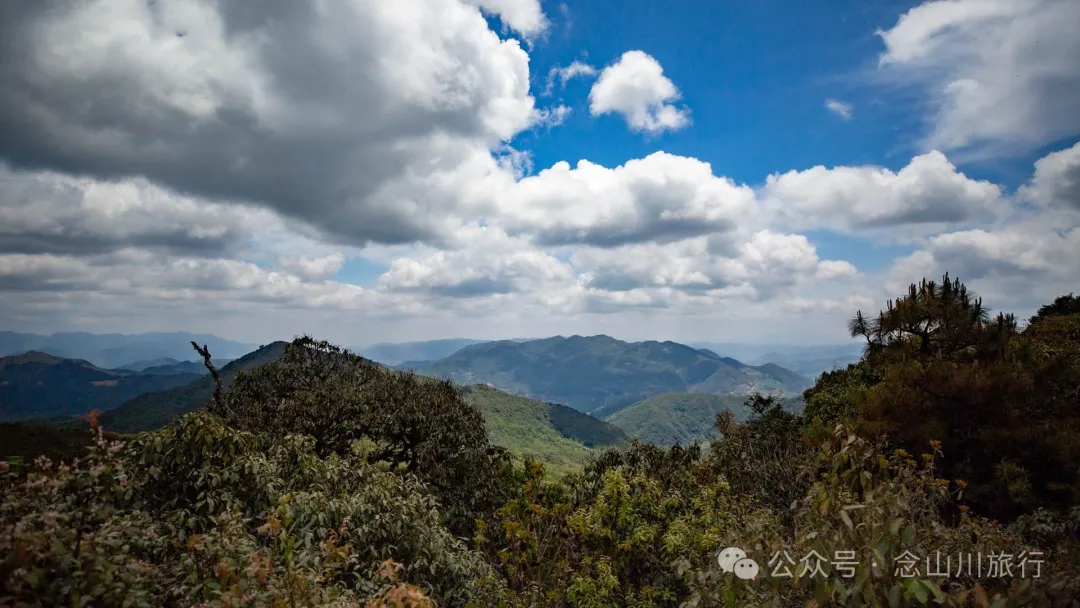
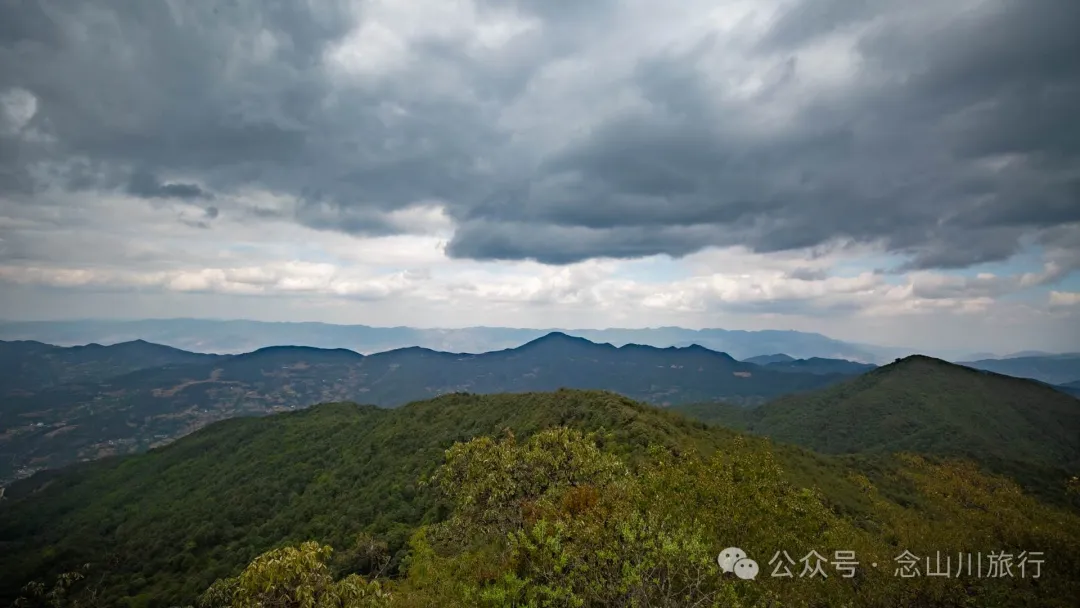
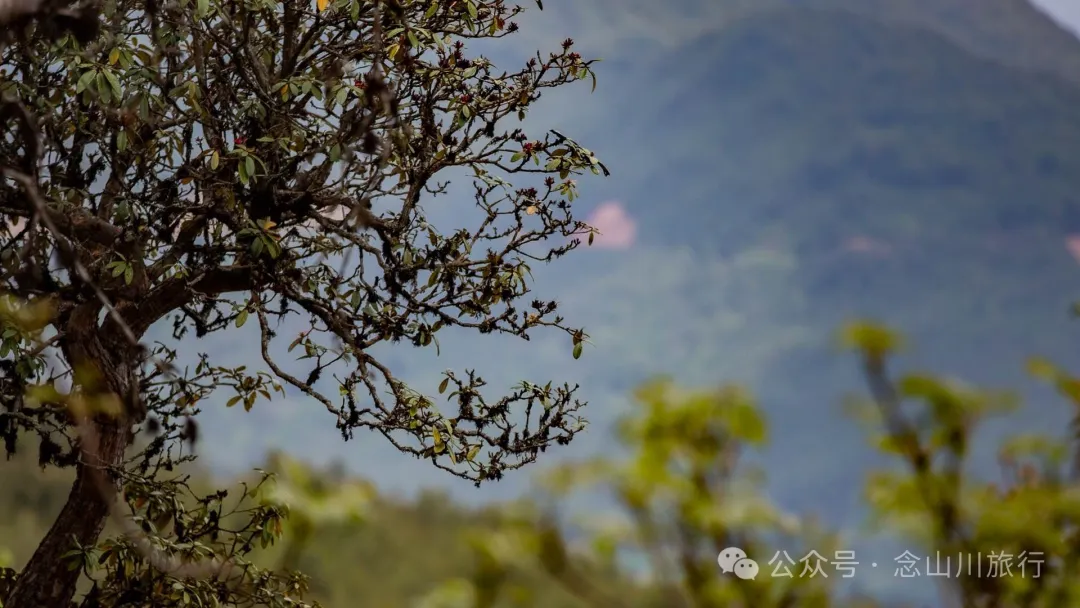
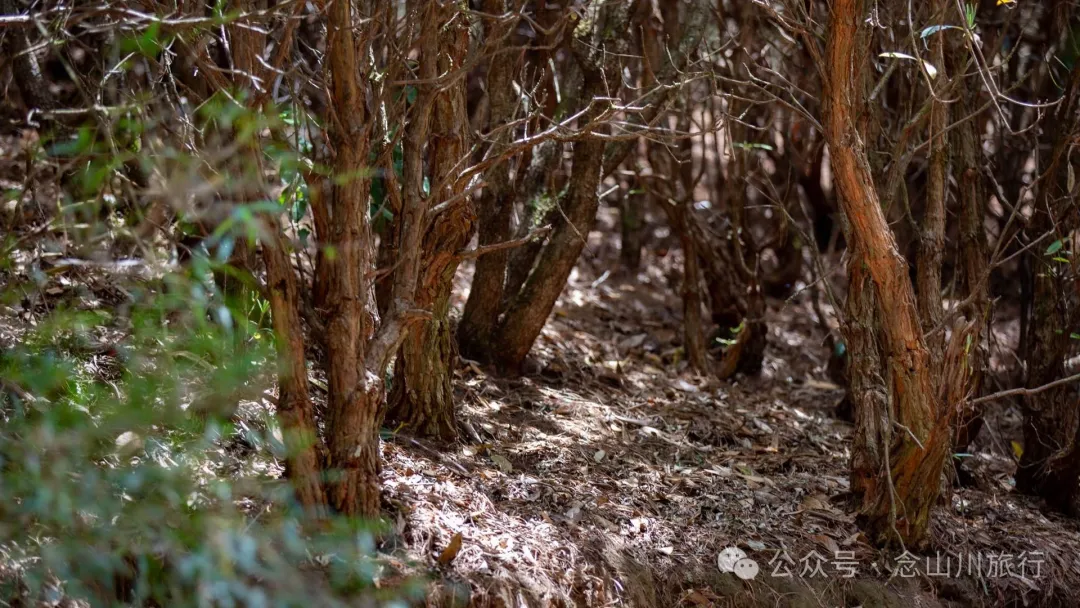
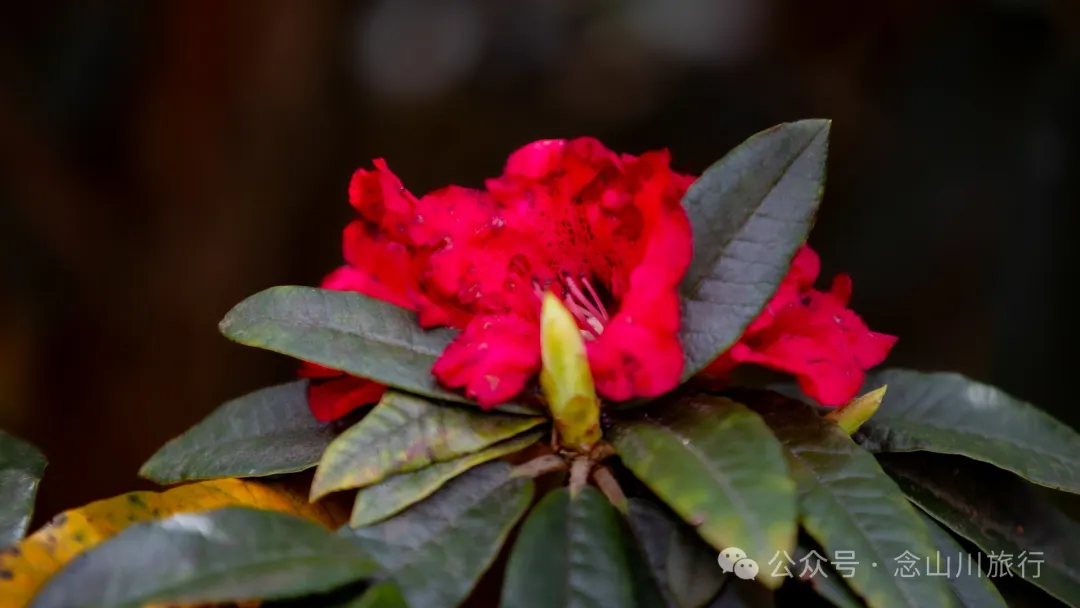
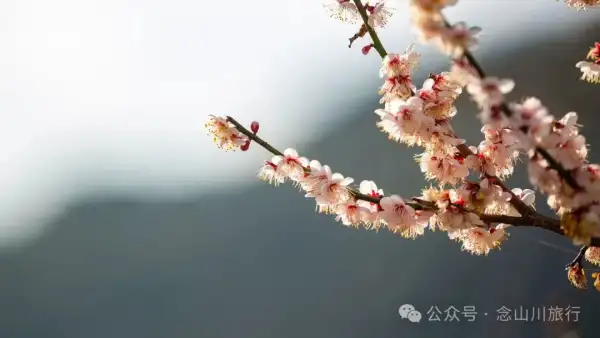
On the summit of Xiao Jizu Mountain, ancient azalea trees hundreds of years old are particularly abundant. The hill where the Kasyapa Pavilion stands is almost entirely covered with ancient azalea trees of various shapes, with only a few scattered pine trees interspersed. If you climb Xiao Jizu Mountain in February or March, the red flowers covering the mountains and fields create a dazzling ocean, a magnificent sight. But now, only a few scattered flowers remain on the branches; their season is coming to an end.
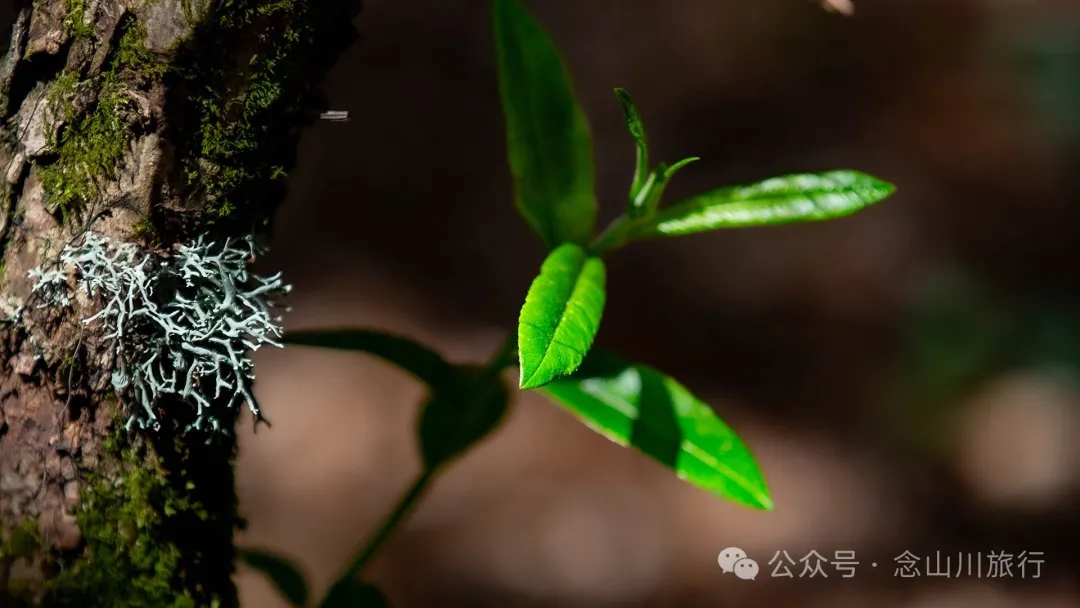
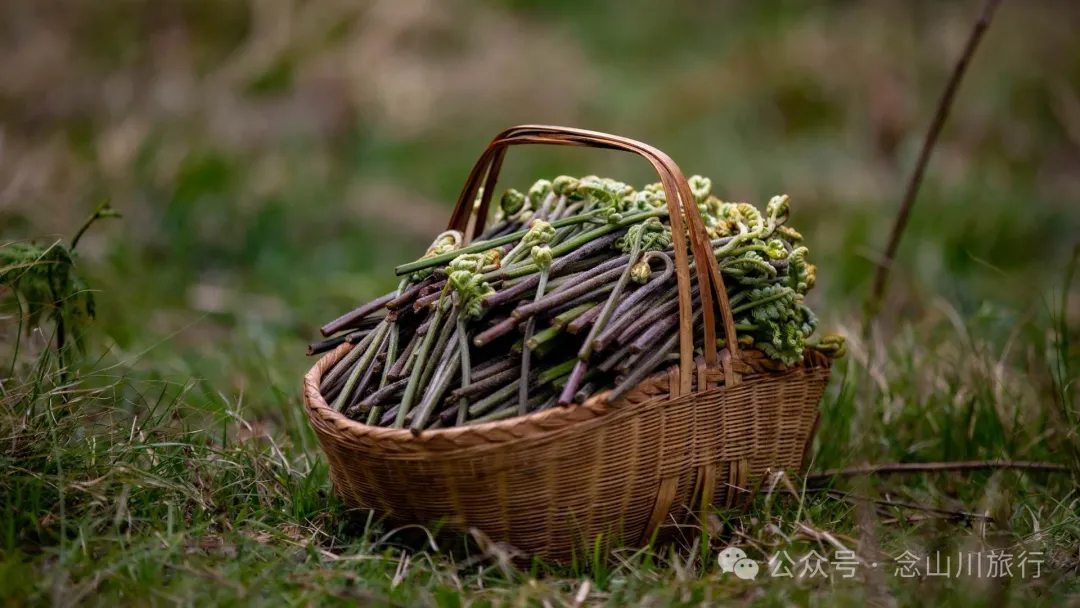
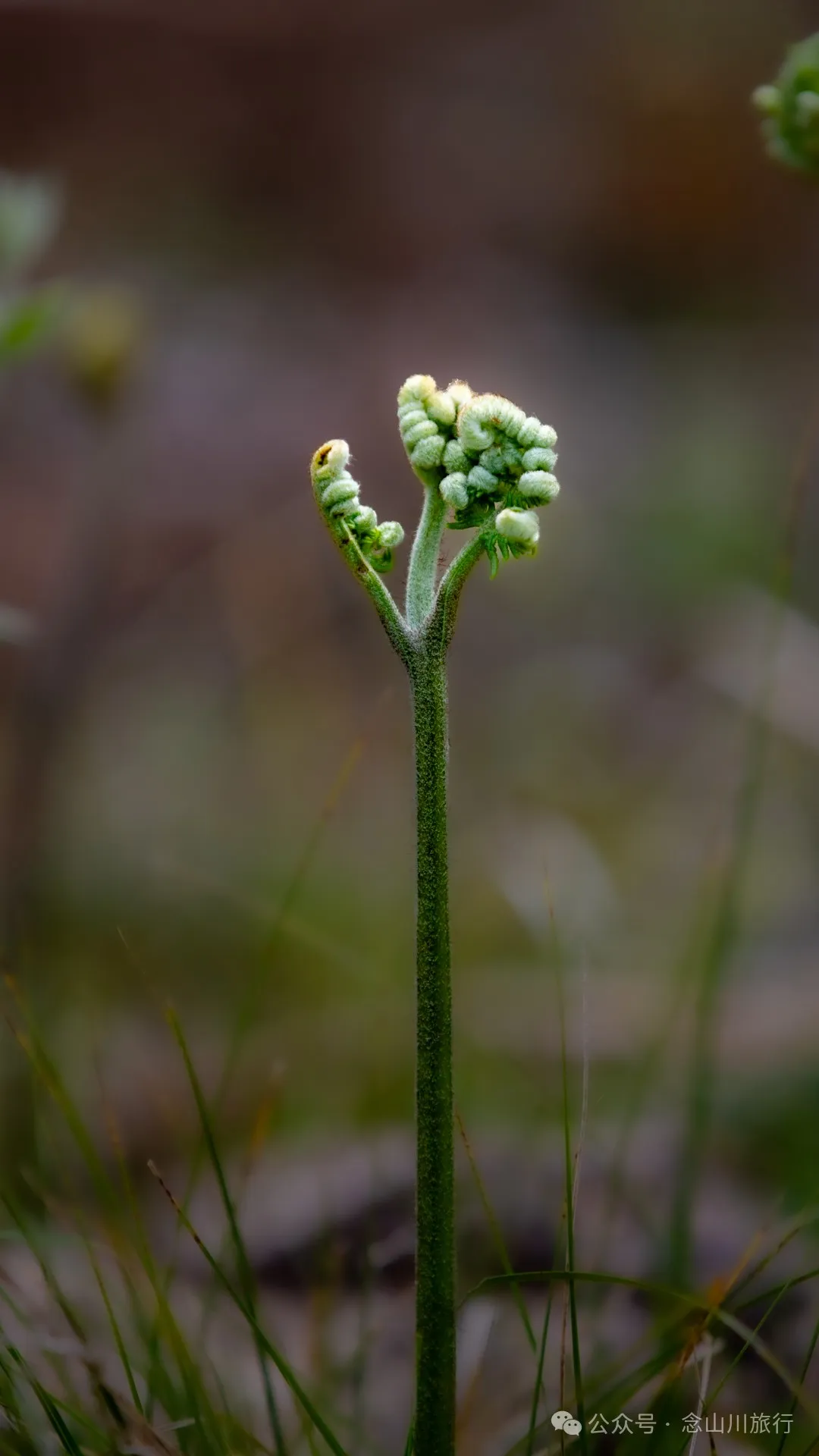
Having missed the sea of azaleas, we caught the season for ferns. Following the old path, we walked a kilometer into the primeval forest and found a clearing where we had picked ferns last year. Many had already been picked by others, but more plump and tender ferns were curled up, standing upright, waiting for us to bend down and pick them. A few ferns missed by humans had already grown new green leaves, and they would be lucky to live a full life. Some weak stems that had just emerged from the soil would not attract human attention either.
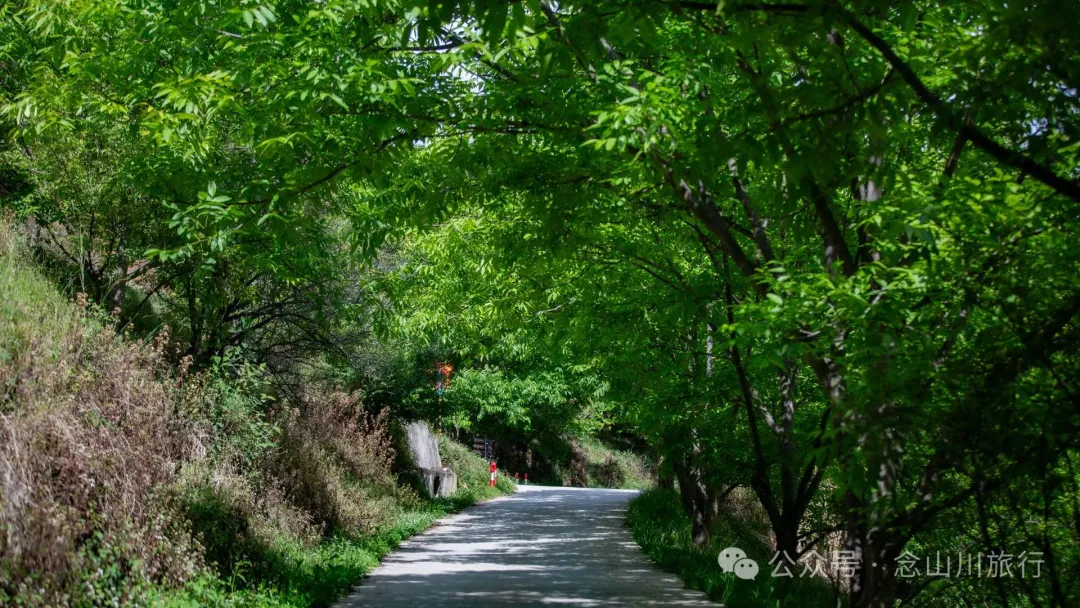
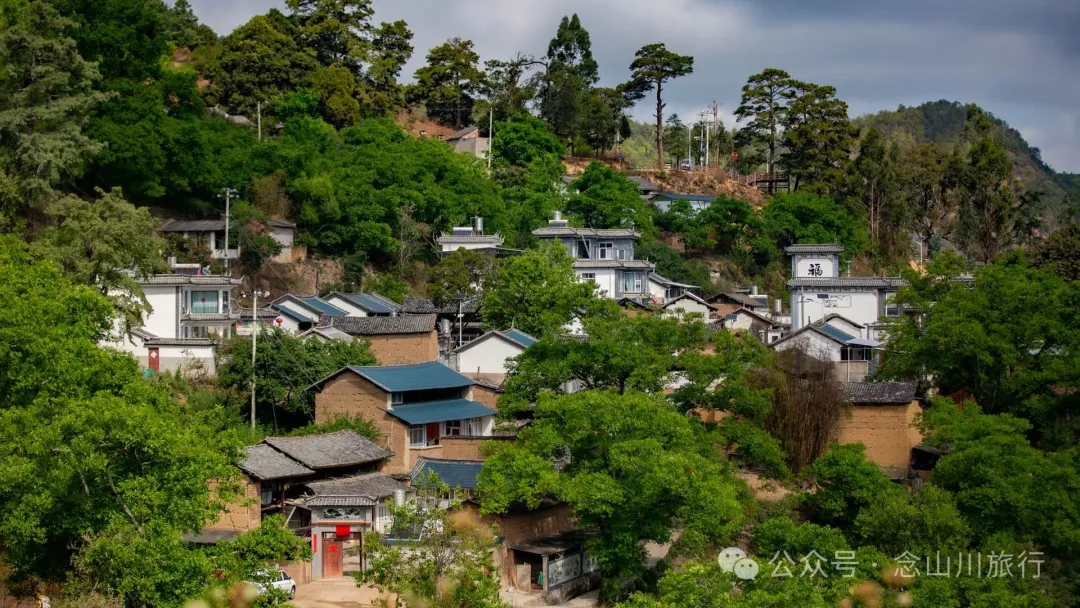
Driving to Xiao Jizu Mountain, we passed through Xinjia Village. The walnut trees in the village had reached their most beautiful moment. Not only the village, but also the roads among the trees became tender. The leaves seemed to exist only to block the growing sunlight, preventing the earth from cracking.