您的浏览器需要启用 JavaScript 才能正常访问此网站。
Hotline:15911225507
Dali Travel
Login
Home-Travel Article-Travel Log-Body Text

Shuangdui Village in Weishan, Dali: Winter Harvest Hidden in the Mud (Lotus Roots and Arrowheads)

SixianqiuSixianqiuTravel Log1 years ago11333
Shuangdui Village in Weishan, Dali: Winter Harvest Hidden in the Mud (Lotus Roots and Arrowheads) - Image 1
Shuangdui Village in Weishan, Dali: Winter Harvest Hidden in the Mud (Lotus Roots and Arrowheads) - Image 2
Shuangdui Village in Weishan, Dali: Winter Harvest Hidden in the Mud (Lotus Roots and Arrowheads) - Image 3

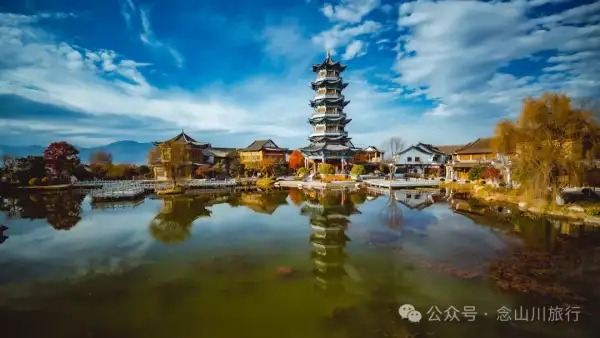
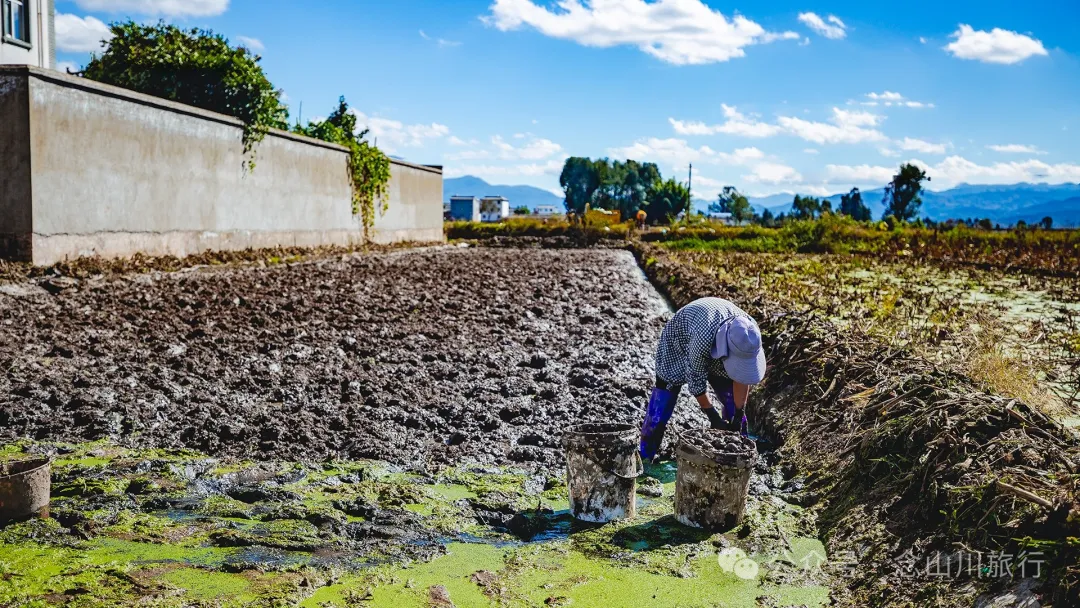
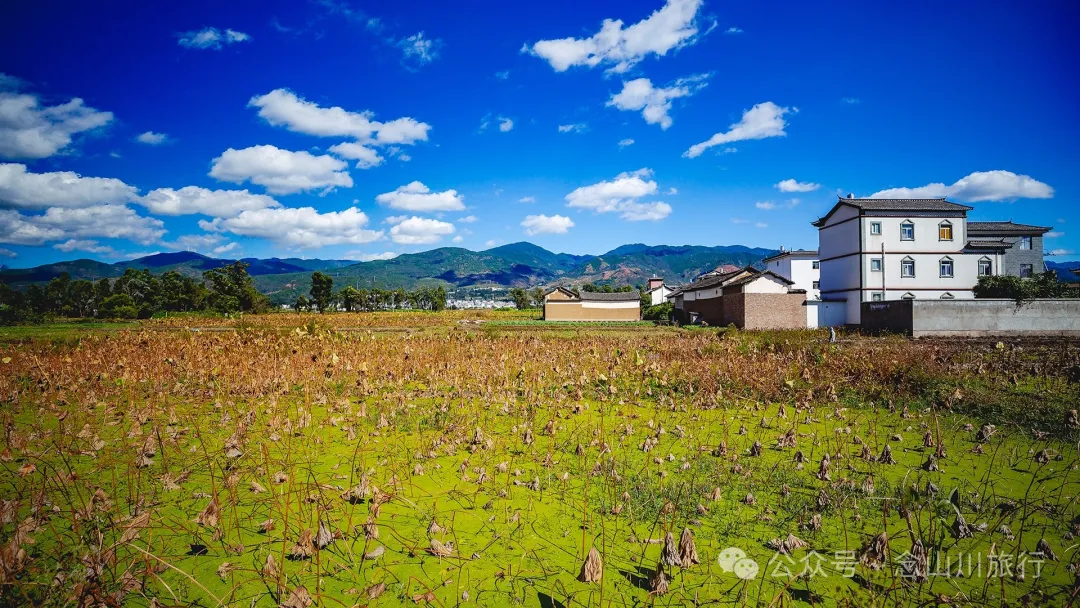
Winter has arrived, and everything withers. While most creatures are dormant, Shuangdui Village begins its harvest season. The lotus roots and arrowheads, silently growing in the mud, are now ripe. In the semi-dry wetlands, farmers are busy everywhere.
Shuangdui Village in Weishan, Dali: Winter Harvest Hidden in the Mud (Lotus Roots and Arrowheads) - Image 4
Shuangdui Village in Weishan, Dali: Winter Harvest Hidden in the Mud (Lotus Roots and Arrowheads) - Image 5

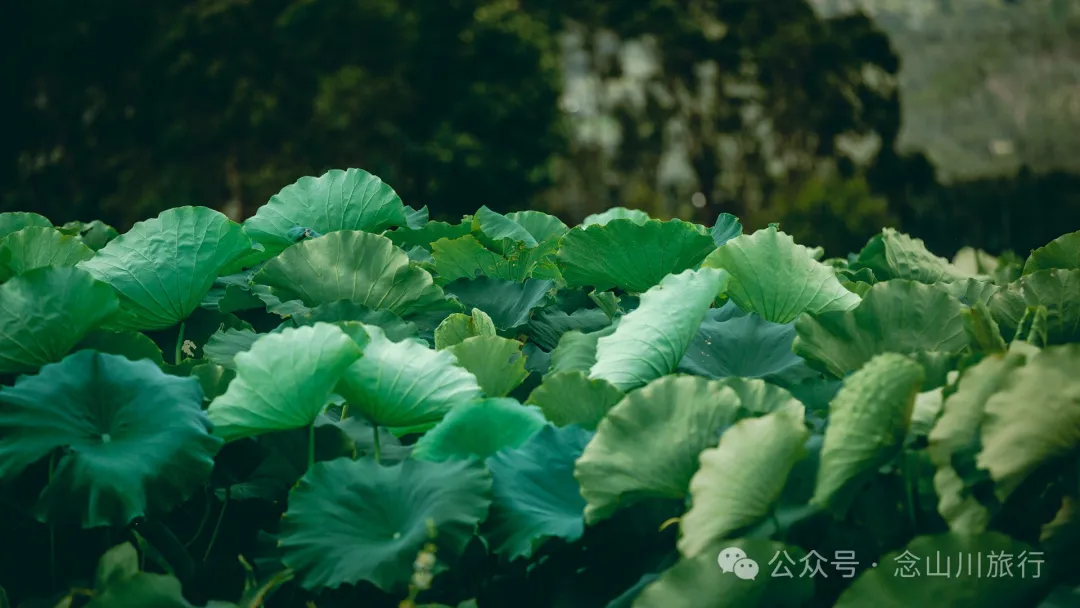
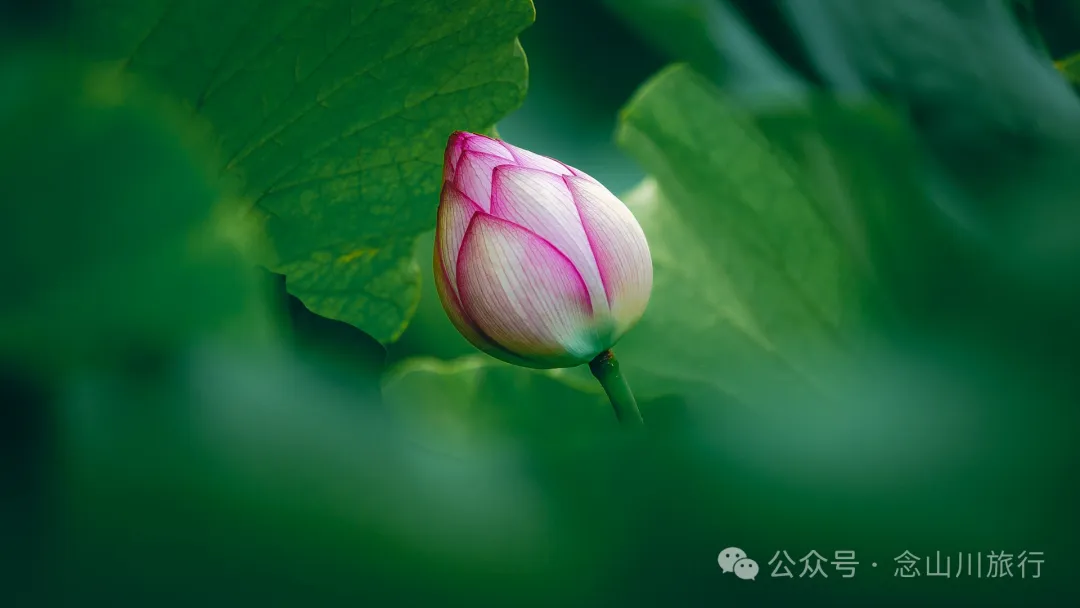
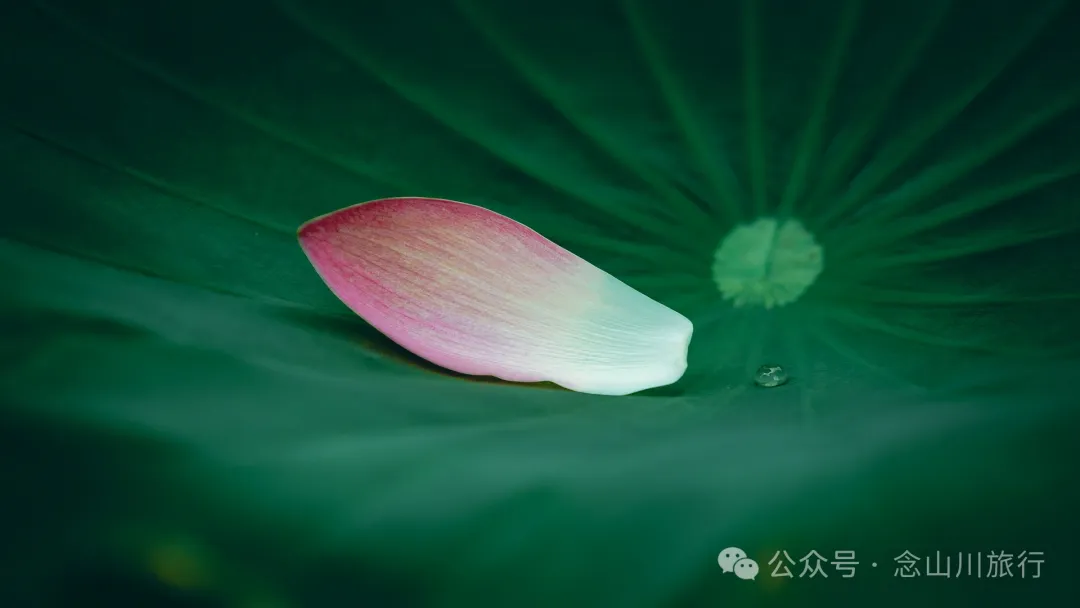
We visited Shuangdui Village twice in summer to see lotus flowers. Each time, the ponds were crowded with dense lotus leaves, but flowers were scarce. Occasionally, a few pink buds hid shyly among the green leaves, never fully opening. The whole summer passed, and we never witnessed the grand spectacle of a pond full of lotus flowers in full bloom. Instead, in early winter, we encountered the ripening of fruits and the withering of leaves.
Shuangdui Village in Weishan, Dali: Winter Harvest Hidden in the Mud (Lotus Roots and Arrowheads) - Image 6
Shuangdui Village in Weishan, Dali: Winter Harvest Hidden in the Mud (Lotus Roots and Arrowheads) - Image 7

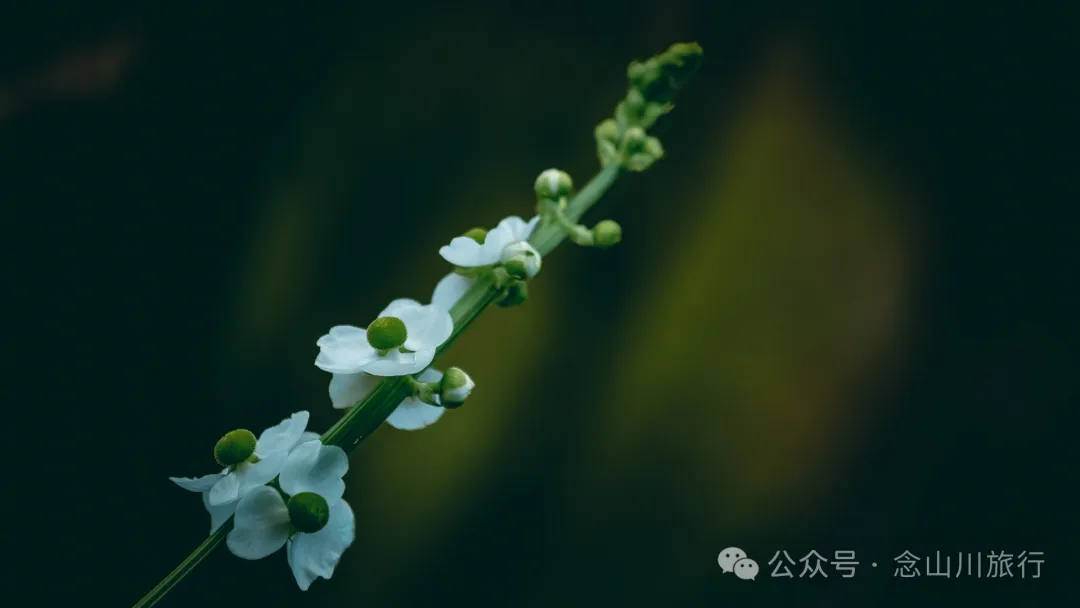
This aquatic plant with green buds and white flowers, rarely seen elsewhere, is called arrowhead (cí gū). Its scientific name is Sagittaria sagittifolia, a member of the Alismataceae family. Its corms are also known as white chestnut or arrowhead. It is both edible and medicinal.

Arrowhead is one of China's characteristic vegetables. Native to southern China, it has been cultivated since before the Tang Dynasty. The earliest record of its medicinal value, growth habits, and edibility is found in Tao Hongjing's "Mingyi Bielu" (Northern and Southern Dynasties). "Qimin Yaoshu" describes arrowhead cultivation methods. In the Song Dynasty, "Mengliang Lu" listed arrowhead as a major product. "Compendium of Materia Medica" states: "Arrowhead, one root produces twelve offspring, like a mother bird feeding her young, hence the name."

Arrowheads are similar in size to small taro. Locals enjoy them in hotpot or stir-fried with pickled vegetables. Like lotus roots, arrowhead fruits are buried in water or marshes. To avoid damaging them, farmers must dig them out by hand from the soft mud, without relying on other tools.
Shuangdui Village in Weishan, Dali: Winter Harvest Hidden in the Mud (Lotus Roots and Arrowheads) - Image 8
Shuangdui Village in Weishan, Dali: Winter Harvest Hidden in the Mud (Lotus Roots and Arrowheads) - Image 9

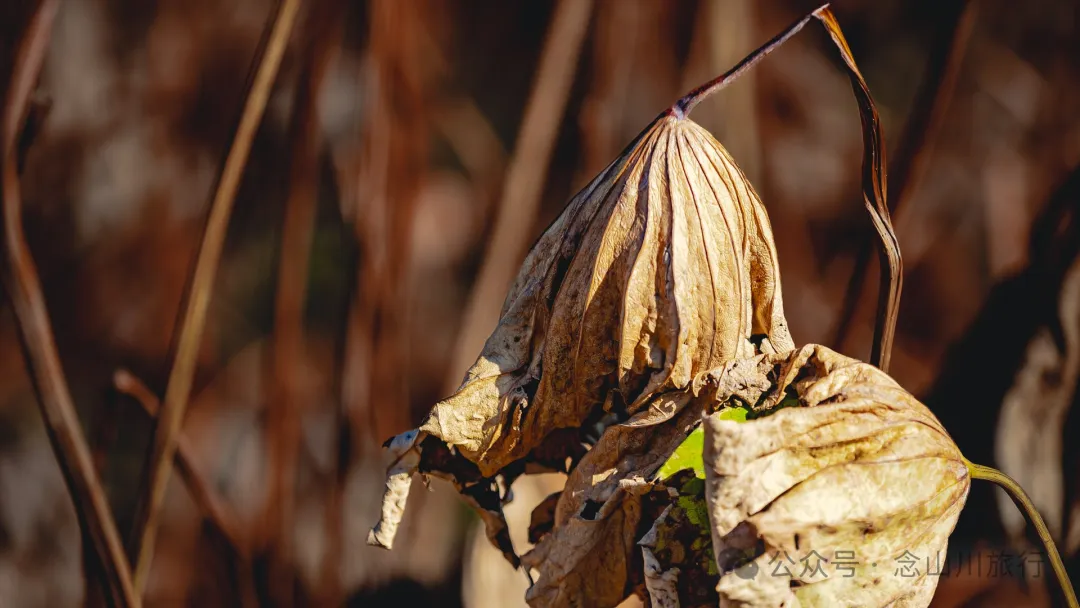
Li Shangyin's famous line, "Autumn clouds linger, frost falls late; leave withered lotus to listen to the rain," gives new life to withered lotus leaves. The lively summer pond attracts attention, but the desolation of this season is easily overlooked. How many people appreciate the beauty of life's decline? Yet Li Yishan (Li Shangyin) accidentally discovered this poetic realm, passing down the aesthetic charm of withered lotus and rain sounds for millennia, allowing withered lotus to sing a new song of life. The continuous winter rain in the past two days—I wonder if any passerby was fortunate enough to witness and hear this exquisite scene.
Shuangdui Village in Weishan, Dali: Winter Harvest Hidden in the Mud (Lotus Roots and Arrowheads) - Image 10
Shuangdui Village in Weishan, Dali: Winter Harvest Hidden in the Mud (Lotus Roots and Arrowheads) - Image 11

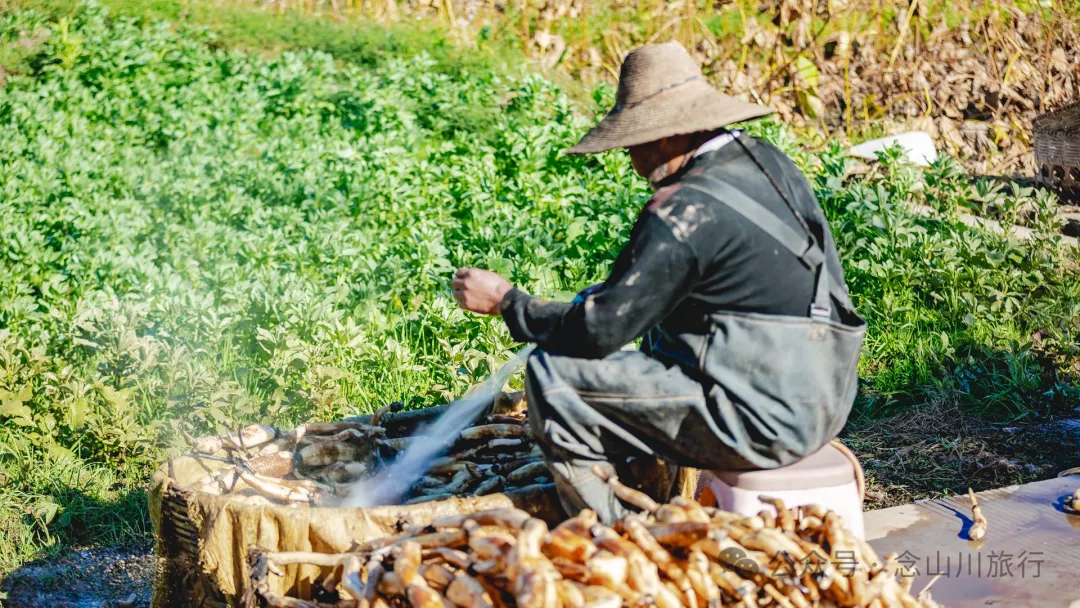
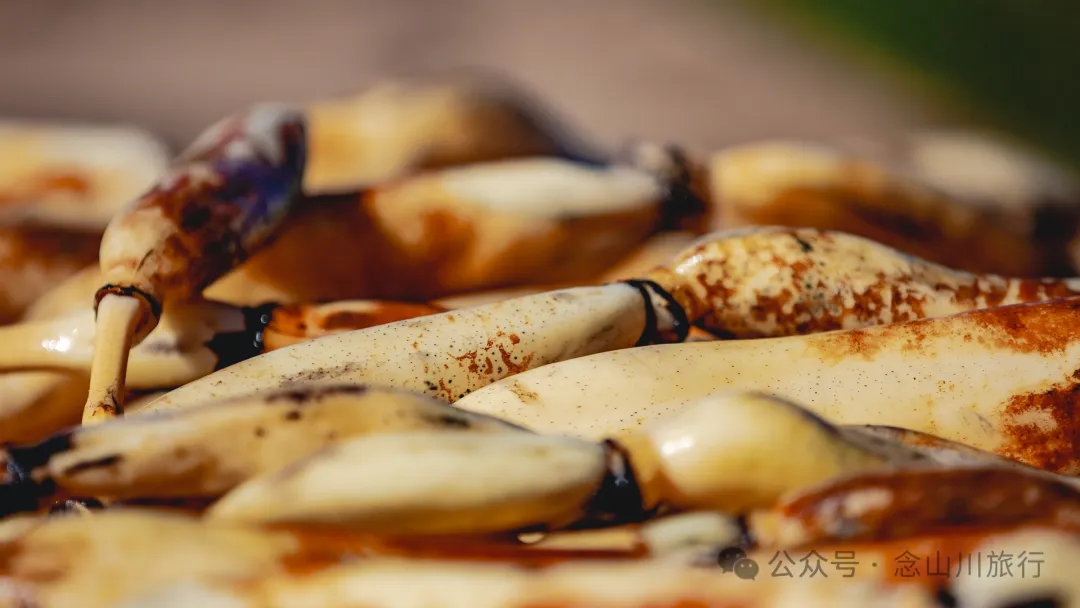
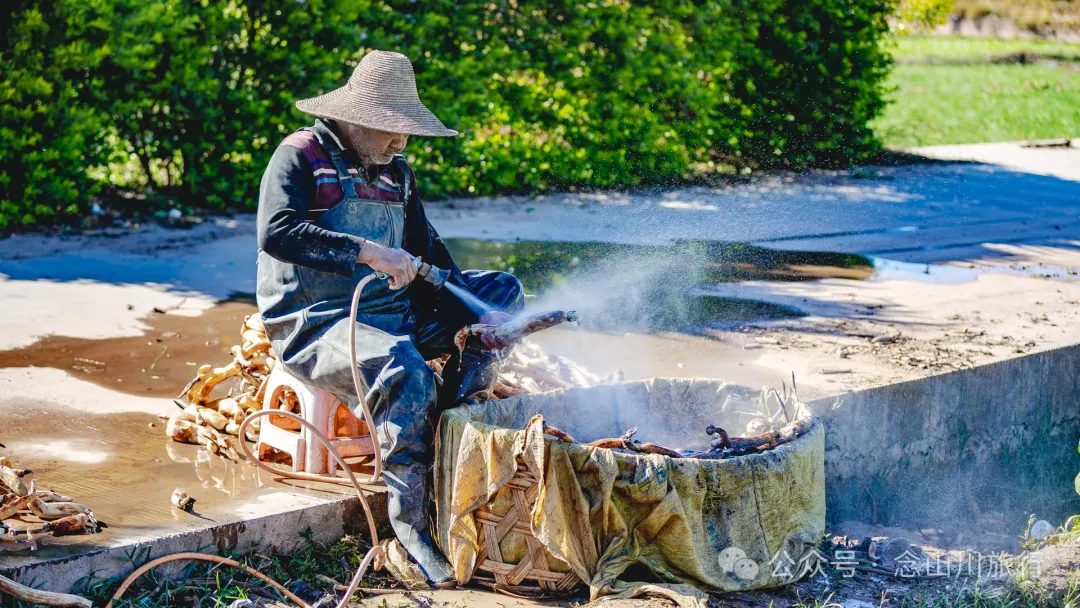
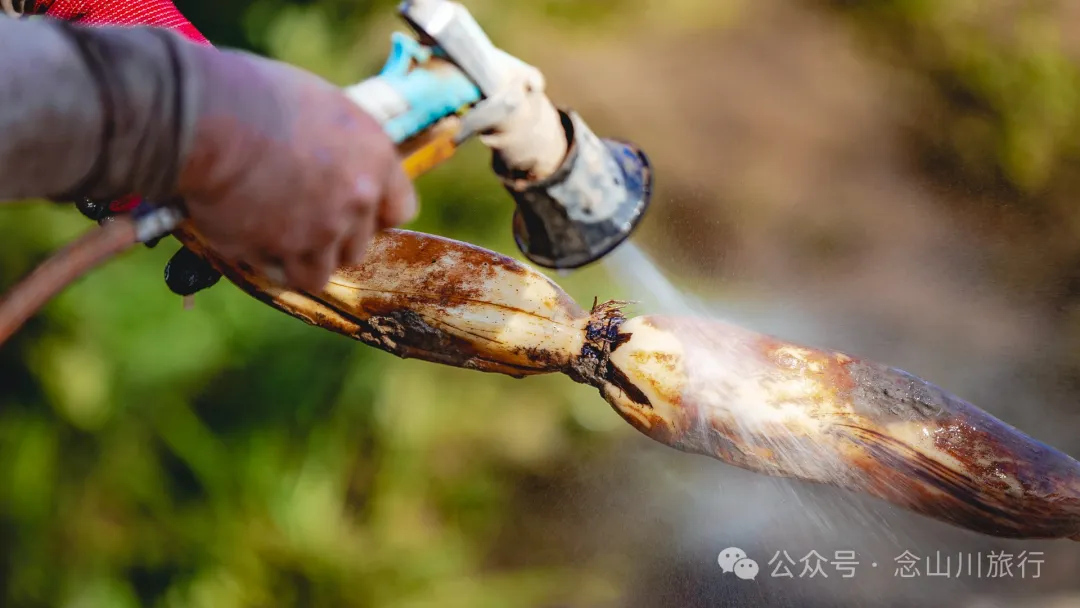
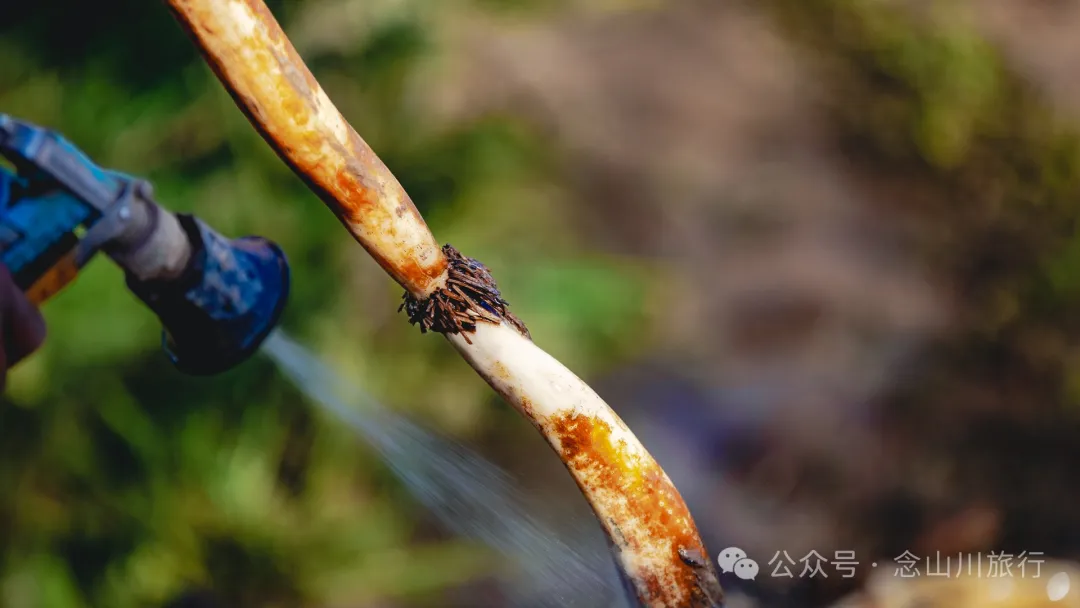
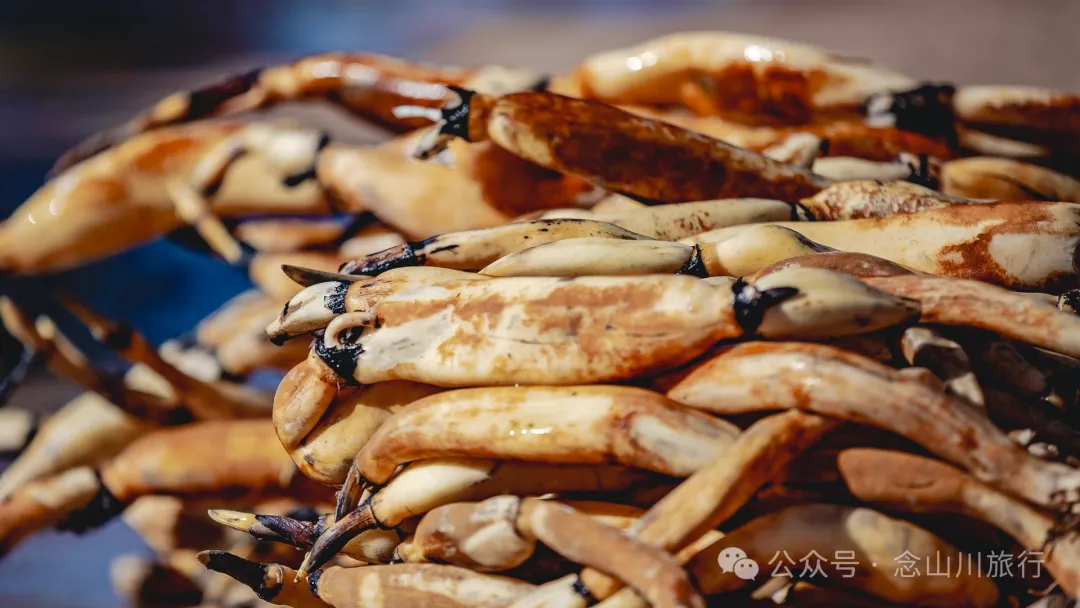
Farmers digging lotus roots sit by the roadside, washing each intact root clean. The dark mud peels off layer by layer, revealing a pale yellow color—the natural hue of healthy lotus roots. The rusty color on the surface is mainly due to the oxidation of iron in the soil with oxygen during growth.
Shuangdui Village in Weishan, Dali: Winter Harvest Hidden in the Mud (Lotus Roots and Arrowheads) - Image 12

Specifically, lotus roots are aquatic plants that grow in long-term flooded environments. To transport oxygen to the roots, they develop well-developed aerenchyma and create a localized oxidizing environment in the rhizosphere. Under these conditions, ferrous ions in the soil are oxidized to ferric ions, forming reddish-brown iron oxide films that deposit and adhere to the lotus root epidermis, resulting in the rust spots we see. Lotus roots lacking this rust color are often artificially treated and should be consumed with caution.
Shuangdui Village in Weishan, Dali: Winter Harvest Hidden in the Mud (Lotus Roots and Arrowheads) - Image 13

An aunt busy washing lotus roots by the roadside told us that it takes several months to dig up all the lotus roots they plant, lasting until the twelfth lunar month. That means we can enjoy fresh lotus roots during this period. Their life above water lasts all summer, while underground, their fruits store the entire winter.
Shuangdui Village in Weishan, Dali: Winter Harvest Hidden in the Mud (Lotus Roots and Arrowheads) - Image 14
Shuangdui Village in Weishan, Dali: Winter Harvest Hidden in the Mud (Lotus Roots and Arrowheads) - Image 15

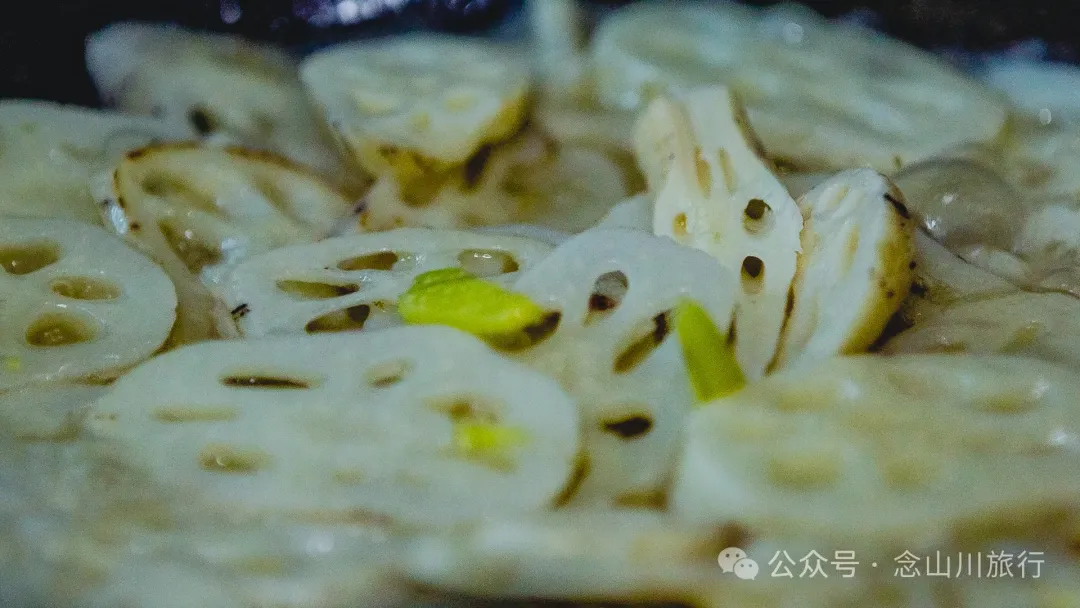
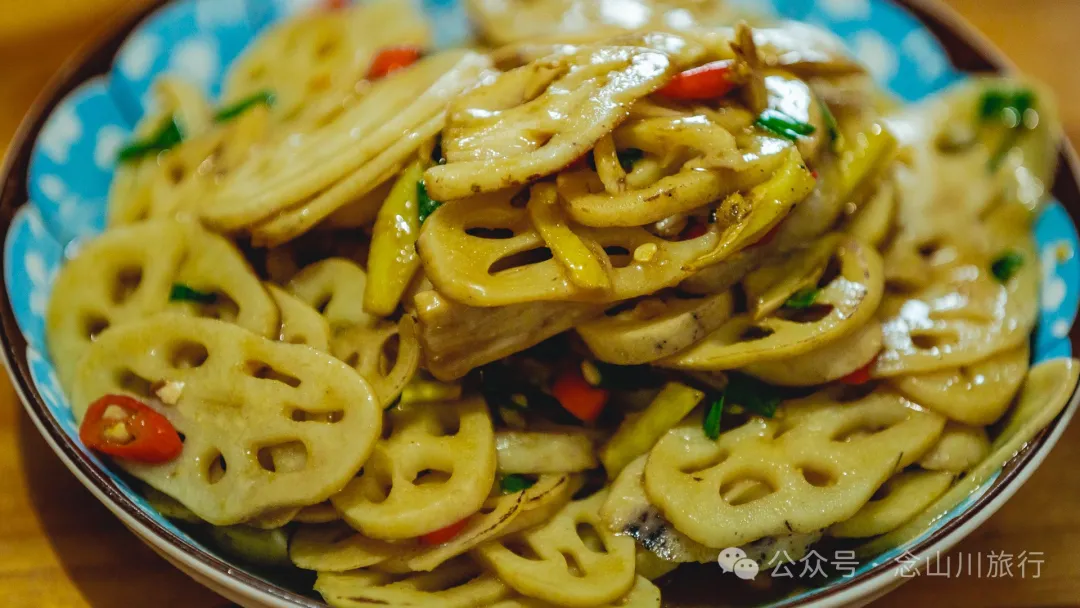
We bought two jin (about 1 kg) of extremely fresh lotus roots from the aunt. At home, we wiped off the pale yellow skin and stir-fried them over high heat. With only oil and salt, no other seasonings needed, we created a delicious dish. The faint lotus fragrance evoked a taste of childhood.
Shuangdui Village in Weishan, Dali: Winter Harvest Hidden in the Mud (Lotus Roots and Arrowheads) - Image 16
Shuangdui Village in Weishan, Dali: Winter Harvest Hidden in the Mud (Lotus Roots and Arrowheads) - Image 17
Tags:
This article is original, author: Sixianqiu, and its copyright is owned by 大理旅行.
For reprinting, please indicate the source: https://dalilvxing.com/en/628.html
Sixianqiu

Sixianqiu

"Eyes follow the returning swan, hands strum the five strings." Always seeking, in this unrecognizable mortal world, a path as carefree as drifting clouds and wild cranes. Fortunately, there lies an ocean of poetry and lyrics, which has gifted me boundless beauty. Often, I sail upon it, quietly savoring that beauty. Even more fortunate are those standing on the shore — who cherish the beauty I cherish, and keep me free from hunger and cold, allowing me to devote myself wholly to this joy.
2166.30W
Loading...
Share:
Word Count: 3293
Xiaotangzi Village in Weishan, Dali: A Yi Village by a Mountain-top Pond
Xiaotangzi Village in Weishan, Dali: A Yi Village by a Mountain-top PondPrevious
Xiaotizipo Village in Weishan, Dali: A Peaceful Village Guarded by a Sacred TreeNext
Xiaotizipo Village in Weishan, Dali: A Peaceful Village Guarded by a Sacred Tree
Related Articles
Total: 212
Rainy Season Arrives Early! The First Batch of Edible Wild Mushrooms Already on Yunnan’s Dining Tables

Rainy Season Arrives Early! The First Batch of Edible Wild Mushrooms Already on Yunnan’s Dining Tables

After a week of continuous rain, I think all Yunnan locals, including us outsiders living in Yunnan, have received a text message from the Yunna…
SixianqiuSixianqiuTravel Log2 years ago113480
Hiking to Wuwei Temple, a Millennium-Old Temple on Dali’s Cangshan Mountain: Pay Homage to Buddha, Enjoy Vegetarian Meals, Explore Ancient Sites, and Find Peace in Nature

Hiking to Wuwei Temple, a Millennium-Old Temple on Dali’s Cangshan Mountain: Pay Homage to Buddha, Enjoy Vegetarian Meals, Explore Ancient Sites, and Find Peace in Nature

Wuwei Temple has two parking lots. One is behind the temple, where many locals who come to fetch water park. A friend told me that the spring wa…
SixianqiuSixianqiuTravel Log2 years ago005290
Huadianba: A High-Altitude Meadow Hiking Retreat in the Depths of Dali’s Cangshan Mountains

Huadianba: A High-Altitude Meadow Hiking Retreat in the Depths of Dali’s Cangshan Mountains

We first heard the name Huadianba during the first rainy season after settling in Dali for nine months. After seeing just a few photos shared by…
SixianqiuSixianqiuTravel Log2 years ago225500
Dali Nanjian Mibila Village Alpine Meadow: Be an Innocent Child in the Primitive Ecological Secret Realm of Wuliang Mountain

Dali Nanjian Mibila Village Alpine Meadow: Be an Innocent Child in the Primitive Ecological Secret Realm of Wuliang Mountain

This alpine meadow, located between Mibila Village and Laobuju Village in Baohua Town, Nanjian County, is not marked on any map. The unique peak…
SixianqiuSixianqiuTravel Log2 years ago115100
I Found the Most Beautiful Winter Lake View in Dali at This Plateau Lake, with a Wildness Rivaling Walden Pond

I Found the Most Beautiful Winter Lake View in Dali at This Plateau Lake, with a Wildness Rivaling Walden Pond

On the winter solstice, the thin clouds gradually thickened, and the blue morning sky was slowly covered by clouds until the sky was completely …
SixianqiuSixianqiuTravel Log1 years ago113780
Market Day in Qingyun Village, Ma’anshan Township, Weishan, Dali: A 4-Hour Mountain Hike to a Remote Village Market Using 1980s Transportation

Market Day in Qingyun Village, Ma’anshan Township, Weishan, Dali: A 4-Hour Mountain Hike to a Remote Village Market Using 1980s Transportation

When we learned that Qingyun Village had a market, Anli and I immediately decided to take the small path the next day to go to the market. Anli …
SixianqiuSixianqiuTravel Log2 years ago114670
Seagulls Arrive at Erhai Lake in Dali, Yunnan, Metasequoias Turn Red

Seagulls Arrive at Erhai Lake in Dali, Yunnan, Metasequoias Turn Red

Azhu said the seagulls have already flown back, and the metasequoias by the lake have turned completely red, but she hasn't had time to go see t…
SixianqiuSixianqiuTravel Log8 months ago111450
A Tibetan Village Resting Amid Clouds Encounters a Splendid Bloom in Late Autumn

A Tibetan Village Resting Amid Clouds Encounters a Splendid Bloom in Late Autumn

After the rain, the mist retreated to the valleys beyond the village, seemingly still plotting to reclaim the village's airspace, waiting for an…
SixianqiuSixianqiuTravel Log9 months ago111440
Yanzitou Village in Bixi Township, Nanjian, Dali: Tranquility Among Ancient Trees, Stories of an Old Village

Yanzitou Village in Bixi Township, Nanjian, Dali: Tranquility Among Ancient Trees, Stories of an Old Village

The car sped along the highway as the weather turned completely gloomy and dark, as if brewing a heavy rain. When we decided to return to Weisha…
SixianqiuSixianqiuTravel Log1 years ago113240
Dali Weishan Dahuangcaoba: An Ideal Village in Pastoral Scenery

Dali Weishan Dahuangcaoba: An Ideal Village in Pastoral Scenery

Surrounded by distant mountains, with flat farmland, rustic houses, heavy-laden fruit trees, hardworking and simple farmers, and leisurely poult…
SixianqiuSixianqiuTravel Log1 years ago112940
Shuangjiama Village, Tacheng Town, Weixi County: Listening to a Veteran’s Story by the Lappu River

Shuangjiama Village, Tacheng Town, Weixi County: Listening to a Veteran’s Story by the Lappu River

It was only when I saw this small village called Shuangjiama from the road that I learned of the existence of the Lappu River. We turned the car…
SixianqiuSixianqiuTravel Log1 years ago112770
Nakeli in Ning’er County, Pu’er: A Millennium-Old Ancient Town on the Tea Horse Road, Infused with Hoofbeats and Tea Aroma

Nakeli in Ning’er County, Pu’er: A Millennium-Old Ancient Town on the Tea Horse Road, Infused with Hoofbeats and Tea Aroma

Among the rolling mountains of Pu'er, Yunnan, an ancient road paved with bluestone slabs winds and twists. This road stretches through towering …
SixianqiuSixianqiuTravel Log1 years ago112110
Comment FormTourist Hello, welcome to the discussion.
Dali Travel
Please login first
Comment Lists
Total: 0
Dali Travel
No relevant content