
Changdu is a unique traditional dance art exclusive to Bazhu Village, consisting of 108 songs and dances. To perform a complete set of Changdu dance, one must start from dusk of the previous day and continue until noon the next day, with only brief breaks in between, lasting over ten or even twenty hours. Changdu, in Tibetan, means to exorcise demons and eliminate evil. Even the elders cannot tell how many years this dance has been passed down. Nowadays, the young people of Bazhu Village are increasingly unfamiliar with this ancient and complex dance art. Only a few elderly people deeply understand all the songs and dance essence of Changdu, including four male inheritors and two female inheritors. Elder He Qingwen is one of them.
Walking along the cement road in the village to Elder He Qingwen's home, I originally planned to spend a few hours consulting him to collect and organize more information about Changdu. However, an old photo hanging on the wall of his house greatly piqued my curiosity. While introducing Changdu, the elder also shared some of his youthful experiences and past.
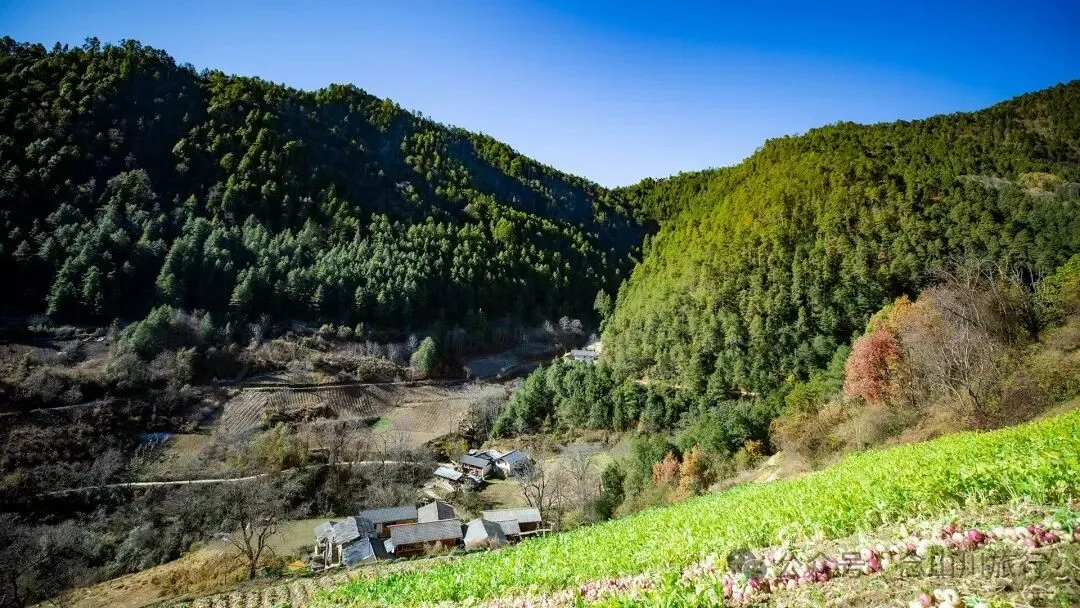
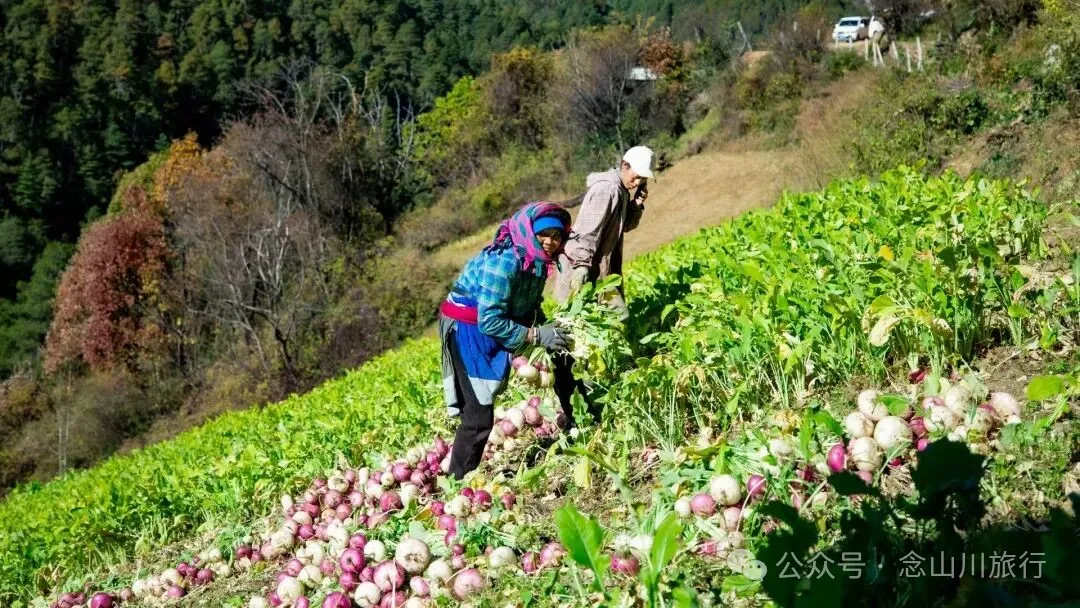
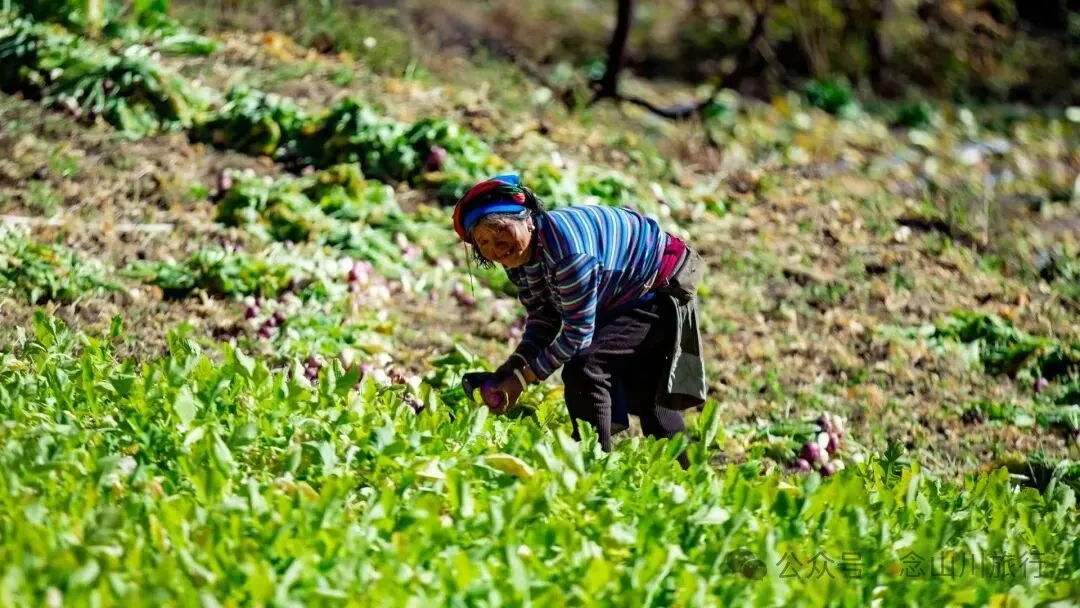
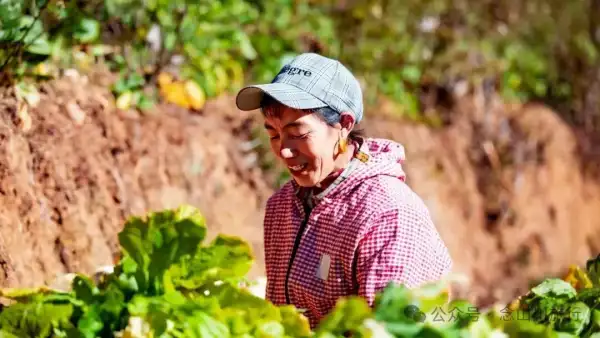
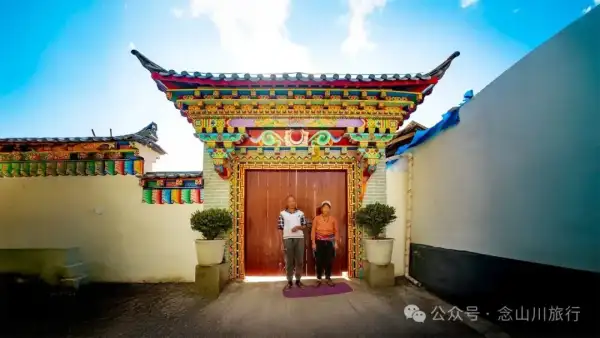
When I arrived at the elder's home in the Yejiu group at the agreed time, the courtyard gate was still closed, and no one was home. The elder had gone out early to herd cattle and had not yet returned. Near a sloping field by the granary, I met the elder's family members, his wife and daughter-in-law, who were harvesting turnips. It was the turnip harvest season. In Bazhu Village, turnips are mainly grown to feed pigs and cattle, but they are also edible. They look like radishes and have a similar taste. While waiting for the elder to return, I went down and helped pull turnips for a few minutes. Walking on this steep slope required caution, but the elder's family moved as if on flat ground, working with ease.
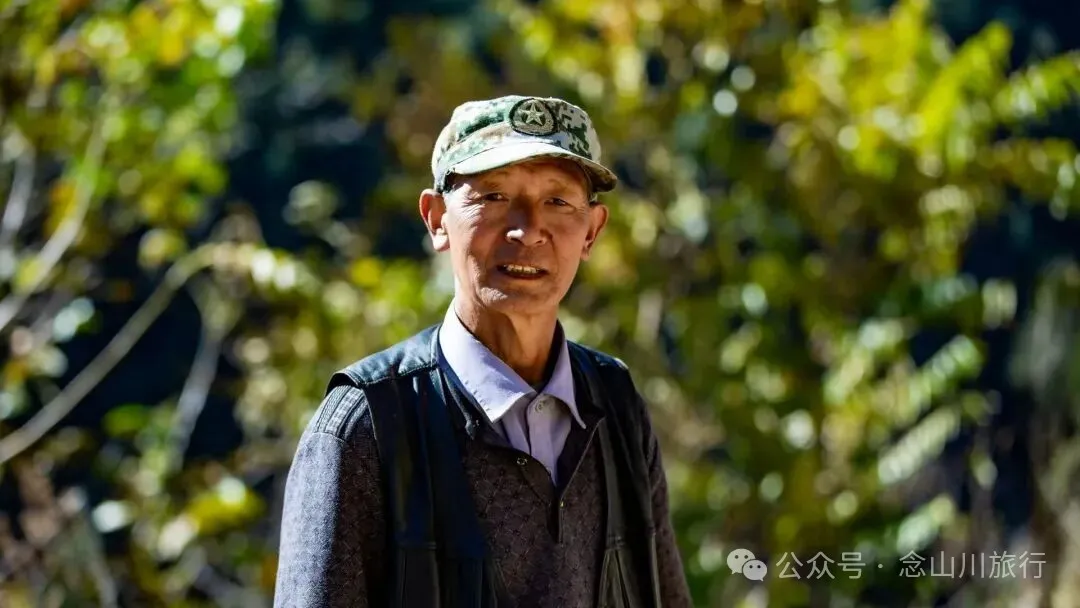
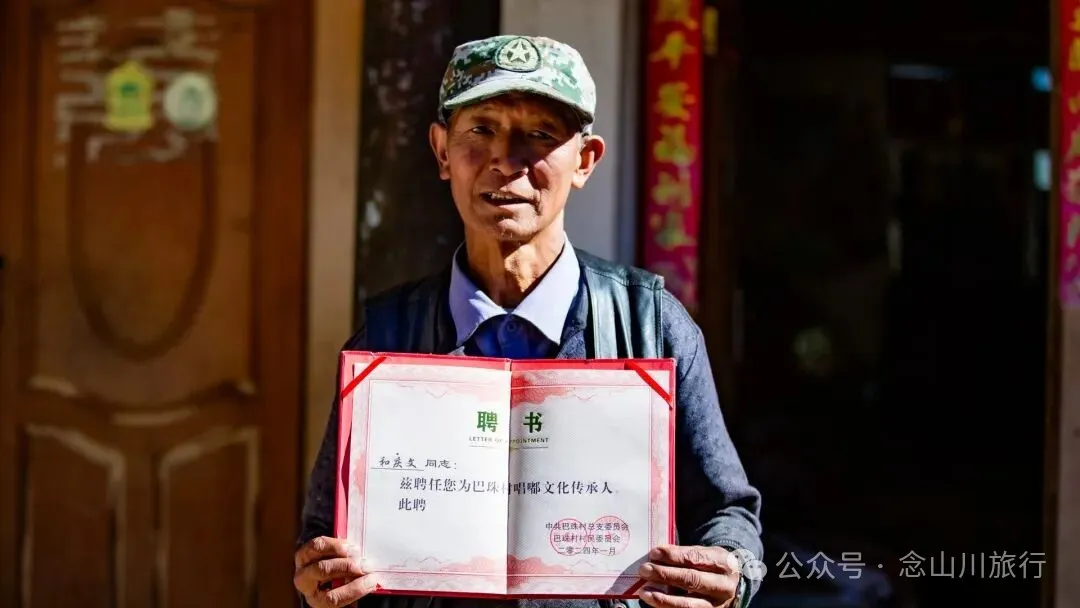
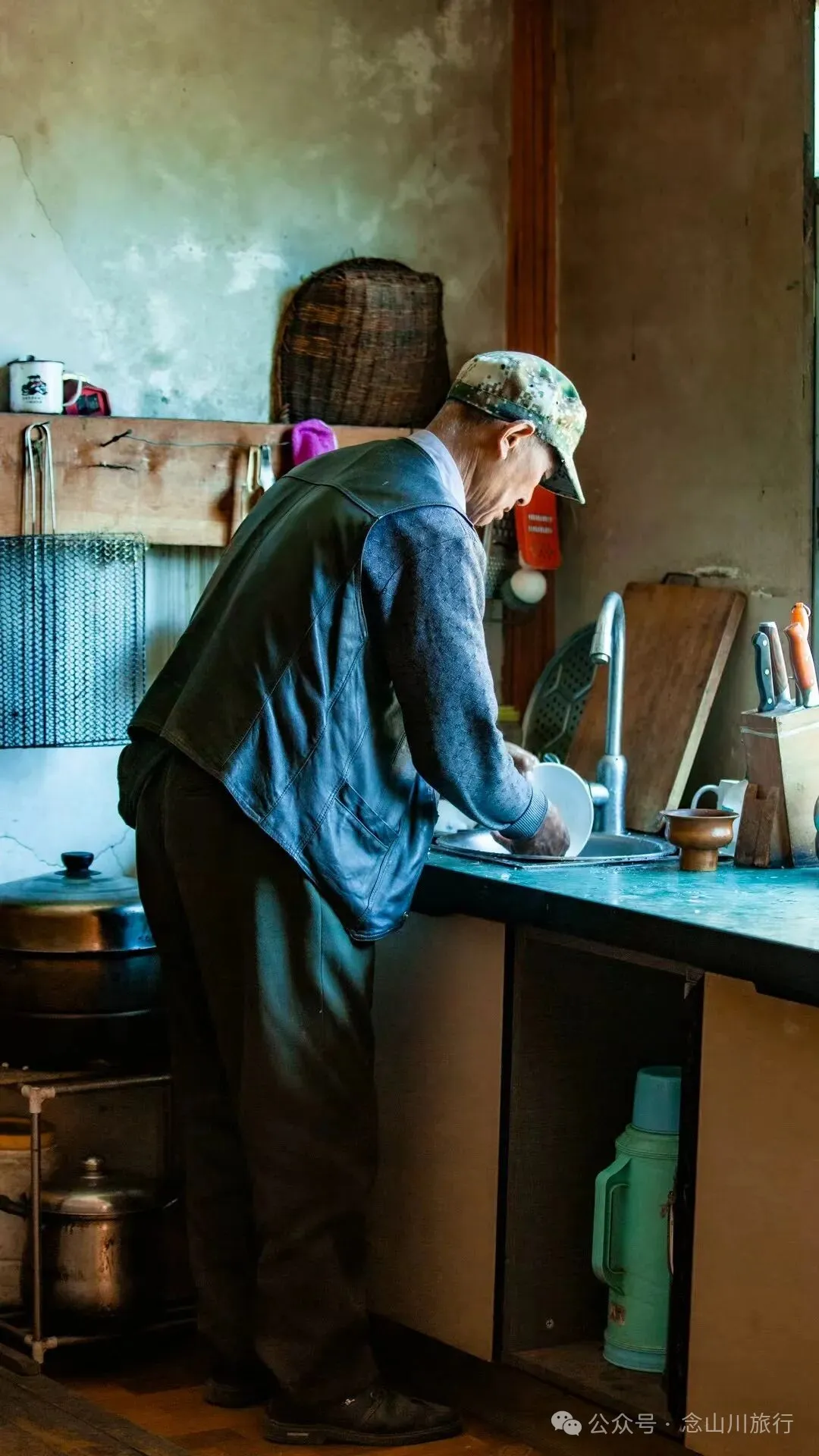
Elder He Qingwen returned home at noon. His wife and daughter-in-law were still busy in the fields, so he busied himself in the kitchen preparing lunch and cleaning up. After the meal, he washed the dishes, scrubbed pots and pans, and made butter. When we sat chatting in the courtyard under the sun, he humbly said that now that he is old and has many health problems, he can't help much with the family and can only do light tasks. Speaking of Changdu, he said he didn't deliberately spend time learning it. When he was very young, he liked watching adults perform this dance and found it interesting, so he followed along and danced and sang. The dance moves were easy to learn; he just watched and imitated, and soon learned them. Singing was much more complicated; he could never remember the lyrics. After returning from military service, it took him over ten years to learn all the lyrics. But now that he is old, he is gradually forgetting. After finishing a song, he has to stop and think. If he remembers, he continues with the next song; if not, he skips to another.
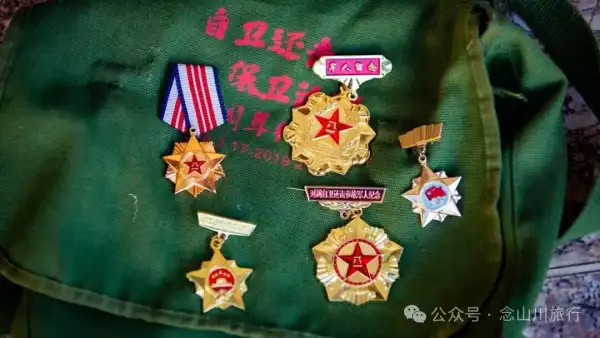
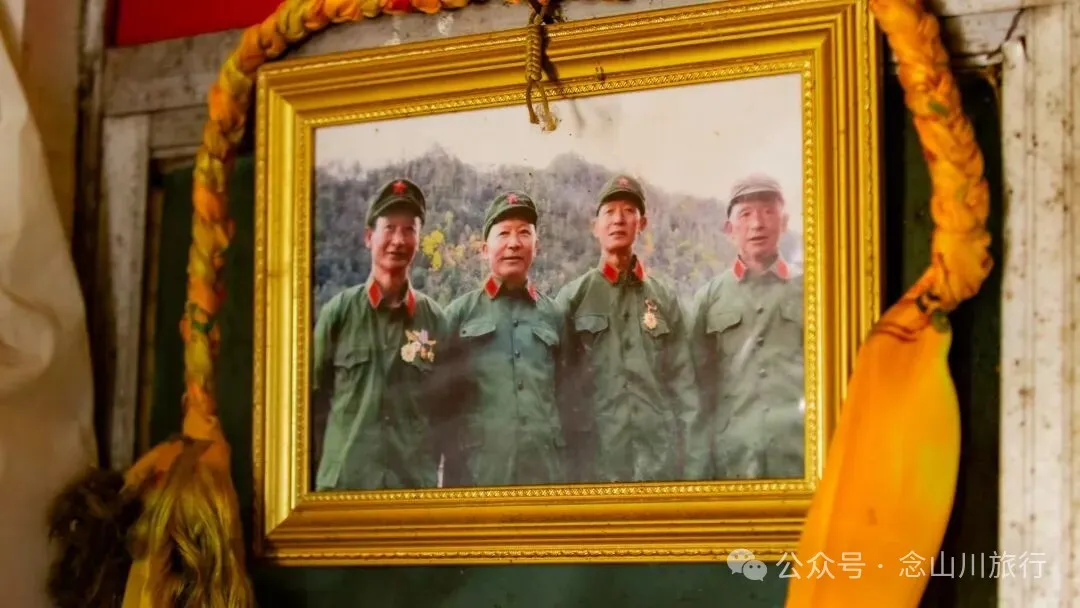
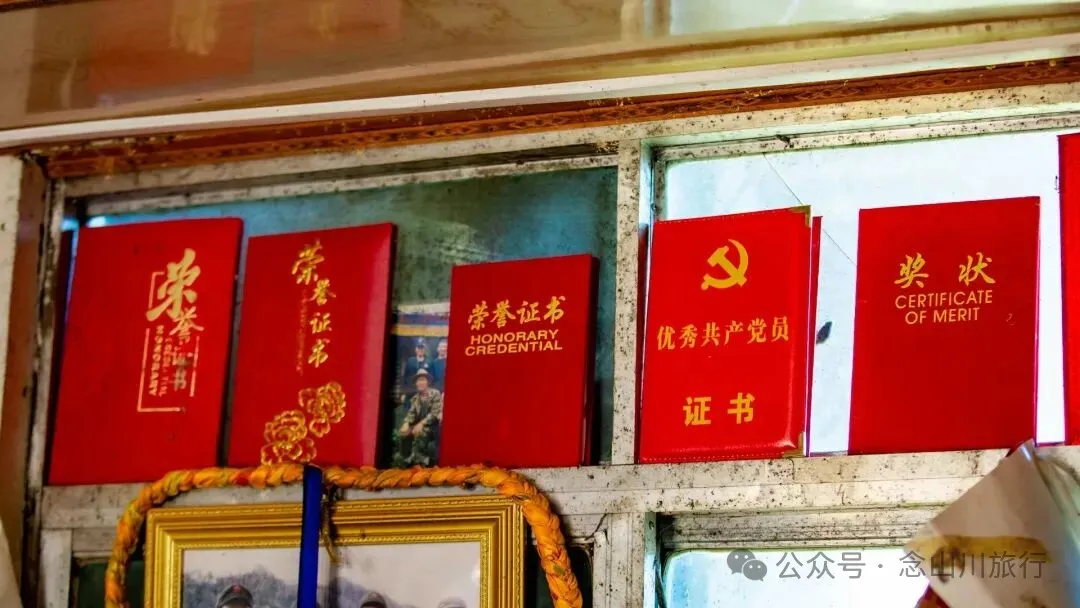
After talking about Changdu, he led me into the living room and pointed to a photo on the wall, saying it was a military portrait of him and his three brothers. The elder had served in the army in Lhasa for four years in the 1970s and returned to Bazhu Village after discharge. The year he returned, his two younger brothers simultaneously joined the military—one in Lincang, one in Yongping—while his elder brother had been serving in the Gongshan troops. Since there was only his elderly mother and a blind aunt at home, with no male labor, the heavy farm work was unmanageable. He had to give up a job offered by the Weixi Armed Forces Department and later a job at the Diqing Prefecture Cinema, resolutely choosing to stay in Bazhu Village, stay with his family, take on the responsibility of caring for the two elders, and handle all the farm work. Listeners feel it's a pity, but the elder takes it lightly, as if those four years of his life were just a dream. In the dream, he walked through, saw, and experienced a world different from Bazhu life, enriching his ordinary life. After waking up, he remained an unknown herder and farmer in Bazhu Village, spending long nights learning Changdu, using this ancient singing and dancing art to add a bit of joy to his plain life.
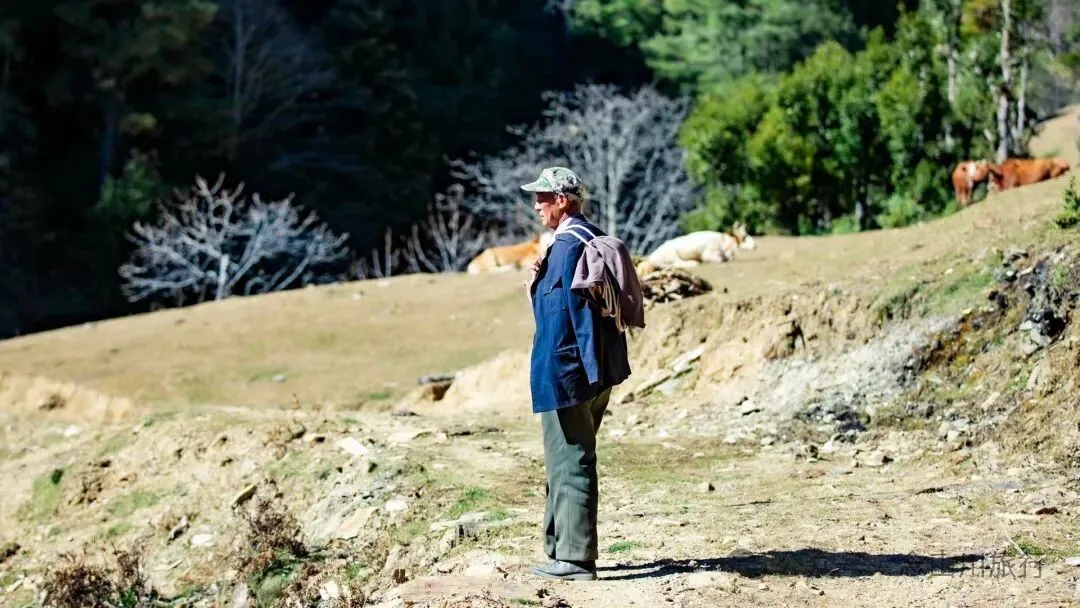
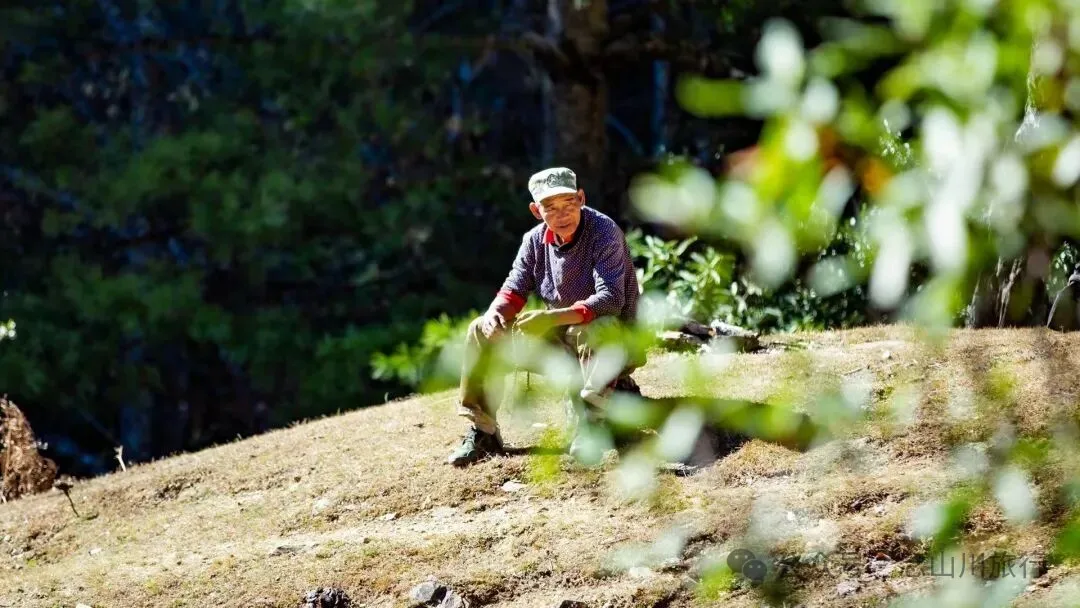
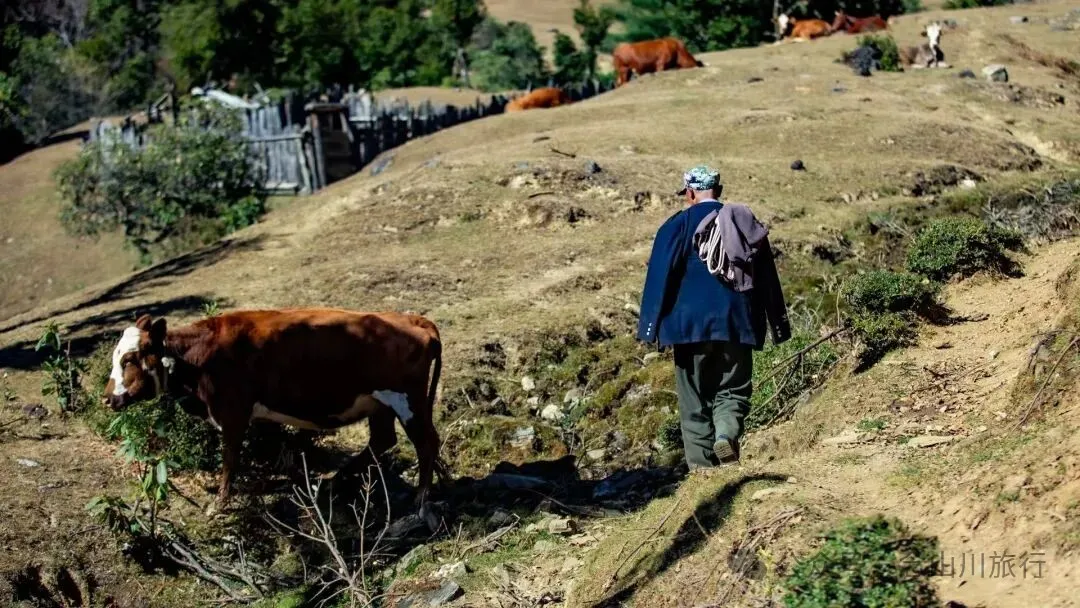
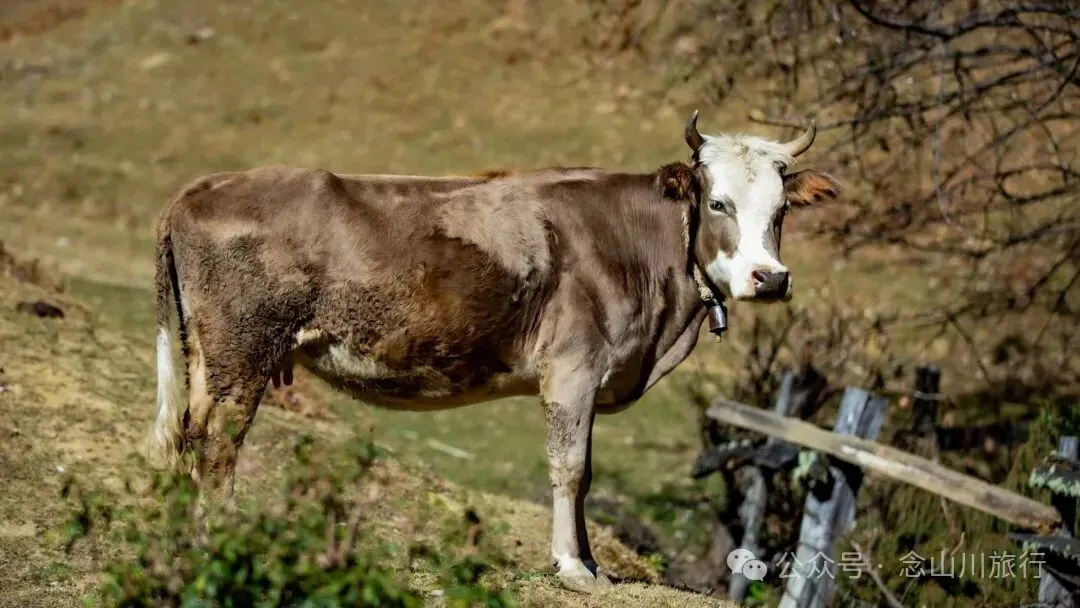
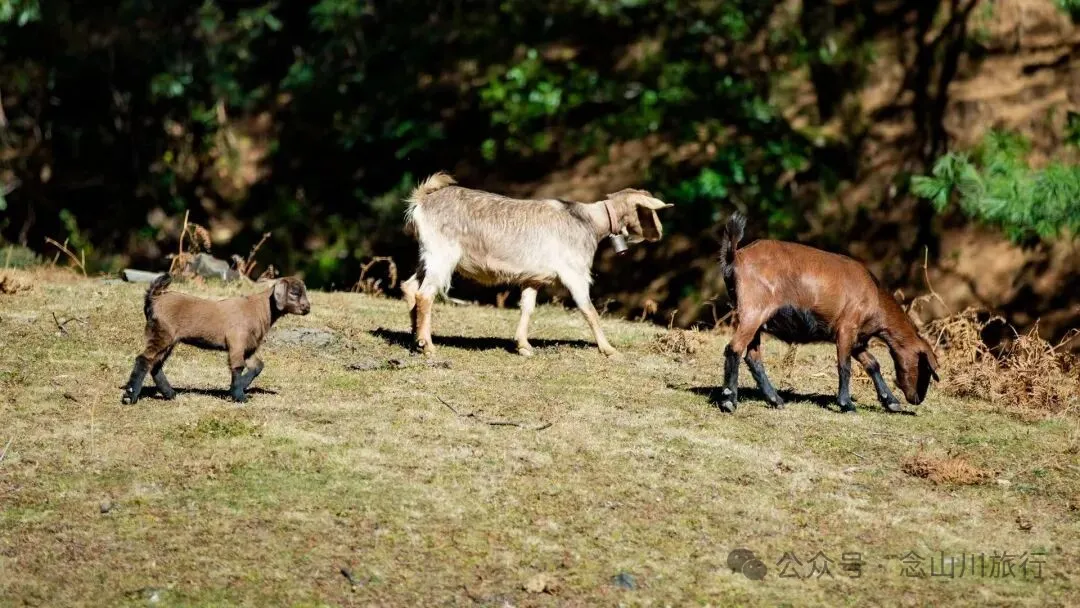
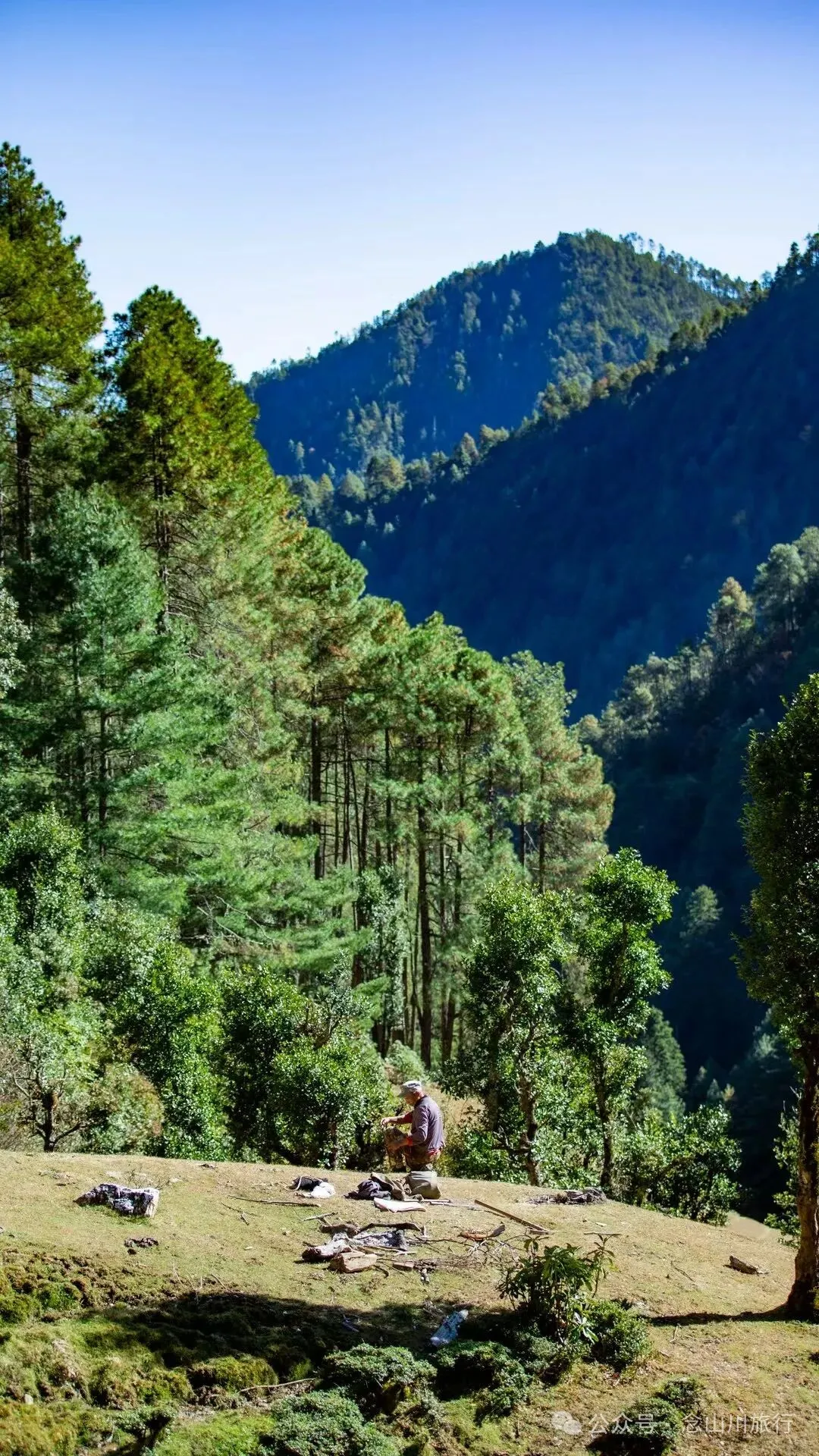
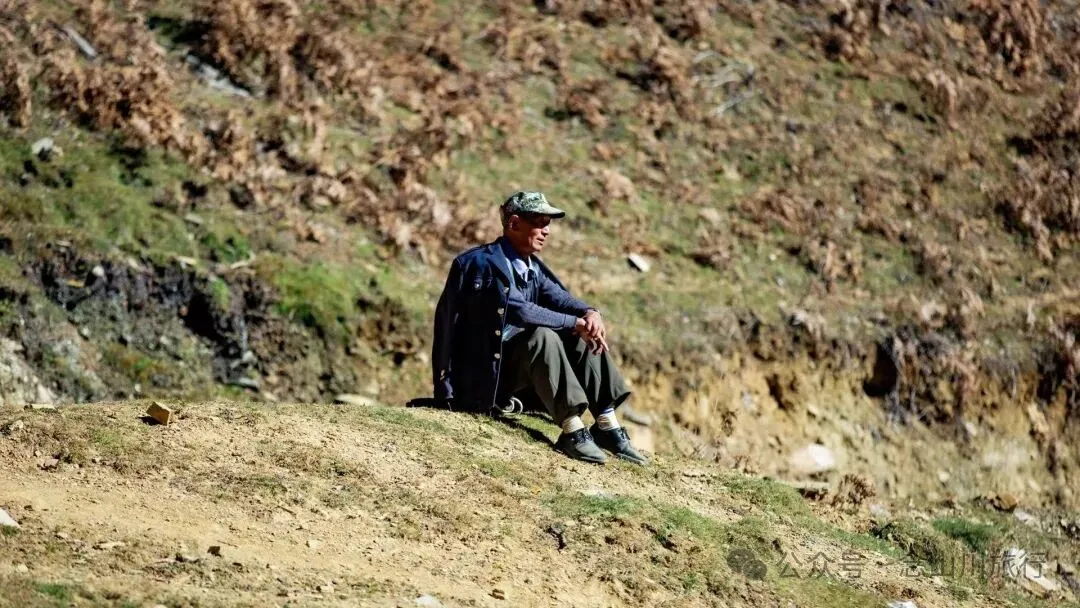
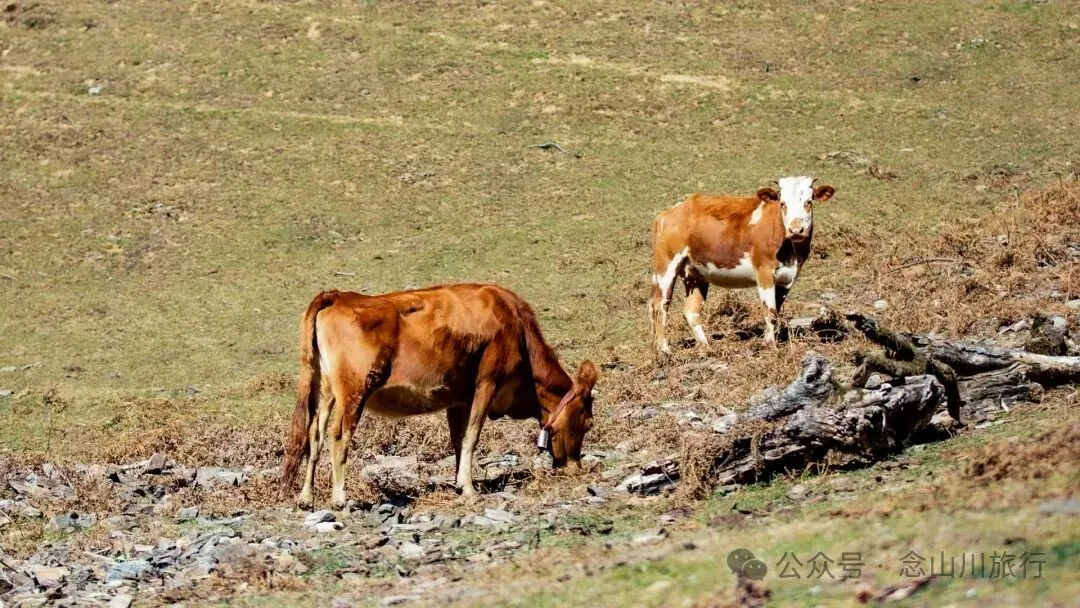
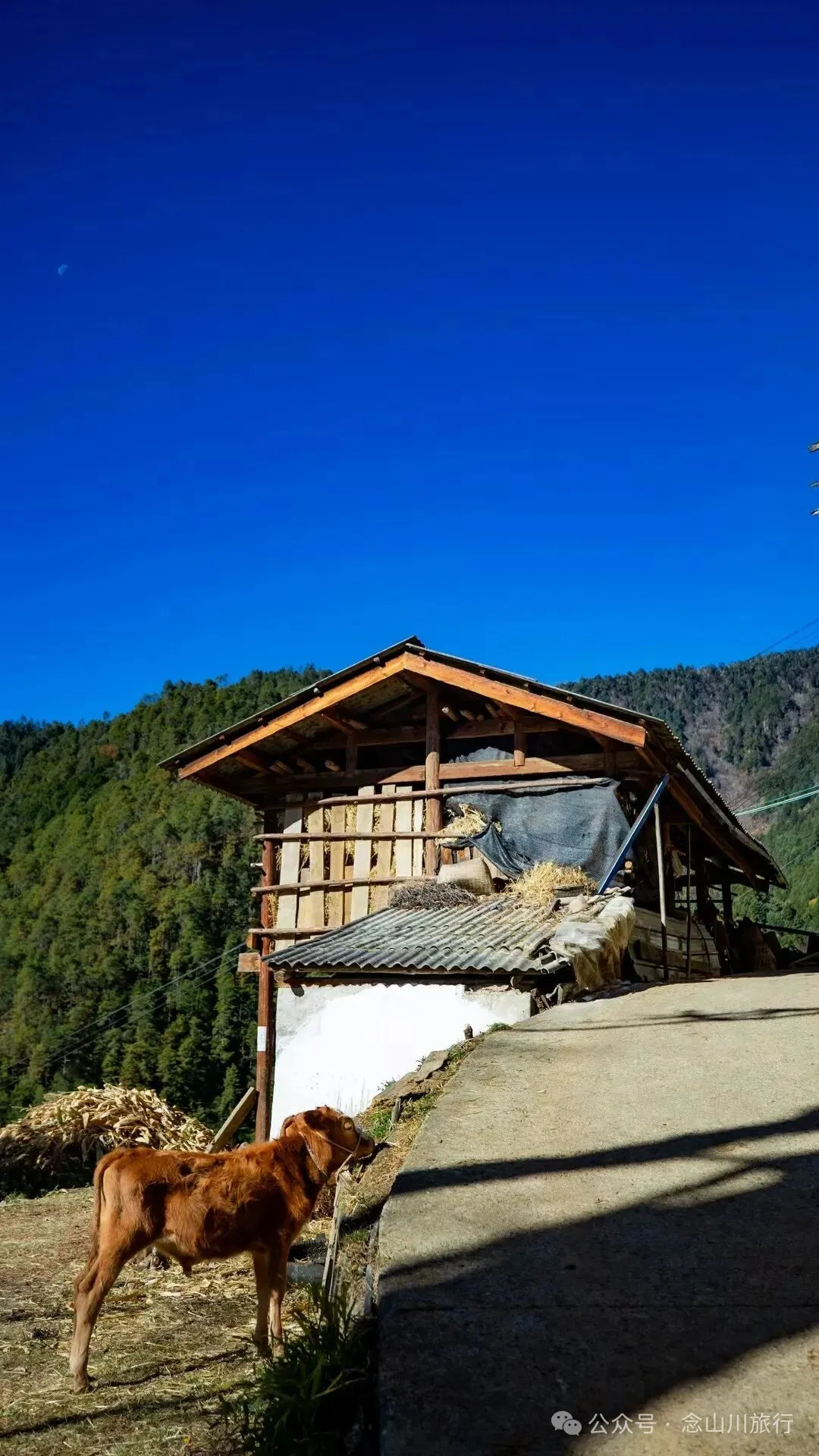
After finishing the housework, the elder still headed to a pasture in the Yejiu Mountains, where his two cattle and a neighbor's yellow cattle were grazing. He helped look after them as well. Another neighbor, also a Changdu inheritor, was herding cattle there. One sat on the grass, the other stood by a dirt cliff, chatting across the distance for a long time. A flock of goats rushed down from the heights and continued foraging on the grass. The elder then talked about the years after his discharge when he herded sheep in the mountains. Pointing to the high mountain ahead, he said there was a pasture on the summit where he stayed for two months with dozens of sheep. There were black bears in the mountains, but he carried a machete and had a large flock of sheep for company, so he wasn't afraid. Once, while searching for mushrooms in the mountains, he found a black bear only about ten meters away. He waved his machete, bared his teeth, and let out a fierce roar, successfully scaring the bear away. I think at that moment, the bear saw not a man, but the imposing force of thousands of troops.
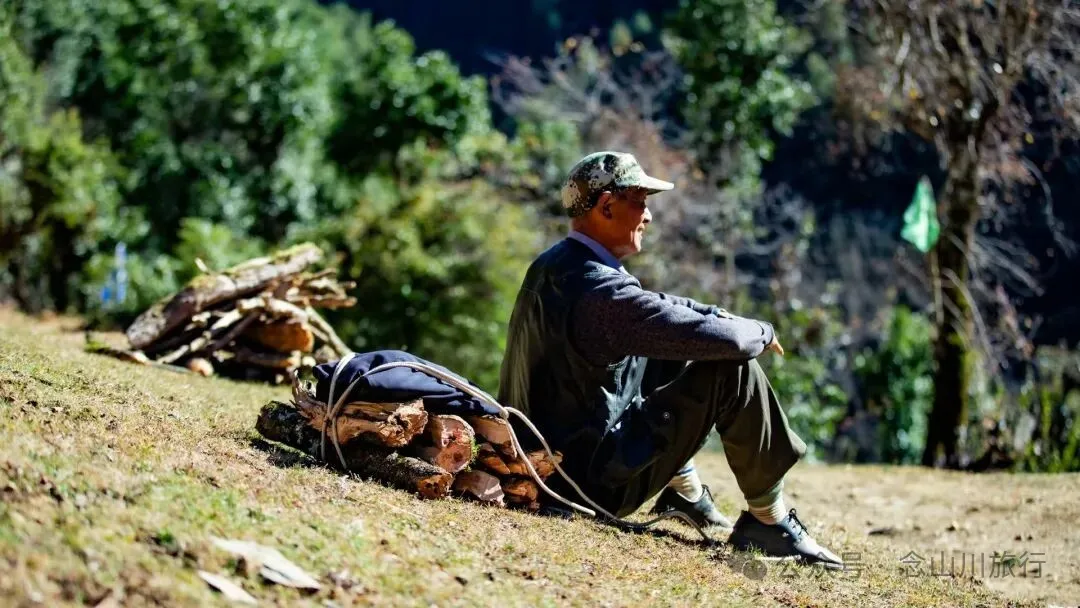
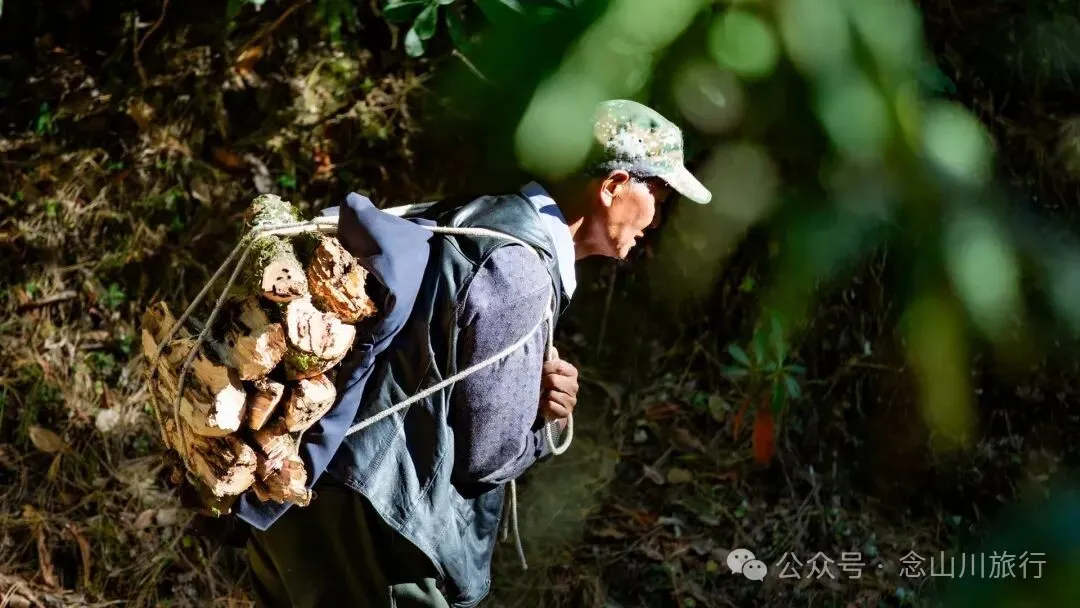
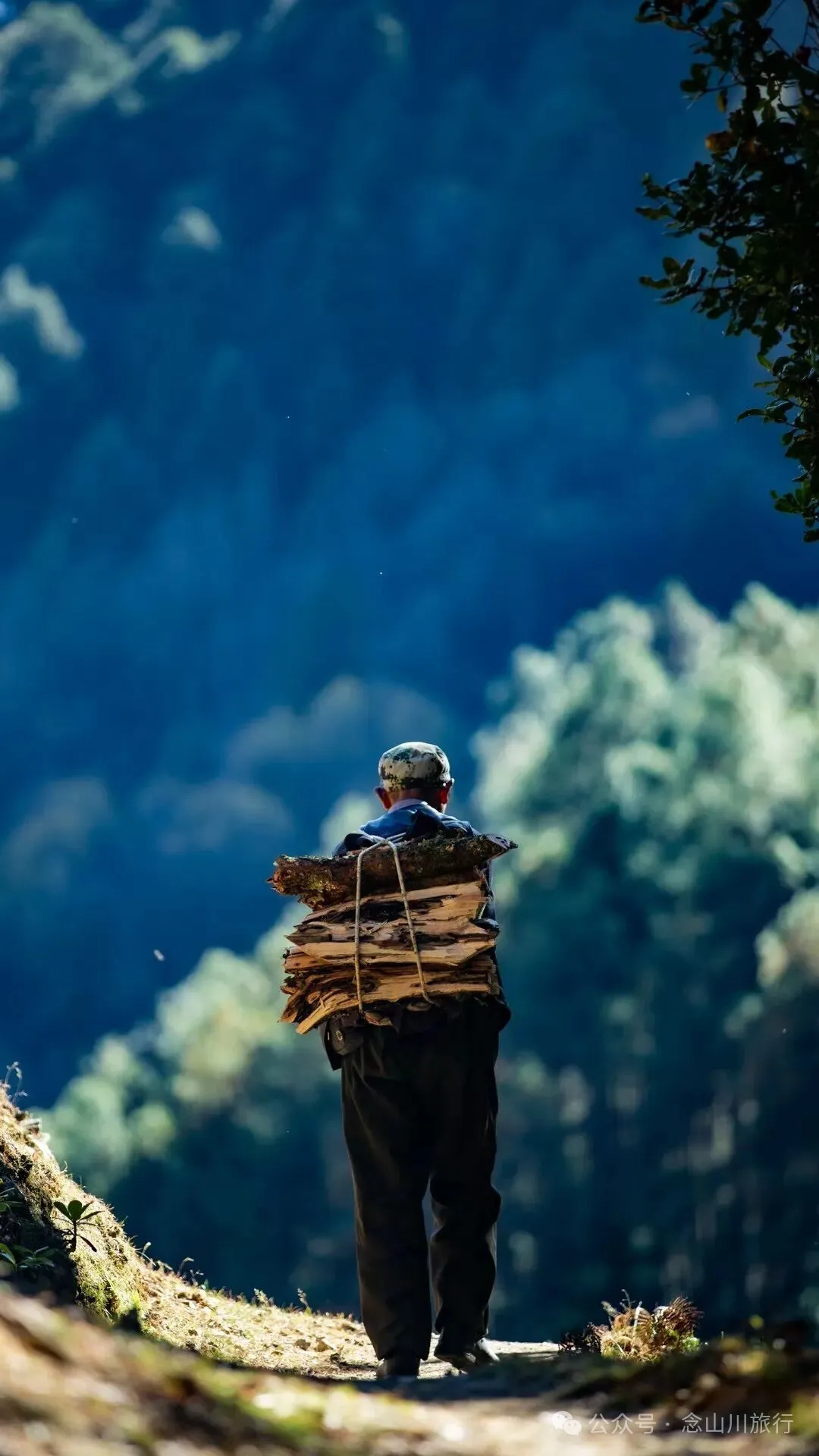

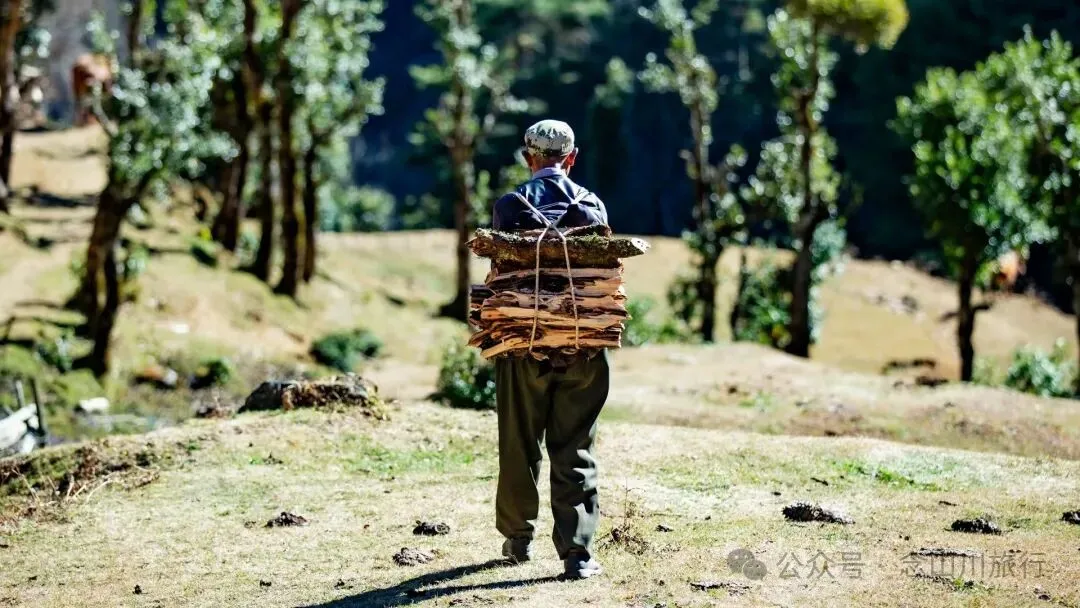
When leaving, the elder still carried his machete and thick rope. He said herding cattle was a leisurely job, but he still had to do other things, like chopping a bundle of firewood to carry home. Herding cattle, chopping wood, cooking, washing dishes and making butter, performing Changdu dance—Elder He Qingwen seems to want to prove his value in his later years through these activities. But he never seems to realize that the choice he made in his youth is enough to be remembered and proud of by his descendants for generations.