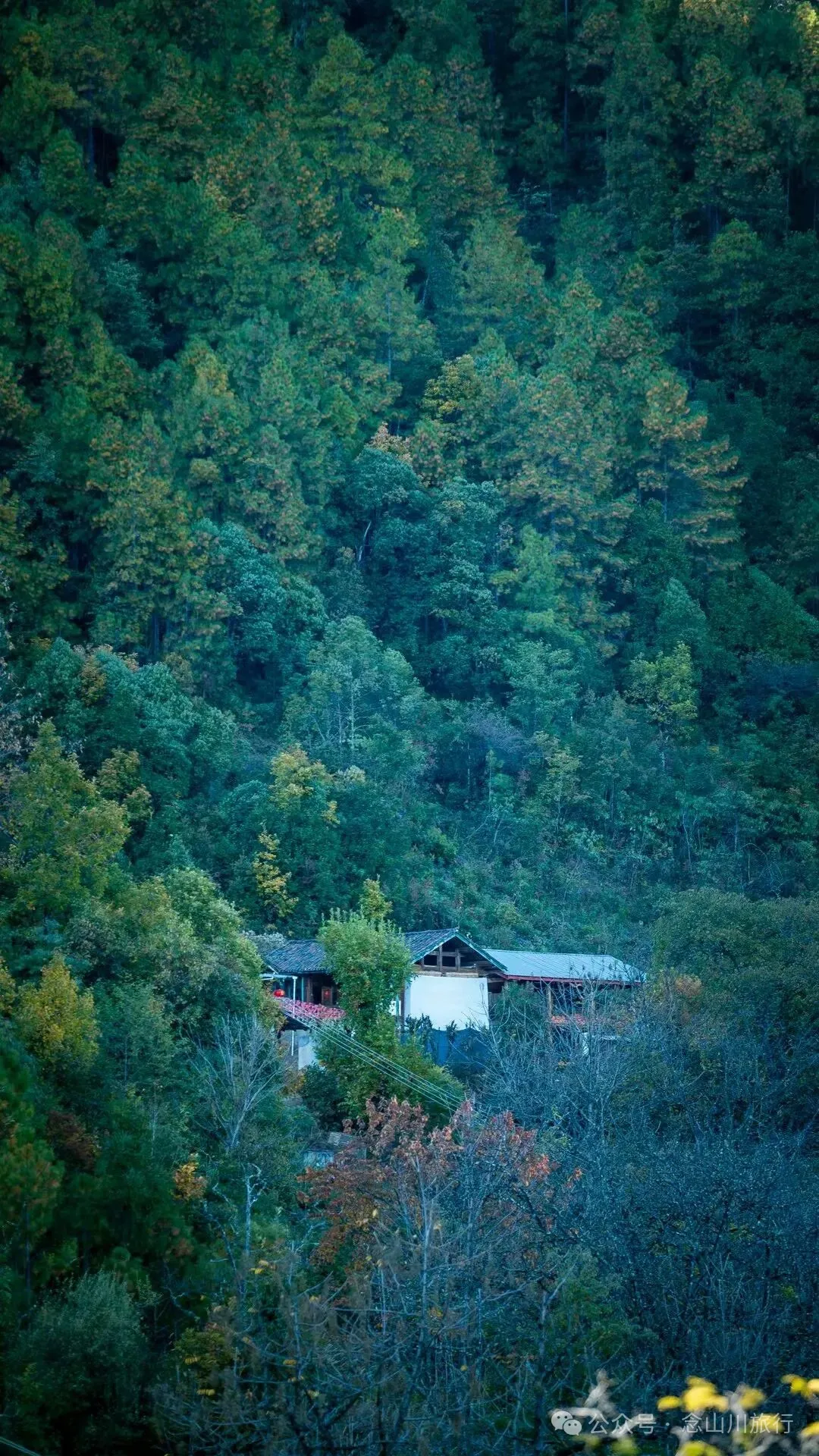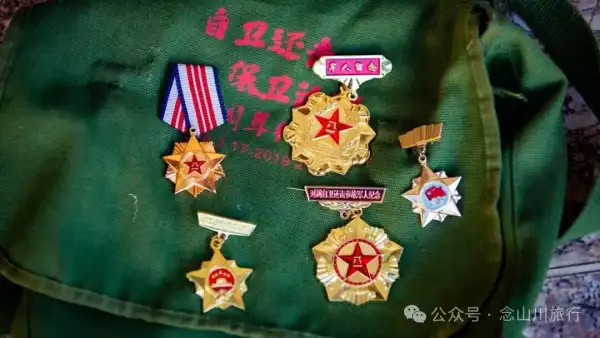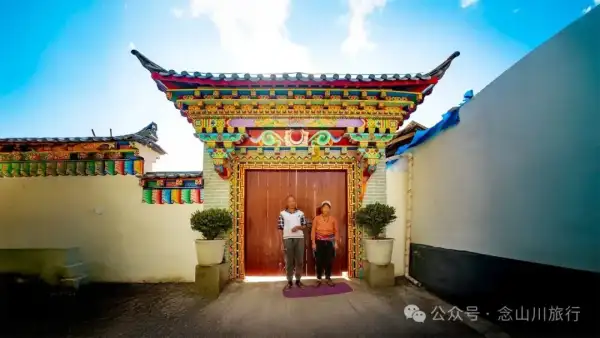

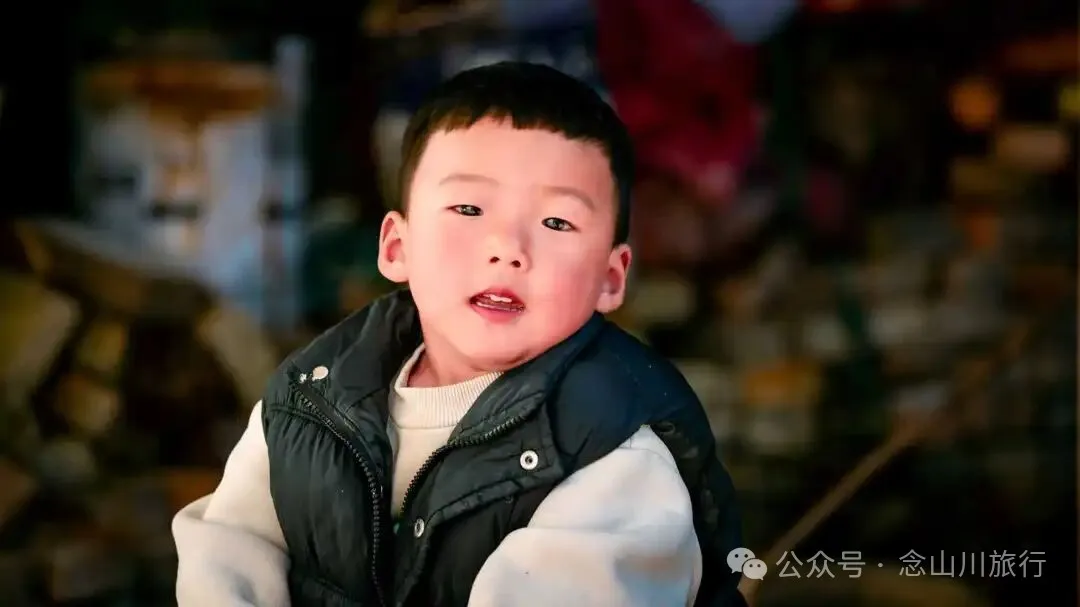
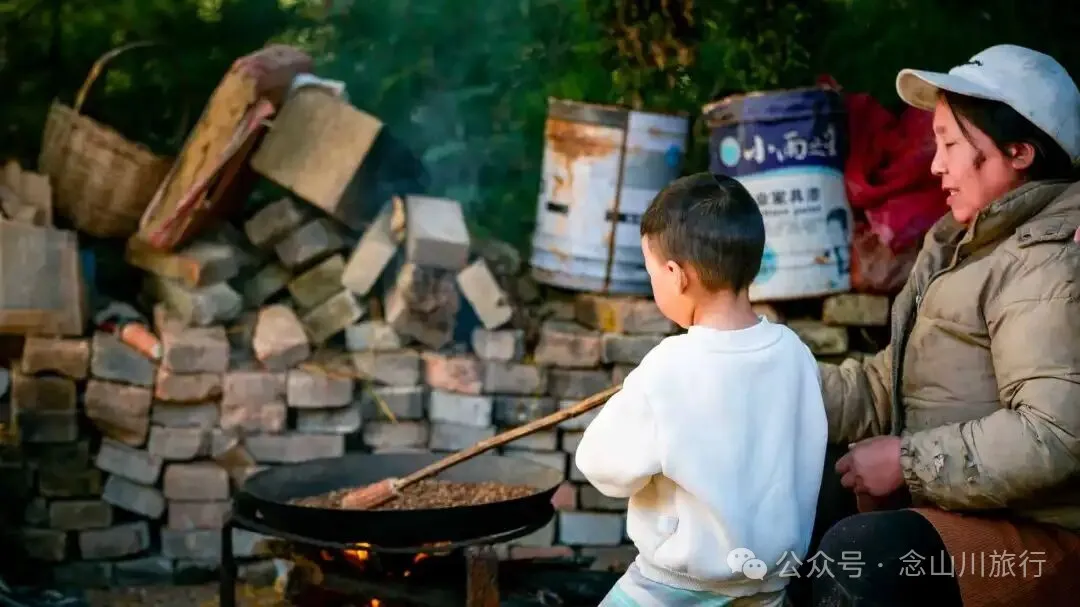
While visiting a Tibetan family's home beside the asphalt road to Wanong to watch them stir-fry highland barley, I met the two-and-a-half-year-old boy Renqing Duzhi, whom I had encountered at a wedding. Back then, he was wrapped on his grandmother's back, saying "Tashi Delek" while raising his hands and bowing, leaving a deep impression. This was his grandmother's house, where he lived with his grandparents, and his grandmother helped raise him. That day, his mother had rushed back from Shangri-La to help with farm work, as it was a busy season. Since his mother rarely returned, he followed her everywhere, his childish laughter filling the entire yard.
On the second day of staying in Bazhu Village, I ate tsampa, which is ground highland barley powder—a grain with a strange texture but a surprisingly familiar smell, typical of the Tibetan plateau. I had no memory of ever encountering highland barley before, not even knowing what it looked like or tasted like. But as soon as I opened the bag of tsampa, the clean fragrance of the grain reminded me of a type of hemp crop my grandmother once grew when I was a child, though I couldn't recall exactly what it was. Plain tsampa didn't appeal to me much; I preferred it mixed with honey, which made it sweet and delicious. When I heard that Renqing Duzhi's grandmother was stir-frying highland barley at home, I hurried over, afraid of missing the scene.
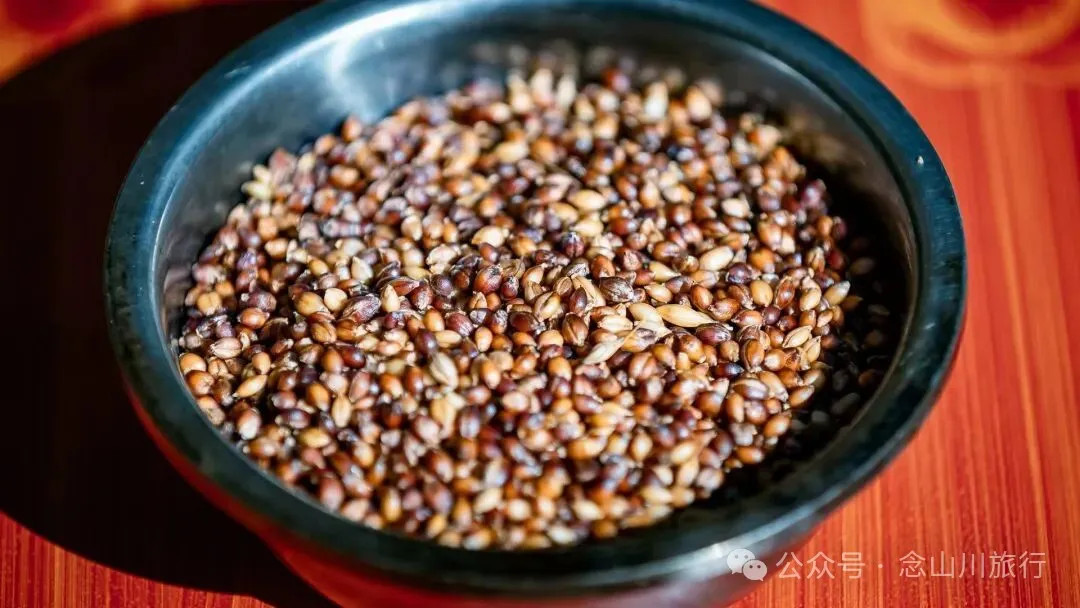
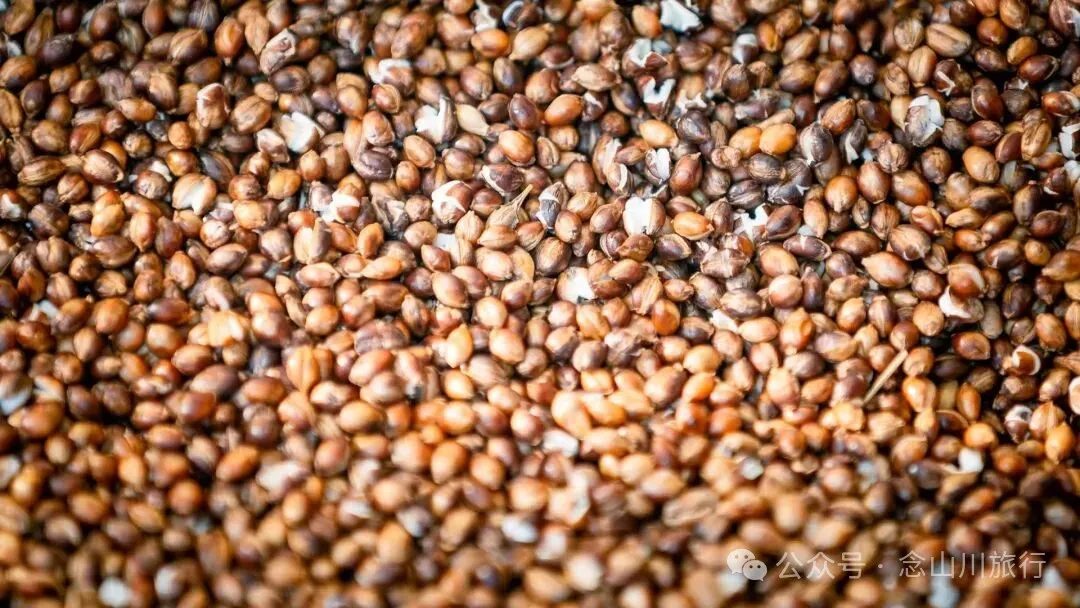
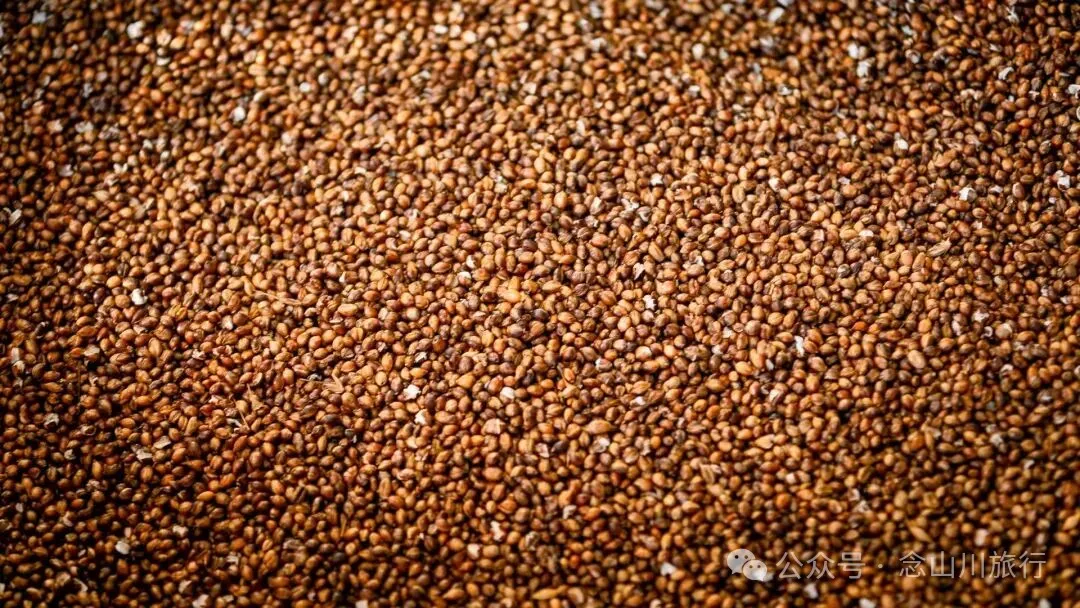
Highland barley, also known as naked barley, is a special crop of the genus Hordeum in the grass family. It is the oldest cultivated and most adaptable crop on the Qinghai-Tibet Plateau, with a cultivation history of over 3,500 years. Its most notable feature is that the grains separate from the husk when ripe, making them easy to thresh, hence the name "naked barley."
Black highland barley is a unique and rare variety of highland barley, named for its dark purple to blackish-brown husk. It is an ancient germplasm resource preserved through natural selection and traditional breeding. The black husk is rich in anthocyanins, powerful natural water-soluble antioxidants that help eliminate free radicals, fight aging, reduce inflammation, and protect eyesight. This is the fundamental difference between black highland barley and ordinary highland barley. Due to its typically lower yield and stricter growing conditions, it is planted in smaller areas, making it more precious.
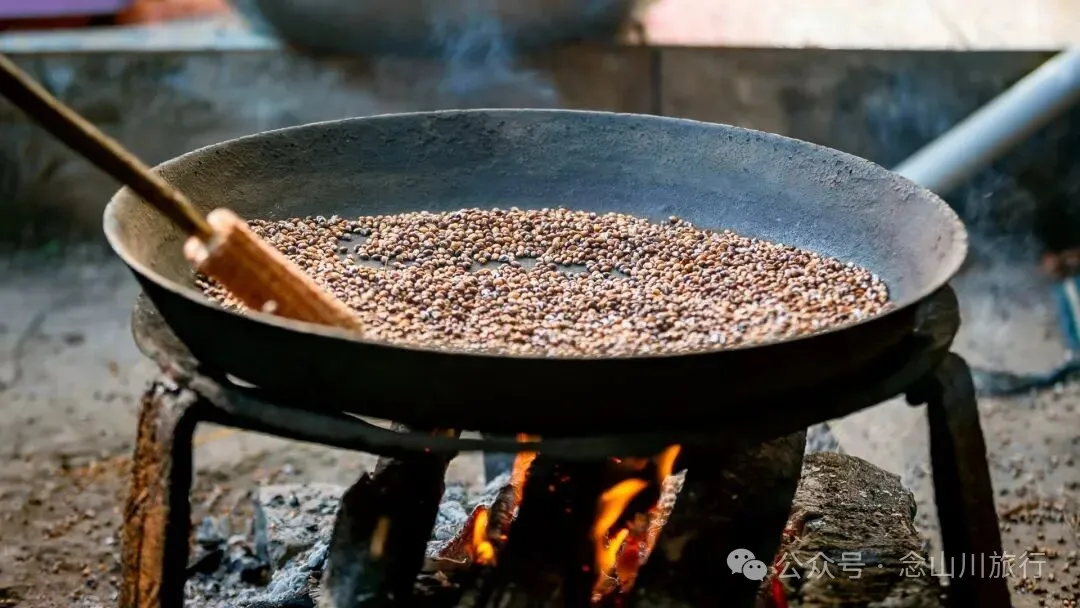
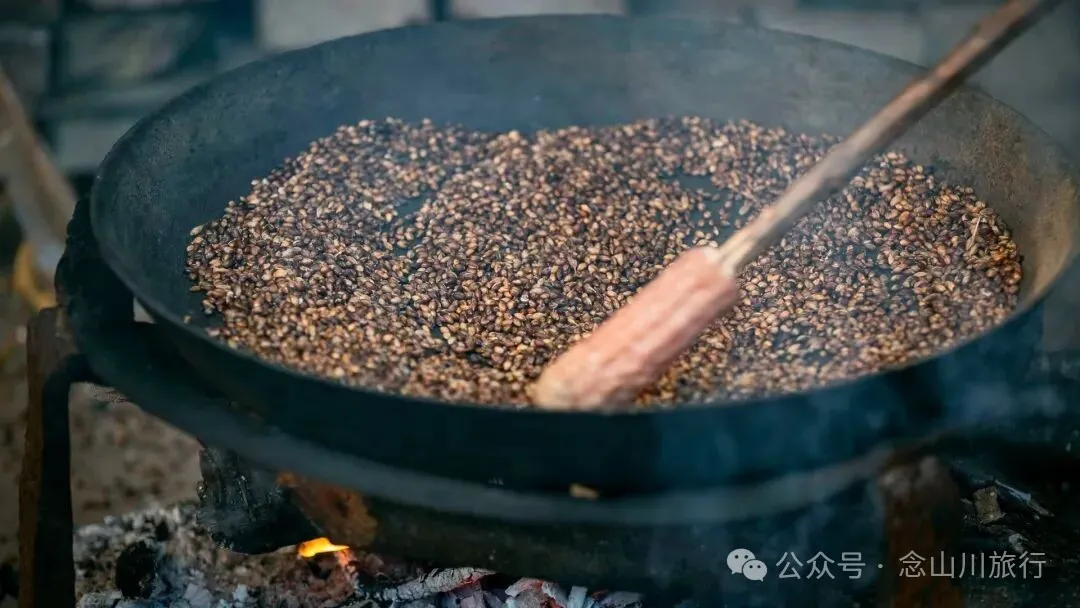
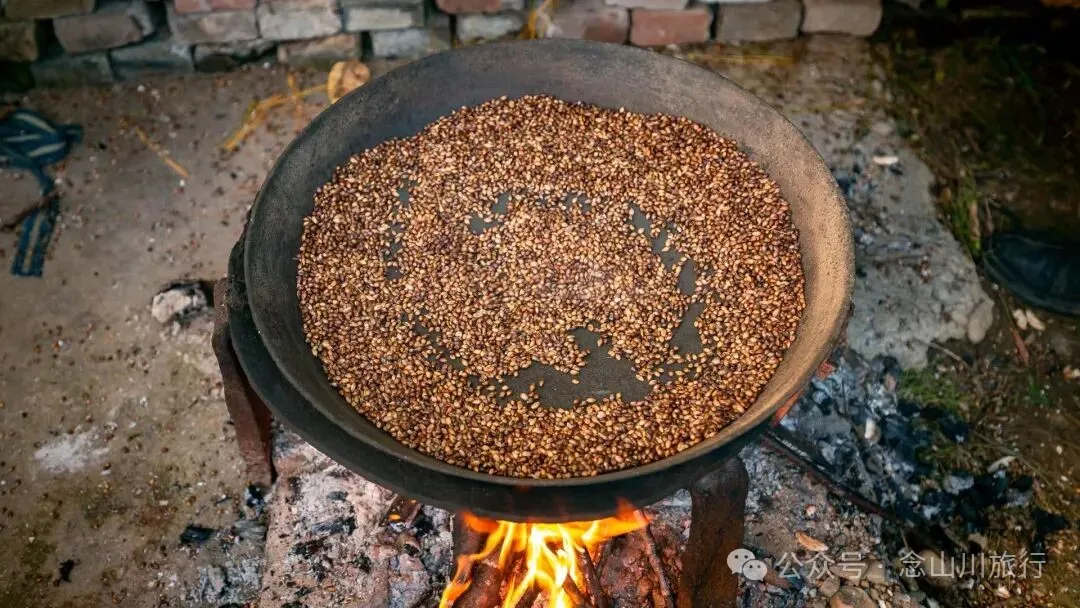
Renqing Duzhi's grandmother stirred the black highland barley in a flat pan while explaining the entire process and precautions for stir-frying. The harvested barley is first boiled in cold water, drained, and cooled before being added little by little to the flat iron pan. The heat must not be too high, or it will burn. Only a small bowlful can be placed in the pan at a time, and it must be constantly stirred until slight popping sounds and a rich grain aroma emerge, indicating that a batch is done. This is a task that tests endurance; stirring continuously from morning to night, she can only fry about twenty jin (10 kg) per day. The 70 jin (35 kg) of boiled barley in the bucket would take her three days to finish. The fried barley must be ground into powder at the water mill on the Bazhu River to make authentic tsampa.
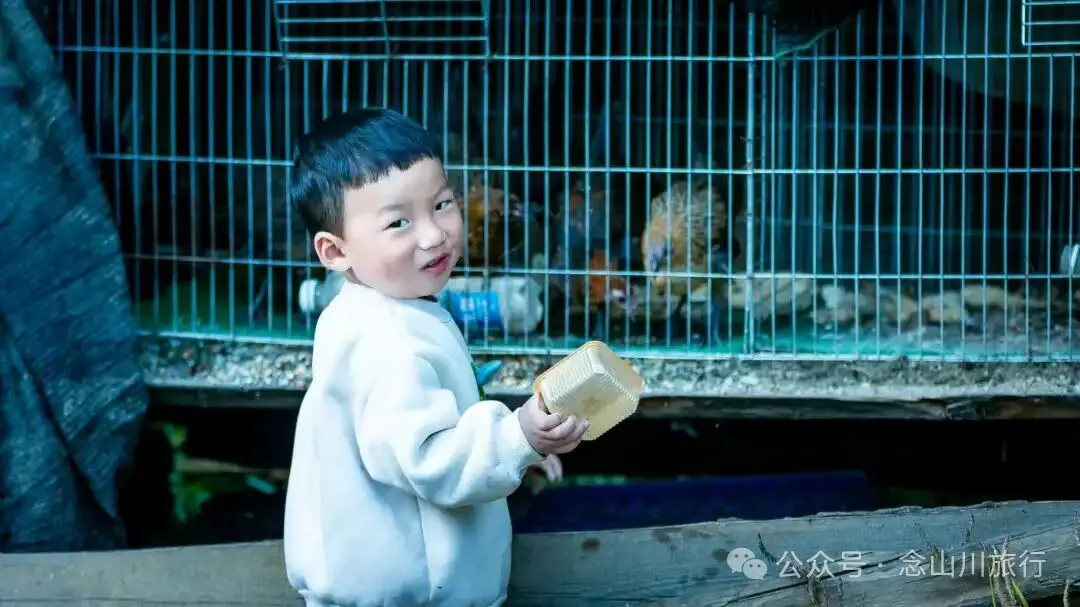


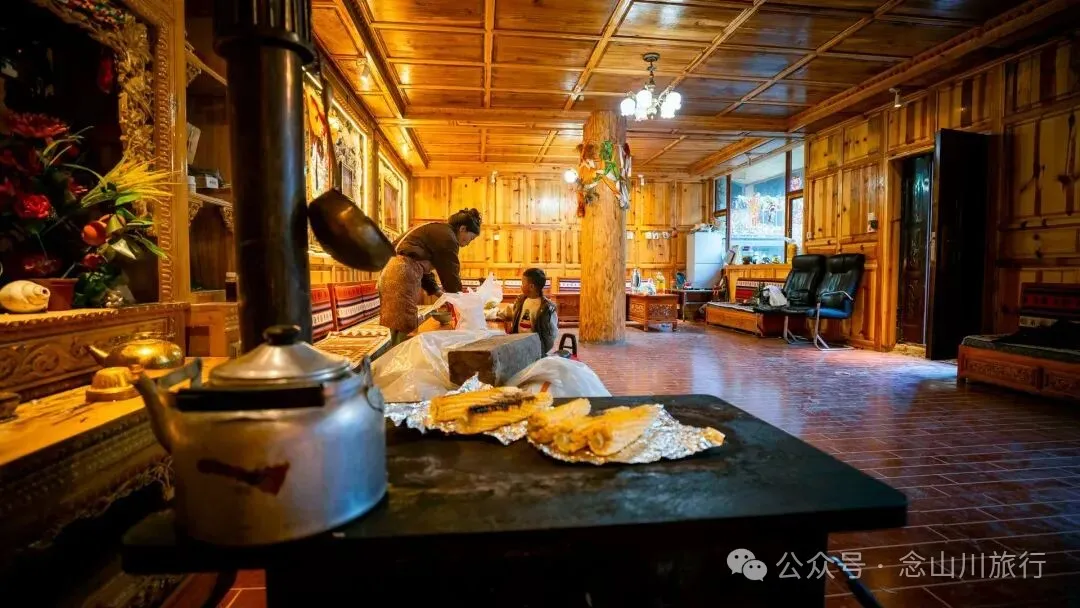
With both grandmother and mother busy, little Renqing Duzhi grew a bit bored. He would pull me to the chicken coop to feed corn kernels to the chickens, then run to his grandmother to stir-fry barley, grabbing a handful of fried barley to eat, and occasionally dashing into the living room to play with a roll of toilet paper as a rope. Despite his occasional mischief, he was a sensible little boy. As dusk fell, the heated living room became cozy. He walked to the shrine, poured the holy water from the bowl back into the pot, turned the bowl upside down and arranged it neatly, then imitated adults by lighting three incense sticks, placing them in the burner, and pressing his palms together in prayer.
His mother told me that once, when the family went to burn incense, he kowtowed and said, "Mommy won't get sick, grandparents won't get sick, 'Senjian Tongjie Jiao Songqie' (Tibetan transliteration, meaning 'May all people in the world be well')." No one had deliberately taught him these words; he had absorbed them through daily exposure. He would also secretly stuff a half-eaten, saliva-covered cookie into his mother's mouth, then look at her with expectant eyes, hoping for praise. More often, even when deeply engrossed in play, he would suddenly run over, tightly hug his mother's legs, press his face against them for a few seconds, then say nothing and run off to continue his game...
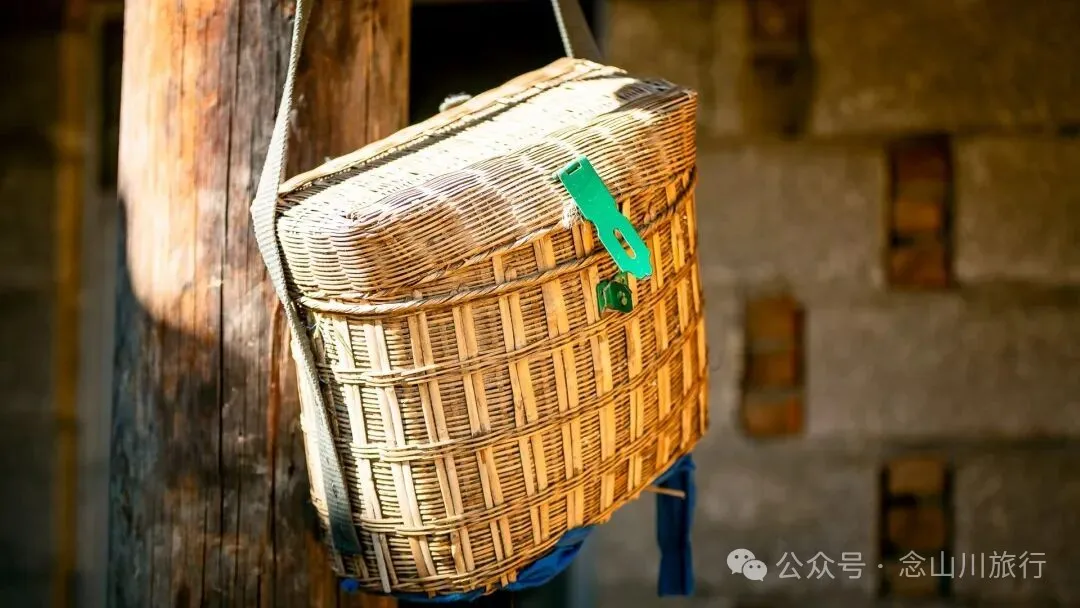
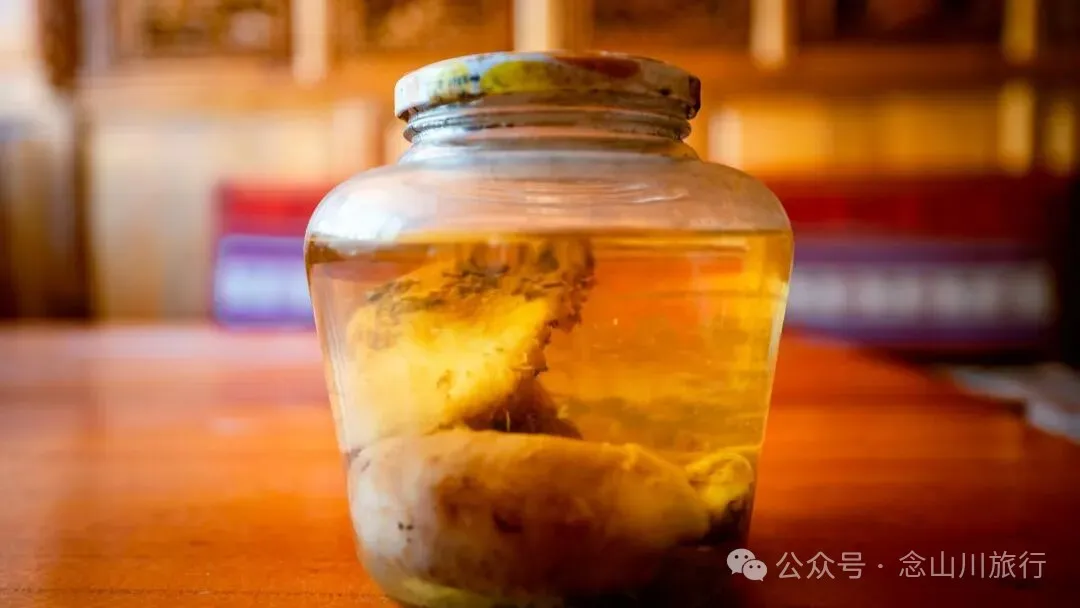
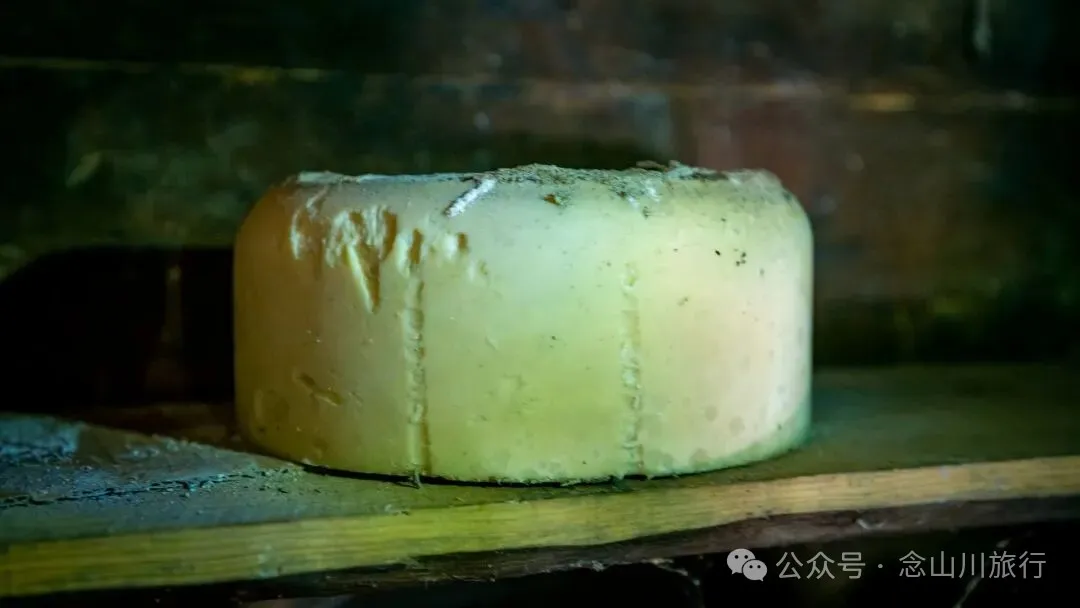
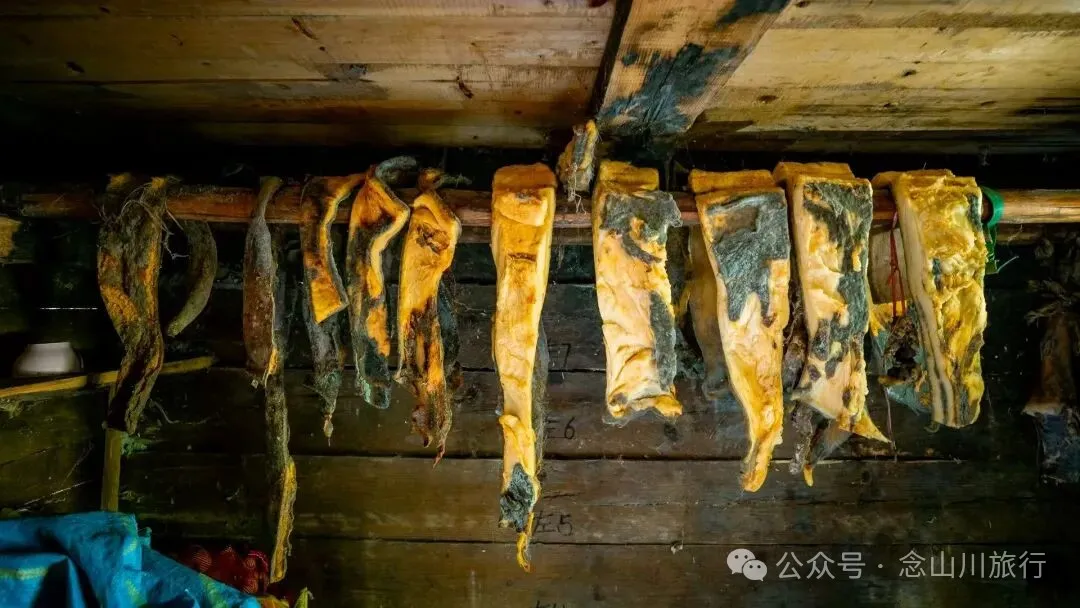
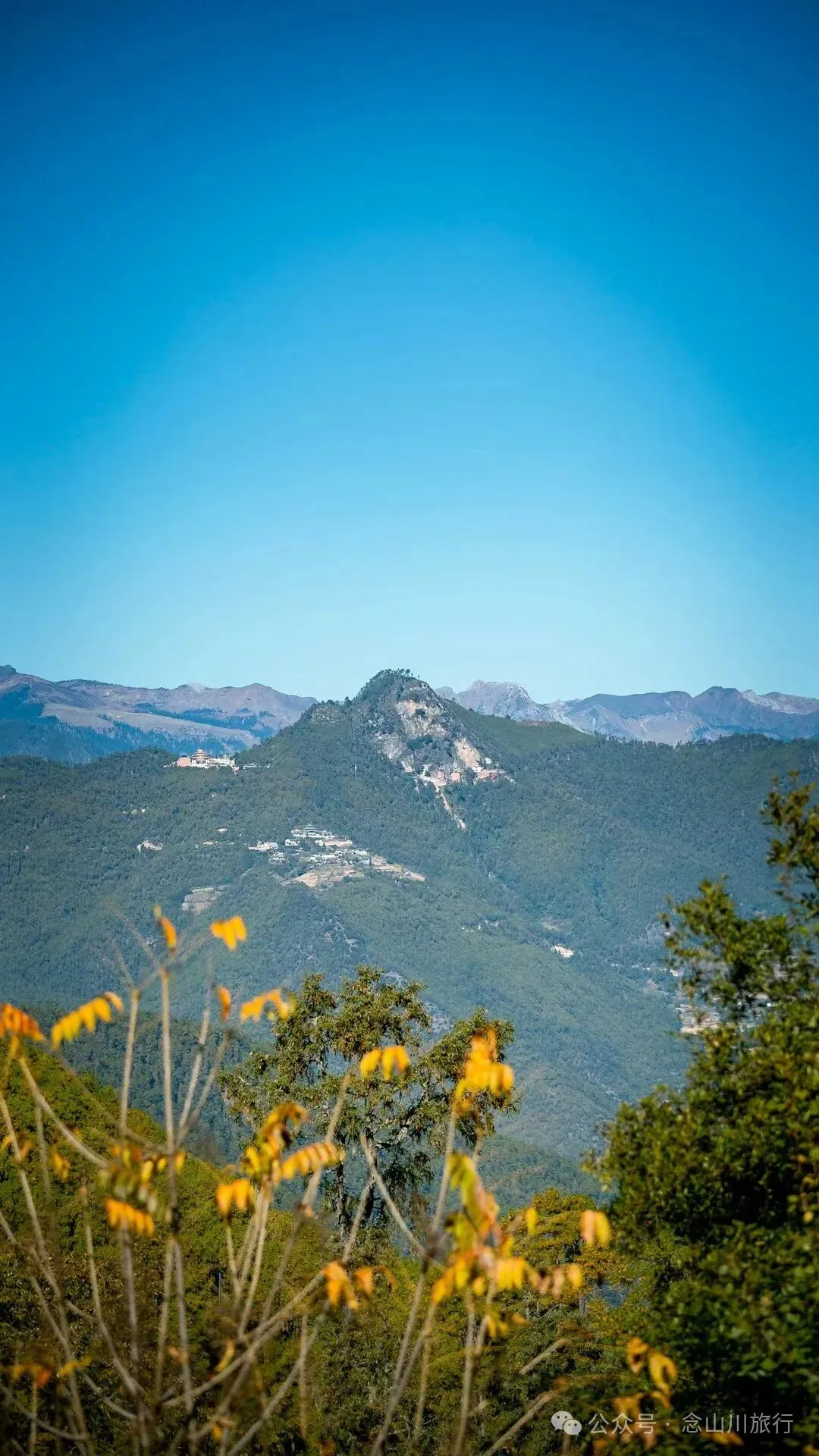
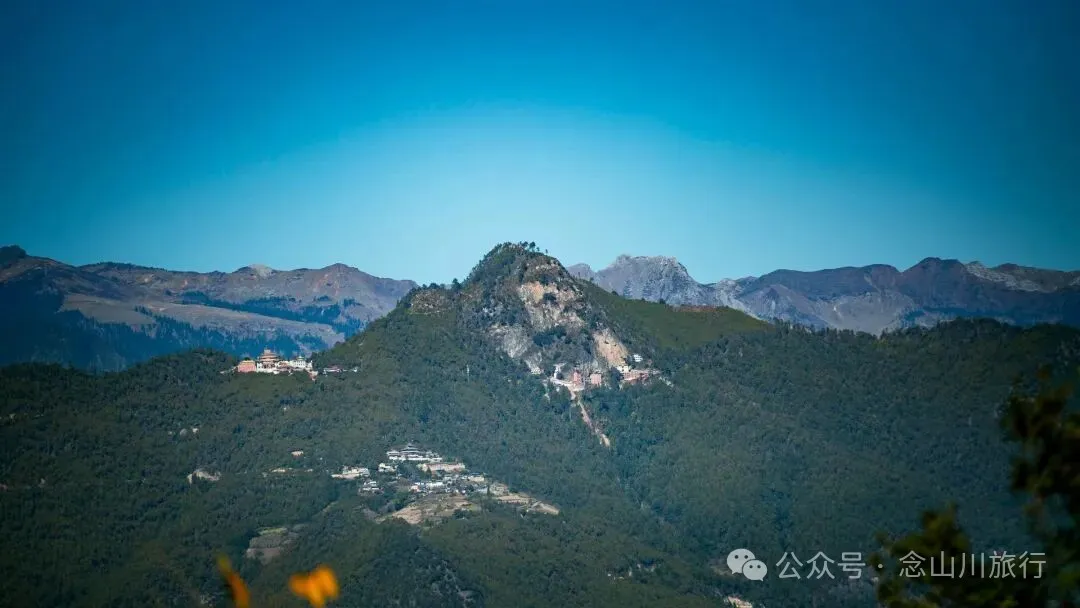
Some noteworthy items in the Tibetan courtyard: a bamboo basket with a lock, a bottle of matsutake-infused highland barley liquor, a half-used cake of yak butter, a string of cured meat, and a view of the Dharma Master Cave. As soon as I entered their yard, the warm-hearted Tibetan sister gave me many things: cured meat, infused liquor, peanuts, and papaya, making me feel a bit guilty. The Schisandra berry liquor was over ten years old; she said it could be drunk or used to rub joints. After returning, I tried it, and my knees felt much better.