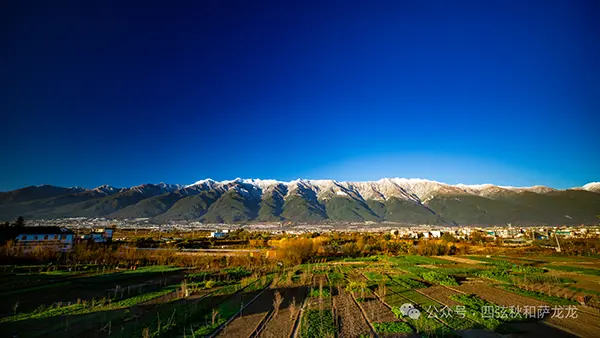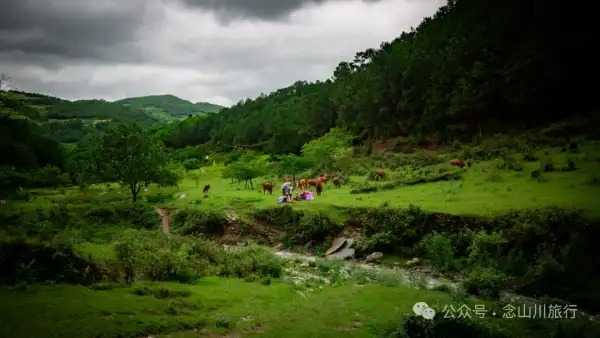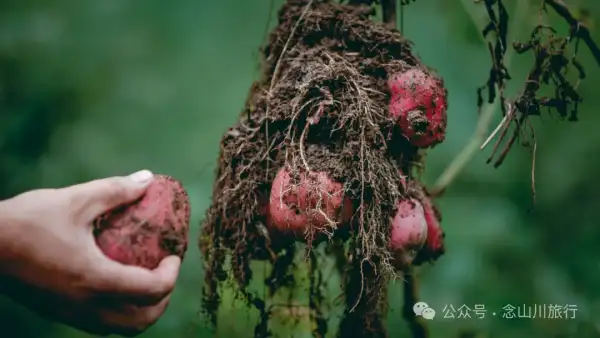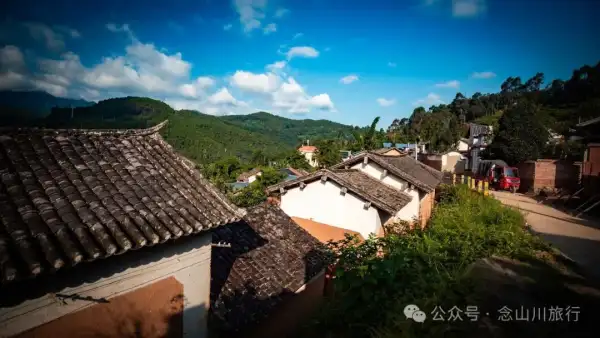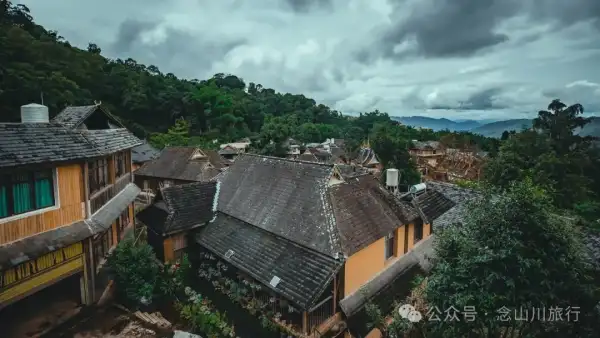

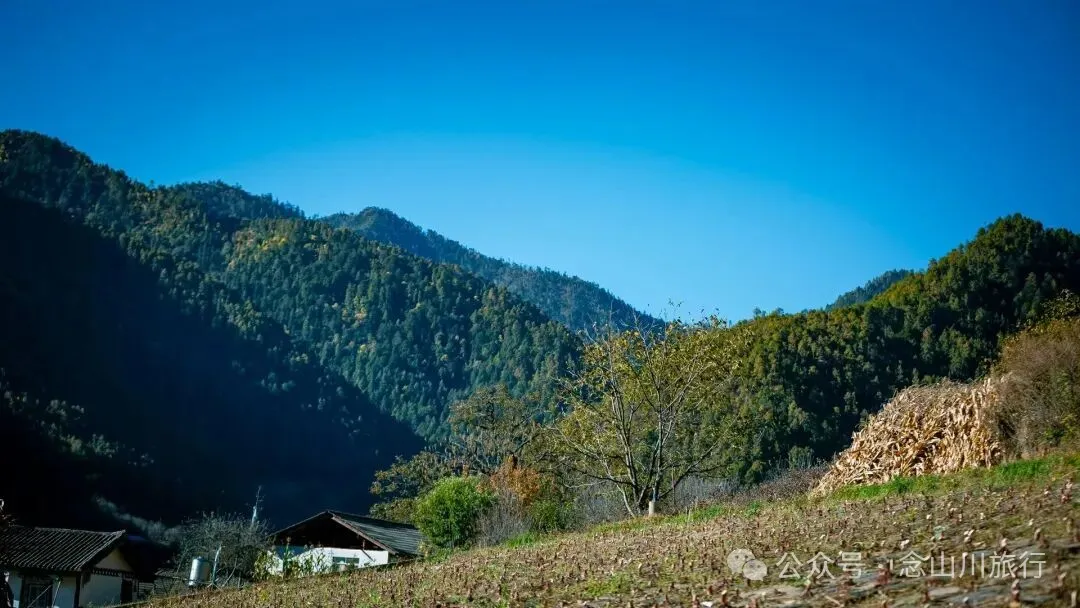
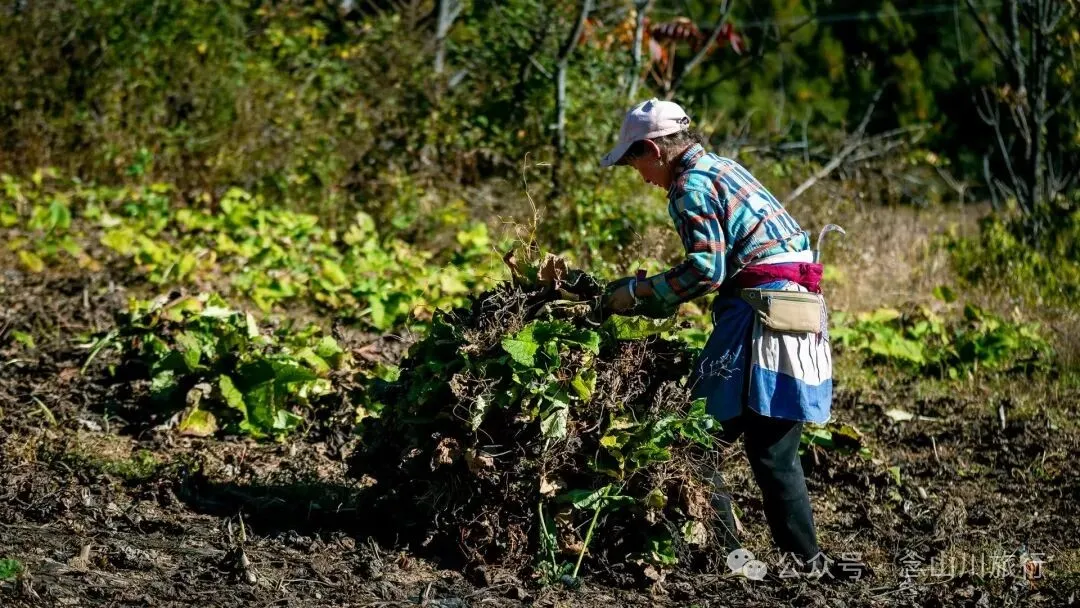
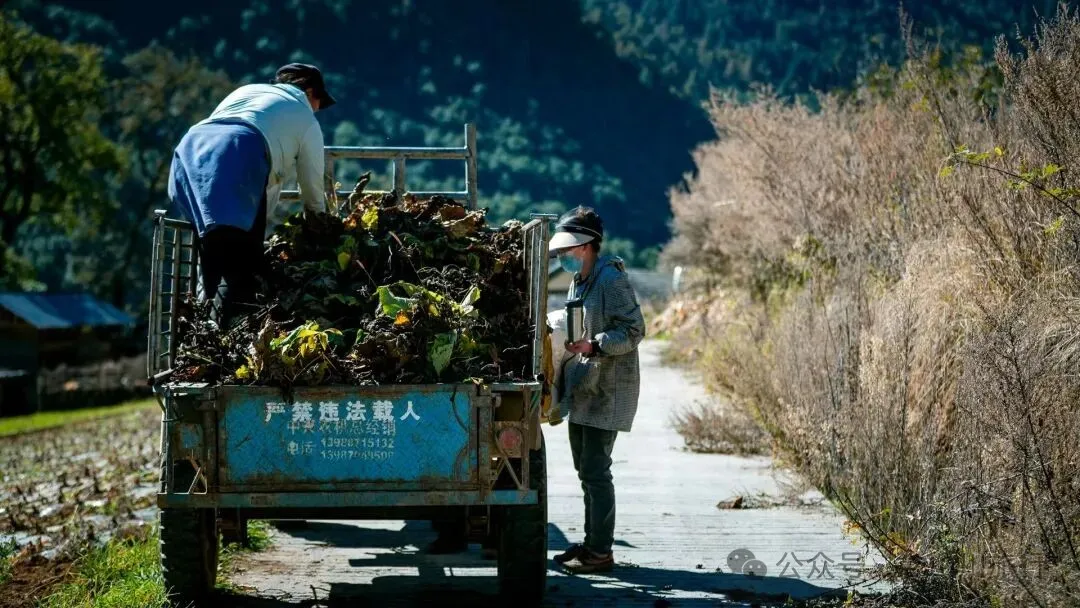
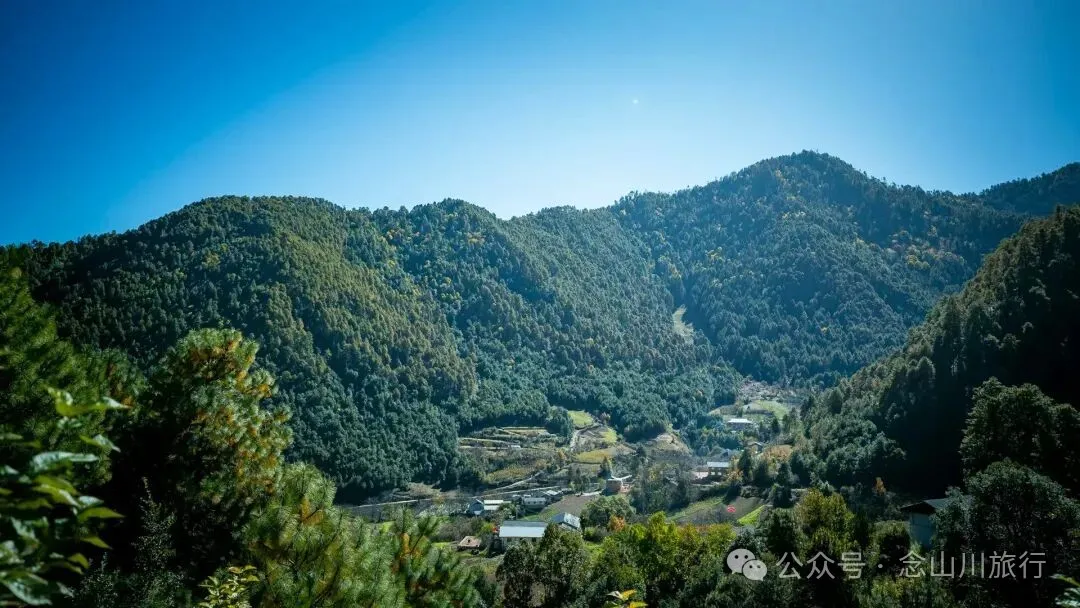
In the valley where Bazhu Village lies, the winter clear days are always thorough—cloudless, with sunlight generously pouring down, dispelling the cold. During the day, people prefer to work outdoors rather than huddle by a blazing stove in the living room. The sun gently caresses the skin of hands and face, extremely mild and soft. Zhuoma from the farm had said the weekend before that she needed to help dig costus at home and asked if I wanted to come. Actually, it was her parents and she who worried I might be bored alone, so they found this euphemism. I gladly went, curious to see how she spends her weekends.
The costus field is on the huge slope where the village committee is located, just a few minutes' walk away. I often wander around there on ordinary days. She and her parents were busy bending over in the unobstructed warm sun. Another acquaintance was also in the field helping cut green leaves to take home for pig feed. Her father is a humorous man. Though I don't understand Tibetan, many times after he said something, everyone would burst into laughter. When I asked her to confirm, she smiled and verified her father's cheerful trait. Besides this, I was especially interested in an experience her father had as a child.
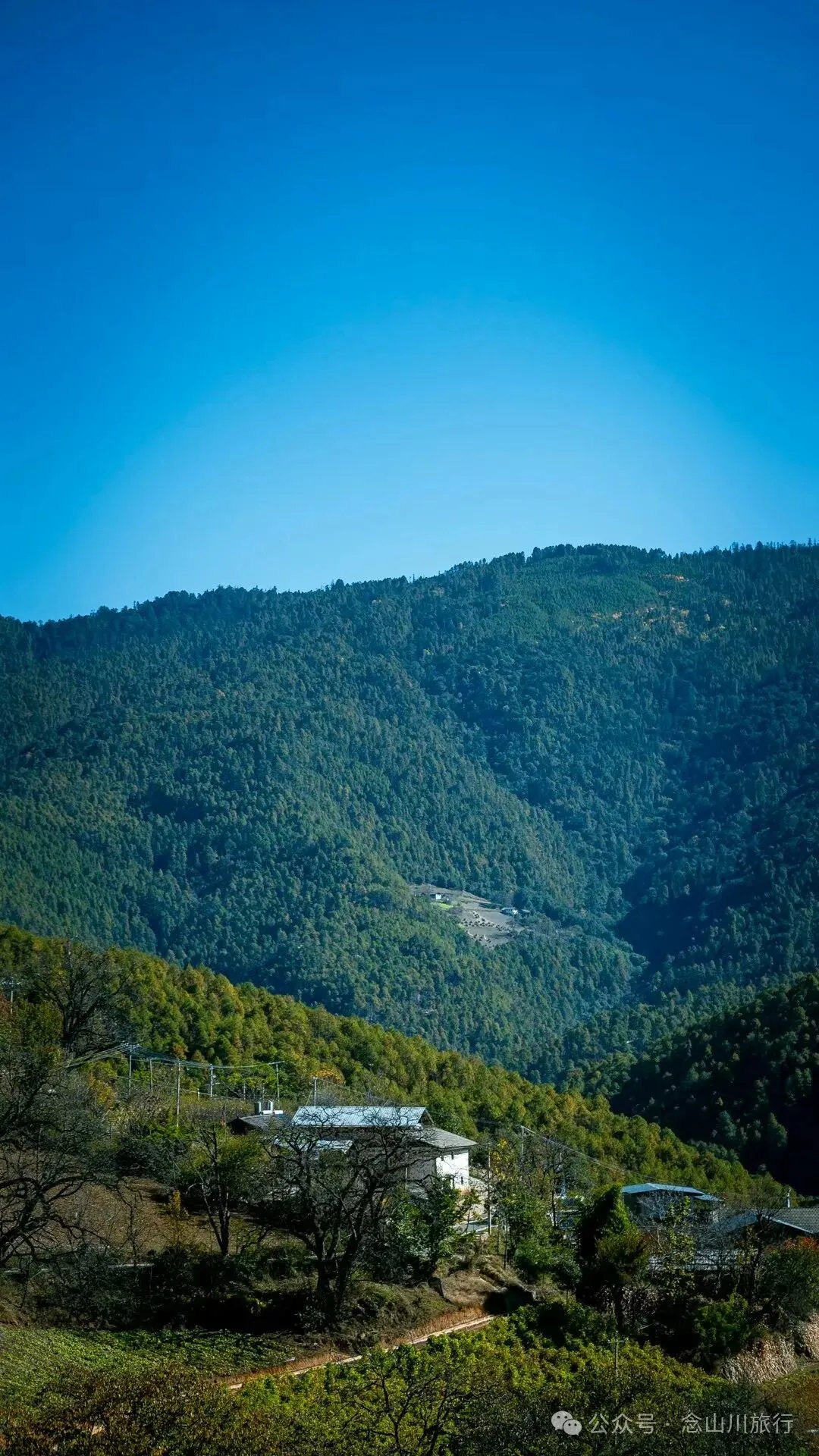
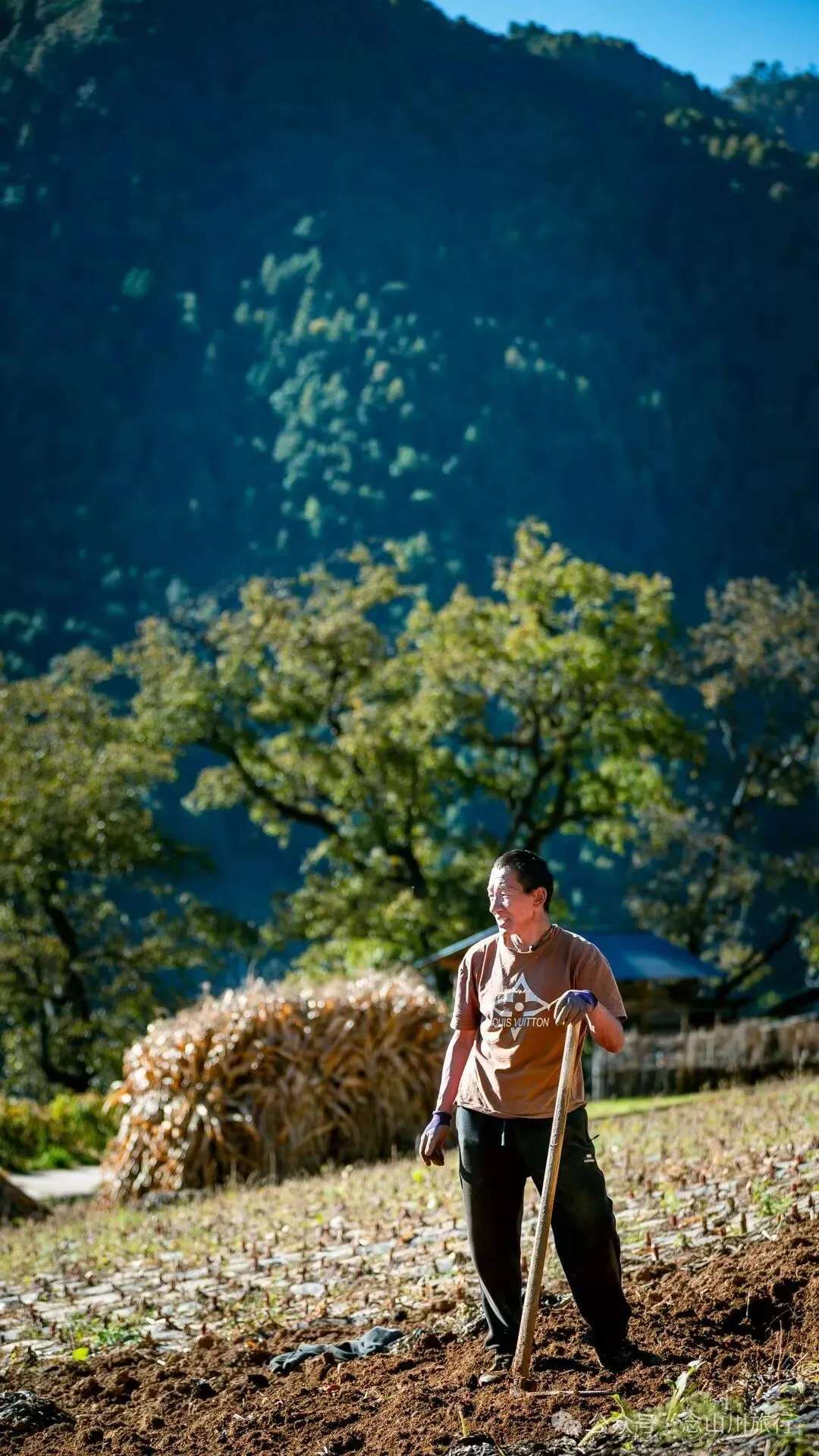
When he was 11, he followed adults to herd sheep on the mountaintop behind the village. To cut some bamboo to make a toy that was popular at the time, he accidentally got separated from the adults and got lost in the mountains. By nightfall, he couldn't get out of the once extremely dense jungle. Fortunately, it was summer, and the temperature in the mountains at night wasn't too low. He used his随身携带的砍刀 to cut some branches, using them as both a mat and bedding, and lay on a big tree for an entire night. That night, he lay in the thick branches listening to the roars of various wild animals all night long, unable to sleep a wink, he recalled calmly. The next day, he met a shepherd from another village in the mountains, who guided him back to the village. I am luckier than him; I didn't get trapped in the mountains all night.
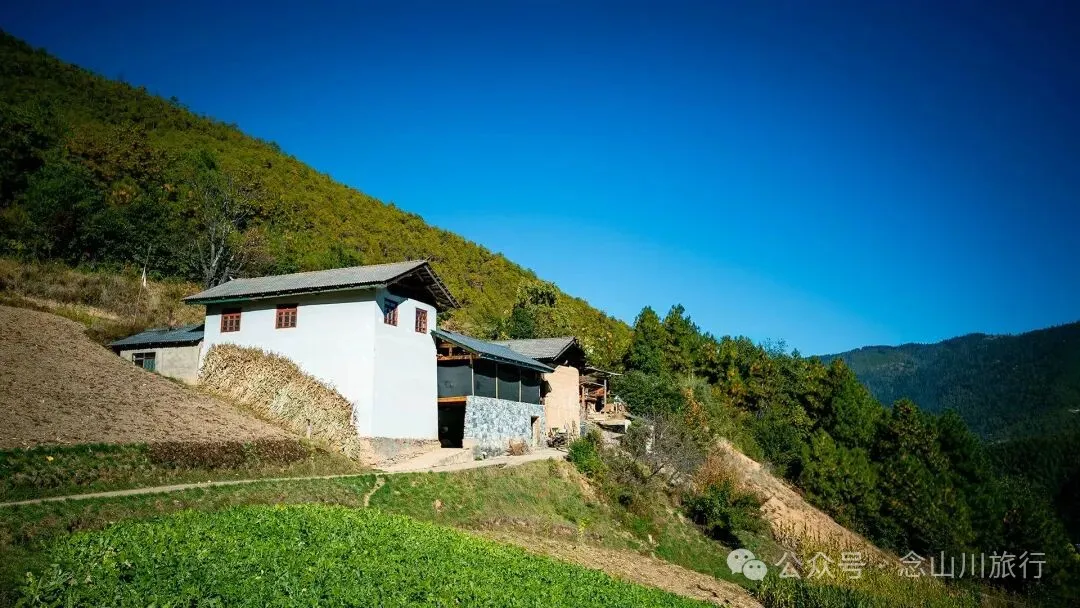
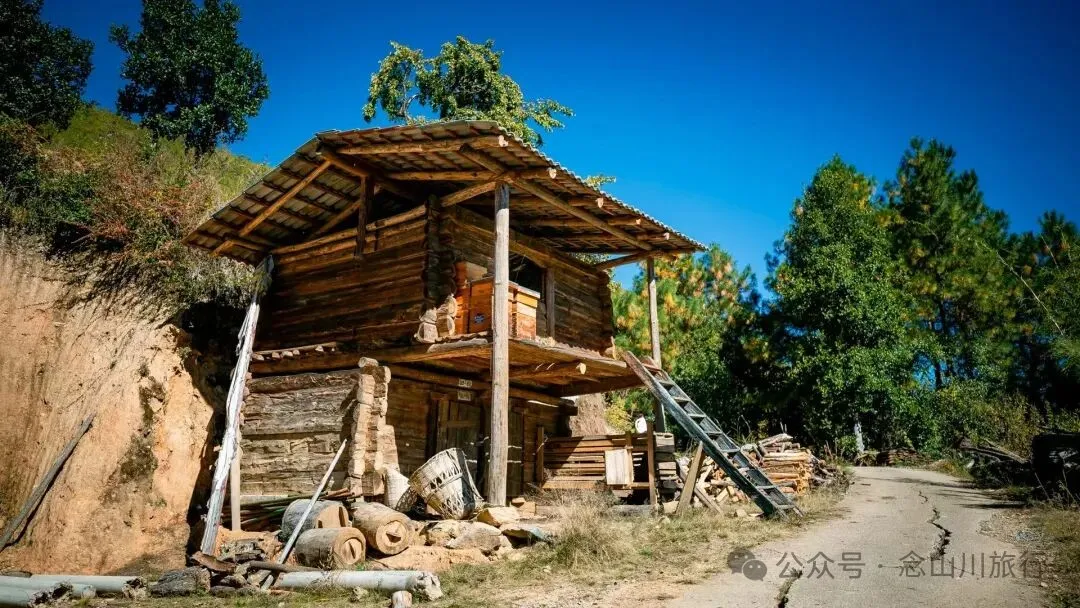
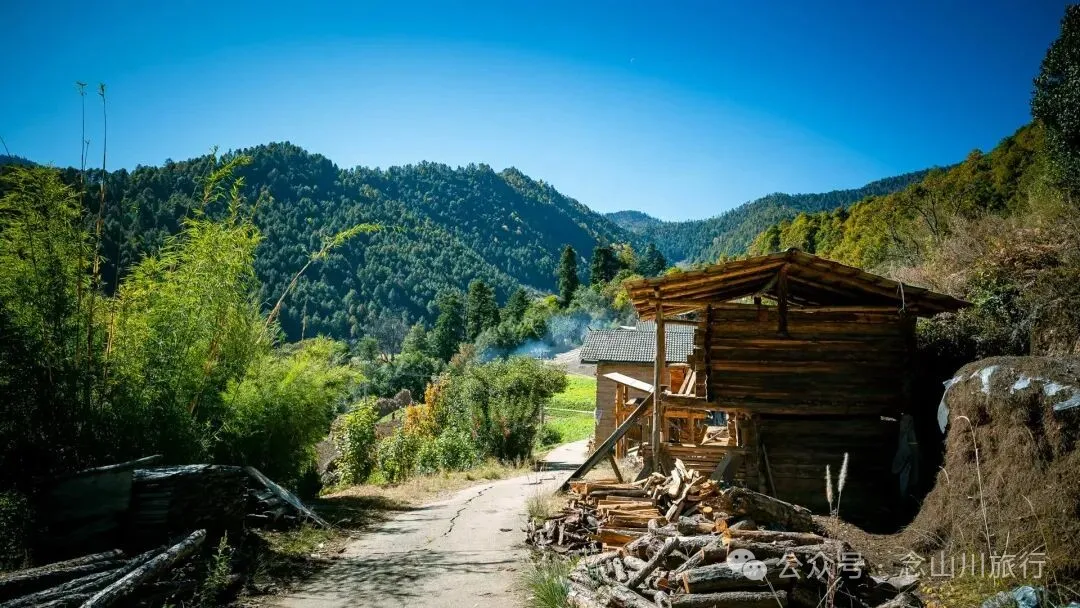
After cutting a few leaves following Zhuoma and her mother, I jumped onto the tractor and bumped along with them back to their home halfway up the mountain. The courtyard formed by four small Tibetan houses beside the cement road is home to their family of three, living a plain but fulfilling life. Not far from the house is a two-story wooden building. I was impressed the first time I passed by, thinking that if the walls on the second floor were filled to block the wind, and a low fence was built around the terrace, with a wooden table and an old chair placed there, sunlight, moonlight, and starlight would alternately shine on the terrace, making it very cozy. The ground floor is a chicken coop. Every day, without setting an alarm, it's nice to wake up to the crowing of roosters. Her father joked that if I liked it, I could move in anytime. Besides a few chickens, the ground floor also houses several pigs, making it quite lively.
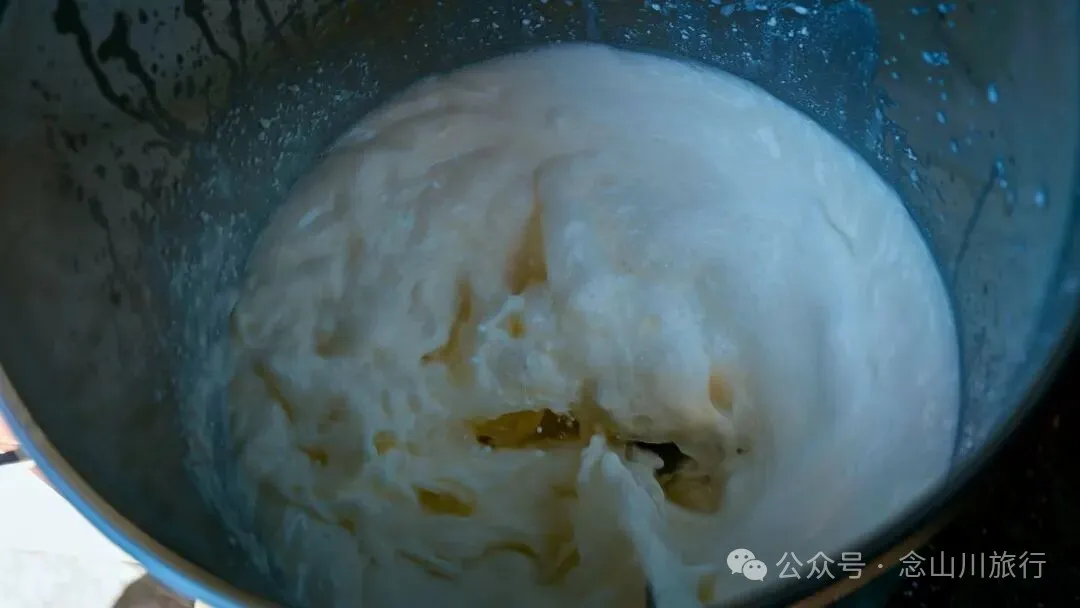
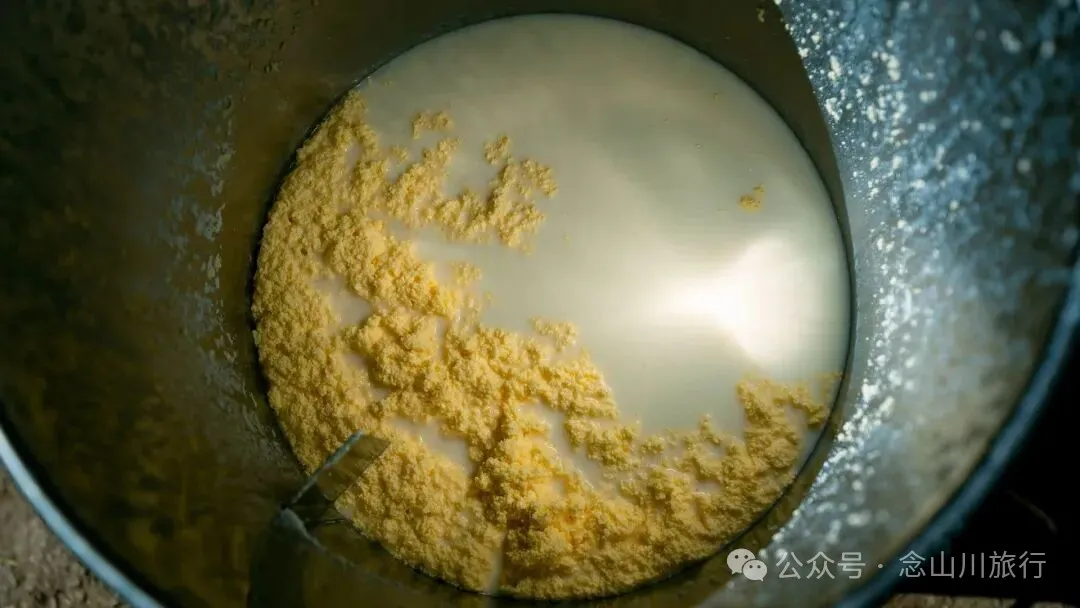
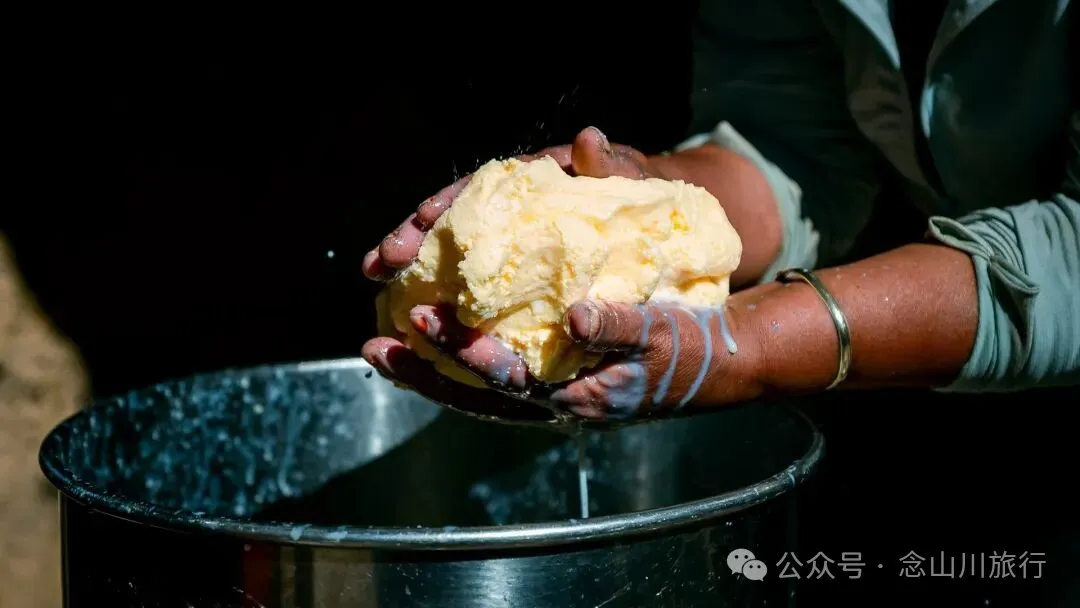
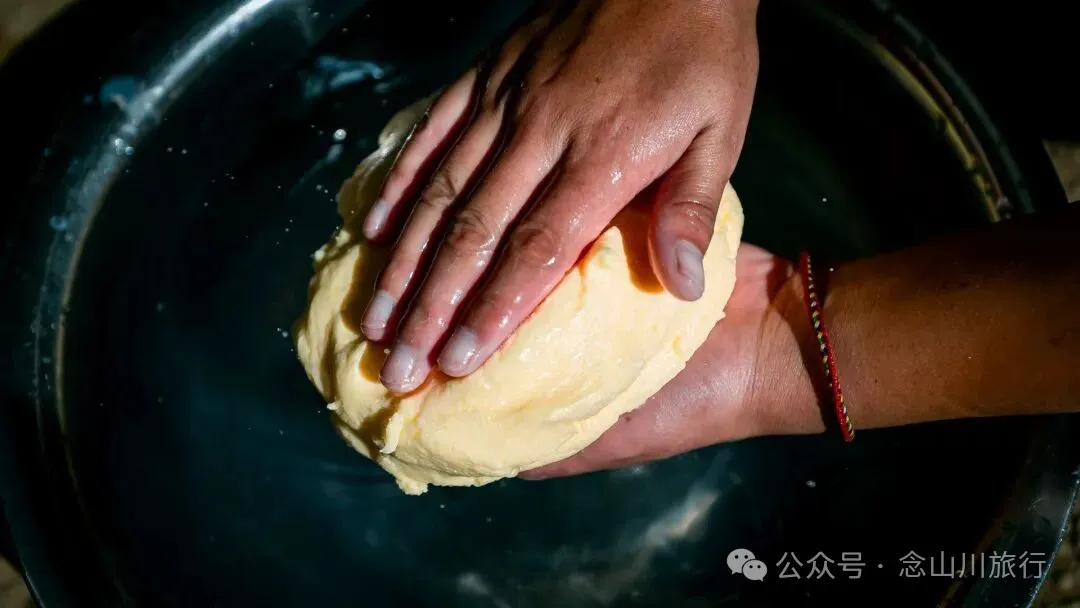
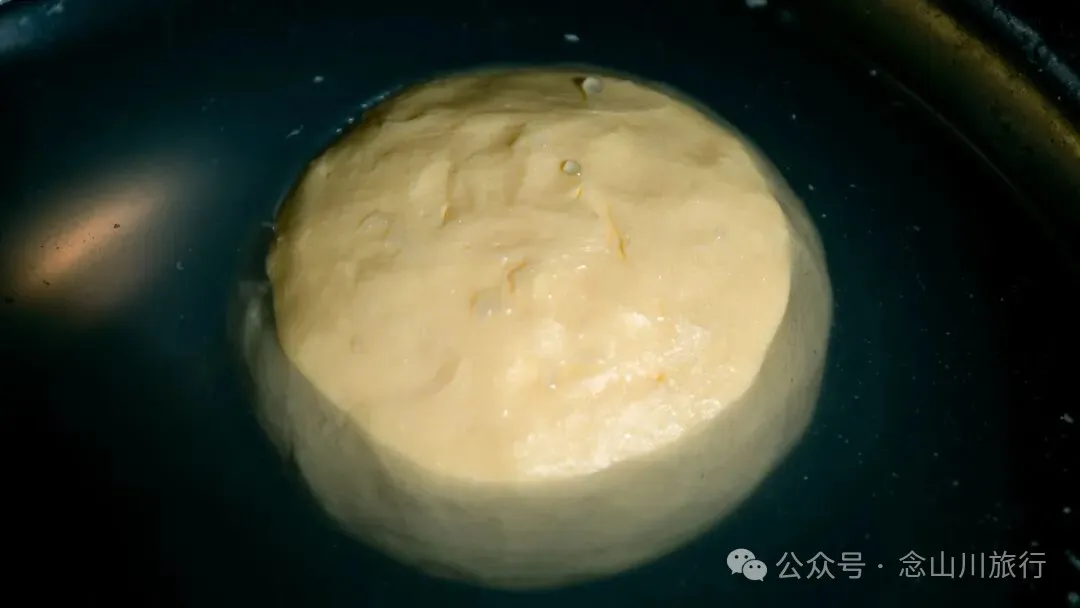
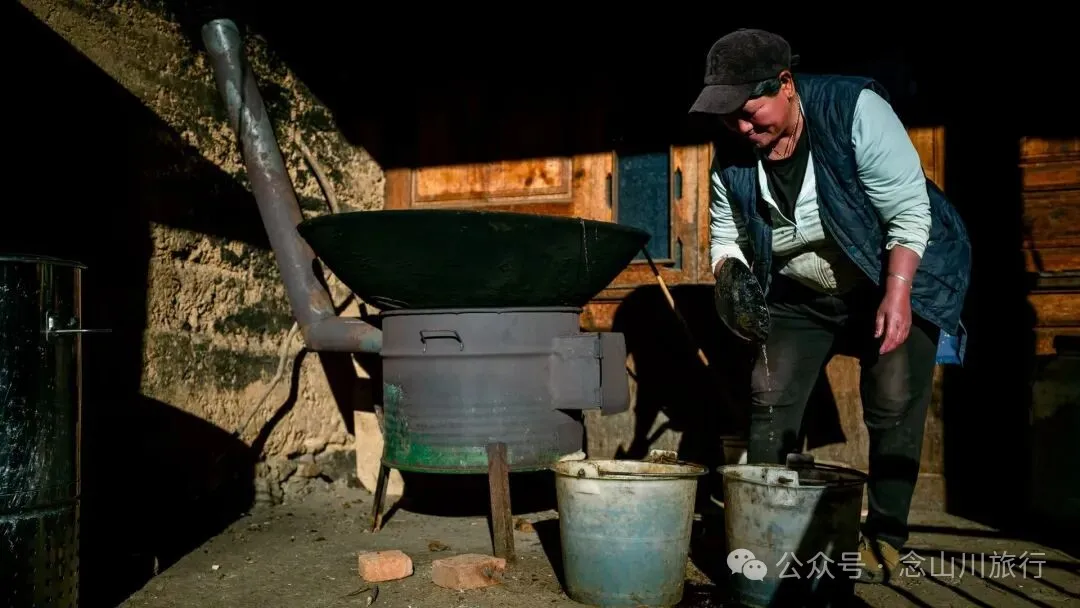
In the afternoon, her father went alone to the field to continue digging costus, while she and her mother stayed home to handle some other household chores. Her mother has an eye condition due to an accident. Although she cannot see the world, she works just like anyone else, as if the external world has already merged with her. The white milk bucket was full of milk, so she poured it into an aluminum butter churn and stirred it (I heard that in the past, wooden churns were used manually, but now aluminum churns similar to soymilk machines save time and effort). After about half an hour, the solid butter separated from the buttermilk. With her mother's dexterous hands, the butter was quickly formed into a very neat round cake, placed in cold water to rest overnight, and then put in the refrigerator the next day for later use in making butter tea.
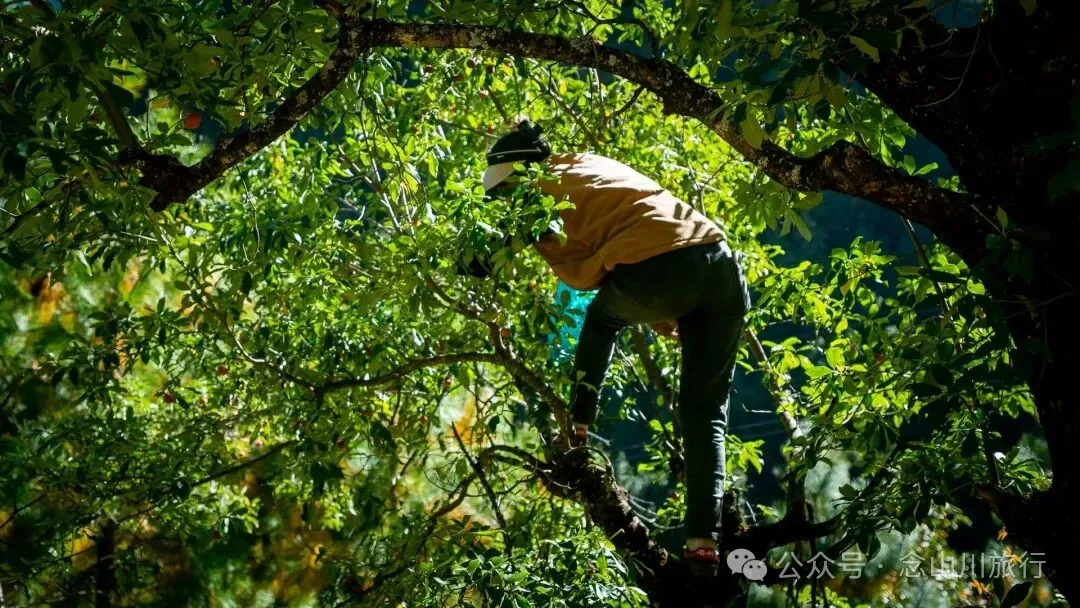
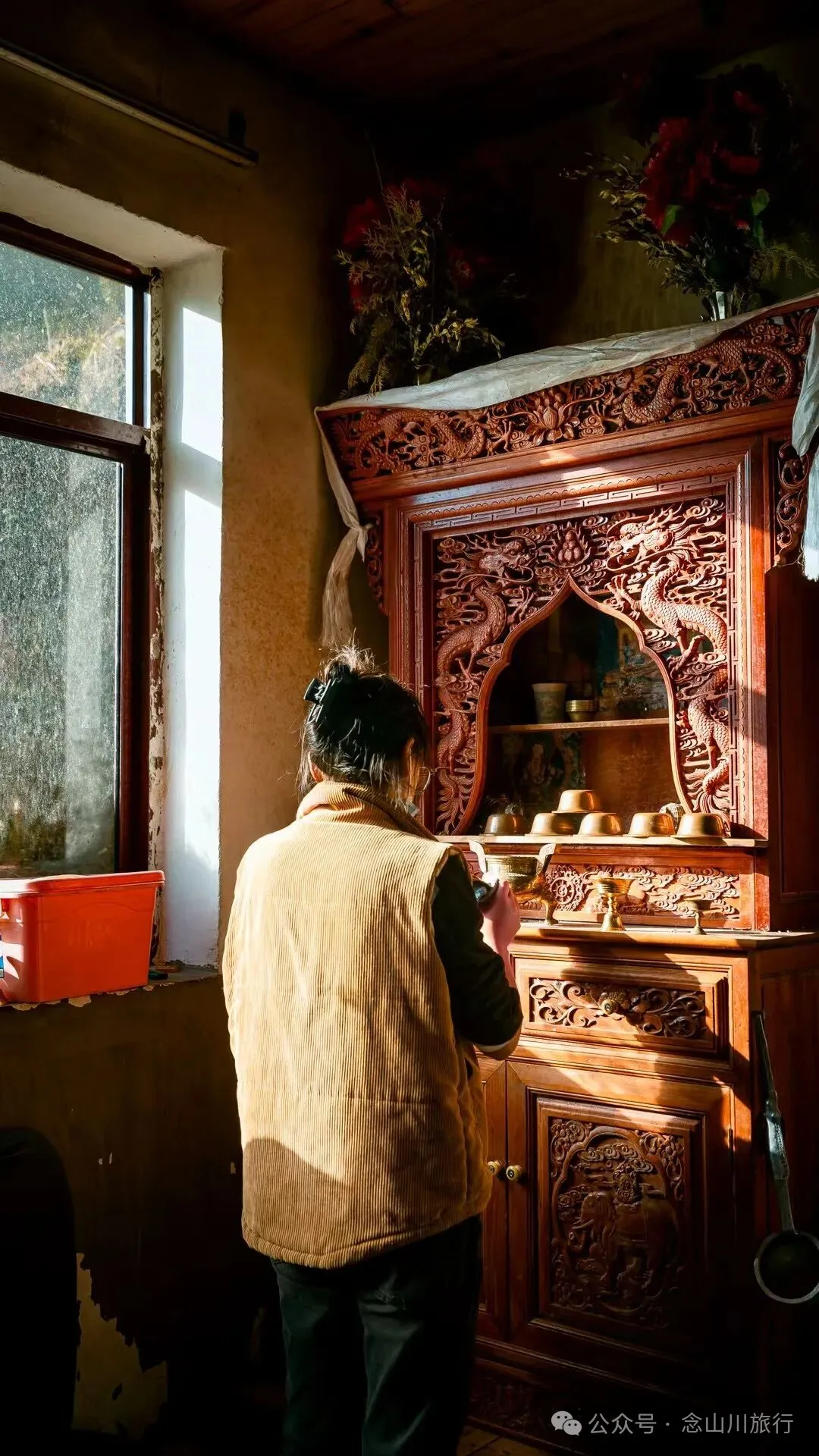
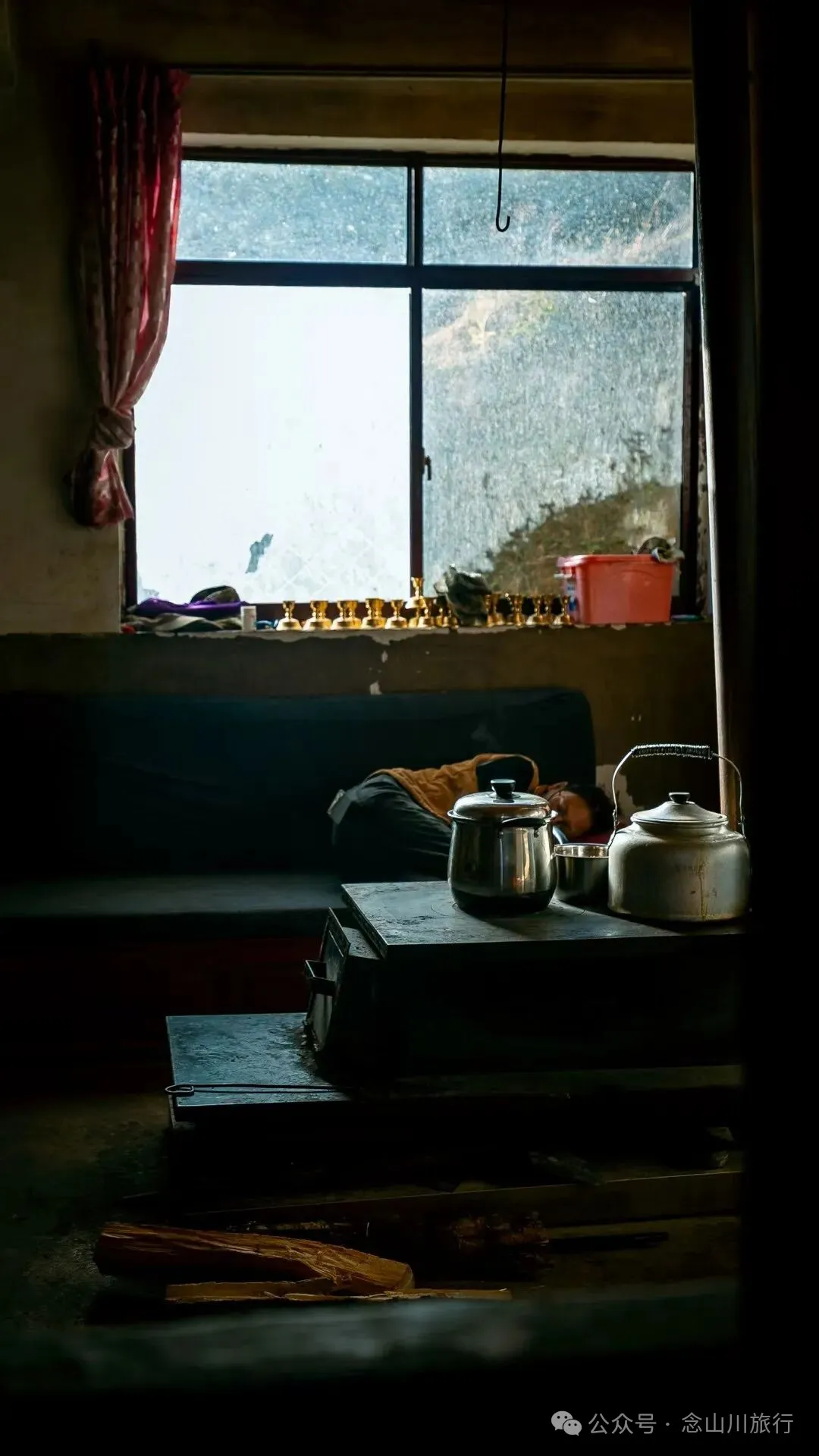
After making one cake of butter, her mother started boiling two buckets of pig swill to feed the pigs. When Zhuoma drove the yellow cattle into the pen, she walked into the dim pen, sat on a low stool, felt the cow's belly, and skillfully milked it into a small aluminum bucket, twice a day at dawn and dusk. After milking, she poured the fresh milk into a white plastic bucket in the kitchen. When the bucket was full, the remaining milk was poured into a ceramic bowl on the floor next to the refrigerator, left for the kitten. As for Zhuoma, while looking after her mother and helping with力所能及 tasks, she also acted like a child, climbing a tree to pick ripe red yew berries. When the setting sun softly shone through the window behind her, she lay down on the sofa by the stove and fell asleep, just for a few minutes.
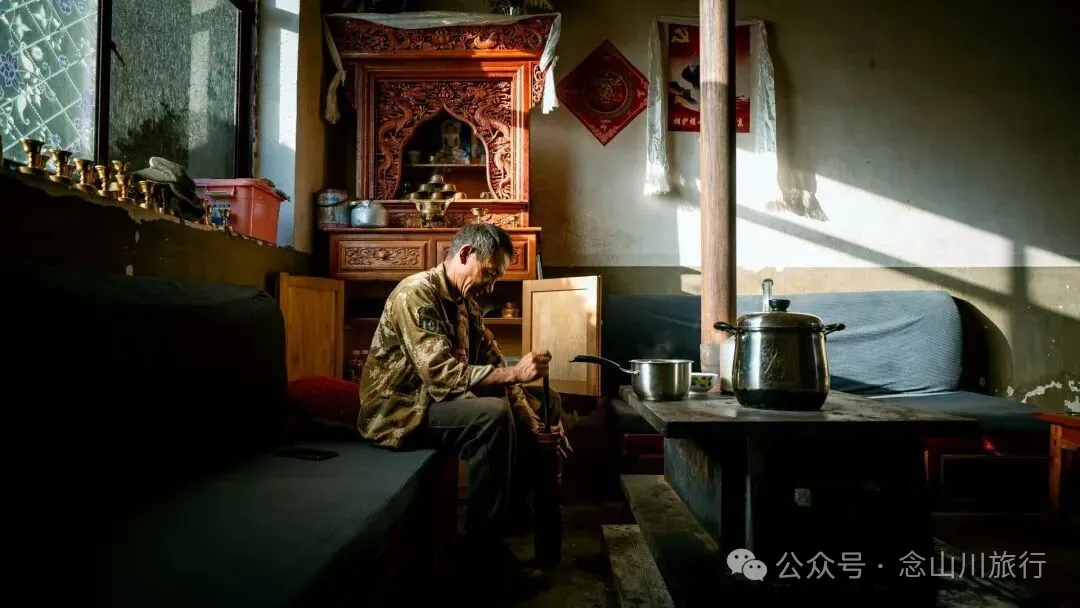
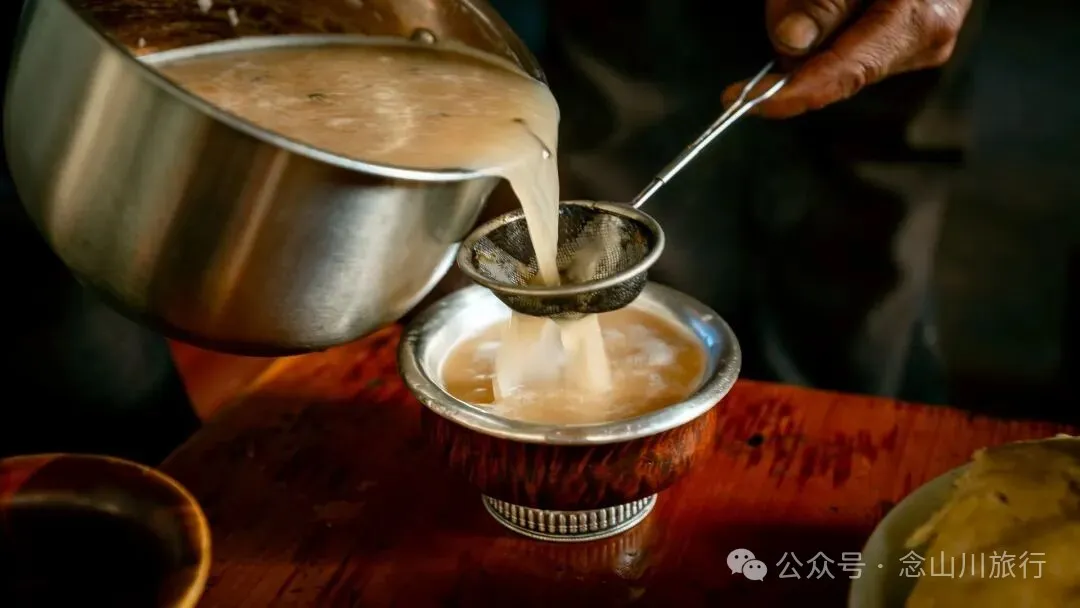
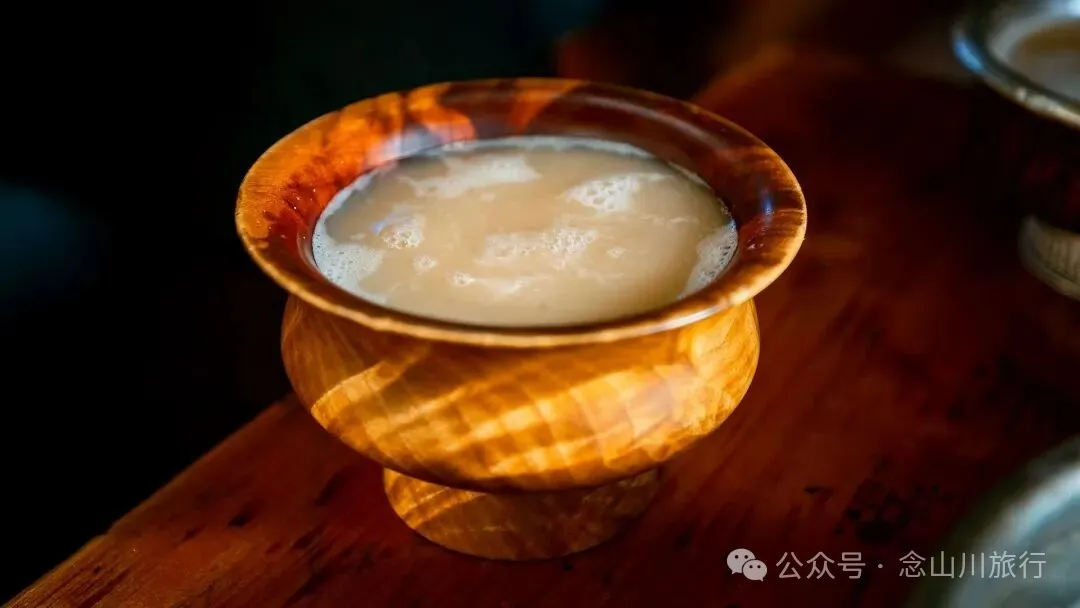
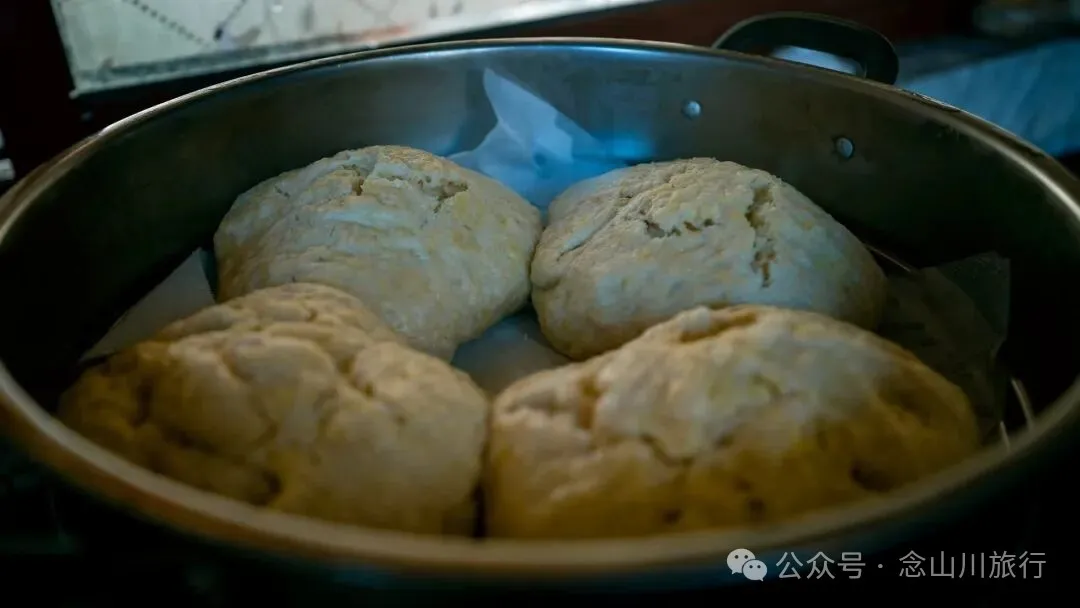
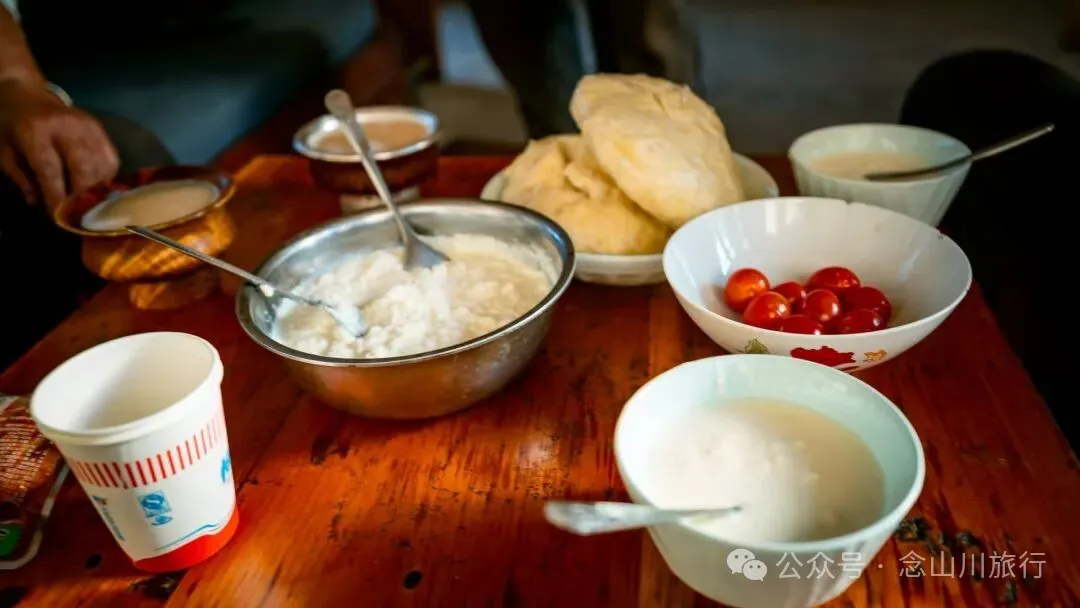
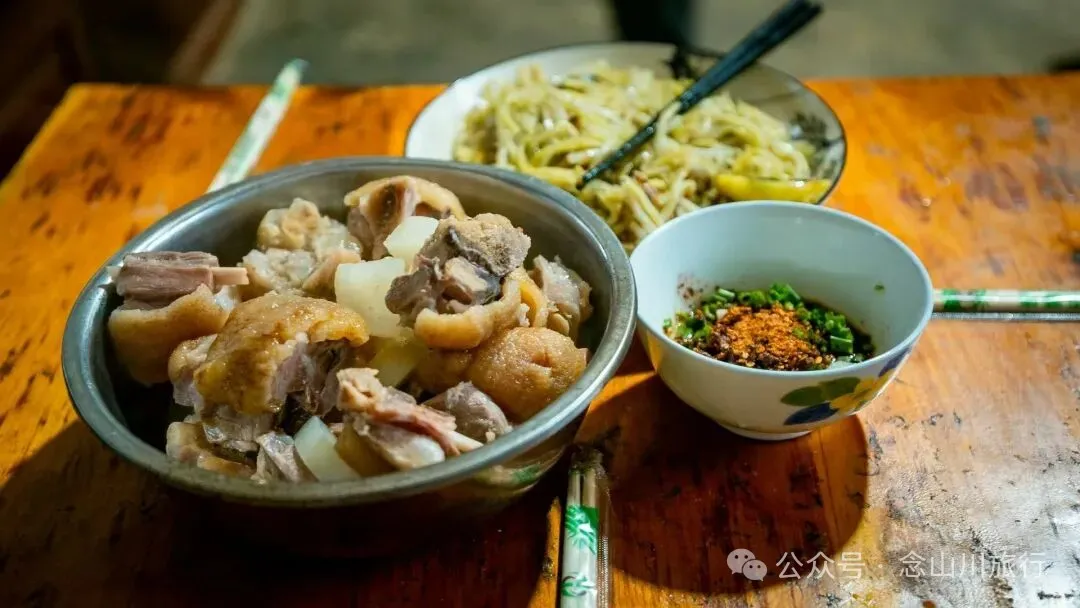
After several hours of hard work with the hoe in the field, her father returned home, and afternoon tea was just ready. Brick tea bought from Xiaguan was put into cold water, boiled, and then poured into a wooden churn with butter and salt, stirred to make fragrant butter tea. After filtering out the tea leaves, it was poured into wooden bowls, accompanied by barley flour cakes made from flour ground in the water mill and two home-style dishes. This is the taste of their ordinary life, year after year, day after day—not luxurious, but full of warmth.