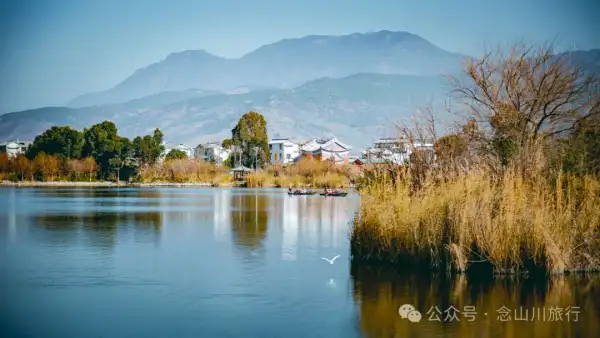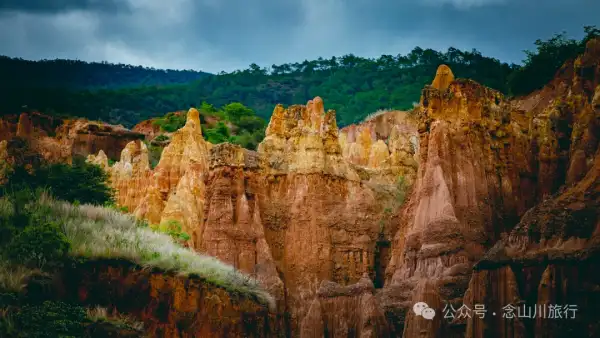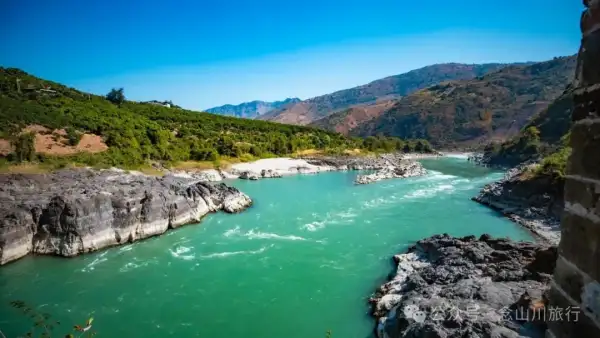

The Heihui River is a major tributary of the Lancang River, flowing through the western part of Weishan County and serving as a natural boundary between Weishan and Yangbi, Baoshan, and Lincang. It stretches about 119 kilometers within the county. Due to its remote and rugged mountainous location, even though we were deeply attracted by the stunning photos of the Heihui River a year ago, we only realized our long-awaited trip to the riverside today.
Unfortunately, the haze, worse than expected, prevented the Heihui River from revealing its enchanting true face. It remained hidden in the mist, like a beauty half-hidden behind a pipa.
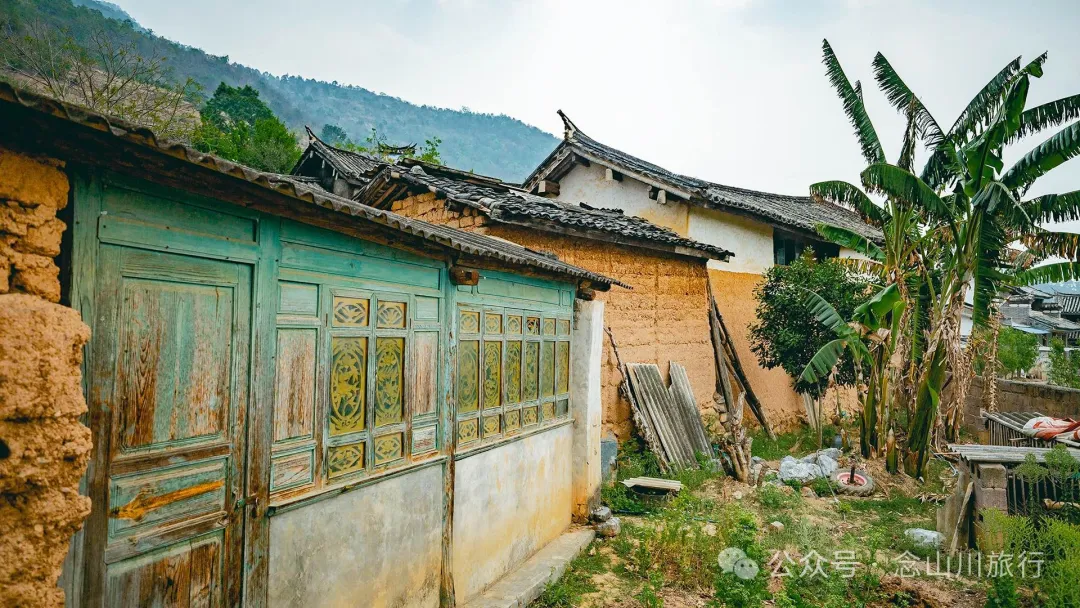
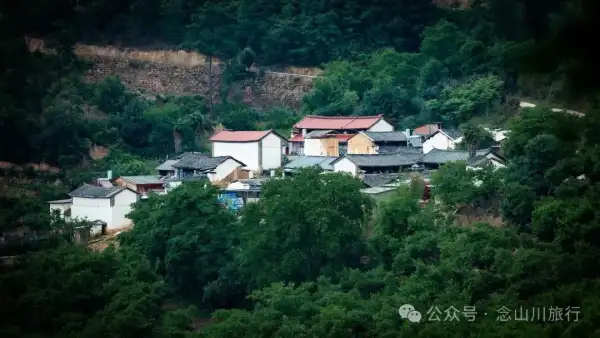
After driving through the mountains of Niujie Township in Weishan County for about three hours, we stopped at Yanzi Jiao, the closest point to the Heihui River on the map. The scattered low, old houses seemed abandoned, not resembling a village at all. Later we learned it was a long-abandoned mine. We continued along the cement road by the river and caught a glimpse of a small village of dozens of households nestled among the high mountains to the left. We couldn't even find its name on the map.
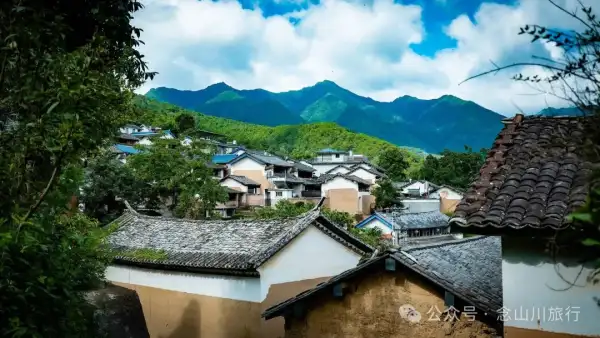
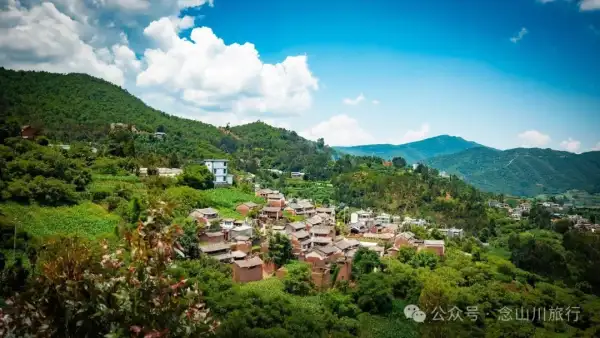
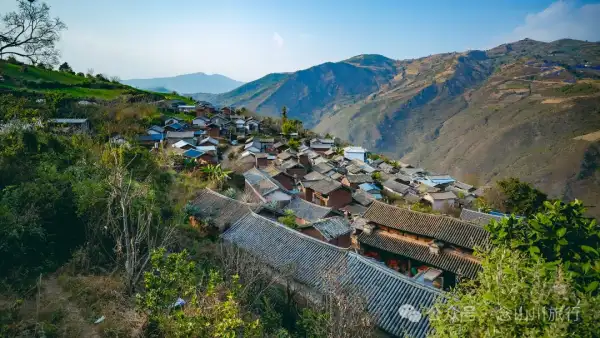
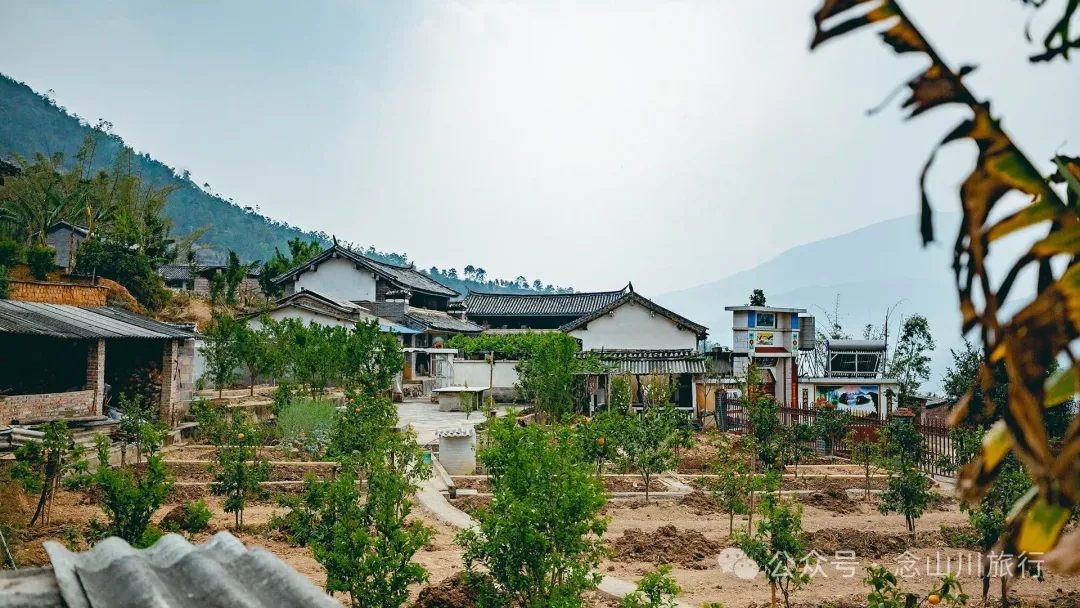
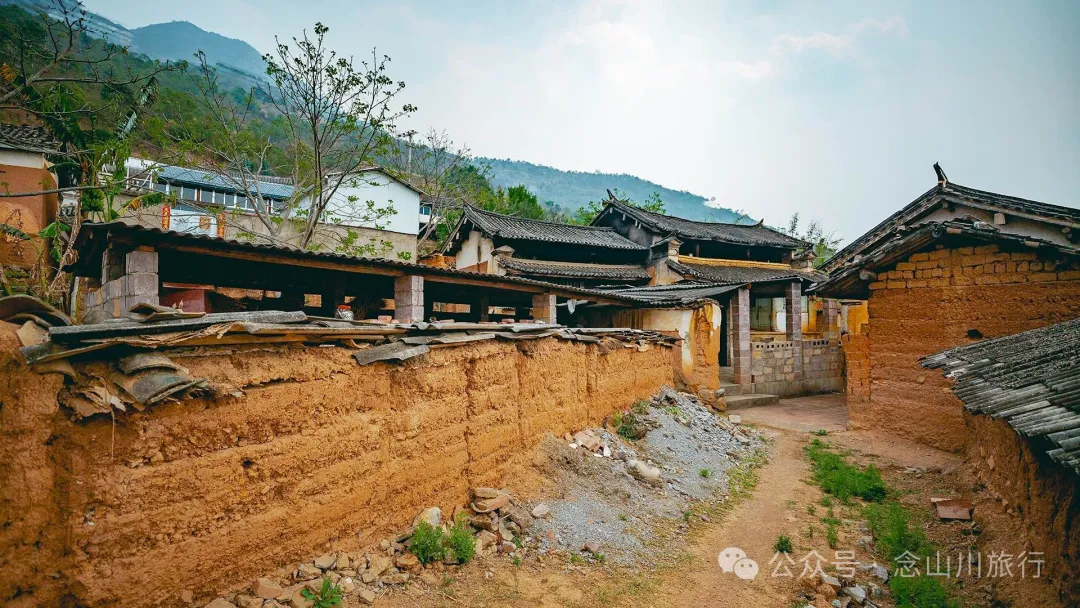
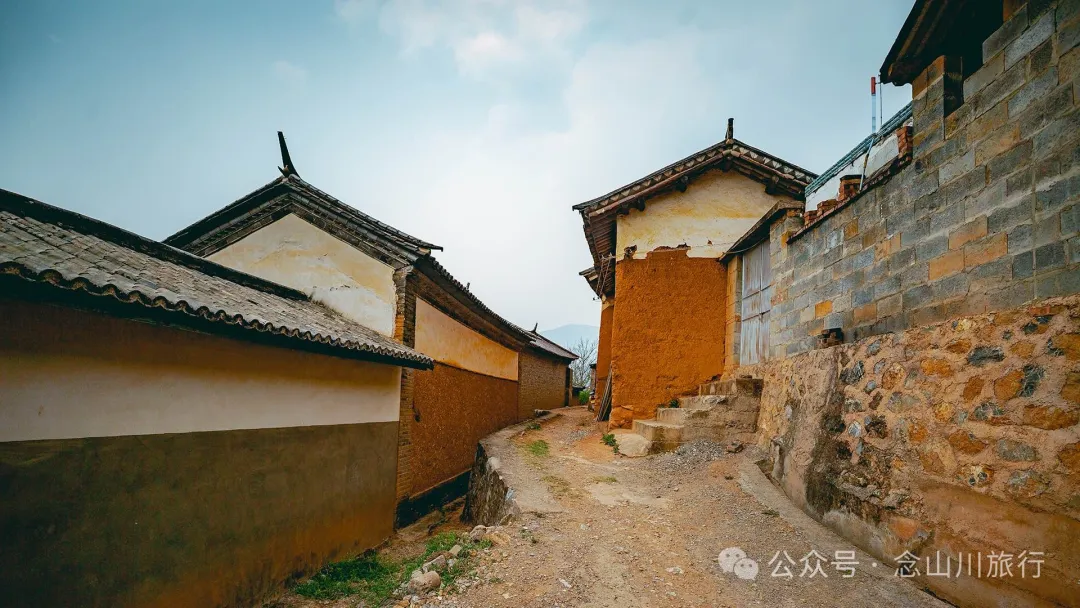
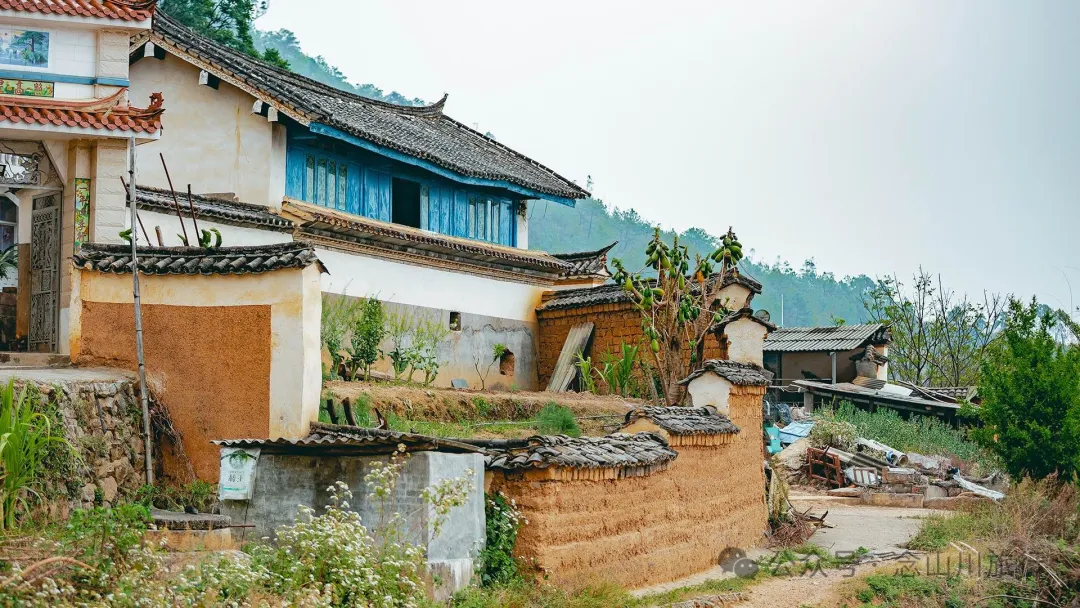
We drove into this ancient village by the Heihui River, Xiaomixi. Upon entering, we met a villager mixing lime in a roadside yard to repair his roof. He told us the village was called Xiaomixi. After listening for a while, I only guessed two of the characters correctly. Later, while checking the location, I accidentally learned the exact name of the village.
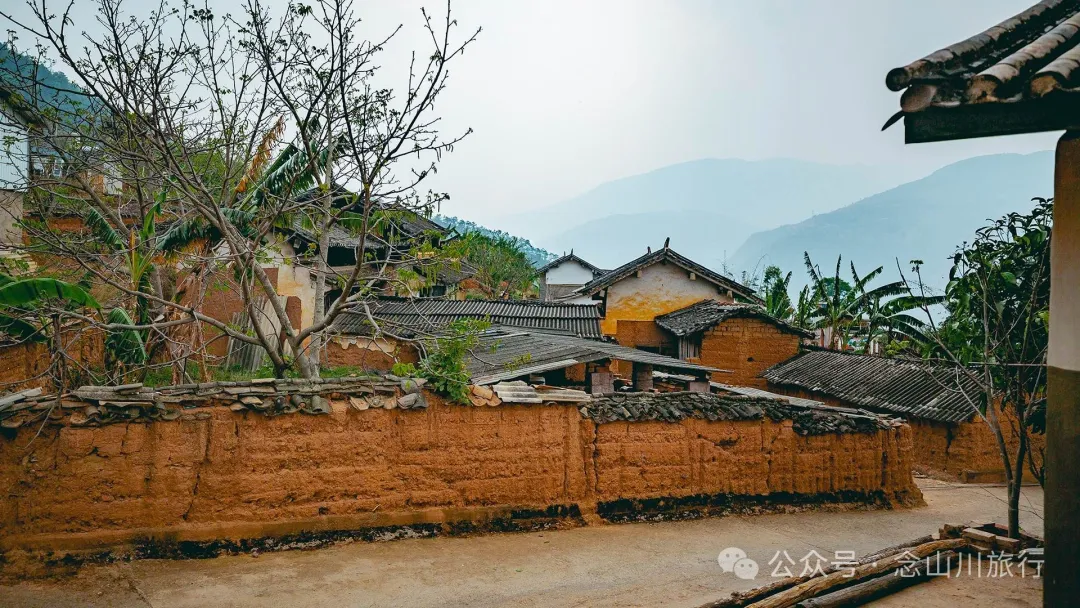
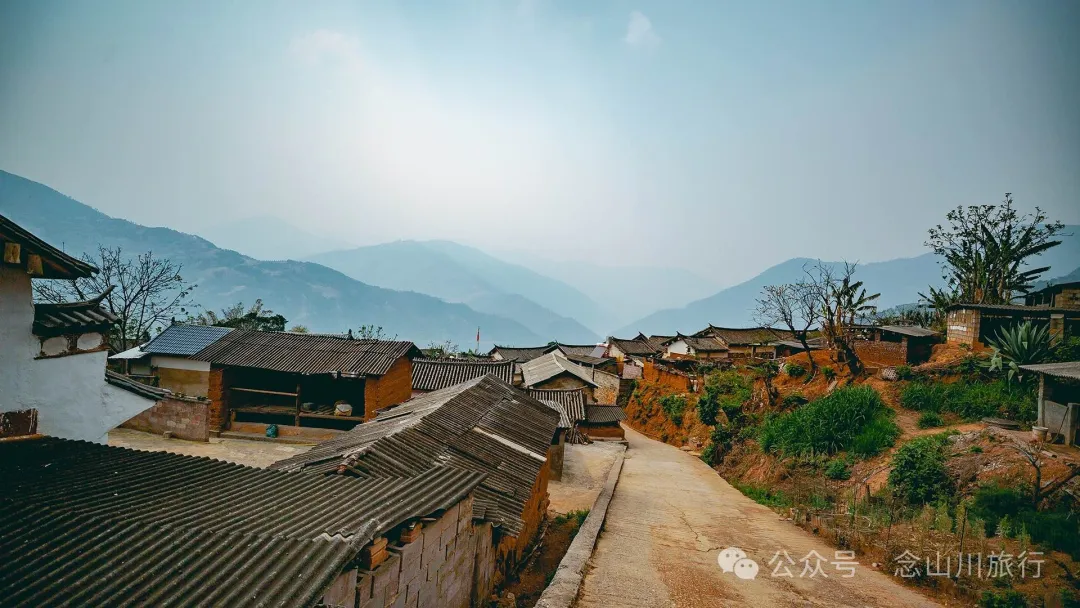
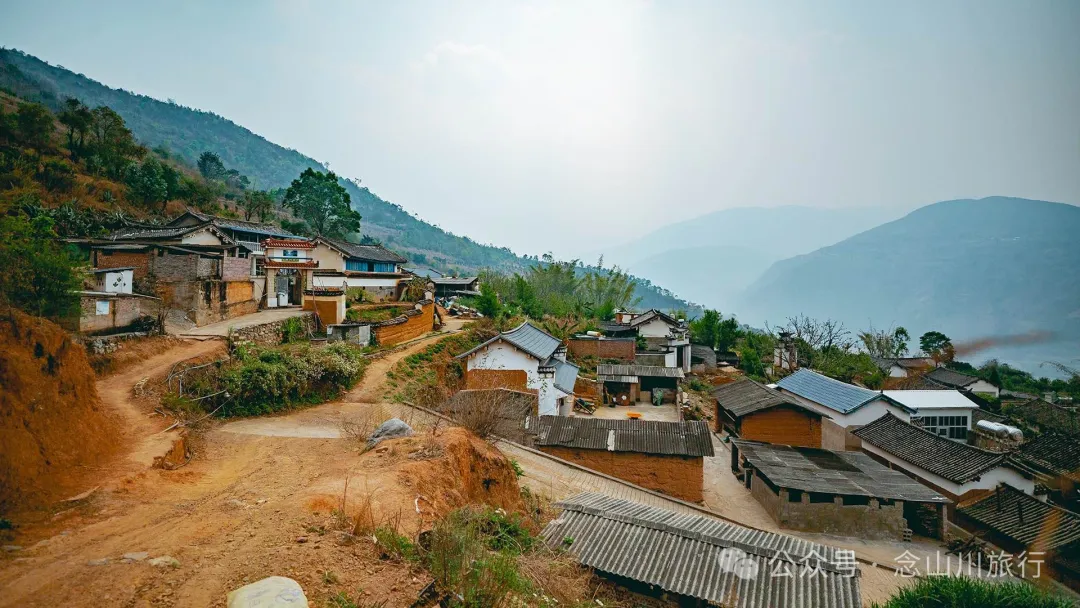
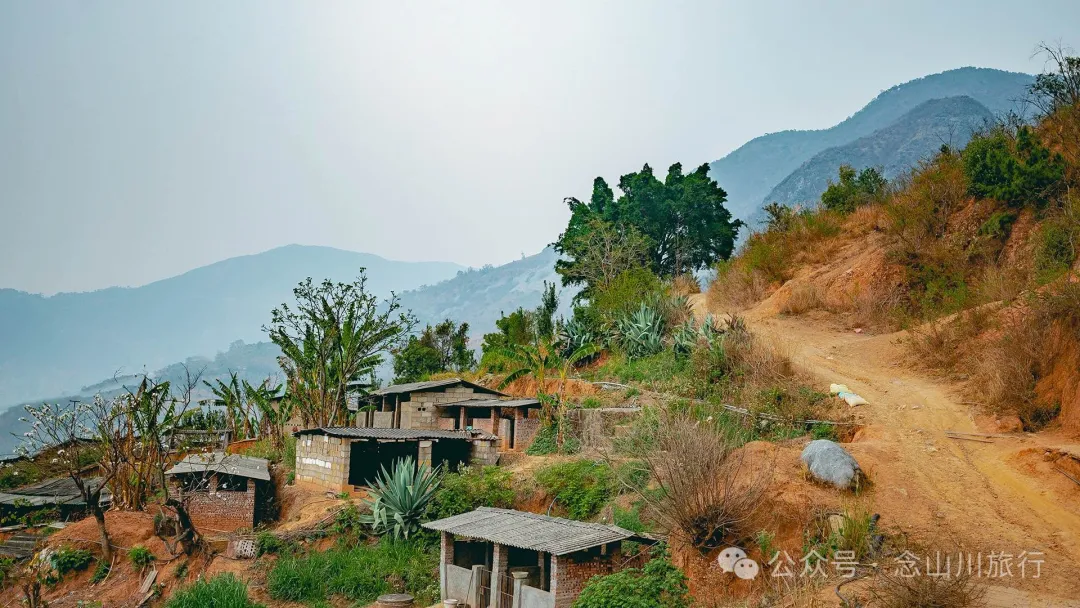
The villagers said there were only about twenty households here, and many had moved away. It was too remote, making life inconvenient. Many had to give up and leave for other places. Many houses in the village were now vacant and abandoned. The cement road in the village was newly opened last year; before that, going to the township government required a long, winding mountain road.
I recalled that near Weishan county town, we often encountered villagers coming down from the mountains to attend trade fairs, snack festivals, or Torch Festival. They rode motorcycles, taking ten to thirty minutes, and could spend a whole day shopping in the county town. As the sun set, their bikes were loaded with shopping bags, returning fully laden. But what about the villagers here? To go to the county town, they had to spend a whole day traversing the mountains. How could they have the leisure to go shopping and join the festivities? Probably, they never went to such lively events far from their peaceful lives all year round.
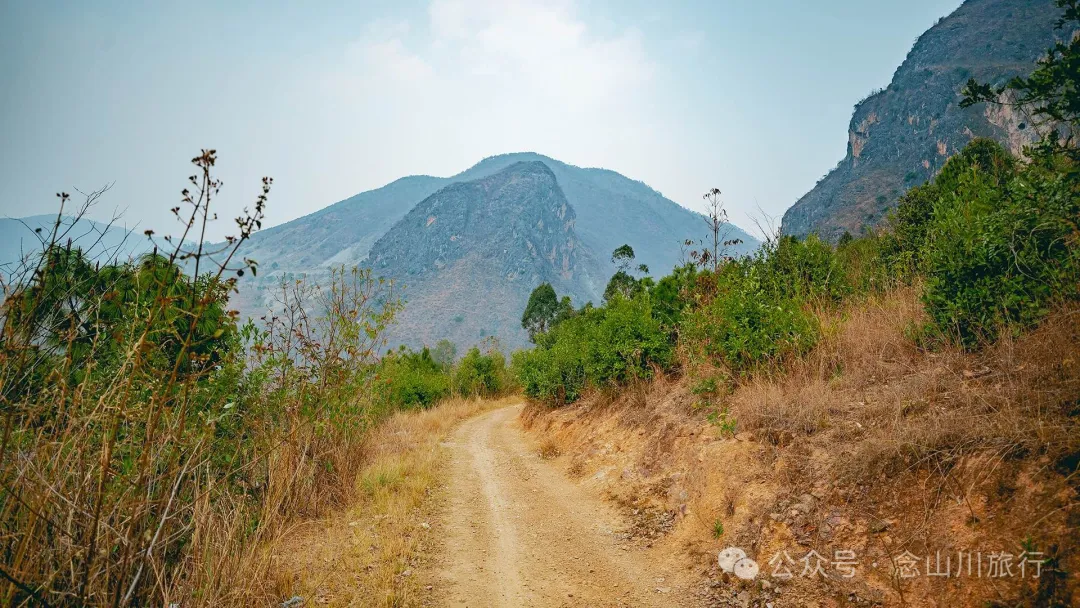
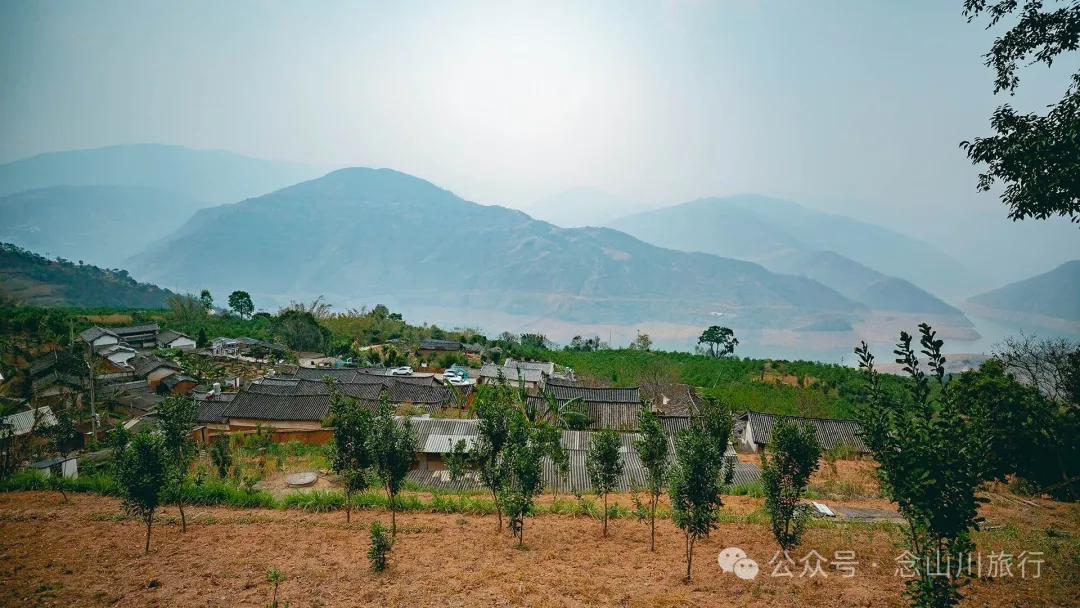
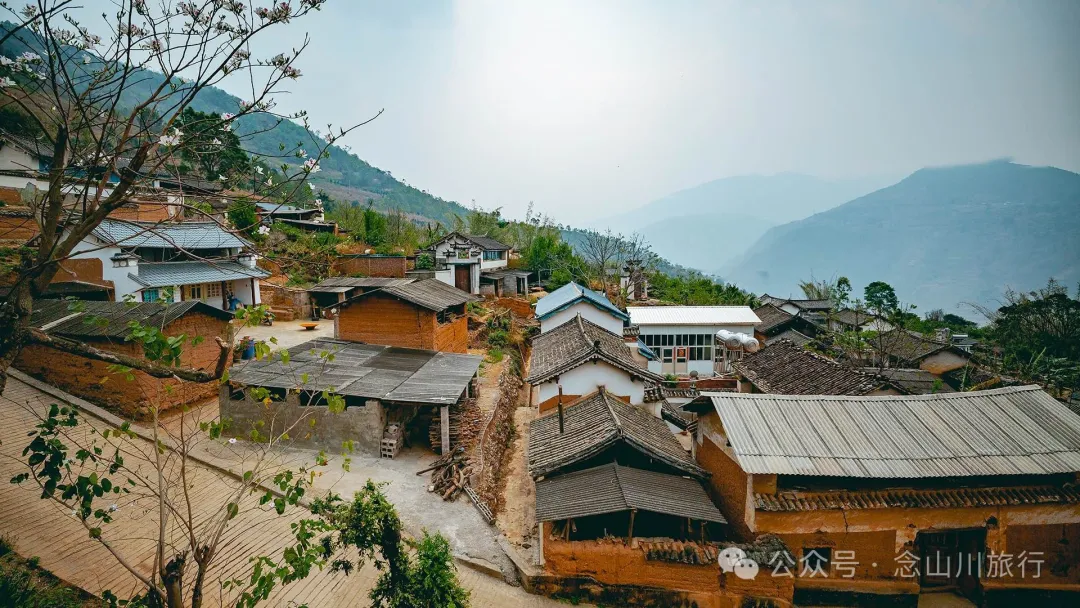
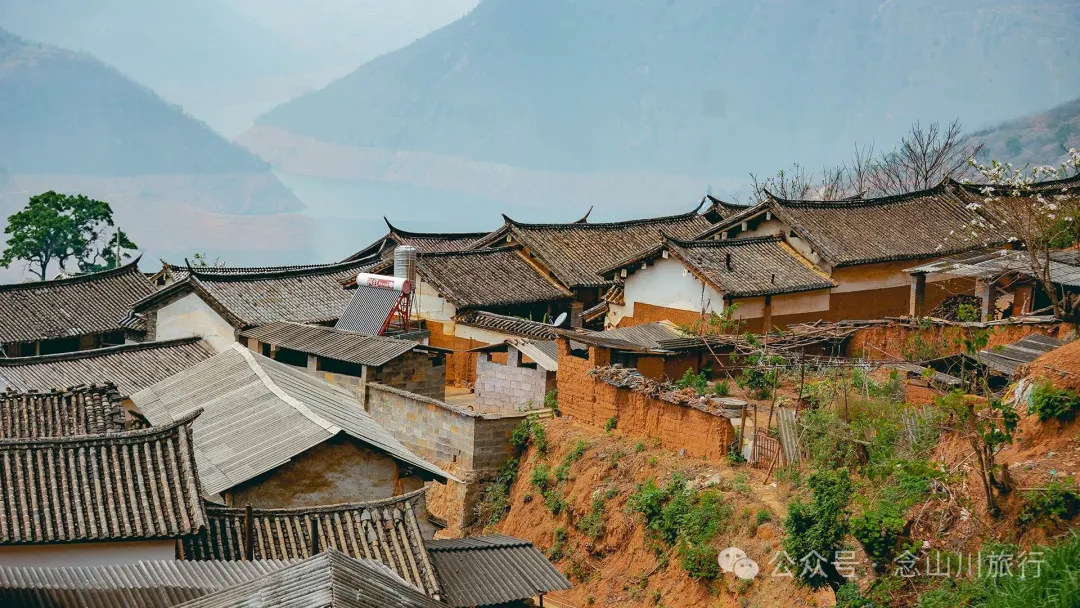
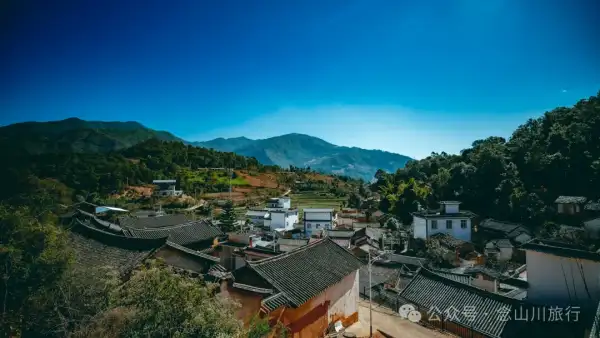
Xiaomixi Village is nestled against the mountains and facing the water. Behind the village are towering cliffs and majestic mountains, while in front lies the winding Heihui River. Across the river are another range of distant mountains, with villages equally sparse and tranquil. How far Xiaomixi, a village of about twenty households, is from neighboring villages, I haven't had time to find out. Regardless of the distance, their isolated life is evident.
Xiaomixi is peaceful and secluded. Few vehicles pass on the village's cement road, and there are no pedestrians. As we walked through the village, a curious teenager peeked out from a courtyard wall, staring at us for a long time, only smiling timidly without speaking.
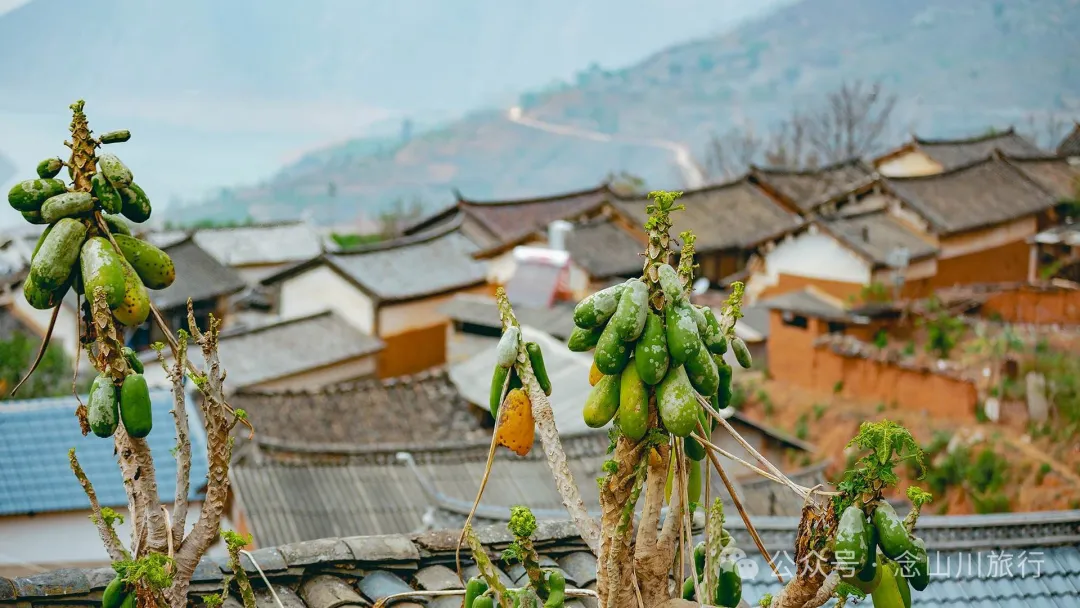
By the roadside, we saw an unfamiliar fruit tree. The villagers said it was papaya, edible and delicious. They called it "masang" or something; I forgot. Later, I looked it up and learned it was papaya, native to tropical America, now widely cultivated in tropical and warm subtropical regions worldwide. In China, it is extensively grown in southern Fujian, Taiwan, Guangdong, Guangxi, and southern Yunnan. It is an evergreen tree or shrub, up to 8-10 meters tall, with milky sap. The leaves are large and clustered at the stem tip, nearly shield-shaped, usually with 5-9 deep lobes, each lobe further pinnately divided. The petiole is hollow, up to 60-100 cm long.
Papaya flowers are unisexual or bisexual, with male, female, and hermaphroditic plants. Male flowers are in panicles, female flowers solitary or in corymbs. When ripe, papaya is orange-yellow or yellow, oblong-spherical or obovate-oblong, with soft, juicy, sweet flesh. Seeds are numerous, black when mature, ovoid.
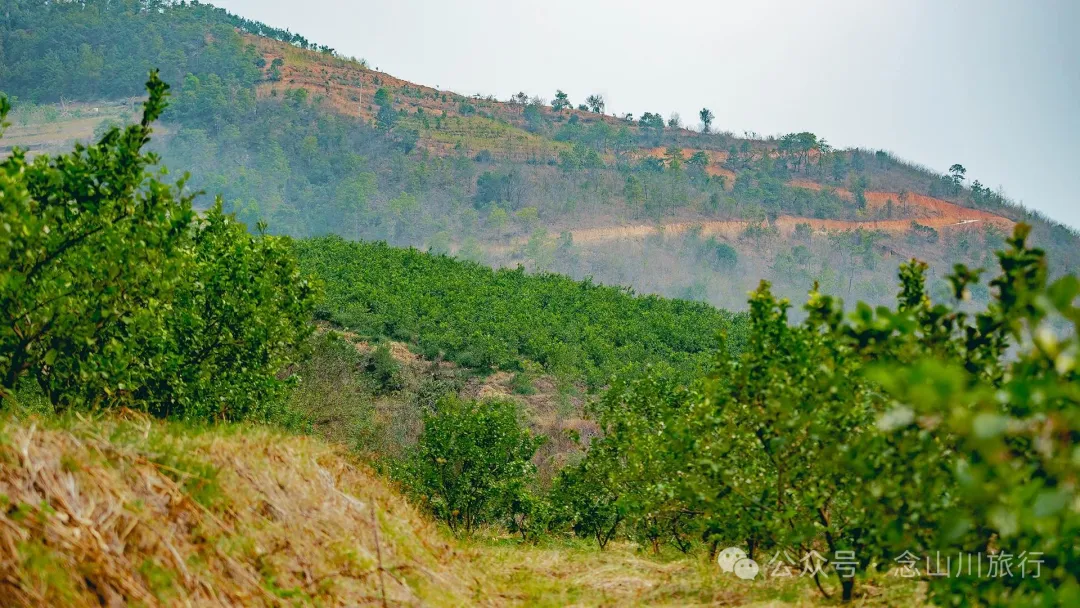
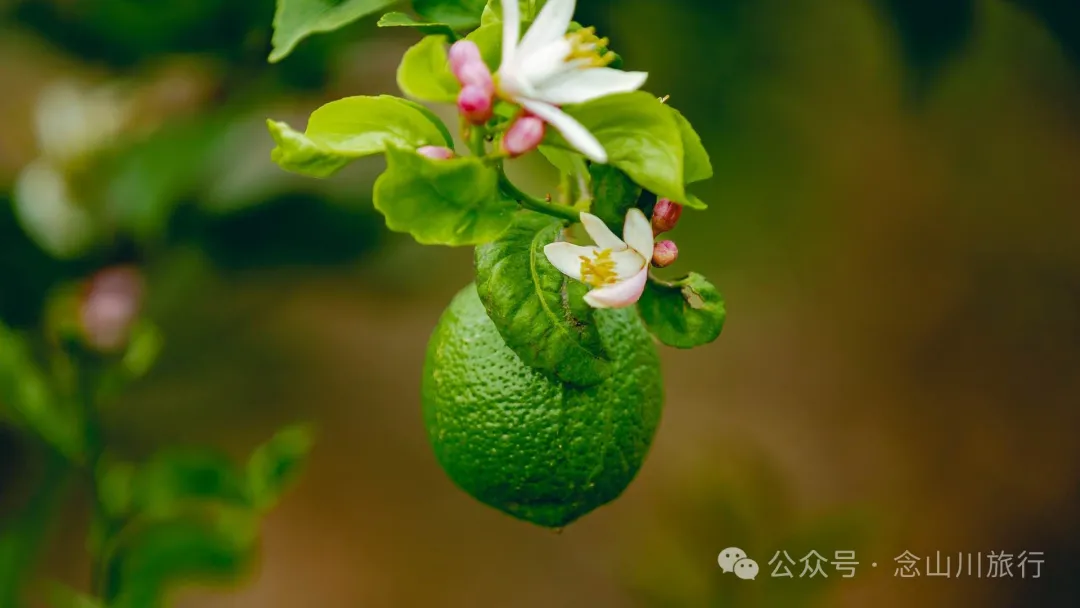
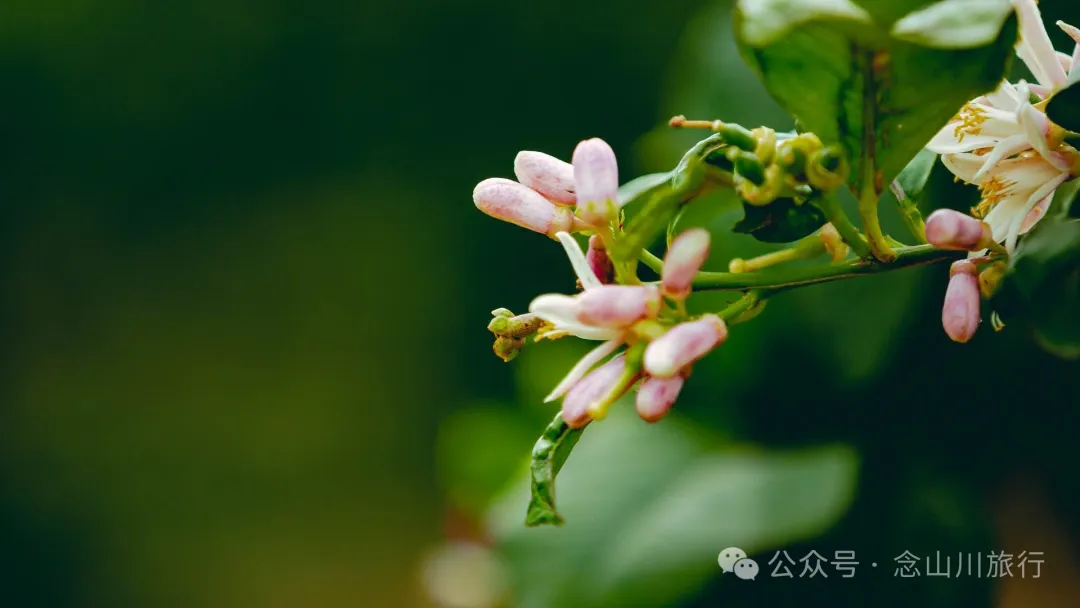
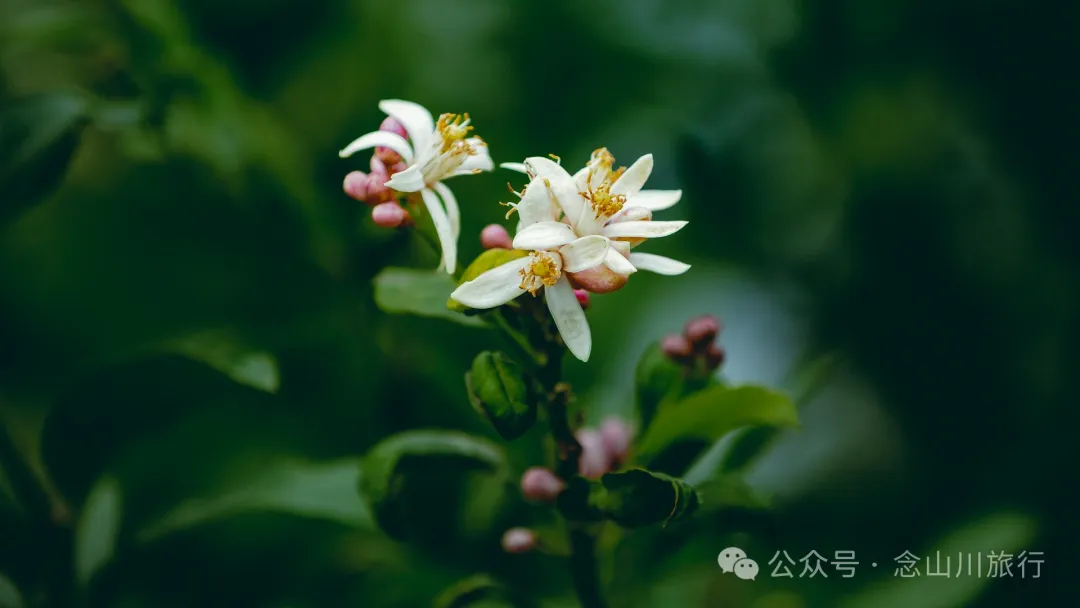
Besides papaya, the warm climate of Xiaomixi is suitable for growing fragrant lemons. As we were still driving, a strong fragrance hit us. In front of the village, there is a large lemon orchard. At this season, the lemon trees bear both flowers and fruit simultaneously. The white flowers and green fruits emit a rich aroma, refreshing the mind. If a small wooden house were built among these lemon trees, facing the Heihui River, who wouldn't stay here forever, living a simple, poetic life? In this lemon tree home filled with fragrance, even the air seems stagnant, unwilling to let the floral and fruity scents dissipate. Occasionally, a warm breeze blows, making one even more intoxicated and reluctant to leave.
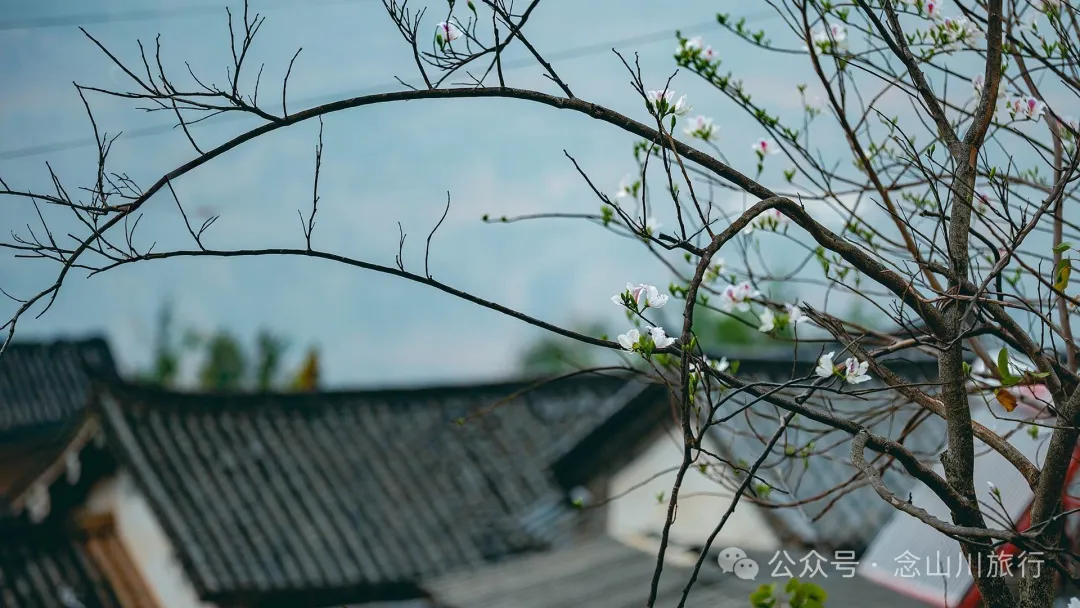
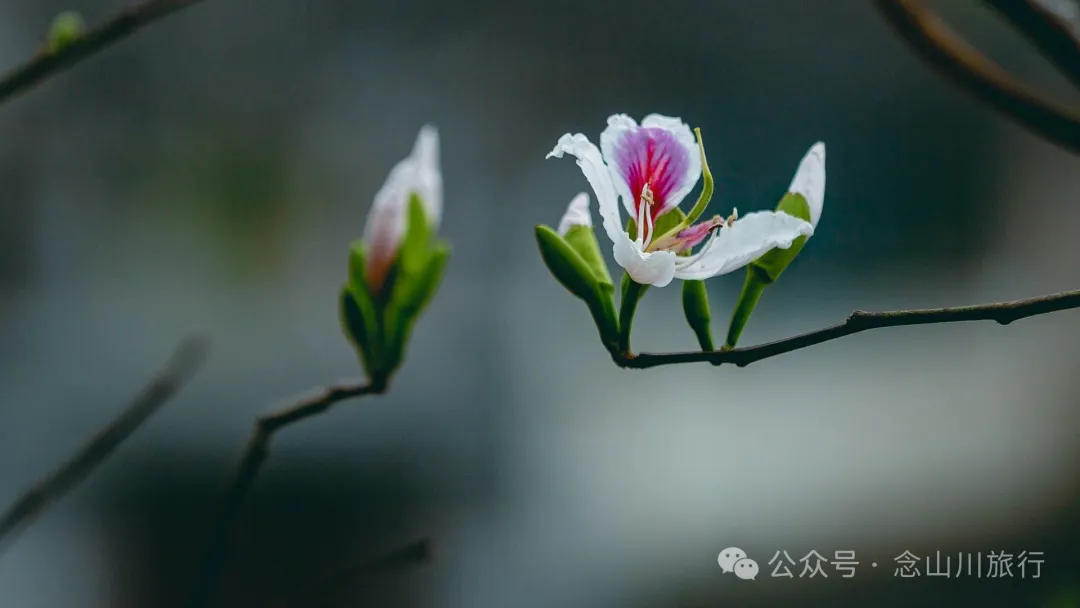
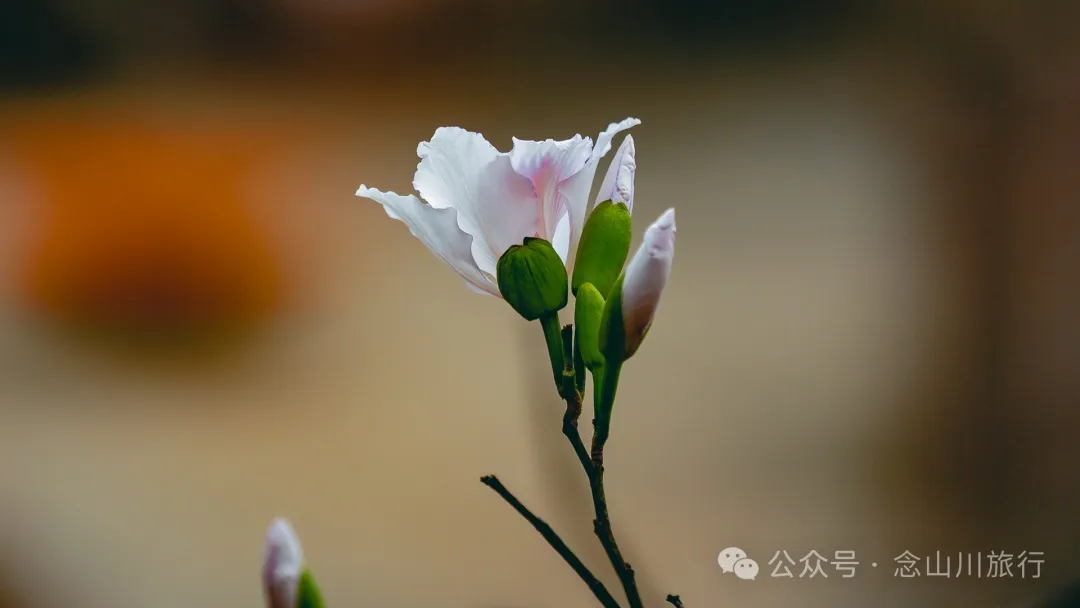
By the roadside in Xiaomixi, there are two tall Bauhinia trees, now in full bloom. The flowers hide behind the rustic houses, as if tiptoeing to gaze at the distant river, expressing their regret at being unable to travel far.
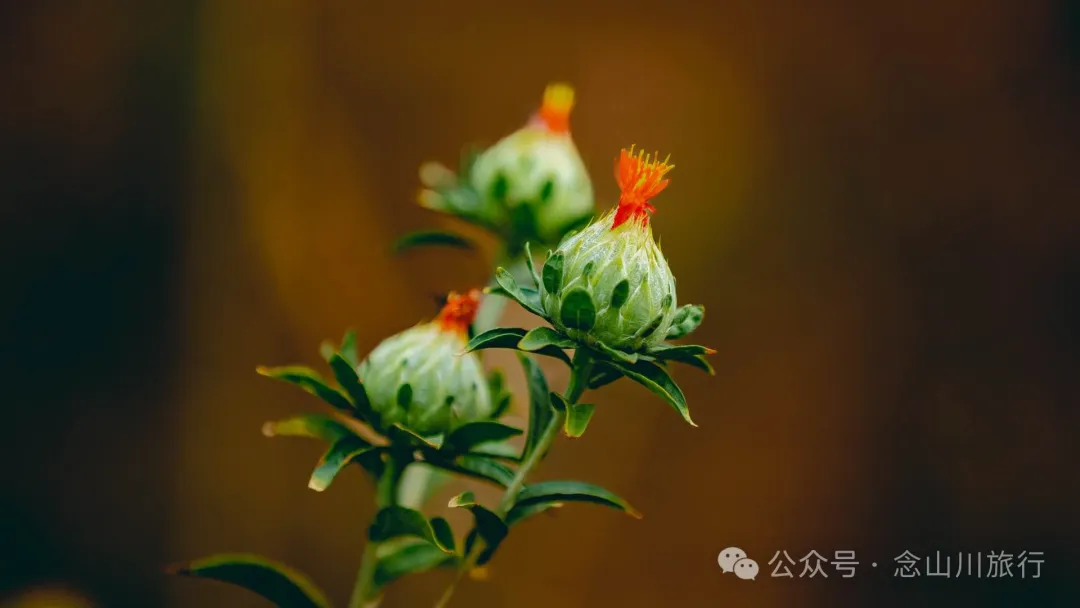
Next to the lemon orchard, there is a large field of red flowers, a medicinal herb. The dried flowers are used in medicine. According to the Chinese Pharmacopoeia, they promote blood circulation, remove blood stasis, and relieve pain. They are used to treat amenorrhea, dysmenorrhea, lochiorrhea, masses, chest pain, and various blood stasis conditions.
Safflower seeds contain 34%-55% oil, mostly unsaturated fatty acids, with high linoleic acid content, suitable for making mixed sauces and salad dressings. The flowers contain red pigment, used in ancient China for dyeing textiles, and also for coloring food and cosmetics.
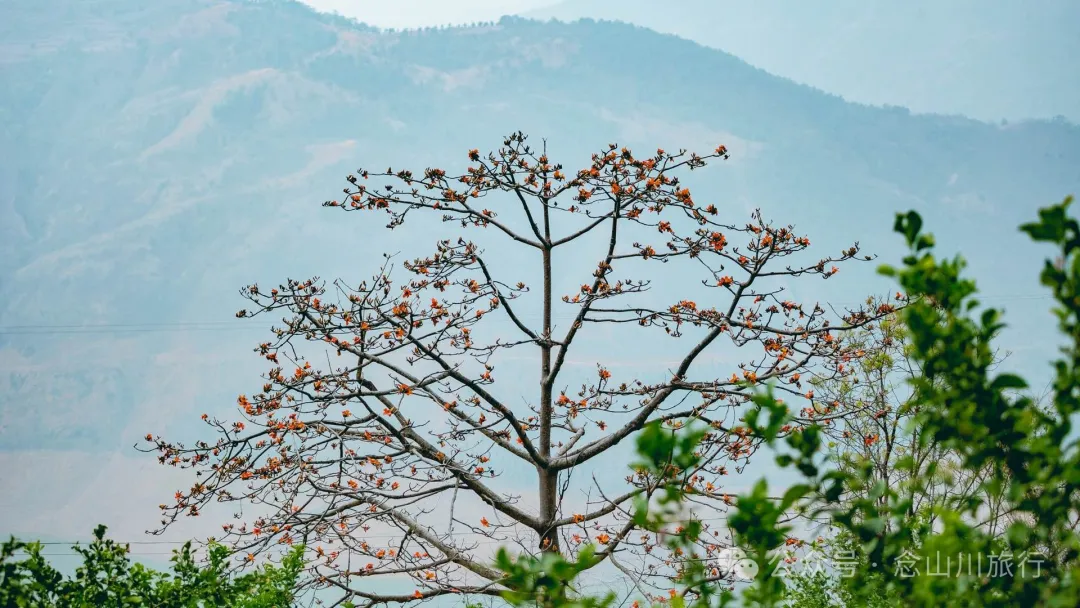
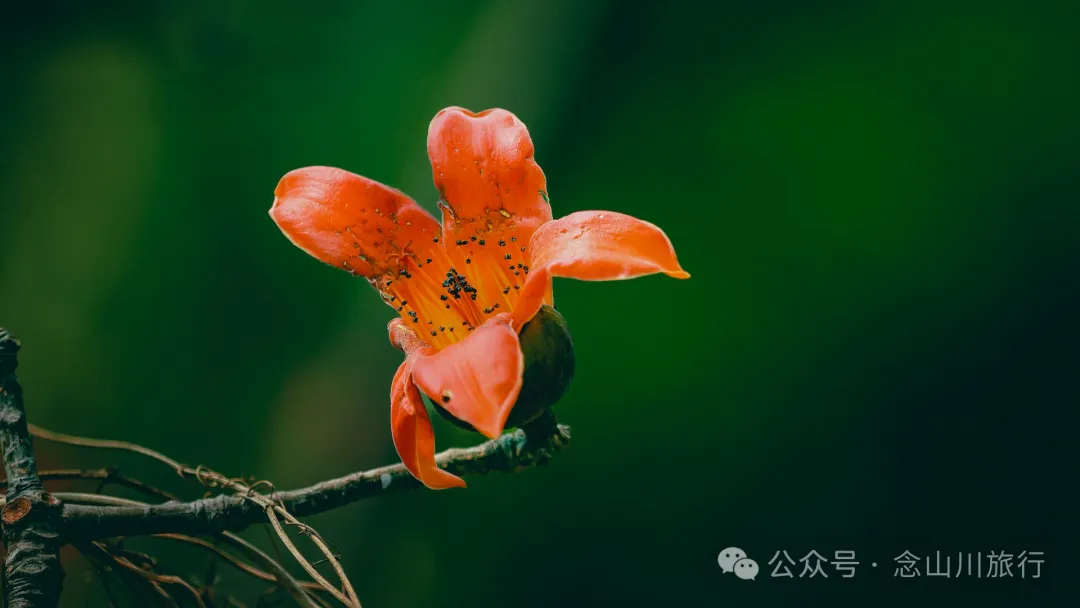
Kapok flowers thrive in warm river valleys. Here, these thick, fleshy flowers are common. By the time we arrived, the peak bloom had passed; most flowers had fallen to the ground, with only a few remaining on the branches.
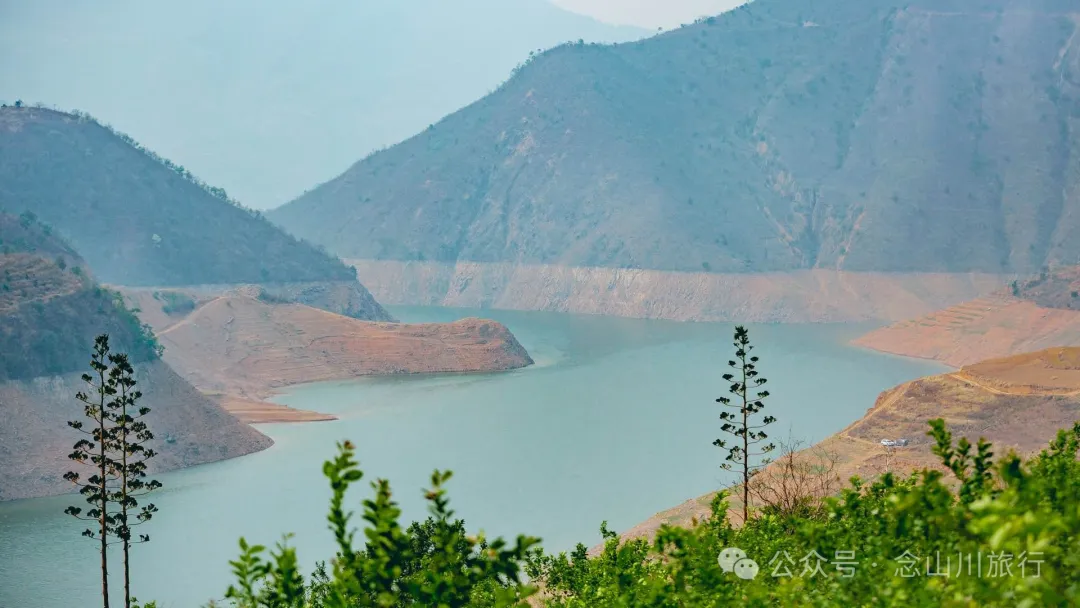
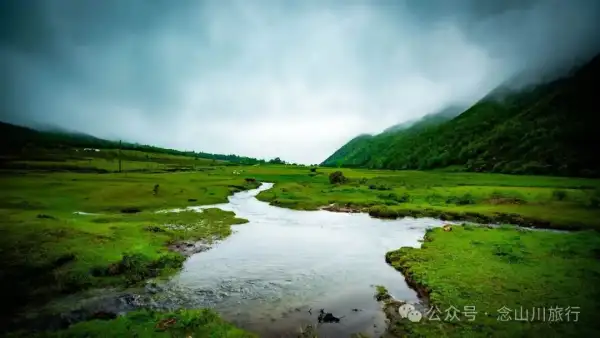
The Heihui River in thick fog. This season is probably the dry period, with parts of the riverbed exposed. After the rainy season, the Heihui River should be much more vast and mighty.