您的浏览器需要启用 JavaScript 才能正常访问此网站。
Hotline:15911225507
Dali Travel
Login
Home-Travel Article-Travel Log-Body Text

Traditional Tibetan Cuisine at a Wedding Feast in Bazhu Village, Yunnan

SixianqiuSixianqiuTravel Log7 months ago11156
Traditional Tibetan Cuisine at a Wedding Feast in Bazhu Village, Yunnan - Image 1
Traditional Tibetan Cuisine at a Wedding Feast in Bazhu Village, Yunnan - Image 2
Traditional Tibetan Cuisine at a Wedding Feast in Bazhu Village, Yunnan - Image 3

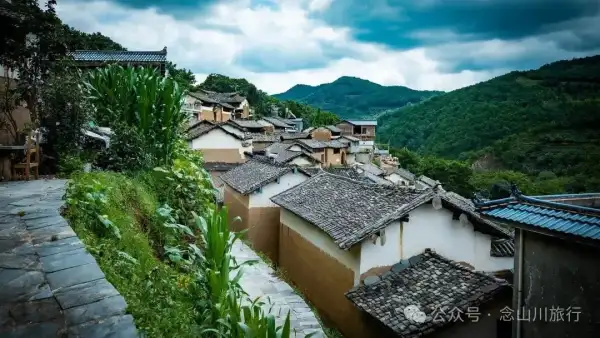
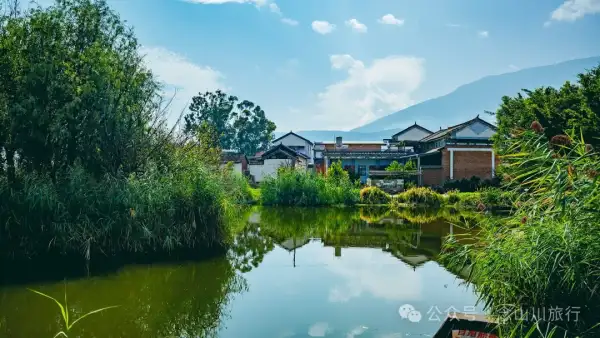
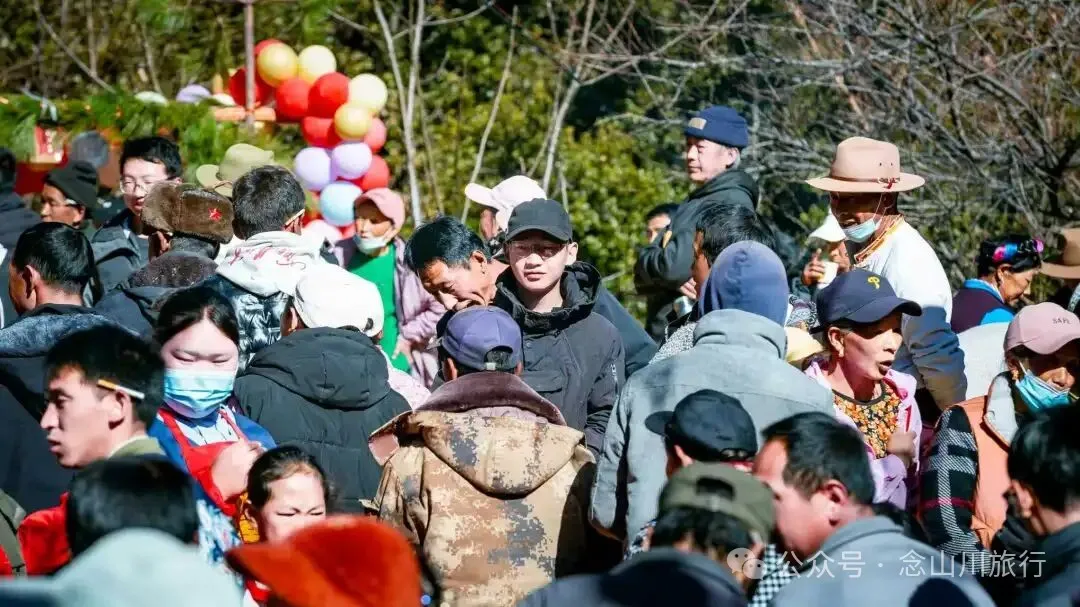
In the tranquil and secluded Bazhu Village in Yunnan, lively banquets always break the usual calm, injecting vitality into this simple ancient village. The xianzi dance people perform in their spare time, the guozhuang dance around bonfires at night, and the conversations and laughter of guests at the feast all make the host's home a vortex of noise, with the excitement rippling outward and spreading throughout the village.

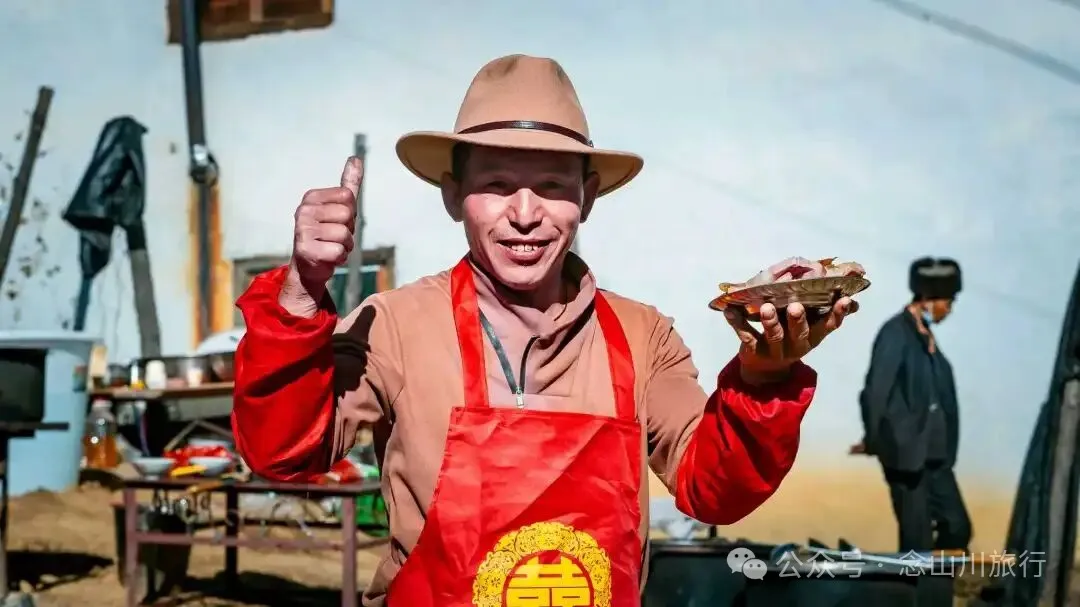
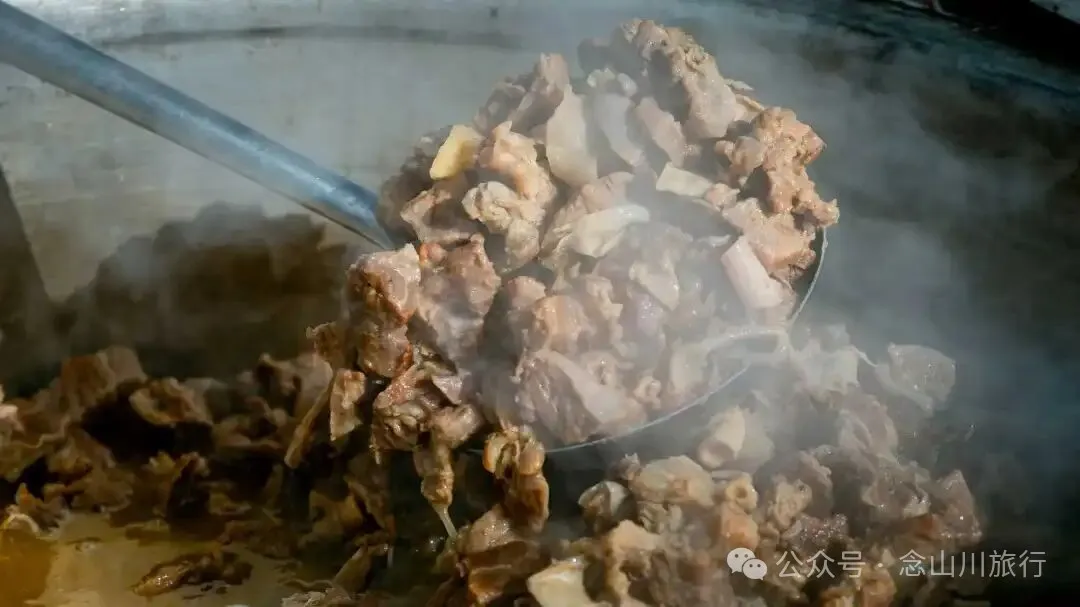
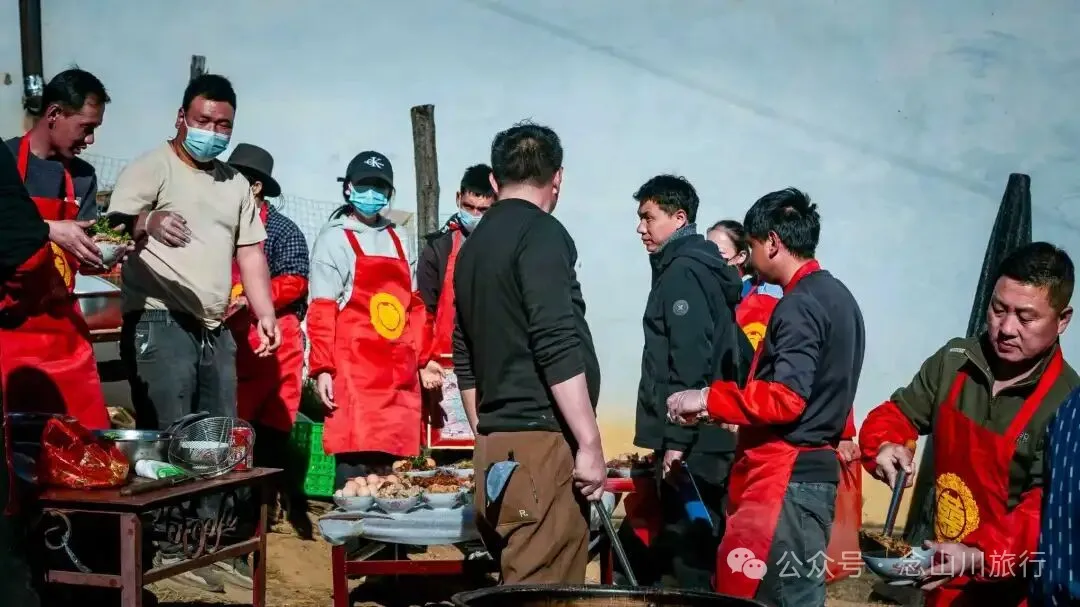
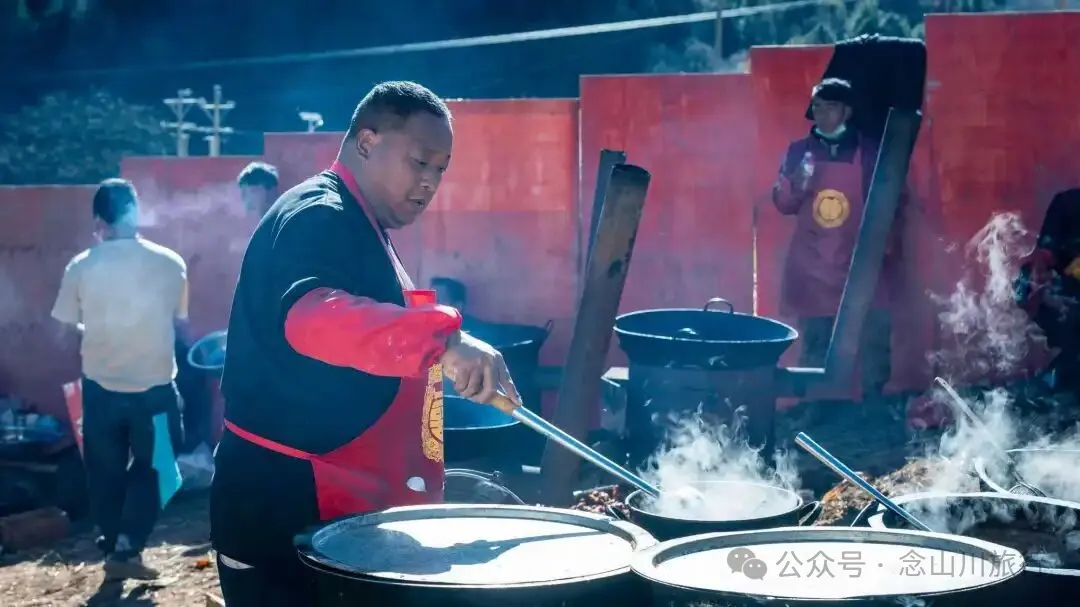
The open space next to the host's home becomes a temporary outdoor kitchen, with pots simmering over wood fires. The steam and aroma rising from the pots mix with the smoke from the burning wood, creating another form of liveliness. No professional chefs are needed; the villagers who cook here, though their occupations may vary widely and have nothing to do with cooking, know best how to prepare traditional Bazhu dishes. No one understands the essence and soul of these delicacies better than they do. The wedding feast has become an important occasion for these traditional foods to be passed down through centuries and millennia.
Traditional Tibetan Cuisine at a Wedding Feast in Bazhu Village, Yunnan - Image 4
Traditional Tibetan Cuisine at a Wedding Feast in Bazhu Village, Yunnan - Image 5
Traditional Tibetan Cuisine at a Wedding Feast in Bazhu Village, Yunnan - Image 6

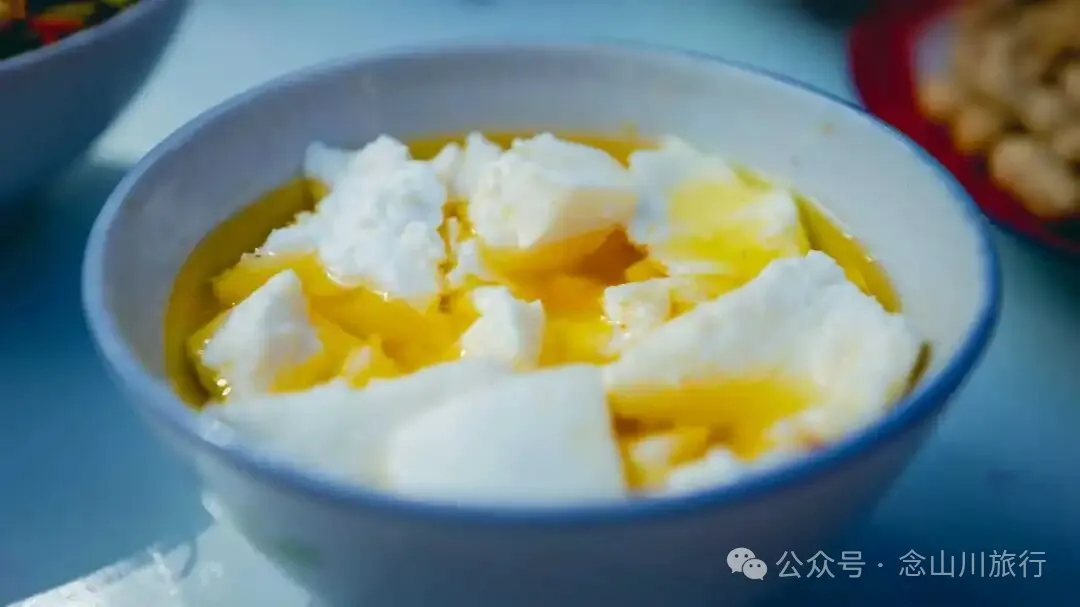
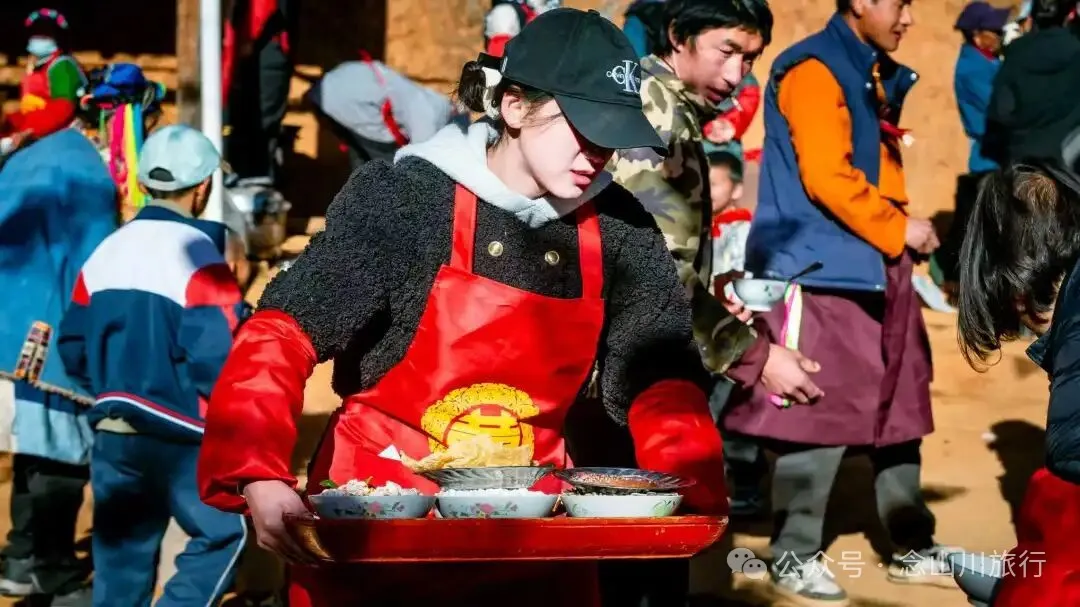
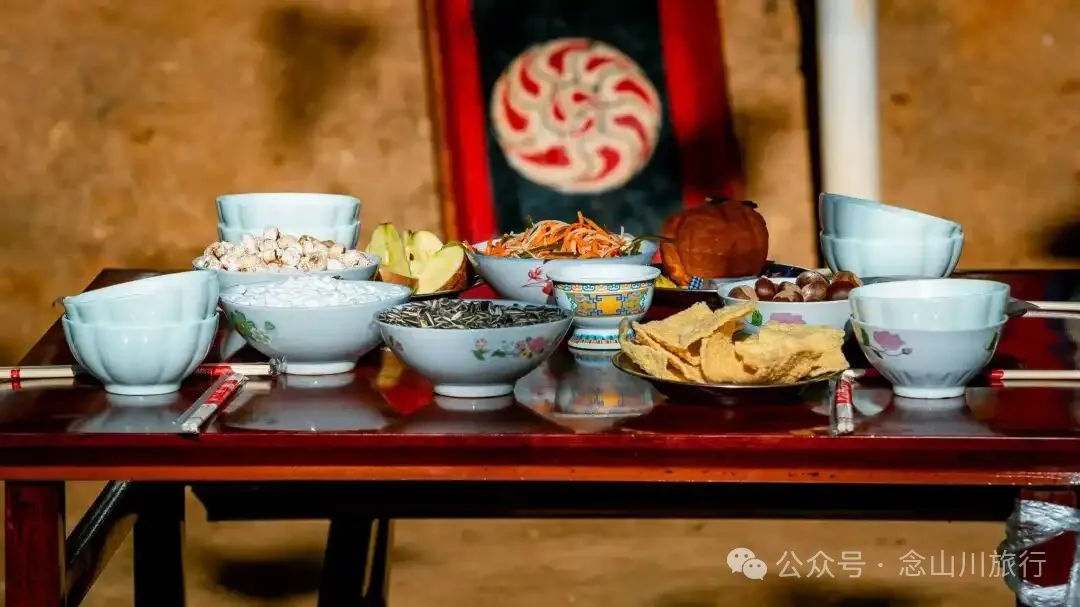
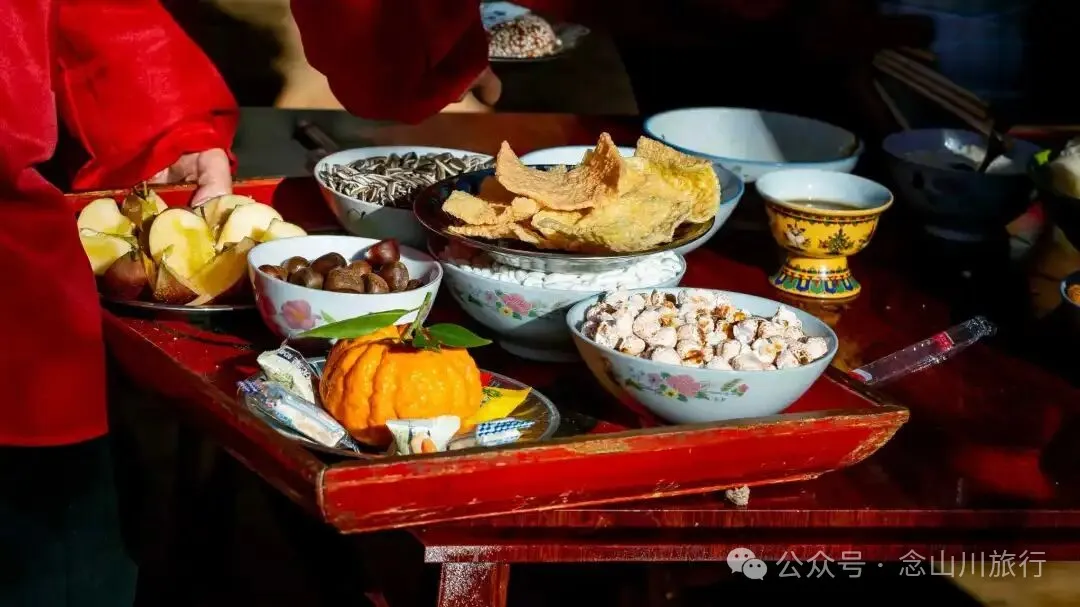
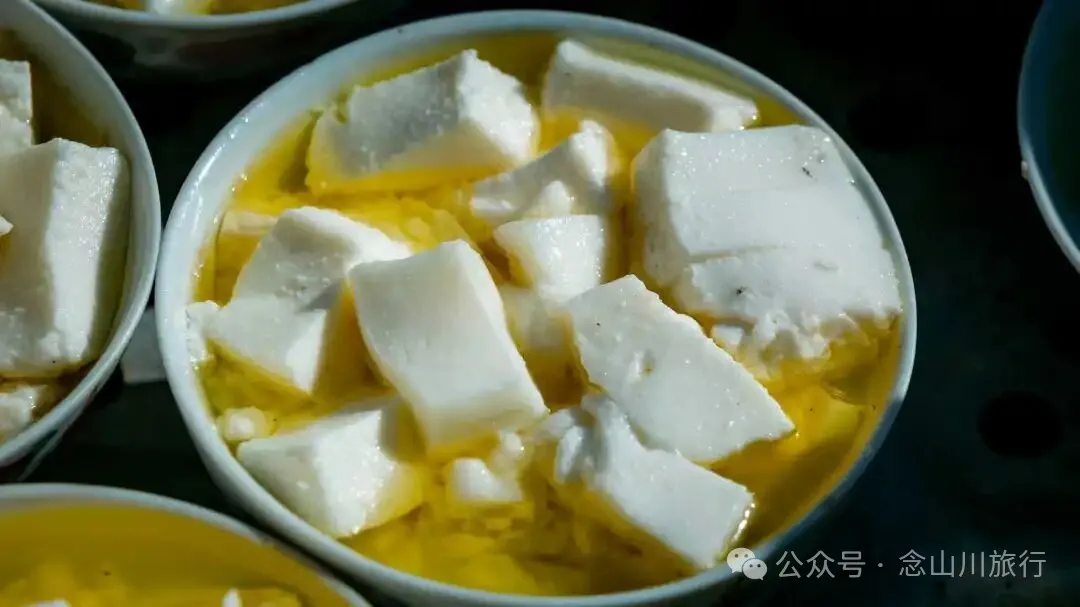
In Bazhu Village, the lunch at a wedding feast consists of tea snacks. Various grain-based pastries paired with butter tea are a major feature. Among them, a bowl of snack that looks like tofu is actually a Tibetan favorite: butter milk residue. Pour fermented yogurt into a pot, heat slowly over low heat until it just begins to simmer (about 80°C), stirring continuously to prevent sticking. As it heats, the yogurt gradually separates into white curds (the embryo of milk residue) and clear, light yellow whey. Scoop out the curds with a cloth or strainer, wrap them, and hang to drain the whey (for several hours to half a day). Cut the drained curds into small pieces and put them in a bowl. In a pot, melt butter with a little water over low heat, add sugar or honey, then pour into the bowl with the milk residue. Steam the bowl in a steamer, and a traditional butter milk residue dish is ready. The milk residue has a slightly sour taste, and with sugar or honey, it becomes a wonderful blend of sweet and sour.
Traditional Tibetan Cuisine at a Wedding Feast in Bazhu Village, Yunnan - Image 7
Traditional Tibetan Cuisine at a Wedding Feast in Bazhu Village, Yunnan - Image 8
Traditional Tibetan Cuisine at a Wedding Feast in Bazhu Village, Yunnan - Image 9
Traditional Tibetan Cuisine at a Wedding Feast in Bazhu Village, Yunnan - Image 10

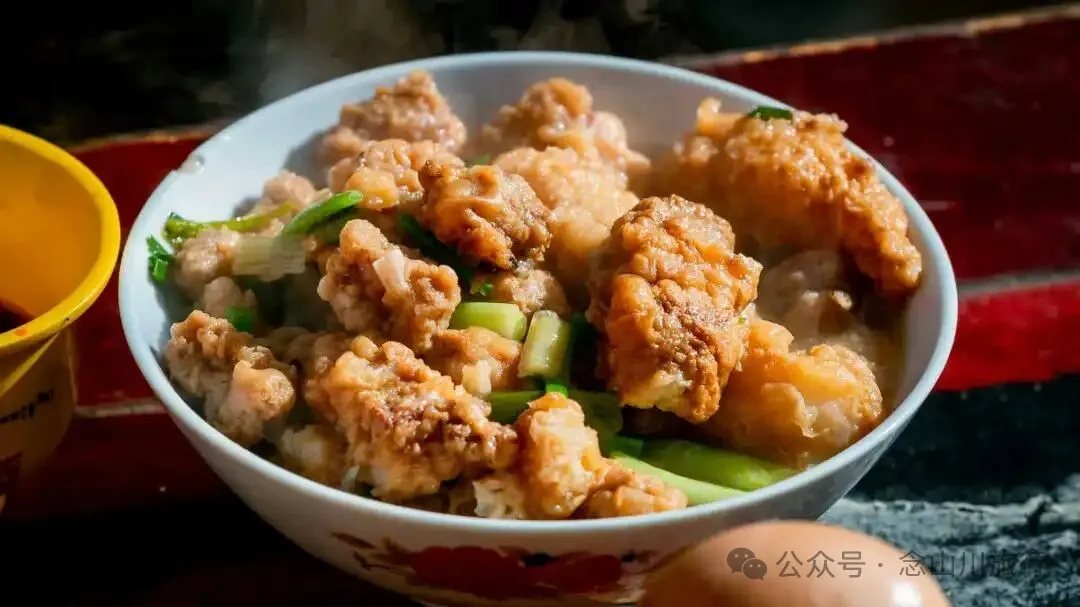
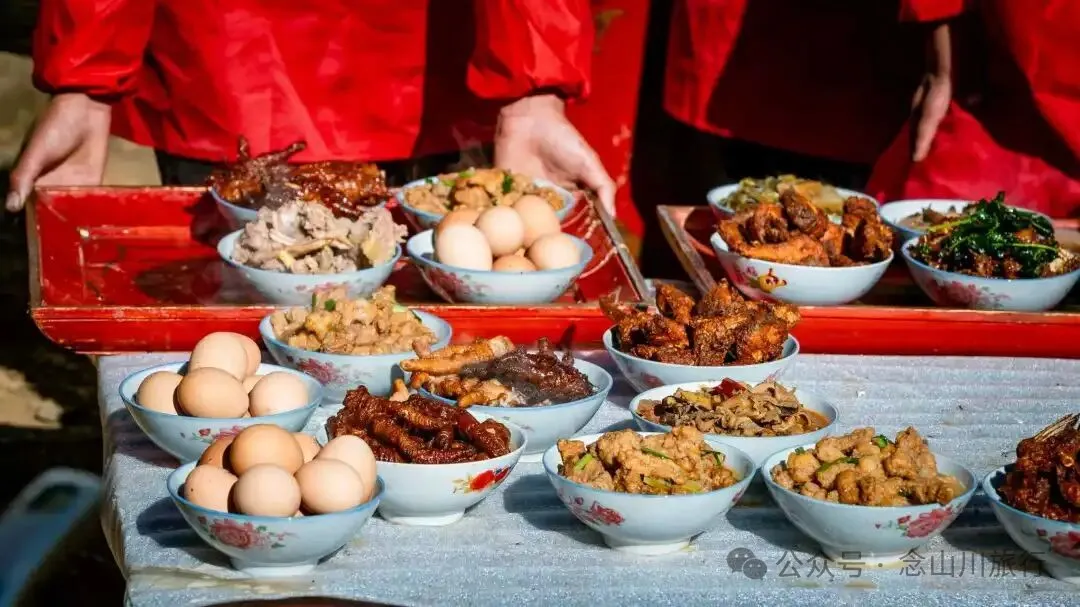
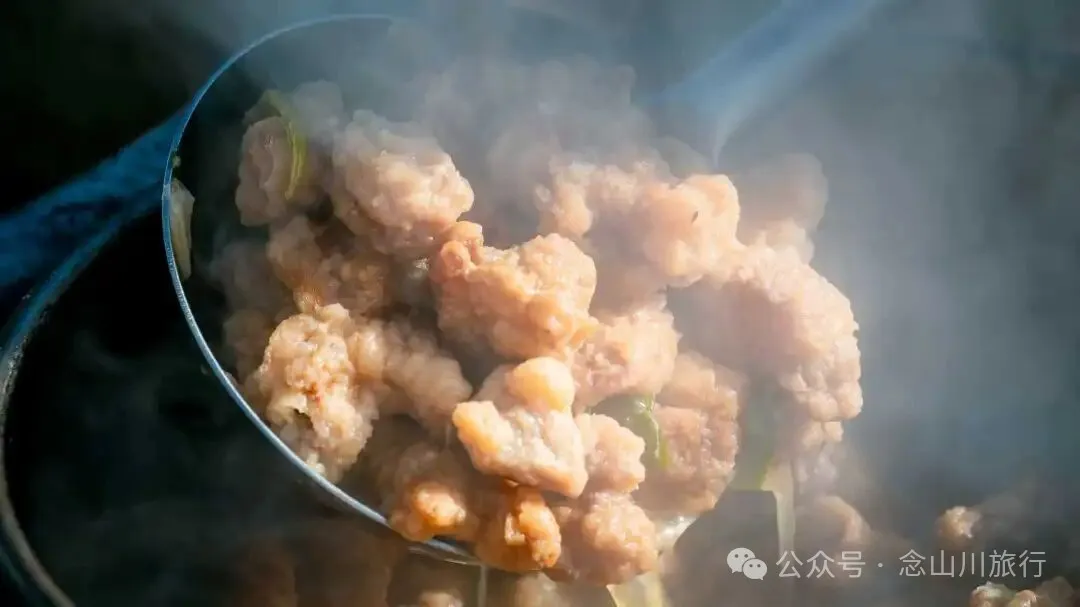
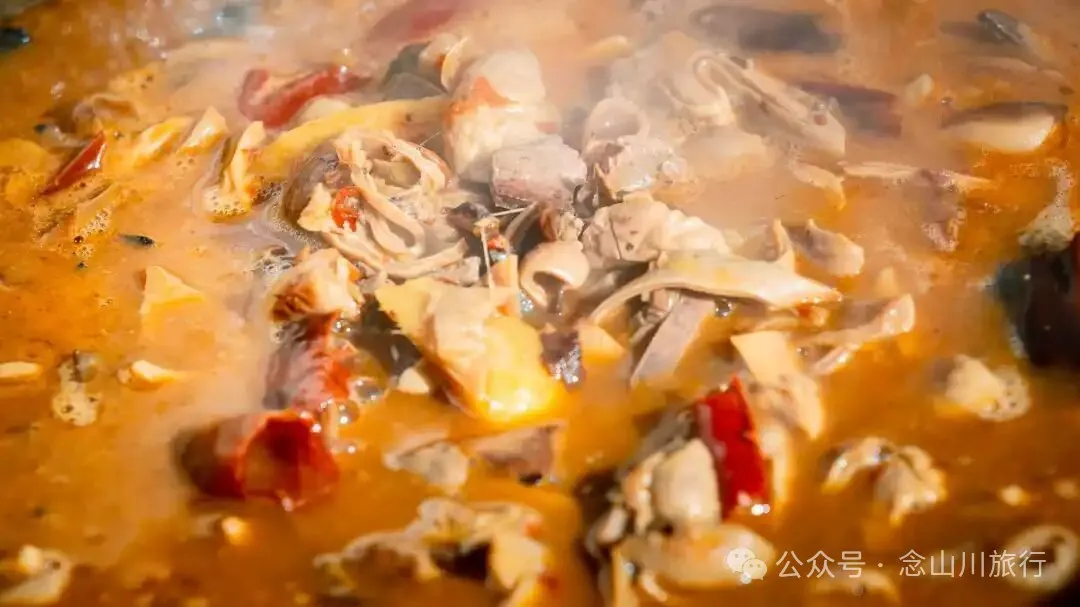
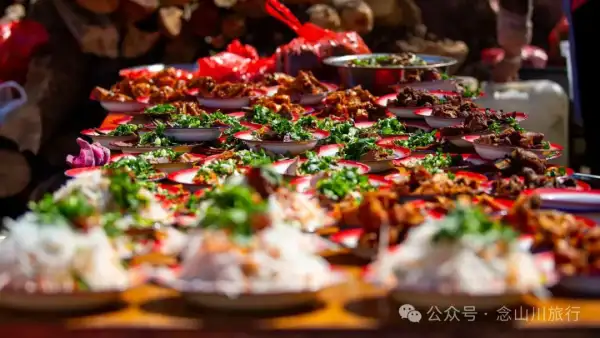
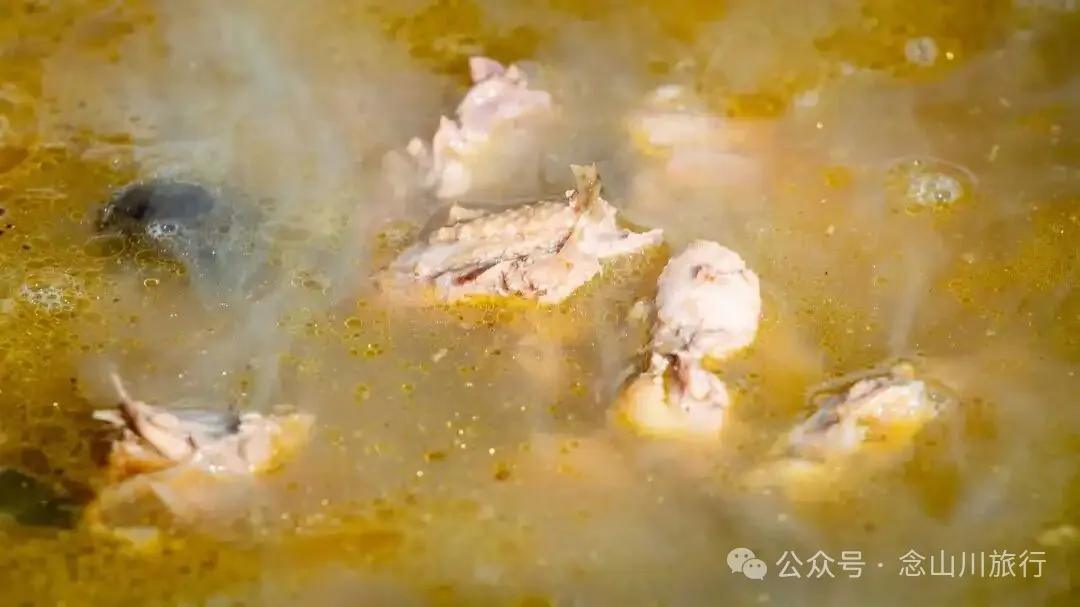
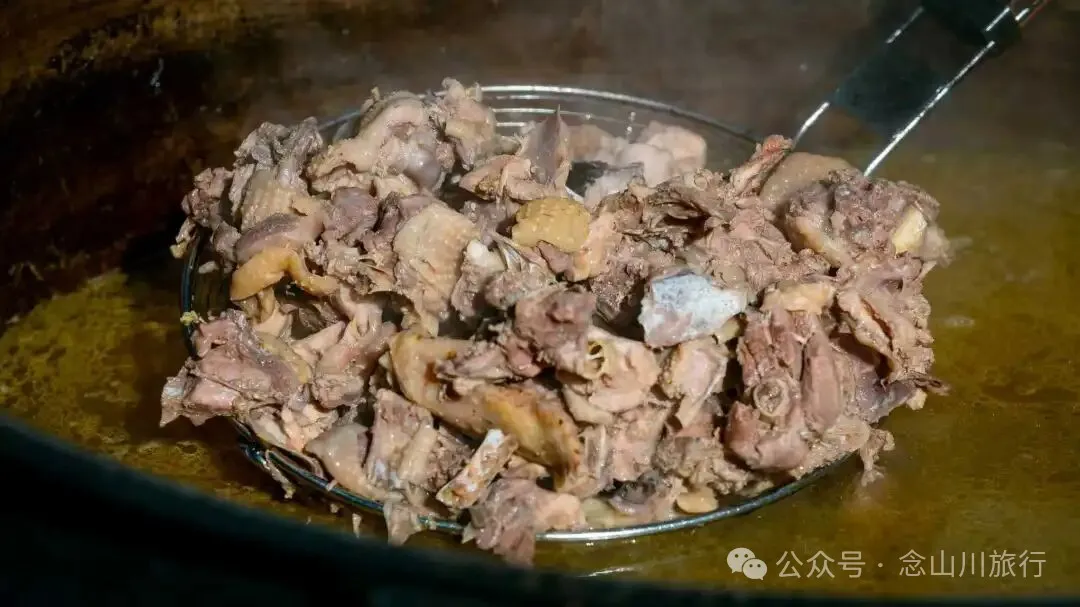
At the main meal starting at 2 p.m., the villagers say every dish is a traditional delicacy passed down for hundreds or thousands of years. Among them, butter chicken and bamboo-leaf vegetable stewed with meat are the most representative. In the difficult times of the past, when food and clothing were scarce, butter chicken was the most precious dish, made only for postpartum women or honored guests. Nowadays, with improved living standards, hosts often make butter chicken at banquets. Melt solid butter in an iron pot, add cleaned free-range chicken pieces and stir-fry, add seasonings to taste, then add enough water and simmer for one to two hours. In Tibetan life, butter seems to be their source of life, as important as water. It is used not only for tea and chicken but also for cooking rice wine and eggs, making it a nourishing drink.

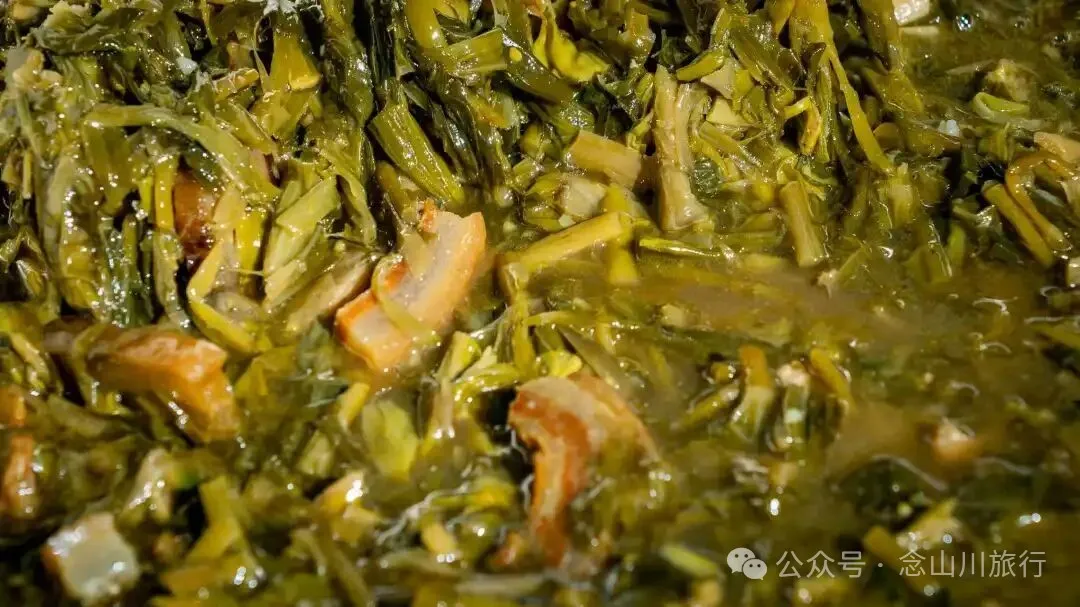
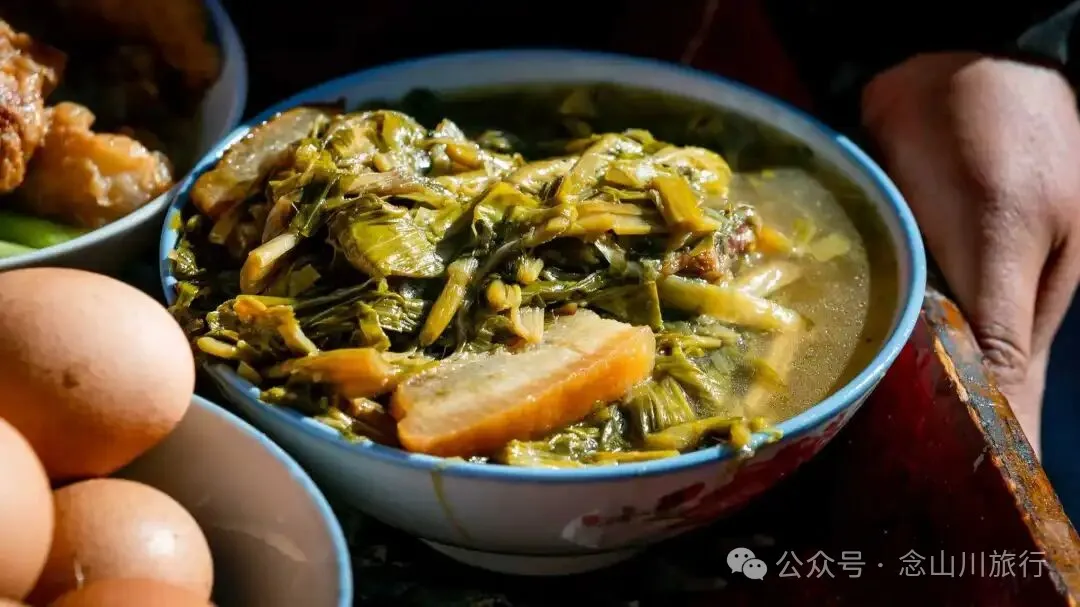
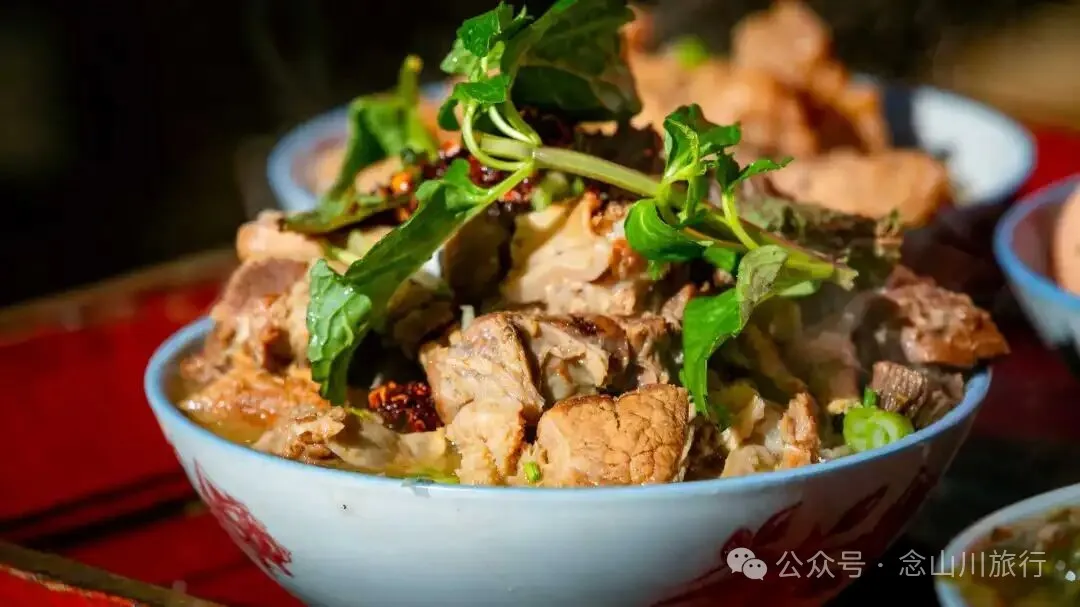
Bamboo-leaf vegetable is a wild plant that grows at an altitude of 3,700 meters in the snowline of the Shangri-La mountains. Its new shoots resemble bamboo shoots, and when slightly longer, the leaves are very similar to bamboo leaves, hence the name. From April to mid-May, bamboo-leaf vegetable breaks through the spring snow on the plateau. People pick the fresh tender shoots, blanch them, dry them in the sun, and store them. When needed, they soak them in cold water to rehydrate. At wedding feasts in Bazhu Village, bamboo-leaf vegetable is one of the few vegetarian dishes. The purchased dried vegetable is soaked in water and then stewed with cured meat or ham.
Traditional Tibetan Cuisine at a Wedding Feast in Bazhu Village, Yunnan - Image 11
Traditional Tibetan Cuisine at a Wedding Feast in Bazhu Village, Yunnan - Image 12
Traditional Tibetan Cuisine at a Wedding Feast in Bazhu Village, Yunnan - Image 13

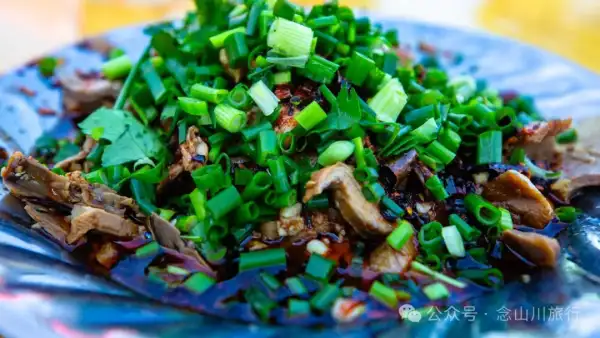
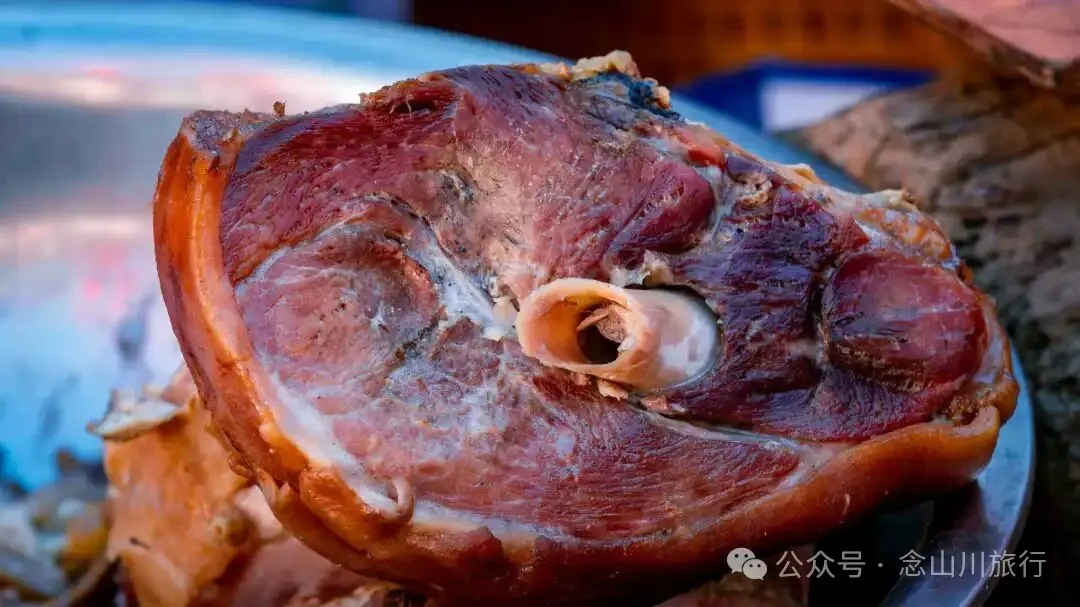
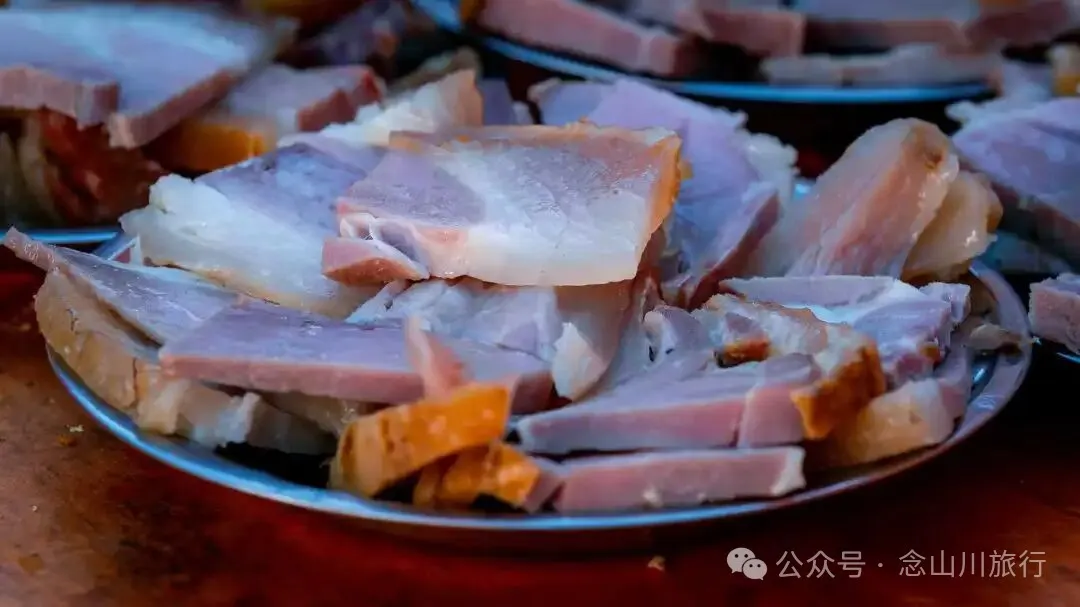
The ham cured by Bazhu villagers themselves is another unique traditional delicacy at the wedding feast. When slaughtering a pig, villagers keep two whole hind legs, rub them with a thick layer of salt, and soak Sichuan pepper, ginger, and garlic in high-concentration highland barley wine. The three seasonings' different flavors fully blend with the wine, which is then evenly applied to the hind legs to penetrate. The legs are hung on a beam above the kitchen fire, smoked by the fire for three, five, or even more years. Villagers say ham aged over five years has a purer, more authentic flavor, and good ham can be sliced and eaten raw. After stewing the ham in water, slice it and arrange on a plate, serve with a bowl of prepared dipping sauce, and it's ready for the table.
Traditional Tibetan Cuisine at a Wedding Feast in Bazhu Village, Yunnan - Image 14
Traditional Tibetan Cuisine at a Wedding Feast in Bazhu Village, Yunnan - Image 15
Traditional Tibetan Cuisine at a Wedding Feast in Bazhu Village, Yunnan - Image 16
Traditional Tibetan Cuisine at a Wedding Feast in Bazhu Village, Yunnan - Image 17
Traditional Tibetan Cuisine at a Wedding Feast in Bazhu Village, Yunnan - Image 18
Traditional Tibetan Cuisine at a Wedding Feast in Bazhu Village, Yunnan - Image 19
Traditional Tibetan Cuisine at a Wedding Feast in Bazhu Village, Yunnan - Image 20

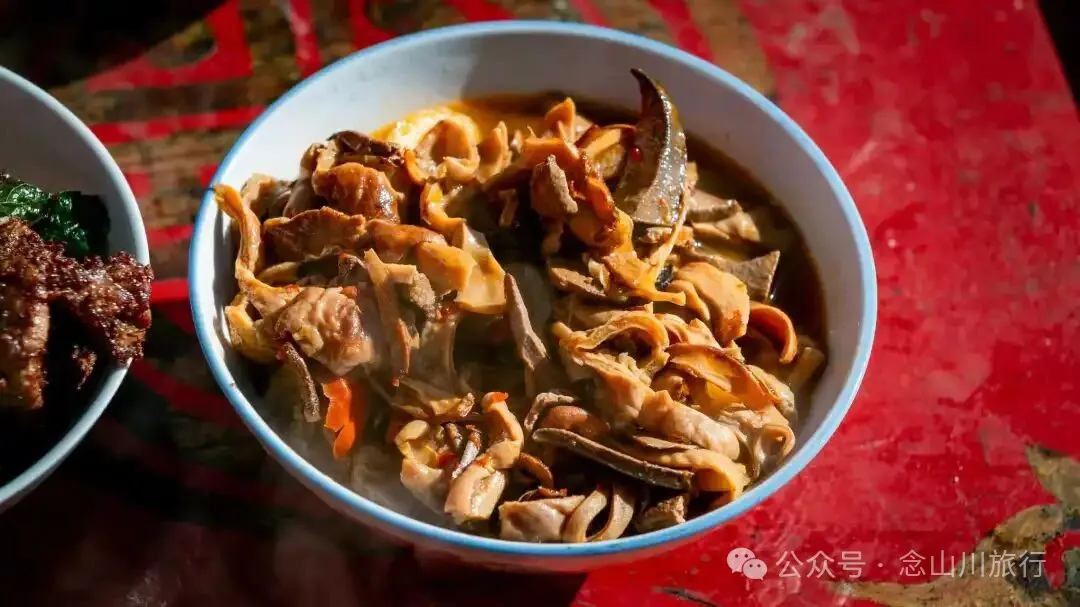
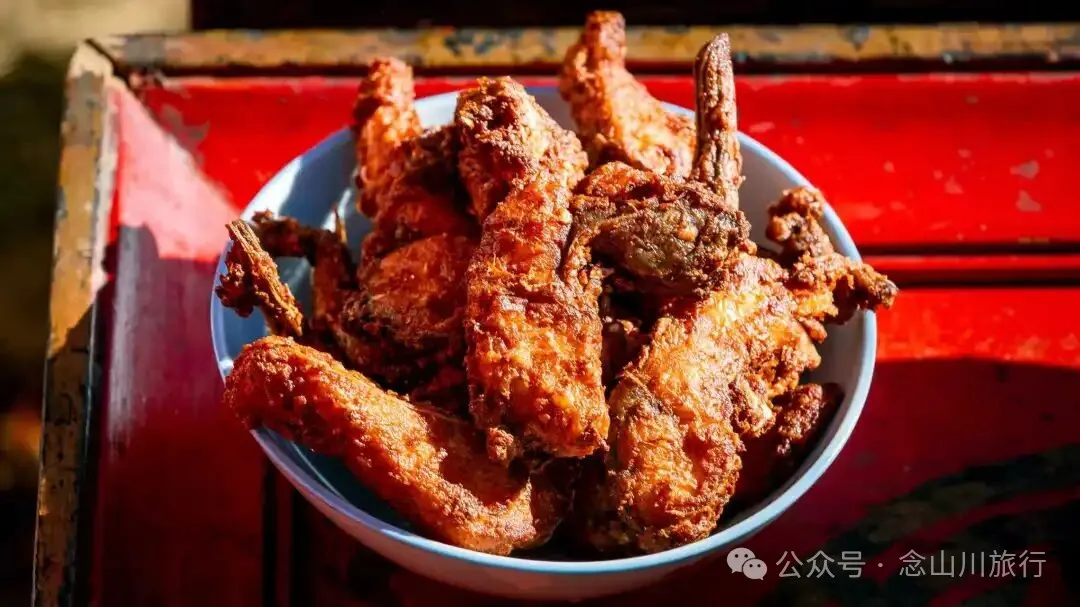
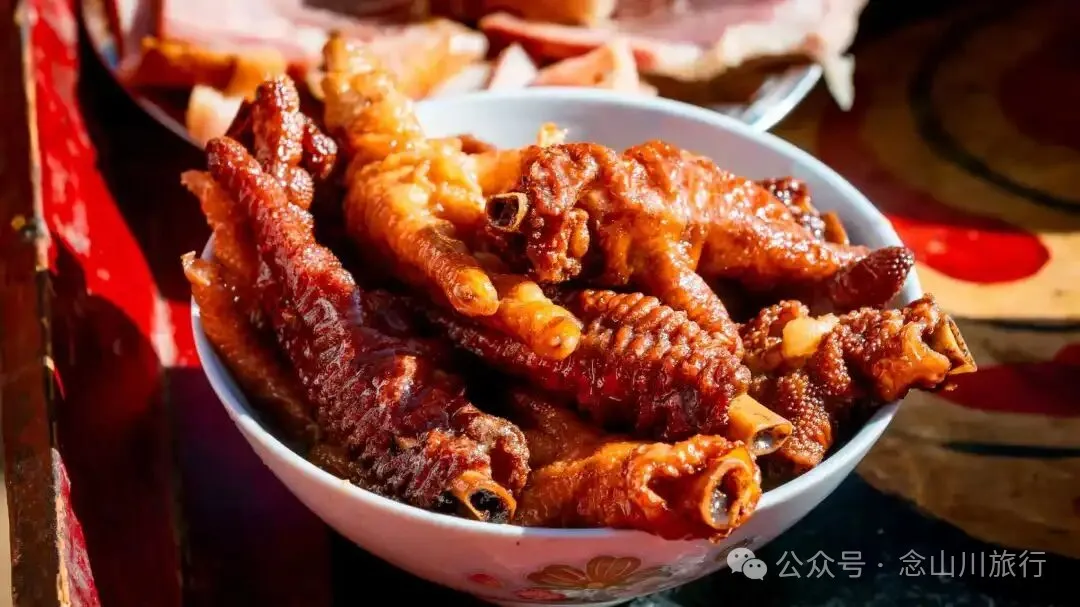
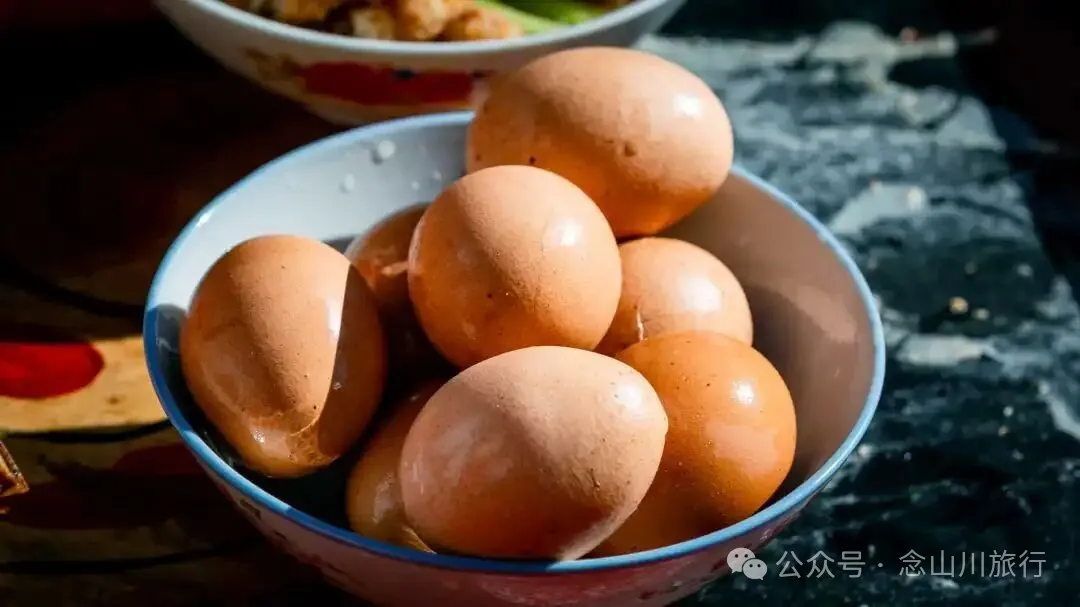
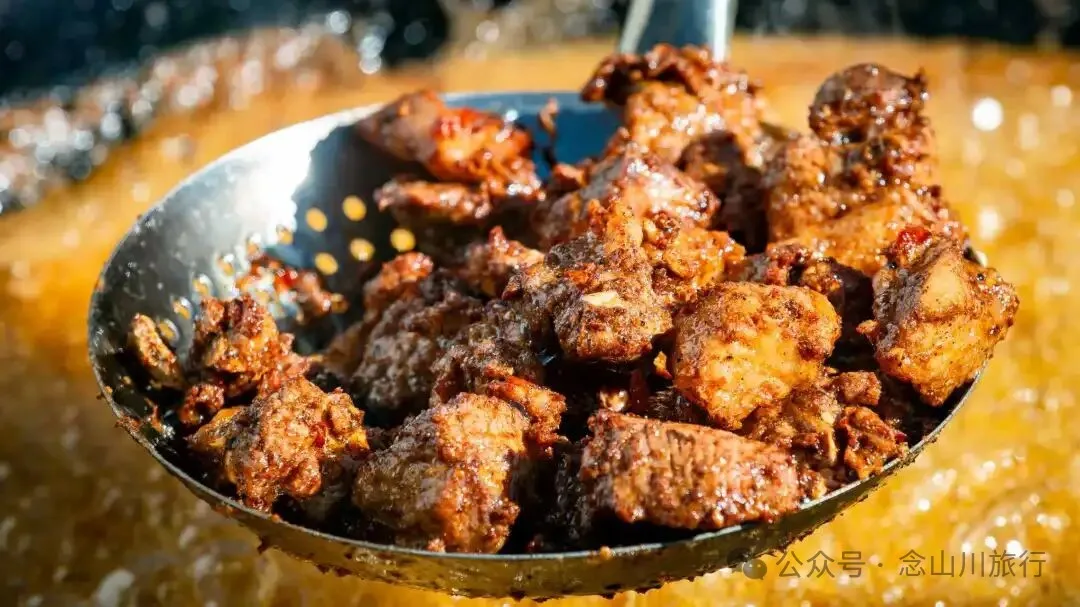
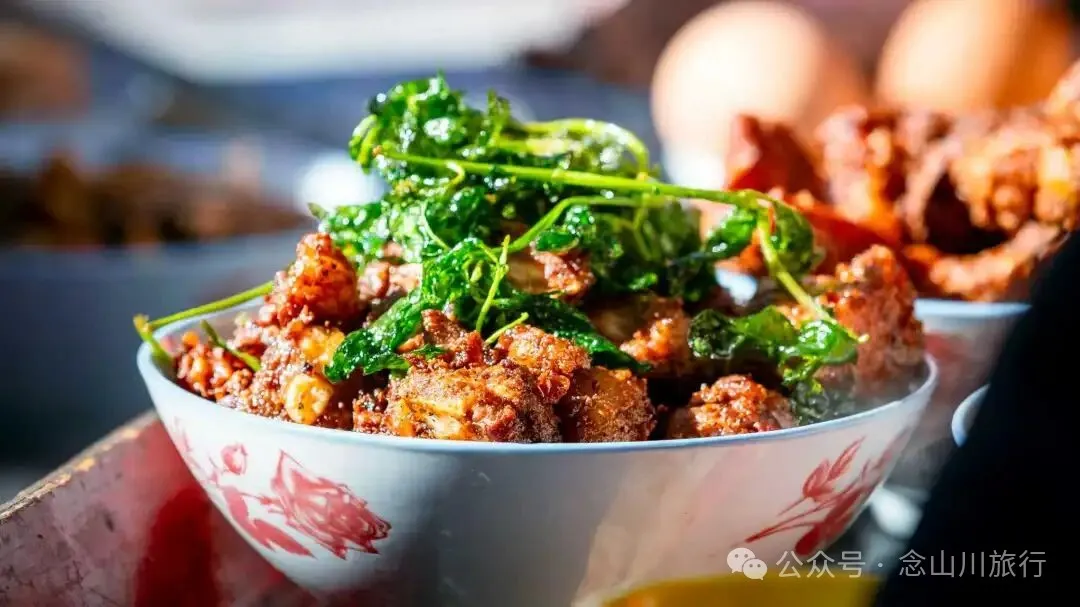
In addition to butter chicken, bamboo-leaf vegetable, and Bazhu ham, there are various other relatively common meat dishes that together form a rich and delicious feast, including yak meat, fried ribs, tiger-skin chicken feet, spiced eggs, and more.
Traditional Tibetan Cuisine at a Wedding Feast in Bazhu Village, Yunnan - Image 21
Traditional Tibetan Cuisine at a Wedding Feast in Bazhu Village, Yunnan - Image 22
Traditional Tibetan Cuisine at a Wedding Feast in Bazhu Village, Yunnan - Image 23
Traditional Tibetan Cuisine at a Wedding Feast in Bazhu Village, Yunnan - Image 24
Traditional Tibetan Cuisine at a Wedding Feast in Bazhu Village, Yunnan - Image 25
Traditional Tibetan Cuisine at a Wedding Feast in Bazhu Village, Yunnan - Image 26
Traditional Tibetan Cuisine at a Wedding Feast in Bazhu Village, Yunnan - Image 27

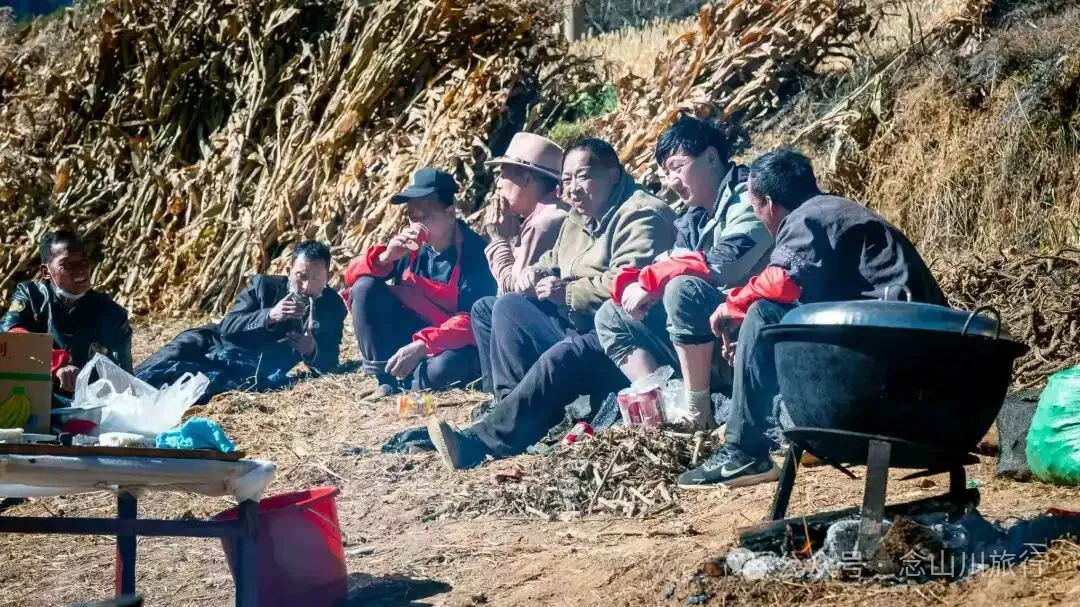
When the carefully prepared dishes are brought to the table, guests sit in the warm sunshine and feast, enjoying the traditional Tibetan cuisine of Yunnan. For them, food is not just for satiety; it is a link connecting the past and the present, a living carrier of ethnic culture. Different dishes reflect different symbolic meanings, enriching their lives, and such inheritance takes on deeper significance.
Traditional Tibetan Cuisine at a Wedding Feast in Bazhu Village, Yunnan - Image 28
Tags:
This article is original, author: Sixianqiu, and its copyright is owned by 大理旅行.
For reprinting, please indicate the source: https://dalilvxing.com/en/380.html
Sixianqiu

Sixianqiu

"Eyes follow the returning swan, hands strum the five strings." Always seeking, in this unrecognizable mortal world, a path as carefree as drifting clouds and wild cranes. Fortunately, there lies an ocean of poetry and lyrics, which has gifted me boundless beauty. Often, I sail upon it, quietly savoring that beauty. Even more fortunate are those standing on the shore — who cherish the beauty I cherish, and keep me free from hunger and cold, allowing me to devote myself wholly to this joy.
2166.31W
Loading...
Share:
Word Count: 4190
Bazhu Characters | Veteran Dingdu Cilin: The Dual Life from Battlefield Sharpshooter to Rural Veteran
Bazhu Characters | Veteran Dingdu Cilin: The Dual Life from Battlefield Sharpshooter to Rural VeteranPrevious
Winter Bliss: Lying on a Hilltop Pasture Overlooking the Jinsha River and Tacheng, Basking in the Sun All DayNext
Winter Bliss: Lying on a Hilltop Pasture Overlooking the Jinsha River and Tacheng, Basking in the Sun All Day
Related Articles
Total: 212
The Romantic Freedom of a Solitary Walker: Enter the Mountains, Stay in the Mountains, Grow into the Mountains

The Romantic Freedom of a Solitary Walker: Enter the Mountains, Stay in the Mountains, Grow into the Mountains

Over the mountain opposite the village committee is another fairy-tale valley, where houses with red walls and gray tiles stand along white stri…
SixianqiuSixianqiuTravel Log8 months ago112510
Night View of Weishan Ancient City: Light and Shadow Under the Eaves, the Fragments of Gold That Time Forgot to Take Away

Night View of Weishan Ancient City: Light and Shadow Under the Eaves, the Fragments of Gold That Time Forgot to Take Away

At ten o'clock in the evening, the ancient city should be empty of tourists, the streets deserted and chilly, most shops already closed, with on…
SixianqiuSixianqiuTravel Log11 months ago112160
Nanjian, Dali: Reliving the Scent of Rice in Golden Fields

Nanjian, Dali: Reliving the Scent of Rice in Golden Fields

On the road from the mountains to Nanjian County town, you can see vast rice fields on the outskirts of Nanjian County in the distance. At this …
SixianqiuSixianqiuTravel Log1 years ago113560
The protagonist is a place name, with only eight households in the entire valley

The protagonist is a place name, with only eight households in the entire valley

To reach Shuozhujiao, you have to cross two mountains. It's a village group about 7 or 8 kilometers from the village committee. The road is ceme…
SixianqiuSixianqiuTravel Log7 months ago111740
Lost in Xizhou Ancient Town, Dali: A Retro Rice Field Dream Through Cangshan and Erhai

Lost in Xizhou Ancient Town, Dali: A Retro Rice Field Dream Through Cangshan and Erhai

Xizhou Ancient Town is located in the northern part of Dali City, Dali Bai Autonomous Prefecture. It is a historic Bai cultural town with a thou…
SixianqiuSixianqiuTravel Log2 years ago337660
Yunlong Qingshiyan Waterfall, Dali: Unwritten, Flowing Freely

Yunlong Qingshiyan Waterfall, Dali: Unwritten, Flowing Freely

Qingshiyan — that was the place name we looked up after spotting this waterfall. In truth, it isn't even the waterfall's name. It seems to lack …
SixianqiuSixianqiuTravel Log8 days ago1160
Visiting the Tibetan Buddhist Temple Dalai Monastery: In an Unfinished Hall, Encountering a Faith in Progress

Visiting the Tibetan Buddhist Temple Dalai Monastery: In an Unfinished Hall, Encountering a Faith in Progress

Dalai Monastery is located in Shibazhaigou Village, Yulong County, Lijiang. It was first built during the Yongzheng reign of the Qing Dynasty, n…
SixianqiuSixianqiuTravel Log7 months ago111430
Nakeli in Ning’er County, Pu’er: A Millennium-Old Ancient Town on the Tea Horse Road, Infused with Hoofbeats and Tea Aroma

Nakeli in Ning’er County, Pu’er: A Millennium-Old Ancient Town on the Tea Horse Road, Infused with Hoofbeats and Tea Aroma

Among the rolling mountains of Pu'er, Yunnan, an ancient road paved with bluestone slabs winds and twists. This road stretches through towering …
SixianqiuSixianqiuTravel Log1 years ago112120
Overlooking Tacheng, gazing at Damo Ancestor Cave and Shika Snow Mountain, autumn and winter are perfect for this hiking route in Bazhu

Overlooking Tacheng, gazing at Damo Ancestor Cave and Shika Snow Mountain, autumn and winter are perfect for this hiking route in Bazhu

Behind the village committee, there is a very narrow meadow in the mountains, stretching almost from the edge of the forest on the slope of Tala…
SixianqiuSixianqiuTravel Log8 months ago111680
Weibaoshan: Ancestral Worship Site of the Yi People and Famous Taoist Mountain in China

Weibaoshan: Ancestral Worship Site of the Yi People and Famous Taoist Mountain in China

Weibaoshan is located about 13 kilometers south of Weishan County, just a 20-minute drive from the county seat. It is not only a sacred site for…
SixianqiuSixianqiuTravel Log2 years ago228480
10-Year Chronicle of Living in Dali • Journey 3: Cycling to Dali in 2014: From Fuyuan County, Yunnan to Dali Old Town

10-Year Chronicle of Living in Dali • Journey 3: Cycling to Dali in 2014: From Fuyuan County, Yunnan to Dali Old Town

Previous Episodes:10-Year Chronicle of Living in Dali • Journey 1: Cycling to Dali in 2014: From Yongxiu County, Jiangxi to Xinhuang Dong A…
萨龙龙萨龙龙Travel Log1 years ago113550
Torch Festival · Weishan Ancient City Under the Rain Curtain: A Millennia-Old Passion That Rain Cannot Quench

Torch Festival · Weishan Ancient City Under the Rain Curtain: A Millennia-Old Passion That Rain Cannot Quench

The 25th day of the sixth lunar month is the Torch Festival of the Yi ethnic group. From early morning, Weishan Ancient City bustles with activi…
SixianqiuSixianqiuTravel Log1 years ago112010
Comment FormTourist Hello, welcome to the discussion.
Dali Travel
Please login first
Comment Lists
Total: 0
Dali Travel
No relevant content