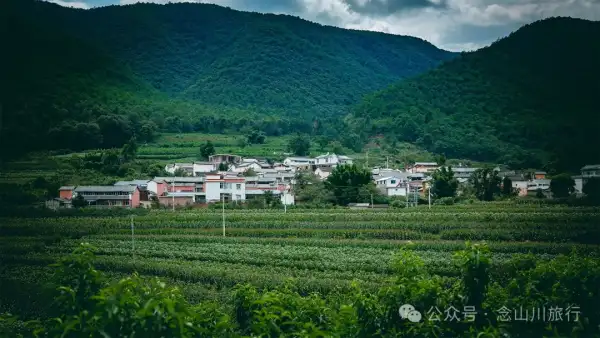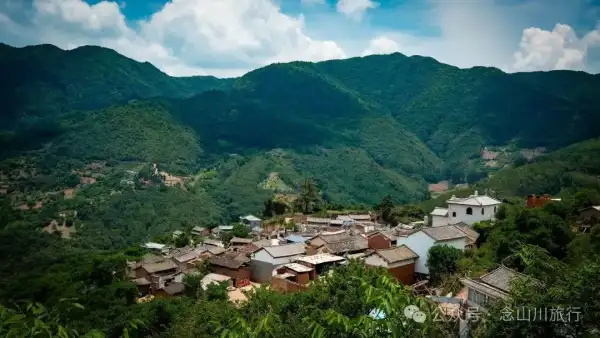

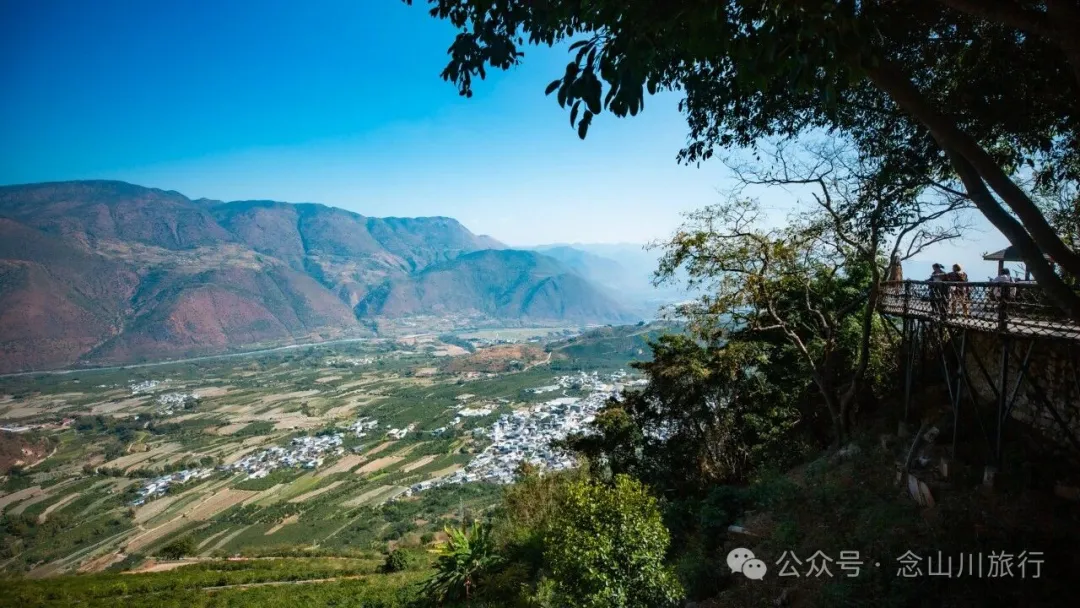
In the afternoon, under the scorching sun, Xinzhaicun Village was lazy and lifeless. People hid in the shade, hoping for a stronger cool breeze. More coffee shops lined the village road, making it seem even more crowded. The outer walls of the houses on both sides were adorned with murals depicting coffee culture. If time allowed, you could get off the car and slowly walk up the village road, admiring the murals on the walls while breathing in the scent of tropical plants floating in the air.
Xinzhaicun is known as "China's No.1 Coffee Village," with over 10,000 mu of coffee plantations, making it a high-density, high-quality coffee-specialized village. Almost all villagers are coffee farmers. If someone's courtyard gate is open, feel free to go in and say hello. Most courtyards have a coffee cherry pulper and white coffee beans spread out on the cement ground to dry. If you're lucky, you might even see one or two oddly colored pigs in a pen in the corner of the yard. Their rare red color is directly related to what the owners feed them: the pulp of coffee cherries.
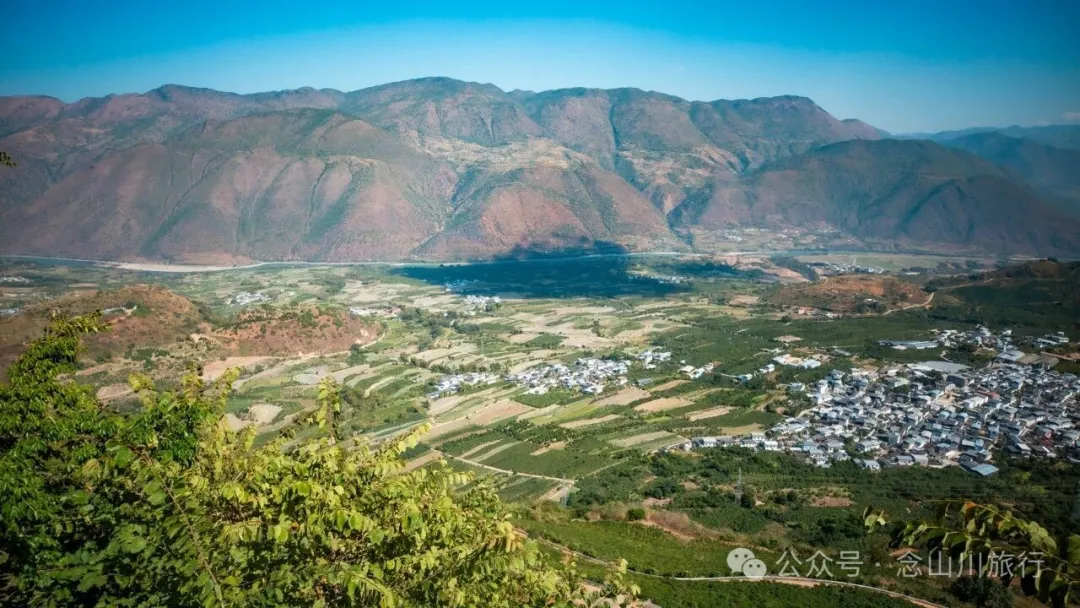
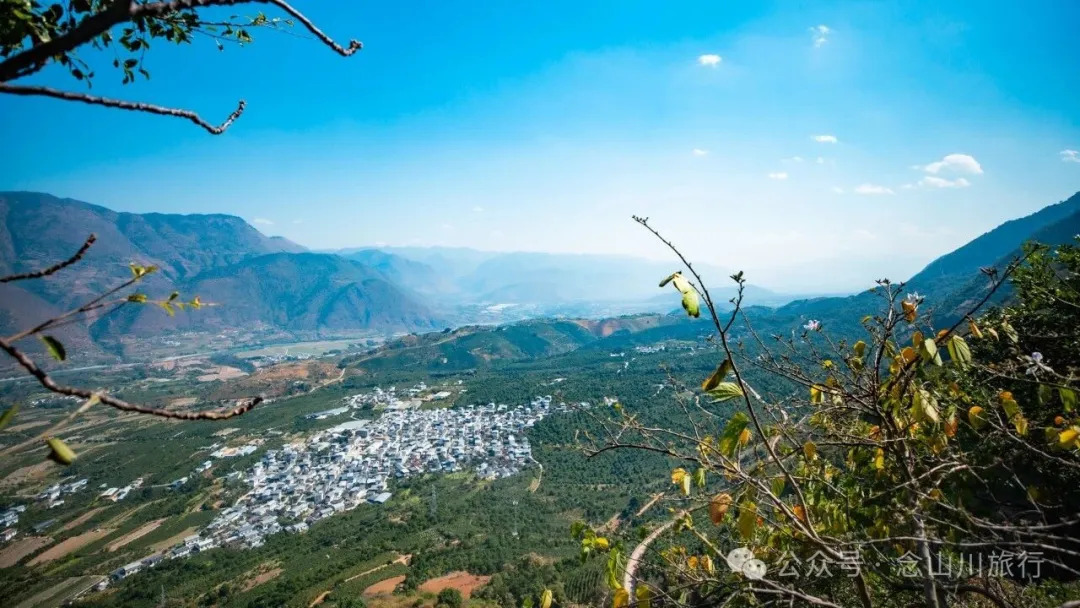
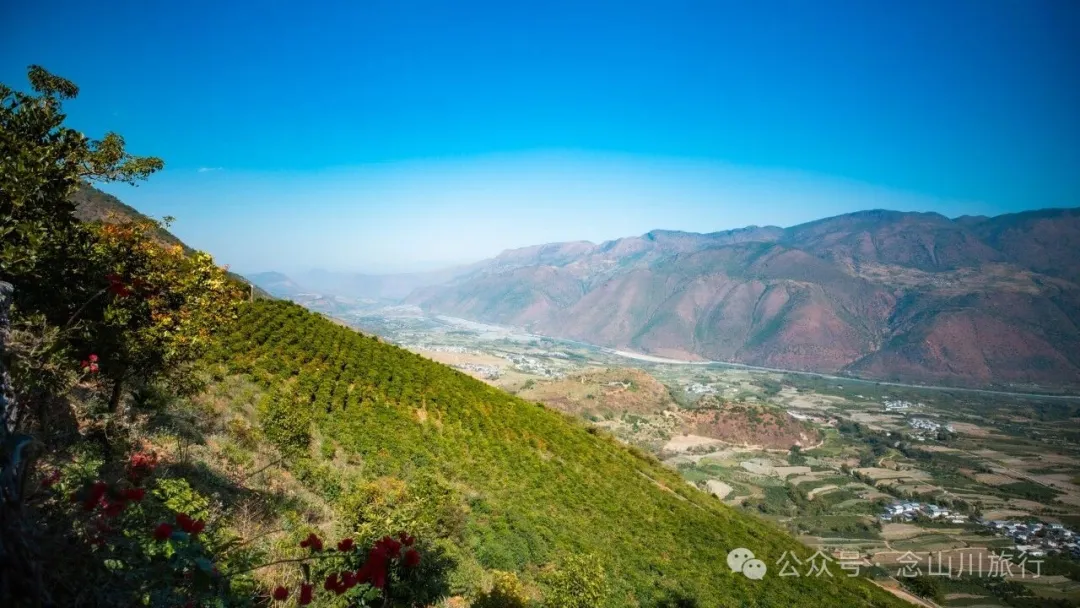
From the foot of the mountain where the village sits to the higher slopes and even the mountaintop, there are dense coffee forests. Passing through Xinzhaicun, we climbed a winding, dusty mountain road. On both sides, the slopes were covered with coffee trees laden with red cherries. Among the trees, coffee farmers were busy picking the fruit. We were in the midst of a sea of coffee trees. We stopped in front of a coffee estate on the mountain, which offered a good view of the nearby Xinzhaicun and the broader Lujiangba, this magical dry-hot valley.
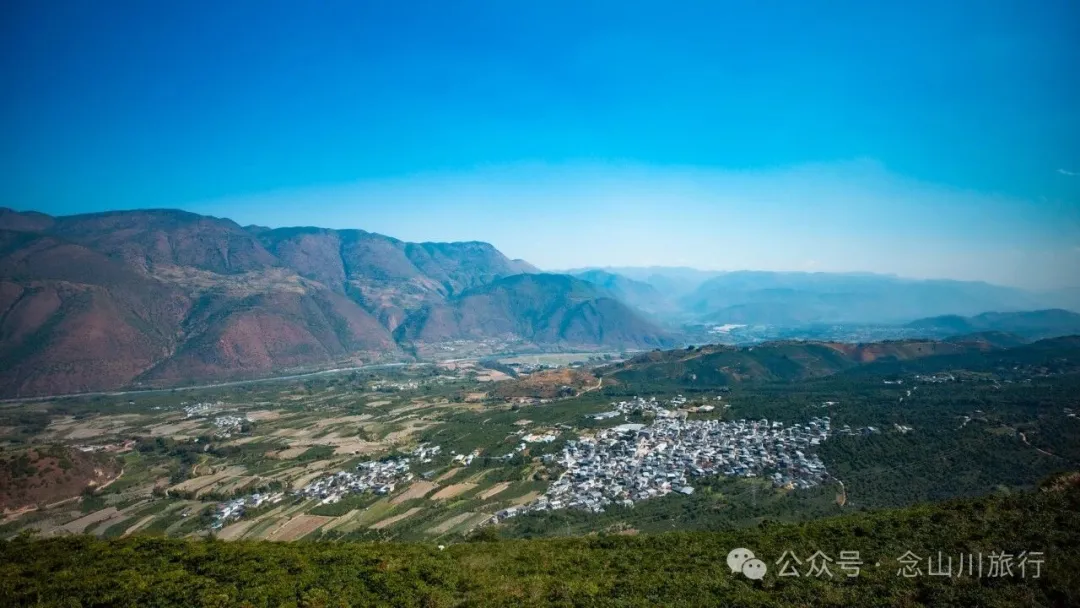
The Nujiang River was pushed to the edge of the dam area far from the Gaoligong Mountains, intertwining with the national highway like two thin threads. The mountains opposite looked barren and desolate, bare. The village at the foot of the mountain resembled a large white bird about to take flight, soaring from the green forest into the vast blue sky. After spending two days in Lujiangba, a faint haze lingered in the air, much like in Weishan and Nanjian during this season. The view never seemed clear and bright enough. I wondered what Lujiangba looked like during the rainy season (usually from May to October).
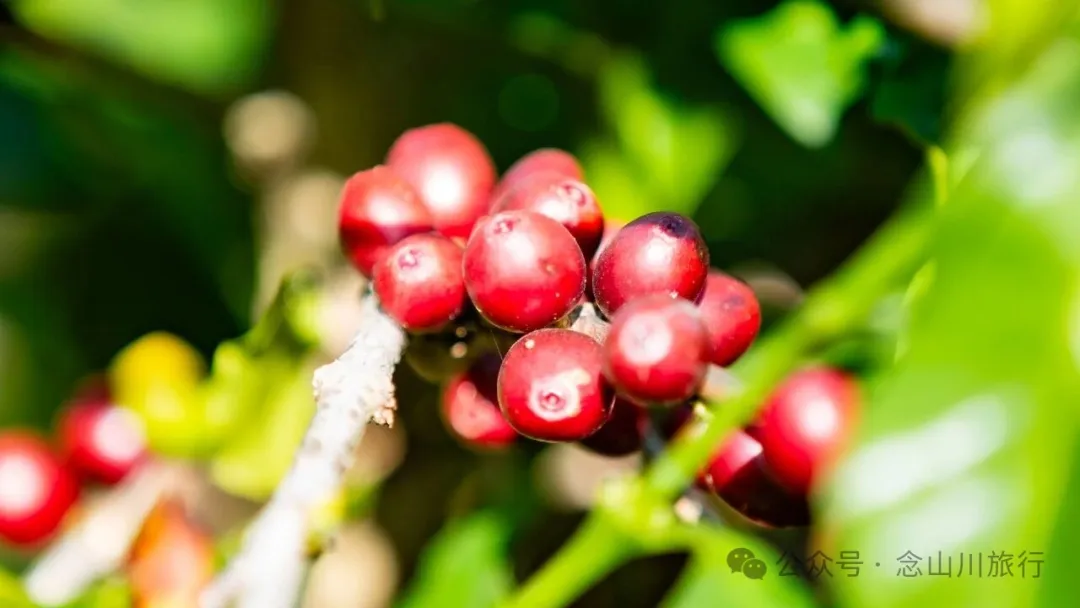
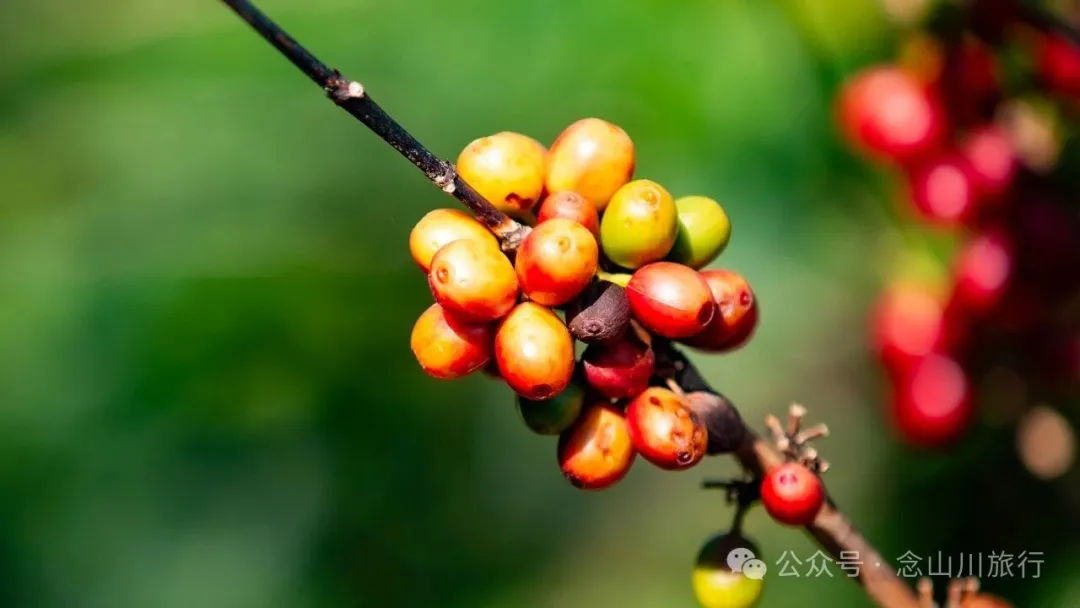
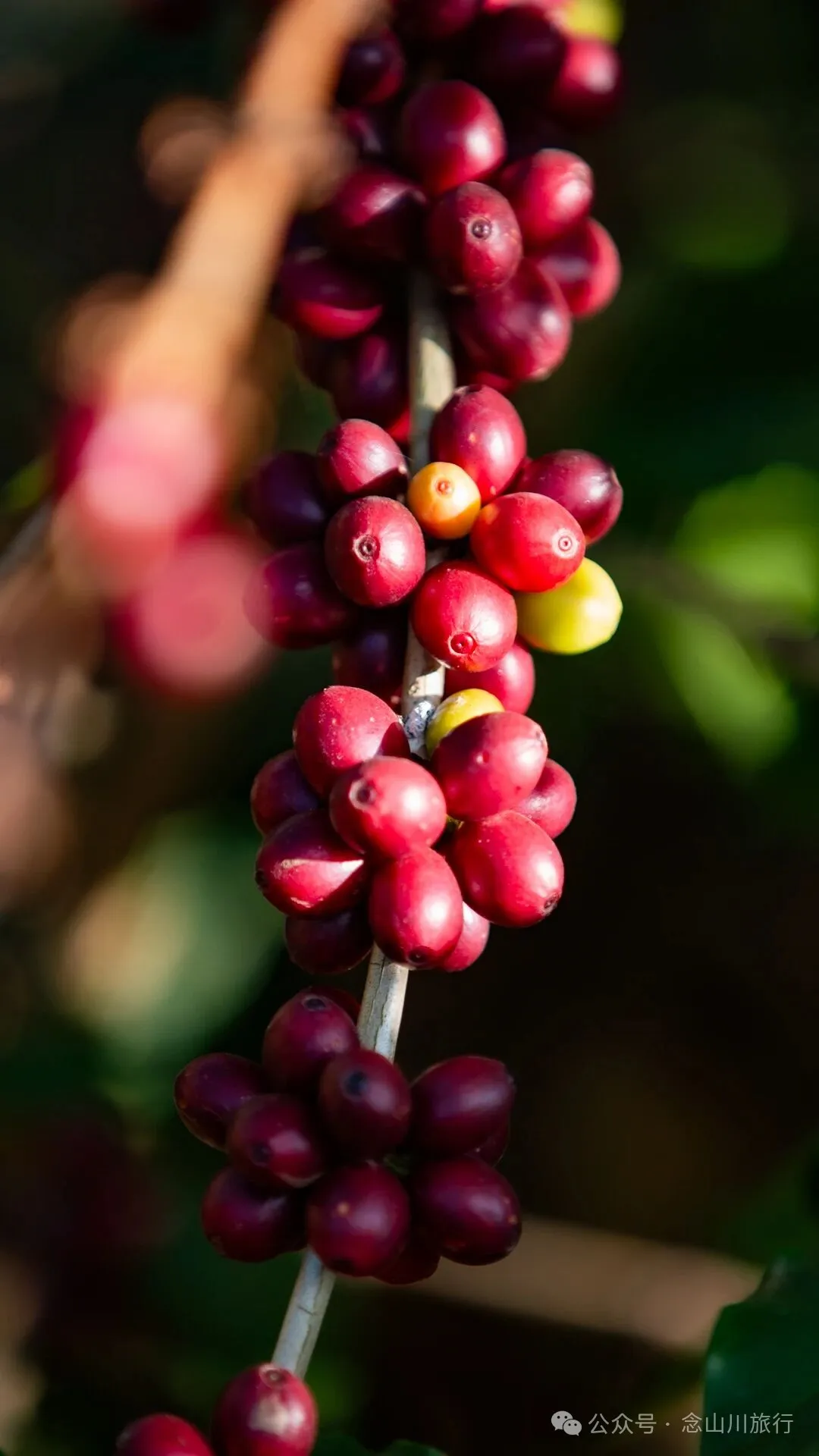
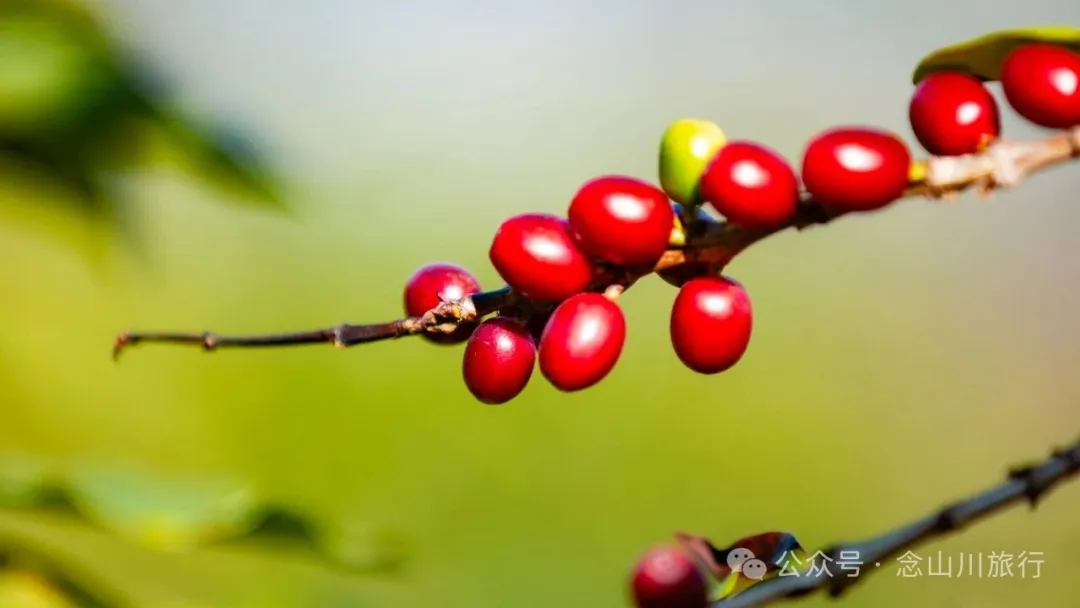
Take a walk in the ripe coffee cherry forest. On this generous land of Lujiangba, each coffee cherry is like a ruby cherished by nature. They hang in clusters on the branches, initially a greenish emerald, then gradually turning into a rouge-like crimson as the dry-hot valley's sunlight and temperature differences nourish them day and night, finally ripening into a deep, full-bodied wine red. Locals call them "coffee cherries" — peel off the thin, smooth skin, and inside is a sweet, sticky pulp that wraps around what we commonly know as coffee beans.
Unlike coffee beans, the pulp is sweet. The longer the sunlight in the mountainous areas, the sweeter the pulp. I wonder if the pigs fed with coffee pulp by the villagers also have a hint of sweetness? Each fruit usually contains two seeds pressed tightly together, their flat sides marking where they grew together. In Lujiangba, abundant sunlight allows the fruit's sugar to accumulate fully, while the unique climate formed by the Gaoligong Mountains barrier softens the acidity, making it mellow. This imprints the local coffee cherries with the genes of fruit and floral notes even before they are picked.
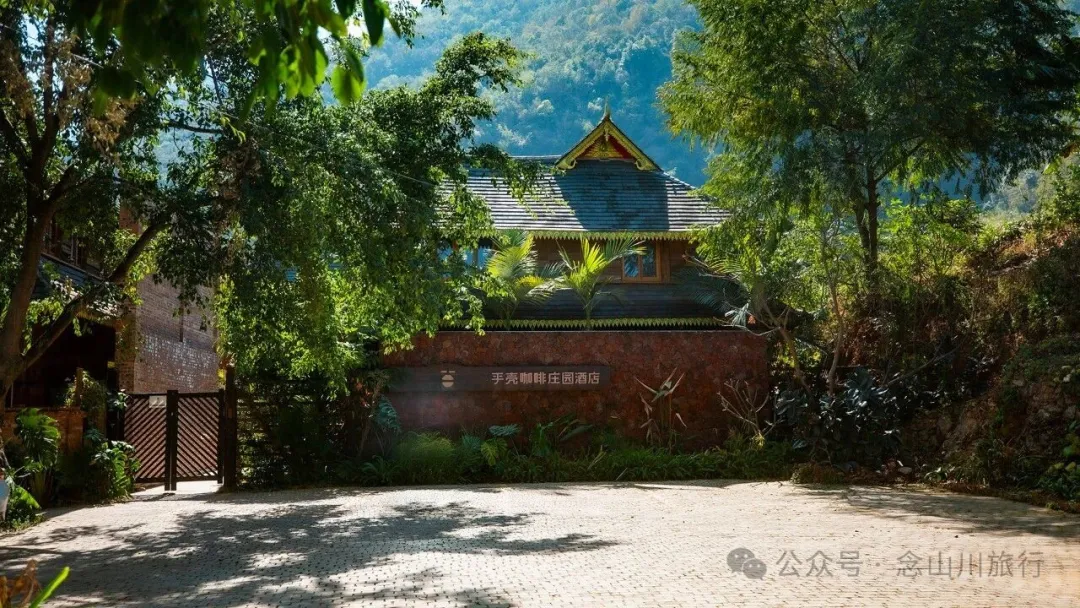
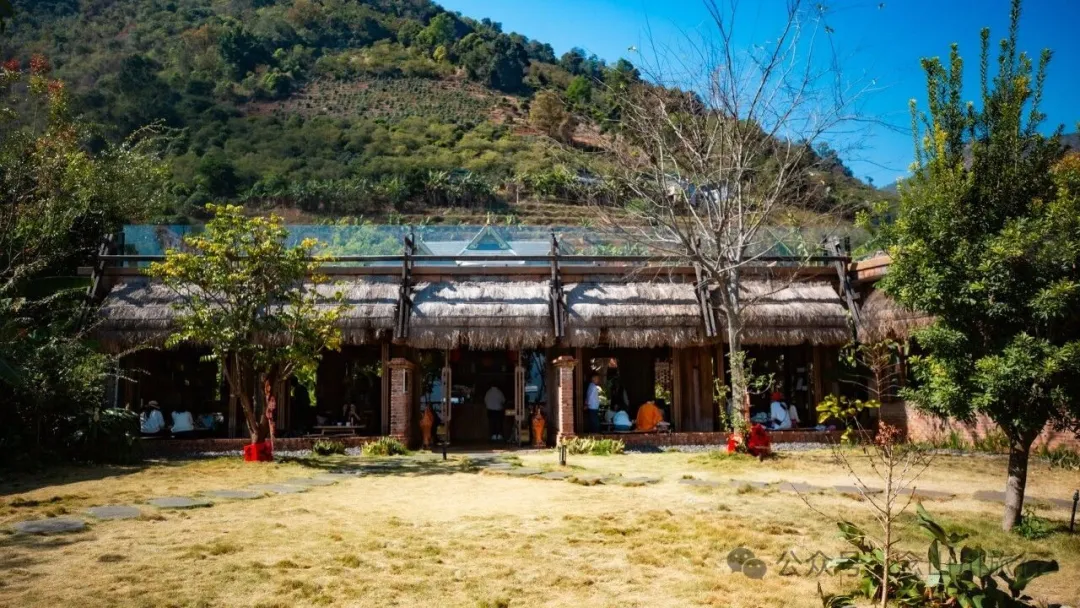
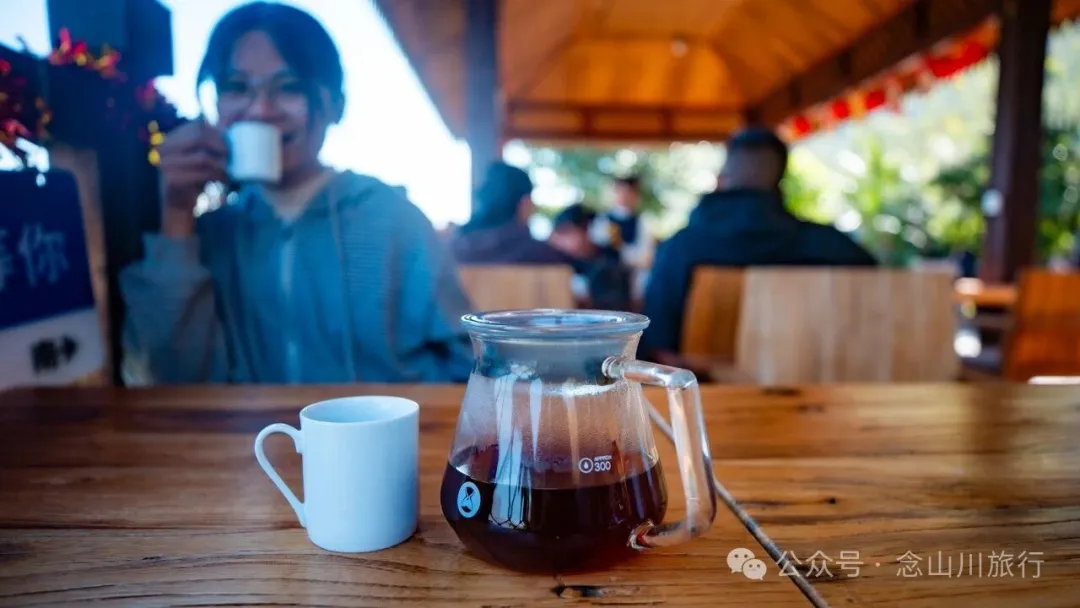
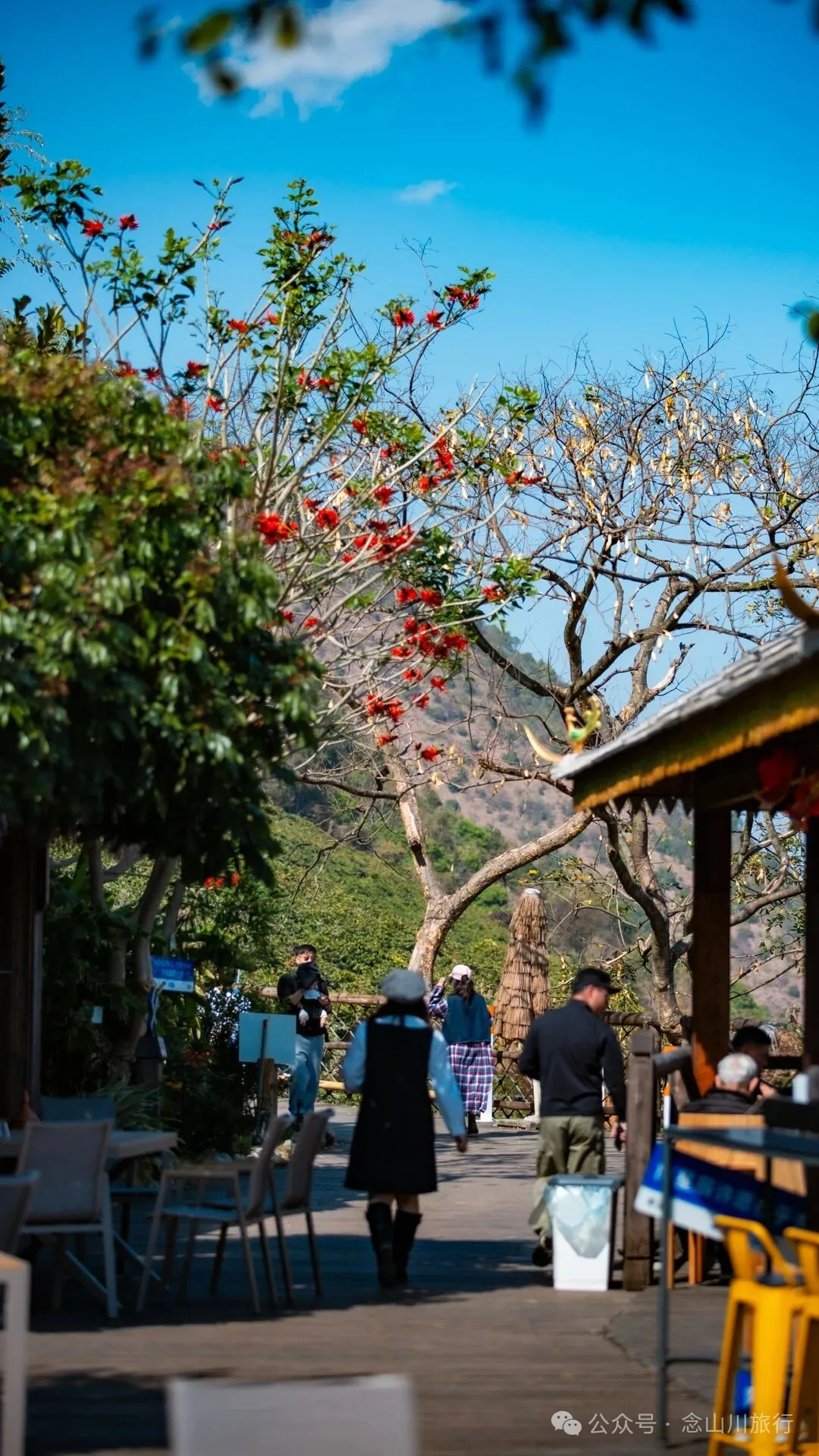
Order a pot of coffee at the mountain coffee estate, sit down and savor it slowly. The cool breeze from beyond the railing rushes in unhindered, brushing away the dust and haste.