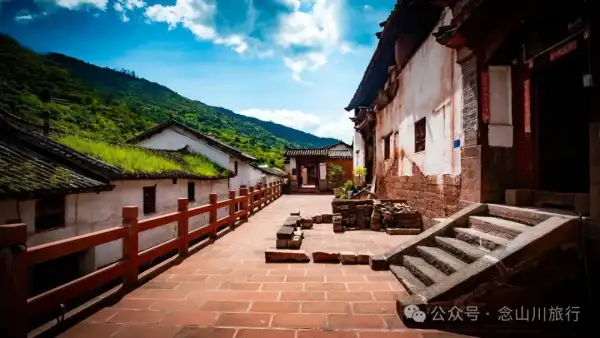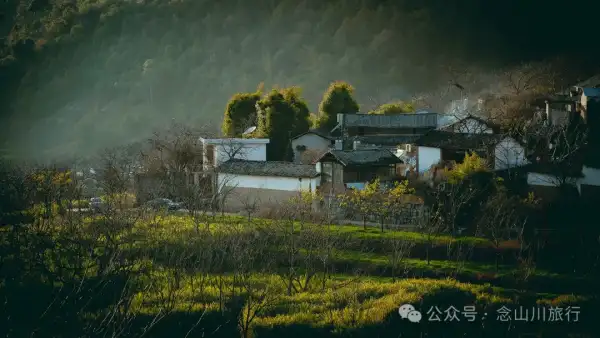

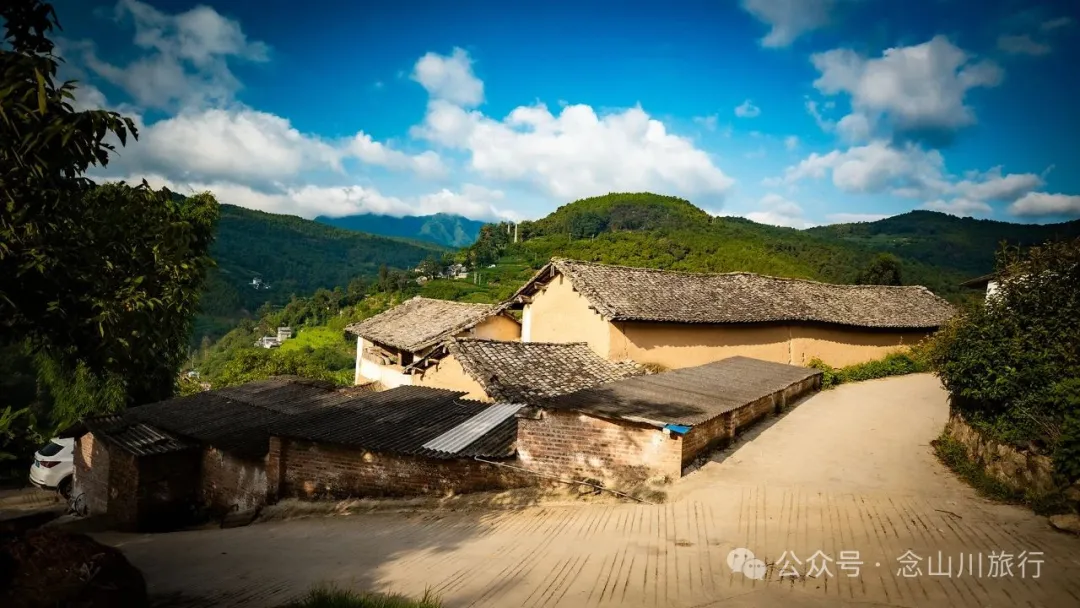
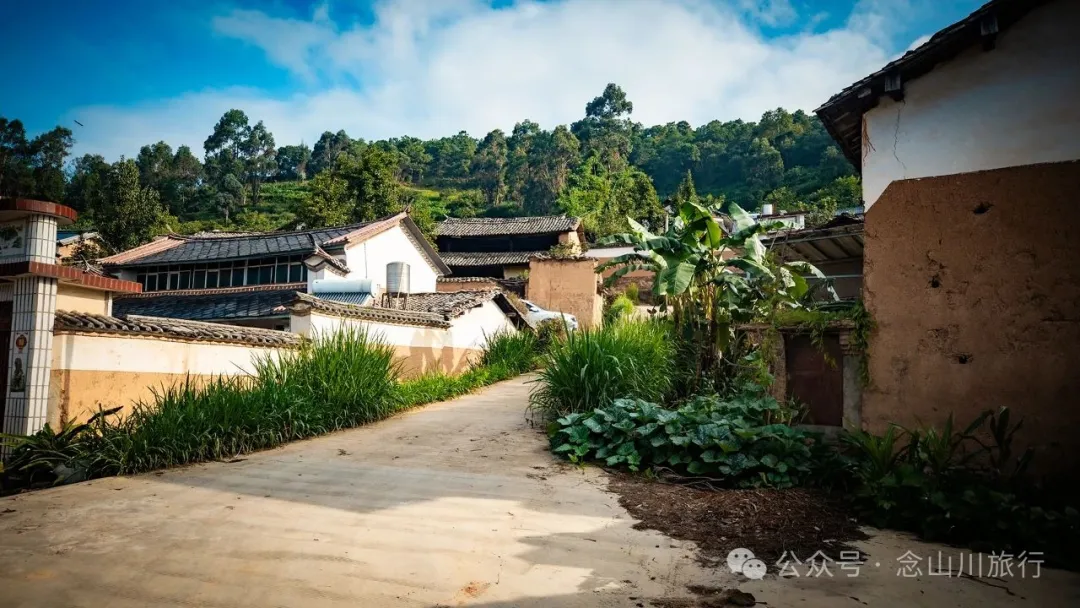
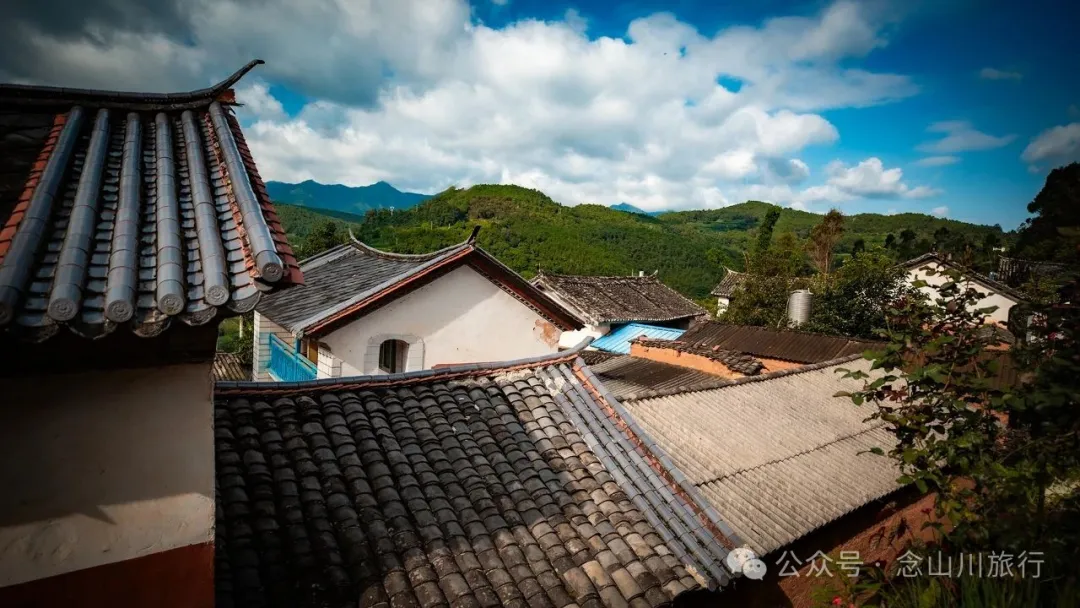
The gentle morning light flows into Amula Big Village, draping the entire village in a thin orange veil, gently lifted by the breeze and watched by the pristine white clouds on the horizon, making the village appear even more ancient and serene. As the warm, clear time drifts through every corner of the village, we quietly approach Amula Big Village. Tall forage grass and trees along the concrete road firmly shield the village, and no human voices are heard. Only when we reach the village entrance do we see the village, the gray tiled roofs bathed in the cool morning light, and a few wisps of slowly rising smoke.
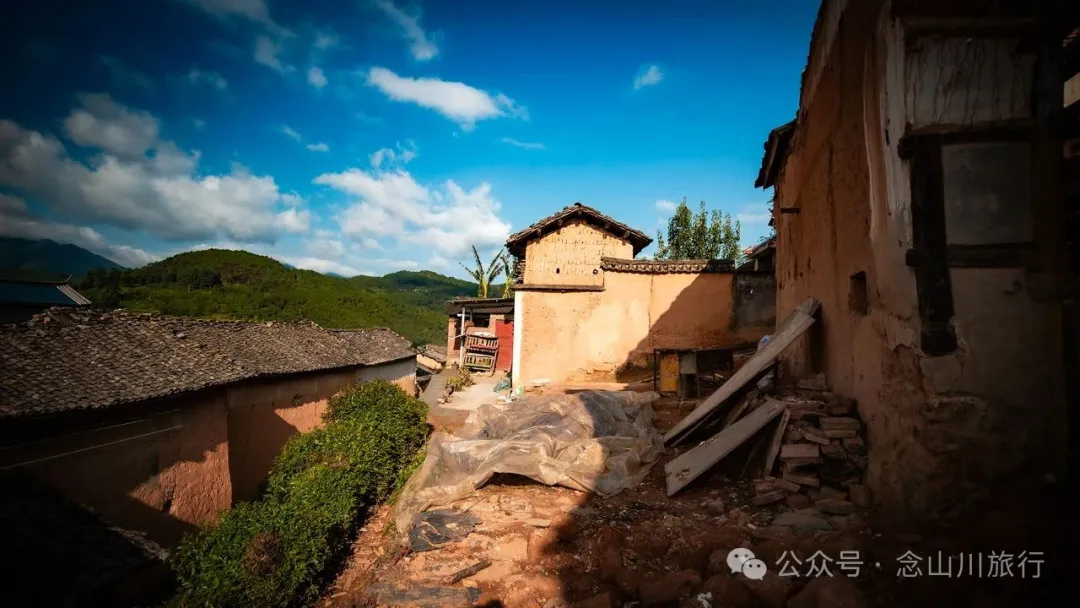
The village is bustling at this hour. Villagers are busy with their chores: one cuts forage grass by the roadside, carrying a mountain-like bundle home to feed livestock; at the village entrance, a concrete house's open storage room hums with machinery, and the new-style tobacco curing barn has already started its work. Perhaps due to the previous day's torrential rain, the yard of a house near the mountain at the village head is muddy, and the owner is clearing the mud that slid down the slope.
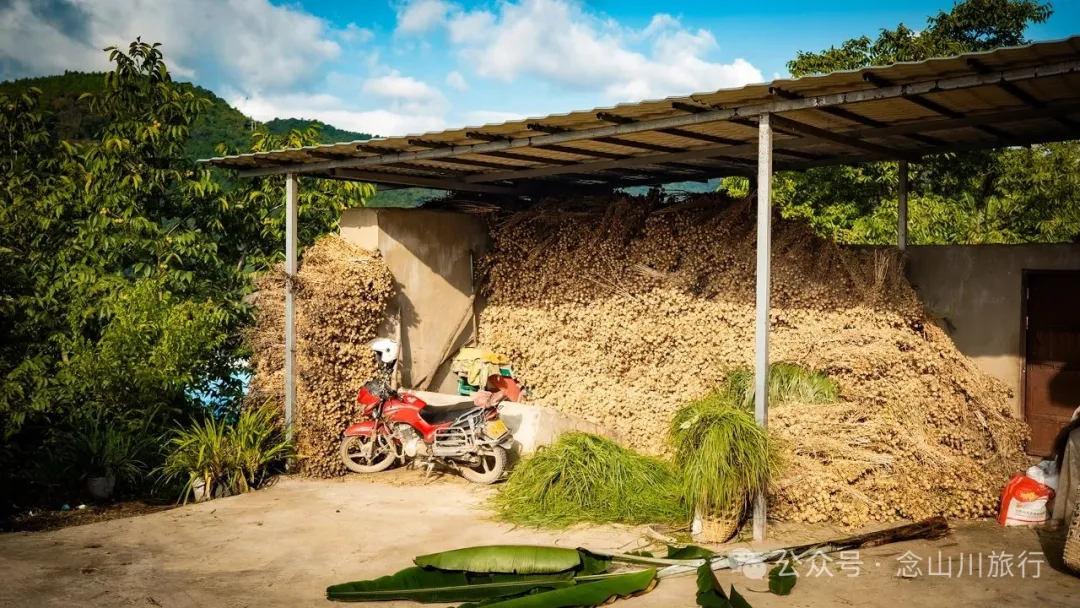
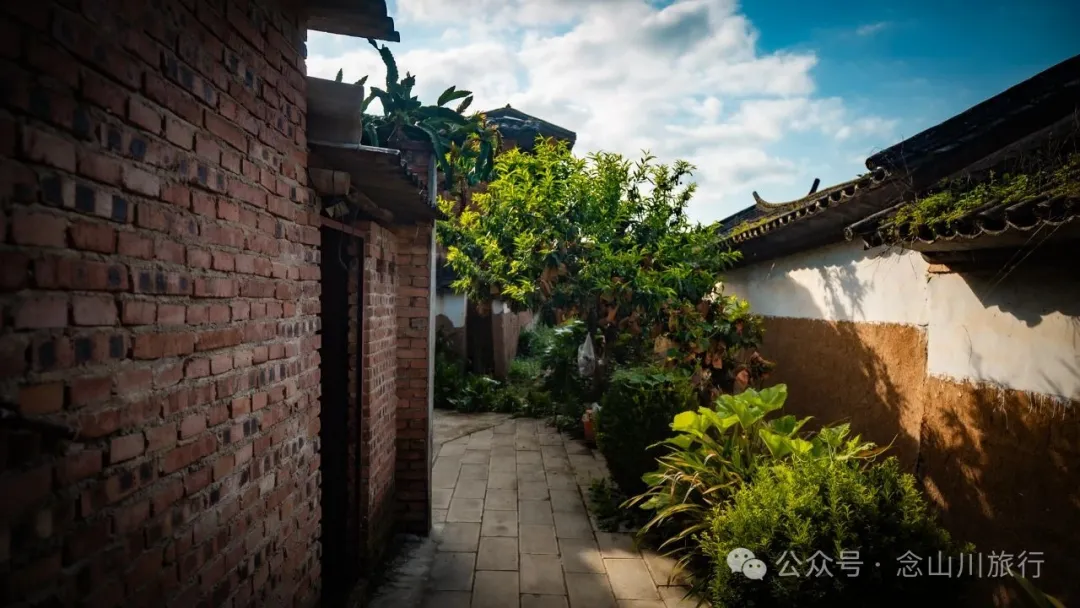
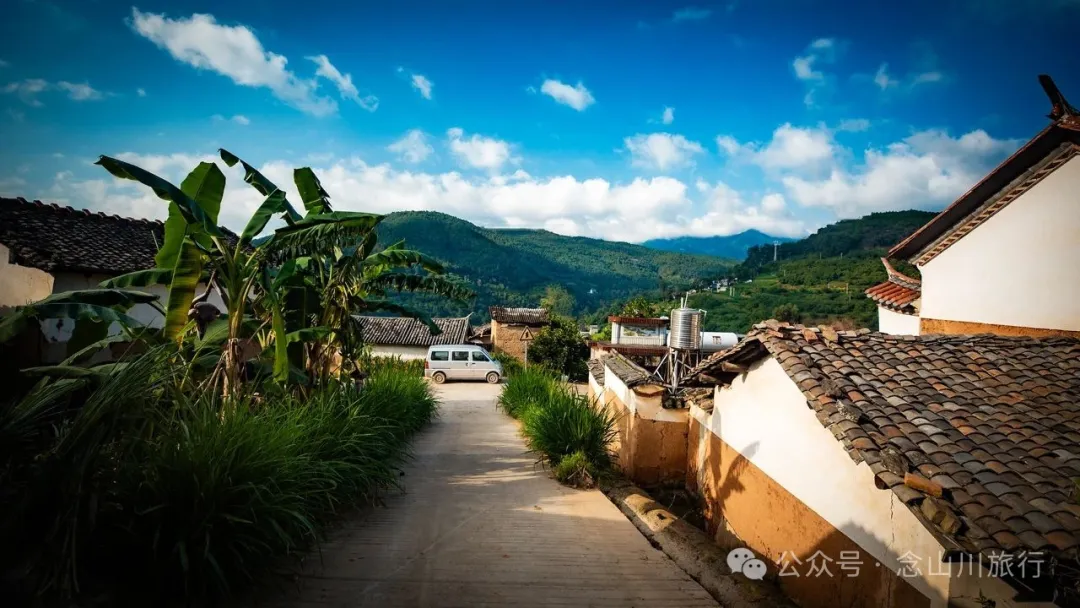
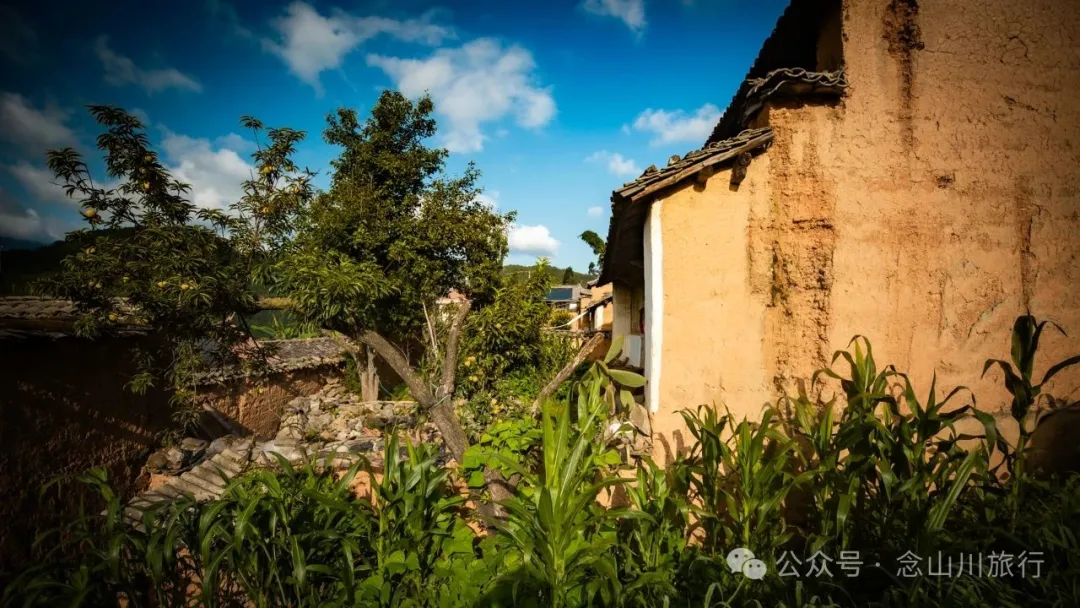
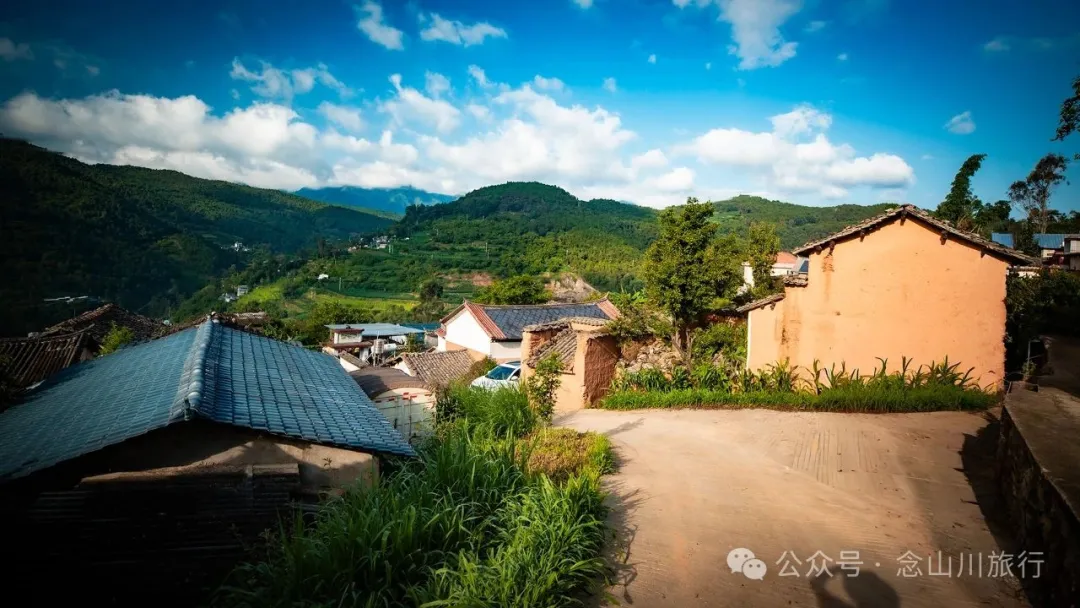
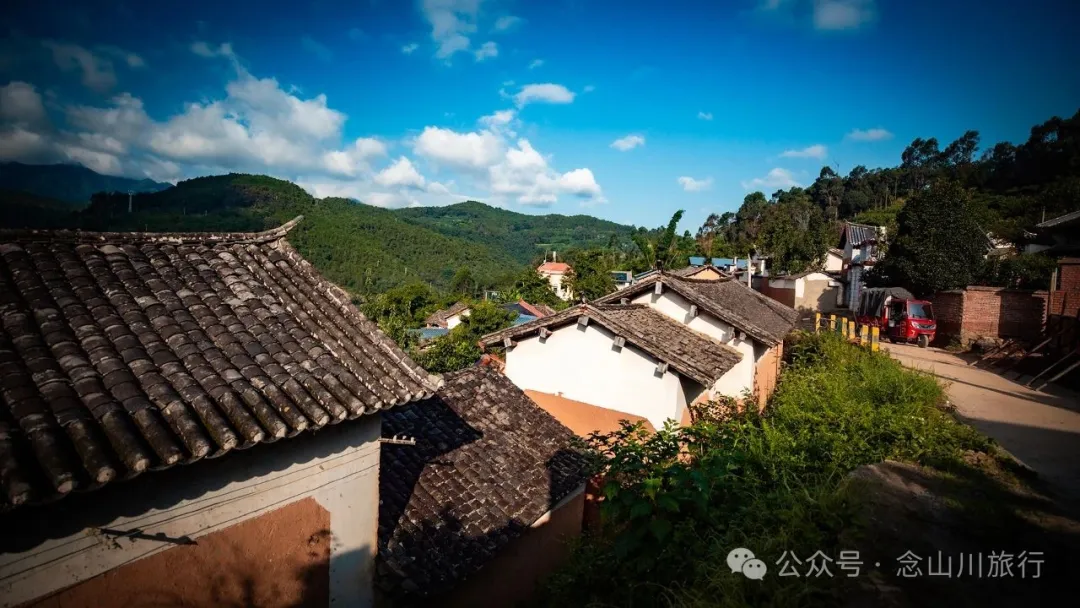
We walk in the warm, pleasant soft light, feeling as carefree and leisurely as the villagers of Amula Big Village, who have experienced a night of brilliant stars and cool, flowing water. They experience such silent nights every day. Walking through this village feels no different from visiting neighbors in our own village.
At times, villagers cast curious glances, asking strangers which household they are visiting. When they learn that the strangers are just "village wanderers" who enjoy photographing the village, capturing its beautiful moments, they break into broad smiles and invite the strangers to sit and have tea at their homes. (I wonder, if not for the two children accompanying us, would they have mistaken the strangers for ill-intentioned people?) A few might say, "The village isn't pretty, the houses aren't pretty, the clothes aren't pretty, the people aren't pretty, don't take pictures," then shyly smile, turn away, and slip out of the frame—these are words of modesty.
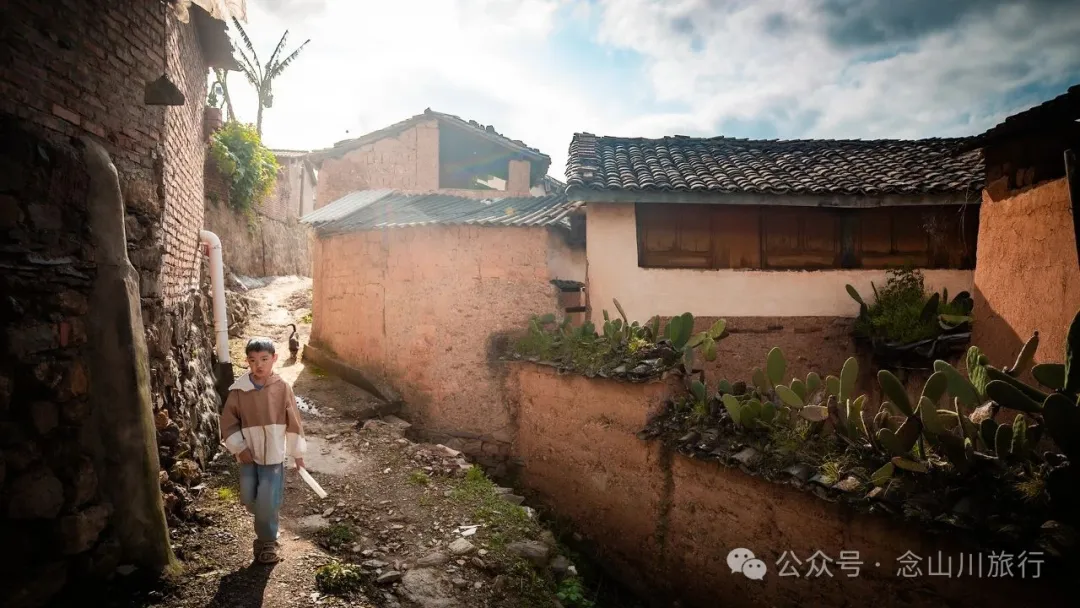
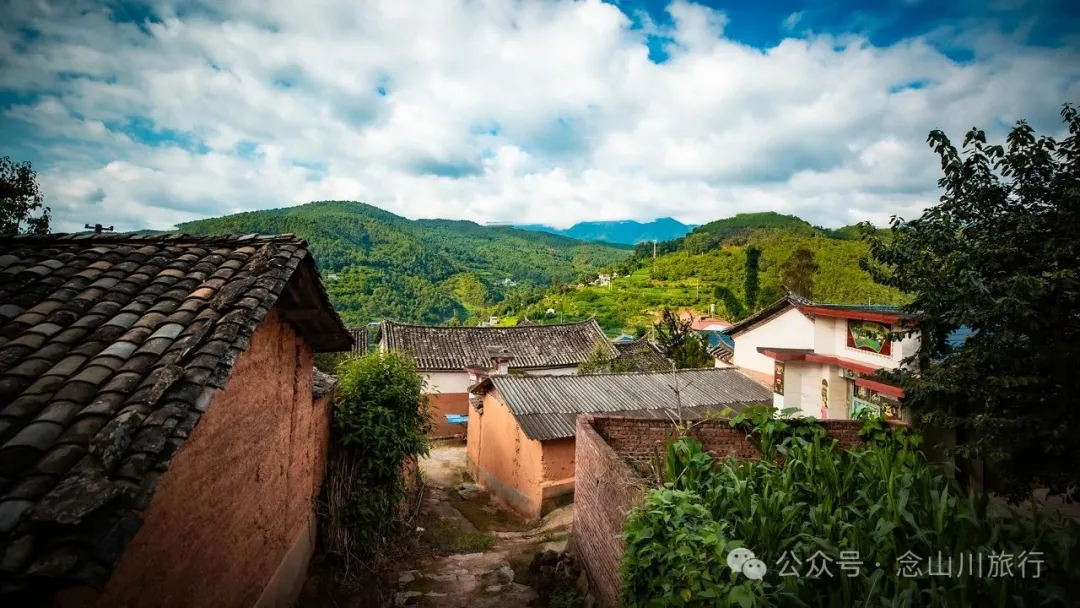
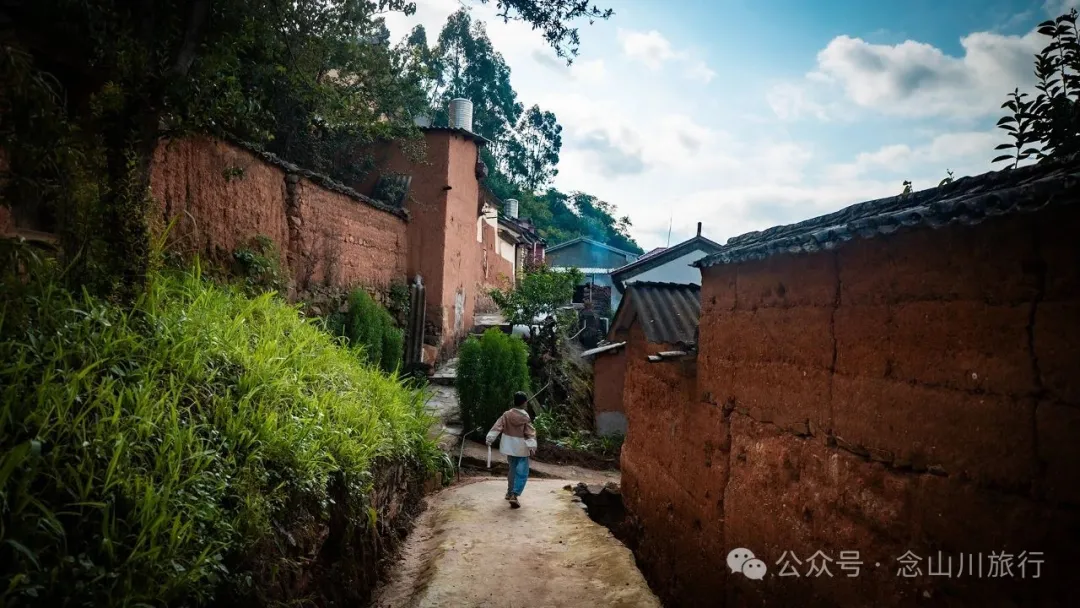
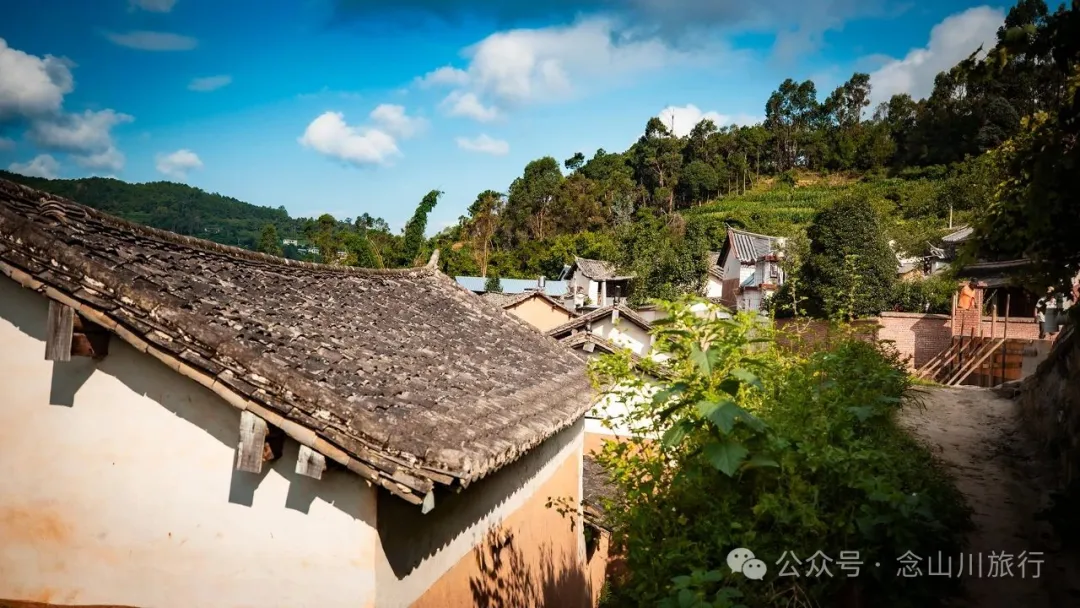
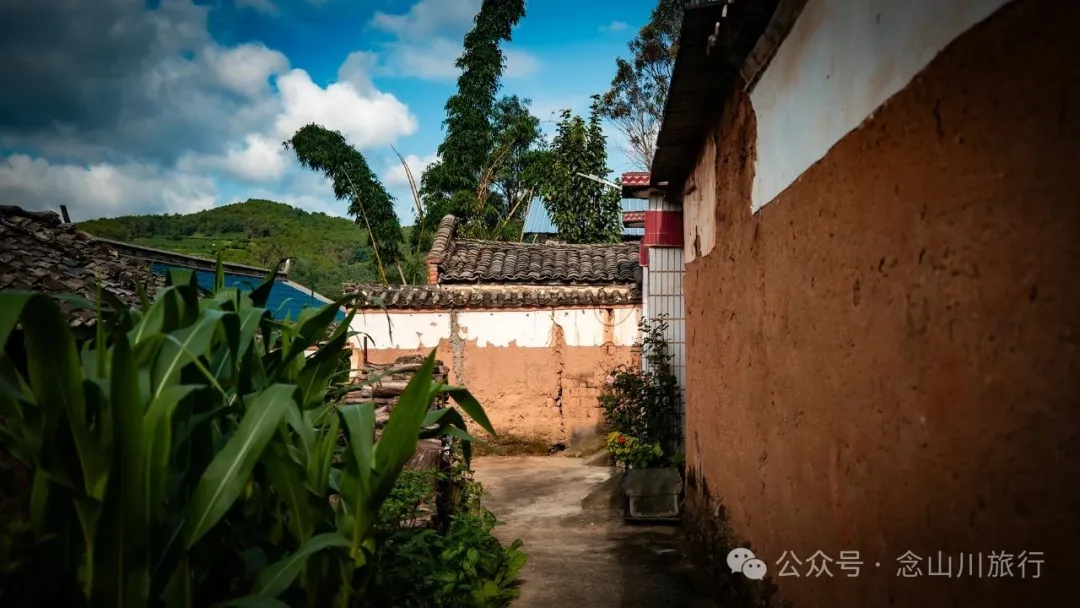
It was the time when cooking smoke rises, and we indeed smelled a strong scent of daily life in the village. But many of the smoke wisps were not rising from kitchen chimneys but from the tall, yellow, old-style tobacco curing barns. The smoke escaping from the barn roofs resembled faint clouds, glowing bright white in the sunlight, quickly dissipating in the open space tens of meters above, vanishing without a trace. On the narrow village path, we encountered a duck out for a stroll. Its plump, heavy body perched on two short legs, it waddled past us without a hint of alarm or a change of course, heading in the direction we came from. Was it returning home or looking for companions? Does it also visit neighbors in the morning?
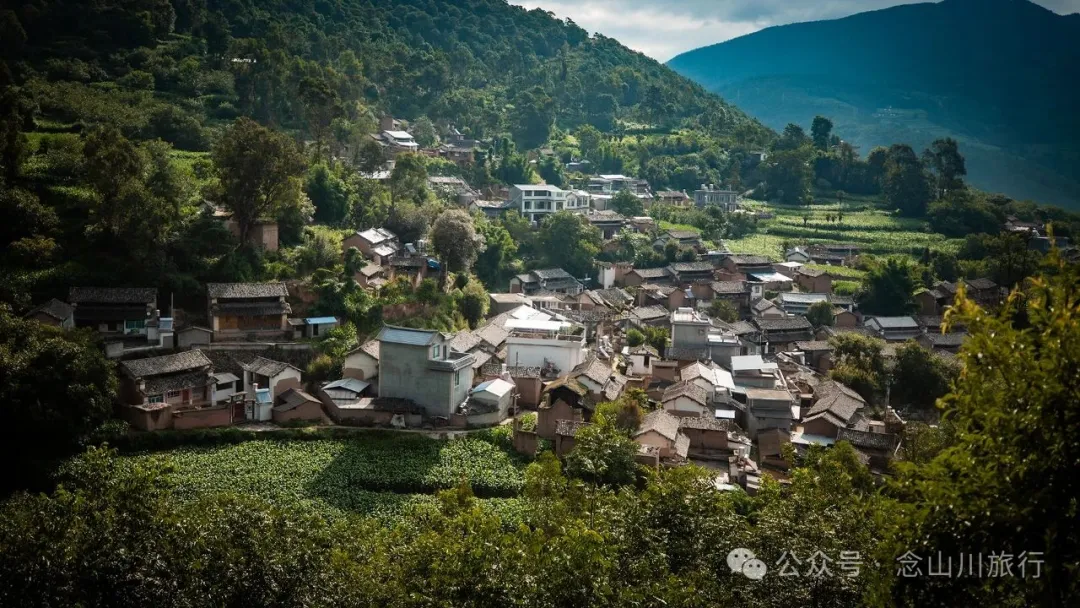
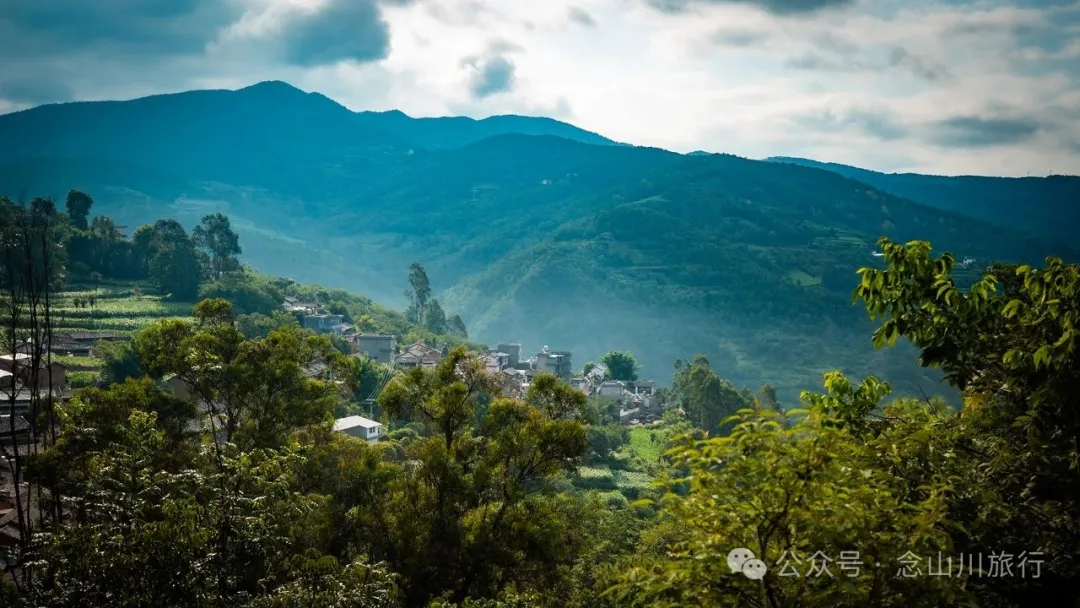
Walking up a dirt path behind the village leading to the mountains, through the sparse woods by the roadside, we saw Amula Small Village, adjacent to Amula Big Village, and another unnamed small village not far away. They were all enveloped in the tender caress of the countryside, with lingering morning light and hazy smoke, playing out life scenes similar to those in Amula Big Village, exuding an incredibly calming rural atmosphere. We could only stand on the slope and gaze from afar, with no time to approach.
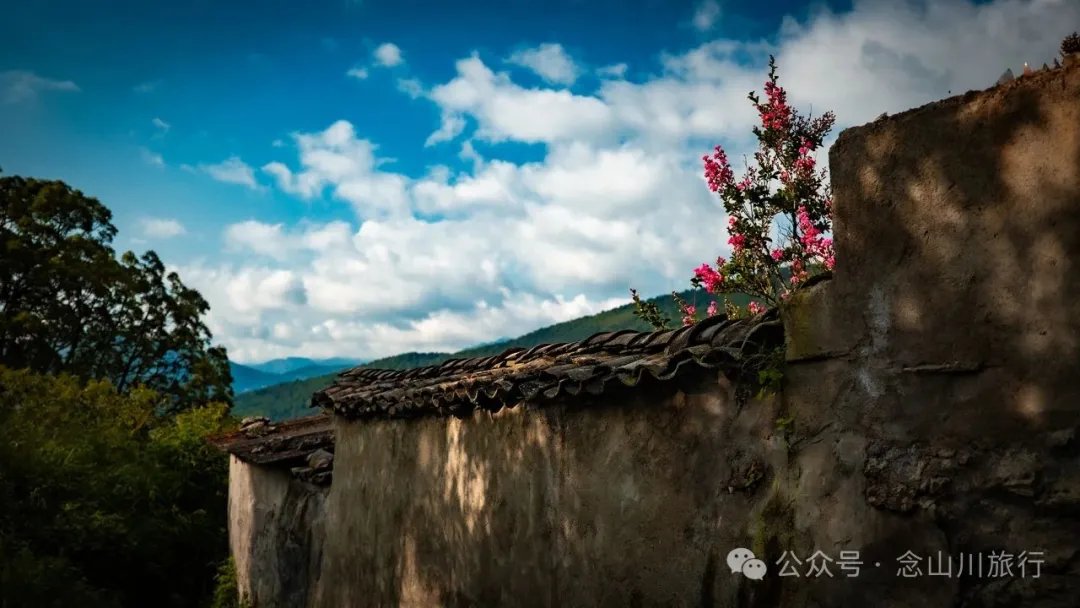
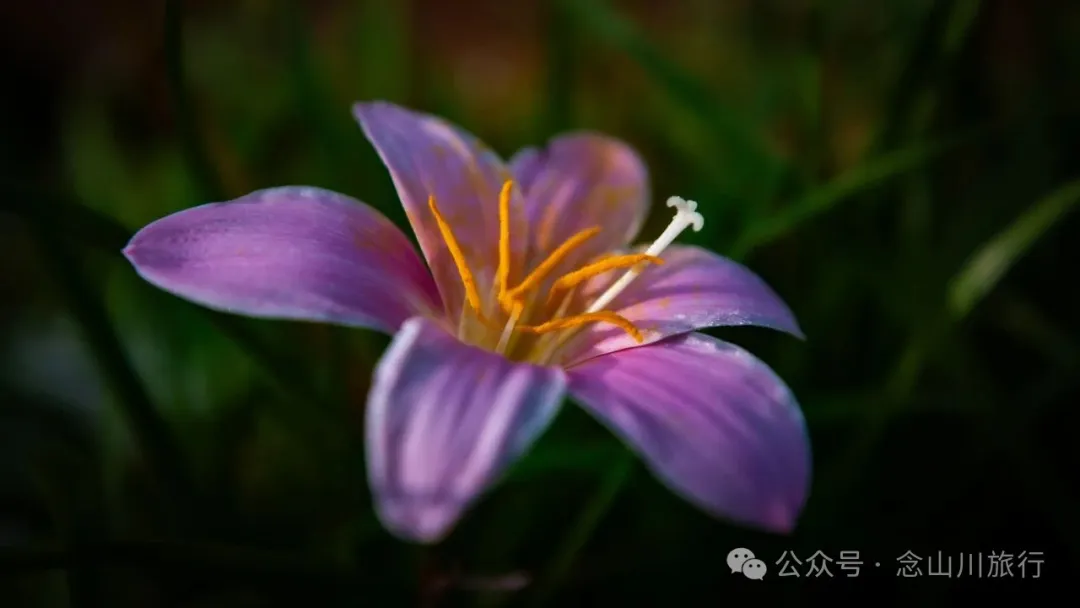
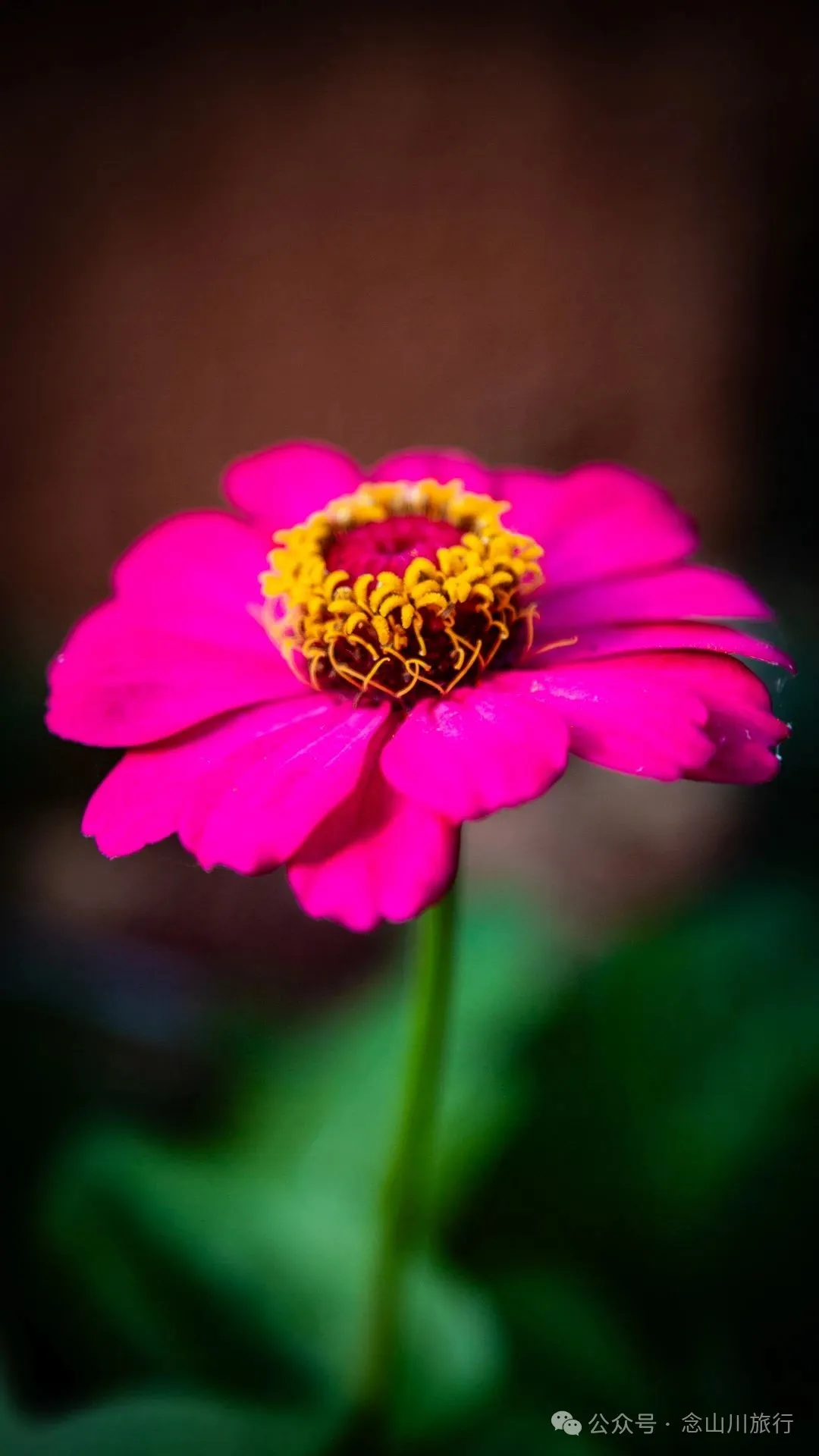
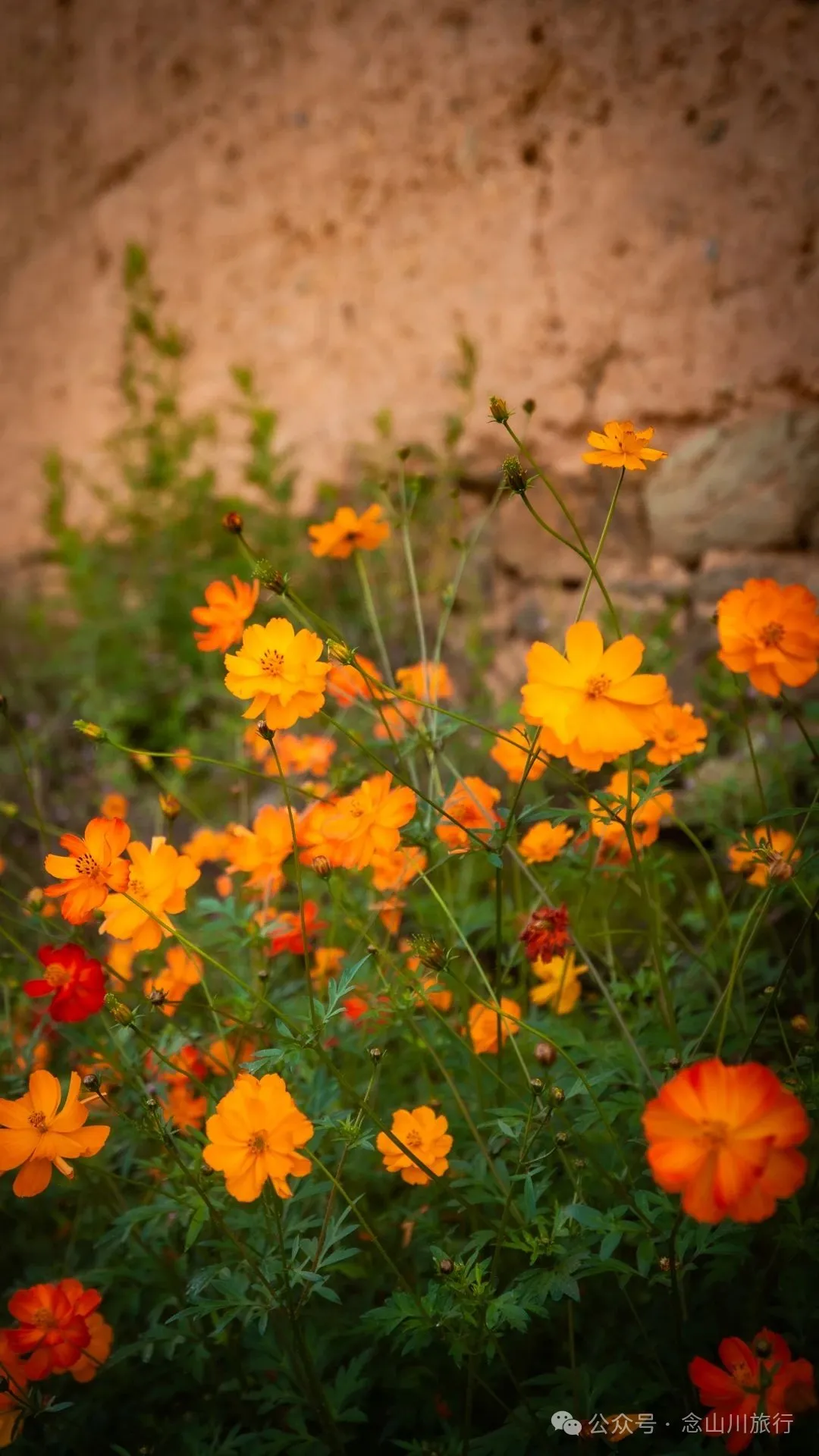
A single branch, a single flower, or a cluster of flowers, covered with dew, bloomed charmingly by the roadside or at the base of a wall. In the rustic corners of the village, they always catch the eye, making it hard to overlook them. This cluster of orange cosmos under the earthy yellow wall cares nothing for soil or sunlight, full of wildness, yet both soil and sunlight cherish it. Especially the gentle morning light, upon seeing this patch of wildly blooming cosmos, sees much joy, sees itself, and leaps into a dreamlike ocean.
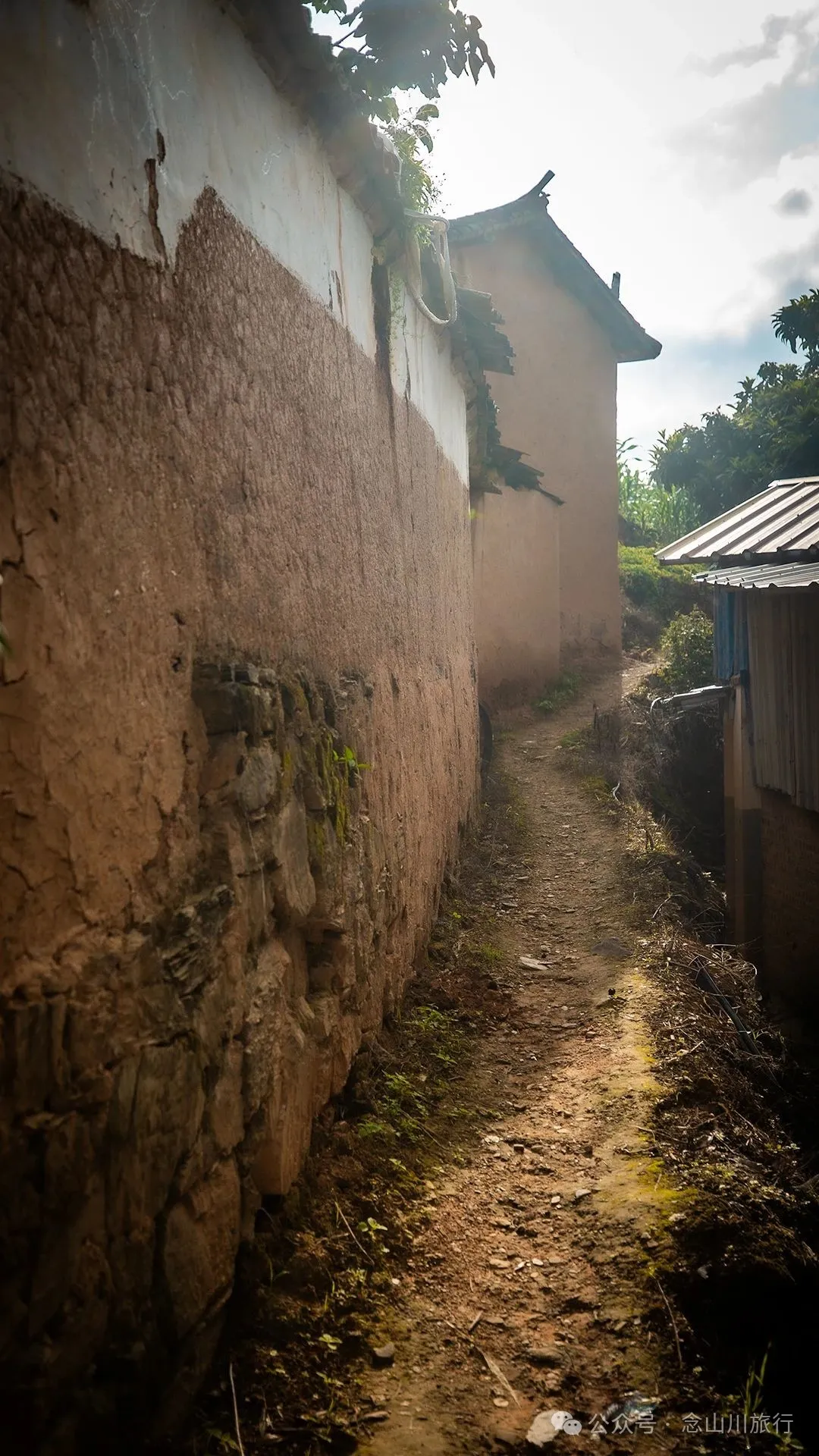
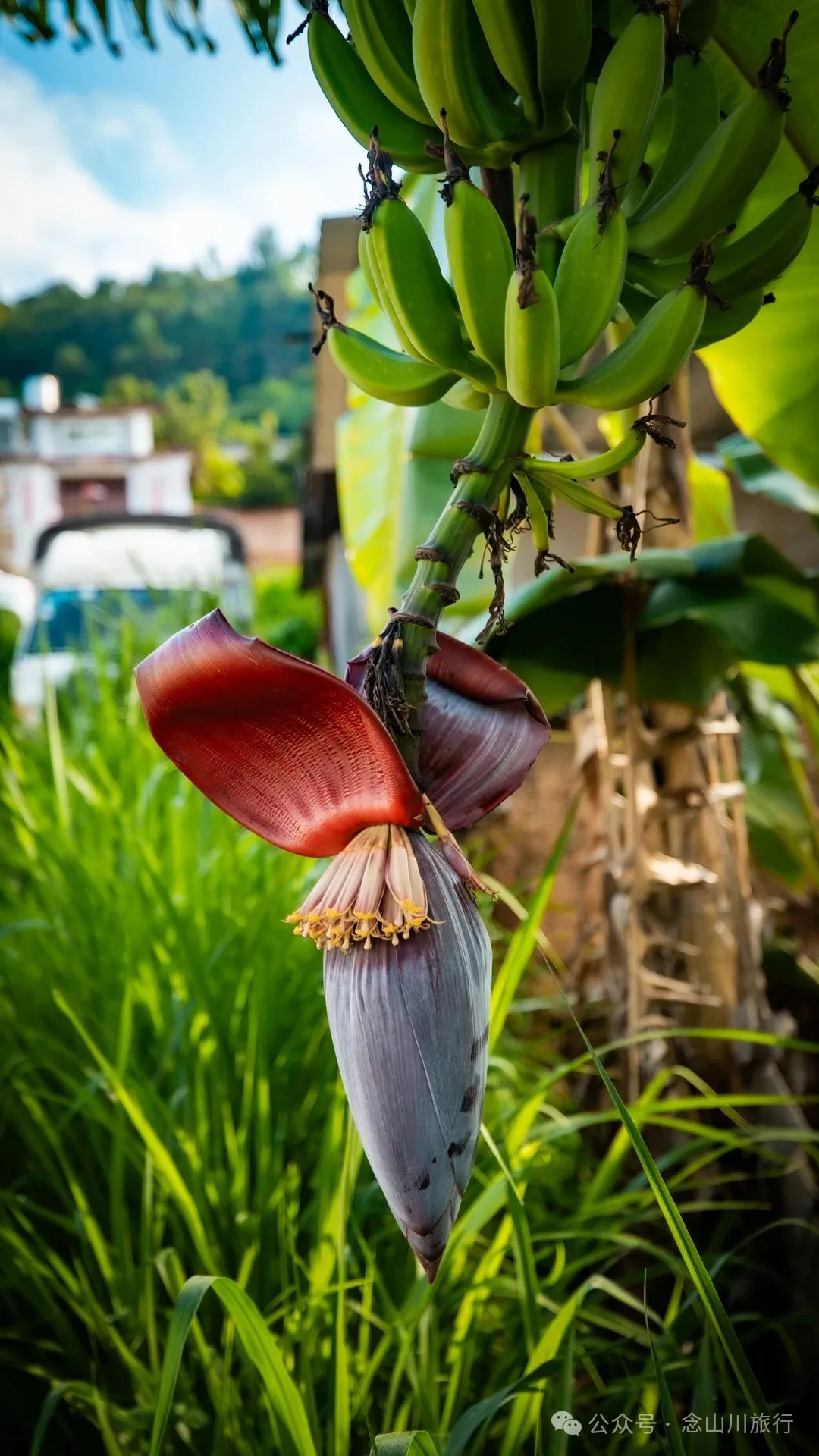
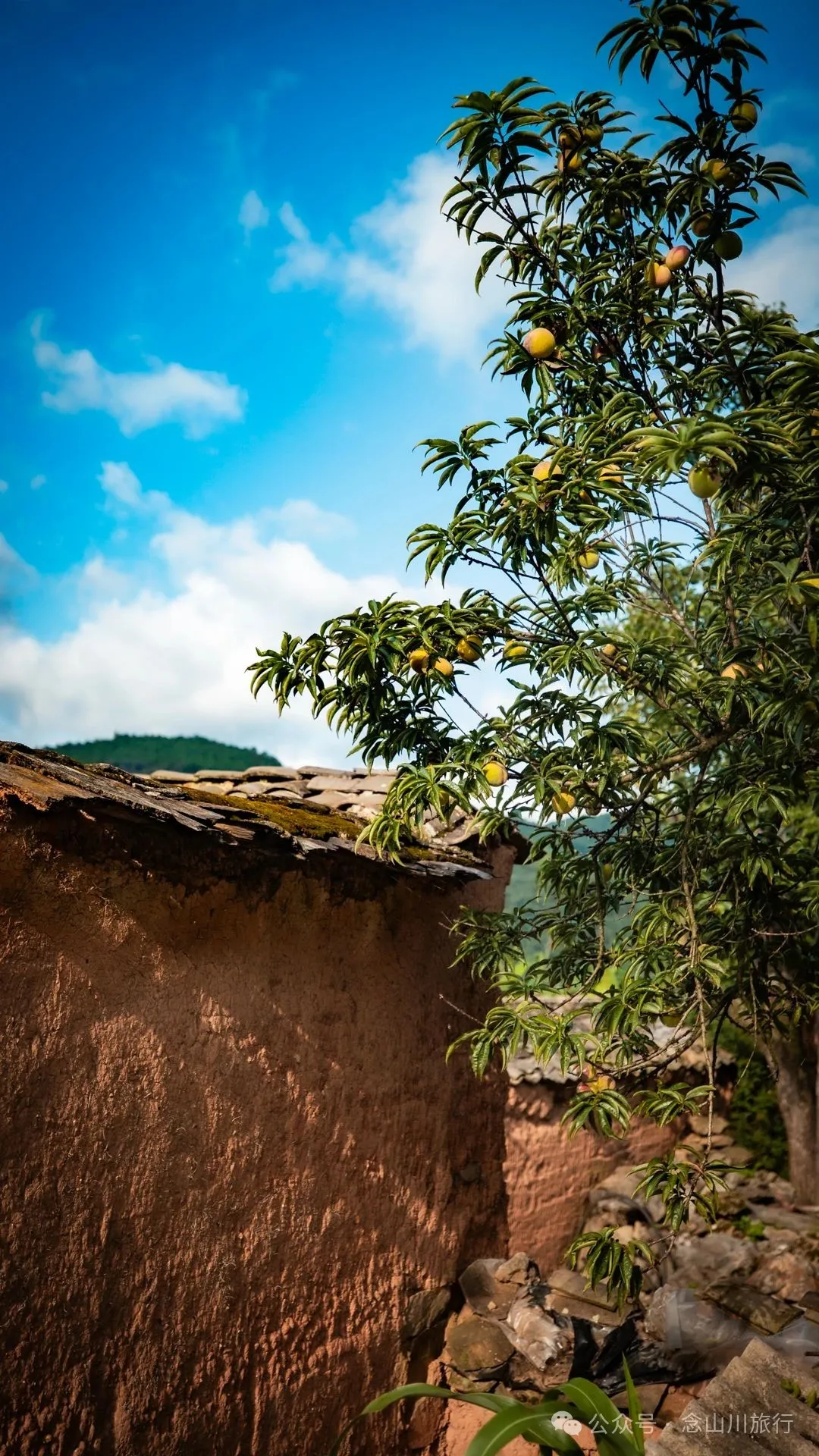
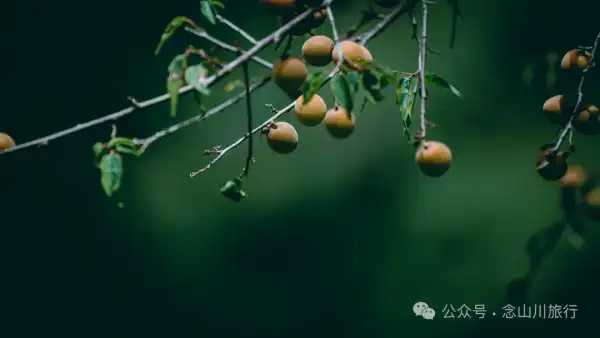
Summer is a season of ripeness; the fruits by the roadside are already abundant. The walnut trees are also approaching their maturity, when the hillsides will soon echo with the sound of bamboo poles knocking walnuts.
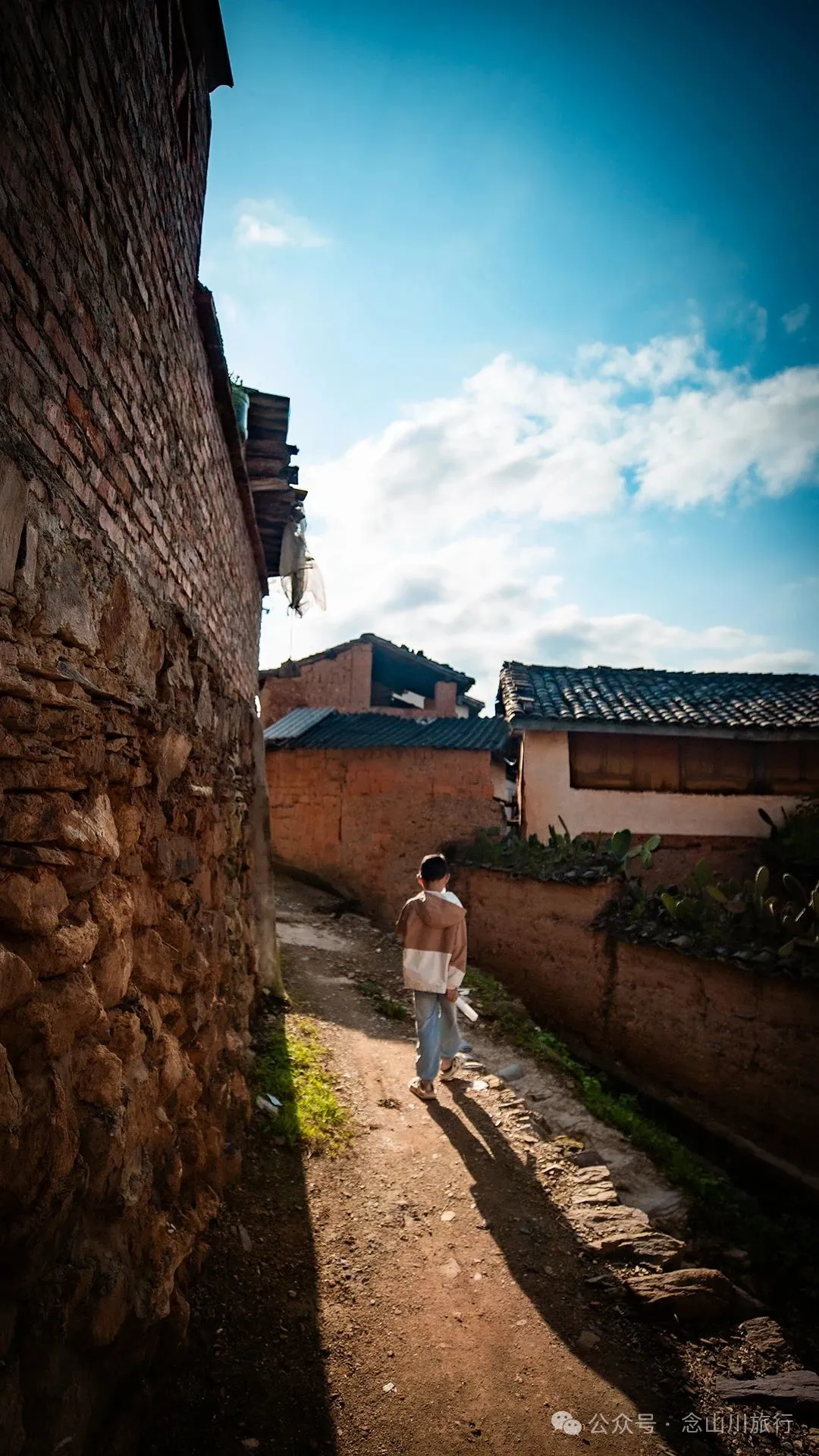
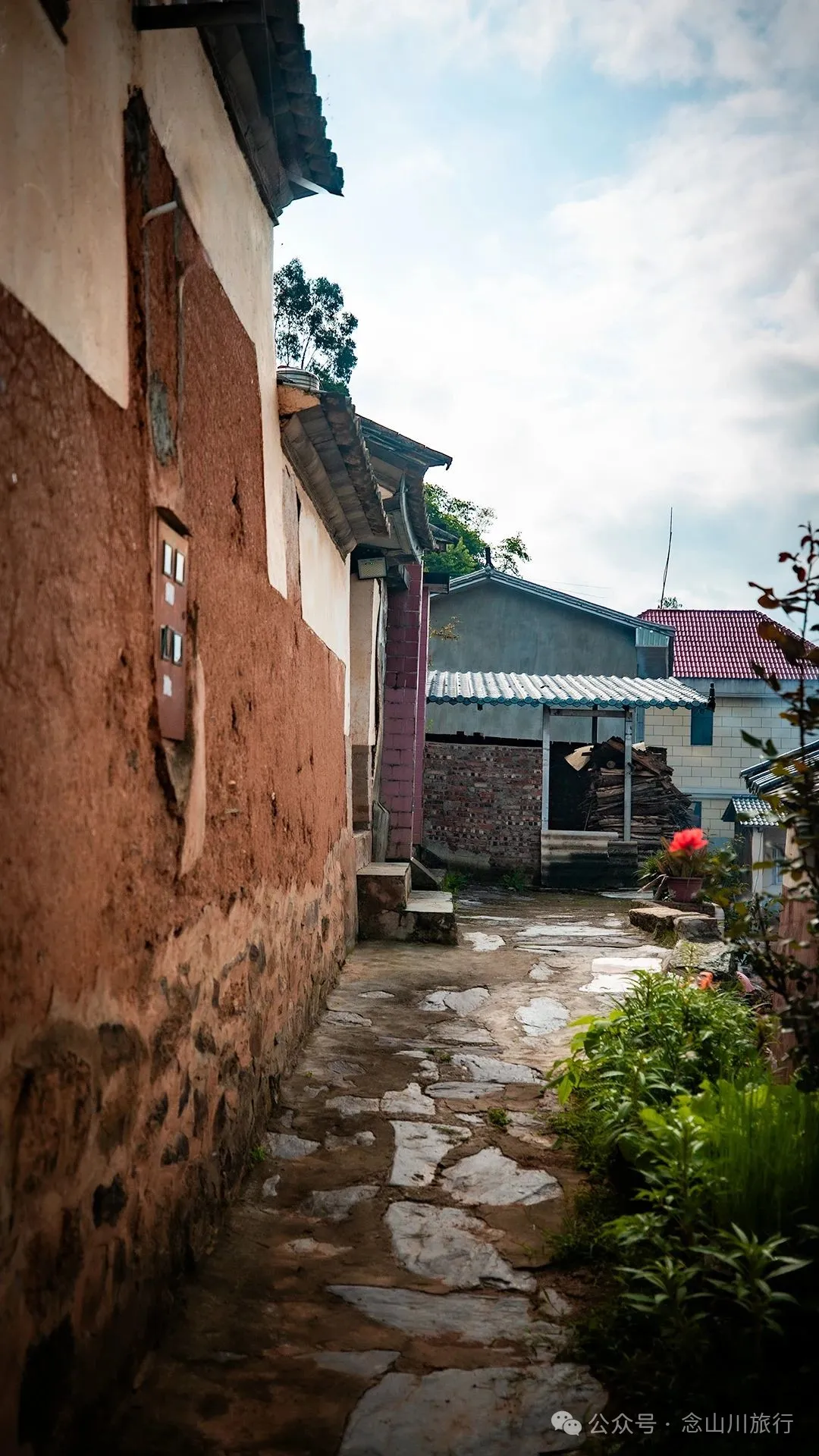
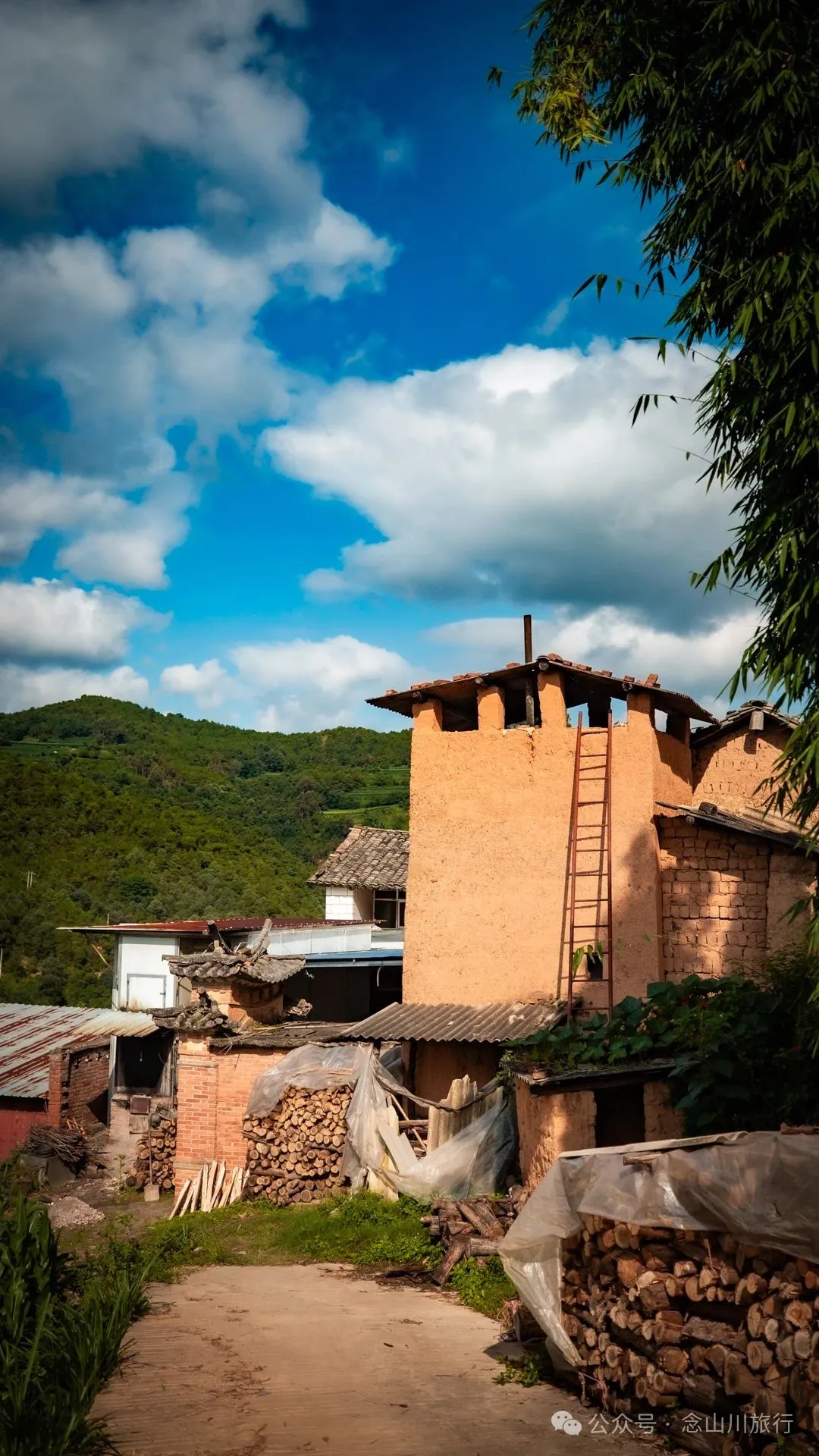
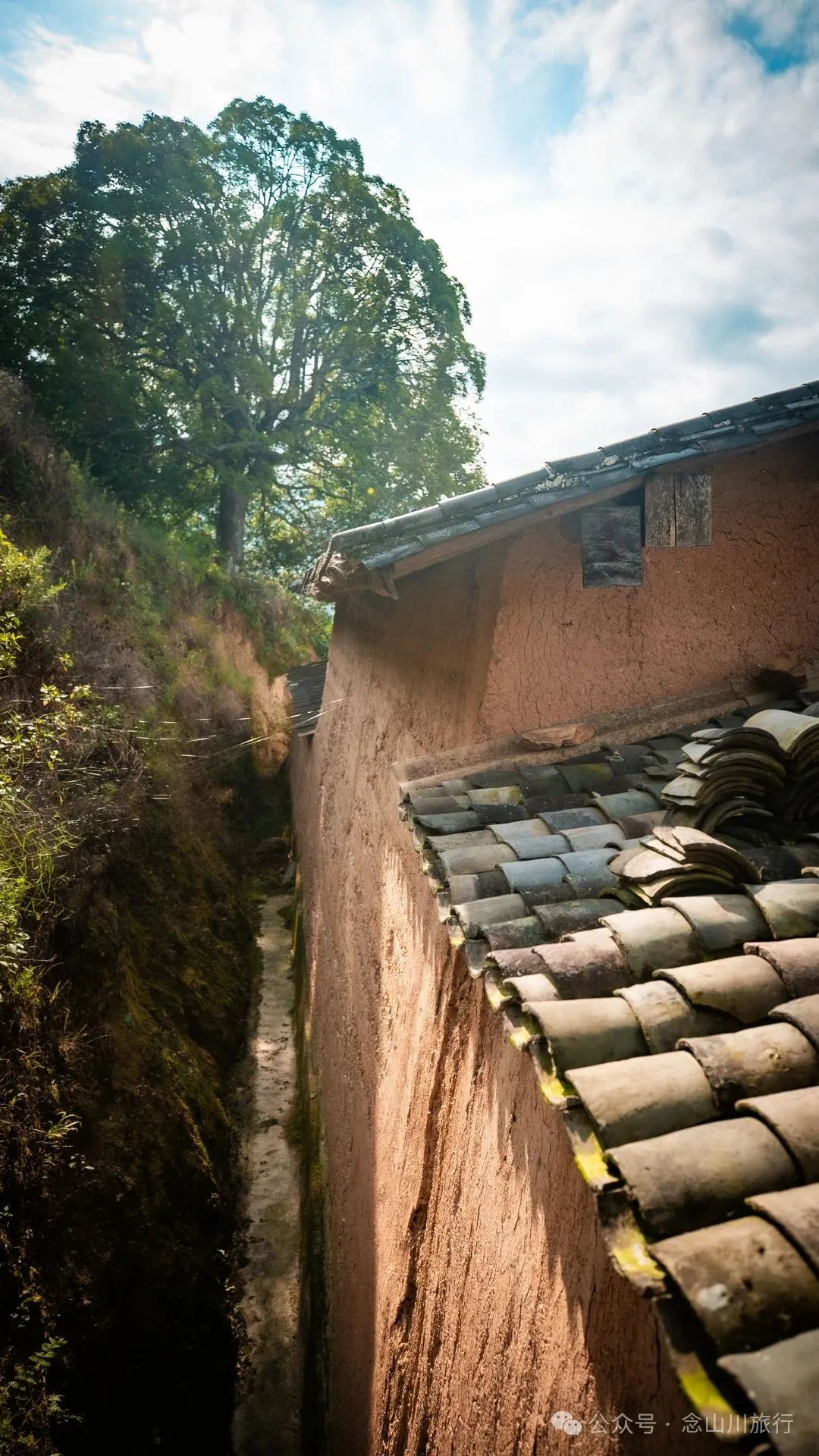
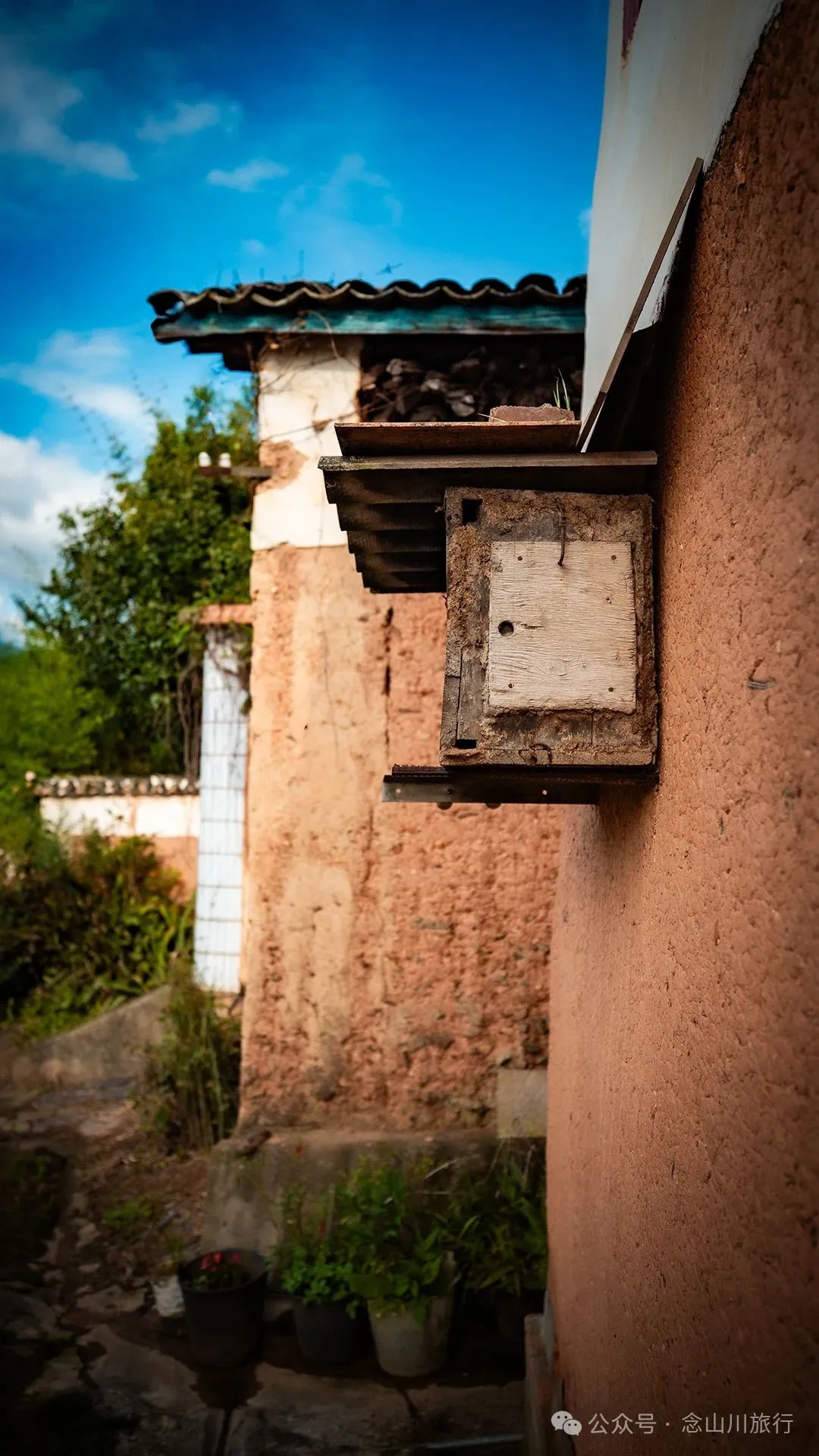
Log beehives are nailed to the earthen walls of farmhouses, like rustic artworks. The sunlight lengthens everyone's shadows, and also the return journey of the gentle breeze along the eaves. Here, they have a transfer station, where they pause briefly to listen to the village's steady, undulating breath, taking this aura as a distant nighttime tale to tell the mountains.