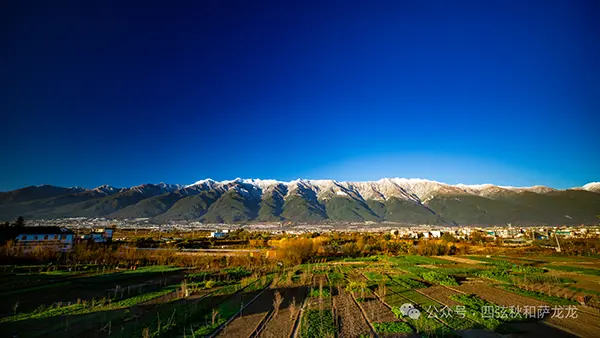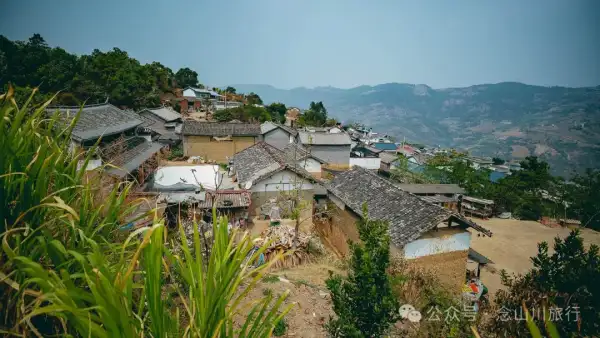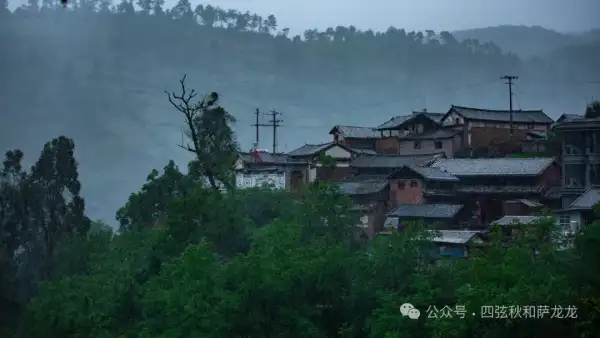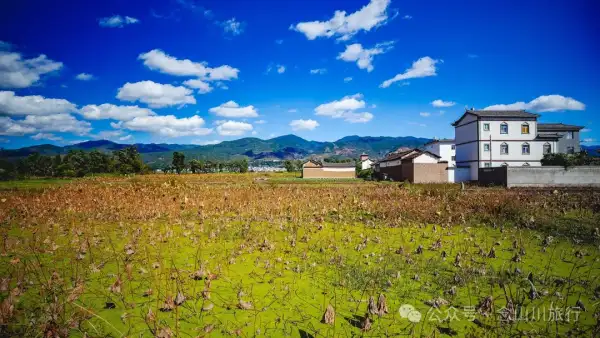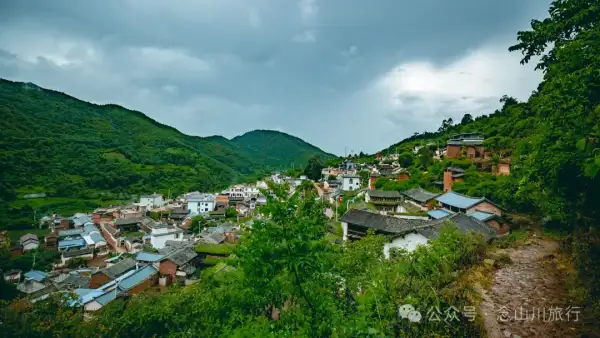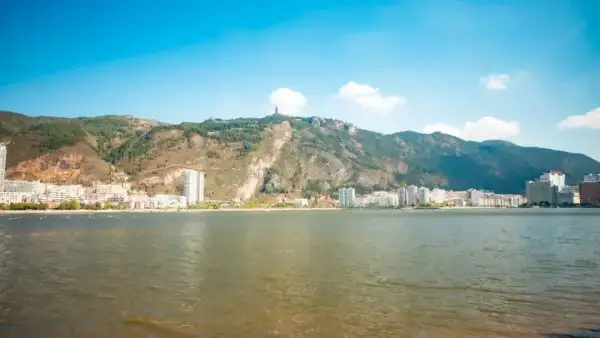

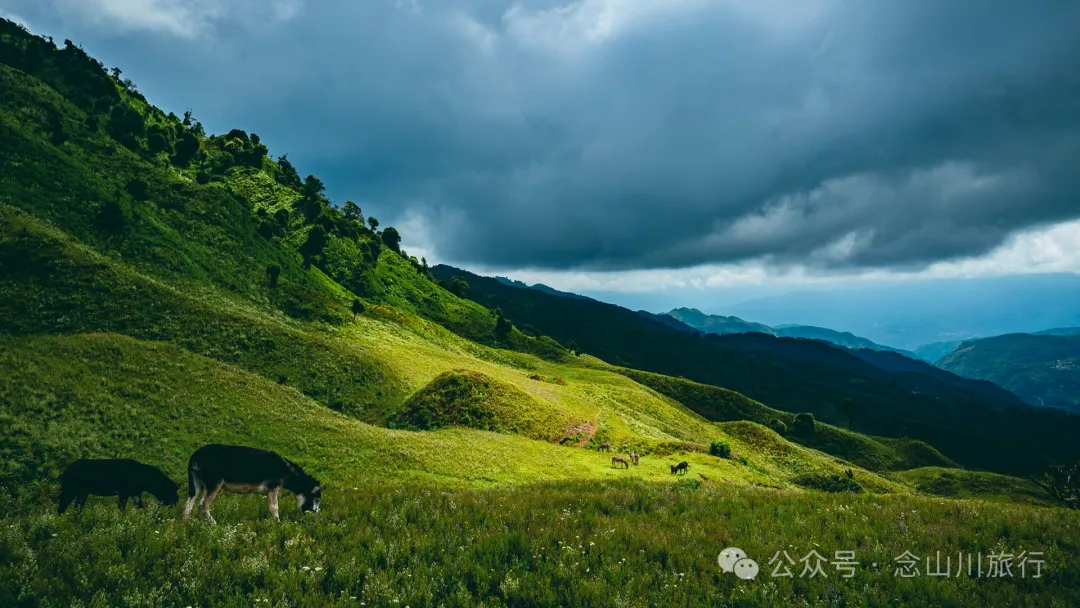
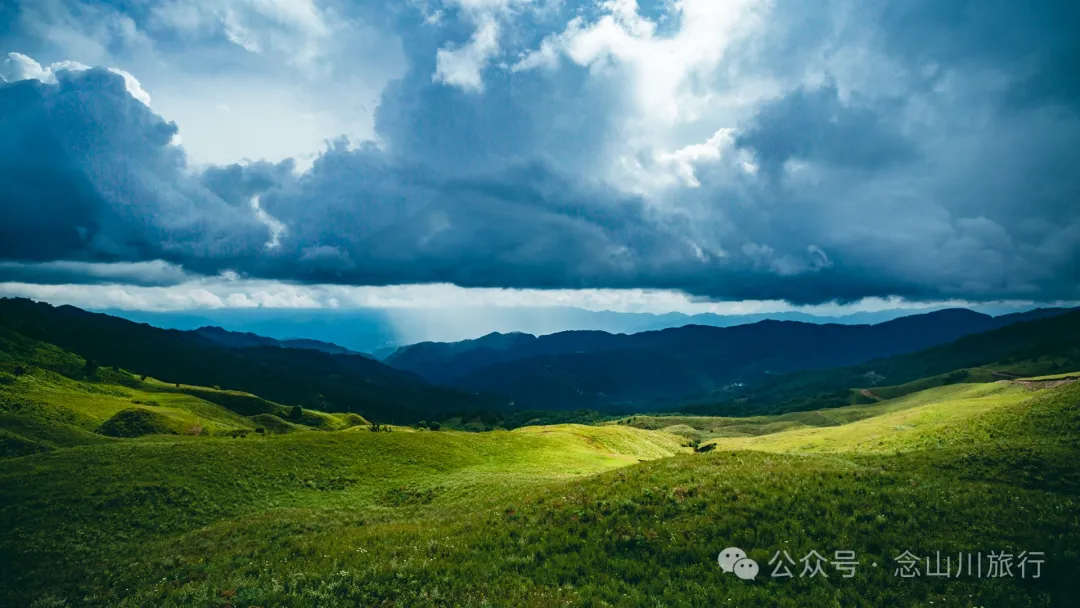
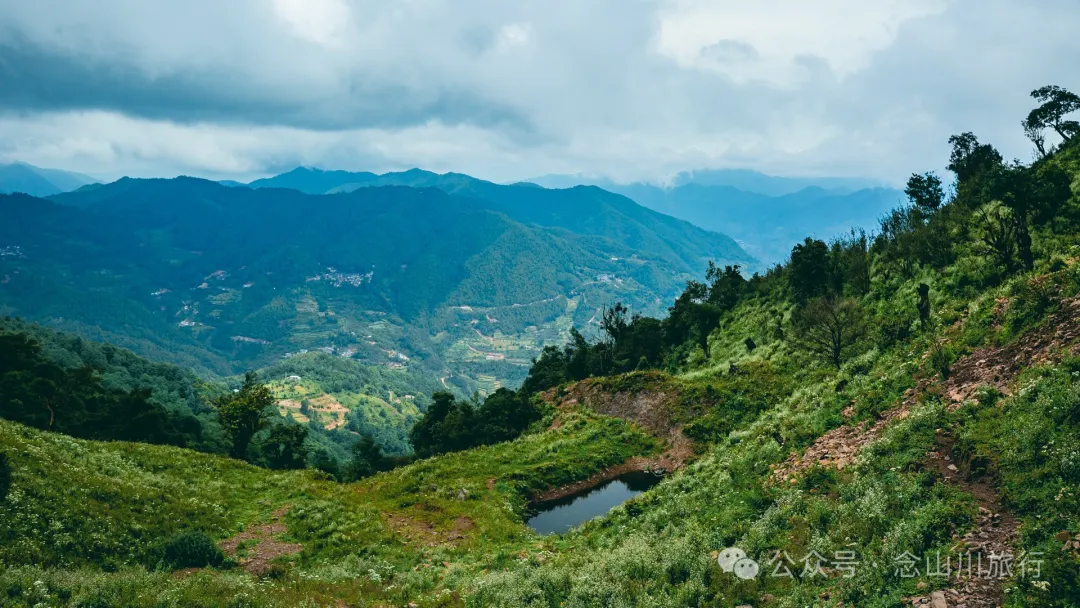
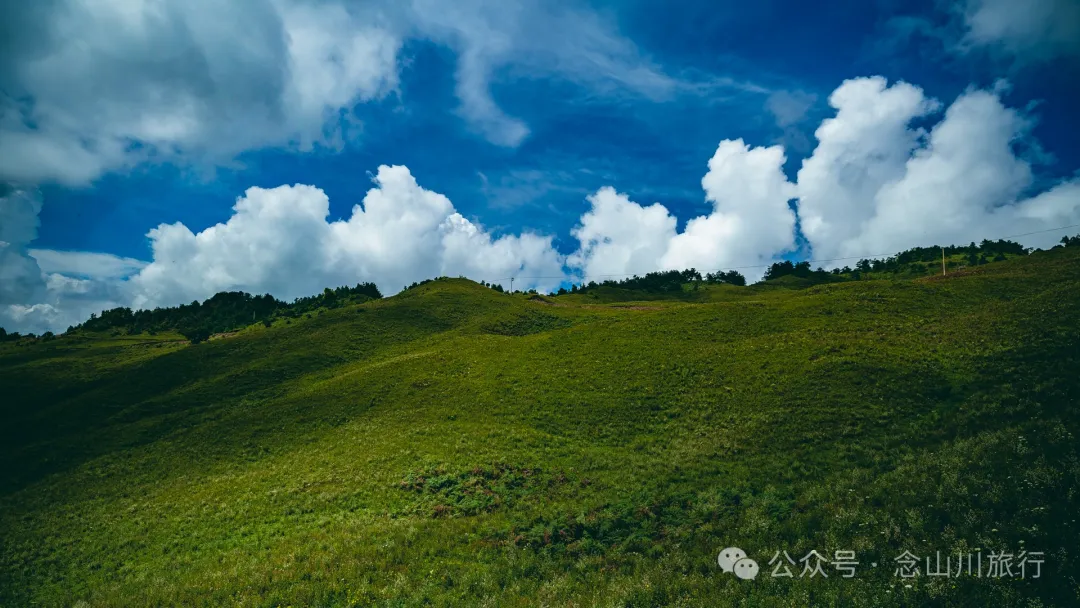
At the end of Baihua Village lies a vast expanse of rolling distant mountains, with huge slopes either gentle or steep stretching before us, silently welcoming travelers from afar. Neither Baihua Village nor Taiping Mountain appears on the map. We drove for two hours, navigating to Wuliang Medicine Valley, and followed roadside signs to the end of the road where we could see the vast Taiping Mountain meadow. No need for further confirmation—the scenery matched what we had seen in photos. This was our destination for the day.
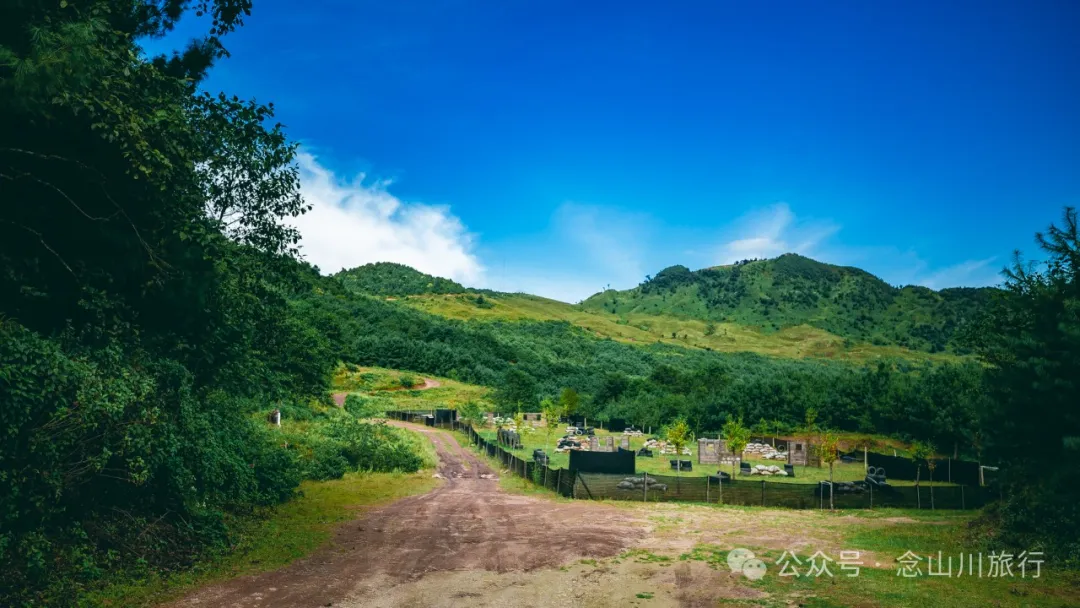
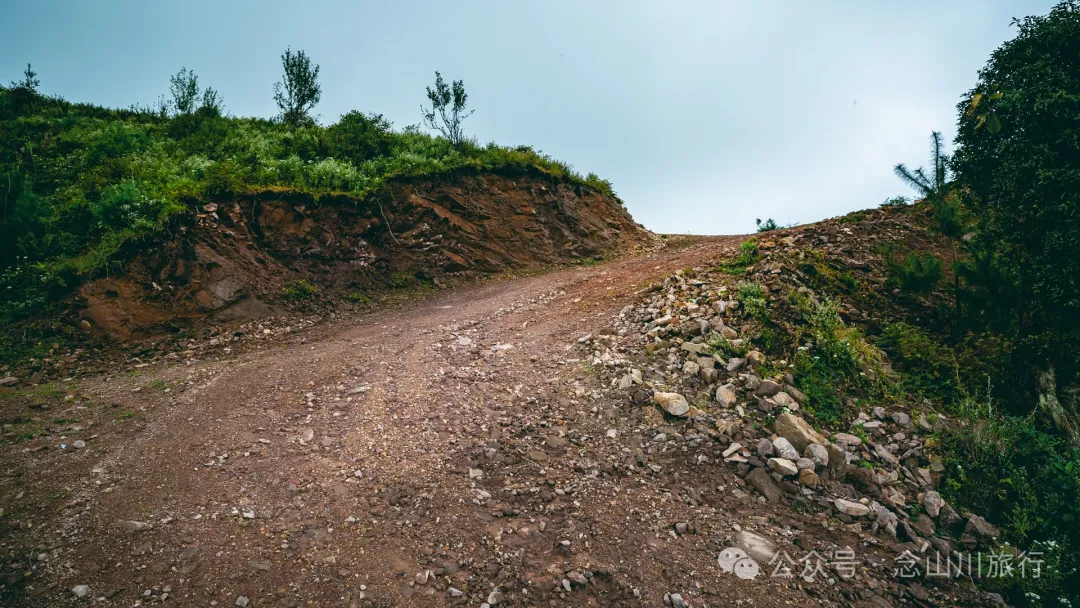
At the end of the village, where the dirt road begins, there is a paintball field. Following the left path, cars can drive all the way to the distant hilltop.
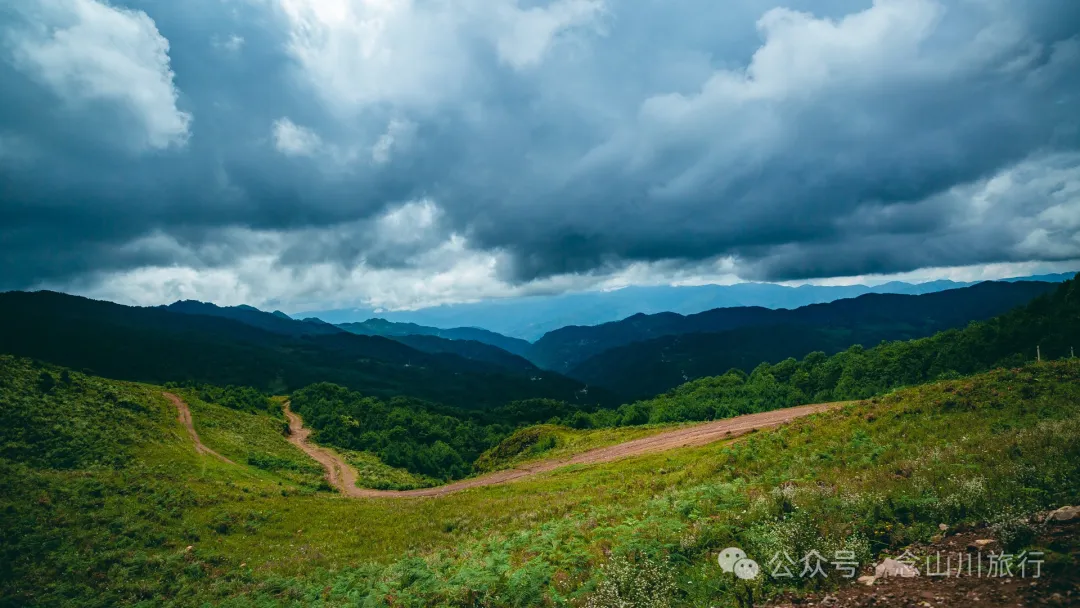
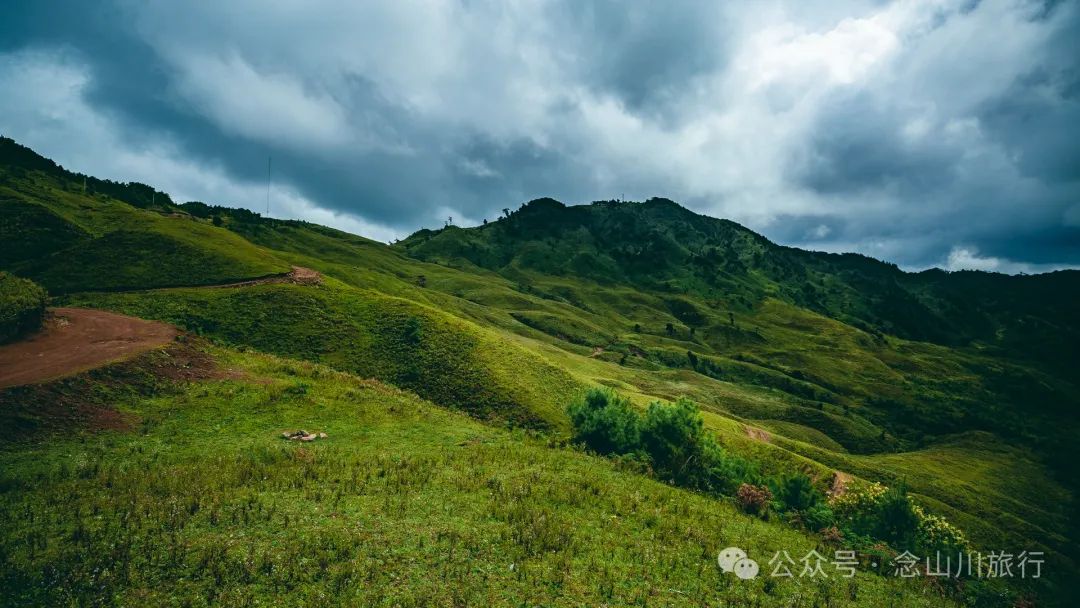
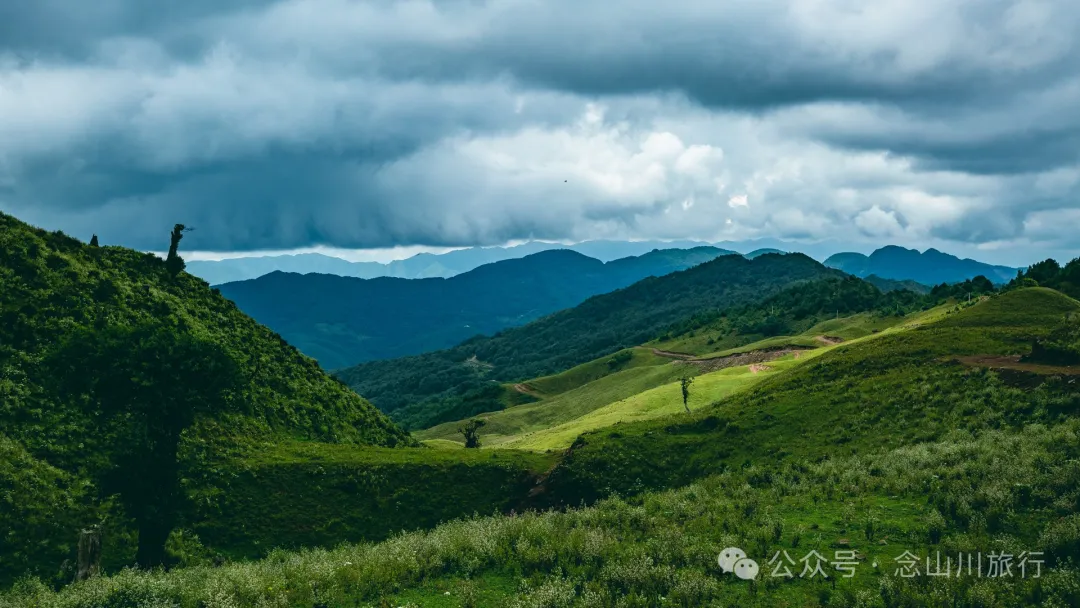
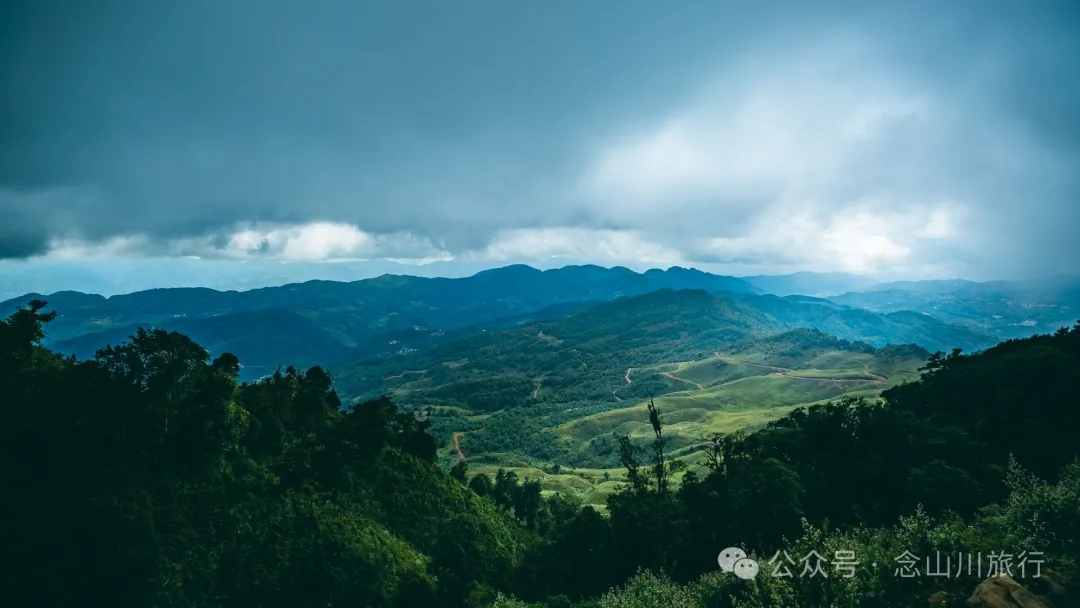
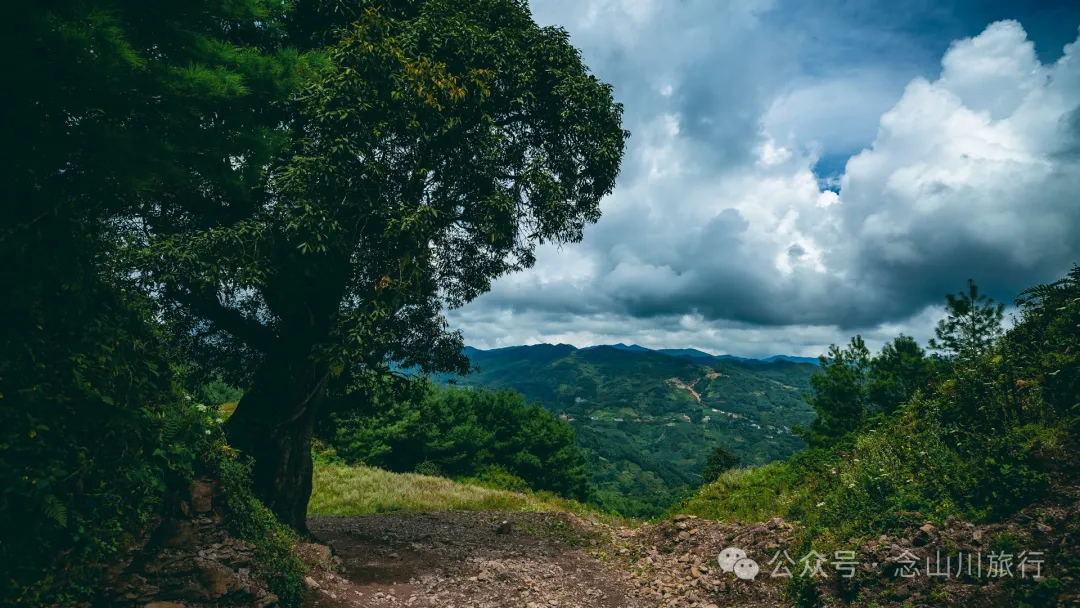
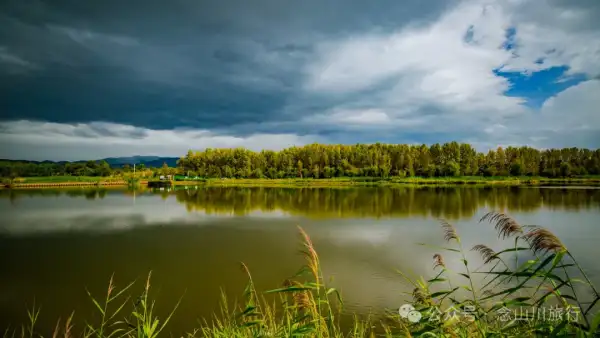
Wuliang Taiping Mountain is located in Shangduozha Village, Weiguo Village Committee, Wuliangshan Town, Nanjian County, Dali Bai Autonomous Prefecture. It is a peak east of Dadian Mountain, one of the most mysterious among the many peaks of the Wuliang Mountains. According to the local mountain dwellers, the clouds atop Taiping Mountain are the main factor for predicting weather. If the clouds are white and soft, stretching into the distance, then there will be no rain for dozens of miles—clear skies are certain. But if dark clouds gather at the summit and the wind cannot disperse them, rain will surely fall without fail. Perhaps before leaving home, the mountain folk look up at the clouds on the summit, placing their trust in these natural phenomena that need no words. The floating clouds in the sky are like an elder sitting at the doorstep, handing an umbrella or a hat to a younger one heading out.
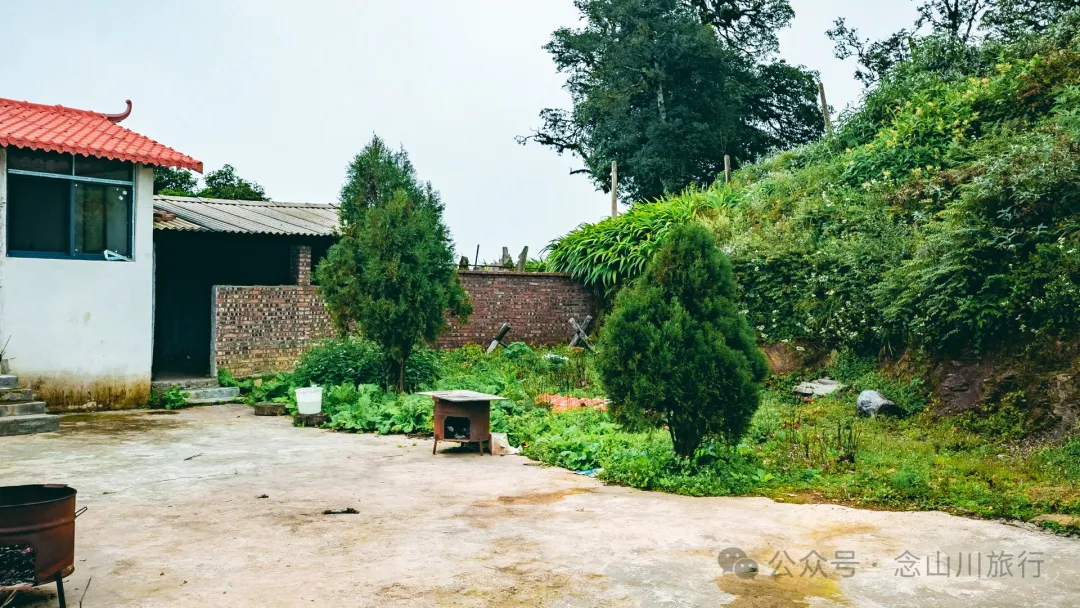
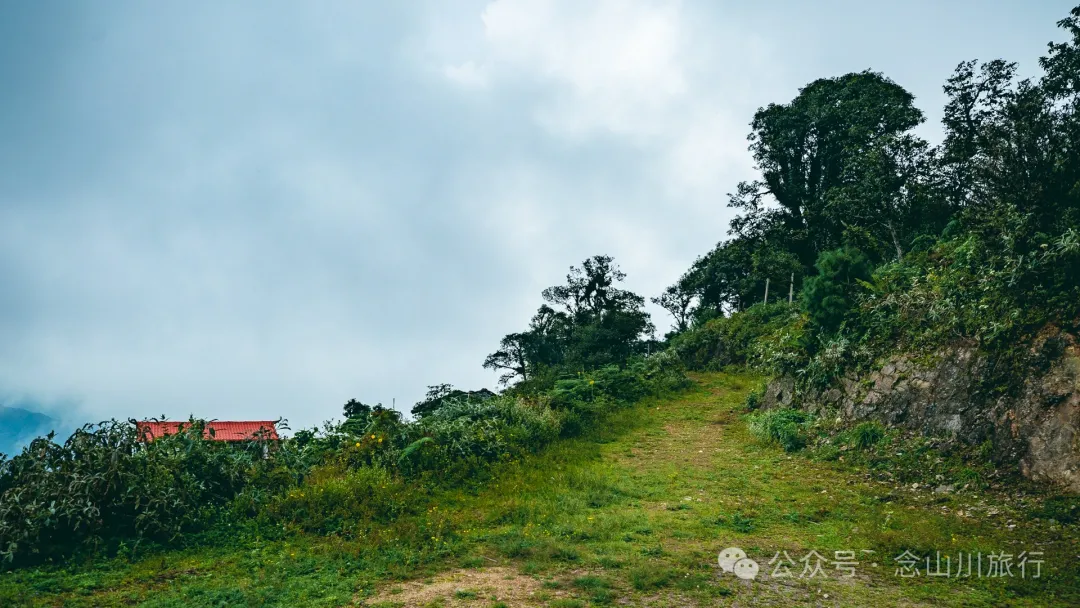
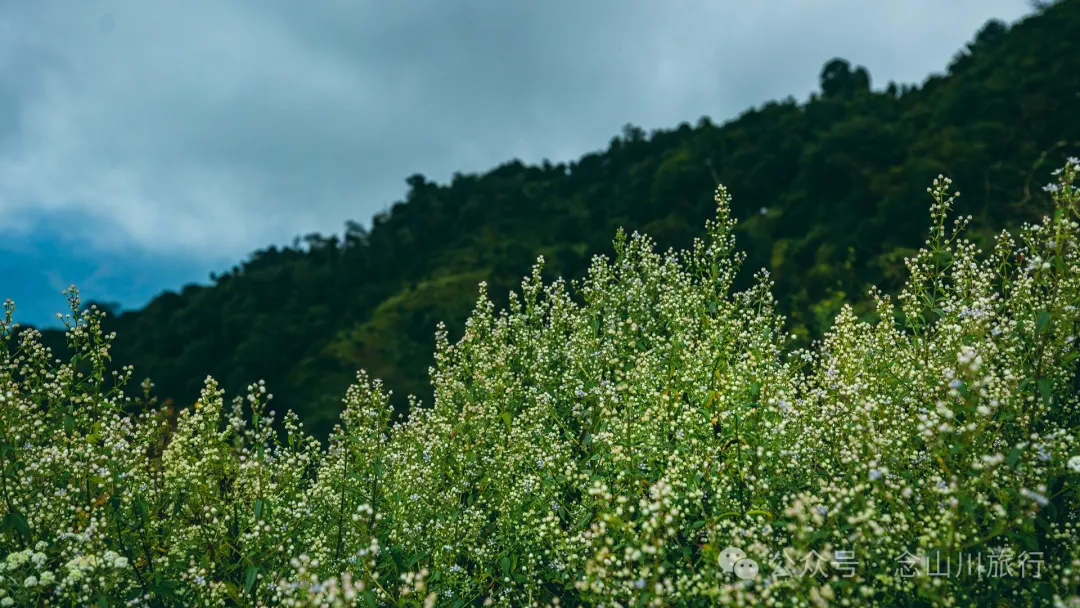
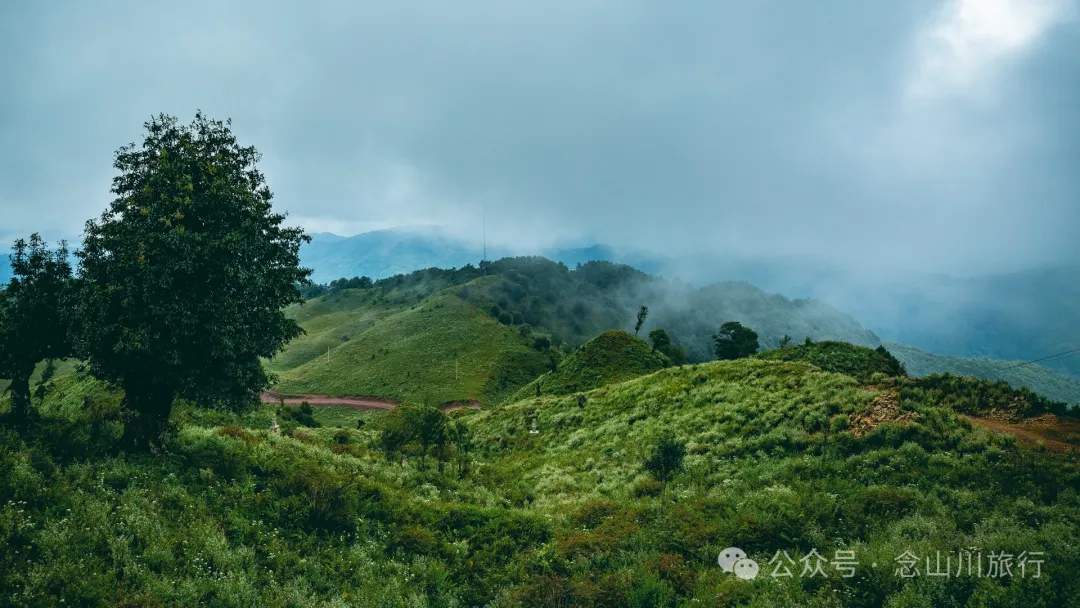
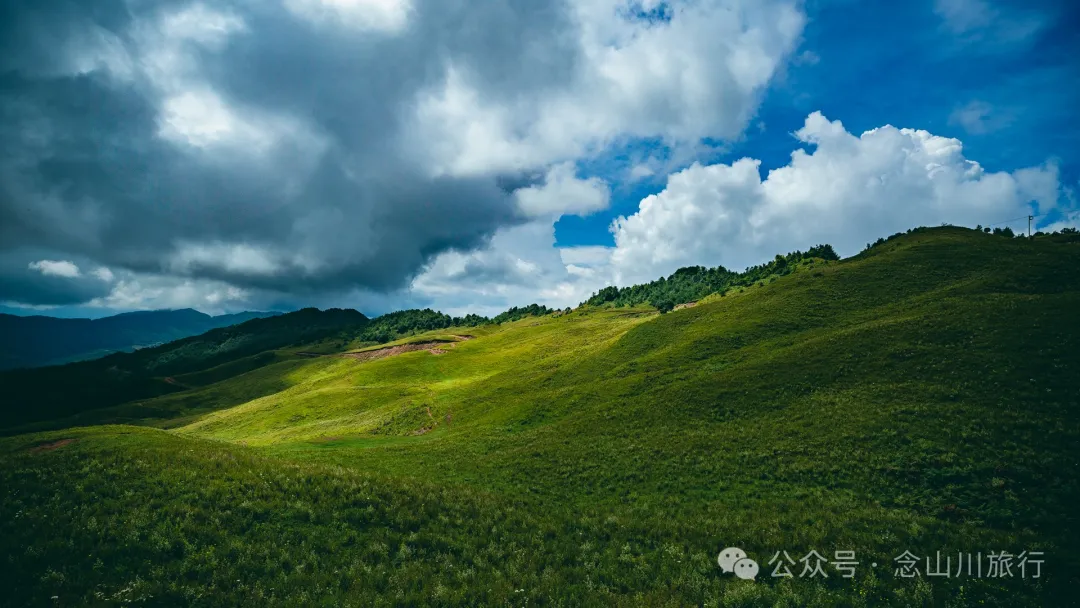
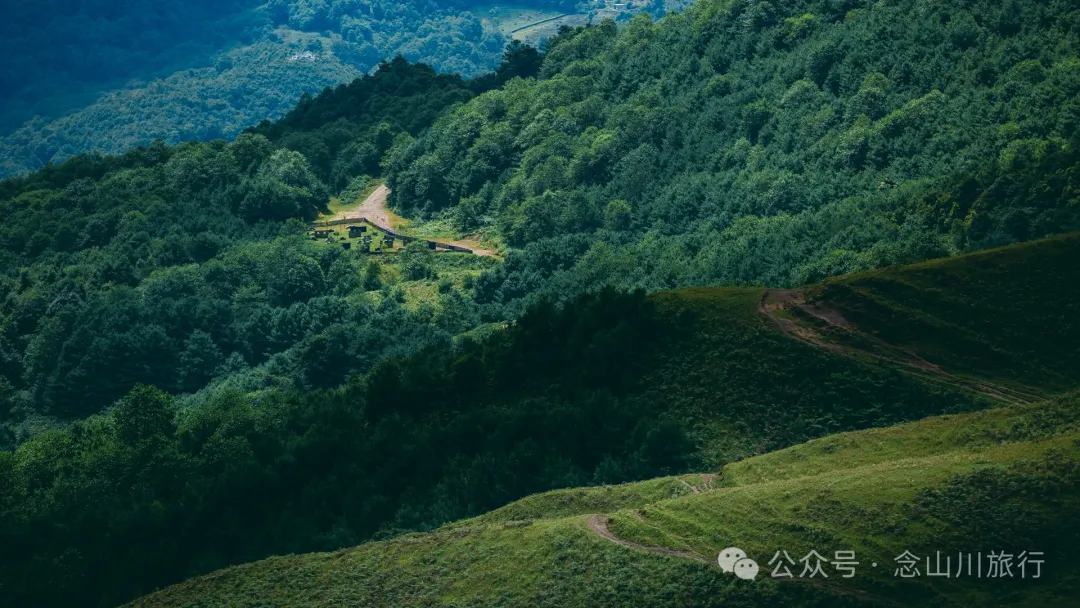
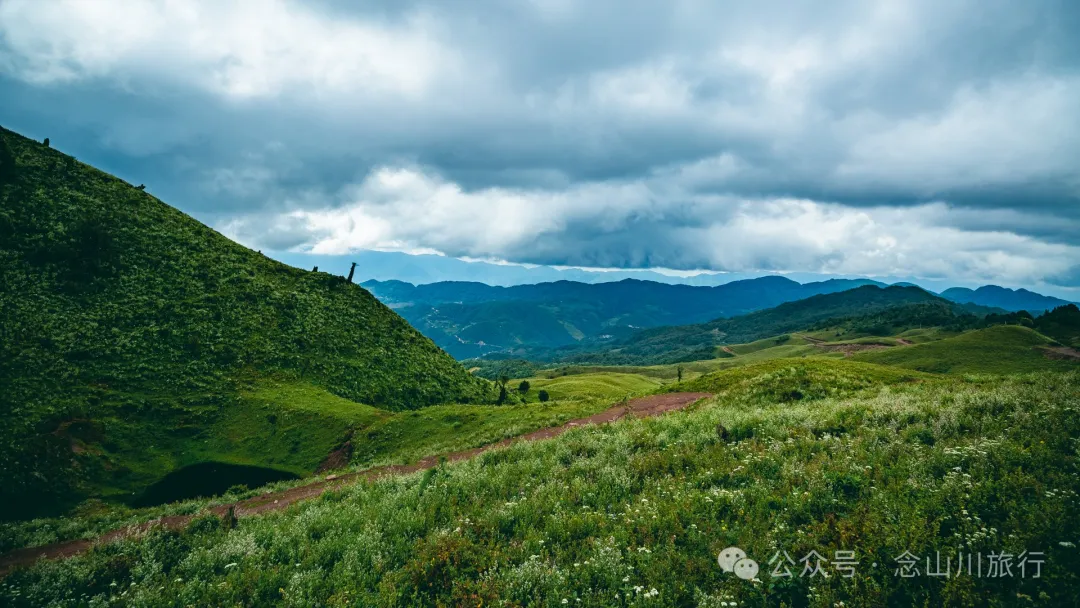
At the end of the village's asphalt road lies a winding, narrow original gravel road leading deep into the mountains. The steep and rugged mountain path, eroded by rain, becomes potholed and muddy. Passing by slopes covered with wildflowers, we stop by the roadside not far from the summit and get out to walk through this spring-filled wilderness. At the top, there are two structures; upon closer inspection, they turn out to be a temple and the caretaker's dwelling. Outside the temple, we meet a family of three who have come from another direction over the mountain to burn incense. The man tells us this temple is called Master Temple, dedicated to Master Li Wenxue (phonetic). When we try to ask for more information, he can only explain in a mix of dialect and a little Mandarin. We half-listen and half-guess, but ultimately do not learn the origin of Master Temple. Outside the temple, there are several earthen stoves for burning firewood, and next to the main hall is a low building with some pots and pans, presumably for mountain folk to cook when they come to burn incense. It would be convenient for camping here.
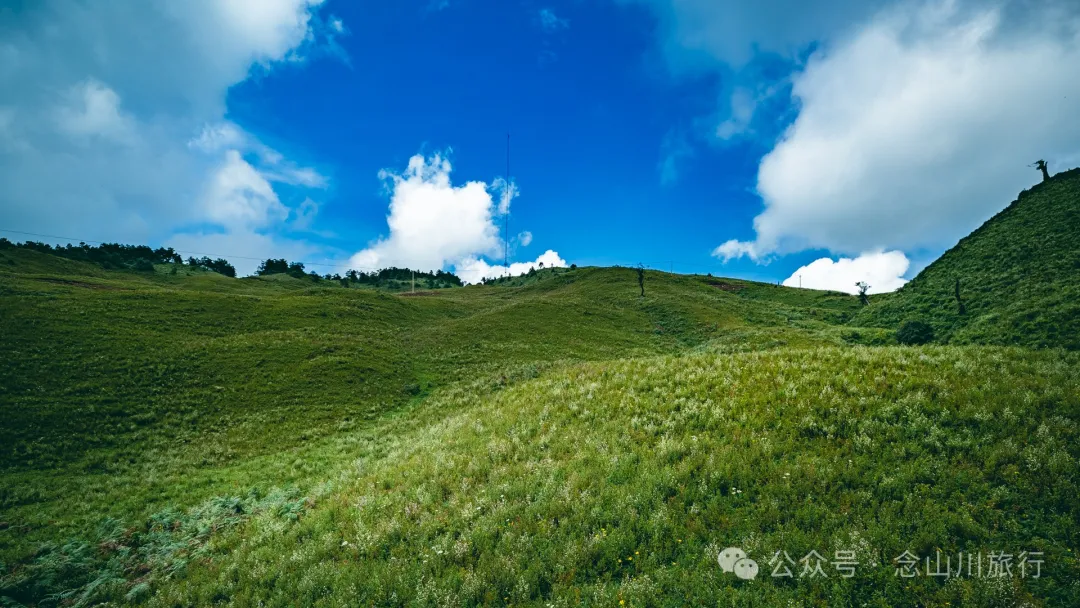
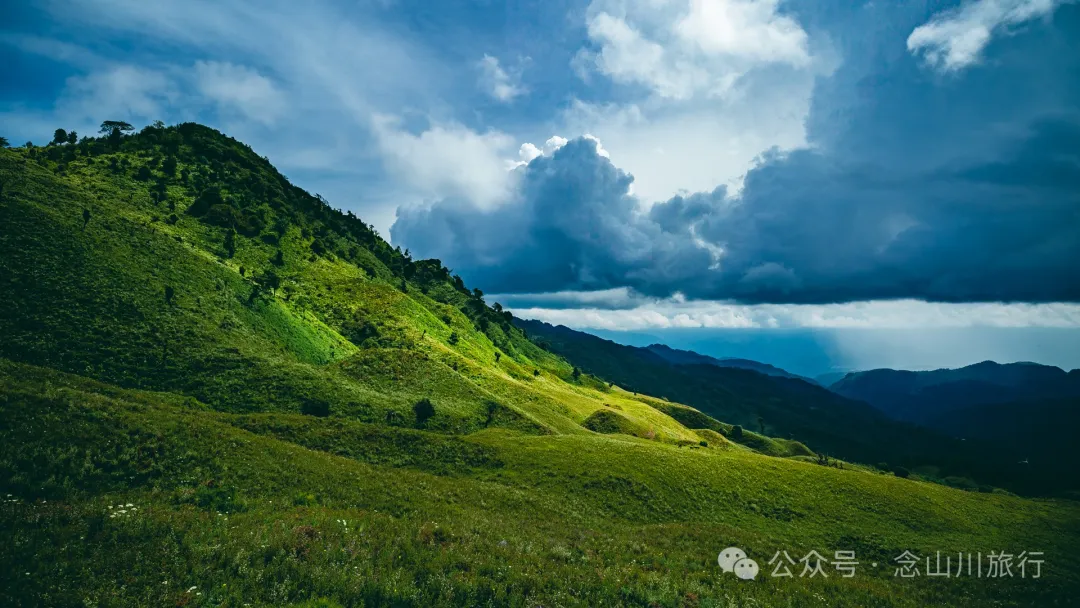
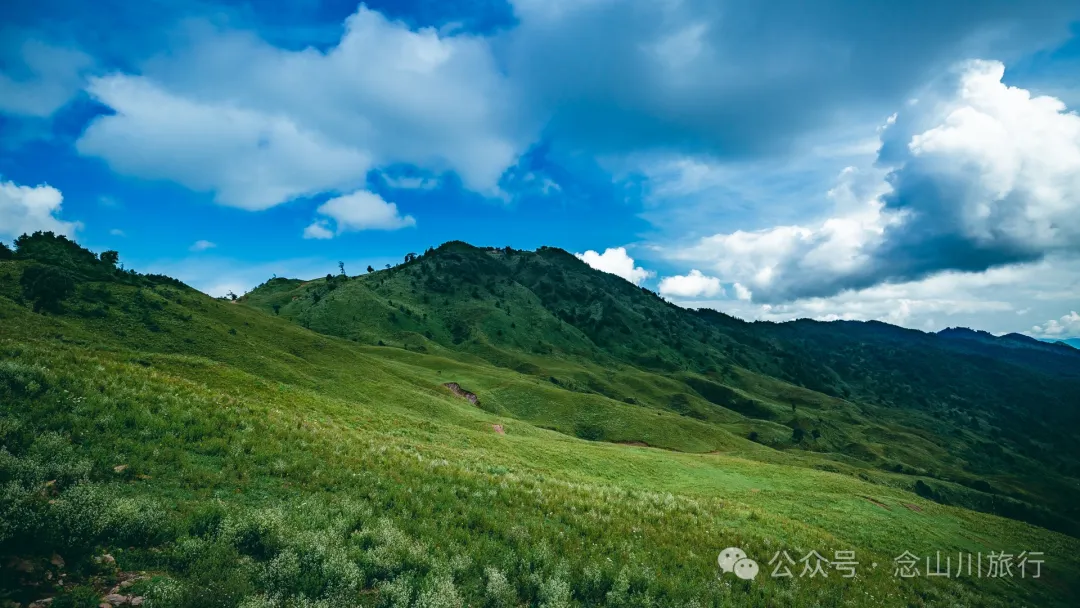
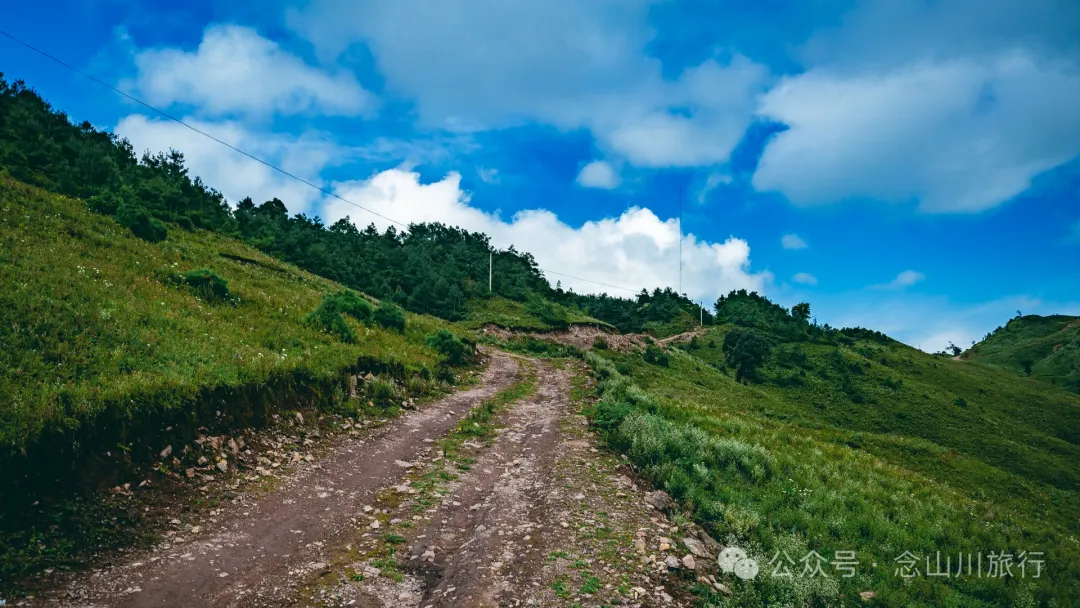
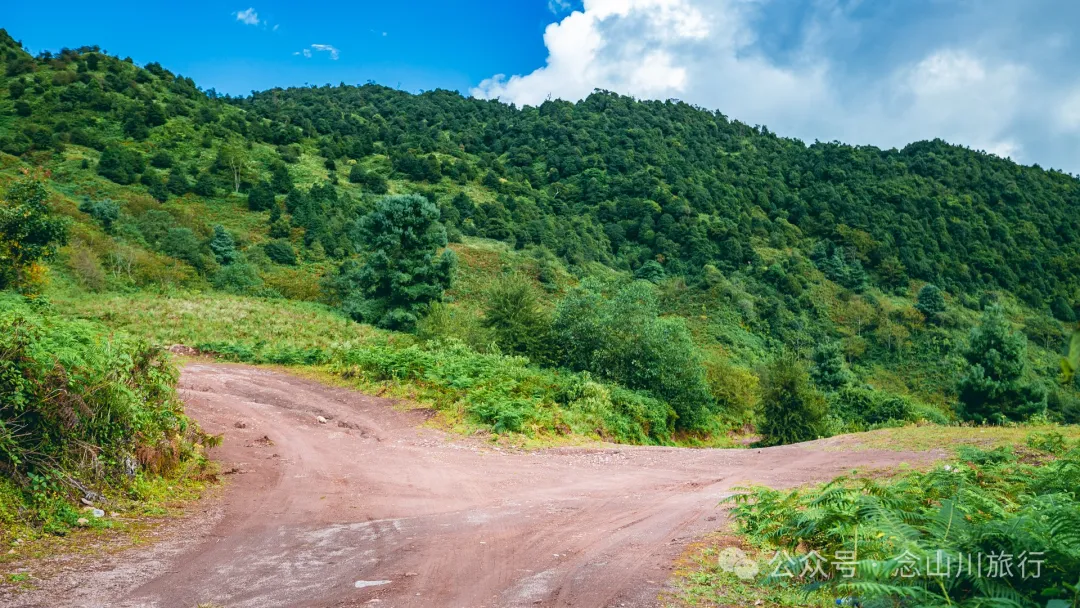
After entering the mountain, we encounter a fork. The right downhill dirt road leads to another village below, while the left uphill road leads all the way to the meadow at the summit.
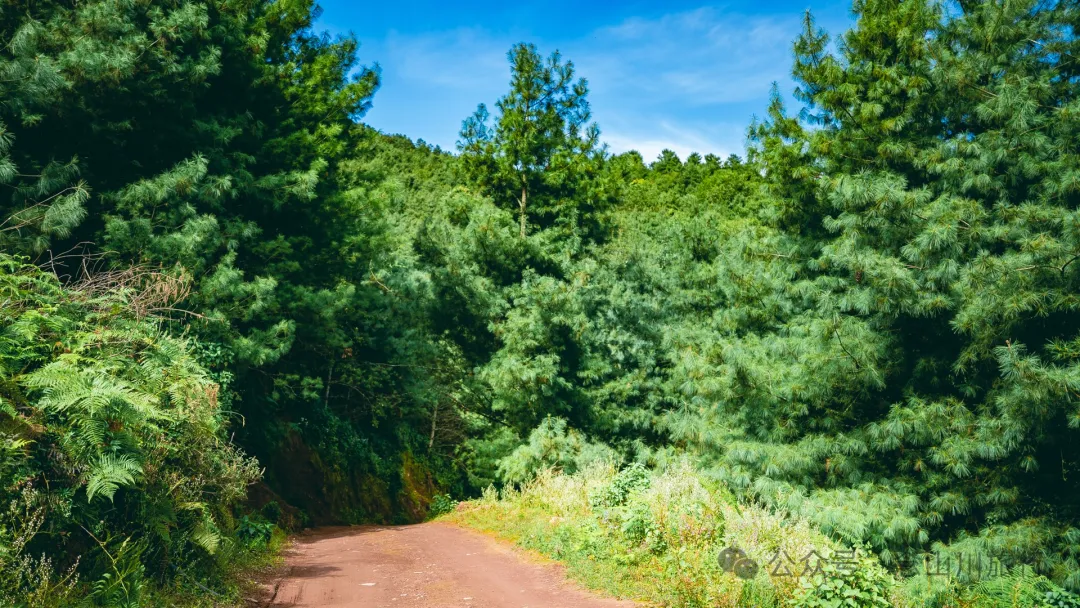
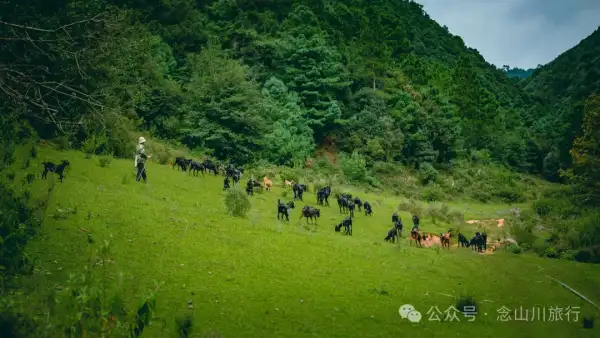
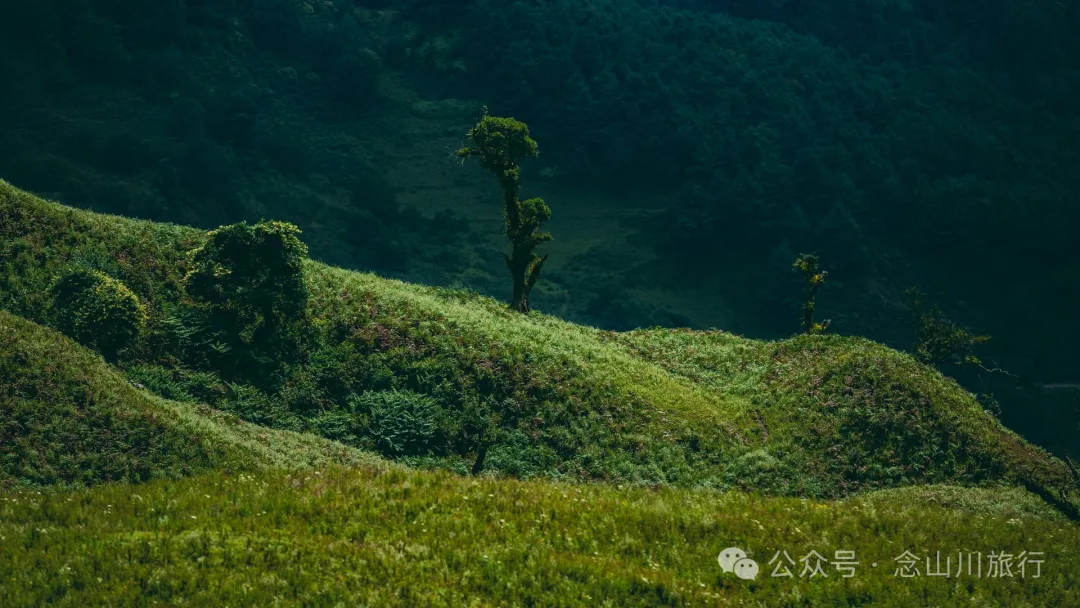
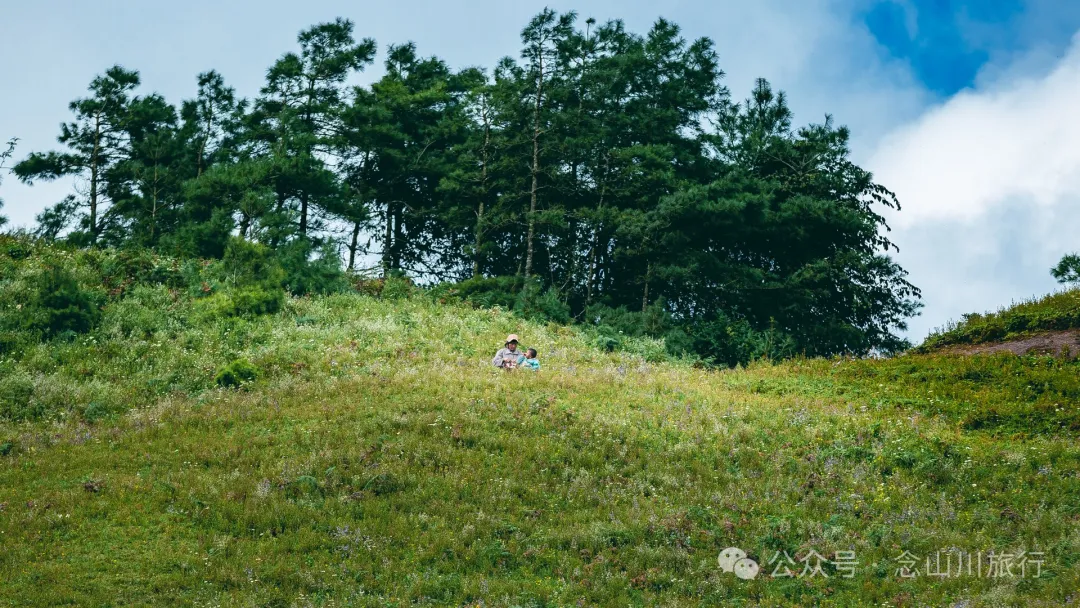
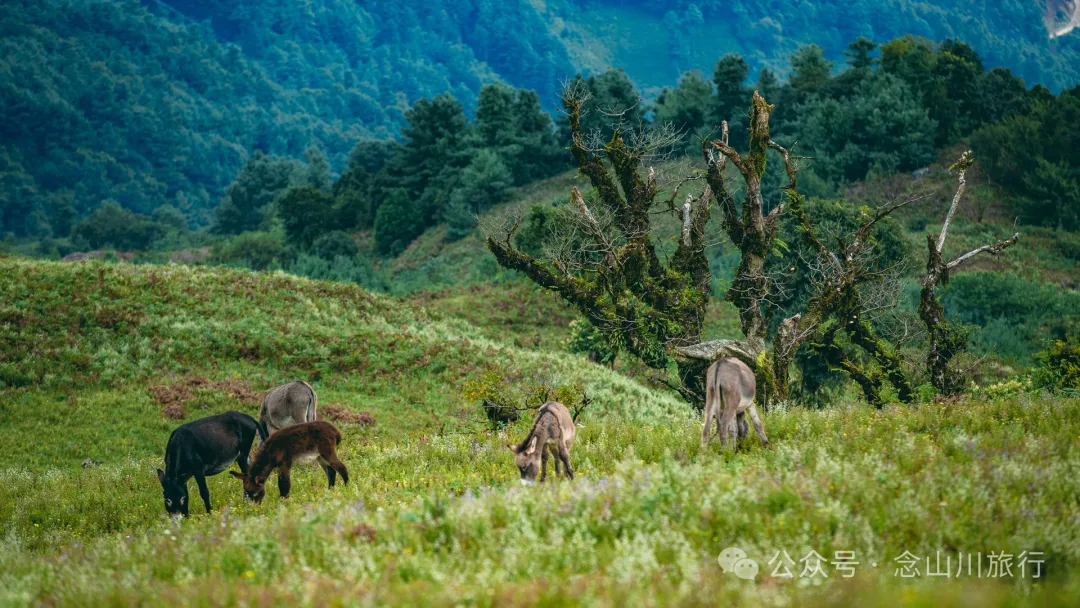
There is no road leading higher or farther. We return the same way, find an open and gentle grassy slope in the lower mountains, sit down, and spend half a day idly on this vast meadow of Taiping Mountain. The clouds in the sky linger overhead, and the sunlight weakly filters through without a single drop of rain. Shepherds sit far from the roadside, herding their flocks, while nature herds them. Indeed, the ecosystem of nature is a vast closed loop, where all living beings coexist in order and harmony.
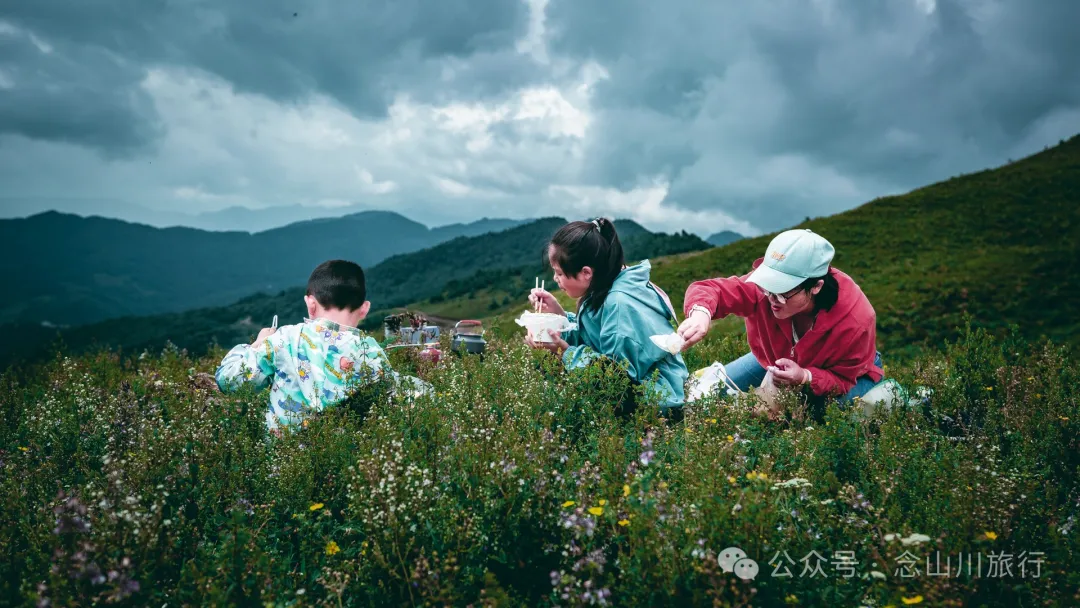
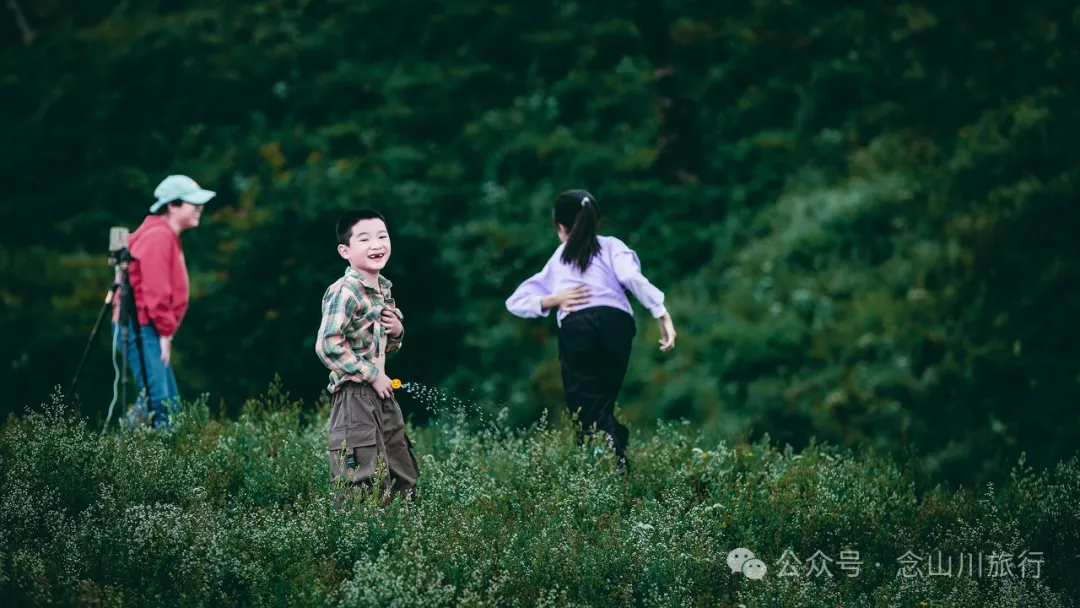
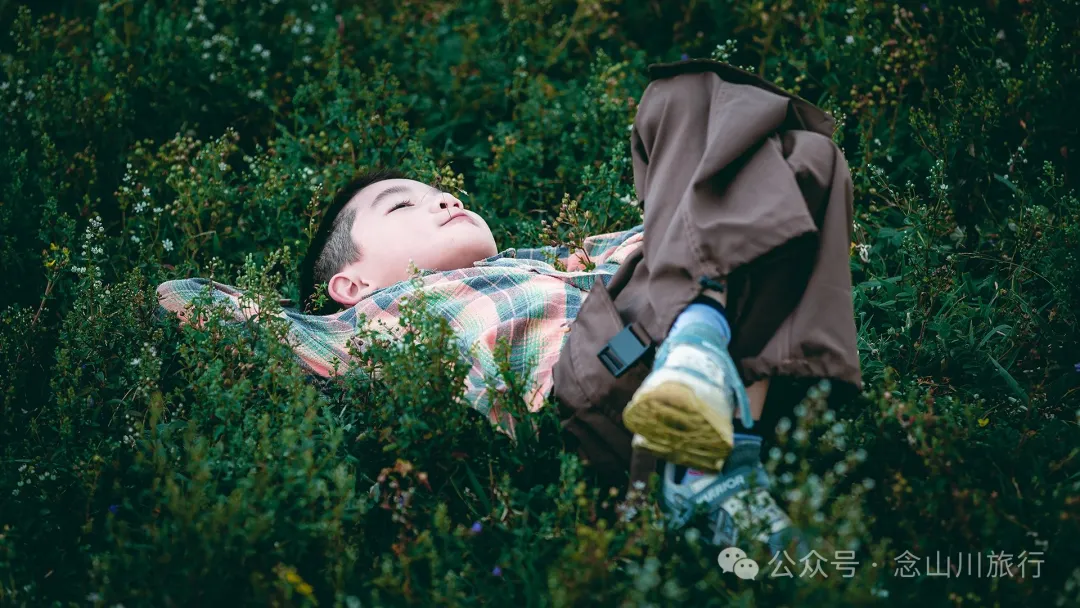
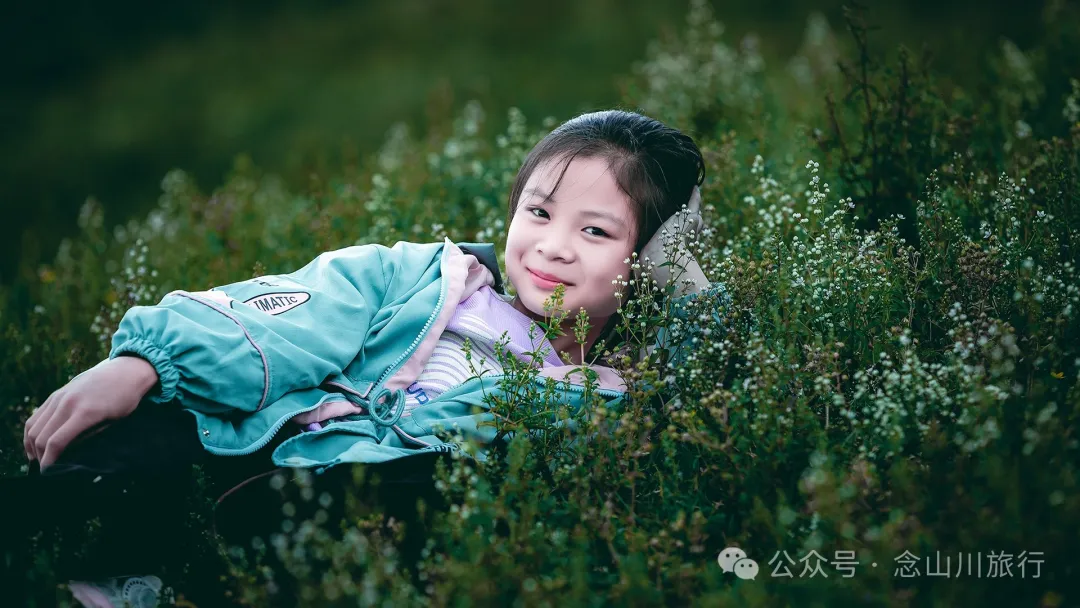
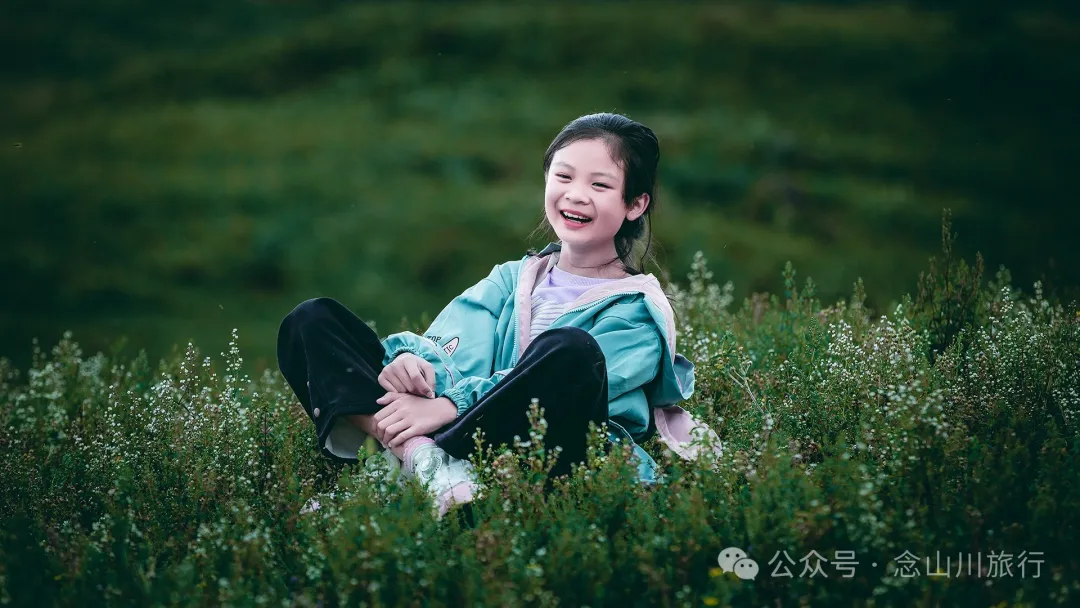
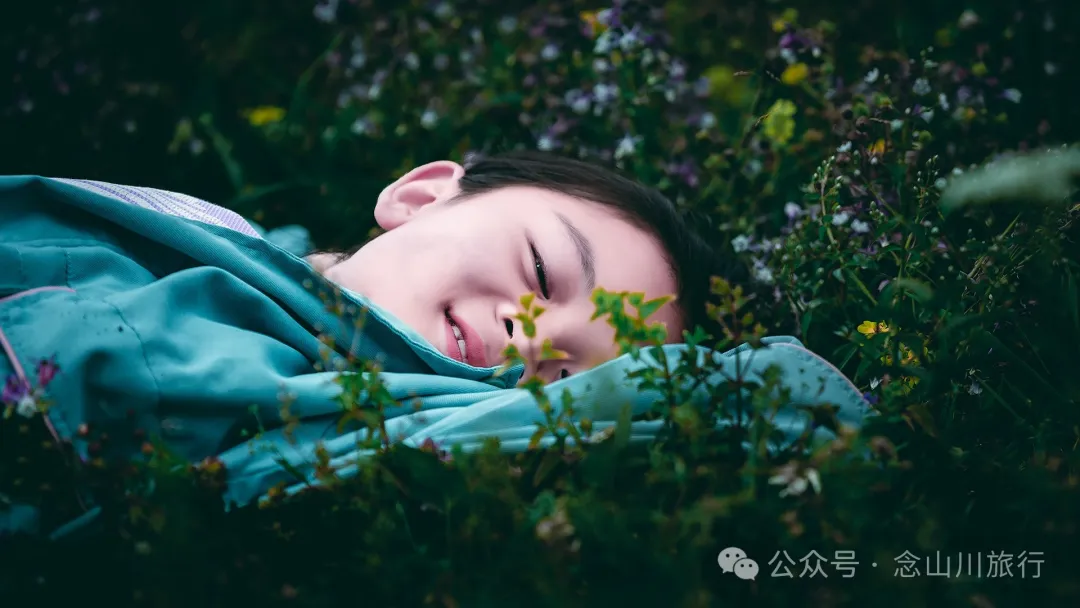
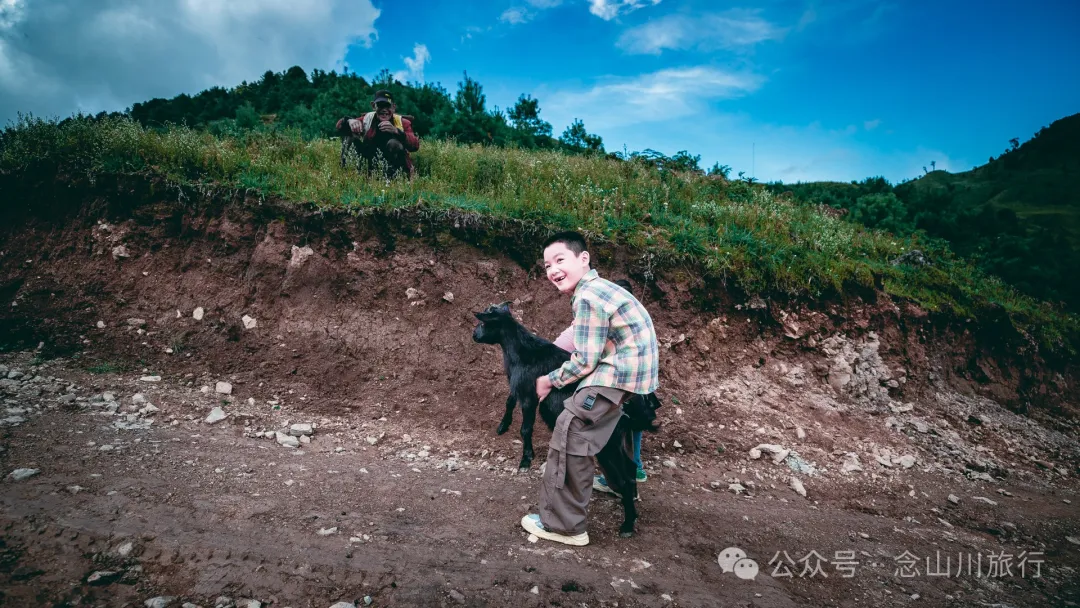
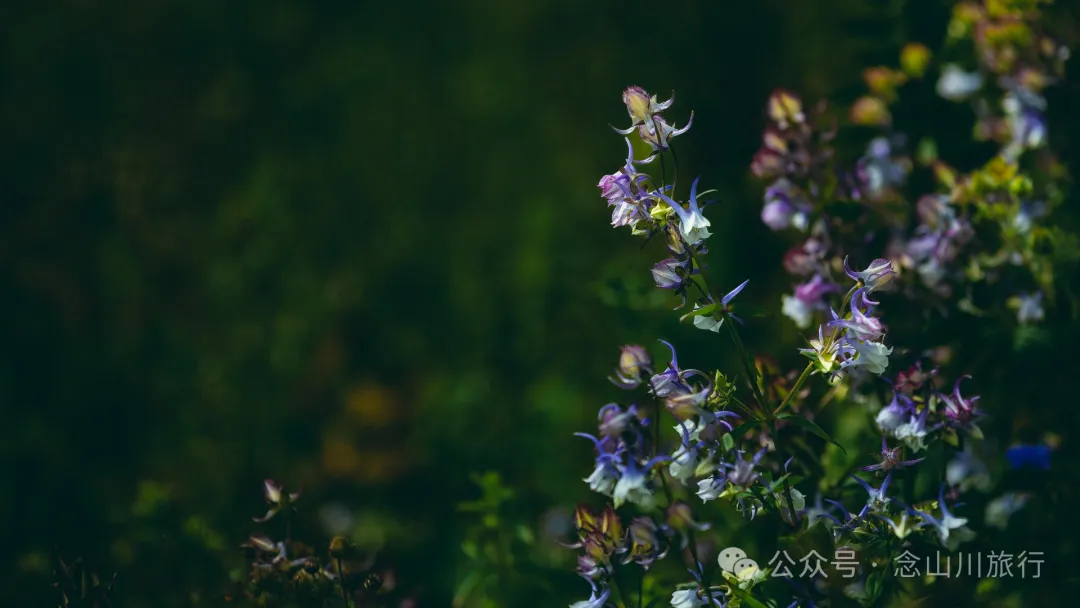
We leap into this vast meadow full of wildflowers as if diving into the sea. The cattle and sheep are not afraid of people at all; they graze contentedly. The wildflowers and grasses are not afraid either—when humans enter their world, they become soft; and when humans leave, they immediately return to their former state, lively and serene. The large-seeded Swertia (Swertia bimaculata) blooms so passionately, growing freely and unrestrainedly on this meadow. Their small white flowers twinkle like distant stars in the night sky, pure and beautiful. Some unopened buds have a faint pink hue, cute and shyly hidden among the grasses. The Halenia elliptica is another species in this wildflower galaxy, resembling anchors dropped from a ship, as if they have been anchored here on this vast meadow since time immemorial, never to travel far.
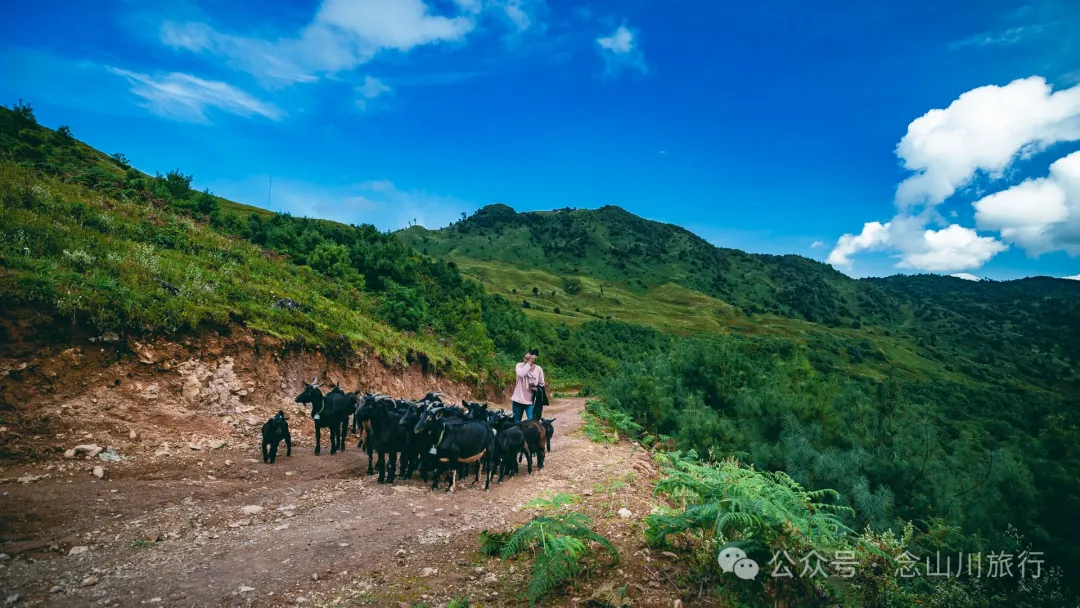
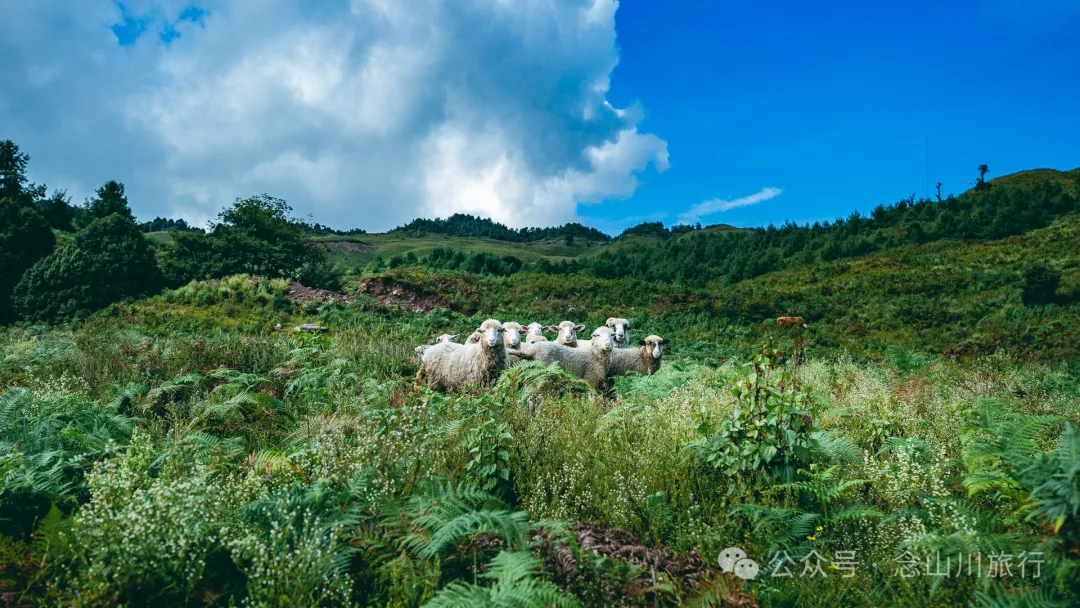
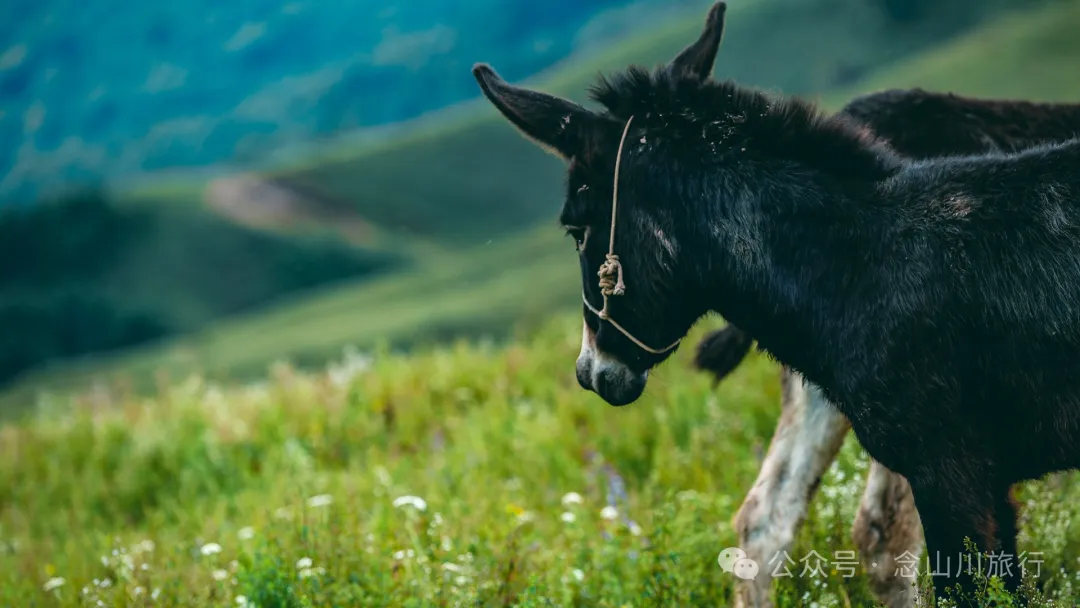
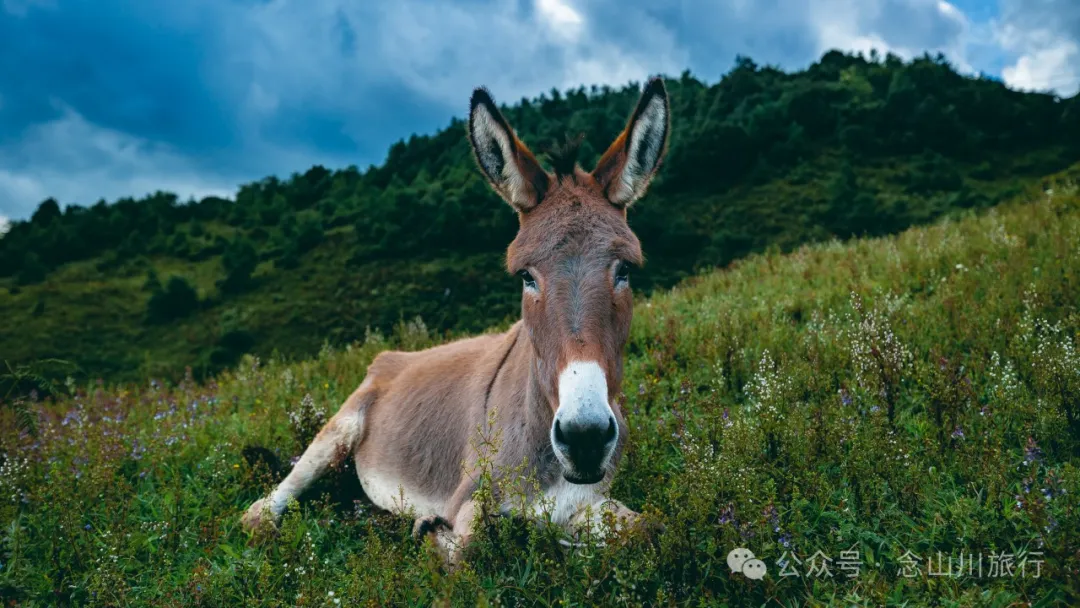
Even though it is already mid-autumn, this vast meadow on Taiping Mountain remains full of spring vitality, endlessly thriving, as if spring has settled here forever, and the bleak autumn cannot bear to arrive. We are infected by the tenacious life on the grassland, shedding all worldly impurities, merging into this freedom, purity, and beauty. Before leaving, we take away everything that does not belong here, leaving as little trace as possible, so that when the wind blows across this free wilderness, it smells nothing unusual.