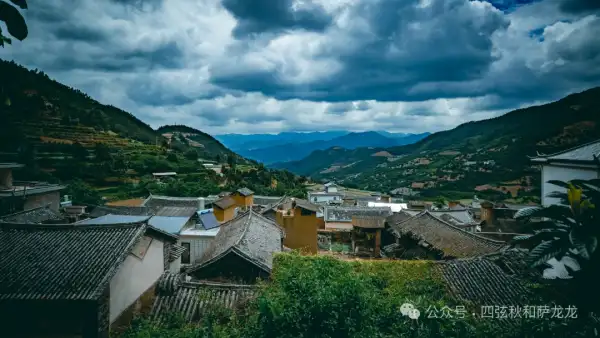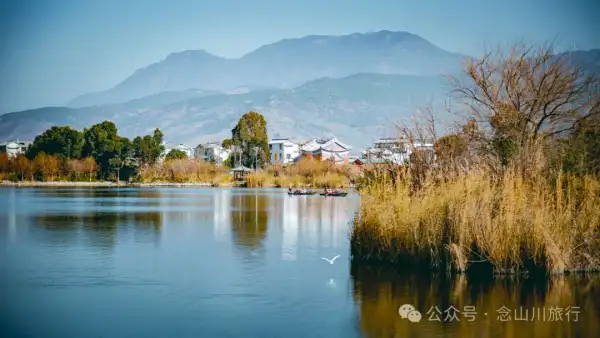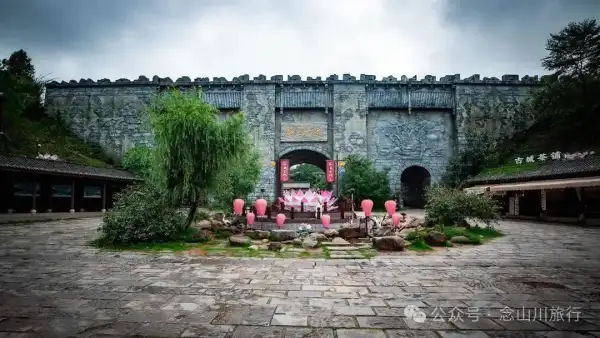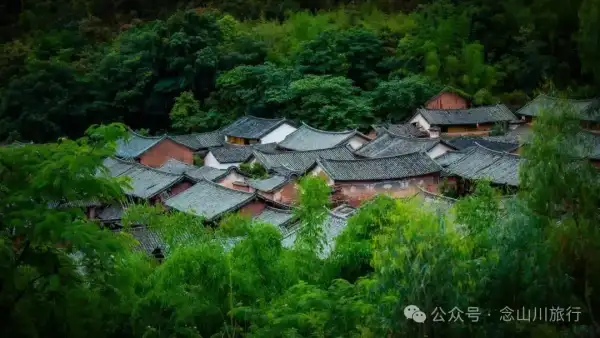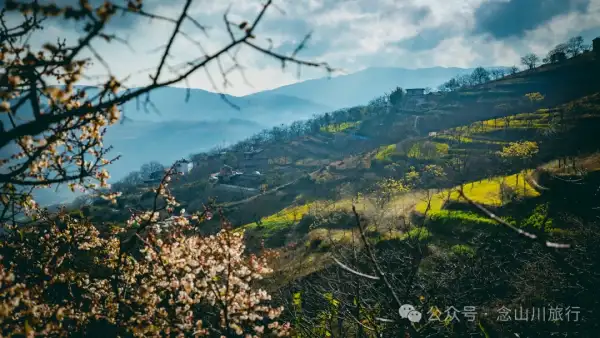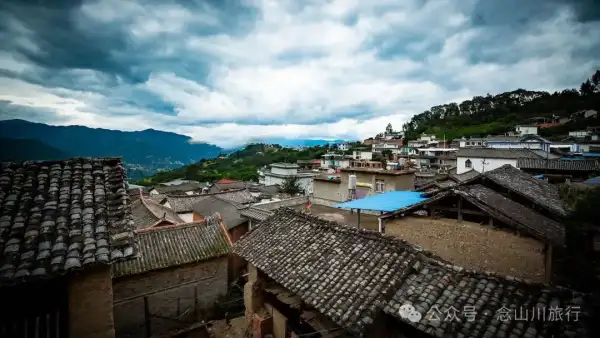

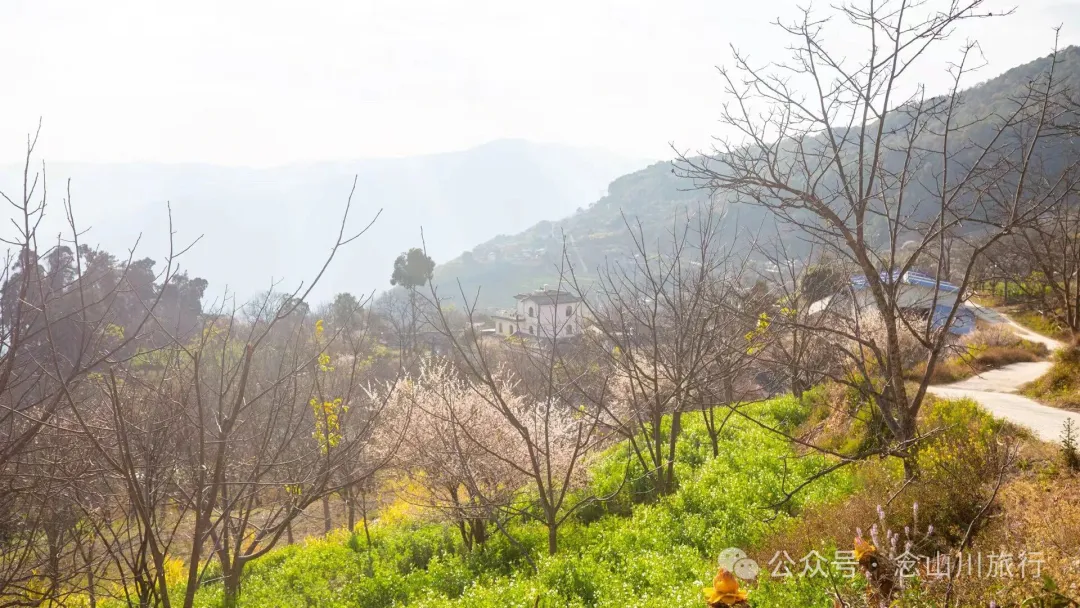
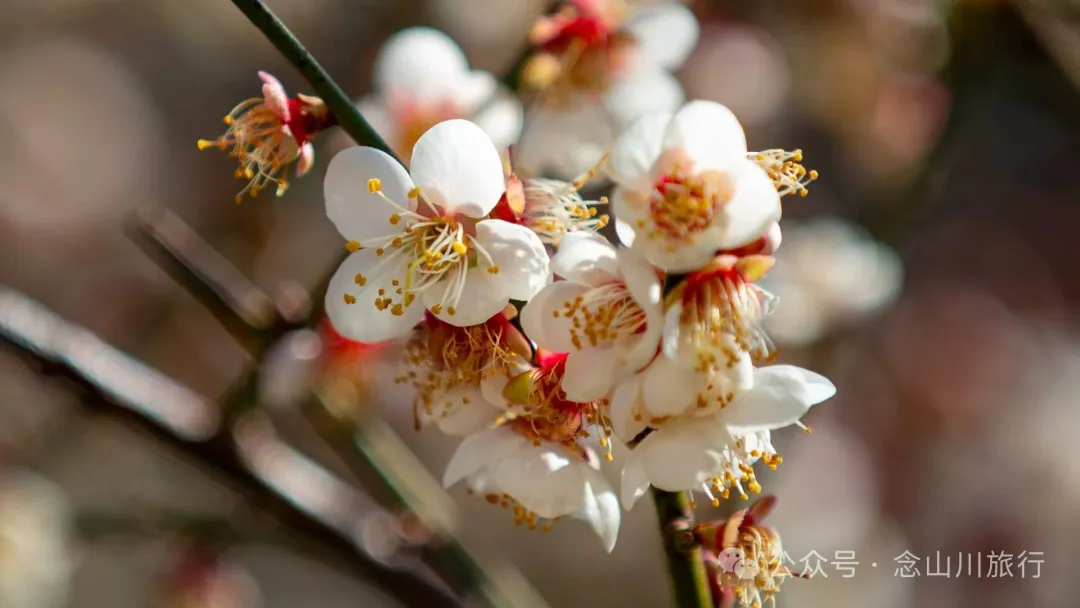
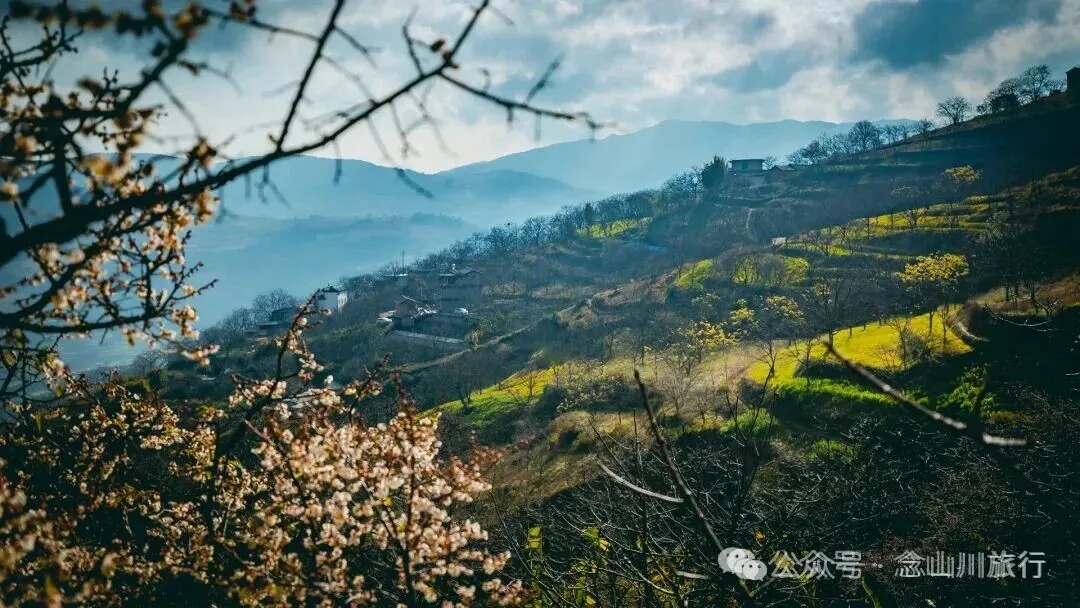
To appreciate plum blossoms, one must go to the mountains. In winter, plum blossoms are hardly seen on the Weishan flatlands, where the land is flat and fertile, and no one is willing to waste it on low-yield plum trees. Mountain dwellers plant plum trees not for the flowers; the fruit they bear is one of their sources of income, though meager, and people are reluctant to cut them down.
Most mountain plum trees are salt plums. In summer, farmers harvest green fruits that hang heavy on the branches. These plums are round, thick-fleshed, and intensely sour and astringent, unsuitable for direct consumption but perfect for making carved plums, plum vinegar, and plum wine.
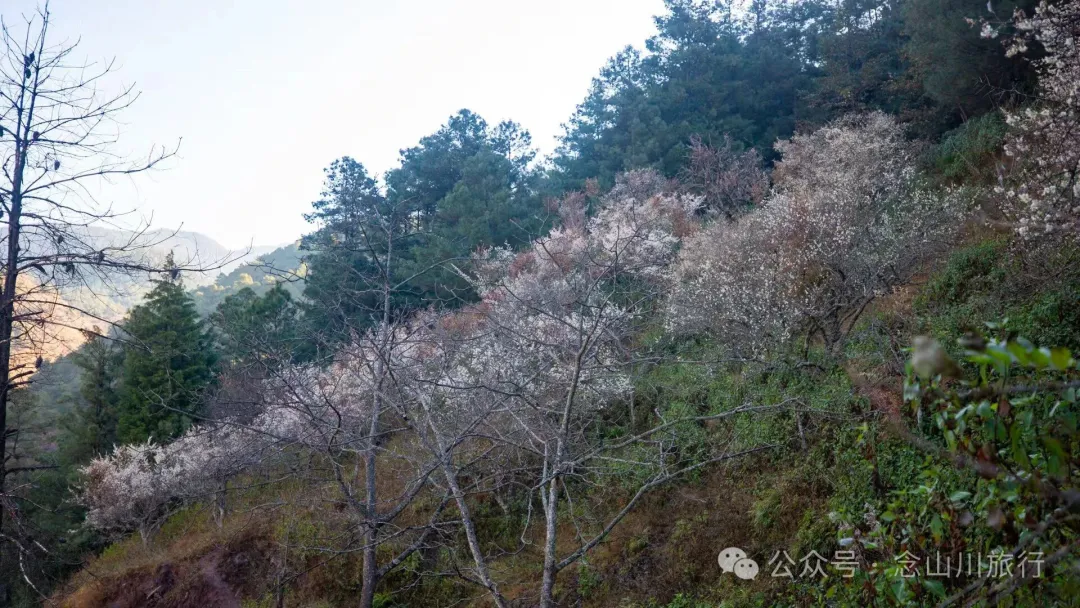
Plum trees are hardy and require little care; they grow anywhere—by fields, roadsides, steep slopes, or vacant lots outside walls—displaying their gaunt and rugged grace. Many mountain plum trees are centuries old. Some that grow quietly on slopes are spared the axe, their ancient, gnarled branches and trunks covered with lichen, moss, and even ferns.
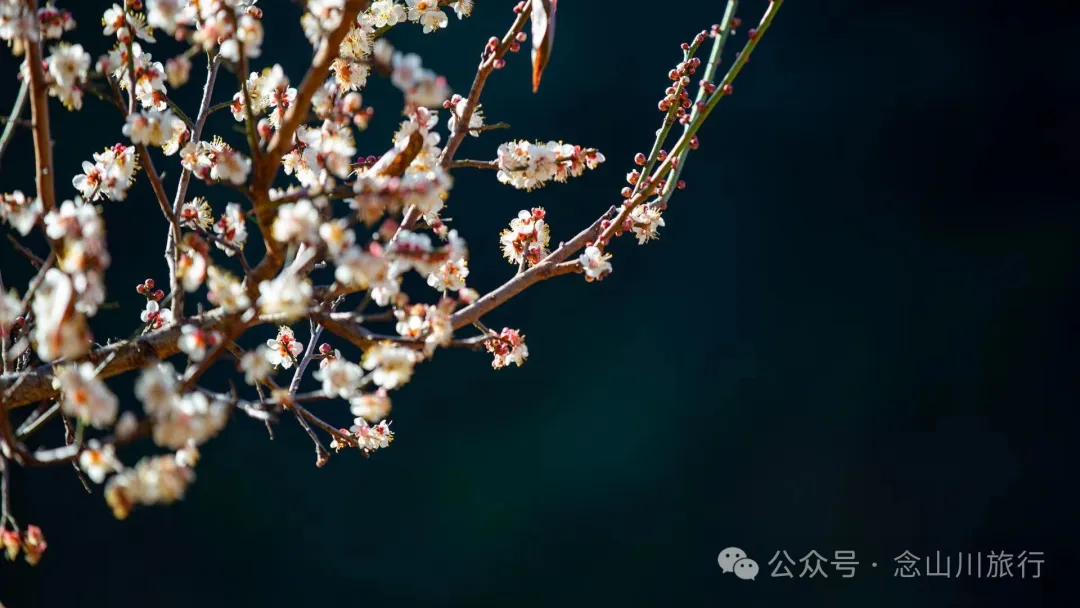
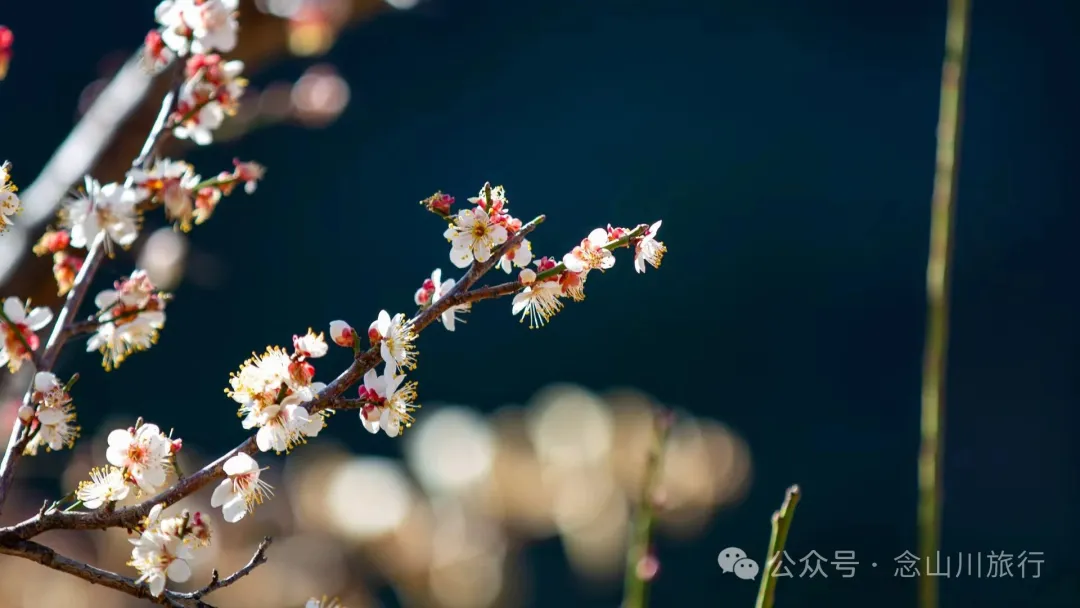
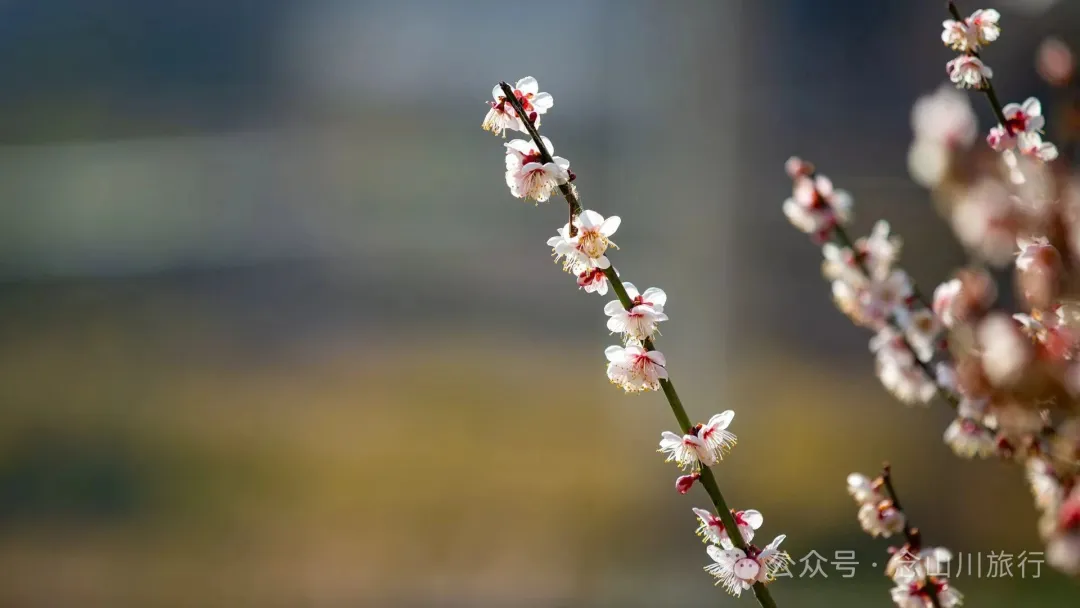
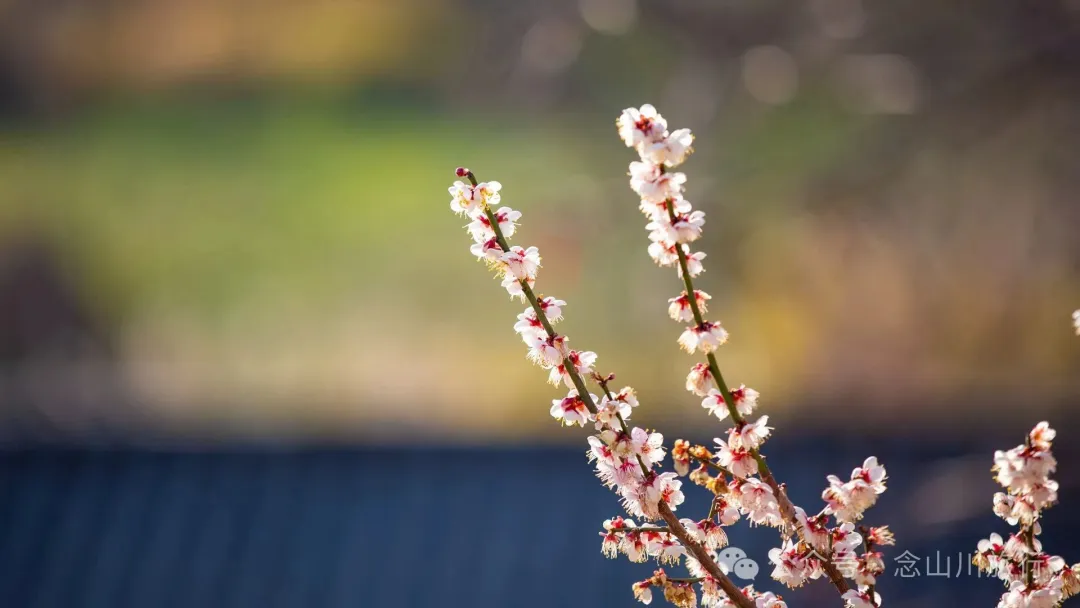
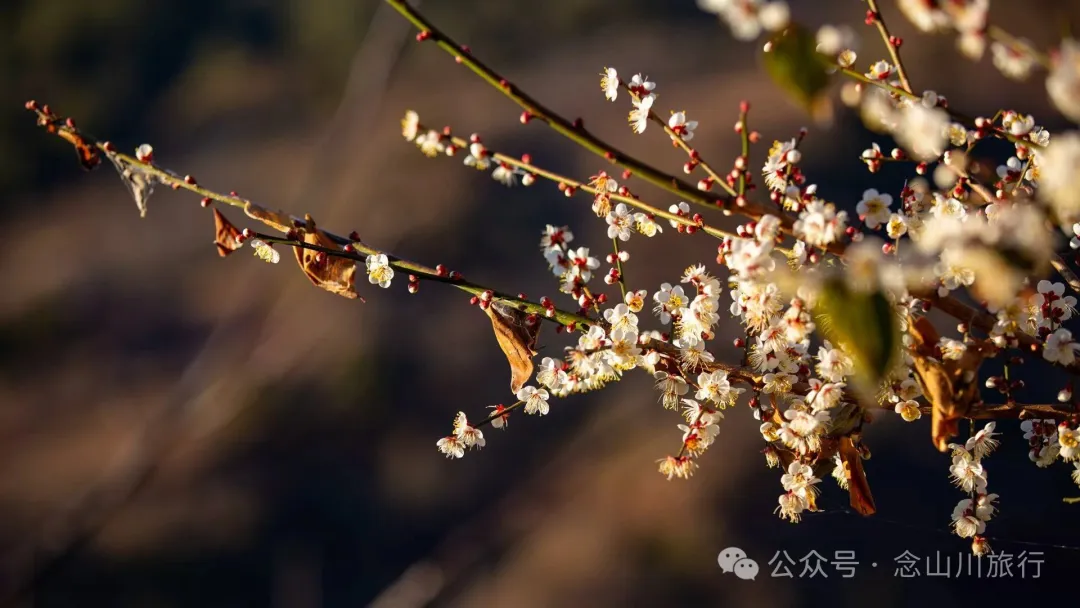
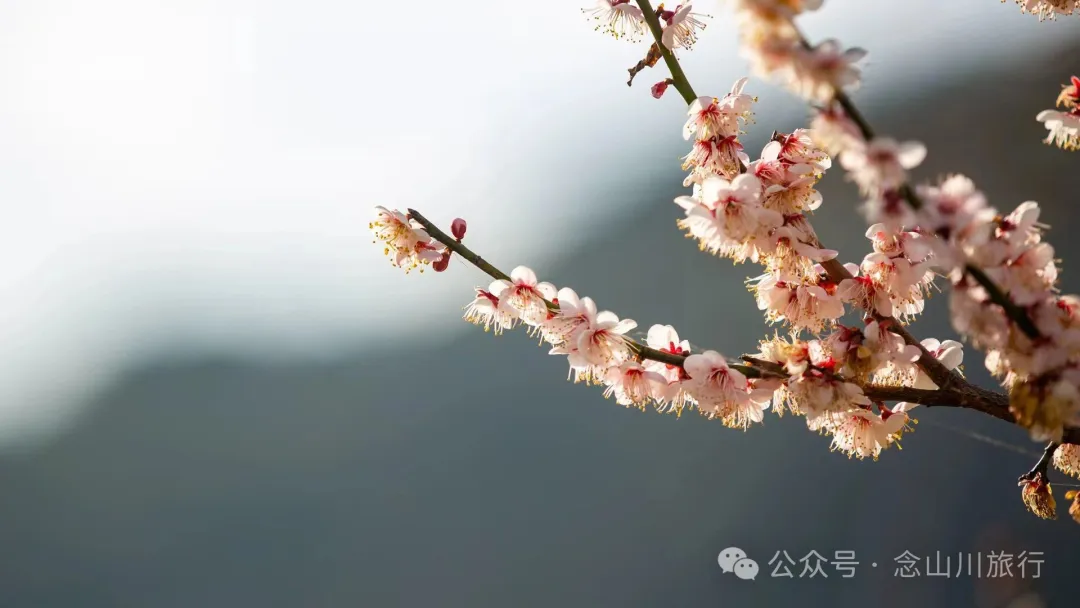
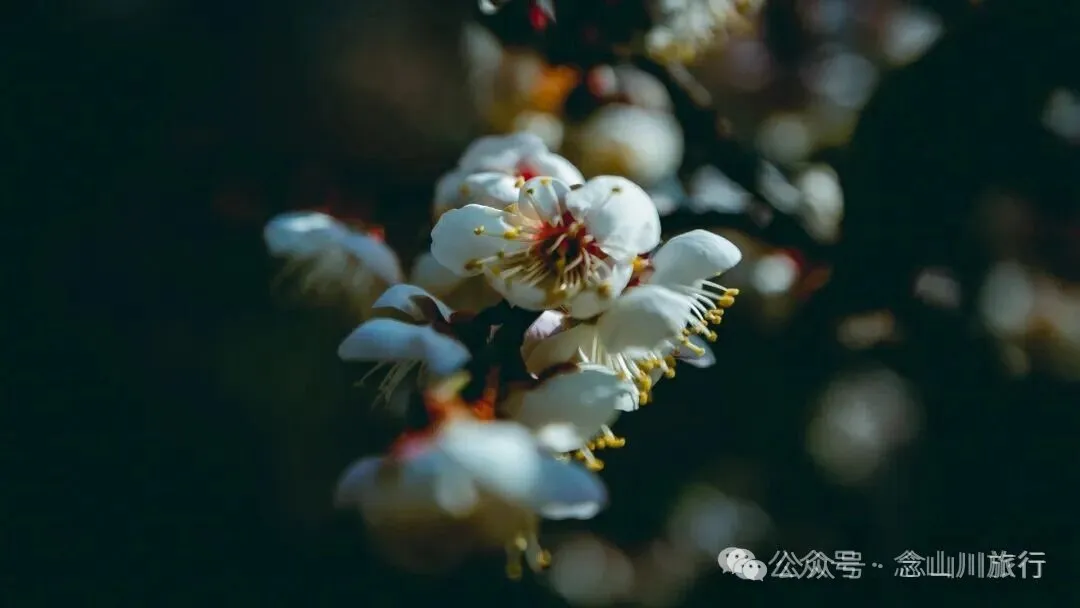
Under the generous winter sun, plum trees burst into brilliant bloom, enlivening the desolate, sparse mountain landscape. Delicate, pure pinkish-white flowers cluster on green young branches, greedily soaking up the warmth of the season. As the sun rises higher, the spring breeze grows stronger, and the flowers become more joyful. The fragrance emanating from the blossoms is so subtle that you can only detect its elegant, refreshing scent if you bring your nose close to the flowers. Those slender, silky stamens seem like rays of light emitted by the petals—whose night will they illuminate?
The pinkish-white hue is not gaudy, and the faint fragrance is not captivating, but bees always find the flowers' dancing stage precisely, coming as free musicians, buzzing incessantly in exchange for sweetness. Over the years, I have encountered plum blossoms many times in winter mountain villages, yet never specifically to admire them—I was either attending a wedding or a pig-killing feast. Unexpectedly, I witnessed these trees in their quiet, elegant glory, without noise or strife, as time took its course.
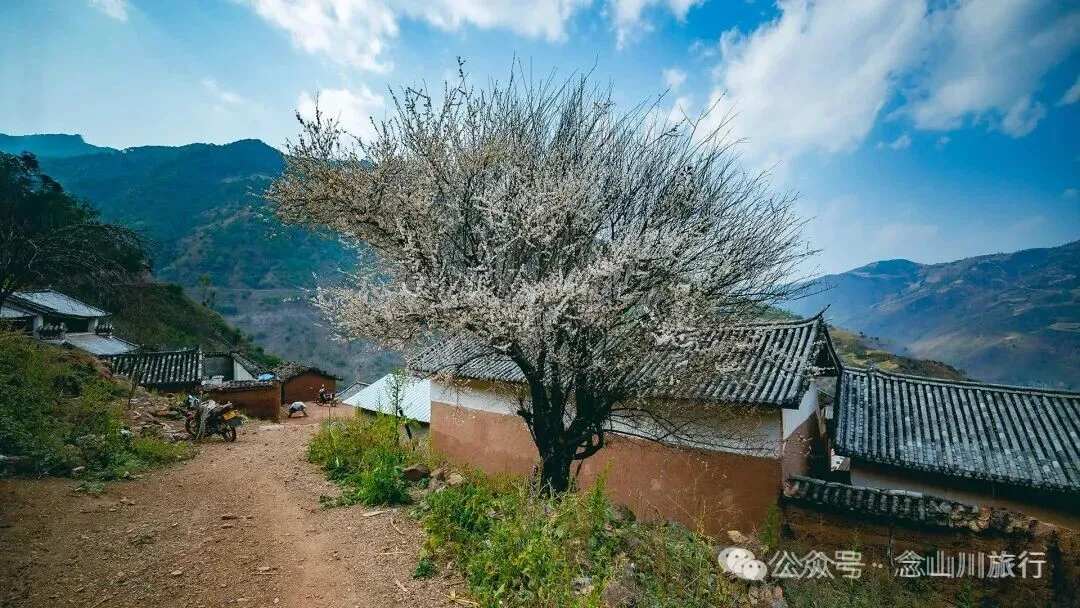
Among my limited experiences of admiring plum blossoms in the mountains, I particularly remember one night with a bright moon and another morning with heavy frost and dew. A week ago, at a wedding in Caochang Village, after photographing the lively nighttime song-and-dance performance, it was past nine o'clock. We left the village, stepping into the cold dark night, crossed the stream in front of the village, and climbed over the mountain to our friend Akui's mountain cabin to spend the night. The mountains were dim, with only the glaring white light from the village streetlights behind us. By the stream, the gurgling water became the only sound in the world, exceptionally loud. That night, the moonlight was exceptionally clear; we turned off our flashlights, and the moonlight turned the winding mountain path a pale white. Nearby, an ancient plum tree by the stream stood gracefully, full of blossoms. A gentle breeze sent light petals dancing through the air, like moonlight cut and shattered, falling onto the murmuring stream, flowing out of the mountains into the mundane world. If we had brought a charcoal stove and tea set for roasting tea, we would have called Akui, summoning him from the unparalleled silence of his cabin to sit all night under the plum tree, roasting tea, admiring the moon and flowers. But at that time, he was sitting in front of a lamp, studying the I Ching.
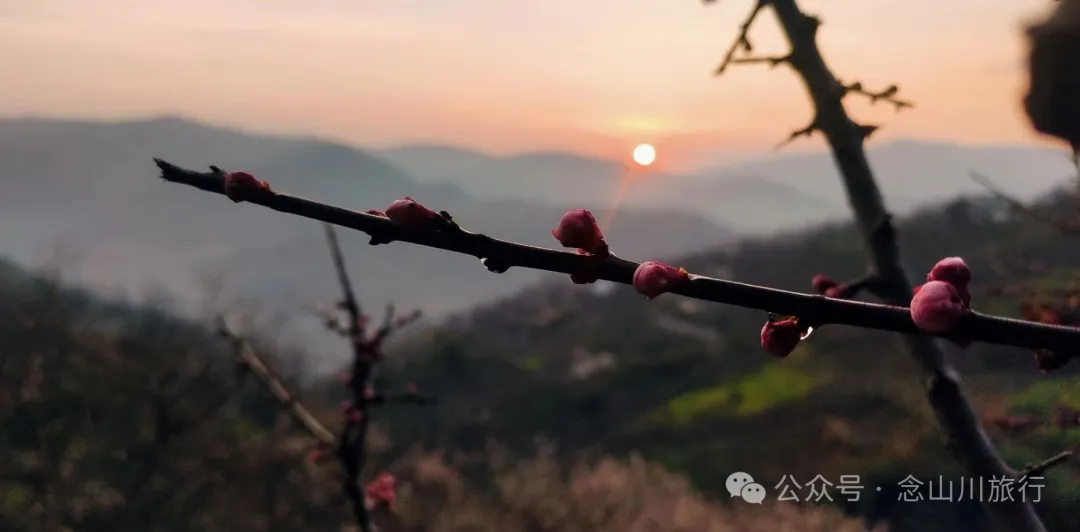
In February 2024, I stayed for a few days in Huoshan Village, Ma'anshan Township. One morning, I forgot why I woke up so early, and I went alone for a slow walk on the mountain path, probably to watch the sunrise. The low temperature around sunrise was bone-chilling. The narrow, weed-covered path was thick with dew, and my pant legs were soon soaked. The sticky burrs of Bidens pilosa were annoying. I stared expectantly at the most intense pink glow on the distant ridge while impatiently brushing off the burrs. A tender branch with a few red buds suddenly jutted out from the slope, blocking my way. I almost brushed it aside carelessly and missed this beautiful sight. The small red buds clung to the branch like unlit firecrackers that boys play with, resisting the cold and heavy dew, as if the imminent fireball would ignite these red firecrackers, bursting the entire slope into bloom. Before this, I had never noticed that this was a plum branch about to burst into flower, and the trees on the slope were not papaya trees as I had thought, but plum trees. This was the first picture of plum blossoms I had ever noticed in the mountains.
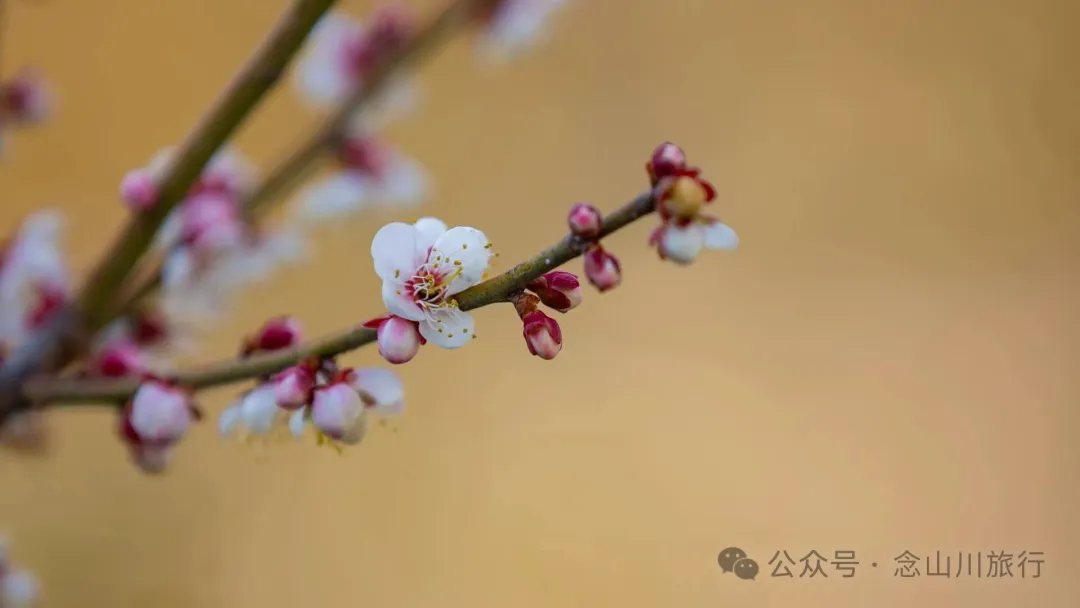
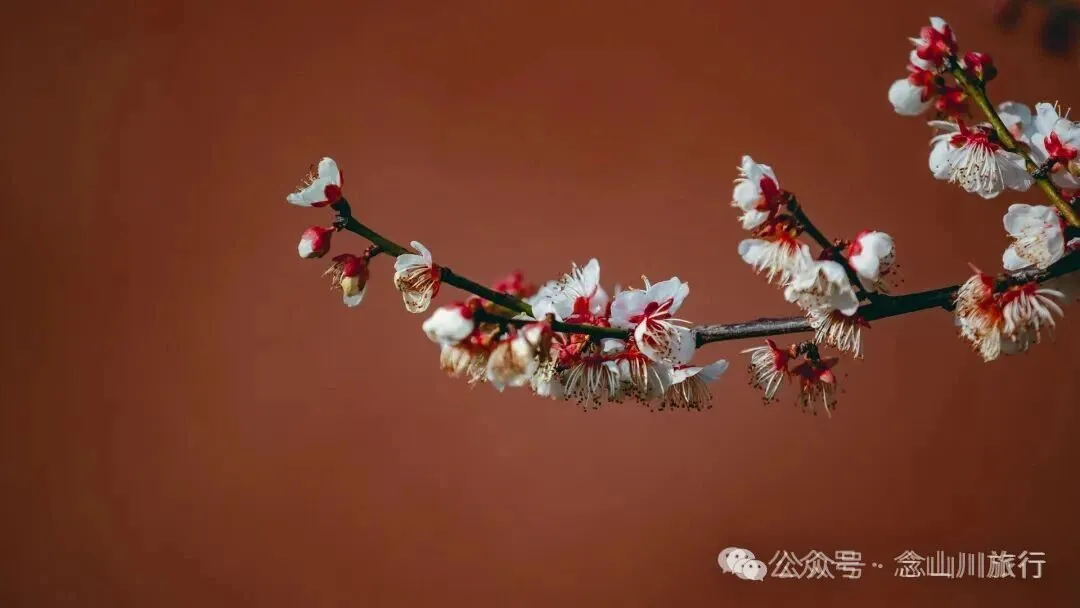
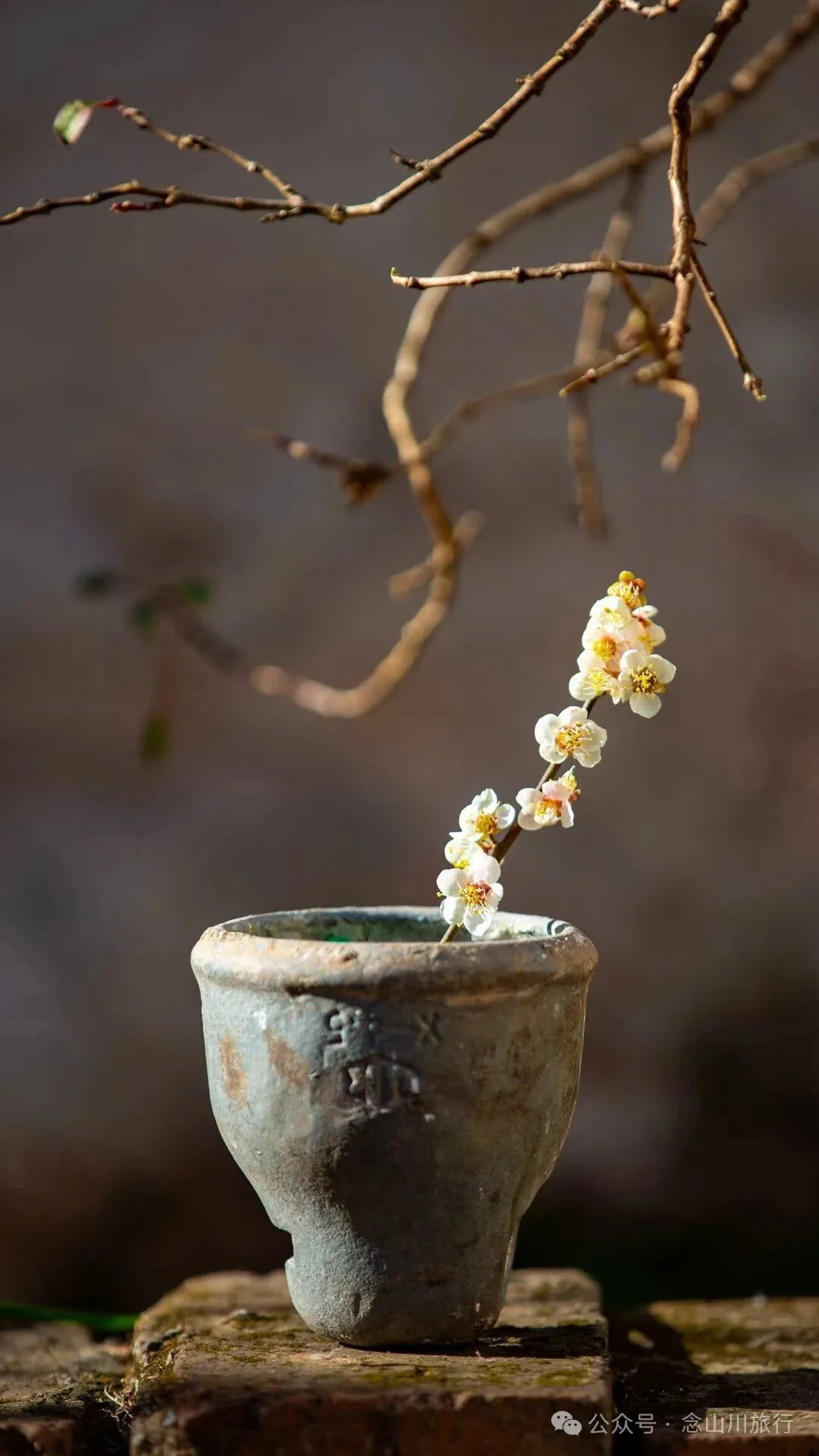
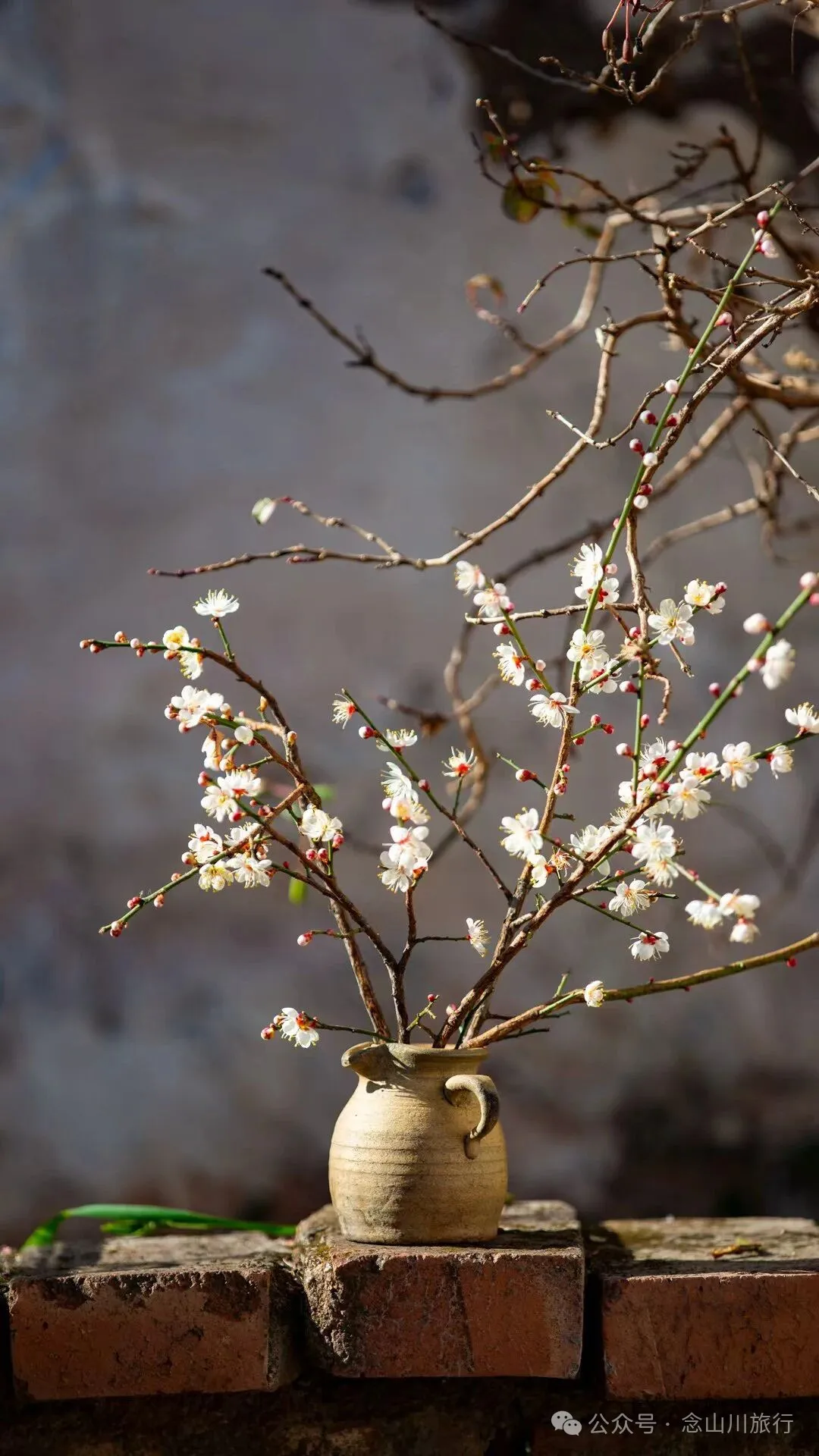
Standing under the plum tree to admire the flowers was not satisfying enough, so I climbed the tree, carefully broke off a few branches, and searched my friend's house for a suitable vase. Finding none, I temporarily requisitioned a small tea-roasting clay pot from the kitchen and some unknown object from the corner to hold the flowers. I was not a professional flower arranger; it pained me to break the branches, and I couldn't bear to trim or shape them. I just put them all in, then sat under the grapevine in the yard drinking tea, carefully admiring the plum blossoms in the sunlight. The pinkish-white flowers shone even more brightly.