您的浏览器需要启用 JavaScript 才能正常访问此网站。
Hotline:15911225507
Dali Travel
Login
Home-Travel Article-History & Culture-Body Text

Bai Opera (Baiju): A Treasure of Dali’s Theater Culture

Sa LonglongSa LonglongHistory & Culture6 hours ago112
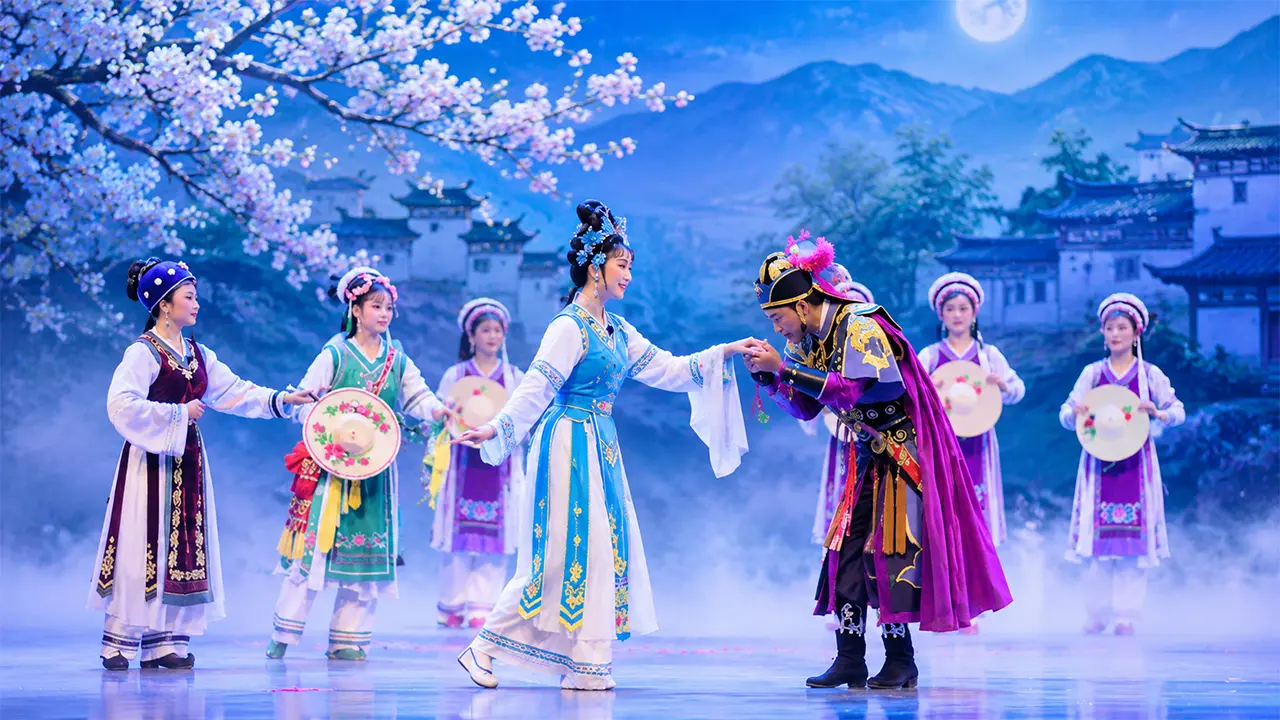
Bai Opera (Baiju): A Treasure of Dali’s Theater Culture - Image 1

Two theaters, one stage

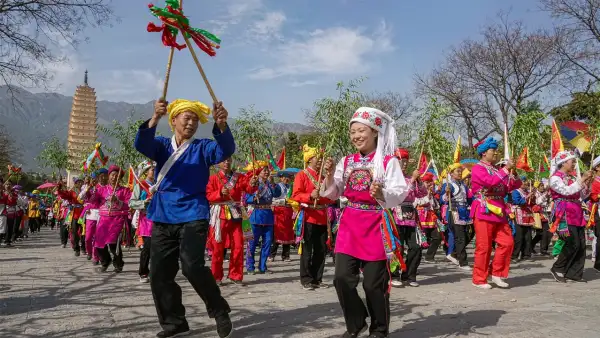
Bai Opera (Baiju) is the minority opera of the Dali region, born from the fusion of Chuichuiqiang and Dabenqu, further seasoned with Bai folk songs and dance. After 1949 the two were formally merged into Baiju.

Chuichuiqiang is traced back to the Hongwu era of the Ming dynasty — roughly five hundred years — flourishing especially under the Guangxu reign. Originally a classic theater beloved by farmers of the valley basins, it at one point retreated to the mountains and neared extinction. Dabenqu is older still: as far back as the Tang, libretti in the "three-seven-one-five" mountain-flower verse form appeared. Its content was rich, mixing entertainment, historical education and moral teaching — a popular cultural activity of the Bai people.

Over four hundred plays and a "three-aria-nine-beat-eighteen-tone" music

Baiju's repertoire is large — more than four hundred traditional and newly written plays — with a distinctive music system described as "three arias, nine beats, eighteen tones." Traditional works include Burning the Mill and Du Chaoxuan, among some four hundred, plus close to a hundred newly arranged and adapted pieces. Leading artists include Gu Yaoyuan, Li Chunfang, Yang Han, Hei Mingxing and Yang Shaoren, while Yang Hongying, Ye Xintao, Ma Yongkang and Yang Yikun have won renown at home and abroad. Red Sanxian, Wangfuyun and Cangshan Hongmei toured Beijing three times; more than twenty full and short plays, including Princess Age, Warmth over Cangshan, Saint Consort Baijie and Erhai Flower, have won national awards.

From historical costume plays, new historical dramas and folk-tale theater to modern plays and musicals, Baiju moves easily across forms with deep popular roots among the Bai — a unique treasure in China's theatrical world.

Tags:
This article is original, author: Sa Longlong, and its copyright is owned by 大理旅行.
For reprinting, please indicate the source: https://dalilvxing.com/en/891.html
Sa Longlong

Sa Longlong

This guy is so lazy, he won't even write a few words!
151.76K
Loading...
Share:
Word Count: 1520
Dali Jianchuan Wood Carving: Dragons Etched to Bai Songs
Dali Jianchuan Wood Carving: Dragons Etched to Bai SongsPrevious
Related Articles
Total: 4
Dali Bai Tie-Dye – The Art of Time Woven in Needle and Thread

Dali Bai Tie-Dye – The Art of Time Woven in Needle and Thread

A craft with ancient rootsTie-dye was once called zha xie or jiao xie (bound-and-dyed). Its Chinese history reaches back to the Western Han,…
Sa LonglongSa LonglongHistory & Culture12 days ago00310
Raosanlin: Dali Bai’s Millennia-Old Festival of Song and Dance

Raosanlin: Dali Bai’s Millennia-Old Festival of Song and Dance

Raosanlin ("winding around the three spirits") is a traditional Bai festival that fuses religious worship with a spring outing. In the Bai langu…
Sa LonglongSa LonglongHistory & Culture1 months ago00500
Dali Jianchuan Wood Carving: Dragons Etched to Bai Songs

Dali Jianchuan Wood Carving: Dragons Etched to Bai Songs

A town of carpenters on the Tea-Horse RoadJianchuan lies in northwest Yunnan inside the Laojunshan zone — one of the eight districts of the …
Sa LonglongSa LonglongHistory & Culture1 days ago1170
Tiaocai: Dali Nanjian Yi’s “Dance the Dishes In, Eat and Be Merry”

Tiaocai: Dali Nanjian Yi’s “Dance the Dishes In, Eat and Be Merry”

Serving the feast with a dance"Tiaocai" — literally "jumping the dishes" — also goes by the name "carrying-the-course dance" and in the Yi l…
Sa LonglongSa LonglongHistory & Culture22 days ago00420
Comment FormTourist Hello, welcome to the discussion.
Dali Travel
Please login first
Comment Lists
Total: 0
Dali Travel
No relevant content