
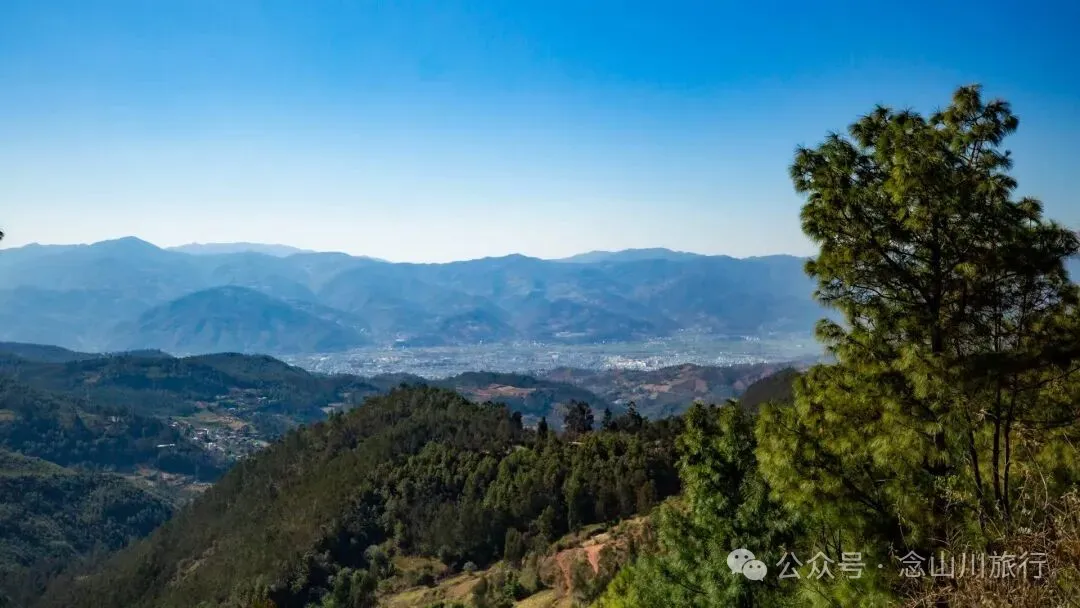
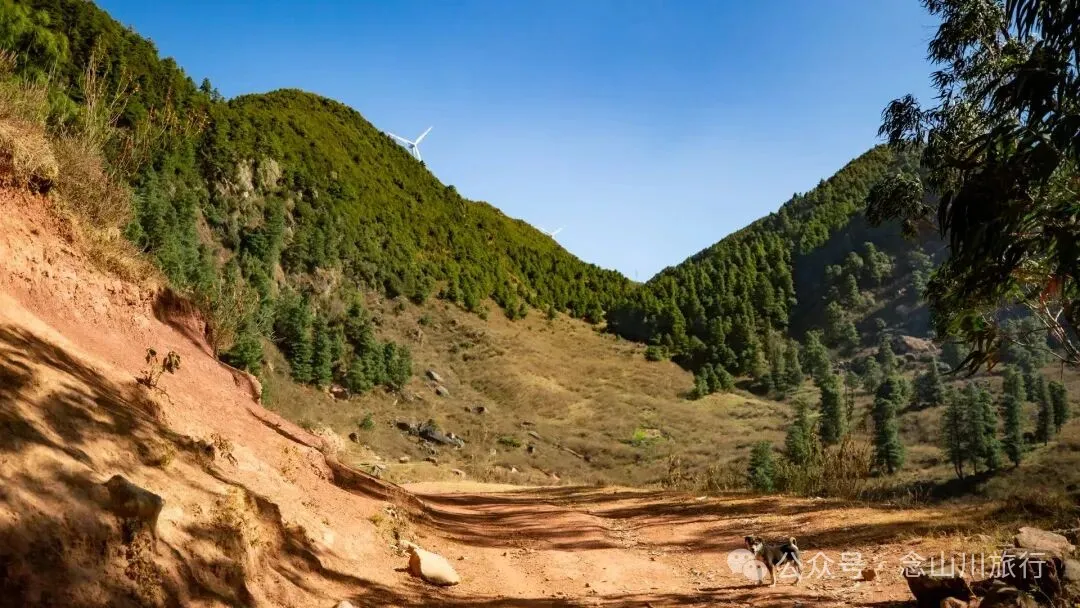
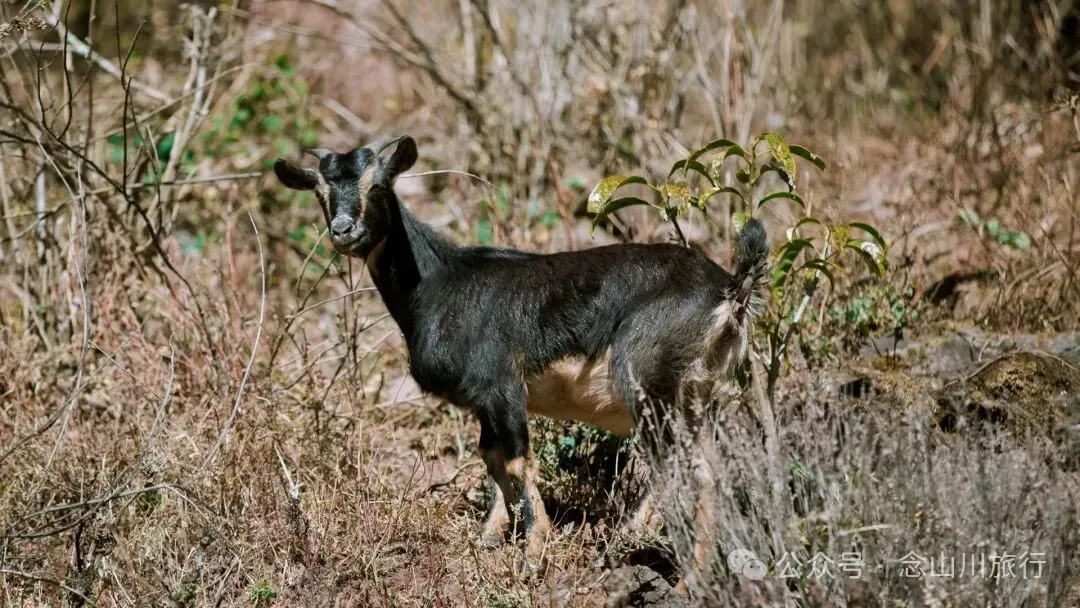
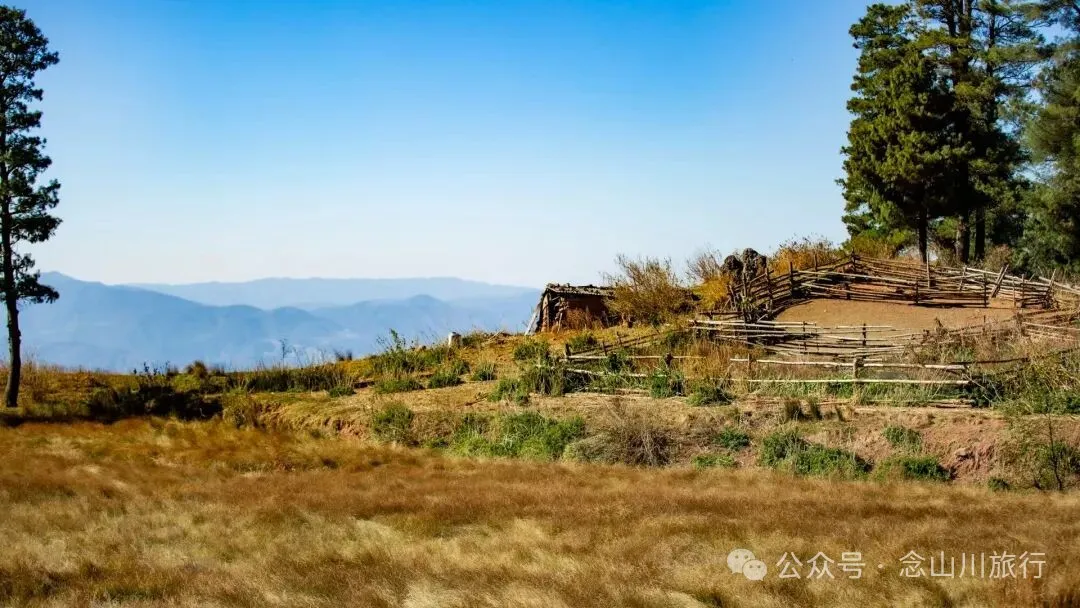
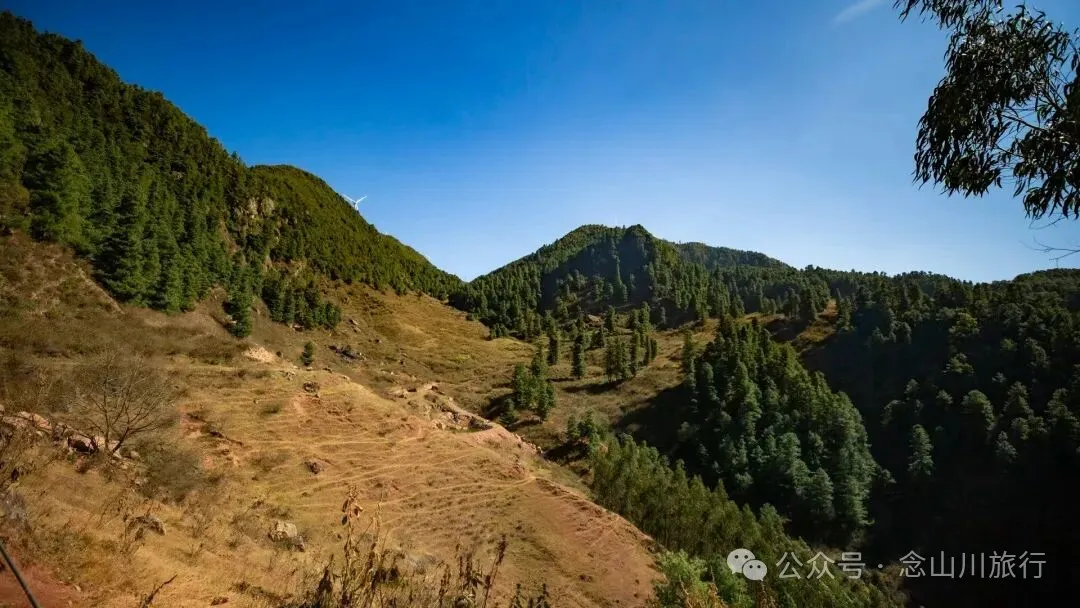
This seems to be a pasture in Weishan forgotten by herders, and the sheep have been forgotten here too. Last August, there were several wooden troughs lying haphazardly on the bare ground trampled by sheep. Months later, the troughs remain in the same spots, without any sign of movement, and not a drop of water inside. It seems no herder has visited in months, leaving the sheep to fend for themselves.
For some reason, the sheep still refuse to stay on the grassy slopes, preferring instead the steep, rocky piles where shrubs seem to win their favor, and where they can easily hide their tracks. If not for their bleating, I would have thought they had been driven back to the village, temporarily leaving this winter pasture in Weishan.
The number of sheep is much smaller than in summer, and their wool is dusty gray, like most creatures on earth this season. When they encounter a stranger, their timid eyes reveal anxiety and anger, as if blaming the intruder for disturbing their peaceful foraging. After a brief stare, they run off without looking back, leaping into the tall bushes.
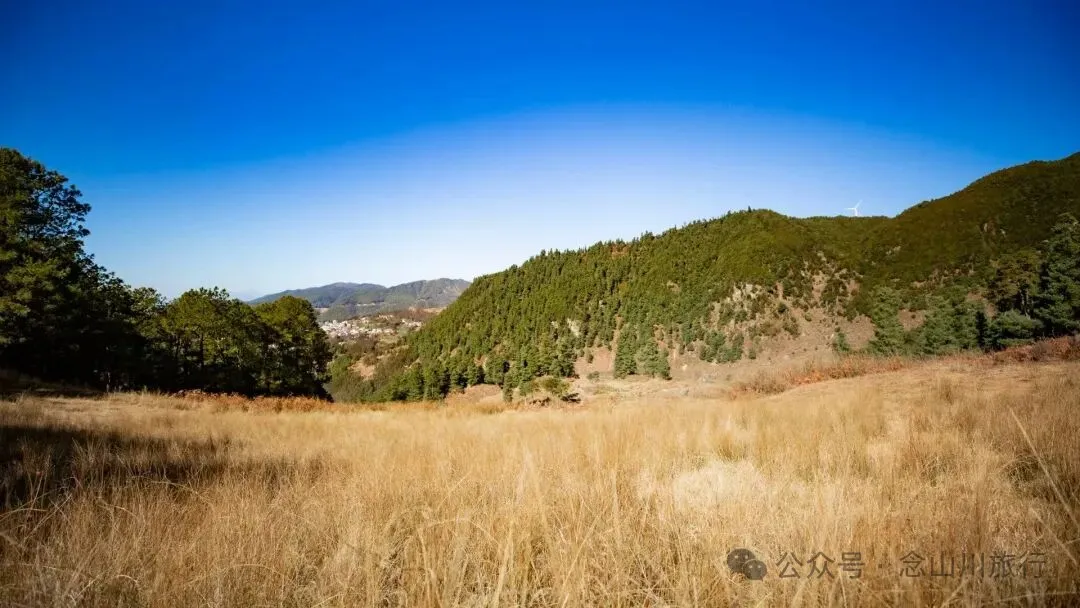
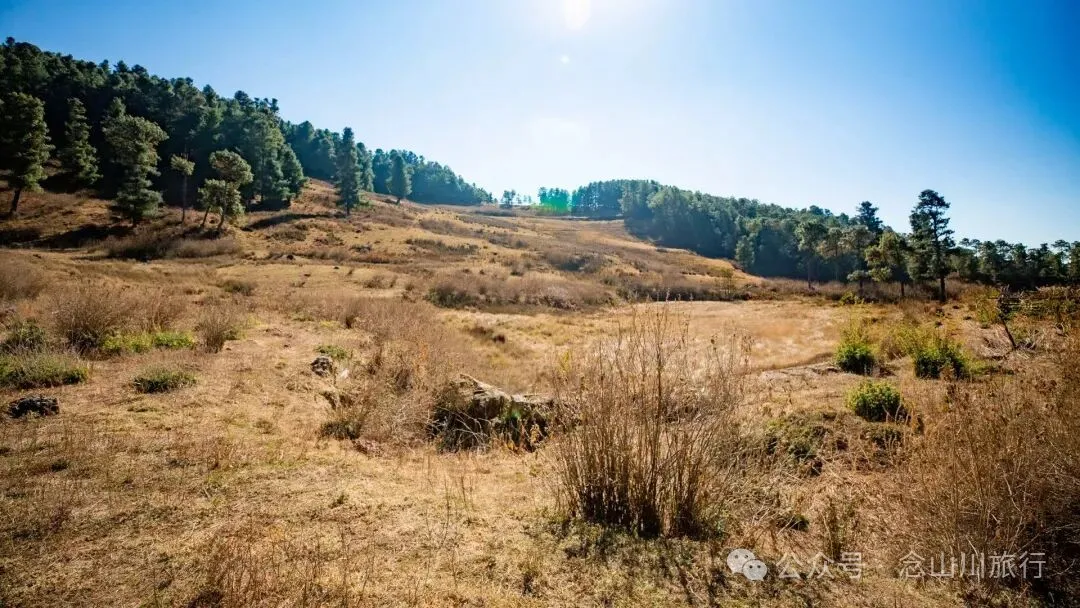
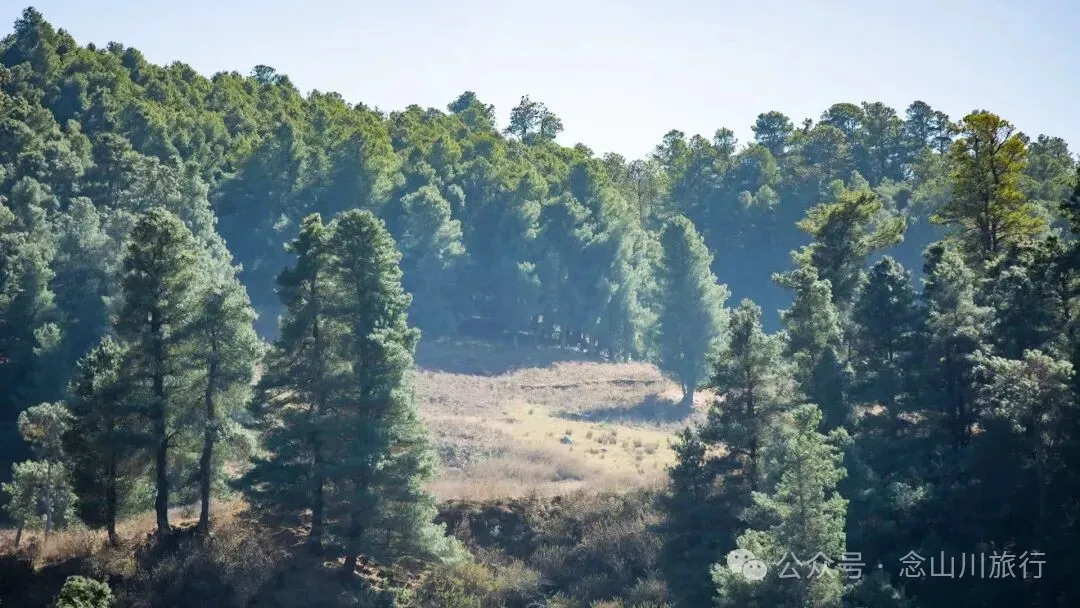
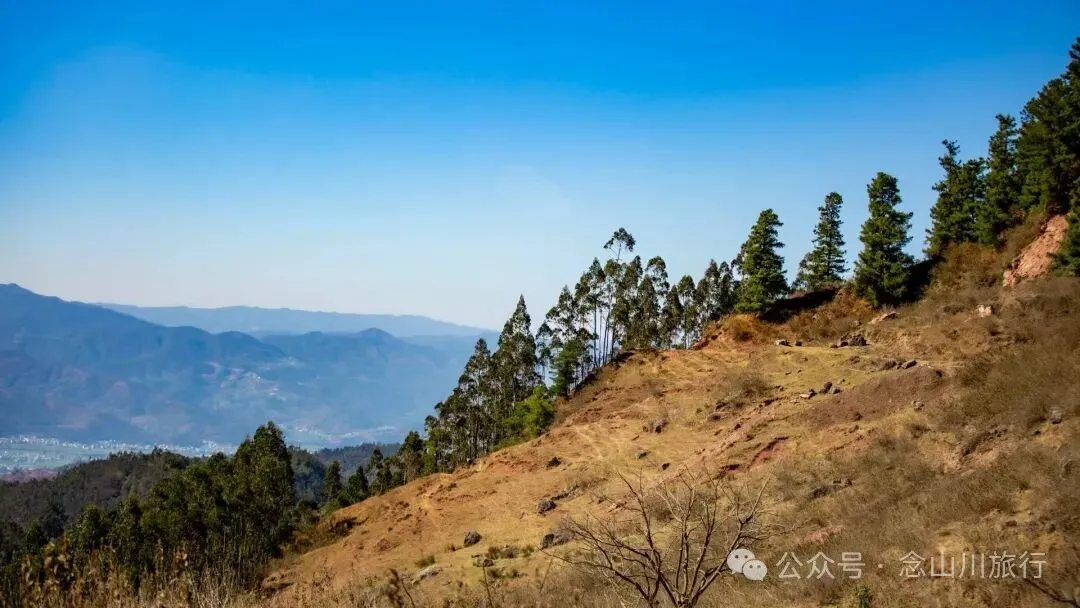
The wild grass on the winter pasture has turned the same withered color as the soil, crunching underfoot like a protest. The star-like wildflowers of summer are long gone, becoming nameless things lumped together as weeds. They rarely keep their names for long, especially those rare, unknown wildflowers.
In summer, I found over a dozen wildflowers here, but could name only four or five. The rest I didn't recognize, nor could I identify them, so I ignorantly called them wildflowers. Now, their blooms have rotted into mud, and their stems are indistinguishable from yellow grass, so I must call them weeds.
Desolation spreads across the pasture. Only the thistles retain a rare hint of green, but they have withdrawn their long, thick flower stalks from summer, leaving only a few coarse, spiky leaves hugging the ground, hidden among the tall grass. If someone accidentally steps on them and lets out a sharp cry, you'll know their exact location. I wonder if this is why the sheep avoid the pasture.
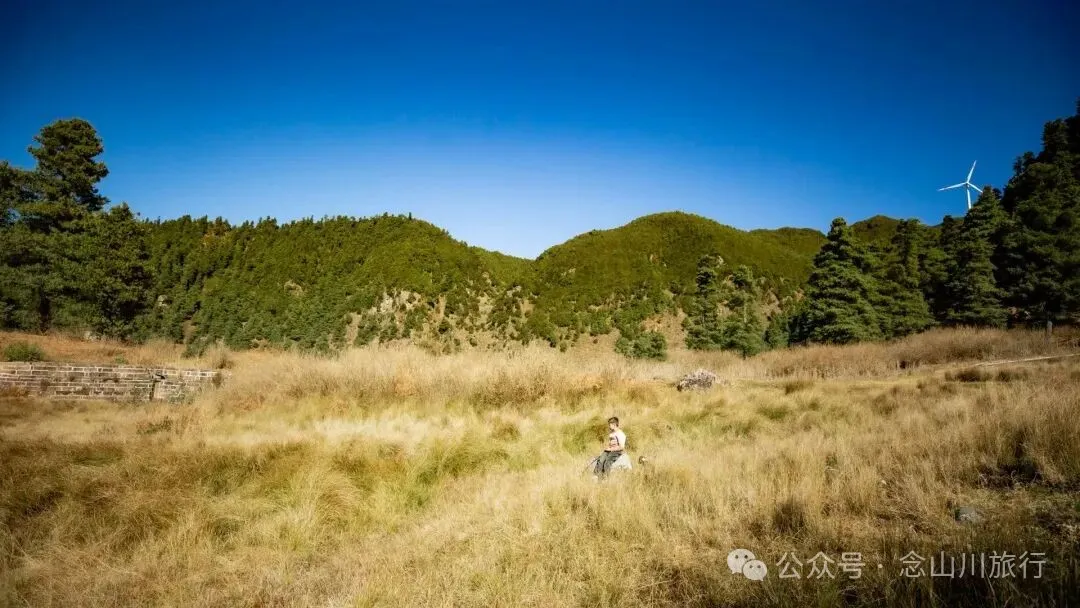
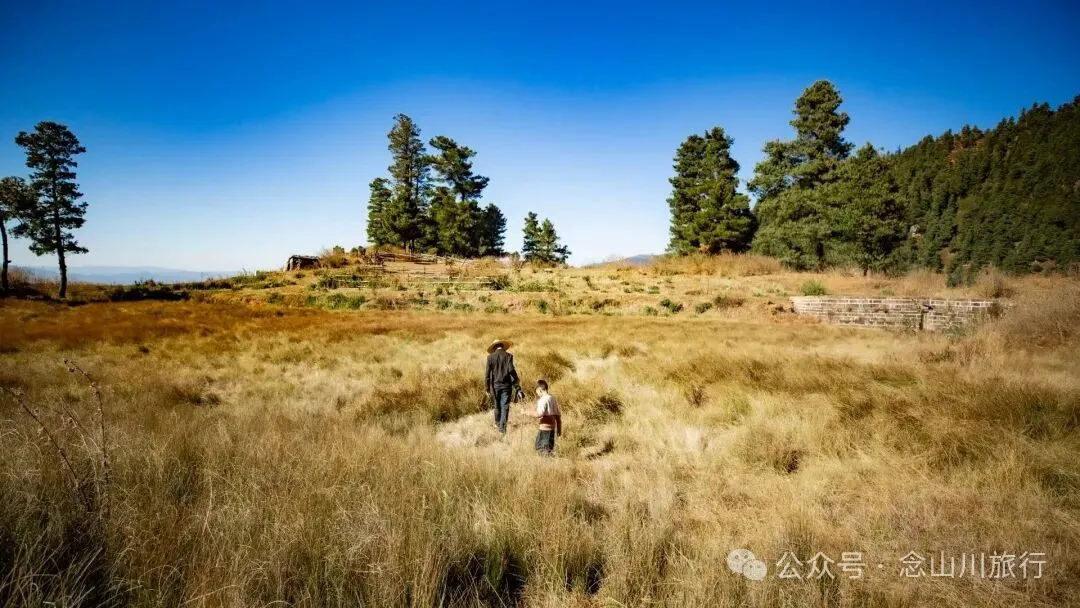
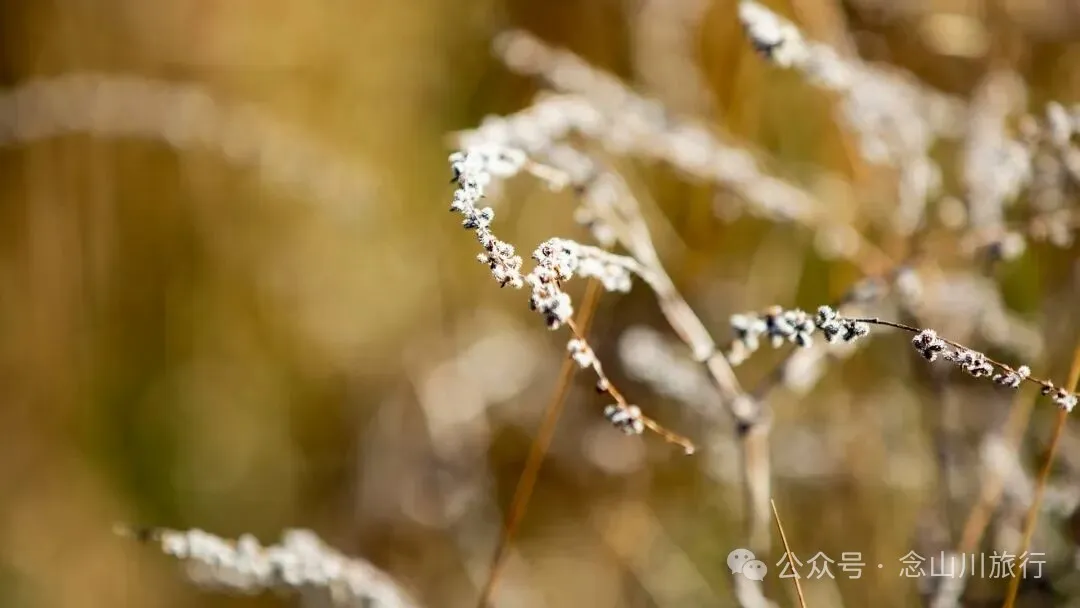
At the edge of the pasture lies a depression filled with silky, supple sedges. In summer, there was much standing water, and the soil was soft like a marsh—I thought it was due to the rainy season. But in winter, the drought has lasted four or five months, with long sun exposure. Though no water is visible on the surface, the sedge roots retain excess moisture, and stepping on them squeezes out water.
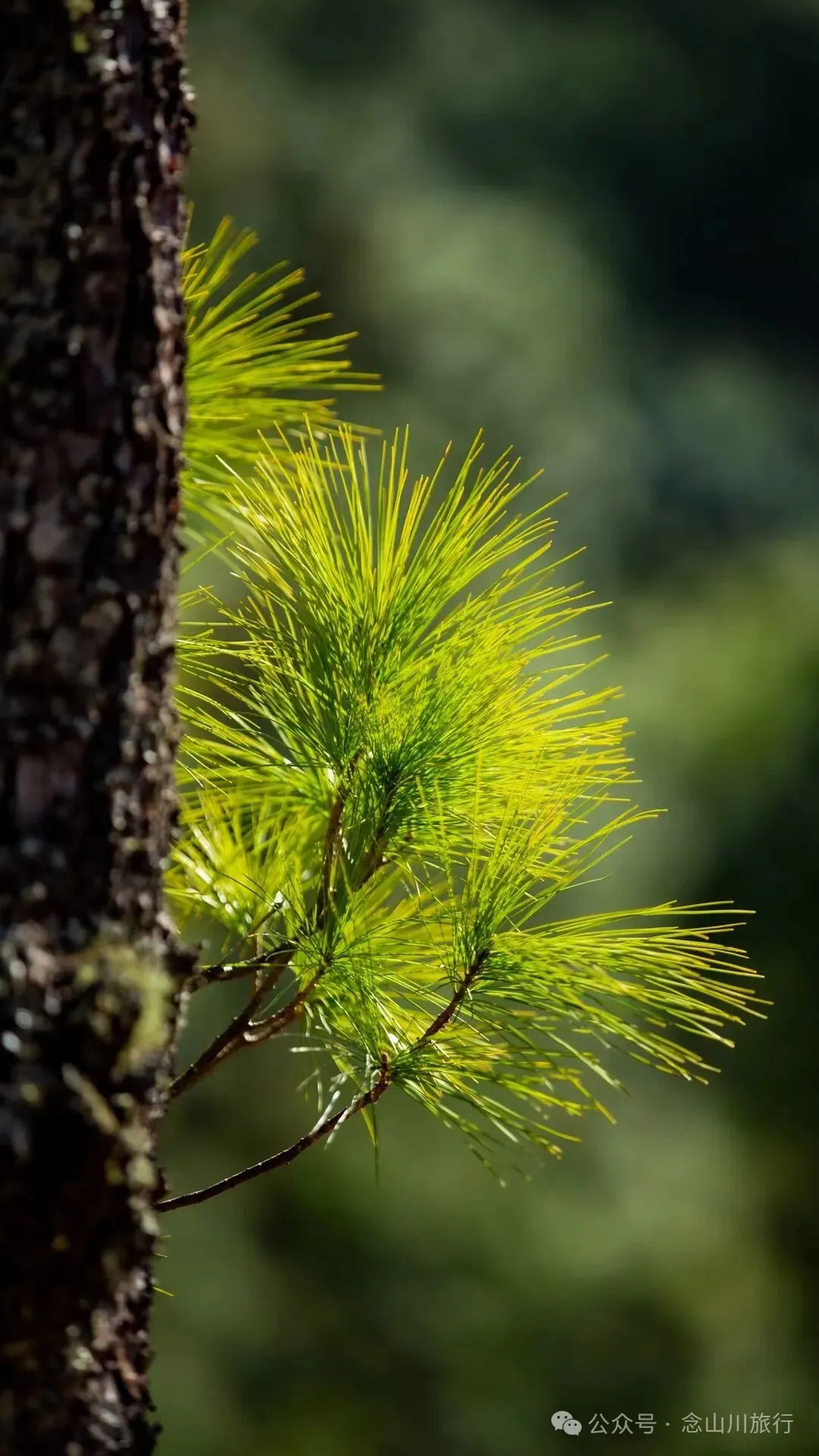
Several thin streams flow from the higher pasture, never ceasing even in winter, trickling from the distant woods and slowly converging into this depression. I suspect there must be mountain springs somewhere in the woods, perhaps more than one. I longed to head into the higher pine forest to investigate. Tracing the source of a stream is fascinating to me; I could spend hours crouching beside a clear spring as it bubbles from the earth. But this time, I had no time for such pointless yet enjoyable activity. The wind and sunlight on the pasture were gentle, and I preferred to sit in the knee-high grass, basking in the sun and breathing air free of dust.
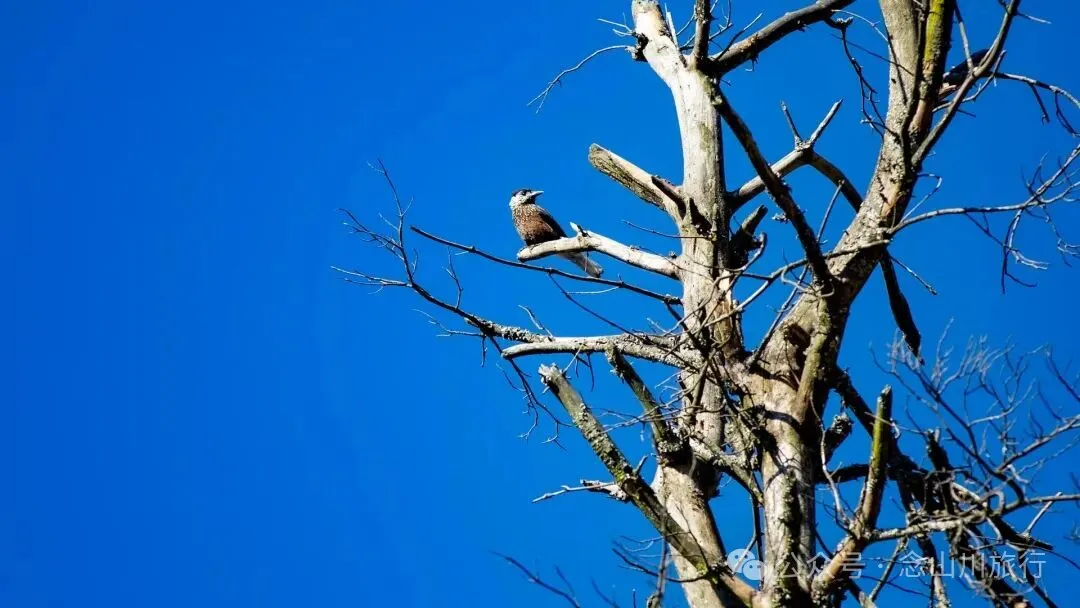
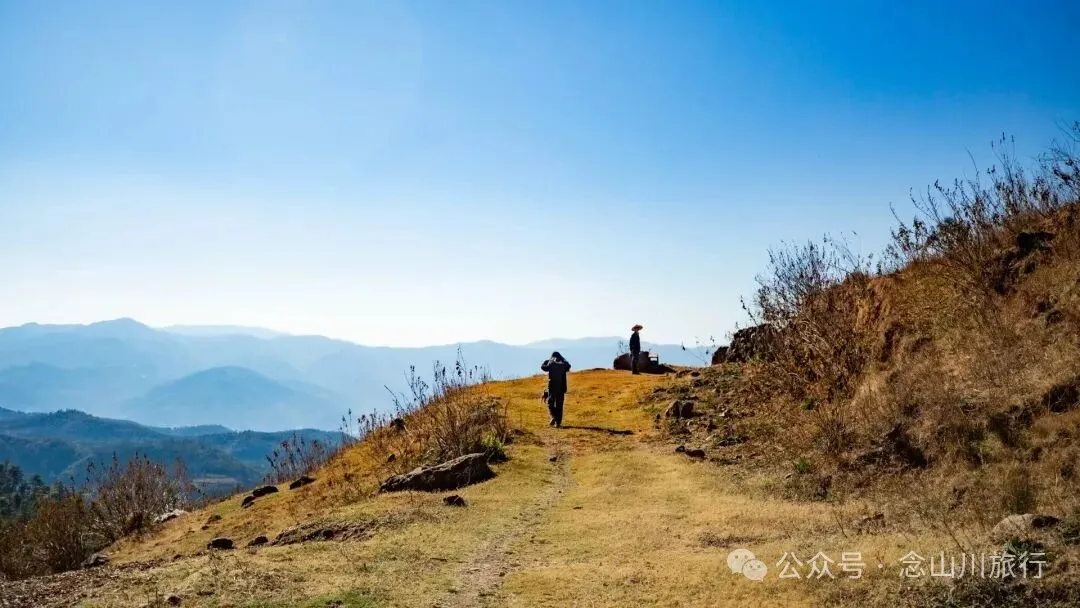
A clear path runs through the pasture, connecting to a wider dirt road behind the village. I only discovered this sheep trail hidden among the boulders as I left the pasture, following it back to the main road. Passing a withered tree, I saw two mountain birds perched on a high branch, singing crisply. Their small bodies were obscured by thick branches. The children tried to scare them off to see them fly, but the birds remained unmoved, instead letting out strange calls as if mocking us. One spread its wings and flew away; the other shifted to a thinner twig and continued its proud, undisturbed song.