
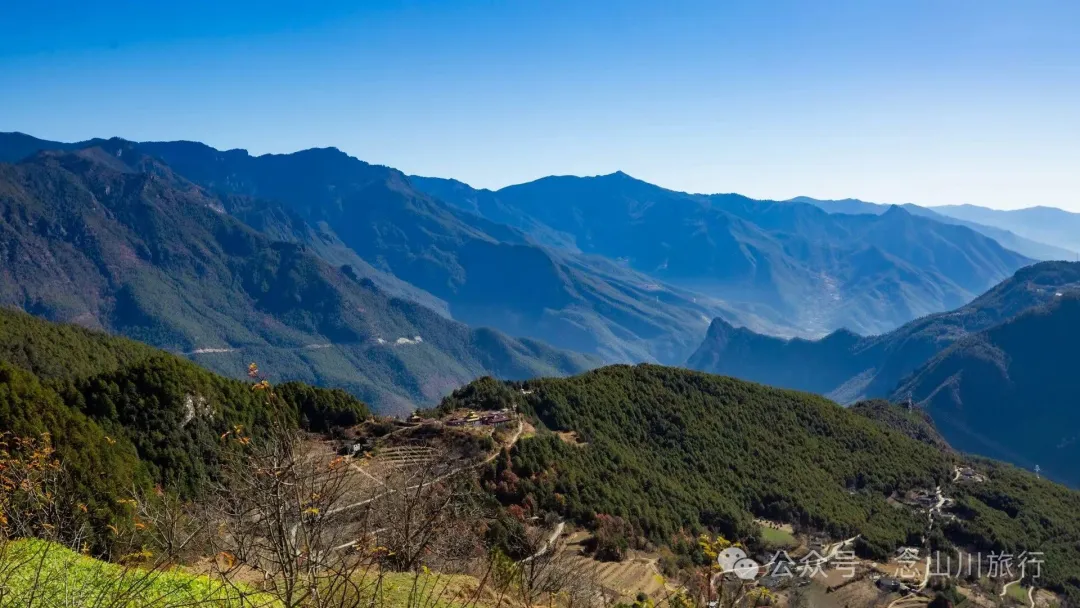
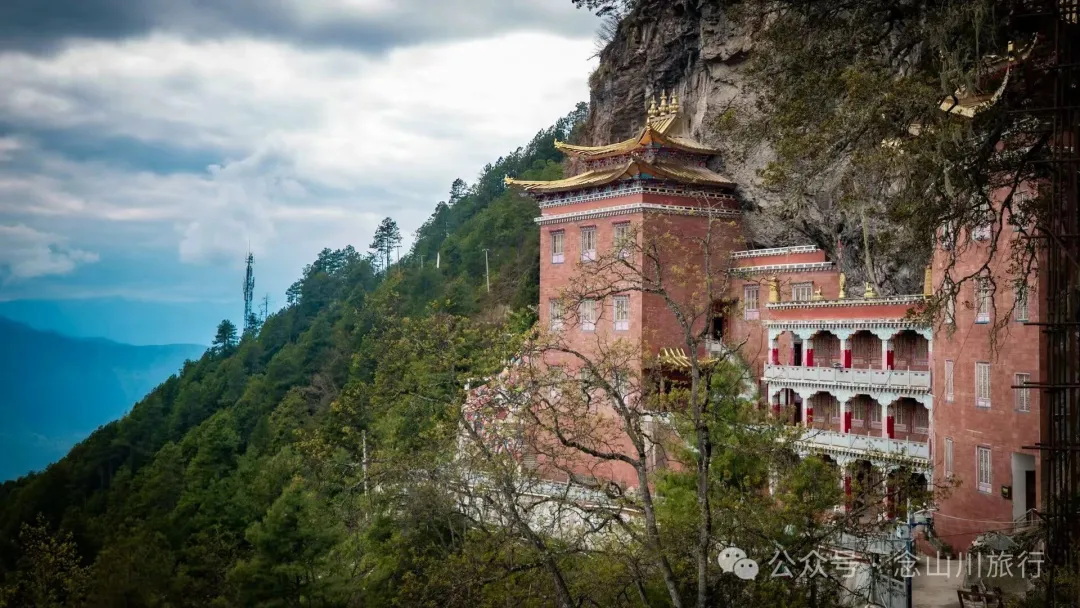
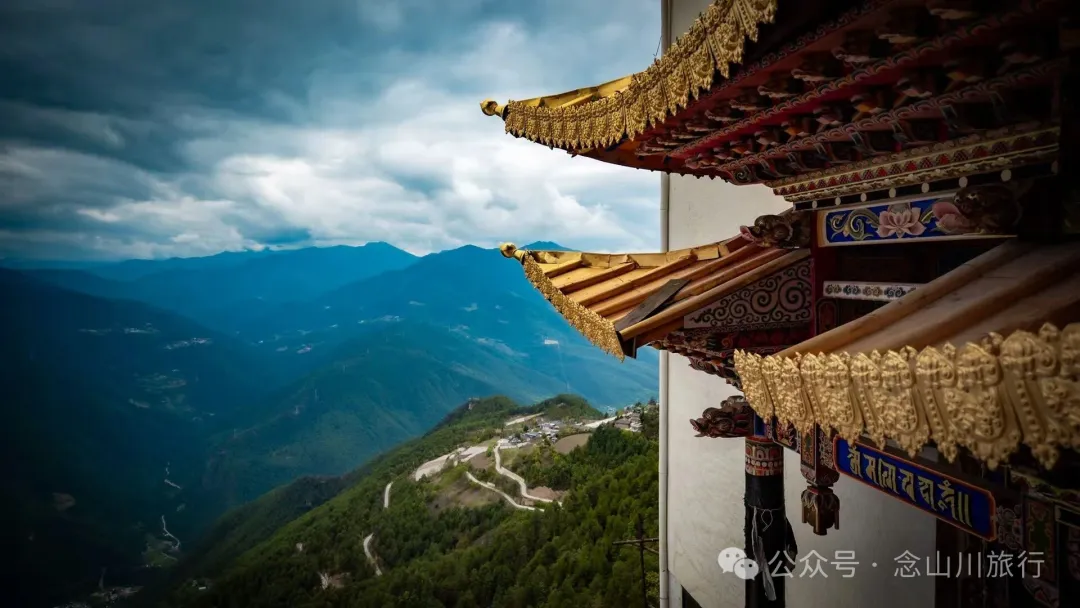
Standing on a higher slope of Bazhu Village, one can gaze northward at the Dharma Mountain, which resembles a seated Buddha—the steep mountain that supports the Damo Patriarch Cave. Not only do many monks from the village practice here, but villagers also brave the long and perilous journey to circumambulate and worship.
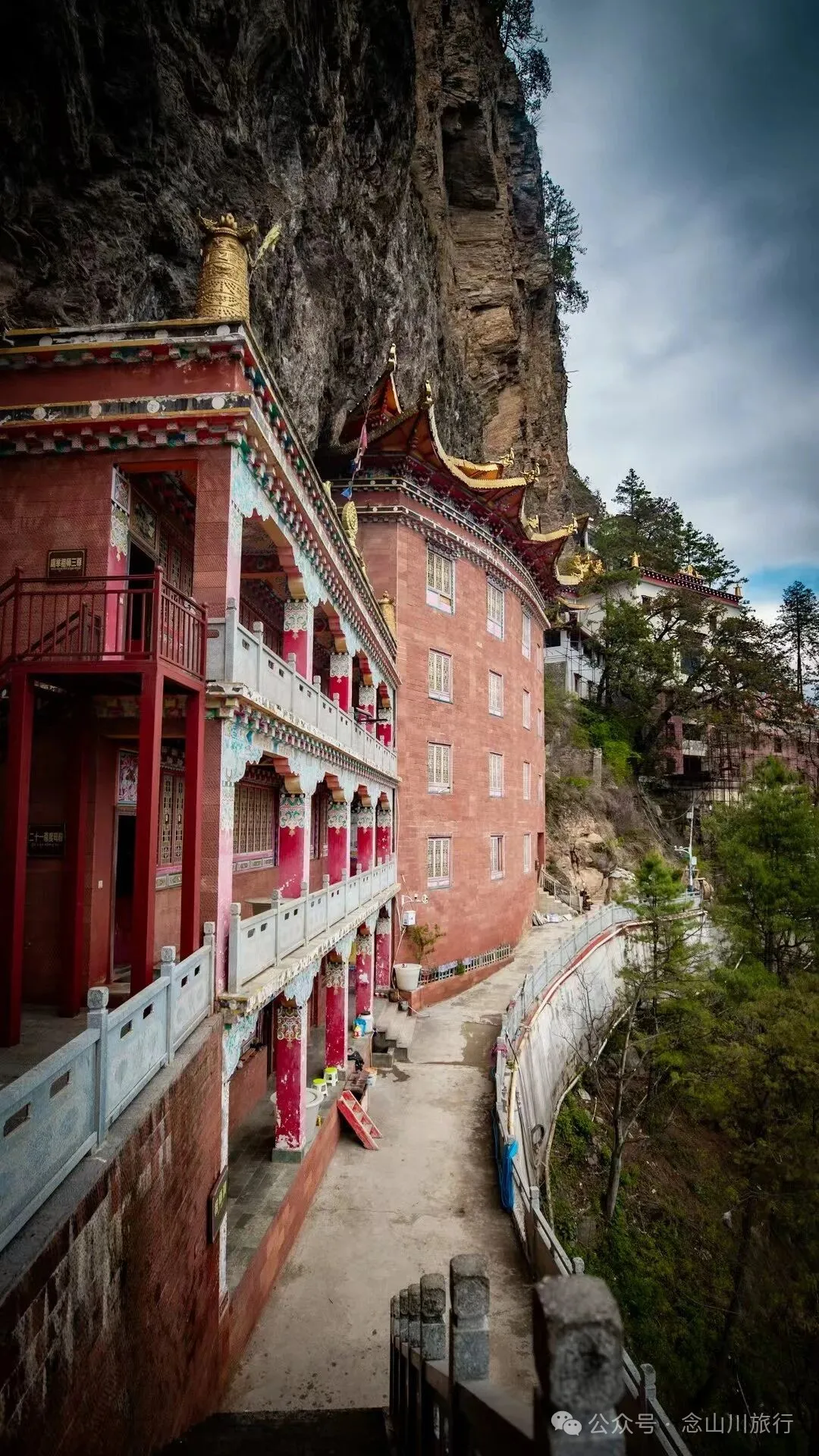
The Patriarch Cave was originally a natural cave 30 meters high and 10 meters deep. Legend has it that the Indian monk Bodhidharma meditated facing the wall inside the cave for over ten years, hence the name "Damo Patriarch Cave." During the Qing Dynasty, monks and devotees began to build wooden structures and carve stone here, constructing sutra halls and meditation rooms. After centuries of continuous renovation and expansion, the Damo Patriarch Cave has become the magnificent structure seen today.
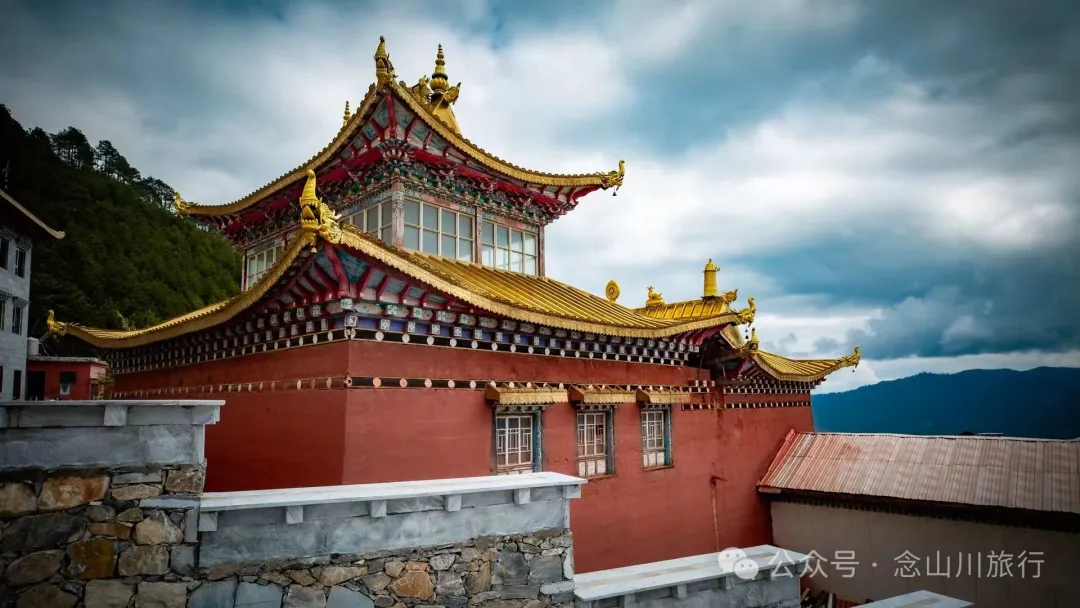
The main building of the Damo Patriarch Cave is a five-story pavilion with red walls and yellow tiles. Built against the perilous mountain cliff, it stands towering and majestic, appearing from a distance like a suspended castle in the air, awe-inspiring. Entering the grand and solemn hall, the intricately carved brick-and-wood architecture and mural art create a striking visual contrast with the rough natural rock, allowing visitors to freely wander between artistic refinement and natural simplicity.
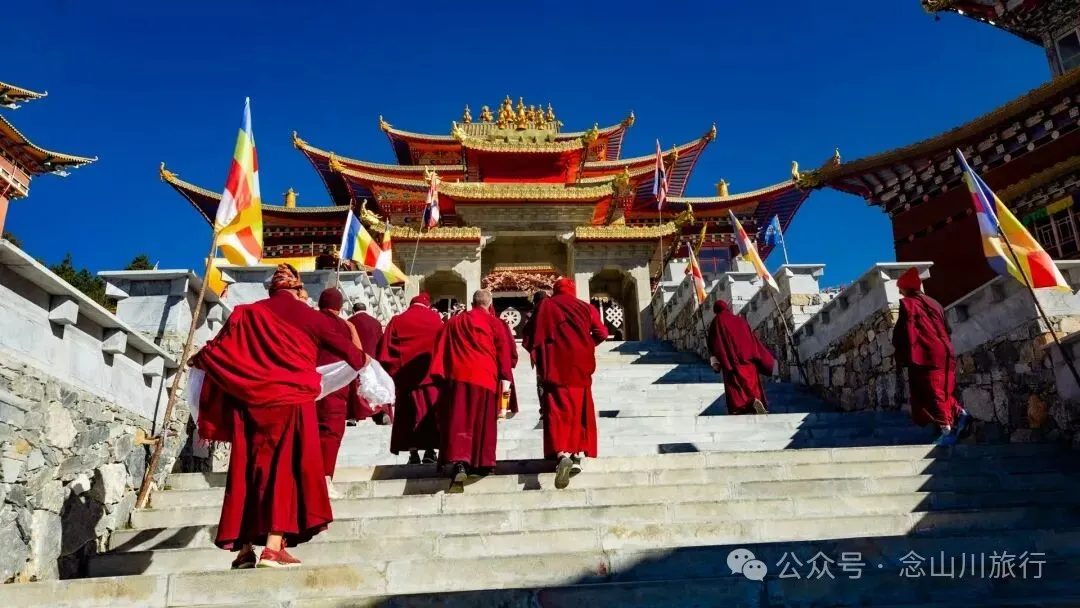
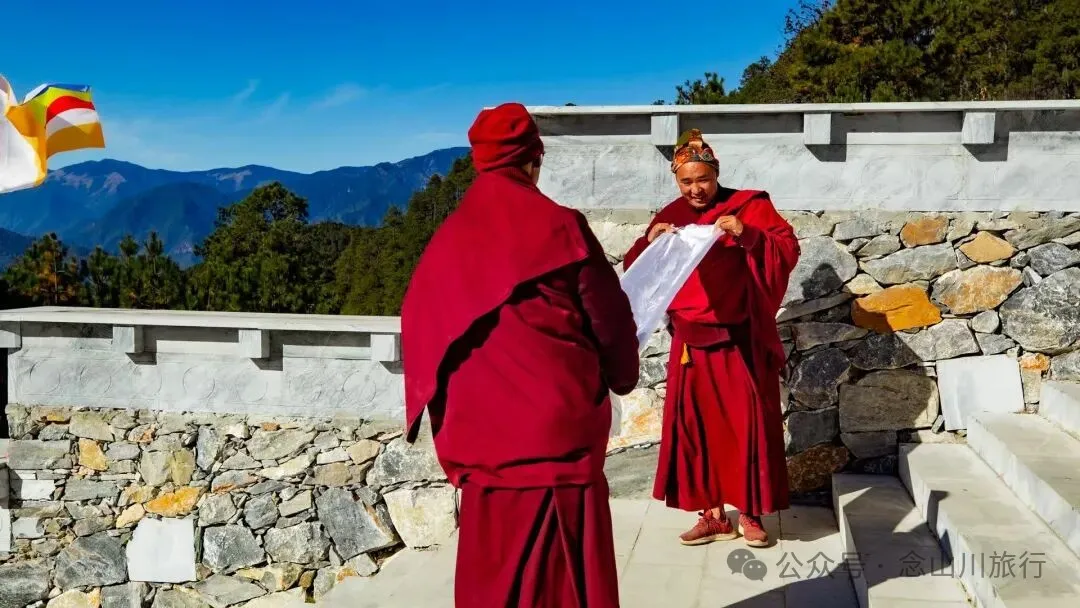
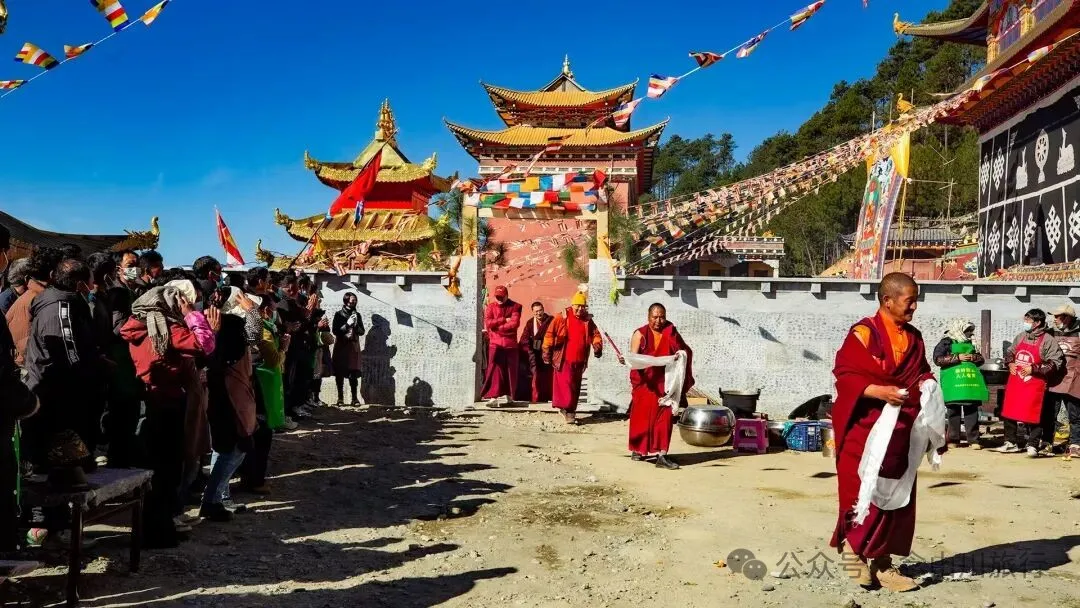
In winter, the golden roof of the Damo Patriarch Cave shines even more brilliantly under the azure sky. The prayer flags flutter in the mountain wind, rustling loudly like the deep, resonant chanting of monks. Master Gongqiu Shiluo, the abbot of Dalai Temple, was coming here to attend the transition ceremony of the Iron Stick Lama. I heard there would be a masked Vajra dance performance, which piqued my interest, so I followed Master Shiluo.
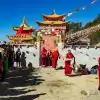
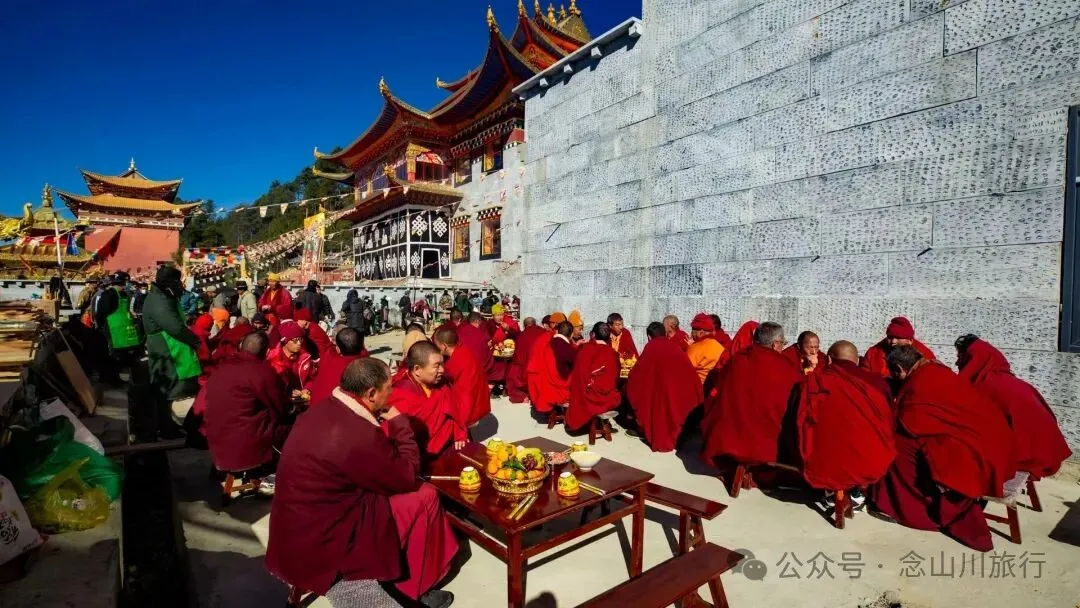
At noon, monks in red robes emerged from their meditation rooms, climbed the high steps, and sat in the bright sunlight. Every scene was so beautiful. If faith had a color, theirs would be red—like flowing blood, like flowing light, dazzling and striking, directly touching the heart. People sat at the base of the wall whispering, when suddenly all sound vanished into silence. Whether monks, villagers helping out, or tourists, everyone pressed their palms together and bowed with utmost reverence. A young monk beside me explained that three living buddhas were approaching. As he spoke, a villager prostrated on the ground, like the long prostrations seen in movies, and even observers could feel the sincere devotion flowing through.
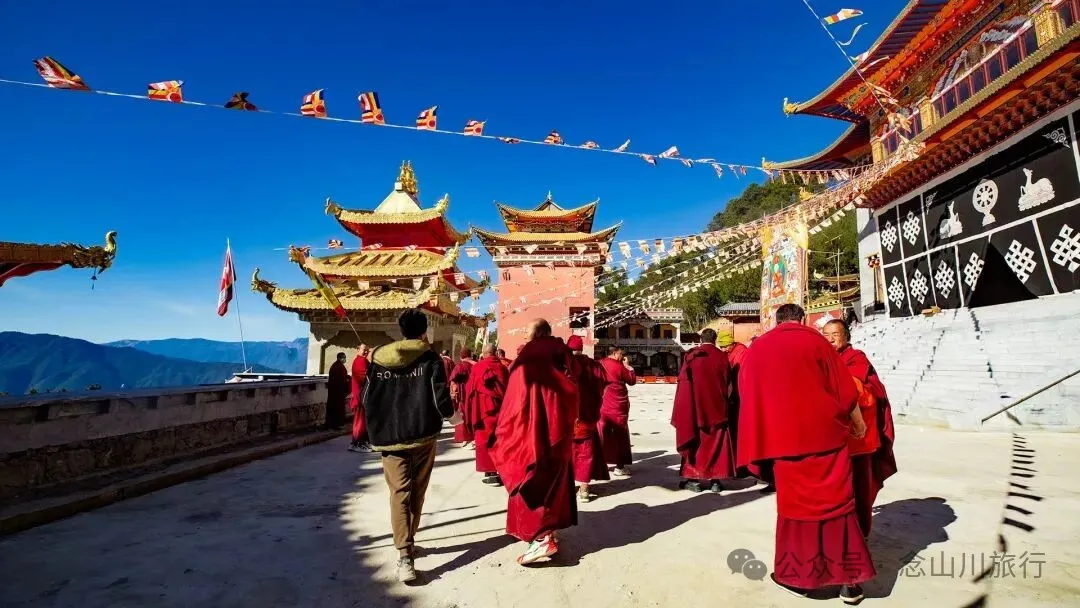
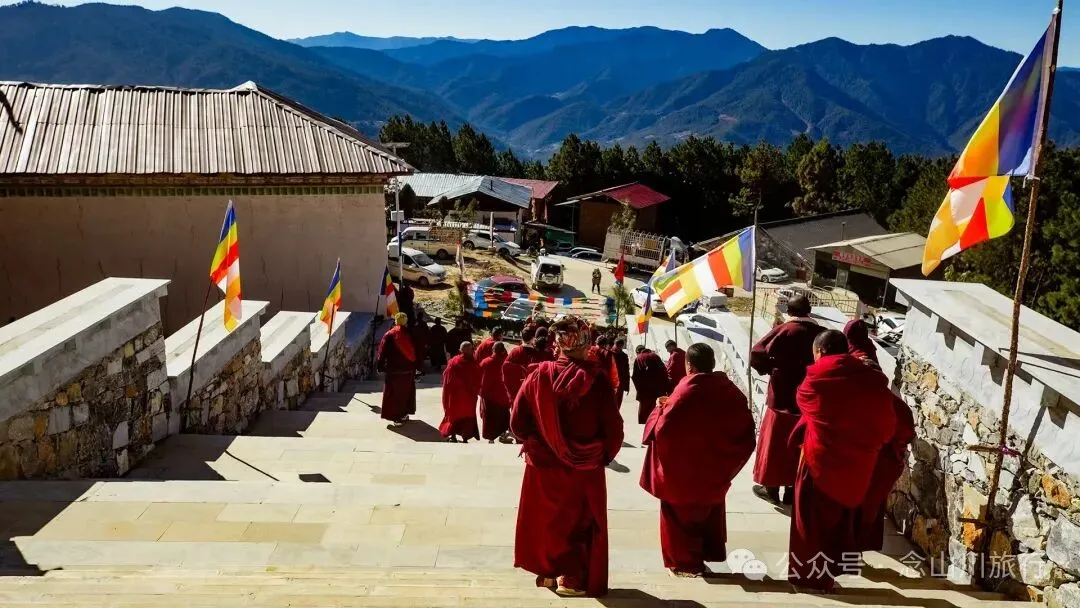
The Iron Stick Lama transition ceremony is an annual important event at the Damo Patriarch Cave. In the early morning, monks dressed in neat robes, holding ritual implements, gathered in the square before the Patriarch Cave. The outgoing Iron Stick Lama, holding the iron staff symbolizing authority, slowly walked to the center of the crowd. This iron staff is not only a symbol of office but also the embodiment of responsibility and discipline.
The new Iron Stick Lama received the iron staff from the elder, marking the formal transfer of disciplinary authority. At that moment, the entire square fell silent, with only the sound of wind rustling through prayer flags. The new Iron Stick Lama displayed the symbol of power to the surrounding monks, then struck the ground heavily with the iron staff, producing a resounding clang.
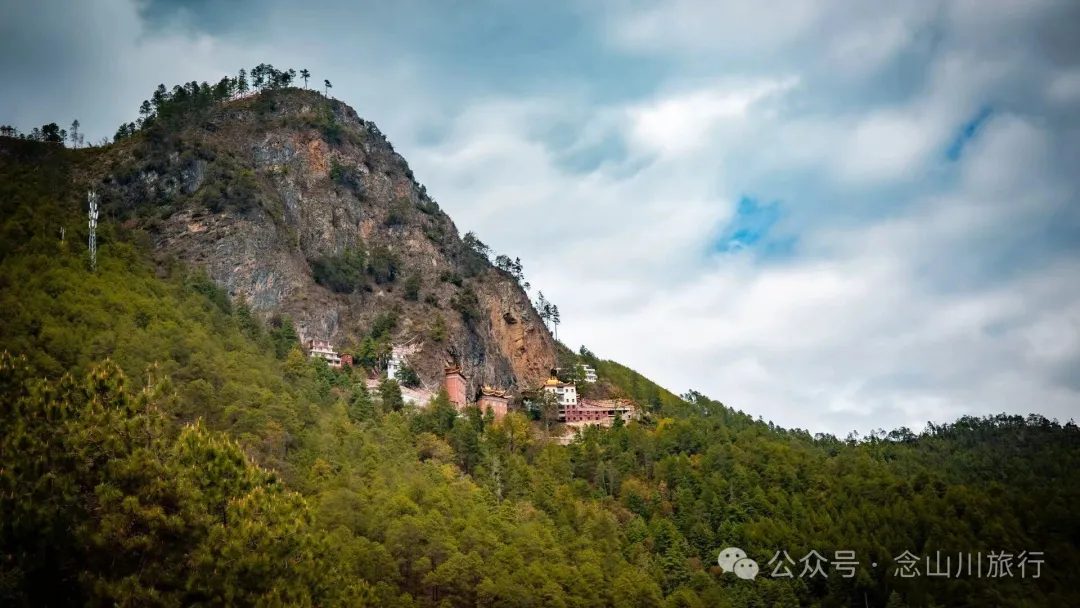
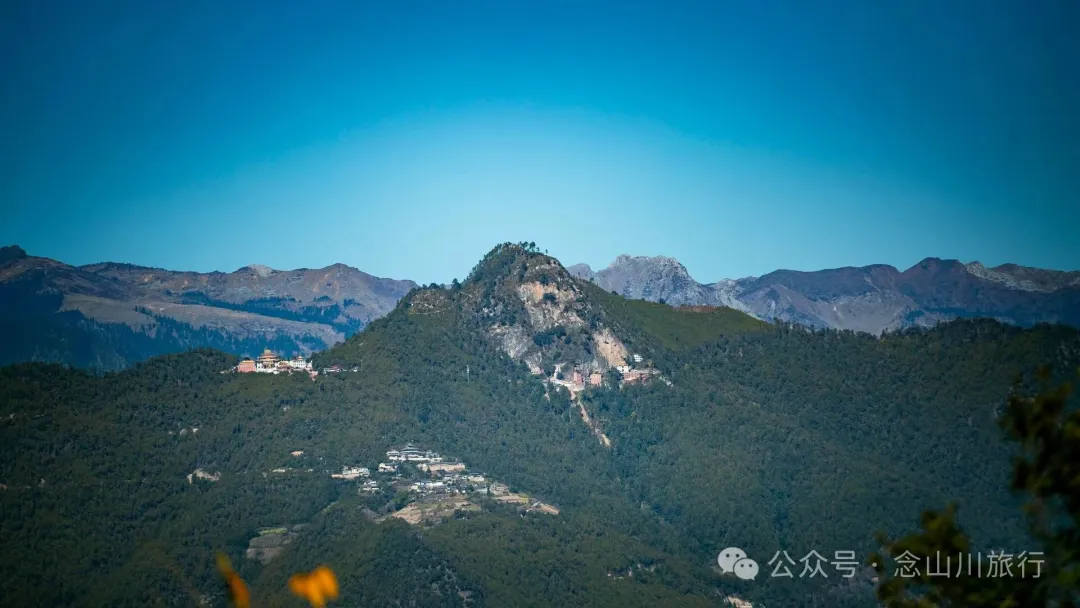
Since the Vajra dance was scheduled for another time, I missed it. I took another mountain path away from the Damo Patriarch Cave. Looking back, the magnificent towering red temple gradually shrank, eventually merging with the steep, rugged mountain, disappearing into the vast and distant landscape. But the flowing red light there always shines in the hearts of the faithful, like an eternal lamp, dispelling the confusion of the night.