
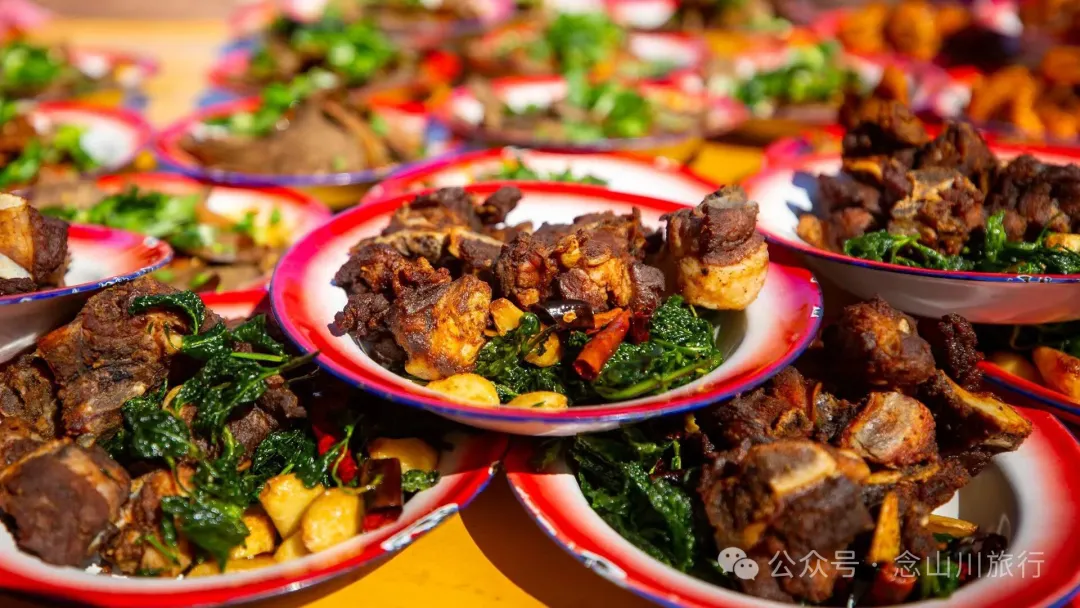
Weishan is a true food paradise. The snack festival held around the eighth day of the second lunar month each year attracts countless visitors. During that time, the streets are packed with people, bustling and lively, even more so than the Torch Festival. Everyone comes to taste the renowned flavors of Weishan, and those who try it never stop praising it. When I stayed in Bazhu Village, hundreds of kilometers away, the daughter of Sister Zhuoma highly praised Weishan's cuisine, and she couldn't forget it.
Weishan not only has a wide variety of snacks with diverse flavors, such as the locals' favorite braised pork rice noodles, one-string noodles, green bean rice cake, cold shrimp, rolled rice noodles, and various candied fruits, but its traditional dishes are also highly acclaimed. They win people's hearts with their unique flavor: fragrant but not spicy, rich but not greasy. The locals are proud of this, and no matter where they are, the taste of hometown food always evokes their nostalgia. To taste authentic Weishan dishes, a traditional Yi wedding is undoubtedly a great occasion. The main feast on the wedding day is the most sumptuous and comprehensive, leaving you fully satisfied and with a lasting aftertaste.
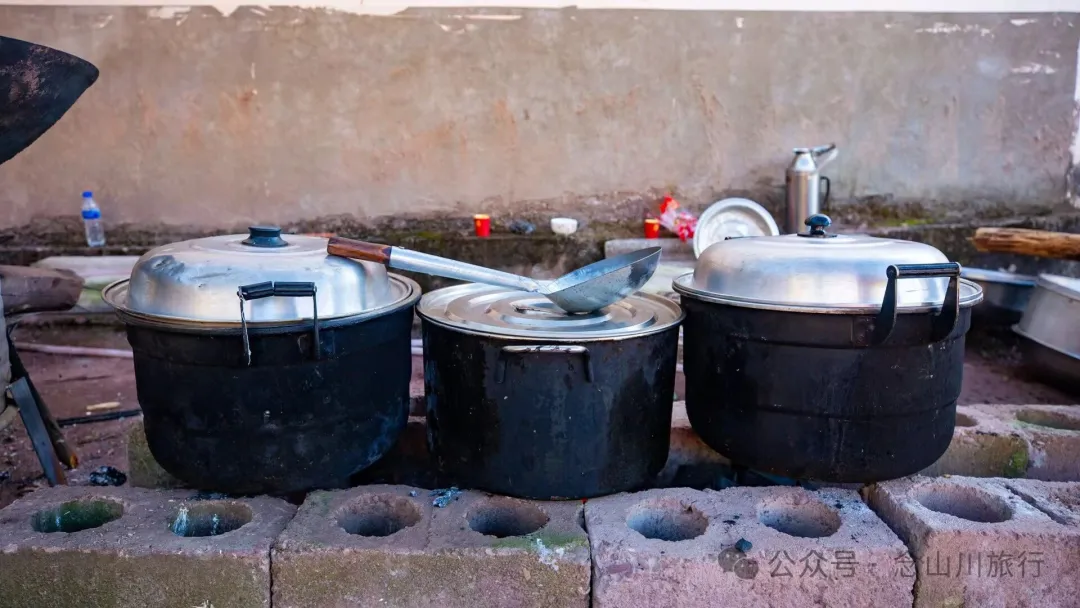
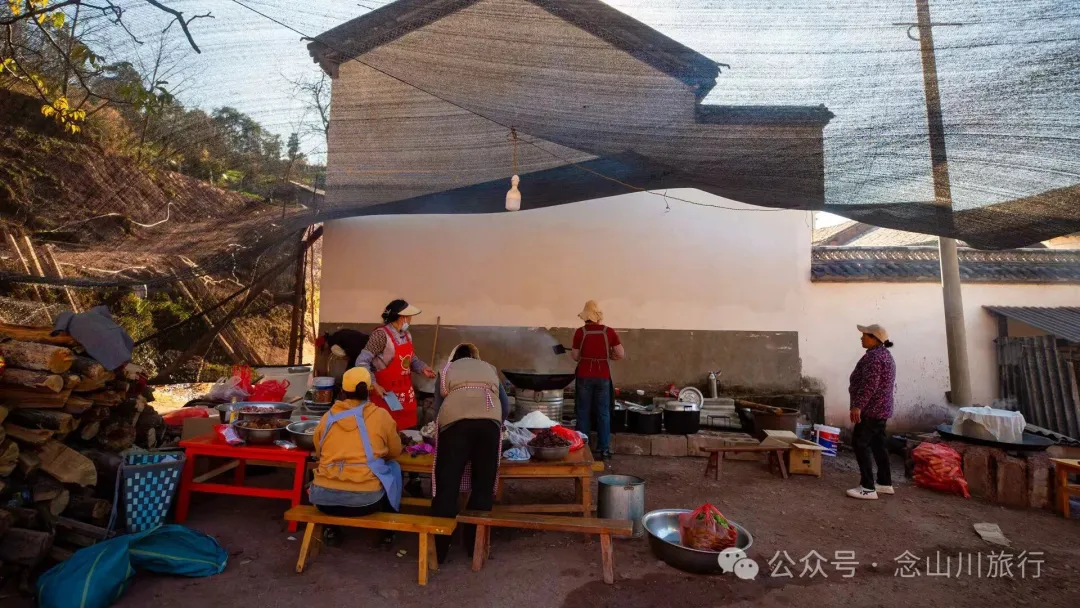
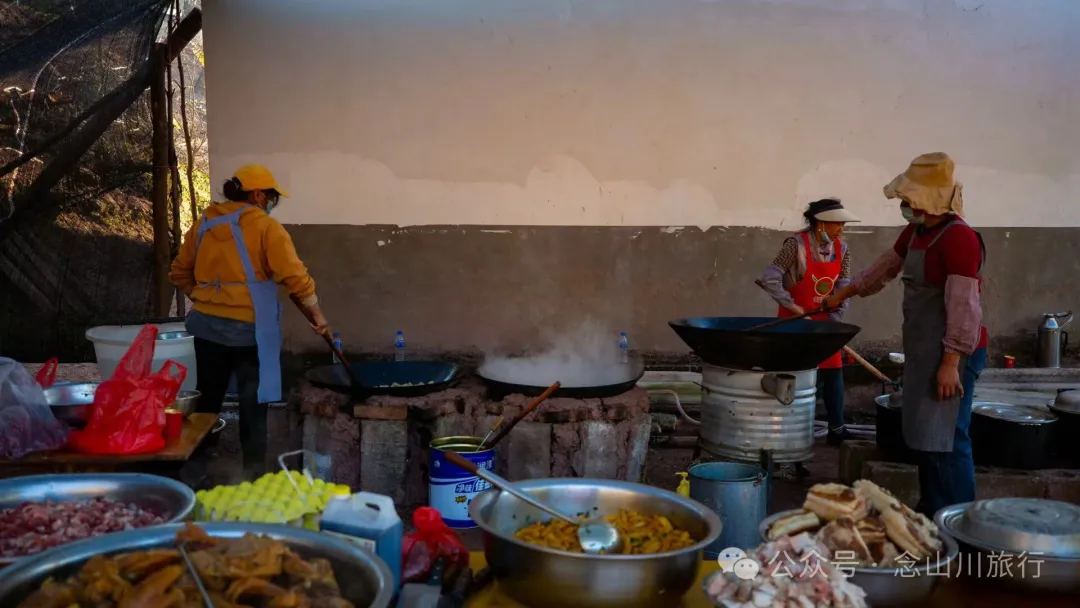
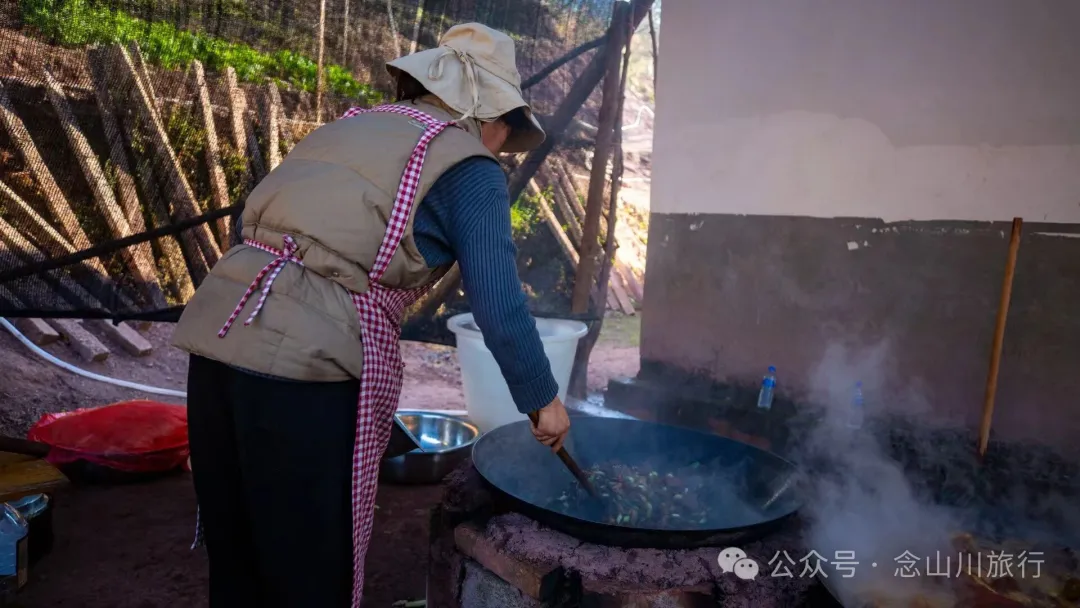
Weddings in mountain villages are always more lively. To prepare ingredients for thirty or forty tables or even more, the chefs from the village start preparing a day in advance. They set up a temporary cooking area in an open space outside the house, build a few earthen stoves with mud and bricks, place a large iron pot on the stove, and start frying, stir-frying, boiling, and deep-frying. For a simpler method, they pour some burning charcoal between two rows of hollow bricks, put a few large aluminum pots on top, and place ingredients that need slow simmering. The chefs don't need to exert much effort; they just check occasionally and leave the rest to time, remembering to add charcoal.
Preparing the wedding feast is a complex and arduous task that requires division of labor and cooperation. Two or three knife experts are responsible for cutting and preparing vegetables, while skilled cooks work busily at the earthen stoves. Different people are good at stir-frying different dishes, and they have developed good默契 through long-term cooperation, so they work calmly and with ease. A male chef takes care of a large iron pot of mutton, flipping the meat at the bottom to the top every two or three minutes with a long spatula. Cooking rice is also a skill that requires expertise, not as simple as we imagine. A specialist is needed for this task, and Azhao's mother is recognized as the best rice cooker in the village.
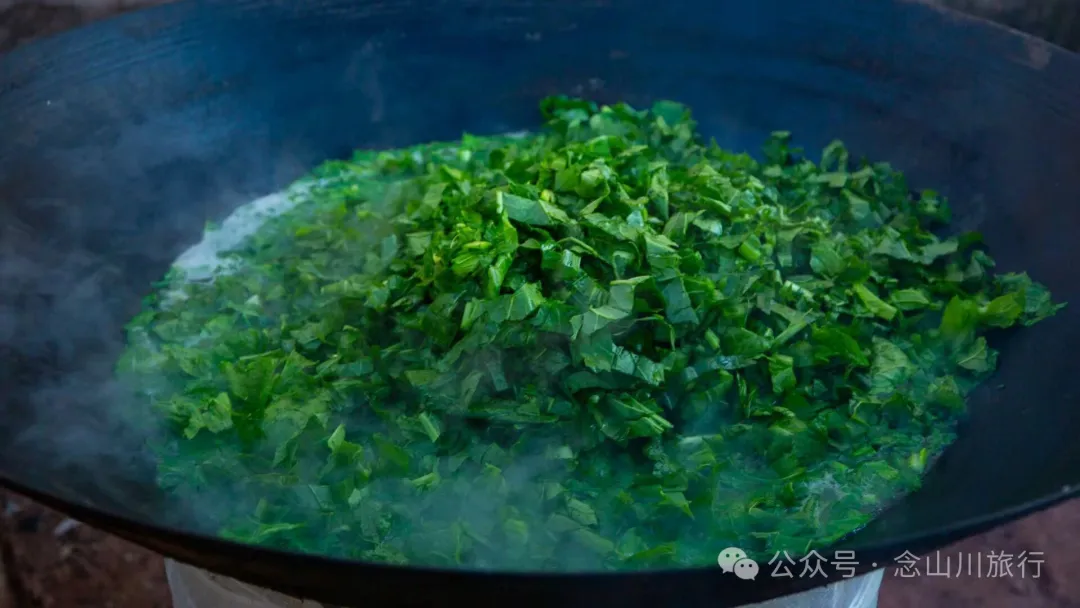
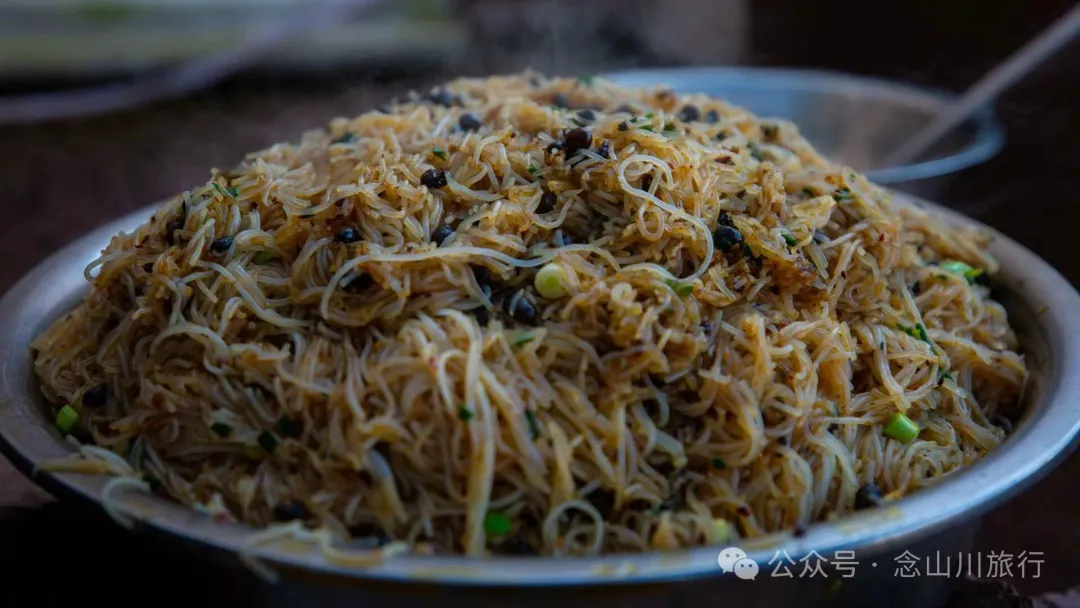
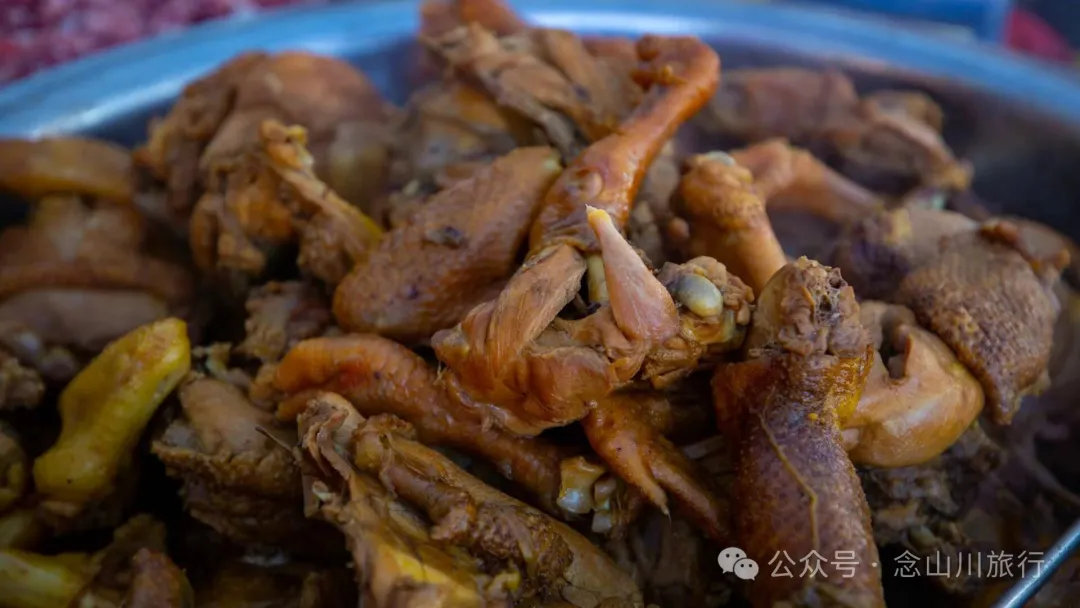
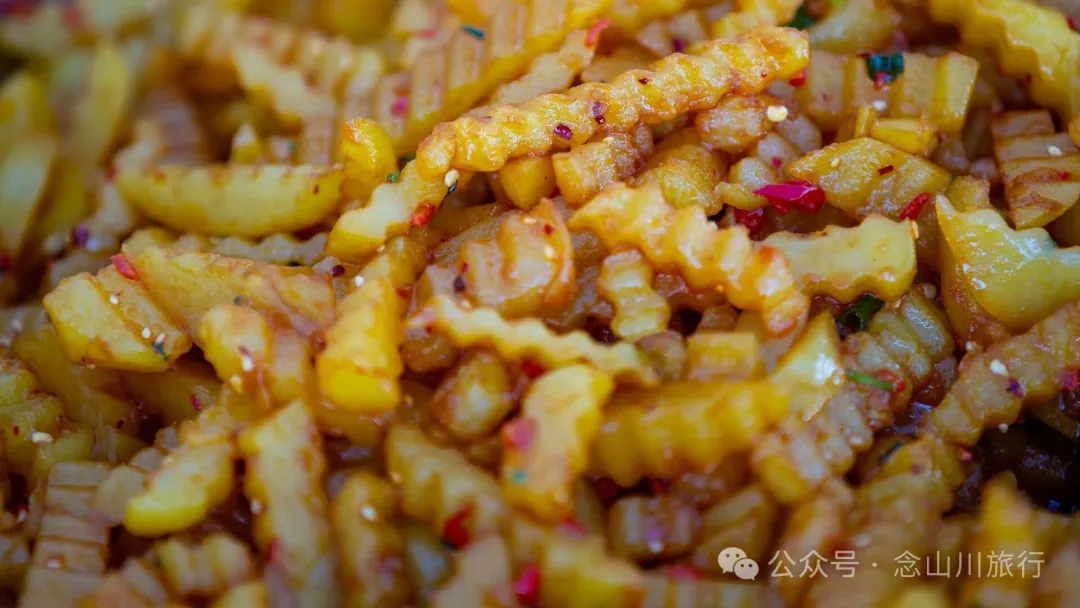
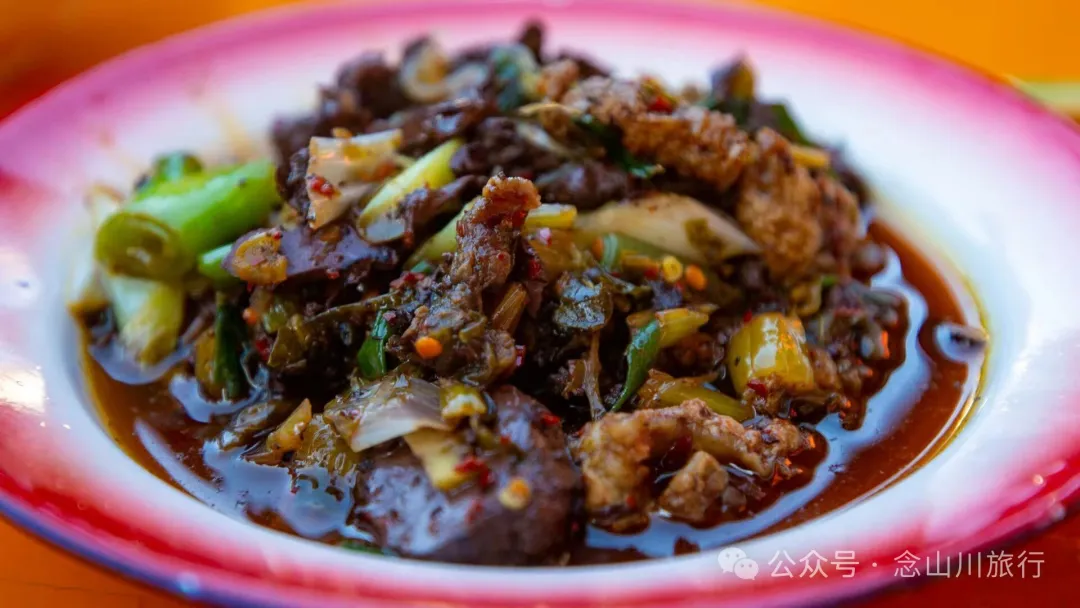
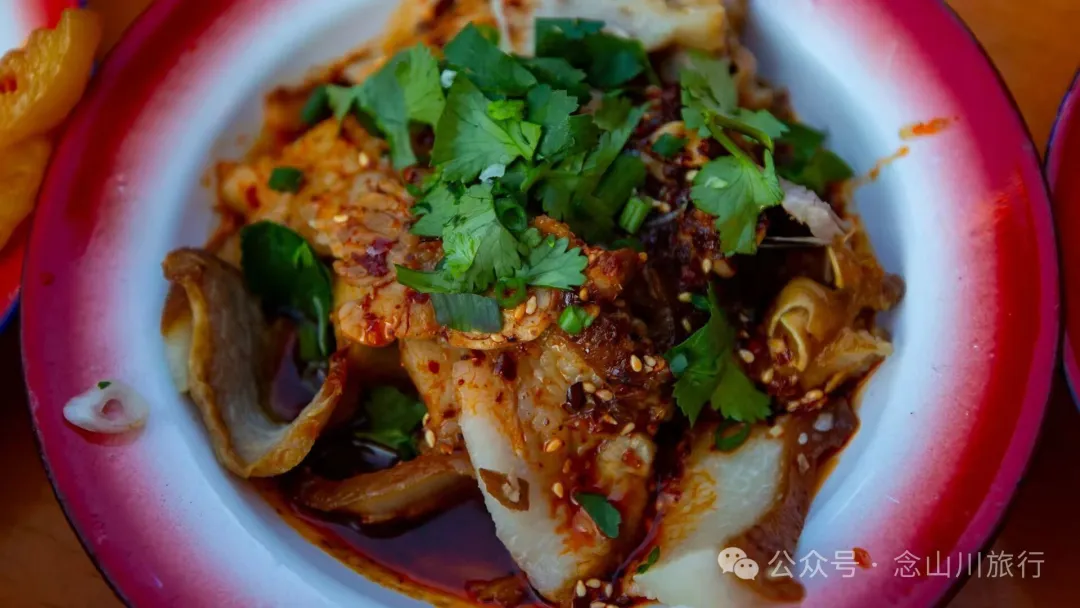
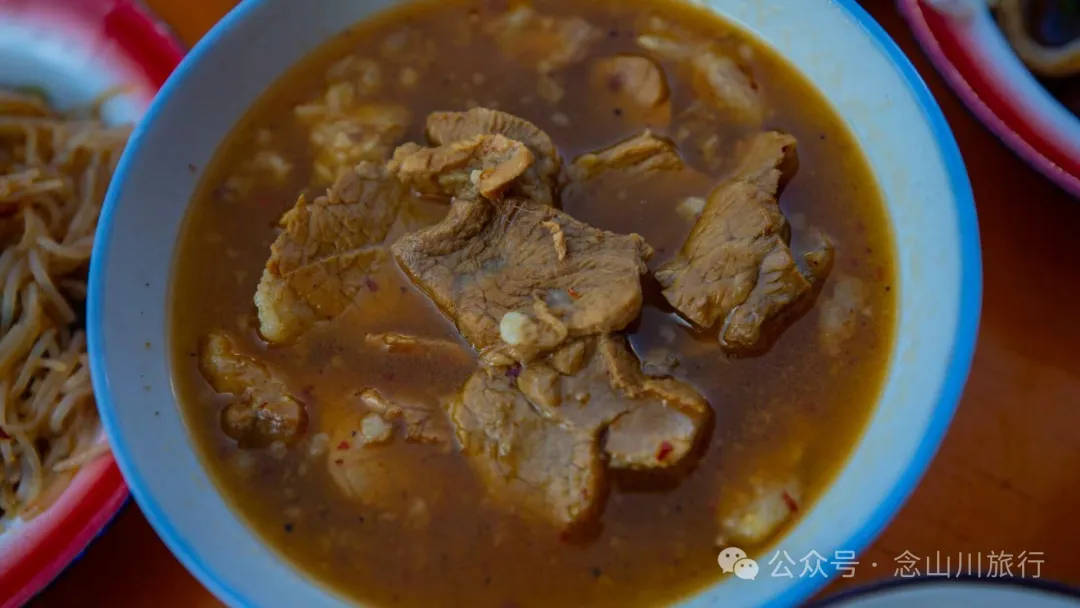
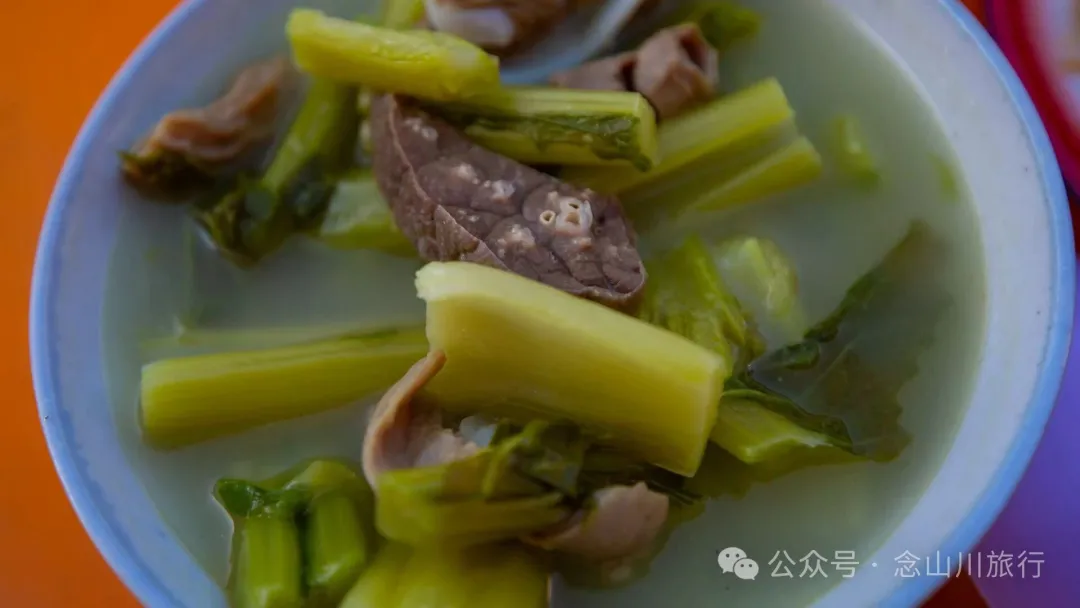
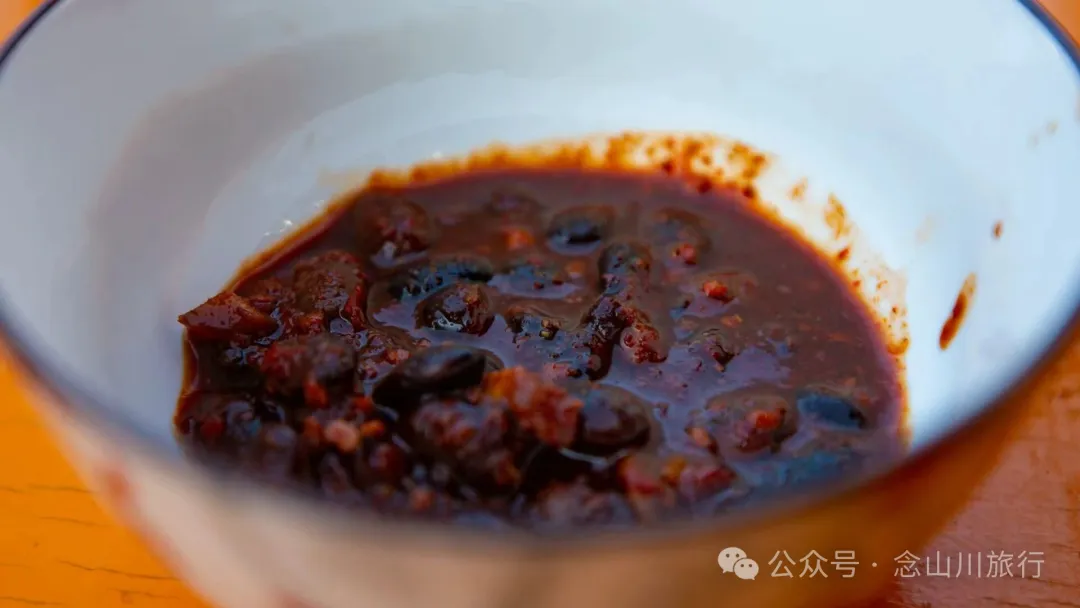
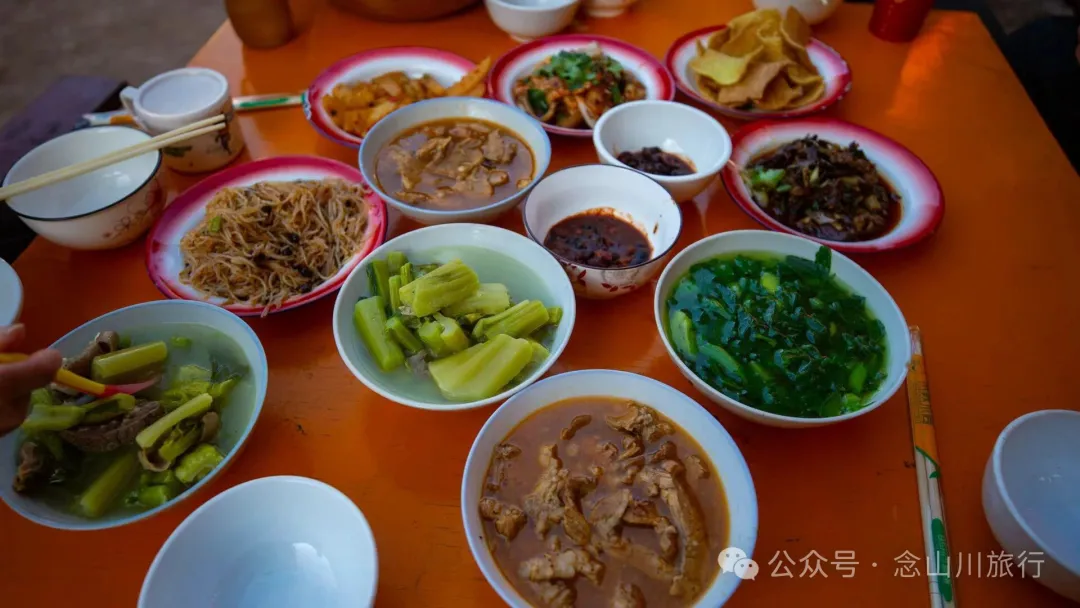
Because dishes like braised pork, chicken, and mutton that require long simmering need to be prepared a day in advance, the chefs and helpers come early to help. To show gratitude, the host provides them with a slightly richer dinner, which is also made by the chefs themselves. Compared to the main wedding feast, this meal is more modest, but the taste is surprisingly amazing, especially a simple potato dish and an ordinary dipping sauce that leave you wanting more.
After boiling the potatoes in water, drain and let them cool, then fry them in oil. Drain the oil, put them in a basin, add soy sauce, small chili peppers, green onions, and other seasonings, and mix. Compared to other dishes, this is a very simple one, but it tastes spicy, slightly sweet, and soft, like a meat dish you've never tasted, loved by both young and old. I asked the chef if he added any other seasonings, and he said just a little sugar. My friend Akui said that the chefs hired for the wedding are all from Caochang Village, and their culinary skills are the most exquisite, widely recognized. If there are banquets in nearby villages, they are also invited to help cook.
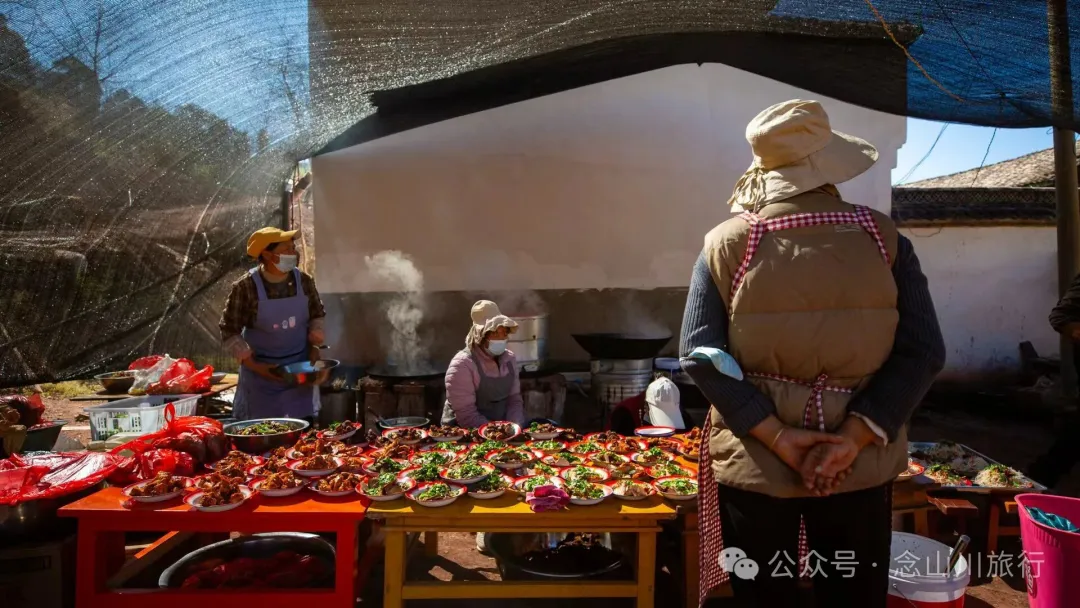
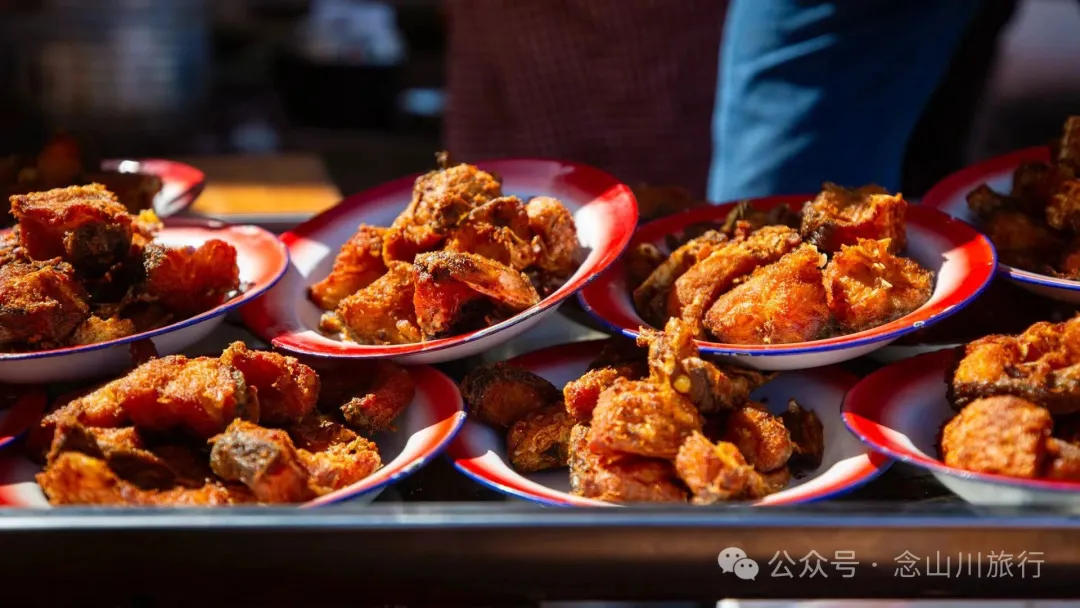
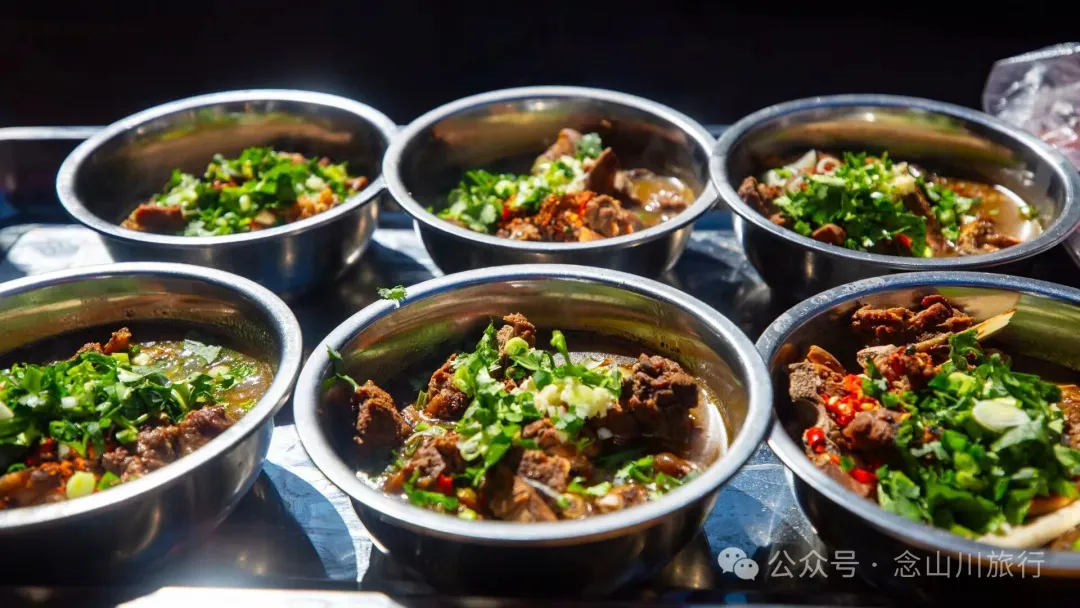
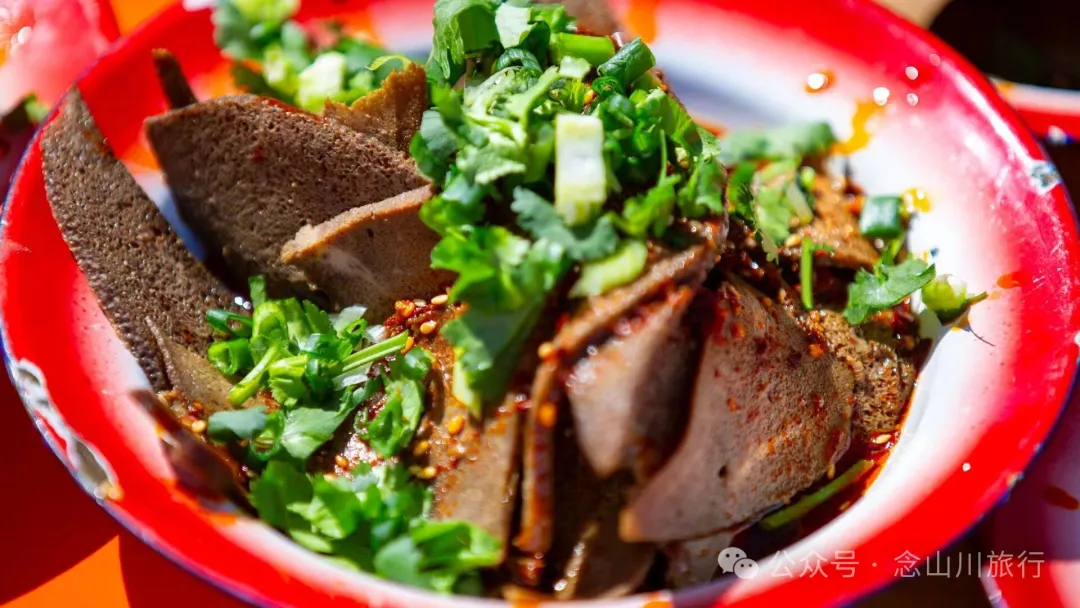
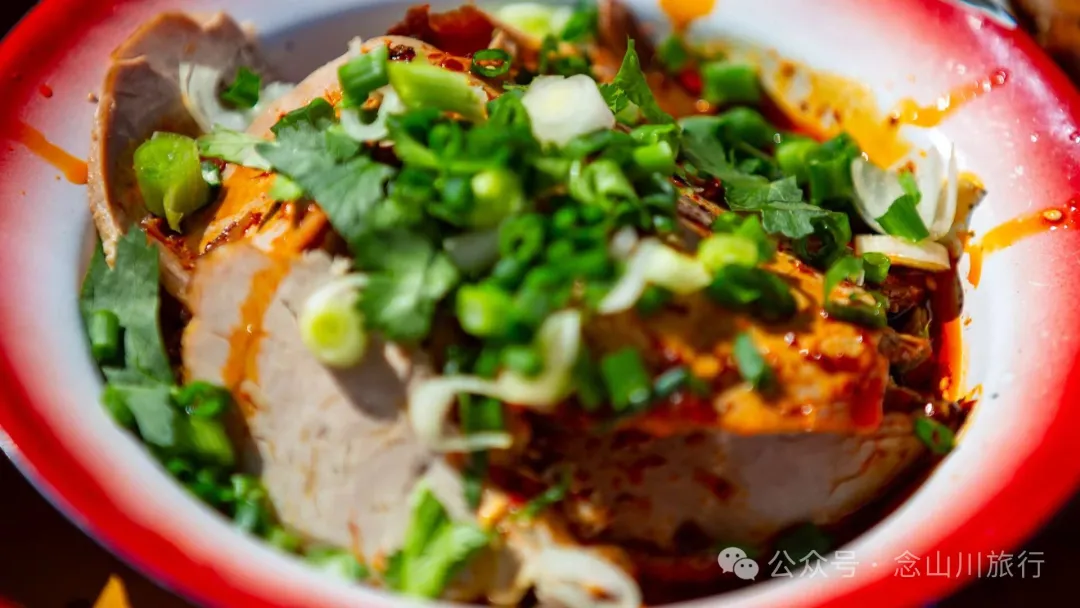
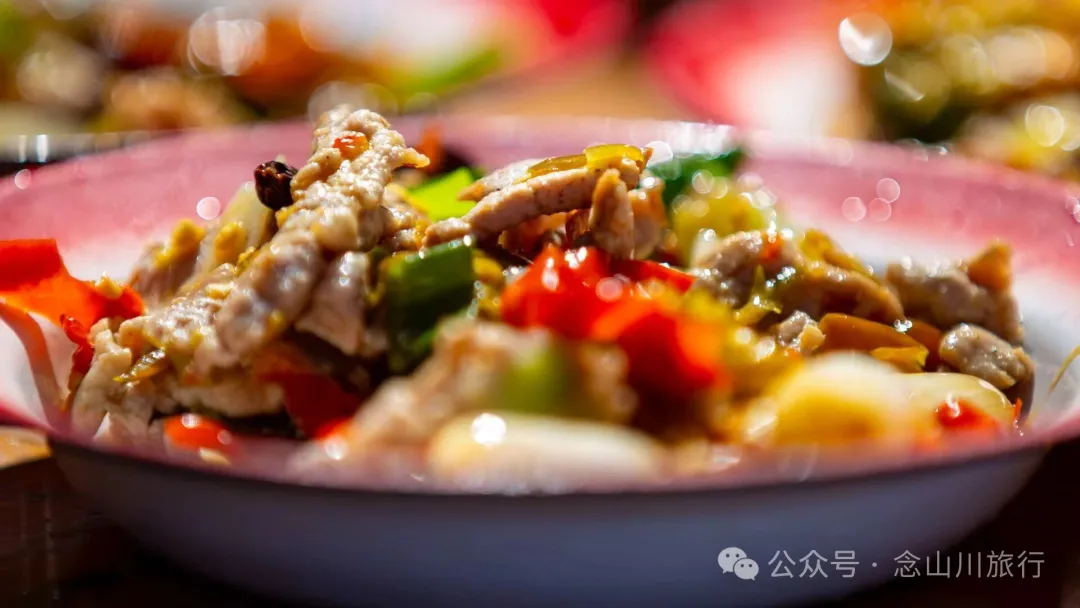
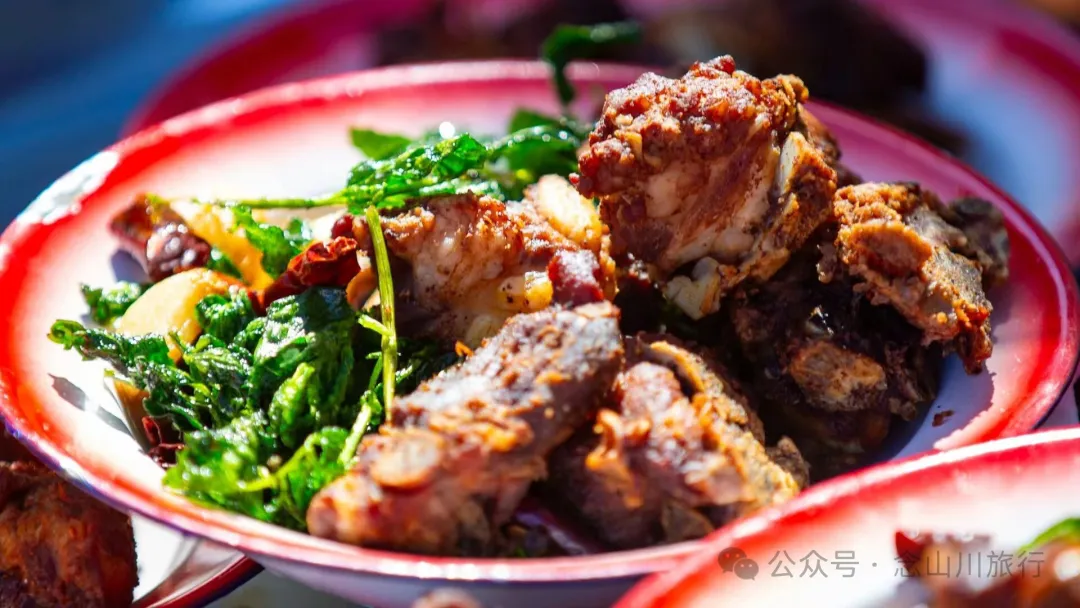
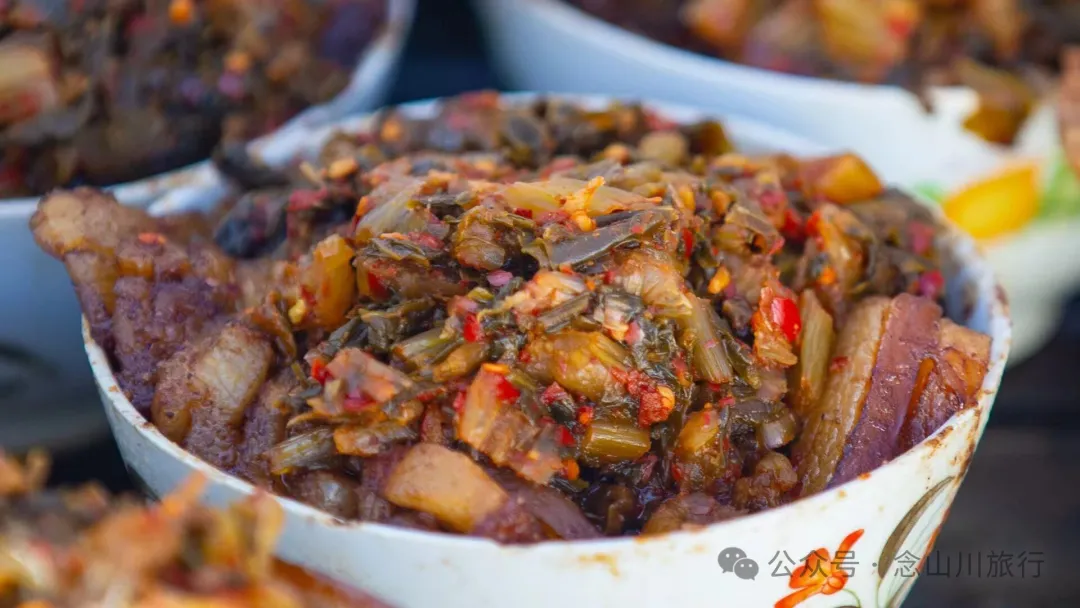
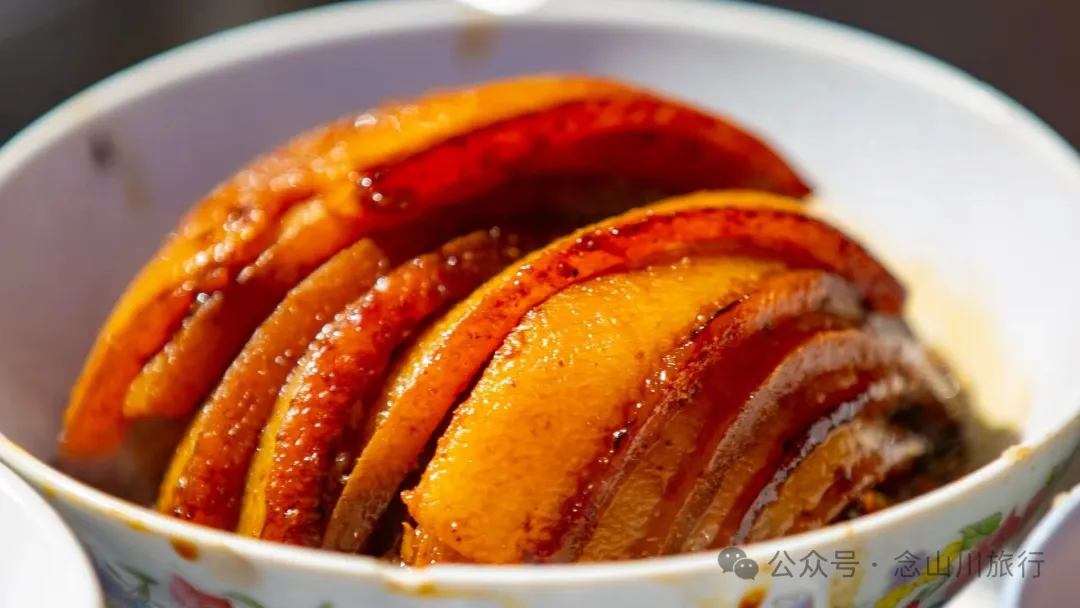
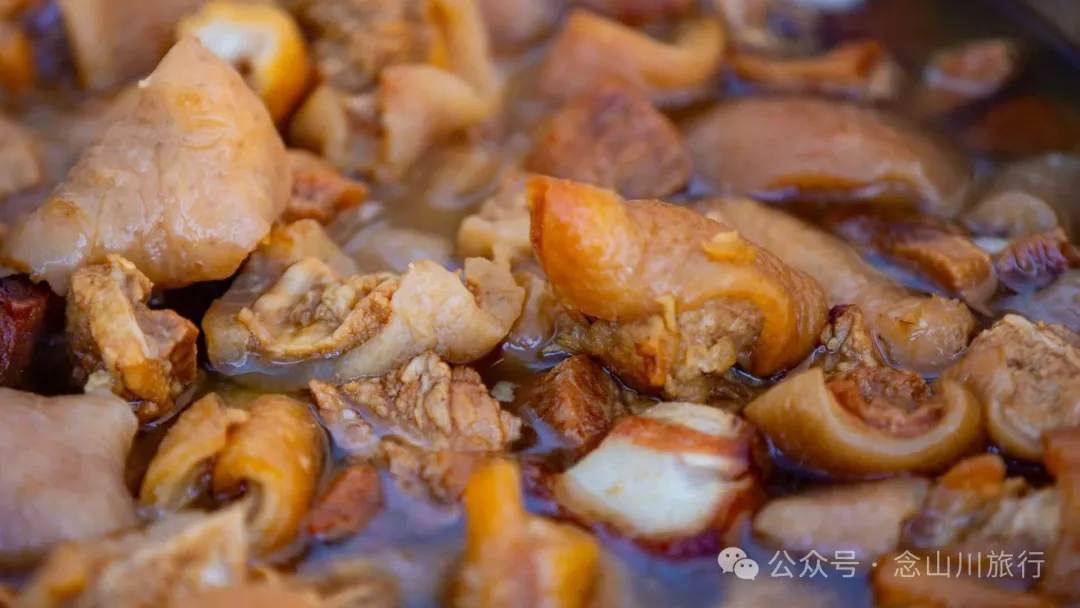
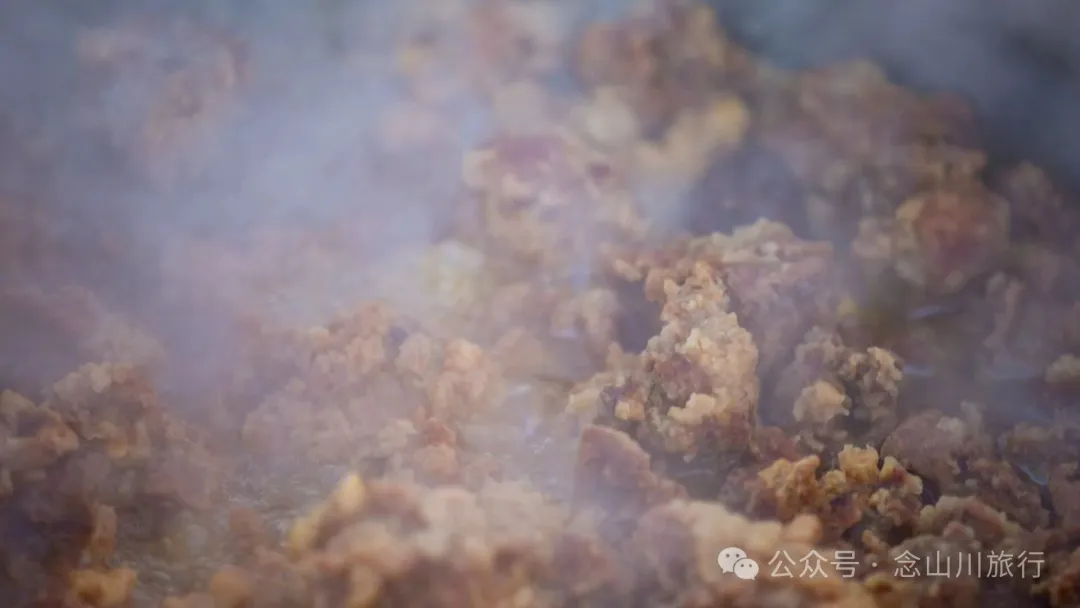
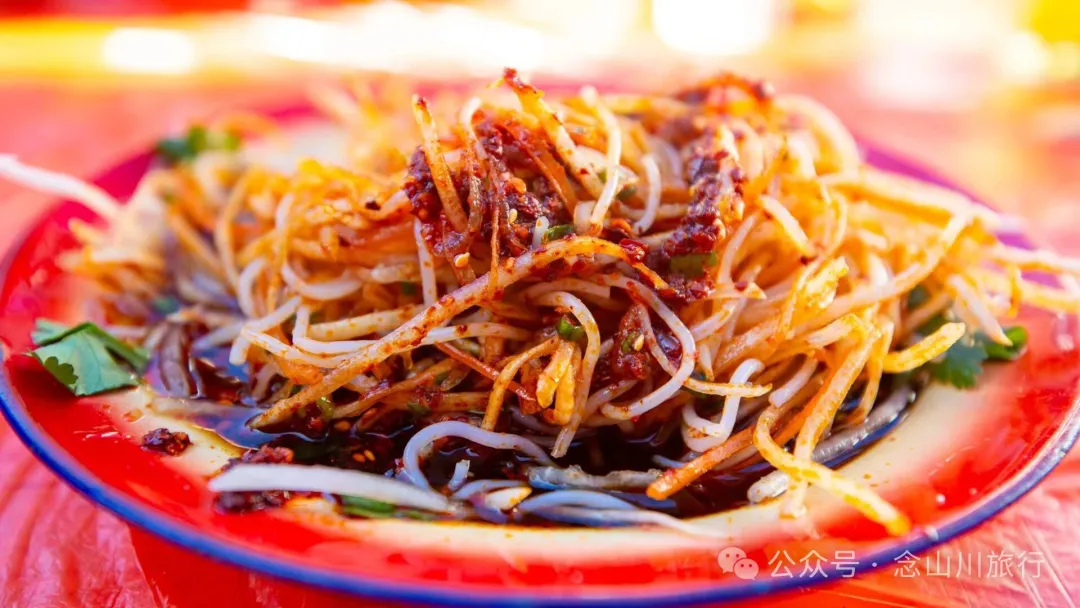
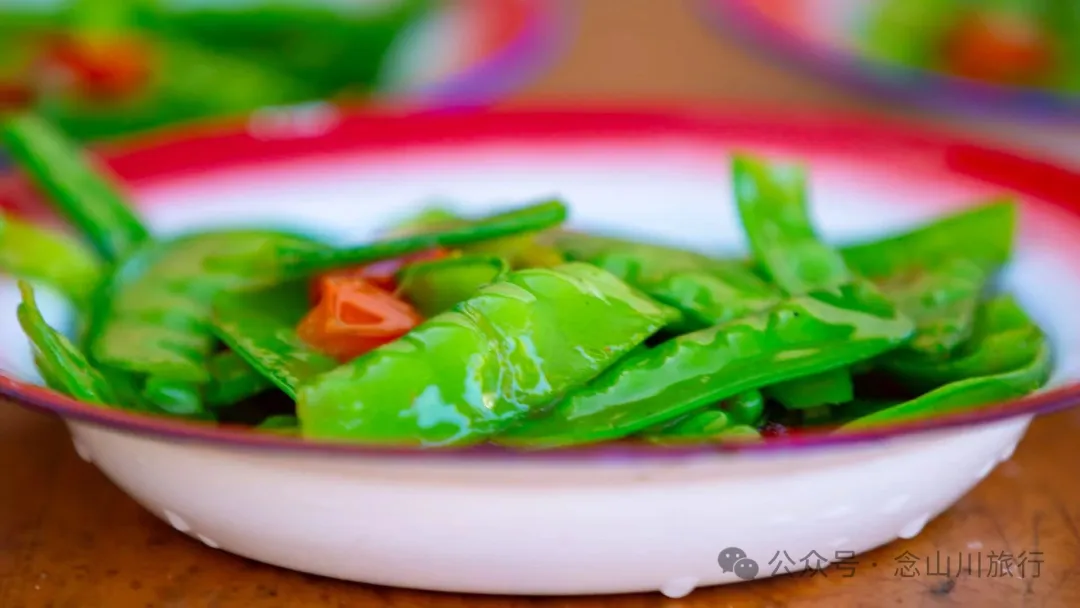
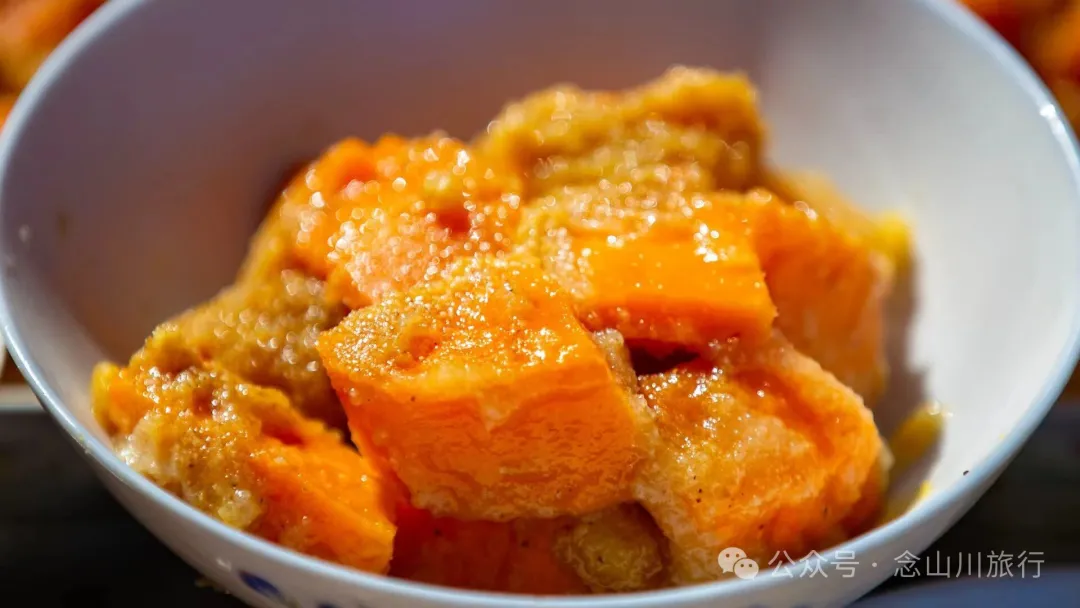
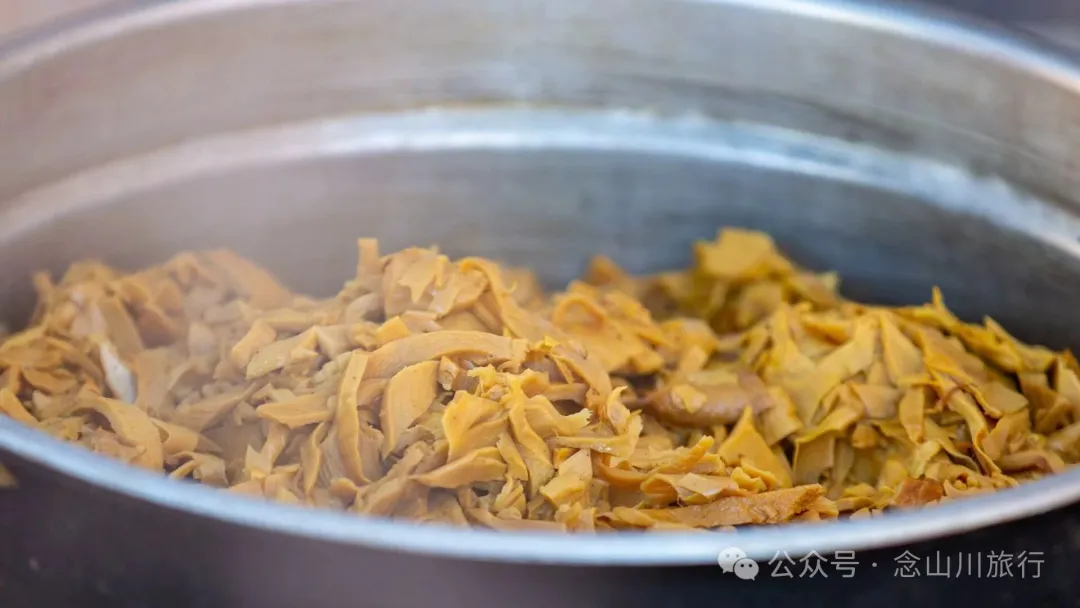
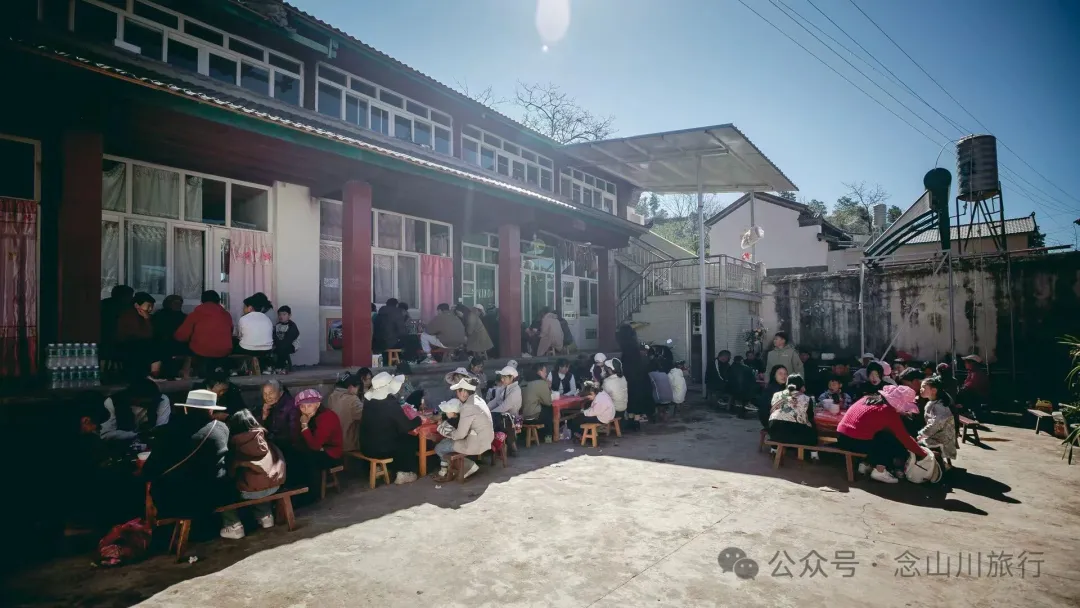
The main wedding feast on the second day starts at 2 p.m. and is a buffet-style meal that lasts until dusk. When the dozen square tables in the courtyard are filled with guests, the serving staff begin to bring the dishes to the tables one by one. Before all the dishes are set, some impatient young diners have already picked up their chopsticks and started eating heartily. After the first batch of guests finishes, the serving staff immediately start serving the next round.
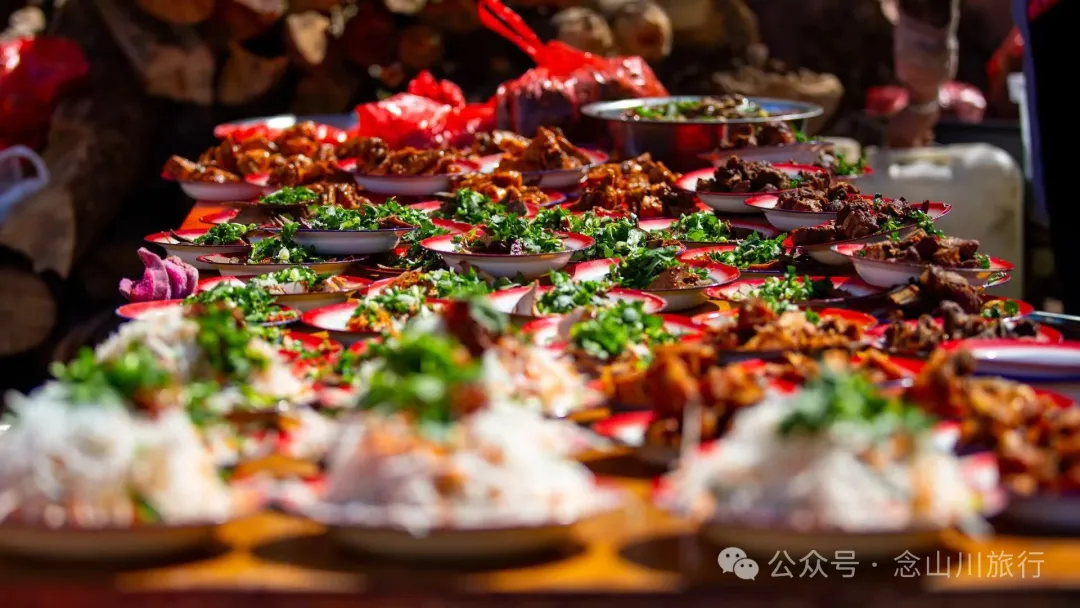
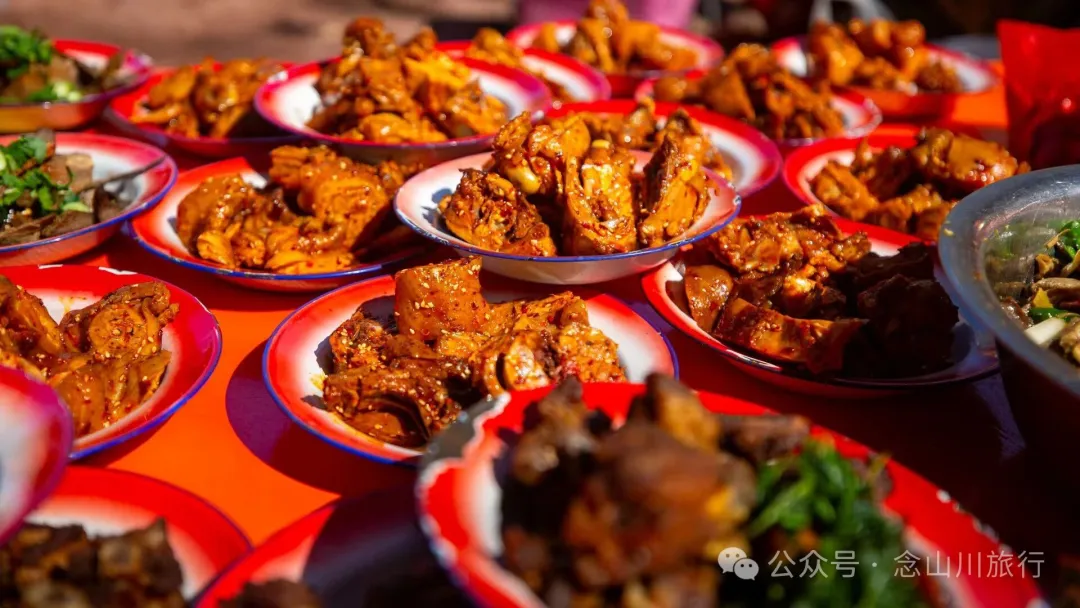
The dishes at a Yi wedding in Weishan are hearty and varied. There are more than ten types of meat dishes alone: braised meat cold cuts, cold chicken pieces, cold pig liver, fried fish pieces, Mei Cai Kou Rou (pork belly with preserved vegetables), fried ribs, stir-fried pork with pickled vegetables, crispy pork soup, braised pork, steamed pork with rice flour, and stewed mutton. In addition, there are several vegetarian dishes that everyone loves, such as dried bamboo shoots, cold rice noodles, and stir-fried pea pods. The flavors cater to all ages and genders, neither too spicy nor too oily, nor too bland. Akui's comment that Weishan cuisine is "fragrant but not spicy, rich but not greasy" is the most comprehensive and accurate. Take the greasy braised pork and Mei Cai Kou Rou, for example. At many banquets, I dare not even touch these rich dishes, but here I eagerly eat them until my stomach is full of various delicacies with no room left. The other dozen or so dishes on the table are also almost finished, leaving only some seasonings.