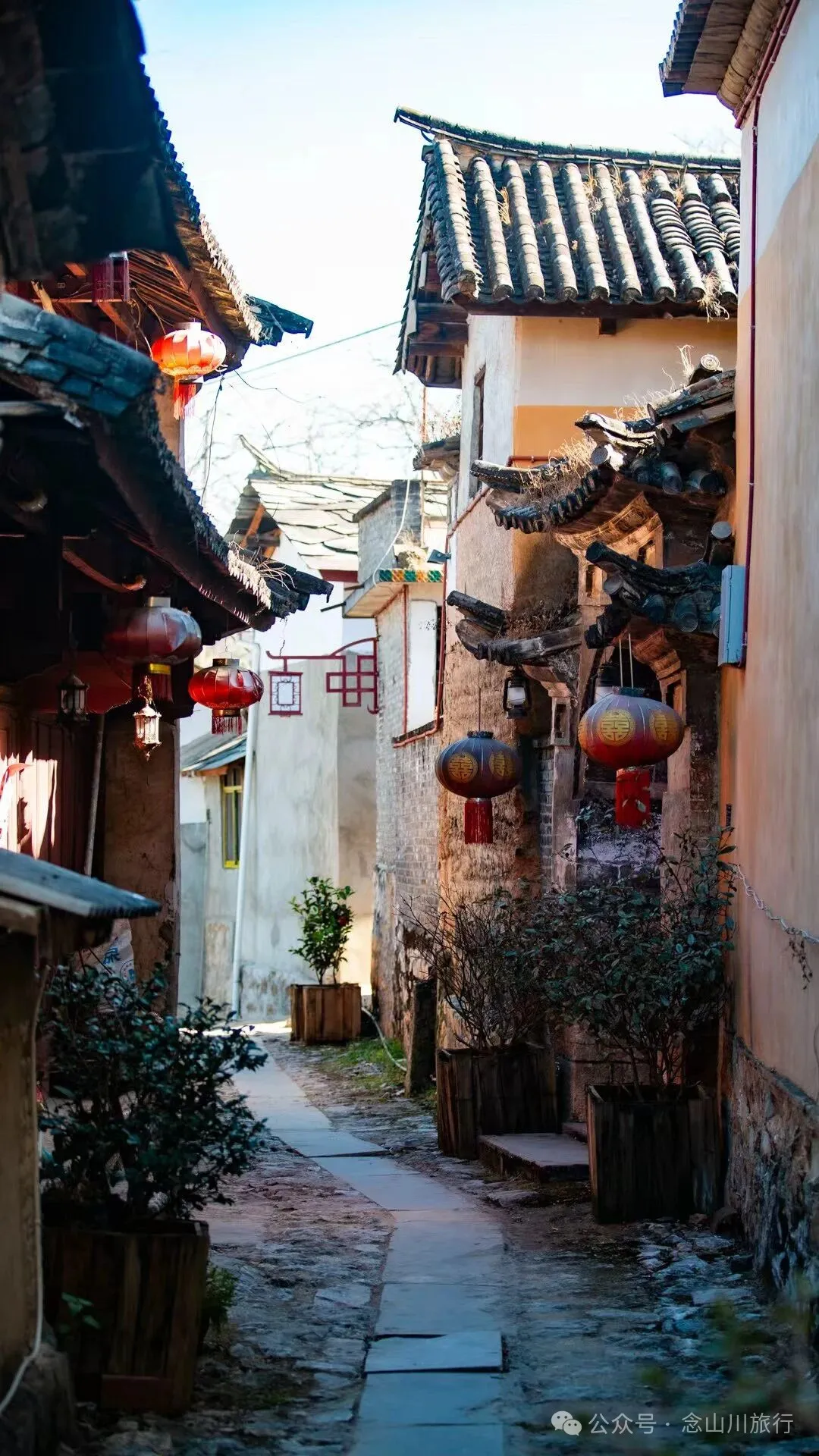

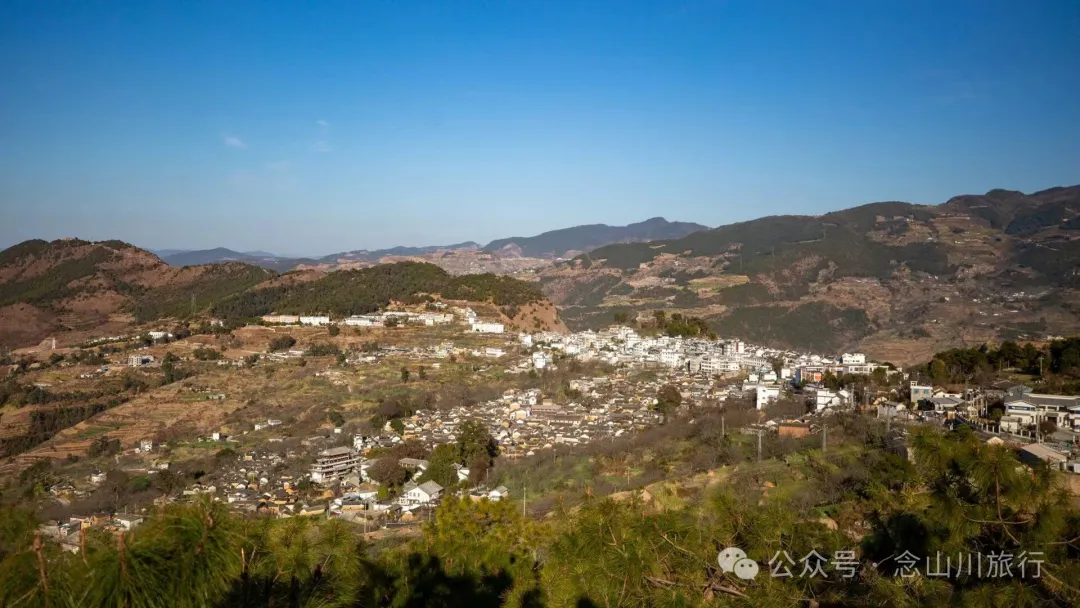
The "backwardness" of Lushi Ancient Town is truly surprising. There are no travel photography shops, no cultural and creative stores, no flower cake shops, no hand-drum shops where young girls sit at the door singing and playing, and no coffee shops or small bars with live music. The entire central area of the ancient town has only one guesthouse, while a few other hotels are located on the new street outside the town. That's it. There is no noise or clamor, no wandering or confusion, only a profound and tranquil atmosphere that allows one to settle down.
It is truly surprising that the commercialization that has flooded other ancient towns has not taken root here. But I feel more joy, because here you can see the untouched simplicity and authenticity that the wind cannot reach. Just walk into any old street in the ancient town to feel it. Yes, there isn't even a blue sign with an uncomfortable slogan. It seems people already know that Lushi Ancient Town is too remote, so remote that even a breeze from beyond the mountains is unwilling to travel across thousands of miles to blow in and sniff the old scent of the Ancient Tea Horse Road.
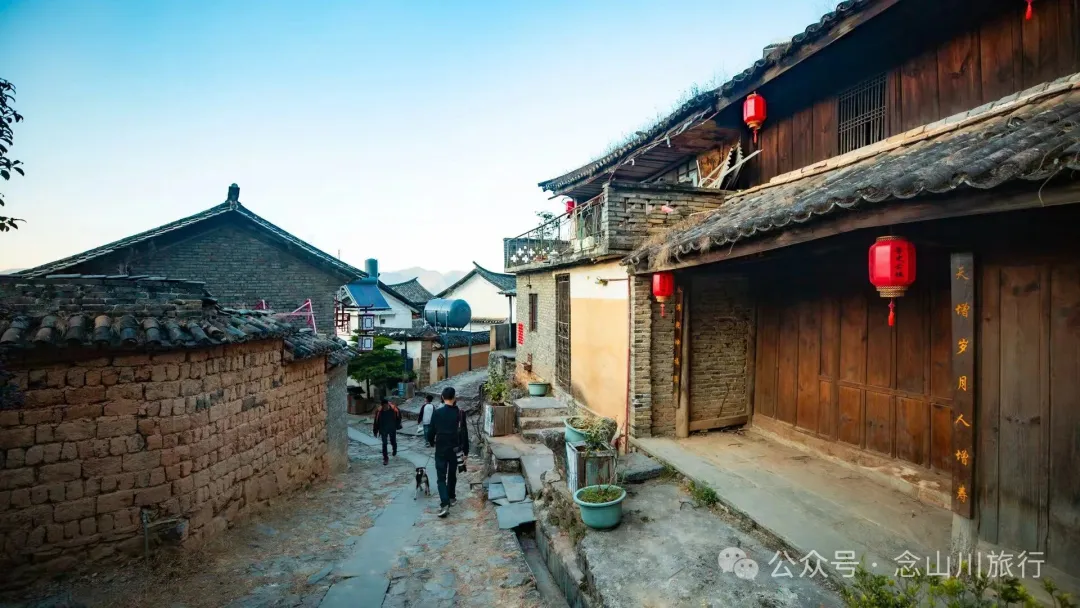
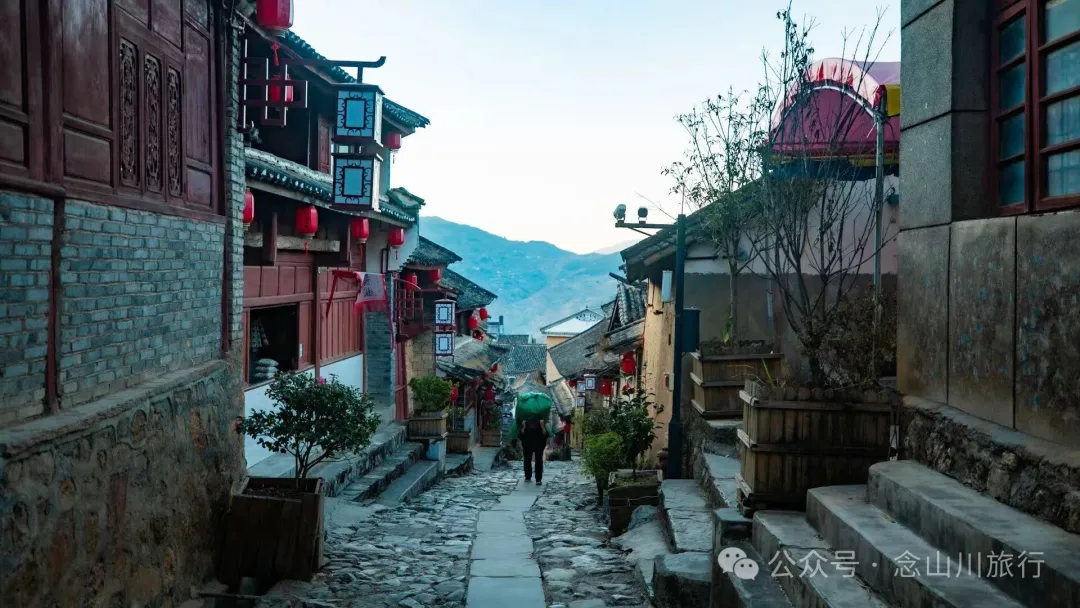
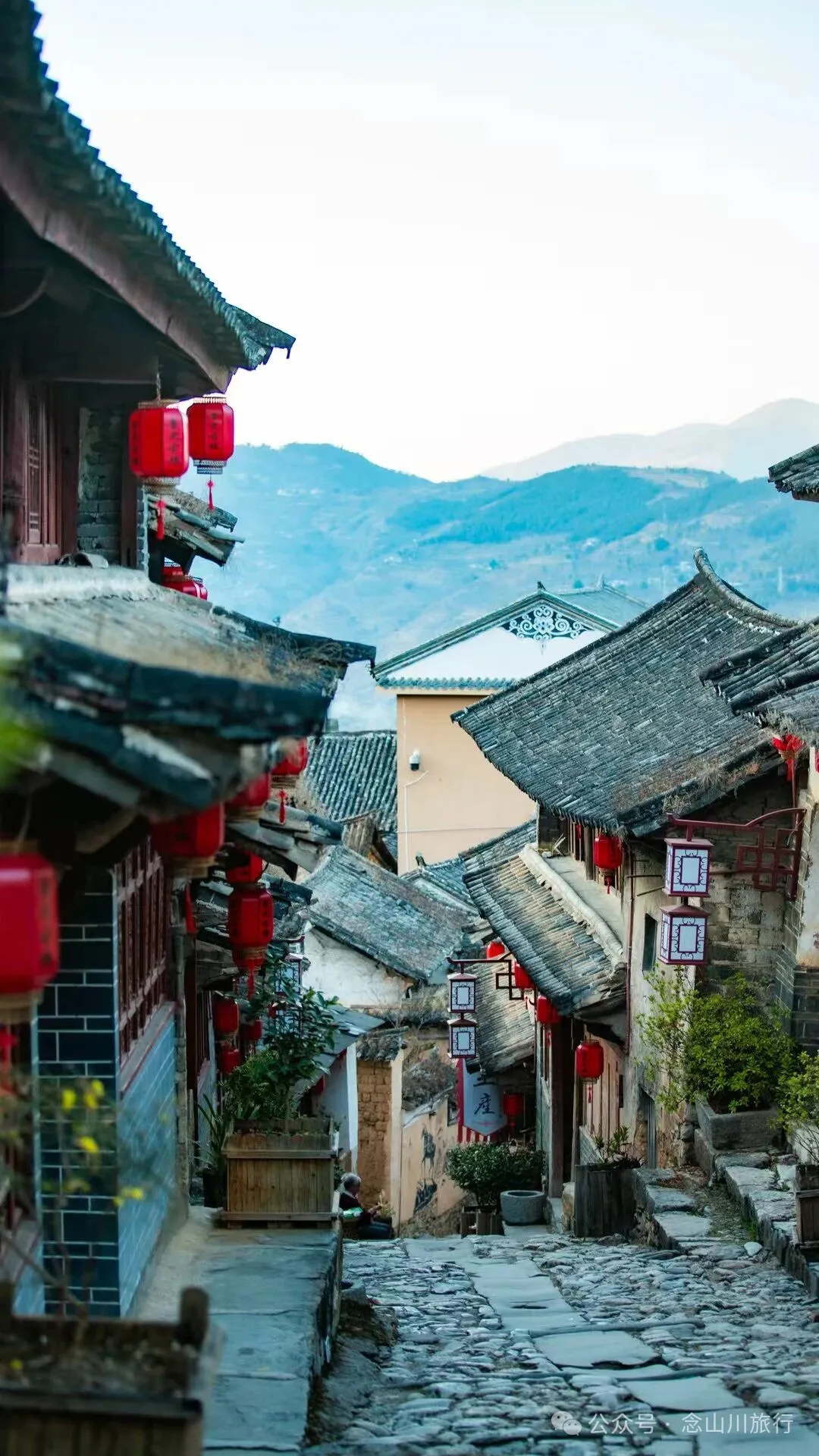
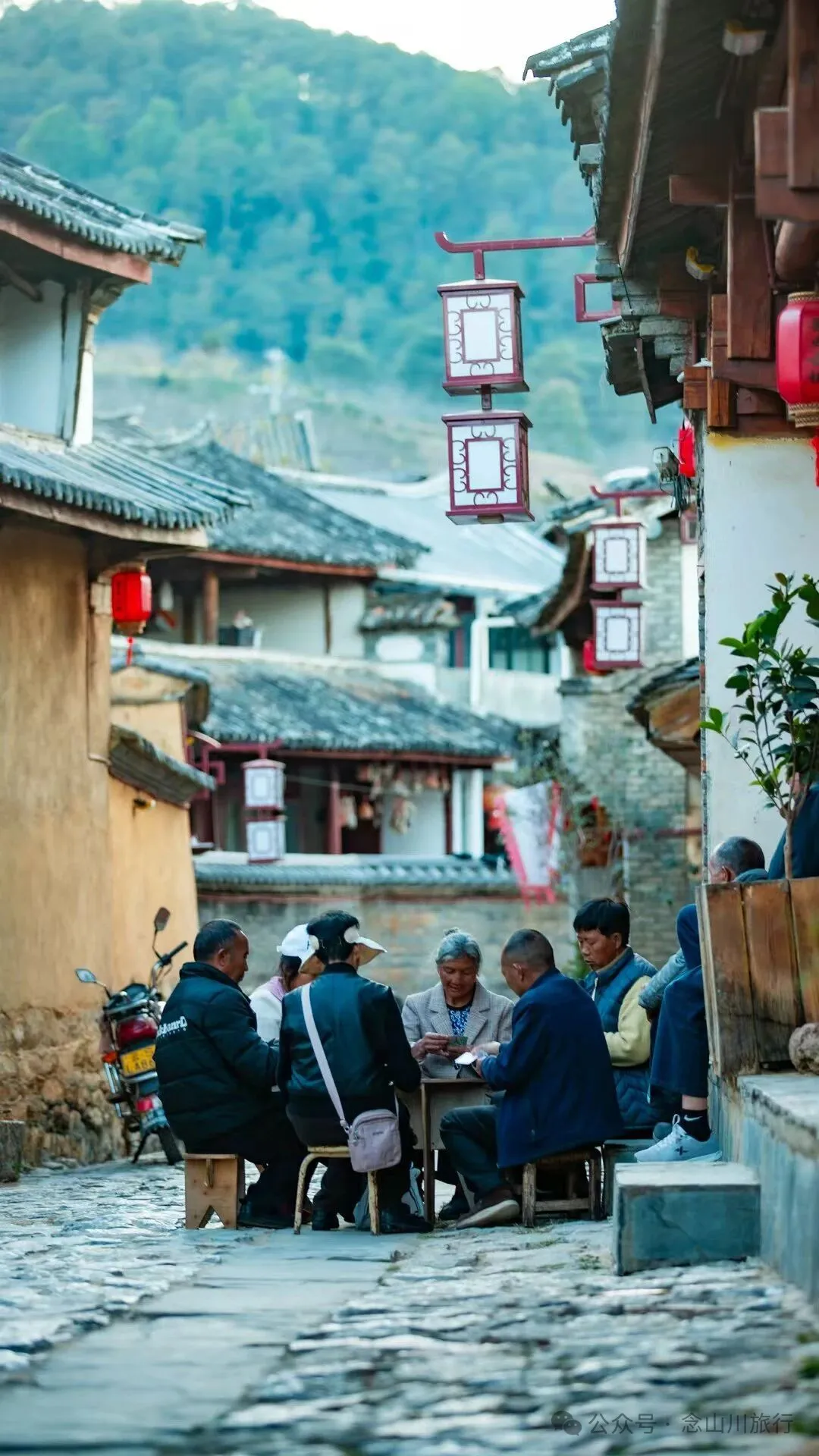
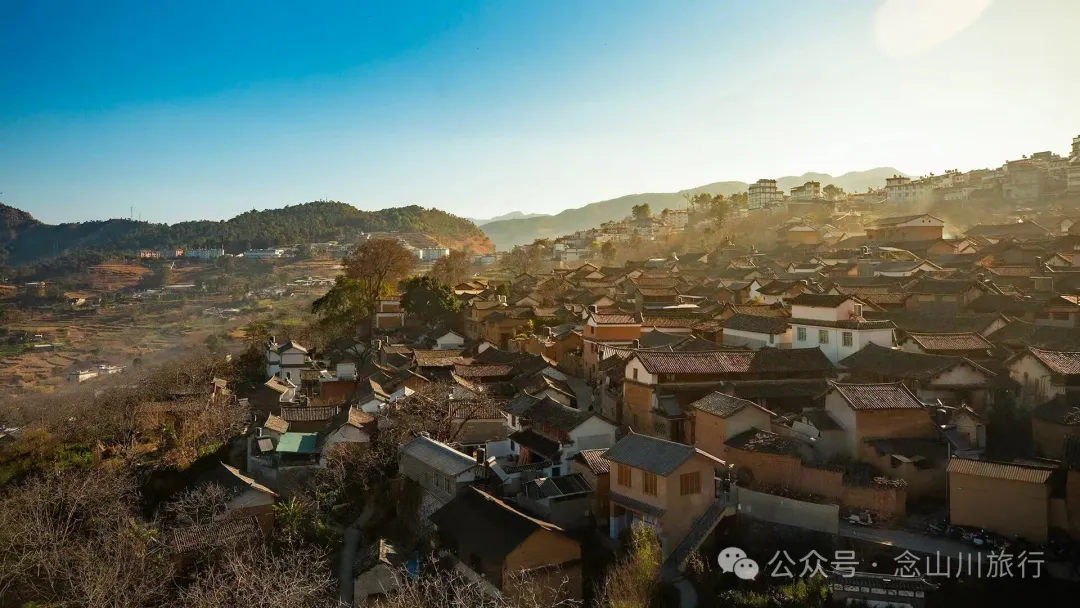
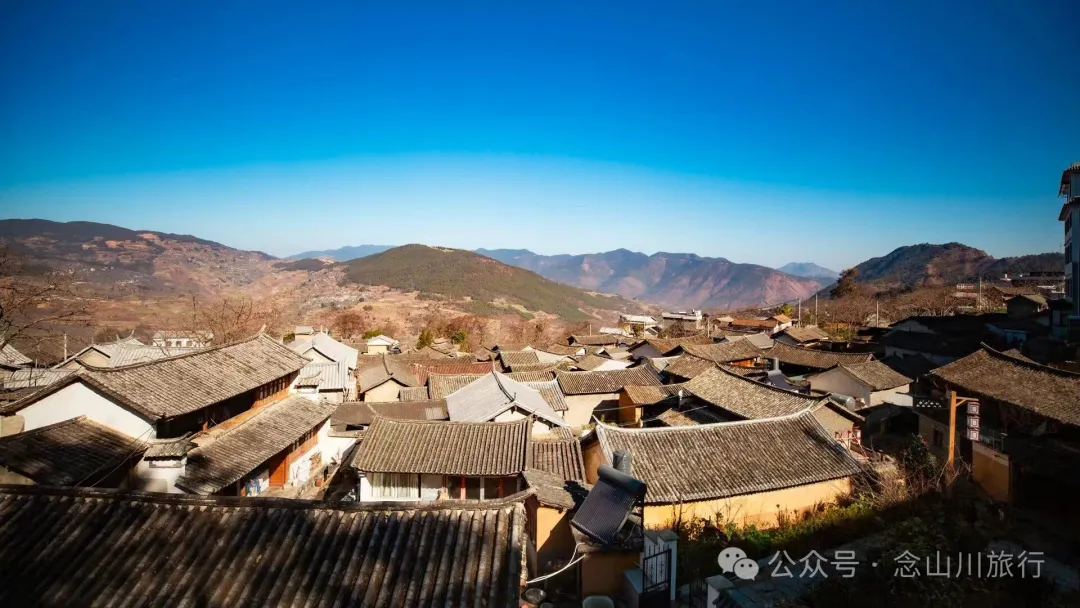
We set off from Fengqing county town around two in the afternoon, but it was nearly dusk when we arrived at Lushi Ancient Town. We crossed the Lancang River and wound through mountain roads for over three hours before reaching our destination. Lushi Ancient Town is built on a slope beneath a mountain ridge, with ancient houses clustered closely together in an orderly manner, while the new street sits high on the ridge. After settling in, we walked onto the resounding stone-paved streets of the ancient town, but the sunset glow had already retreated to the top of the mountain ridge behind the town or even farther mountains, leaving the ancient town in a vast shadow.
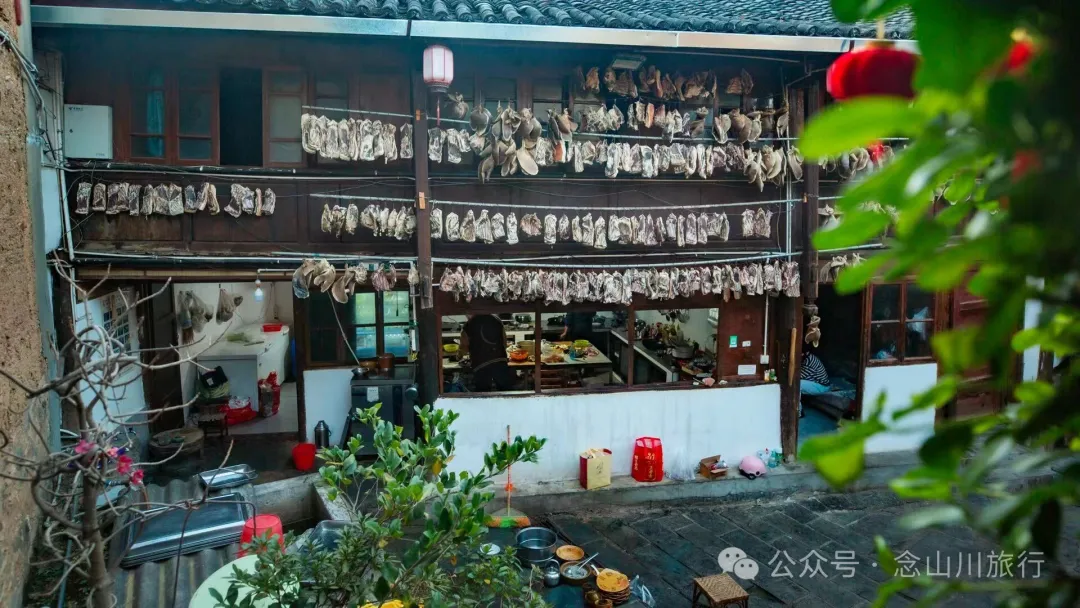
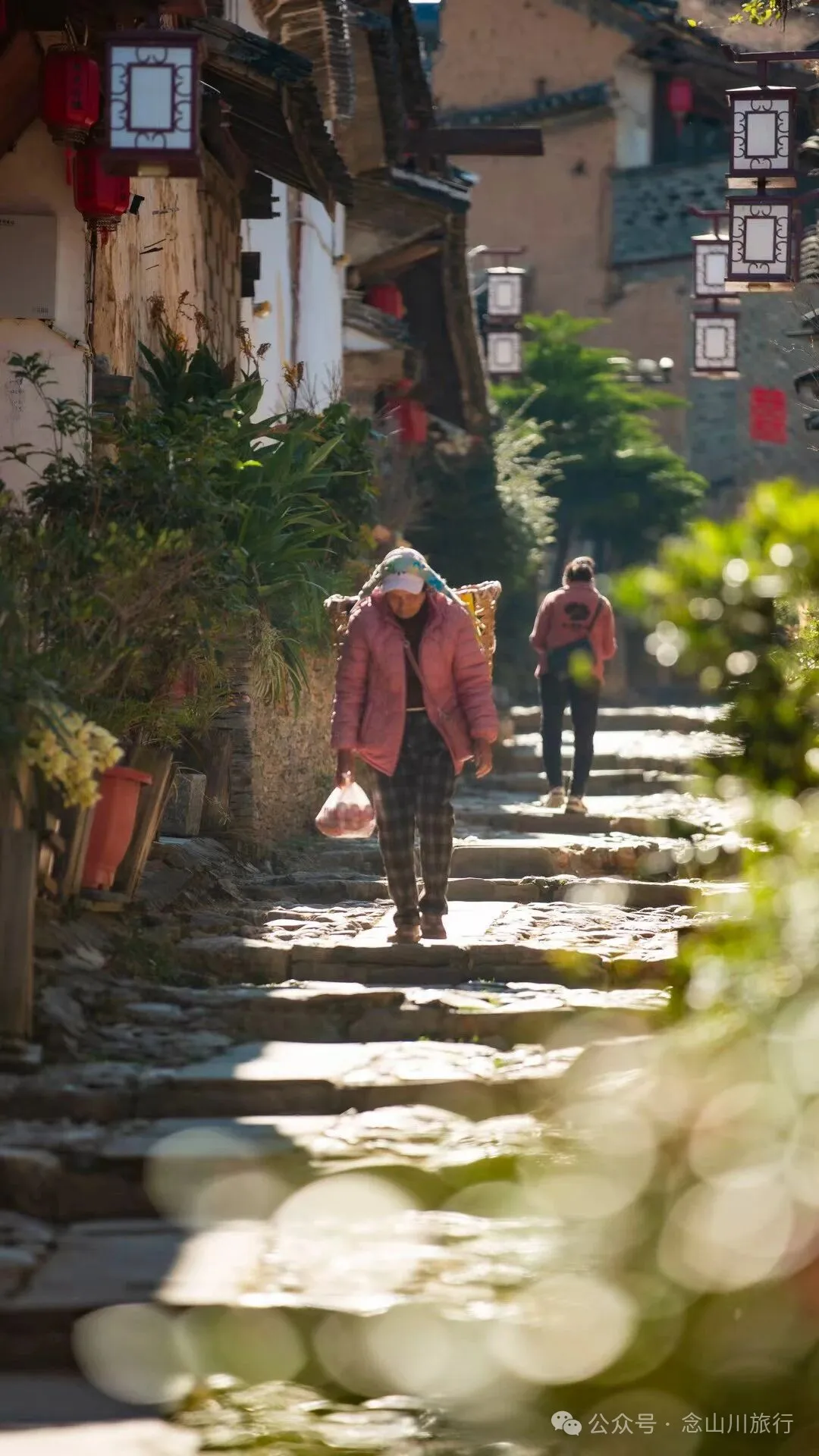
In terms of the number of houses and architectural scale, it feels more like an ancient village. Its main street is not even as long as the alleyways of Heping Village we visited, and its scale is similar to that of Bazi Erduo Village in Nanjian. Most of the residences along the street have shops selling homemade mountain products, such as tea and soy sauce. The shop owners are probably the homeowners themselves. They don't hawk their wares or worry; instead, they sit leisurely by the roadside, staring at their phones, or gather with a few friends to play cards, letting the rare curious tourists observe their calm and distant lives.
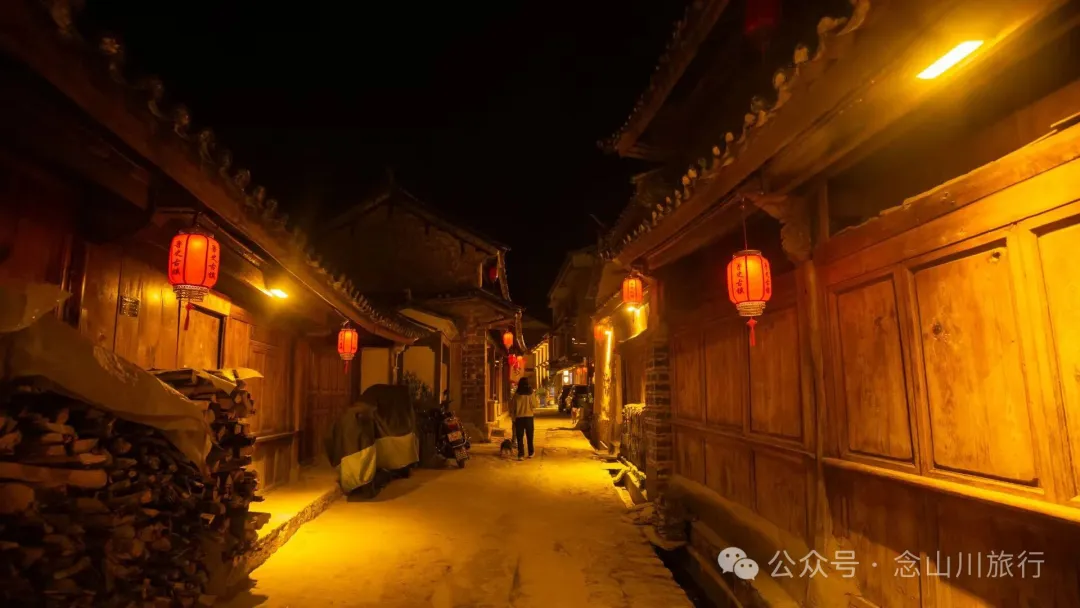
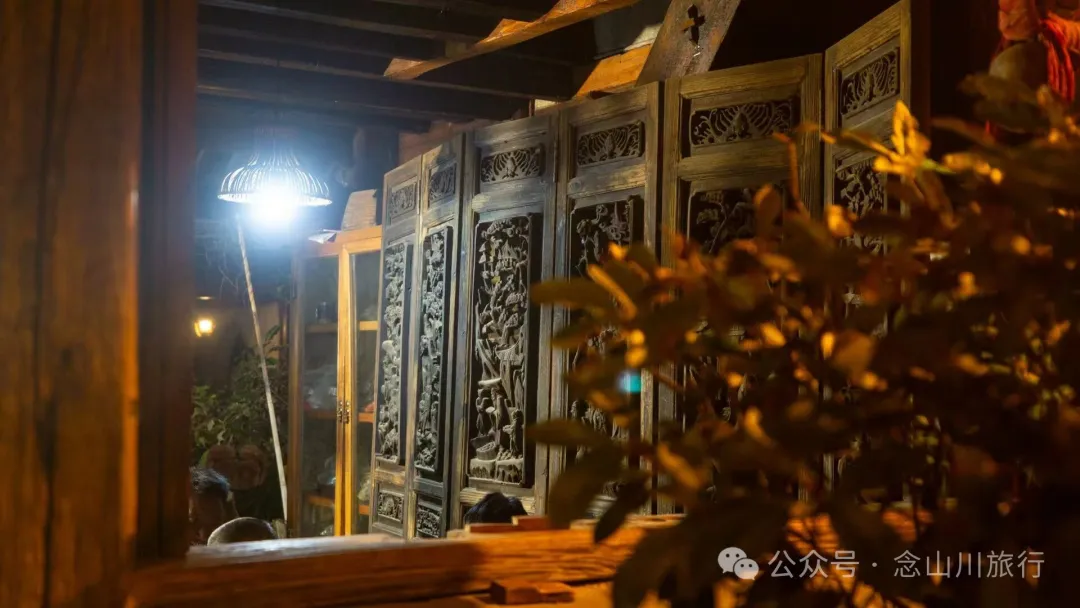
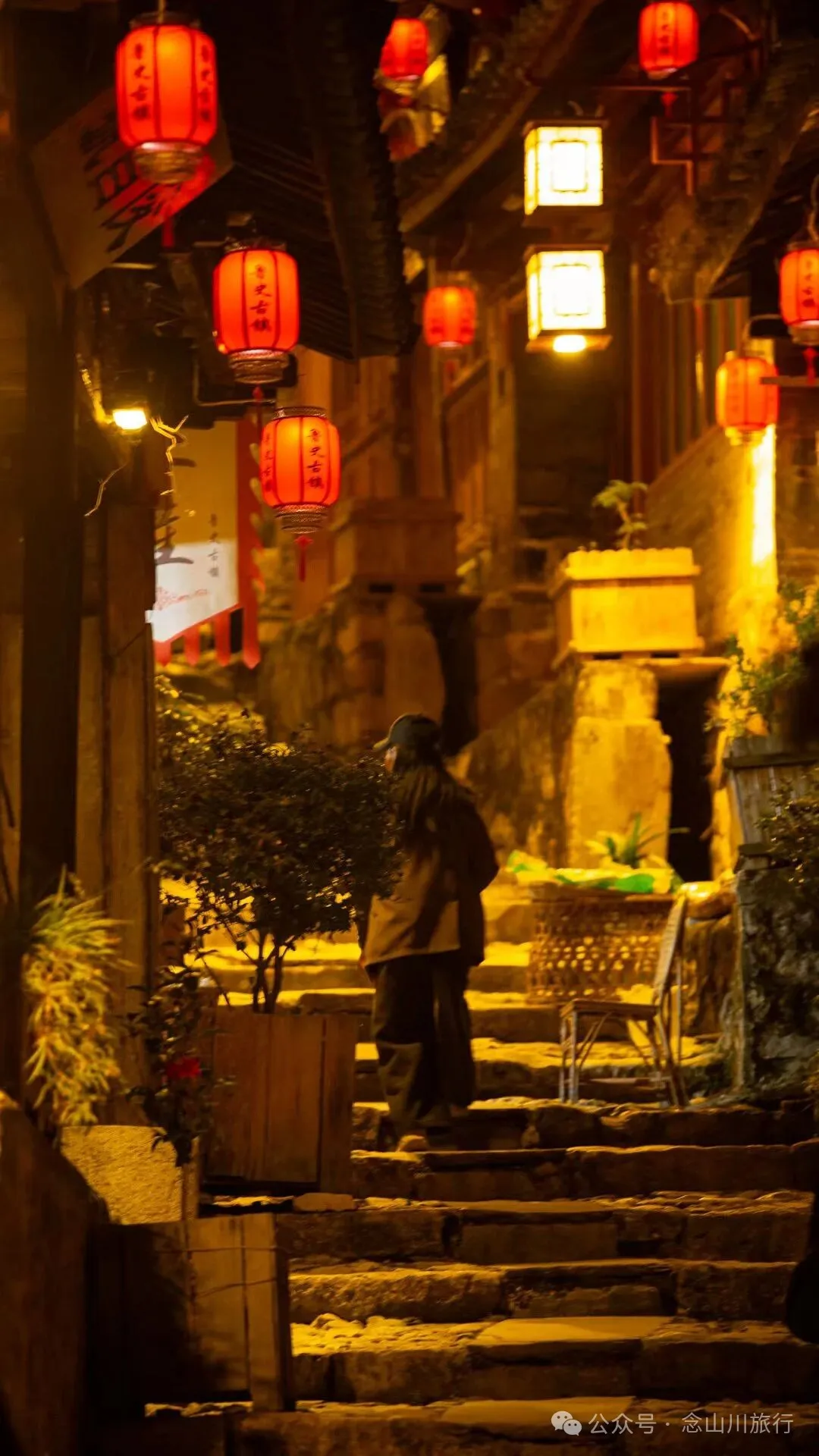
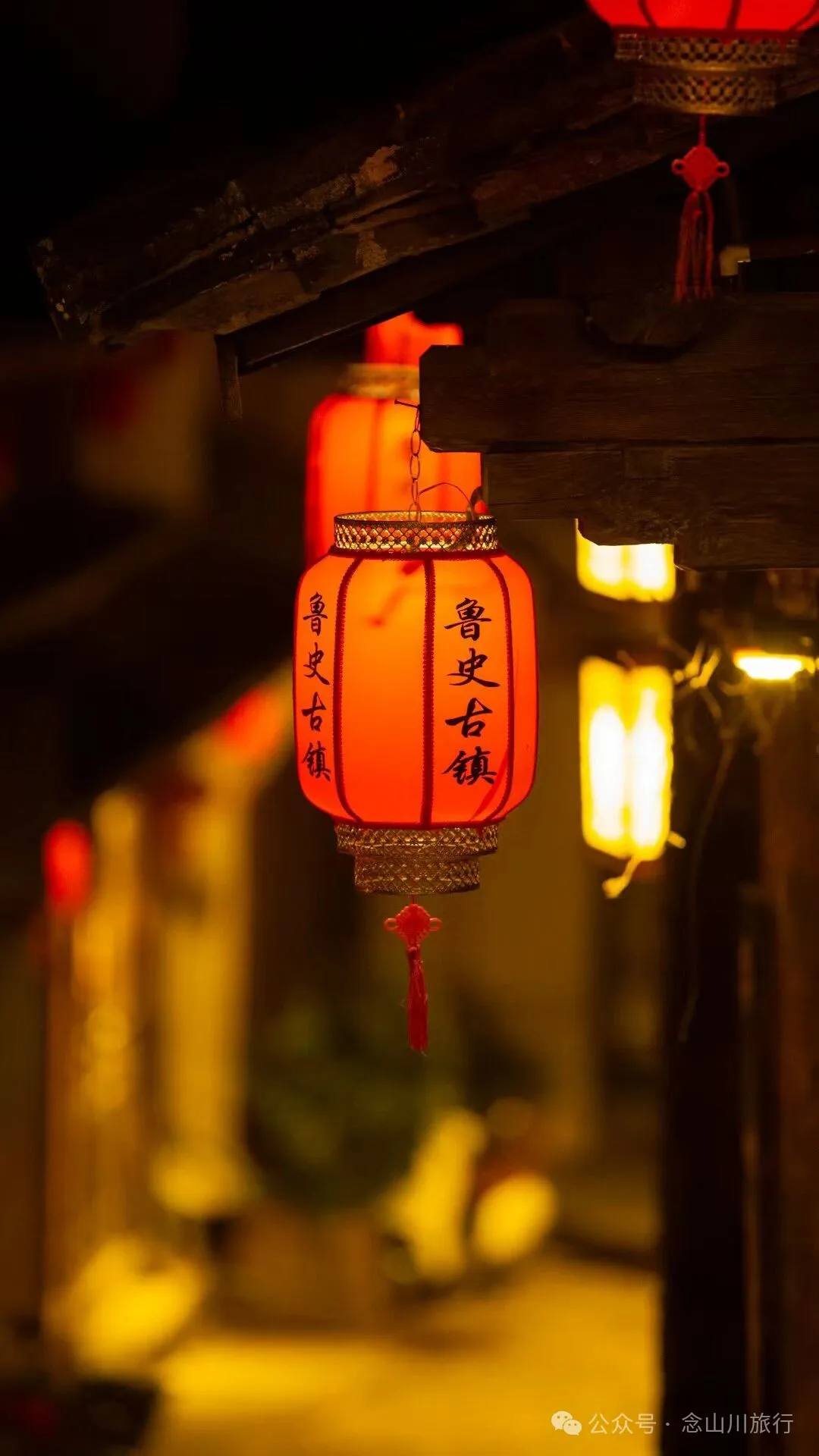
In the night, Lushi Ancient Town became even more silent. The shops along the street had put up their door panels; no one wanted to stay up late to serve the few guests. Through the gaps in doors and windows, strands of white or dim light seeped out, along with the faint sound of televisions. The chickens in the cages at the door made no sound, probably already fast asleep. The locals sat at home, waiting for sleep to come with pastimes abandoned by those outside the mountains.
The streets, lit by red lanterns, were left for the curious few tourists. The bamboo chairs where shop owners sat during the day were not taken inside, remaining in place to count the passing visitors. During the heyday of the Ancient Tea Horse Road, one might have heard the clatter of horse hooves on stone slabs, the innkeepers entertaining the caravans, and the noisy bustle of horse drivers sitting down for drinks and rest. What a prosperous scene Lushi Ancient Town must have been back then—one can only find it in texts. The lanterns hanging under the eaves stayed lit all night, as if the ancient town waited in the darkness for the horse caravan people who would never return, until the first ray of morning sunlight shattered that illusory wait, bringing everything into reality.
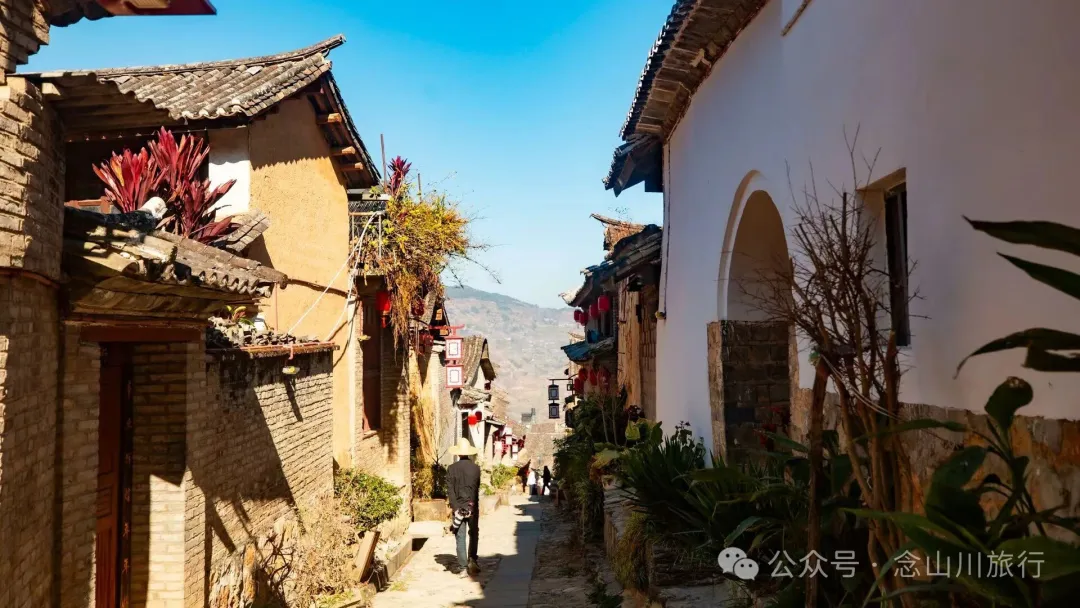
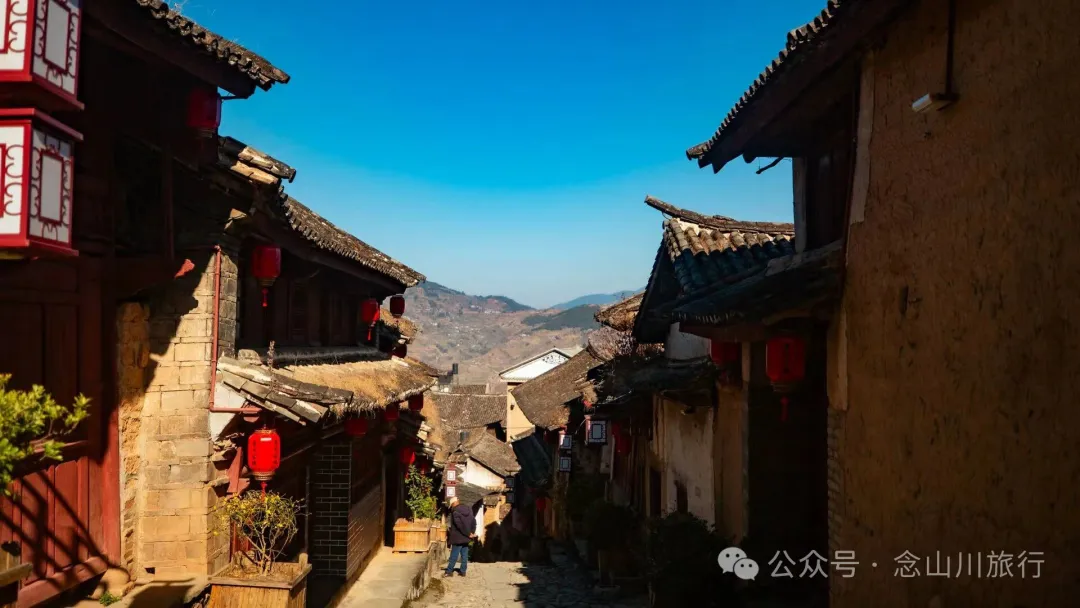
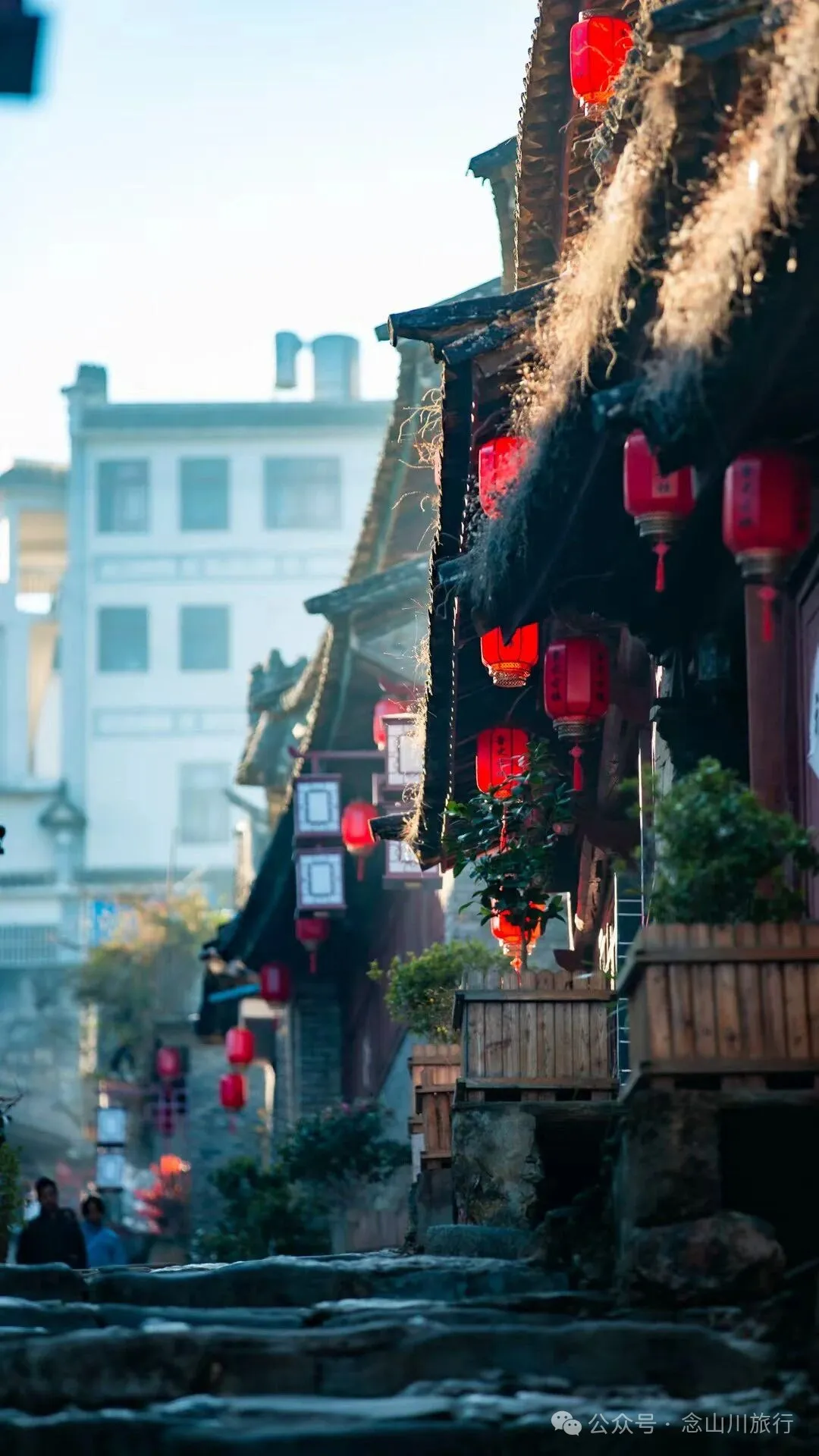
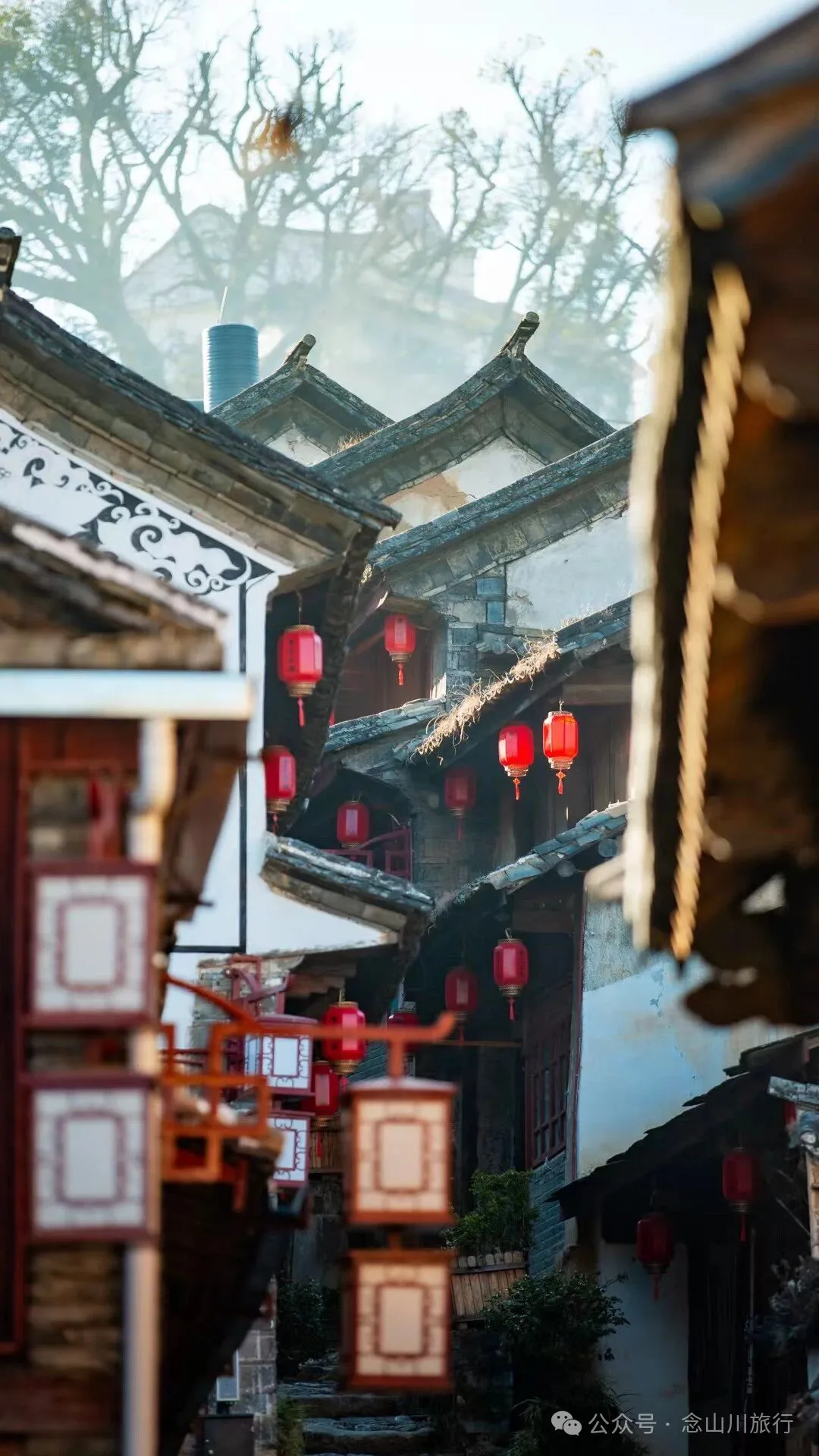
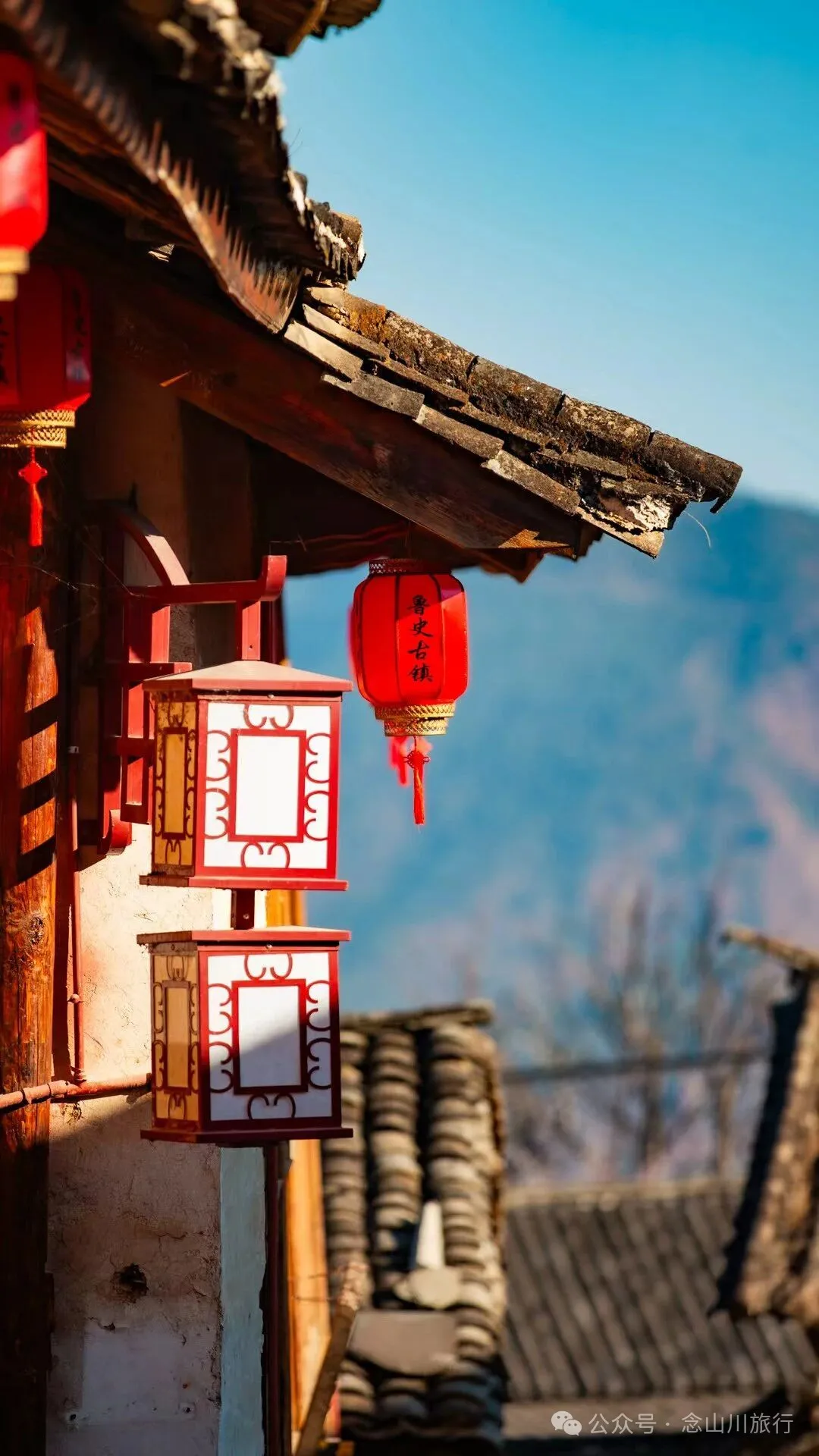
The next day, morning mist gently enveloped the quiet ancient town. The morning light gradually rose, approaching from afar, falling bit by bit on every corner of the town. Walking down the bluestone path, the six-hundred-year-old hoof prints glistened with a warm luster in the morning light, like a bronze mirror reflecting a blurry past. The crowing of roosters and honking of geese from within and outside the village, along with the chirping of birds in the trees by the houses, swept away the silence of the night. But that was all; people still quietly went about their chores, and tourists remained sparse. No one shouted or exclaimed, afraid to disturb the peace.
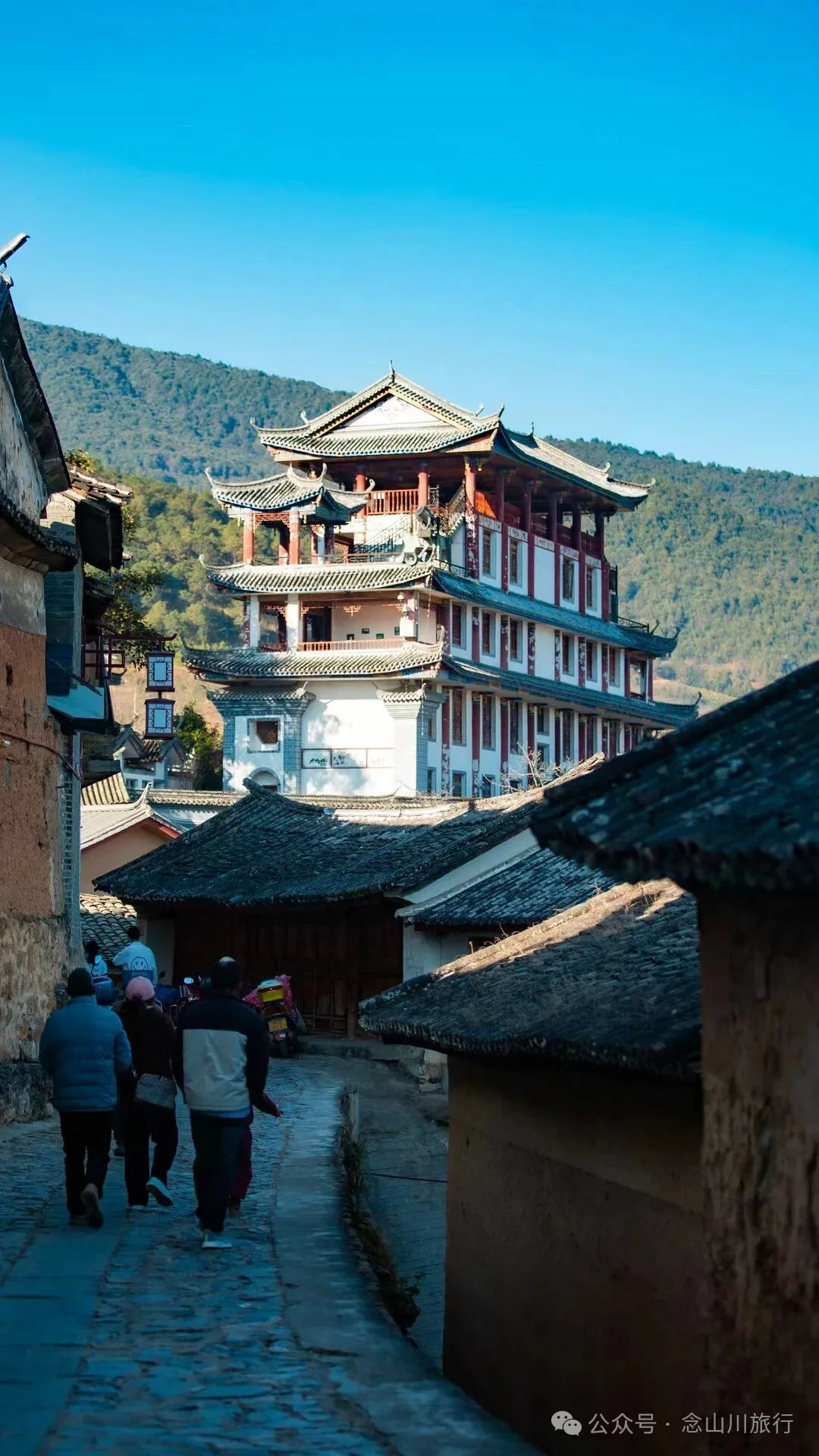
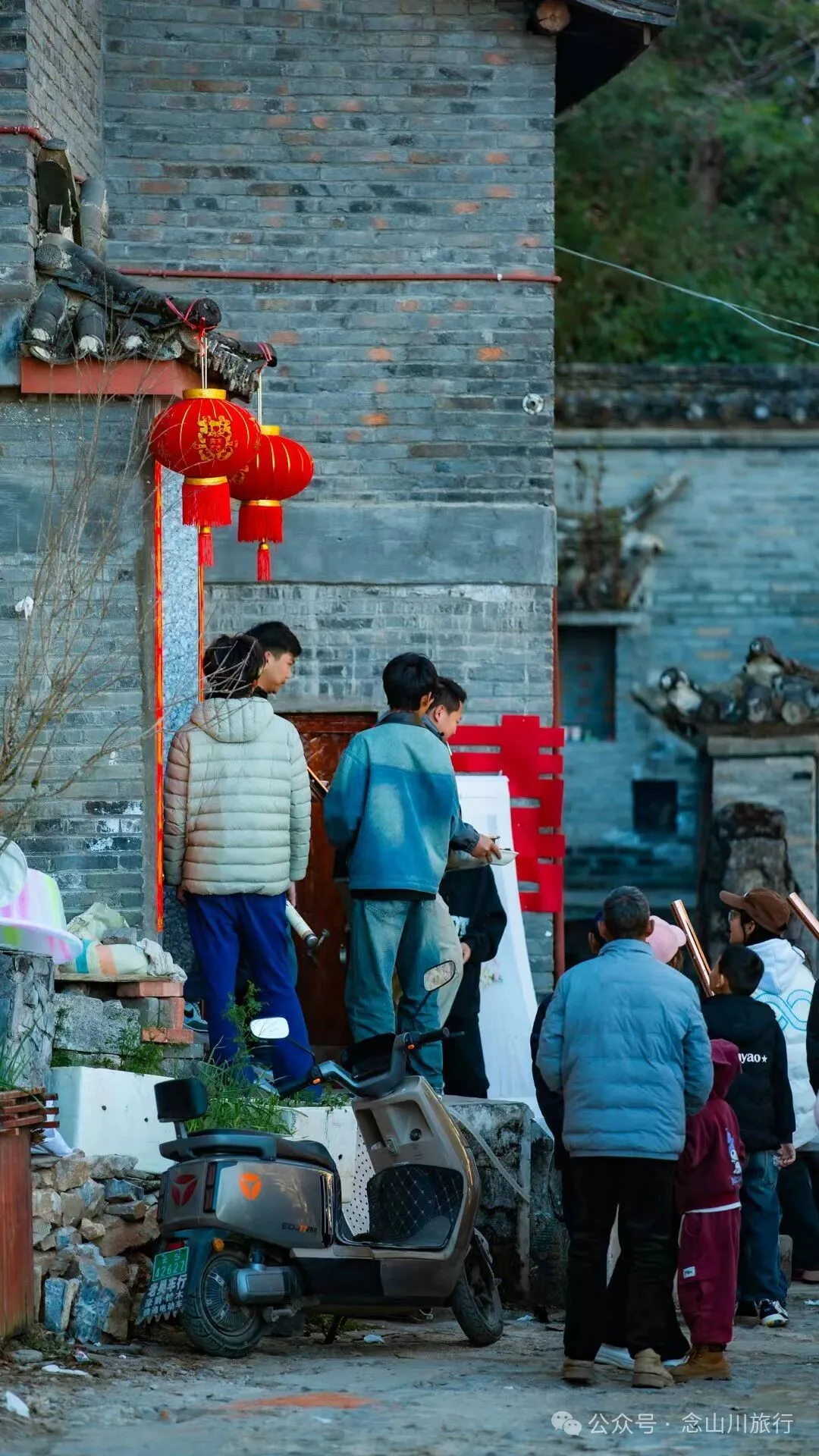
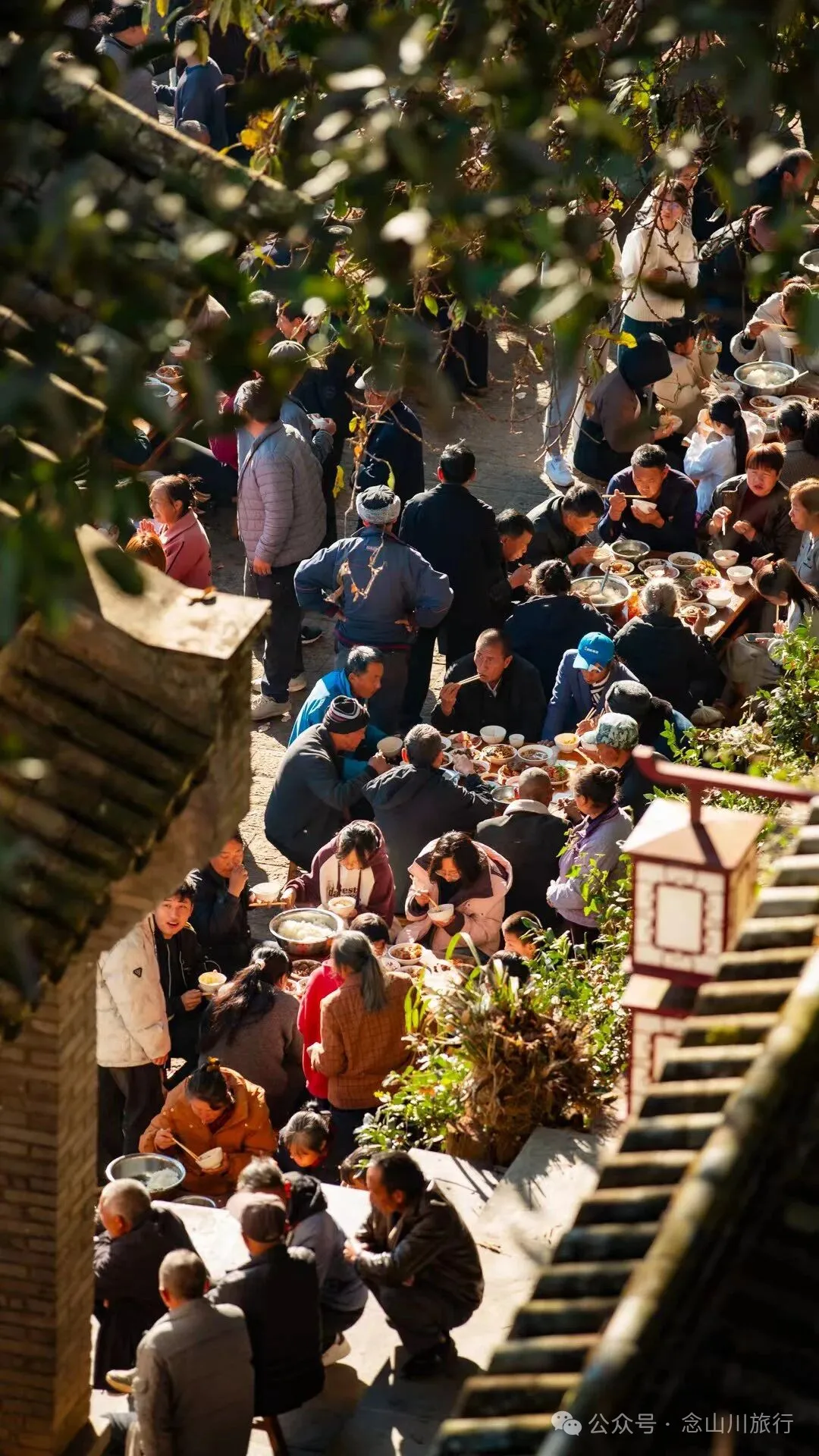
On the way to Yunda Academy, we met many local residents. After walking together for a while, we learned they were all heading to a wedding feast at one of the houses, which was being held right next to Yunda Academy. Climbing to the top floor of the academy, we took in the lively wedding scene. People sat in the morning light, laughing and chatting, showing no signs of the weariness from their long journey; they looked no different from outsiders.
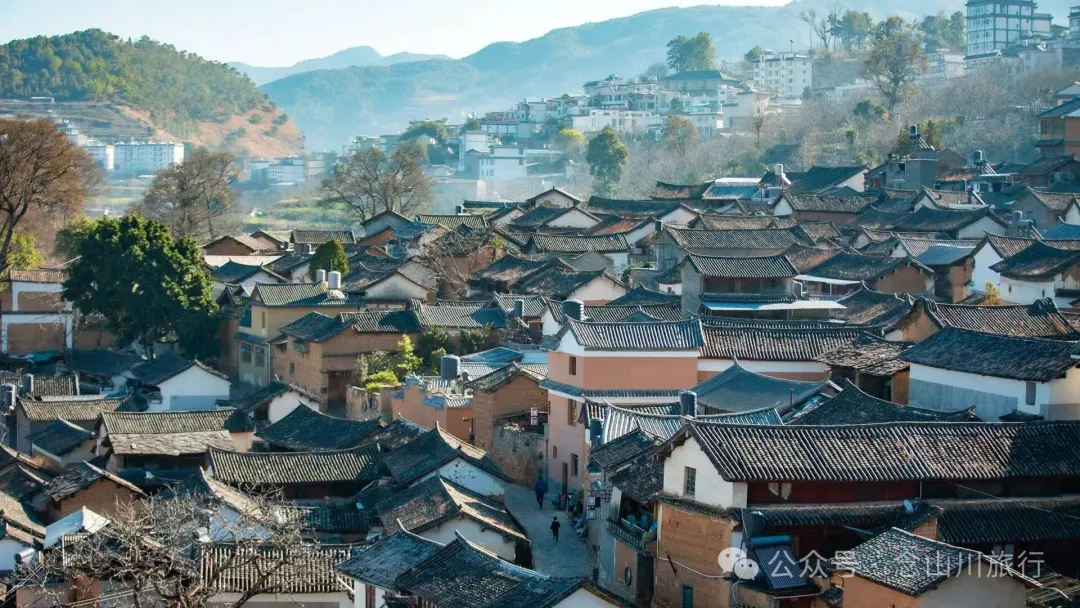
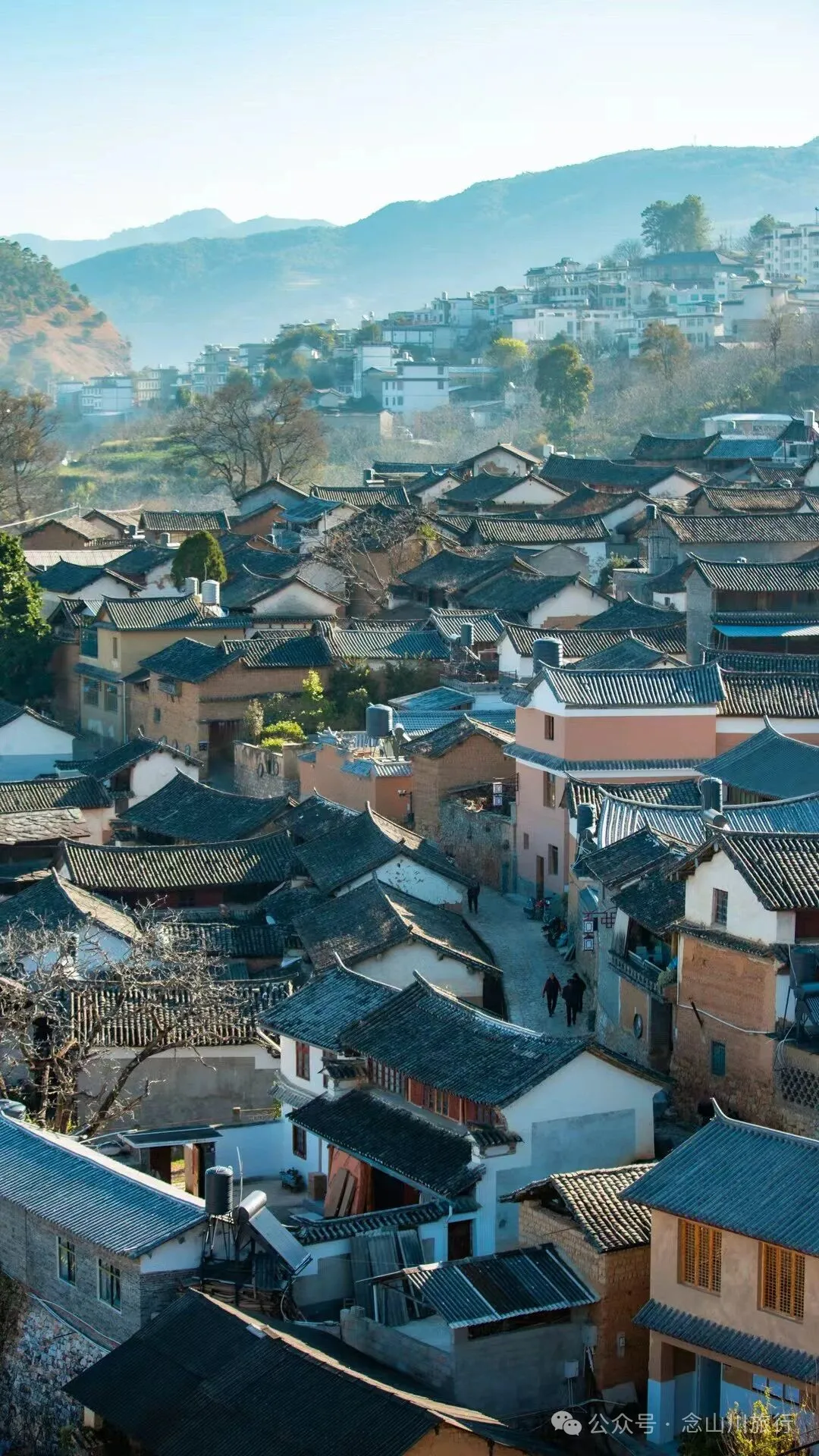
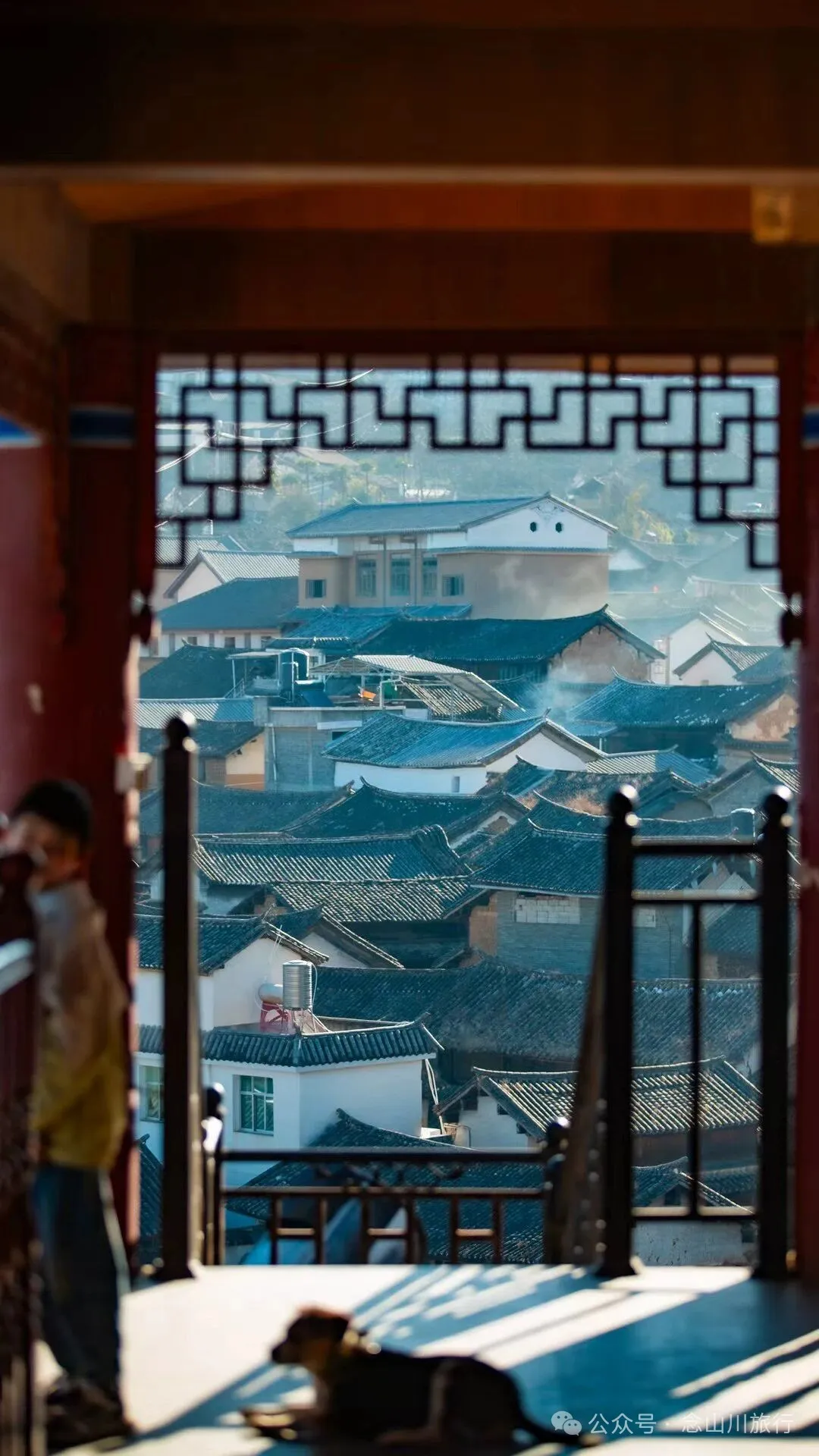
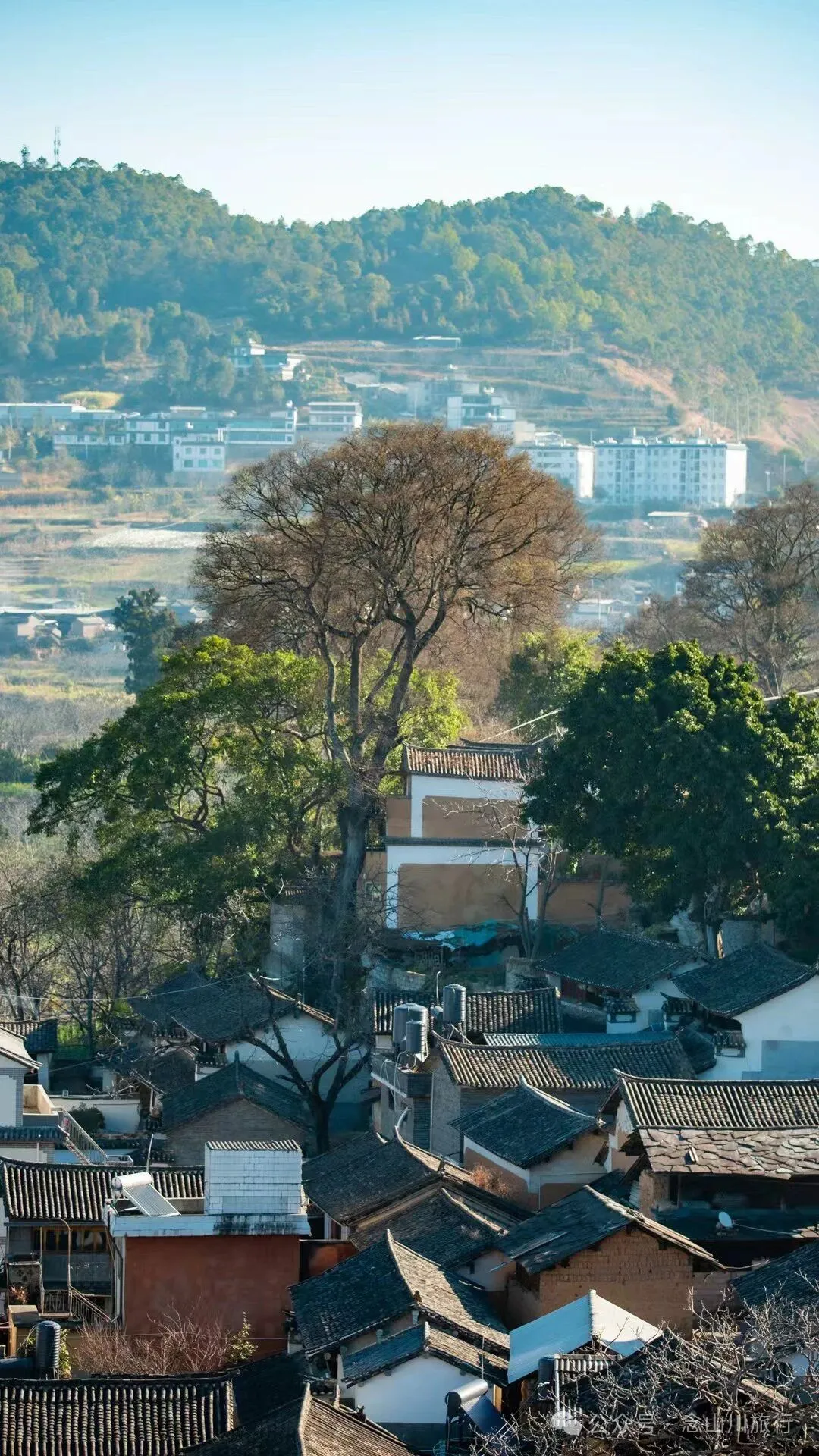
Yunda Academy is the best place to view the entire Lushi Ancient Town. Standing on the top floor, the ancient town in the morning mist and light resembled an ancient painting of a mountain market in clear weather, spread out before us. As cooking smoke rose, stepping into the narrow alleys and deep lanes there felt like stepping into that ancient painting, giving a sense of time travel.
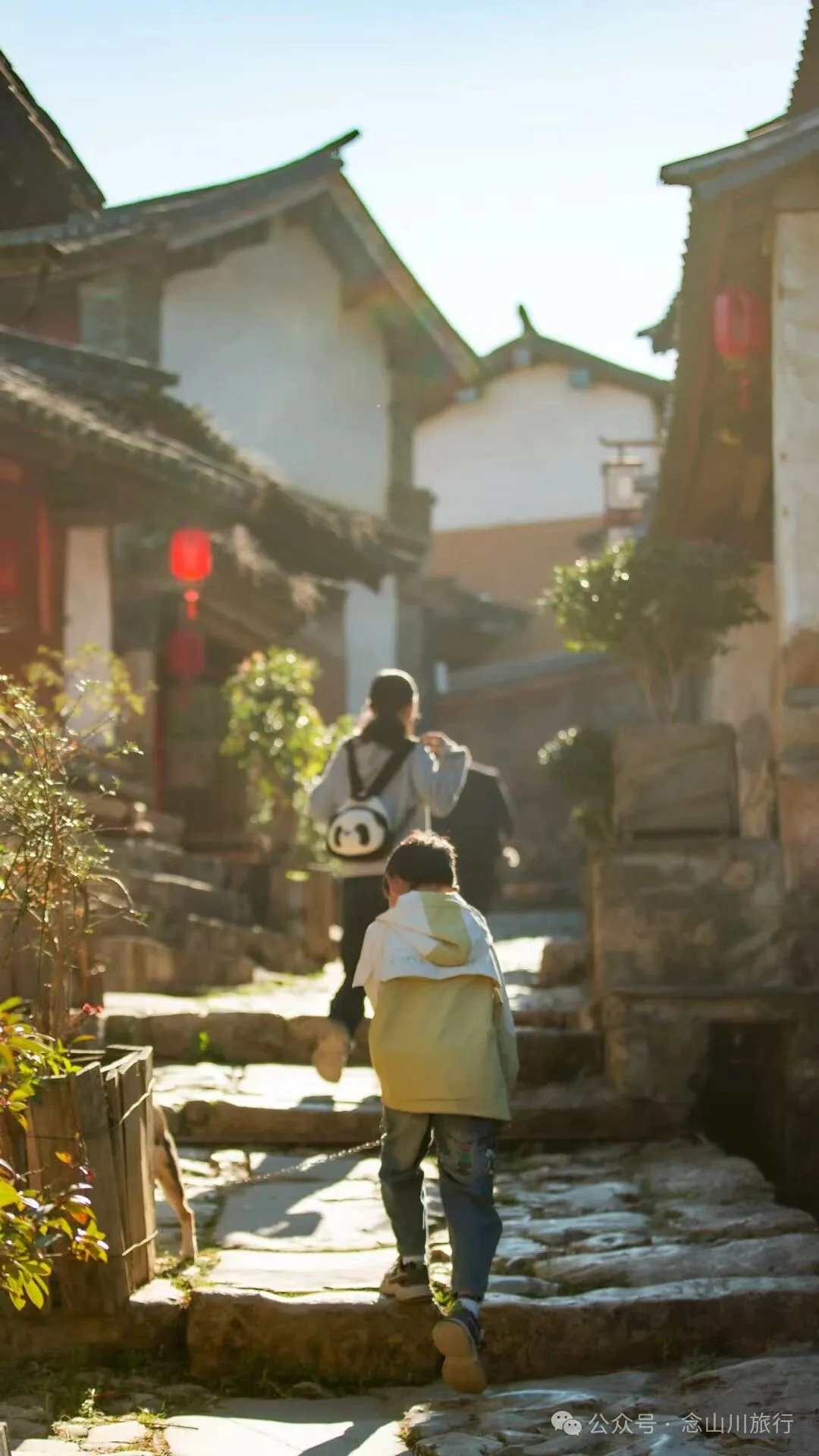
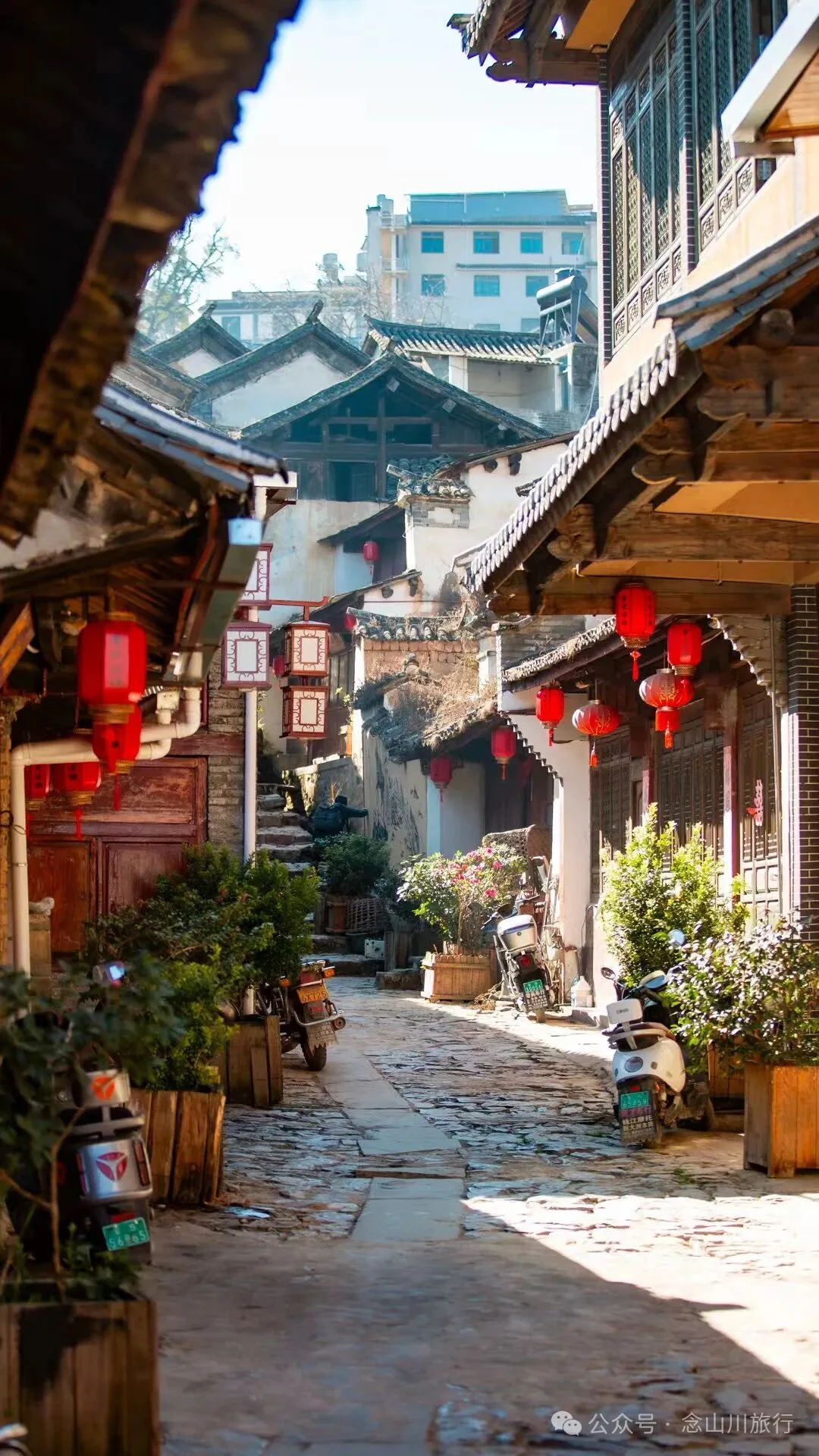
In early spring, Lushi Ancient Town enjoys many sunny days with clear skies and bright weather. But if you visit during the rainy season, it will be a different scene of clouds and mist, hazy and dreamlike. A friend once showed me photos of her visit during the rainy season, which were truly enchanting. But the mountains are long and the waters far; I don't know when I'll come again.