
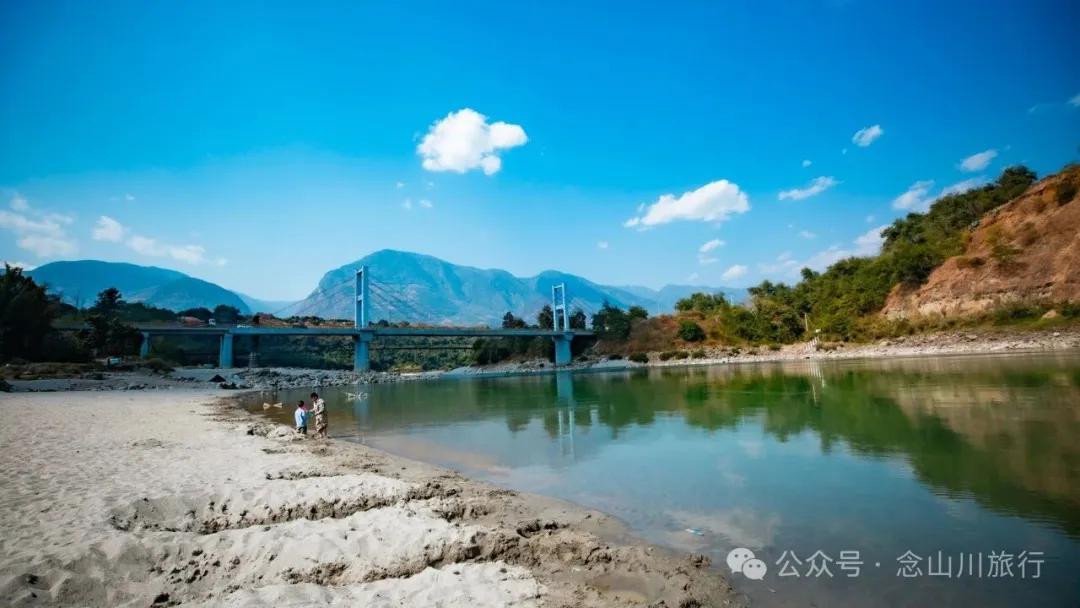
We decided to camp by the Nujiang River in Lujiangba, but we didn't know the exact camping spot. A sandy riverside without disturbance would be an ideal and perfect destination. After wandering aimlessly in Piaopiao Town like headless flies, we stopped searching for the little-known Piaopiao Ancient Town under the scorching sun and drove straight to Lujiangba. Suddenly, Dongfeng Bridge appeared ahead, and the emerald Nujiang River flowed gently beneath it. Compared to the Nujiang River flowing through Lushui, the water here was much gentler and calmer, without a sound, unhurried.
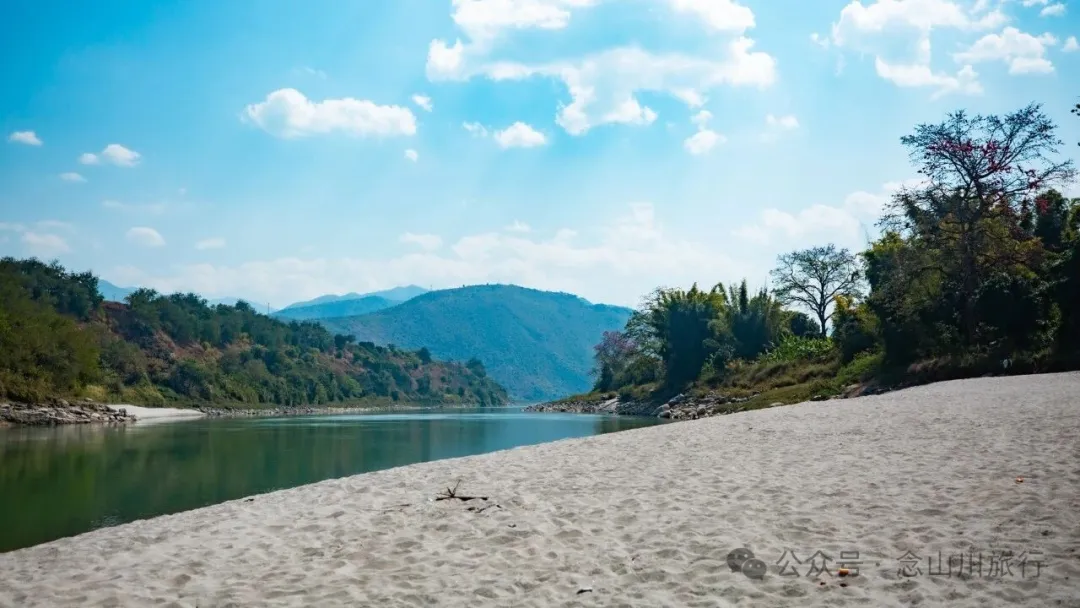
Under the bridge, a white sandy beach already had visitors. Adults and children each enjoyed themselves—adults sat chatting and eating under sunshades, while children played joyfully by the water. We found a path leading to the beach but were stopped by villagers at the bridge. Pay to enter—what fee? A sanitation fee, no invoice, extra for overnight stays. This is the reality, the reality we encountered. No beautiful scenery is free. We still went in. After driving a long stretch along the national road by the Nujiang River without finding a suitable campsite, we stopped here for the night.
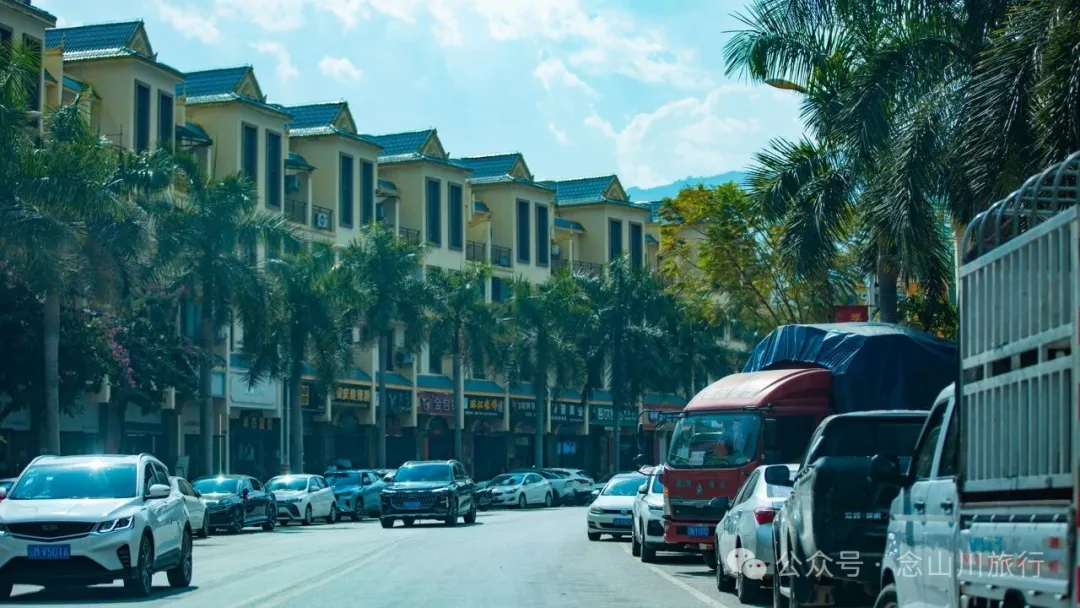
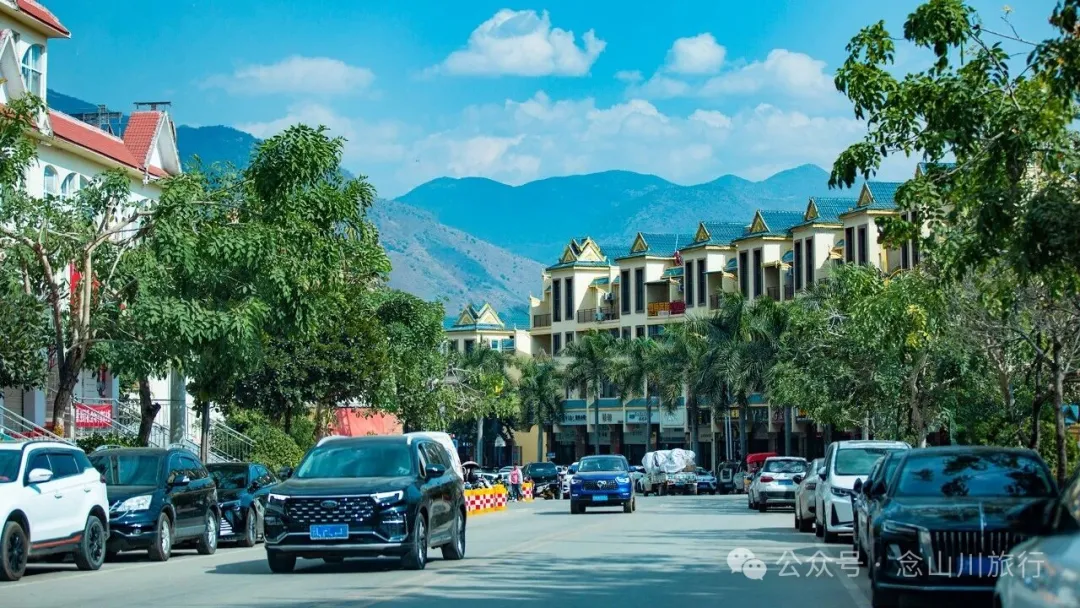
Lujiang Town, a small town developed through coffee cultivation, is the core production area of world-class small-grain coffee. The gray mountains to the west of the town looked ordinary and unattractive, but they hid many coffee estates. Villages at the foot of the mountains almost all rely on coffee farming. We came here to buy supplies for camping and soon returned to the sandy beach under Dongfeng Bridge.
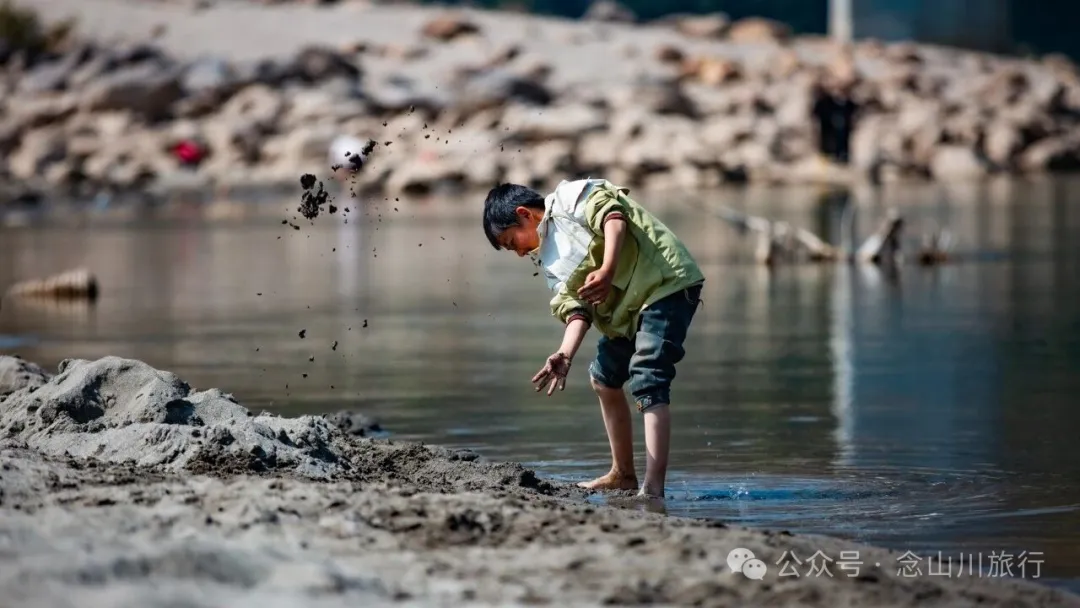
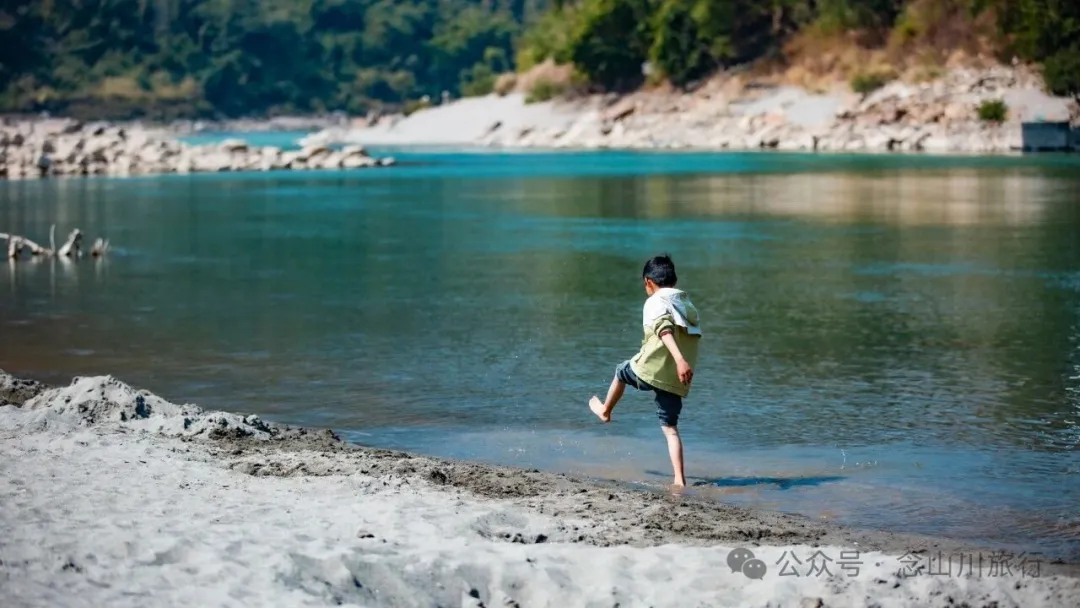
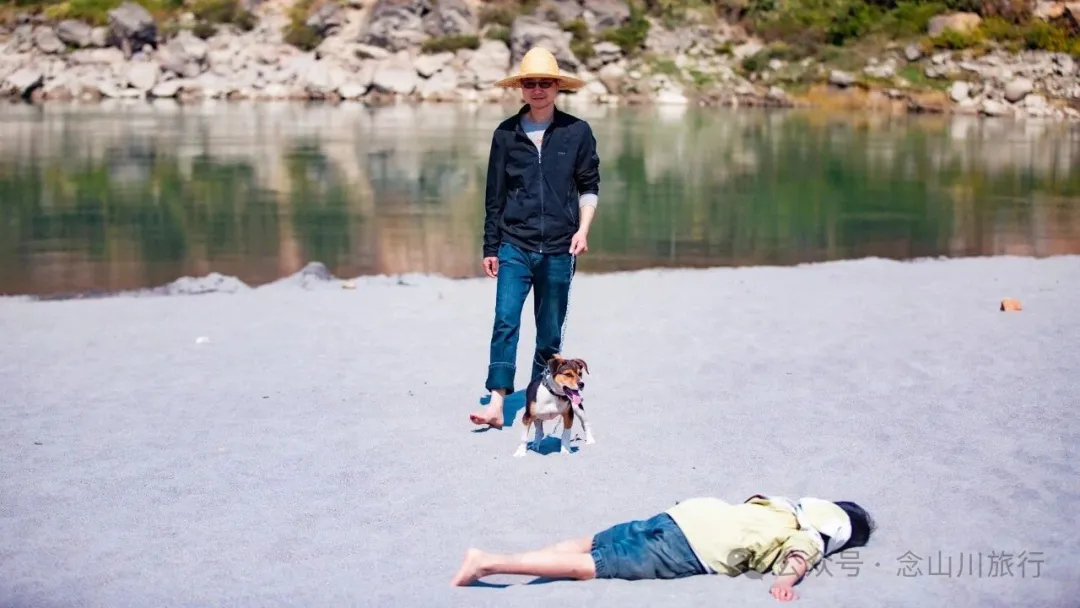
The beach was a paradise for children. They never seemed to tire of playing, always having countless ideas to put into practice. Castles and tunnels left by other children were expanded and rerouted by this little boy, then destroyed by a mischievous dog's paw. They chased each other away, waded into the water, and dug for treasures in the sand…
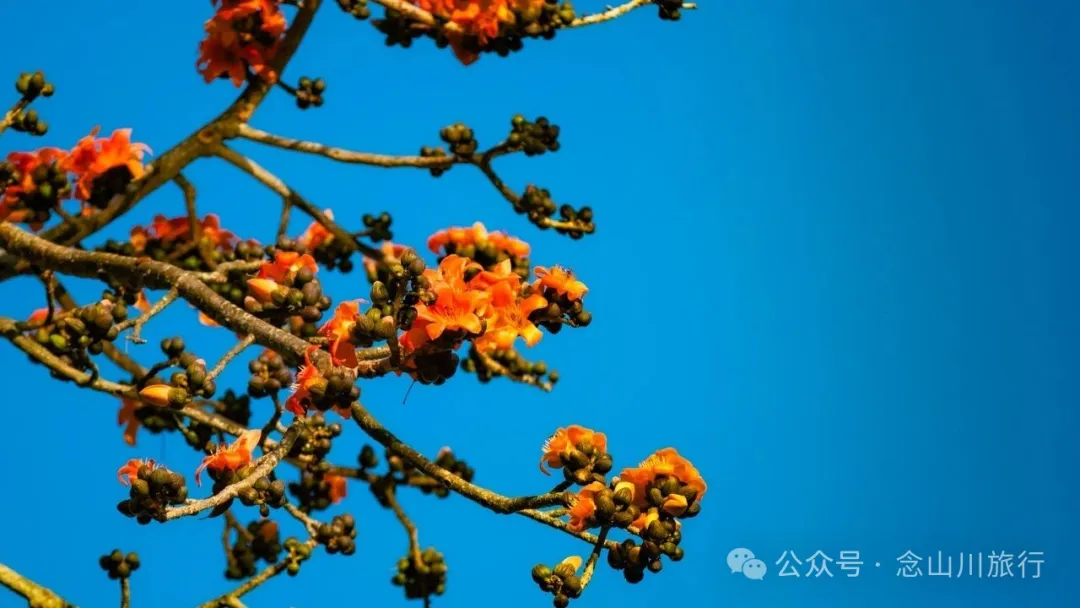
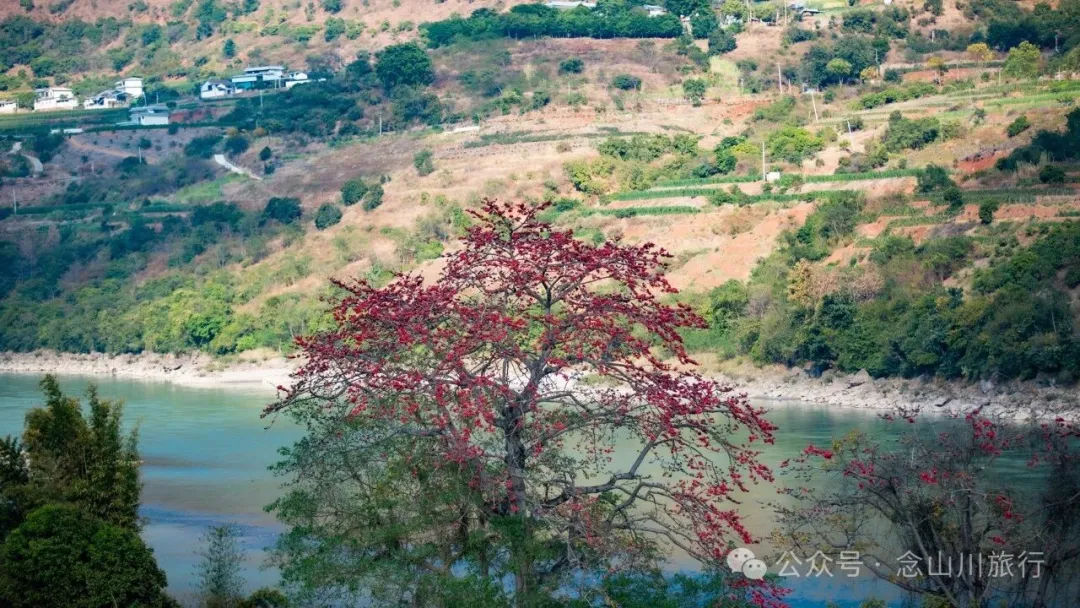
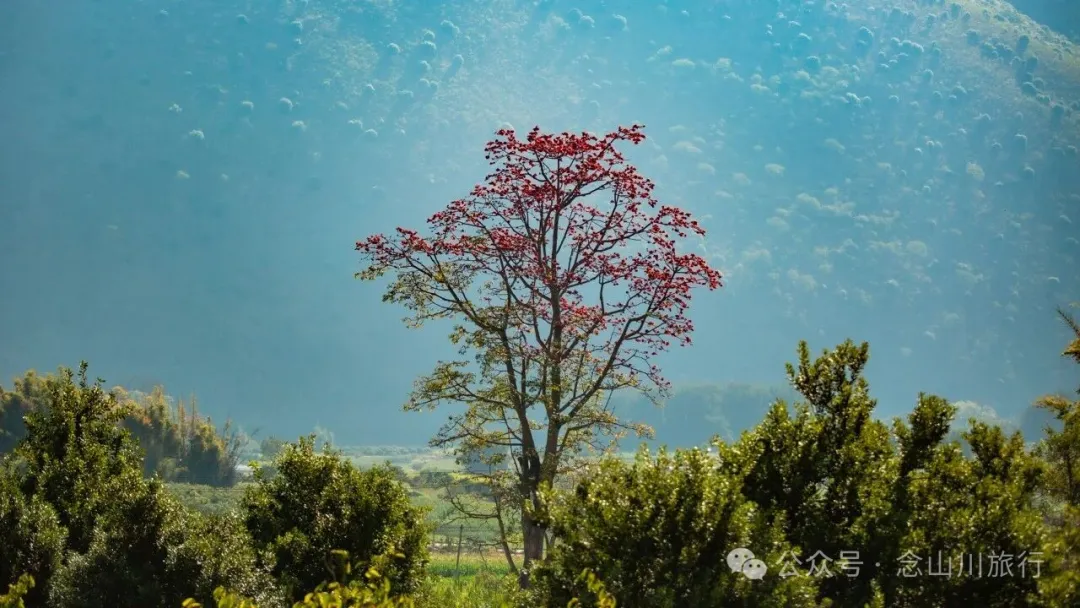
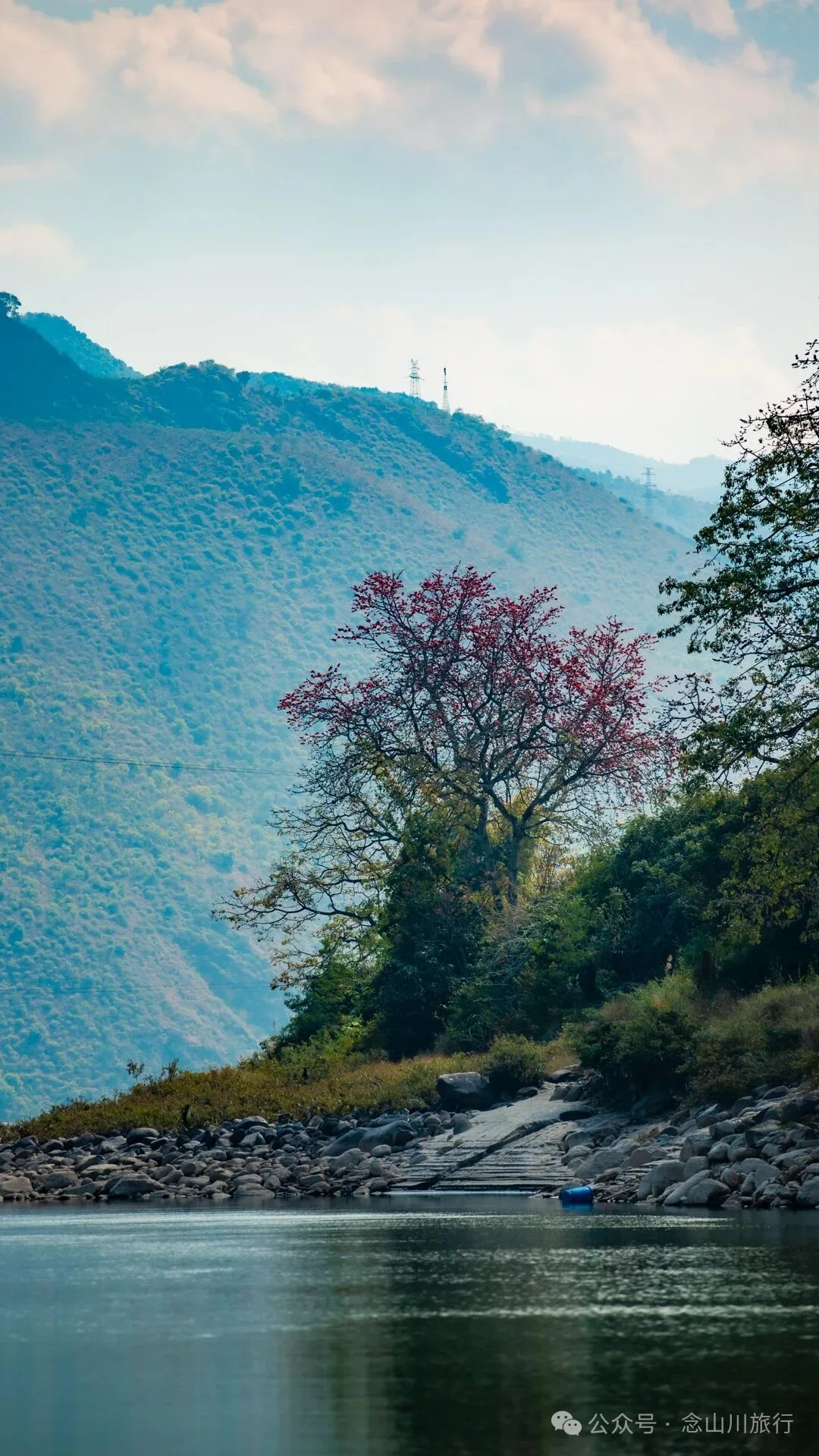
Kapok flowers seemed to prefer growing by the river. These tall plants, wherever seen, always garnered much praise. Next to our campsite stood a kapok tree. At night, flowers fell from the tree with loud thuds, like some wild beast, waking me up multiple times. For locals, appreciating them was unnecessary; eating them was the greatest respect. They liked to pick the thick orange flowers that had just fallen. Some couldn't wait and used long poles to knock the flowers down, collecting them in bags. They didn't eat the petals; they removed and discarded them, keeping only the core. The core was blanched, dried, and stir-fried with cured meat and chili peppers. It wasn't particularly delicious, but it was okay, with a taste of the wild. I still preferred them staying on the high branches.
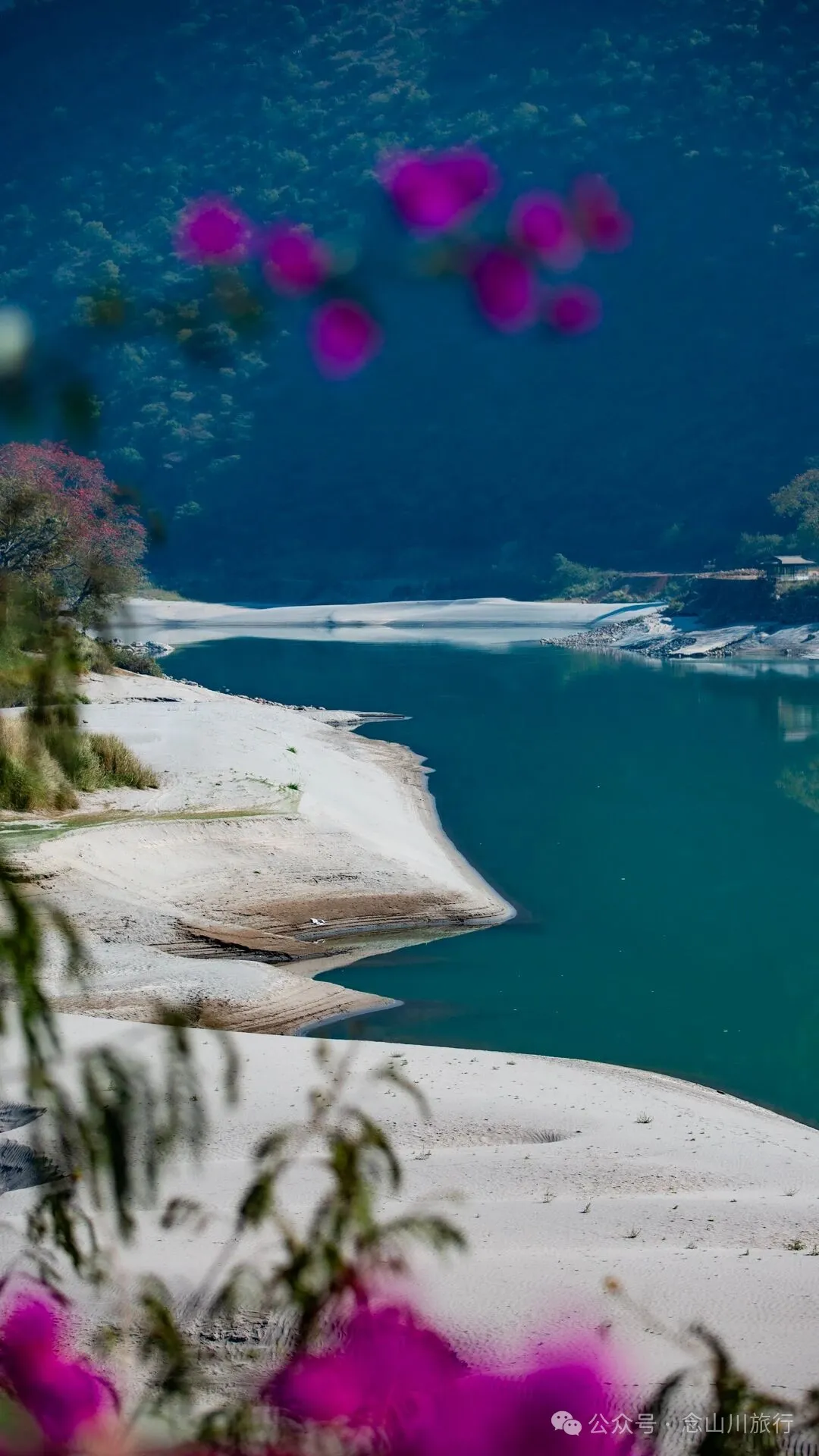
As sunset approached, the crowd dispersed. We boiled tea by the bay, drinking together, enjoying the beach alone. But soon, another group entered the beach and set up tents on the empty space beside us. The night was still not quiet. At 11 p.m., dew silently clung to the tents. Even through two layers of waterproof fabric, the damp cold seeped in from outside, creeping into the sleeping bags. This was a stark contrast to the scorching daytime. Camping outdoors in Yunnan, we often encountered such extreme changes. The unfamiliar campers next to us were still playing cards in their spacious yurt-like tents, shouting and competing, as if everything here belonged to them when they camped. They could put their stuff anywhere, like the only annoying shrieks floating in the air.
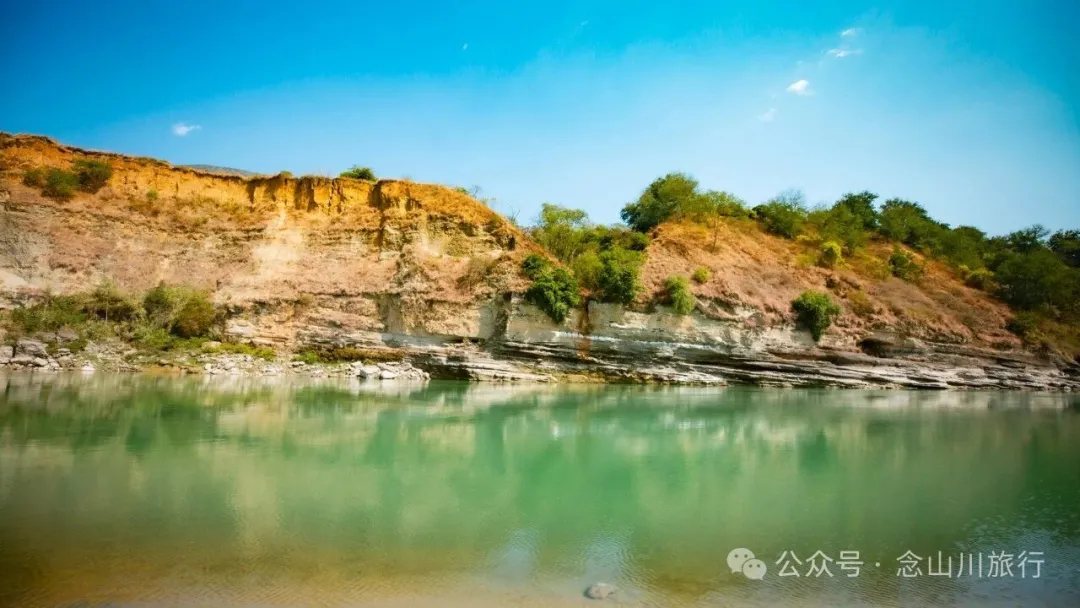
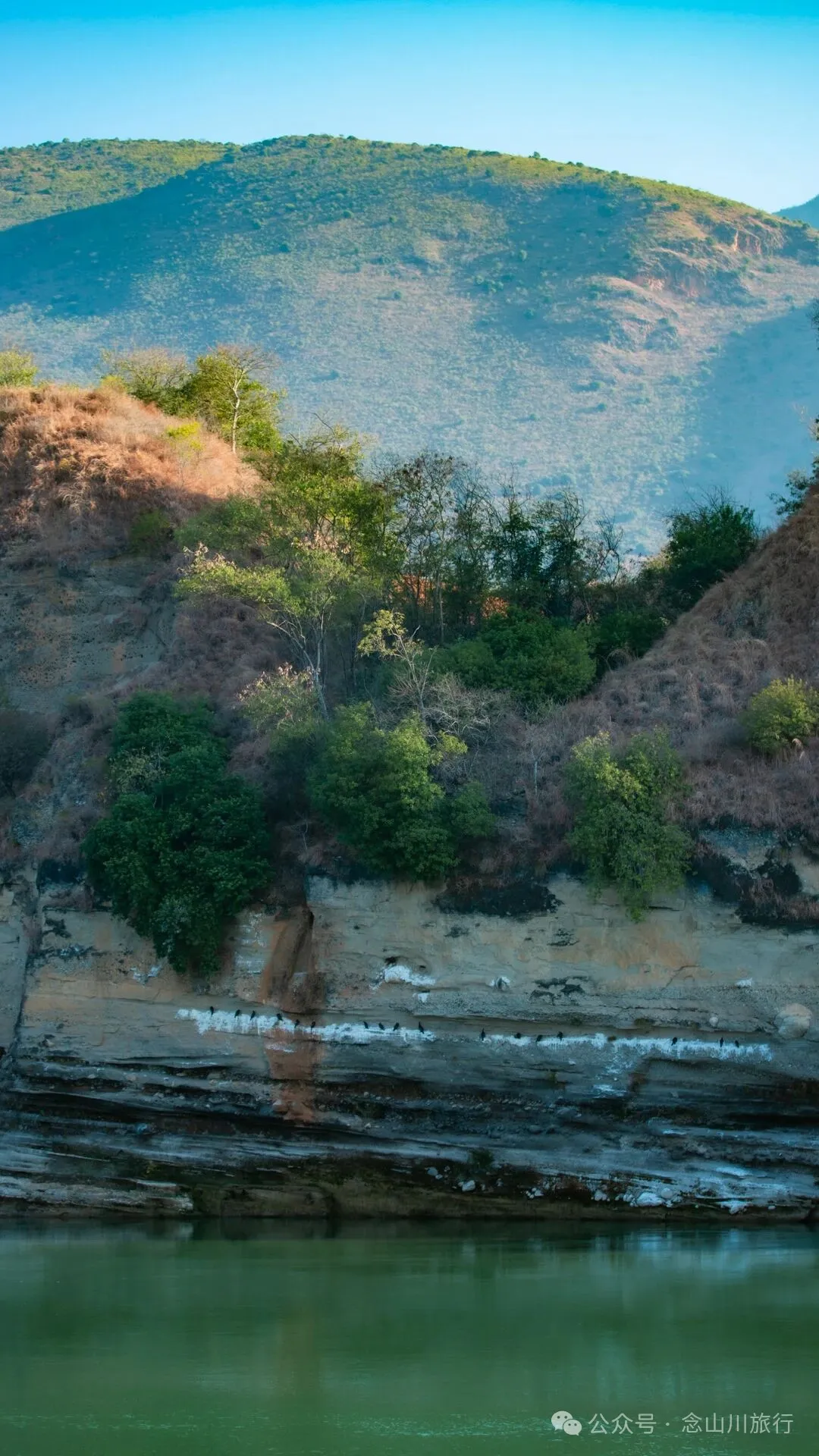
The children soon fell asleep. I struggled with the harsh screams for a long time and finally won. The victory wasn't mine; it was my heavy drowsiness and fatigue that soothed me, but I wondered if it would soothe the black neighbors across the river. They were birds roosting in the crevices of the cliff on the opposite bank. In the late afternoon, they returned there in groups and stayed. They were so far away that I couldn't see their appearance or posture clearly, just a patch of black, like crows. I only heard their hoarse calls during brief awakenings at night, knowing nothing else about them. Deepseek told me they might be a type of small cormorant, but I was skeptical.
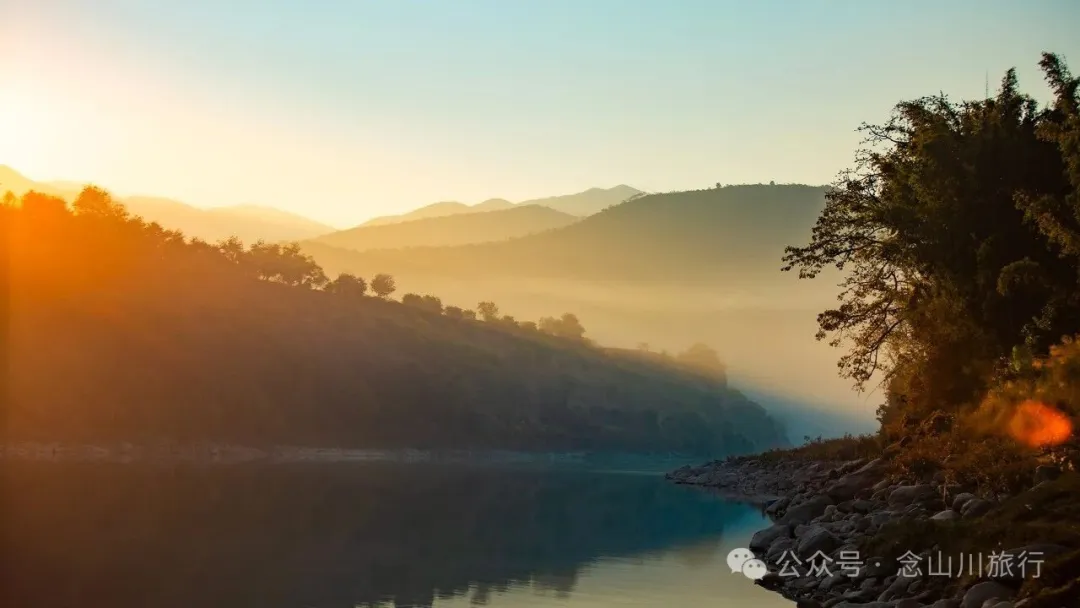
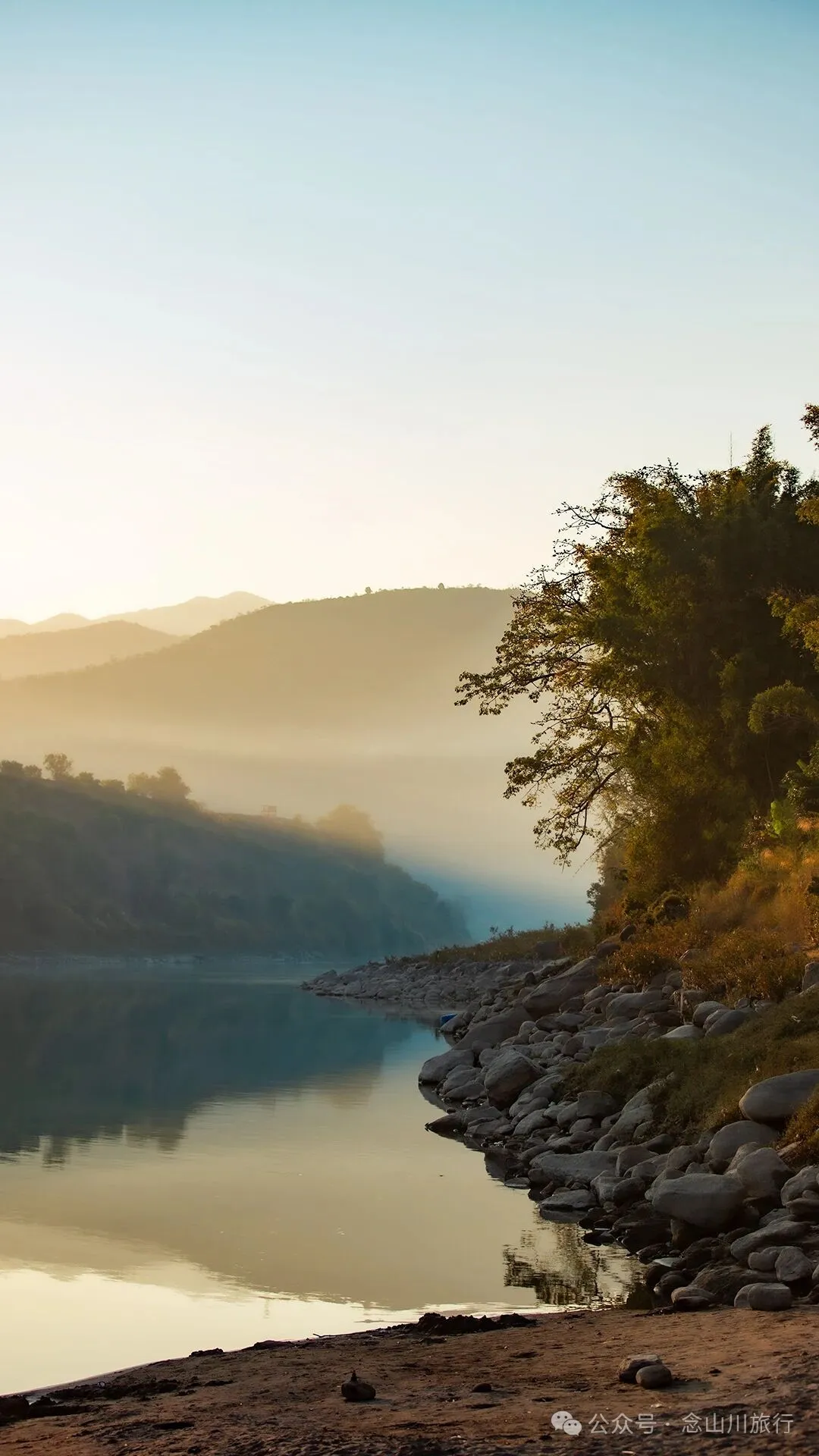
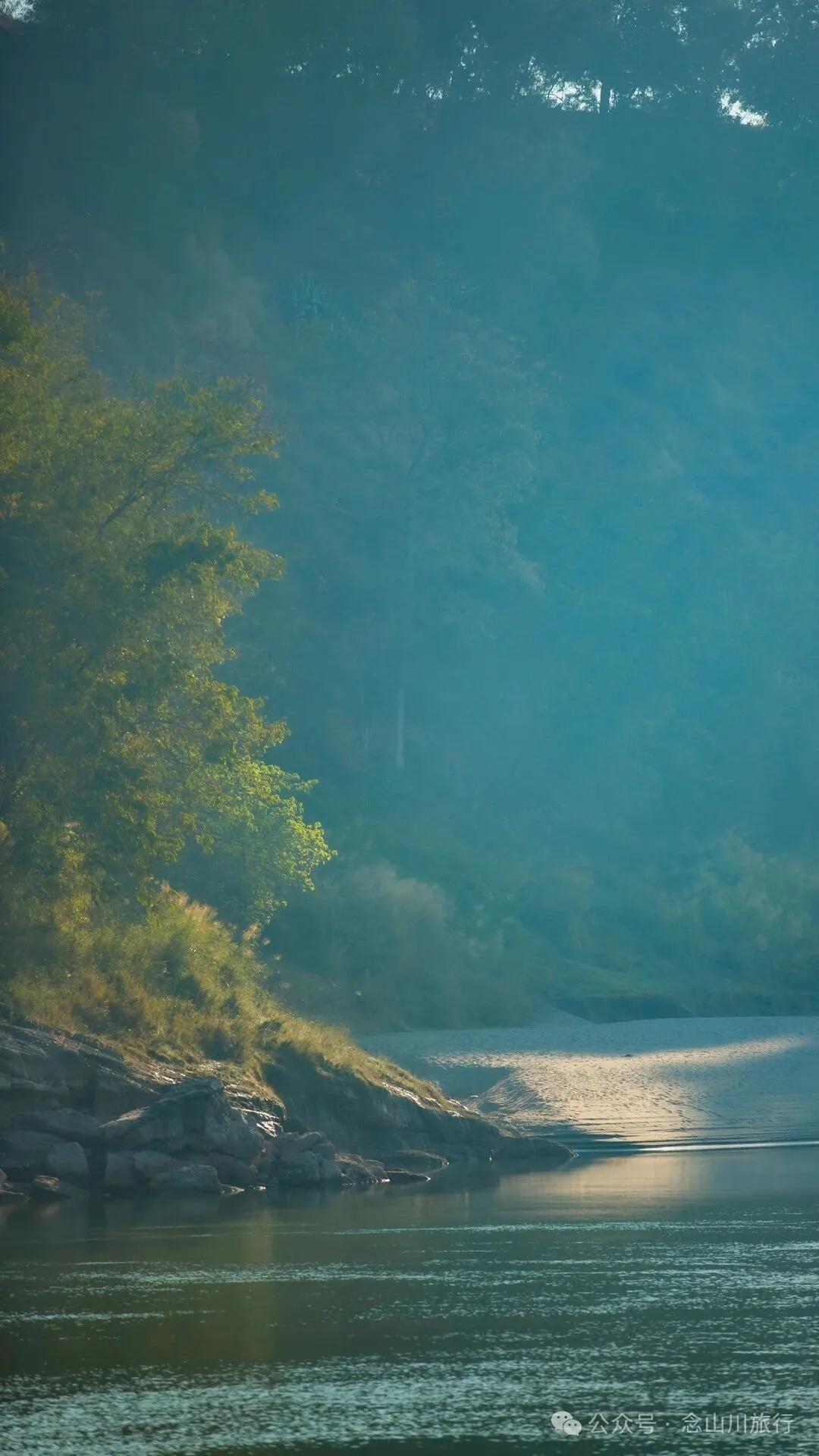
Cars often roared across Dongfeng Bridge, seemingly never stopping all night. At least every time I woke from sleep, I saw a few blurry car shadows with lights moving from one end of the bridge to the other, then disappearing around a bend I couldn't see. Who would be driving all night? Finally, a glimmer of light appeared in the sky. The cold night was about to end. I crawled out of the tent. The entire beach was empty. The tent next to us had no sound or light, still asleep like the black birds across the river. The river surface was a calm and gentle blue. In the distance, thin morning mist began to rise, enveloping the now docile Nujiang River. When the soft light rose high enough to cross the ridge and shine on the river again, the water turned into a charming emerald color. The water surface, shimmering with morning light, looked exactly like a boat.