

Digging Shepherd's Purse in the Wild
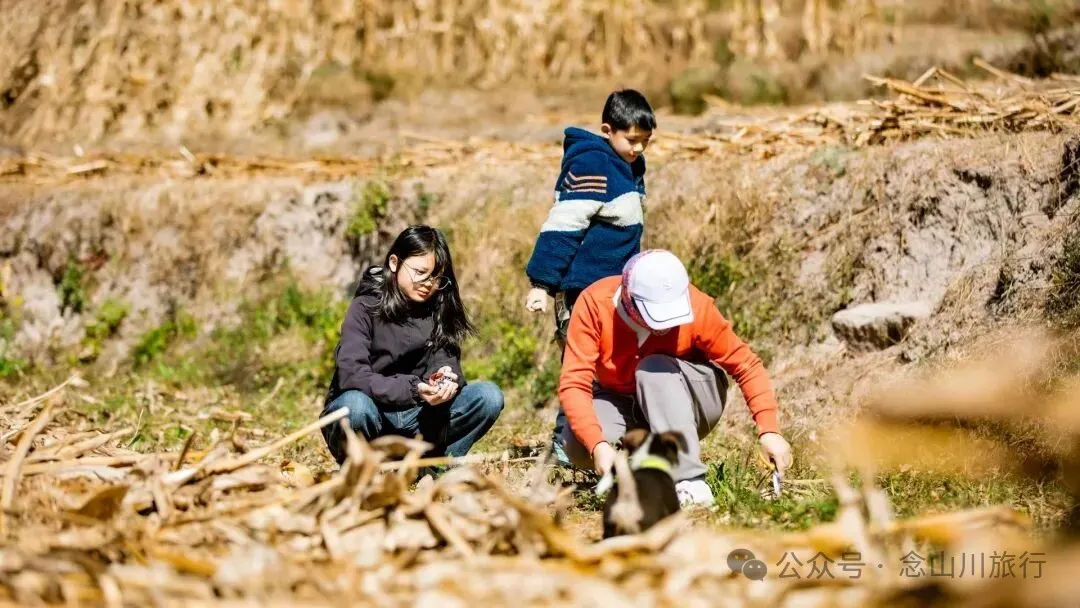
Digging shepherd's purse was a common childhood activity. Every year around the Spring Festival, the children in the family were instructed by our grandmother to go to the empty fields where cotton stalks had been removed to find this delicious and fragrant wild vegetable. Shepherd's purse was mostly stir-fried or chopped and cooked into porridge. A small piece of fermented bean curd could accompany several bowls of shepherd's purse porridge, serving as a flavoring agent in an impoverished life.
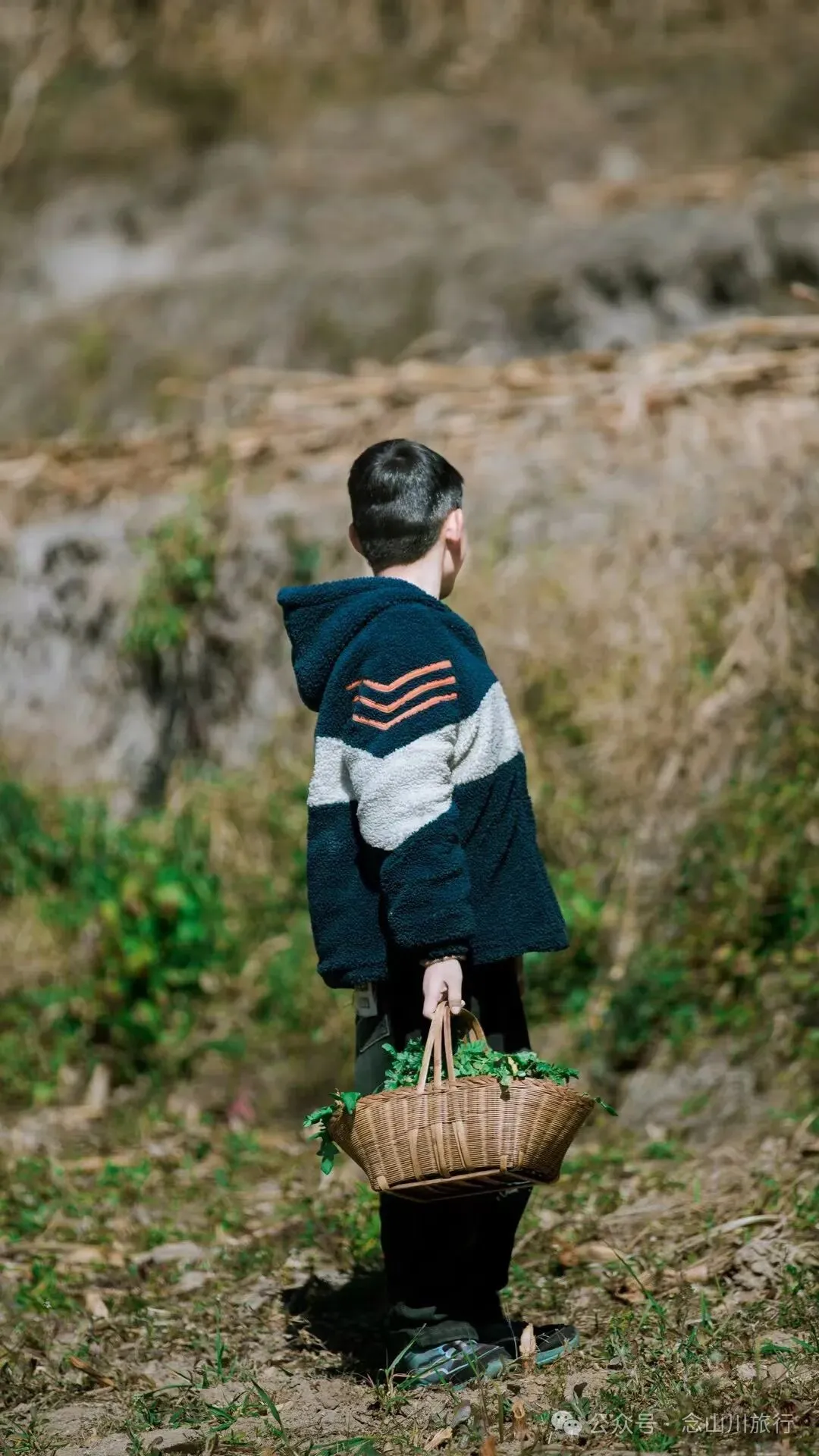
The tools for digging shepherd's purse were homemade: a cylindrical wooden handle about 2 cm in diameter and as long as a palm, with a 6 to 10 cm long hard iron wire nailed into one end, the other end bent into a fishhook shape. Inserting the hook into the root of the shepherd's purse underground and gently lifting it up would bring out the whole plant intact. Nowadays, no one makes specialized tools for digging shepherd's purse, and they seem unnecessary; a pair of kitchen scissors is more practical. On the way to the small pond, I passed a desolate cornfield where withered corn stalks lay scattered on the ground. I immediately recognized shepherd's purse among the green weeds, hurriedly picked up my small basket, and squatted in the winter wasteland, reluctant to get up and go elsewhere.
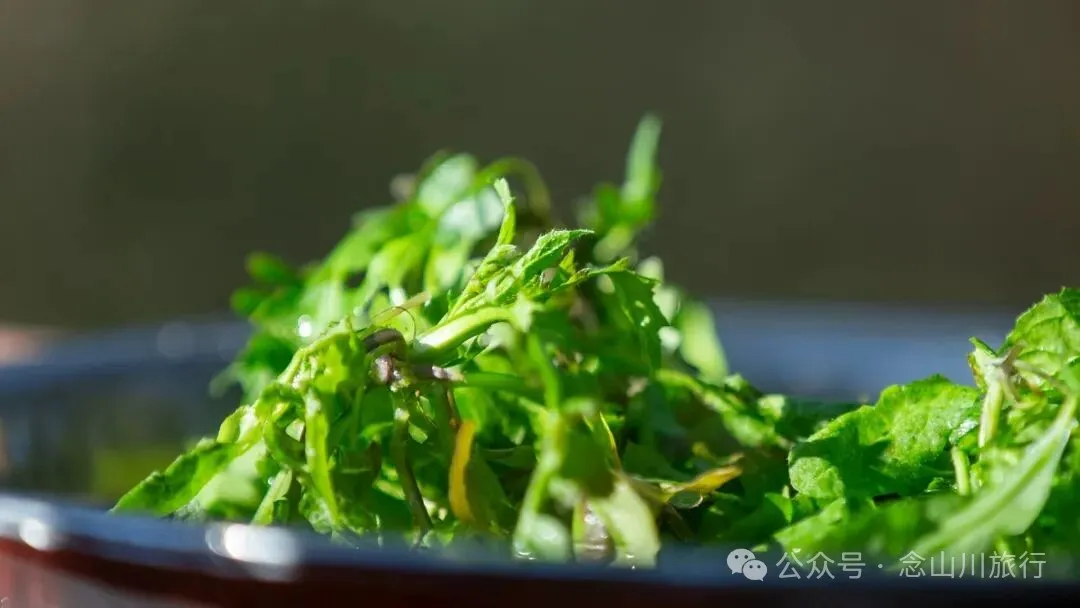
The winter sunlight here is more generous. Even before the Spring Festival, the shepherd's purse grows as large as porcelain plates but hasn't yet aged or sprouted long flower stems. The ones buried under the corn stalks were tender and small, with a very fresh green color. The growth of shepherd's purse here was so gratifying that in just over ten minutes, I had cut a full bamboo basket. An old woman carrying a bundle of wild grass for cattle feed came over and curiously asked what I was looking for. I showed her the shepherd's purse in the basket, but she seemed indifferent, as if she didn't recognize it. I took half of the shepherd's purse, washed it, and cooked it in a soup pot—it was most delicious. The remaining half I took home to make dumplings, a new way I tried last year at the landlord's house, and it turned out quite well.
Drawing Spring Water to Brew Tea
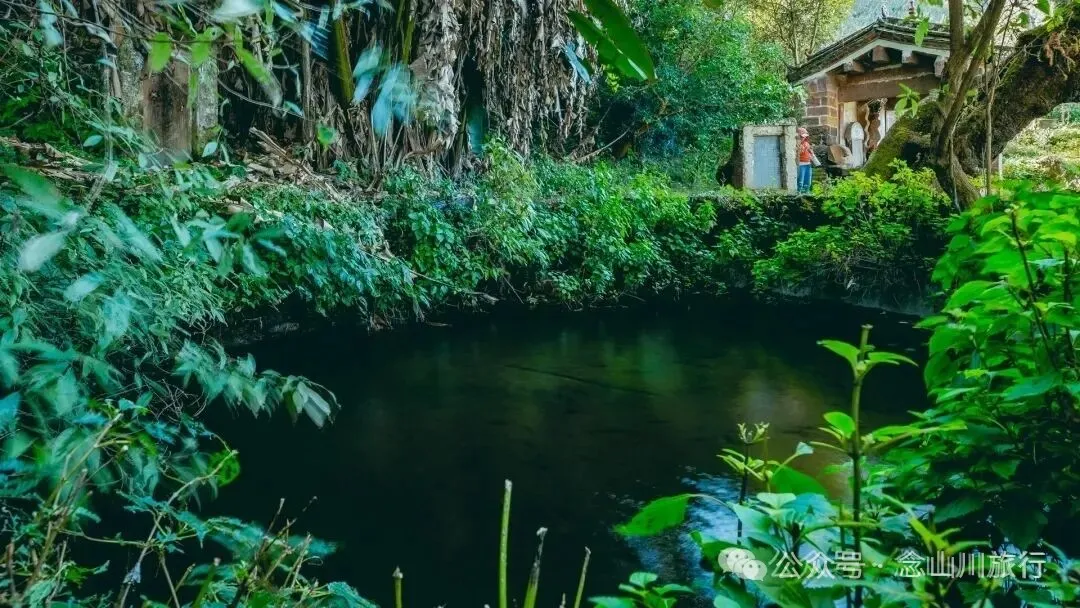
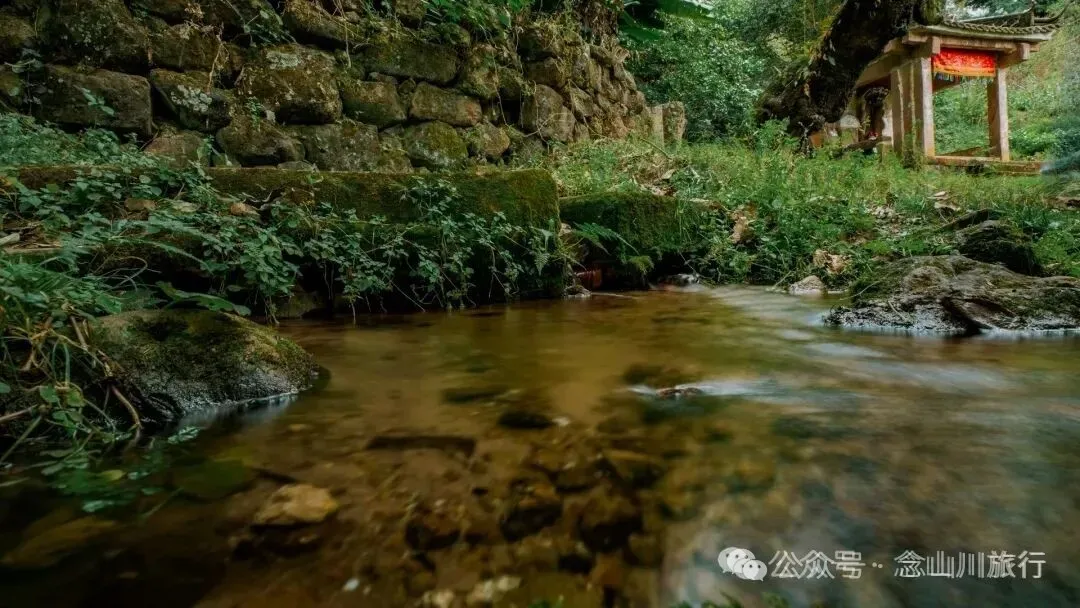
Behind the village of Xiaotangzi, there is an underground mountain spring that gushes continuously from under an ancient tree. It is the sweetest and clearest spring in Weishan. People built a small pond by the tree for easy water collection. Nearby, they constructed a small temple to worship the Dragon King and placed a Qing Dynasty stele recording the miraculous spring. Villagers often come here to burn incense and pray, hoping the spring never dries up and blesses the area. I remember once meeting two workers hauling timber in the mountains. One of them didn't know there was a deity here; after his companion told him, he followed us over the mountain to see, and immediately knelt devoutly before the Dragon King, prostrating himself.
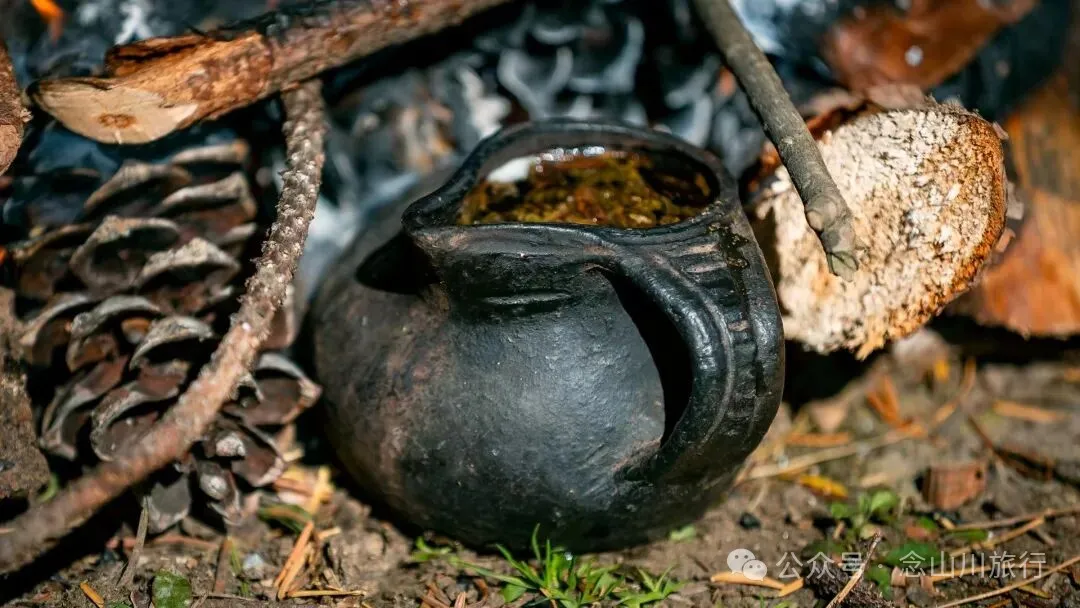
On weekends or holidays, people often come with various bottles and containers to fetch spring water and take it home for brewing tea. The tap water in the city has a strong bleach smell and is unsuitable for tea. The spring water here is different—no impurities or unpleasant odors. When the boiled spring water is slowly poured into the tea, it is not assertive at first, but the moment it is swallowed, sweetness gently rises from both sides of the tongue. This is not the sweetness of sugar, but the softness and warmth released by the fusion of minerals and time, carrying the scent of tree sap. It doesn't cling to the mouth but leaves a refreshing emptiness, sliding down the throat with a silky texture and backbone.
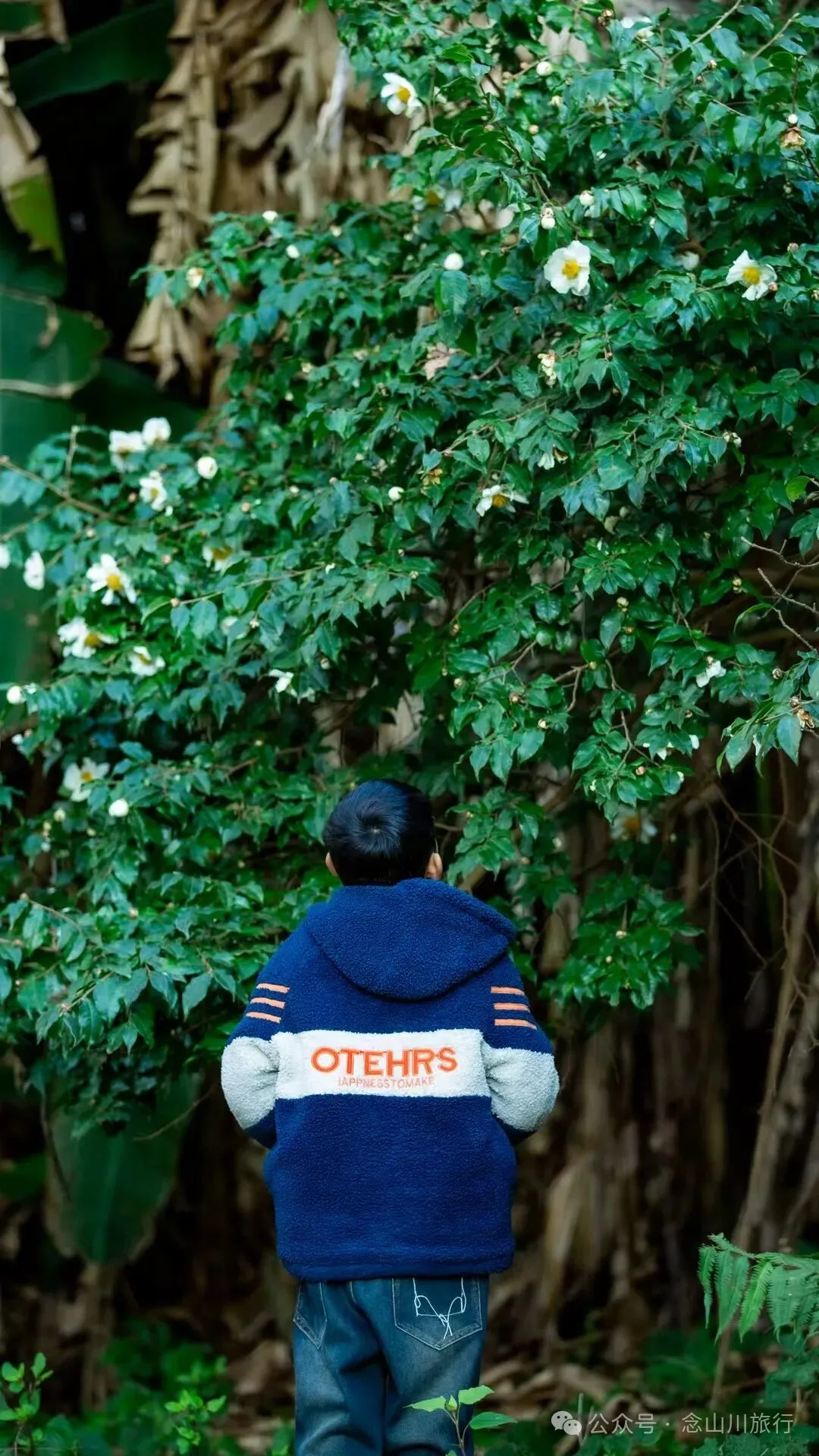
Admiring Flowers Under the Forest
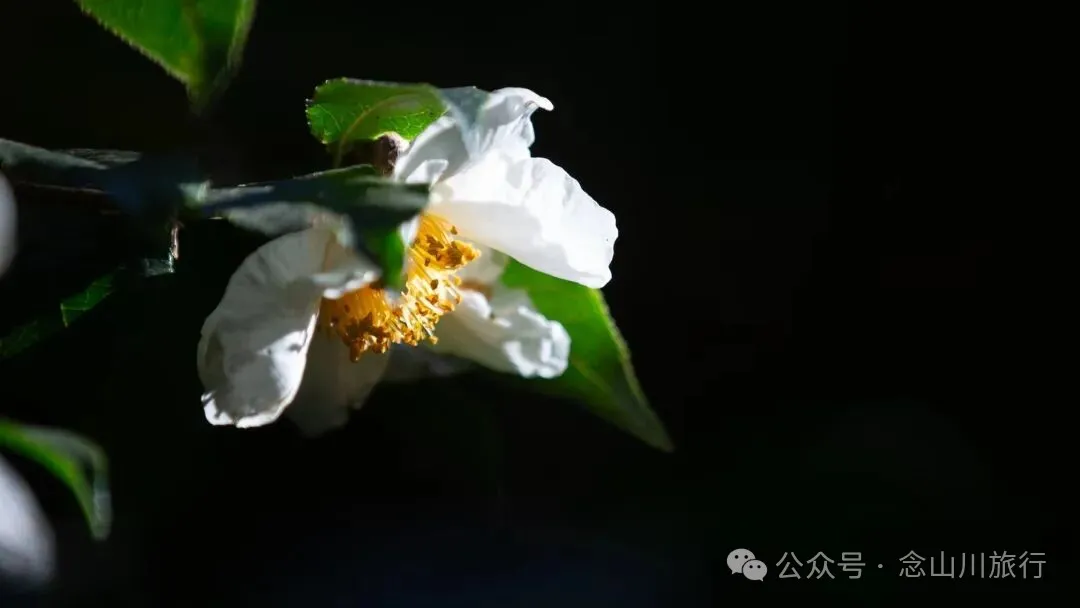
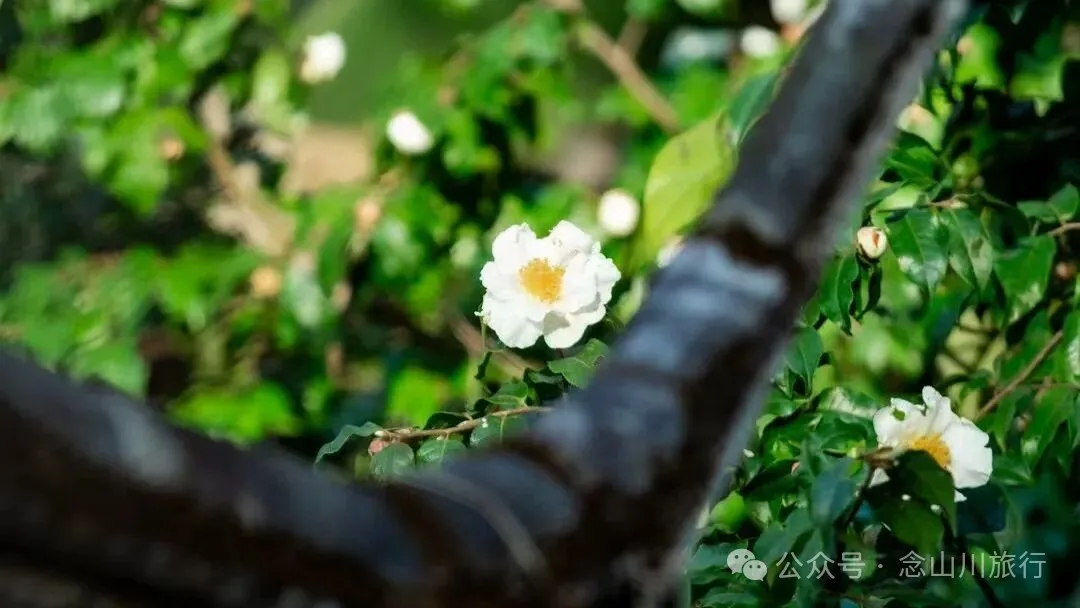
The brightness and liveliness of the monkey wood flowers begin after midday. The sun slants onto the gnarled branches of tall ancient trees, and one after another, lush white large flowers emerge from the dark silence into the viewer's sight. The winter cold does not make them retreat; instead, they bloom more boldly and spectacularly. However, this is not a bustling city. Even if people come here, most come to fetch water, and few stop to admire the character of the flowers.
The sunlight passes quickly, and most flowers never have a chance to be touched by the sun, remaining in the shadows all day, silent. When the last ray of sunlight glides over the eaves of the ancient temple, a flawless monkey wood flower on a branch is instantly illuminated, like a small white cloud plucked from the sky. It seems moved by this brief moment of brightness, showing off its elegant posture to the fullest, leaving no regrets for either the viewer or itself.
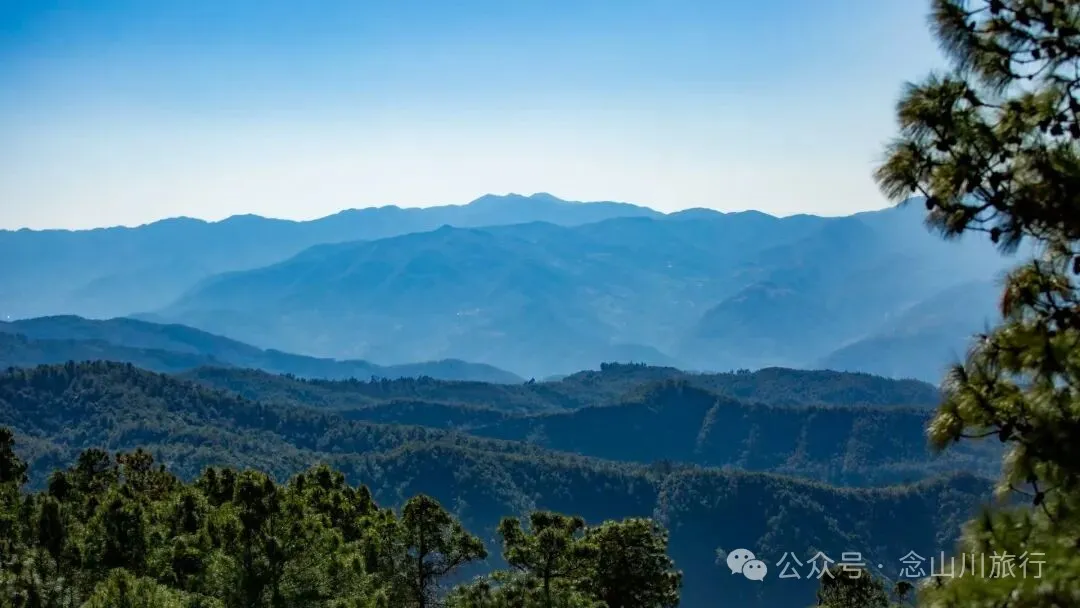
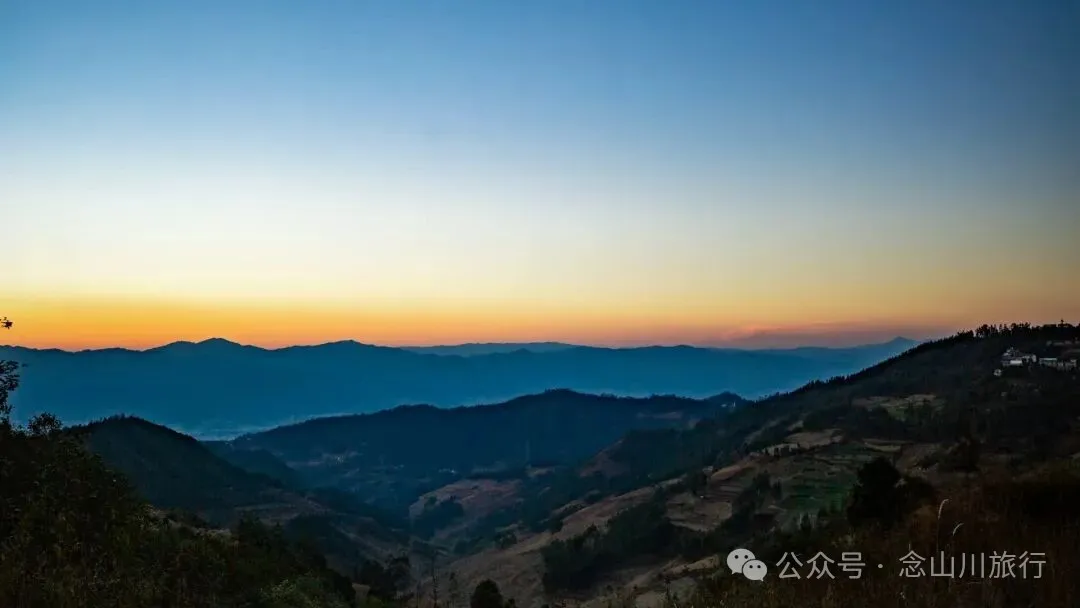
Cold Mist with Sunset Glow
The distant mountains in winter are solemn and tranquil. Cold mist, like the sigh of the mountains and rivers, drifts slowly over the wilderness and plains, or like a thin transparent glass blocking the viewer's sight, a barrier between the viewer and the distant mountains. The winter blue, blended with the pale white of the cold mist, becomes faint. The imagery of distant mountains clearing after rain in ancient Chinese landscape paintings becomes concrete at this moment, so enchanting.
The sunset quietly slides onto the western ridge line, splashing the distant clear mountains with richer and more brilliant colors. At the far edge of the sky, a line of flushed red seeps out, quickly turning into orange-red, golden-red, and purple-red. Finally, as the sun sinks, the sunset glow merges with the evening wind and returning birds into the powerful darkness of the night, leaving no trace.