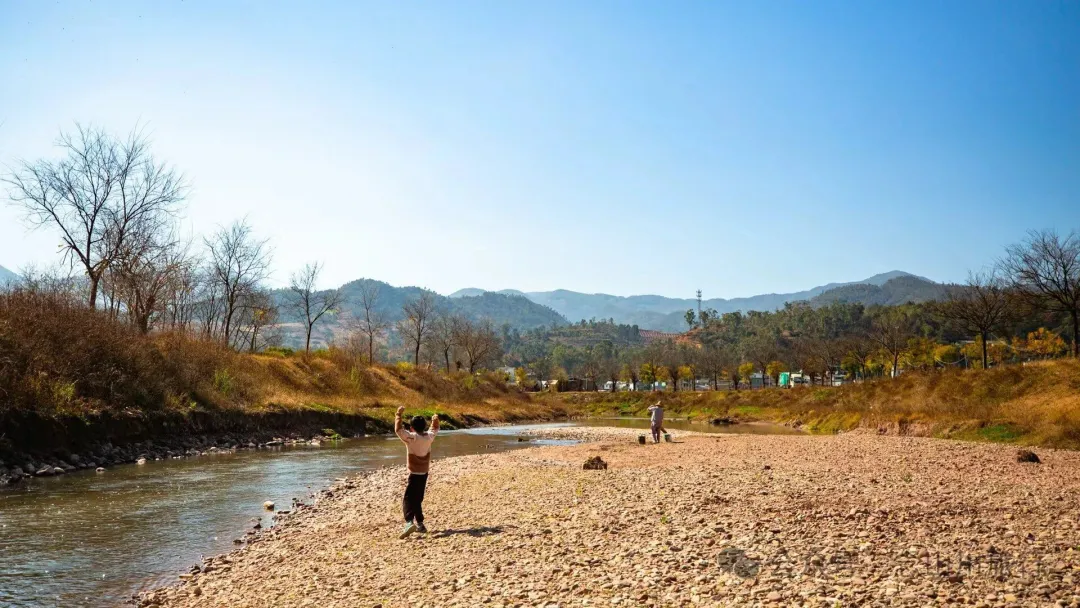

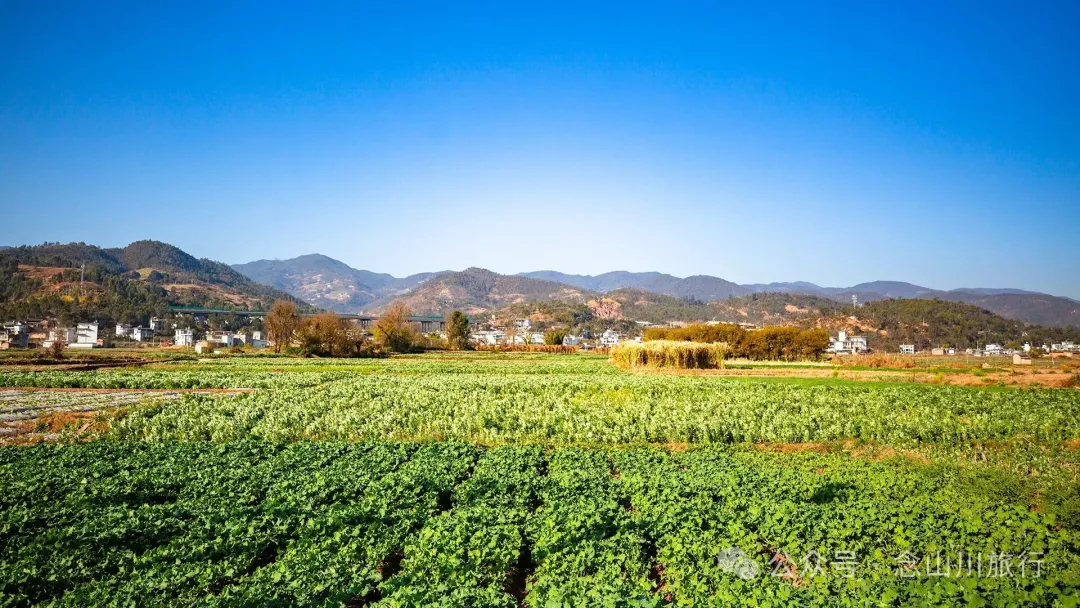
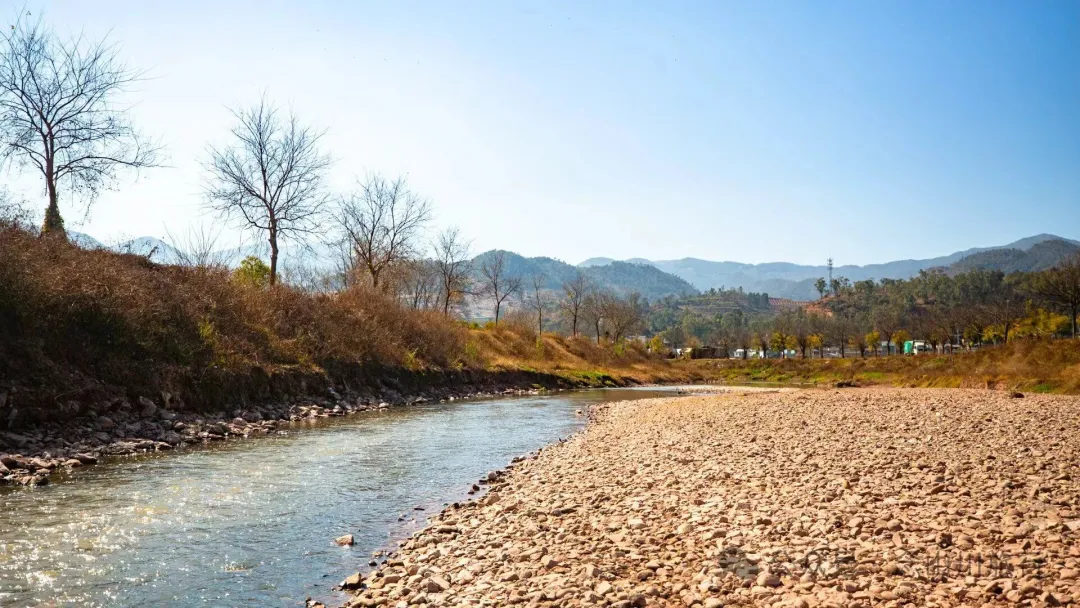
When not going to the mountains, the West River (i.e., the Red River) on the western outskirts of Weishan County town is where my boy and I often go. Between the winding river and the village of Nanshan at the foot of the mountain lies a vast, flat fertile field. As the crops planted in the fields change with the seasons, the colors of trees and flowers also vary, presenting different landscapes that never feel monotonous. In spring, drifting willow catkins fall on the still water surface, as magical as snowflakes in a clear sky. When the river dries up, the exposed riverbed is covered with clusters of wormwood and smartweed, and yellow cattle graze on the grassy slopes dotted with purple flowers.
Among the four seasons, summer nights here are the most lively. Many city residents come to cool off under the willow trees by the river. As more people gather, some see business opportunities and set up stalls, turning the once-deserted riverbank into a bustling food street. Compared to cool, clear nights, I prefer rainy days in this season. A tree of dense green weeping willows stands in the rain like a green mist. When the rain gets heavier, the moisture from the grass tips and the droplets from the willow tips merge, as if stained by the deep green of the willows, filling the gap between them and making the green mist thicker.
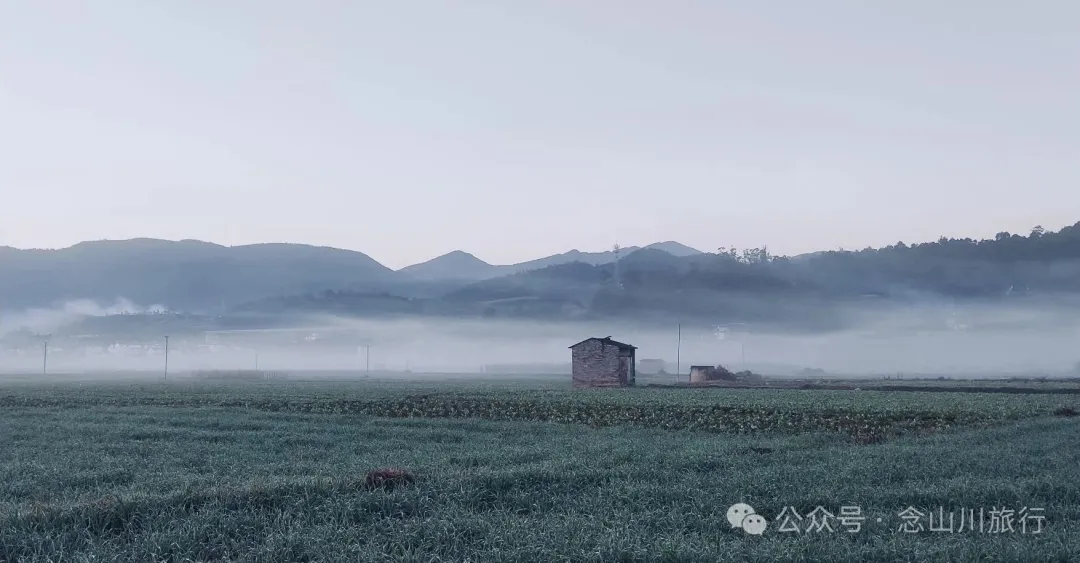
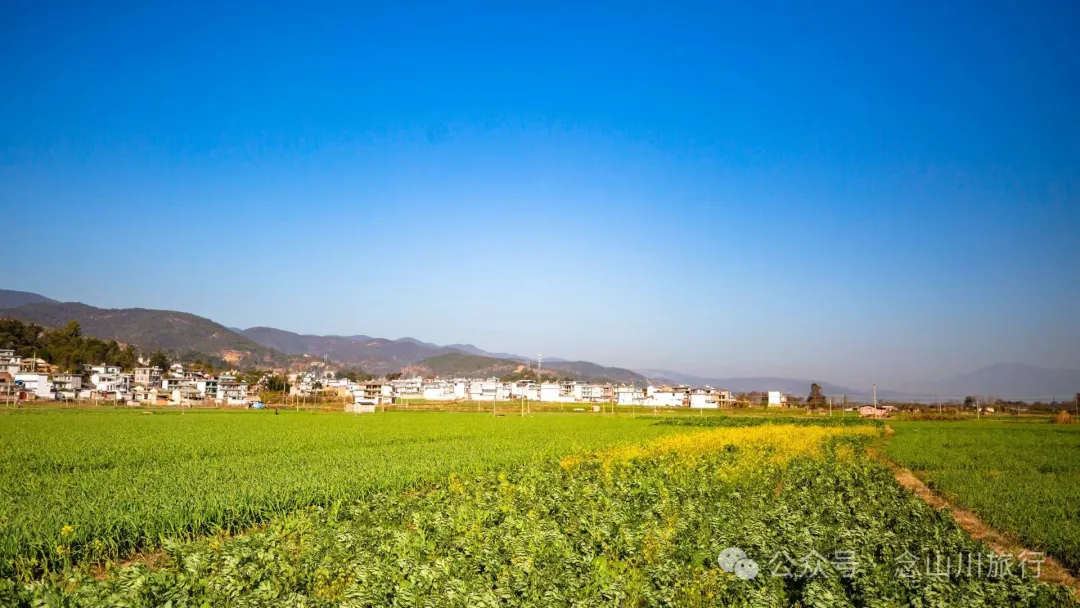
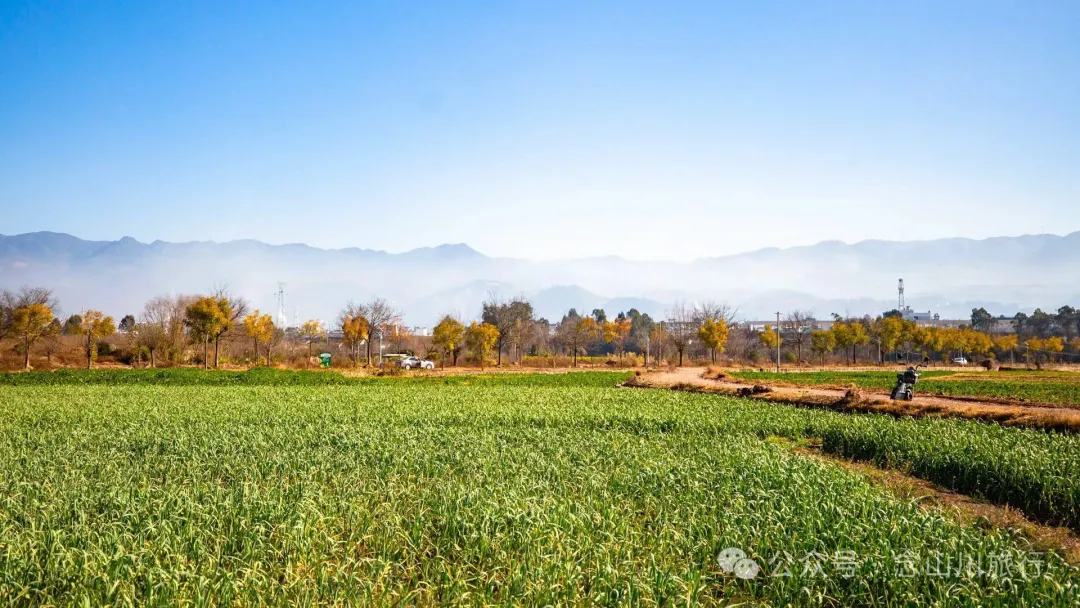
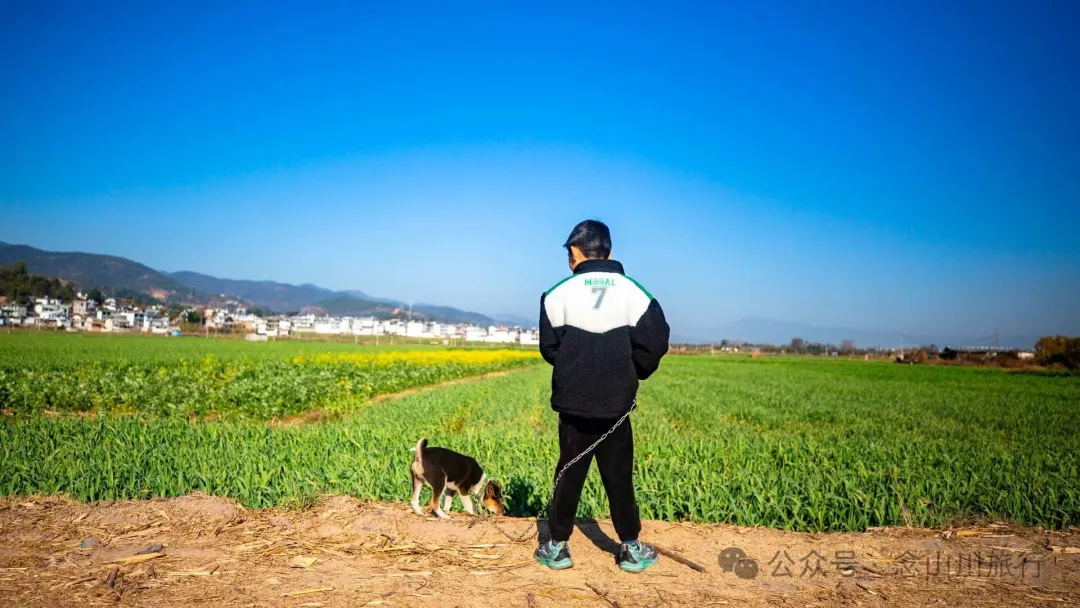
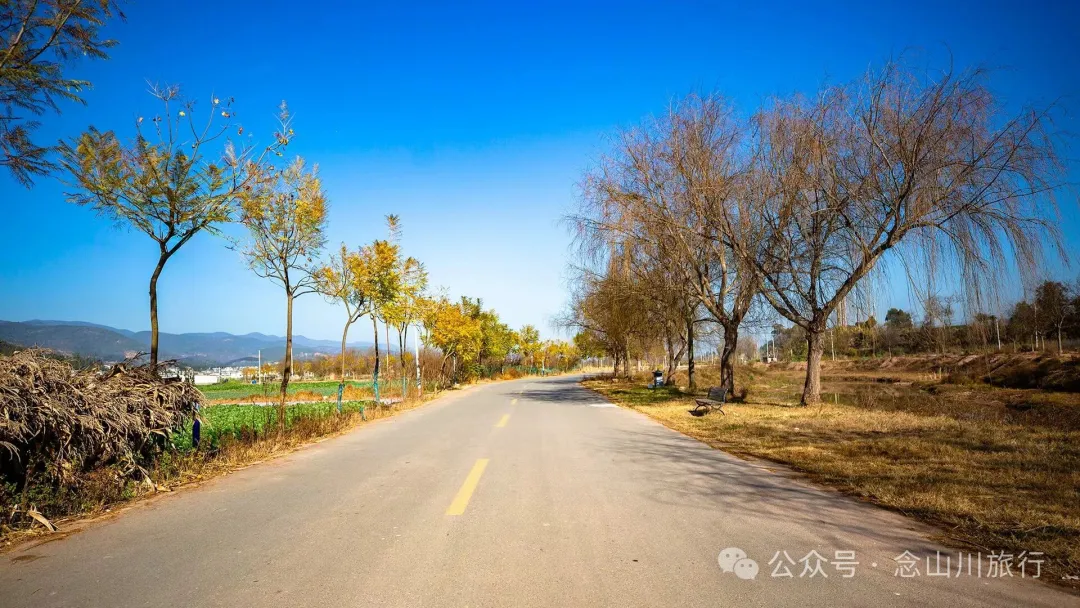
Compared to other seasons, autumn here is much less impressive, especially in dry years when farmers prefer to plant more economical and drought-resistant tobacco instead of rice, making the fields gray without the golden rice. But in winter, it never looks desolate like elsewhere; there are always touches of green and yellow adorning the land, showing vibrant vitality.
These days, the morning and evening temperatures remain around 0°C, typical winter weather. If you can endure the morning cold and frost, and walk onto this field before sunrise, staying for half an hour or an hour, you can witness a magical natural phenomenon: standing on the field path, you see the distant village gradually shrouded in mist. The mist rises silently from the ground, first engulfing the base of the walls, then spreading to knee height, and finally stopping at human height, pouring from the distant village toward you until the white mist surrounds you completely. At that moment, you are isolated from the world, with only the cold patch of earth beneath your feet.
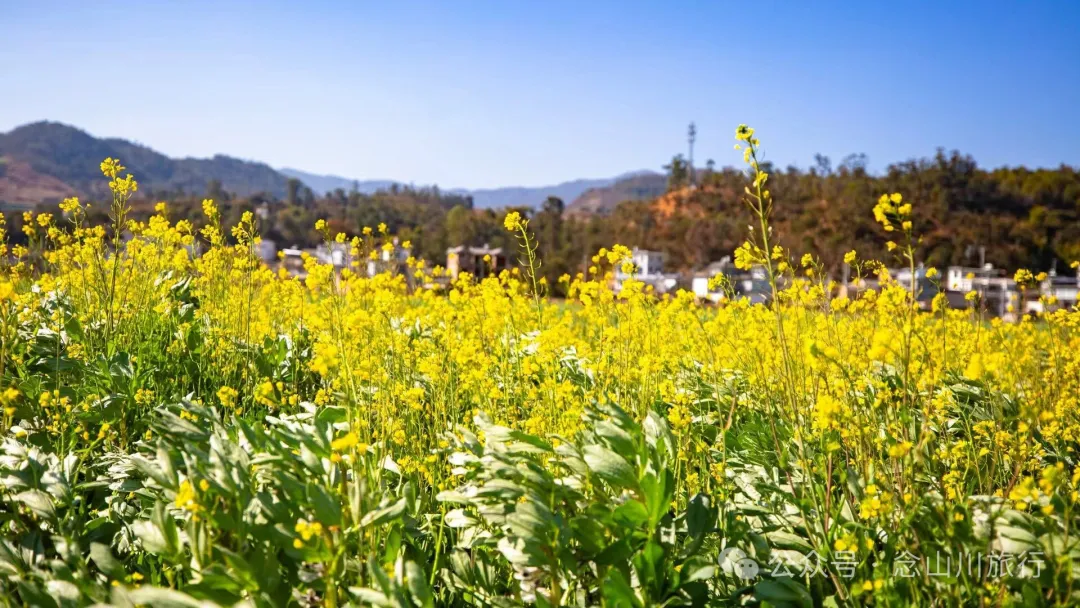
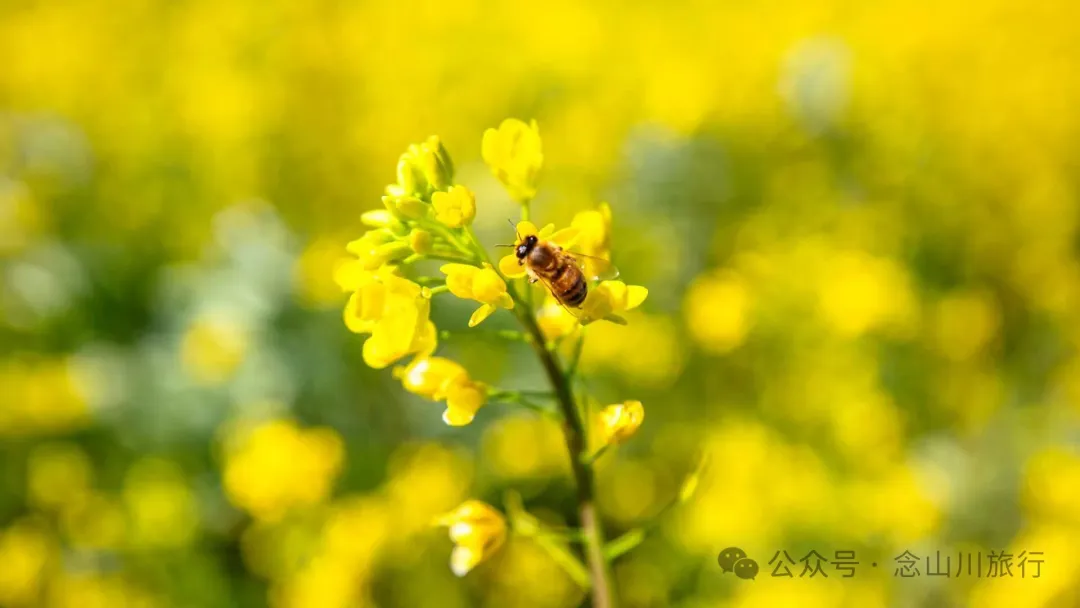
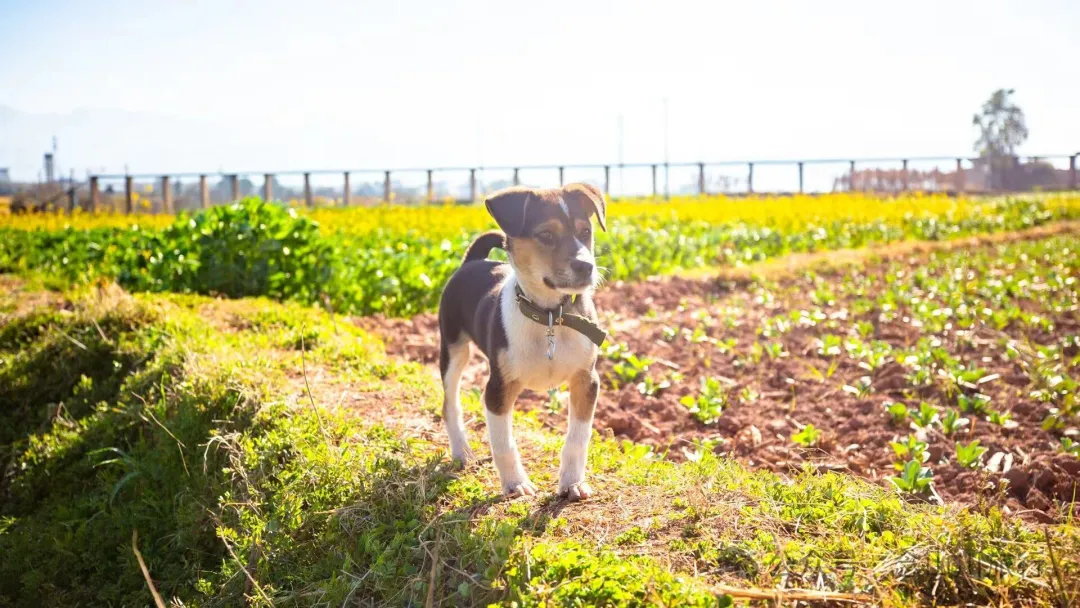
In the warm sun around noon, the breath of spring has already emerged. A gentle breeze blows, warm and pleasant. On the field, the morning mist has long disappeared, but traces remain in the distant mountains. The crops in the fields are mostly green broad beans and garlic sprouts, growing vigorously, dyeing the winter land in patches, full of life. The earlier-planted rapeseed, impatient to wait, blooms golden flowers before the stems reach human height, attracting countless buzzing bees. Within miles, only this patch of land is golden, and the bees treasure it, rushing to work diligently.
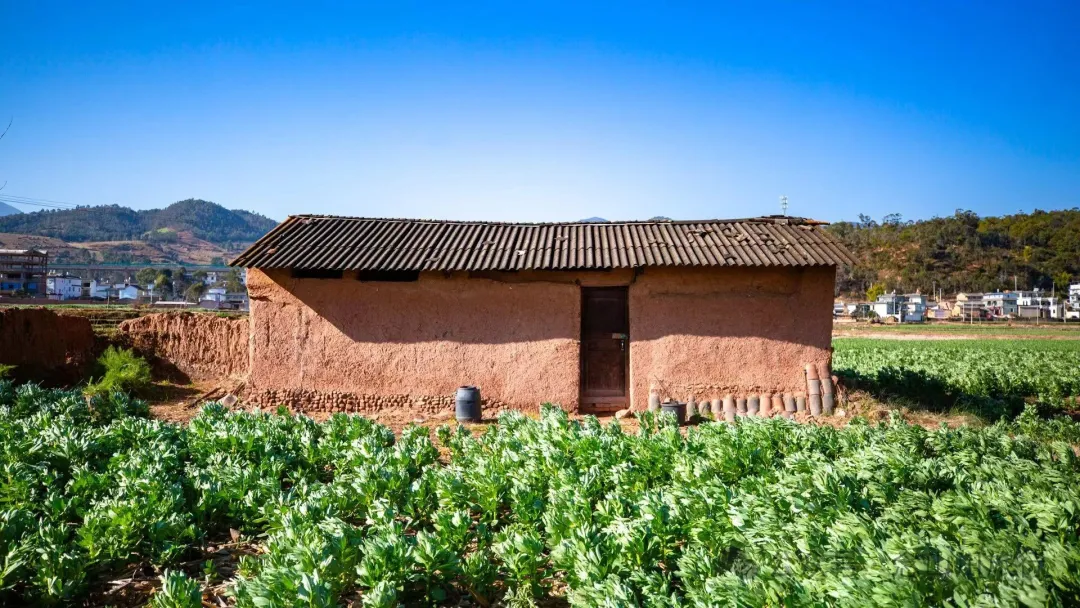
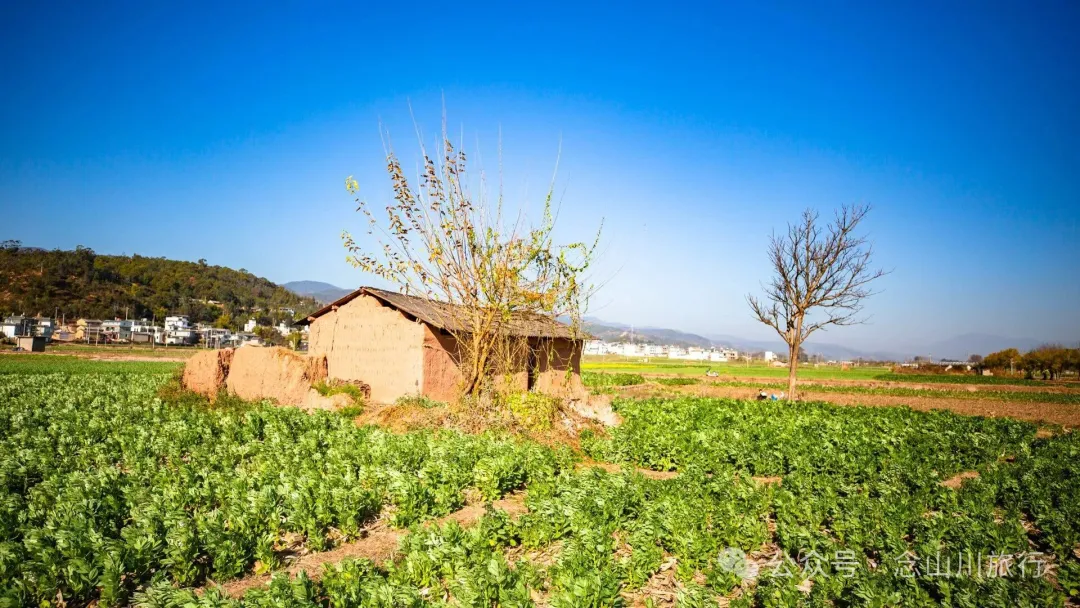
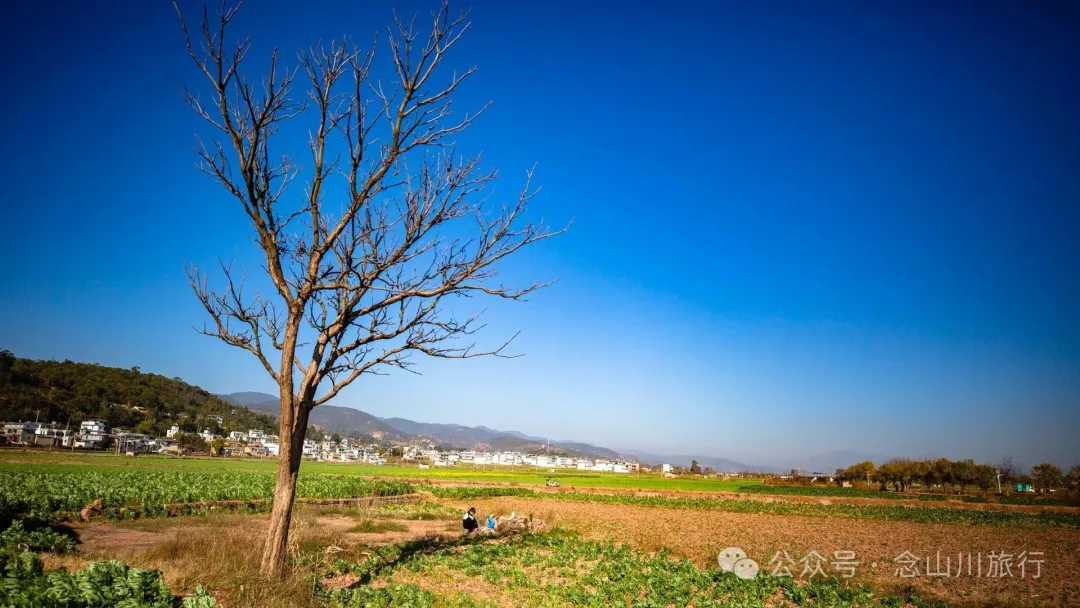
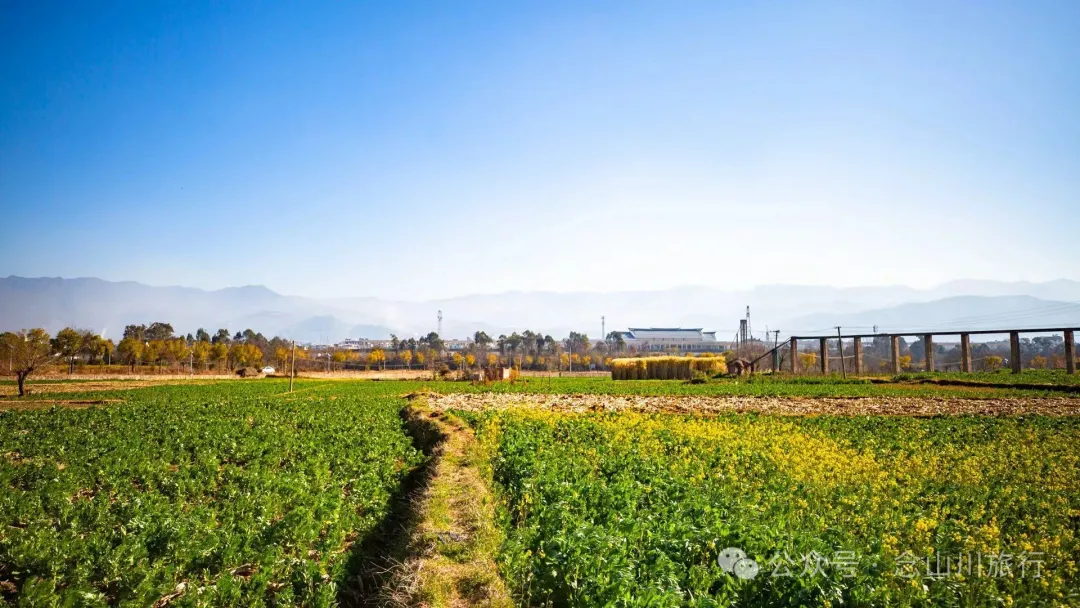
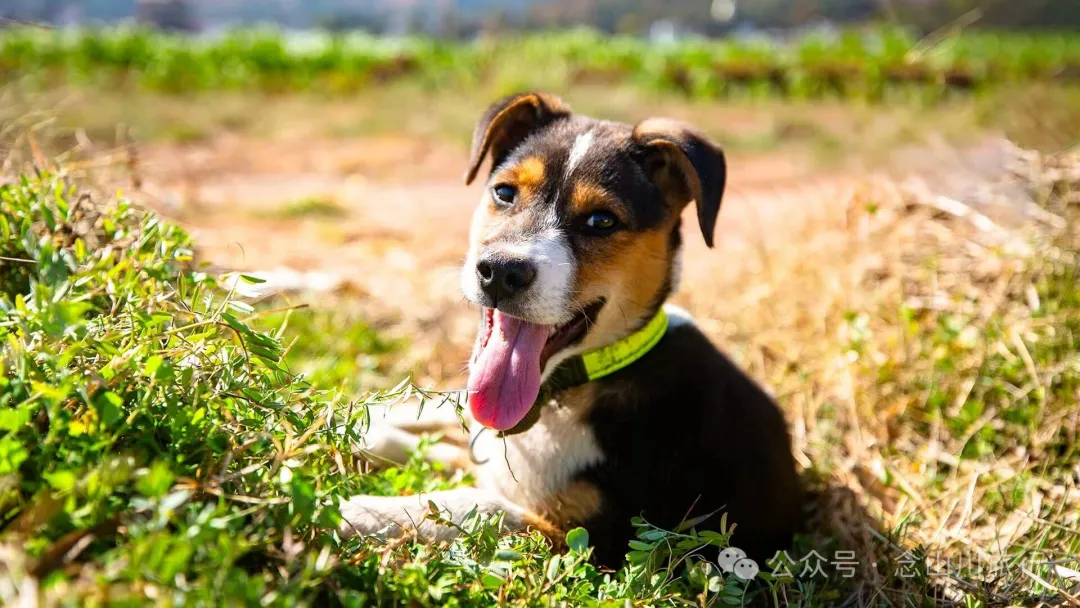
There is an abandoned mud hut on the field, only a few dozen meters from the main road, but few notice it. My boy likes to come here to bask in the sun, sit on the cement ground by the hut to draw, and chase dogs along the narrow field paths. The originally intact cement ground, unattended, has been cracked by persistent weeds. Lamb's quarters, wild peas, and wild oats spread from the ridges, growing freely here.
In two months, this place will be covered with purple wild pea flowers, but now it is still quiet, with no wild oats in sight, only young lamb's quarters陶醉 in the gentle breeze and warm sun. In front of the hut stands a dead tree; I once thought it had died until I saw it sprout fresh leaves last early spring. But I don't know what tree it is, and I planned to identify it when it flowers or bears fruit, but that opportunity never came. Another mulberry tree by the earthen wall bears a full load of sweet mulberries in early summer.
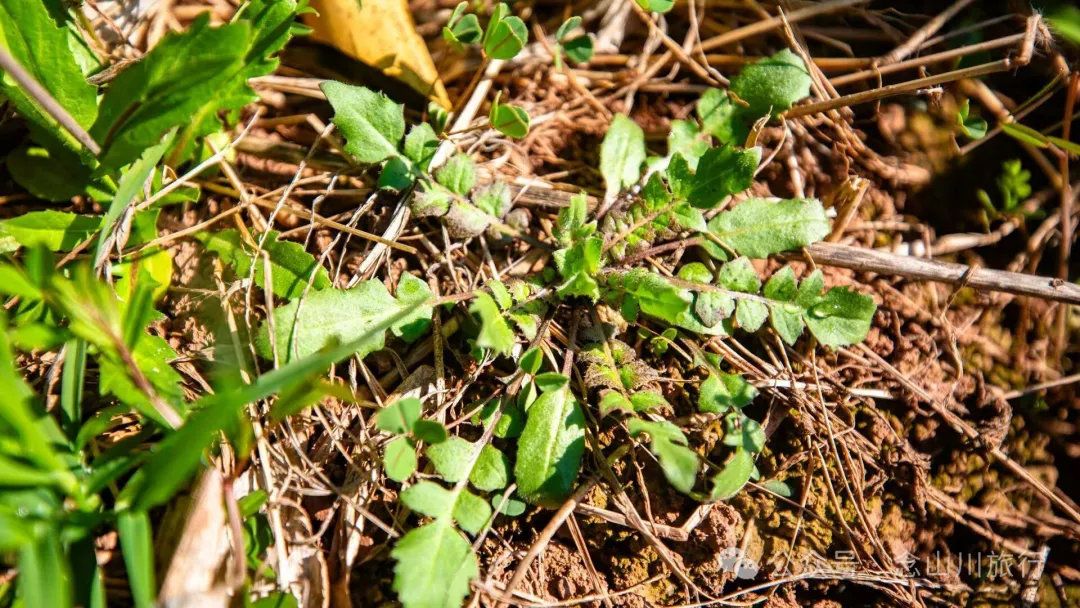
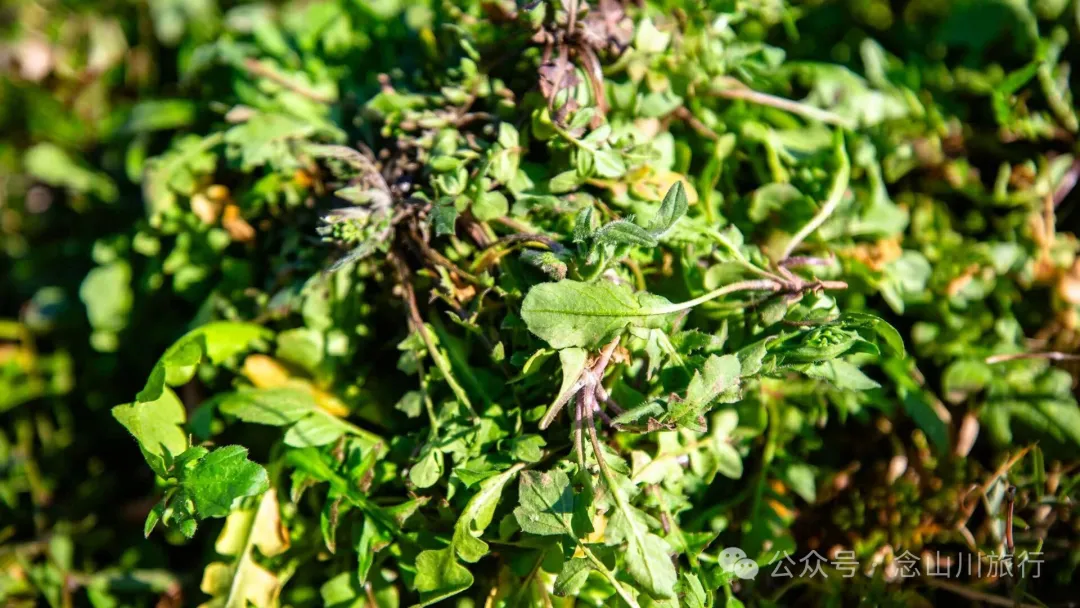
Indeed, there are many young shepherd's purse in the broad bean field. Last year, I focused only on the wild oats and wild peas on the ridges, rarely noticing this delicious wild vegetable. After tasting it once, my boy also loved its unique flavor and was willing to wait by the field while I crouched for a long time, until the basket was full of shepherd's purse. Then he happily ran to the river to throw stones, watching the swallows search for a nonexistent entrance on the thin water surface, as if trying to fly to another world.