
It takes a full two hours to drive from Weishan Ancient Town to my friend's hometown, Jinshaping Village Five, with over fifty kilometers of winding mountain roads. When I received the invitation to the pig-killing feast, the thought of the car traveling on those roads that twist around the mountains like hemp ropes tying zongzi, causing unbearable dizziness, made me instinctively resist. I had eaten pig-killing feasts in Weishan many times, and they were mostly similar, so this wasn't very tempting.
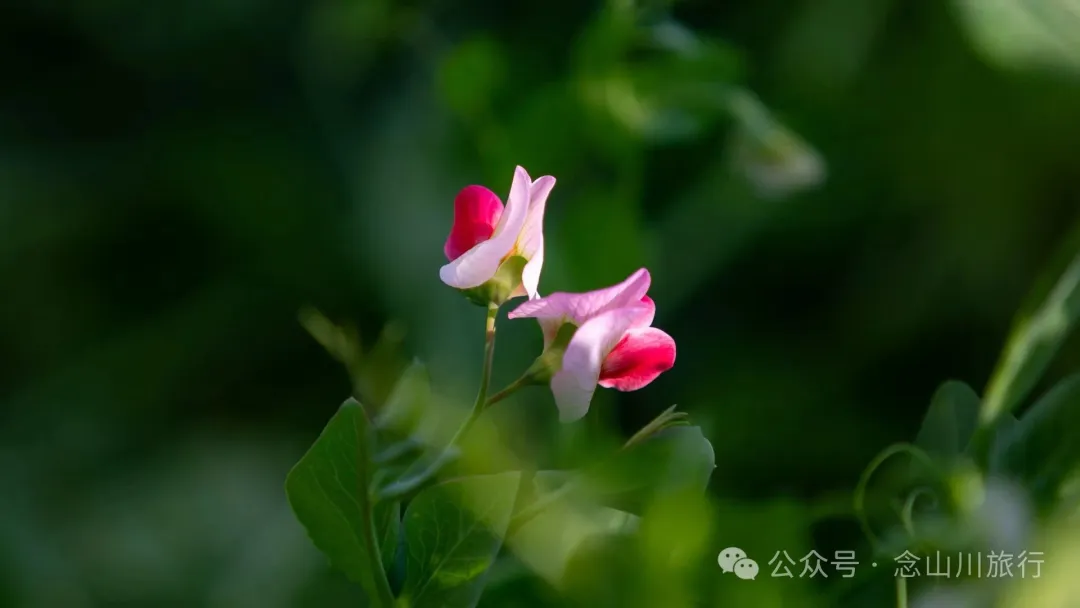
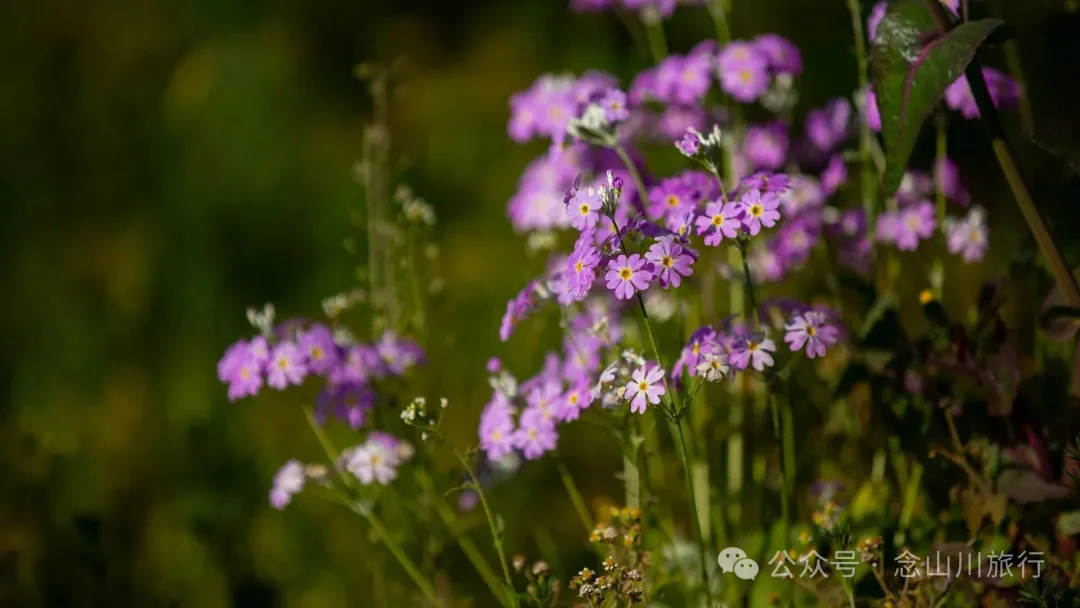
However, over a year ago, I followed a friend to climb Mount Zijin behind the village and entered this village for the first time. I was deeply attracted by the beautiful rural scenery. It was the end of the year then; withered corn stalks were piled on the field paths, lush green forage grass swayed in the wind, and plum blossoms, rapeseed flowers, and lively primroses along the roadside drove away the desolation of winter. The distant mountains were hazy, and the gentle slopes, like the exposed roots of a giant tree, were arranged unevenly in front of the village. After strolling around the village a few times, I even had a strong urge to settle down here, no longer yearning for those illusory distant places that drive people crazy.
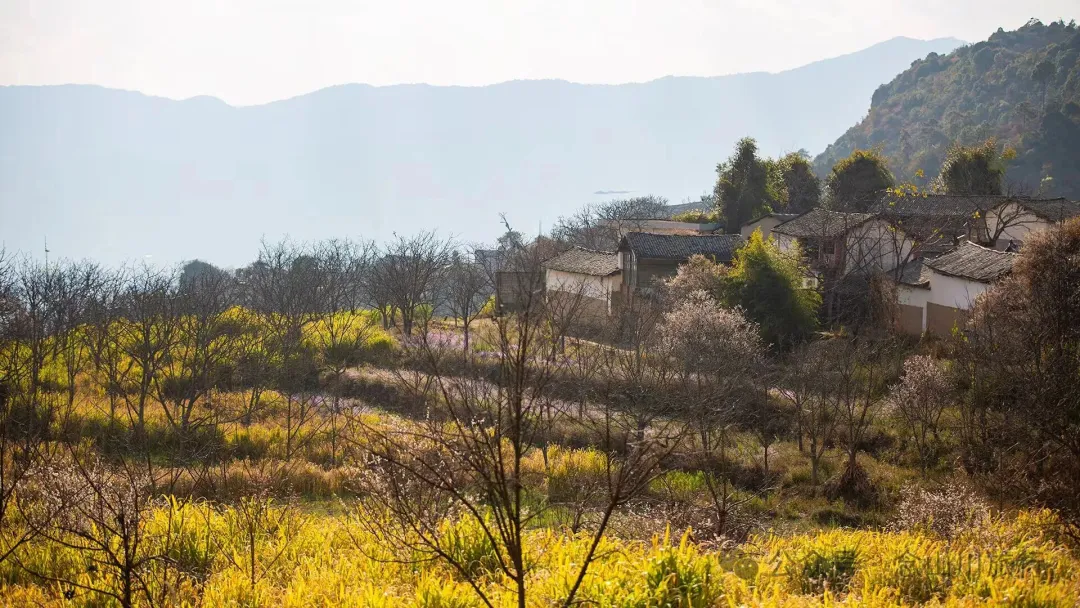
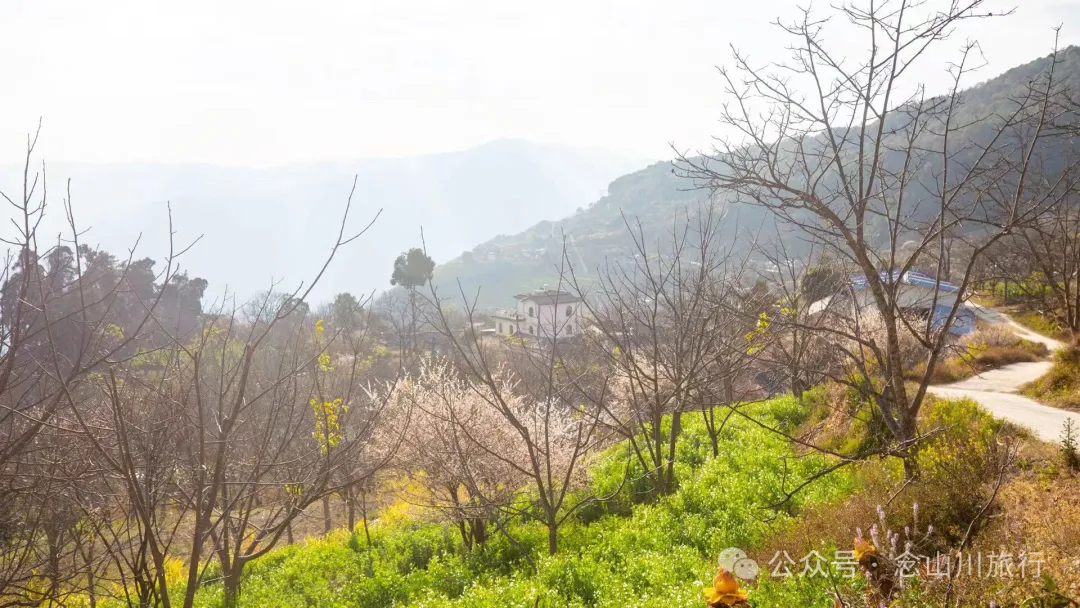
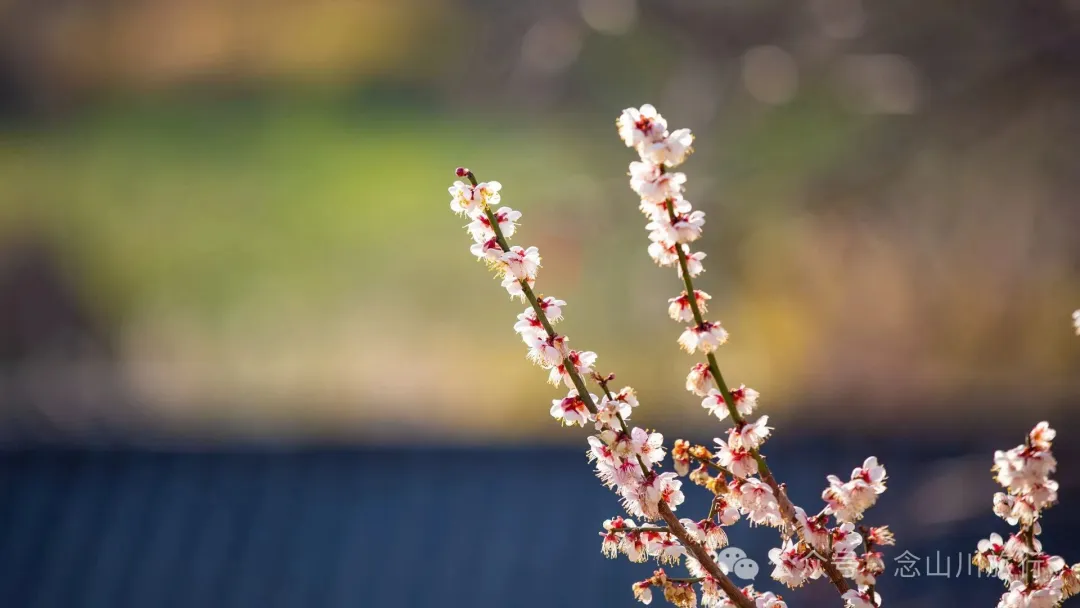
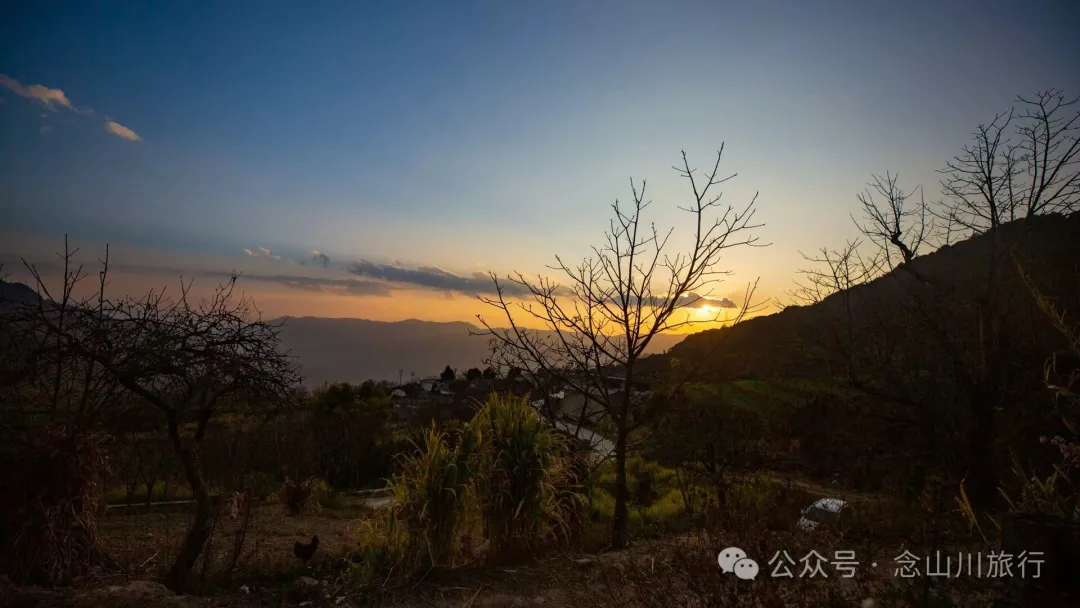
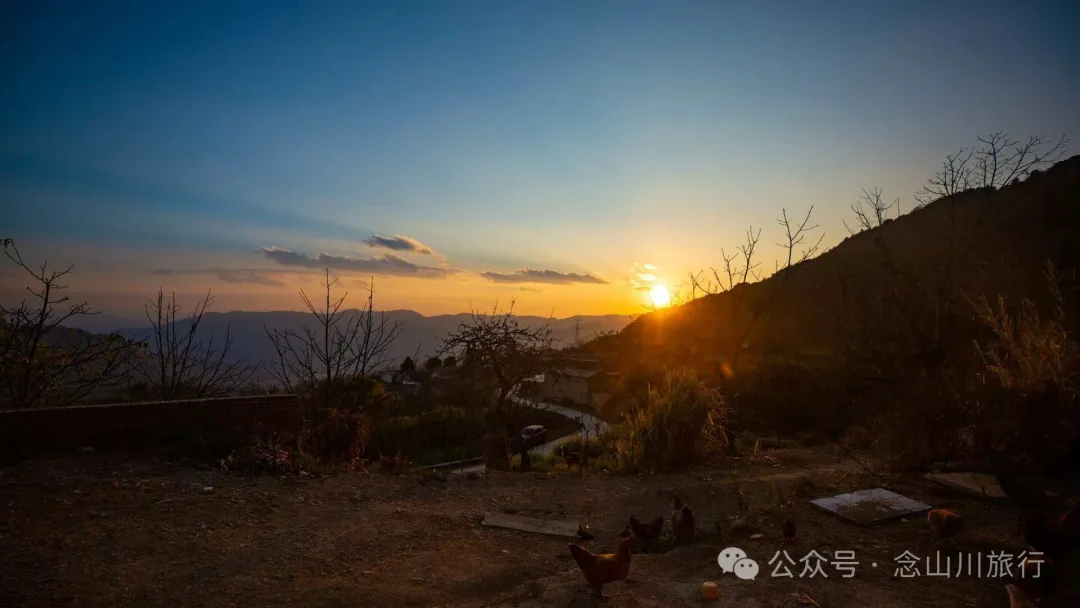
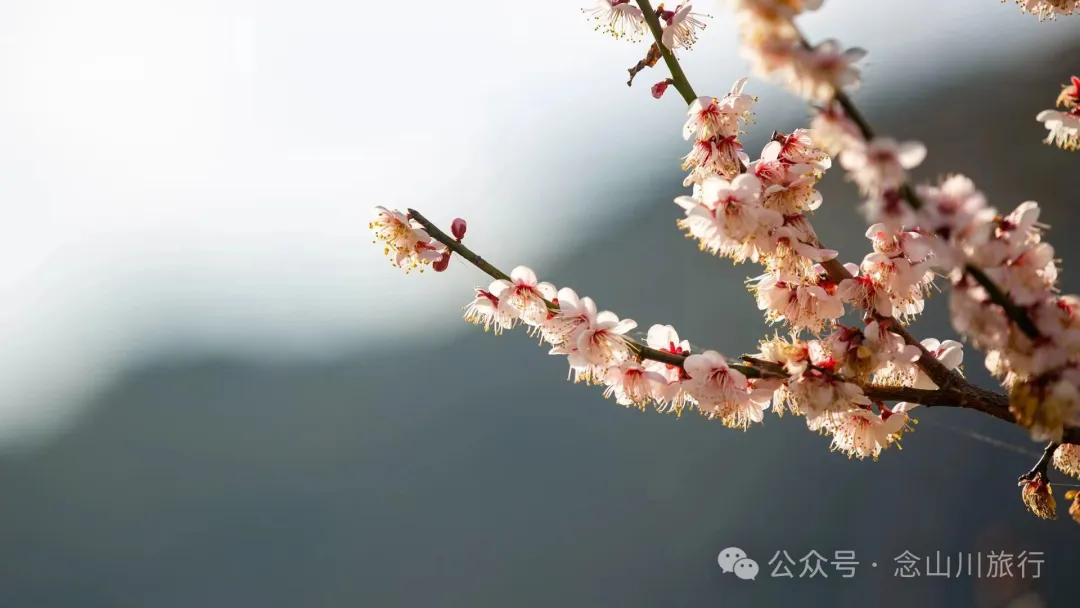
Stopping again in Jinshaping Village, the village was almost unchanged from over a year ago, with the same pleasant winter field scenery in front. A persimmon tree by the roadside had no fruit left, only bare branches. But the plum blossoms in the fields were denser. Standing on the cement road at the end of the village and looking into the distance, the pink and white flowering trees seemed like a mist, making the village more hazy and charming. Walnut trees were very quiet in winter; they grew here and there like mischievous children, blocking the elegant beauty of the plum blossoms and the sunset at dusk, never fully satisfying. But in summer, with these walnut trees, the village becomes very cool.
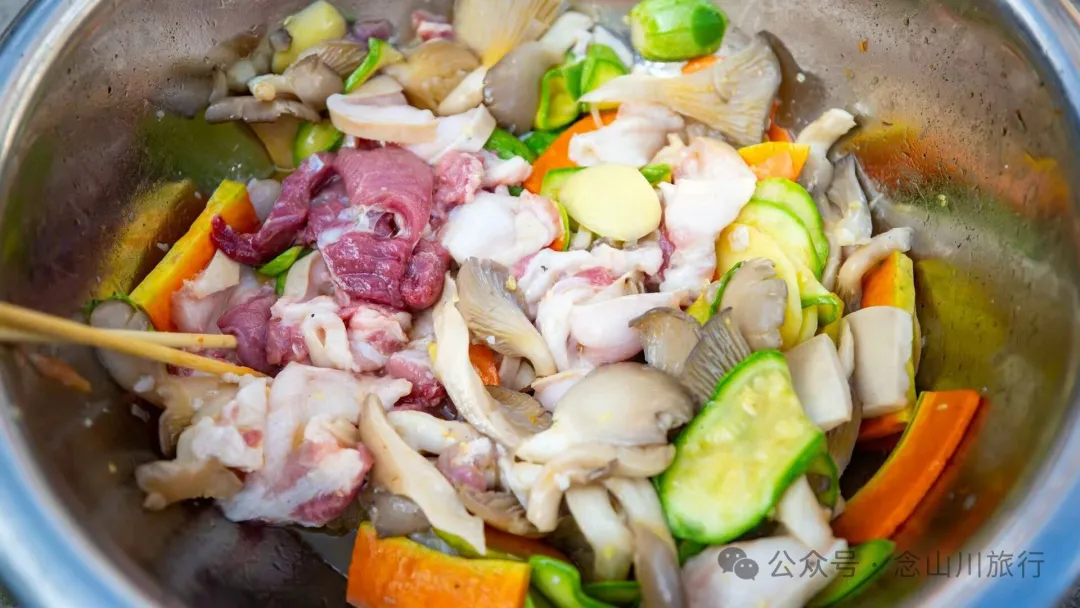
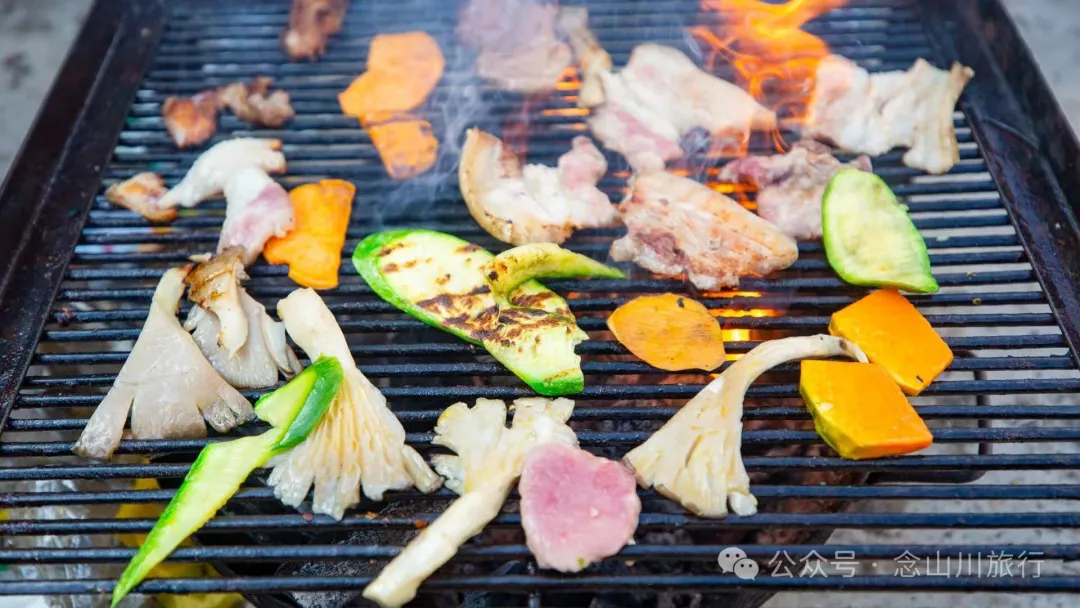
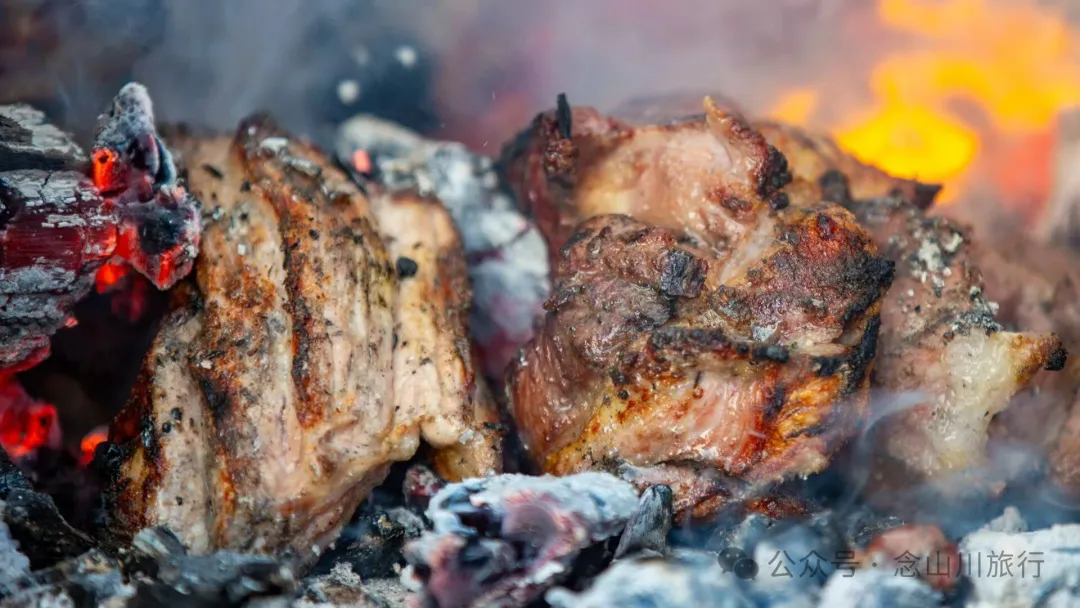
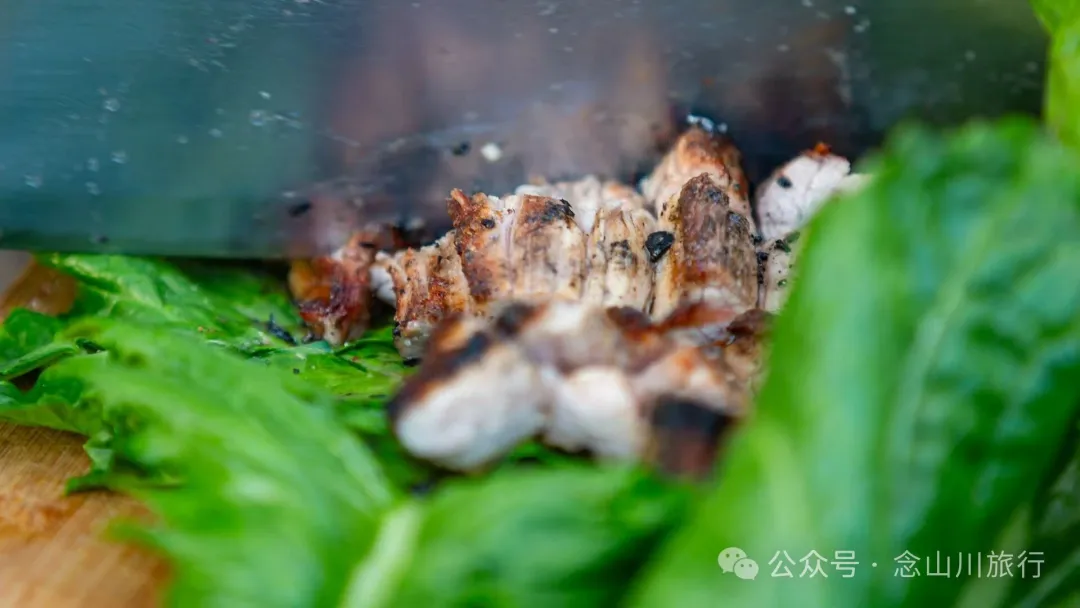
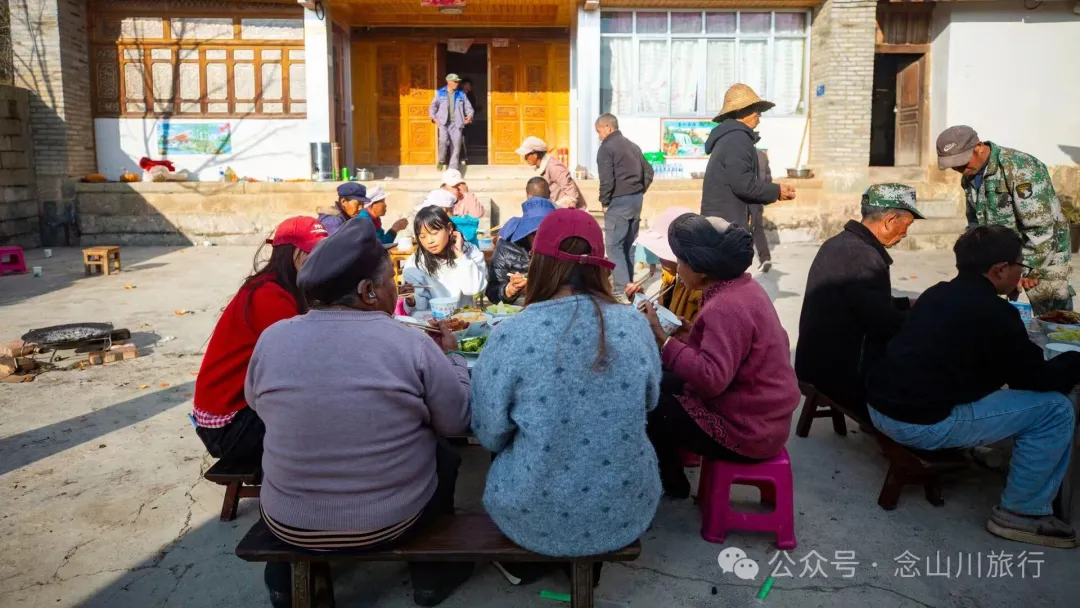
Arriving at the village in the afternoon around two or three, the host and relatives were sitting idly in the yard, playing cards, and basking in the sun. Those who arrived later were still grilling meat over charcoal. A shallow iron basin with some red-hot charcoal, topped with a low barbecue grill, people sat around on low stools, putting unseasoned meat slices and vegetables on it, listening to the sizzling sound that whetted the appetite. The Weishan pig-killing feast usually starts with this midday barbecue. Rural barbecue is completely different from city barbecue restaurants. The meat is freshly slaughtered local pork from the morning, and vegetables and meat are not marinated before grilling. They are washed, sliced, and placed directly on the grill. After cooking, they are eaten with the host's homemade dipping sauce, which is wonderful. Locals love two kinds of dipping sauce: one is Danshan Zhan Shui (a type of chili powder), available in supermarkets and small shops; the other is pickled vegetable paste mixed with houttuynia cordata and coriander, with some chopped small chili peppers. Although I'm not used to houttuynia cordata, the pickled vegetable paste is very appealing, sweet and sour, and delicious.
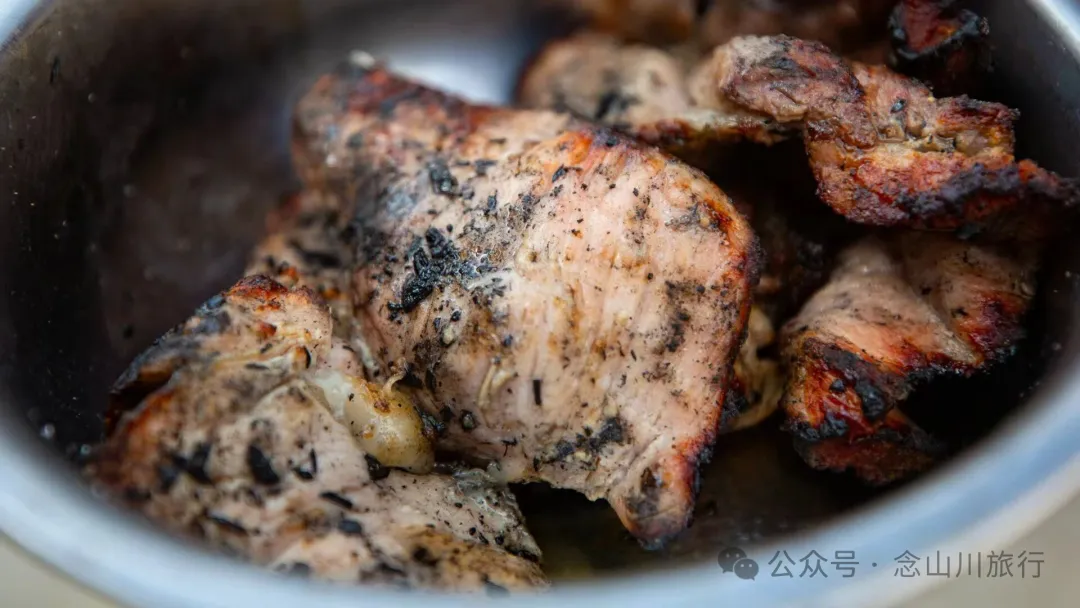
When it comes to the most authentic way to eat the Weishan pig-killing feast, it has to be fire-roasted meat. I'm not sure if they have special requirements for the cut of pork, but I noticed they prefer lean meat for fire-roasting. Lean meat without any fat is rubbed with salt and placed in the stove, without any sanitary isolation. The lean meat is directly roasted in the firewood and ashes, and people stand by the fire, watching the outer layer of the meat slowly turn black under the high temperature of the firewood, with a rich meat aroma wafting over. At this point, they use fire tongs to take out the meat and eat it. After we finished the barbecue and rested in the shade, my friend's mother brought out a bowl of fire-roasted meat specially prepared for us to taste. The villagers said this is the best part of the pig-killing feast, and large pieces don't need to be cut; just hold them in your hands and eat. As outsiders, we cannot fully understand how significant this bite of fire-roasted meat is to the locals, but it must be a crucial part of their nostalgia, just as we miss the food from our hometowns and the flavors of our childhood.
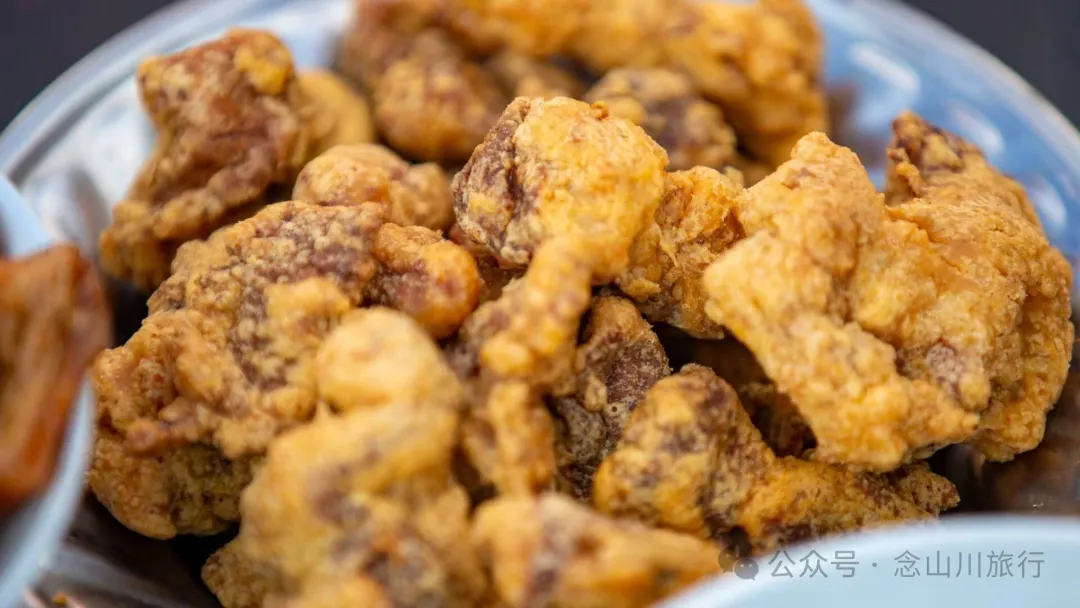
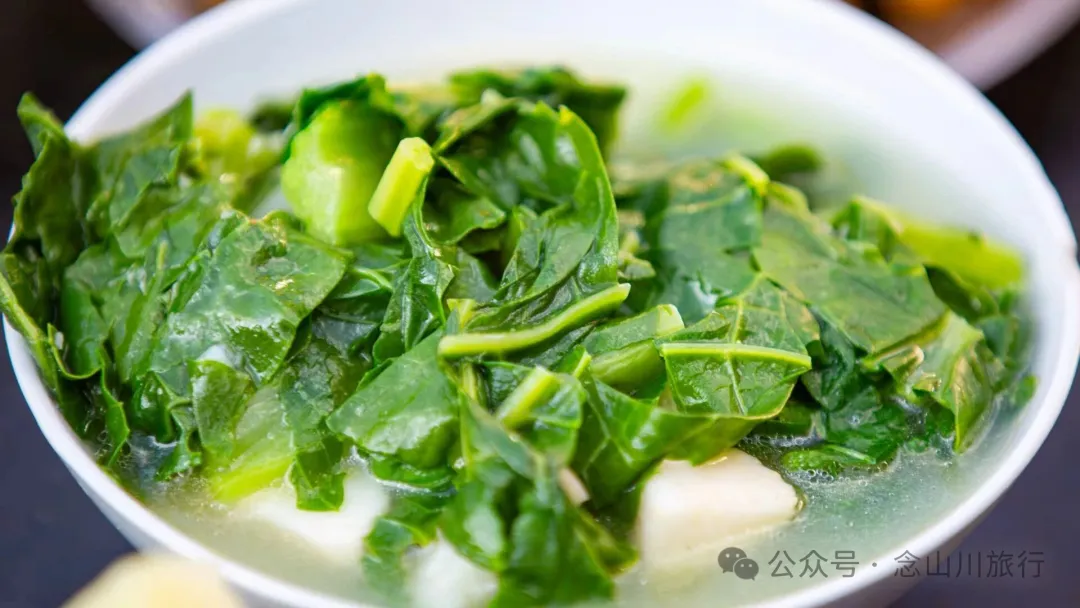
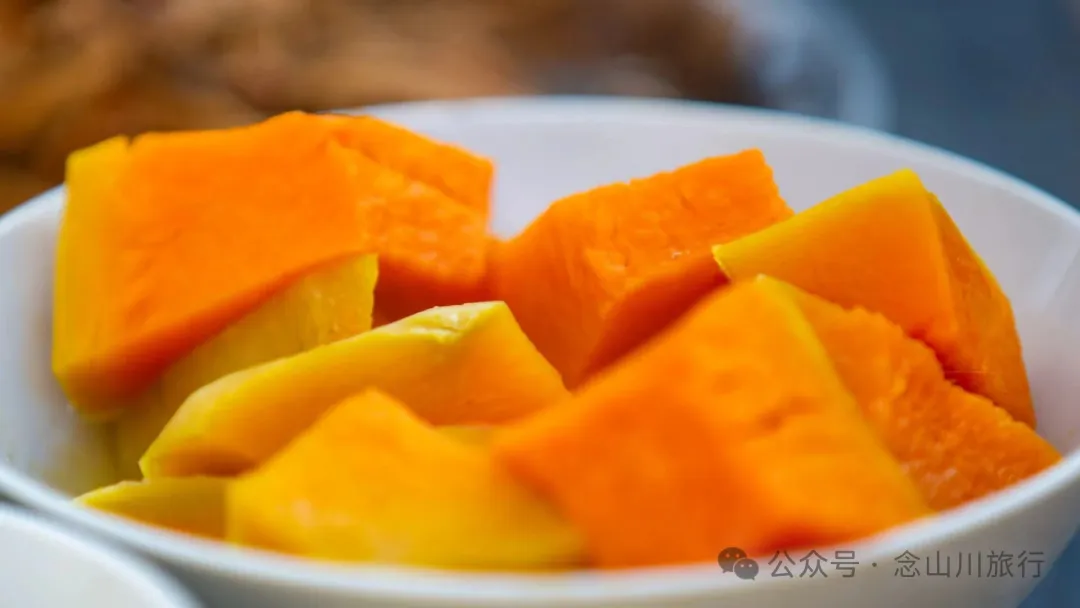
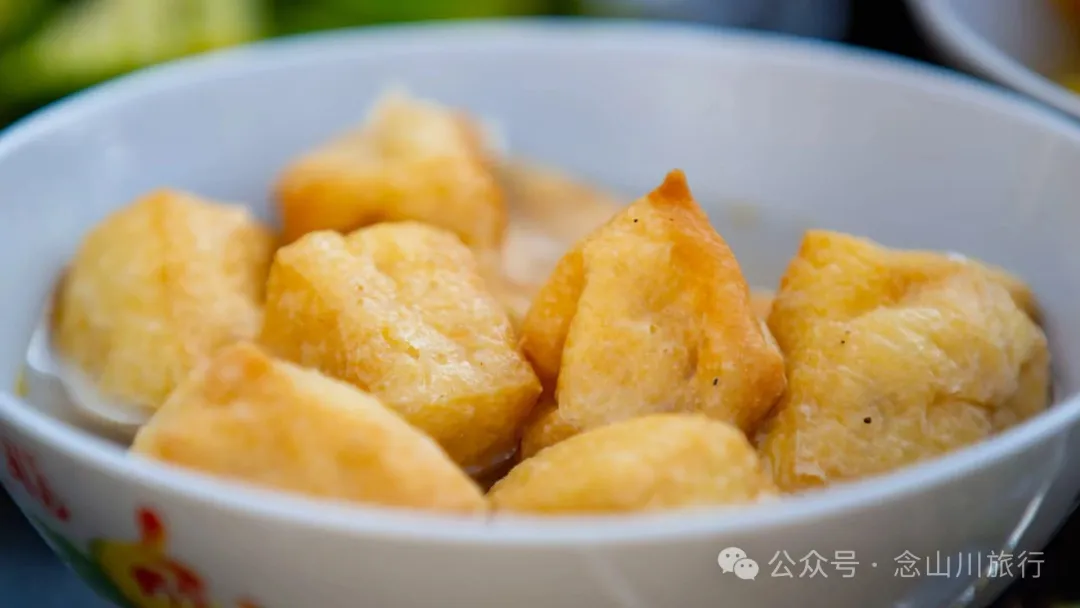
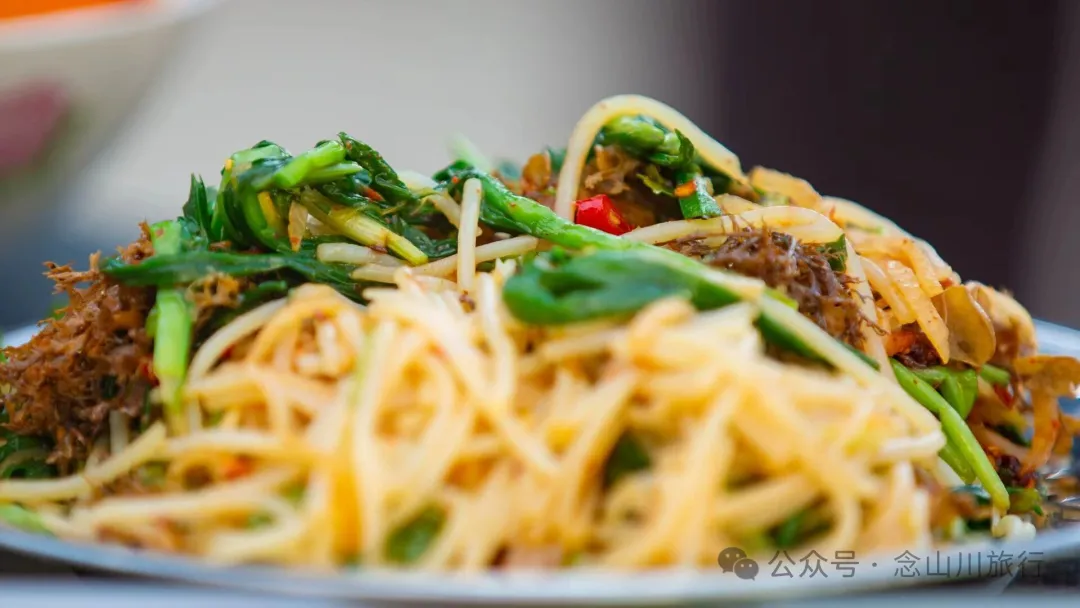
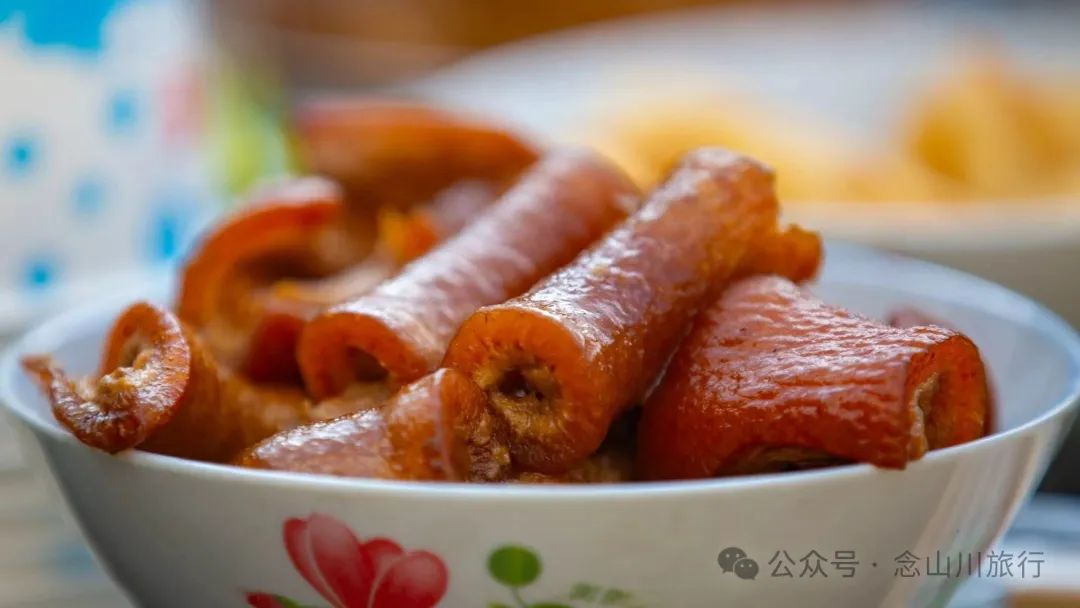
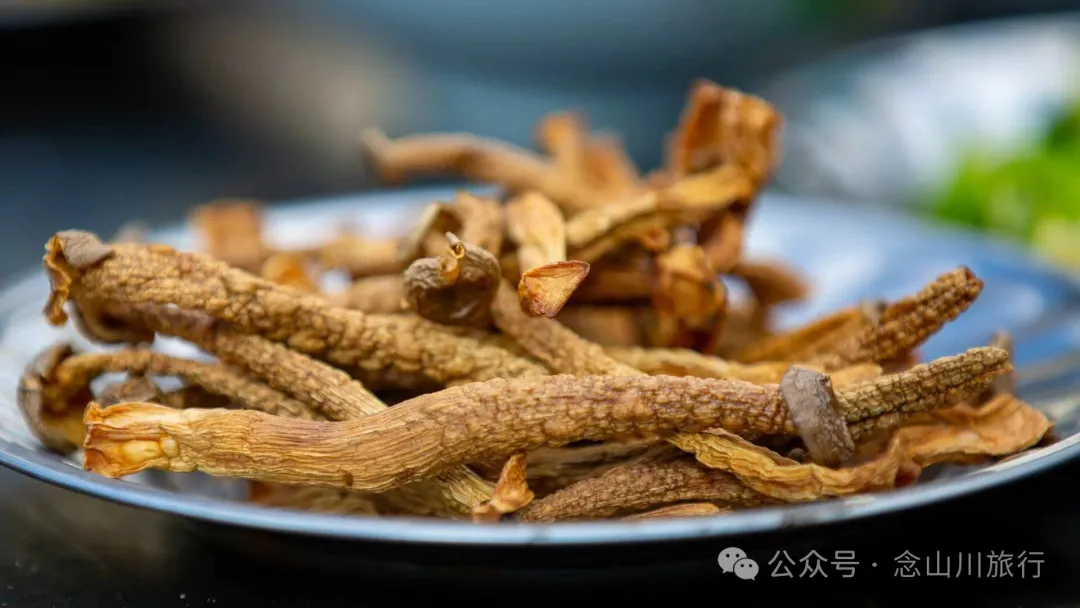
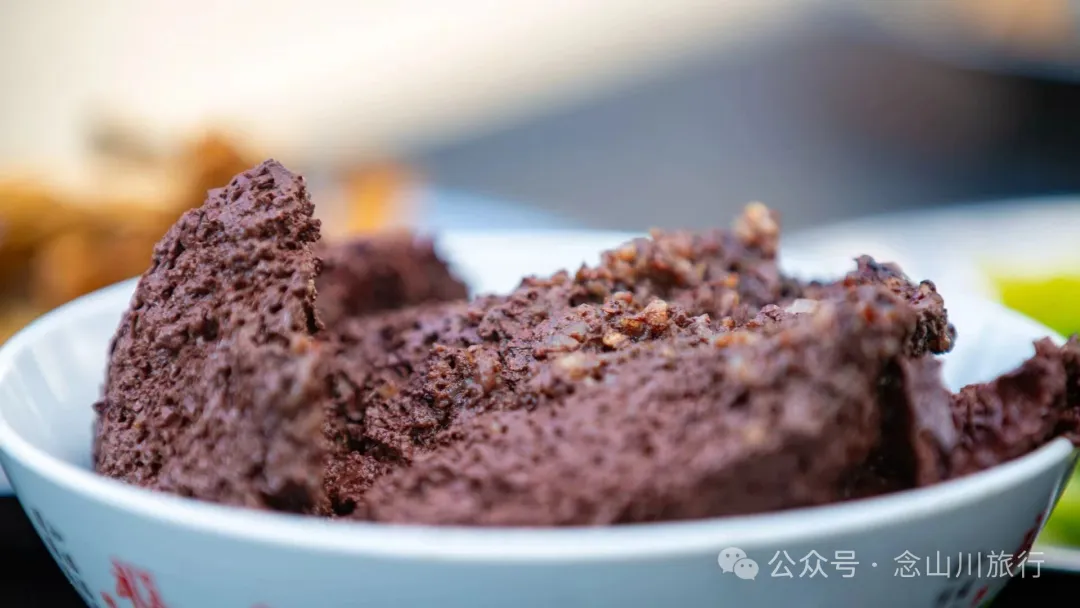
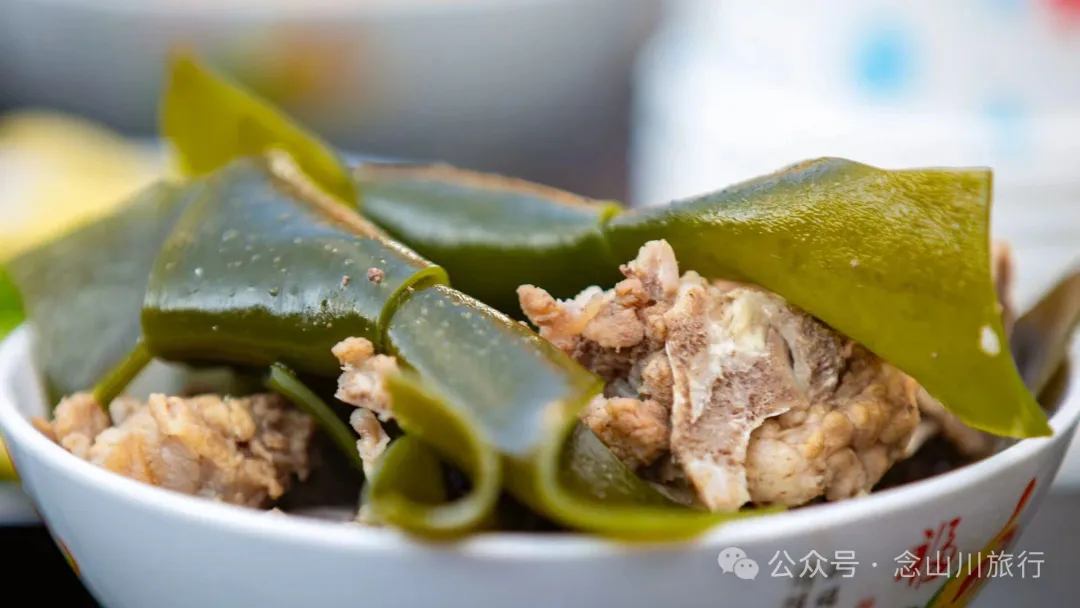
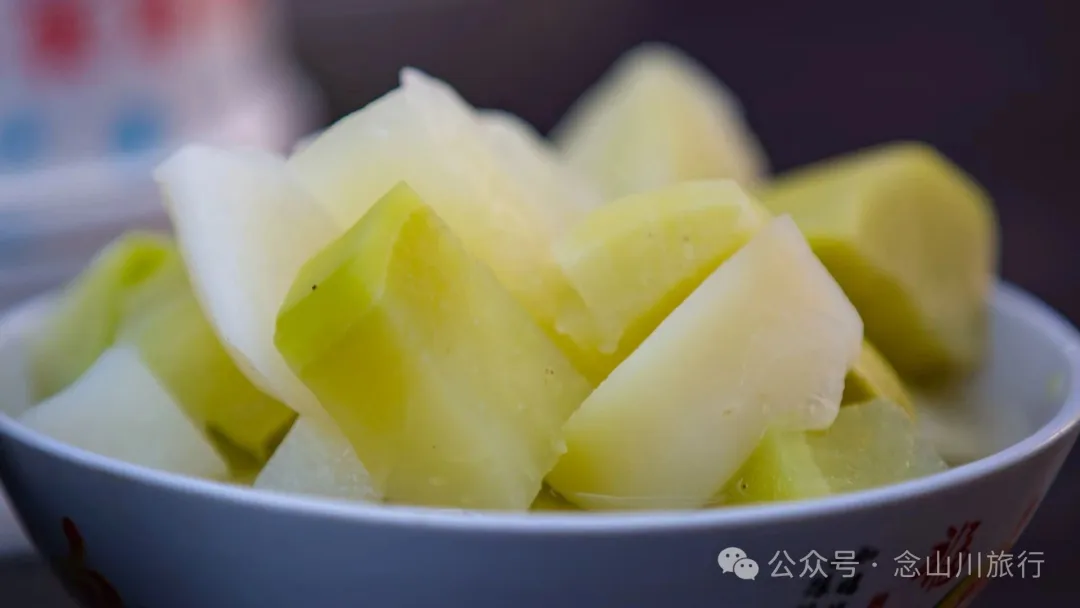
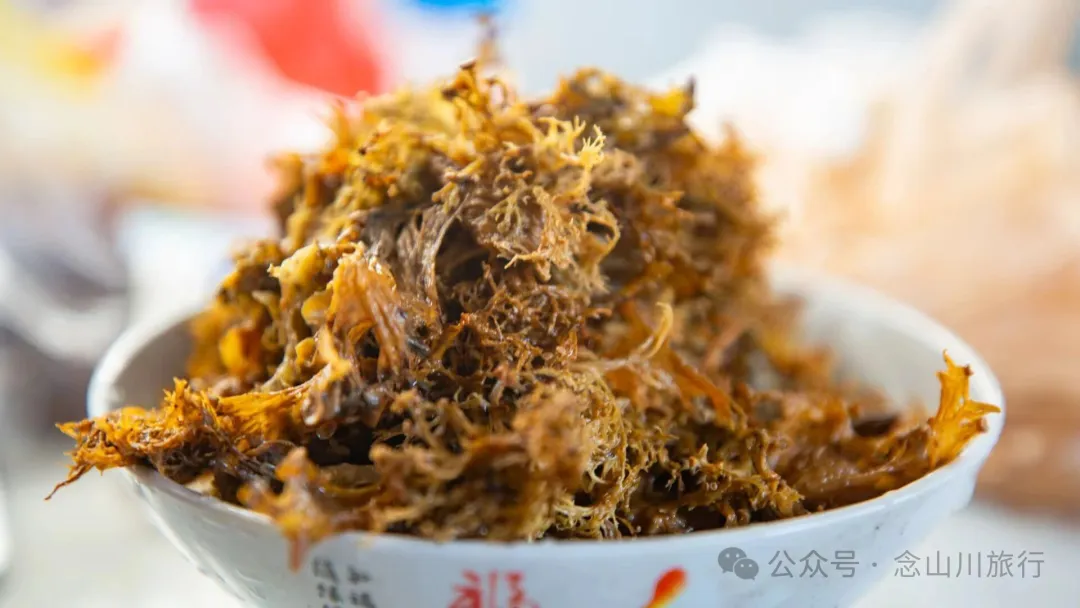
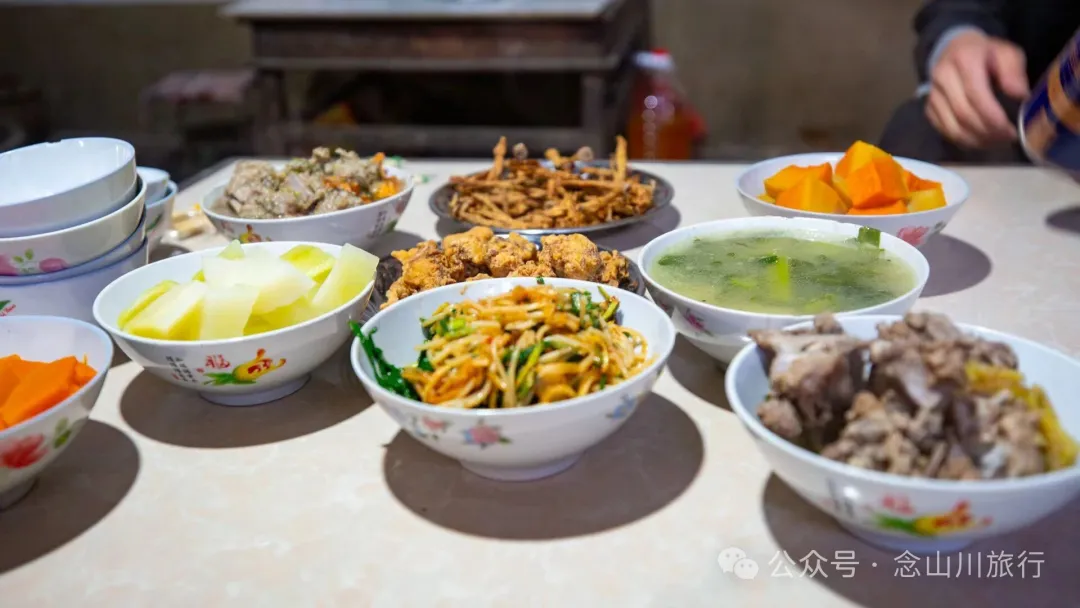
Dinner is the main meal, with stir-fried, deep-fried, braised, boiled, and steamed dishes served. People end the lively day with toasts and laughter. The villagers said that recently, almost every day is spent in such lively revelry. After eating one family's pig-killing feast, they go to help another, eating pig-killing feasts day after day for dozens of days, feeling hot and restless, like a walking ball of fire. Even so, the pig-killing feast is a must, and the excitement must be joined. For farmers who have worked hard all year, the income from over three hundred days of labor is already determined. After a year of toil, only these days can they be so relaxed and cheerful.