

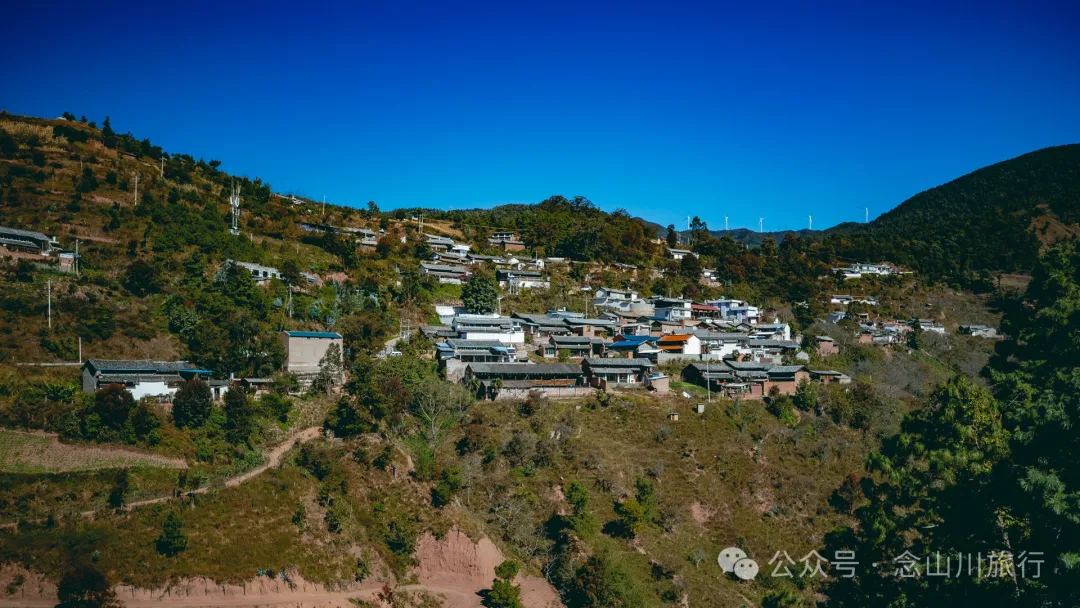
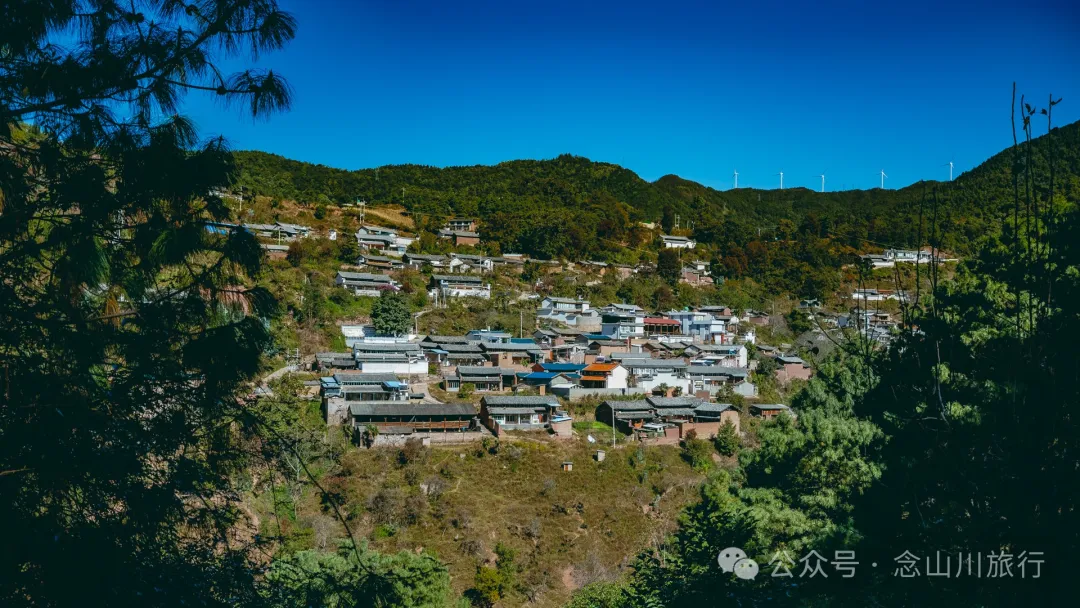
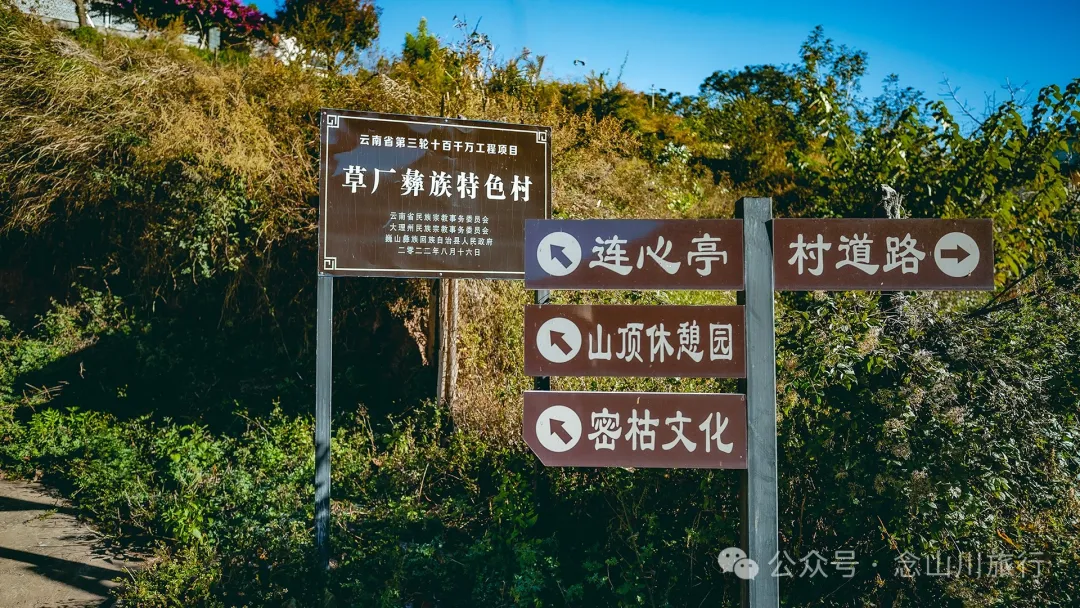
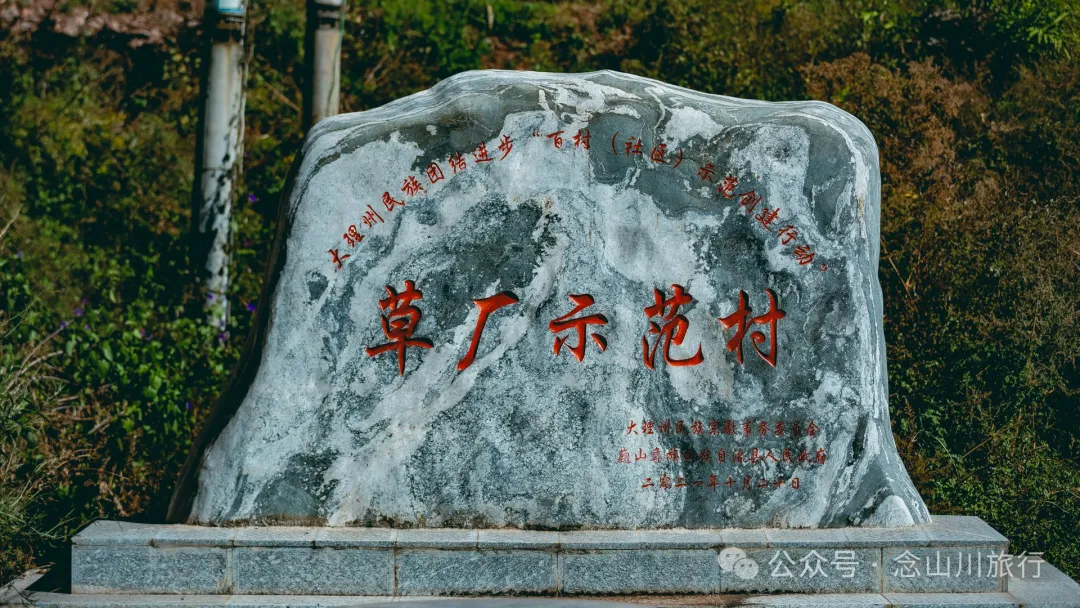
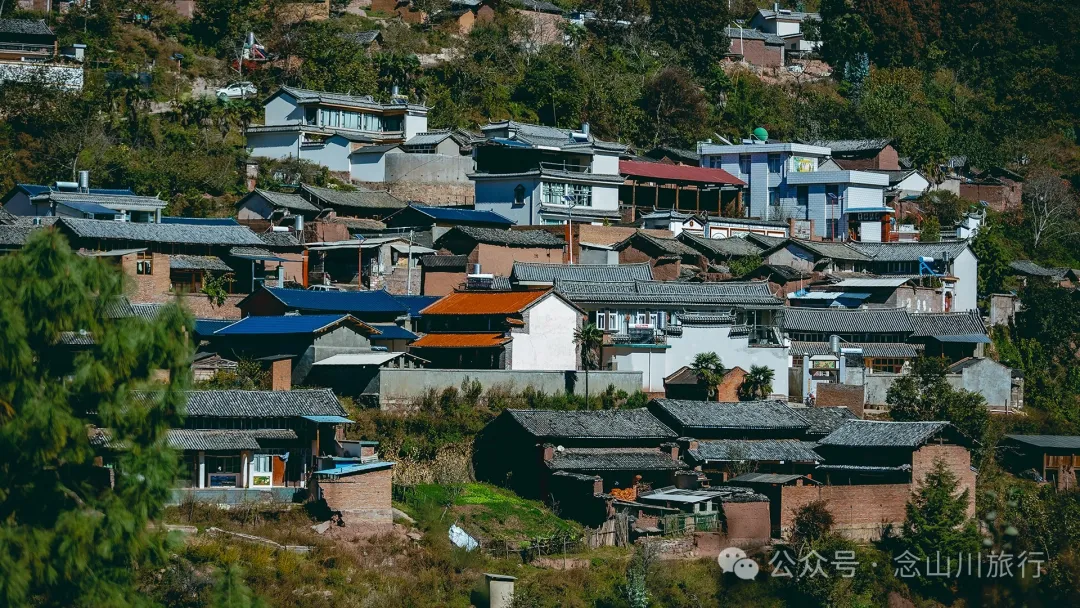
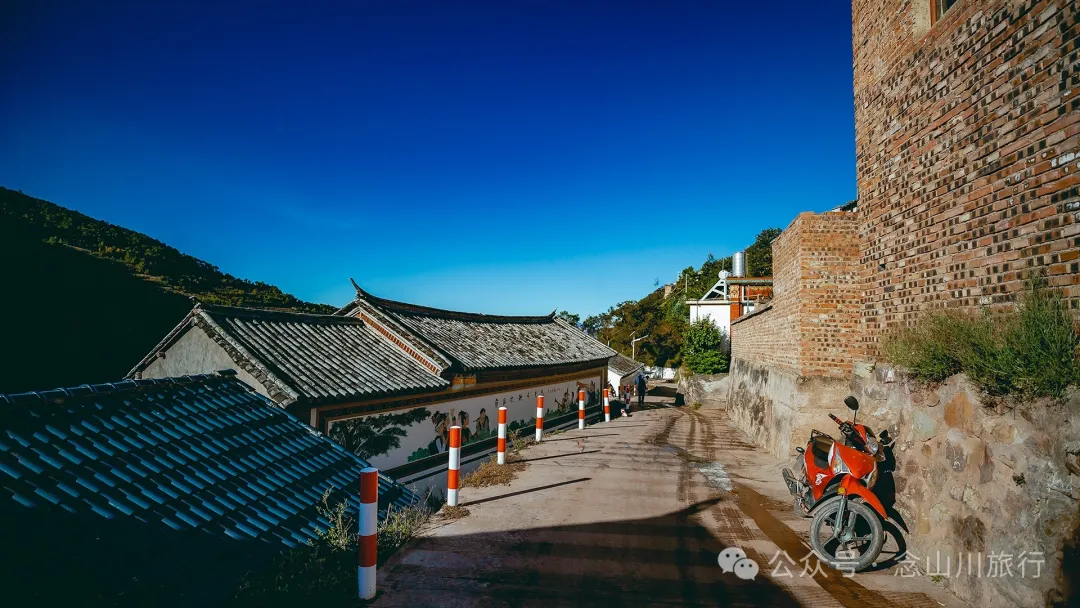
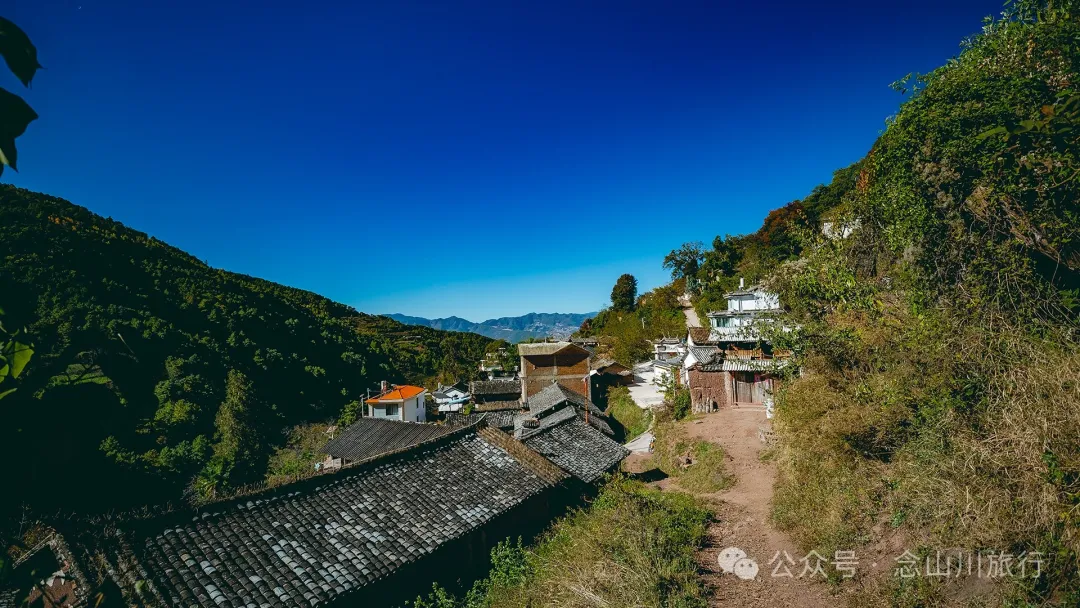
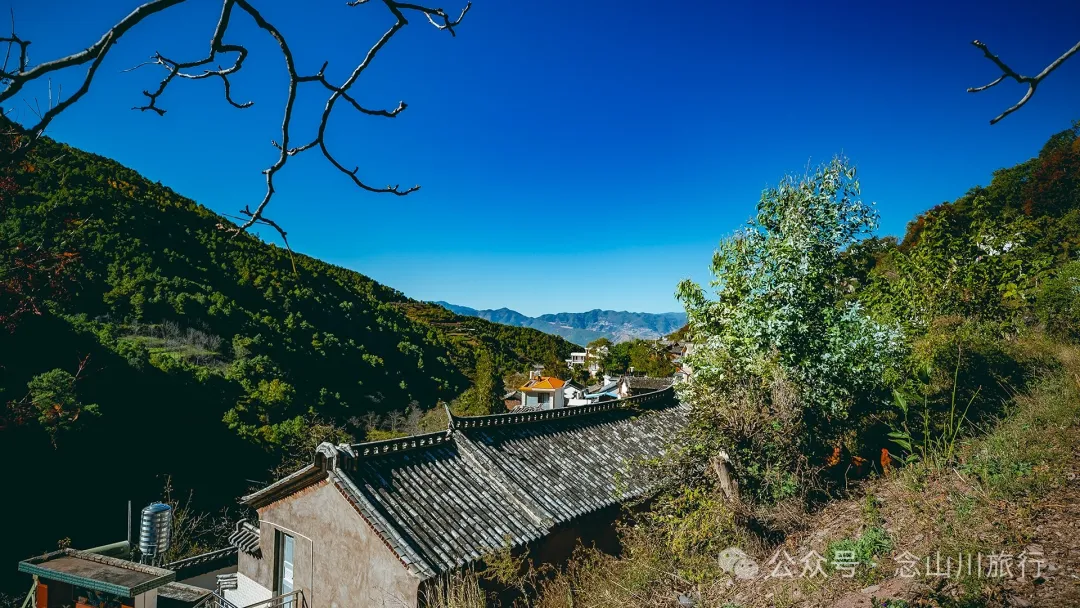
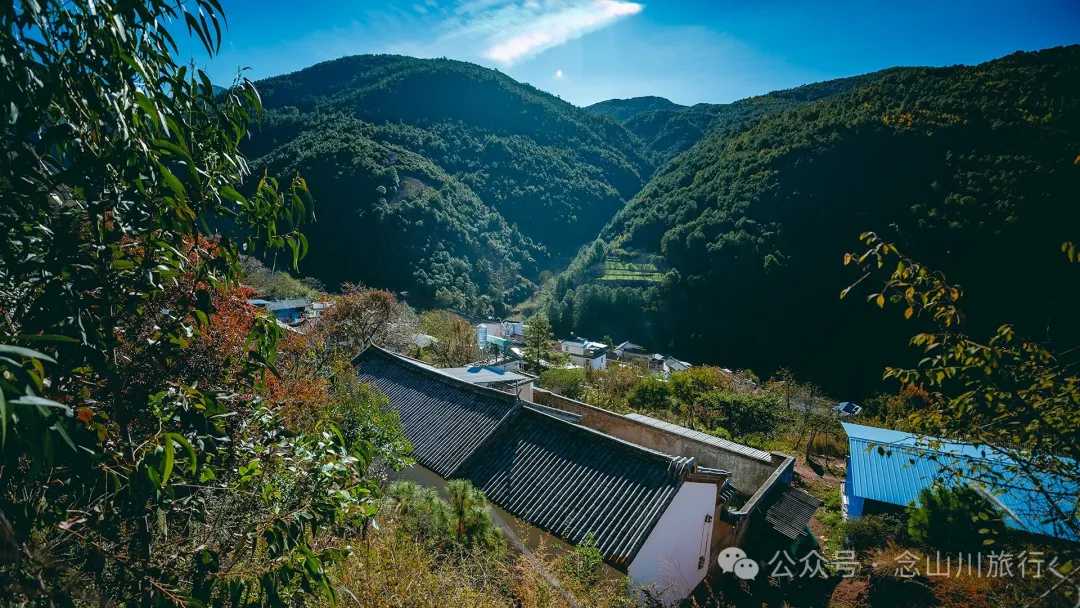
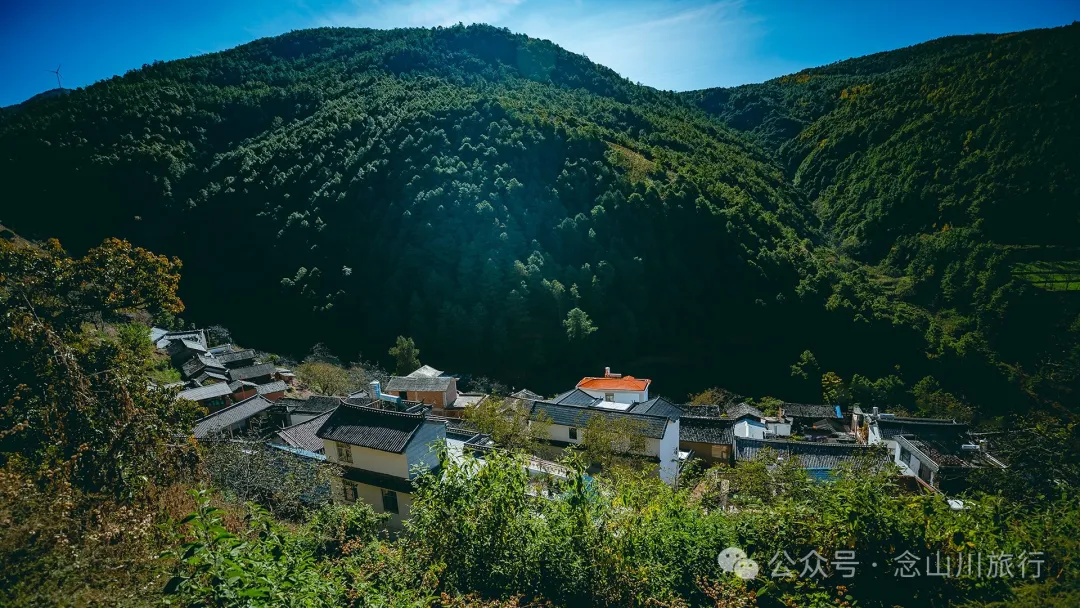
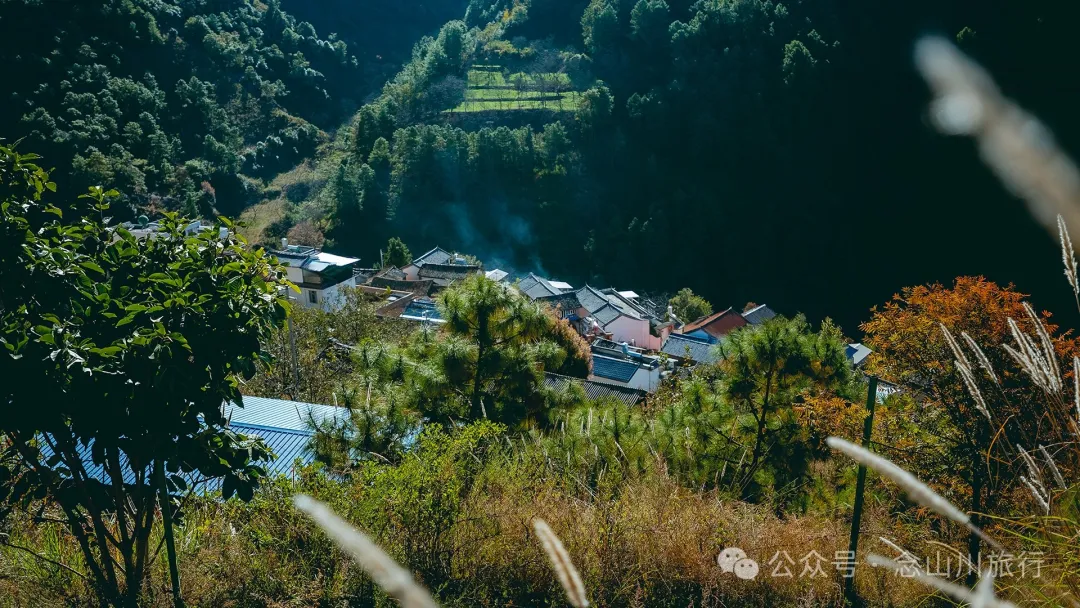
Caochang Village, located 19 kilometers from the ancient city of Weishan, is home to over 100 households and more than 400 villagers. It was the first Yi village we ever got to know, and the one we have visited the most. Through this village, we formed a bond with Weishan, discovered the living ancient city of Weishan, learned about the history of the Nanzhao Kingdom, and gradually came to understand the Yi people — an ethnic group we knew little about before. Eventually, we found our ideal place to call home. When we arrived at Caochang Village, a cluster of colorful auspicious clouds lingered over the southern hilltop above the village for a long time, reluctant to disperse.
I. The Beginning
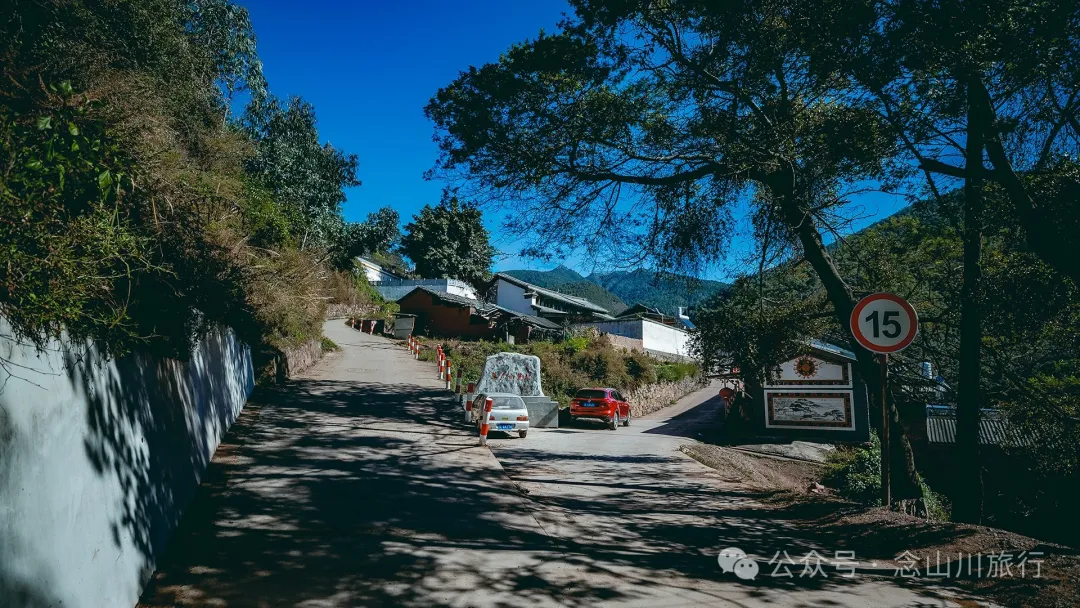
Ten years ago, the first Yi friend we ever met invited us to his village to take photos for the local primary school. He hoped we could write an article and post it online to help collect used books for the children. When we followed him into Caochang Village for the first time, there was no paved road — only a rugged dirt path connecting the village to the outside world. Entering the village during the rainy season was extremely difficult. At that time, only a handful of children were still attending classes at the school, which had just one elderly teacher. When we arrived, he was teaching a classroom filled with students from different grades.
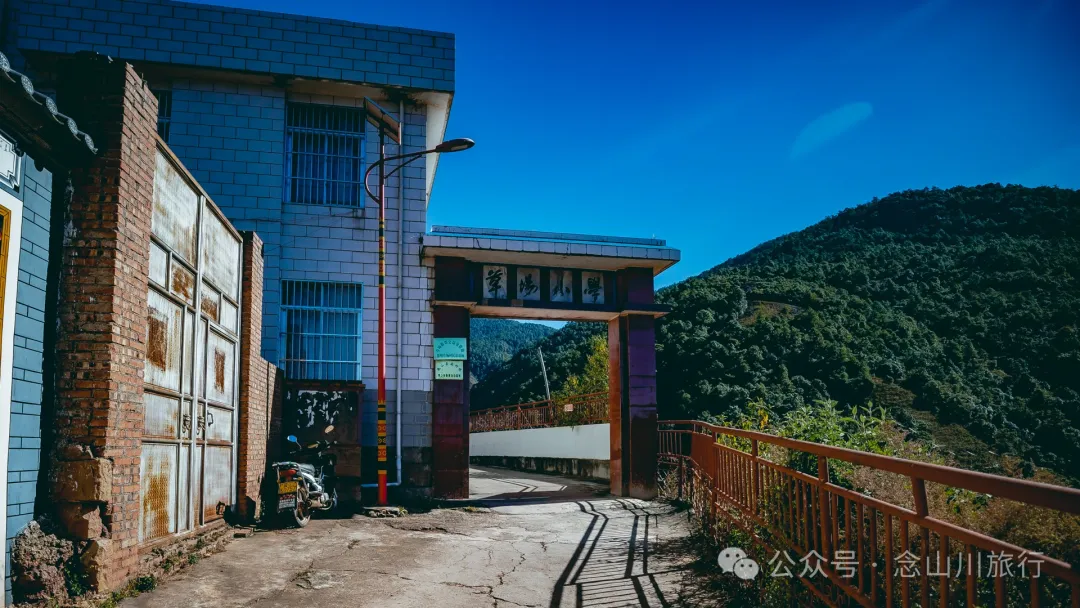
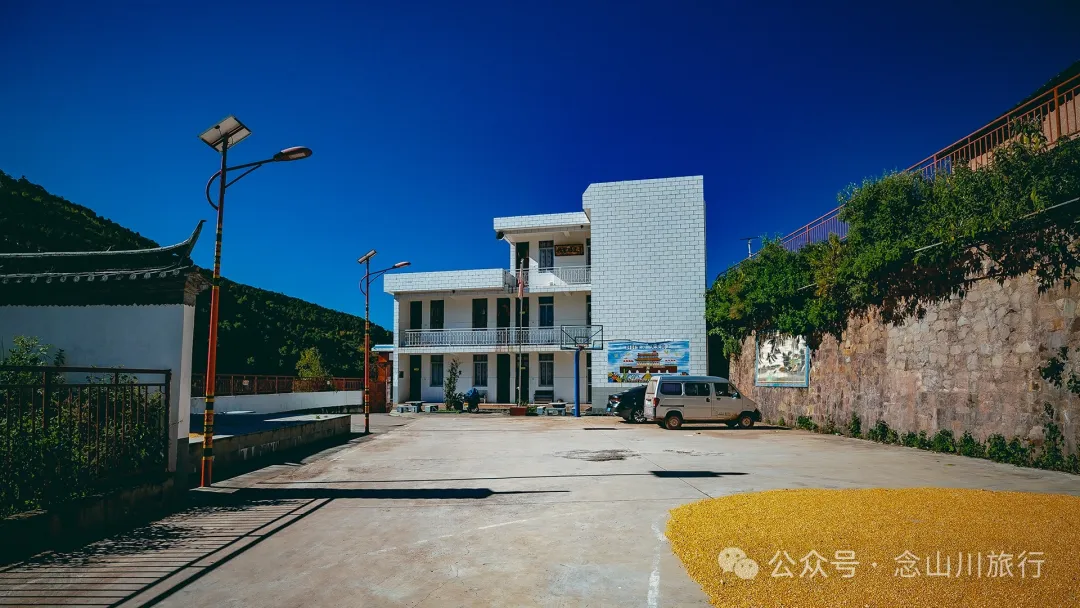
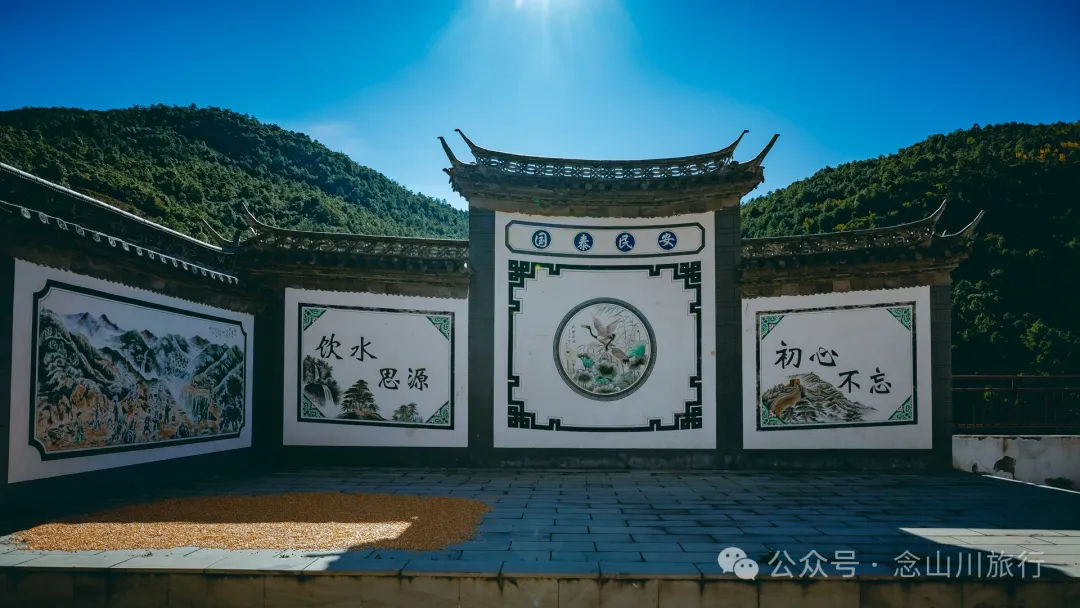
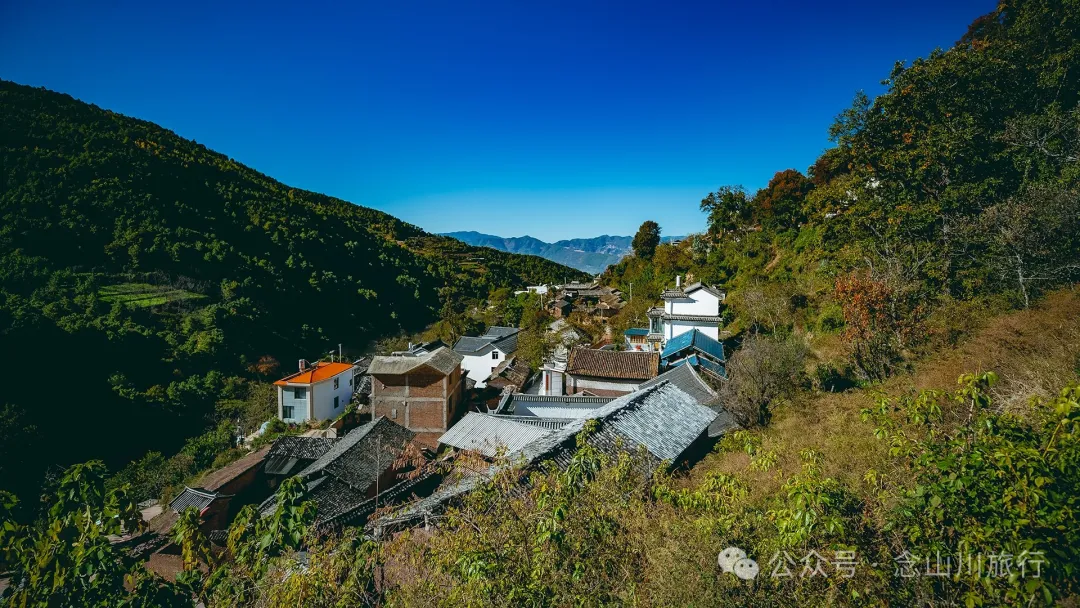
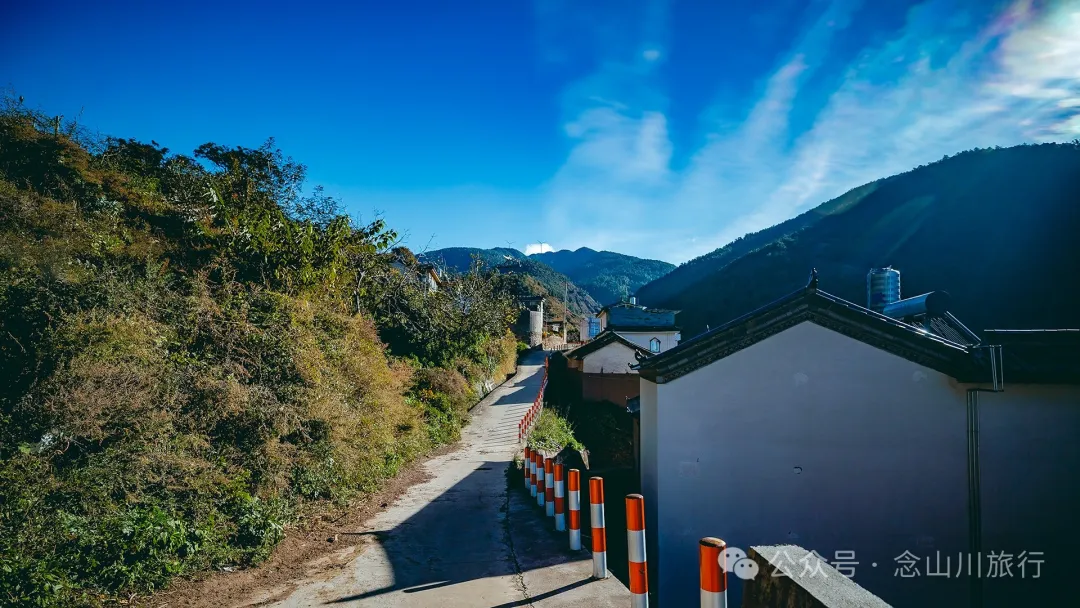
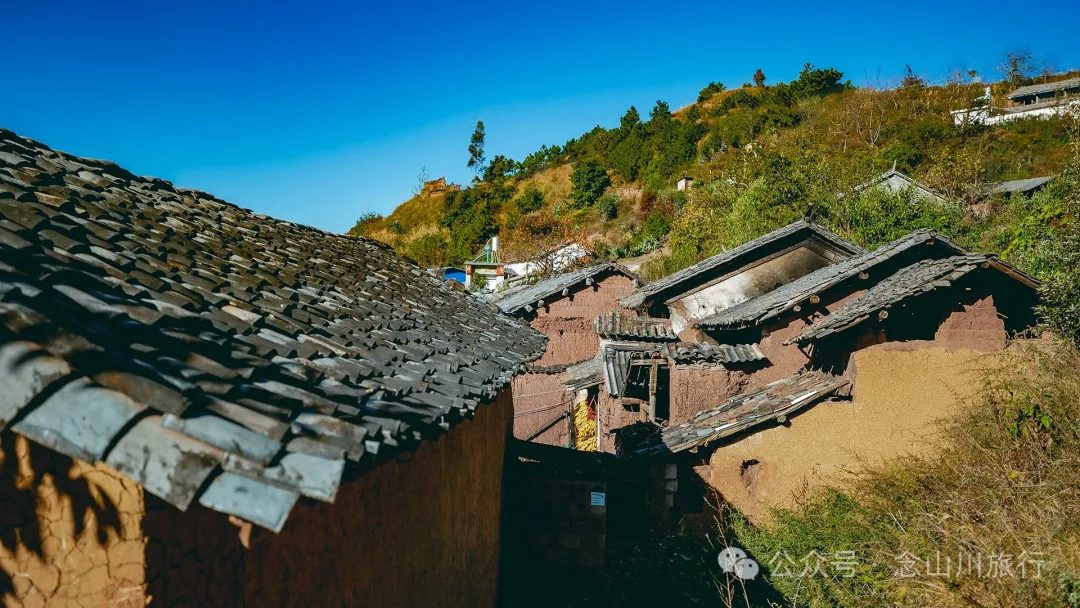
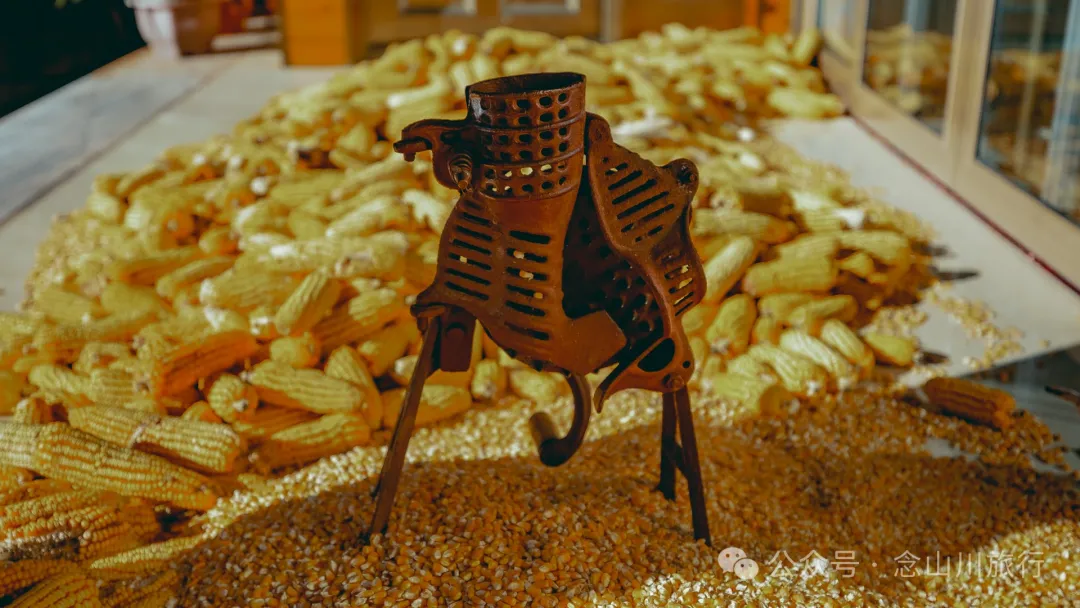
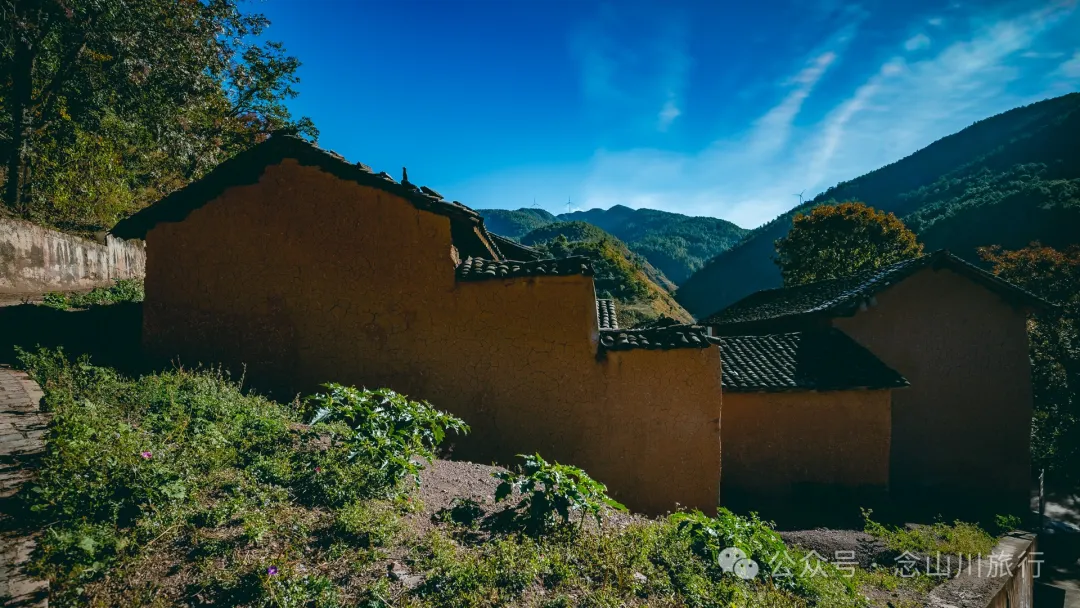
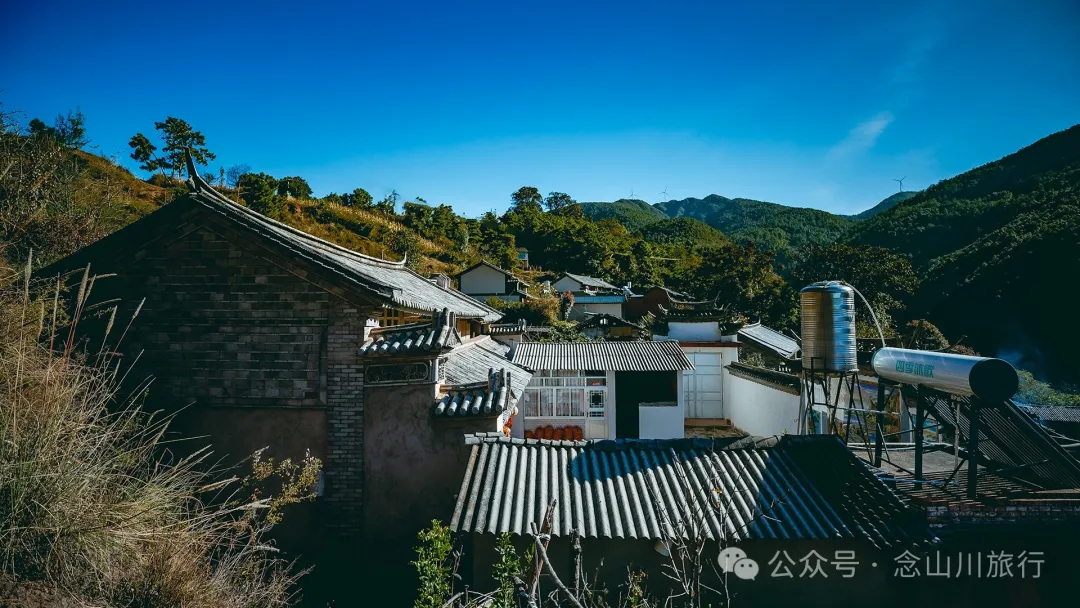
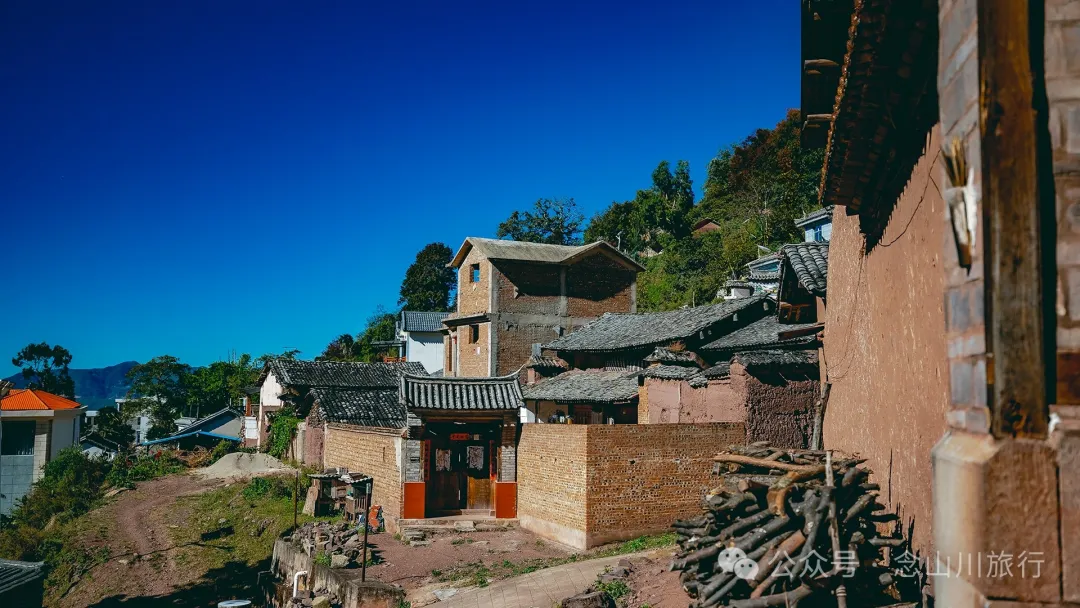
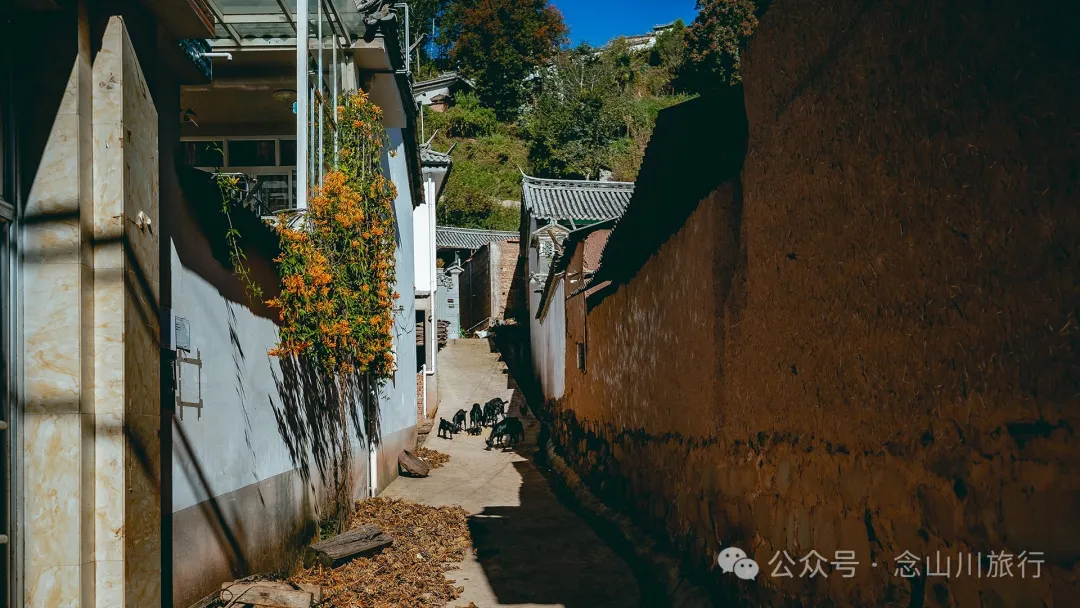
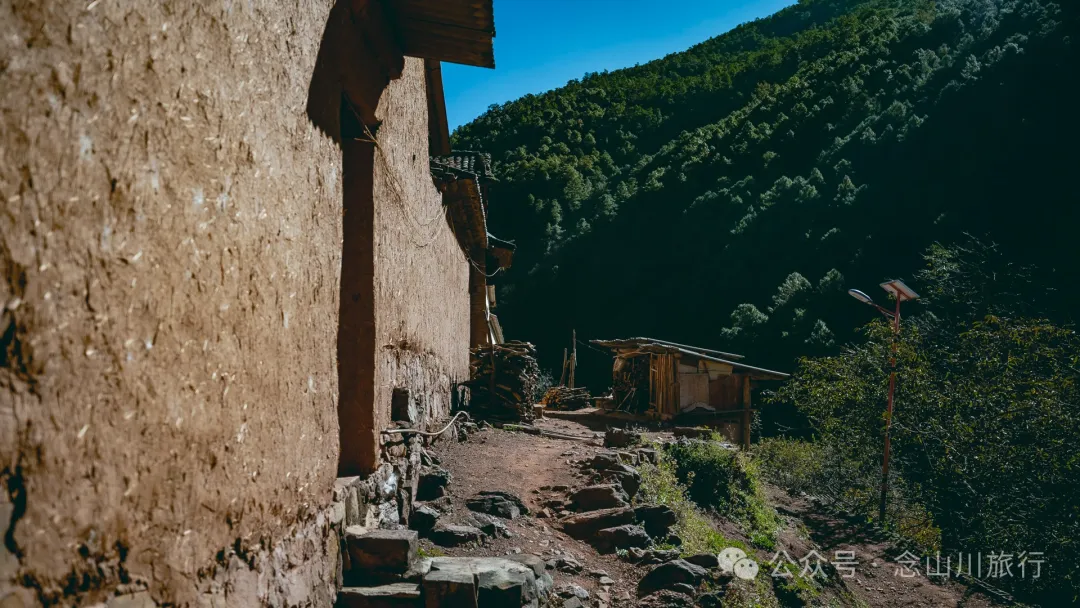
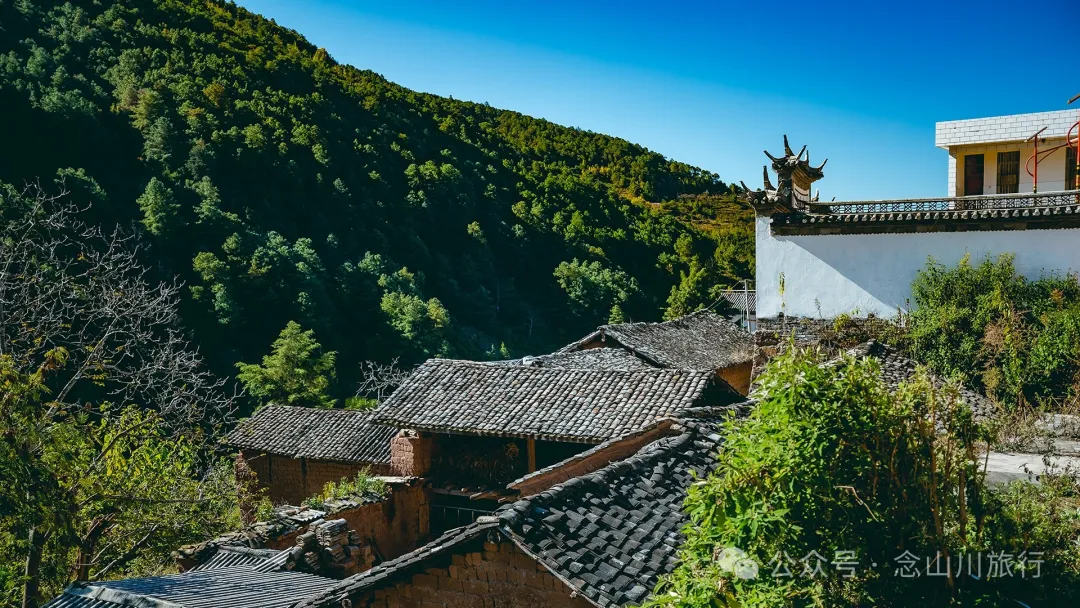
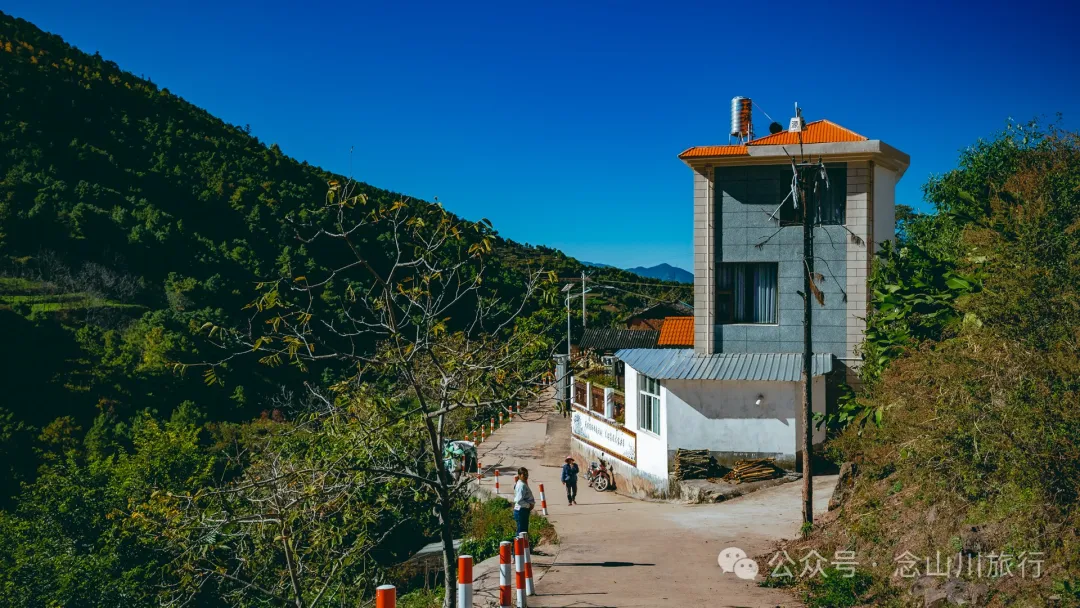
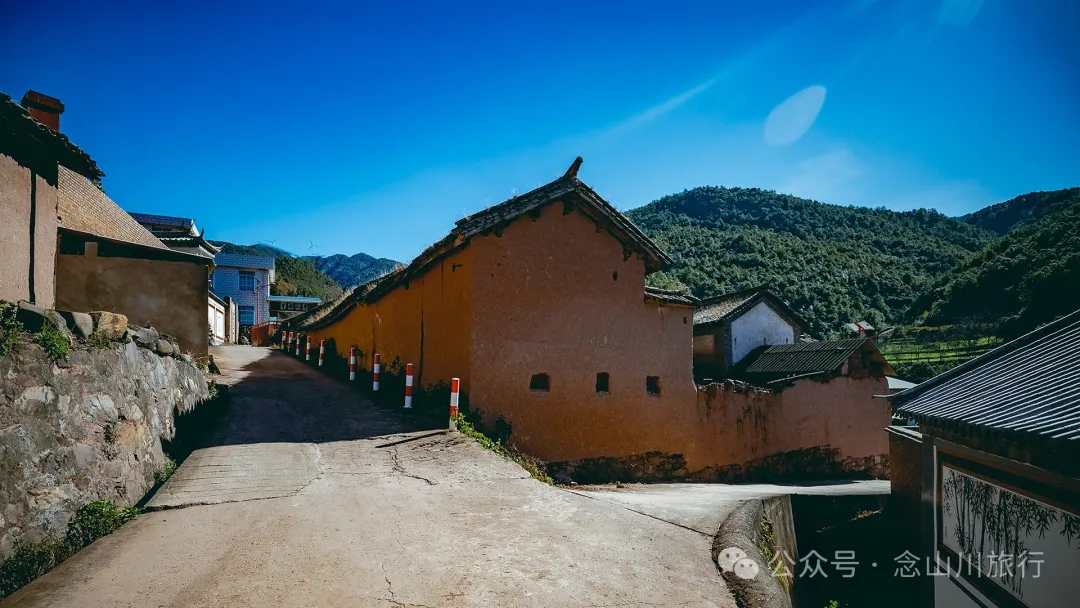
Today, all the village children are sent to a larger school at the foot of the mountain. The old school building has become a activity space for the elderly, and the spacious playground is now used for parking vehicles and drying grain. Over the past ten years, the village's rammed-earth houses have gradually been replaced by new buildings. The cement road leading out of the village has brought convenience to all the villagers, and has also carried the village's ancient legends to more people.
II. Nostalgia
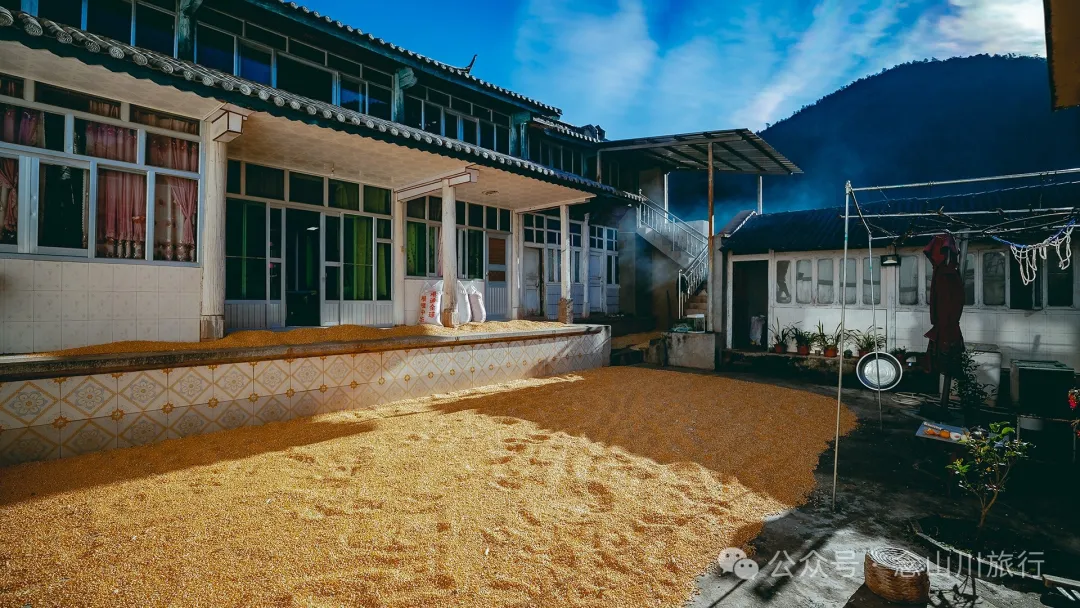
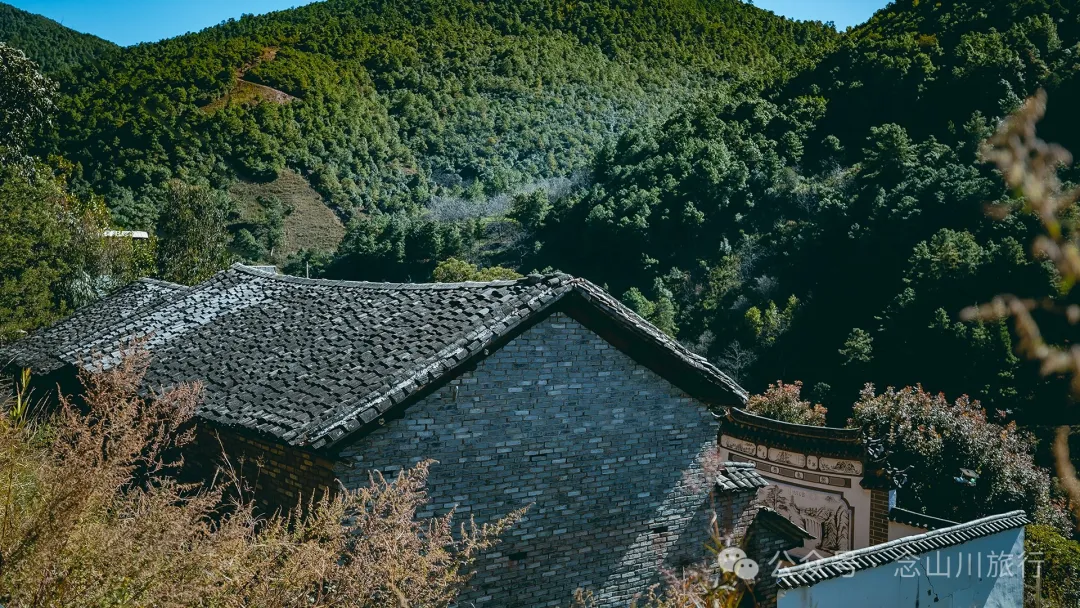
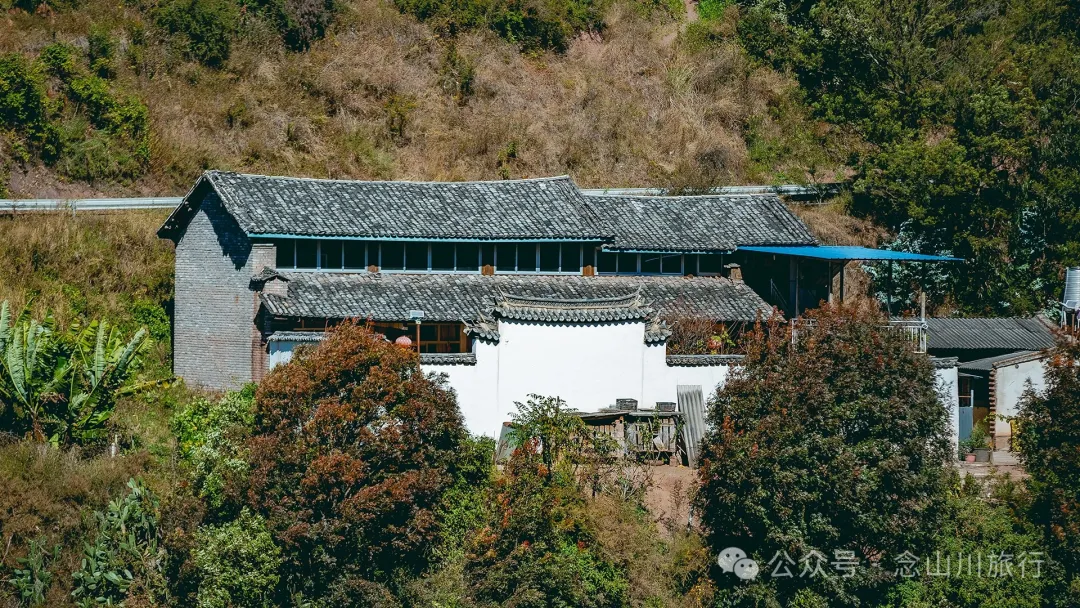
Over the past decade, we have traveled back and forth to Caochang Village countless times and witnessed many changes firsthand. We spent warm and memorable times in two of its courtyards. We have seen the silence of the waning moon in the winter dawn, and sat around the hearth fire that burned all night, listening to friends tell stories of the village.
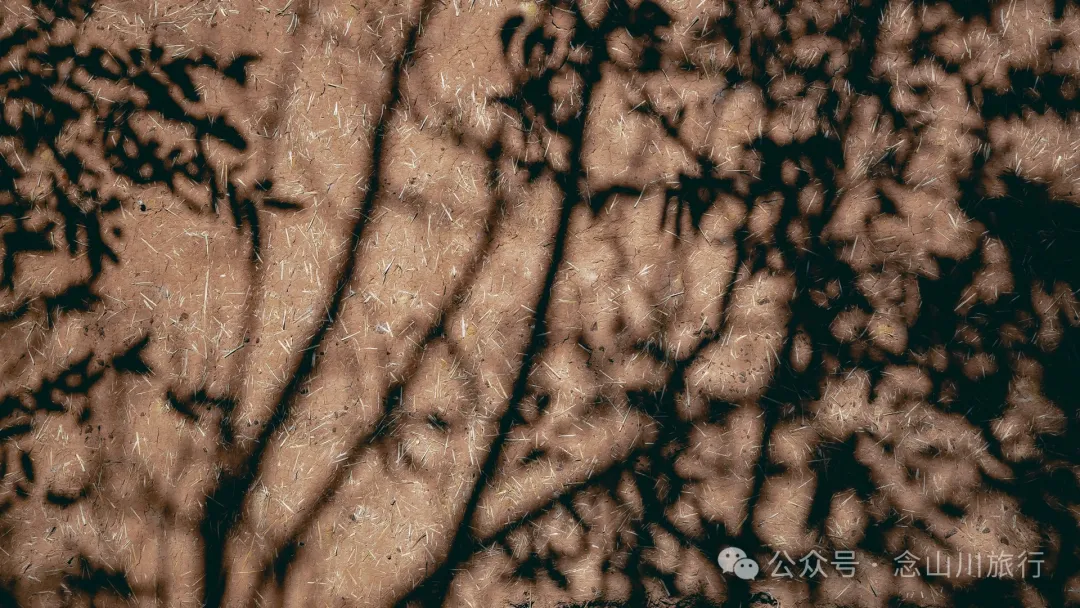
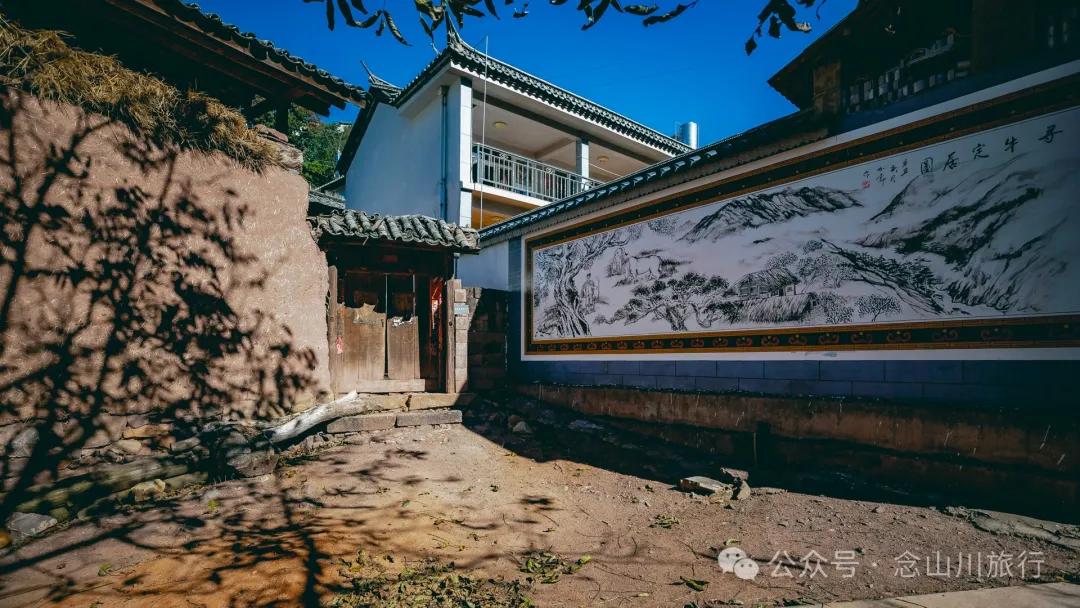
According to legend, the village's ancestors originally lived in Zhuomulang Village. While searching for cattle lost in the mountains, they crossed ridge after ridge and endured great hardships until they finally found the cattle's tracks here. When the ancestor tried to retrieve the lost cattle, the herd refused to follow him. Convinced that this was a blessed land, he led his people to settle here, farming and herding, living a self-sufficient agricultural life. A hand-painted mural on the farmhouse wall brings this legend to life.
The winter hearth fire always stirs up memories. Around it, we heard many amusing stories from our friends' childhoods. In those days of material scarcity, their joy came mostly from nature — the very source of their survival. Every blade of grass, tree, stone, frog, bird, and dog became their playmate. They caught frogs in streams, raided bird nests in trees, and even had their watchdogs fight on their behalf. Poverty and isolation limited their mobility, but never their ability to entertain themselves. Nature not only provided them with what they needed to survive, but also added endless color to their simple lives.
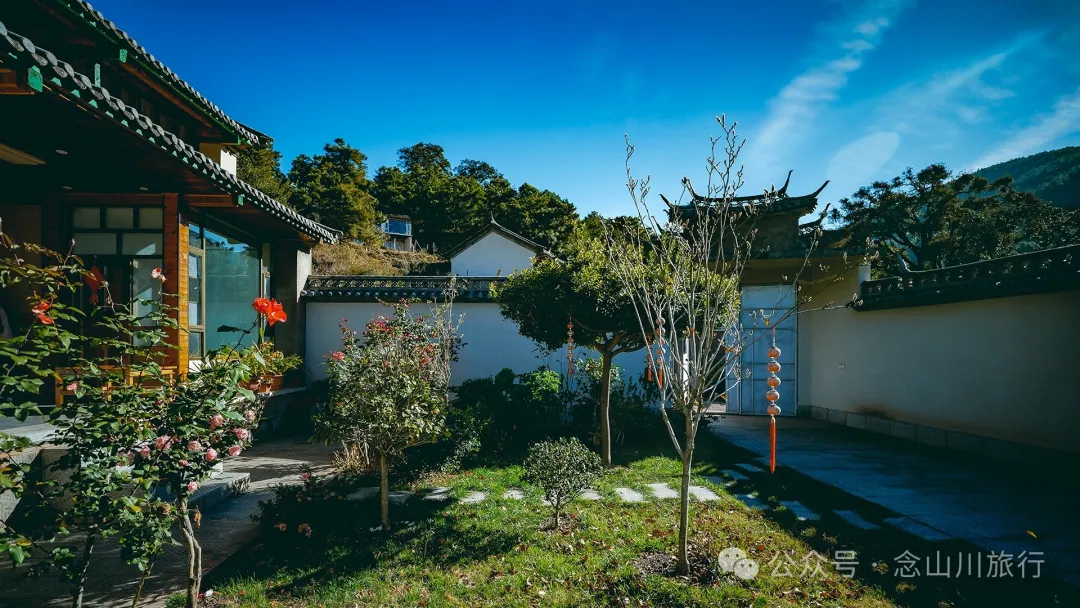
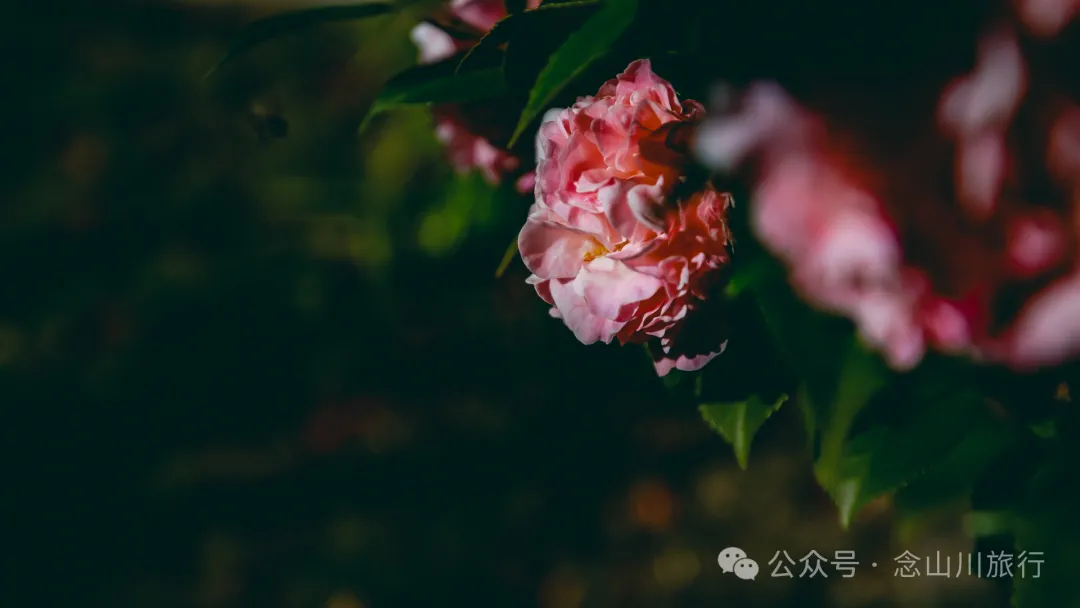
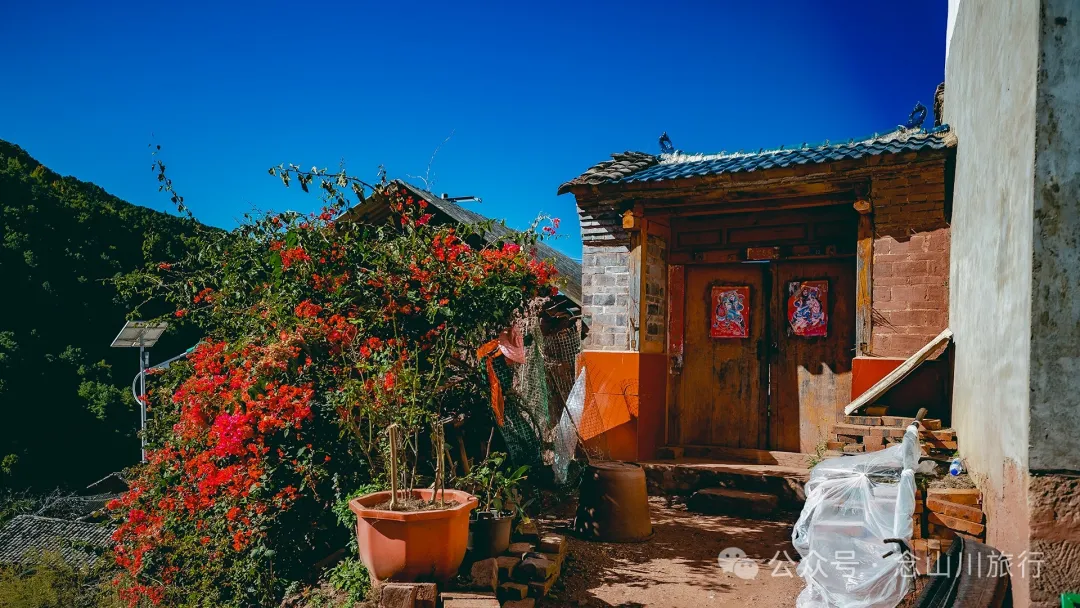
Like other villages, many people left Caochang to work elsewhere. But no matter where they go or what work they do, returning to build a beautiful homeland remains their heartfelt wish. While searching for nostalgia in the village, we stepped into a courtyard belonging to a relative of our friend. He works in landscaping far from home year-round, and using his expertise, he turned his small yard into something uniquely charming.
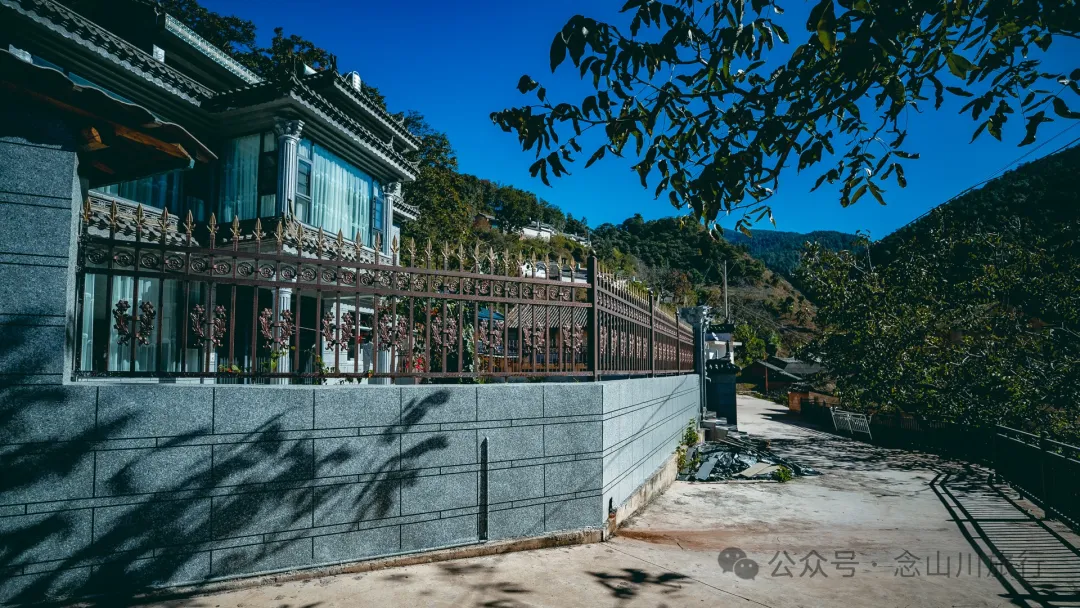
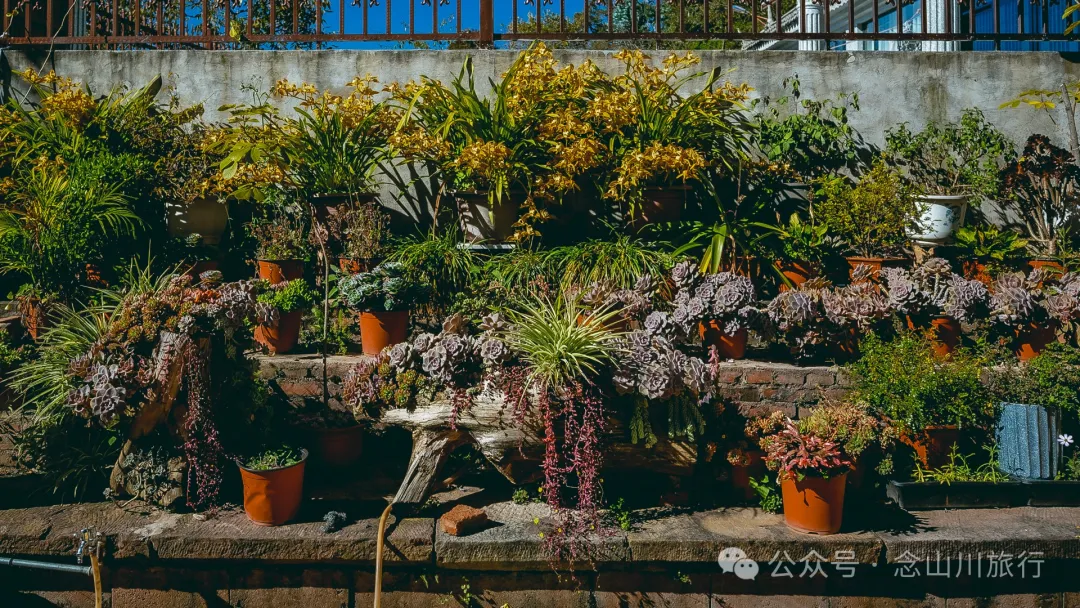
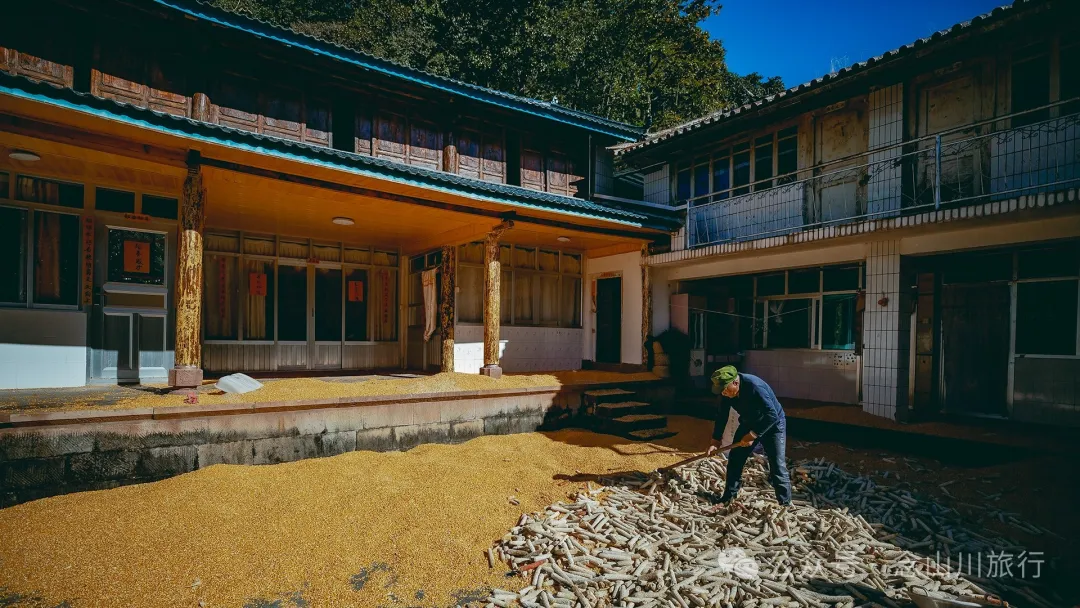
We happened upon another friend's compound, where his new and old homes stood side by side. His father and grandfather were busy tending to the eighty-year-old traditional house. The new house was spacious and grand, with succulent plants artfully arranged in the yard, full of vitality. Despite enduring over eight decades of wind and rain, the old house — carefully maintained by the older generation — remained sturdy and dignified, showing no signs of neglect. The old house embodies the hard work and emotional attachment of the elders. Even after moving into a new home, they cannot bear to abandon it. I think restoring the old courtyard is their way of remembering the past.
III. The Mysterious Miku
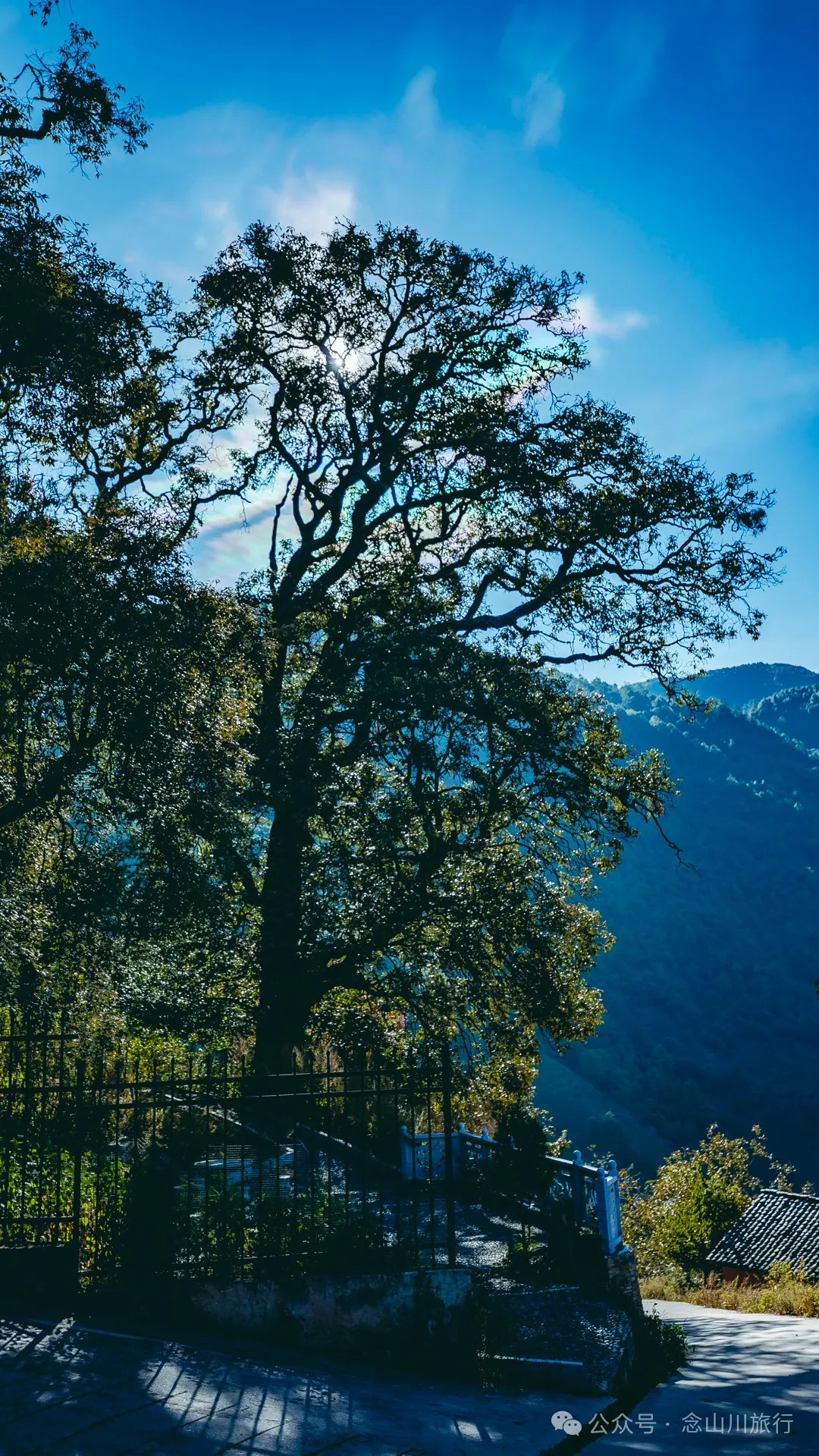
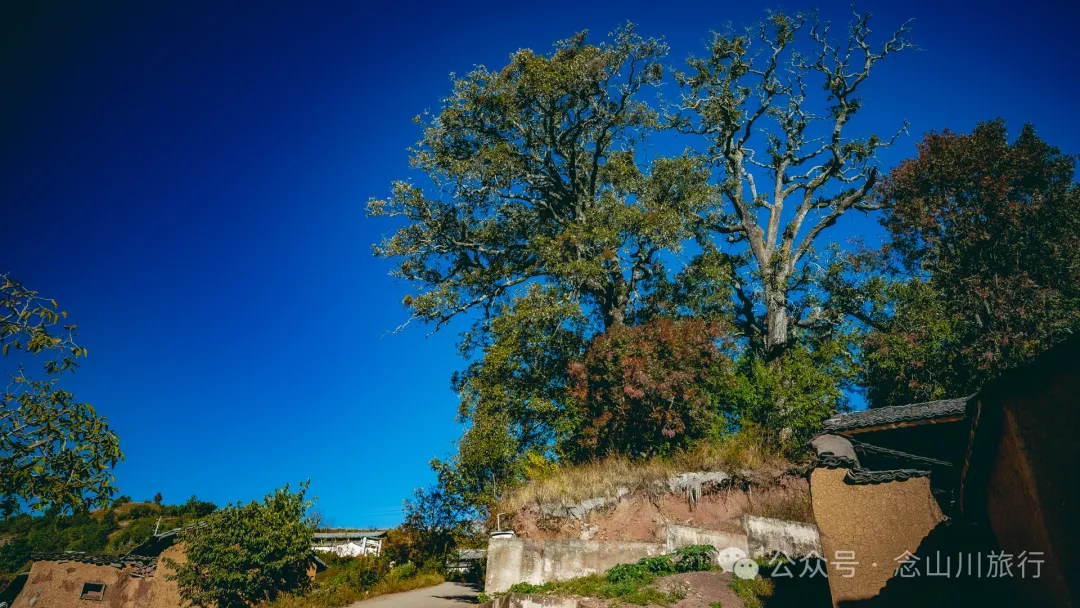
The village is dotted with centuries-old trees. These tall, gnarled trees not only beautify the village but also carry profound religious significance. Miku is the indigenous religion of the Yi people. In short, it is a belief system centered on the worship of sacred trees as totems. Miku was the name of an elder who sacrificed his life to protect the village. He used branches to block a tiger that had entered the village, saving everyone.
To honor him, later generations hold a ritual on the eighth day of the second lunar month each year. They designate a tree as the embodiment of the elder Miku, slaughter a cow under the tree for a communal feast, hang a straw goat on the tree, and block the village entrance with branches just as Miku did. For this reason, the eighth day of the second lunar month is also called "Branch-Blocking Day," a tradition that continues to this day. Many villages have such a sacred tree dedicated to Miku.
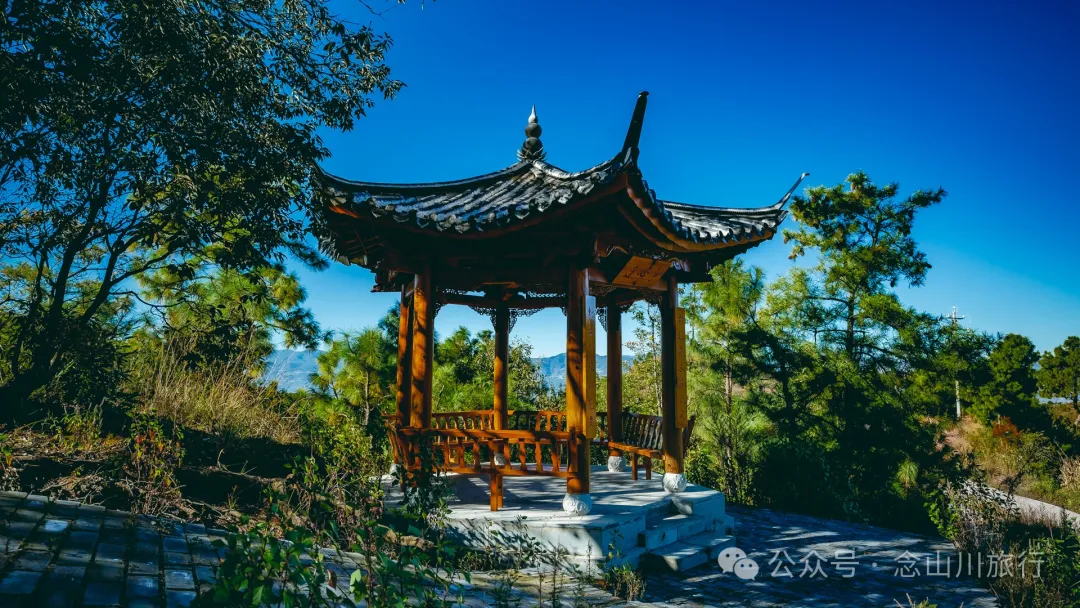
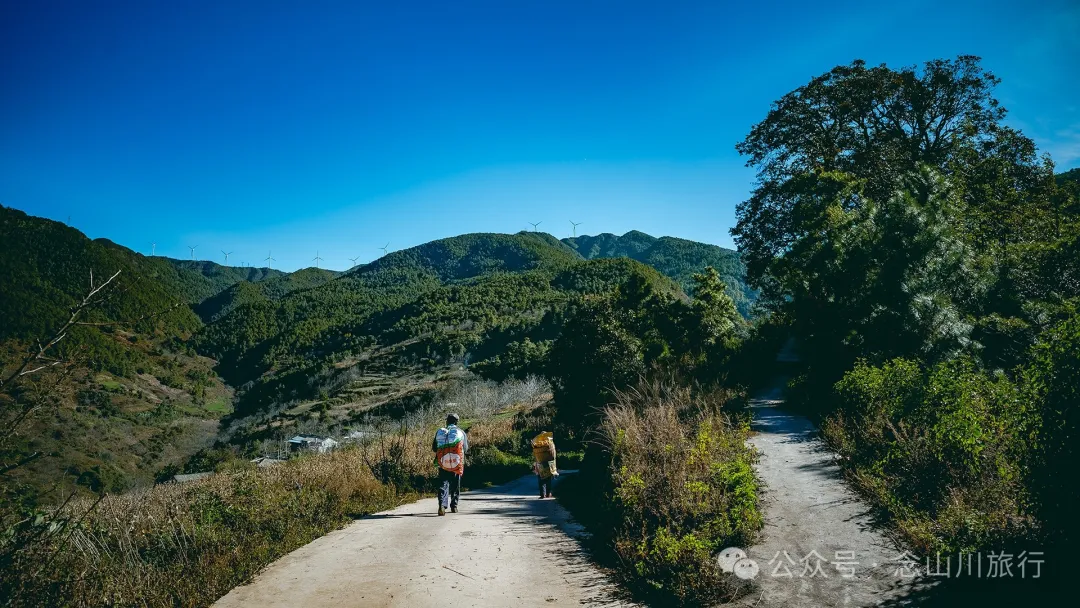
This is a people whose faith revolves around sacred trees. They deify Miku through the trees, revering both Miku and the trees themselves. Unconsciously, their beliefs have become a powerful force for protecting trees — benefiting generations who have lived among them.
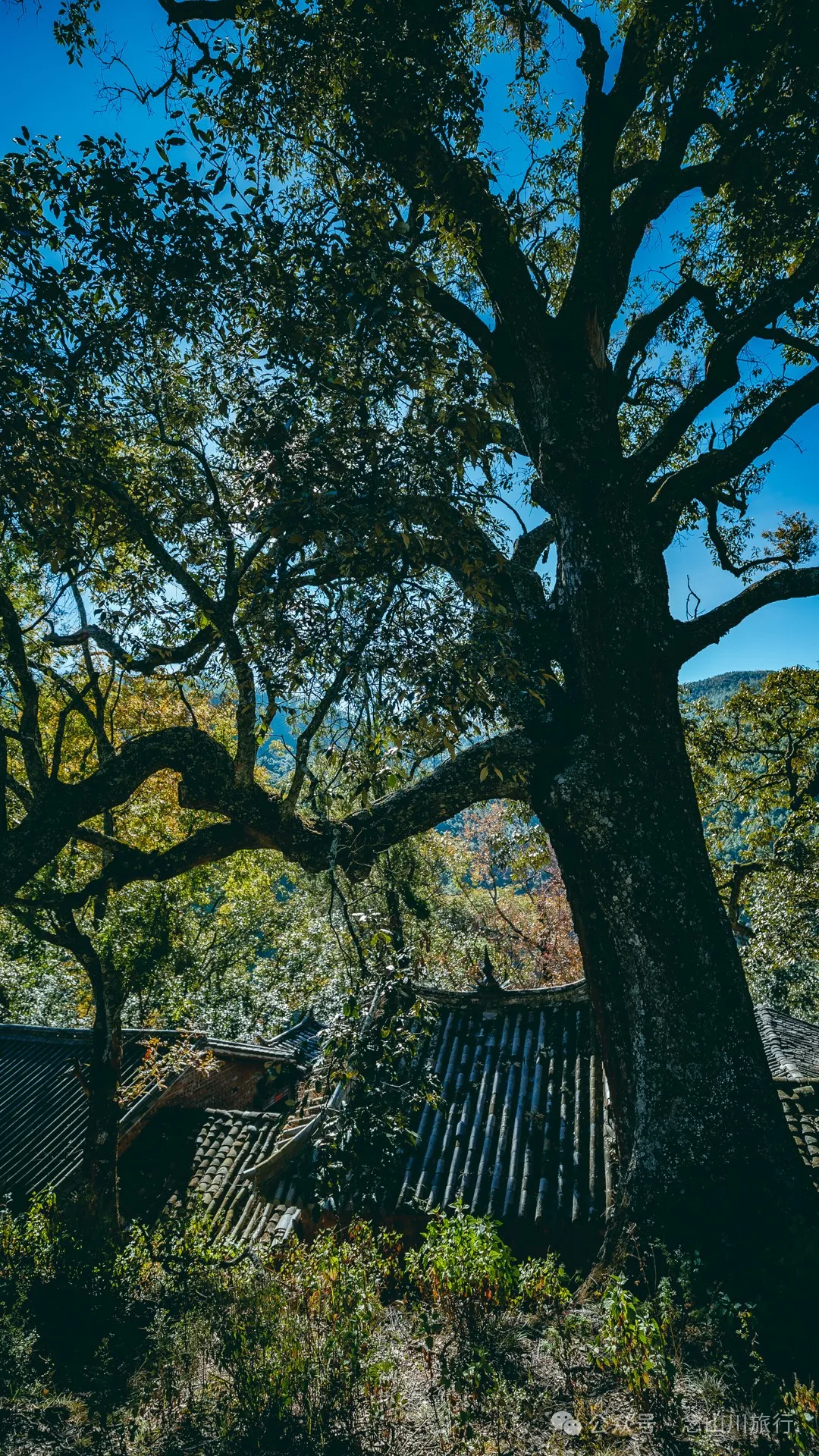
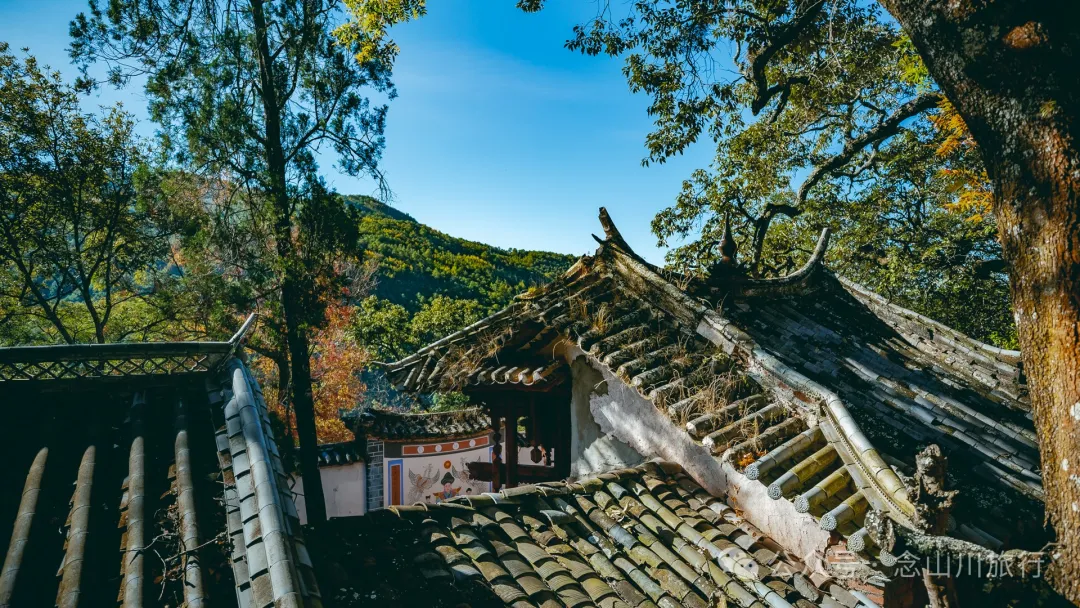
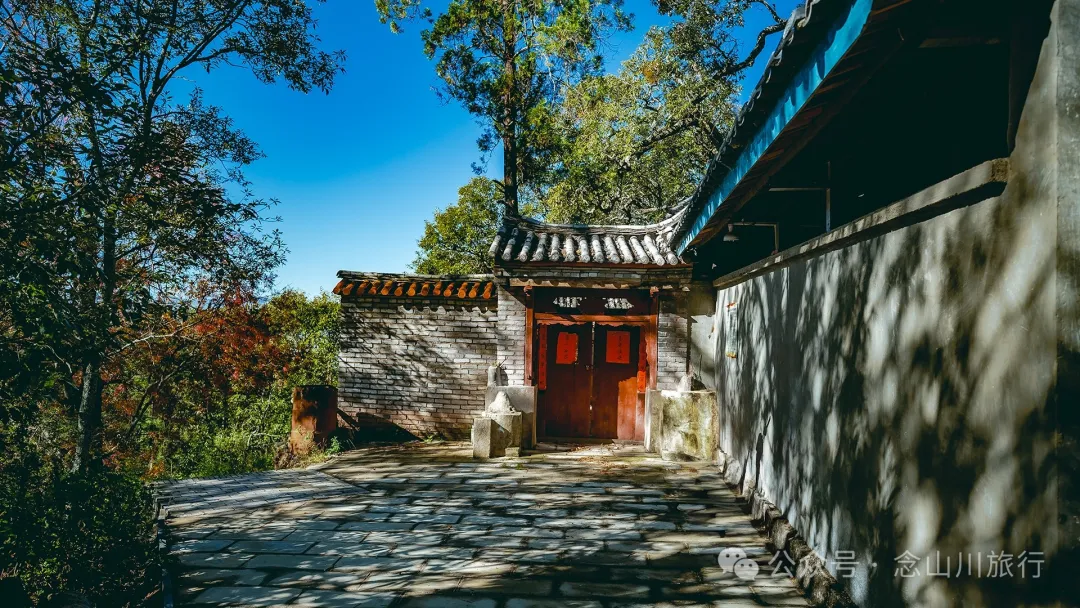
A Guanyin Temple stands on a hillside surrounded by ancient trees. The reverence for old trees is everywhere.
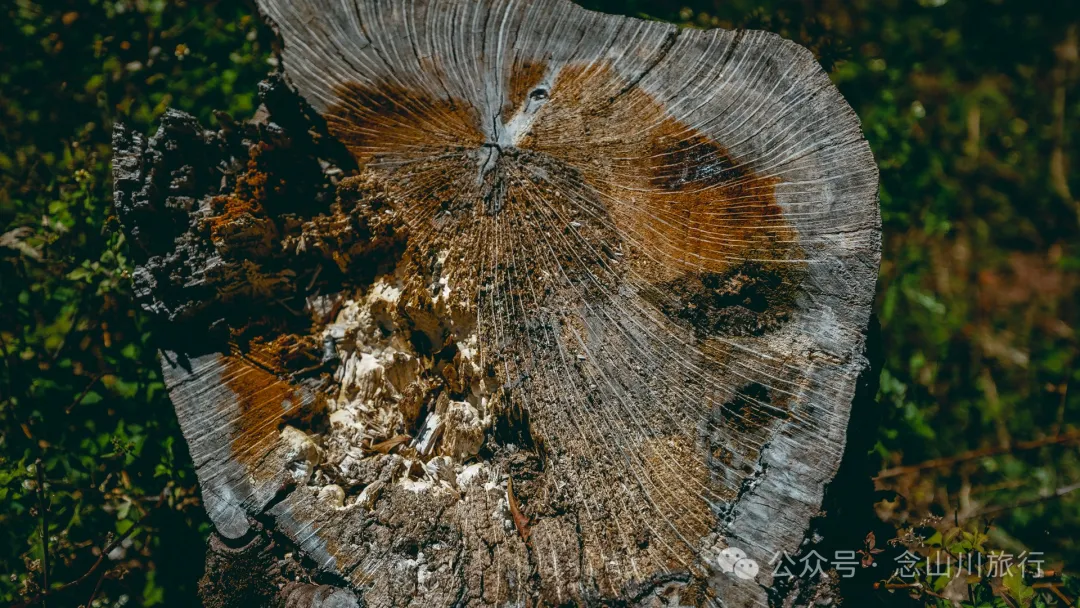
By the roadside, the stump of a long-dead tree has turned white from years of sun and wind, yet its clear, natural grain remains vividly visible.
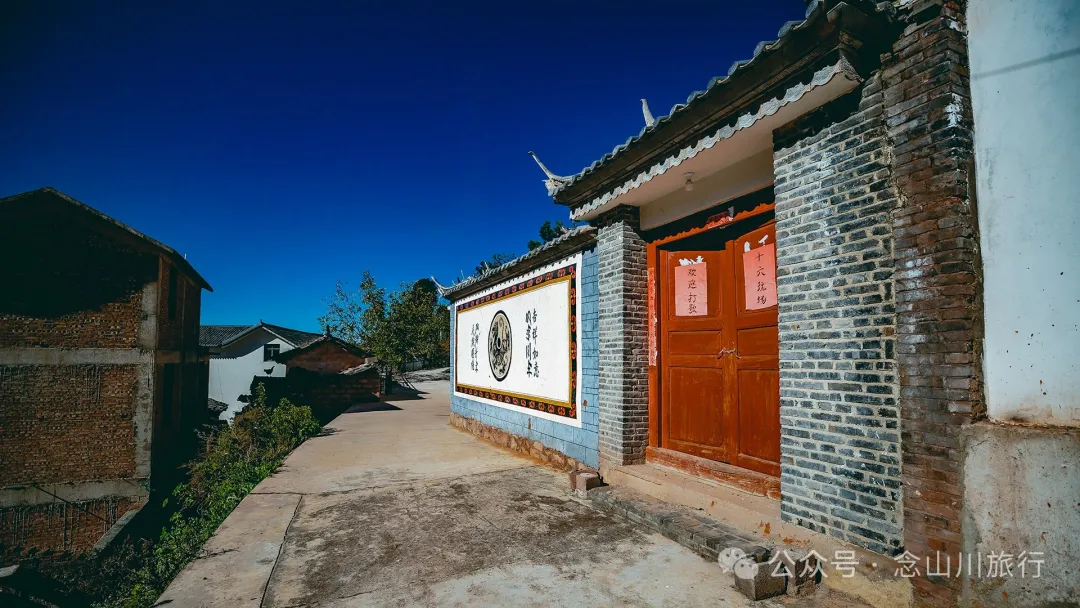
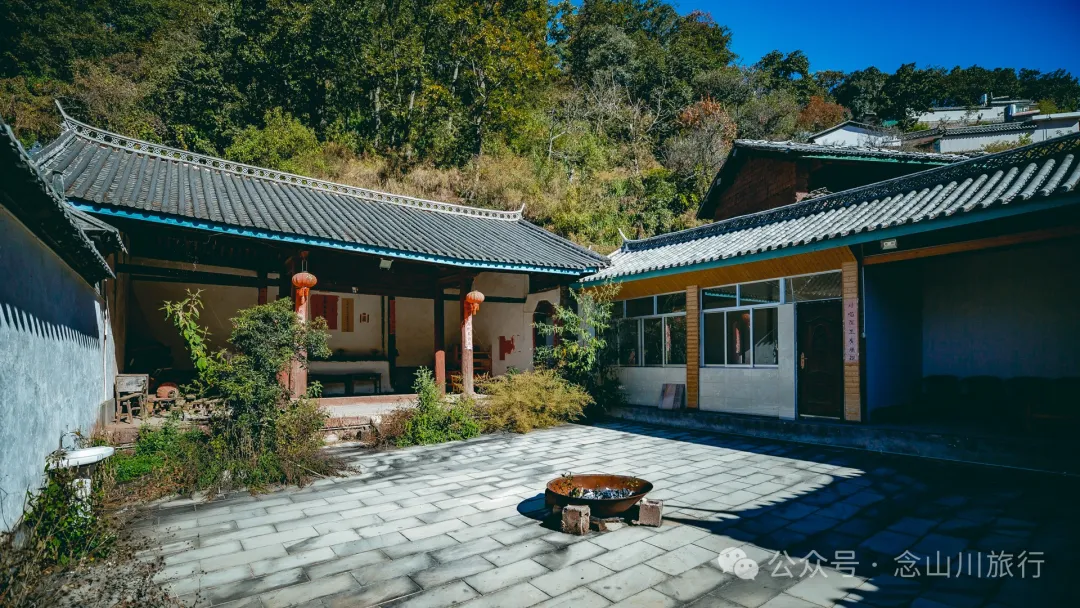
Many Yi villages reserve a large open space for "dage" (singing and dancing) activities. Here in Caochang Village, the ancestral hall also serves as the dage venue. On the evening of this year's Lantern Festival, we were fortunate to witness a lively dage event and saw the inheritance ceremony of the intangible cultural heritage of Lusheng (reed pipe) playing between the older and younger generations.
IV. Impressions of the Village
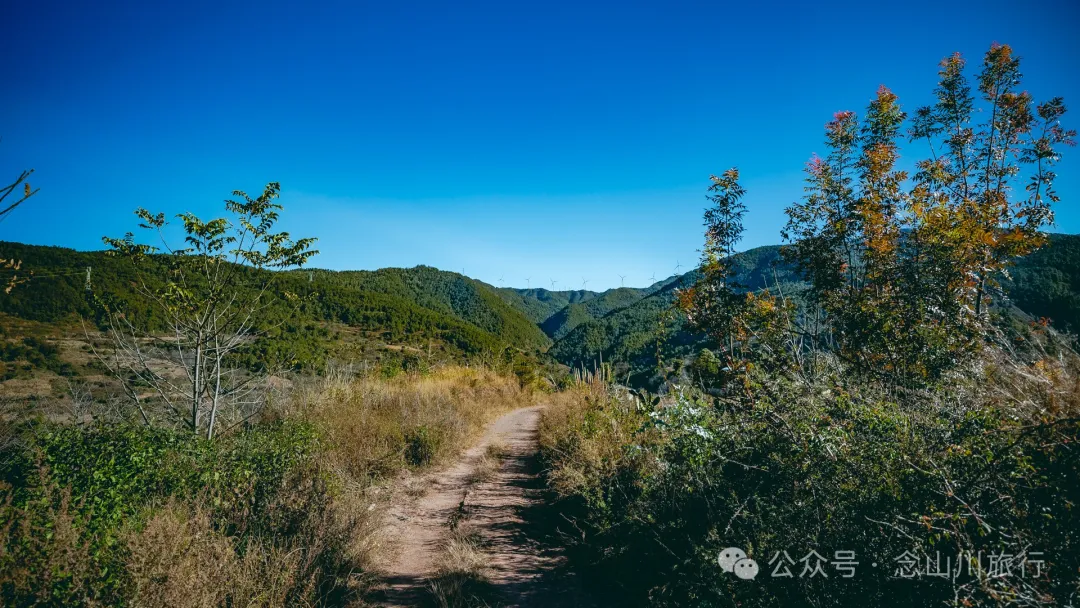
We have visited Caochang Village so many times that we know more villagers here than in our own hometown. We have seen the village in every season — spring, summer, autumn, and winter. Among all my memories, one visit left the deepest impression. On the morning of Chinese New Year's Day, after spending an unforgettable New Year's Eve at our friend's home, I walked out of the village and climbed the opposite hillside, hoping to find the spirit of the new year in untouched nature. On a narrow mountain path, I encountered our friend's younger brother, who had just returned from checking on the sheep in the mountains. Behind him followed his son, the taciturn Bi Zhihui, accompanied by a little black dog. While everyone else was immersed in festive celebrations, the father and son had trekked over the mountains to check on the flock. In the village, their lives seem never to align with holidays — in the world of livestock, there is no such thing as a festival.
Bi Zhihui is only nine years old. He is accustomed to — and happy to — follow his father's example, turning every holiday into an ordinary day spent with the sheep. When I met them, he was as quiet as ever, but the smile on his face didn't seem like an expression of emotion; rather, it seemed like an organ permanently fixed on his face, never fading. As I saw him emerge from the winding, shadowy mountain path, I also saw a mountain rising behind him, approaching from afar, descending from above. He was like a silent mountain — steady, solid, and sincere. I believe that no matter where he goes or what kind of life he leads when he grows up, this mountain-like character will be etched into his blood, never easily cast aside.
In May 2021, Brother Long drove his friend Zeng Kui and his daughter back to Caochang Village. It was the girl's first return to the village since birth. The family held a lively gathering. In high spirits, the guests drank plenty of wine at dinner. Zeng Kui's younger brother insisted on slaughtering a chicken for Brother Long, calling him an honored guest. Everyone was already full, and after much persuasion, he finally gave up. But then A Zhao brought out fresh lamb chops from home, grilling them while continuing to drink. The party feasted and chatted late into the night.
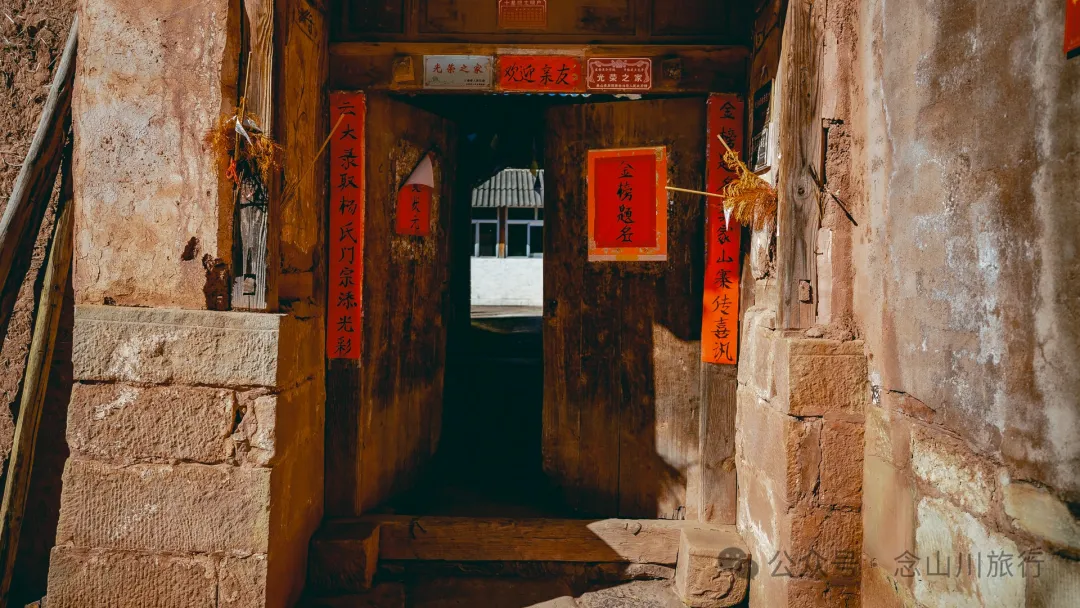
In 2023, we settled in Weishan. Our friend Xiao Zhulin often invited Brother Long back to the village for banquets. Brother Long tried to decline, saying no one would recognize him. Xiao Zhulin laughed and said, "Everyone in the village knows you. Just come, drink, and talk big."
V. Persimmons for Good Fortune
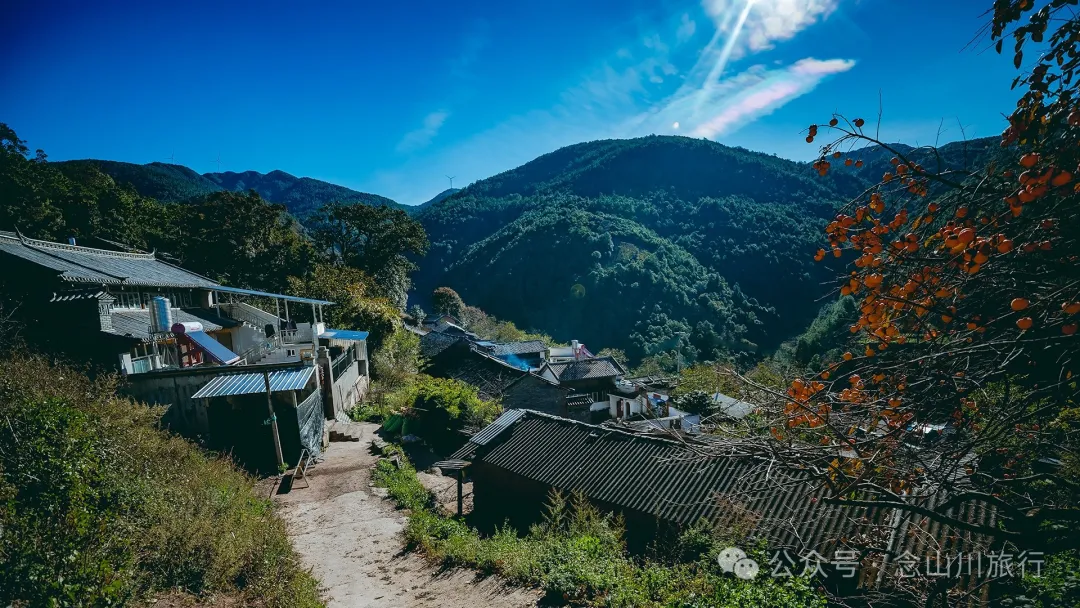
I walked through the village carrying a small bamboo basket. My original plan was to pick up fallen leaves and twigs by the roadside and find some nice stones in the stream. But by the end, I not only received a bag full of walnuts and chestnuts from the villagers, but the persimmons in my basket were overflowing. The persimmons left on the branches became food for the birds — but they also seemed like a signal, calling distant wanderers home.
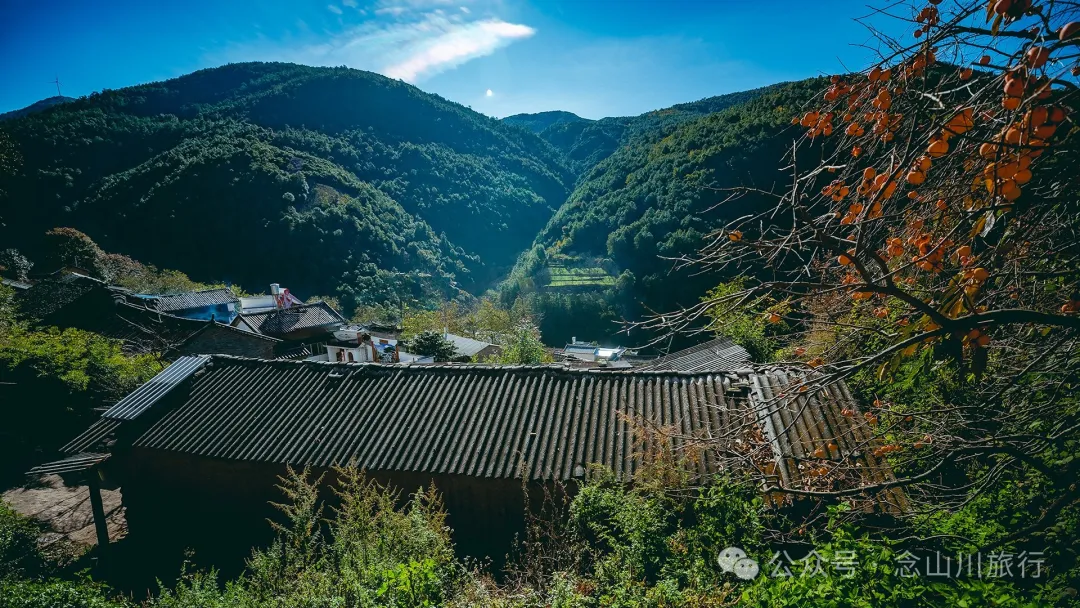
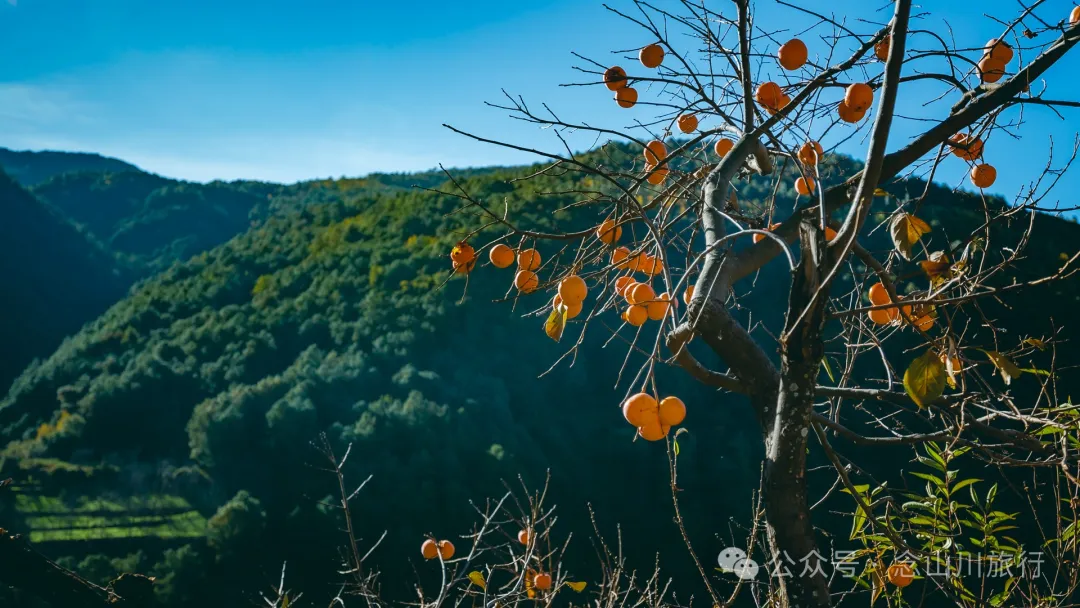
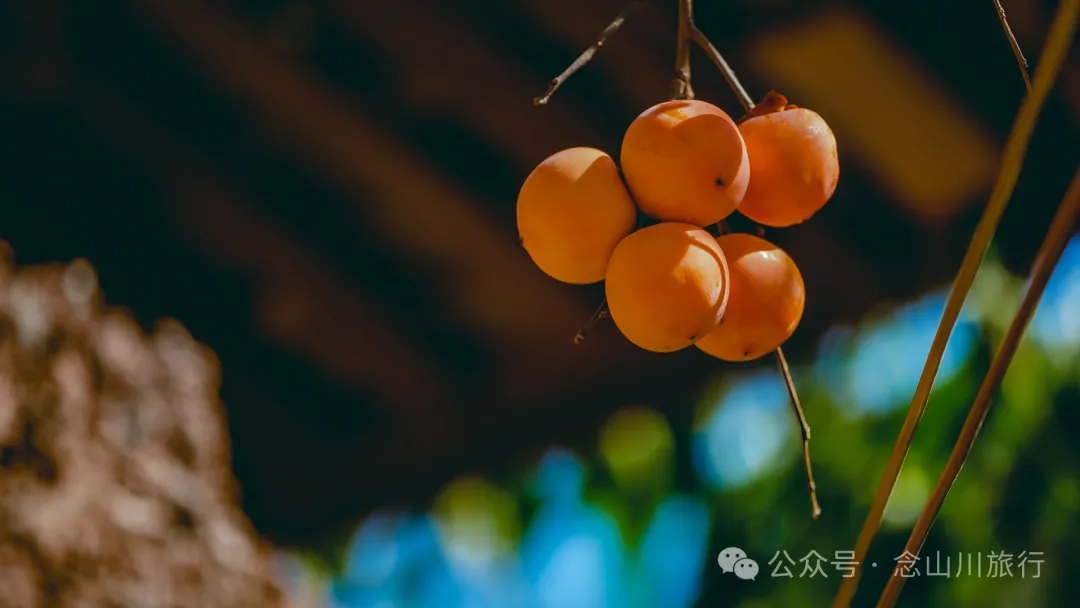
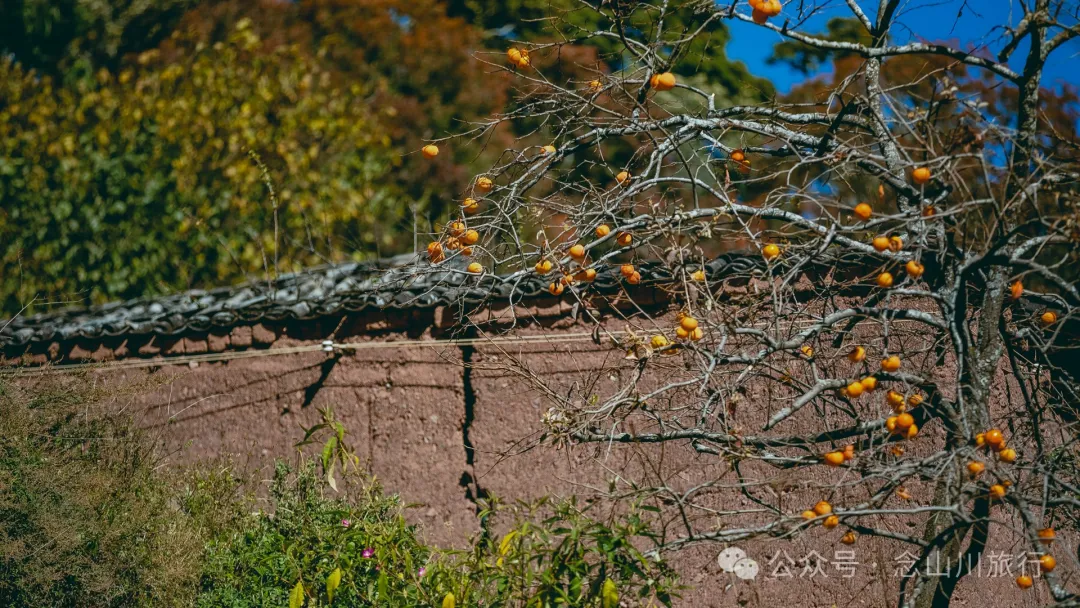
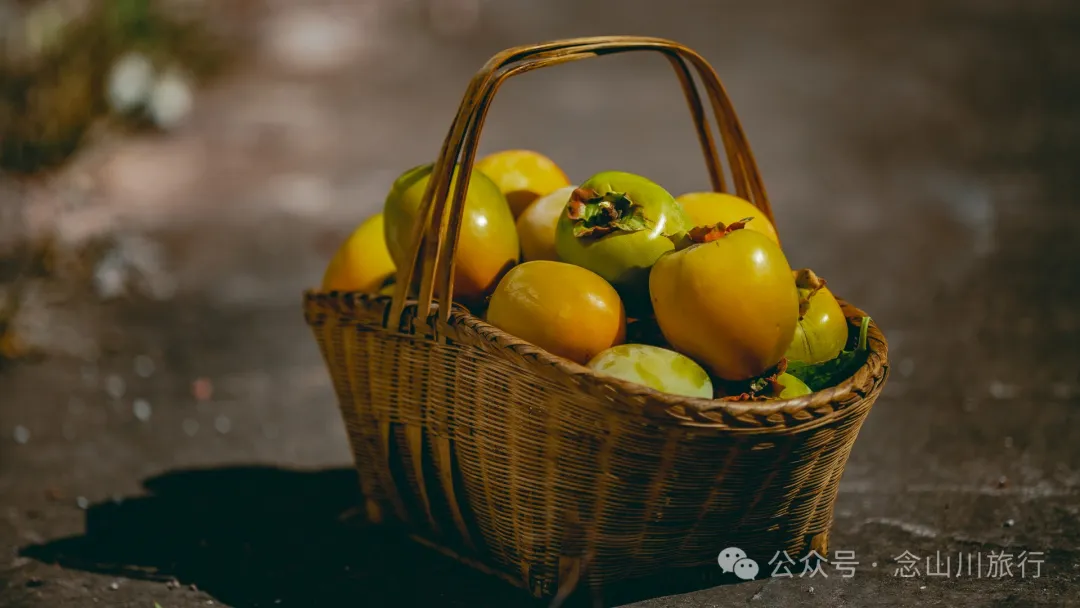
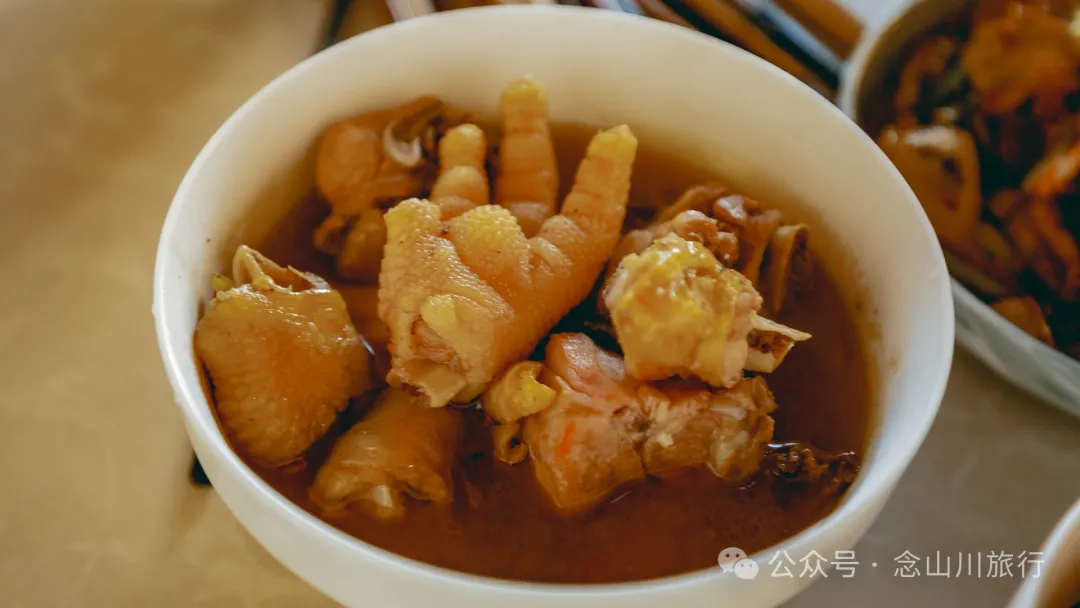
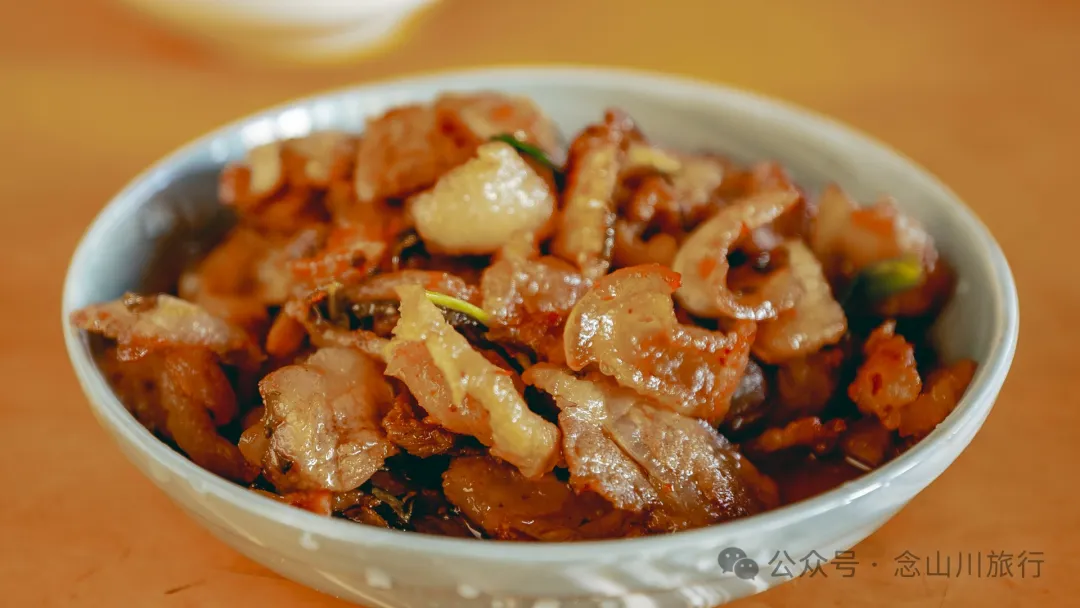
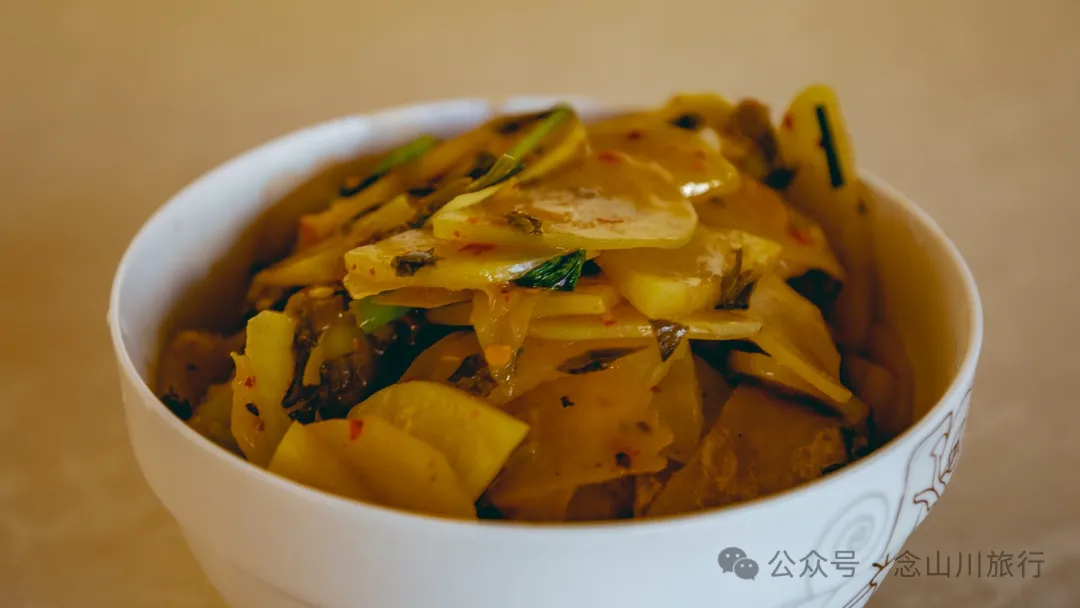
No matter when we visit Caochang Village, we are always warmly welcomed with generous hospitality: fragrant strong liquor, delicious dishes, and free-range chickens every time. The moment we step into our friend's yard, the smoke rising from the kitchen chimney sends us a signal: good food awaits.
VI. The Splendid Winter Landscape of the Mountain Village
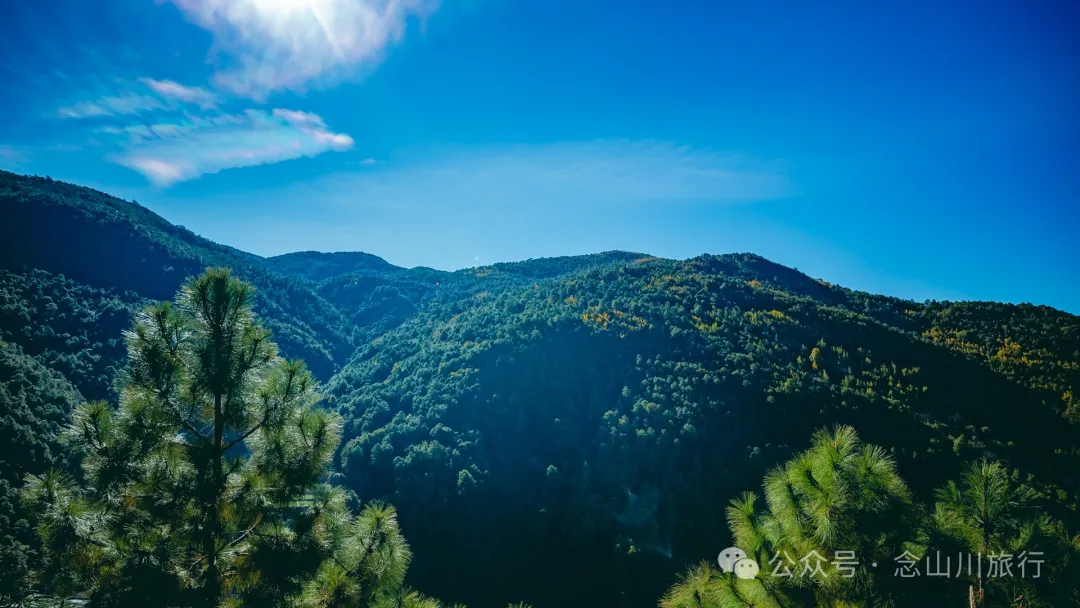
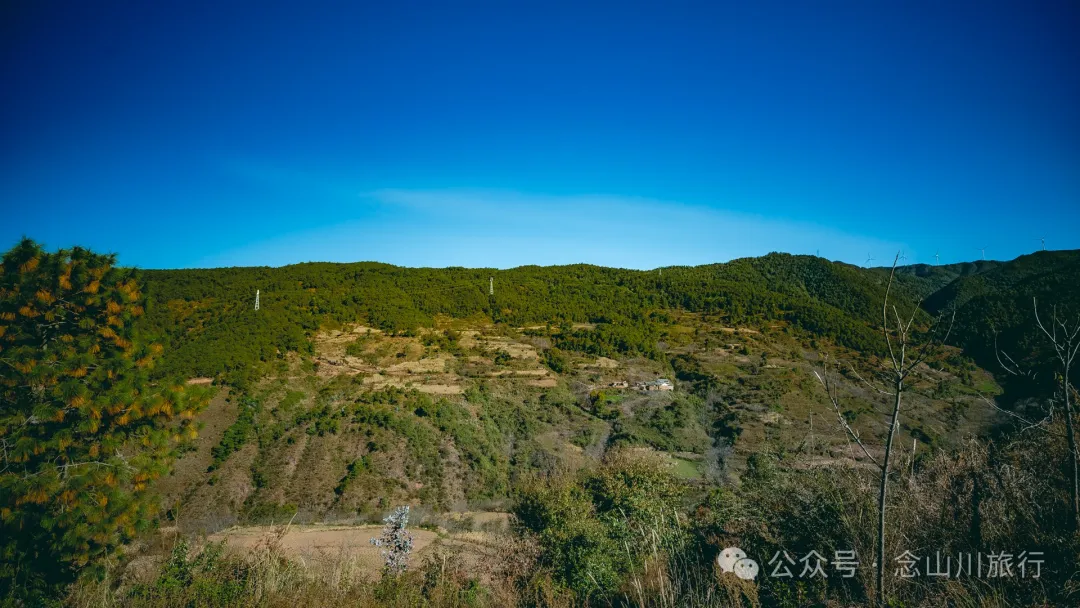
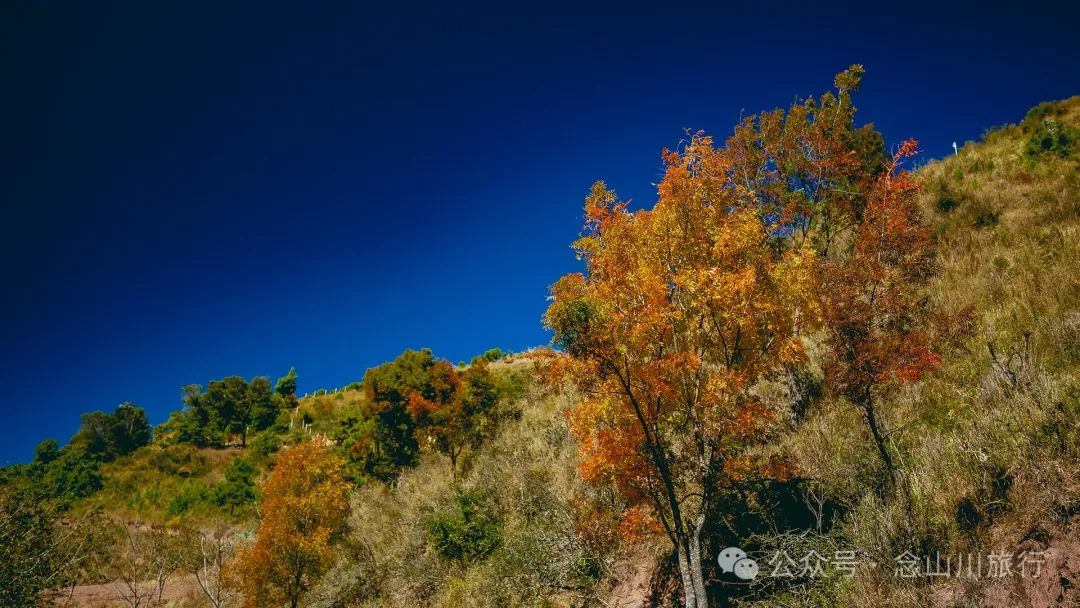
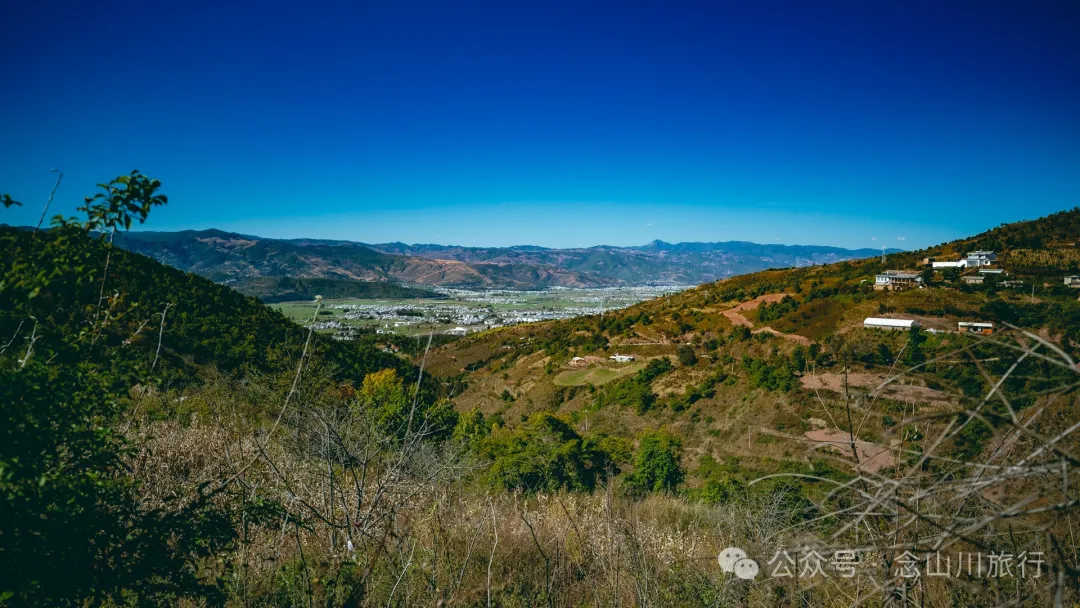
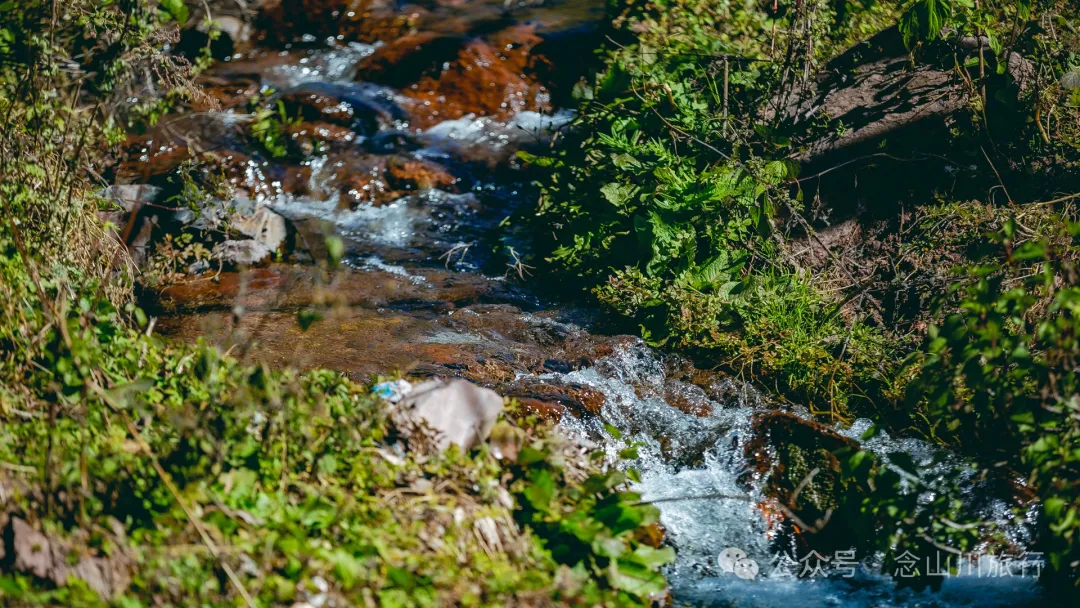
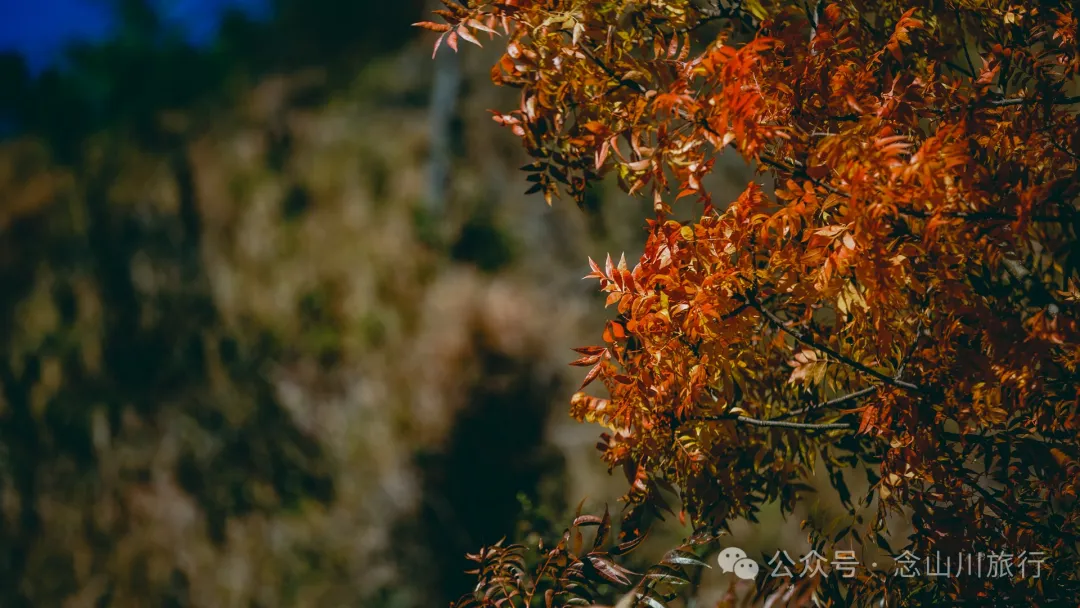
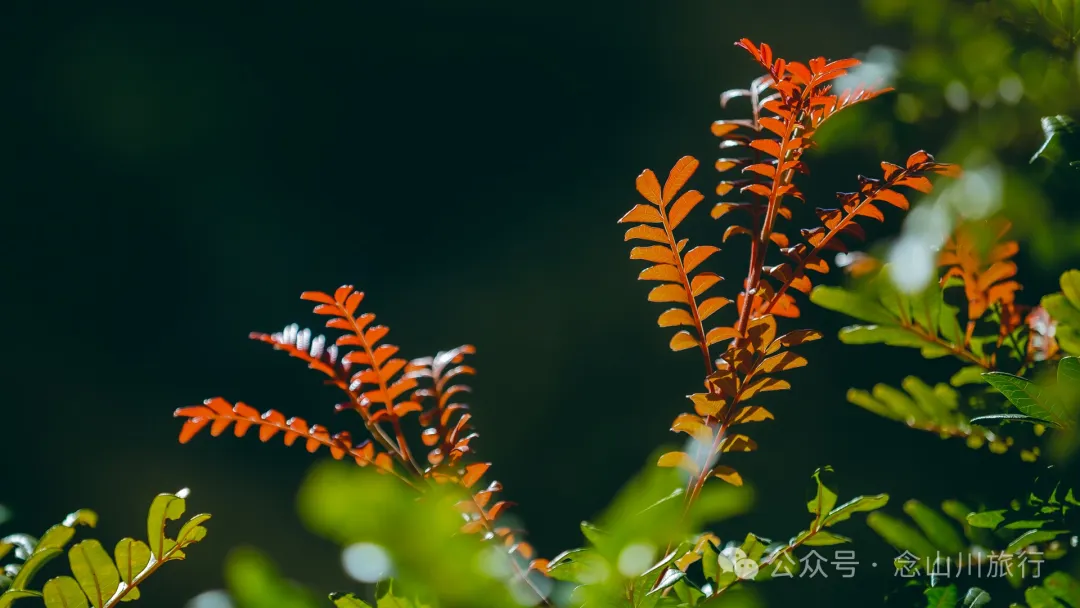
Winter in Caochang Village never feels bleak or desolate. Instead, it remains as colorful as autumn. Birch trees and Chinese pistache scattered across the mountains display perfect hues, complementing the clear blue of the sky.

VII. The Ideal Home
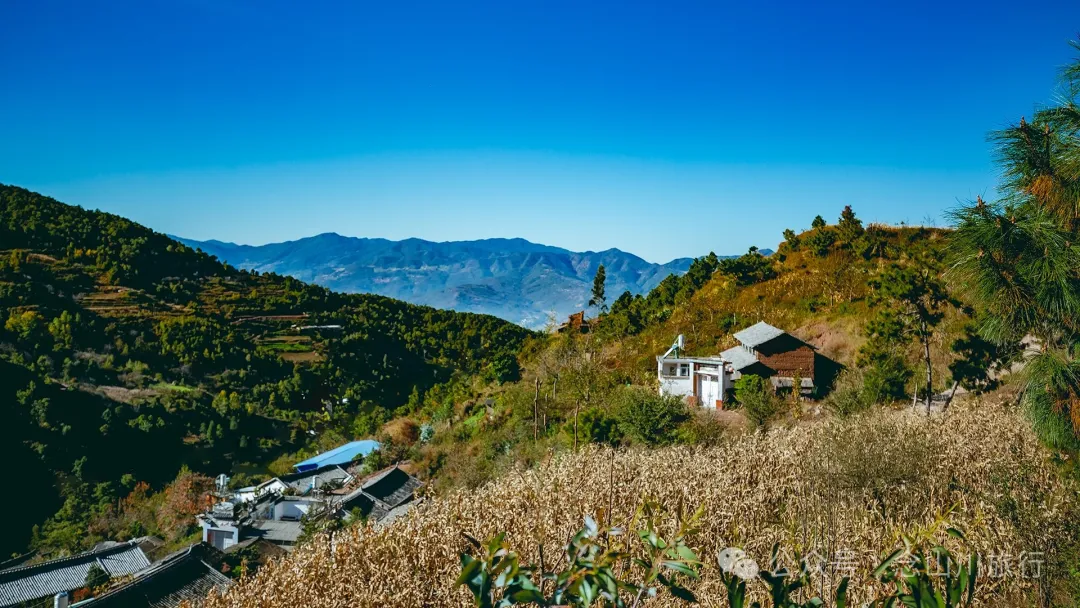
Because of a small act of kindness long ago, we came to know this Yi village and befriended many honest and warm-hearted villagers. A Zhao is one of them. Born in the 1990s, unlike most of his peers who left their hometowns to seek opportunities elsewhere, he is truly a "stay-at-home" guardian — staying in the mountain village to protect his homeland. He turned his hobby into a career and started his own farm. Since he runs it alone, the scale is modest — currently just over a dozen cattle and about fifty goats — but it keeps him busy all day. Staying behind and transforming his hometown into a more livable place is his greatest contribution to the village.
Not far from A Zhao's farm, behind several tall birch trees, a new house will soon be built. That is the ideal home chosen by our friend Zeng Kui. Although he works in Dali, returning to the village and retreating into the mountains has always been his dream. Right now, he is doing everything he can to make that dream come true as soon as possible.
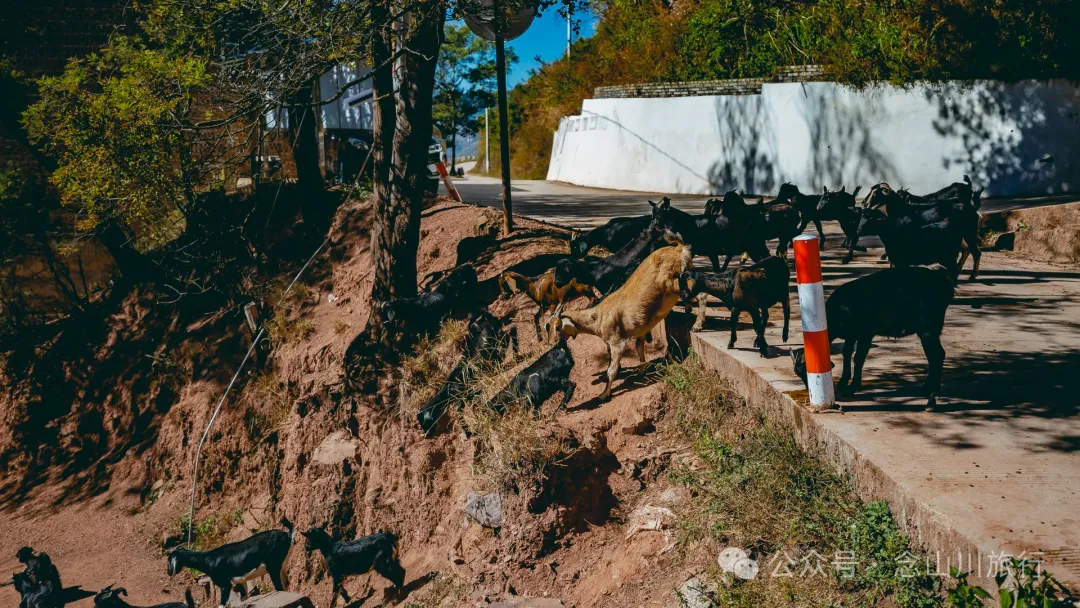
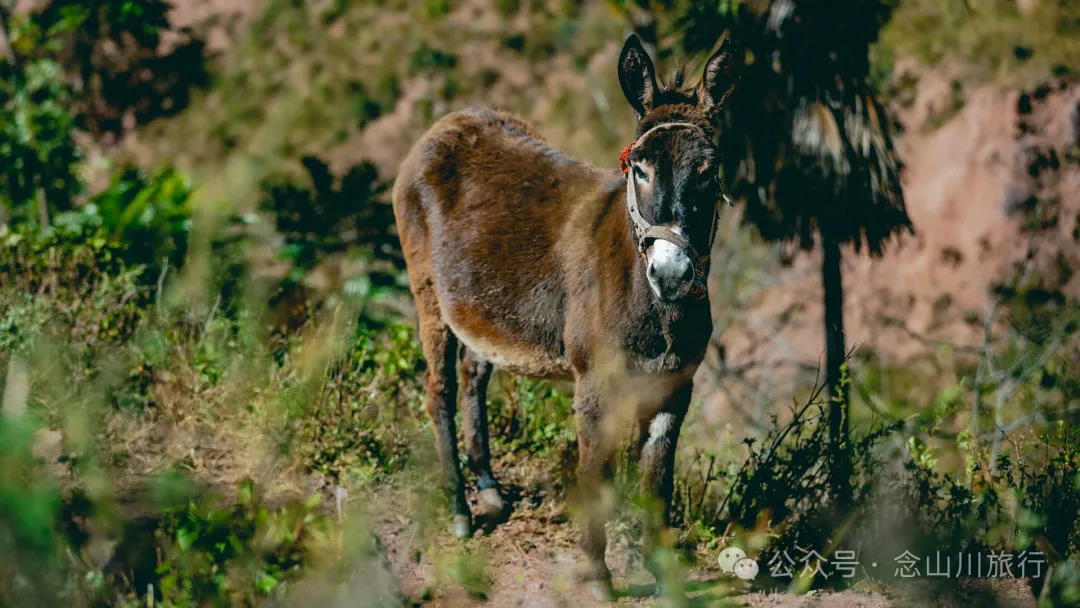
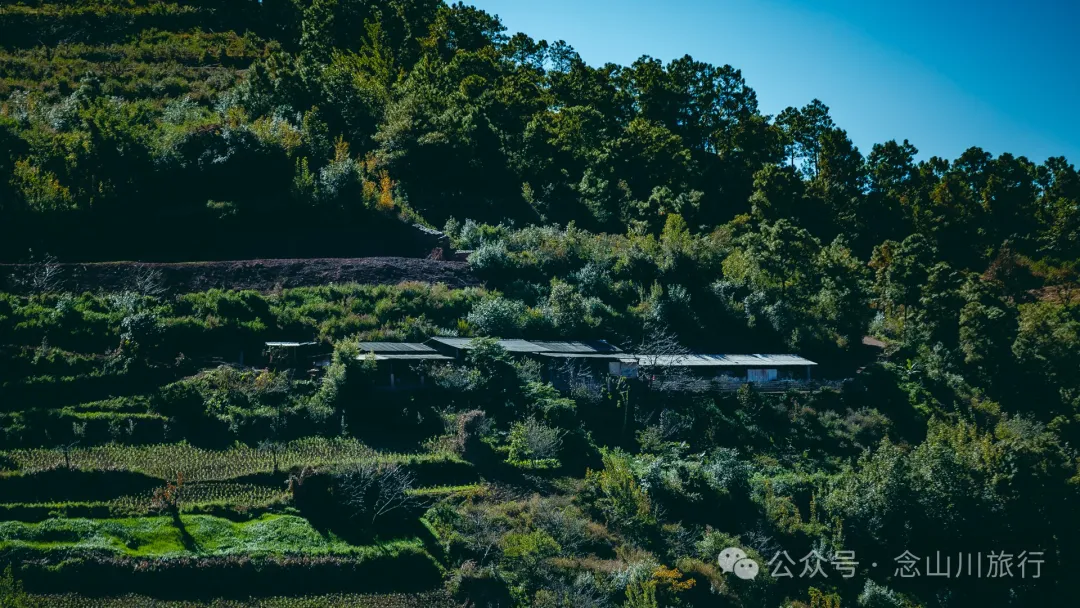
This is A Zhao's farm, on the slope opposite the village, surrounded by uninhabited wilderness. We gave him a little gray cat that is especially good at catching mice. Right here, the cat is about to begin its new, unrestrained life — living, in its own unique way, the life we all dream of.