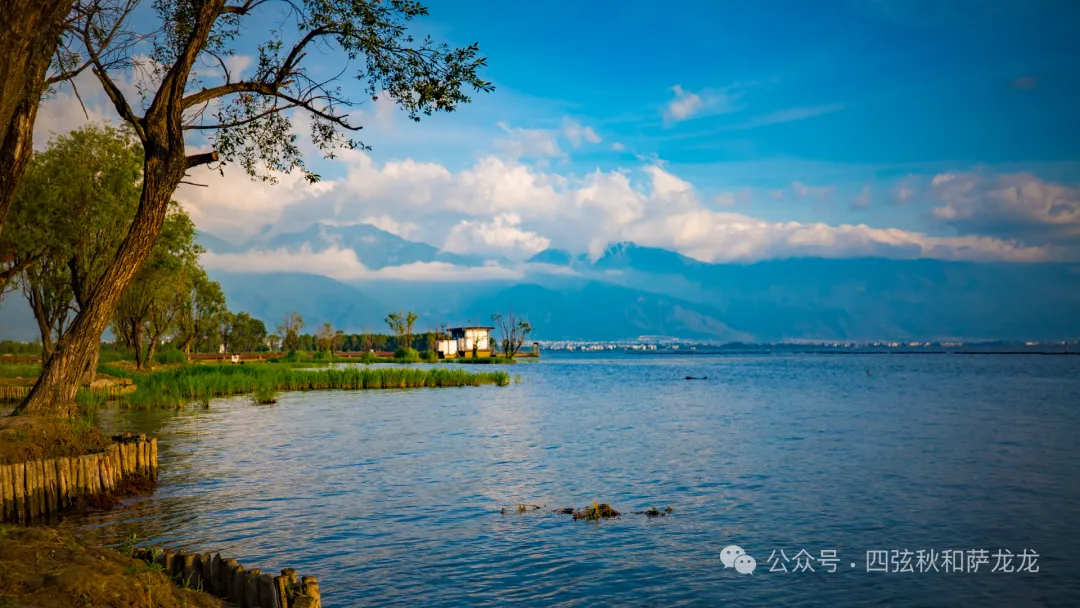

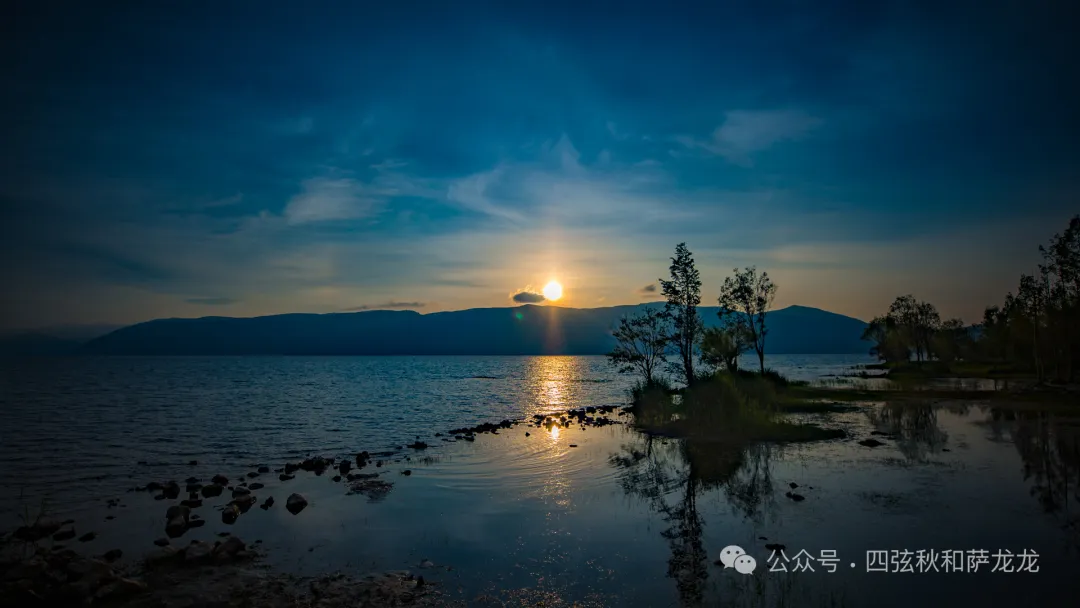
It was nearly 10 PM when we finished dinner at Azhu's house and headed to the nearby guesthouse. The night breeze was slightly stronger than at dusk, carrying a hint of coolness. The solitary moon had already slid to the western sky, far from the vast expanse above Erhai Lake, but the lake still shimmered with faint ripples. Newly planted lotus leaves slept in a corner of the bay, occasionally lazily flipping a few smooth blades in the wind. A crow let out an abrupt caw, like a small pebble falling from the sky into the water, stirring a brief commotion in the dim night. I looked toward the sound but saw no bird; the caw was swallowed by the lake's belly, and soon everything returned to its former tranquility. Under the sparse stars and bright moon, we sank into the village's most silent moment.
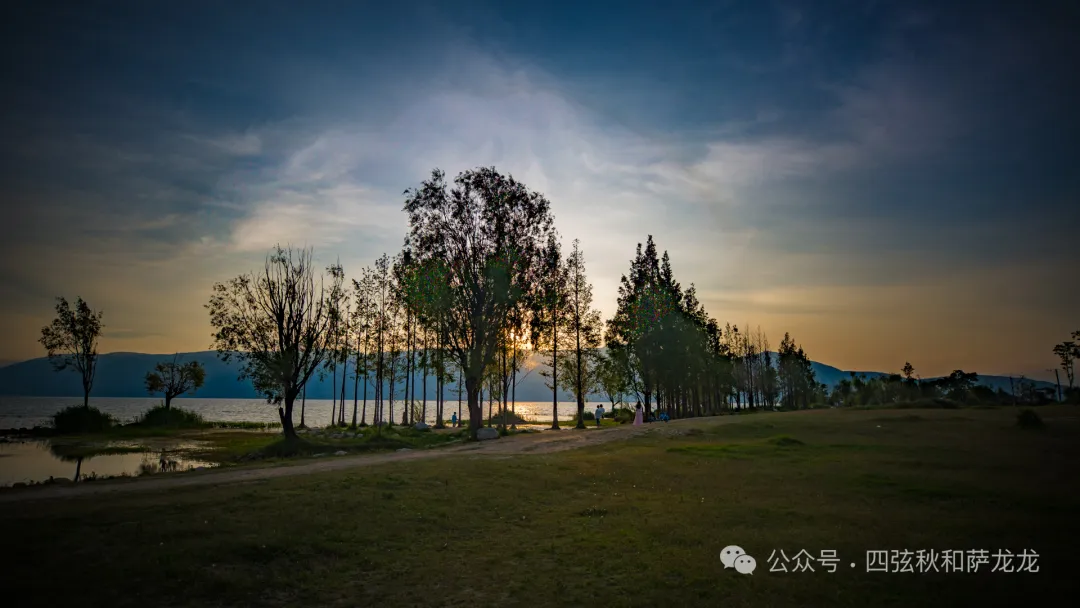
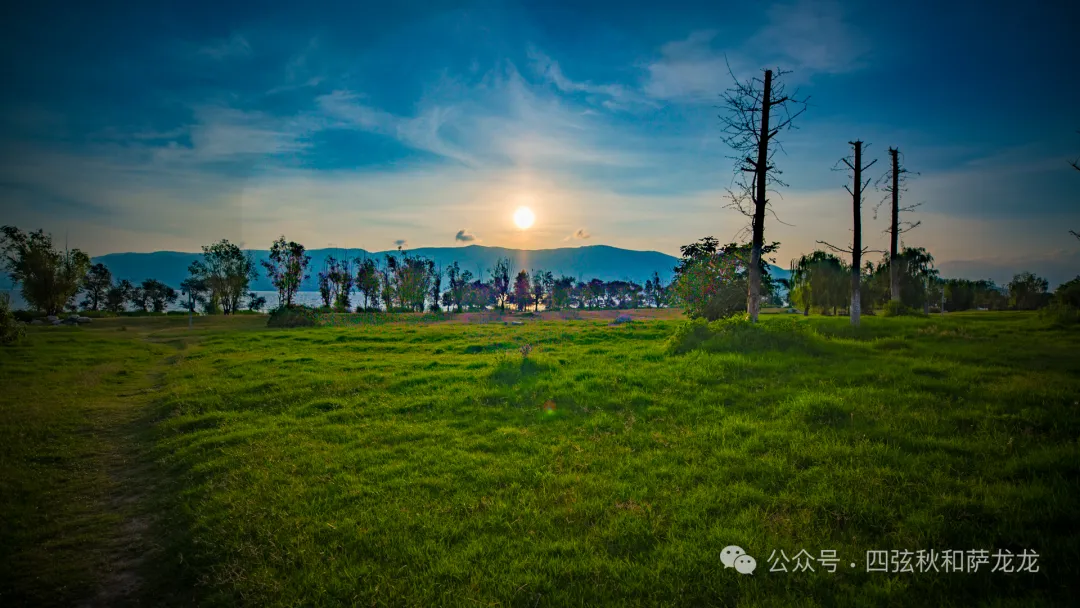
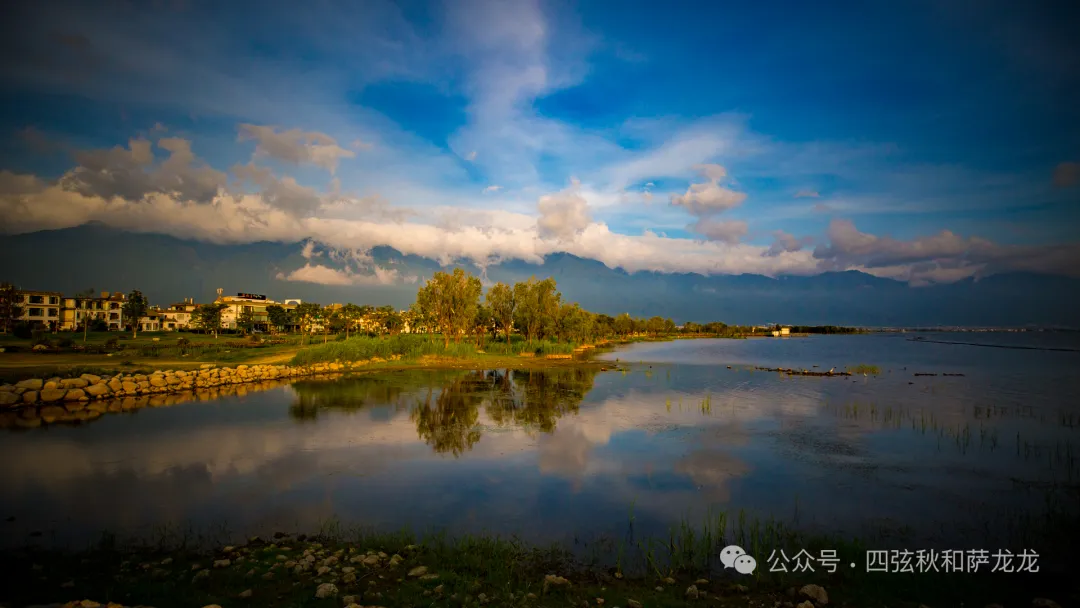
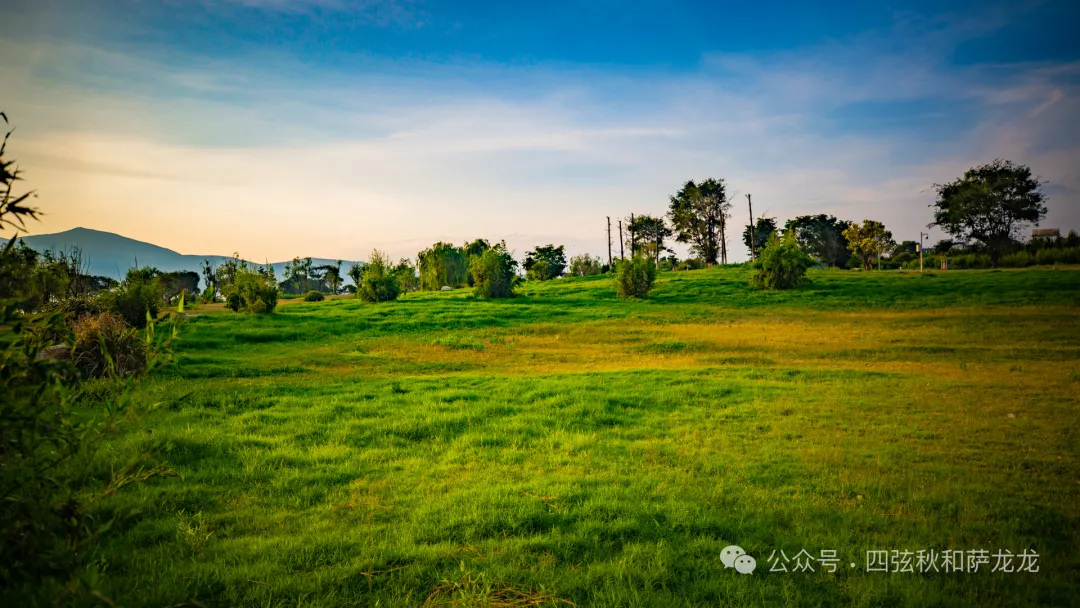
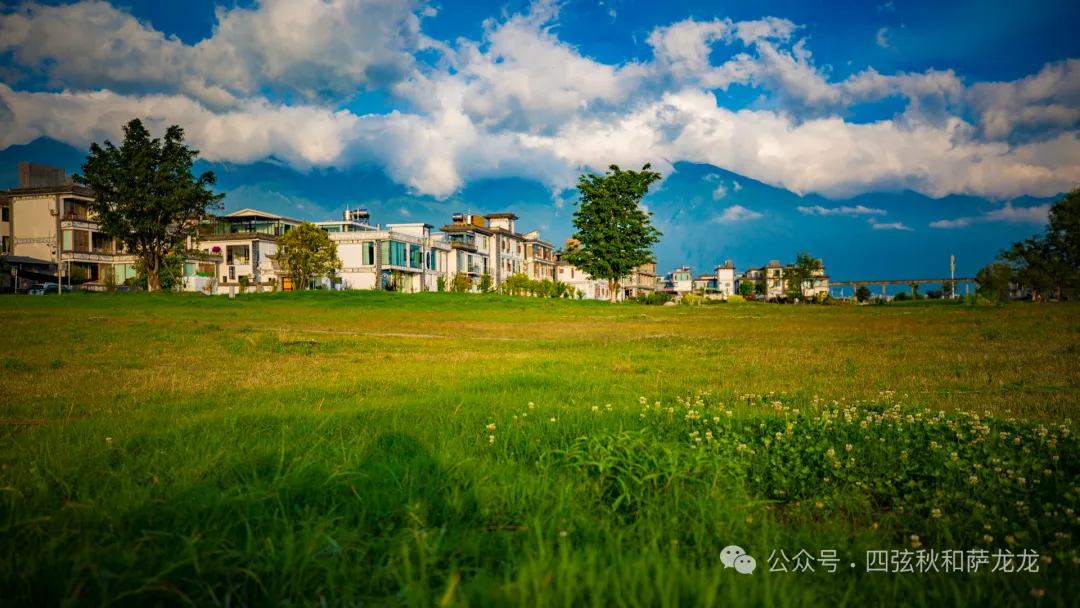
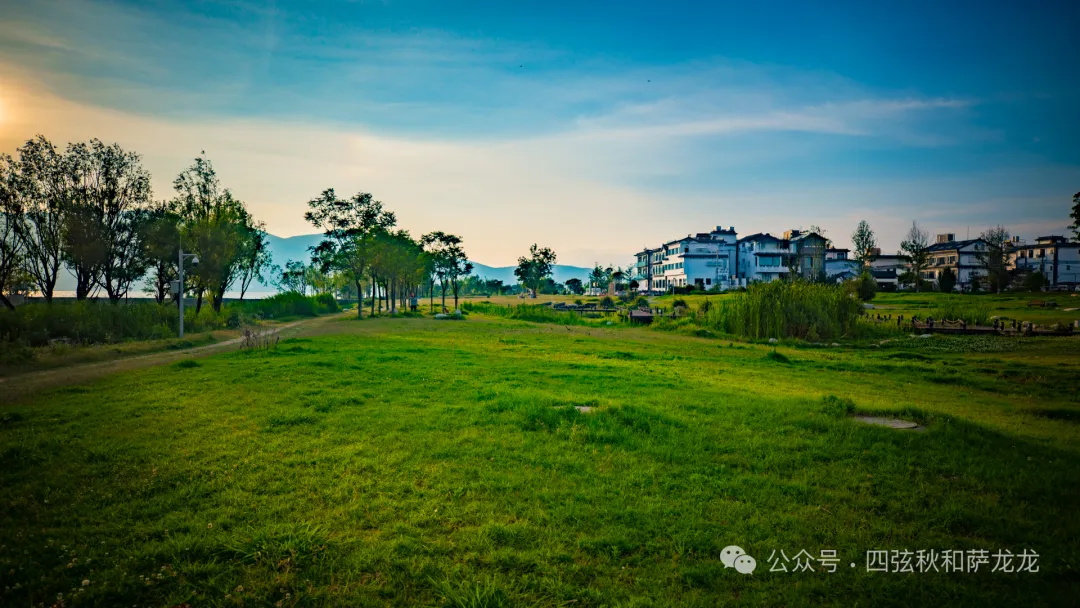
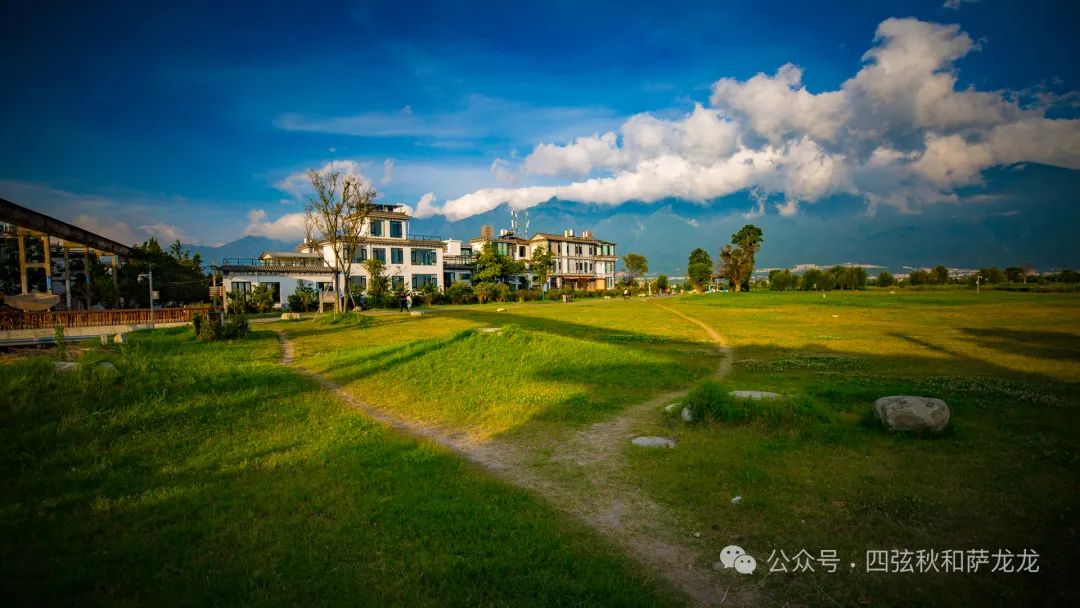
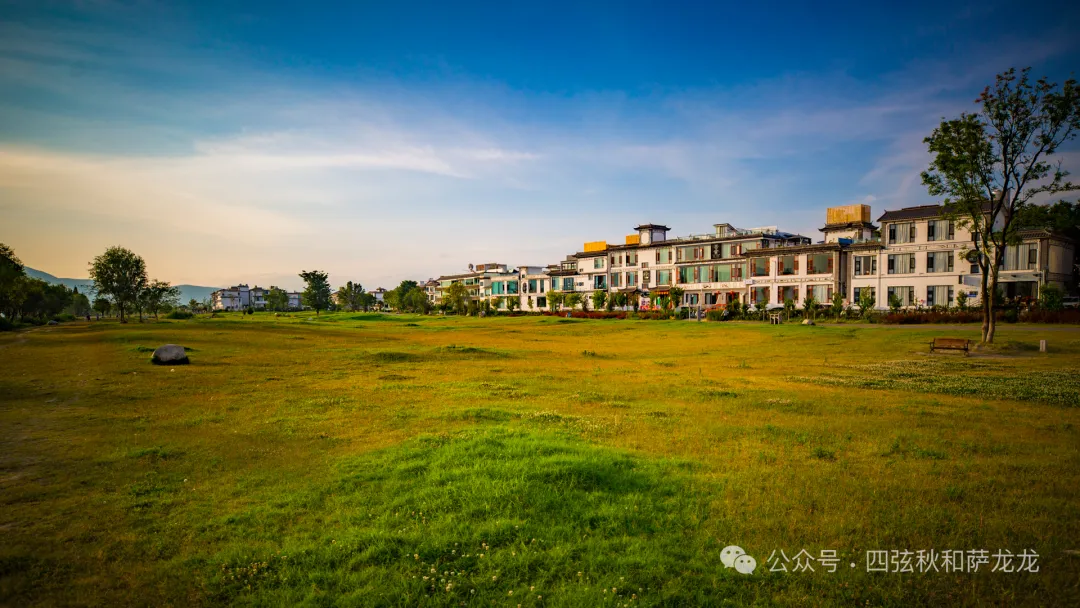
The dim night slipped away to the other side of the earth, and here, everything began to revive in the newborn light. The sunrise at exactly 7 AM fell on the eastern mountaintops of Erhai, piercing through the coastal redwood forest and scattering across the wetland park grass along the Erhai corridor. Some tender green grass tips clung to many round dewdrops, lively and exquisite before the sun grew fierce. In another hour, they should grow wings and fly to the clouds. Egrets glided aimlessly over the barely rippling lake, then landed far away in knee-high grass to forage. Rows of green reeds swayed by the water's edge, bending south or north, expressing their journey in their own way.
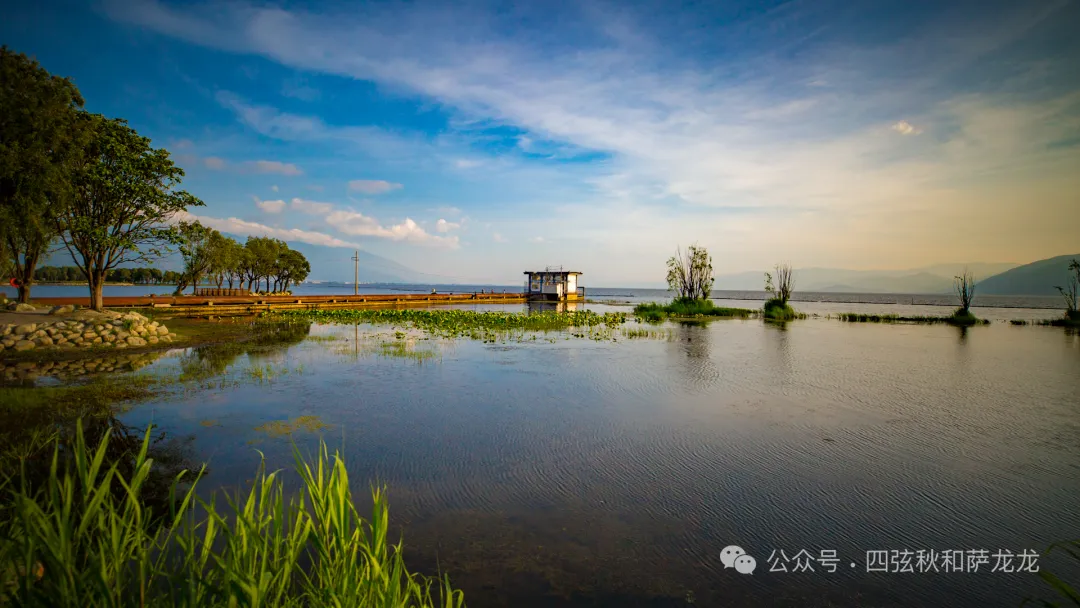
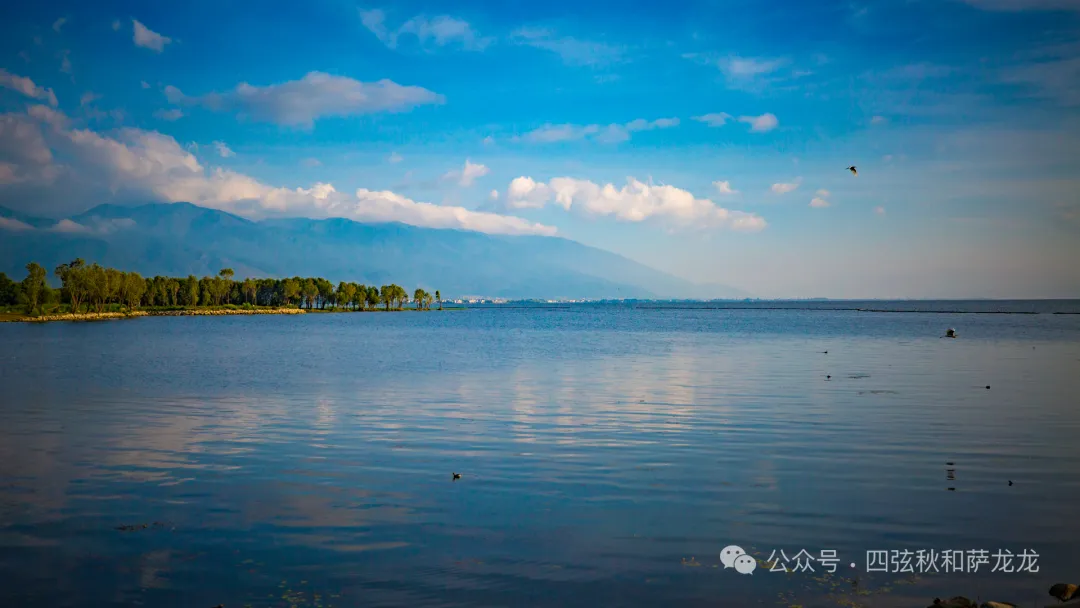
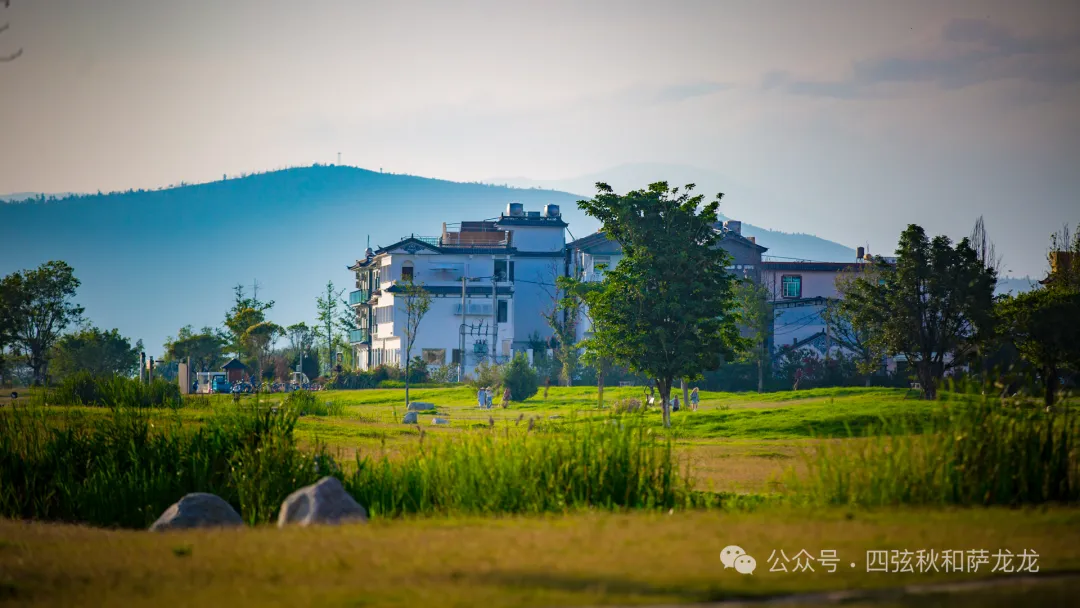
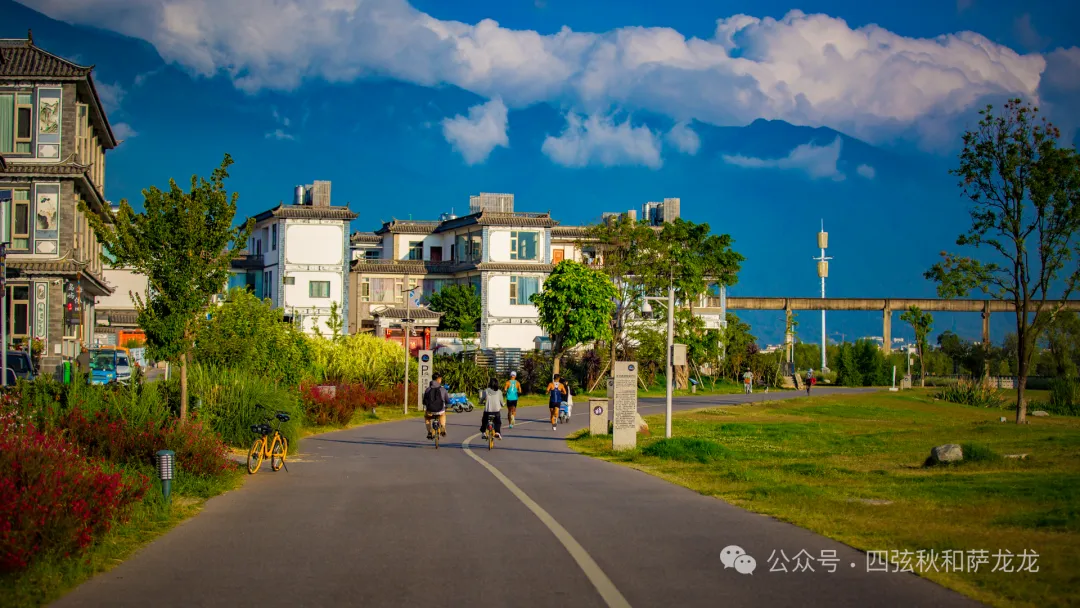
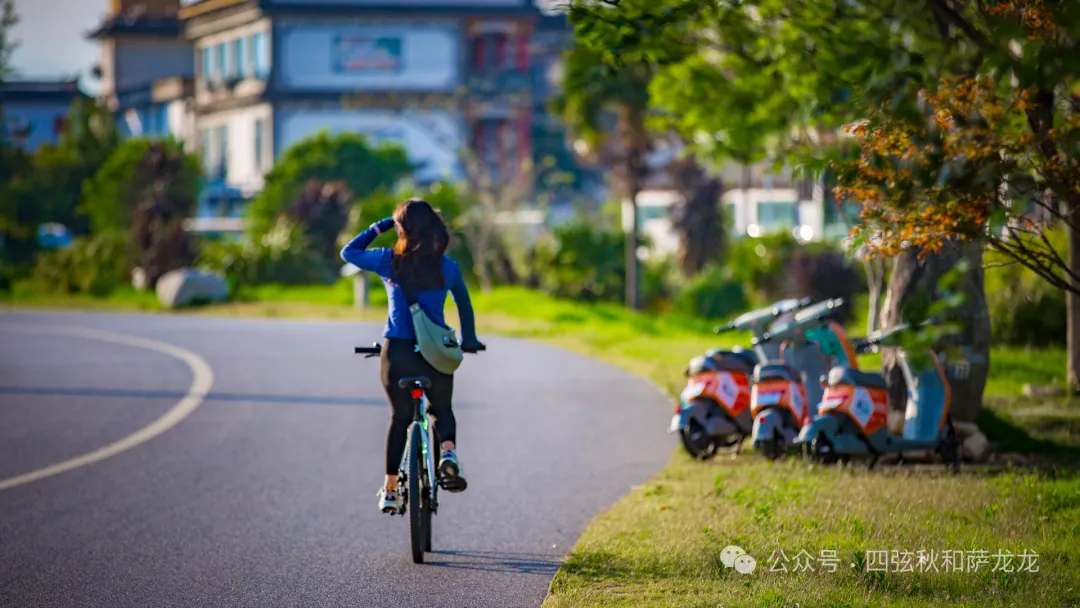
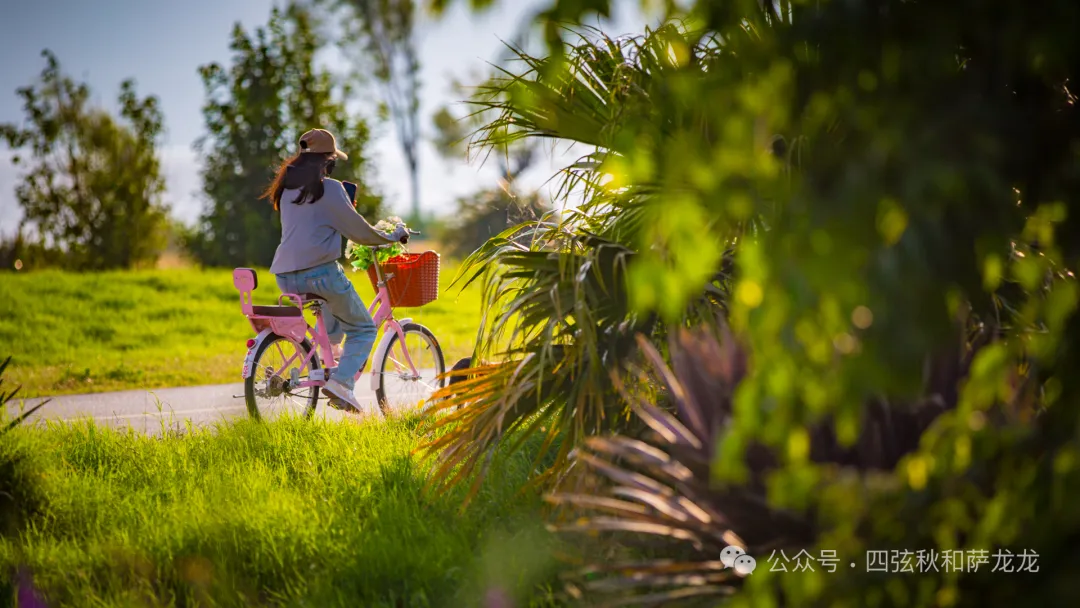
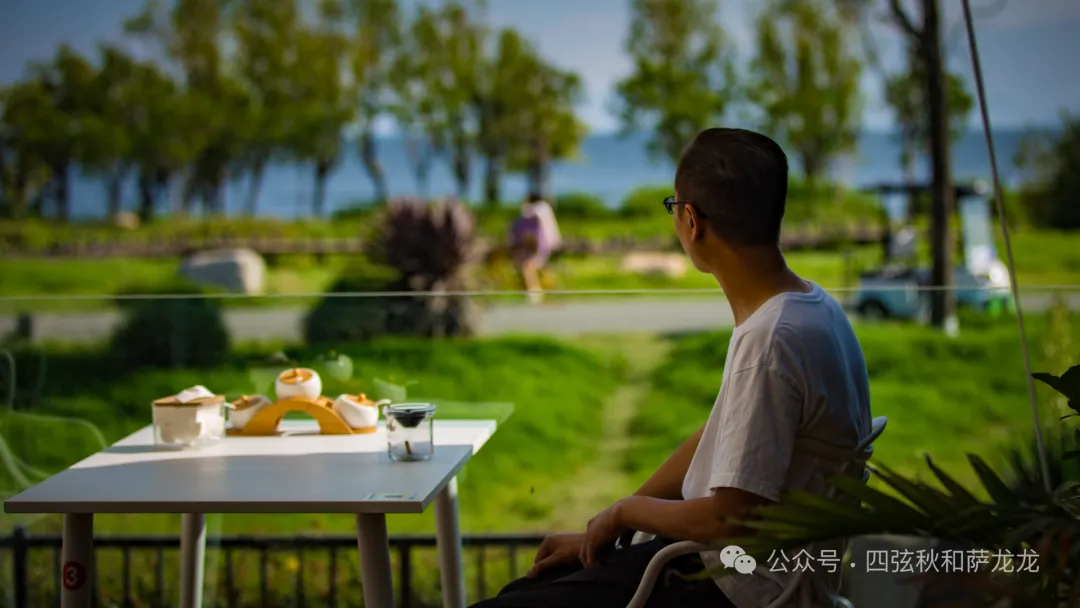
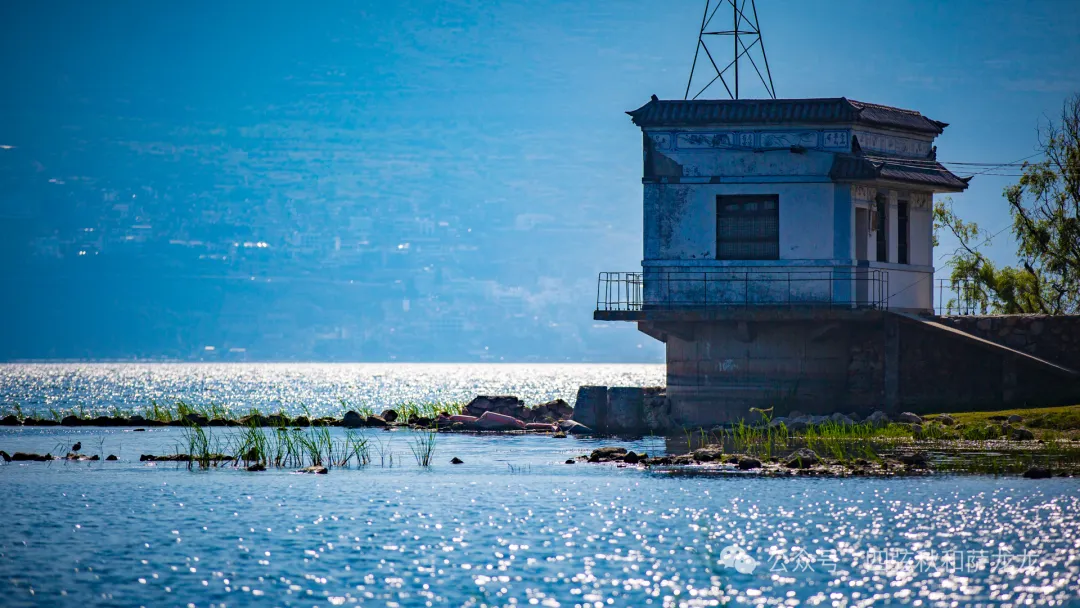
We lived in the neighboring village of Xiajiyi for eight years. When we first arrived, there was still a large field between Xiajiyi and Erhai, planted with various vegetables. The villagers mostly made a living by growing and selling vegetables, with few outsiders coming and going. Back then, there was only a two-lane coastal road by the lake, and most tourists just passed through. The houses in the village were all for residents; there were no guesthouses, let alone cafes. I remember that after dinner every evening, as long as it wasn't raining, we would take our child for a walk along this coastal road. We met Azhu by chance during one such walk. She and her family had set up a simple shed to run a barbecue stall, and we were drawn in by the aroma. She recommended her signature grilled fish to us for the first time, and we've been eating it for eight years. When we paid, she asked if we were tourists. I said we lived in the next village, and we started chatting freely. We lingered much longer than intended before leaving. From then on, even if not for grilled fish, I would bring my child to chat with her. To protect Erhai, the lakeside stalls were dismantled. She and her husband removed the shed and moved the barbecue into their home in the village, so we shifted our chatting spot. Over time, our relationship evolved from vendor-customer to friends. Even after we moved to Weishan, this bond only grew stronger. Every time we come to Dali, we always visit her home, and she always makes time to prepare a feast for us.
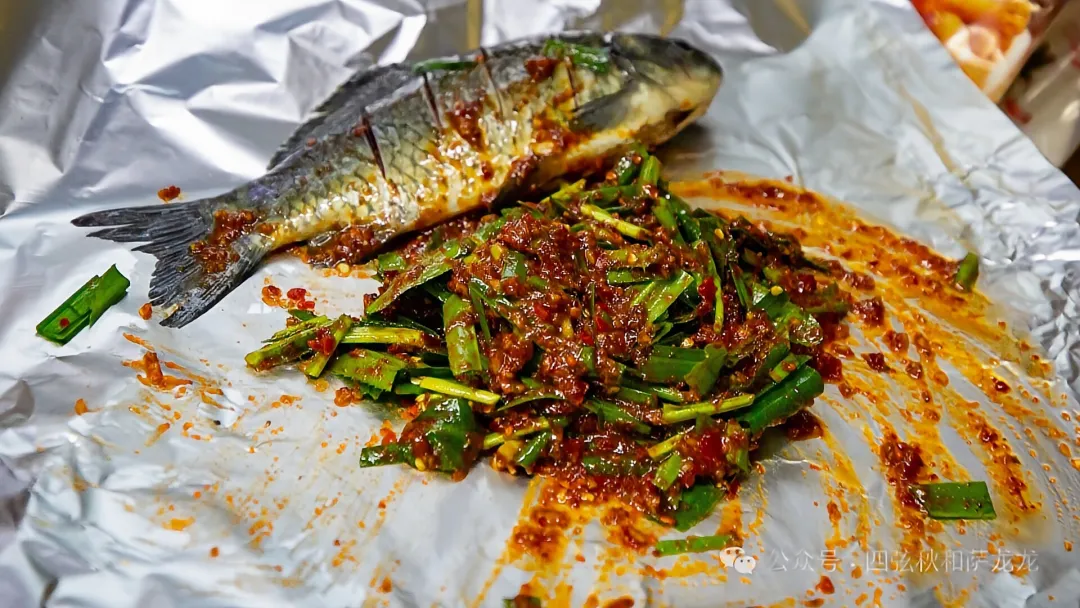
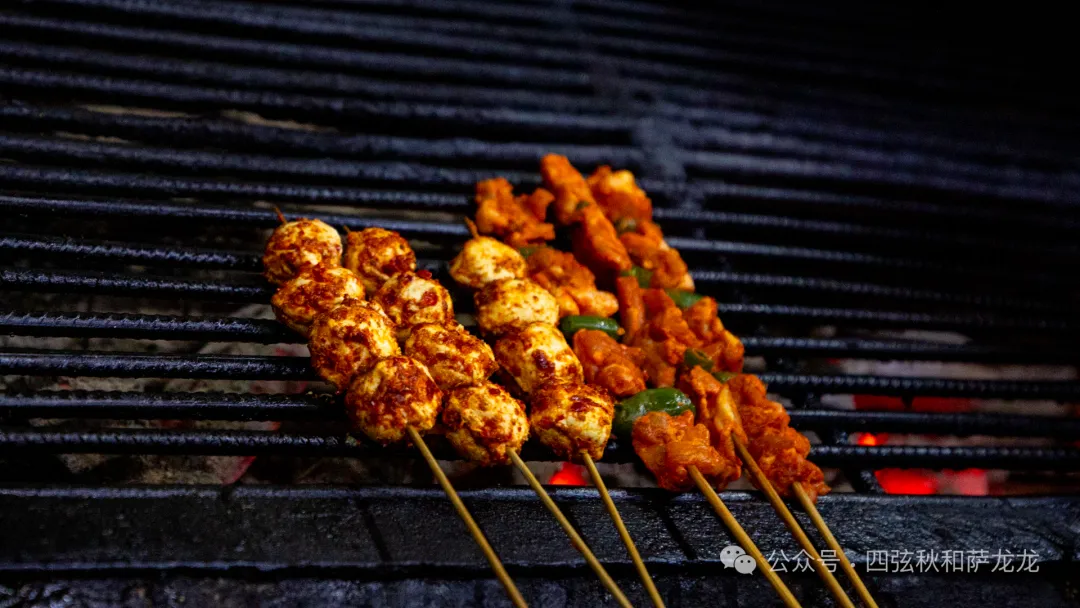
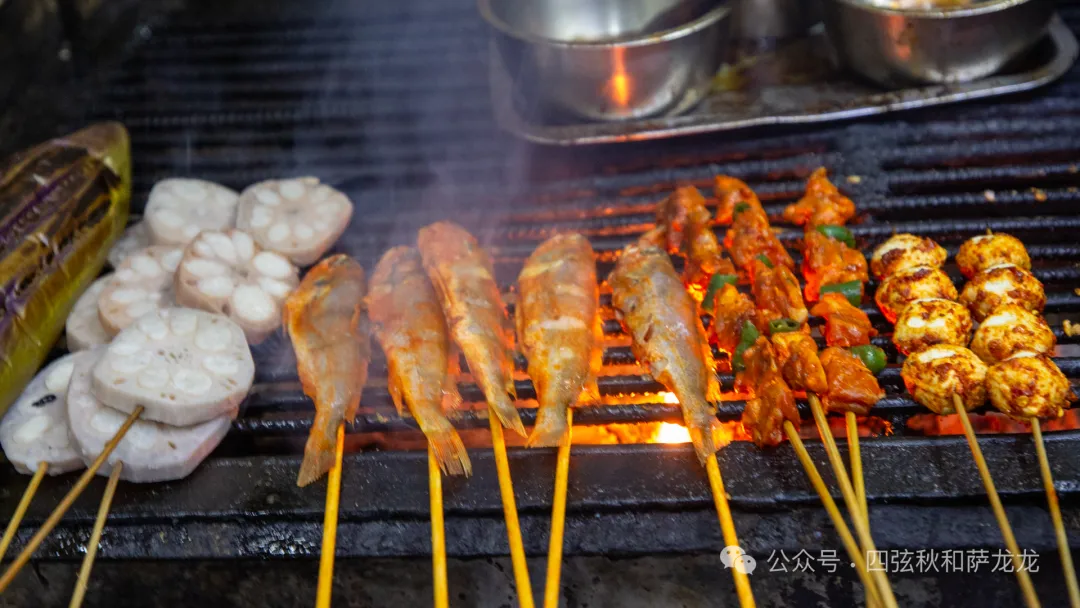
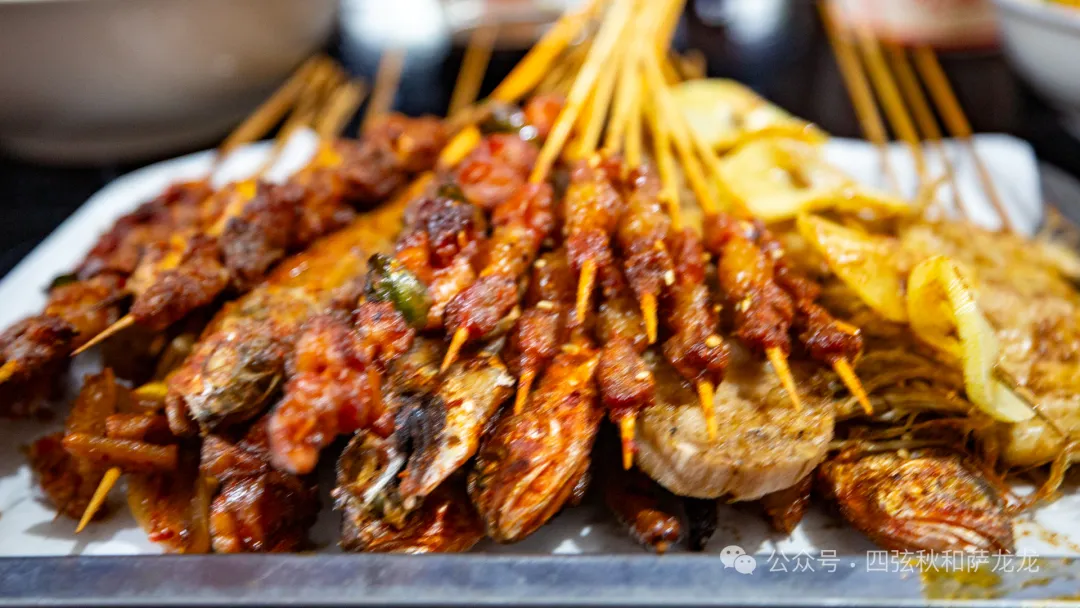
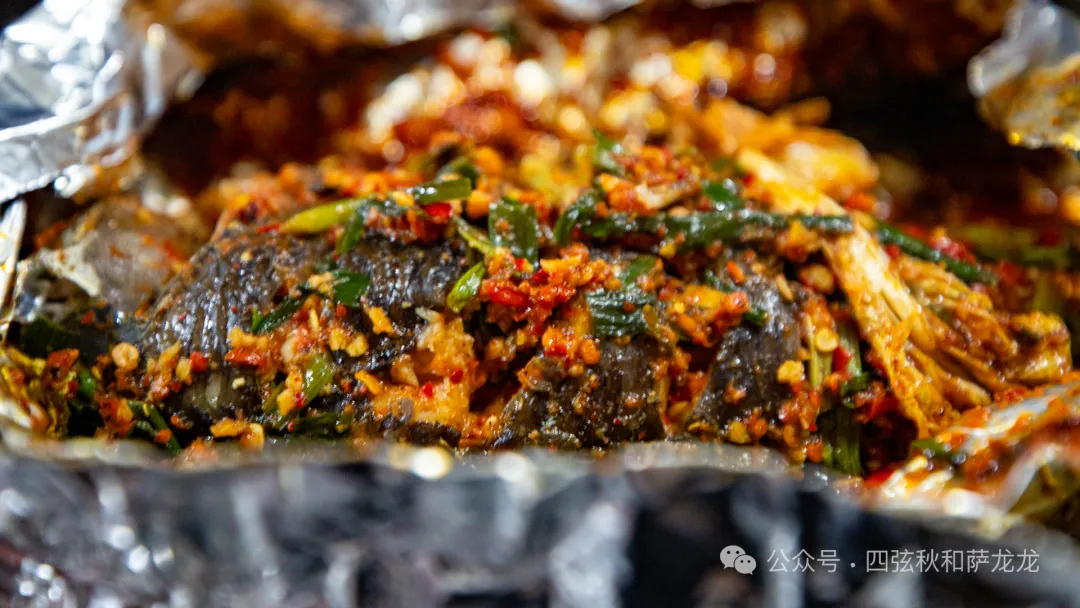
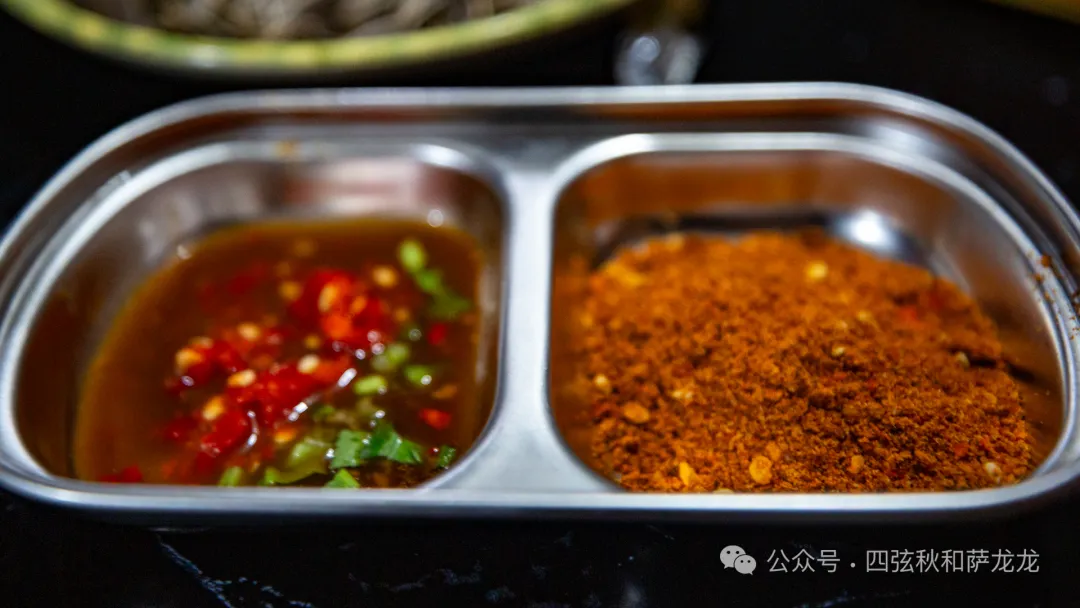
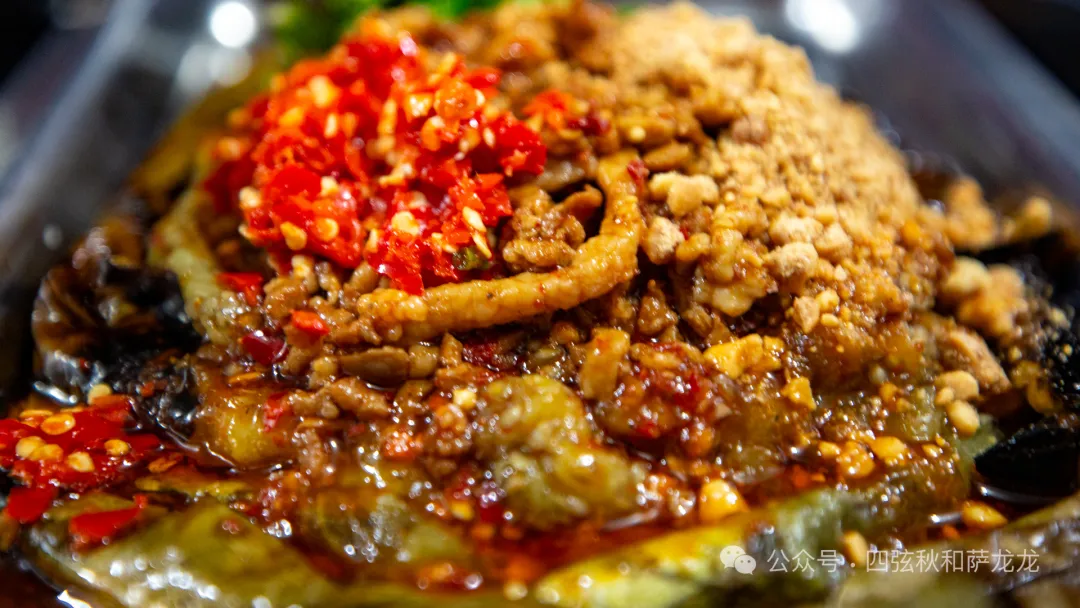
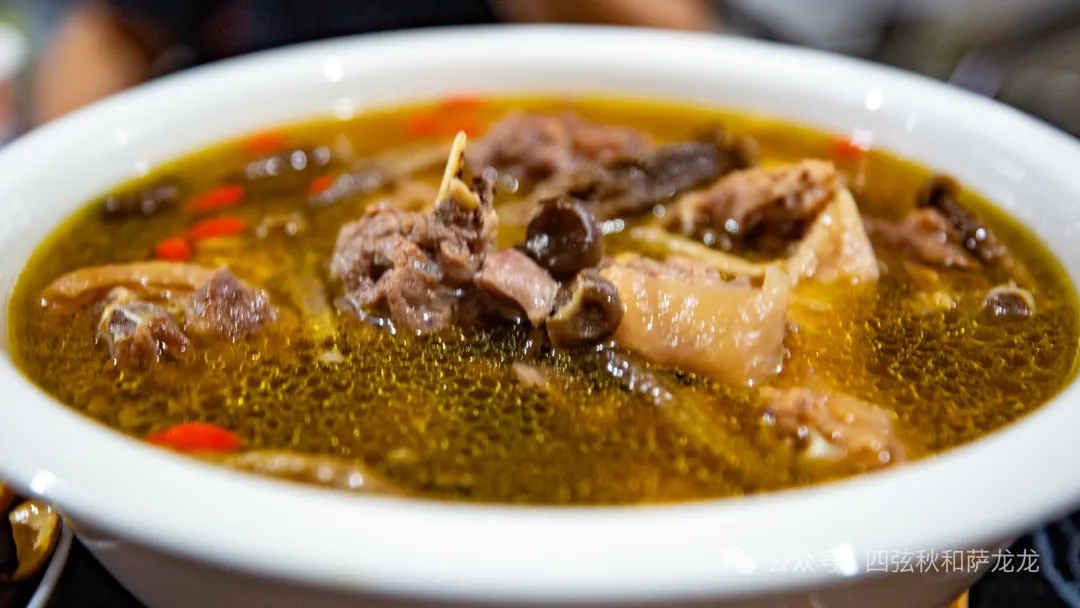
This time, the village had changed a lot. Almost every house by the lake had turned into guesthouses and homestays. Many cafes and various restaurants had opened in the village. What was once a rural hamlet with few visitors had become a new tourist hotspot, bustling with travelers. Azhu's new house was finally completed—a major burden on her and her husband's minds for years. Although we knew of the many twists and turns, we could never truly grasp the sleepless nights and hardships. Like others in the village, despite the dramatic changes, Azhu's life remained the same: busy, fulfilling, and optimistic, just like the familiar lake before us, as if it had never changed.