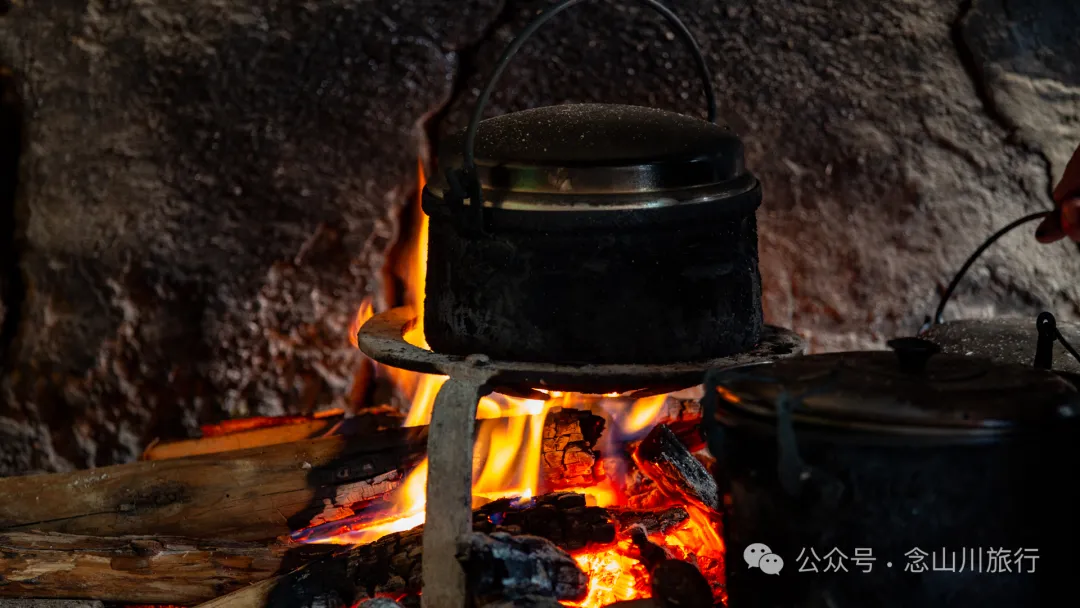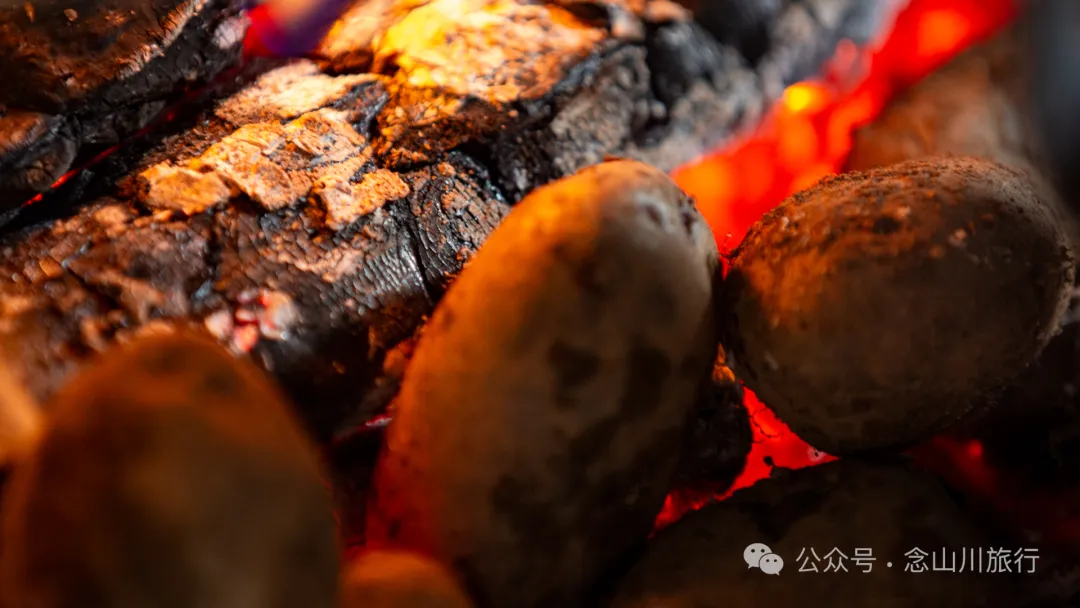

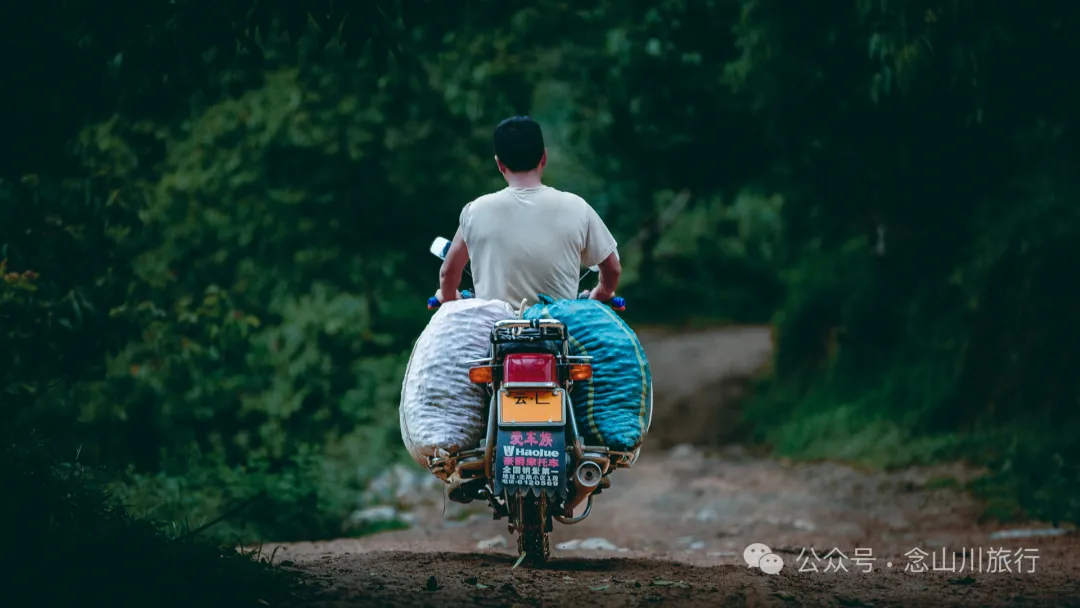
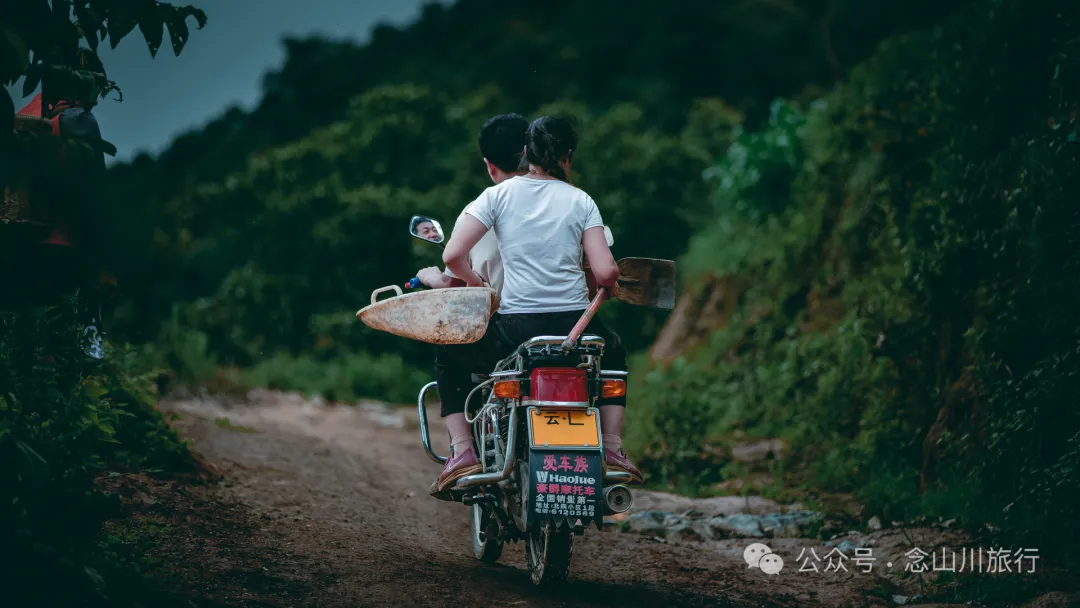
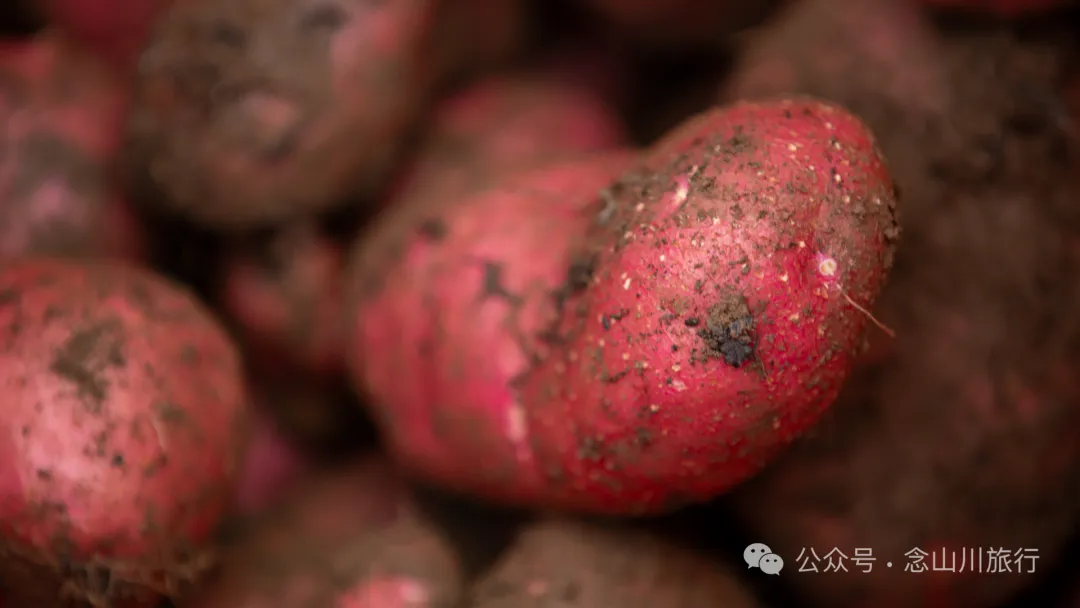
Anli said that the highland potatoes from her uncle's farm taste excellent, especially the purple-skinned ones. They must be roasted over a fire pit, without any seasoning, and peeled before eating. The way she spoke, it was as if she wasn't describing ordinary, humble potatoes, but some extremely rare and precious delicacy. From the village halfway up the mountain to the highland potato fields on the shoulder of the mountain, it takes about 40 minutes on foot. The mountain path is a narrow dirt road carved along the surface of the mountain by the villagers for convenience, connecting the village to the farmland on the mountain shoulder, and even leading further into deeper forests and grassy slopes. The path is steep and rugged; only skilled villagers dare to ride motorcycles back and forth on such difficult terrain, transporting the harvest from the highland fields back to the village trip after trip.
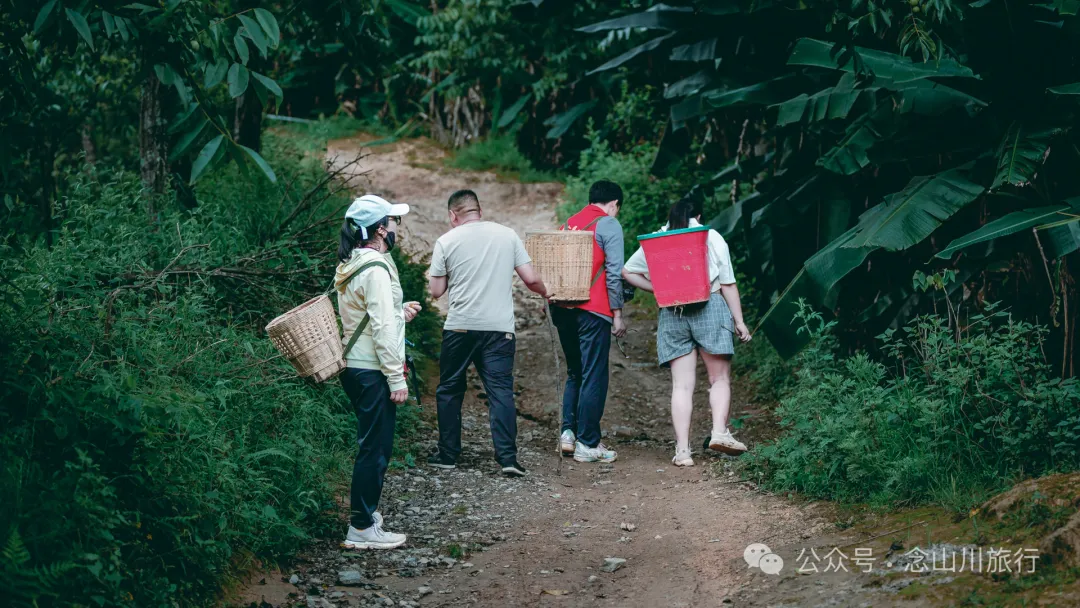
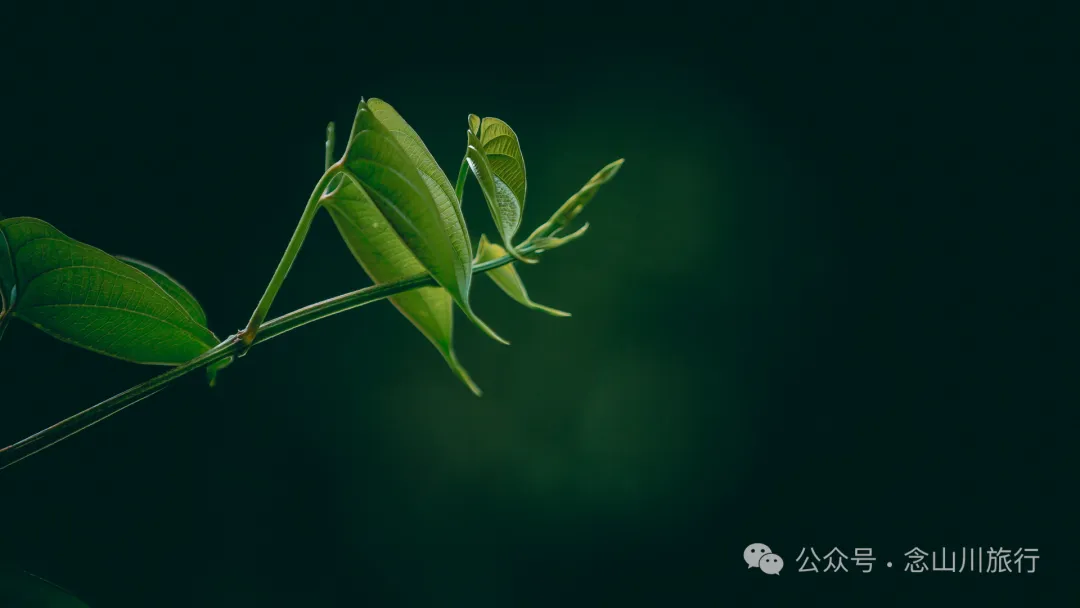
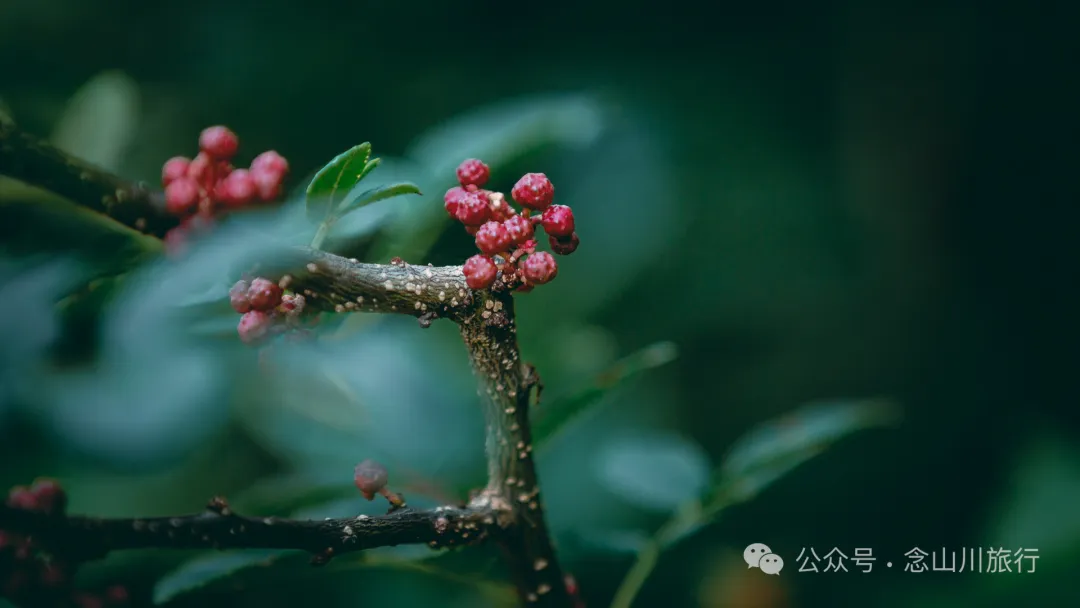
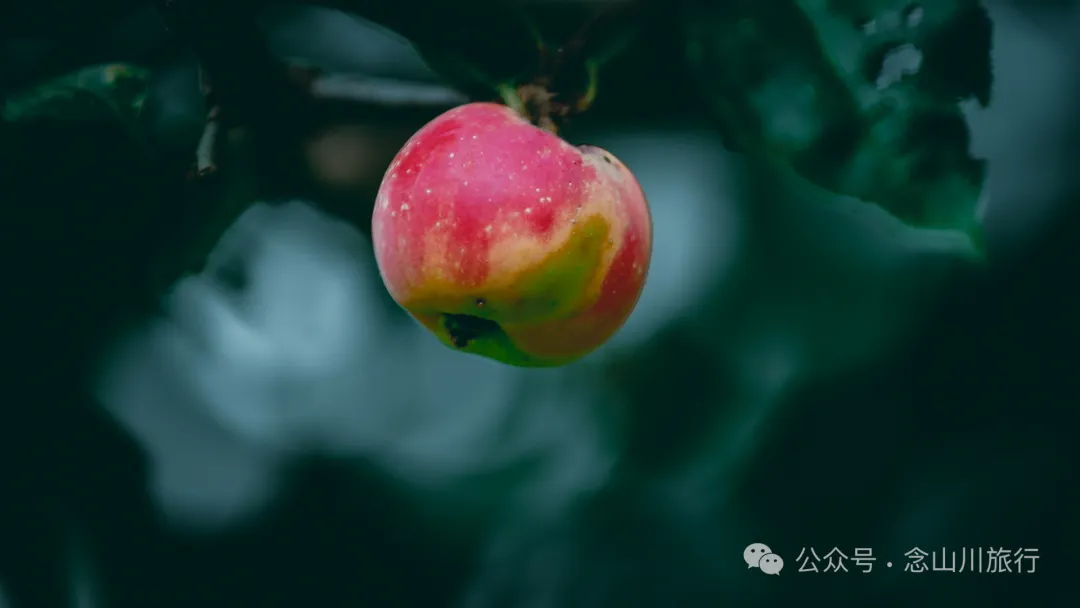
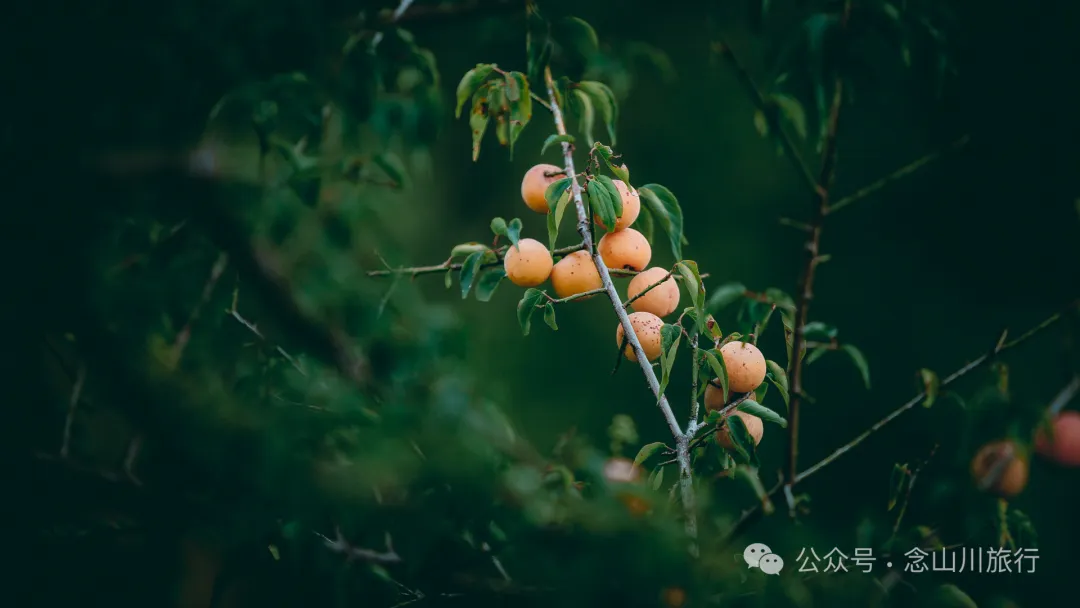
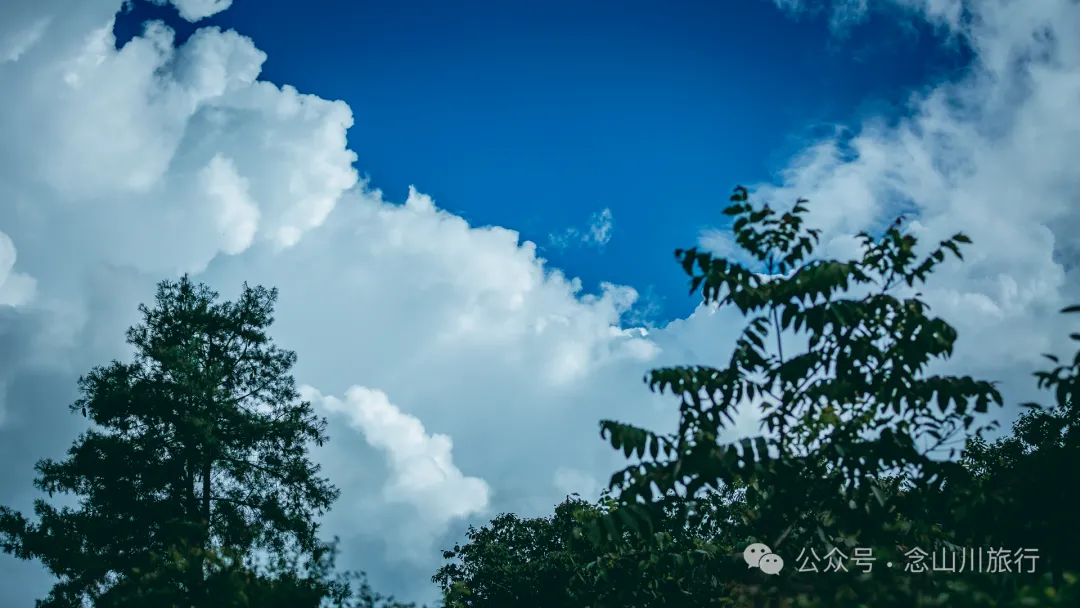
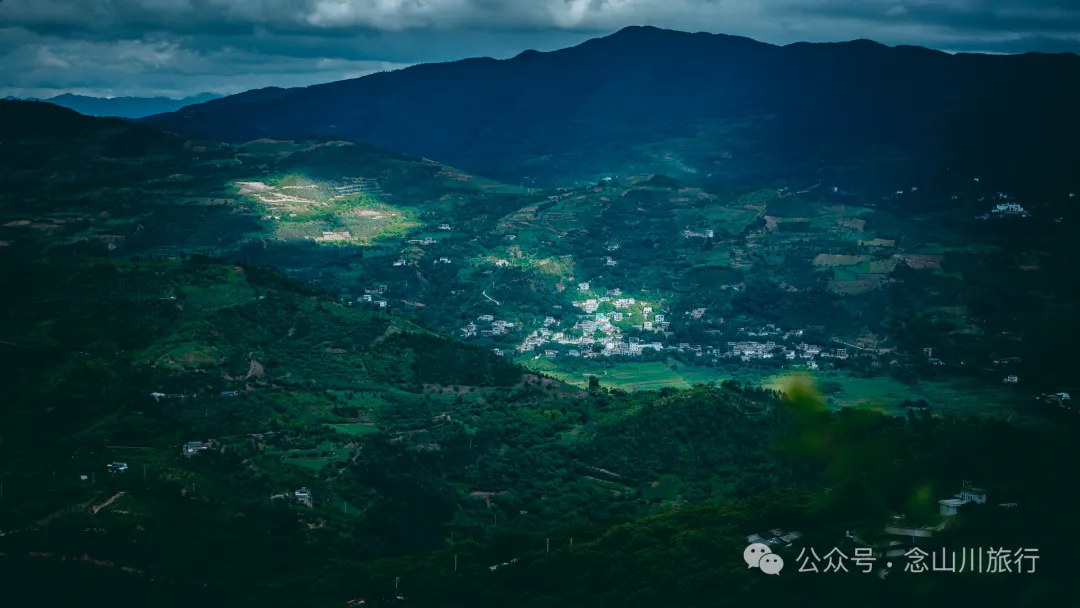
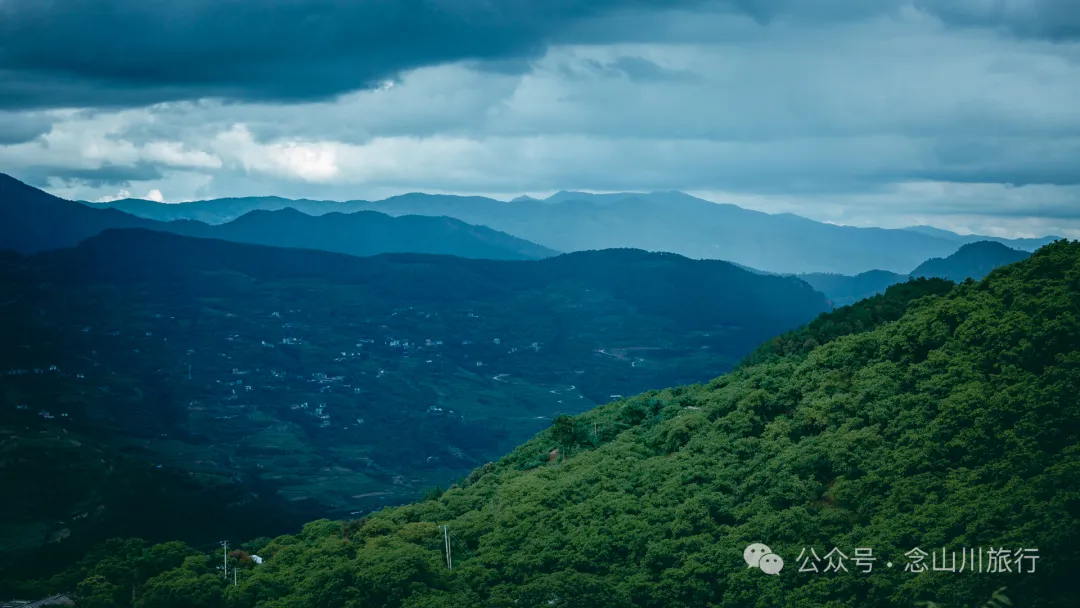
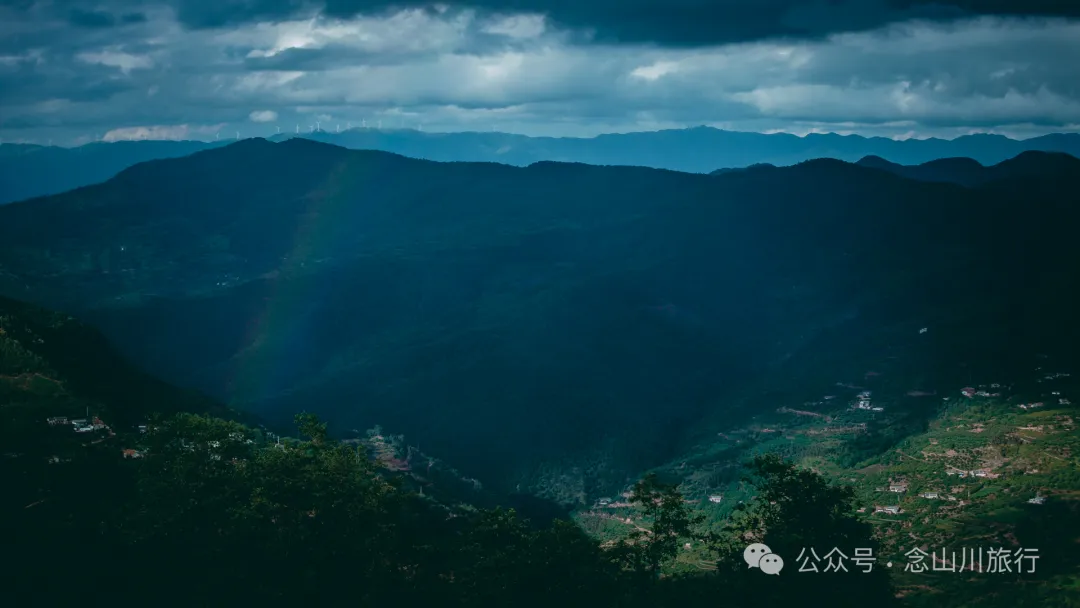
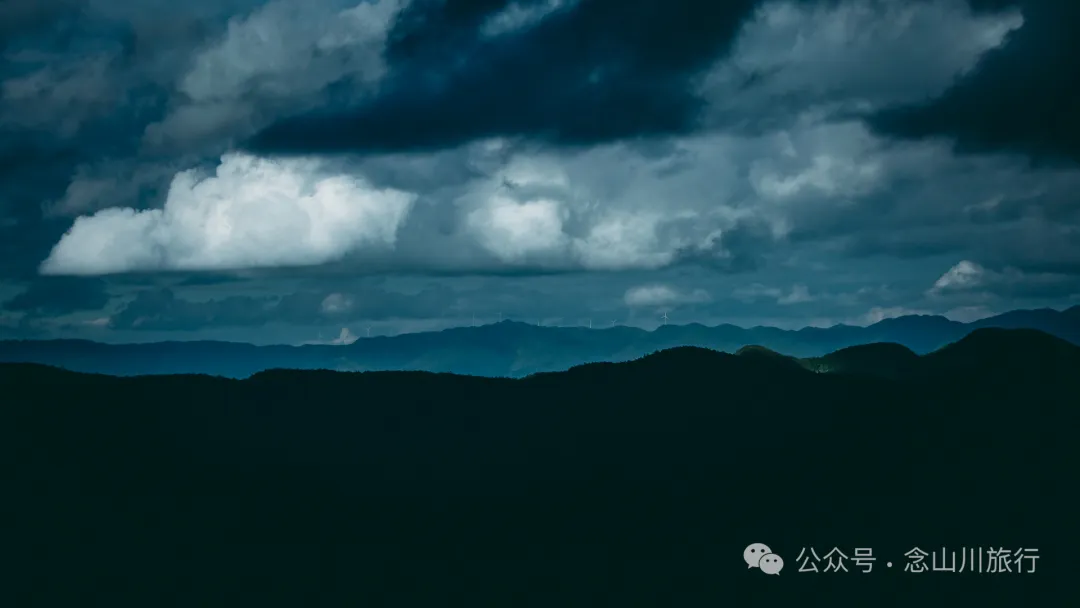
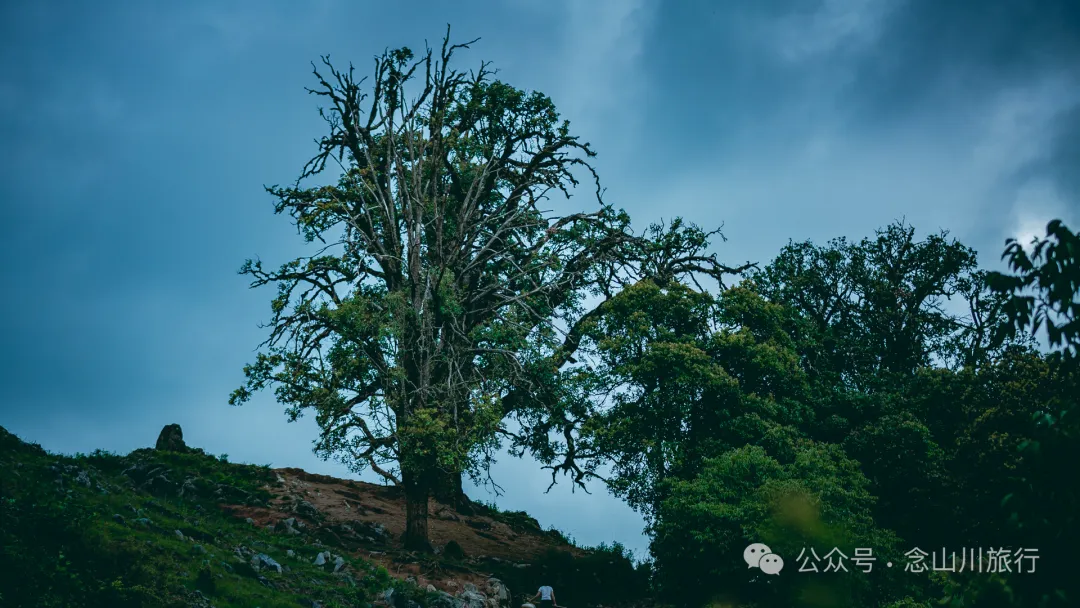
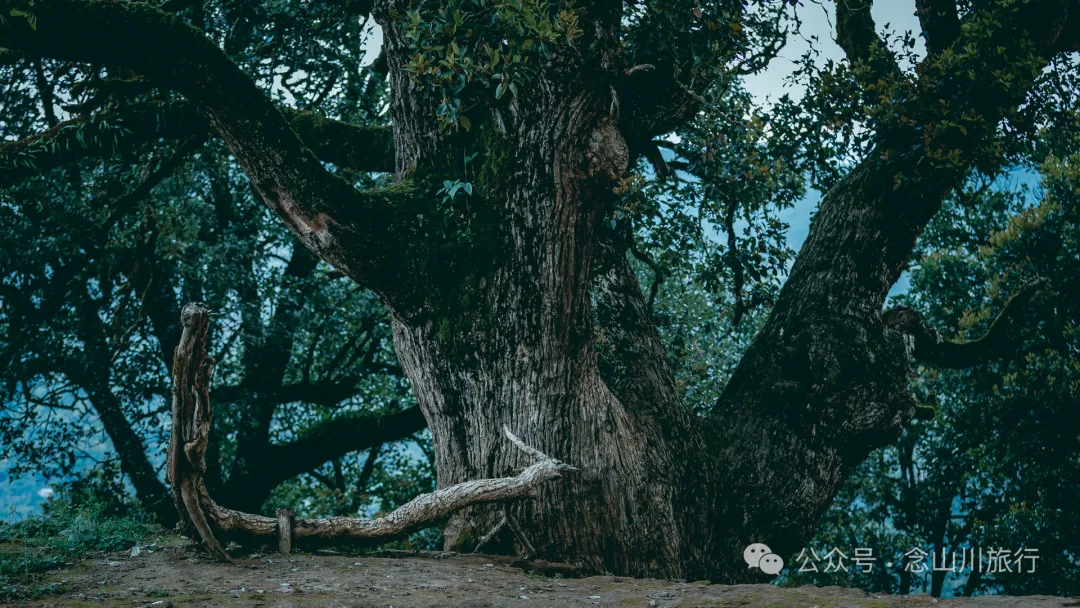
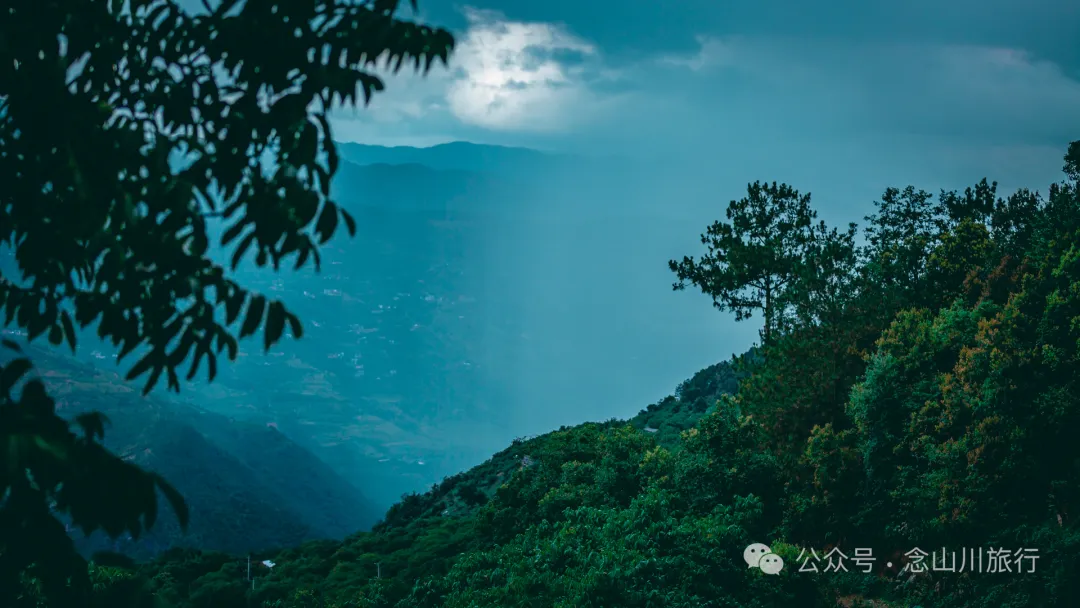
Walking on this nearly vertical mountain path is strenuous, yet also delightful. The steeper the path, the more obvious the ascent, and the wider the view. Standing by a large tree that grows as freely as a burst of fireworks, you can see windmills on the mountaintops dozens of kilometers to the northeast, not to mention the slopes and villages right across. At this season, the village stands amidst lush summer greenery, unlike the sparse winter scene. The mountains are so crowded and vigorous. While resting by the roadside, a light mist slowly drifted out from the low valley to the south, carrying heavy rain, and it was visibly approaching us. A few minutes later, the once clear sky was blocked by this mist. We were on the edge of the mist and couldn't escape the sudden rain.
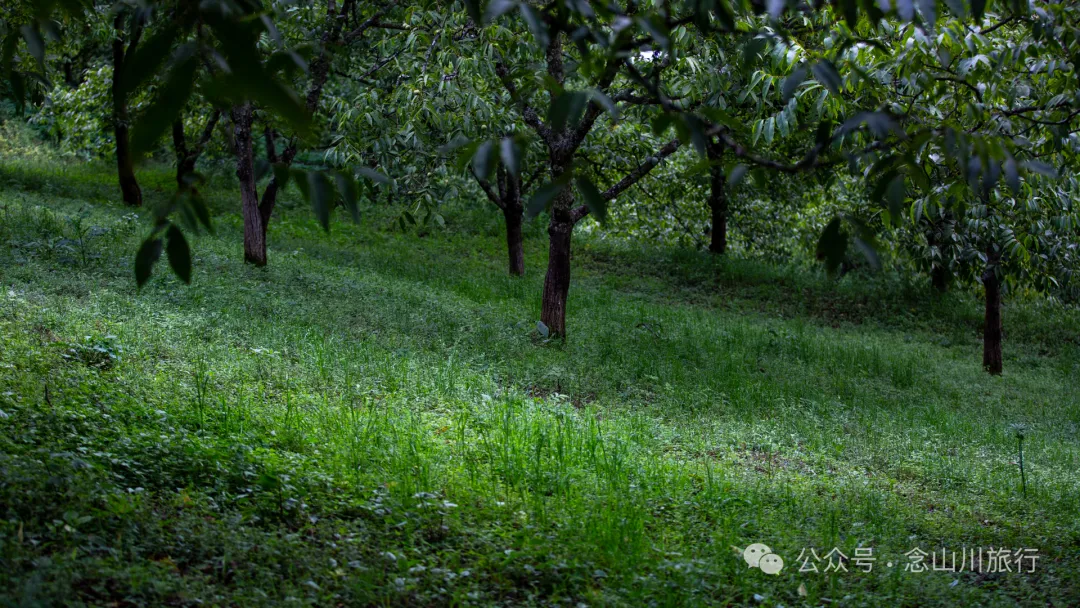
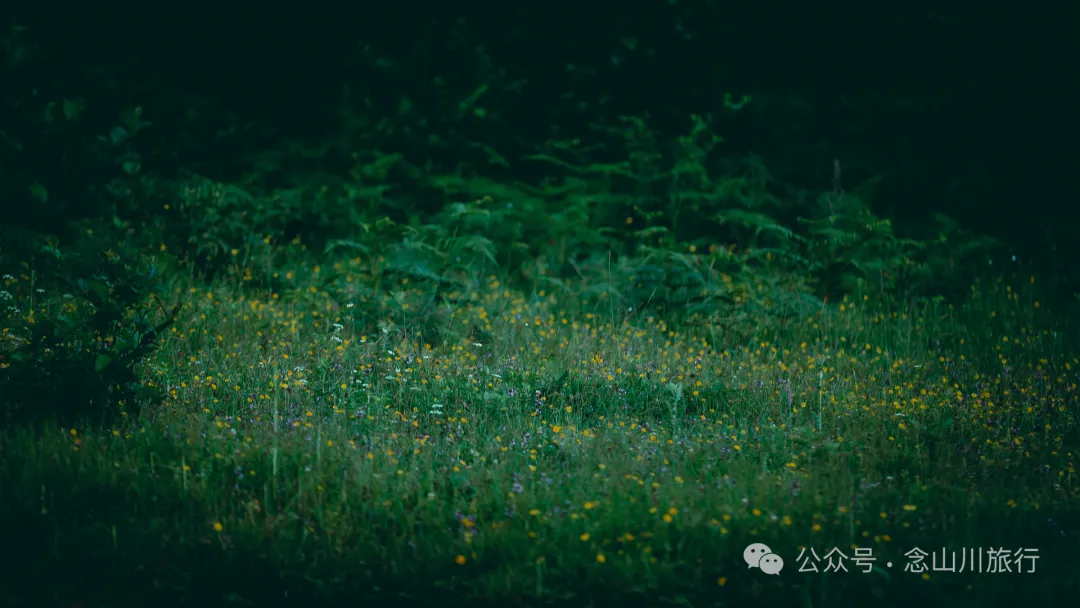
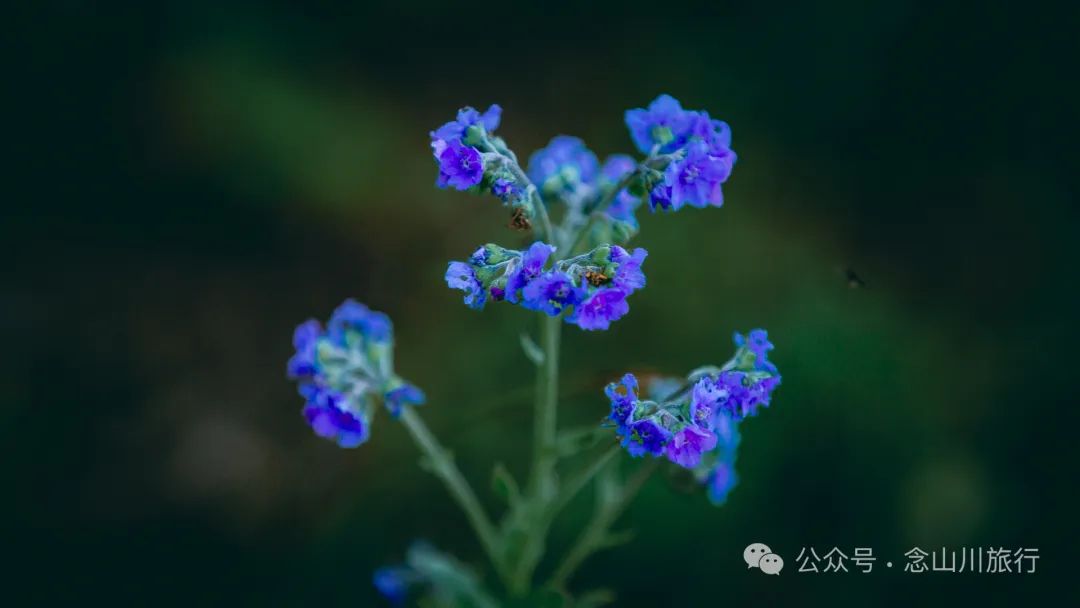
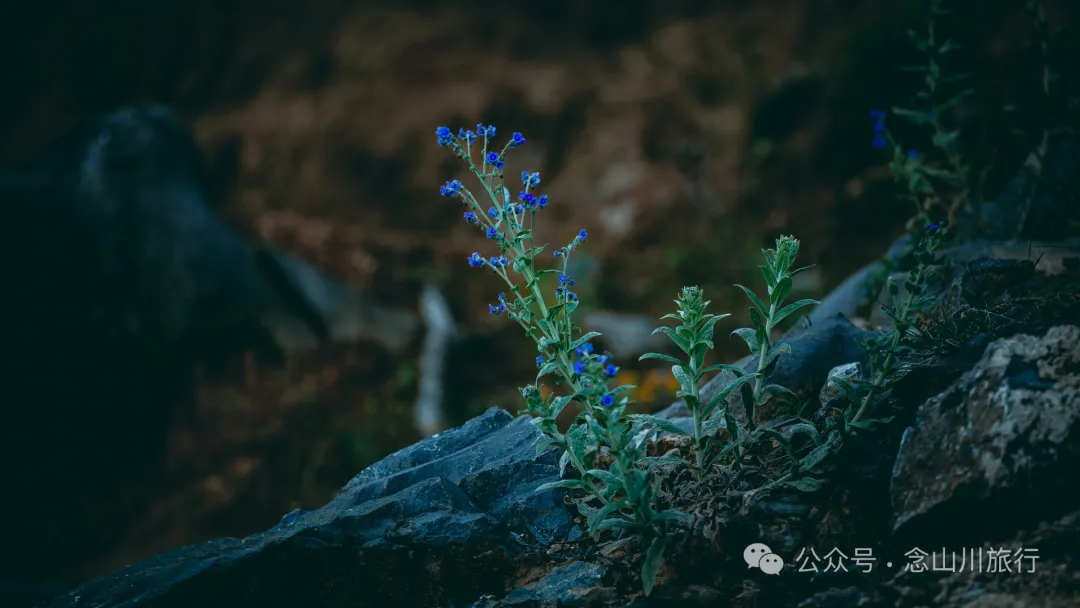
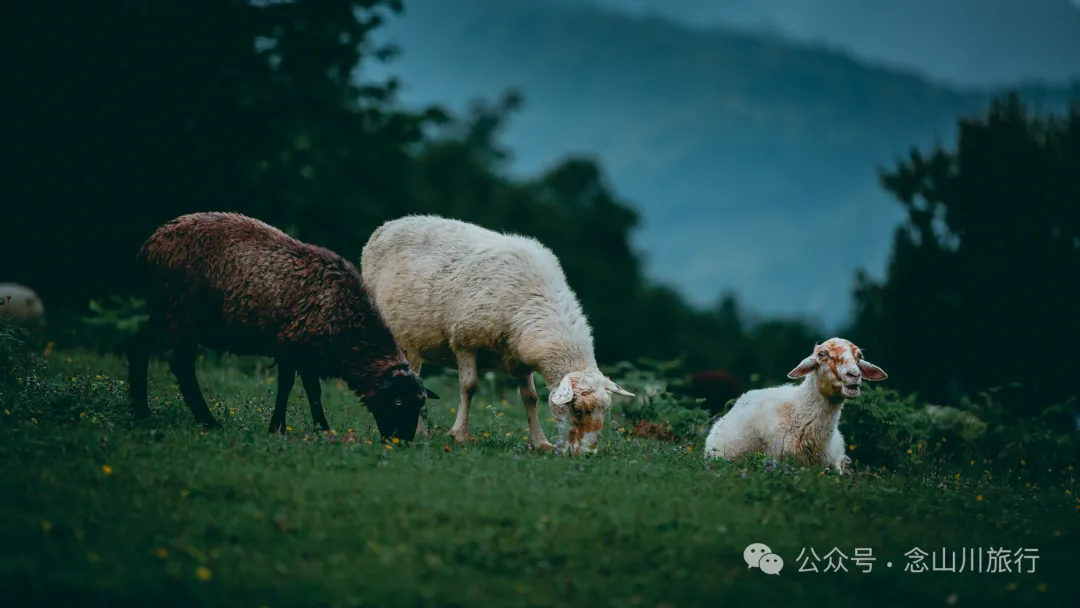
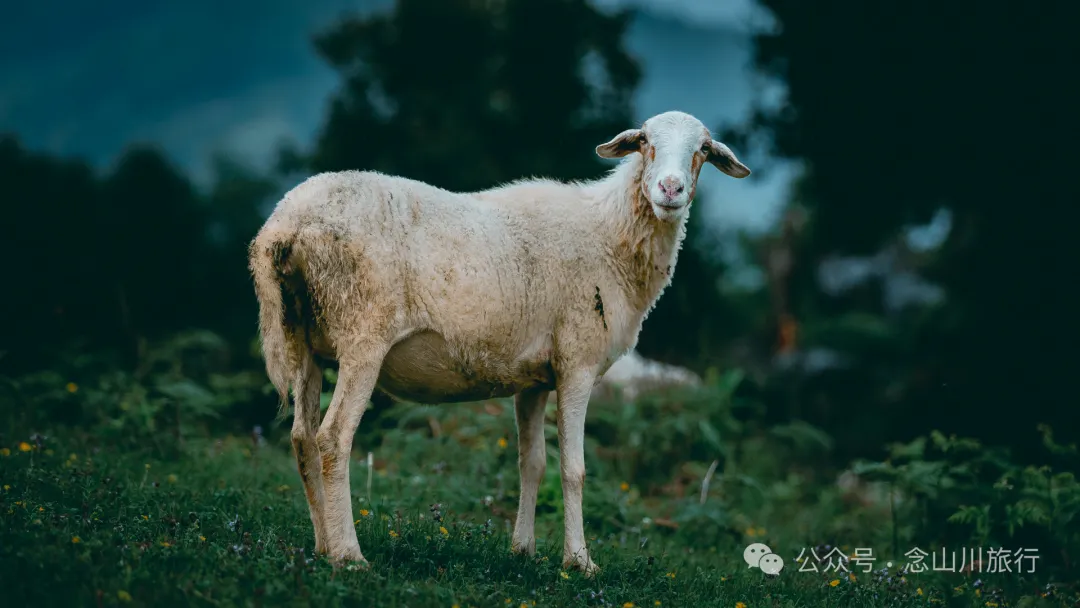
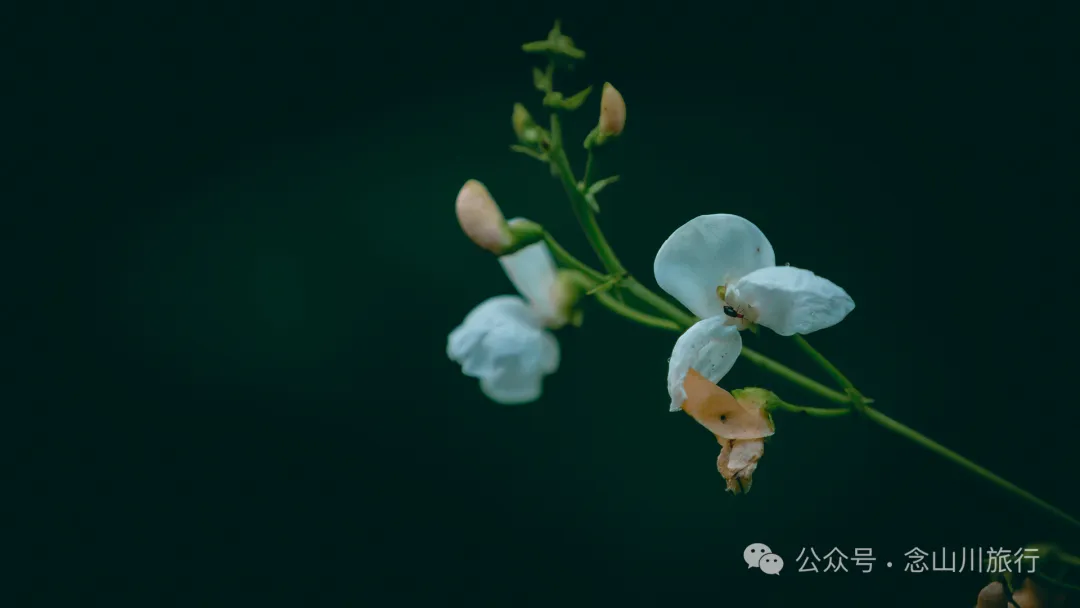
When the rain came, we were walking on a gentle slope. The grassy slope was filled with a mixed flock of sheep and goats. The shepherd and the flock were so leisurely, not seeking shelter, staying put as if they were not facing a rain shower but another kind of soft light, imbued with gentleness and tranquility. The grassland was dotted with brightly colored wildflowers: golden Lysimachia christinae, pale purple Clinopodium chinense, blue Cynoglossum amabile. Against the backdrop of lush green grass, they leaped out from the deep earth, so dazzling and endearing.
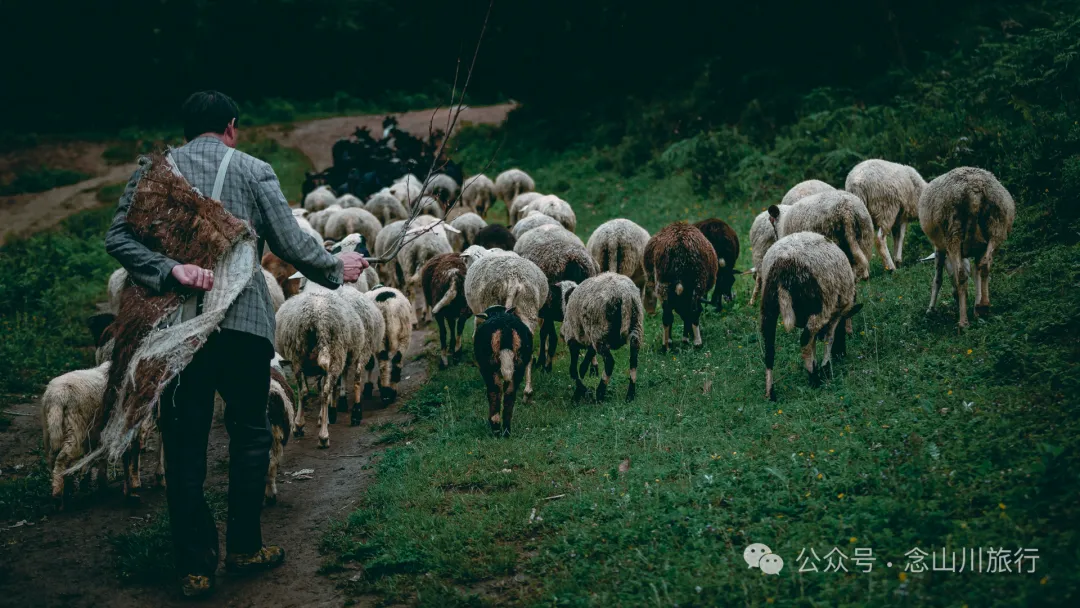
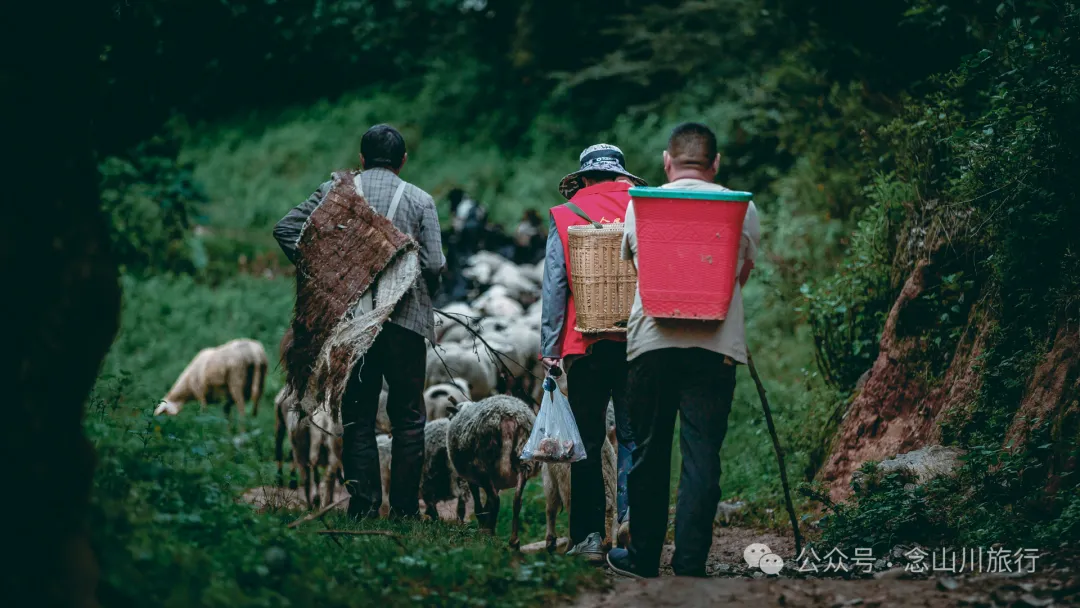
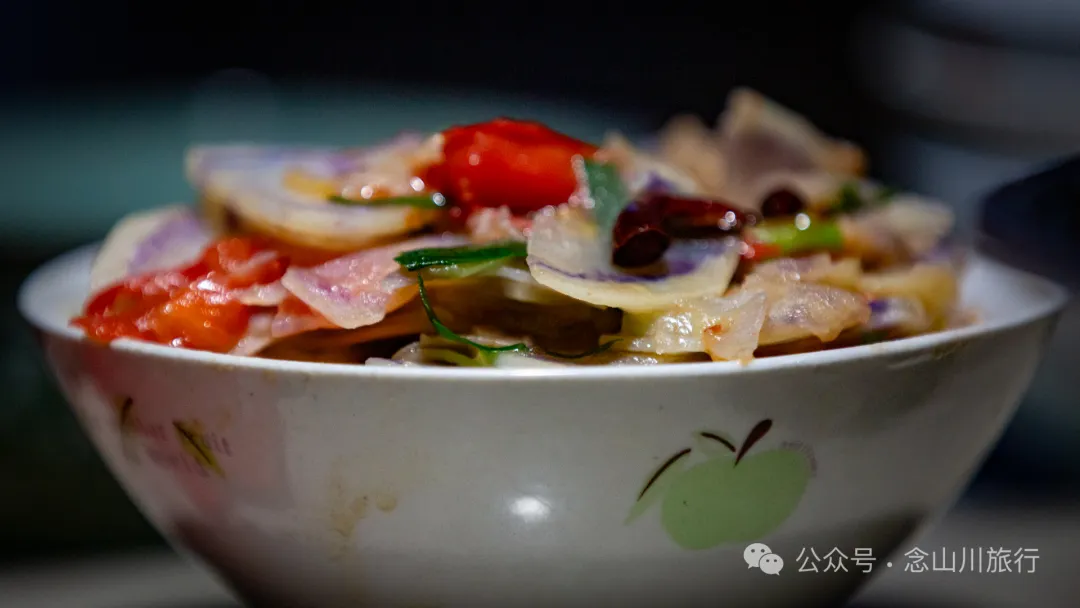
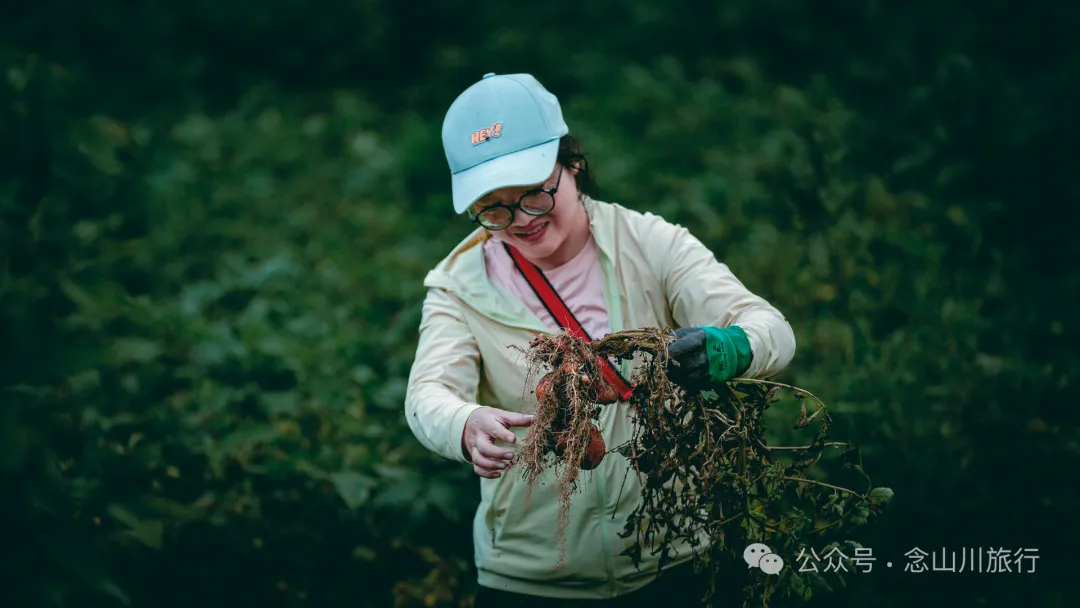
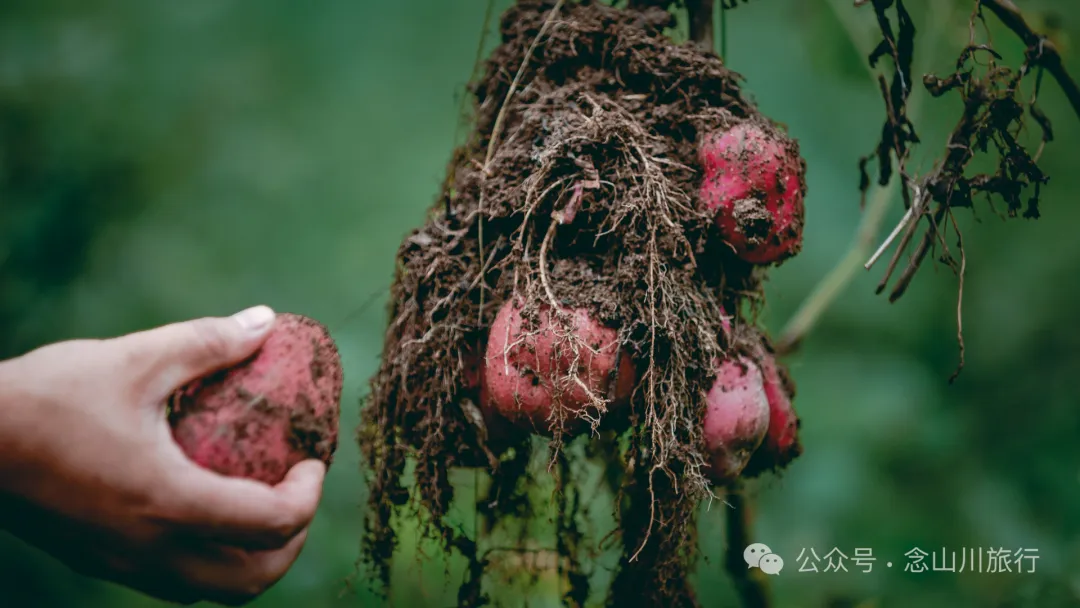
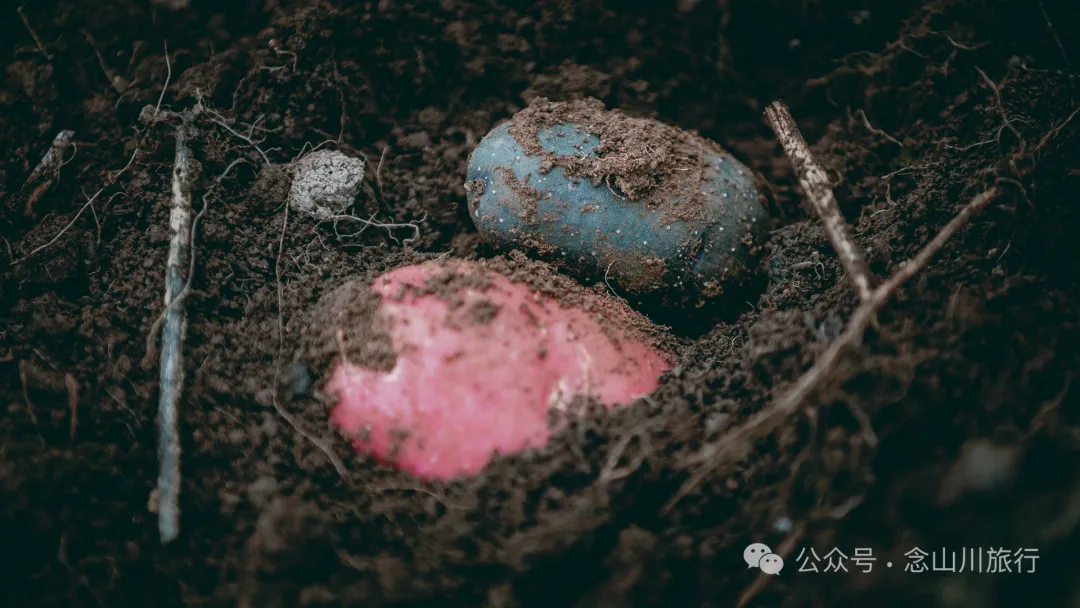
The highland potatoes are planted in the farmland just across from the primeval forest. The soil there is very loose. By grabbing the stems and leaves on the surface and gently pulling, the potatoes can be uprooted. Larger ones remain in the soil and need to be dug deeper to be unearthed. Only after coming to Huoshan Village did I learn that there are many varieties of potatoes: white, yellow, and purple. Different varieties require different cooking methods. Yellow-white potatoes are best for stir-frying, while black-purple ones are suitable for roasting in the fire. Shepherds who spend all day in the mountains like to carry a few potatoes with them. When hungry, they light a fire, throw the potatoes in, and after a few minutes, pull them out, peel off the charred skin, and the steaming heat releases a rich aroma. It quickly fills the stomach and easily brings contentment.
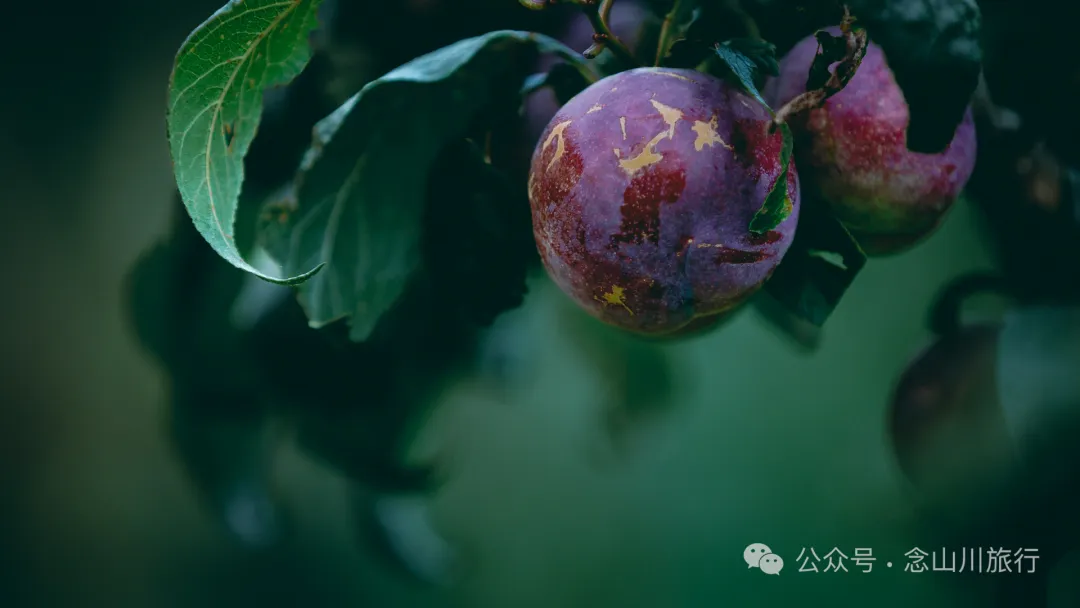
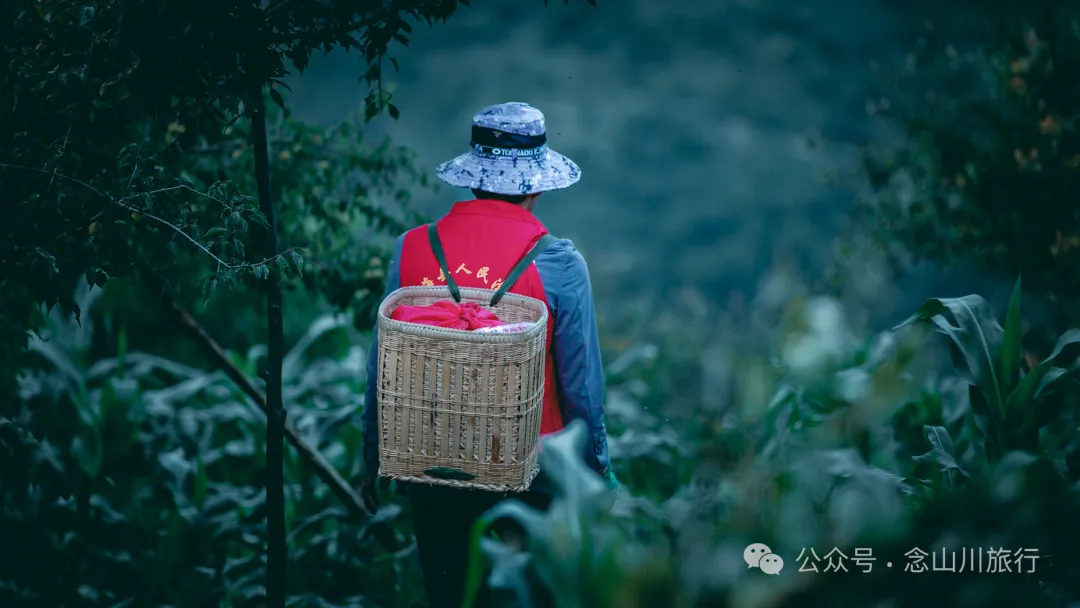
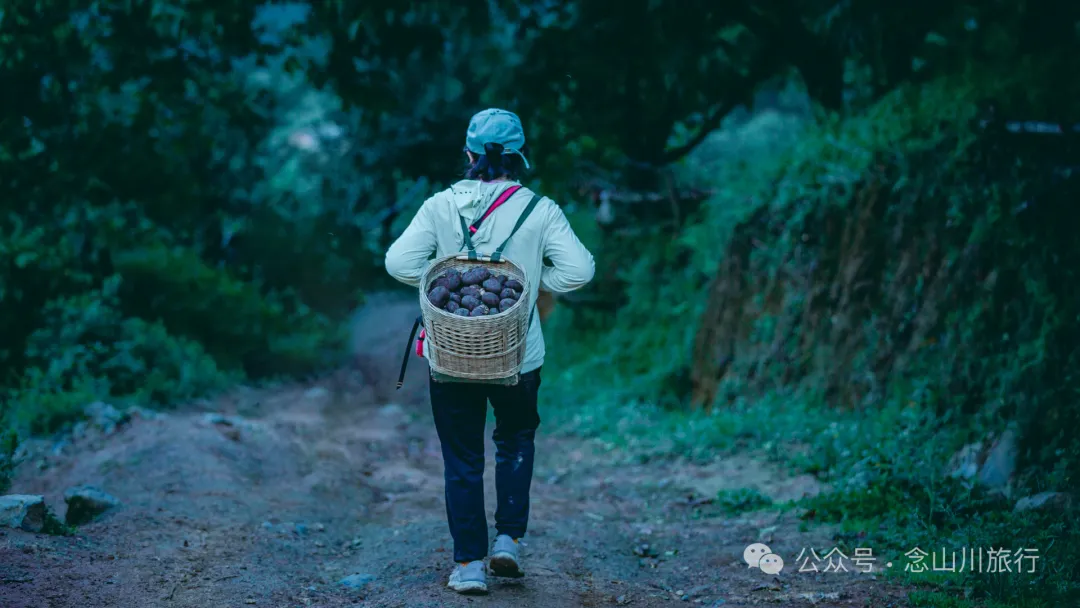
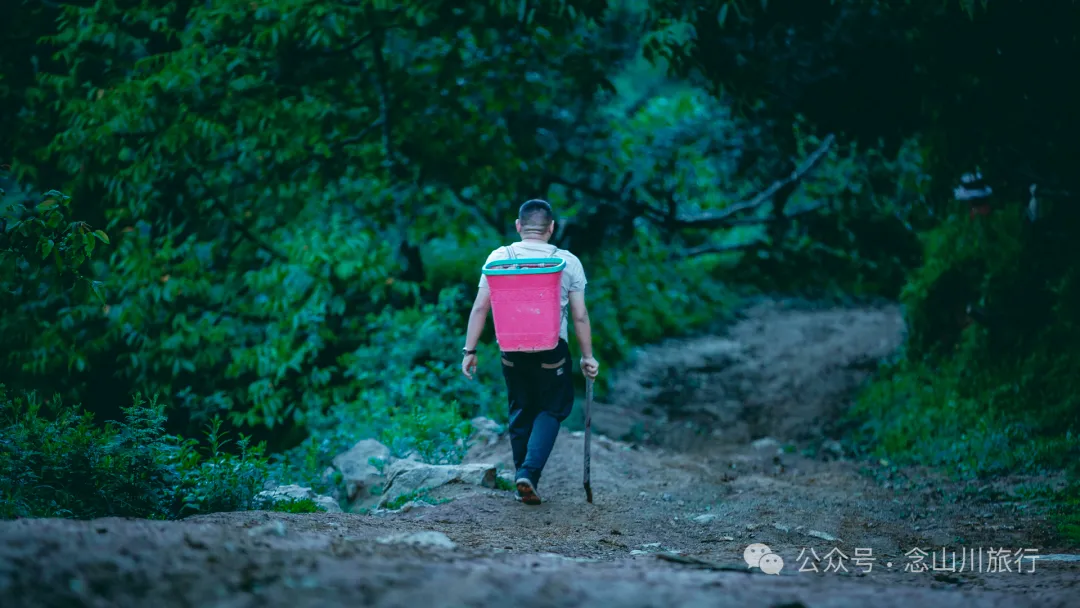
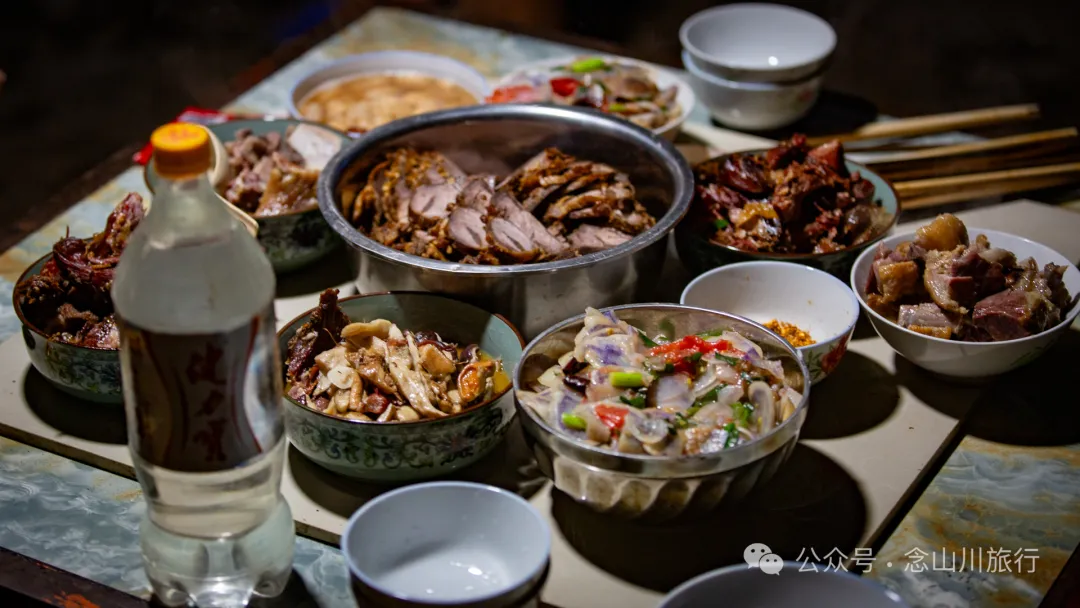
Carrying a full basket of potatoes back to the village via a shortcut, the pink afterglow of the sunset was already clinging to the clouds above the corner of the courtyard, soft like a cat curling up on a lap, but it soon faded. During dinner, night spread over the entire village, with a silent and chilly air permeating the surroundings. Stars began to occupy the dark sky, like the chirping of crickets from the grass. The ones closest to us always make sensory contact first. Immersed in them, the more distant starlight and sounds gradually enter our visual and auditory range. I stepped outside the courtyard. The clinking of glasses and chatter from the kitchen turned into a low murmur. Countless twinkling stars, like fireflies fluttering their wings, burst forth from distant memories.