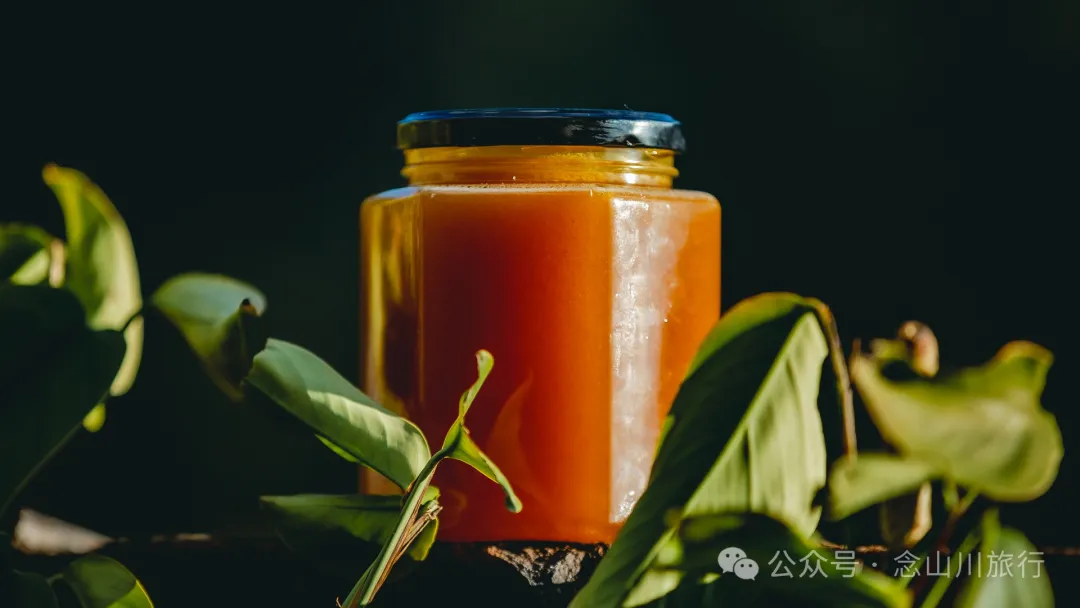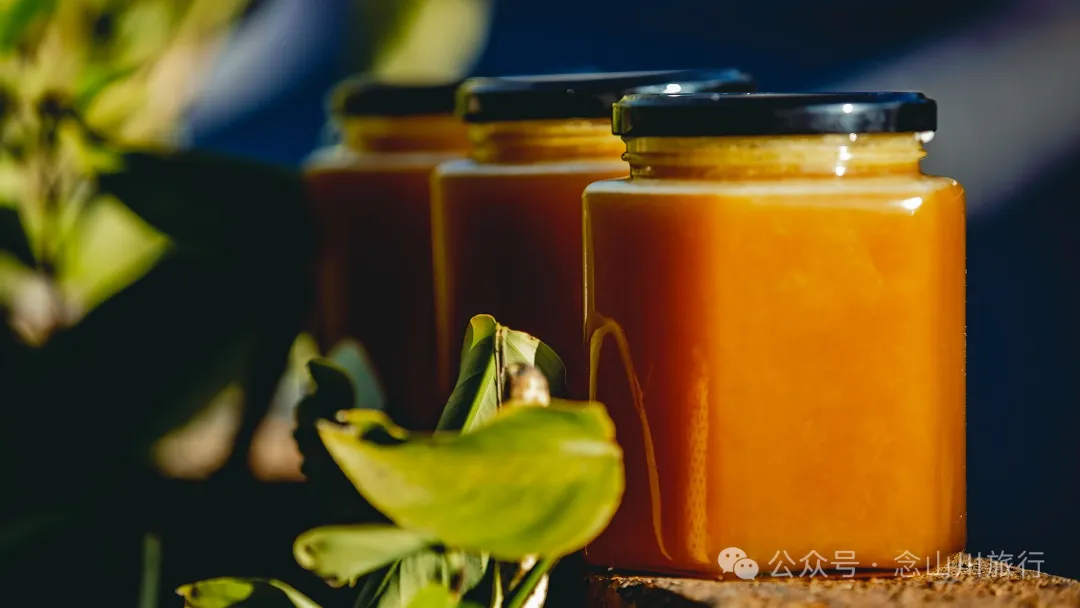

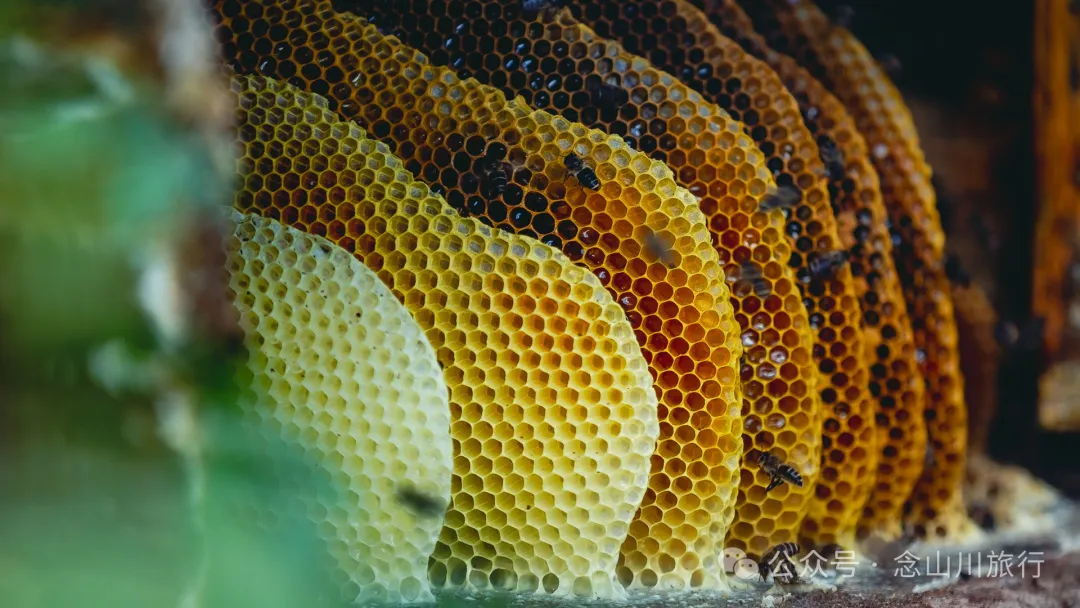
Experienced Azhao told us that among all honey varieties, winter honey is the best quality. Compared to honey from other seasons, winter honey has a relatively lower yield, making it more precious.
Due to the dry weather in winter, honey produced by bees during this time has a higher concentration, so winter honey is generally of better quality than honey from other seasons. Winter honey contains about 35% glucose and 40% fructose, monosaccharides that can be directly absorbed and utilized by the human body. It is also rich in enzymes, amino acids, inorganic salts, vitamins, and other nutrients, offering high nutritional value.
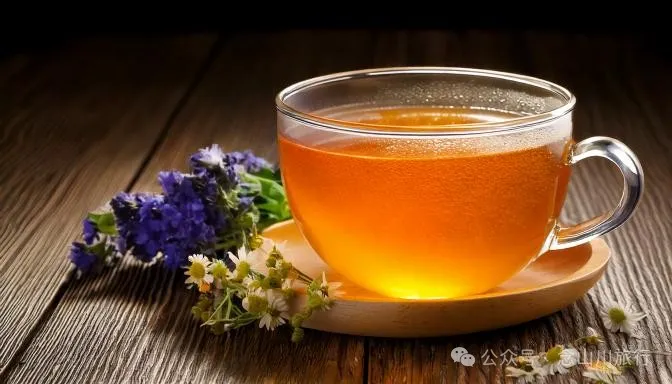
Winter honey has effects such as clearing heat, tonifying the middle, detoxifying, and moistening dryness. It can also increase antioxidant levels in the body, strengthen the heart muscle, dilate blood vessels, and promote blood circulation. It has good auxiliary therapeutic effects on colds, fever, sore throat, swollen throat, and rheumatic joint pain. Winter honey usually has a rich taste, high sweetness, and a unique mellow sensation, with a distinctive flavor.
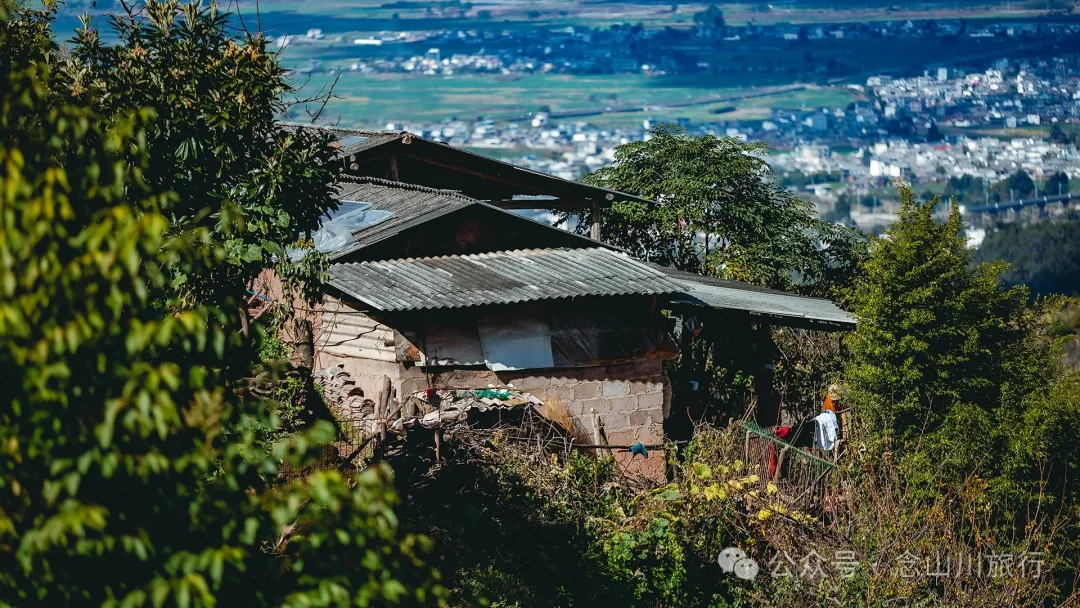
Azhao called us, saying he was going to harvest winter honey. We had always wanted to see the whole process of him harvesting honey, so we drove to the village, descended a steep slope, crossed a babbling stream, and after arduously climbing several kilometers of mountain roads, we finally arrived at Azhao's farm, a wilderness where only his family lives.
In this mountain area overgrown with weeds and miscellaneous trees, many different kinds of wildflowers grow. In different seasons—spring, summer, autumn, and winter—different types of wildflowers bloom, and a few wildflowers can bloom all year round. It is in this pristine wilderness that Azhao has placed over three hundred beehives, where countless wild bees live happily.
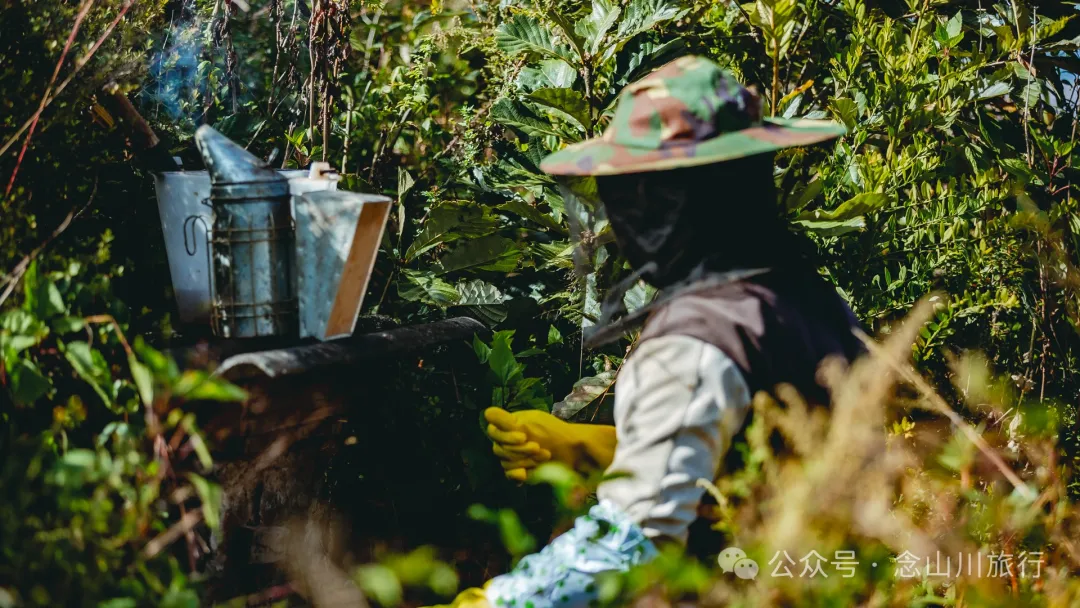
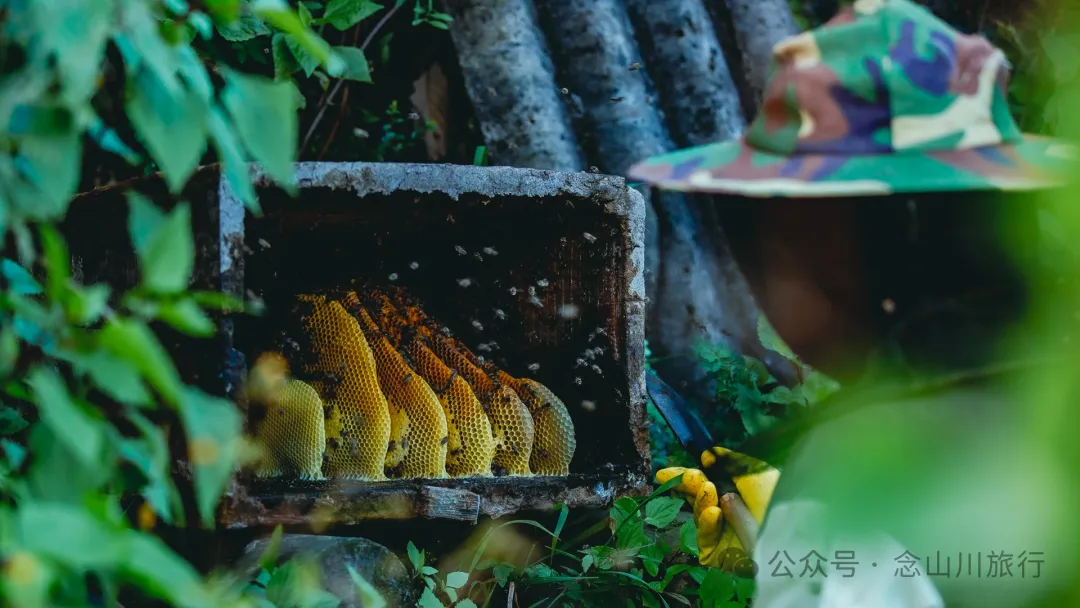
Following Azhao, we witnessed the entire process of honey harvesting. He said we had to wait until the afternoon temperature rose high enough before opening the beehives, so as not to freeze the bees. He put on a full set of bee-proof clothing, and when the burning cow dung in the stove released thick smoke, he could open the hives. "Using smoke from burning cow dung to drive away the bees won't harm them," Azhao explained. Indeed, the burning cow dung had no irritation and instead emitted a faint scent of hay.
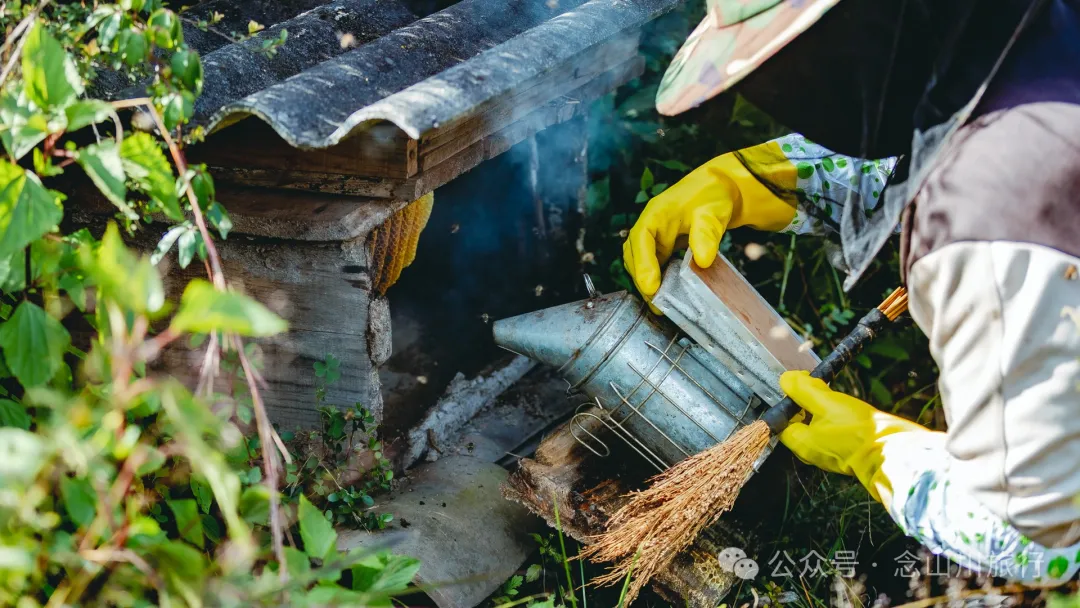
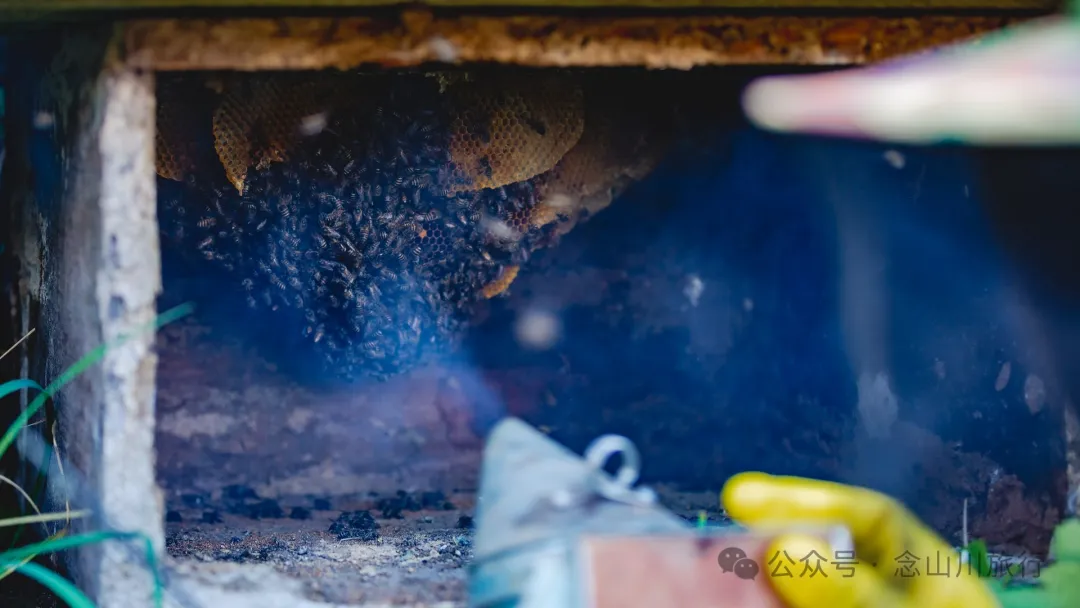
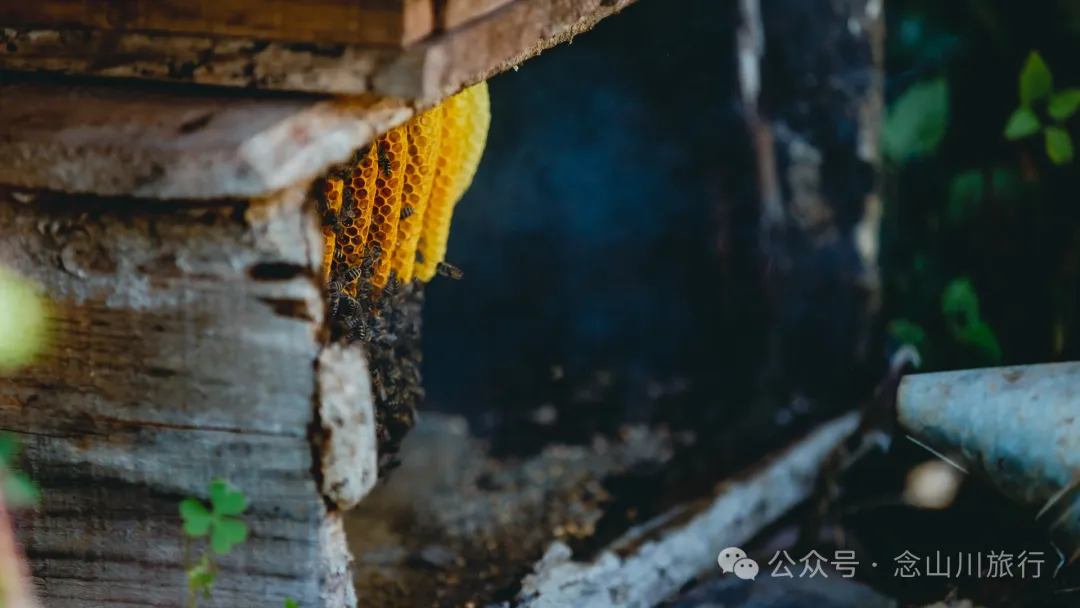
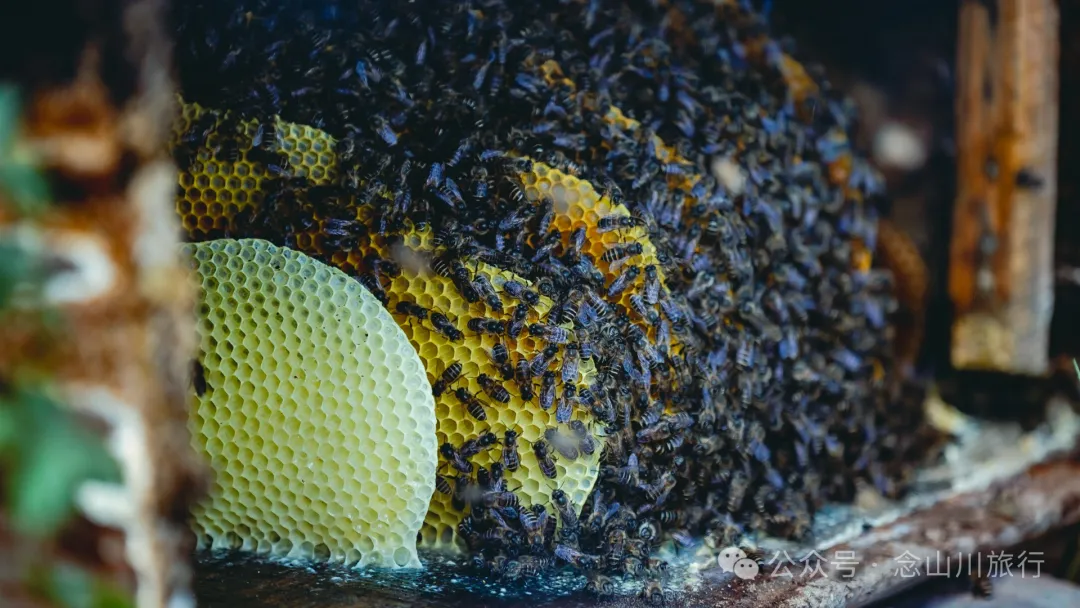
Driven away by the thick smoke, the bees swarmed out of the hive. As for the stubborn ones, they needed to be gently swept away with bamboo branches, and then it was time to cut with a knife.
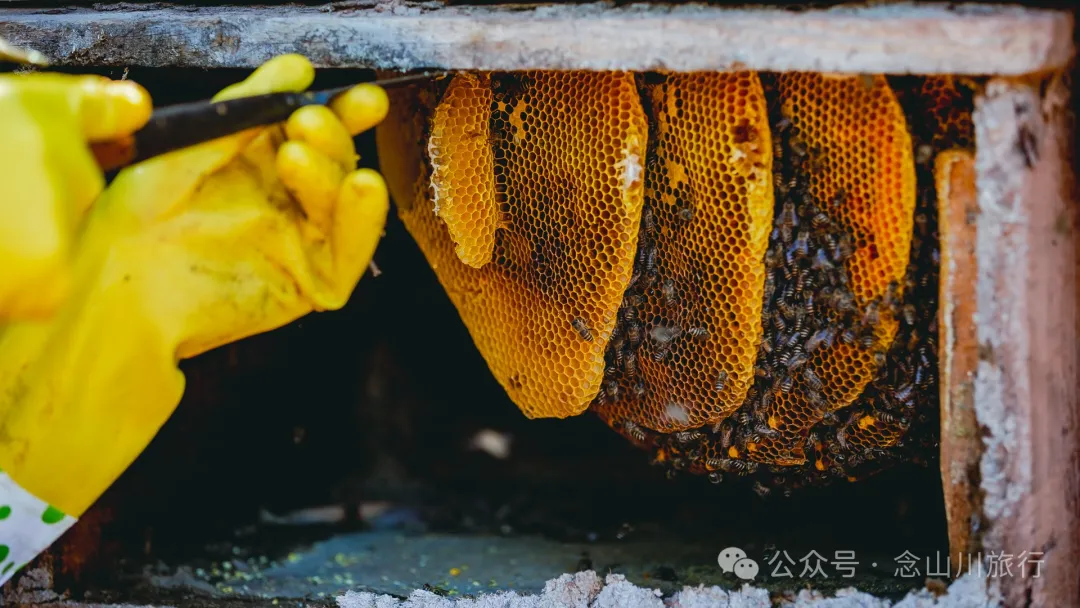
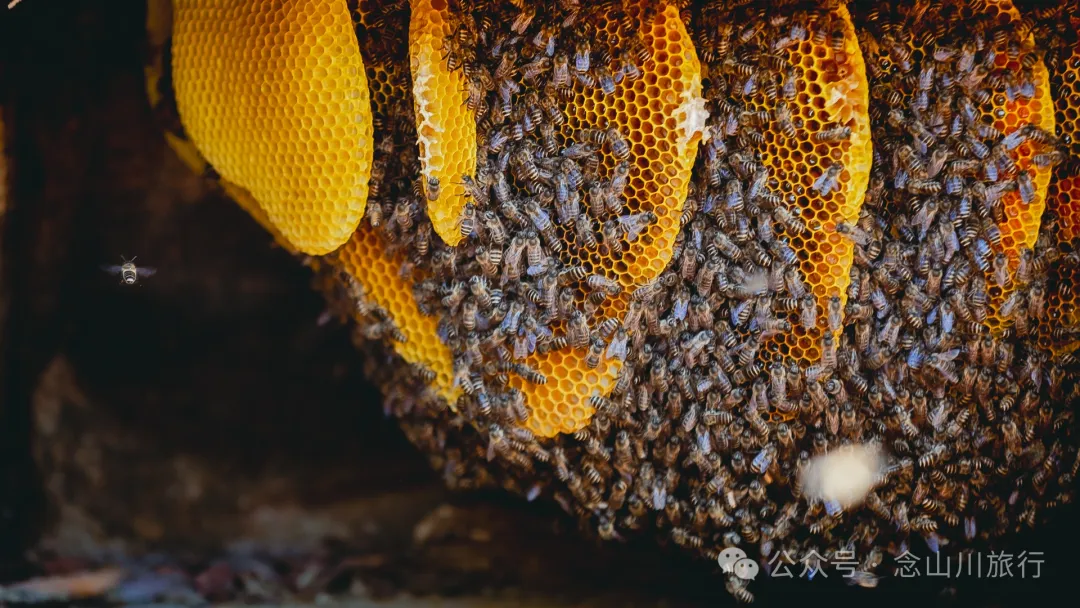
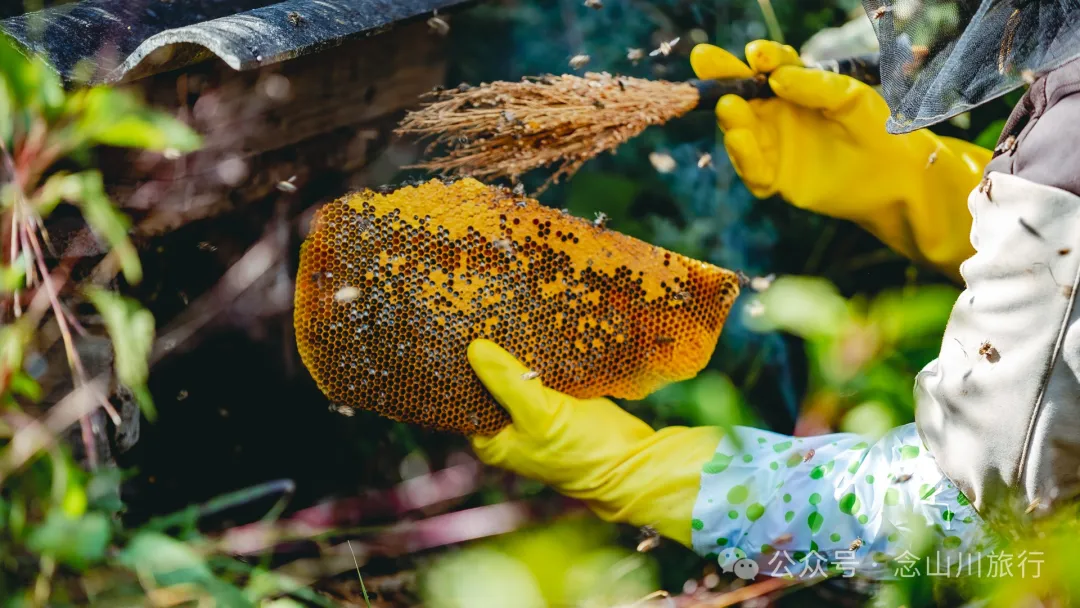
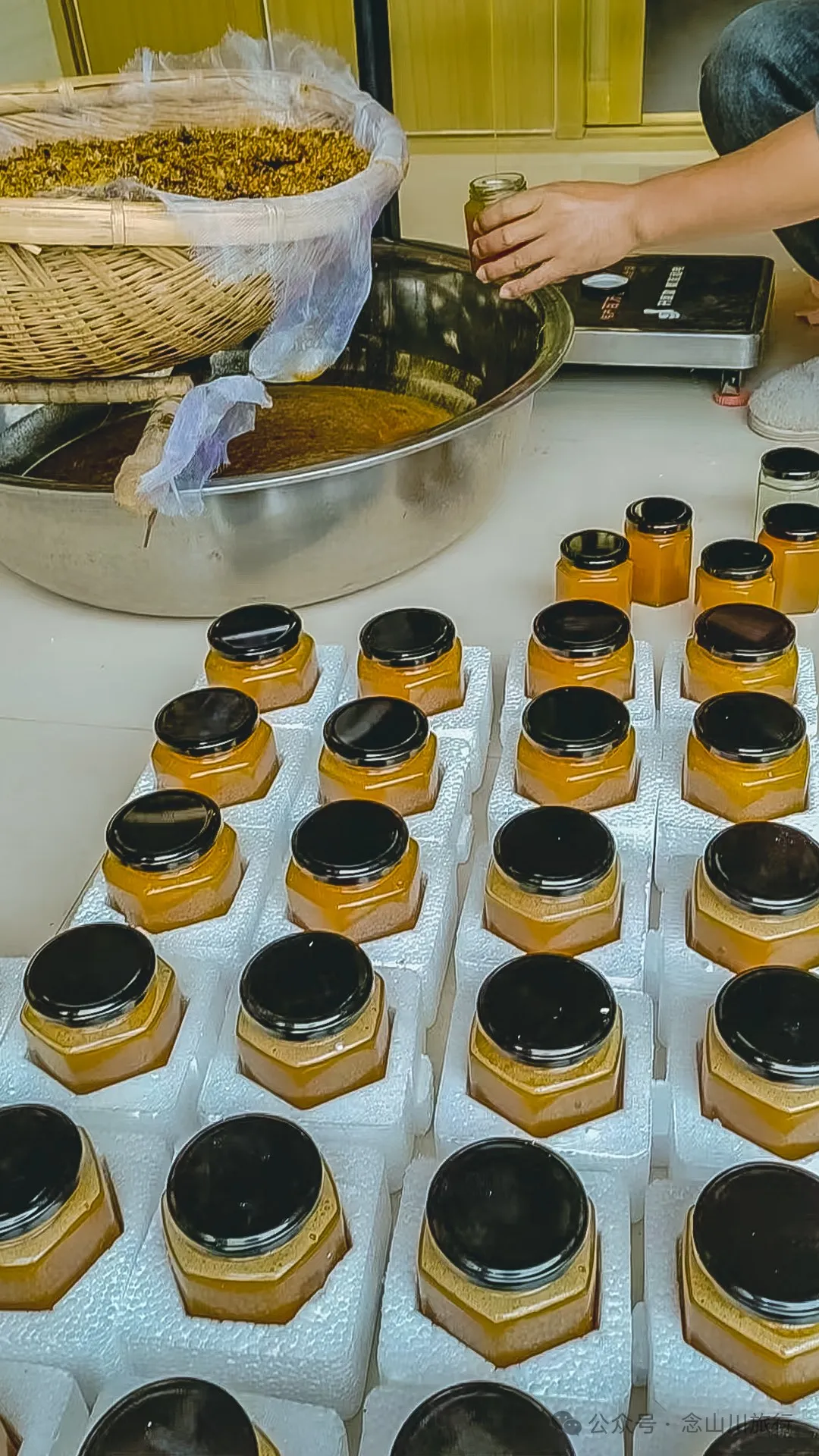
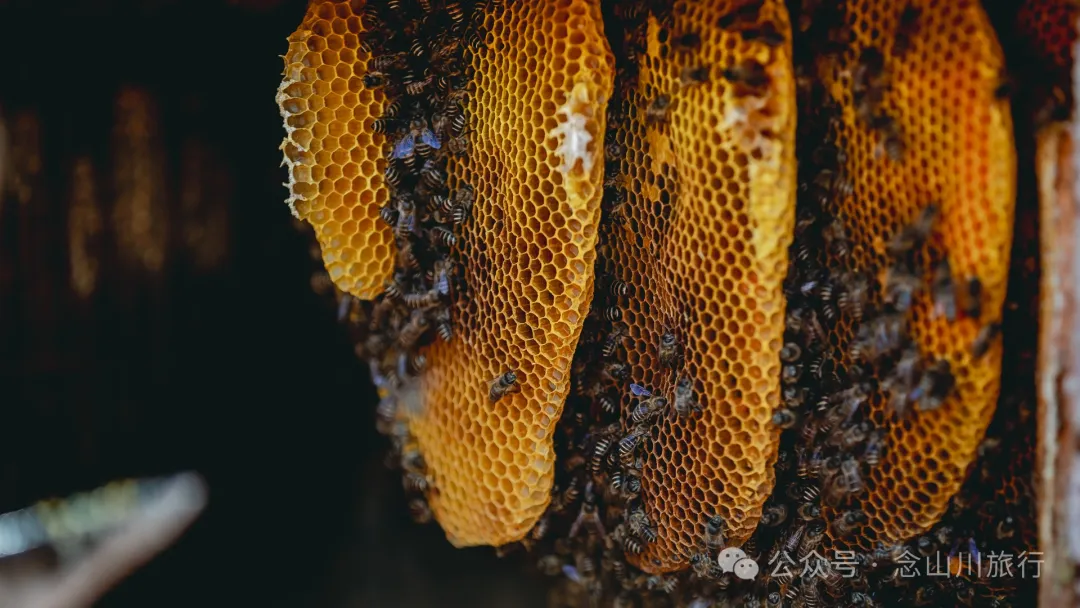
For easy harvesting, Azhao turned the beehives upside down one by one. The complete round cake-shaped honeycombs were taken out of the hives, the remaining bees were driven away, the parts without honey were cut off, and the honeycombs filled with a full cake of honey were placed into buckets, filtered, jarred, and sealed. This was the complete process of winter honey harvesting.
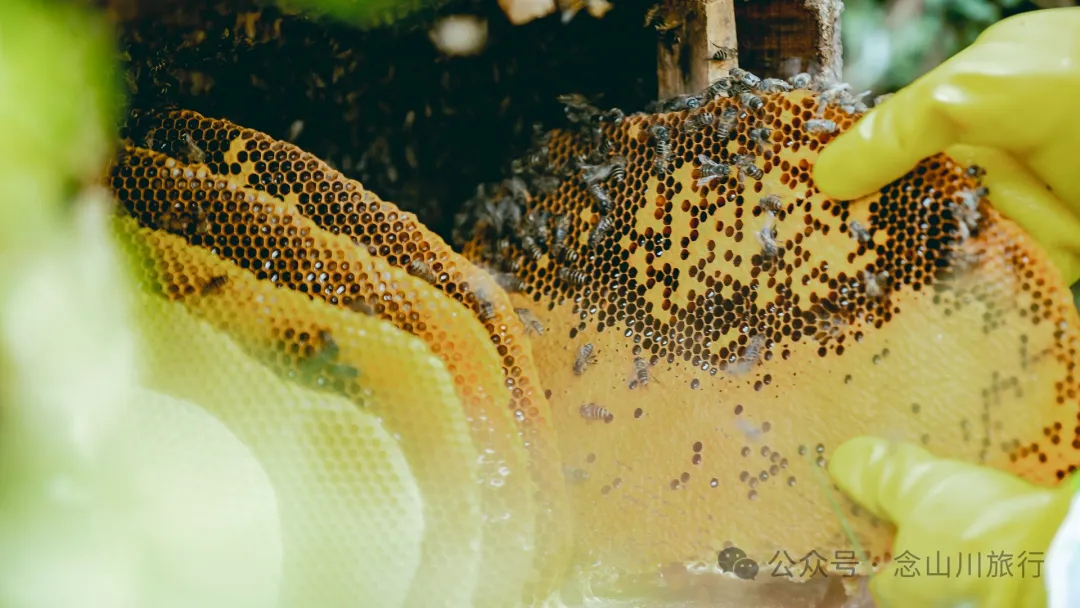
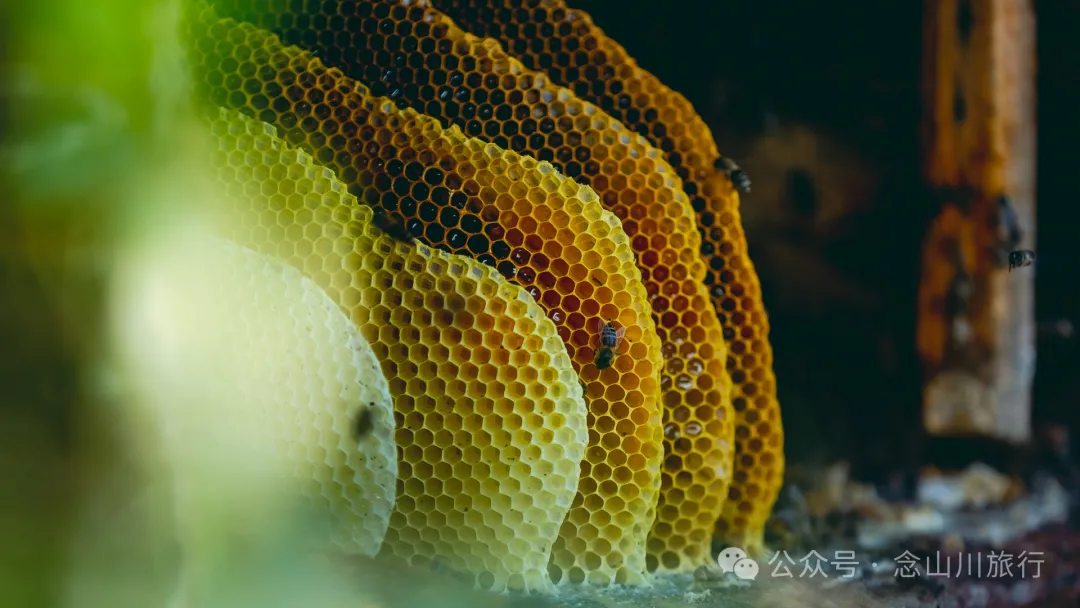
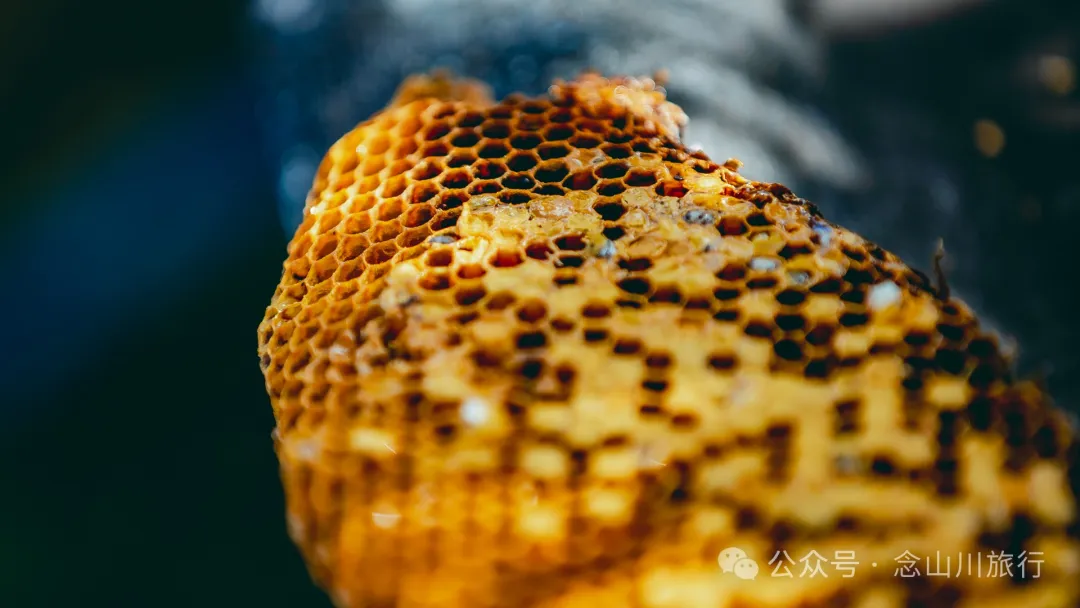
From one beehive to another, these untouched natural honeys were collected one by one. Each hive had a different amount of honey stored. Some hives brought great joy the moment they were opened, yielding several pounds of honey, but others were not so good; getting one pound was considered very good.
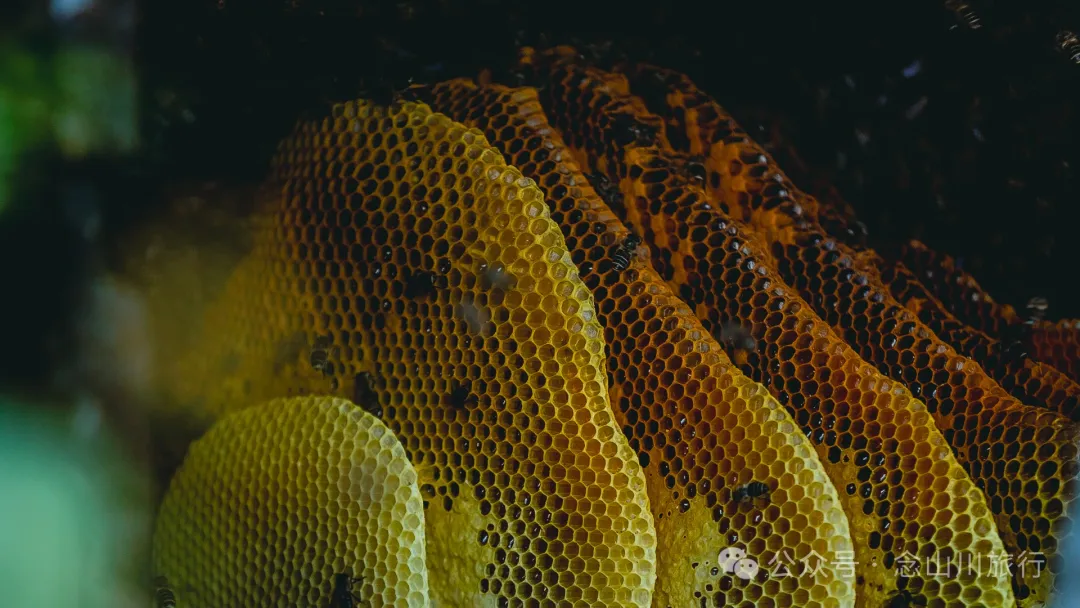
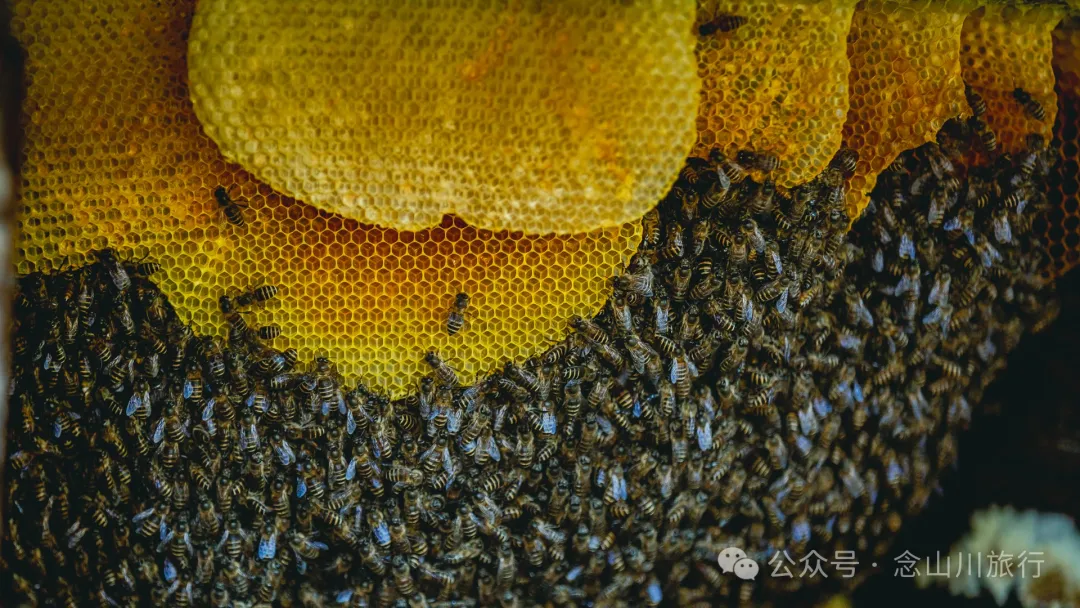
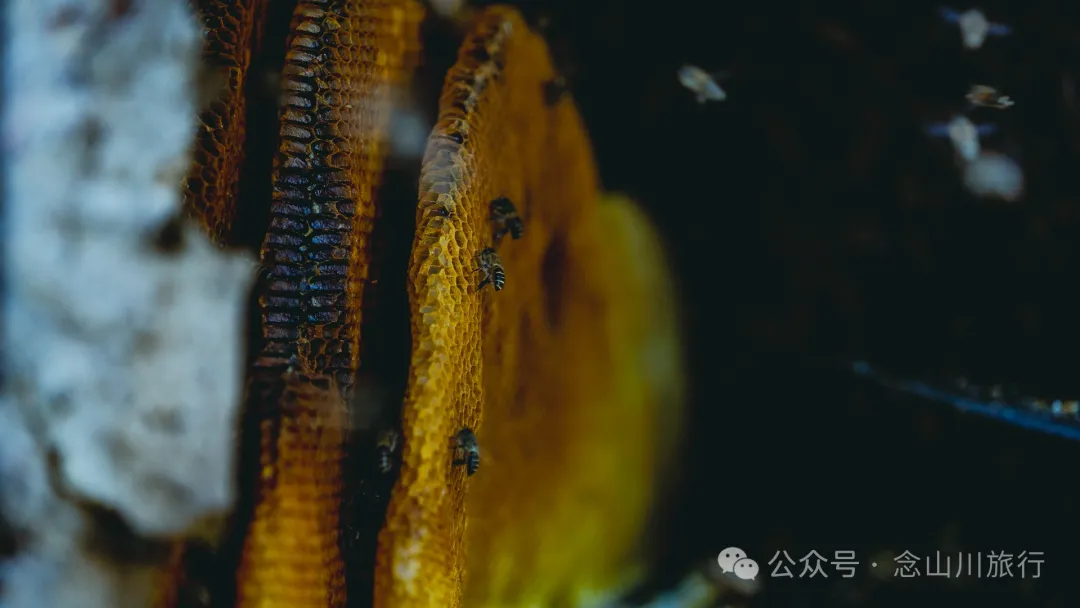
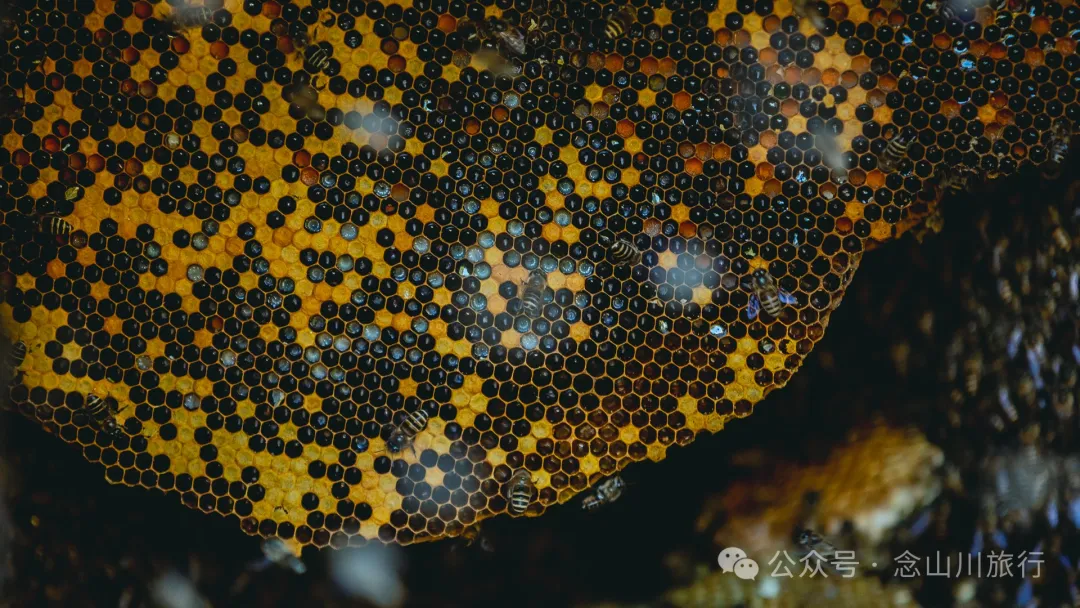
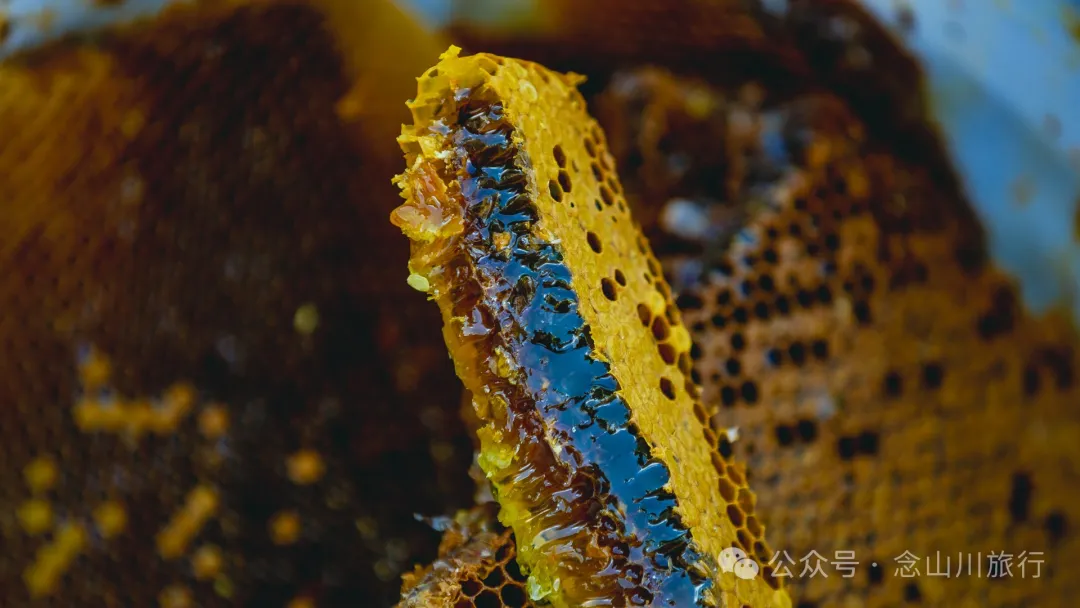
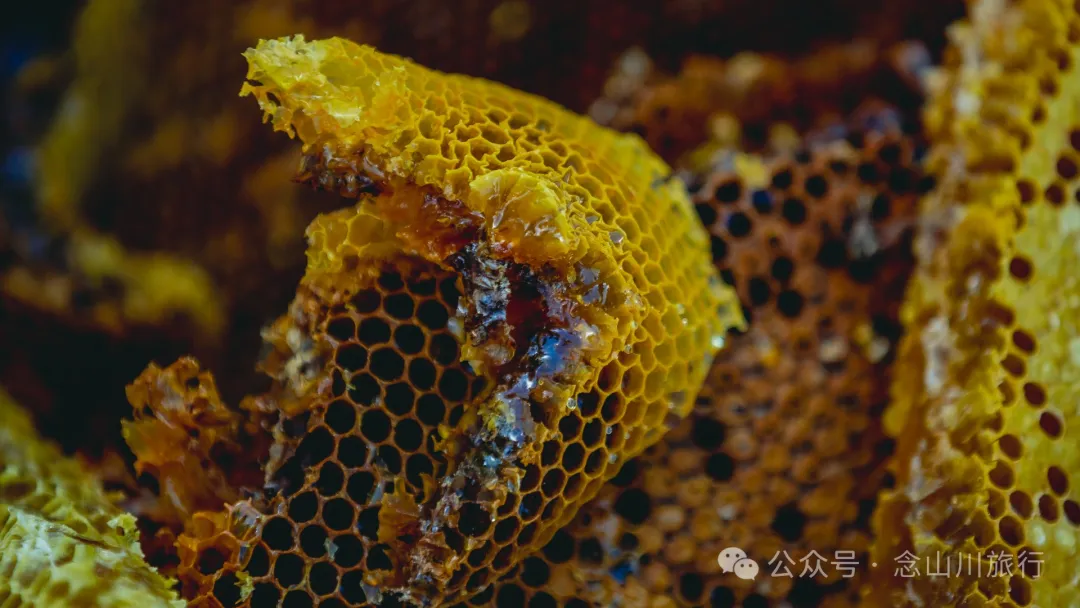
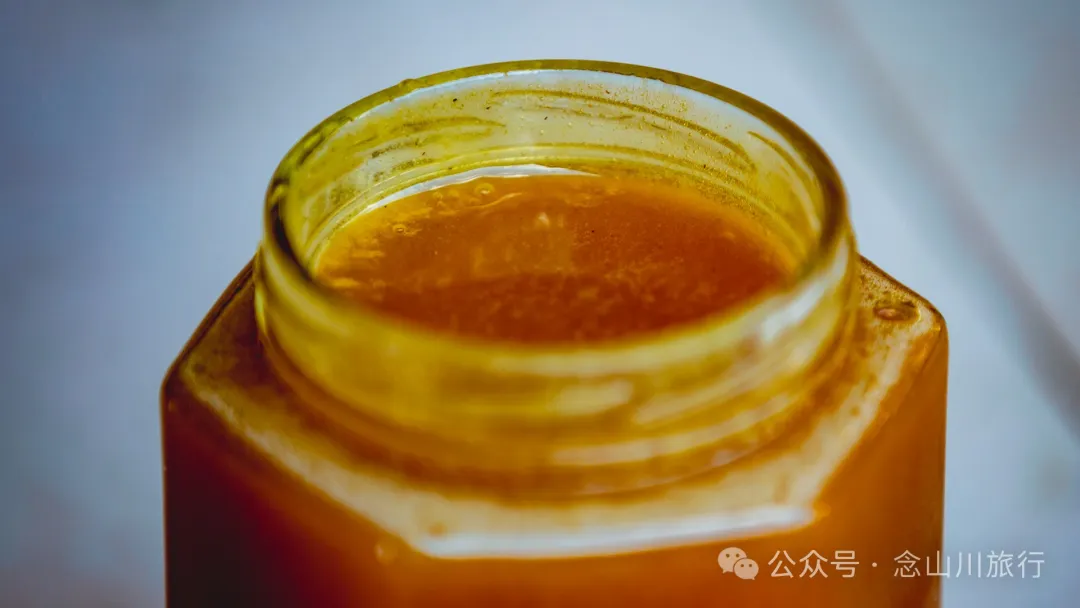
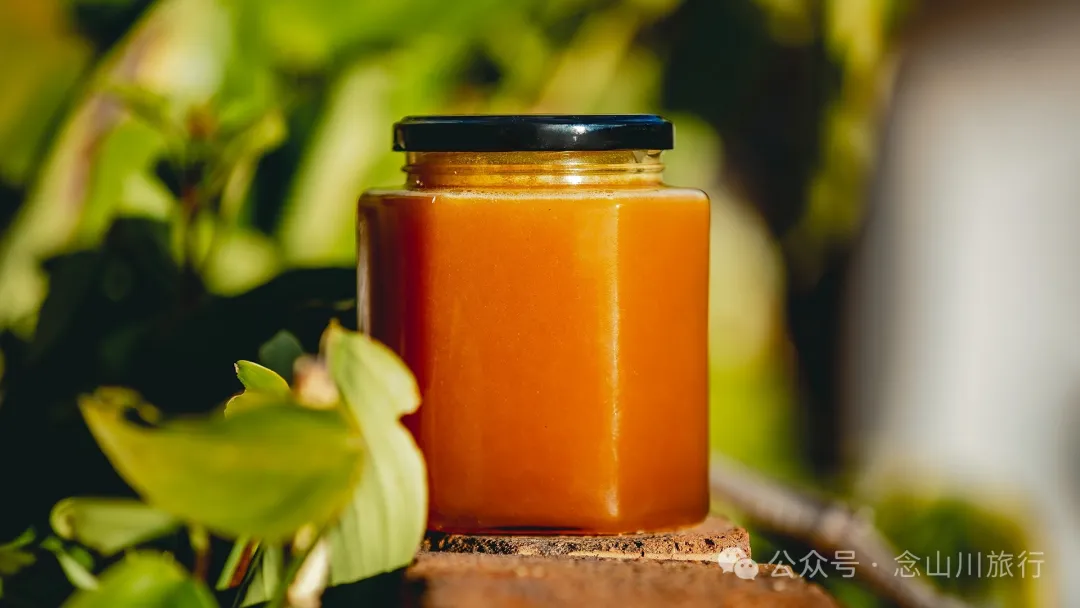
These amber-colored pure honey showed a clear luster under the sunlight. Cutting a small piece and putting it into my mouth, I felt as if I had instantly fallen into a mountain field full of wildflowers, with the sweet atmosphere of the whole spring lingering and refusing to dissipate.