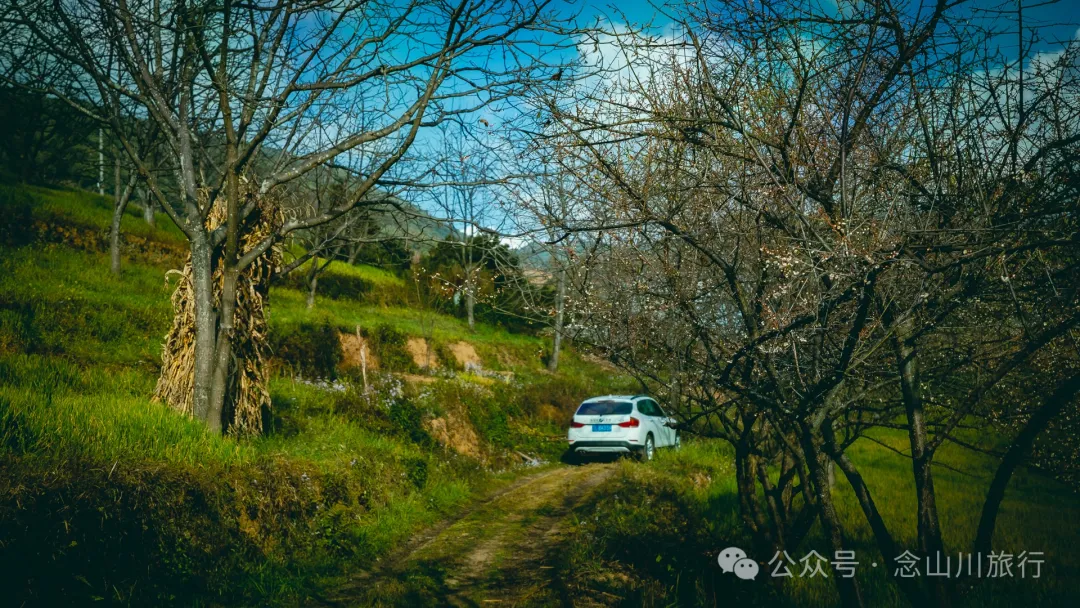

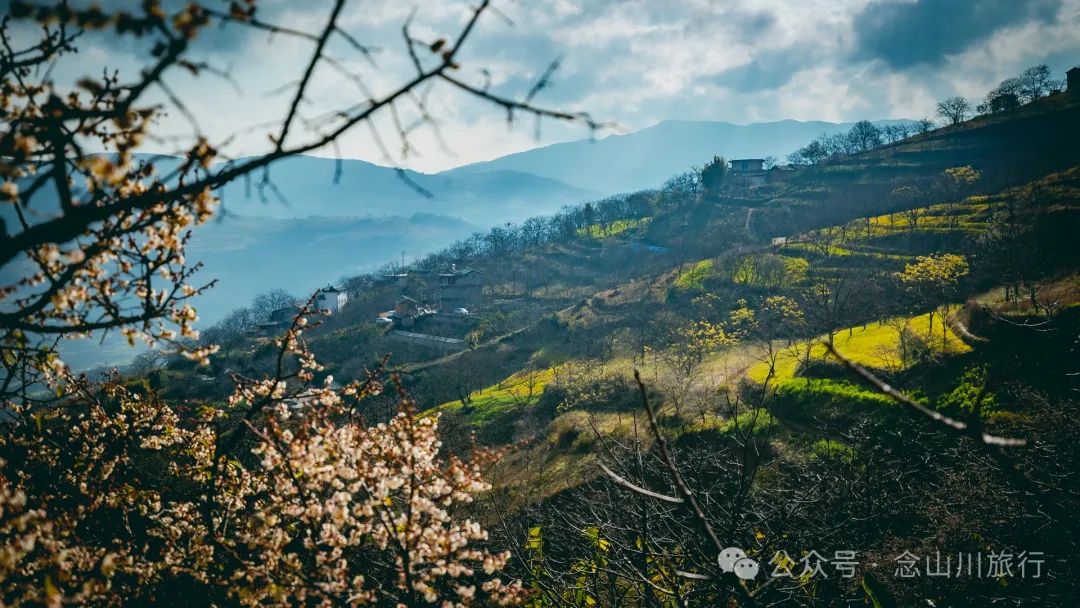
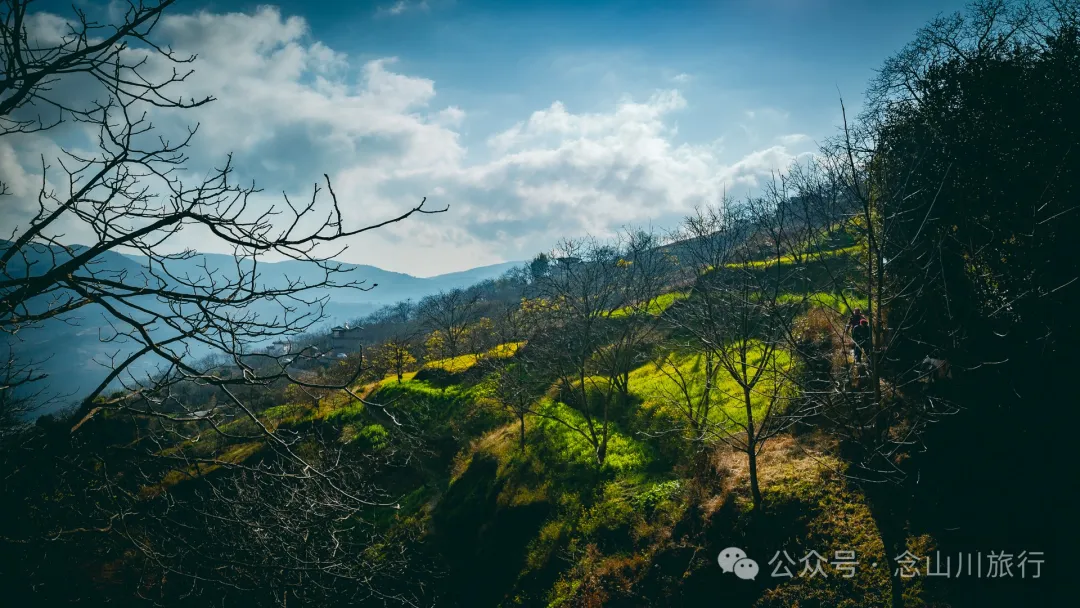
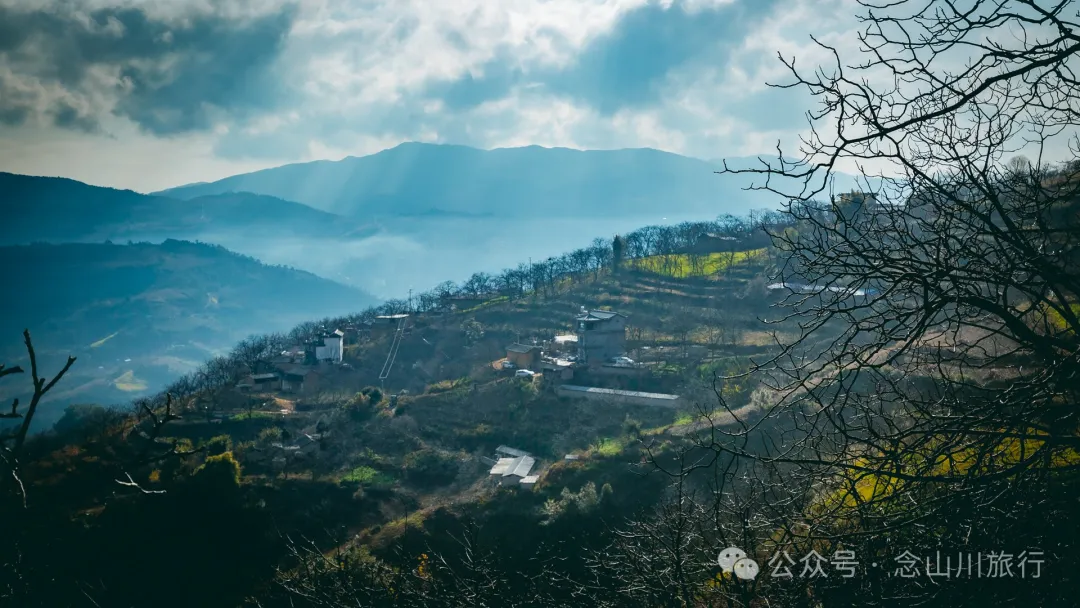
I can no longer recall how many times we have followed Anli to Huoshan Village, perched on a slope with a view of countless distant mountains. We have seen the village in almost every season: the green plum season, the walnut season, the potato season, the azalea season, and now, the primrose season. No matter the season, the village exudes a strong pastoral atmosphere, and the tranquility that envelops it filters out the frivolity and restlessness of the world.
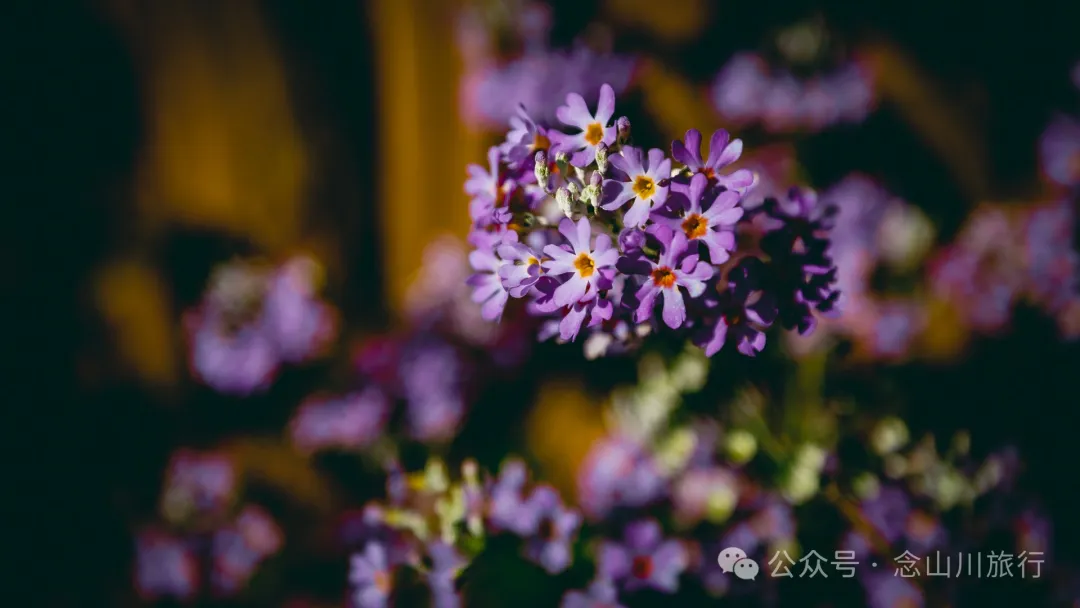
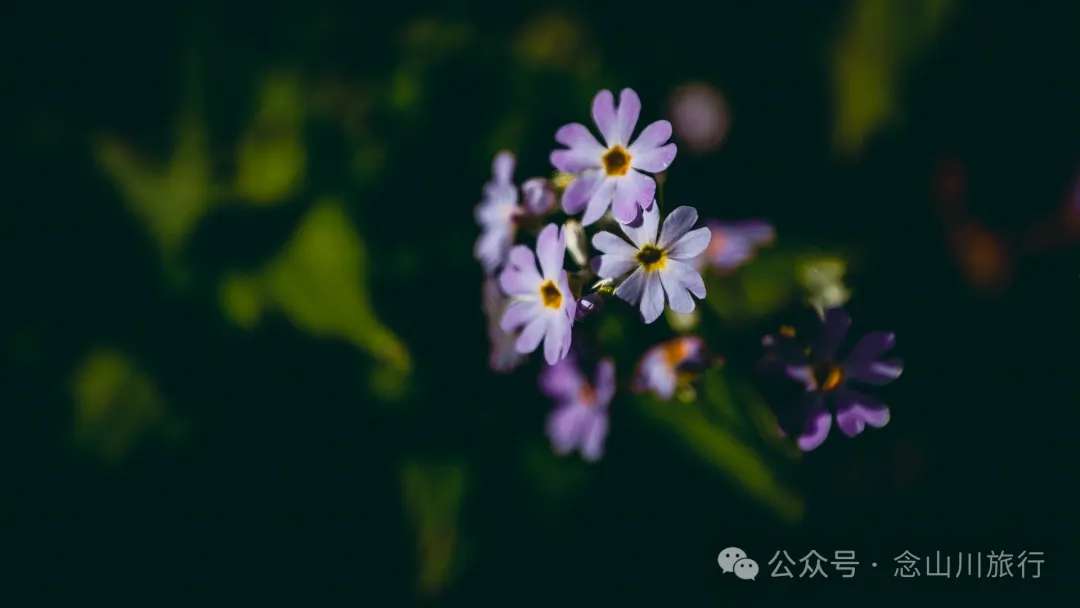
In mid-January last year, when we first set foot in the winter village, the primroses, like streetlights lit at dusk, instantly ignited the village in a pinkish-white delight. These scattered roadside sprites need not ponder any choices for survival; they care not about the abundance of sunlight and rain, nor about the fertility or barrenness of the soil. A little bit of earth is enough for them to offer the most beautiful form of life. Whether on the hard-packed path trodden by passersby, the sun-deprived ground in sheds, under decaying tree stumps, or in the crevices of stacked tiles, they thrive. This time, returning to Huoshan Village, the primroses have bloomed as expected, and that perennial joy once again fills every corner of the village.
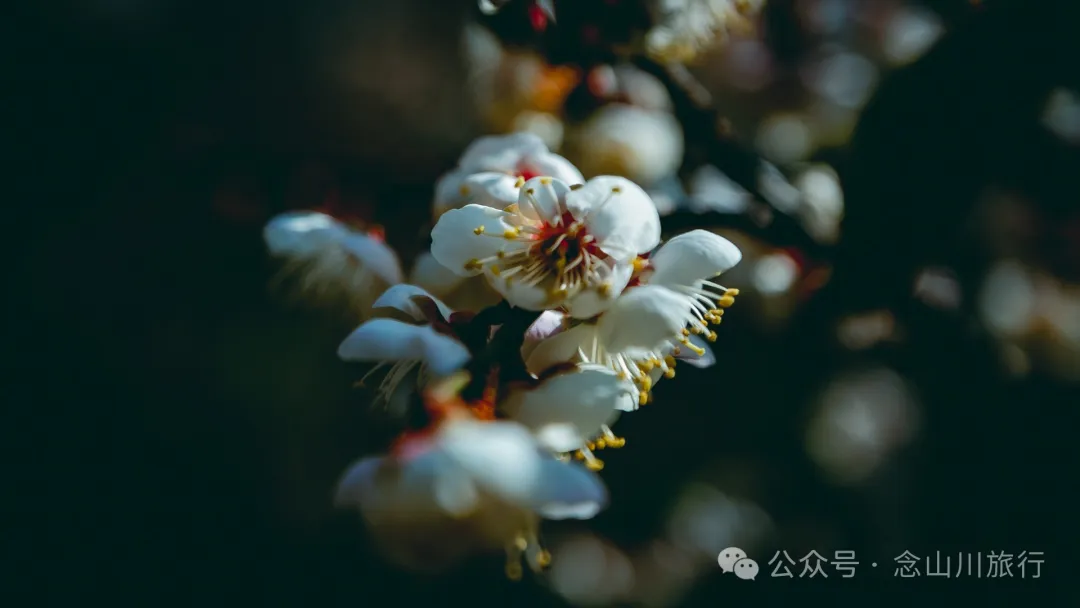
The primroses bloom among the wild grass underfoot, while the plum blossoms on the plum trees hold high on the branches. They have enjoyed the warm winter sun all season, so brilliant yet so serene. Every silent bloom is like an inadvertent gaze carrying goodwill, yearning for the distance.
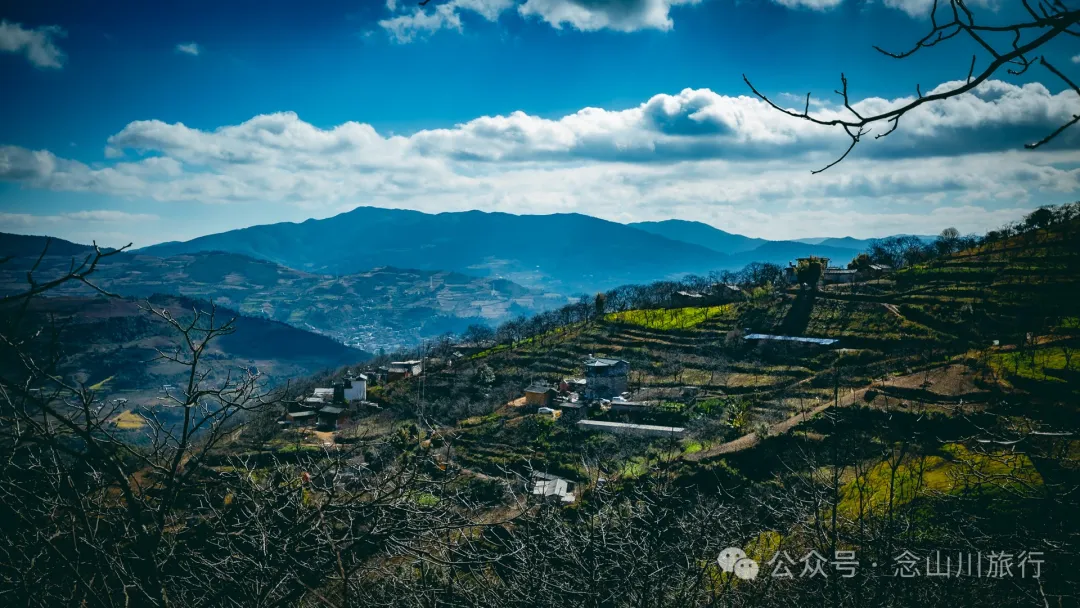
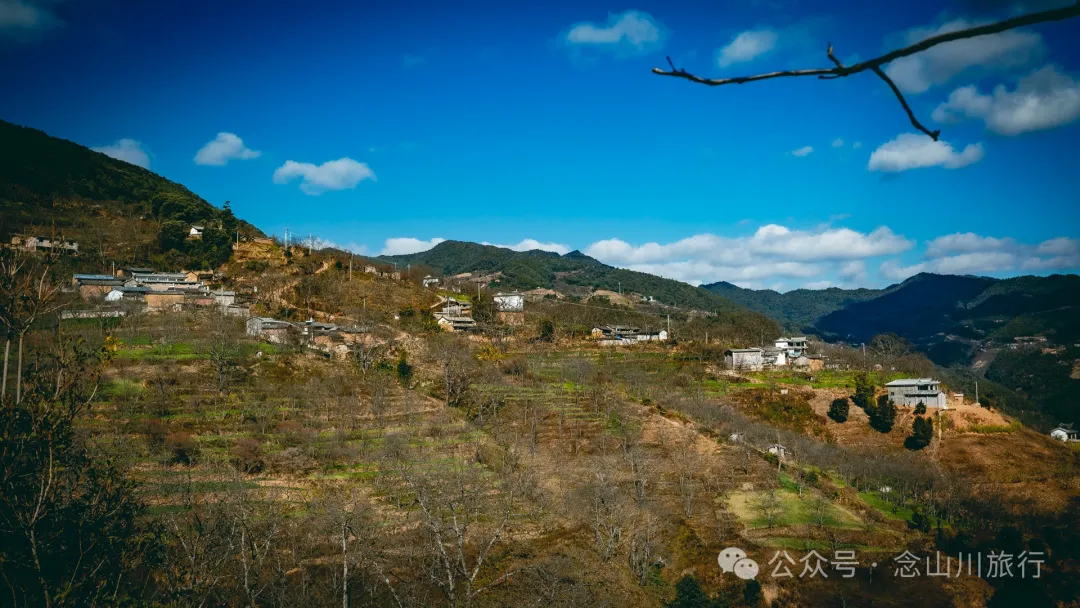
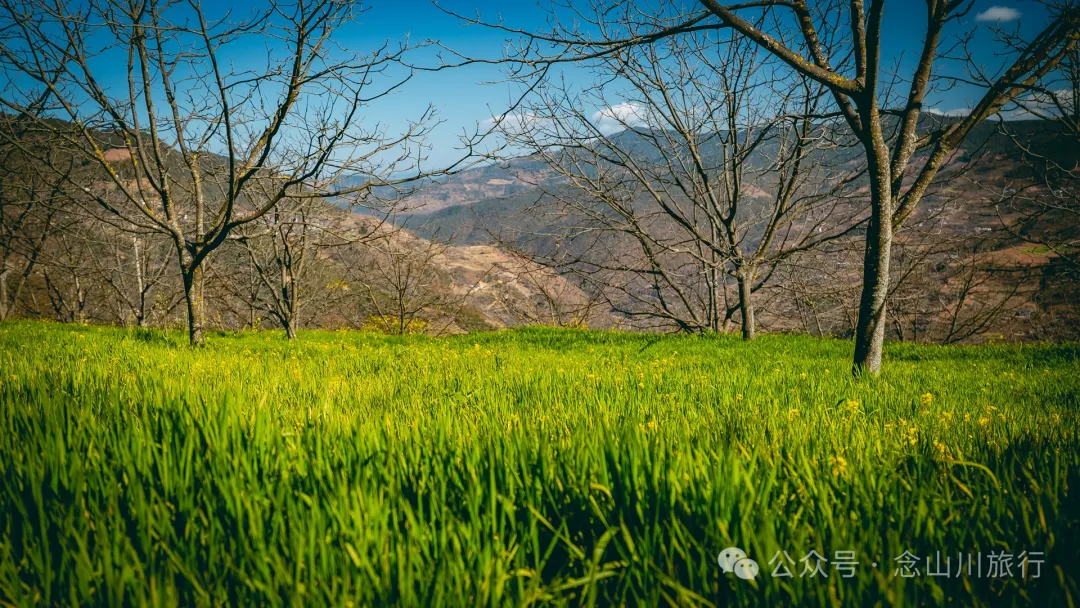
Now is not the season for walnut trees; their bare branches are lifeless, dull and gloomy, as if trapped in a swamp, suffocating and stagnant. But the earth beneath them is lively, covered with a lush green field of wheat, full of vitality. Amid the wheat fields, occasional yellow rapeseed flowers bloom. The once gray earth is splashed with these two colors, and stepping into the village feels like entering a colorful oil painting.
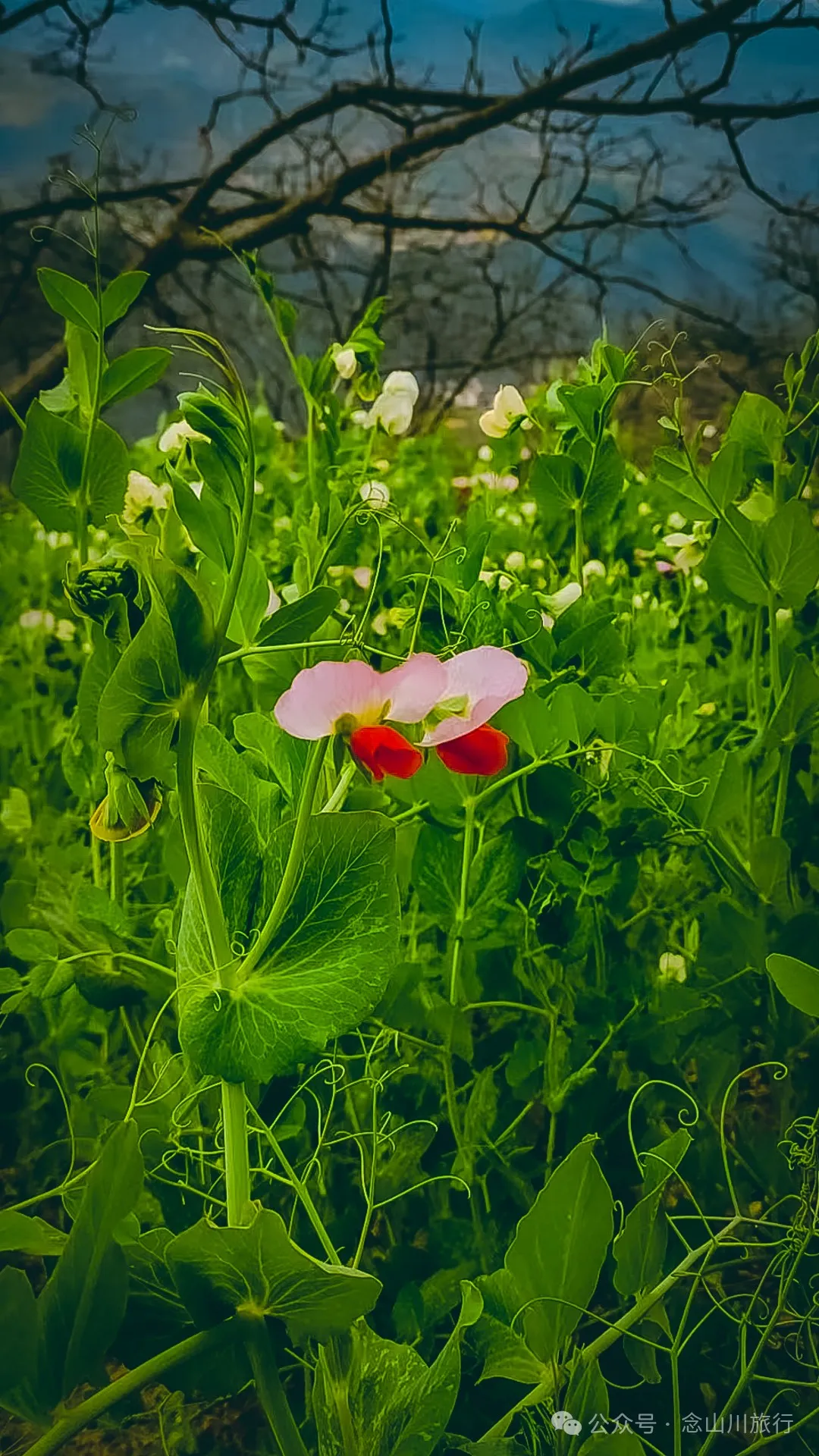
Peas planted on the slopes beside the village road are also in bloom. The pea shoots are picked batch after batch, and soon the peas will grow. Besides their edible function, they also remind the busy villagers of the season. A friend said that when the pea flowers bloom, it's time to slaughter the New Year's pig.

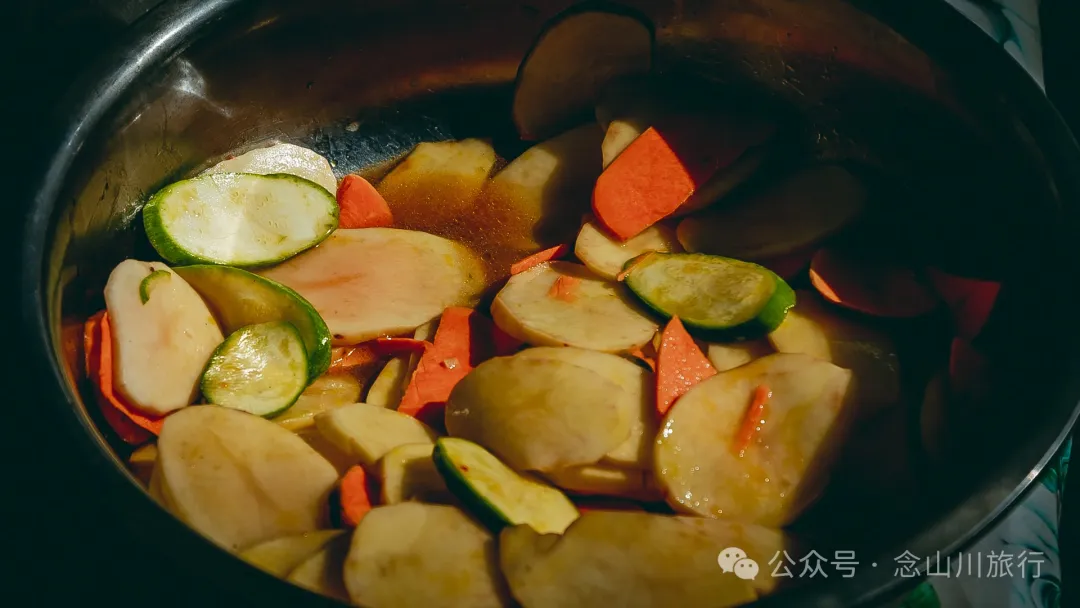
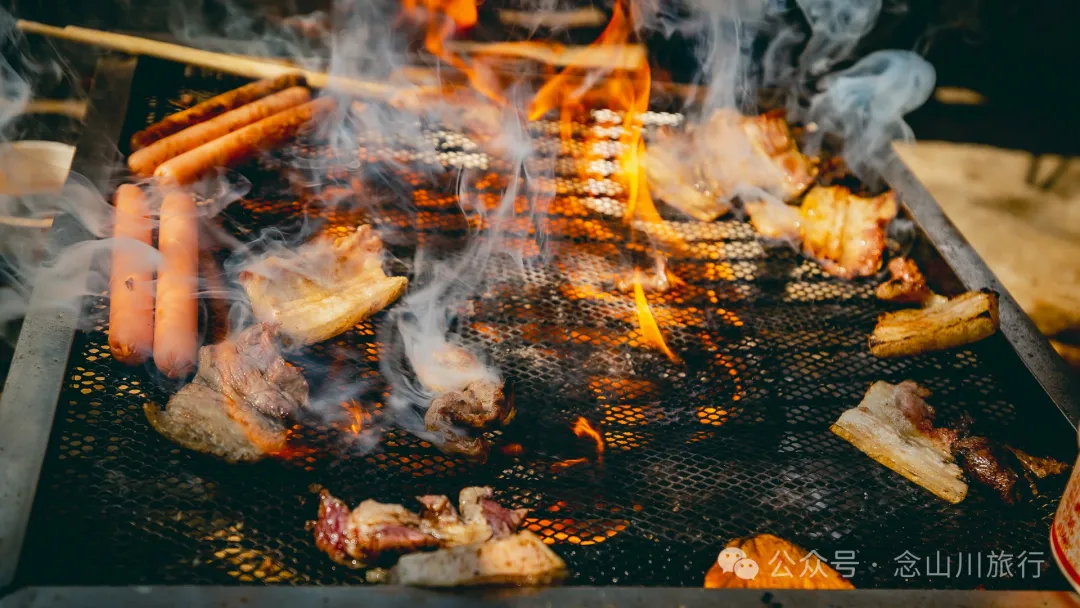
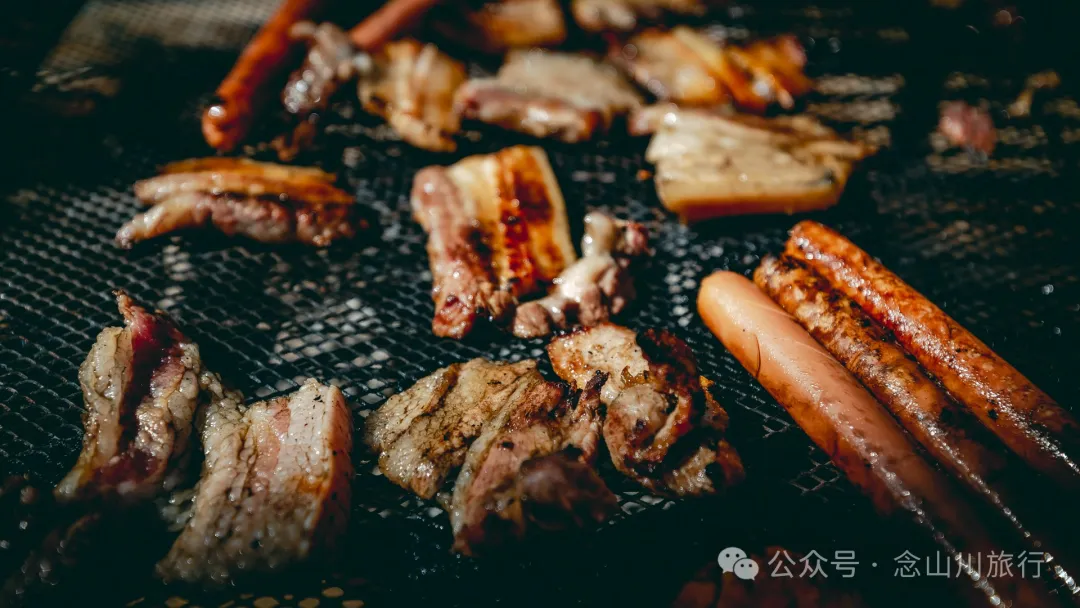

We arrived at Anli's house at noon. The villagers had already slaughtered pigs, had a barbecue, and were playing cards or relaxing. Life in the mountains is simple, plain, busy, and monotonous. They work from the beginning of the year to the end, tilling the land, herding livestock, and doing seasonal farm work. Only at the end of the year do they reap the rewards of a year's hard work. The crops in the fields are either harvested or left to grow without tending; the pigs, cattle, and sheep have grown, most are sold, and some remain in the pens. In short, farm work decreases, harvests increase, and the farmers, busy all year, reward themselves with a comfortable New Year celebration. When the new year comes, the busy cycle begins again. Day after day, year after year, they spend their lives in these trivial efforts and gains.
Slaughtering the New Year's pig is a major event. The villagers worked hard all morning, while we latecomers reaped the benefits. In the smoky courtyard, pots of blazing charcoal fire sizzled with roasting meat. The clinking of glasses and chatter of hosts and guests lasted from noon until dusk, with smoke and excitement never dissipating, but the intoxication grew. At night, we enjoyed a hearty pig-killing feast, followed by more entertainment: playing cards, drinking, chatting. The joy of the day continued late into the night. If some were still not satisfied, they formed a large circle, played music, and danced happily. The clustered stars in the deep night sky opened their curious eyes, watching this lively song and dance performance.
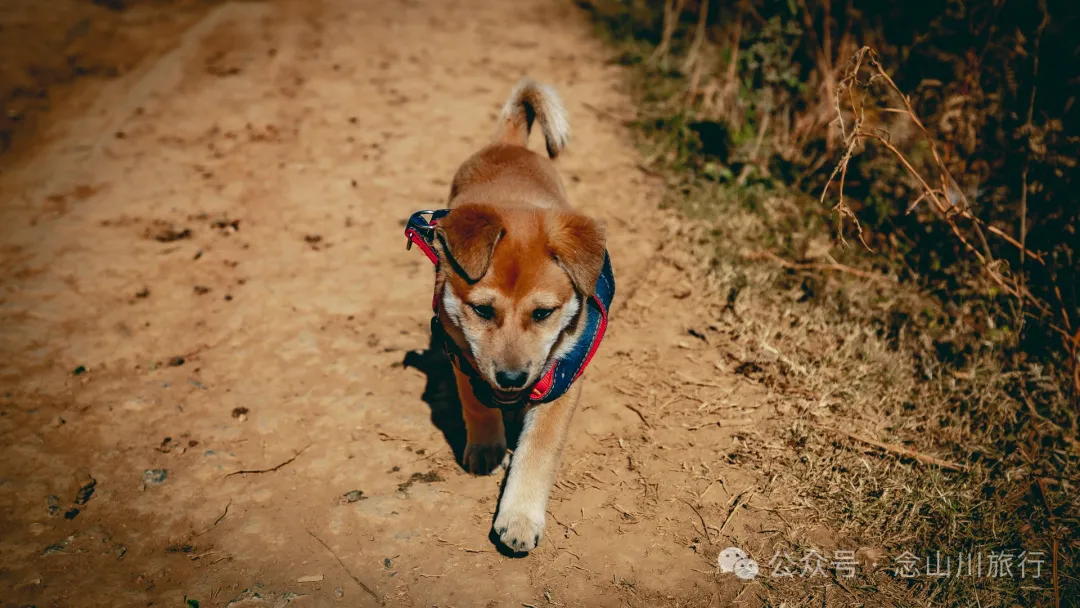
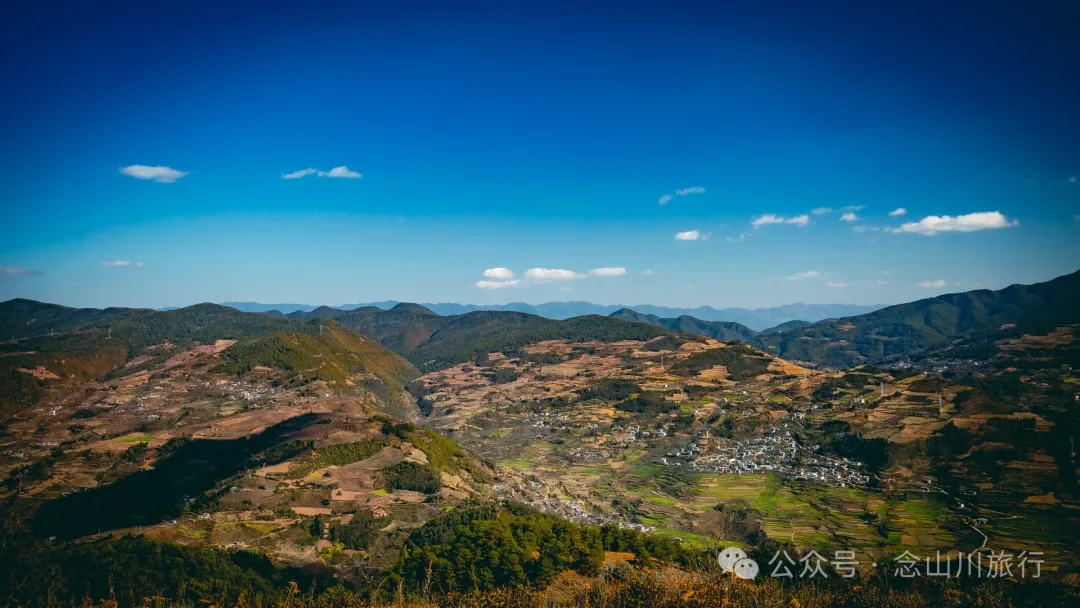
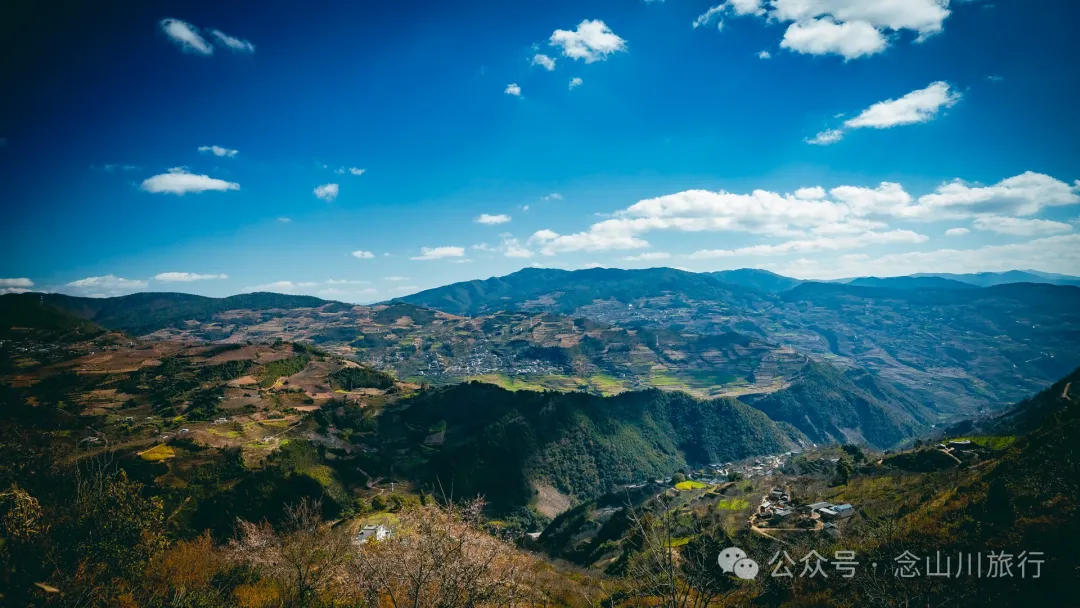
In the afternoon, the children and I left the center of excitement and joy, walked out of the village, and climbed upward. Soon, the village became a distant view on a low slope, its oil-painting-like colors fading. The mountains quietly displayed the desolation of the season, but the forests—the forests are never barren.
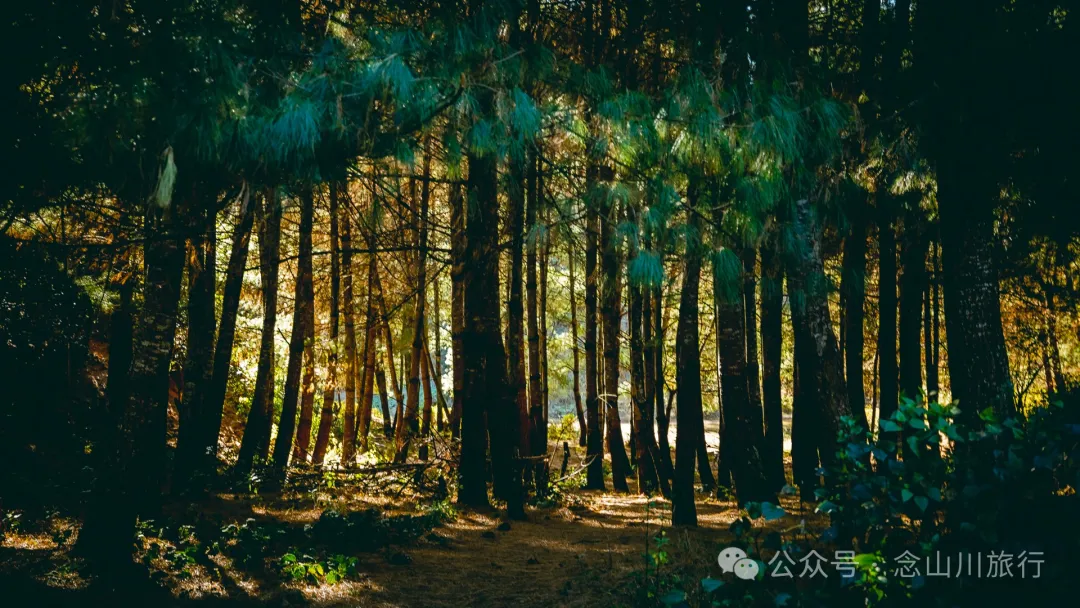
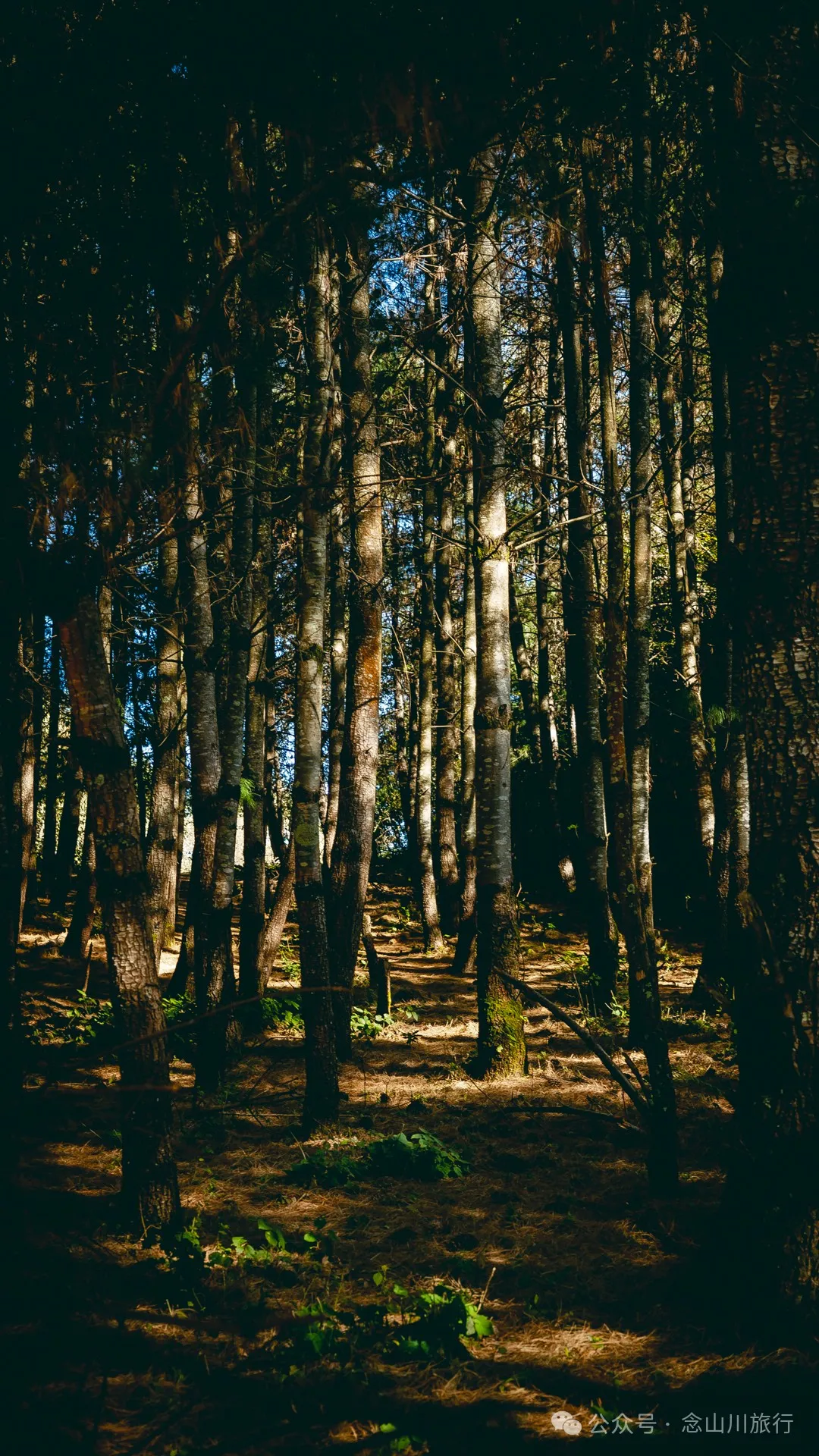
On a narrow stone path between cliffs, we met a villager who was out herding sheep. We followed her to a crossroads, sat on the grass by the roadside, chatted, and basked in the sun. The auntie said the sheep had wandered off to graze somewhere, but there was no need to go into the mountains to find them. Just sitting at this pass, around four o'clock, the sheep would return on their own and follow her back to the pen. When bored, she would go into the nearby pine forest to collect pine nuts from cones, scroll through videos, or take a nap in the warm sun. Time passed quickly.
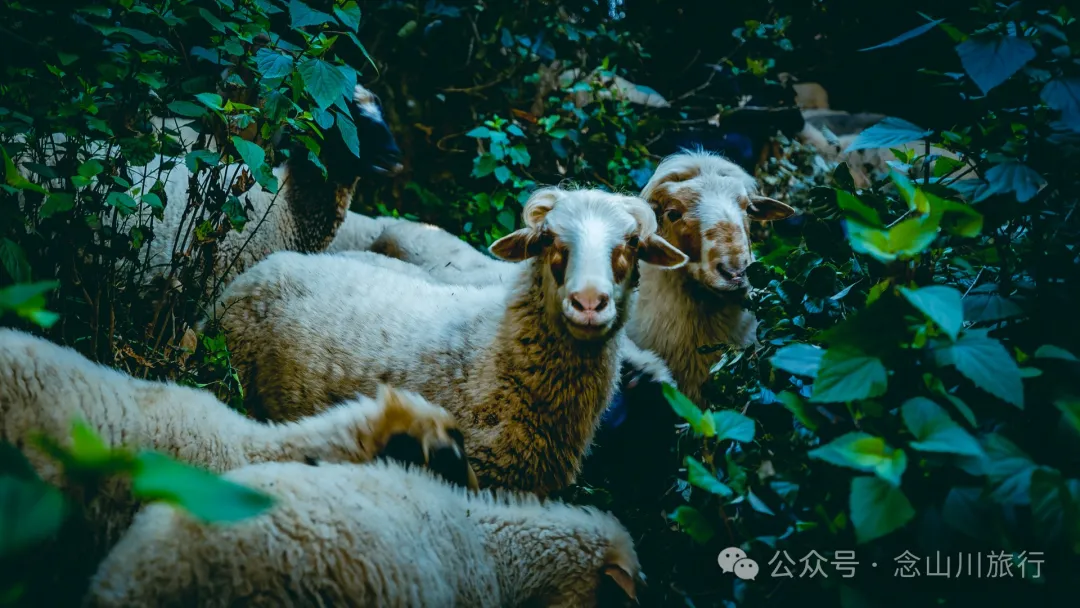
At around 4:30, the sheep indeed appeared in our sight. The auntie said they hadn't eaten enough. She took a machete from her bag, climbed a young oak tree, and cut down many branches. The sheep gathered under the tree, constantly chewing the leaves. In the winter of withered grass, these leaves became their food.
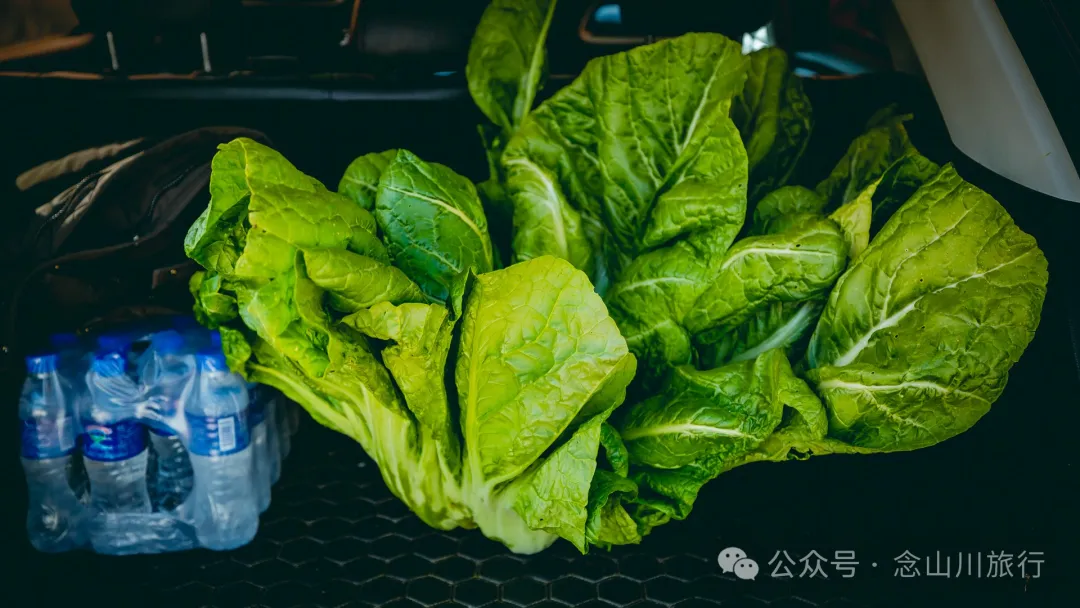
The largest vegetable in Grandma's garden was loaded into our trunk, enough to last us a week.