
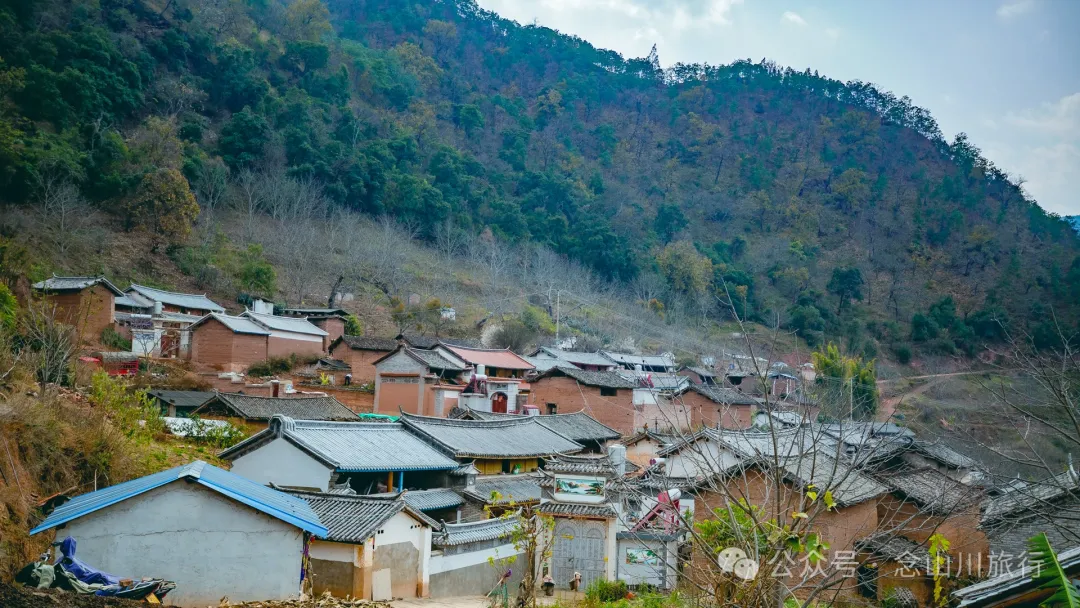
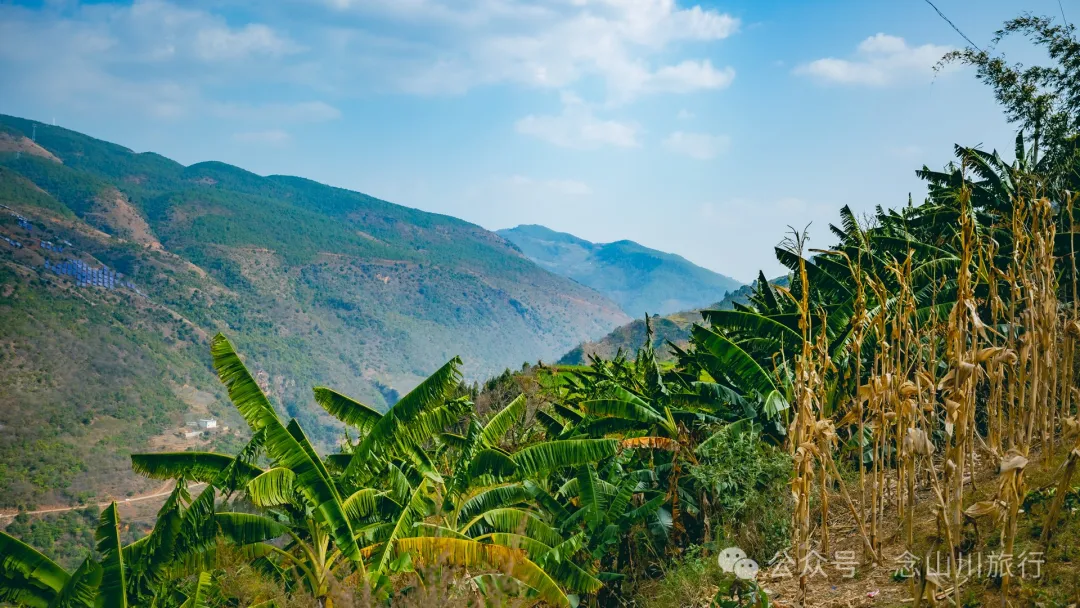
We stood on the high cliff north of Waijiao River. My friend pointed to a zigzag path on the opposite slope, telling me that was the road he took as a child to visit his aunt's village, Niulutang. Climbing up that steep mountain path and crossing another mountain would lead there, which often took five or six hours. His home was already deep in the mountains, but Niulutang was even deeper and farther, requiring more time to reach.
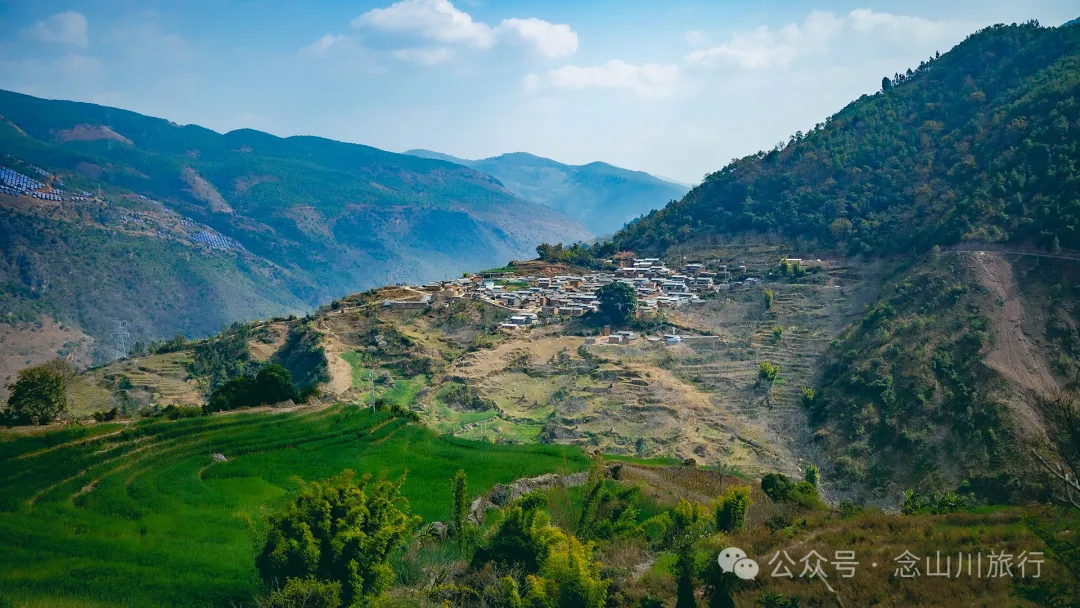
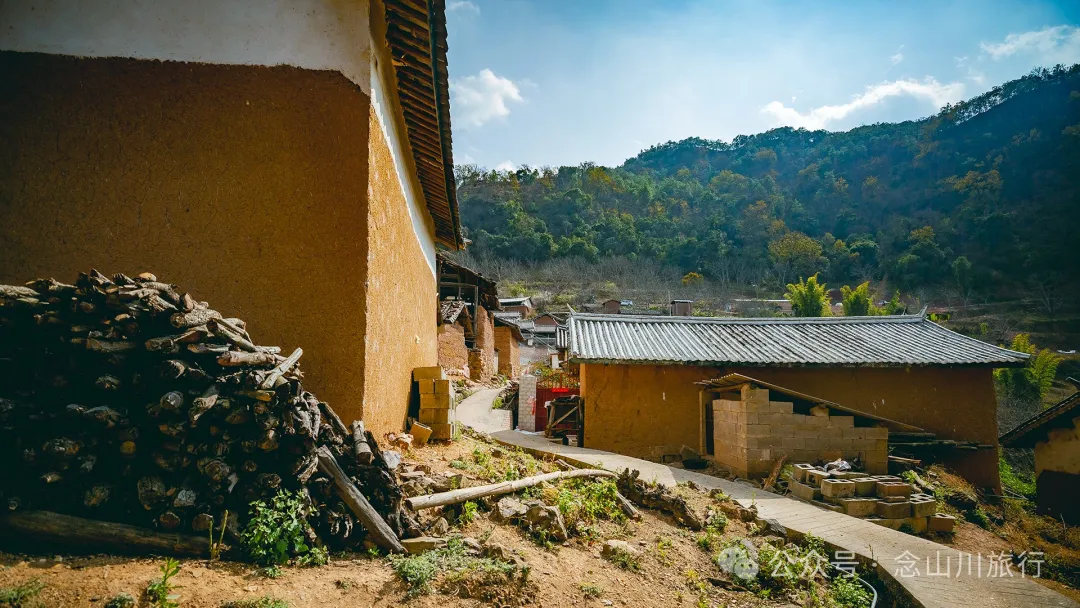
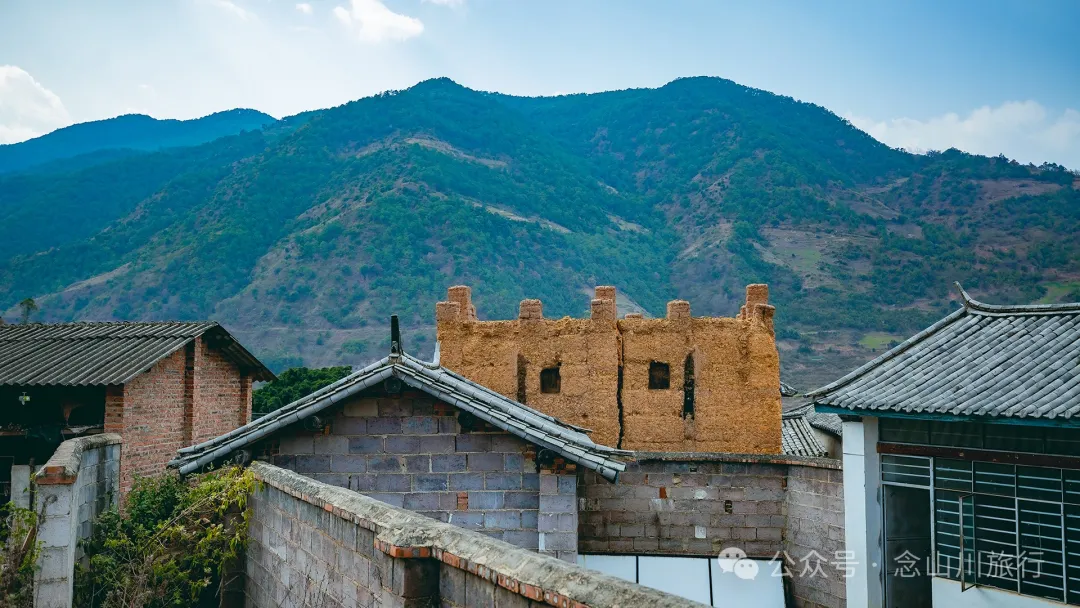
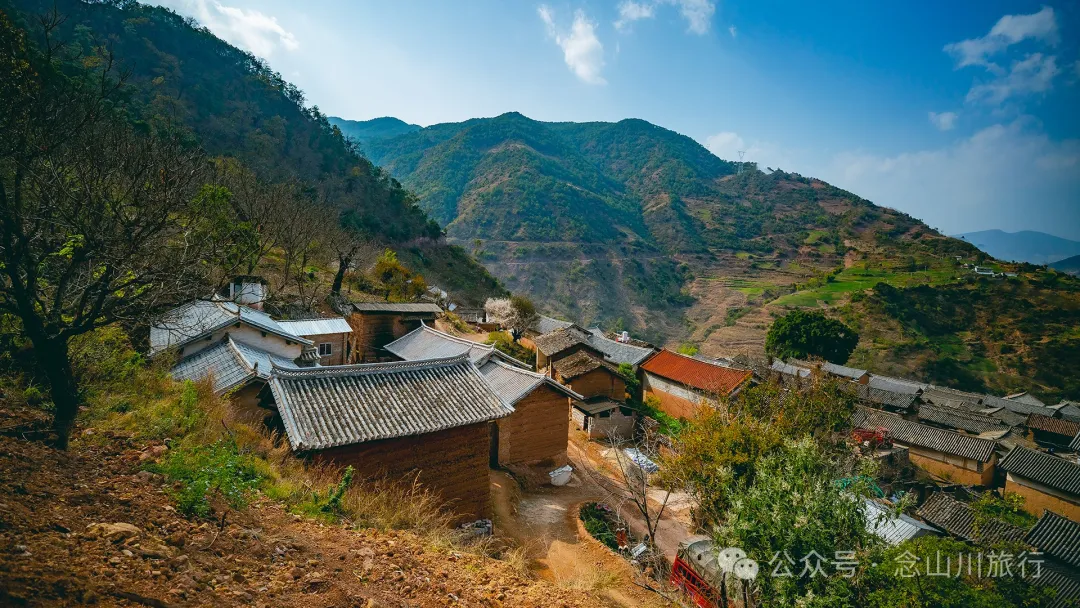
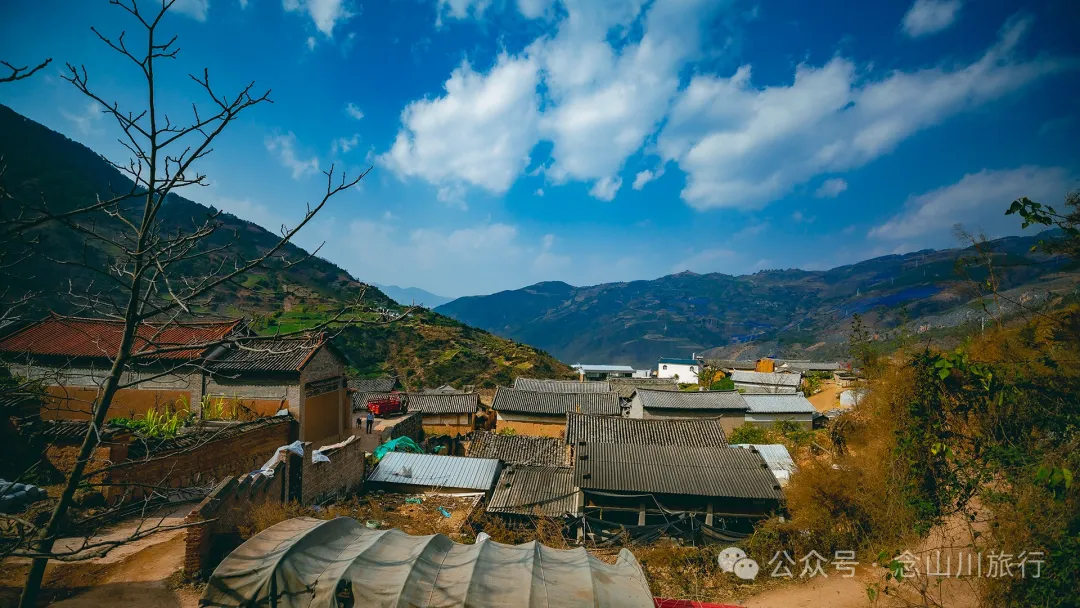
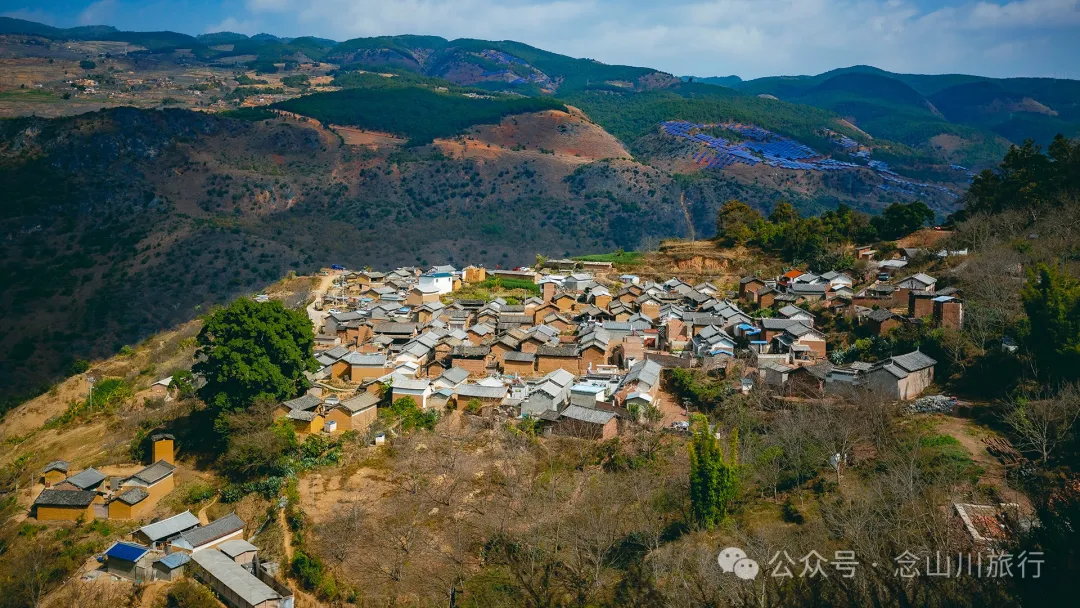
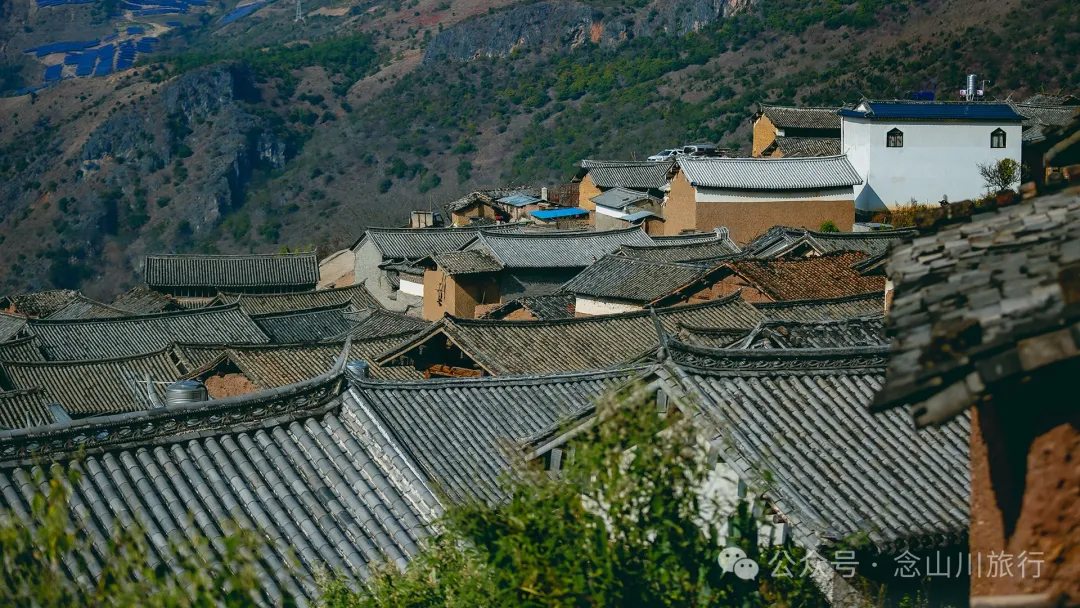
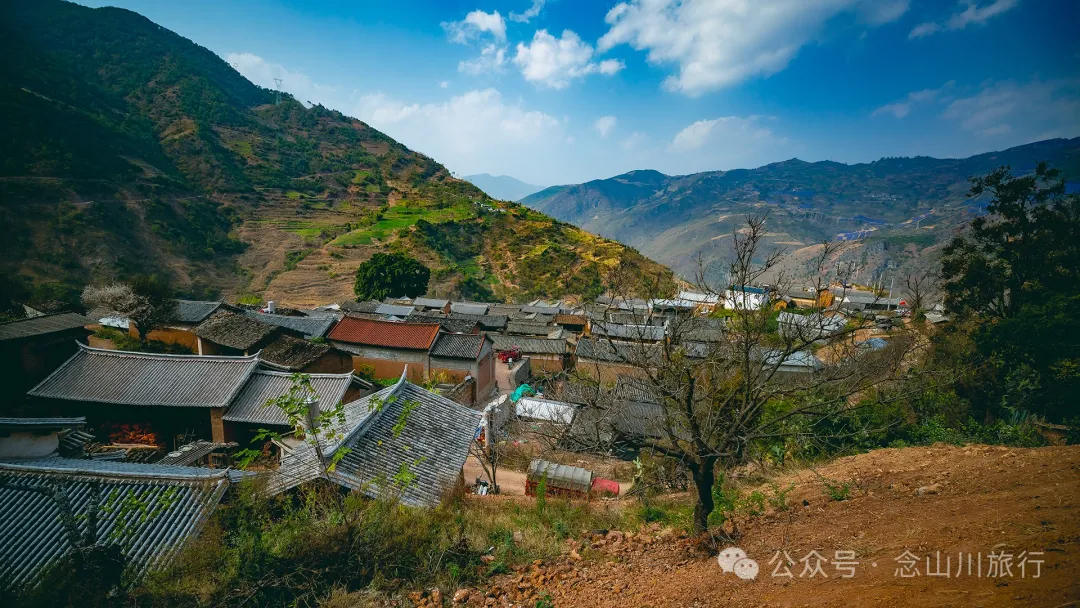
This mountain village sits on an open flatland. The tightly clustered houses give the false impression of a large population, but in reality, Niulutang has only about forty households. Many of the remaining houses are dilapidated and uninhabited, yet they are not demolished; they are either left idle or used as livestock pens. Many old Yi rammed-earth houses have layers of bamboo embedded in their thick walls, ensuring they do not collapse even after a hundred years of wind and rain.
Villagers say that in the old houses, every family had a heated kang bed, a distinctive feature of the Yi people in the mountains. The winter nights in the mountains are long and cold, especially for houses built in the shade, which lack sunlight for most of the day, making them even more bitter. People would sit on the kang beds to endure the harsh winter months. The Yi are skilled in embroidery, and the exquisite patterns on their clothing are all hand-sewn. This craft, passed down through generations, was likely completed on the kang beds by narrow windows. Now, the kang beds no longer have Yi women embroidering; they have become places to store corn cobs.
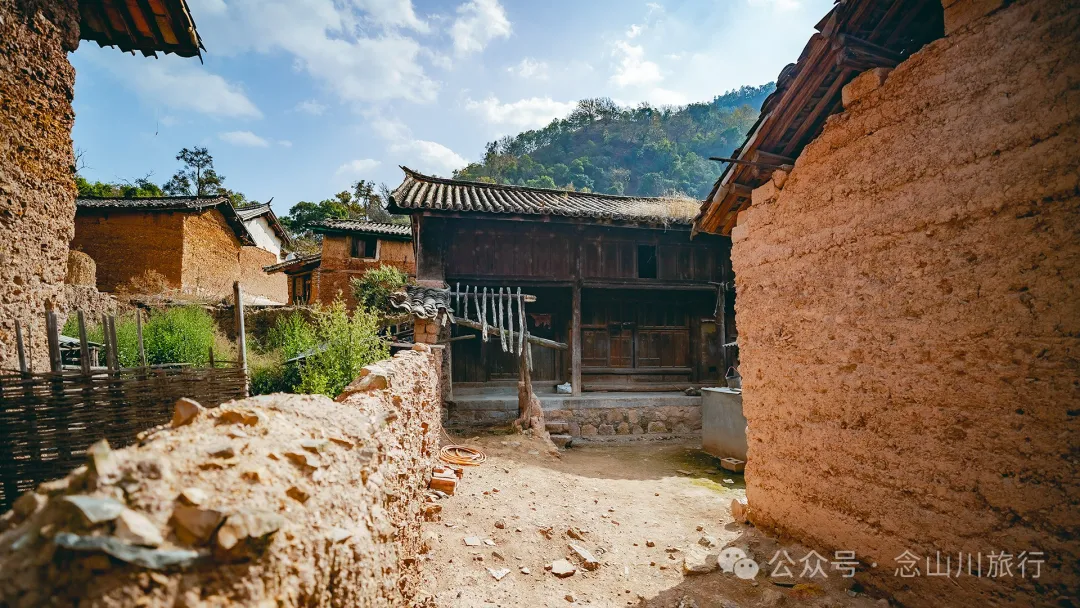
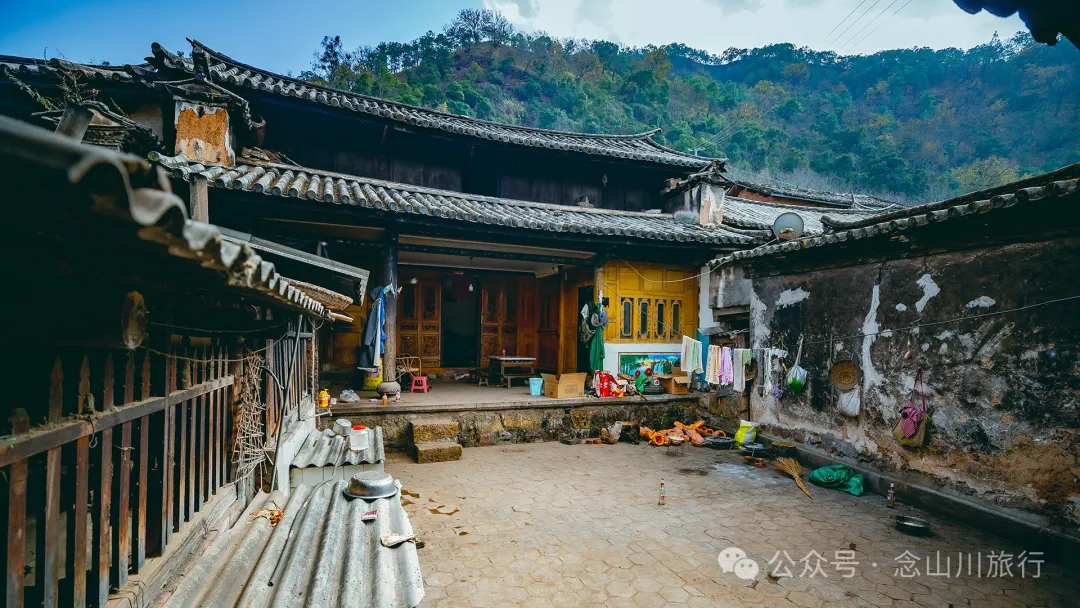
As long as people live in them, the houses remain alive and sturdy. The wooden walls of such houses are almost always blackened by smoke, which, though unsightly, greatly extends their lifespan. The blackened wood is less susceptible to insect damage and rot from moisture.
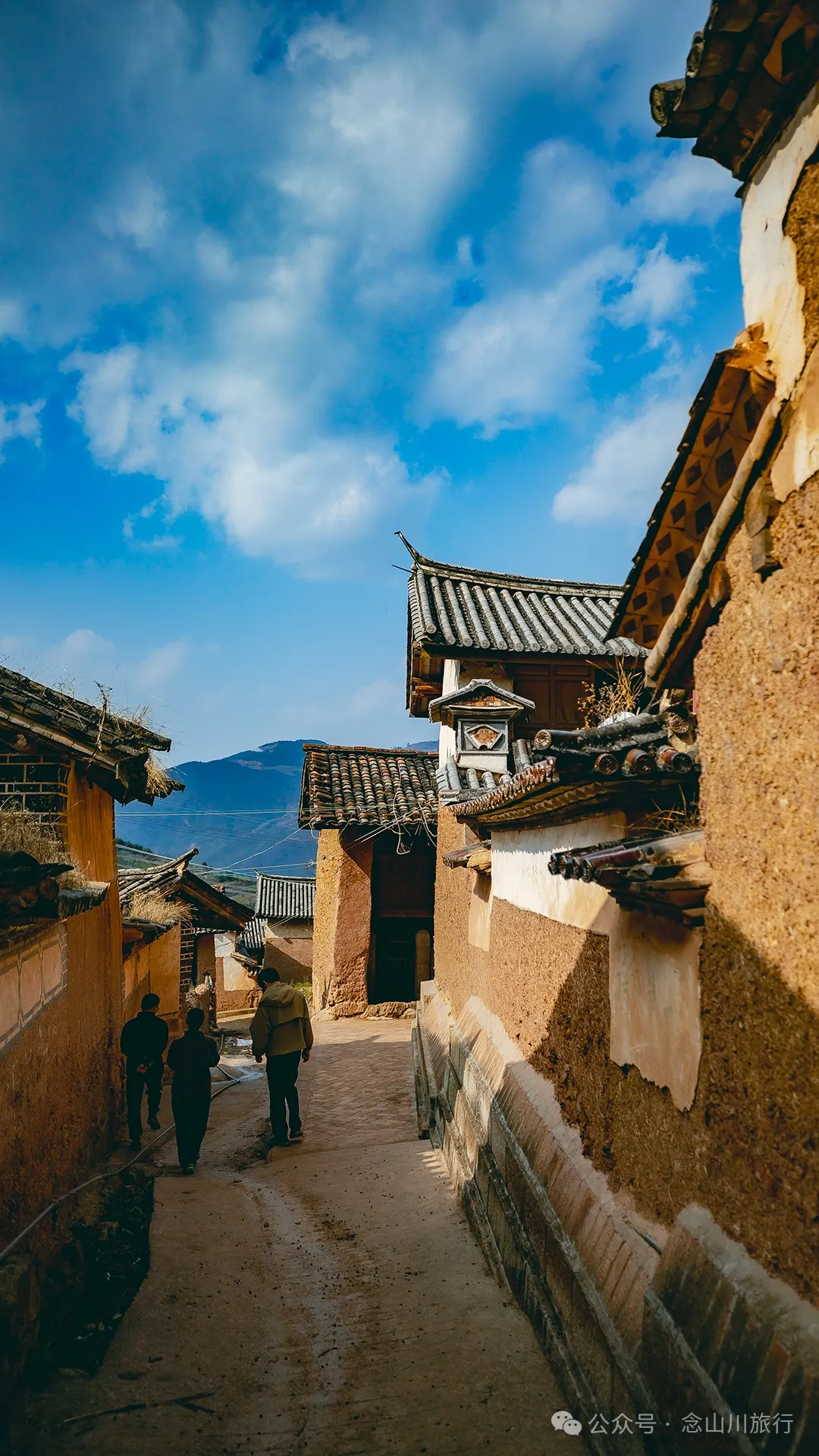
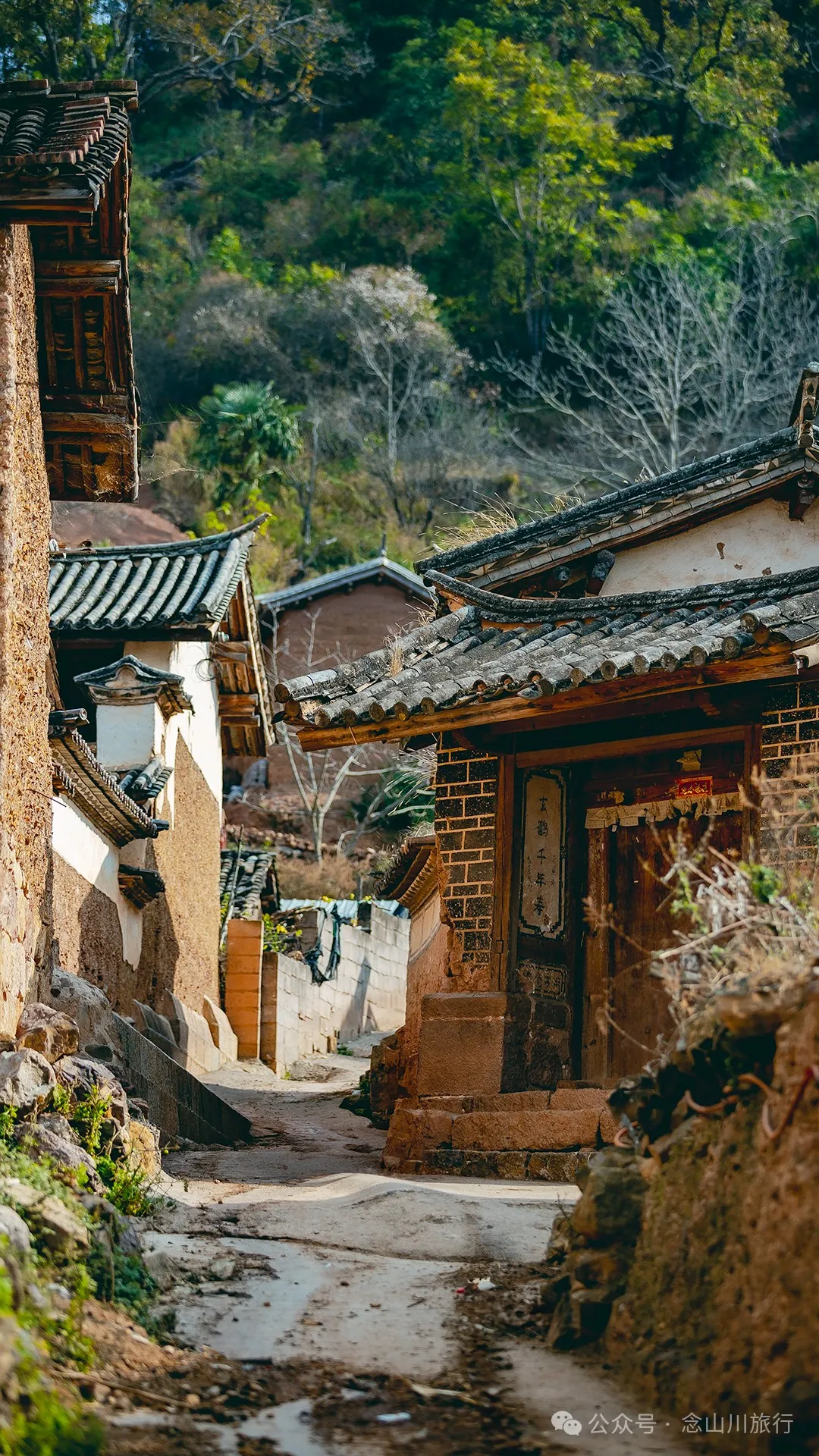
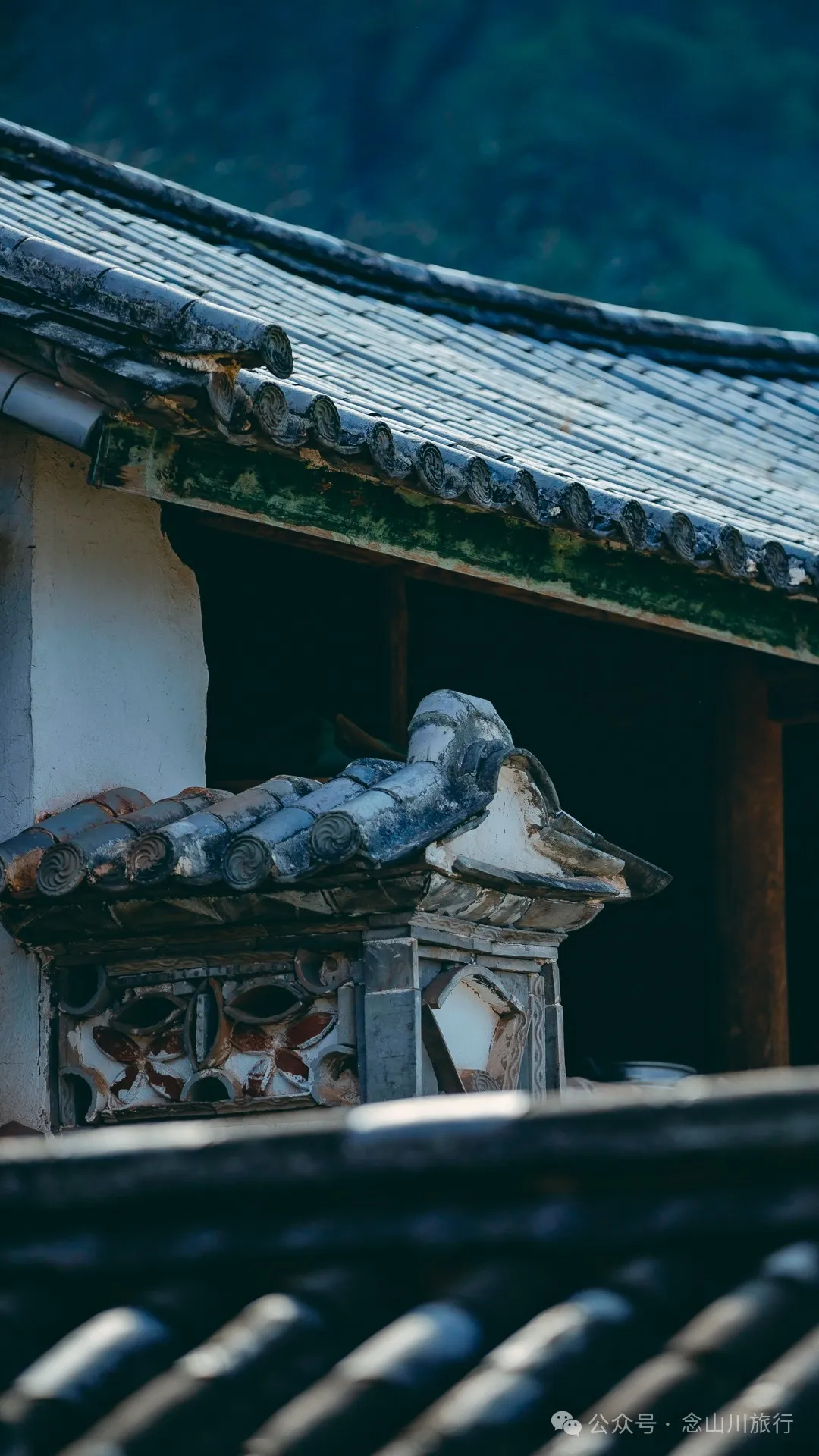
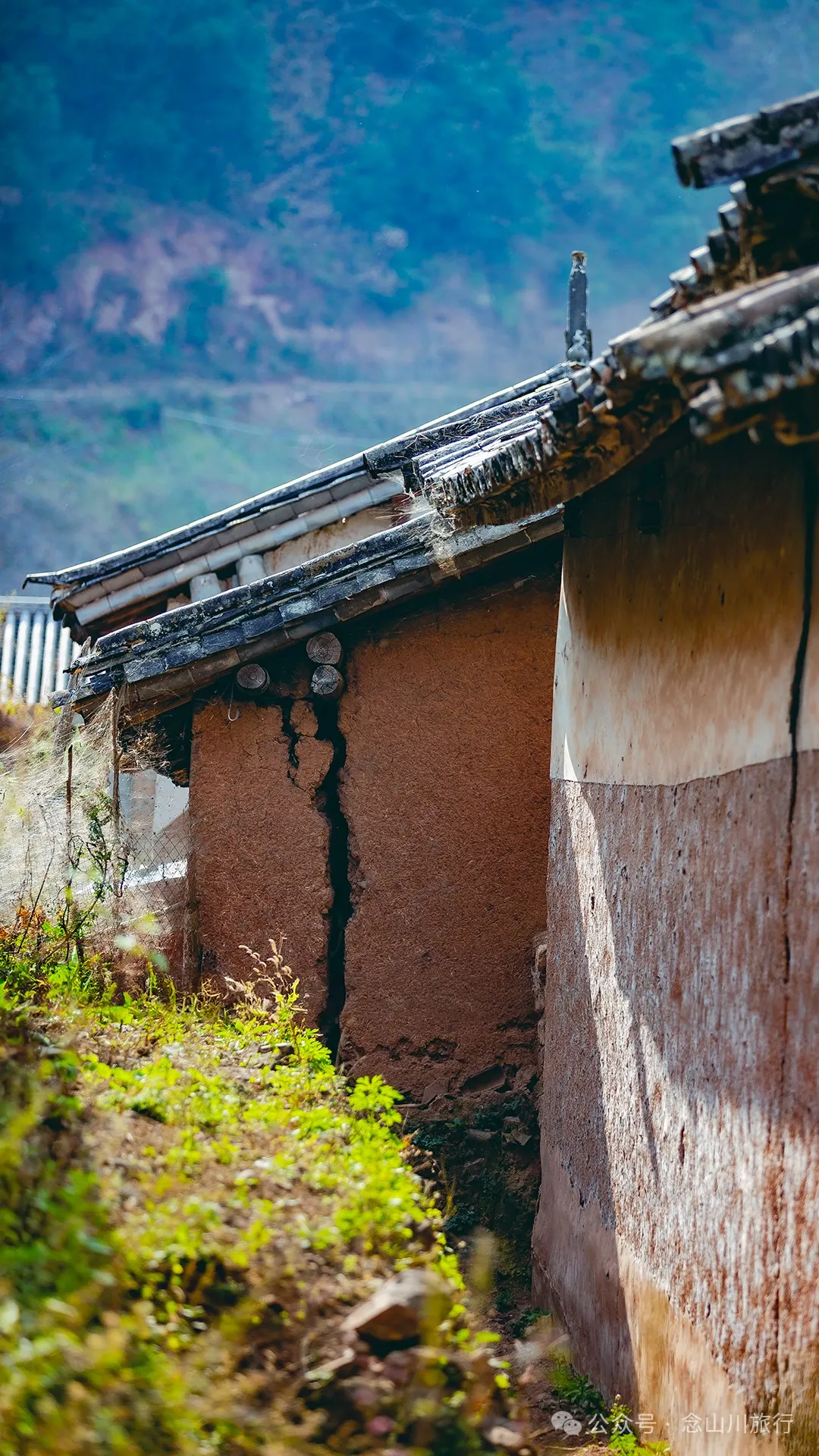
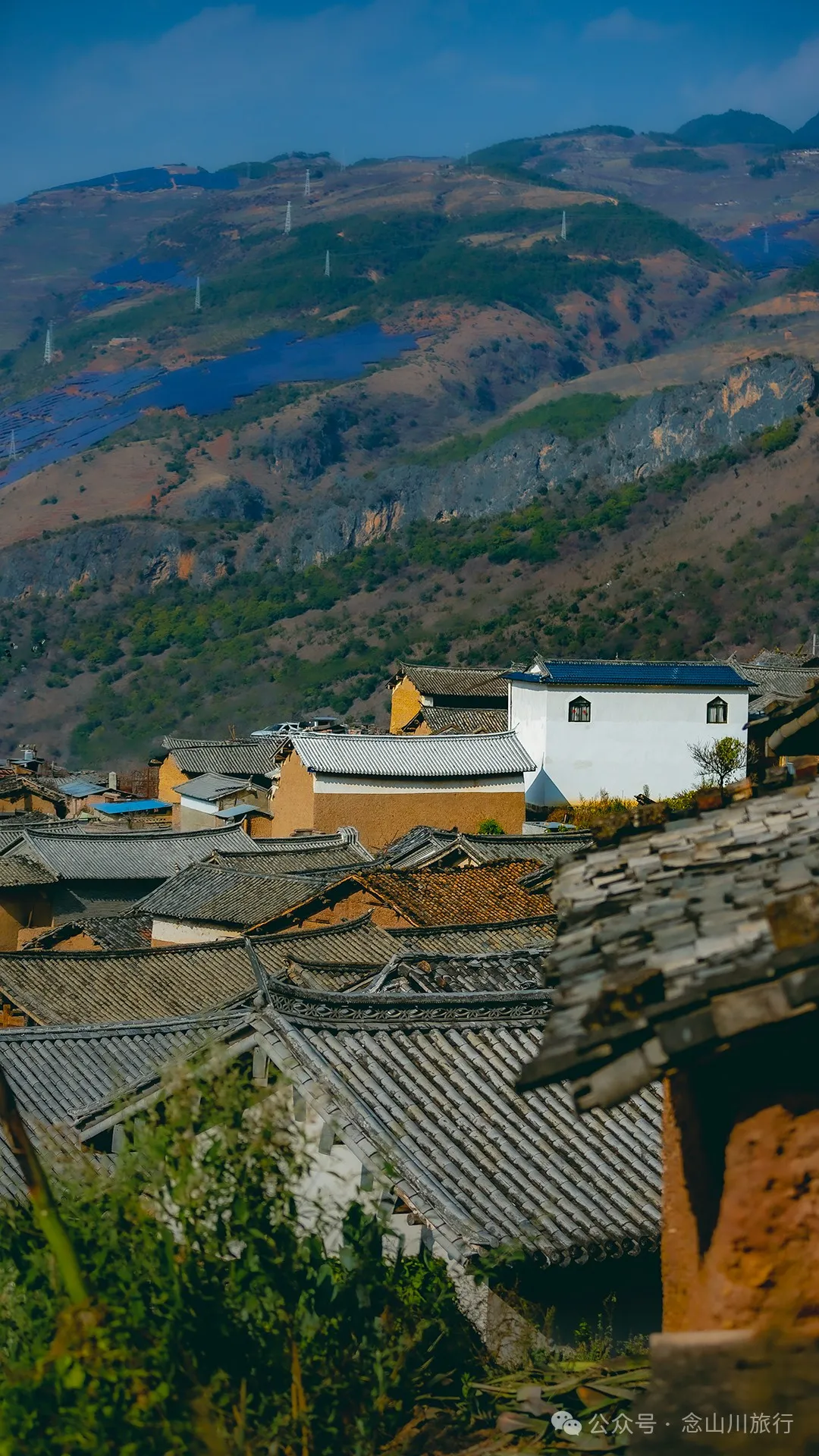
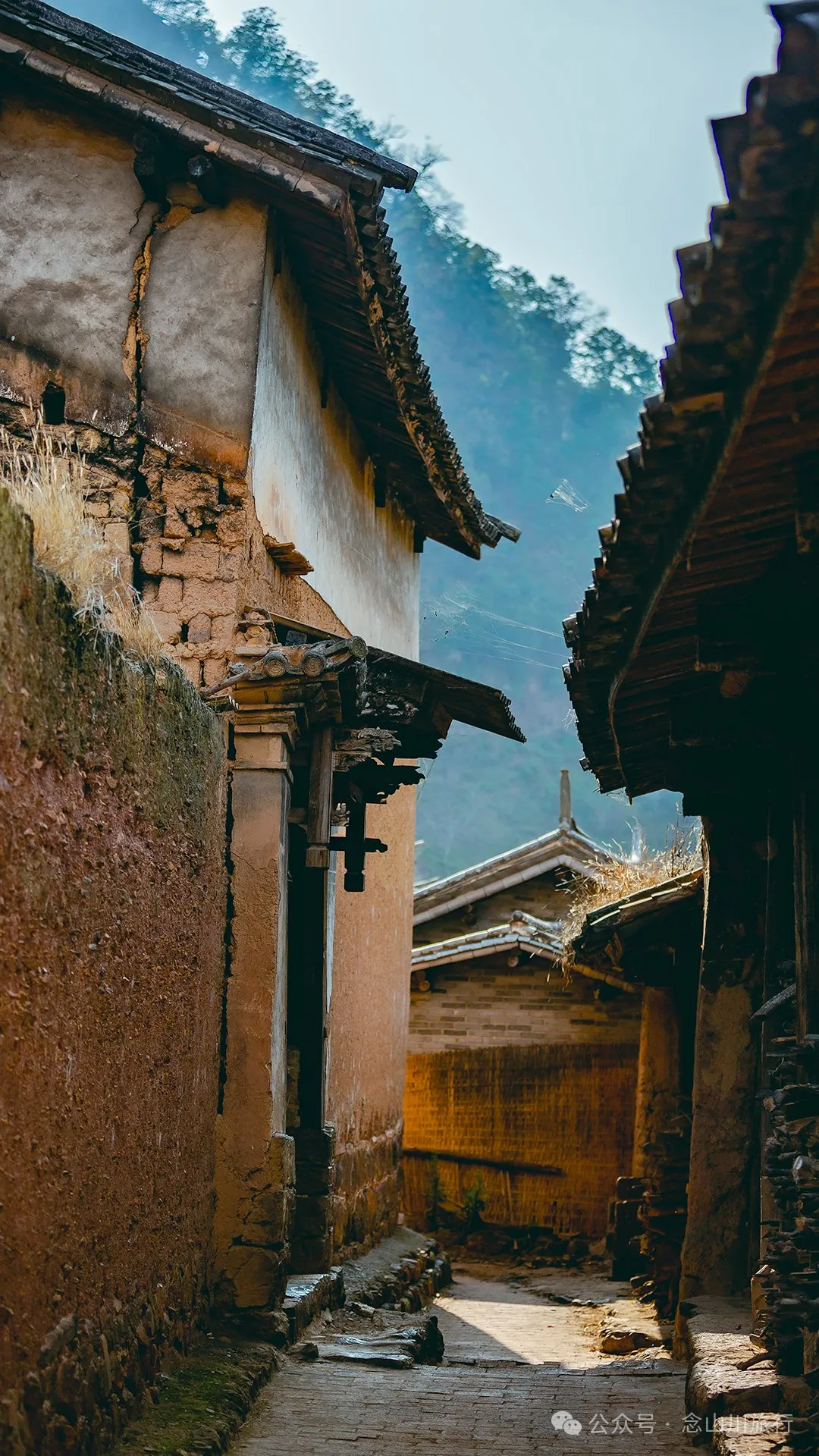
Walking into the village's deep and narrow alleys feels like entering another time dimension, where one can encounter ordinary yet warm memories. The village's ancient past lingers in the alleys, on the eaves, and behind closed wooden doors, quietly like a breeze brushing through treetops. The winter sunlight, neither fully afternoon nor dusk, flows warmly into these rustic alleys and into the increasingly cold winter nights, like a babbling brook. The striking horse chestnut trees in the mountains behind the village share the same color as the sun, emitting another kind of light on the high ground. When spring arrives and they bloom, the sunlight should also turn into brilliant colors.
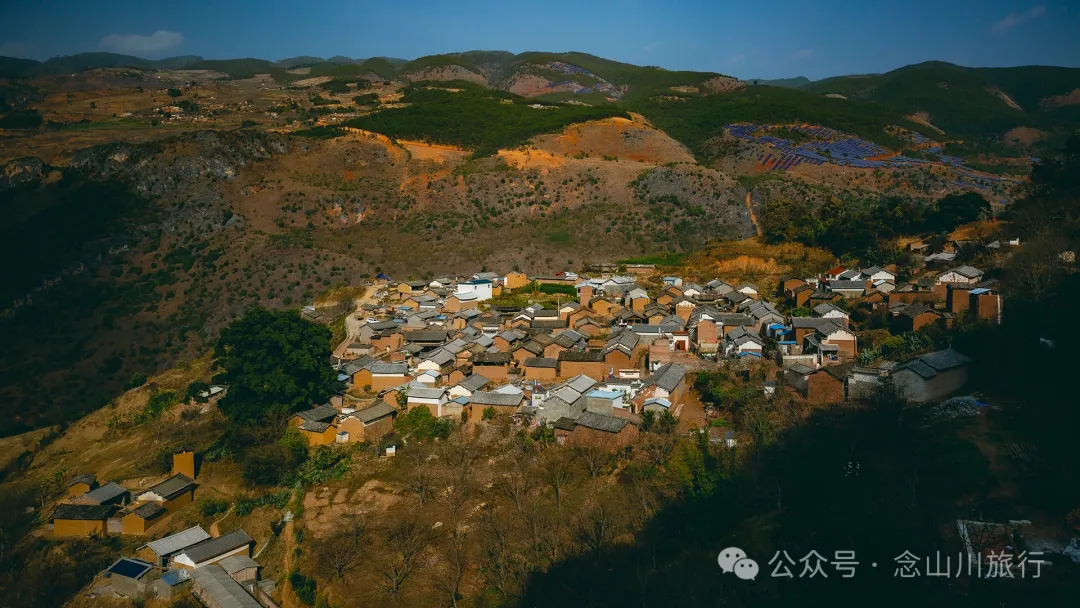
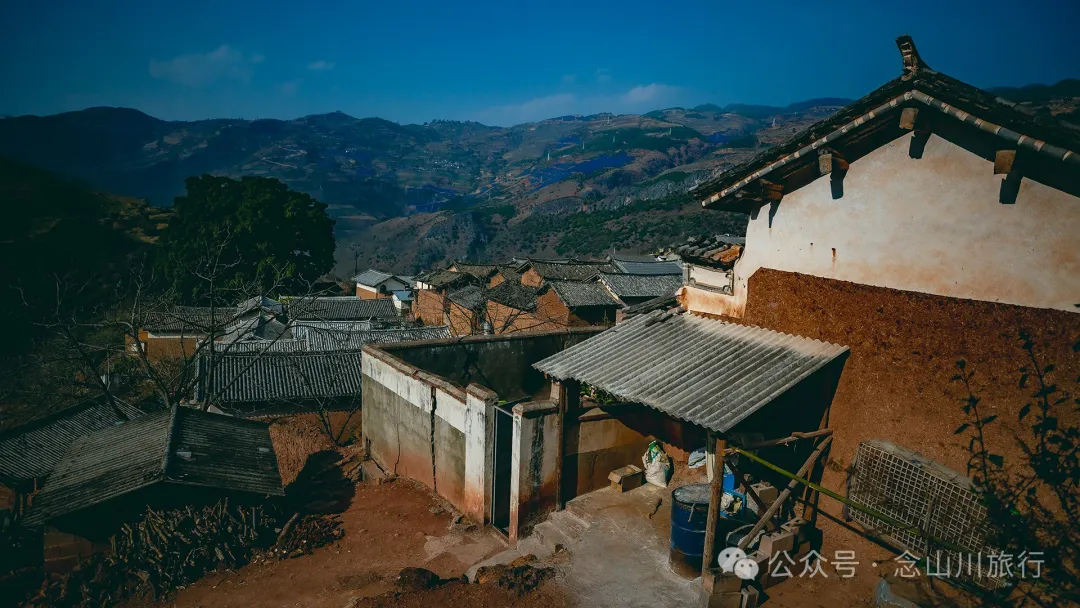
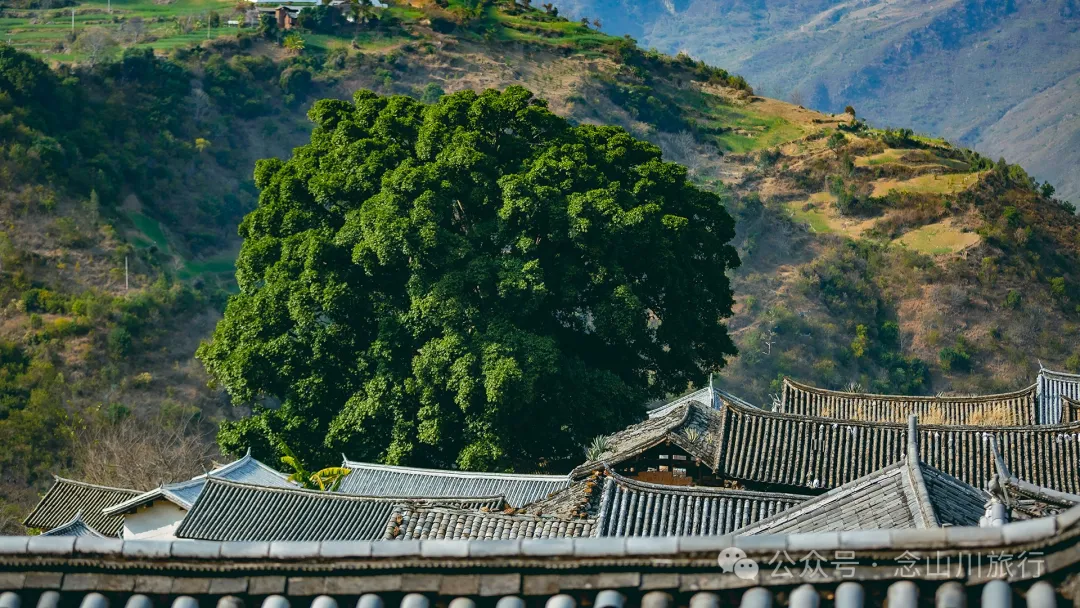
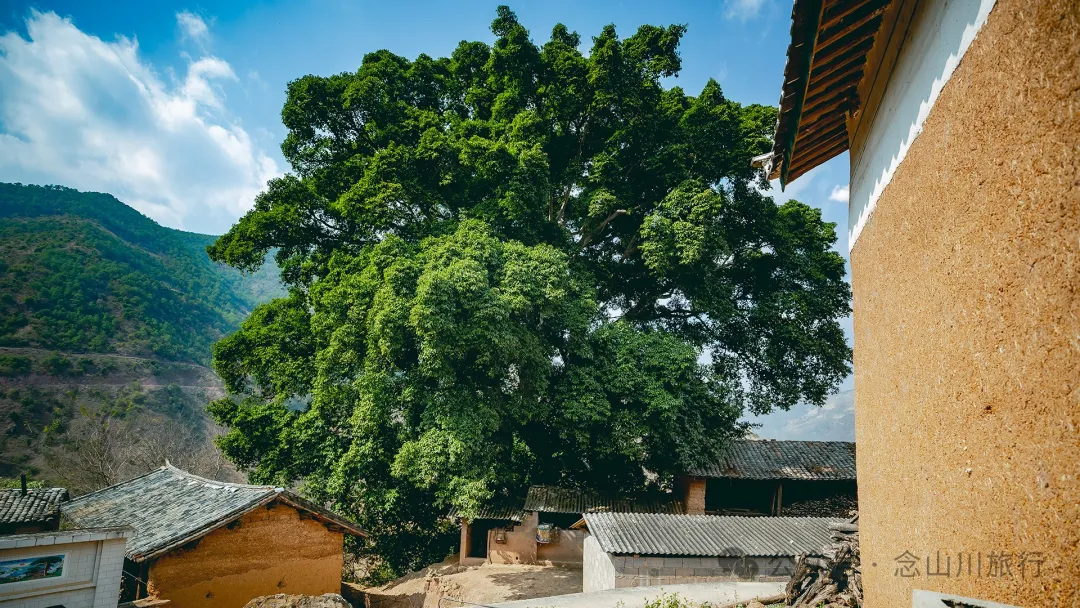
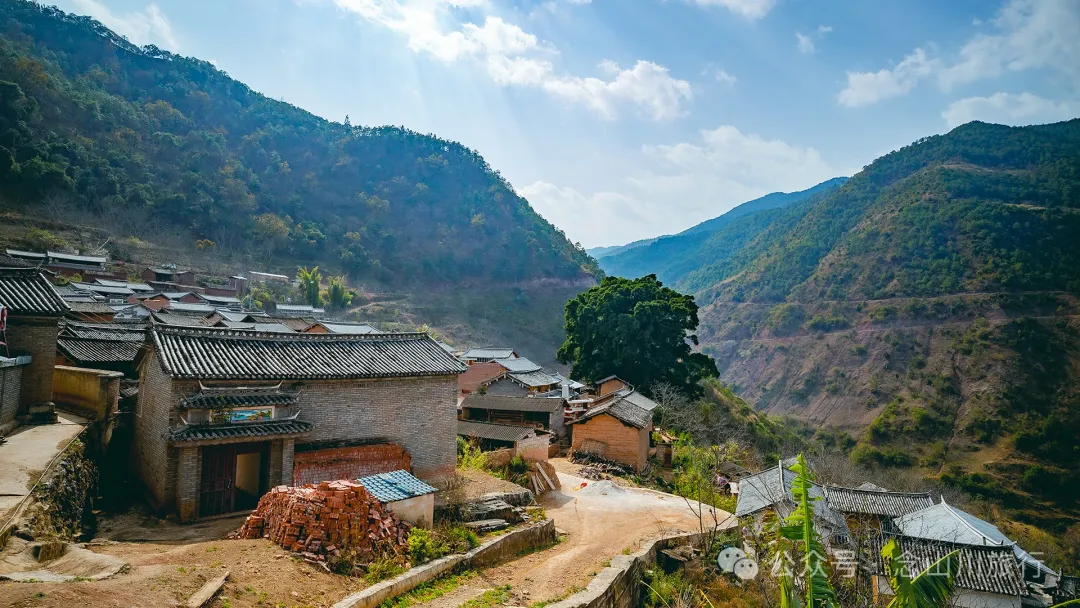
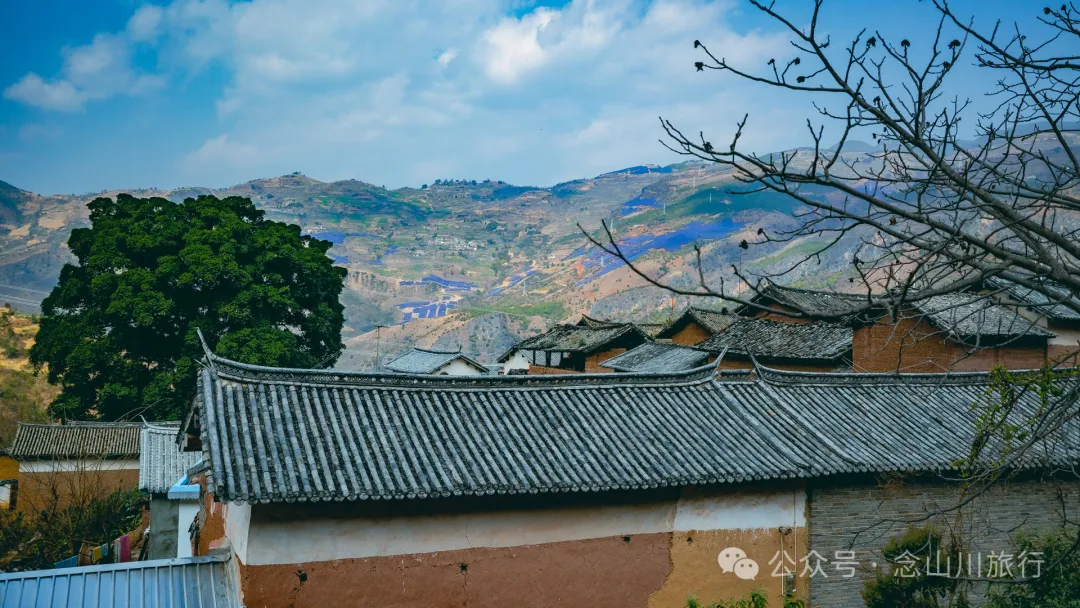
No matter where you stand in the village, you can see the rare ancient Chinese banyan tree. Its dense leaves seem to hide another world—a world where squirrels and countless tiny creatures live, undisturbed and undamaged. In this world within the canopy, the undersides of leaves are their sky, and sunlight turns into little green lanterns illuminating the branch paths like celestial streets. No one knows how old it is; if asked, the answer is vague: "It was like this when my grandmother's grandmother was a child." Even in the village's bleak winter, this giant banyan tree remains lush and vibrant, an eternal flower planted by the Creator for Himself.
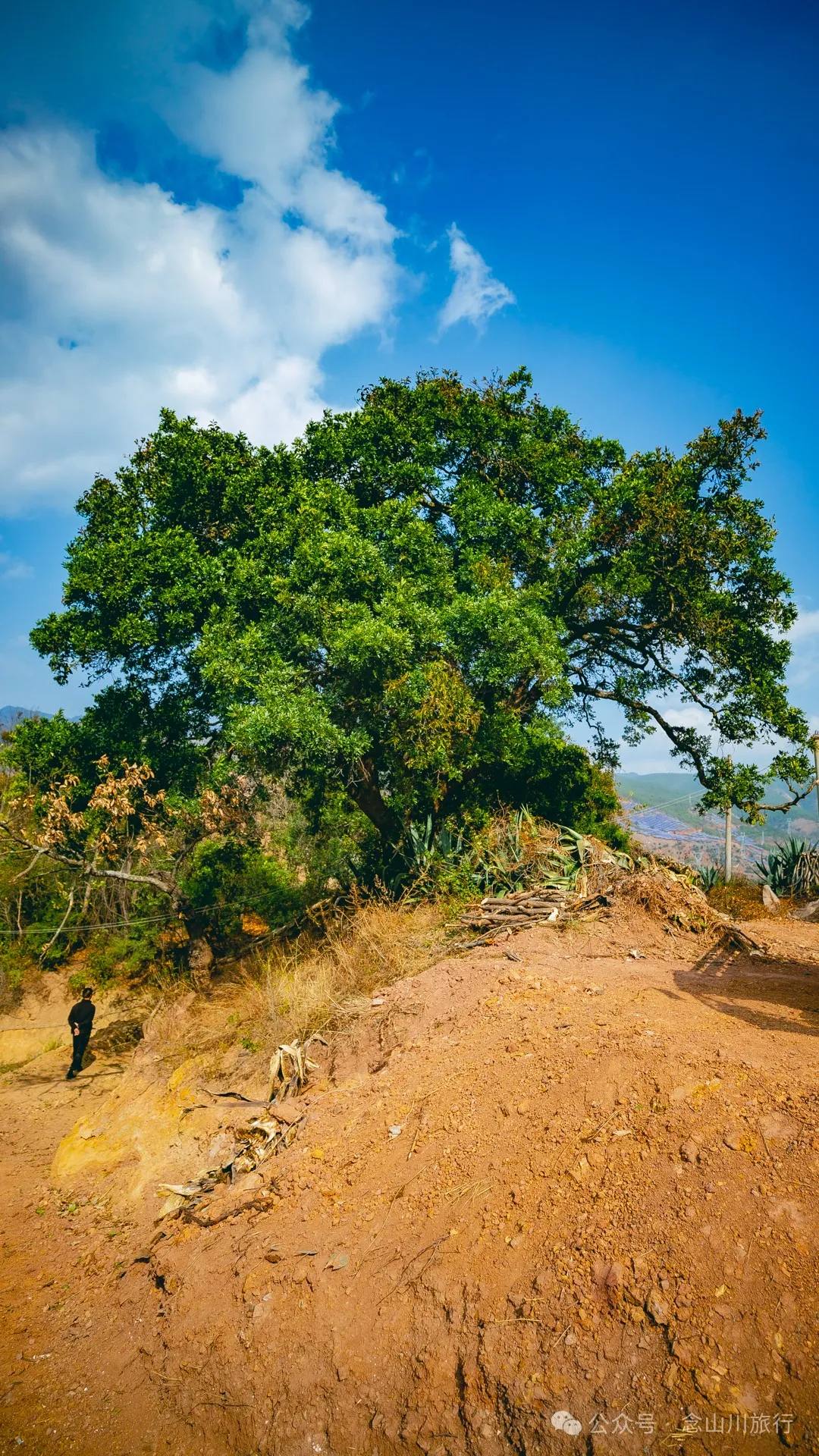
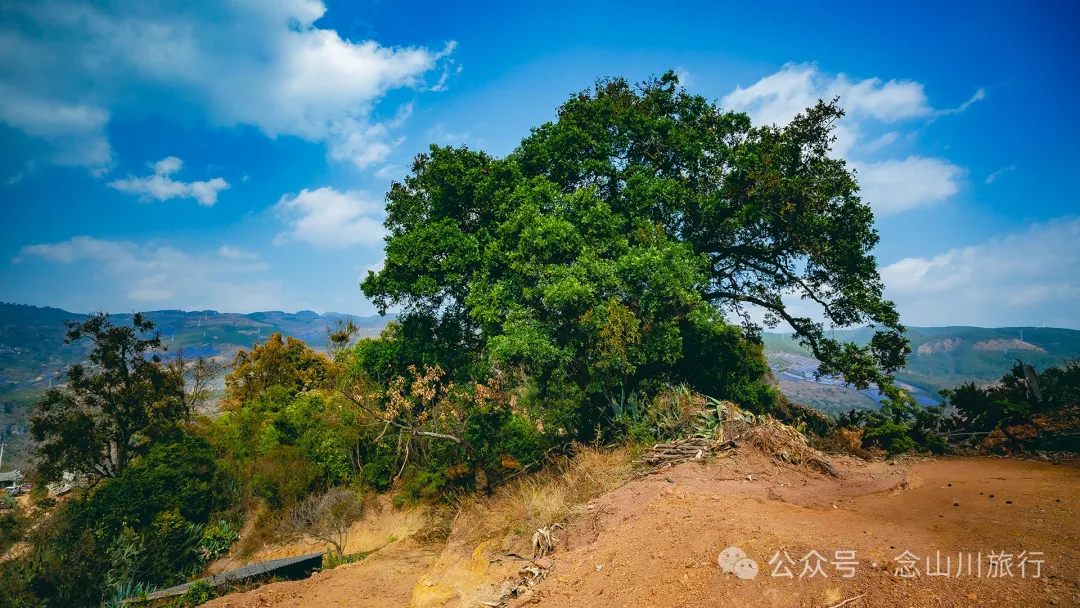
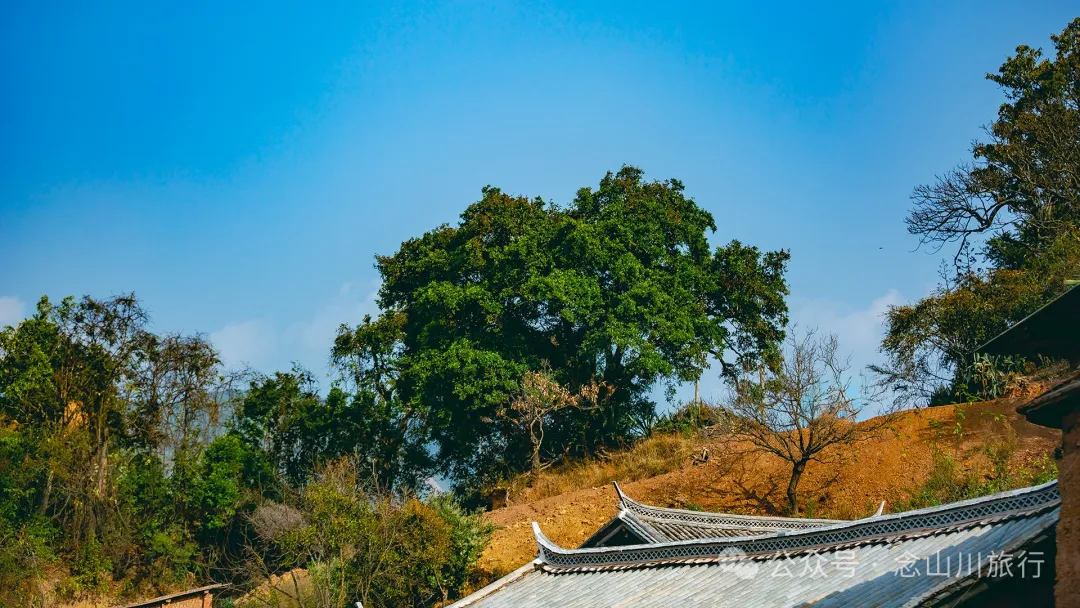
Another sacred tree in the village is this exceptionally tall and thick fragrant wood tree behind the village. With its dense branches and leaves, it stands on the slope of the back mountain like a venerable elder, overlooking and protecting the village day by day. Niulutang has no mountain temple; the villagers regard the ancient banyan tree in front and this fragrant wood tree as sacred trees and often worship them.
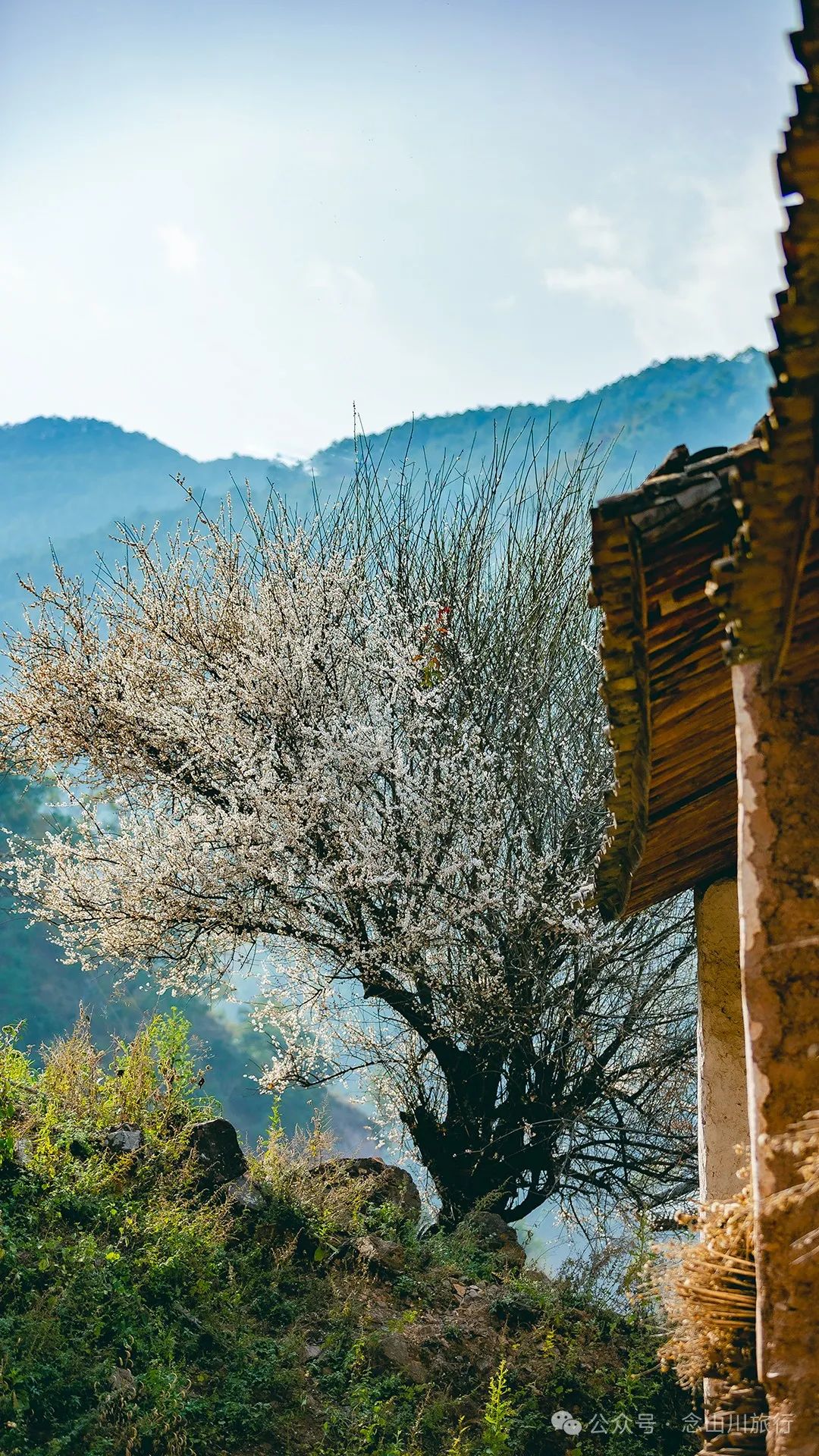
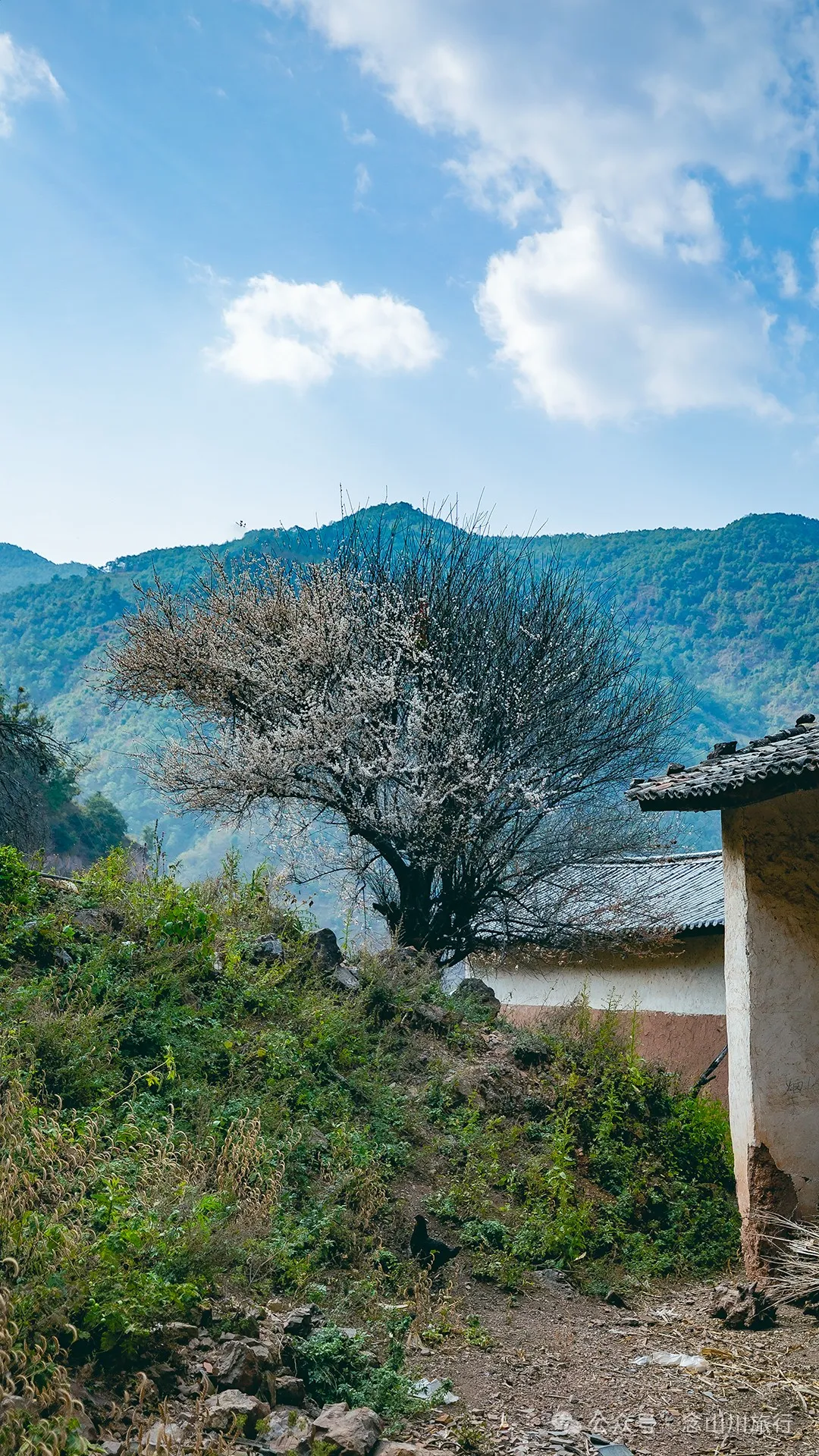
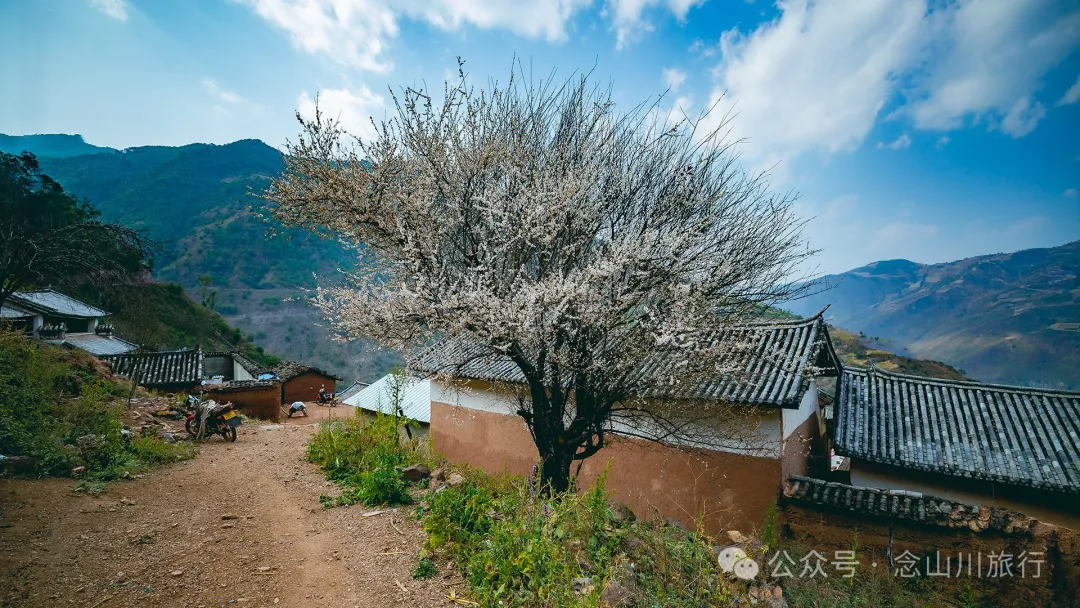
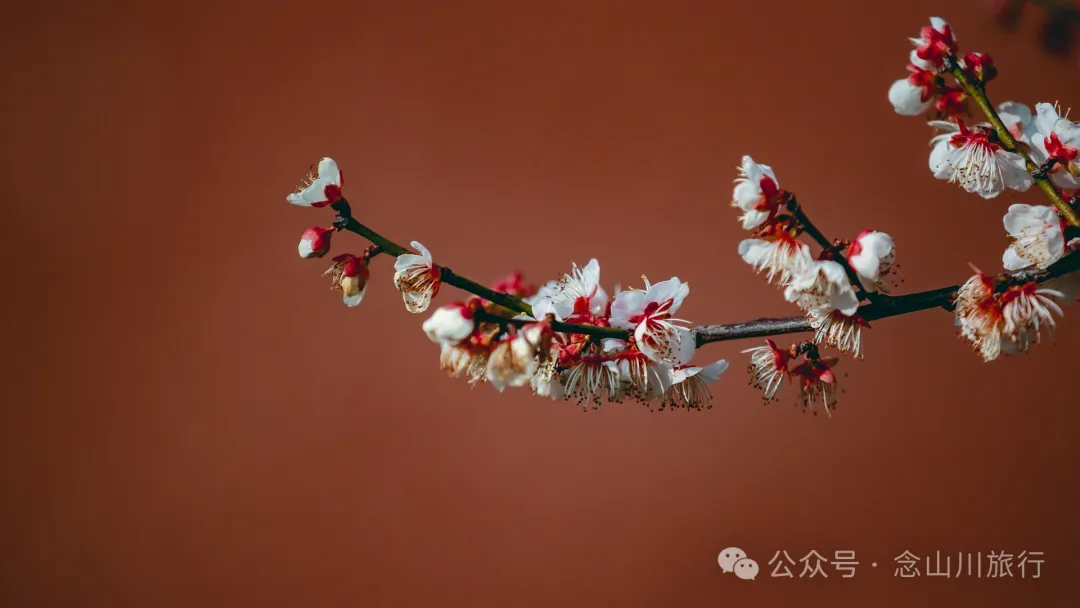
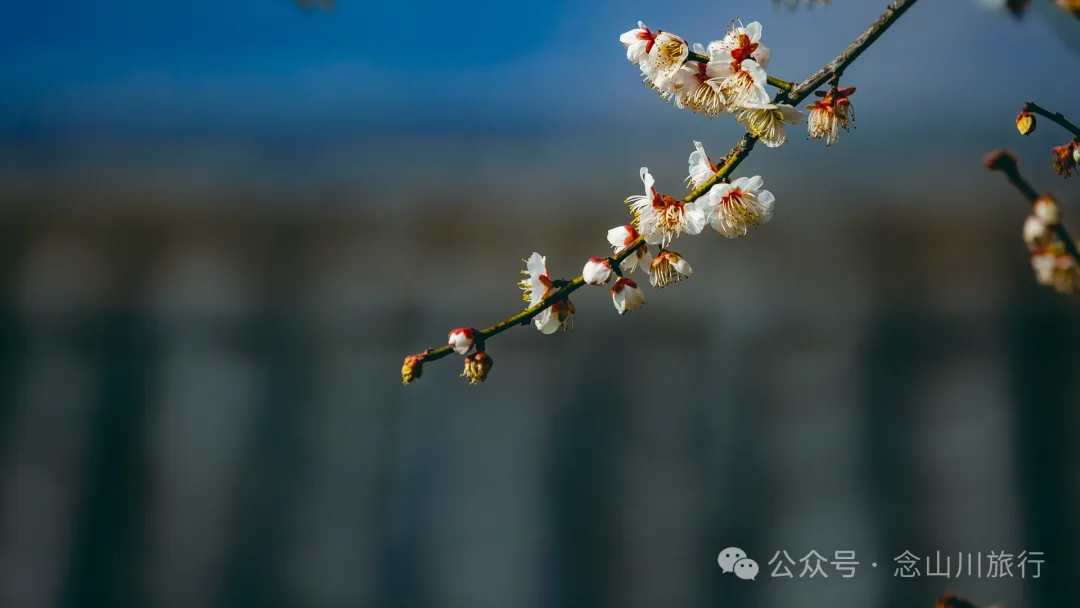
Someone planted this plum tree behind the house. Half of the plum blossoms have been blown away by the wind and turned to mud, while the other half still linger on the branches, vibrant and lively.
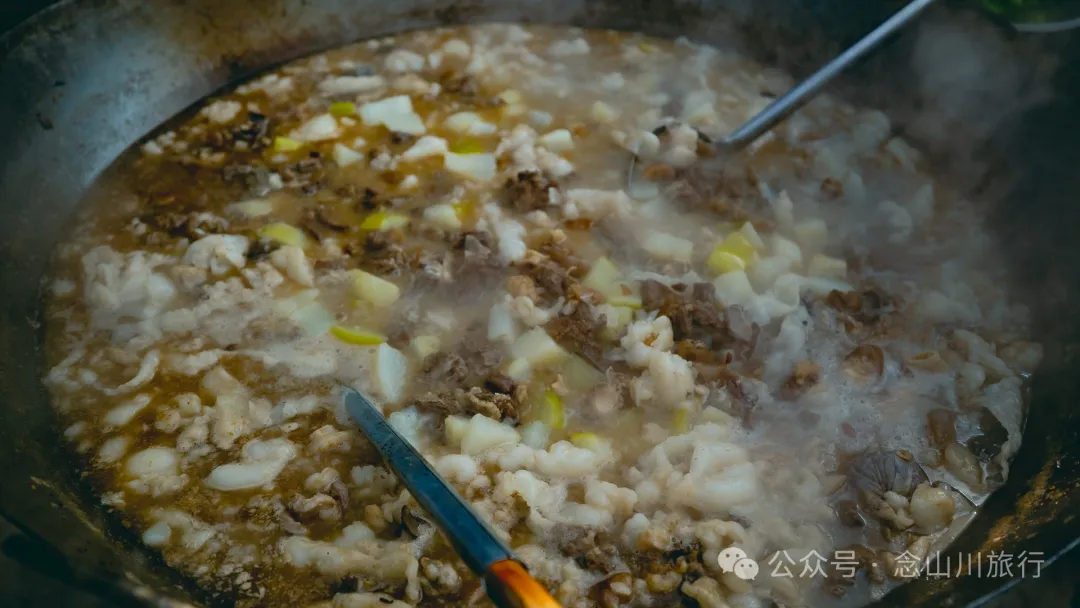
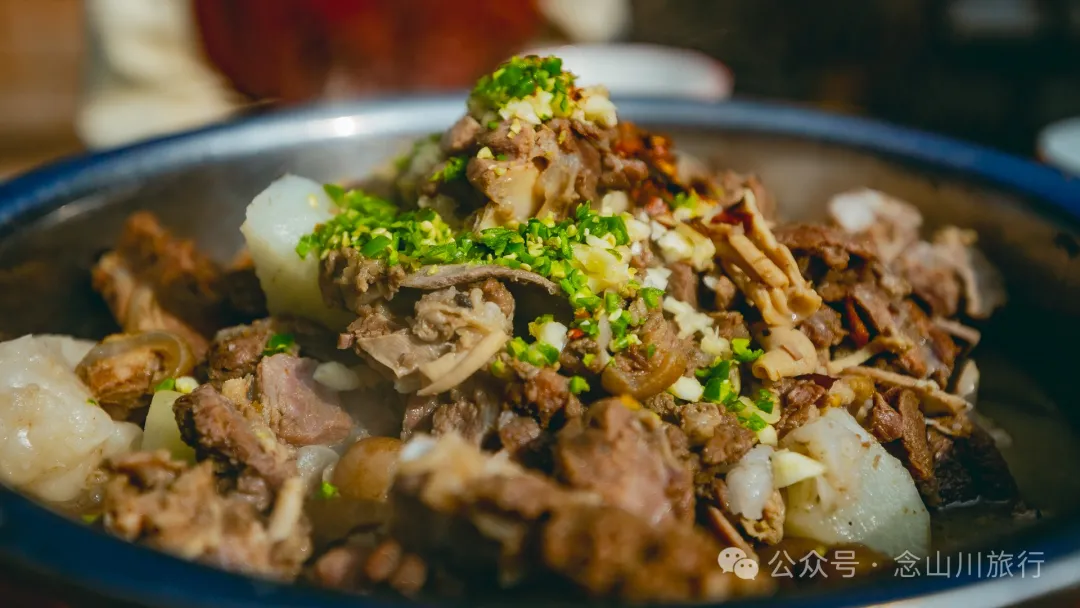
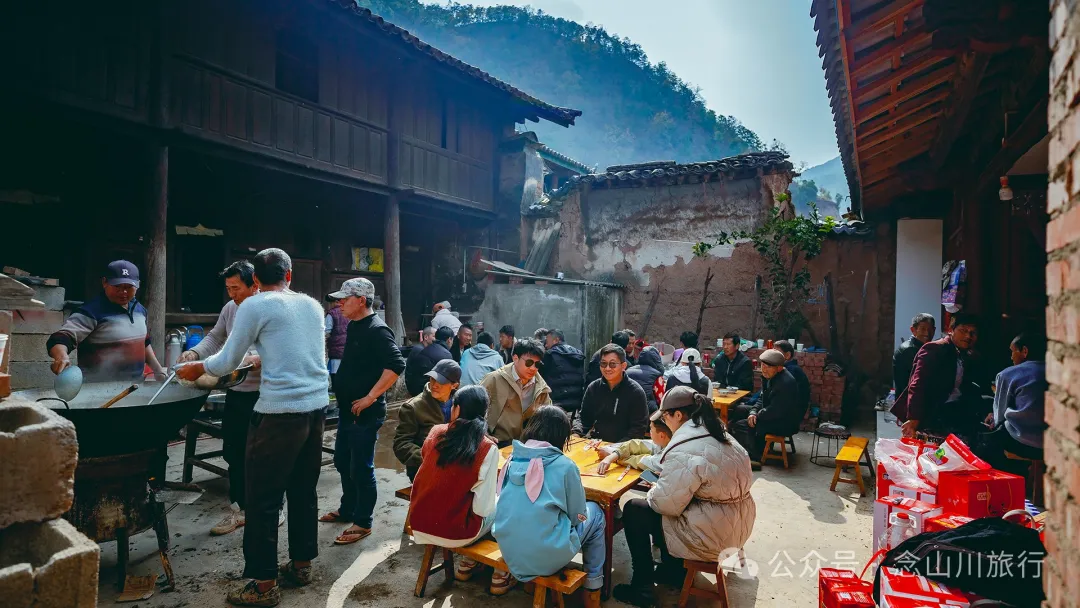
The village's New Year flavor comes from the pots of fragrant lamb soup on the wood-fired stoves. The joy of gathering stays within the farmyards enclosed by earthen walls. The village is always peaceful and serene.