
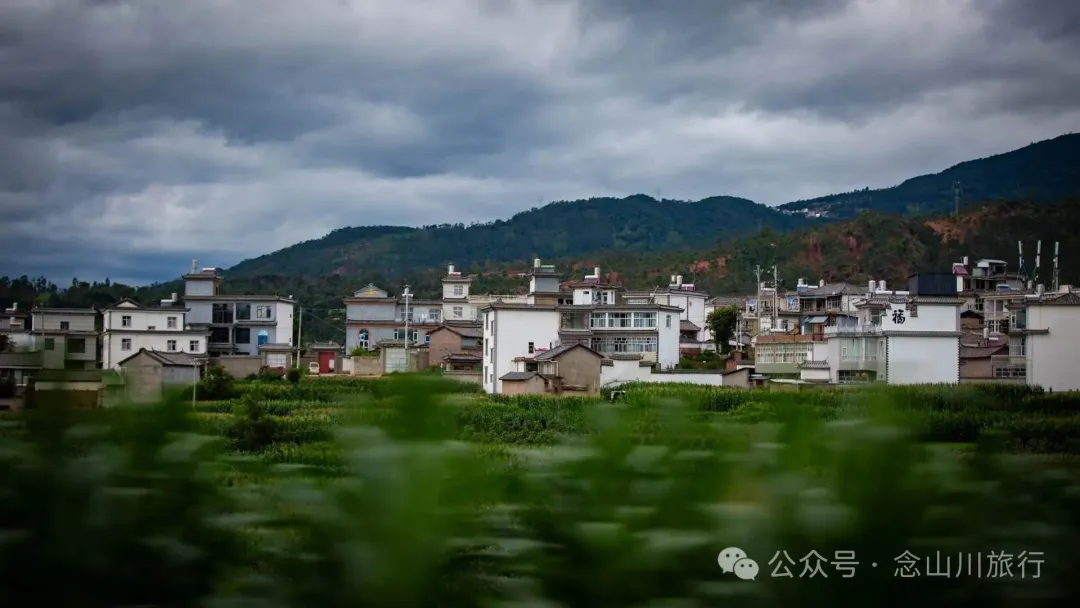
Daheli Village lies at the foot of the mountain, reachable without crossing any peaks. Behind the village are only wild hills, with no other settlements or human presence. It takes hours of hiking through the mountains to reach Majiaofang Village near the Weimi Line on the other side. During the rainy season, the wilderness almost exclusively belongs to this vast village at the mountain's front. Daheli Village is truly a large village, with over five hundred households densely packed at the edge of the Weishan Basin. Narrow village paths twist and turn to every home, like a maze. Without a local guide, a stranger might be trapped in the village for who knows how long before finding a way out.
Expansive farmlands in front and wild hills behind encircle the village. Though not as secluded as other mountain villages, it is far from the hustle and bustle, possessing its own tranquility. The village is large, so naturally there are many people. We followed our friend through unfamiliar alleys, passing many elderly people sitting by the roadside chatting in a dialect we couldn't understand. Walking among them, a strange suffocating feeling hit us, as if we had entered our own village's "central intelligence station," making us want to escape. Fortunately, no one recognized us. They just stared at the strangers, as if trying to identify whose relatives we might be, ready to greet and invite us for tea, but finding no familiar faces, they returned to their interrupted conversations.
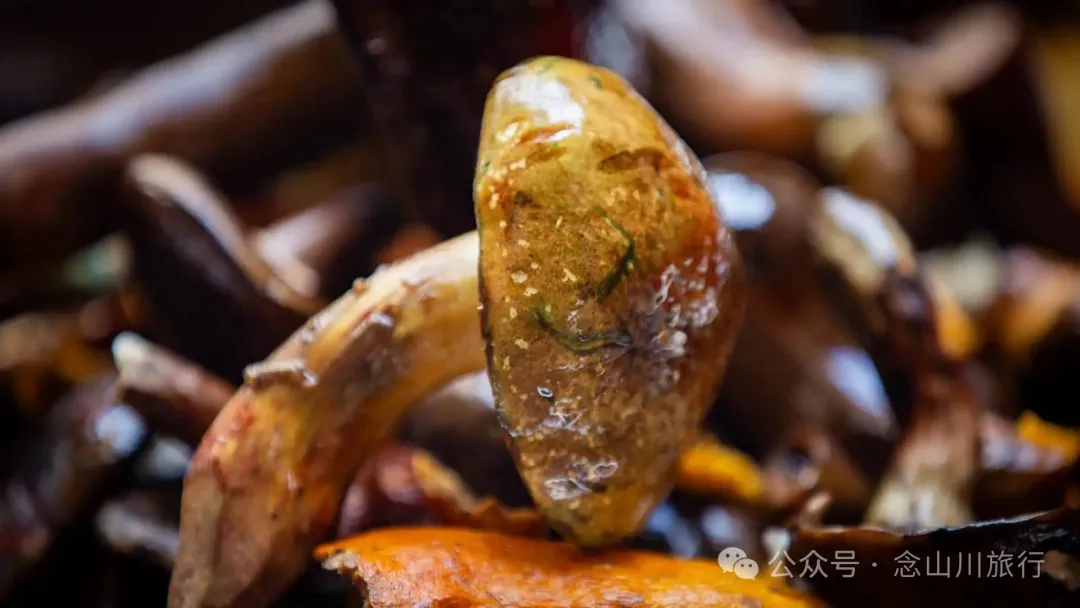
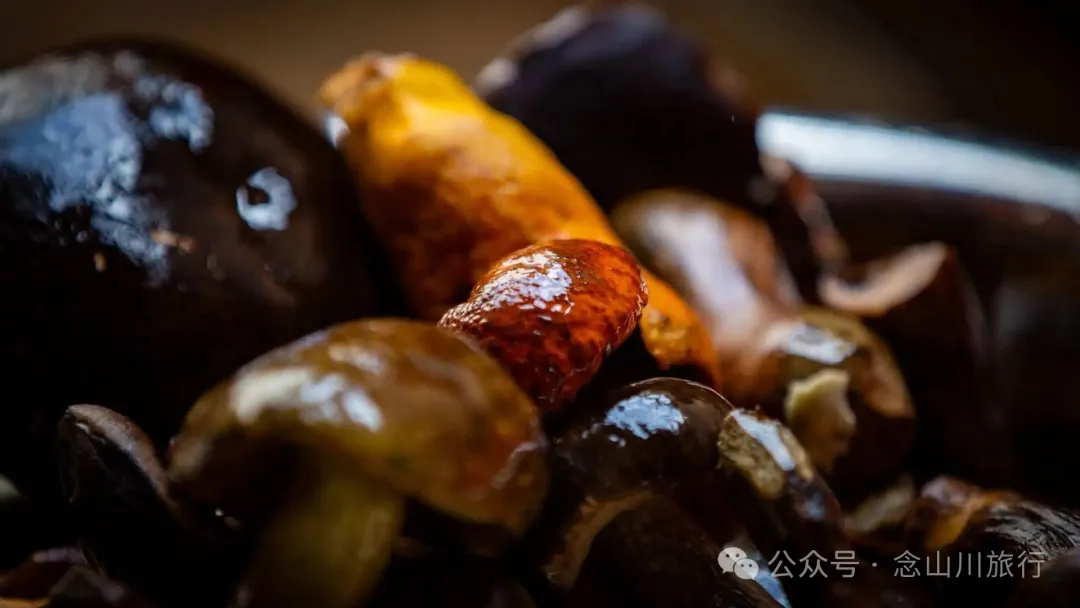
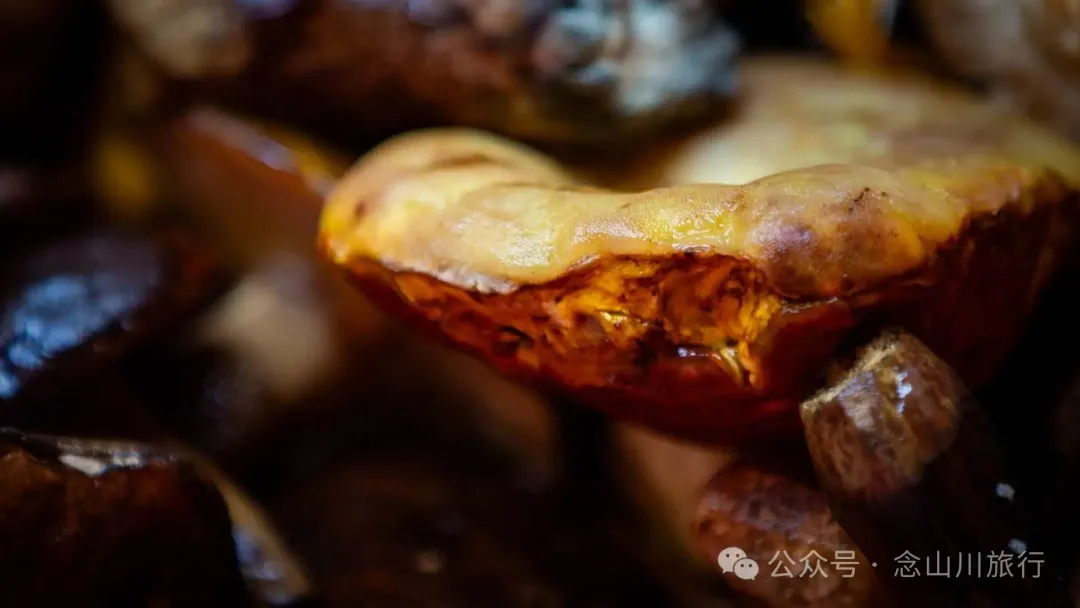
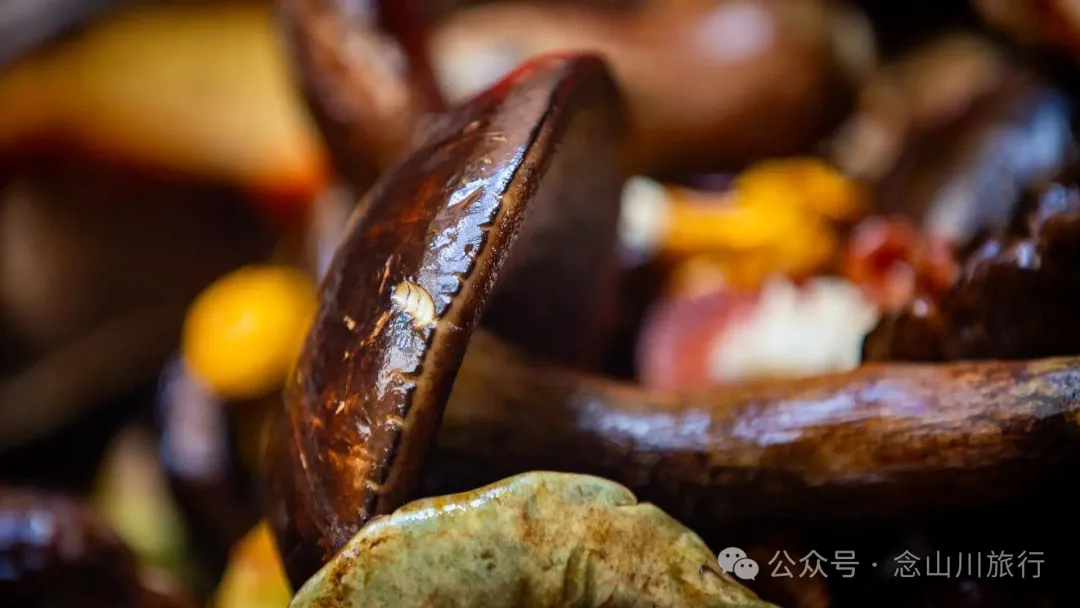
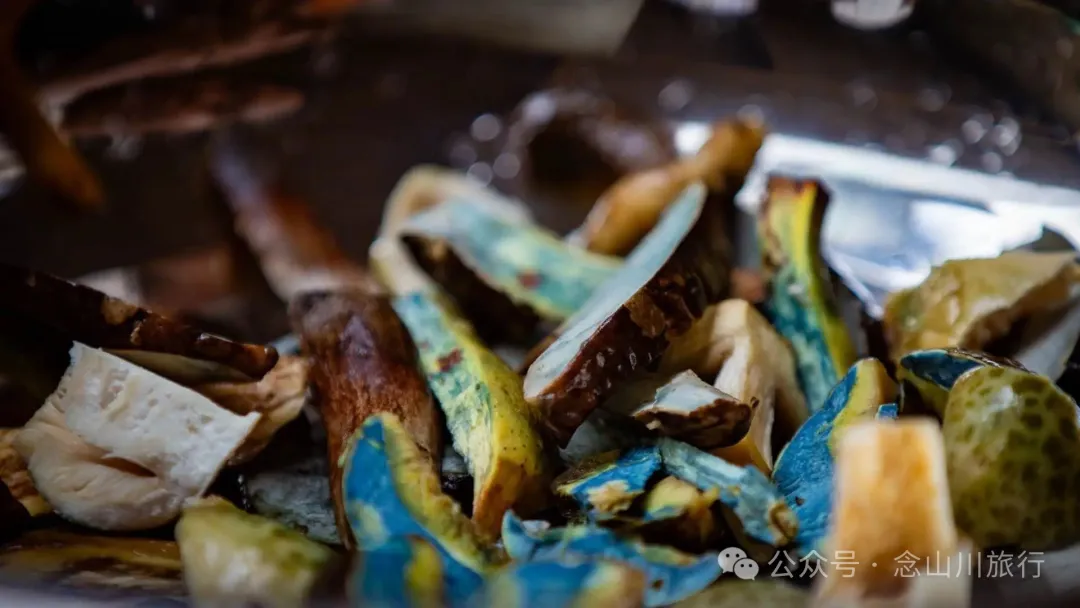
Our friend brought us to Daheli Village for a wild mushroom feast. His aunt, a local, is only four or five years older than us. We felt awkward calling her by seniority, so we just called her Sister A. These past two days, Sister A had been foraging in the mountains, gathering a large basin full of mushrooms. She invited relatives for a meal, and we were lucky to join this feast that all Weishan people love. Unlike our love for the taste of wild mushrooms, Sister A doesn't like eating them but loves foraging and is very experienced. She told us that in previous years, the first wild mushroom feast of the rainy season would have been long over. This year, mushrooms are scarce. Heading into the mountains at six or seven in the morning, she returns with only a few pounds after a whole day. In previous years, she never brought back less than ten pounds a day.
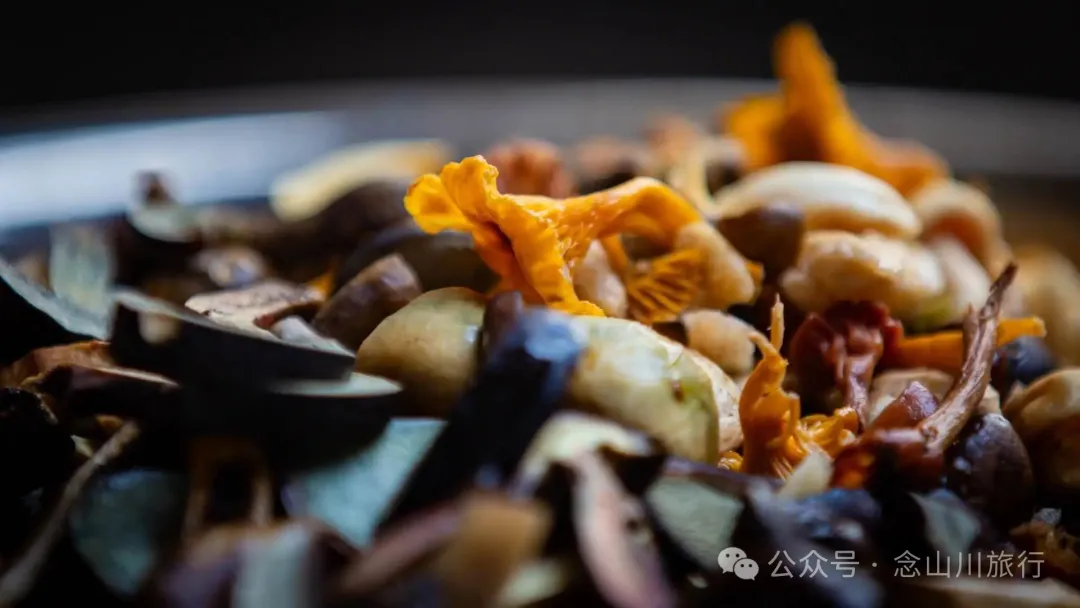
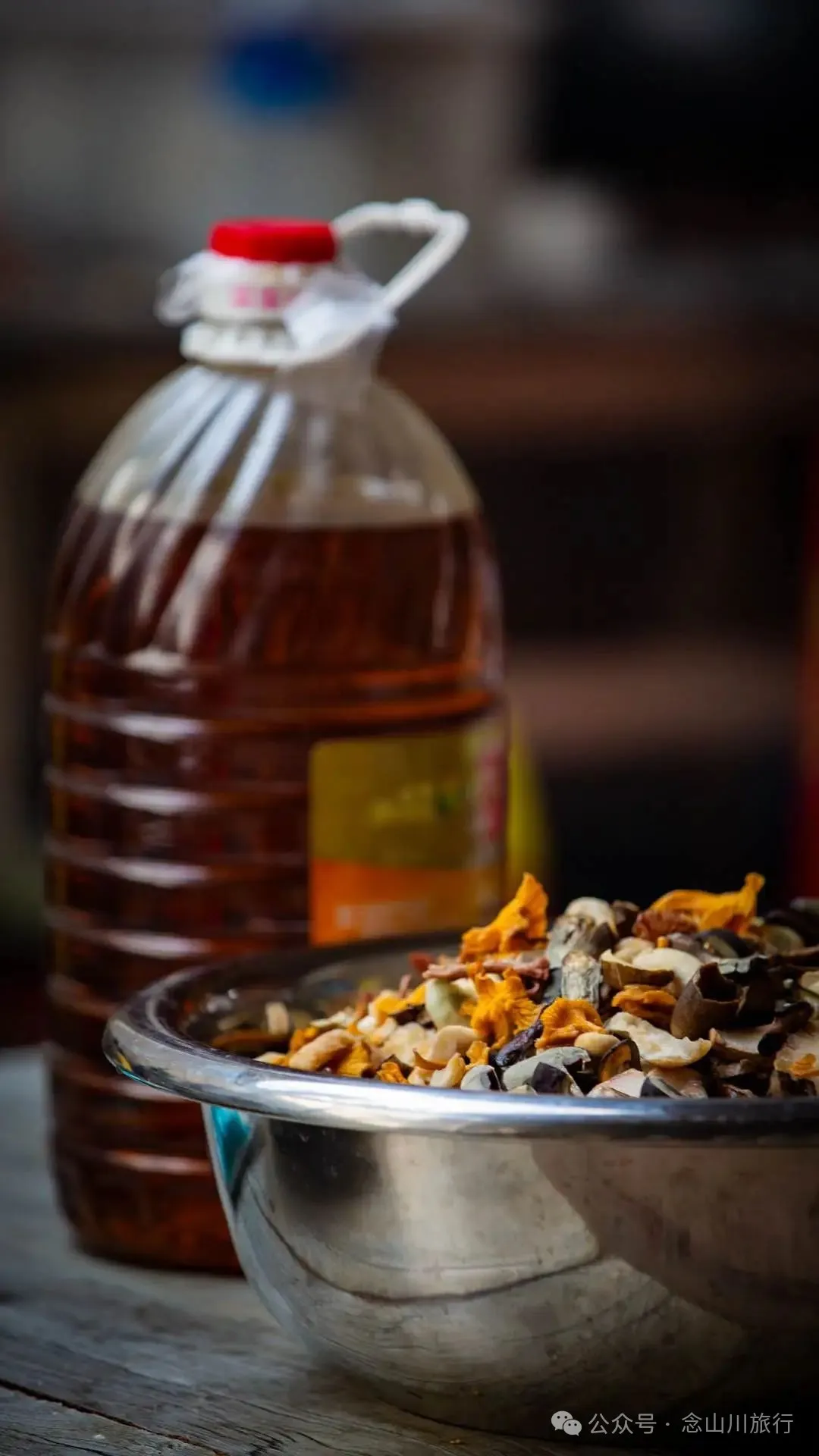
I've been foraging with friends a few times. It's a fun activity but also easily disappointing. If you confidently think you've picked a basket of edible mushrooms and are sure you've eaten them before, when you show them to an experienced local like Sister A, they'll unceremoniously dump the whole basket, telling you they're all poisonous and inedible.
Foraging requires experience, but washing mushrooms demands patience. Each mushroom must be handled individually, brushed on both sides with a brush or pumpkin leaf, gently to avoid breaking the soft, fragile ones. Washing a basin of mushrooms takes several hours, no easier than foraging in the mountains.
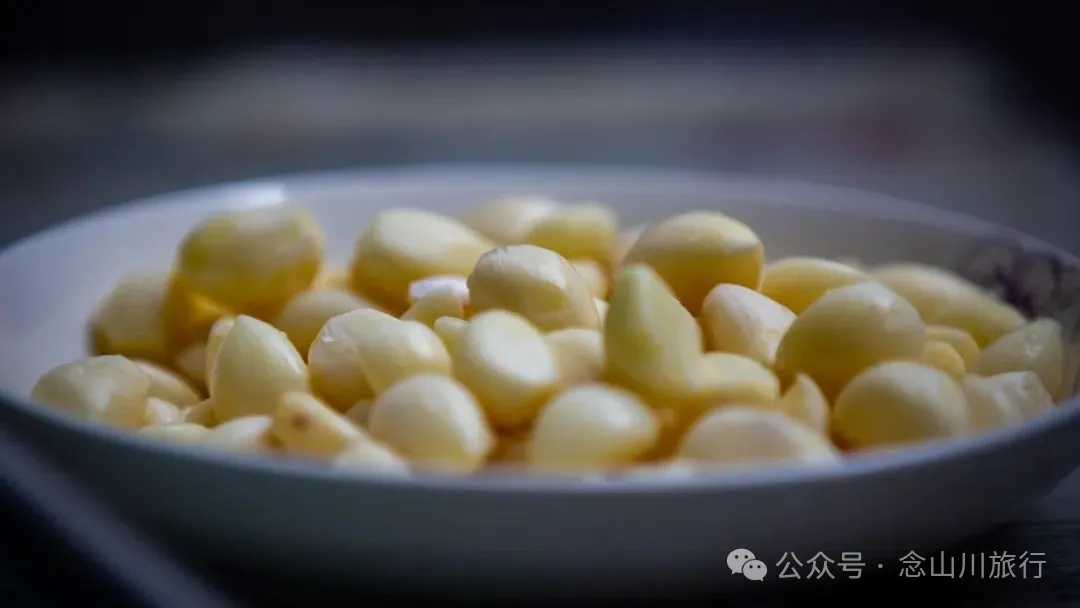
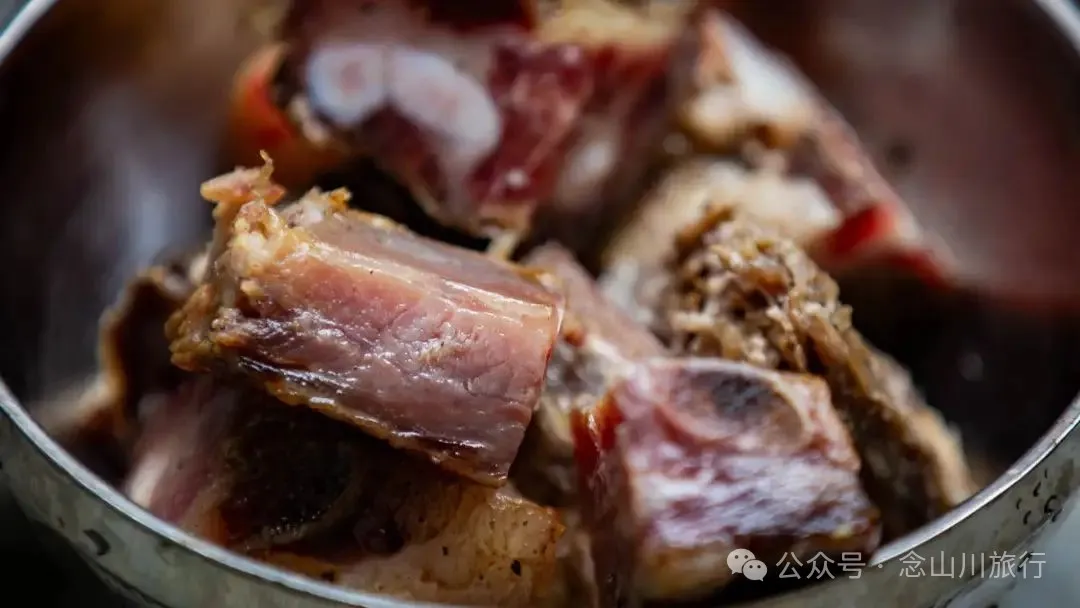
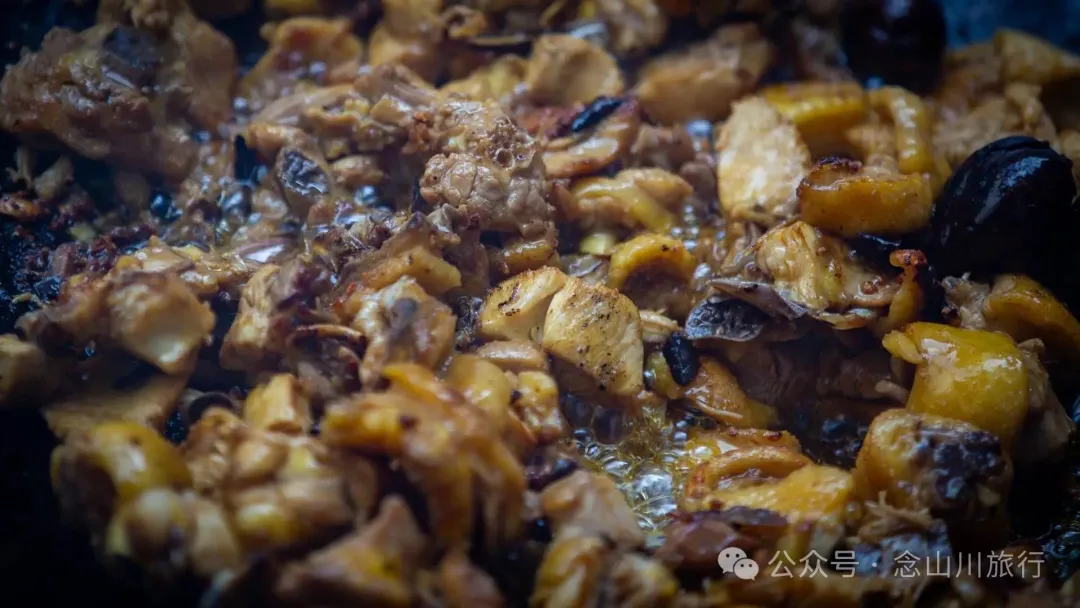
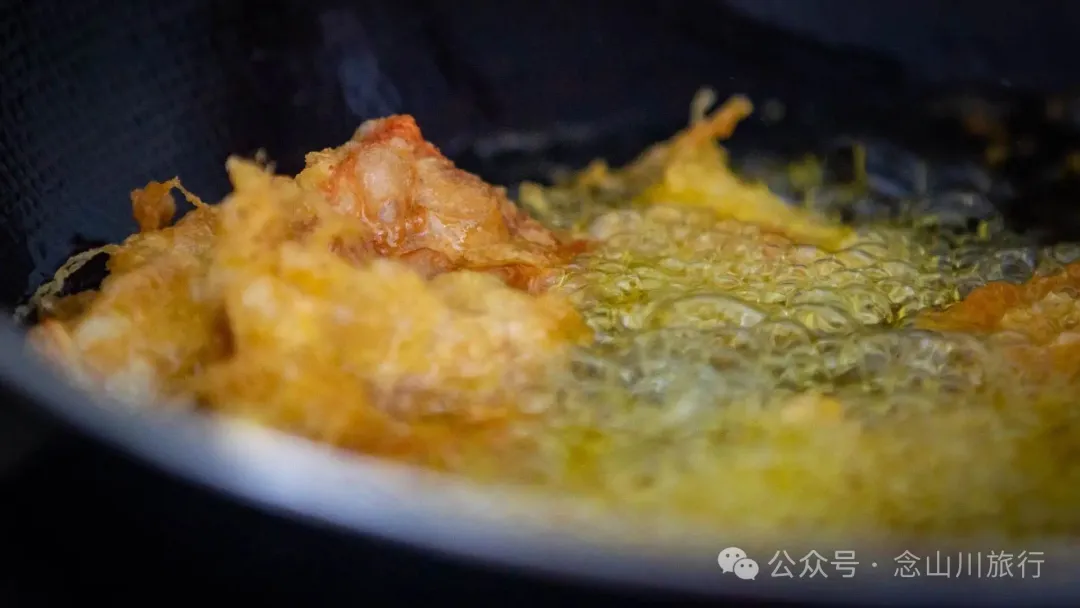
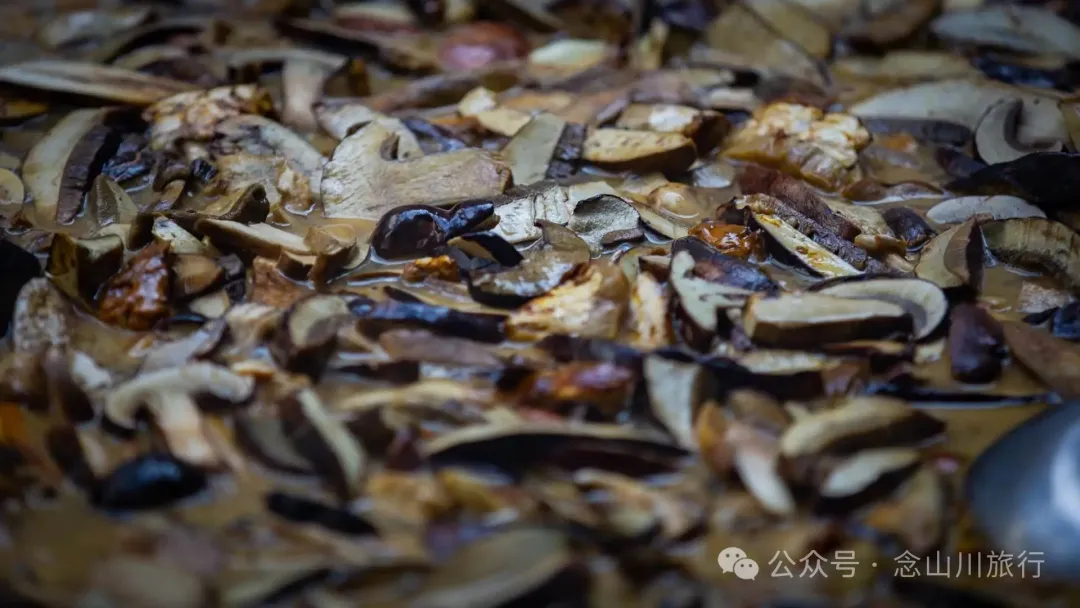
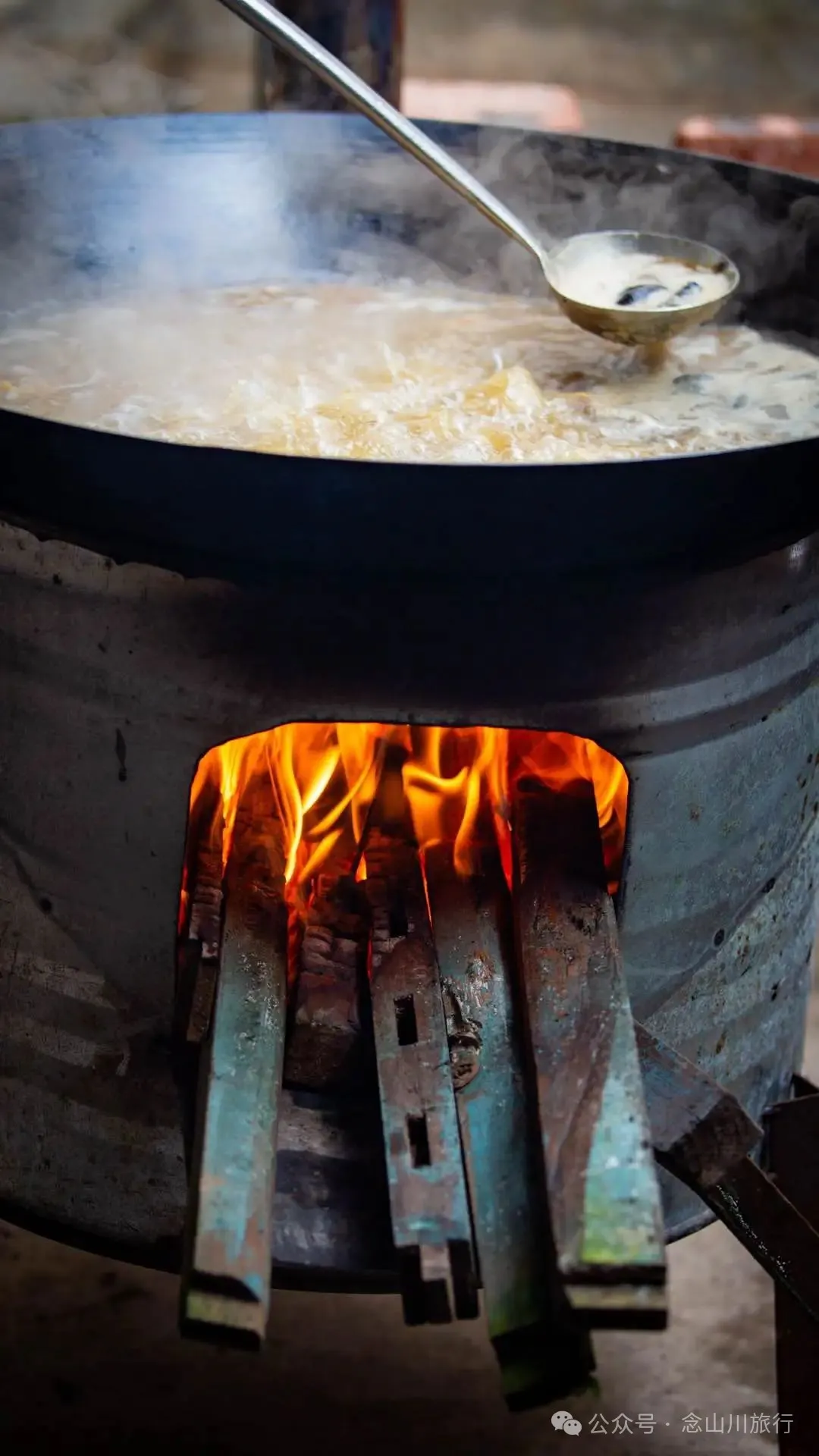
Only one step remained before enjoying a tender, delicious wild mushroom feast. The chicken had been slaughtered in advance. Sister A said that in previous years, they didn't raise chickens at home, so when they foraged mushrooms and invited relatives and friends, they had to buy one from outside. This year, they raised over a dozen chickens specifically to pair with the wild mushrooms from the mountains. Besides stir-frying with cured meat and green peppers, another way to eat wild mushrooms is to stew them with chicken. First, peel a plate of garlic cloves and set aside. Heat oil in a wok—preferably lard, and plenty of it, as mushrooms absorb a lot of oil. Add cured pork ribs, fry until fragrant, then remove. Add the chopped chicken pieces to the oil, stir-fry with a little salt, a few cardamom pods, and the garlic cloves. Pour in enough water and bring to a boil over high heat. When the chicken is not overly tender, add the sliced mushrooms. After about ten minutes, it's ready to serve.
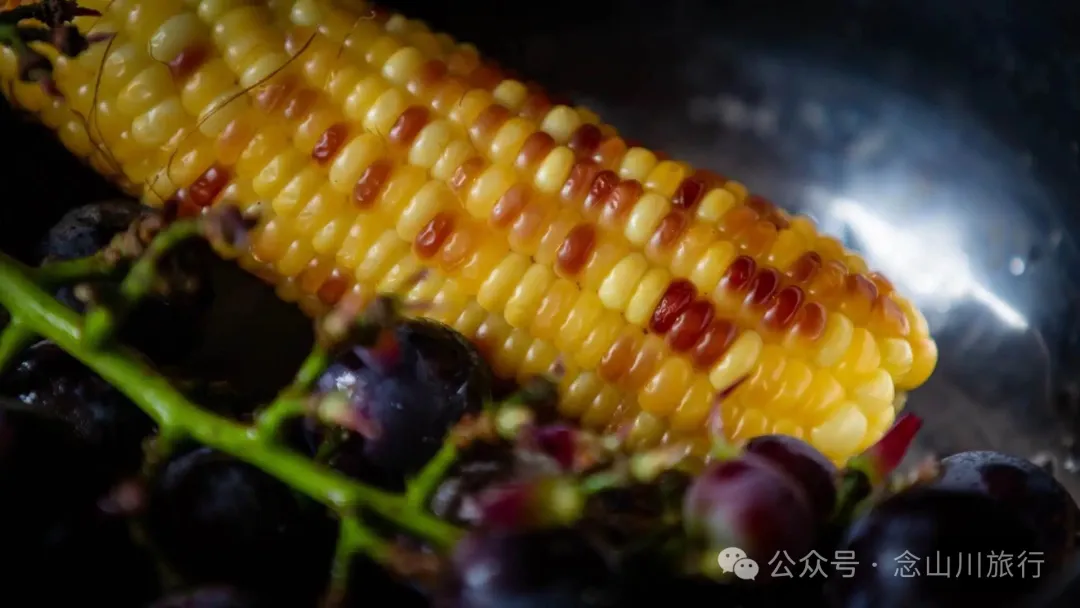
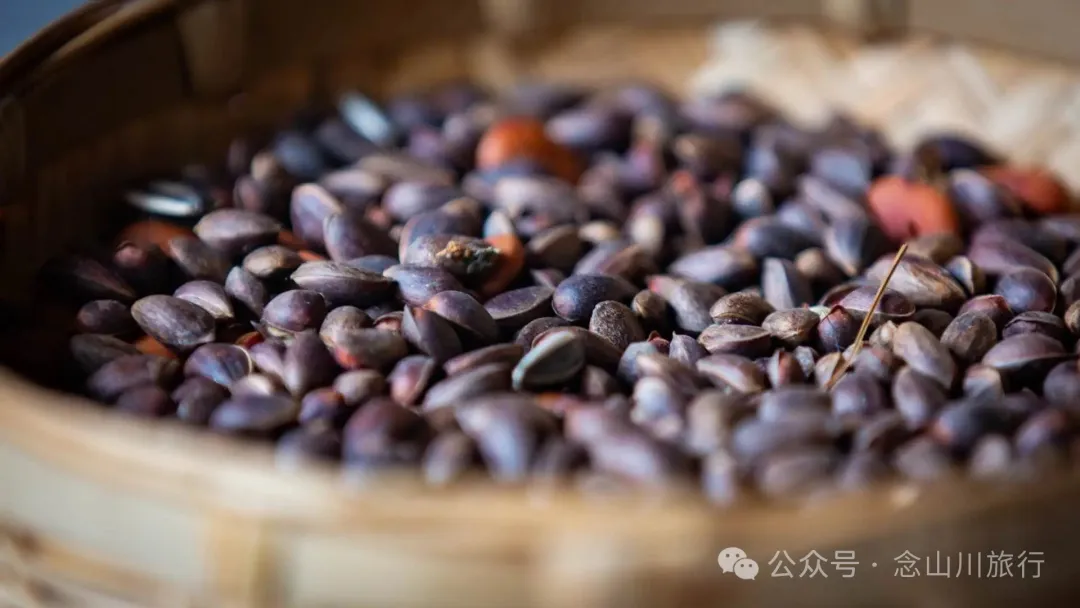
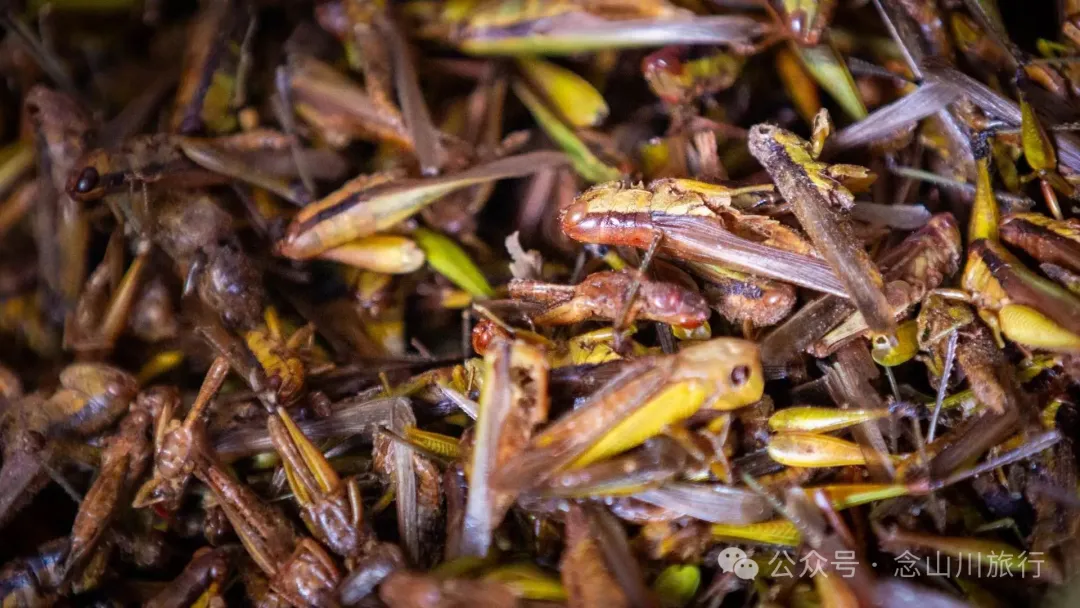
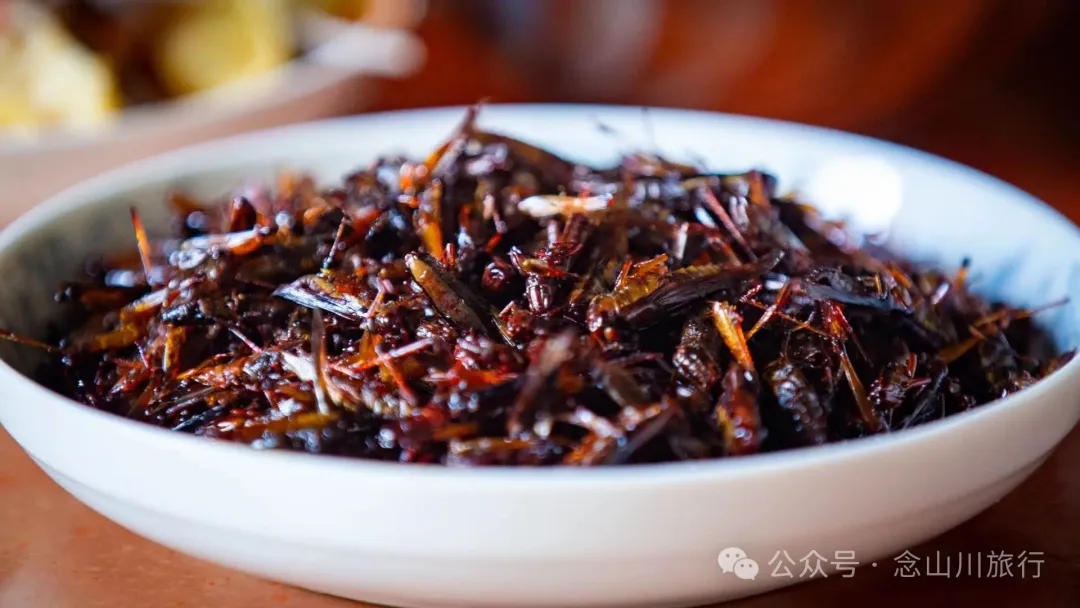
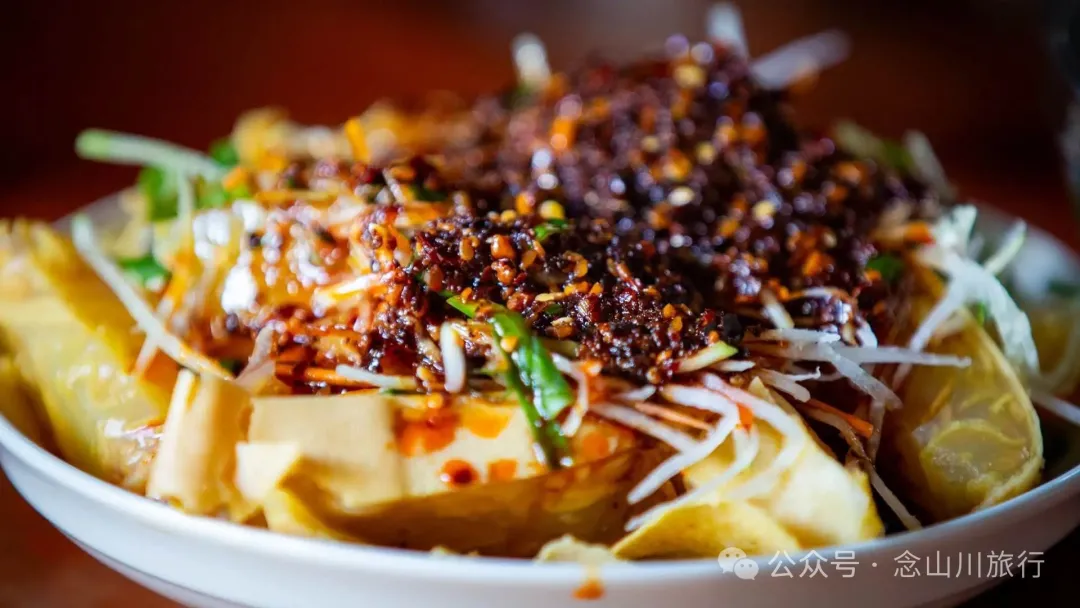
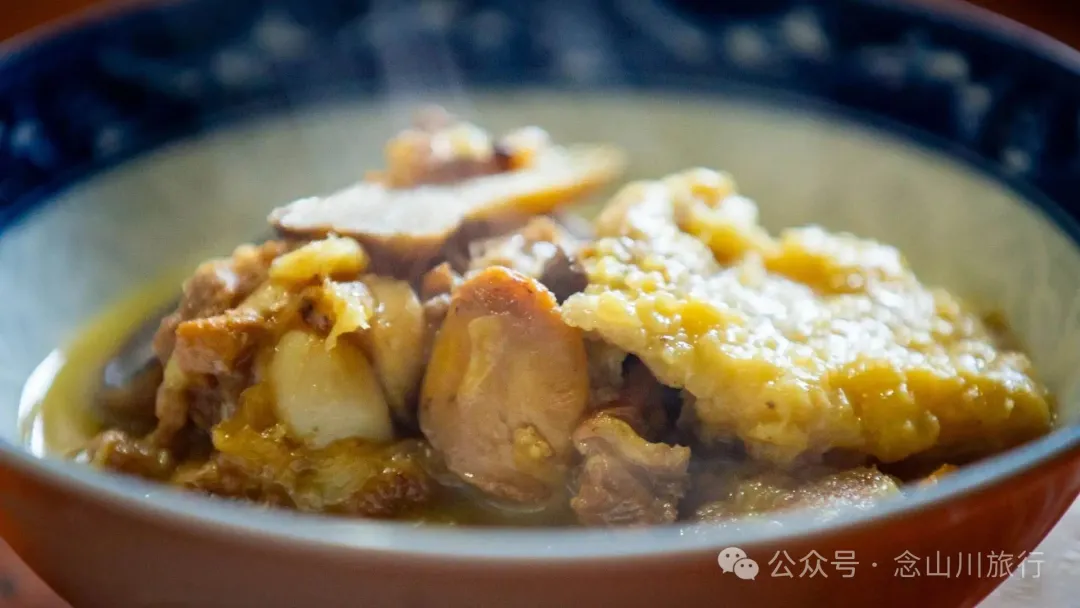
A large basin of fragrant mushroom soup was served as a special treat, not to mention cold mixed liangfen, fried grasshoppers, pine nuts, and sweet, sticky corn. The wine was a medicinal liquor infused with Rhodiola rosea, warming and spicy with one sip, reflecting the host's hospitality. We couldn't drink too much wine, but we could eat as many mushrooms as we wanted. Soon, the large basin of mushroom chicken soup was emptied, and more was brought from the pot.
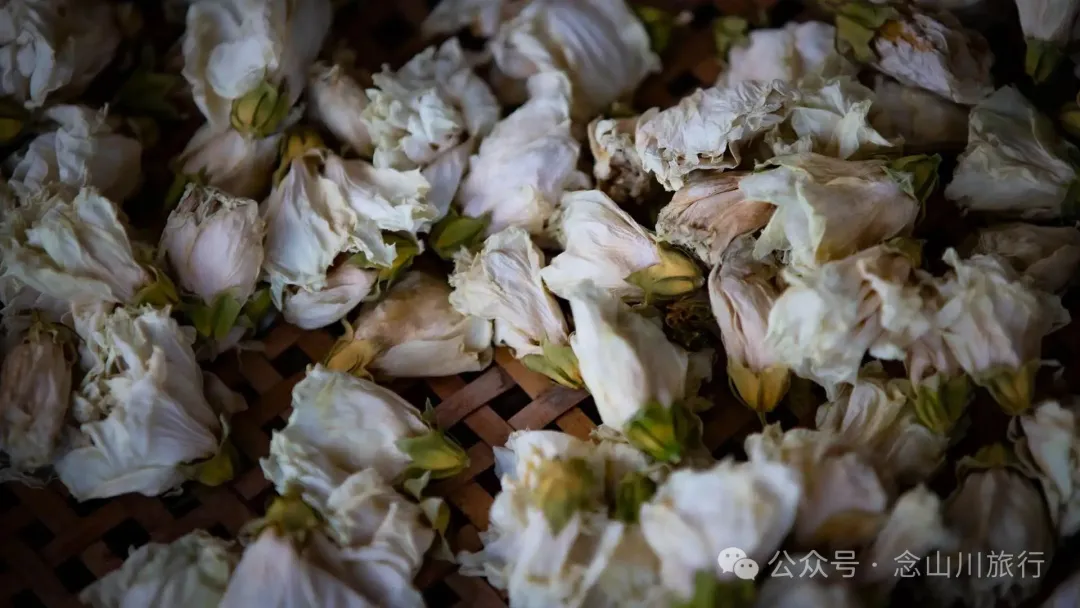
Upstairs at Sister A's house, we saw a bamboo sieve drying white flowers—white hibiscus flowers, which can be used as medicine or as an ingredient.
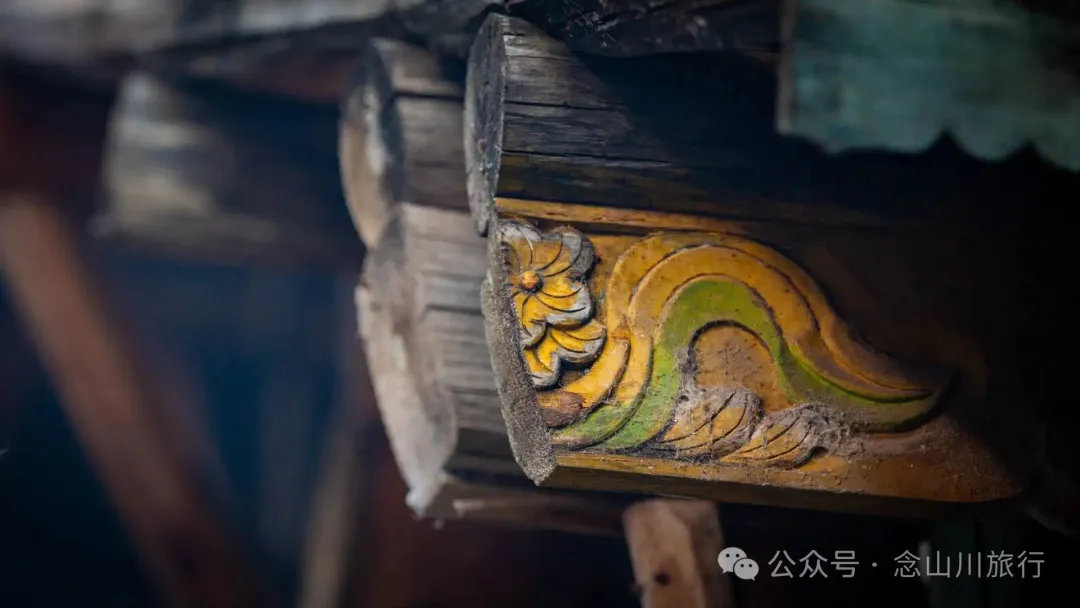
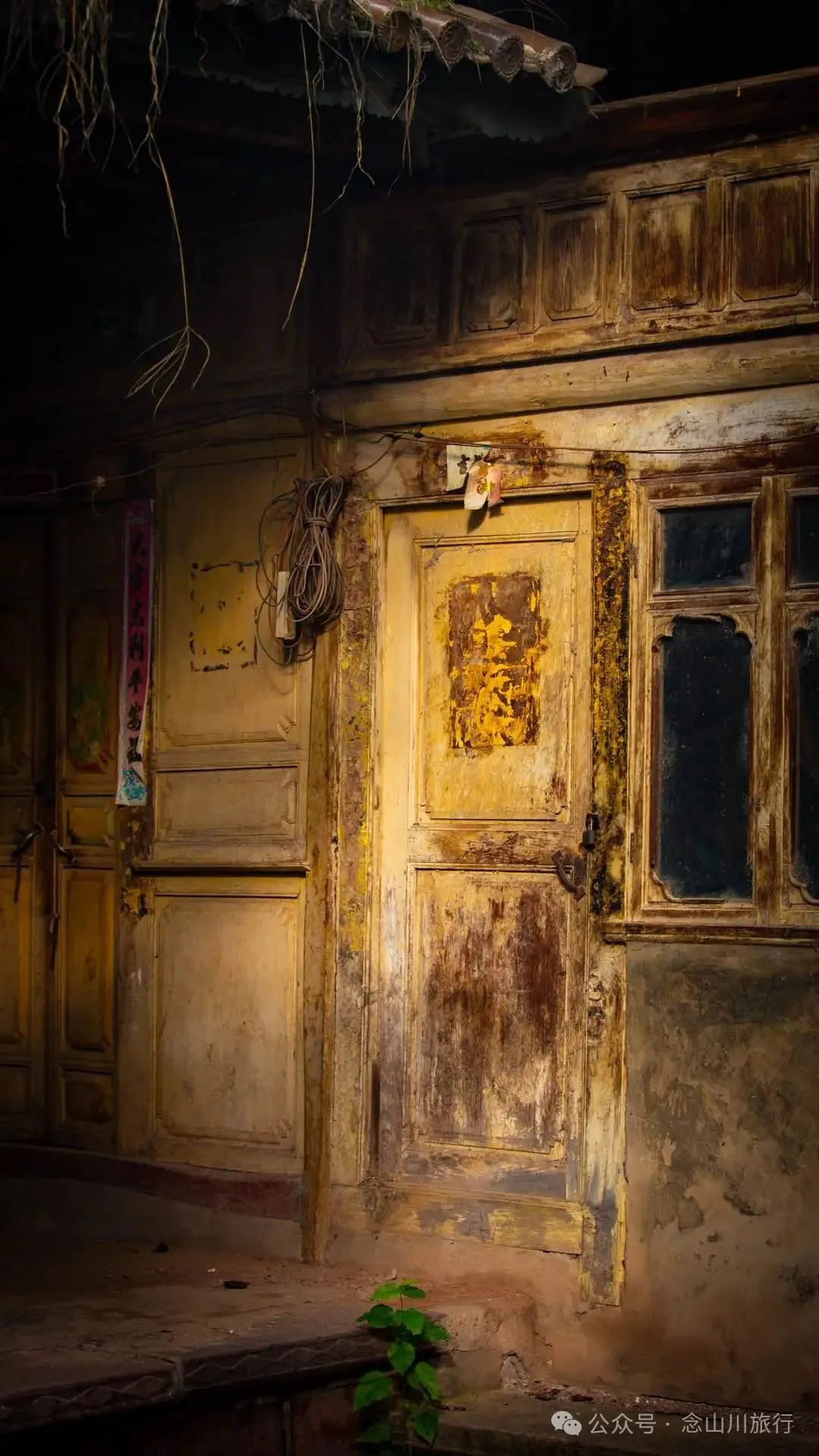
Sister A's old house was nearby. When we went to see it, a ray of sunset gently touched the old, cobwebbed, dusty doors and windows, while the carved beams still looked lifelike.
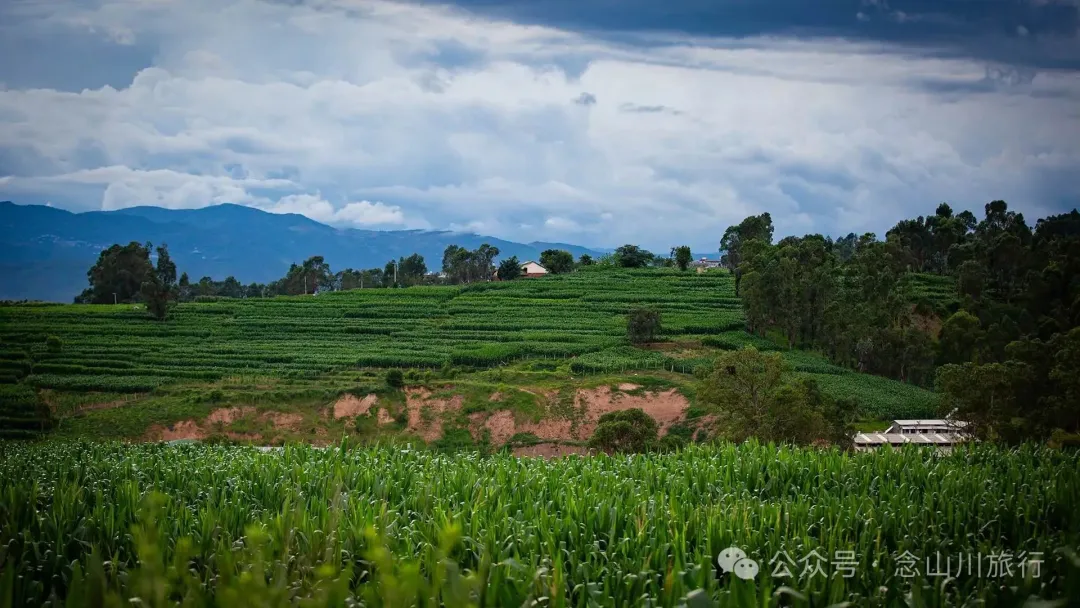
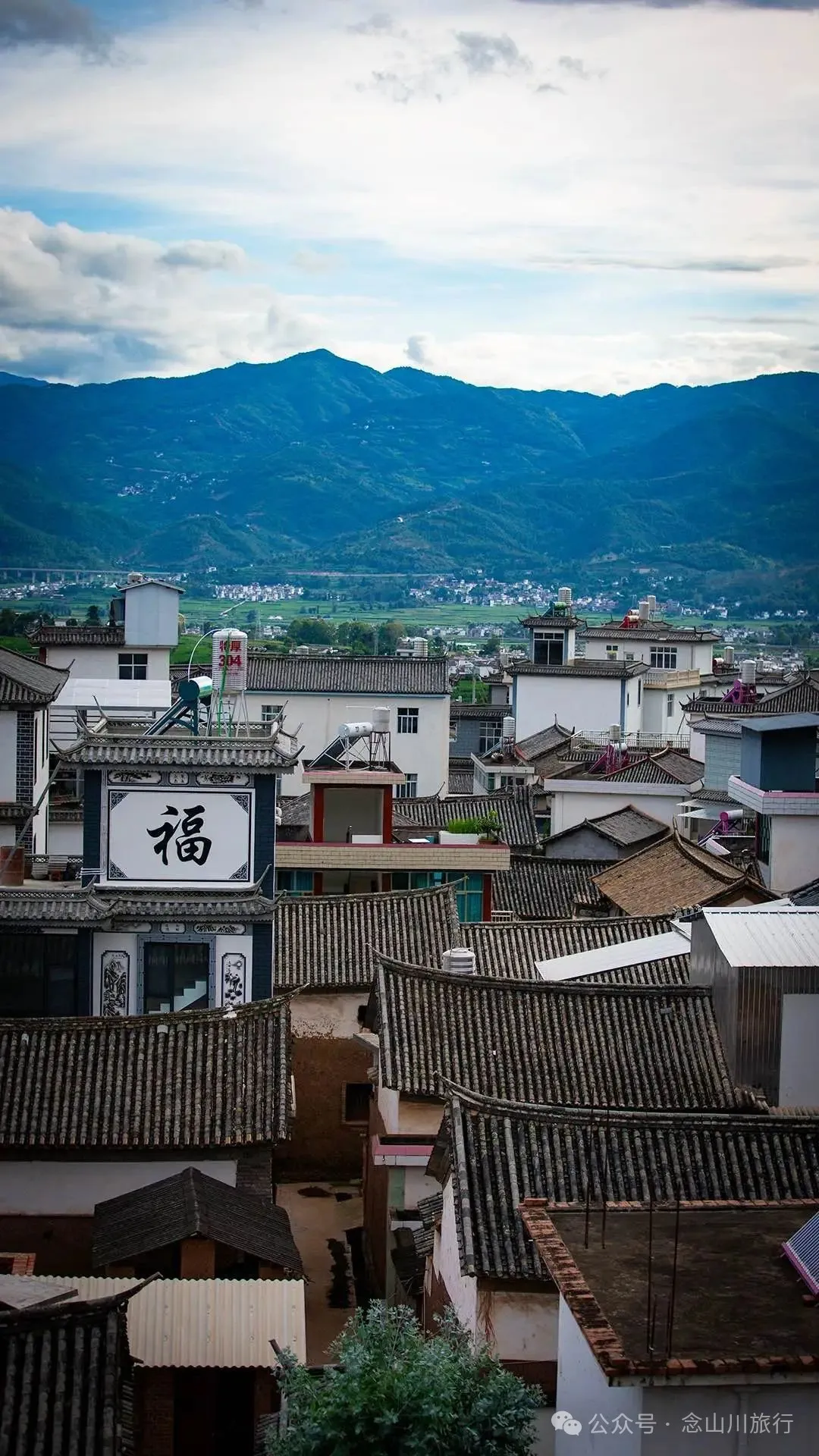
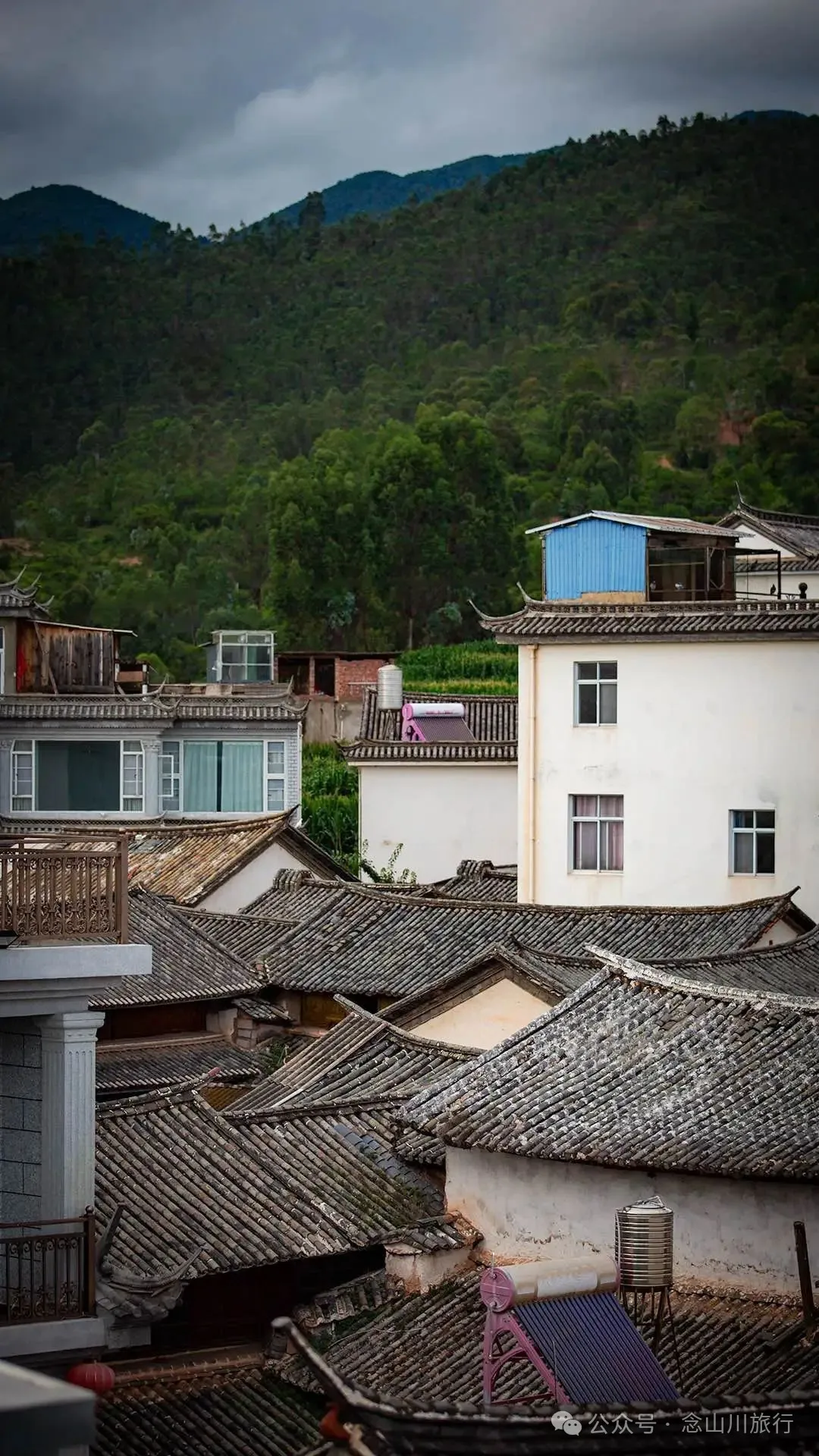
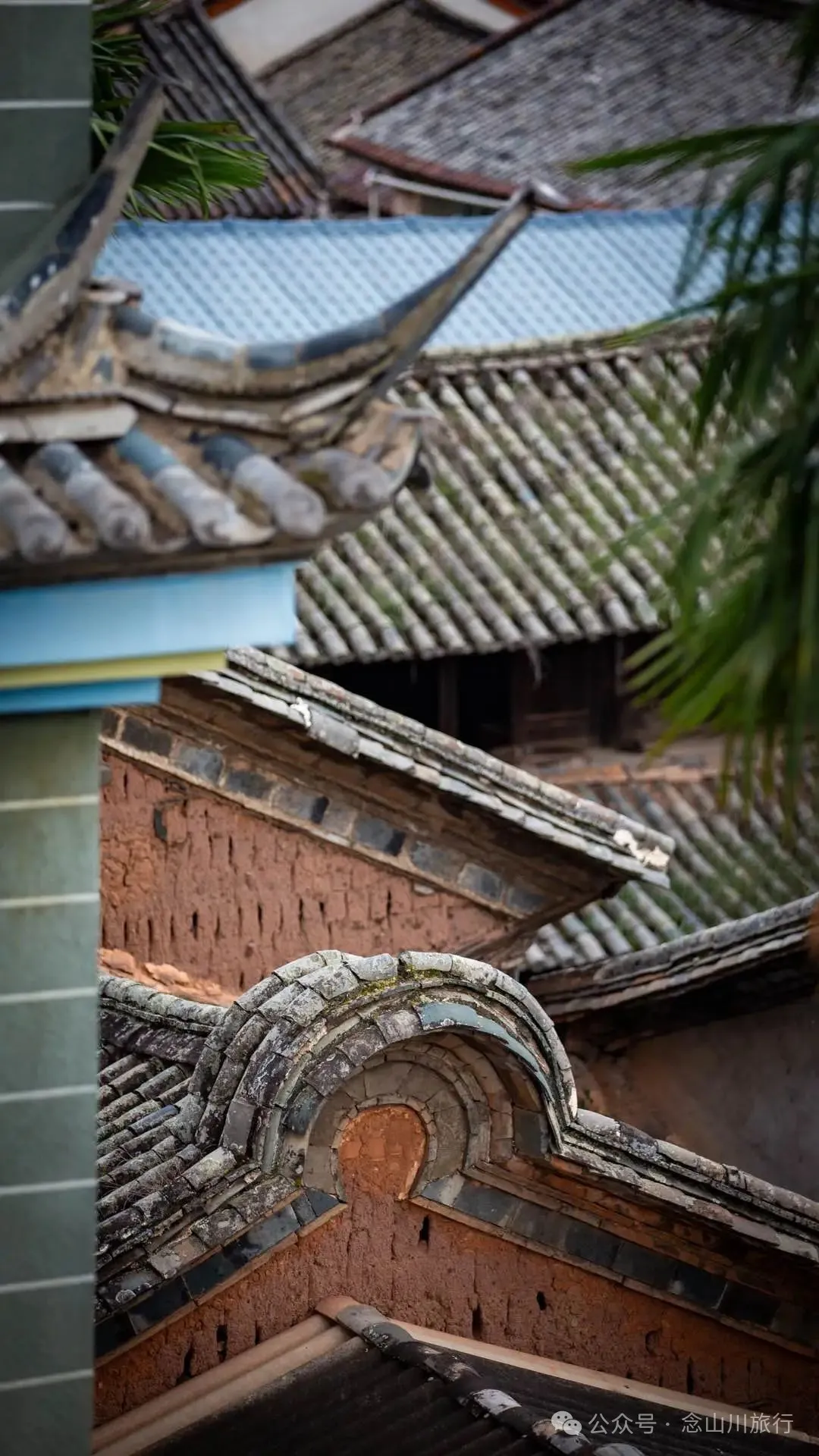
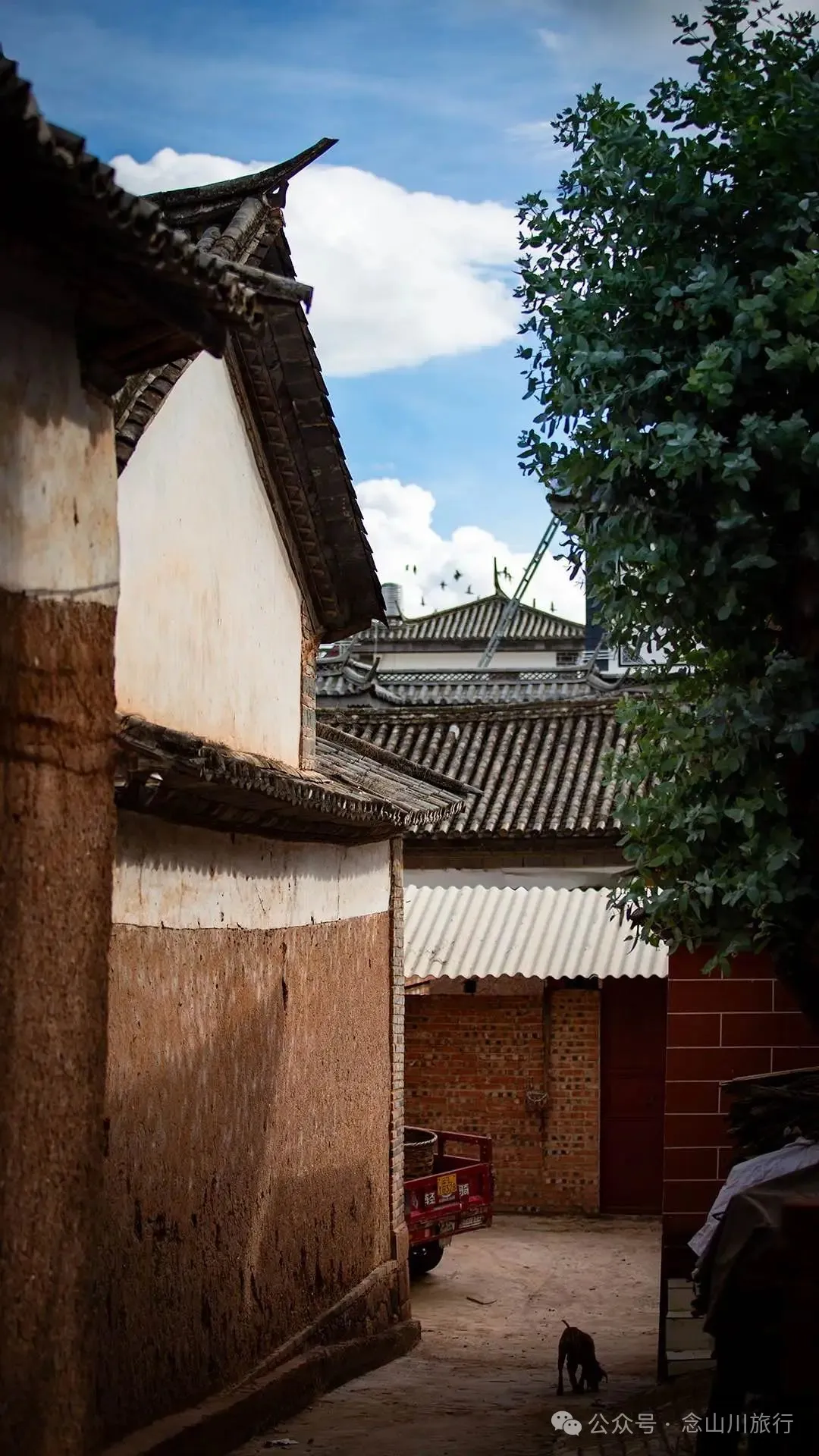
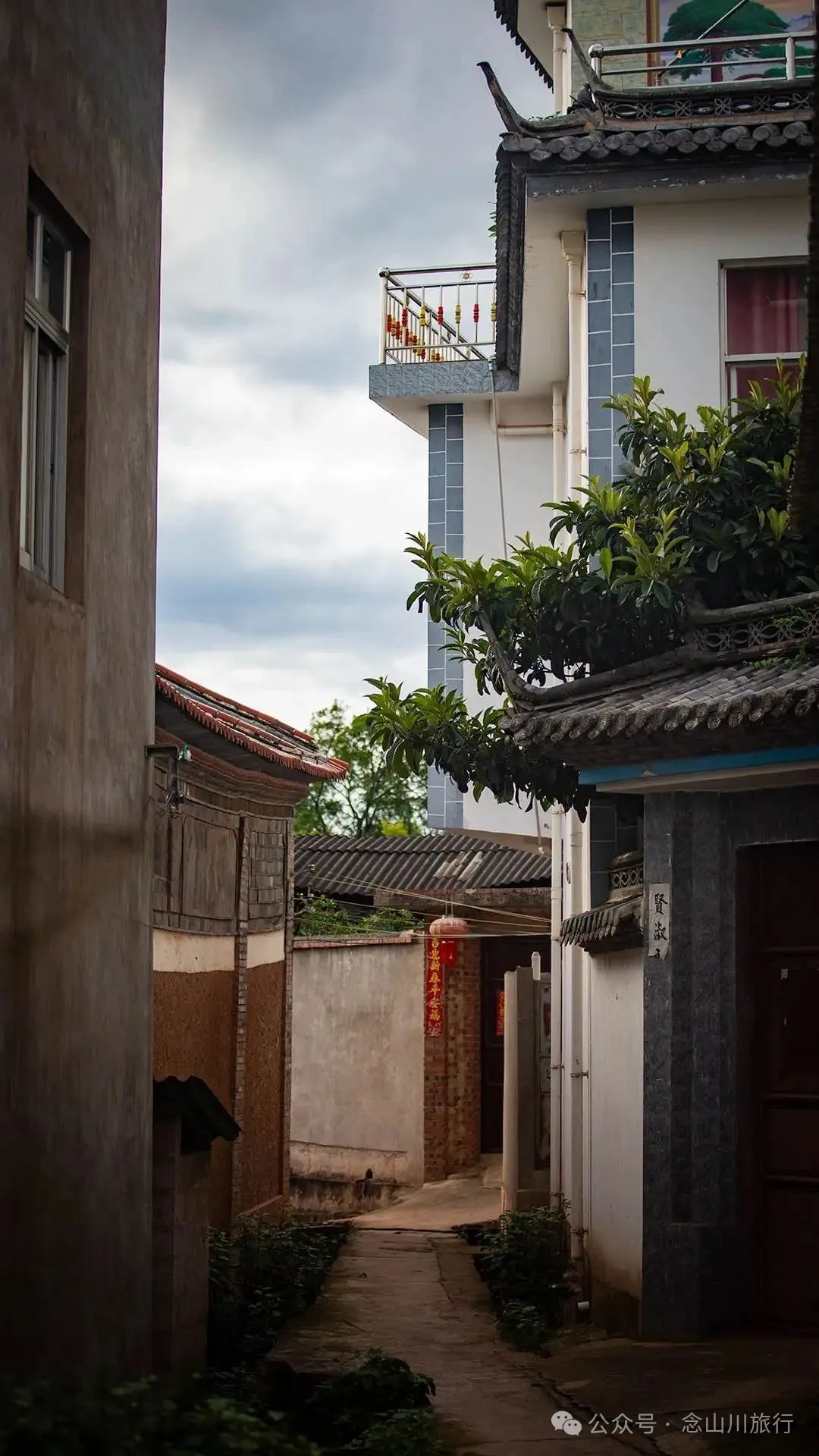
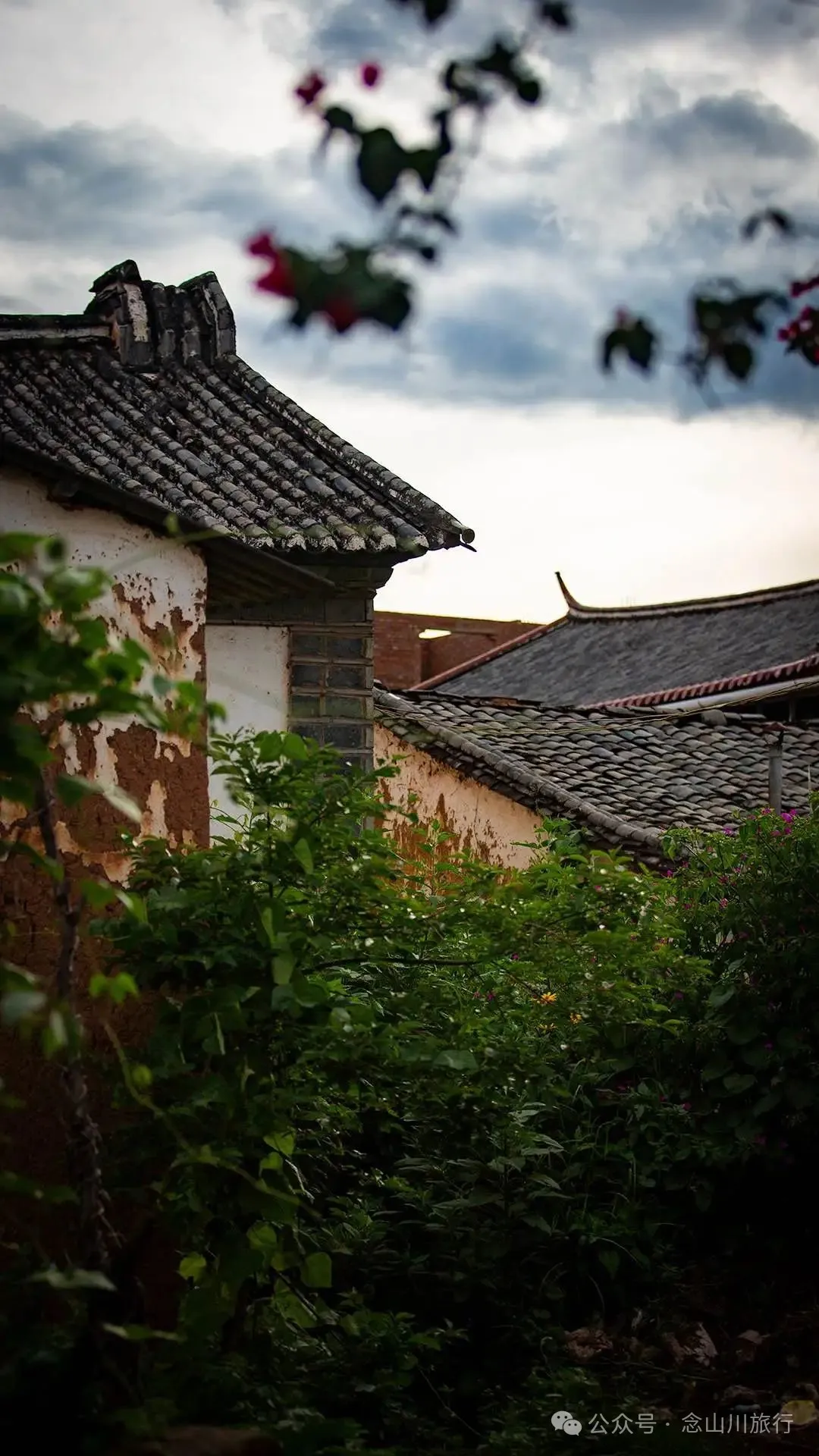
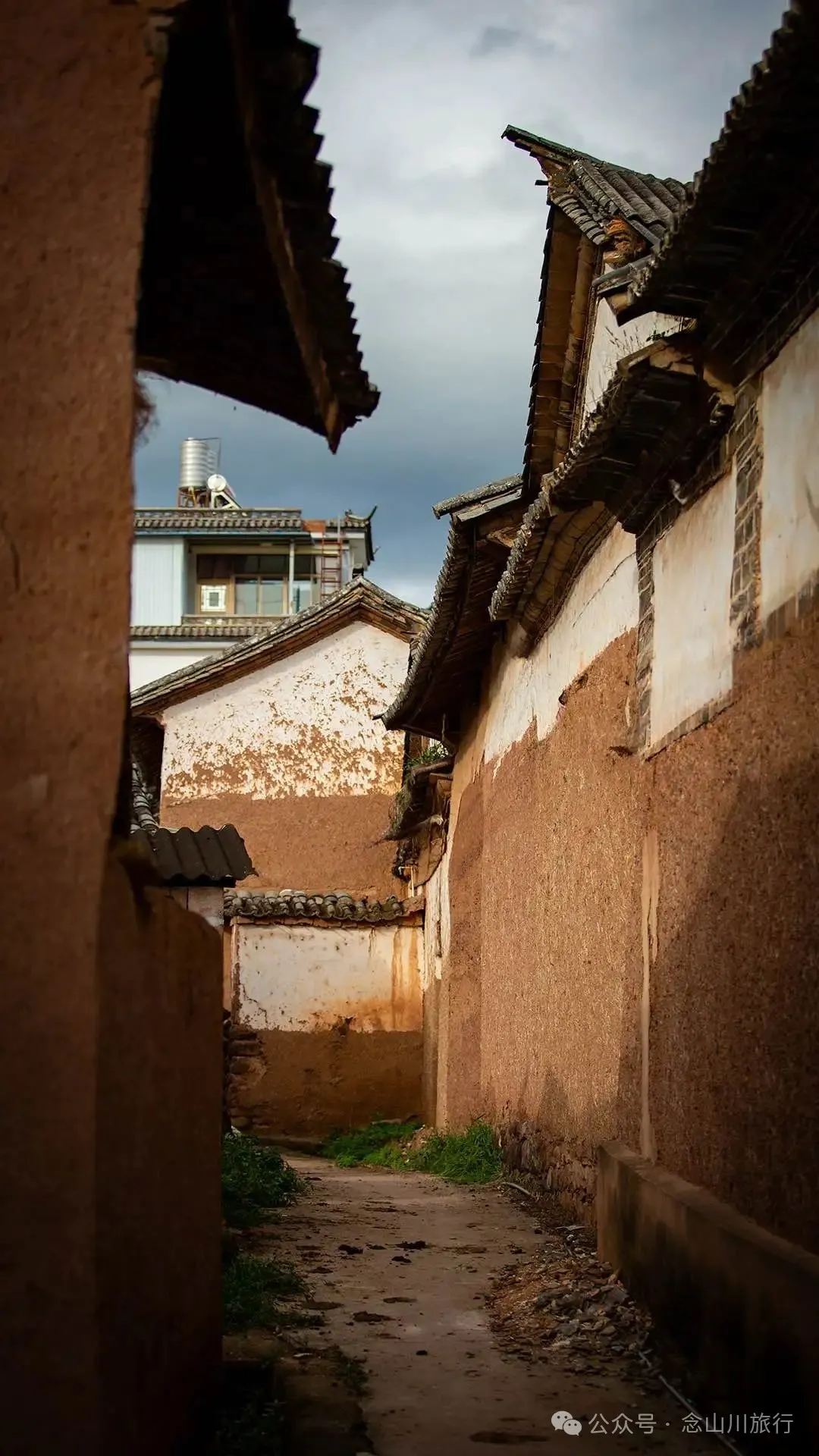
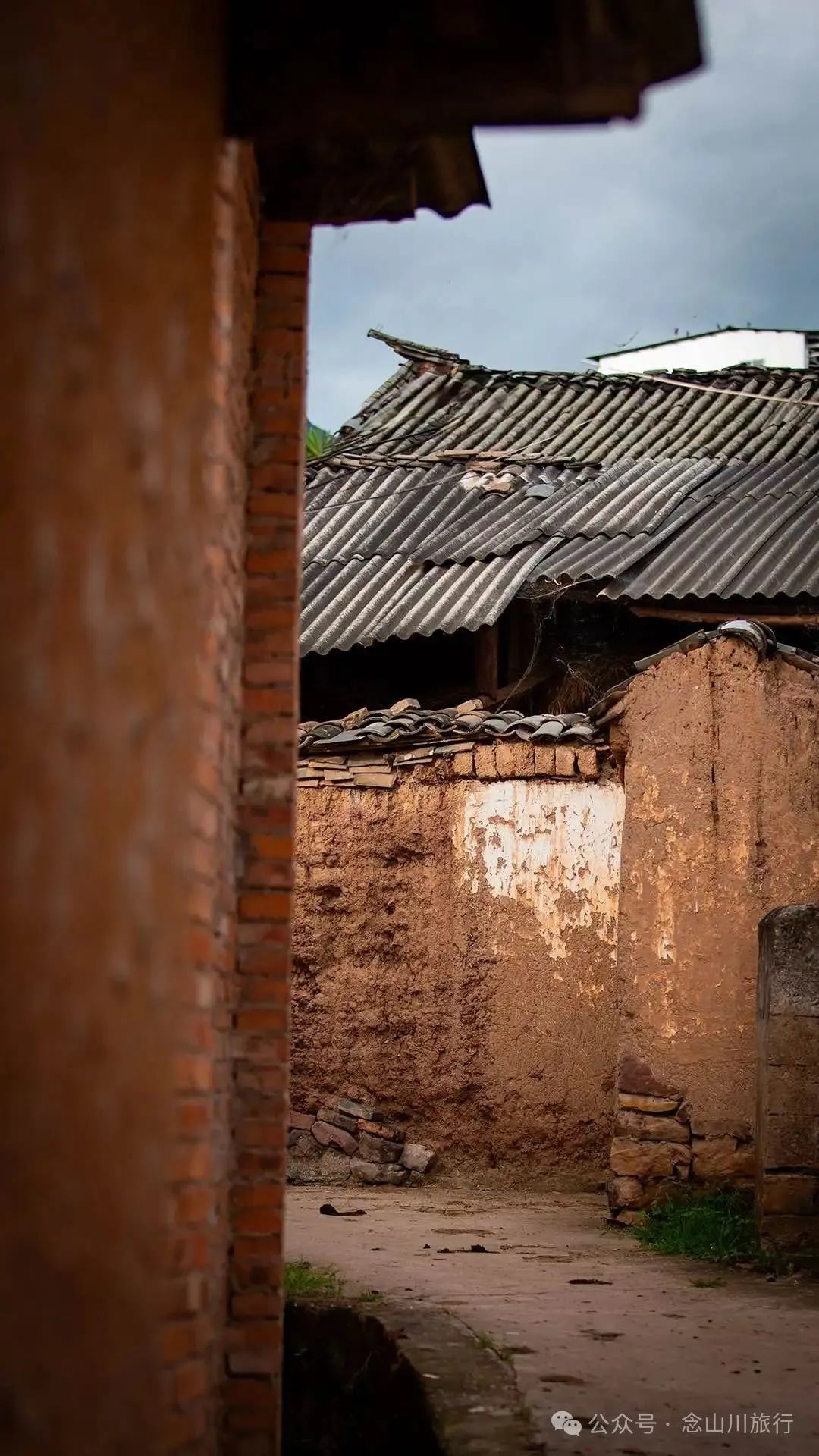
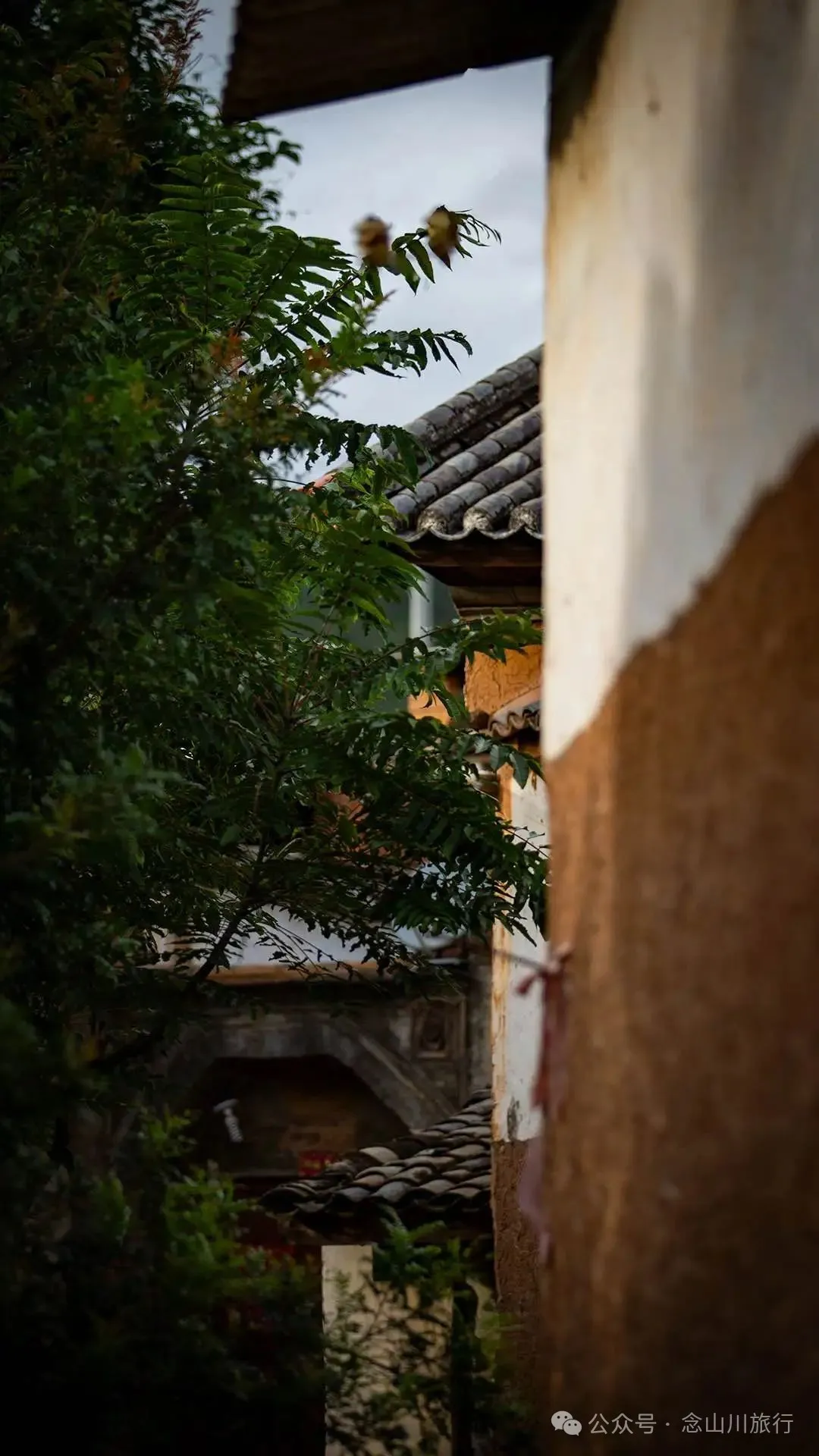
Before the meal, Sister A took us for a walk around the village. This vast village is dotted with many tall, spacious new houses, with only a few rammed-earth, tile-roofed structures in between. The sunset lingered briefly on the earthen-yellow walls, as if waiting for a gentle conversation, murmuring softly.
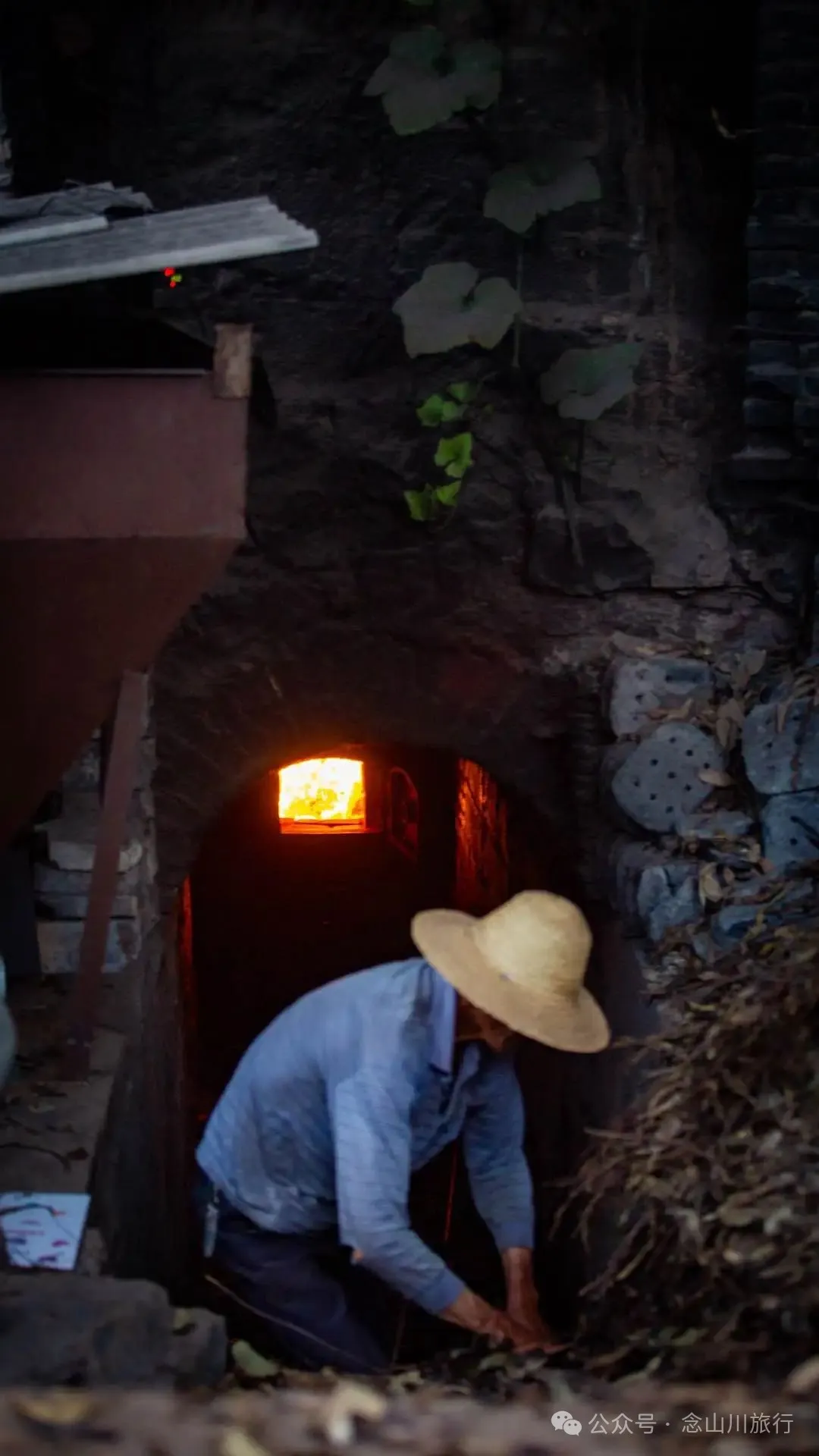
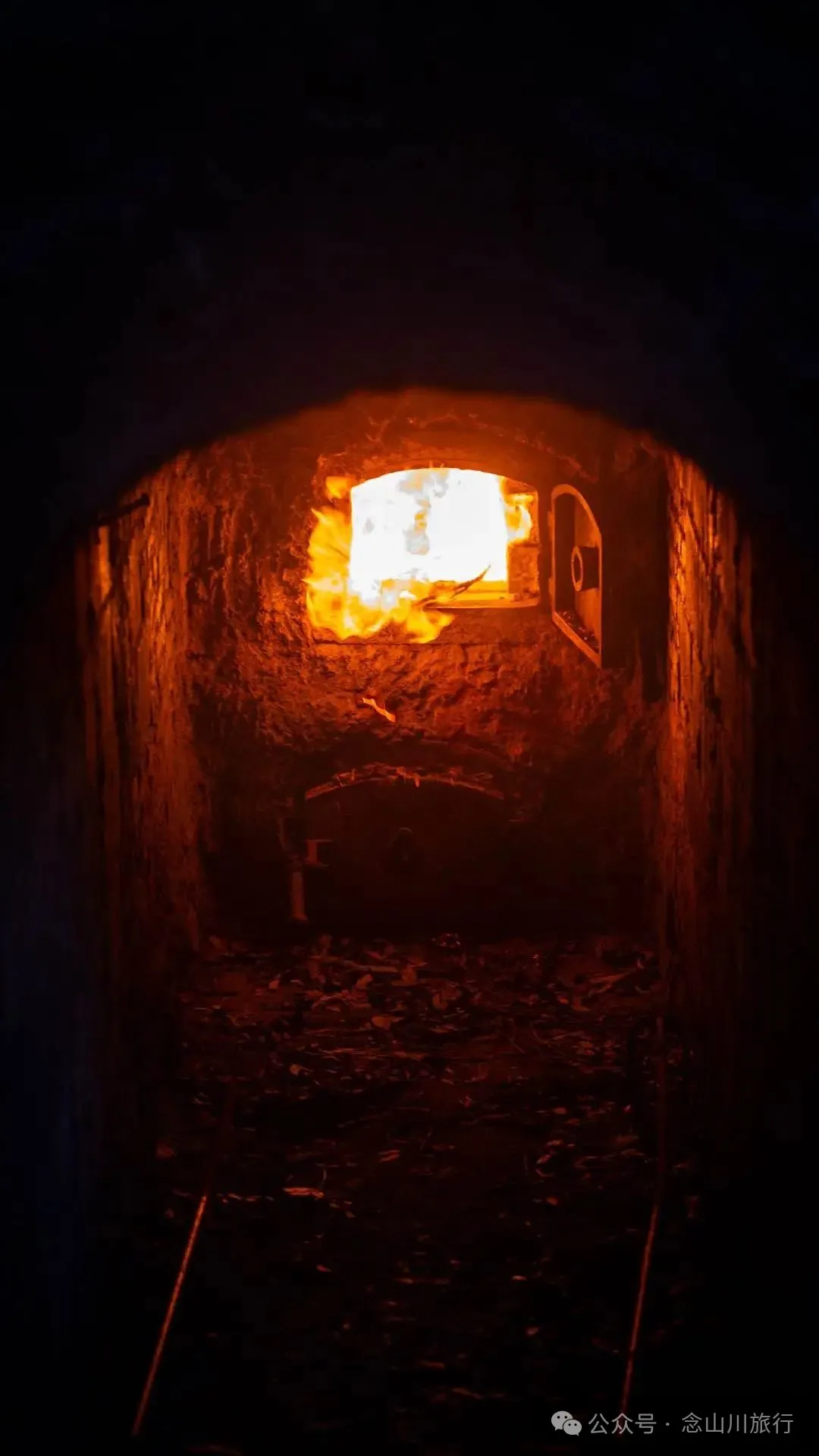
At the village entrance, beside a large banyan tree, there is a private kiln firing the common blue bricks and black tiles. Two elderly people were busy continuously adding firewood to the kiln. They said it takes a full eighteen days, day and night, to fire a kiln of bricks and tiles, using eucalyptus leaves—the decomposed leaves after eucalyptus oil extraction.