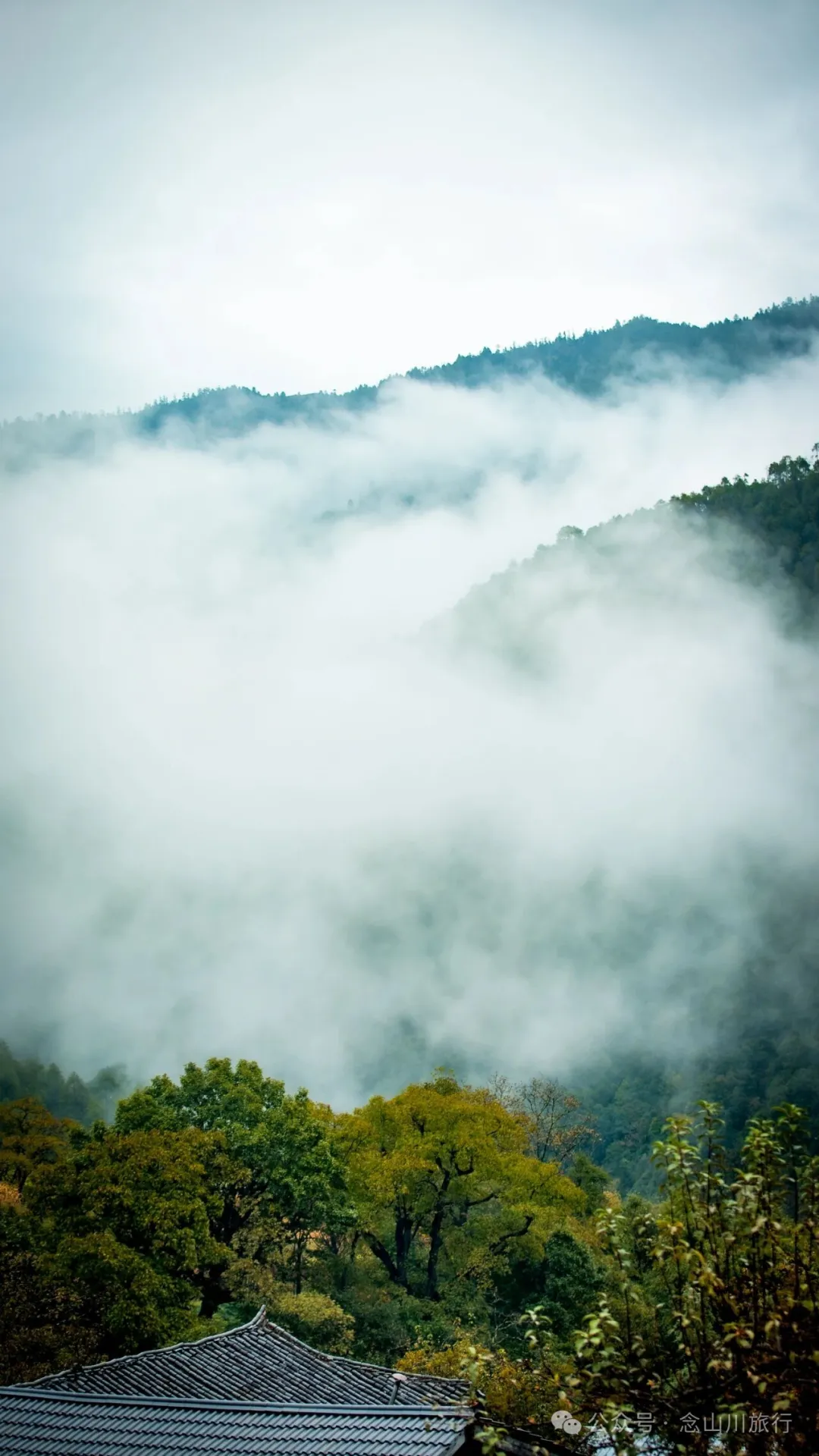

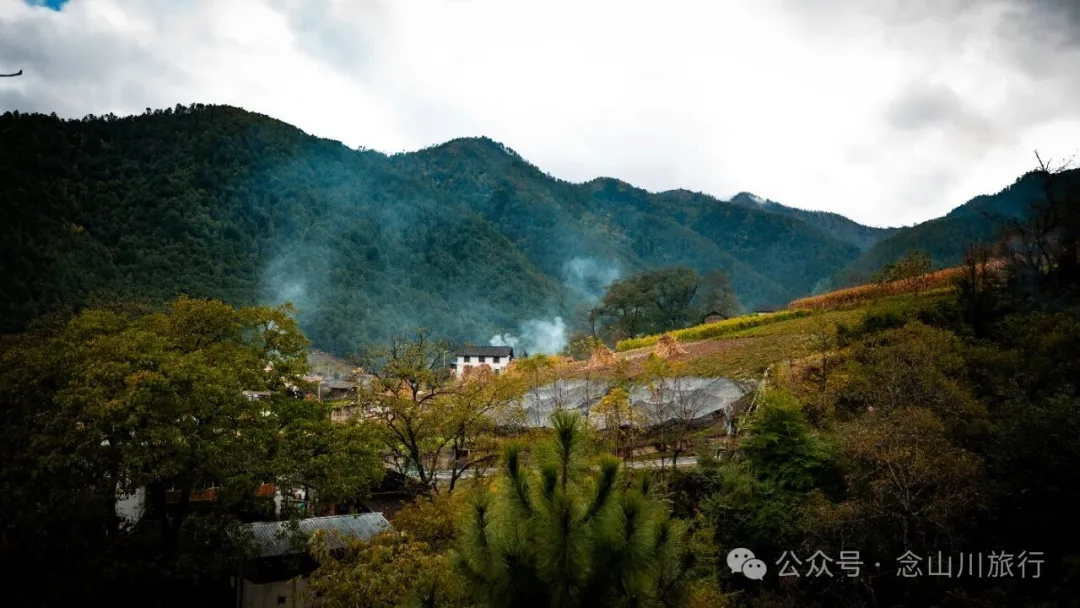
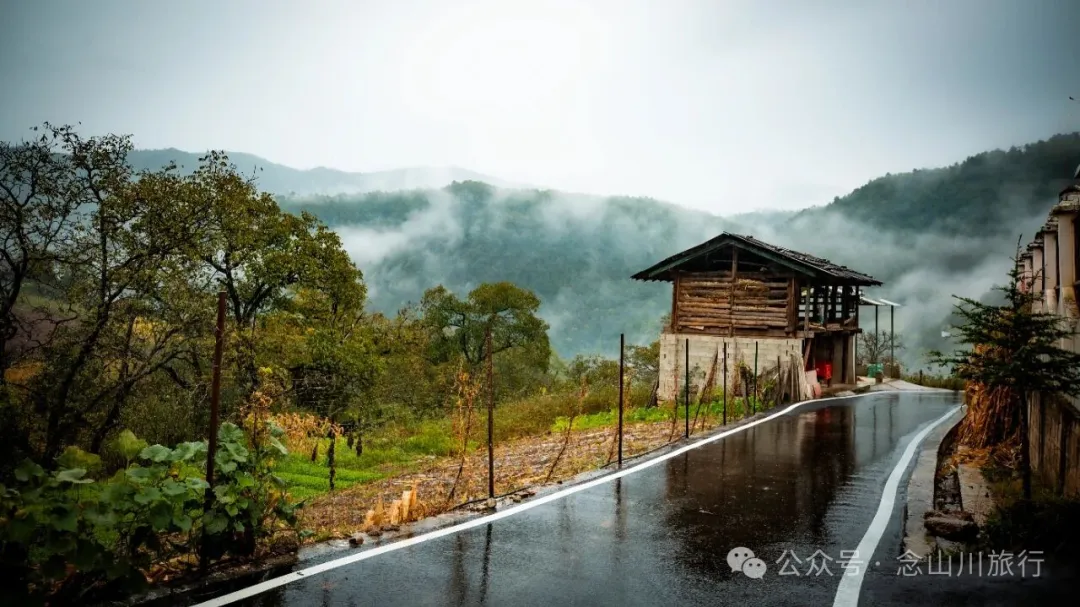
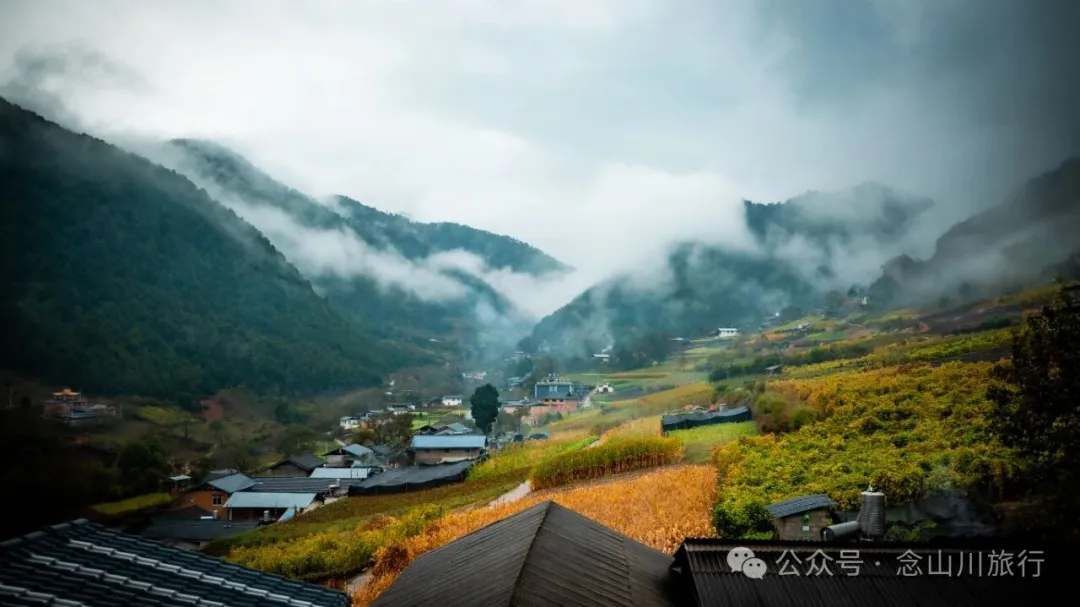
After the rain, the mist retreated to the valleys beyond the village, seemingly still plotting to reclaim the village's airspace, waiting for an opportunity. As the thick fog dissipated, the dark green mountains gradually receded to a corner, and the village became an independent entity apart from the wilderness, stained with layers of cold moisture, silently standing on the vast slope, awaiting the clear weather that had paused for days. The rain had washed the world even more transparent, dust returned to the earth, or even flowed with the water into streams, drifting to another valley.
The refreshing air filled the entire world, bringing a vibrant breath mixed with the myriad things of the jungle, lingering above the village. The birds chirped more cheerfully; as soon as the rain stopped, they flew back to the branches from unknown hiding places, and the bolder ones landed on the road, hopping around in search of food. Berries had been knocked to the ground by the rain, and they only needed to search for a few minutes among the fallen leaves to fill their stomachs. A crooked apple tree by the roadside seemed ownerless, far from the village. Ripe apples still hung on the branches, untouched by anyone, with several showing signs of pecking—likely the work of birds, perhaps including squirrels.
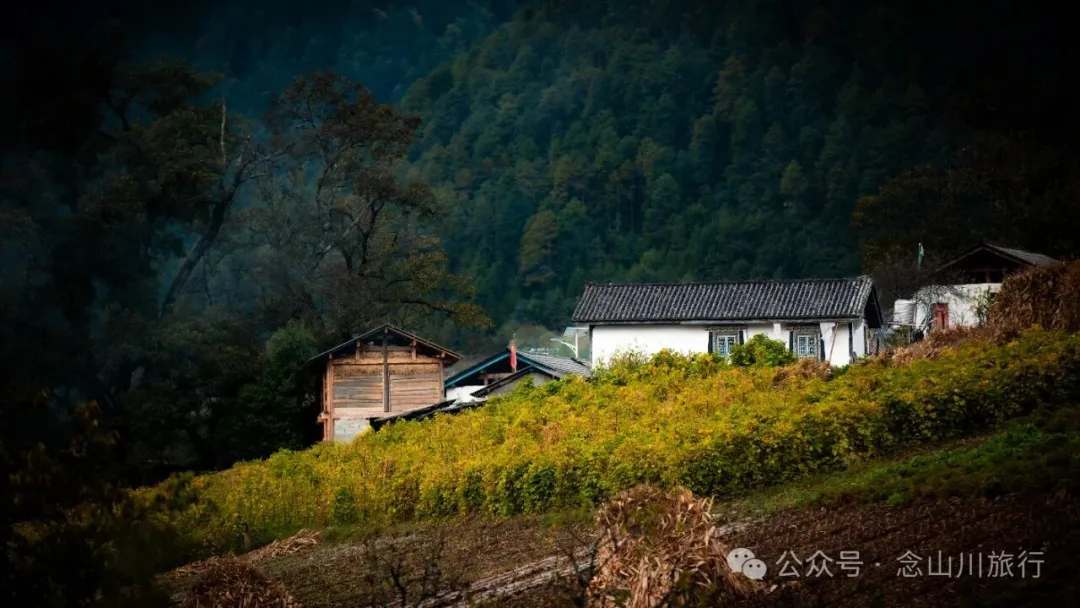
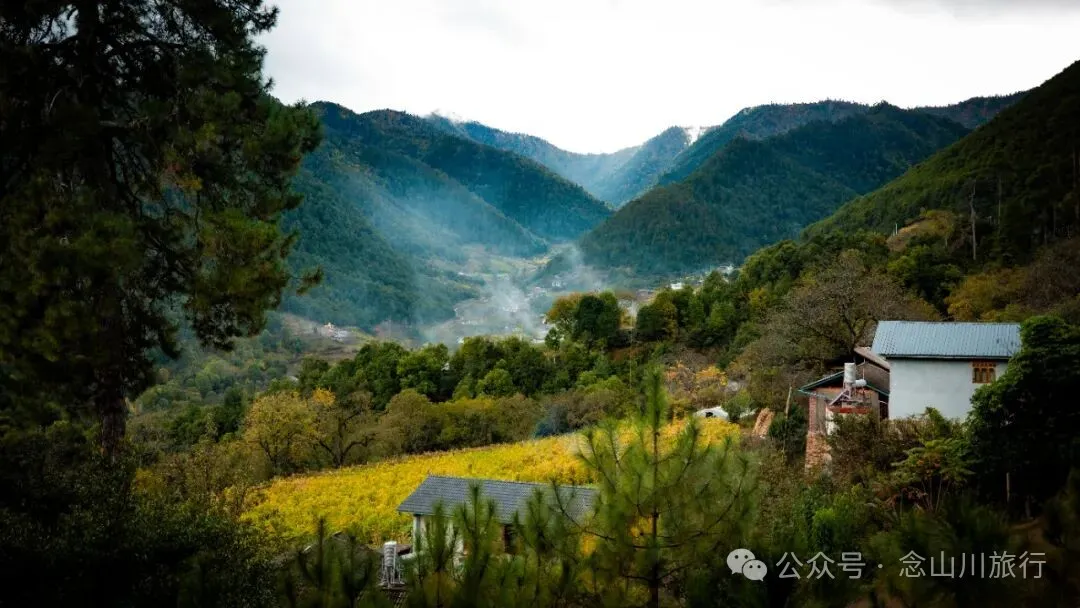
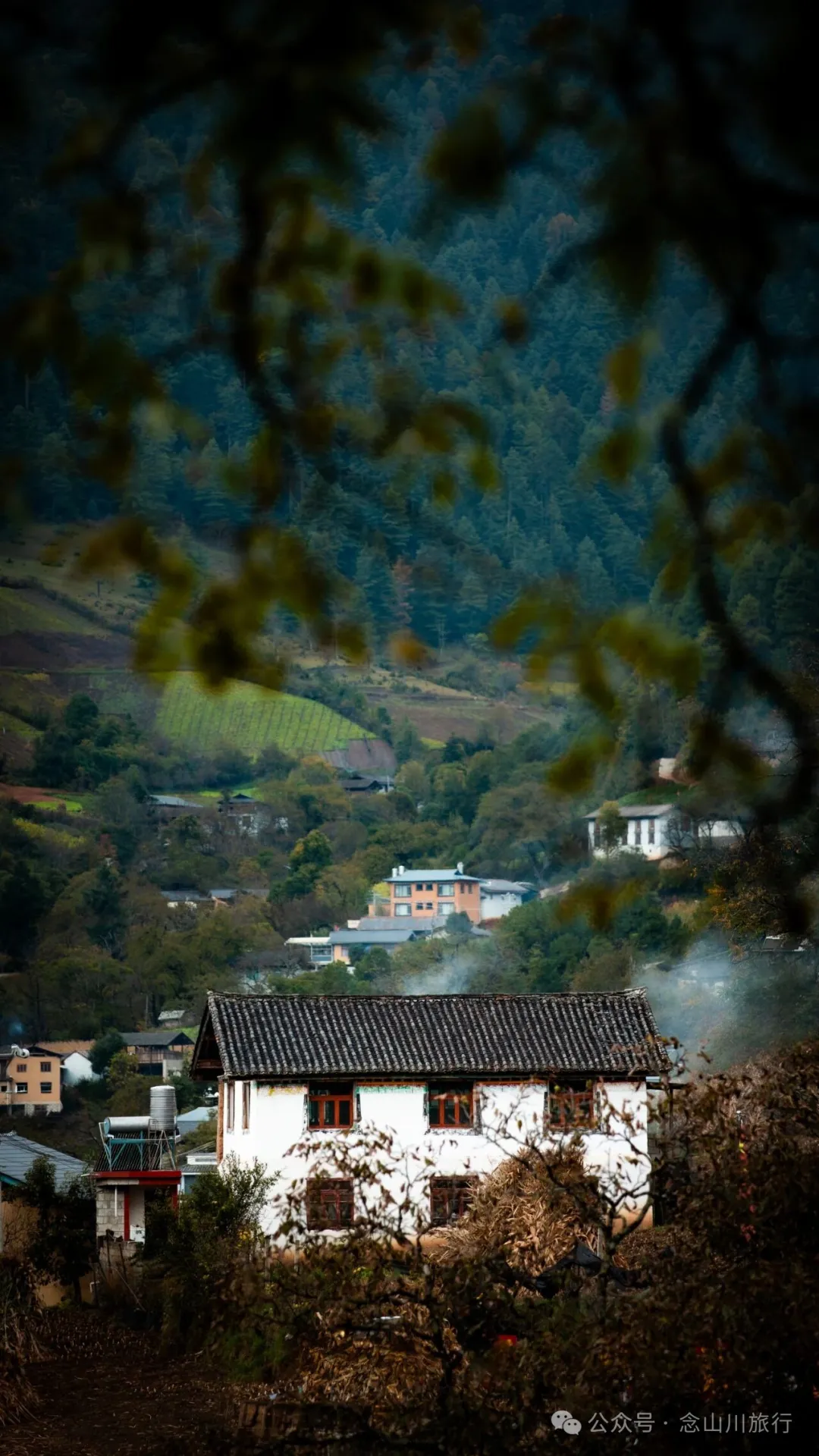
A few days ago, the weather was still the usual clear autumn sky, and people were busy in the fields, rushing to harvest the corn, cut down the corn stalks, till the land, spread a layer of pine needles mixed with cow dung from the cattle pen, and then sow wheat seeds, which would yield a crop of wheat next spring. This was similar to the "double rush" season in southern rural areas, when farm work was heaviest. Some families didn't plant wheat in their fields, so they didn't need to rush to harvest the corn. The villagers said they also grew highland barley, but now very few people planted it, and I didn't see the scene of planting highland barley, so I didn't know when it was sown.
The rain had been falling for several days, so people paused their work in the fields, but they always found something to do. Brewing wine became the best way to pass the time, keeping them busy from dawn to dusk. After the clouds dispersed, smoke could be seen rising from many places in the village; besides heating, a few households were probably still distilling wine. After the rain, people could finally go outdoors to stretch their limbs. The family under the walnut tree seemed to be seeking brightness in the gloom.
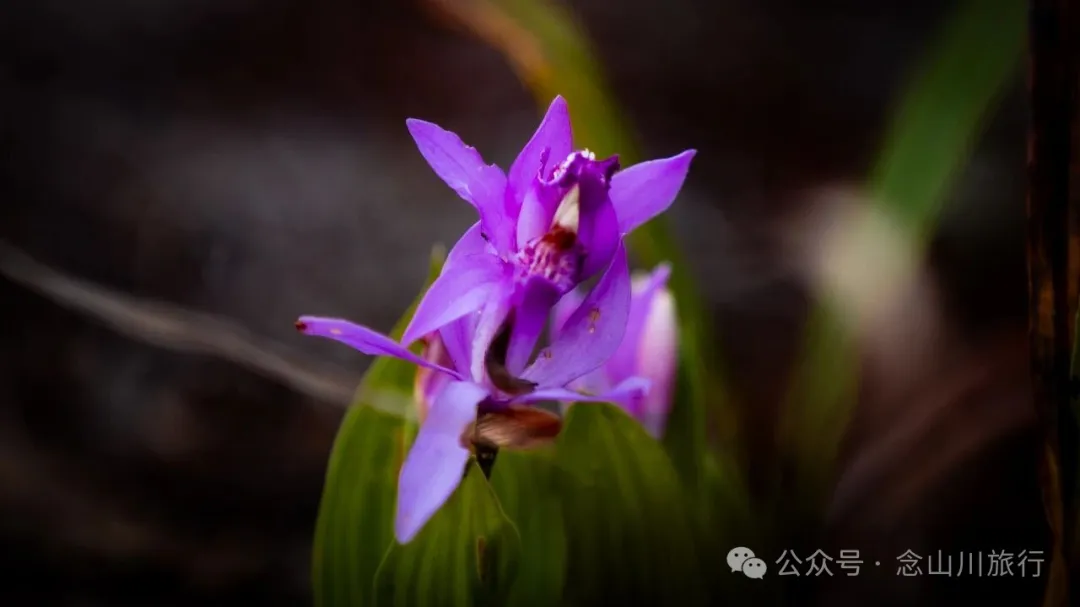
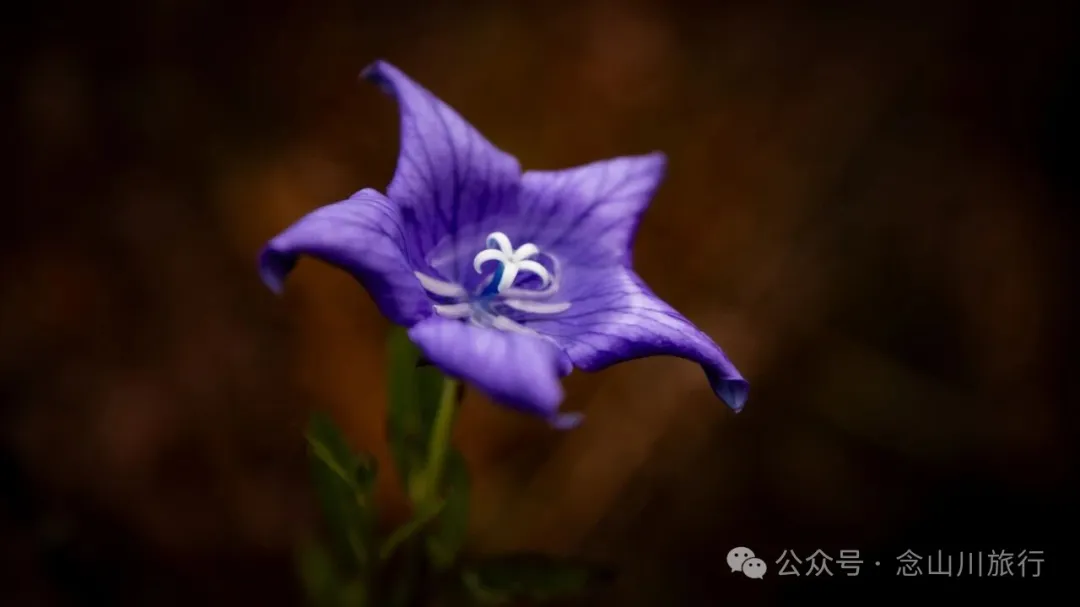
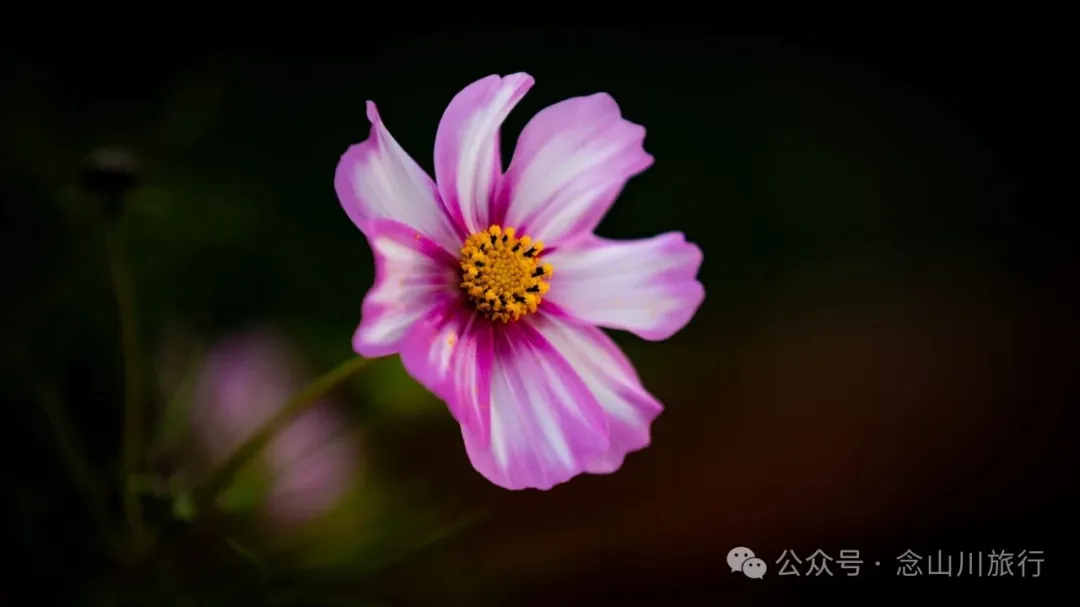
Winter was just a few days away, but the village had not yet shown the desolation and bleakness one might imagine. Whether in the fields, by the walls of houses, or along the roadside, there were still many brilliant colors adorning this world. This Tibetan village, resting amid clouds, encountered a splendid bloom in late autumn. Besides ordinary crops, Bazhu Village also had large areas of land dedicated to planting medicinal herbs, with a wide variety. Although the bletilla had long passed its flowering season, a few white or purplish-red flowers could still be seen in the fields from time to time. Bletilla not only has leaves similar to orchids but also flowers with the elegant and delicate charm of orchids. As a perennial herb of the Orchidaceae family, bletilla has both ornamental and medicinal value, with its graceful posture and soft colors naturally conveying elegance, purity, and the meaning of hope and rebirth. Bellflower was one of the plants that bloomed more in this season, a plant used for both food and medicine. A large field of bellflowers enclosed by wire mesh was full of star-shaped blue-purple flowers.
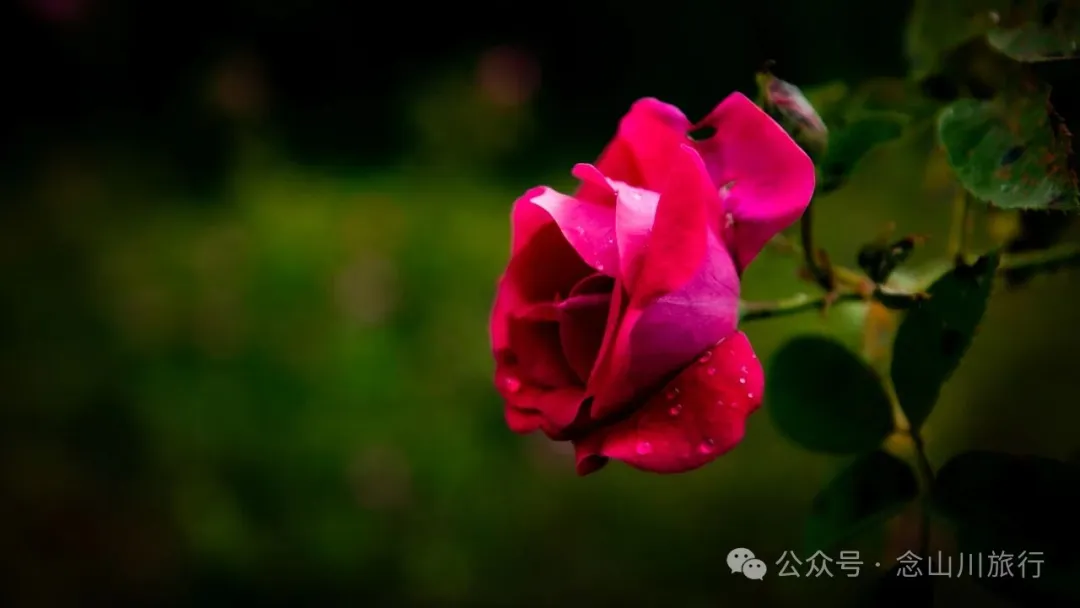
Bellflower flowers, due to their unique shape, are also known as "monk's hat," "bell flower," or "hexagonal lotus." Cosmos have a long flowering period, from early summer to November before the late autumn frost, and their flawless, gorgeous flowers can be seen by the roadside.
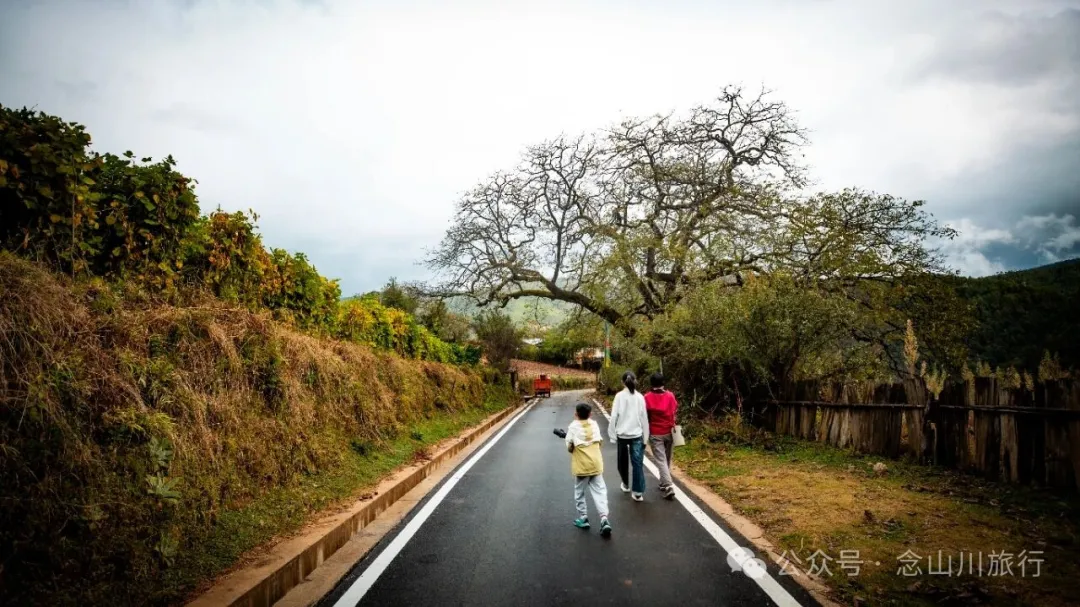
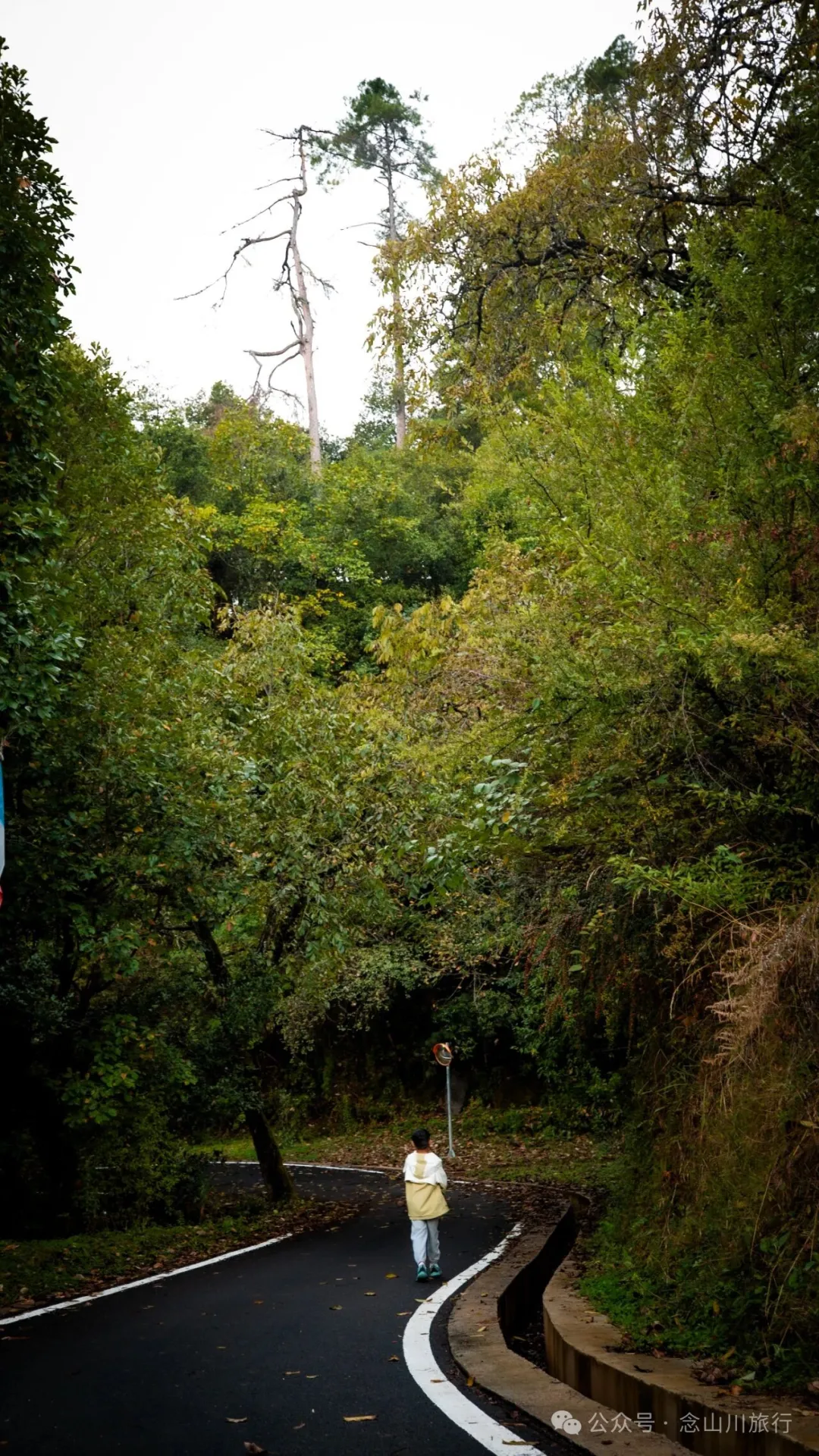
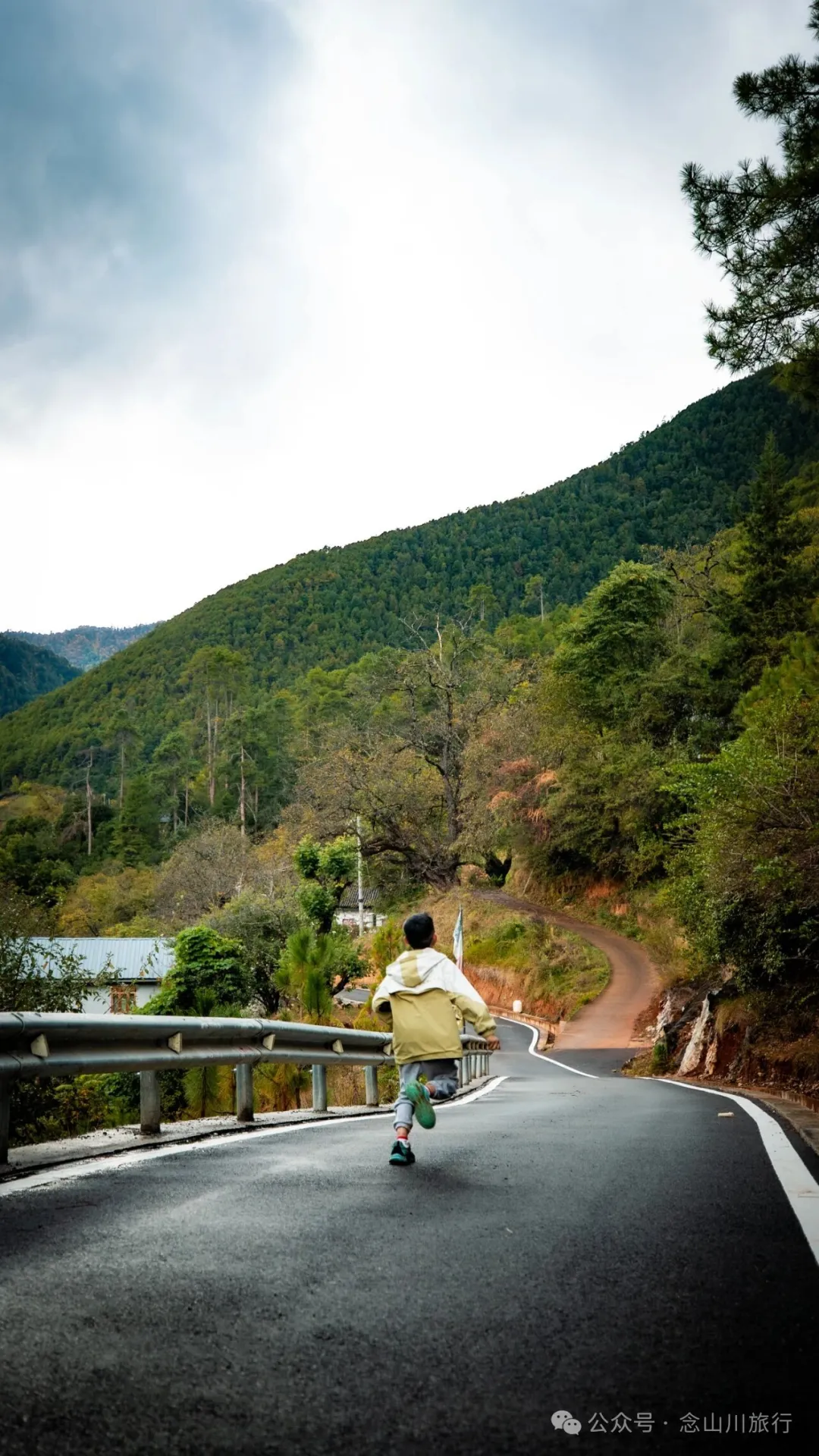
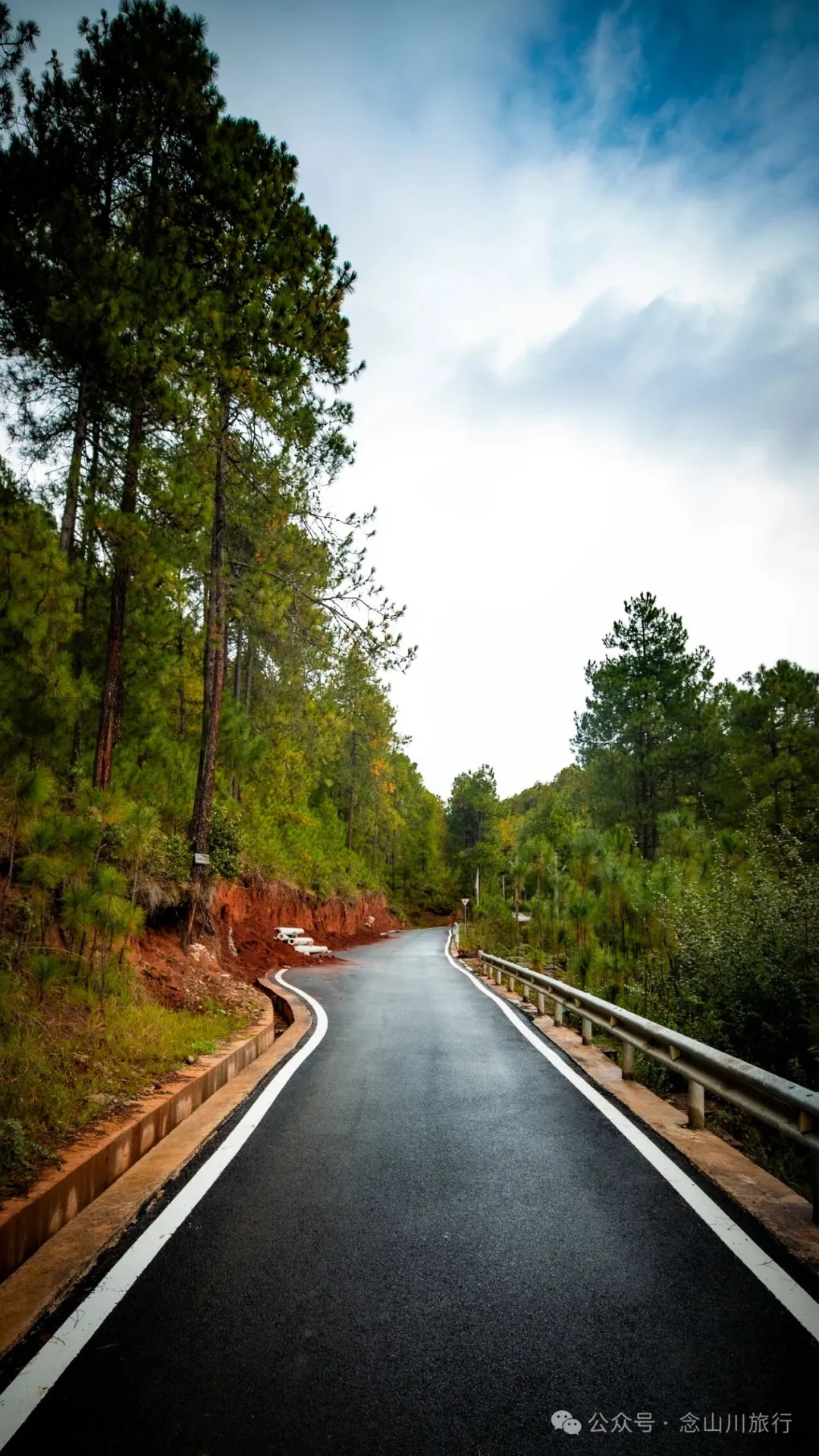
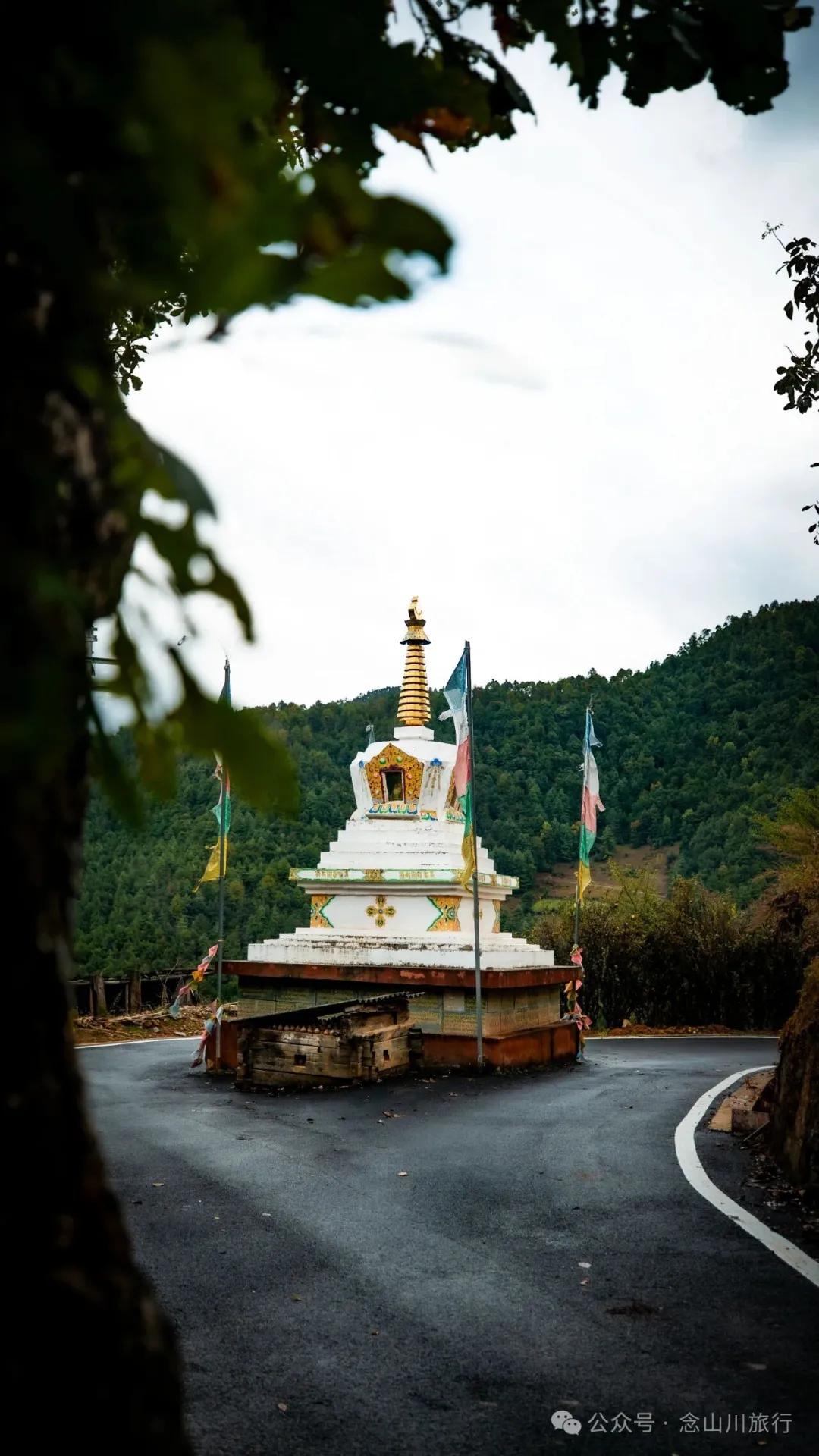
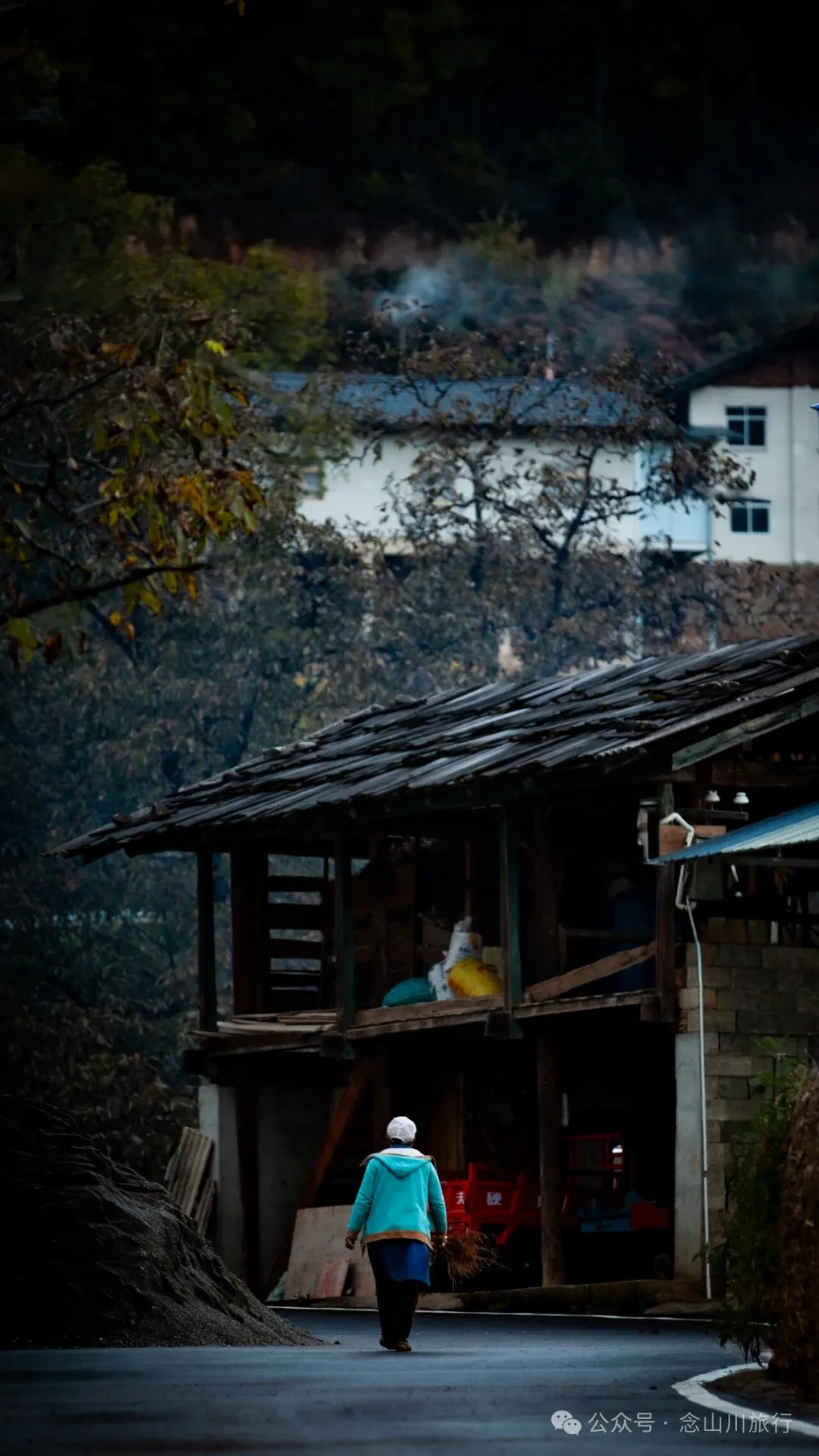
A newly paved asphalt road in the village was even cleaner after the rain, and the white pagoda standing in the middle of the road appeared more solemn. Walking along the road in any direction, one soon encountered the wilderness on both sides. Water droplets still fell from the dense pine forest, making a rustling sound. Oak trees grew among them, and newly fallen leaves covered the decaying leaves from previous years, adding another layer to the mountain soil. Squirrels quickly darted from one side of the road to the other, climbing up a walnut tree to hide. The walnuts had almost all fallen; I wondered if their dens stored enough walnuts to help them survive the cold winter smoothly.