
It was nine in the morning when Gerong Zhuoma's family waited for me by the white pagoda, the time when cattle and horses start their work. However, their car drove into the medicinal herb fields in the mountains, where the fields were their workstations. Today's farm work was still digging costus roots, the most frequently heard word from villagers these days. The costus grown here is Yunnan costus, the dried root of the Asteraceae plant Saussurea costus, mainly produced in Yunnan, known for its authentic origin and excellent quality. It is a very important qi-regulating herb in traditional Chinese medicine, with the core function of promoting qi and alleviating pain, especially good at treating qi stagnation in the spleen, stomach, and large intestine.
Yunnan's high-altitude climate and soil conditions are very suitable for costus growth, resulting in top-quality costus recognized as "authentic medicinal material." Yunnan costus is cylindrical or semi-cylindrical in shape, resembling dry bones. The surface is yellowish-brown to grayish-brown, with obvious wrinkles, longitudinal grooves, and lateral root scars. It is hard and not easily broken. The aroma is strong and intense, with a slightly bitter taste. Its rich fragrance is one of its most important identifying features.
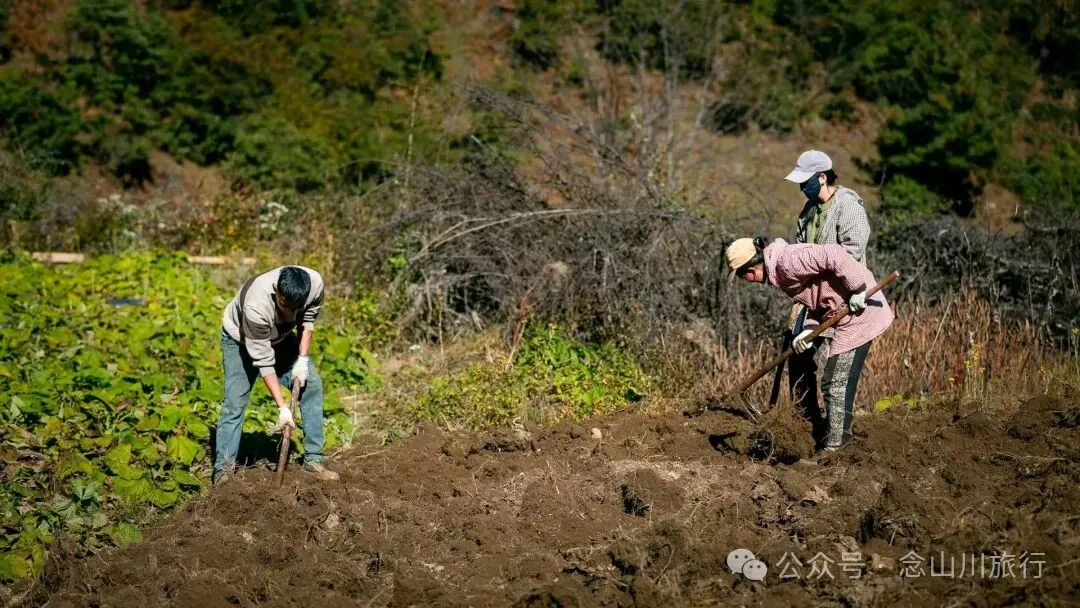
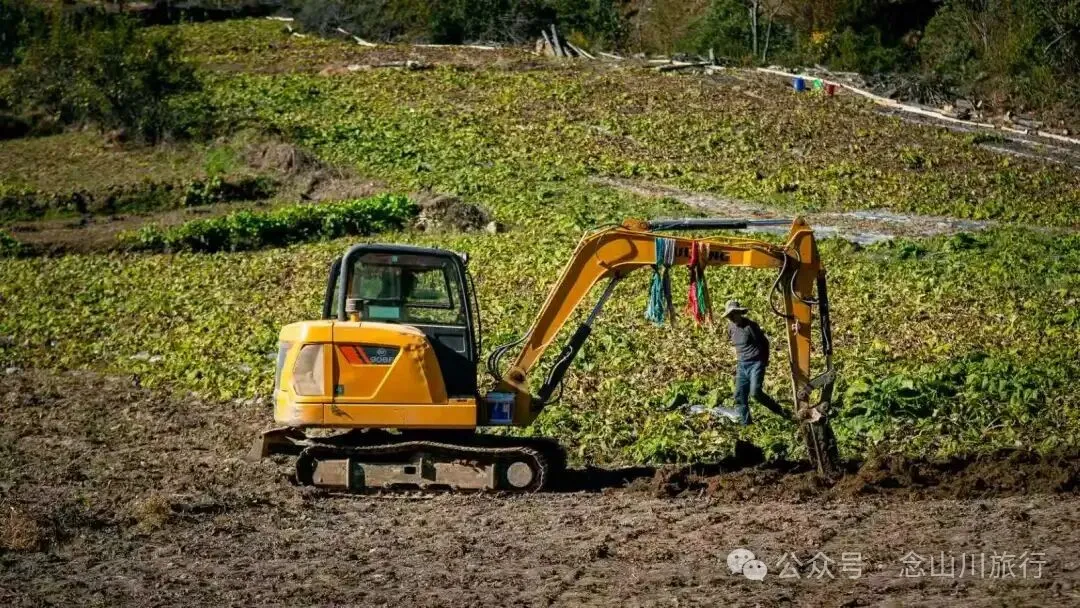
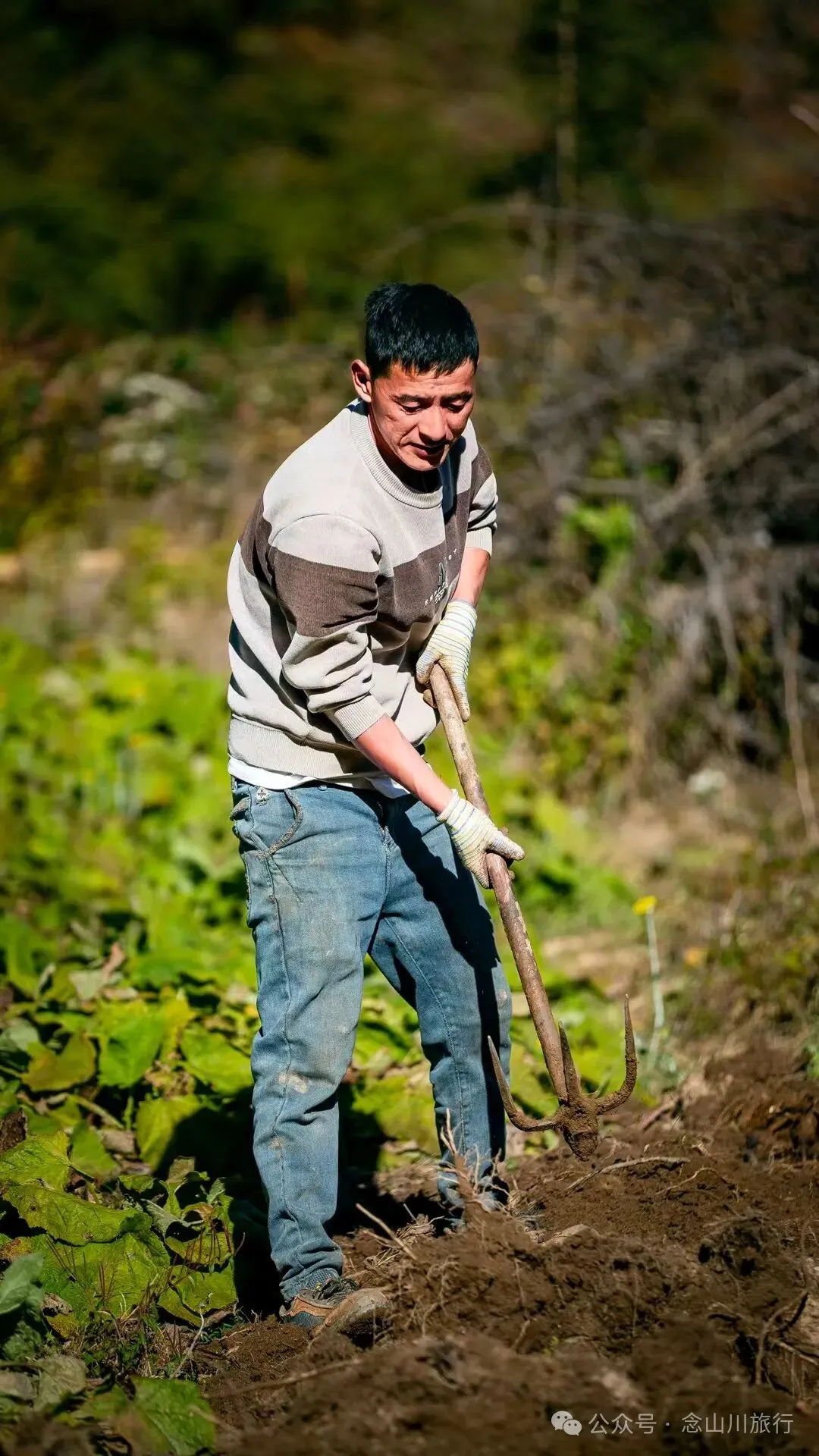
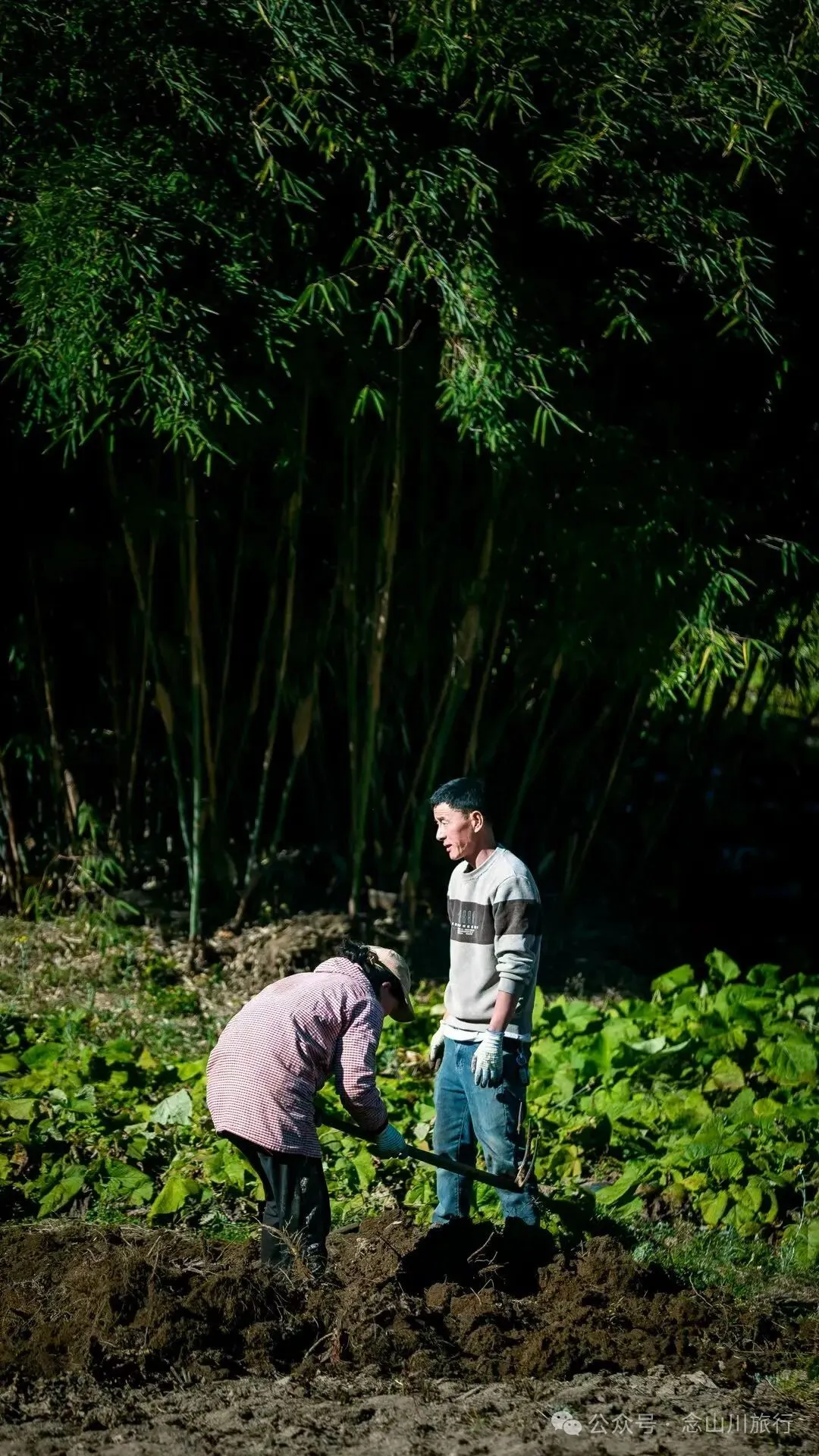
Gerong Zhuoma's costus field was less than one mu. If relying solely on manual labor, it would take about a week, laborious and time-consuming, so they had to hire an excavator. The excavator worked for only an hour, turning the field upside down, but then manual labor was still needed to knock the costus roots out of the large clods of compacted soil, which would take another two or three days. Although they started work at nine, they mostly slacked off in the morning, waiting until about ten when the excavator arrived. The excavator moved back and forth in the field, and we just stood far away by the fence watching, or went to the neighbor's sheep pen to play with the lambs. After picking up hoes and striking the ground no more than ten times, Gerong Zhuoma's parents said it was time to cook lunch. After lunch, we returned to the field at two in the afternoon. Her father joked that they worked until five. Well, it turned out they also had a 9-to-5 in the mountains, but it was much more interesting than the urban 9-to-5.
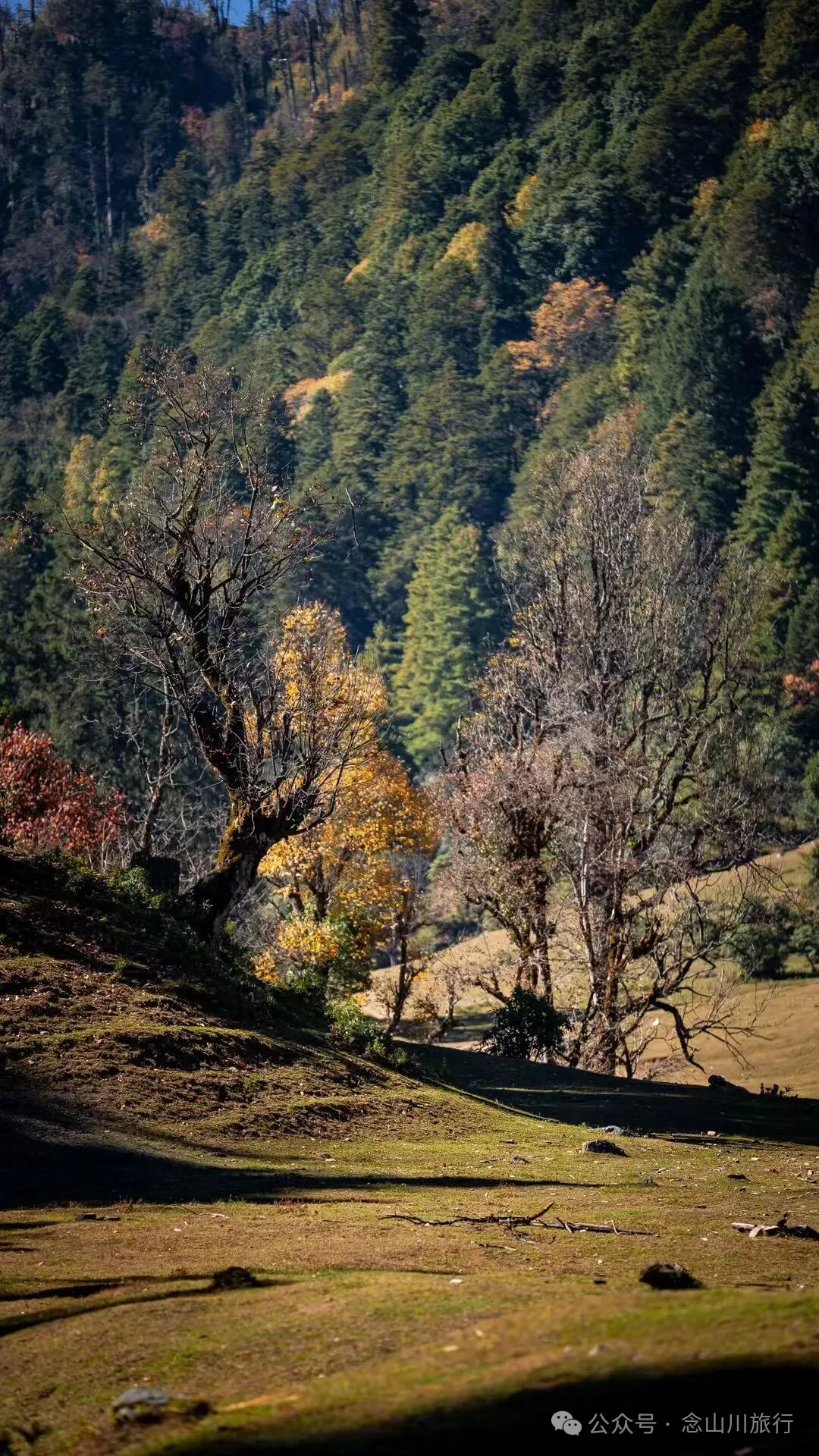
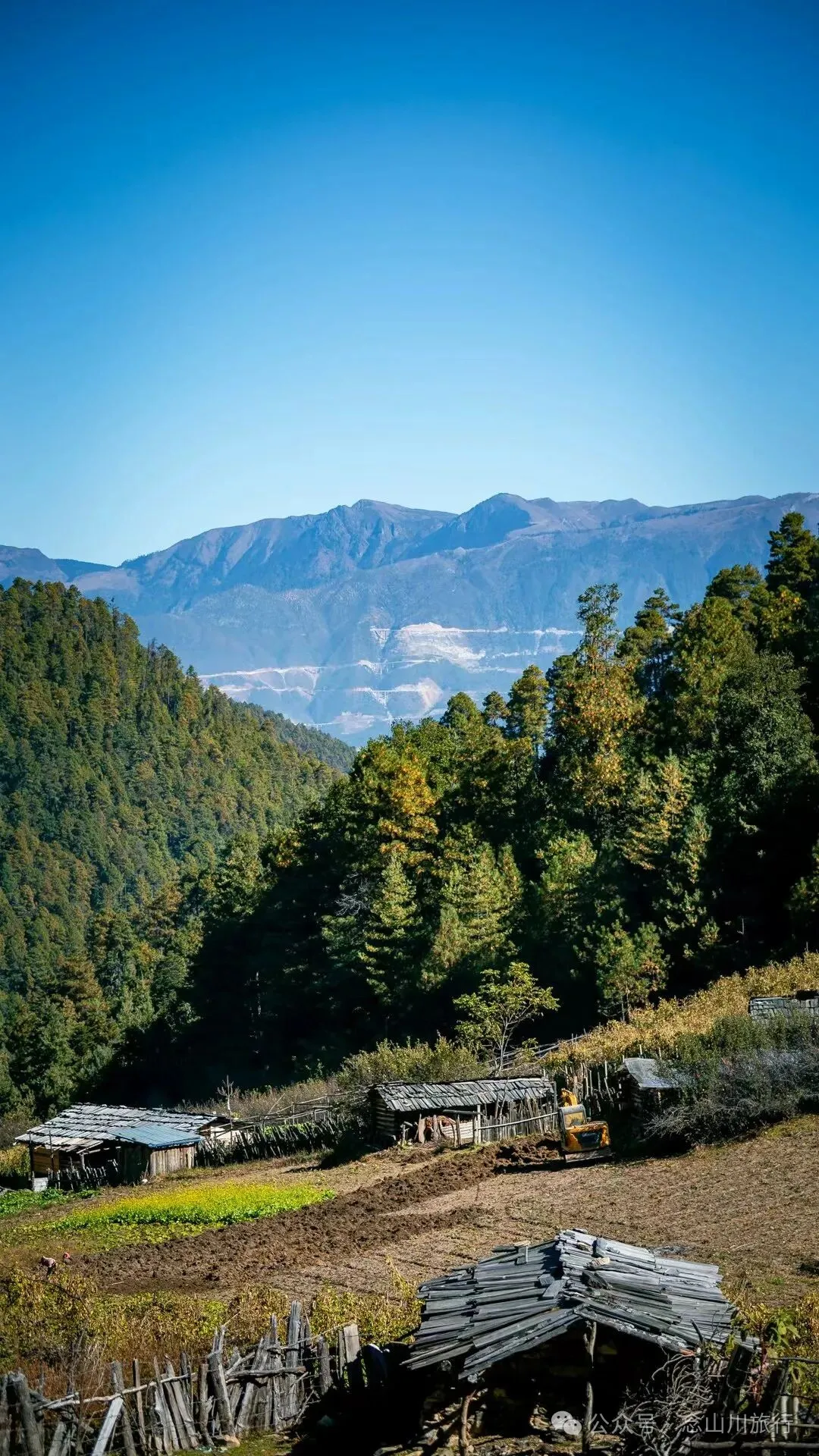
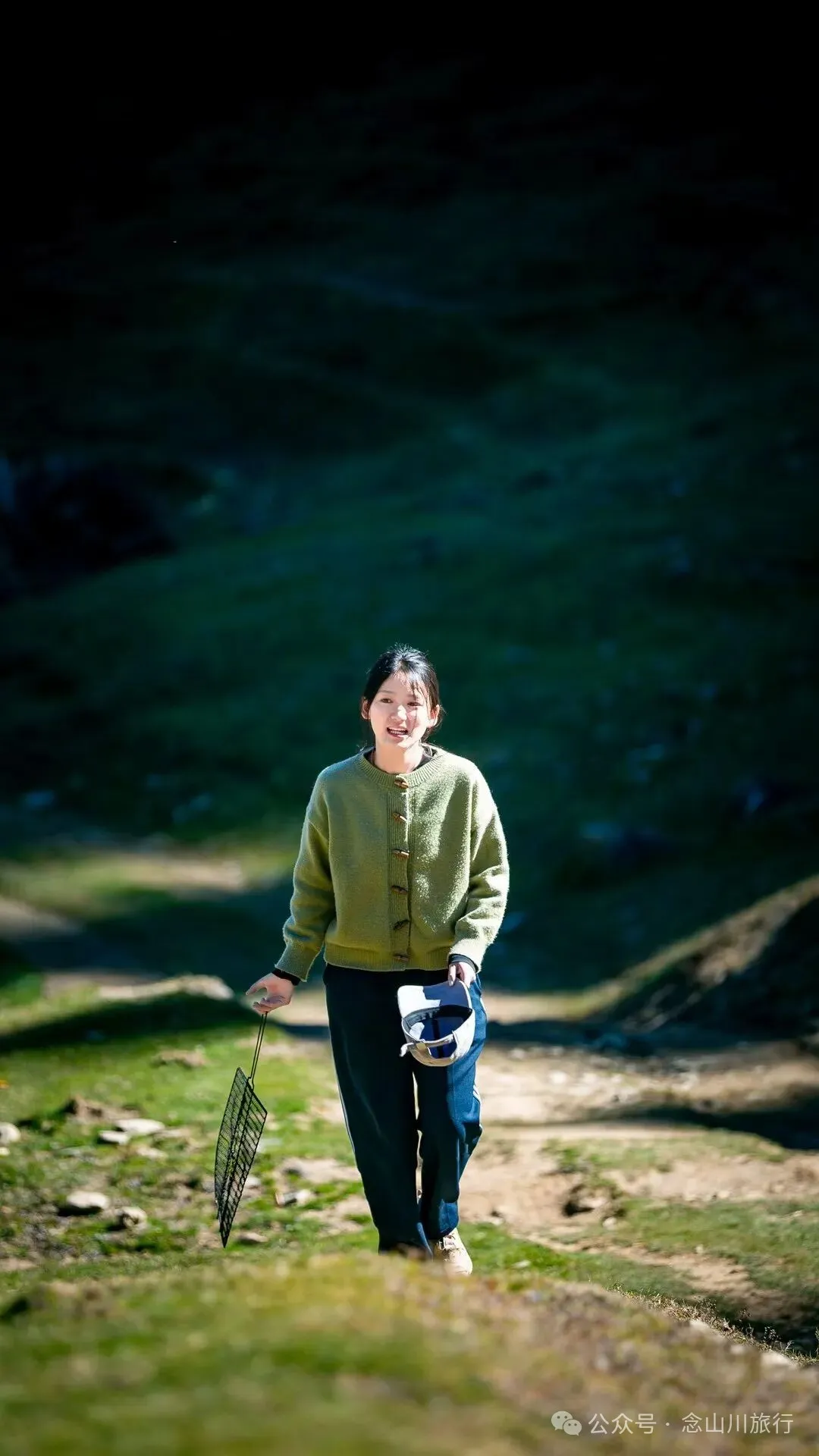
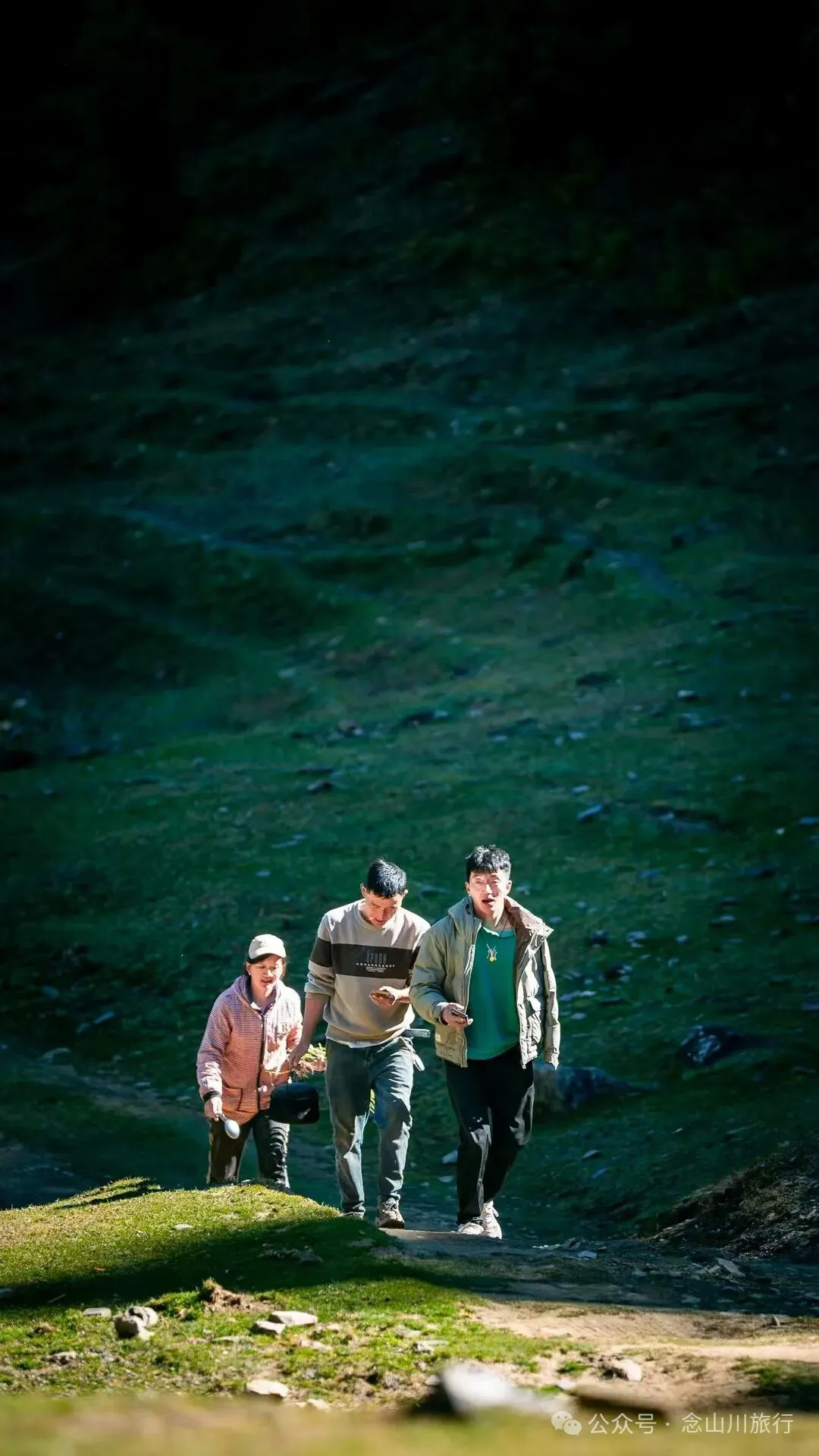
Next to the herb field, there was a wooden cabin where they usually cooked, with a wok already set over the fire. But the excavator operator was a particular person, insisting on eating in a scenic spot with a wide view. I followed Gerong Zhuoma, carrying various utensils on my back or in my hands, to a large tree in the meadow. Another villager had already built a roaring fire there, with thick, pine-scented smoke rising into the air.
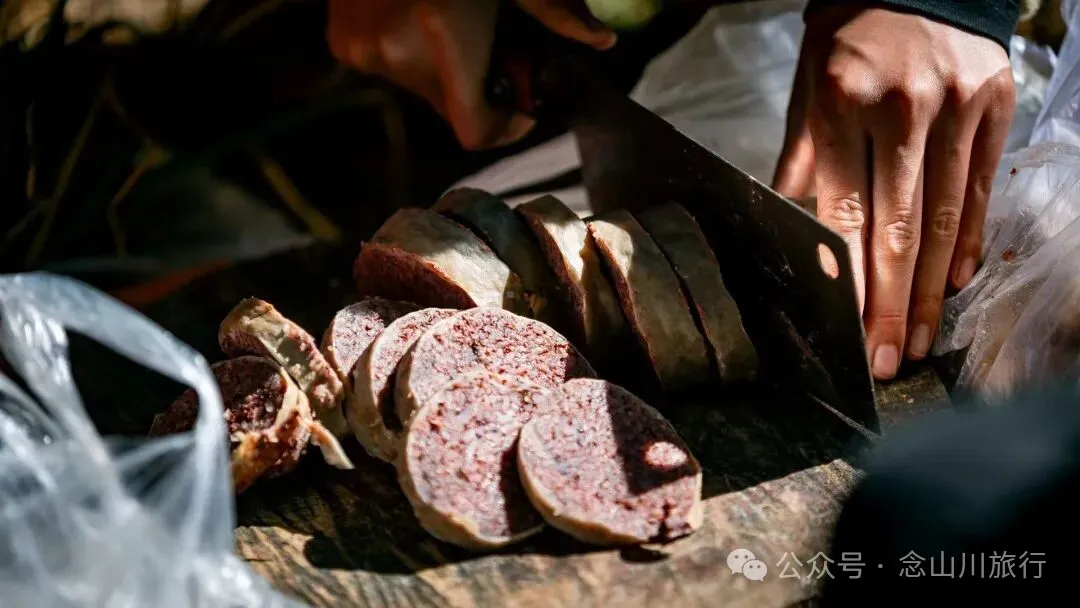
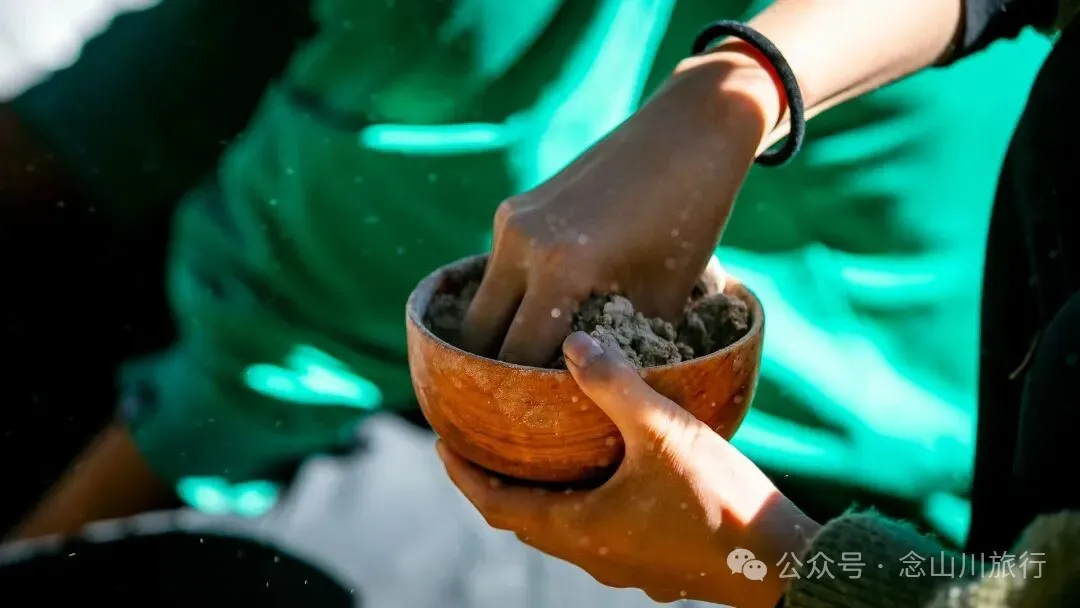
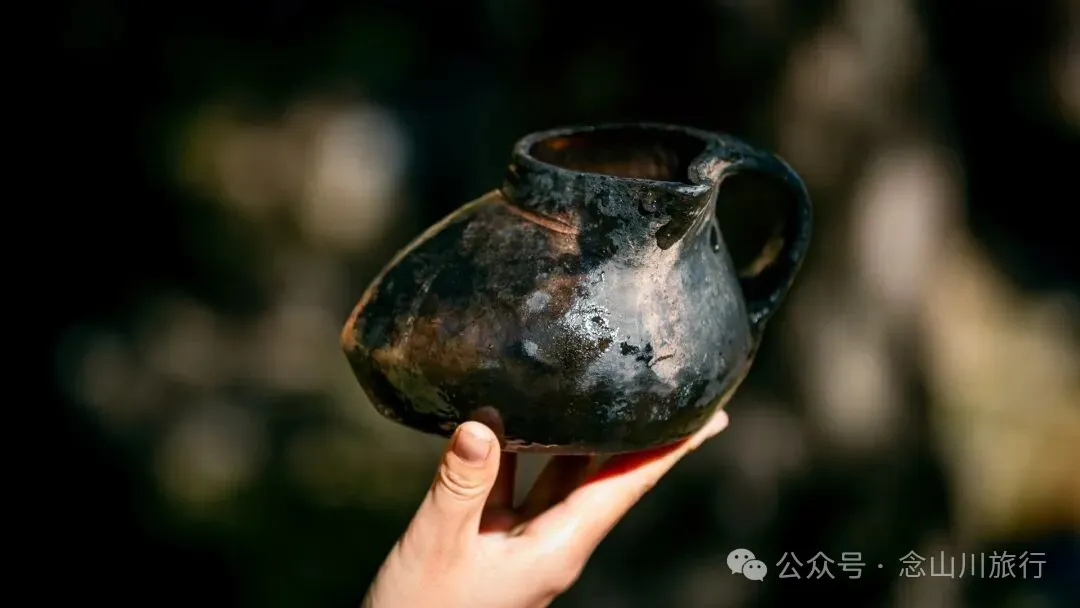
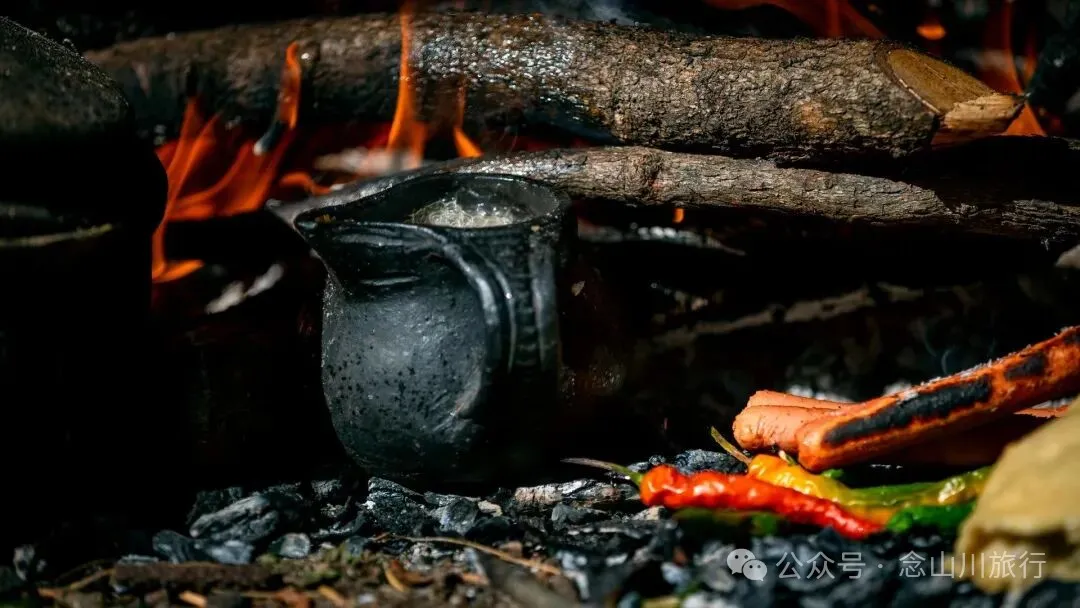
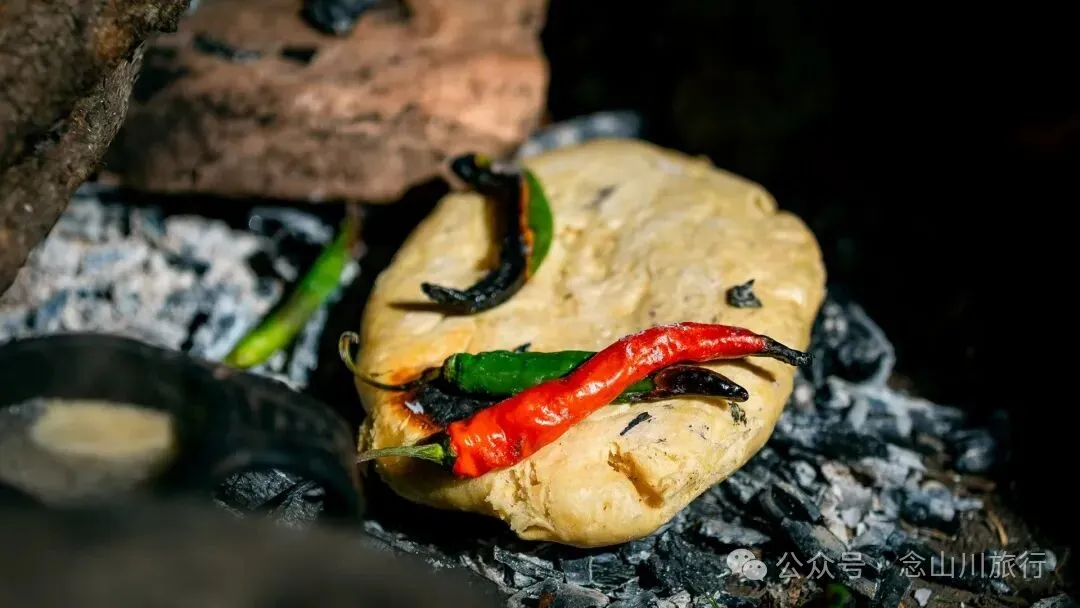
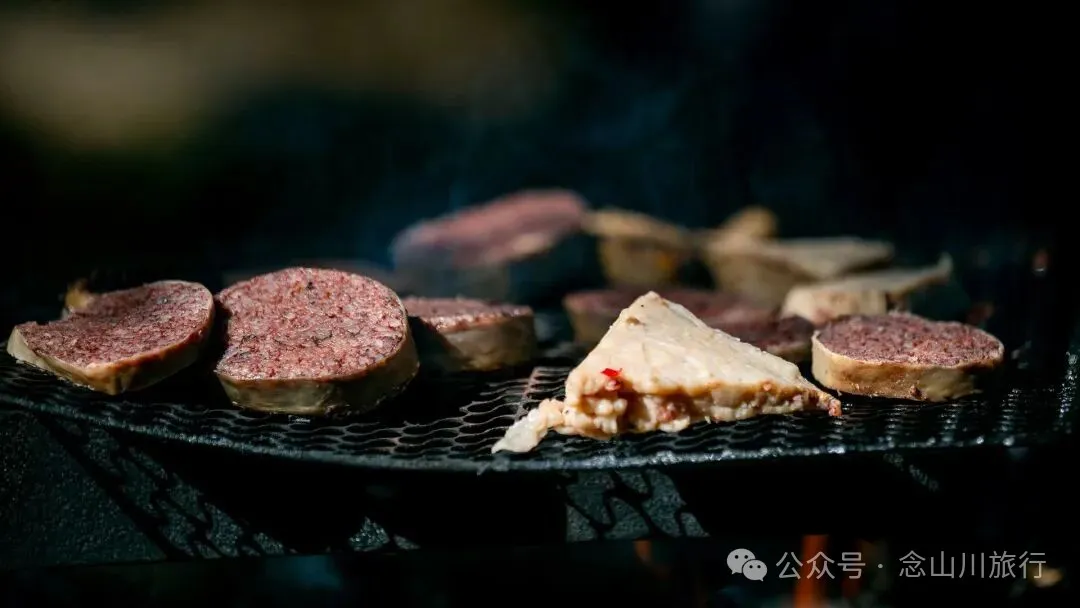
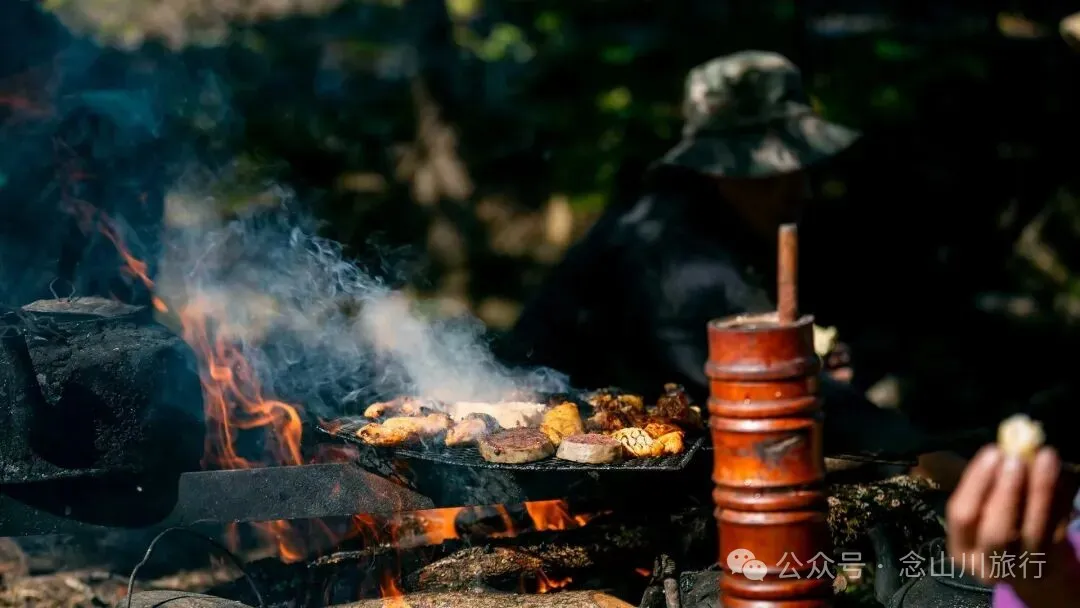
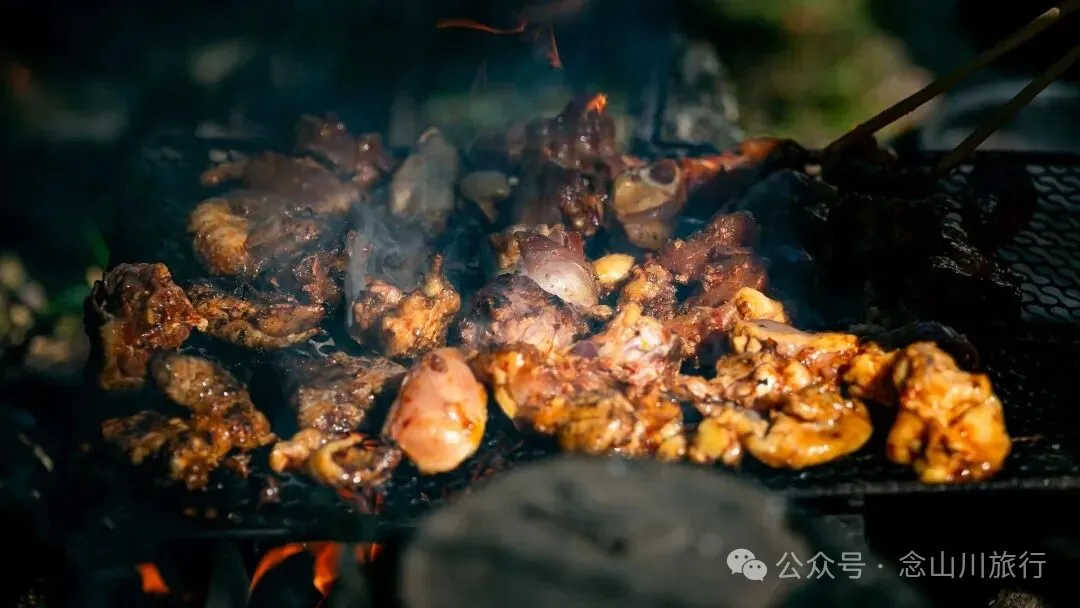
Besides the scenic dining spot, the excavator operator's particularity was also reflected in the tableware and dry provisions he carried. A small transparent plastic box contained three or four items: two wooden bowls (one for mixing tsampa, one for drinking butter tea), a pair of chopsticks, and a nice small canvas bag filled with highland barley flour. As for the ingredients, the abundance far exceeded our imagination: a portion of marinated fresh chicken pieces, several glutinous rice sausages, and his own pig lung mixed with flour. Just looking at these tempting ingredients made our mouths water, not to mention the flatbread, chili, and pot rice brought by Gerong Zhuoma and her family, as well as the butter tea freshly brewed in a clay pot. The two-hour lunch was spent leisurely picking food from the fire into bowls, drinking bowl after bowl of hot butter tea, feeling the warmth of sunlight filtering through the branches, turning an ordinary working lunch into an extremely luxurious enjoyment. For such a hearty and joyful lunch, it would be worth changing the 9-to-5 to a 7-to-5.
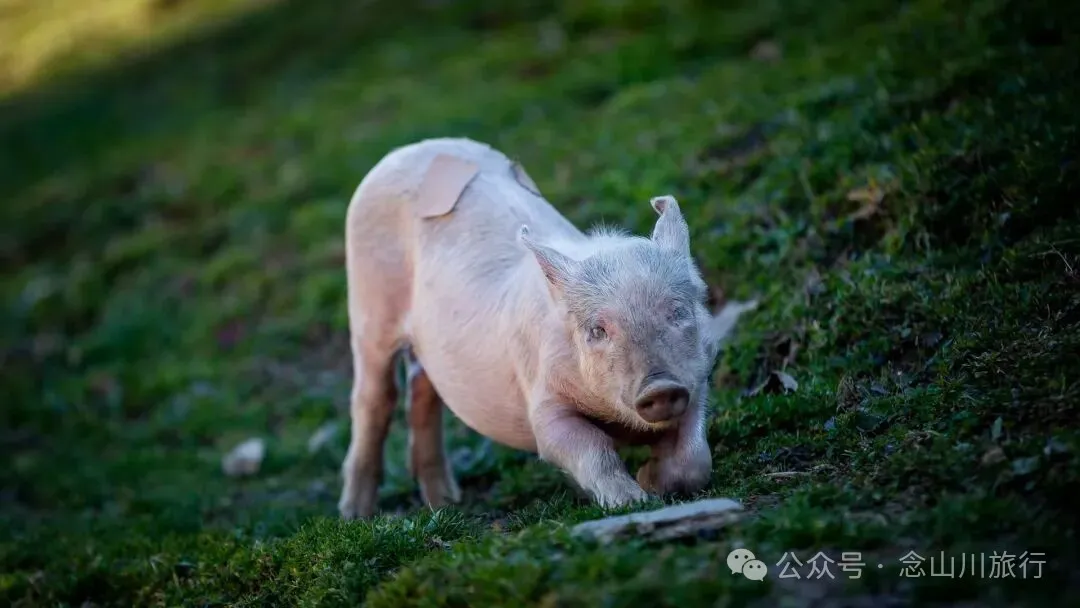
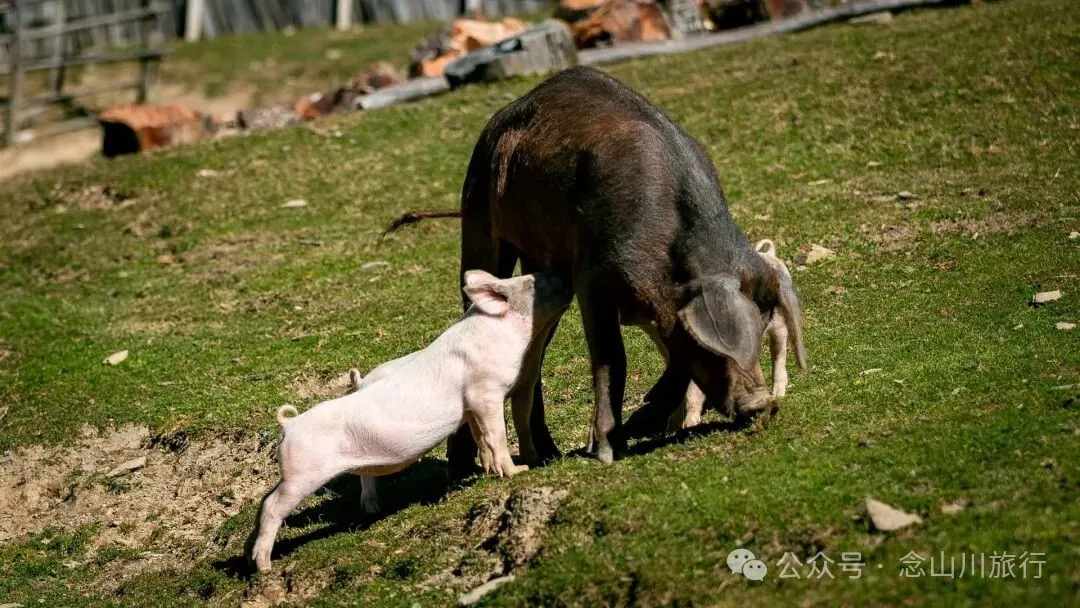
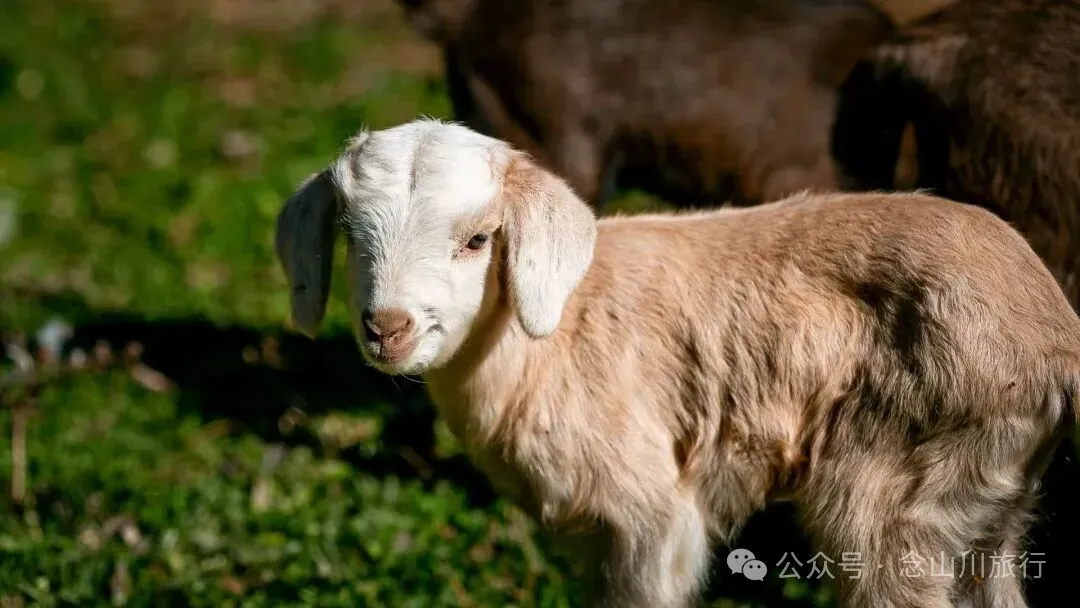
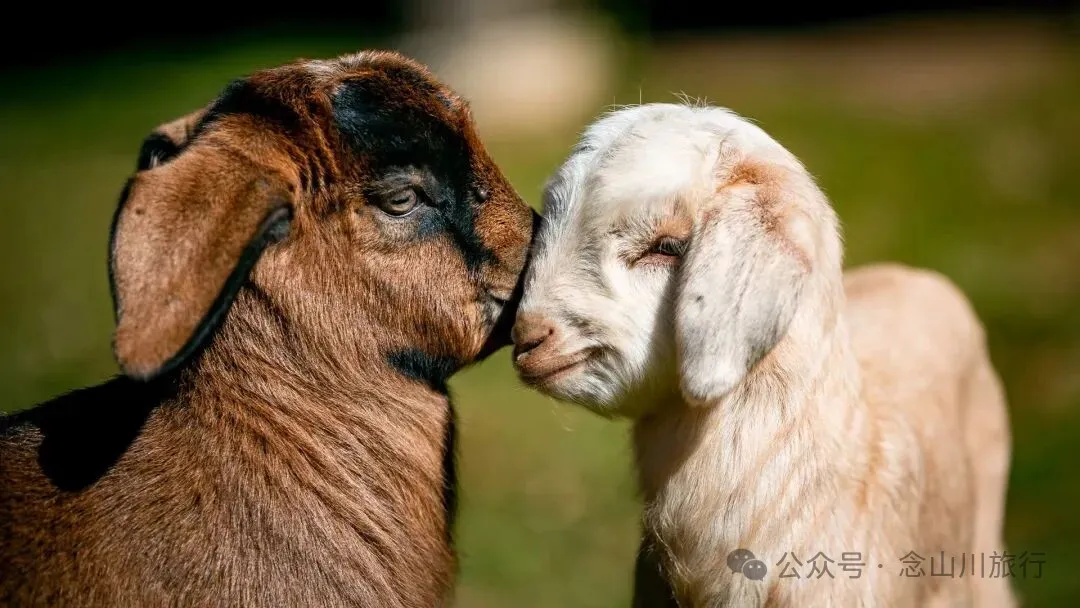
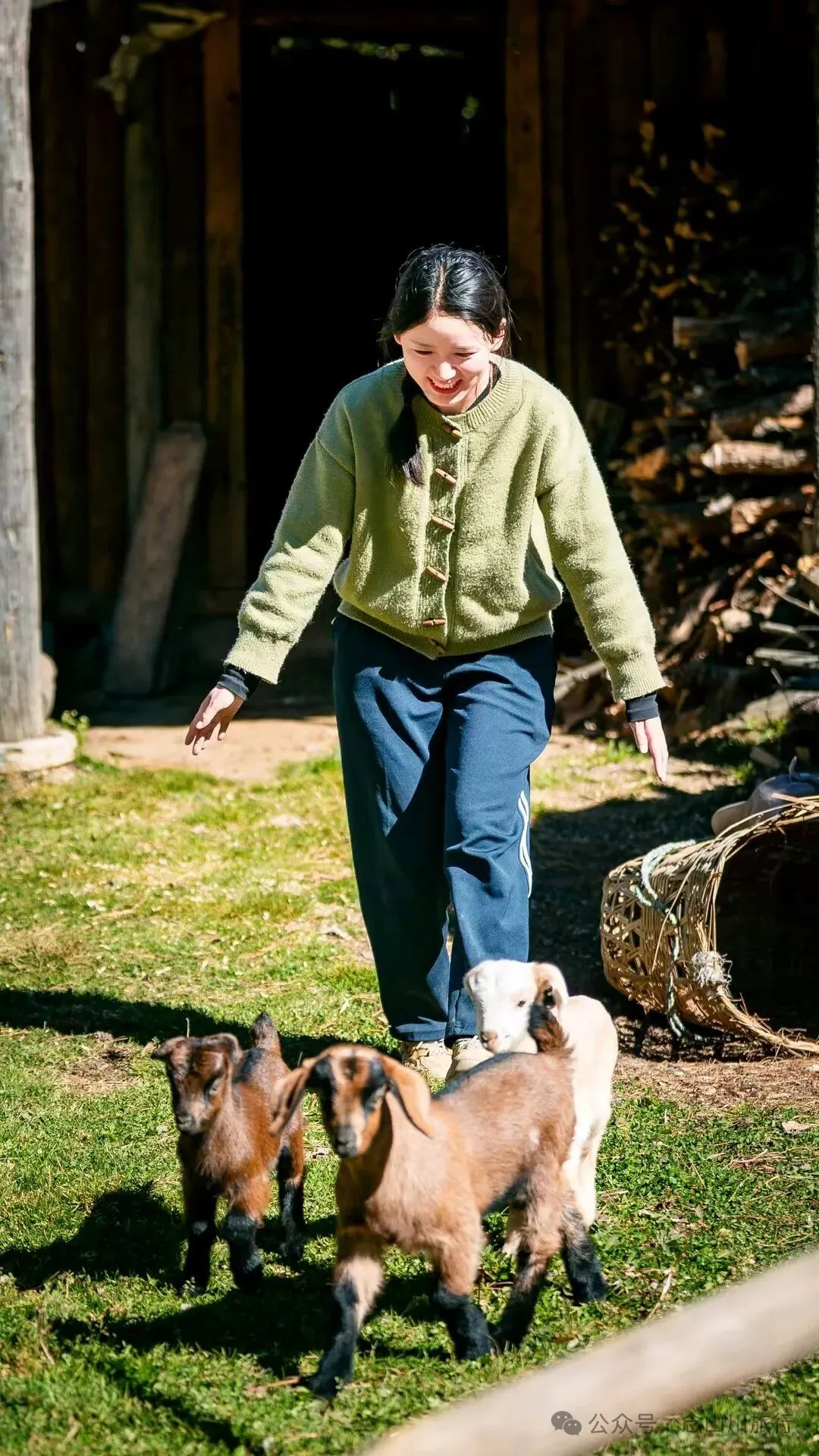
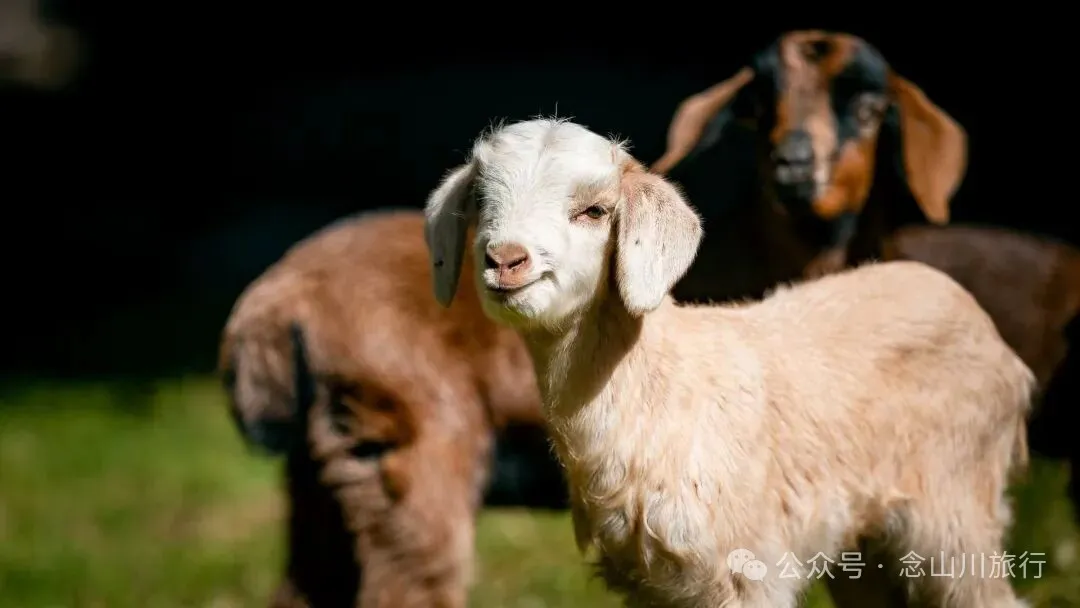
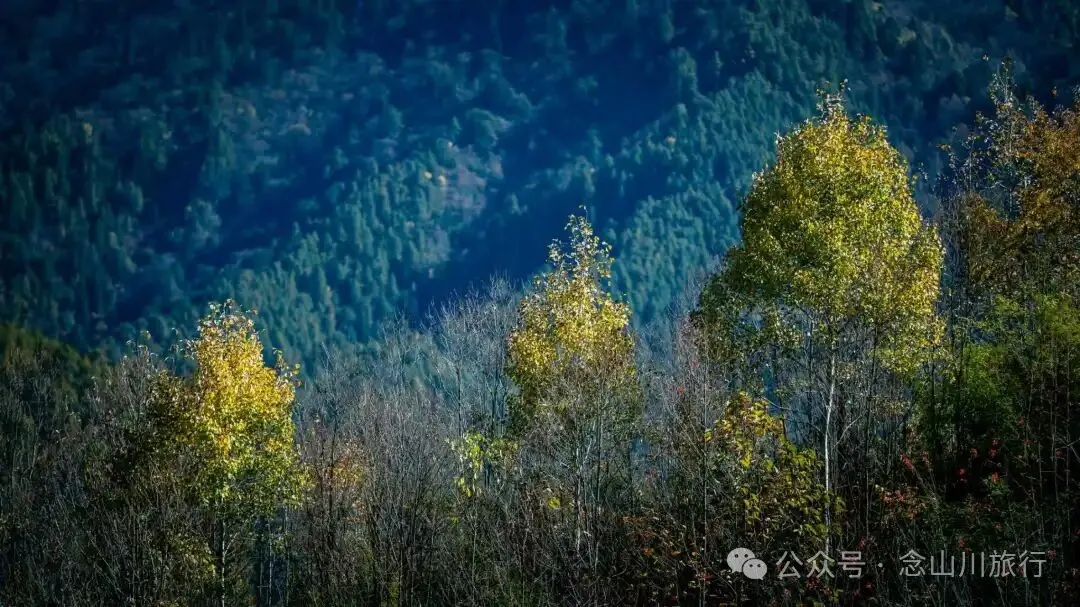
Only after eating and drinking our fill could we handle the three hours of work in the afternoon. But time passed quickly; after two breaks, it was time to "clock off." Fortunately, no one slacked off, and more than half of the field was done. On the way back, the piglets in the pen followed their mother to the grass to bask in the sun. One of them was stretching its front legs, with two plasters on its back. The owner said it was injured by a companion and was recovering. The three lambs, born 15 days ago and confined to the sheep pen, were temporarily released into the sunlight. Seeing the cheerful smile of the white lamb swept away all fatigue. Outdoor BBQ, smiling lambs, piglets with plasters, and the breezy autumn valley—such a 9-to-5 in the mountains is truly healing.