
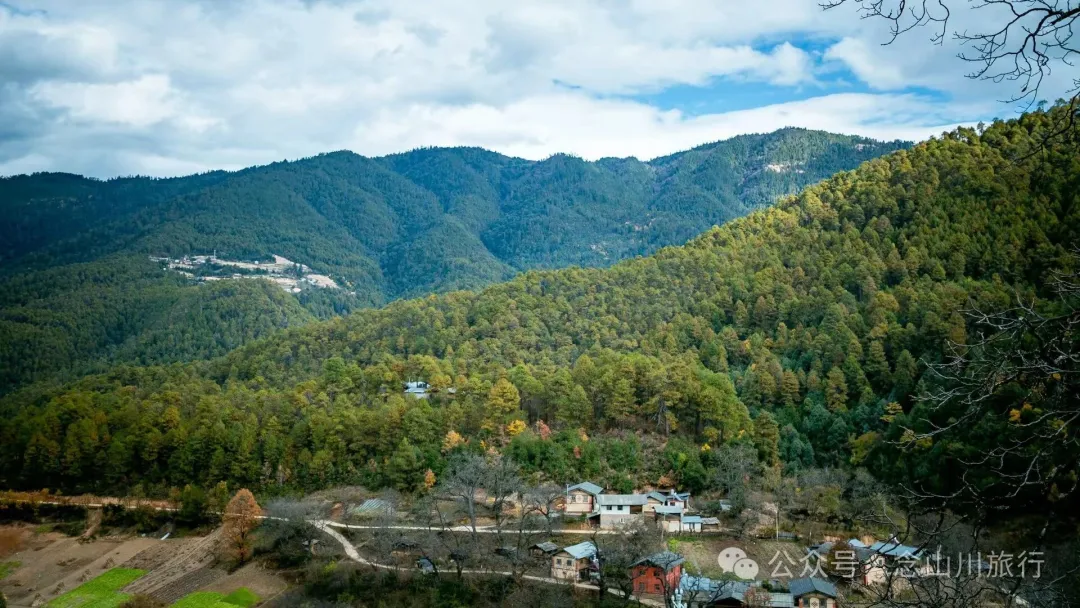
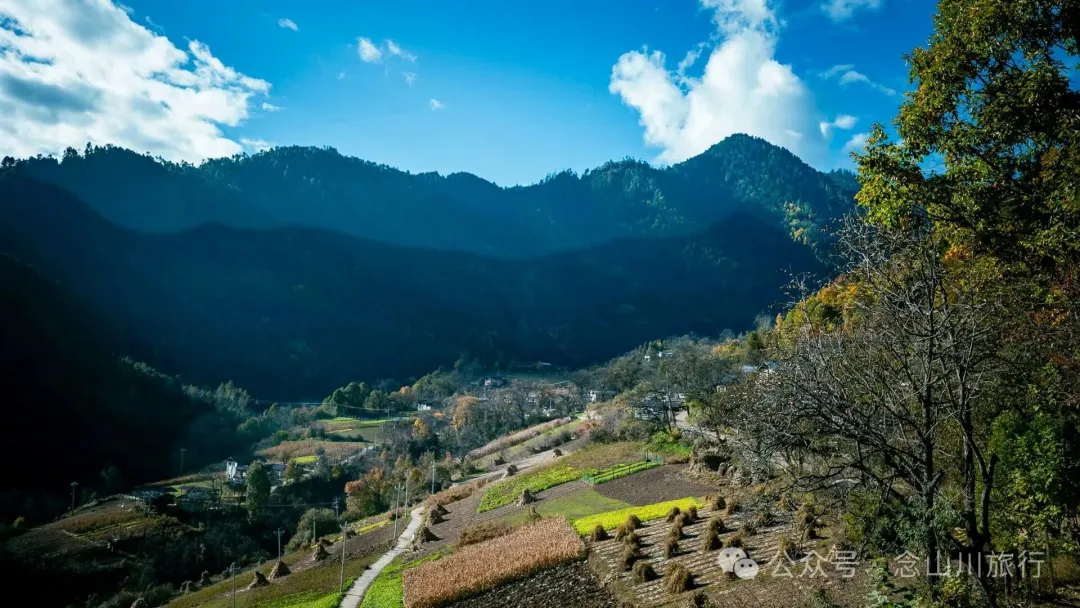
Over the mountain opposite the village committee is another fairy-tale valley, where houses with red walls and gray tiles stand along white strip-like roads, watching autumn roll down the hillside, drawing closer and livelier. Just one snowfall would instantly transform the entire valley into a pure, flawless fairy-tale world. The valley has four village groups and over 40 households. I first came to this valley at the end of October, shortly after arriving in Bazhu Village, in search of the legendary lake ruins.
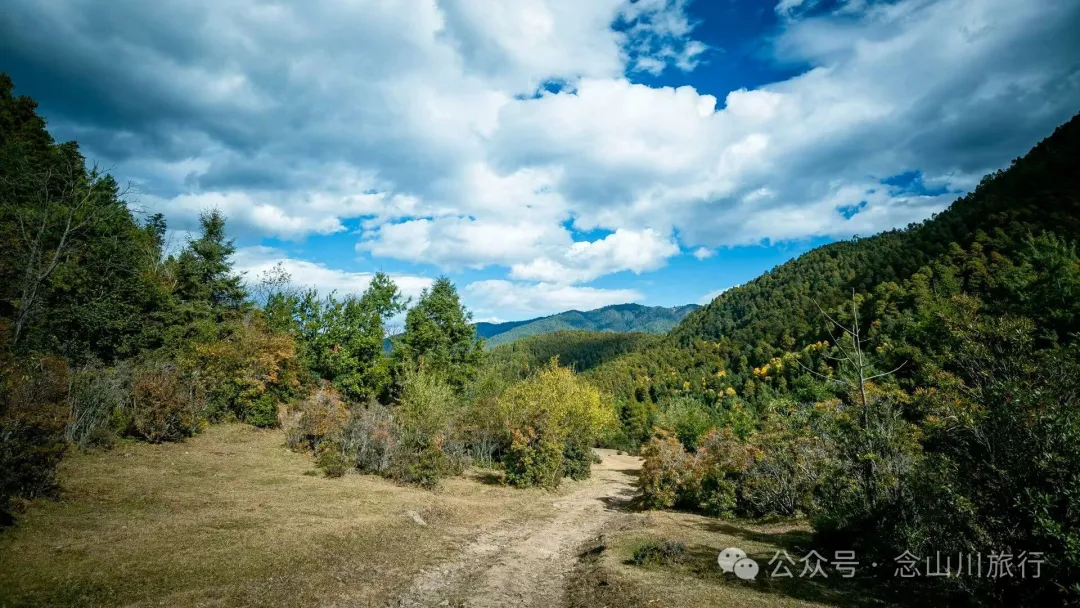
At that time, I didn't know the exact location of the ruins. I was lucky when I came looking, as I encountered a family working in the fields by the roadside—two boys, one about ten years old and the other two, who were happy and eager to guide me. Their mother kept calling out in Tibetan behind them, giving instructions. But clearly, they were too excited about their temporary role as guides to heed her words, busy leading the way ahead. I followed them through a cornfield and then a papaya grove. When we met villagers, the older boy also acted as an interpreter. This time, we didn't enter the village but took a winding concrete path along the mountain edge, leading straight to the pasture in the mountains.
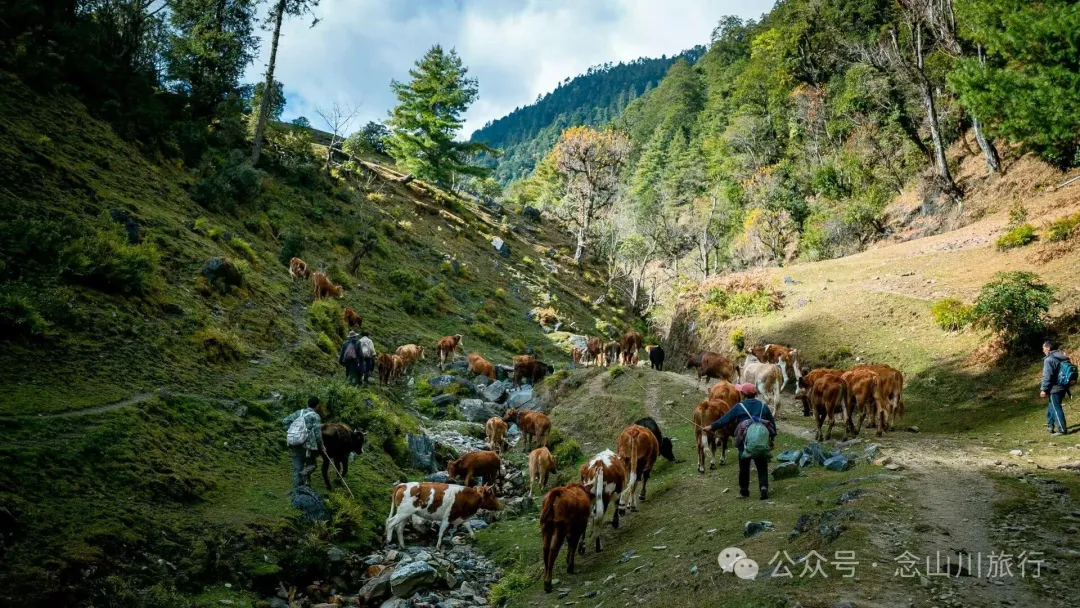
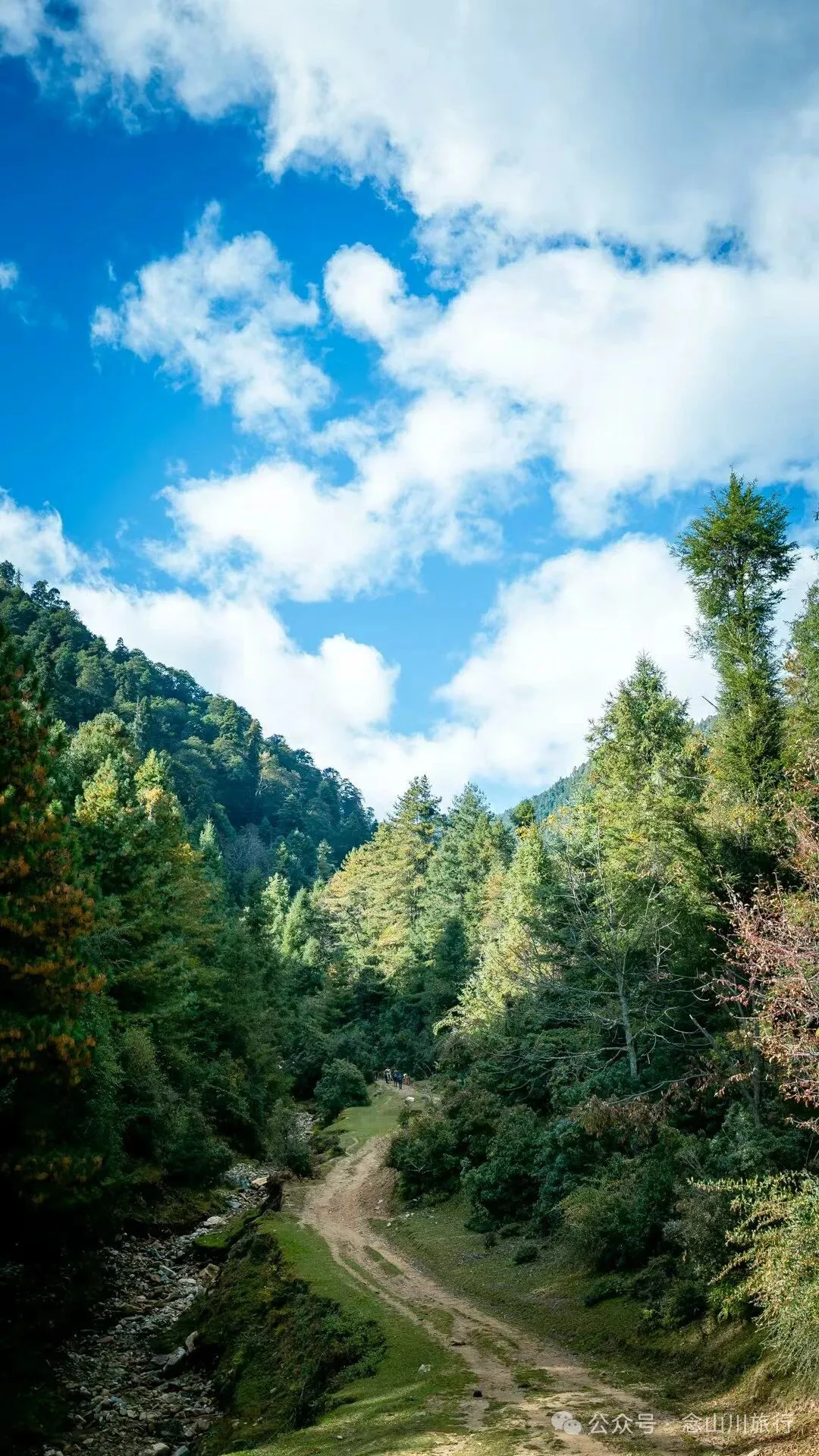
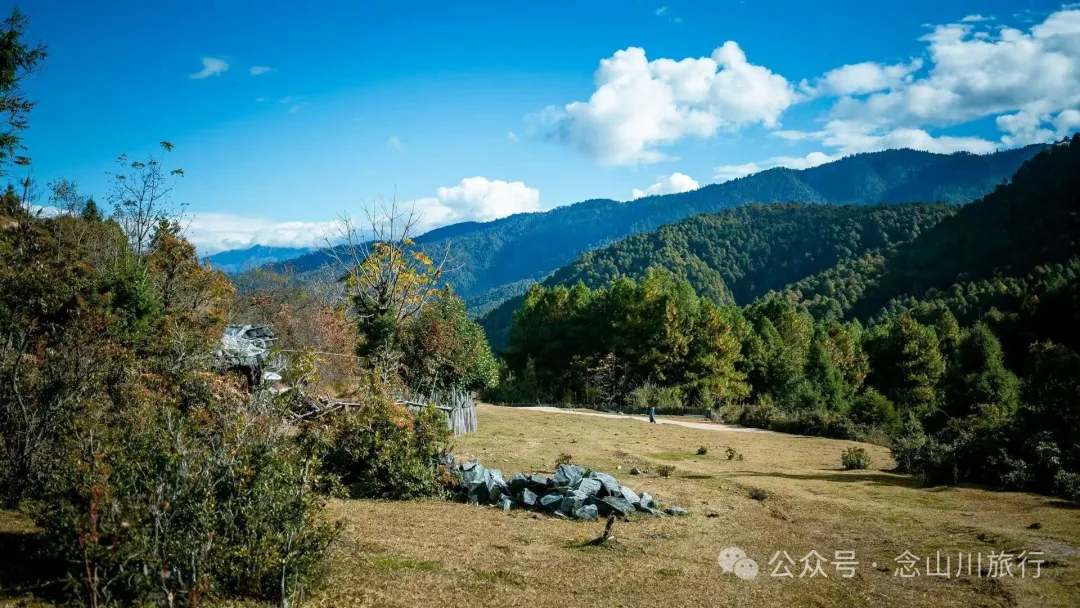
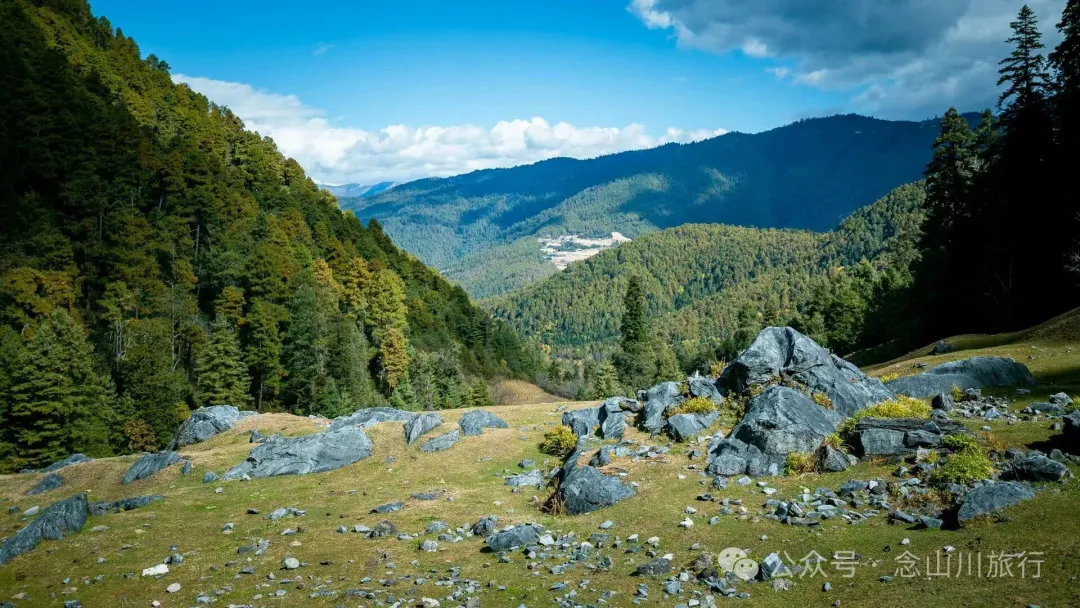
While hiking to the main spot, I had seen a corner of this strip-like meadow by the roadside and checked it many times on satellite maps. The mountain path was clear, so even on a first visit, no navigation was needed. Better yet, as soon as I stepped onto the grassy area with shrubs, I heard from the valley below a series of "ya, ya" driving sounds and the jingling of copper bells. Hurrying a few steps forward, I saw five or six villagers driving a herd of cattle toward the pasture in the valley. The herd was large, about seventy or eighty head, belonging to all the households in the four village groups.
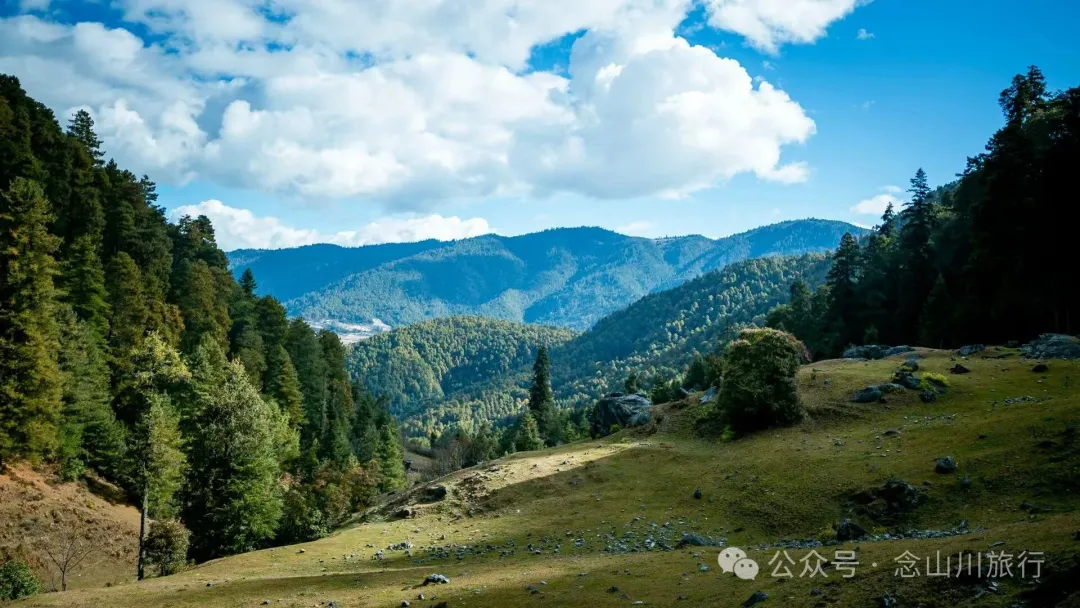
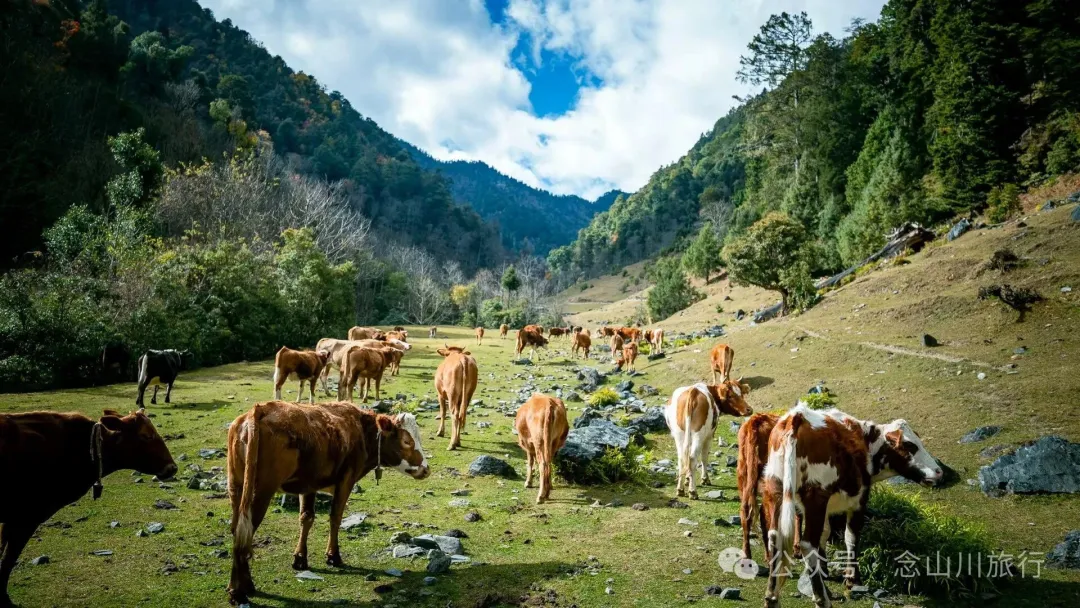
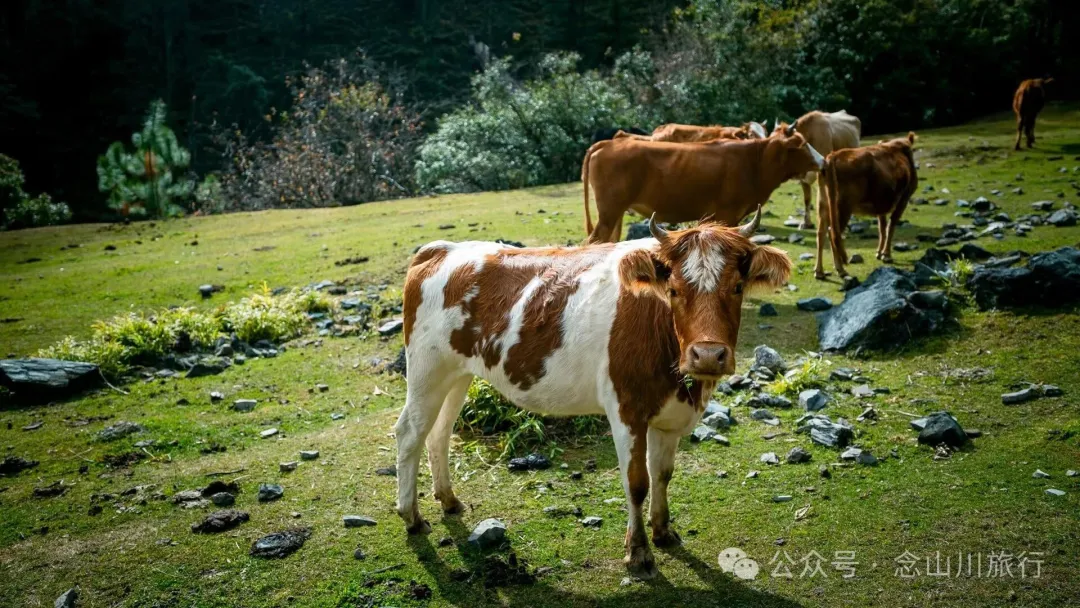
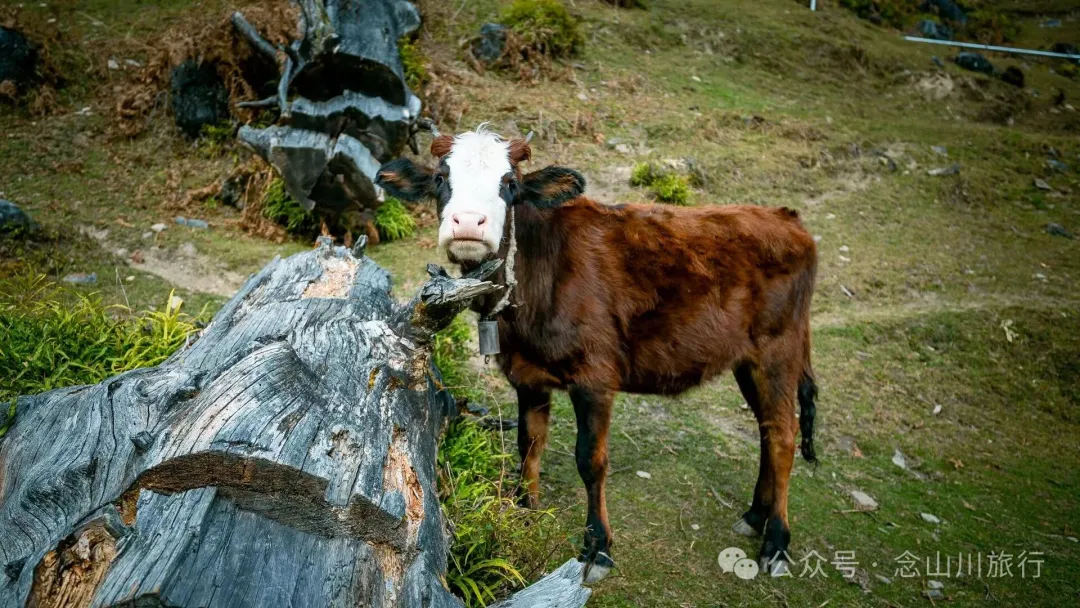
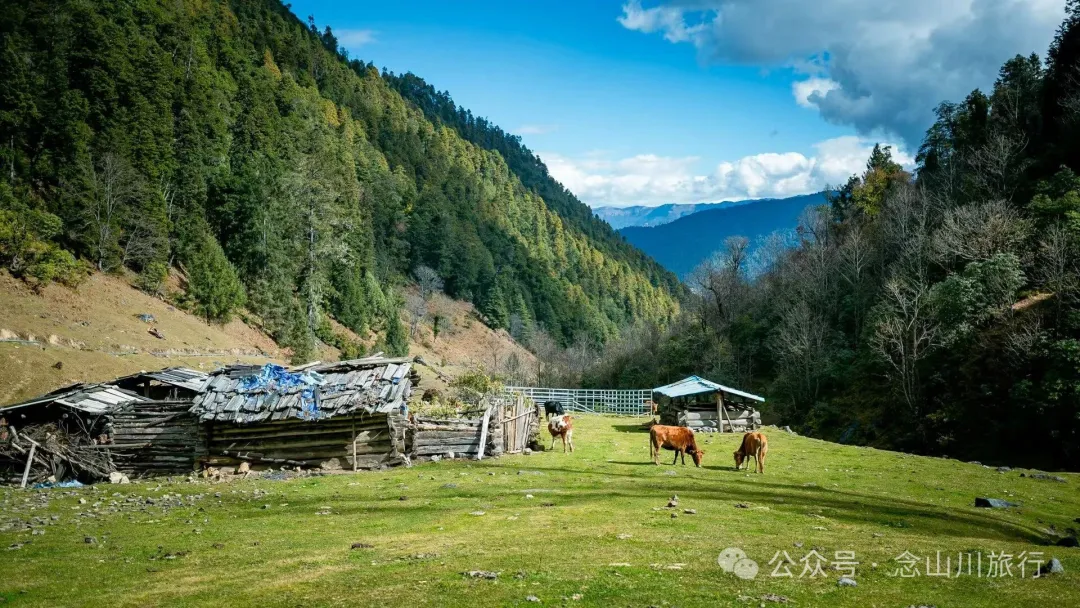
The herd moved slowly, full of chaos. There were always disobedient cattle running into the higher woods to eat leaves, or charging down the slope to drink from the stream, and some impatient ones nibbling at the sparse roadside grass after just a few steps. These cattle inevitably faced scolding or whipping. But soon, they were driven to a flat, open meadow. The herders stopped, found a sheltered spot to light a fire and warm themselves, preparing lunch. The cattle scattered, enjoying a brief moment of warmth and leisure under the fast-moving winter sun.
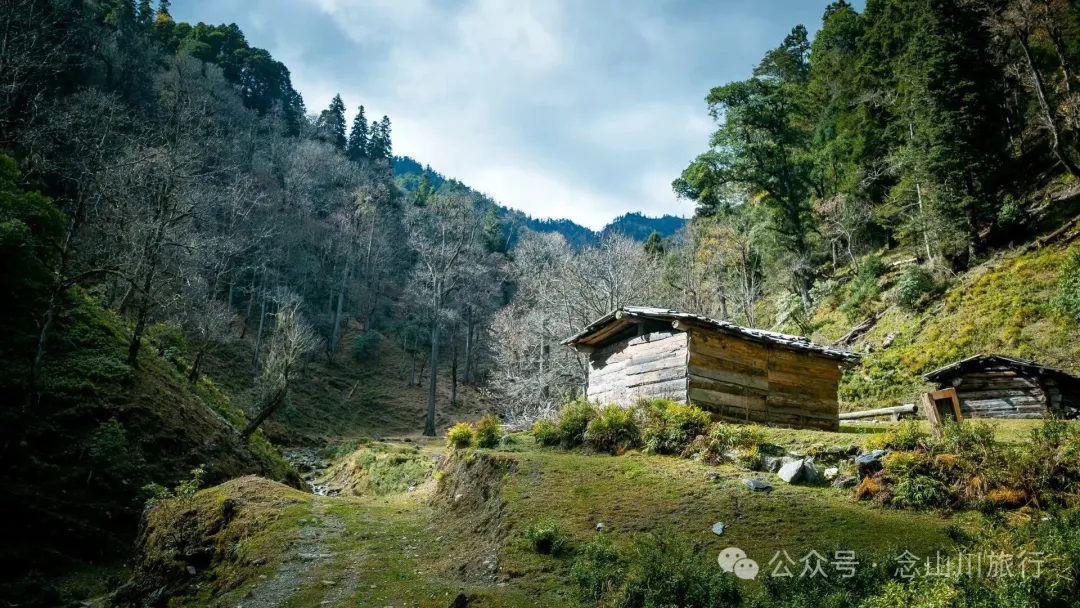
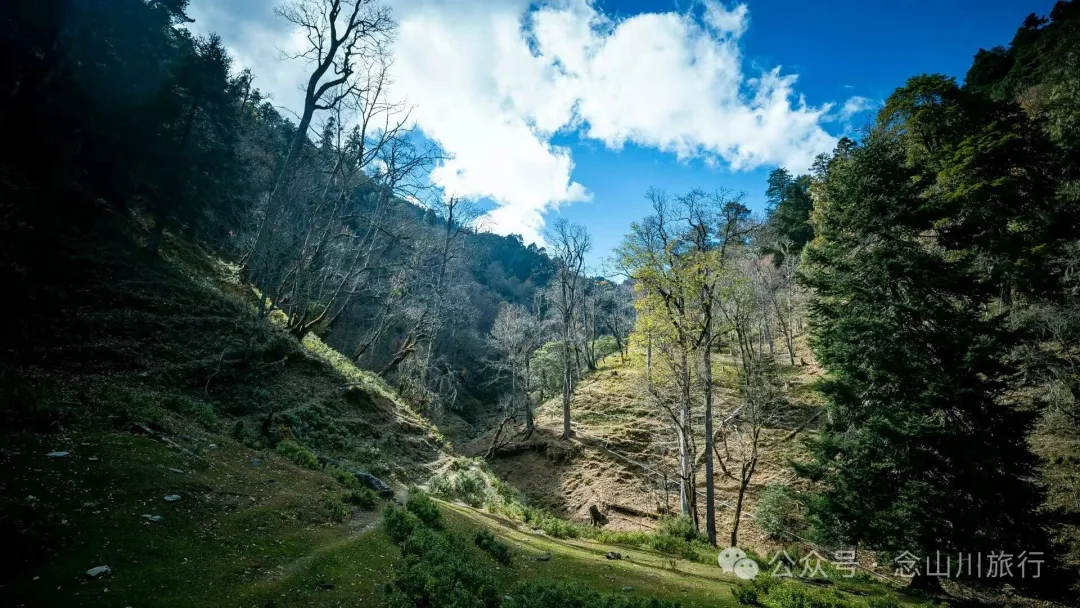
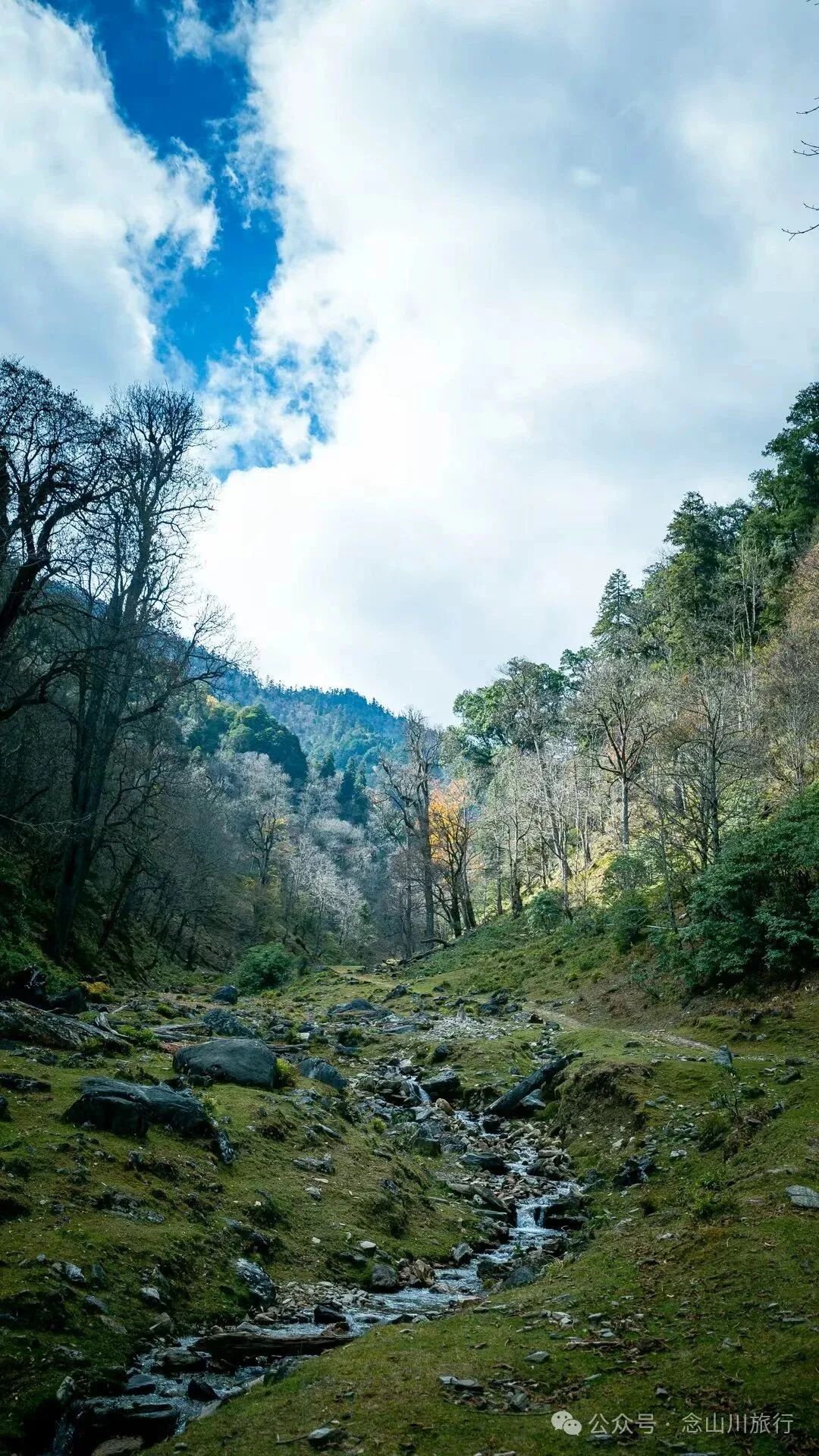
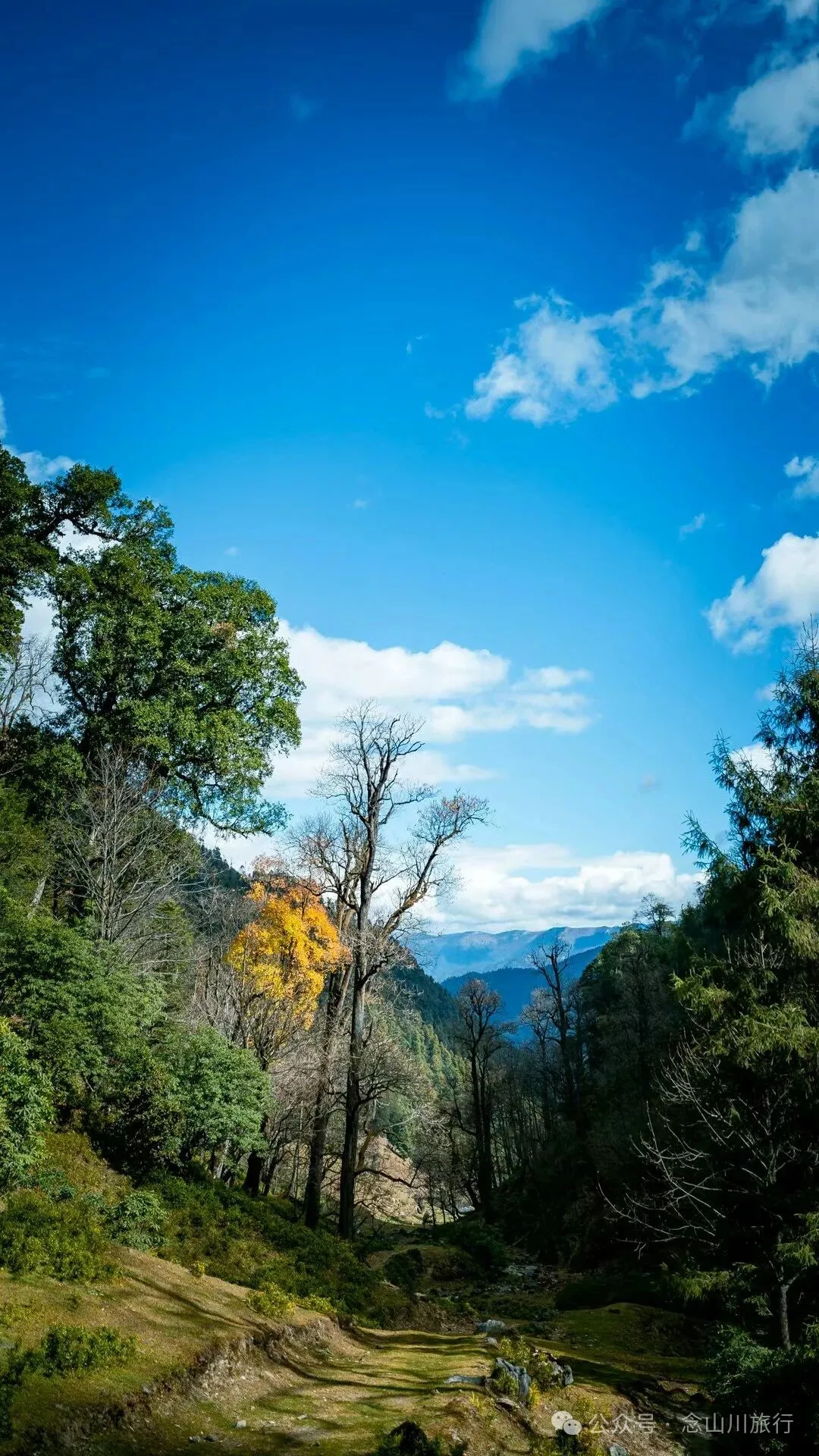
It was still early. The deep valley forest hidden in the mountain bend looked pale as bleached bones, fiercely pointing toward the distant, solemn sky. The desolation and bleakness of winter gradually emerged—this was the true nature of the season. Although life in the mountains was dim at this time, I didn't find it inappropriate. The more I immersed myself in the inevitable cycle of seasons that life must undergo, the more I felt the strength and resilience of life.
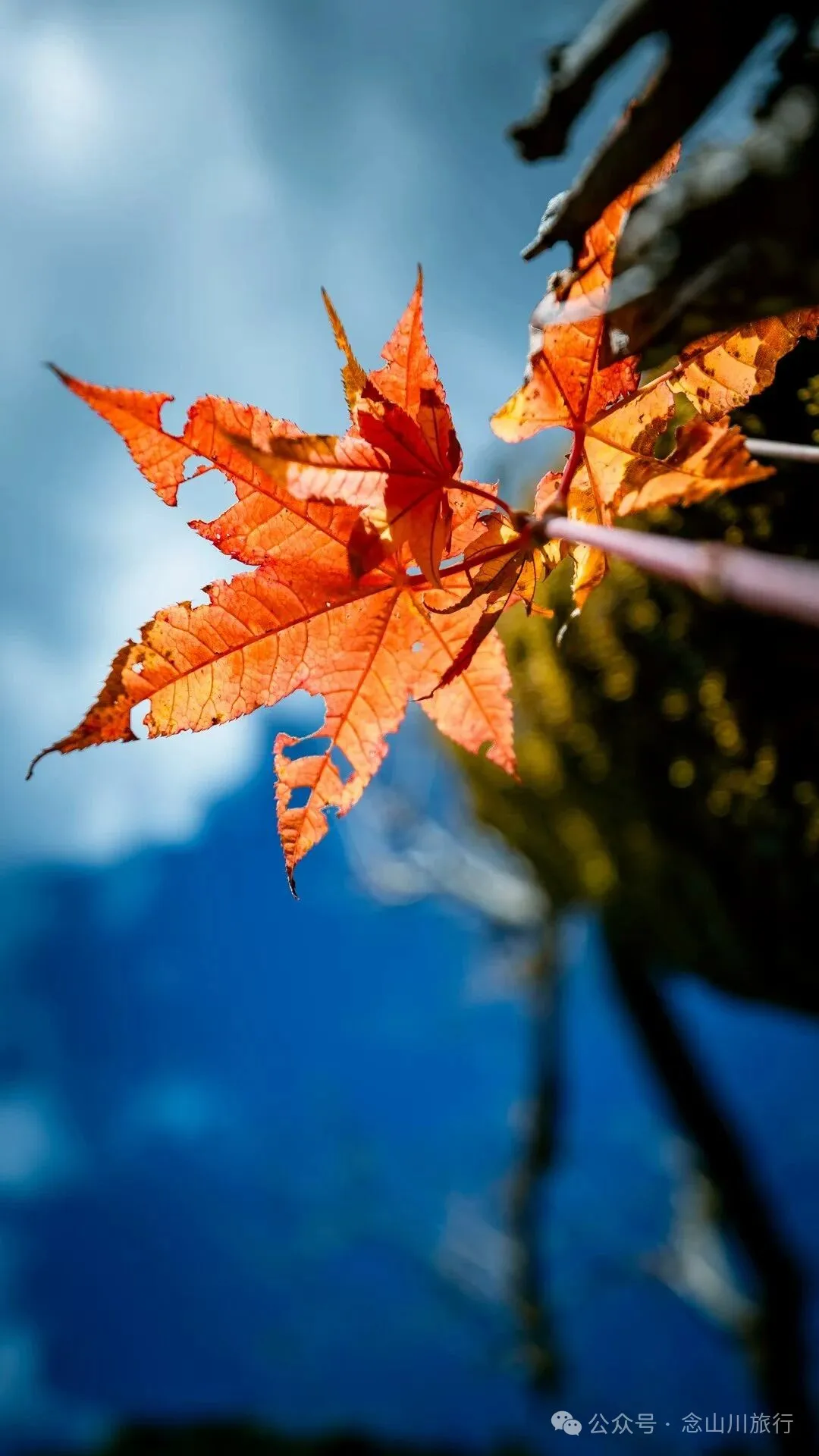
The trees that had shed their leaves stood still with bare branches, but all the withered leaves had returned to the earth at their feet, transforming into another form of energy to protect them. Moreover, upon closer inspection, the seemingly dead branches were not indifferent; they were nurturing tiny buds in the cold, waiting for the next spring full of hope and renewal. On the hillside, there was a striking maple tree. All the surrounding trees had lost their leaves, and this maple's leaves had also fallen, except for a new young branch about a meter above the ground that still held a few bright red leaves, shimmering in the winter sun.
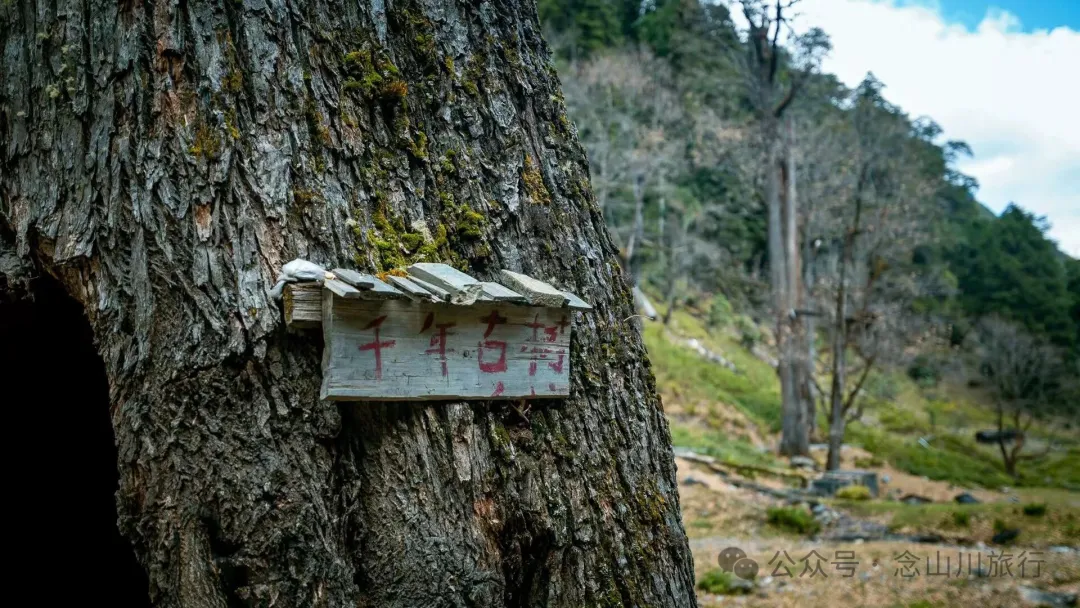
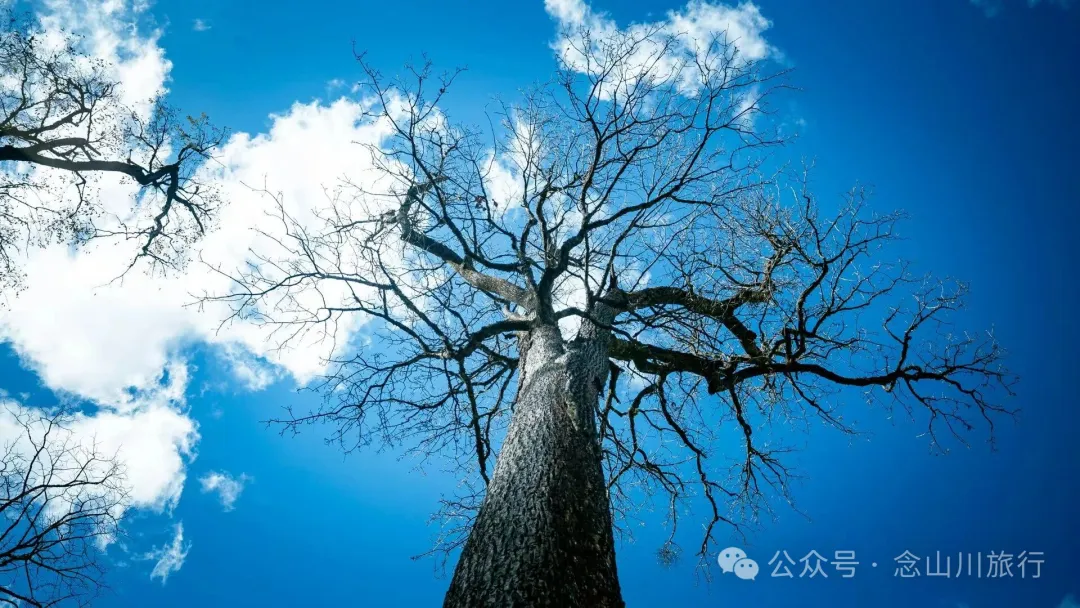
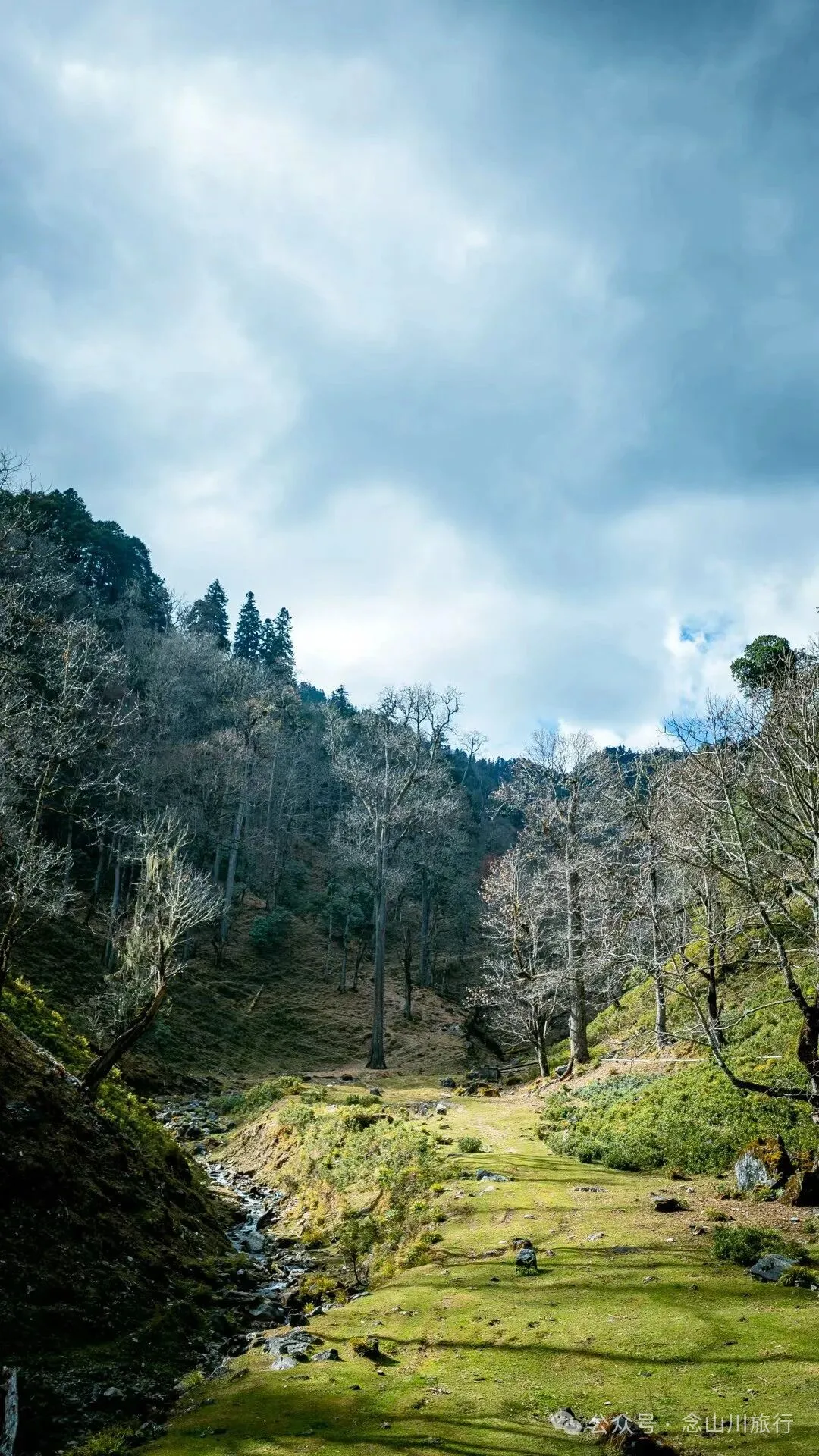
A tall, straight elm tree stood by the stream, with a wooden plaque nailed to its trunk reading "Millennium Ancient Tree." It took me eighteen steps to walk around it. There were several other elm trees of similar size in the nearby mountains. The elm tree emerged from the soil as a whole, gradually splitting and opening its body, seemingly to embrace a broader yet still limited sky. It could not fly like birds to approach the sky, nor even drift briefly like a leaf. For hundreds or thousands of years, it could only take root in a fixed spot on this planet, yet over the long time, it witnessed the changing skies—this was its uniqueness: it traveled through time.
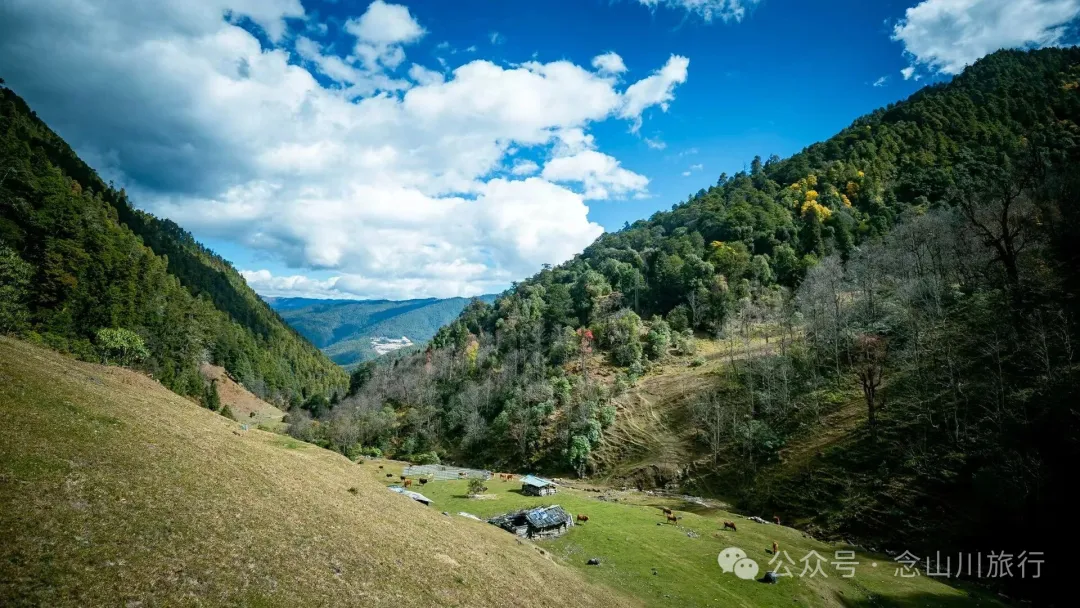
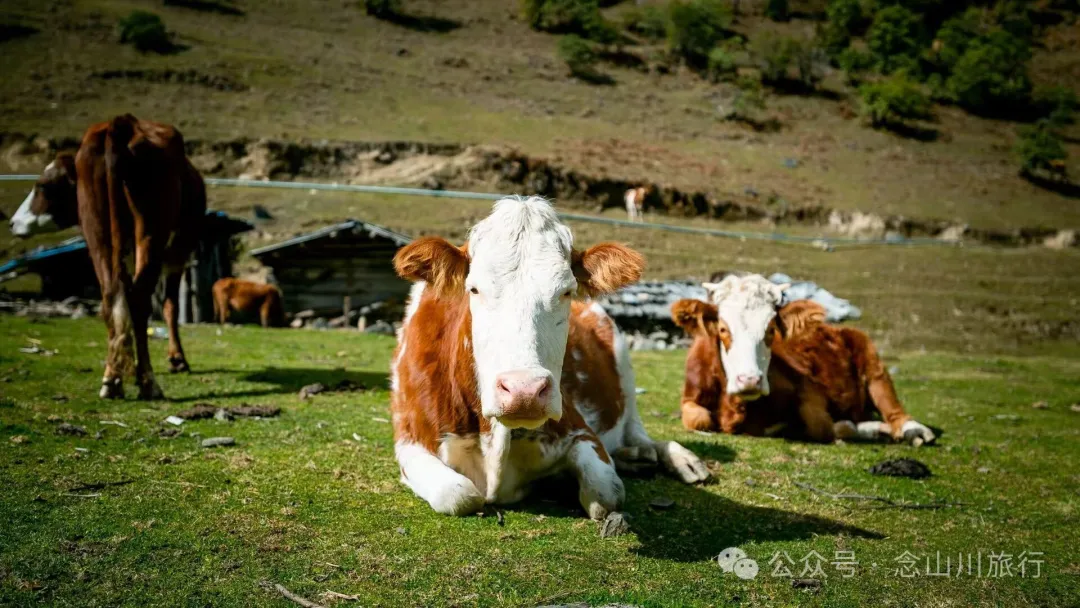
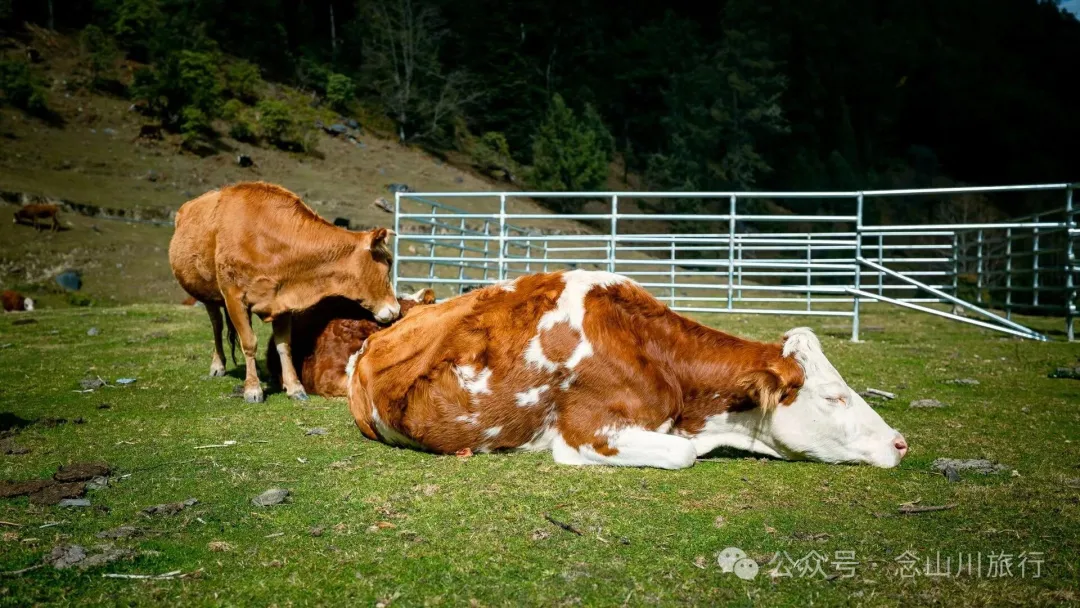
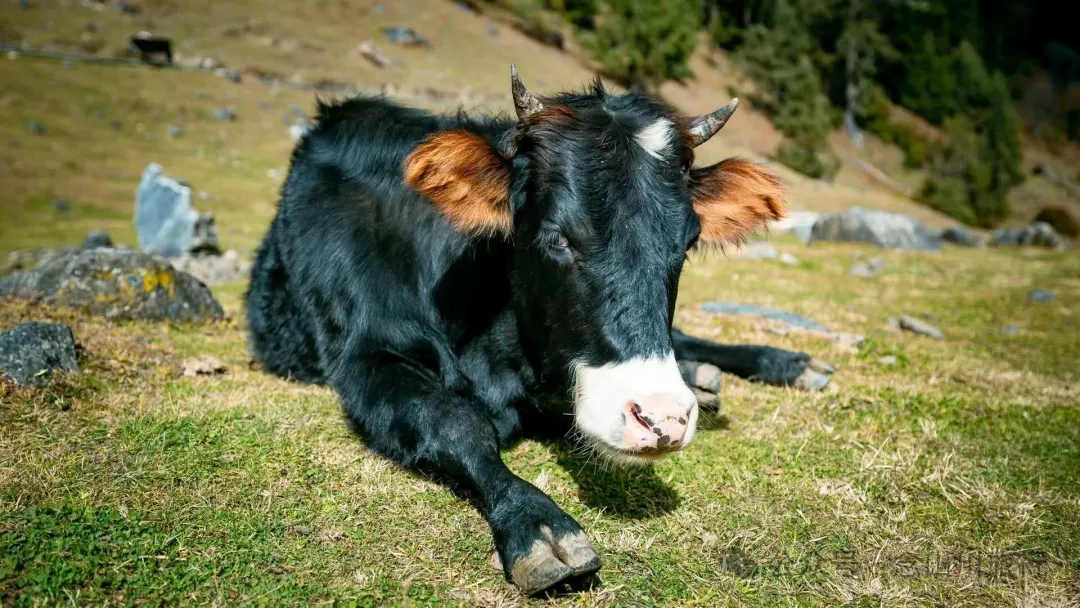
I sat quietly under the tree for a long time, no longer heading into unfamiliar mountains. Besides, the highest peak was still far away, about two or three hours' journey, and time was insufficient. The sun was somewhat stingy that day, and the mountain wind was strong, so I turned back to find a warmer spot to sit and read, enjoying the comforting tranquility of the mountains. Returning to the meadow where the cattle were foraging, most were still grazing in the shady valley, while a few, having eaten their fill, lay on the grass basking in the sun and dozing. I sat cross-legged facing them, our eyes meeting, but soon they accepted and ignored the stranger, enjoying the silence and peace of the mountains as if I weren't there.
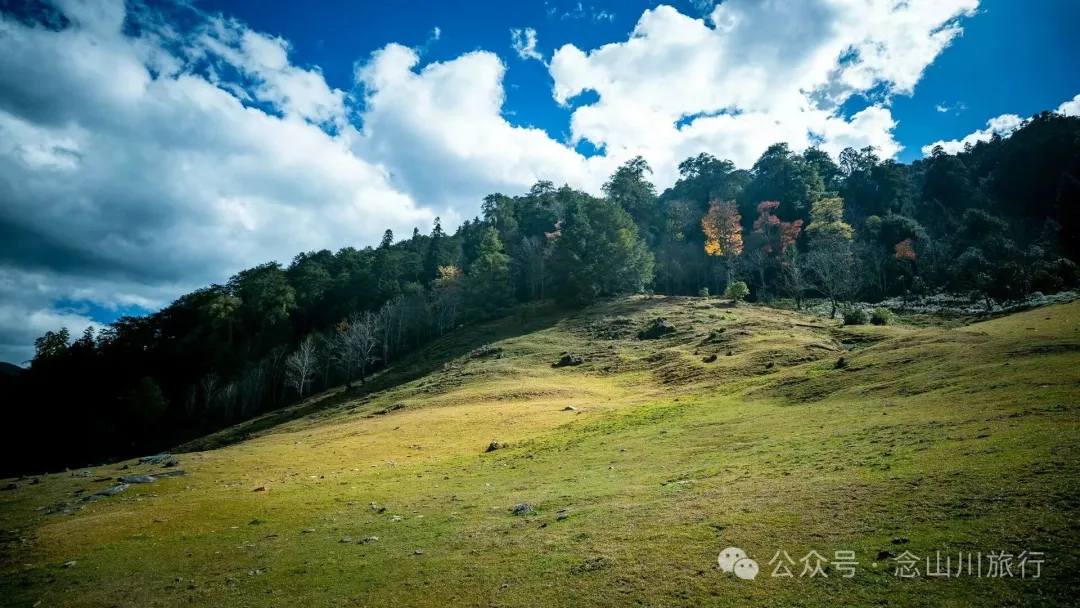
The cold eventually drove me away early, making my longing for the summer mountains even stronger. Enter the mountains, stay in the mountains, grow into the mountains—this is the most romantic freedom of a solitary walker. I believe this wish will be fulfilled in the warm summer.