
In the winter when the pandemic restrictions were fully lifted, after eight years of living in Dali, we resolutely chose to leave and moved to Weishan Ancient City, 70 kilometers away from Dali. In the blink of an eye, we have been living in Weishan Ancient City for sixteen months. Leaving the famous Dali and choosing to live in the secluded Weishan Ancient City was not a difficult decision for us. Since our first visit to Weishan in April 2015, we have walked every street and alley of the ancient city, and it became our most frequent retreat destination over the next eight years.
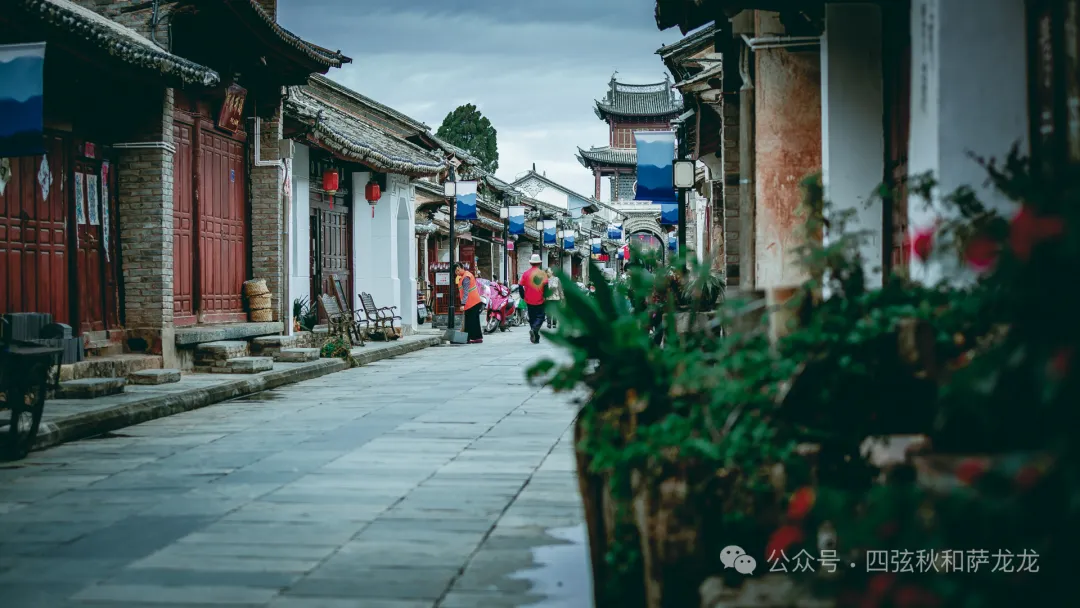
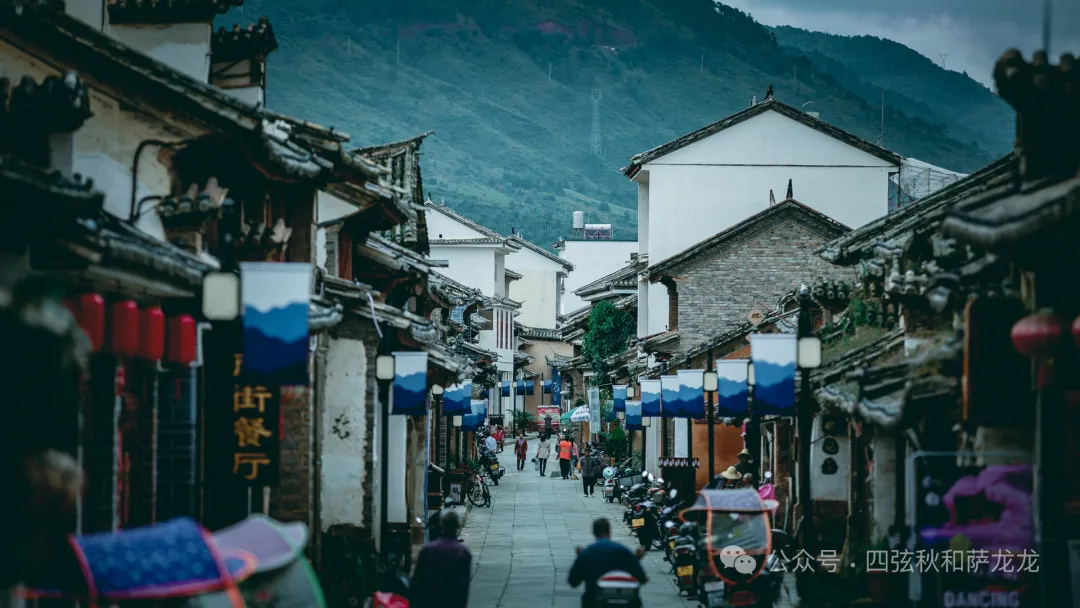
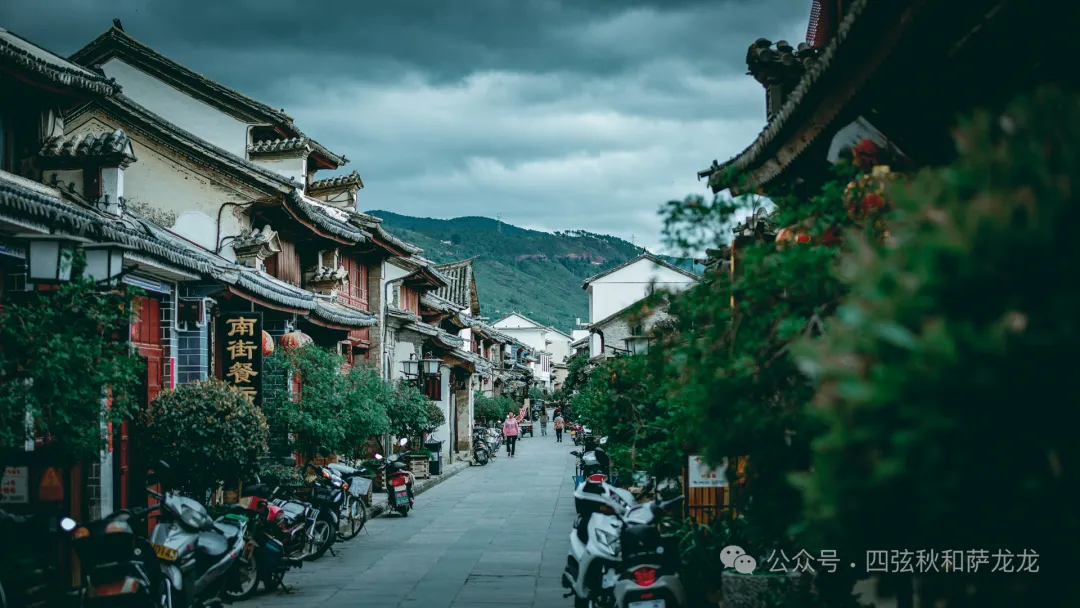
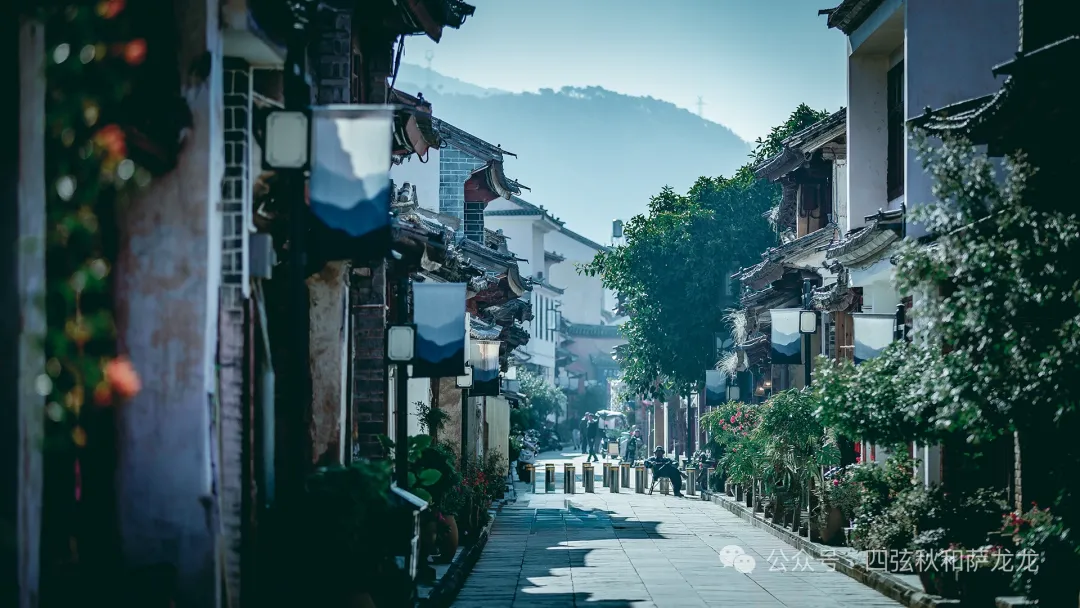
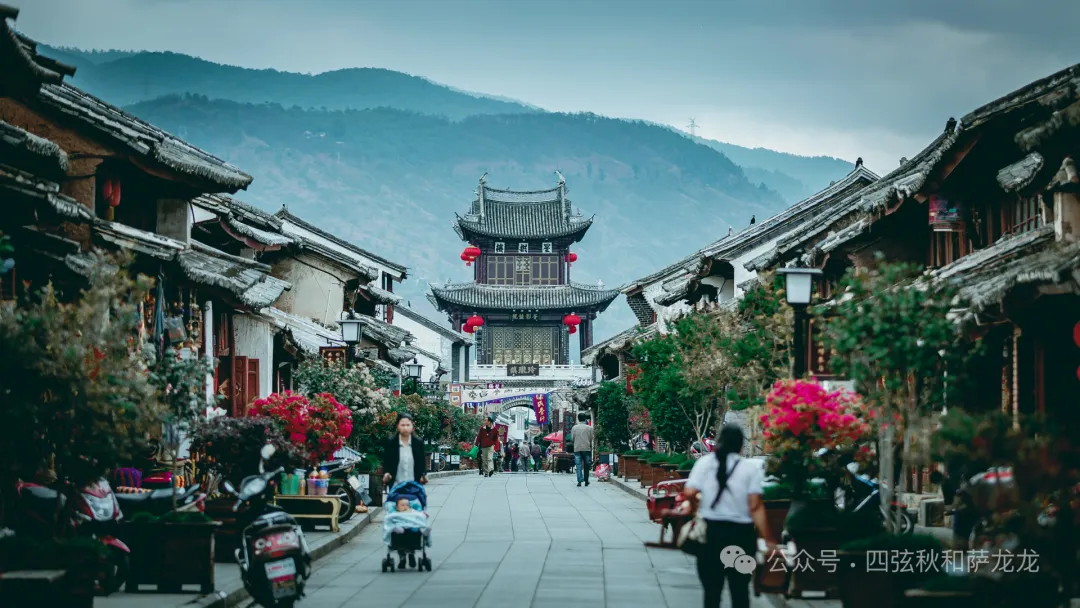
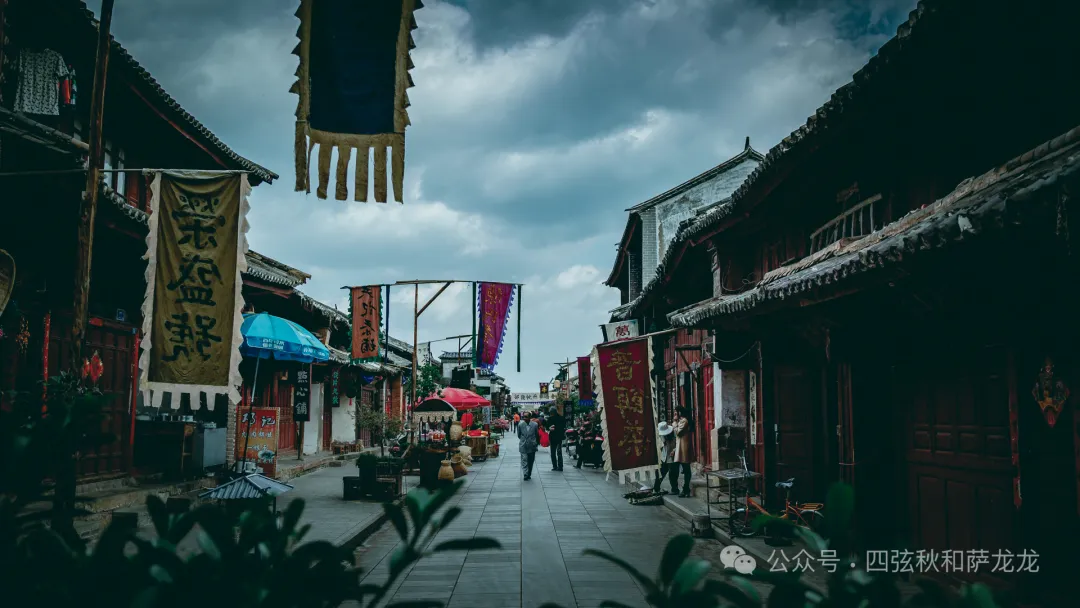
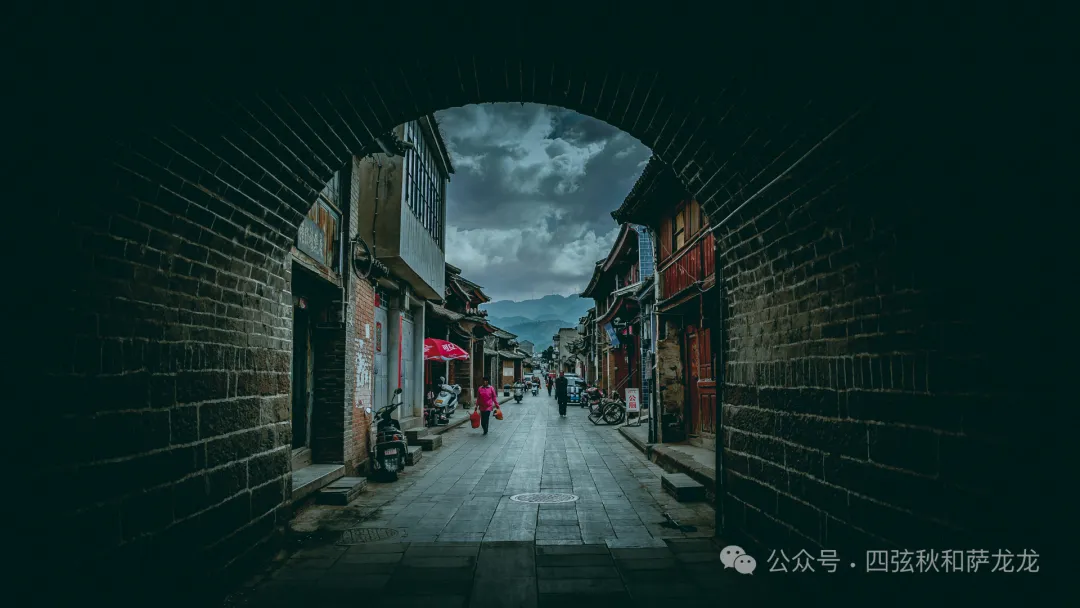
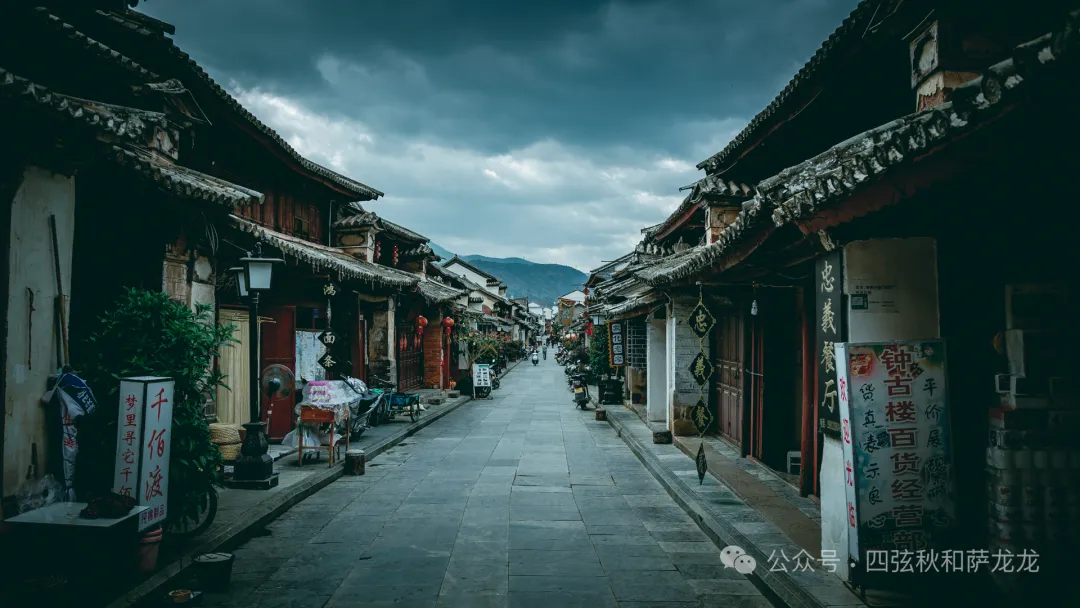
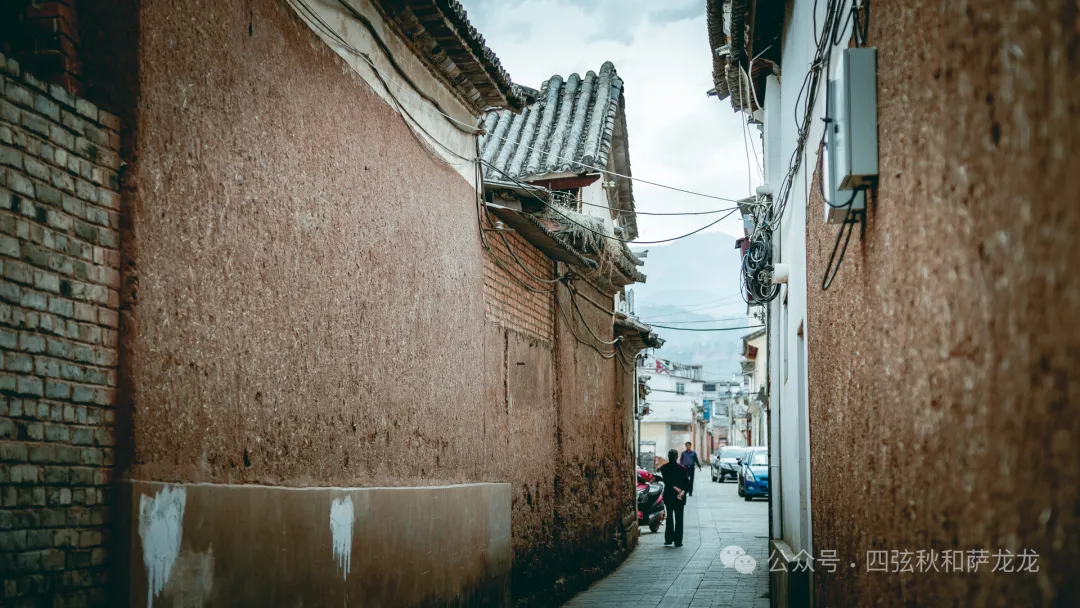
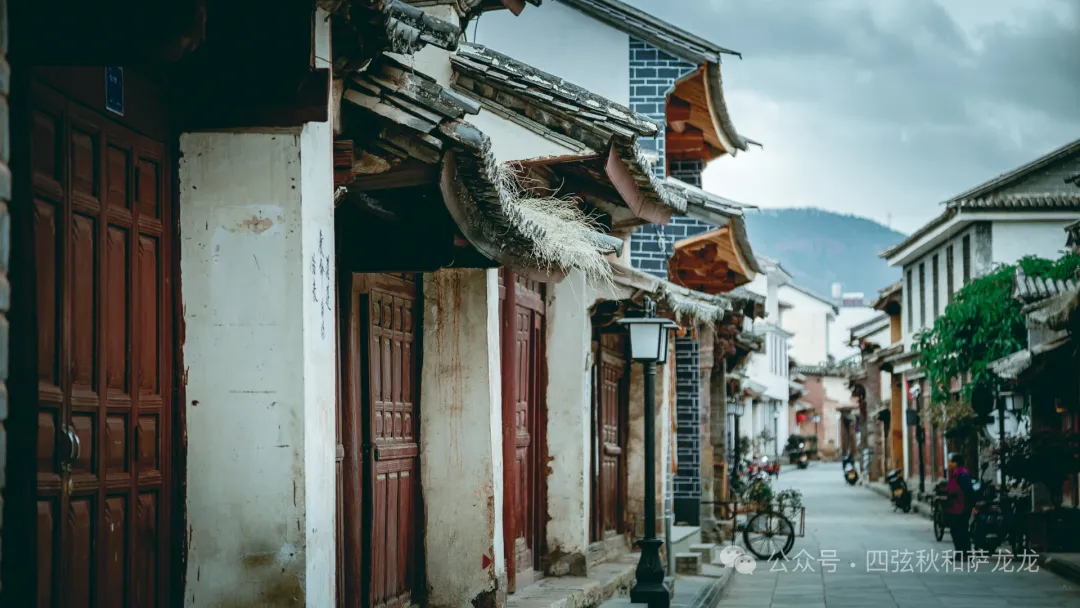
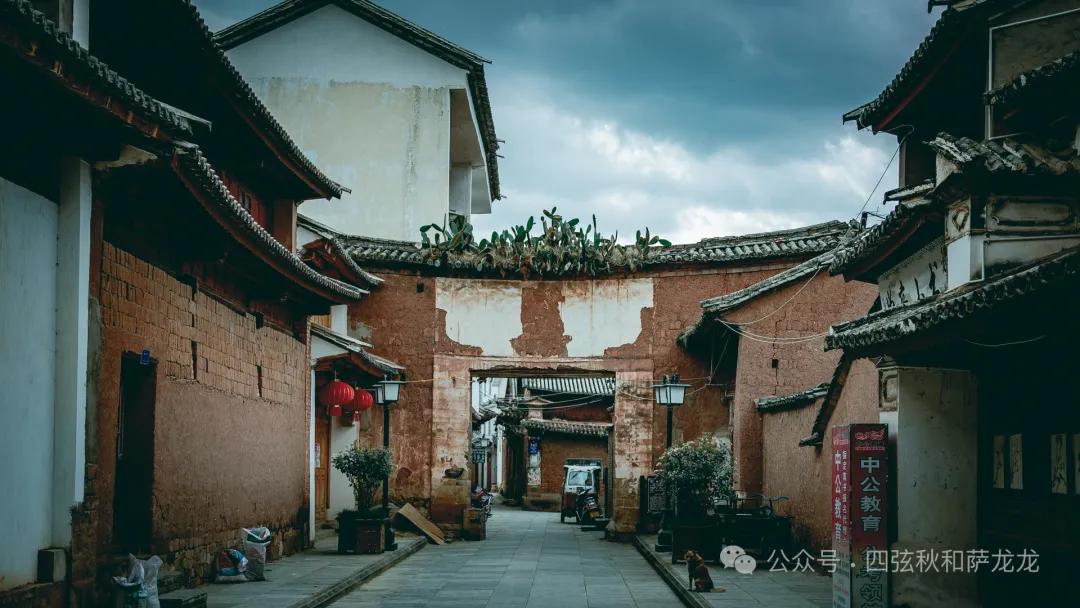
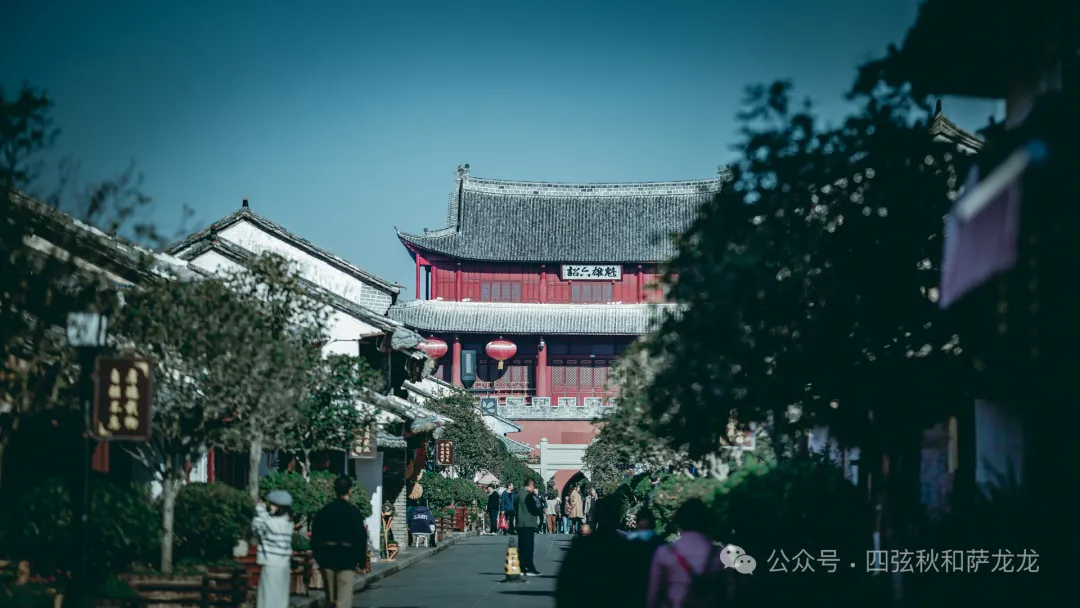
Compared to Dali Ancient City and Lijiang Ancient City, Weishan Ancient City is truly "dim." No matter how casually or willfully you walk, it's hard to go beyond five kilometers. The most distinctive road in the ancient city (from Qunli Gate in the north to Nanzha Gate in the south) is only about two kilometers long. Along this road, you can almost see all the famous ancient buildings and iconic city towers, Gongchen Tower and Xinggong Tower. Low houses, wide streets, vast sky, sparse crowds, and flowers clustered in quiet courtyards—the "dimness" of Weishan Ancient City lies in its compact layout. Most of the buildings along the street are residential areas for locals, with only a portion used for commerce, so there is almost no noisy commercial street. Especially the section from Xinggong Tower to Nanzha Gate, called South Street, most of the shops along the street have their doors tightly shut, with few people.
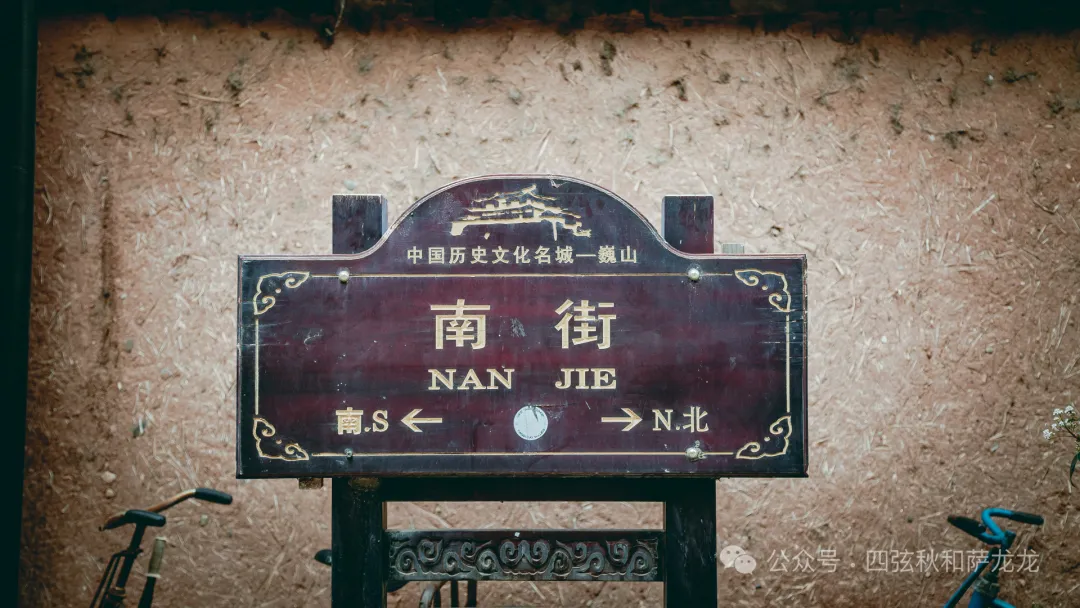
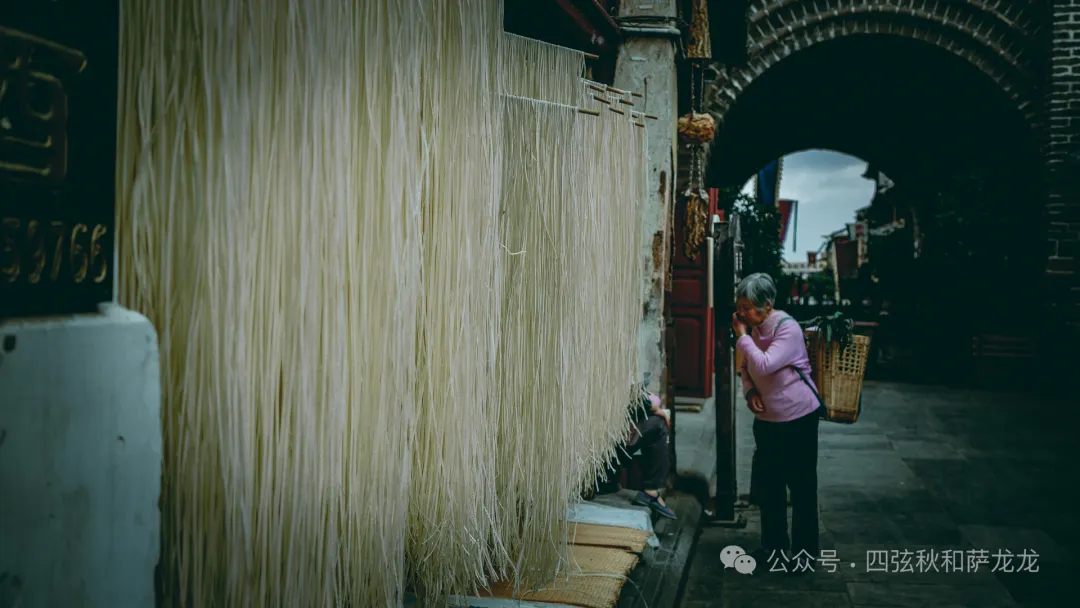
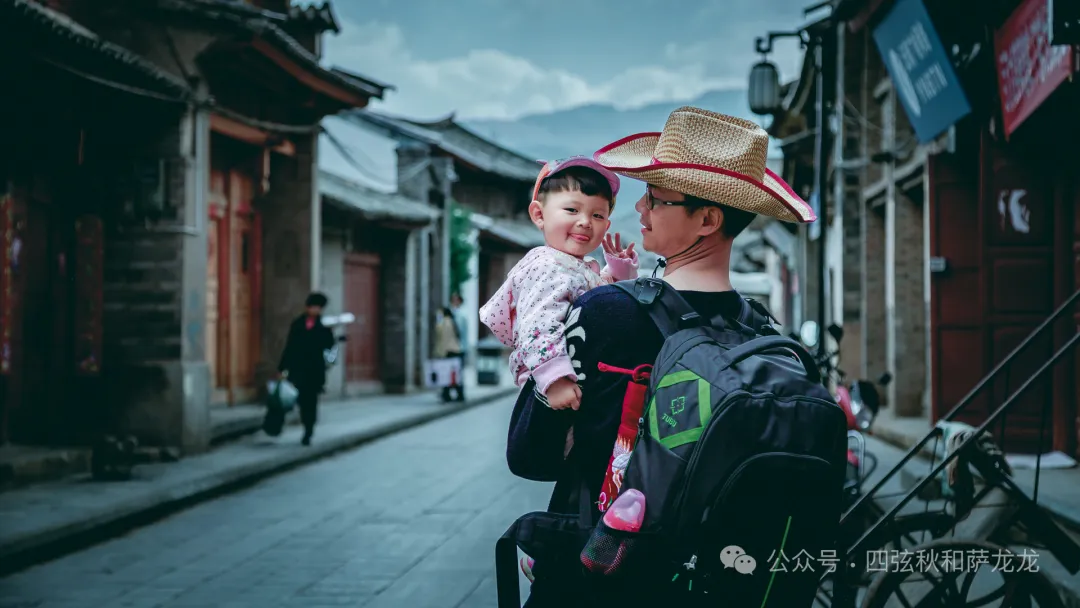
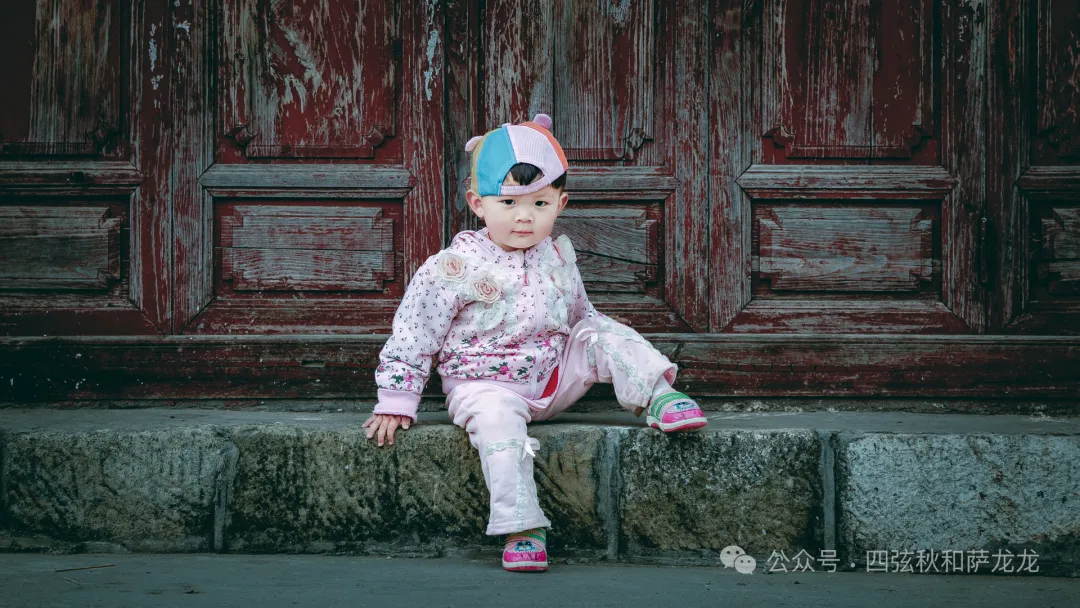
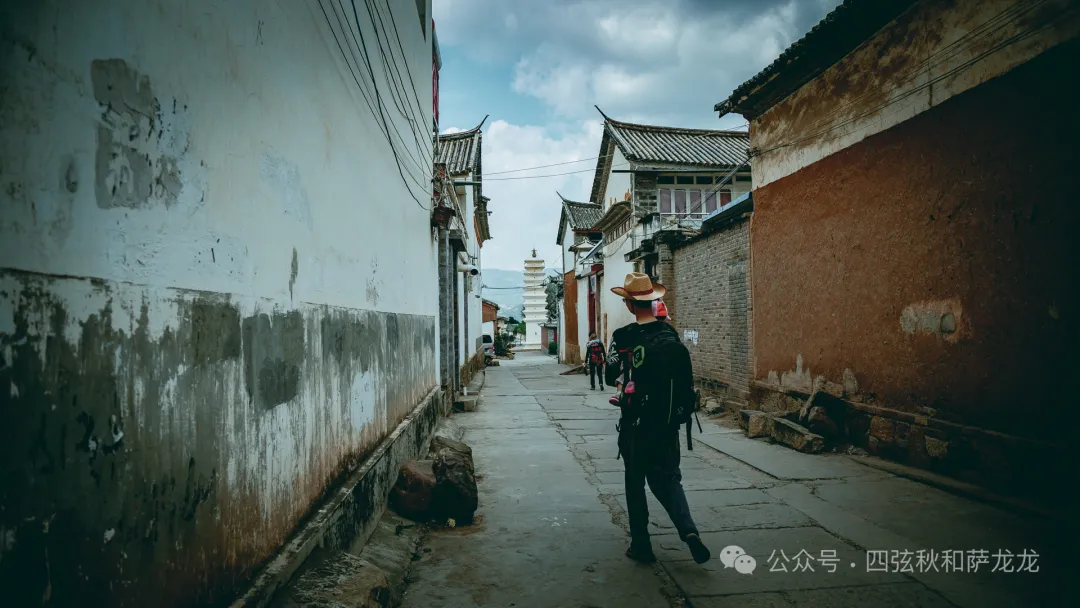
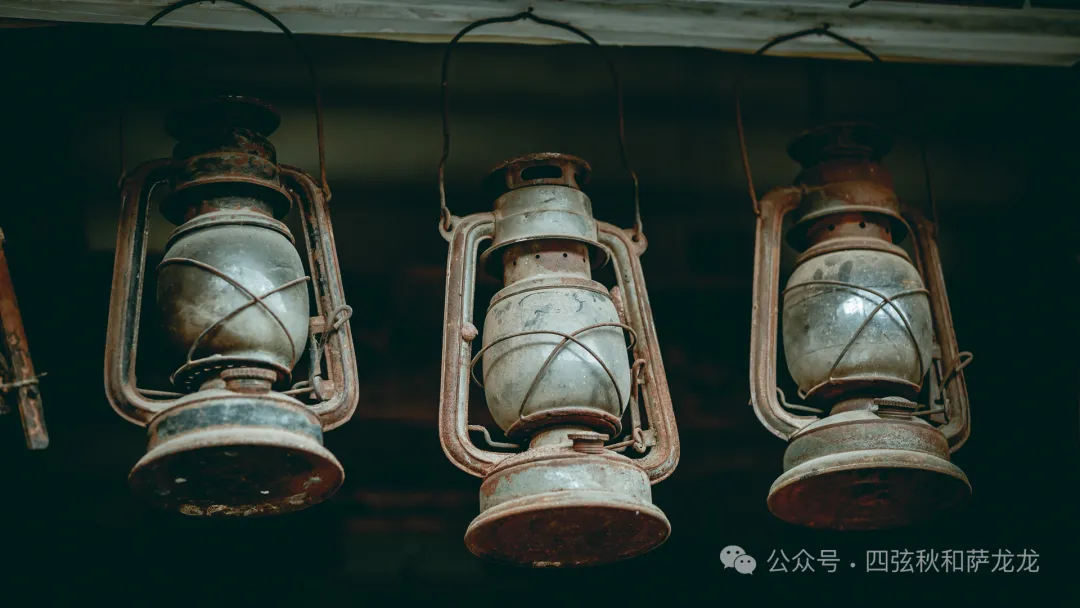
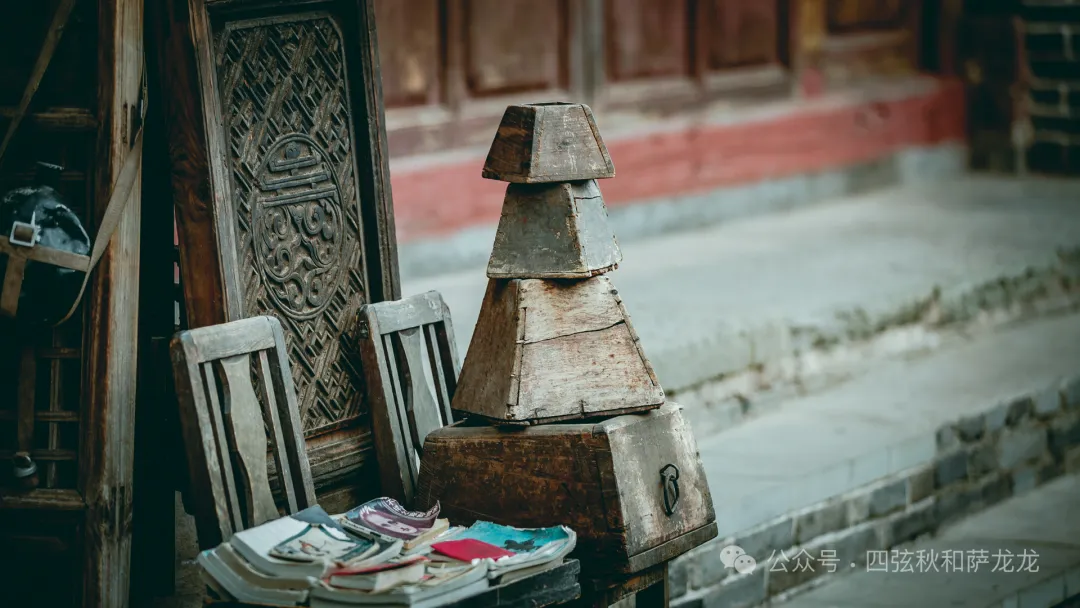
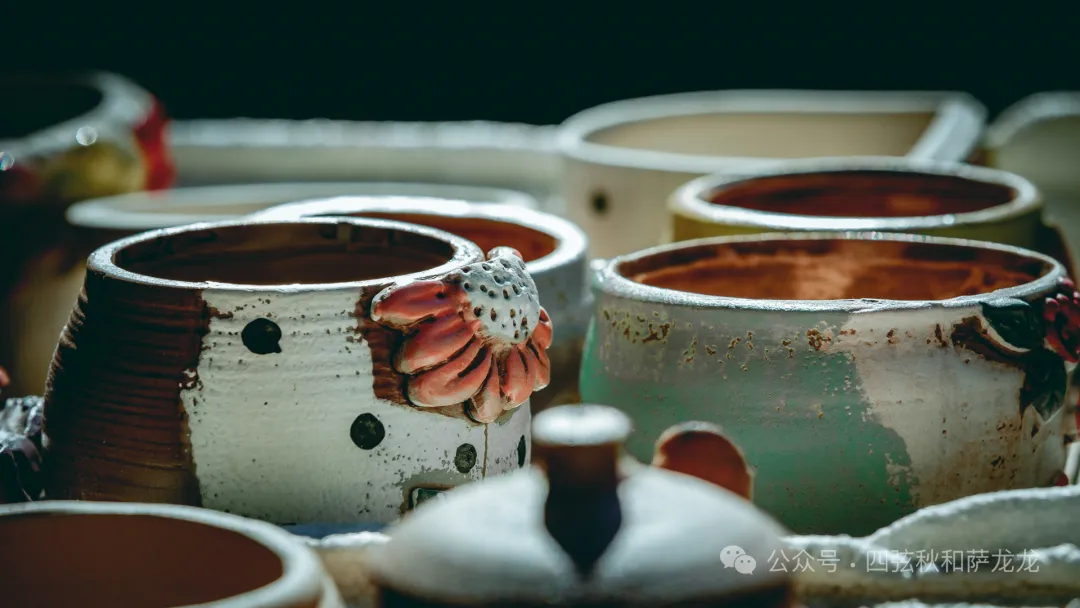
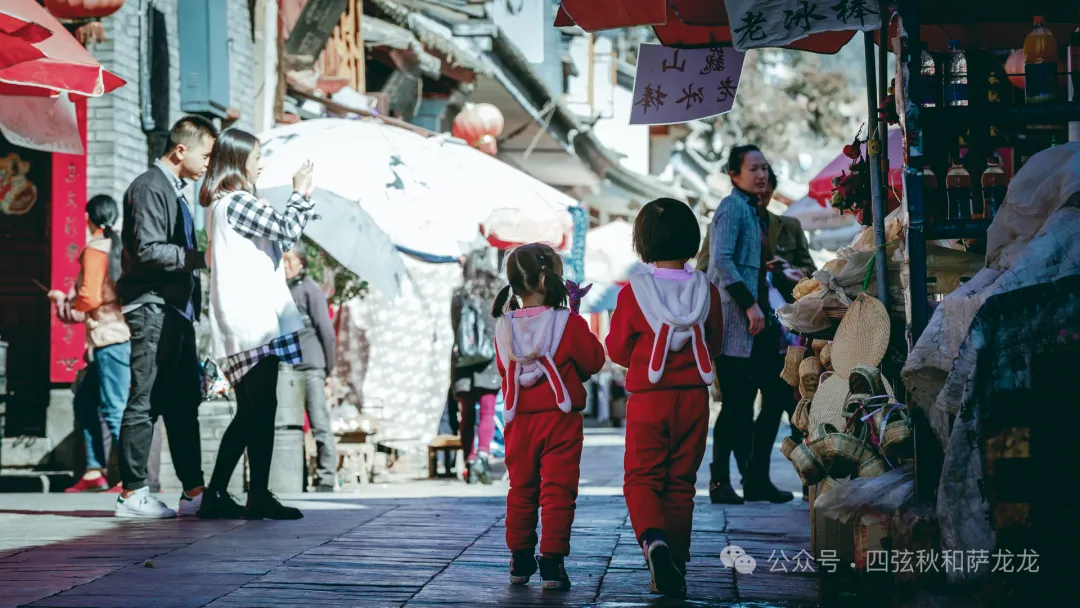
If you feel tired, go to the nearest tea stall, order a pot of tea, find a favorite step to sit on, and spend half a day idly here. Don't think about anything, don't do anything, empty yourself in the most suitable place. Look at the ever-blooming colorful geraniums in the wooden flower beds, wild red sorrel, and shy maiden-like verbena; or look up at the white clouds flowing above the opposite eaves against the indigo sky like tie-dye, following the gentle arc of a flock of birds flying leisurely. The ticking of time echoes your gradually slowing footsteps, and you can even hear a faint sound like a butterfly fluttering its wings beside your ear. It is the peace flowing from the bottom of your heart, a unique peace only found sitting in front of a closed wooden door on South Street.
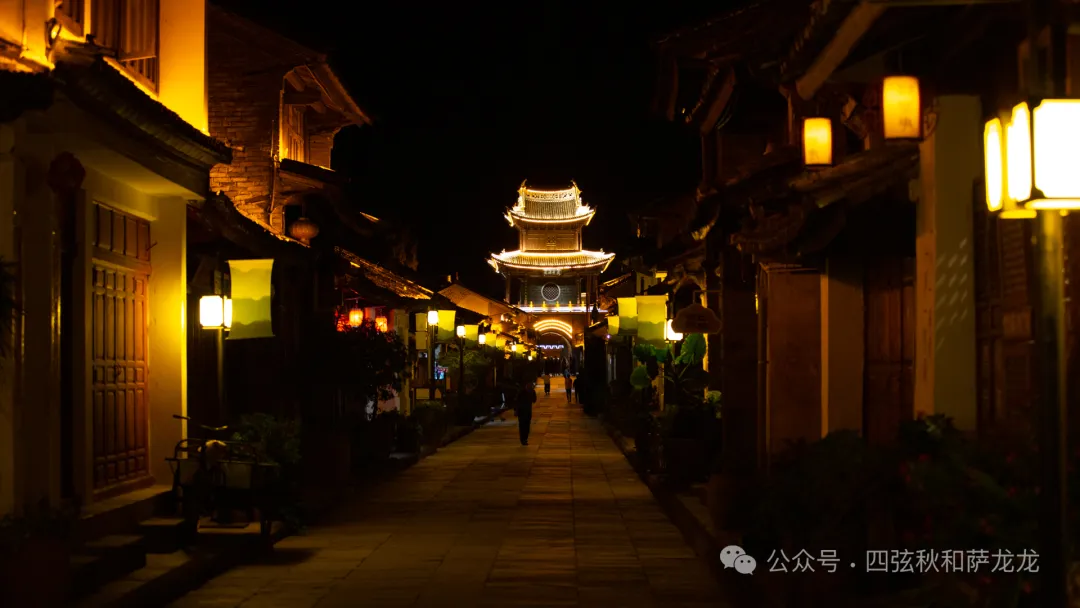
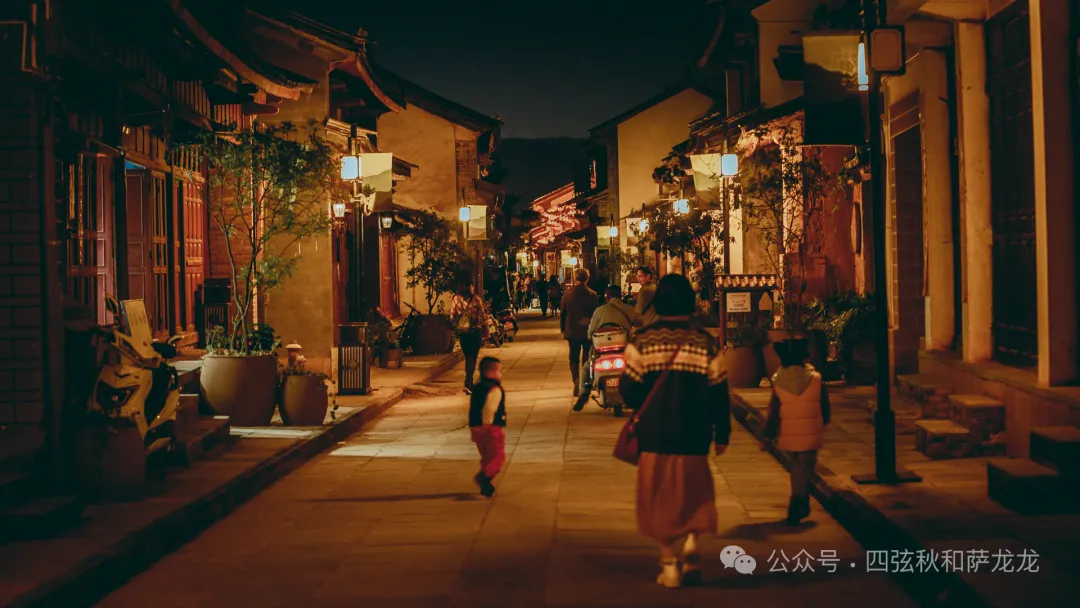
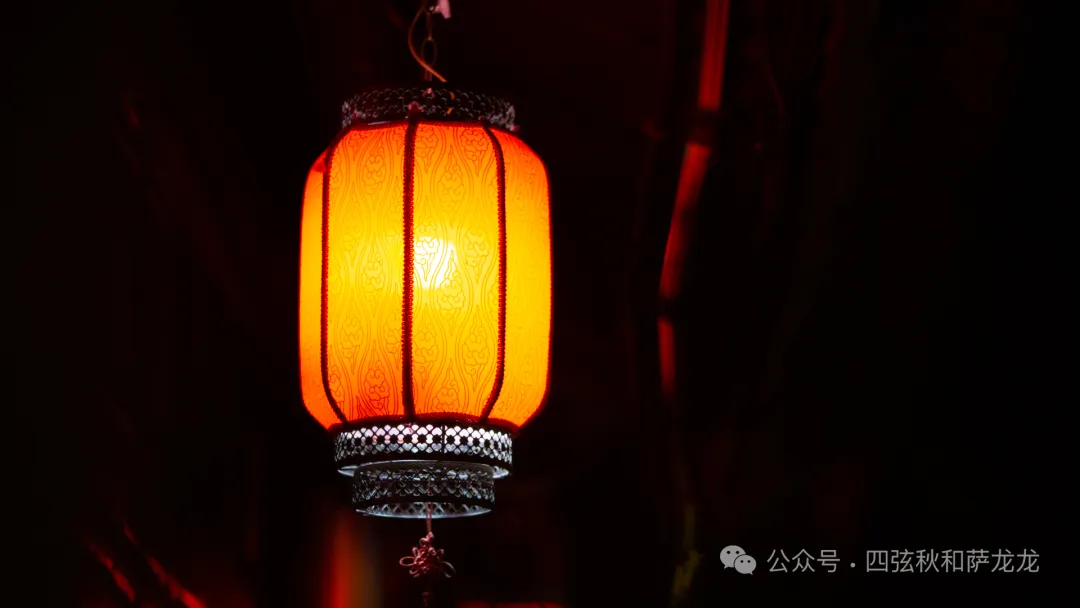
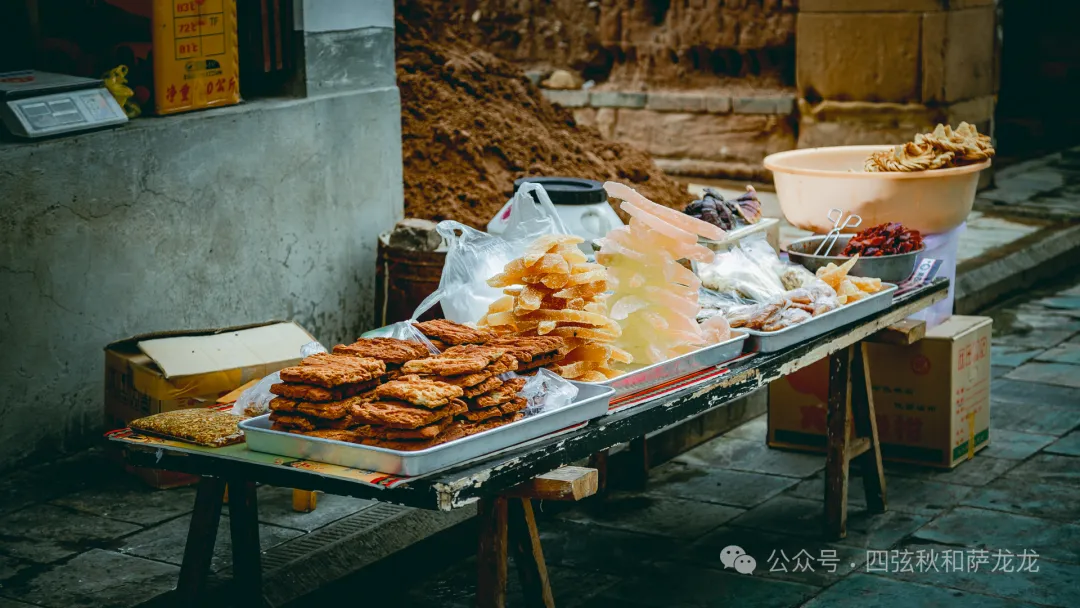
The "dimness" of Weishan Ancient City also comes from the "non-contention" of the locals. Most of the business operators in the ancient city are local residents, with tea stalls being the majority. These tea stalls are scattered throughout the ancient city, along the ancient streets, in a corner of the park, at the street square—shady in summer to escape the heat, sunny in winter to ward off the cold. Whether operators or consumers, they all lower their voices and focus on their own affairs. This lowering is not deliberate but inherent in their nature. There is no hard-selling here; the passing of tea cups conveys the rich essence of life, just like tasting tea itself. The "dimness" of the ancient city is its best招牌, and travelers on the road most need this kind of self-cultivating "non-contention."
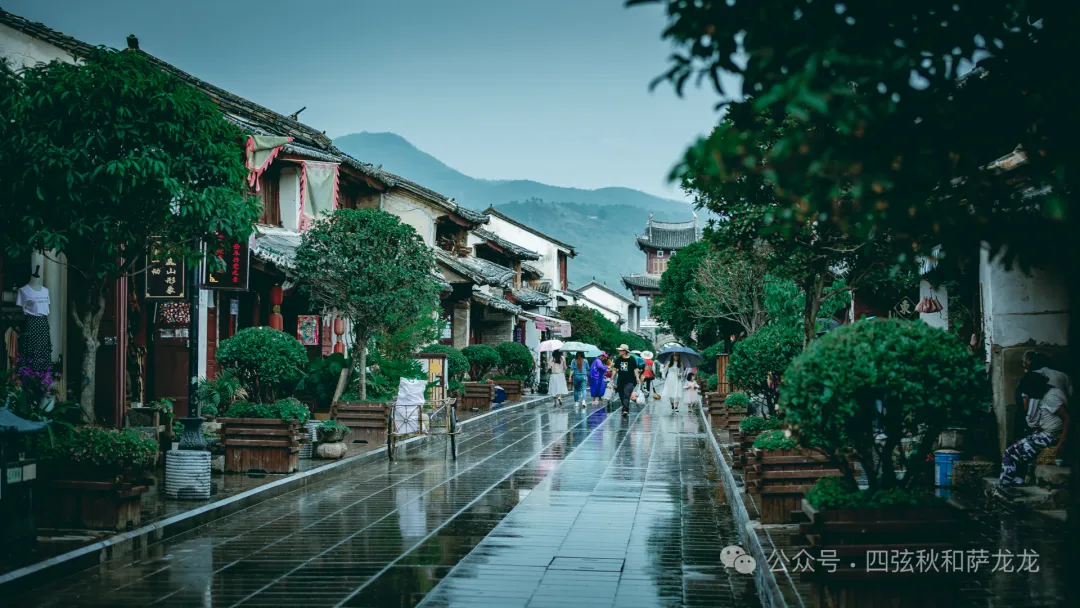
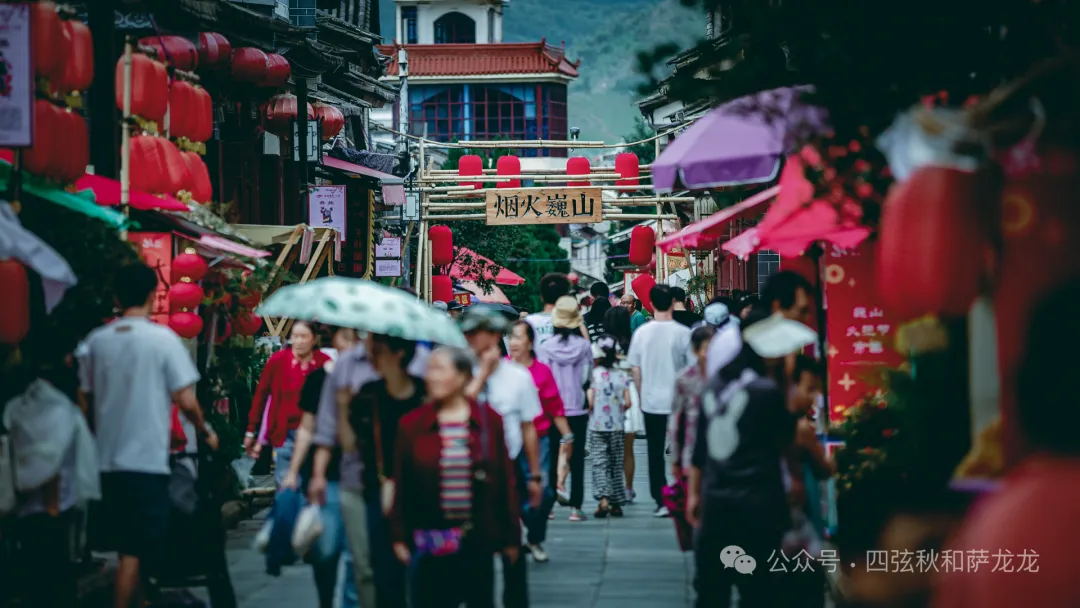
"Dimness" is both an advantage and a weakness of Weishan Ancient City. Many friends who come to visit us in Weishan Ancient City have Dali or Lijiang as their travel destination, and some of them don't even know about this ancient capital of Nanzhao with a long history and profound culture. As a supplementary attraction on their trip, Weishan Ancient City is often the place they spend the least time on, yet also the place they regret not discovering sooner. "Dimness" is the reason they didn't choose Weishan Ancient City first, and also the reason they choose it again. The sparse commercial atmosphere, slow pace of life, clean and tidy bluestone streets, quiet tea stalls, and "non-contending" locals—all these make Weishan Ancient City a likable travel destination. "Spring has a hundred flowers, autumn has the moon; summer has cool breezes, winter has snow." In this thousand-year-old ancient city that has nothing yet lacks nothing, you are sure to encounter a self-sufficient version of yourself.