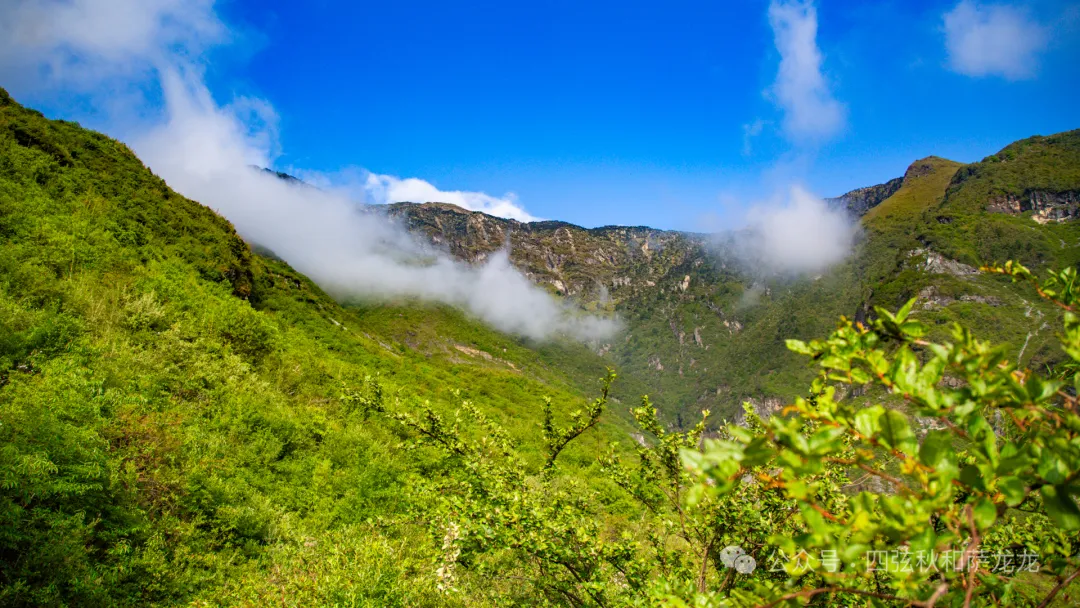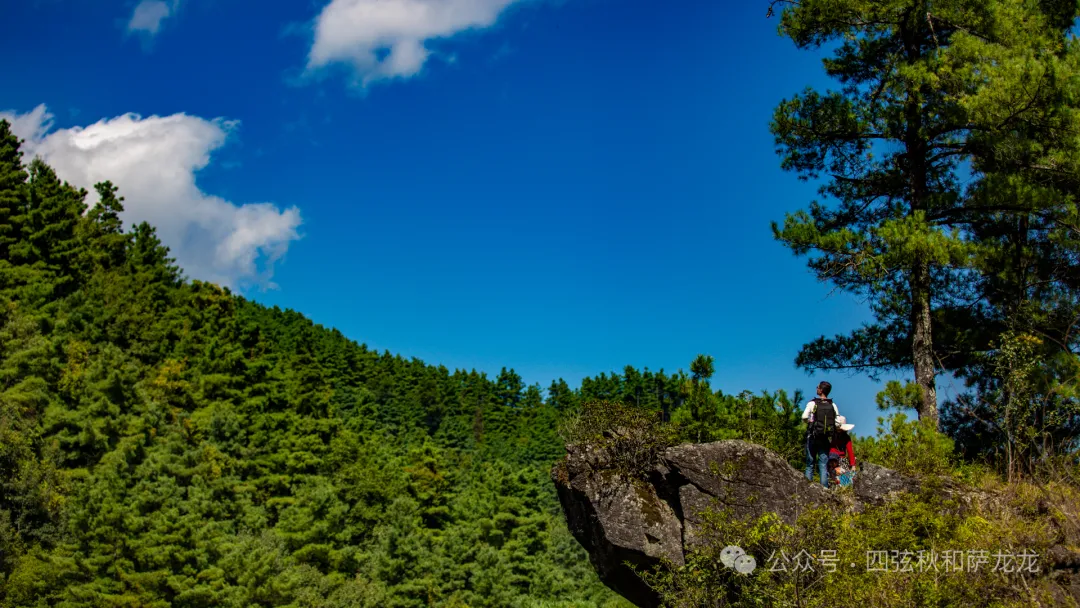

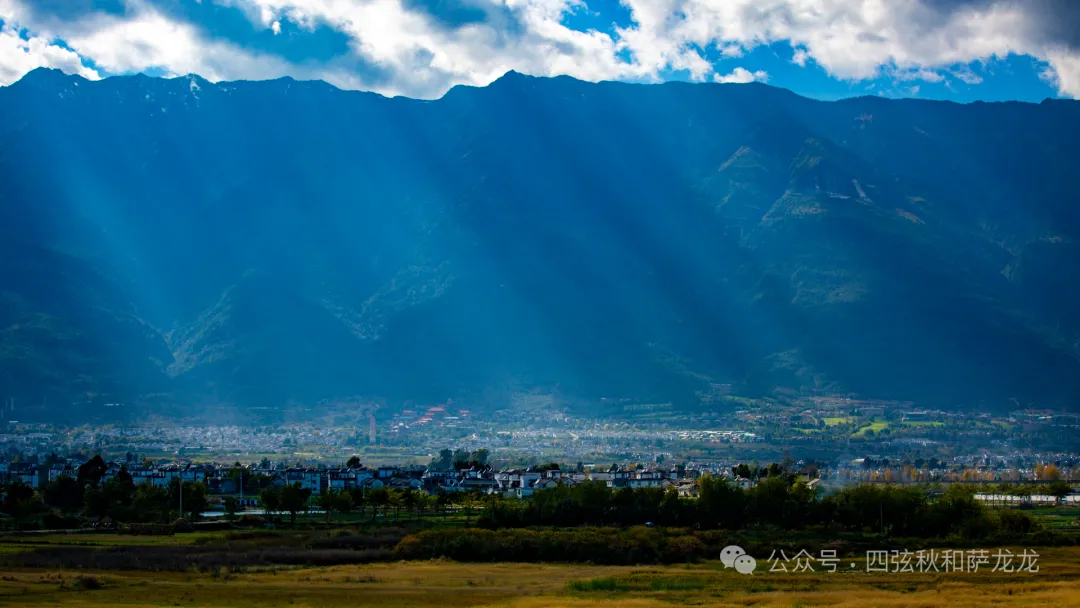
Southwest China is rich in mountains and waters, with countless majestic and beautiful peaks. Cangshan is towering and steep, with ever-changing clouds and winds throughout the seasons. Some wish to reach its summit to overlook Erhai Lake and the ancient city. However, the mountain paths are treacherous, and one fears they may not be able to descend after ascending. Therefore, we chose a scenic and easy path, and in late autumn, we brought our child and friends along. A small path to the right of Chongsheng Temple leads straight up to Yingle Peak. After reaching Baique Temple, we turned left and walked a few dozen steps to Yunyou Pavilion. At noon, the sun shone brightly, and the wind was gentle. We rested under Yunyou Pavilion, watching the changing weather on the opposite peak, observing the light and shadow of autumn. Deep in the mountain, few people came, and our child practiced shouting, the sound echoing in the empty valley, amusing themselves. In front of Yunyou Pavilion, a small path carved along the valley is the Yunyou Road. Following this path deeper, we could not tell the depth of the valley. Huge rocks hung overhead, and valley winds raged. Streams murmured, and forest birds chirped. At the end of Yunyou Road, we circled to another steep peak. The path wound around to Yudai Road, with a cliff on the left and a deep valley below, guarded by railings. Yudai Road was carved along the mountain, and at the mountain pass, we had a full view of the ancient city, with Erhai Lake visible in the distance. The four of us passed Guanyin and reached Zhonghe. By then, it was past noon, and we descended along the mountain path, passing Zhonghe Temple, and exited the mountain pass straight to March Street. Thus ended our day trip to the mountain.
This is a travelogue I wrote nine years ago on my second climb of Cangshan's Yudai Road. Rereading it, the tiny details of that day's hike come back to me, every ray of sunlight of just the right intensity, every breeze of just the right strength, and every moment of just the right mood.
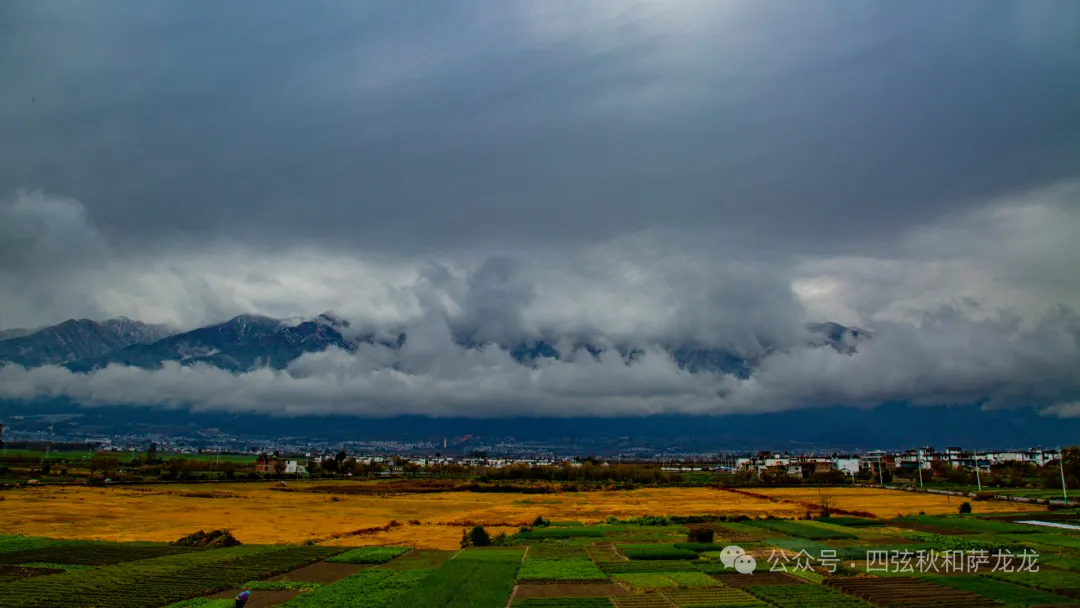
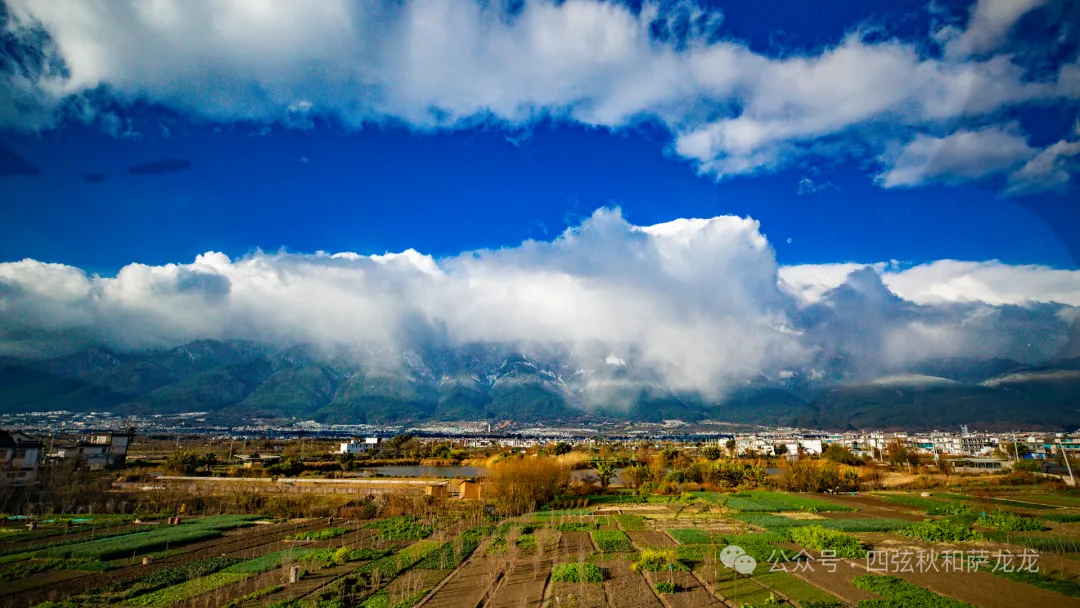
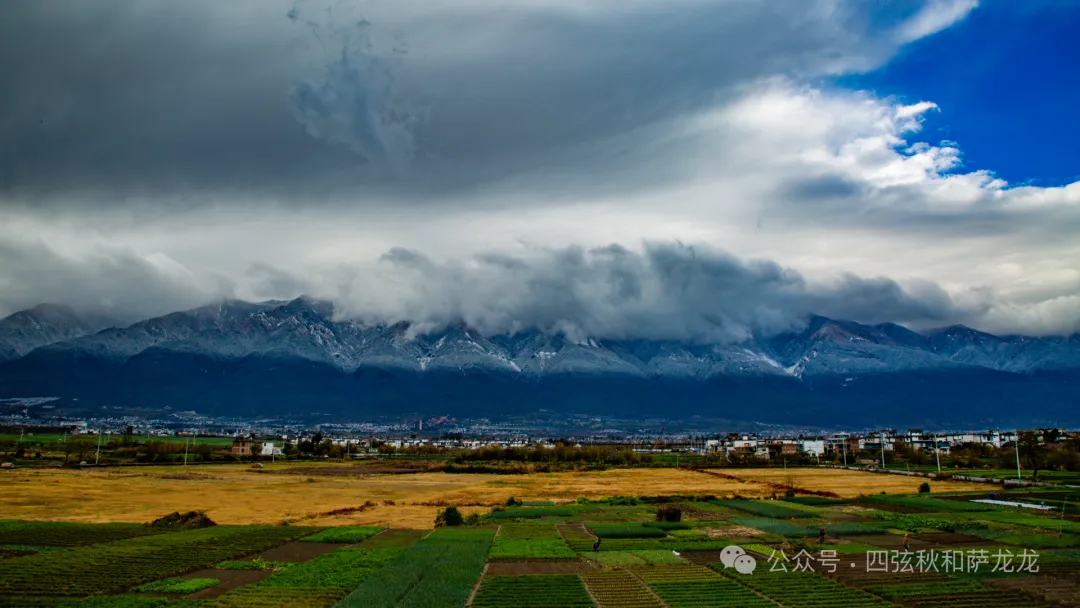
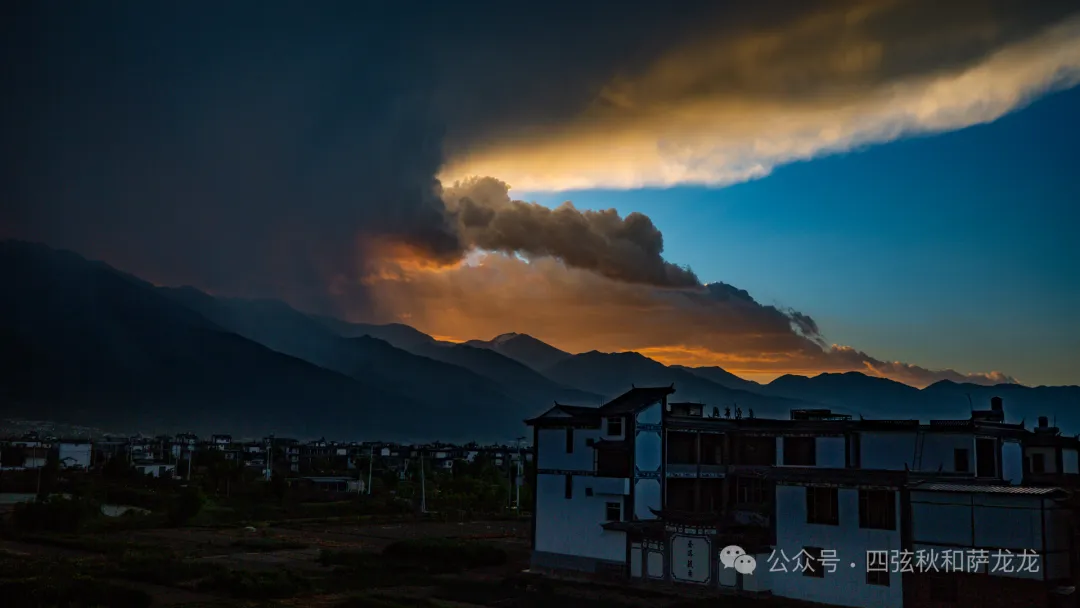
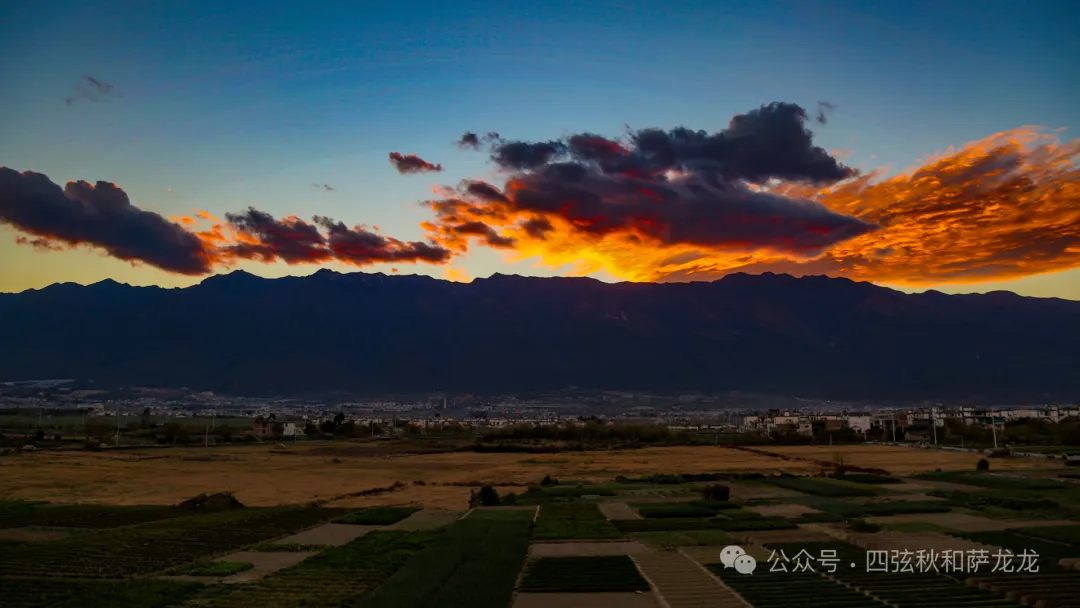
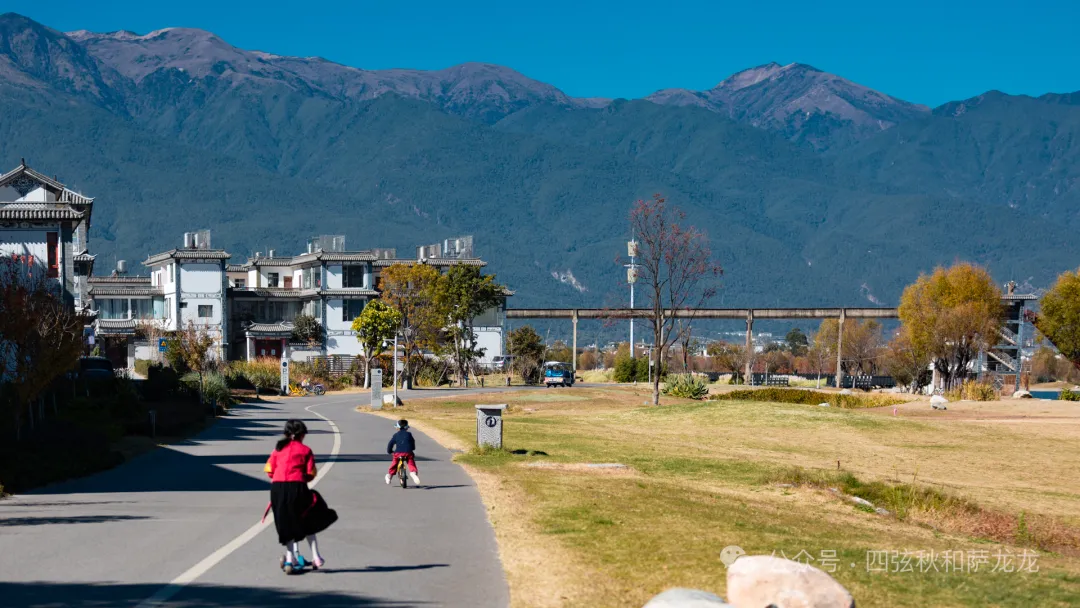
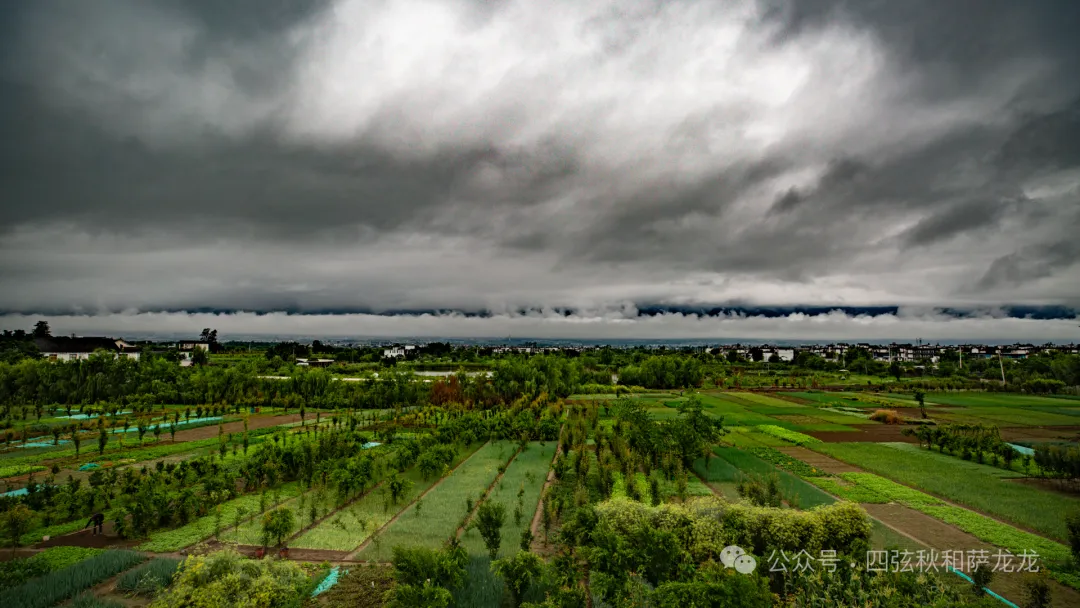
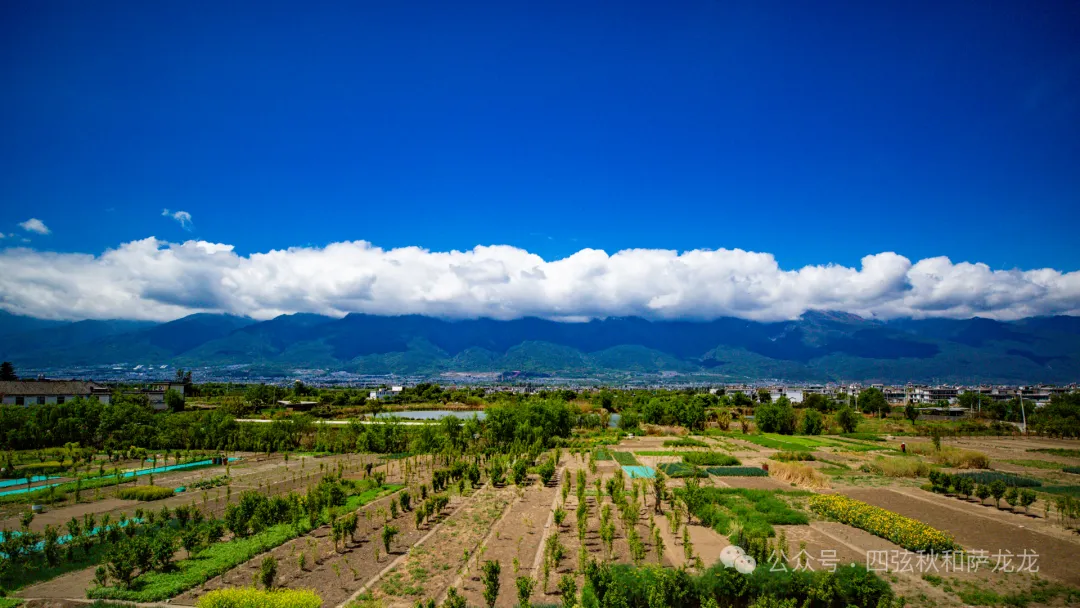
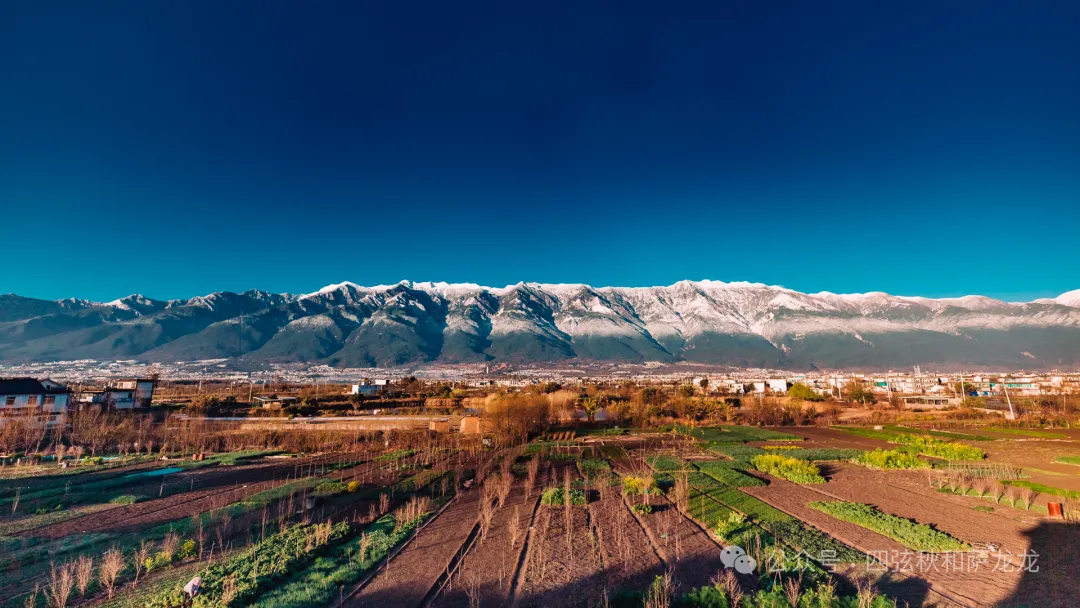
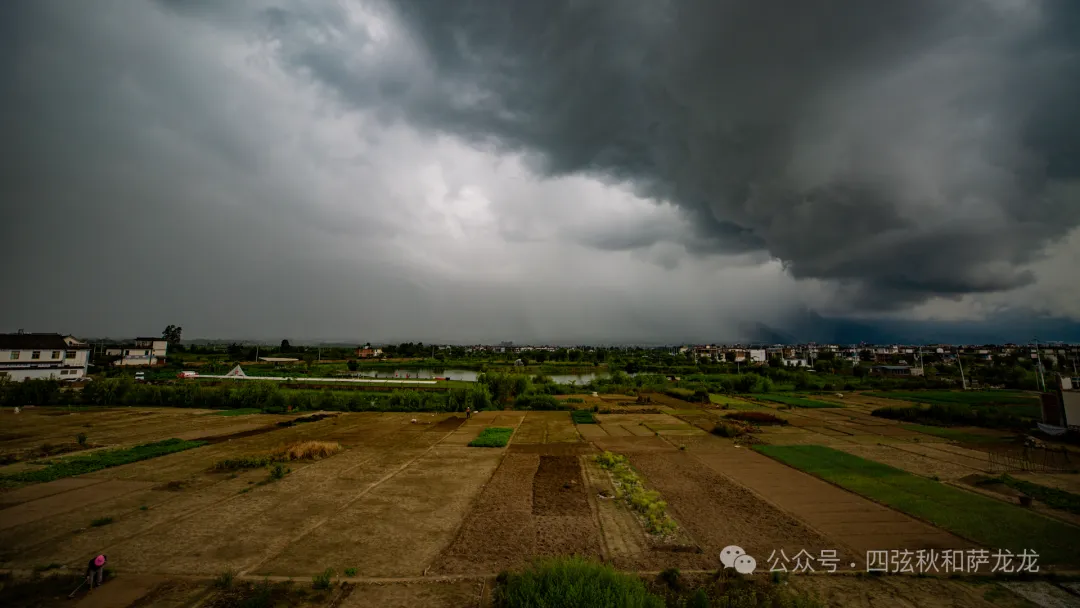
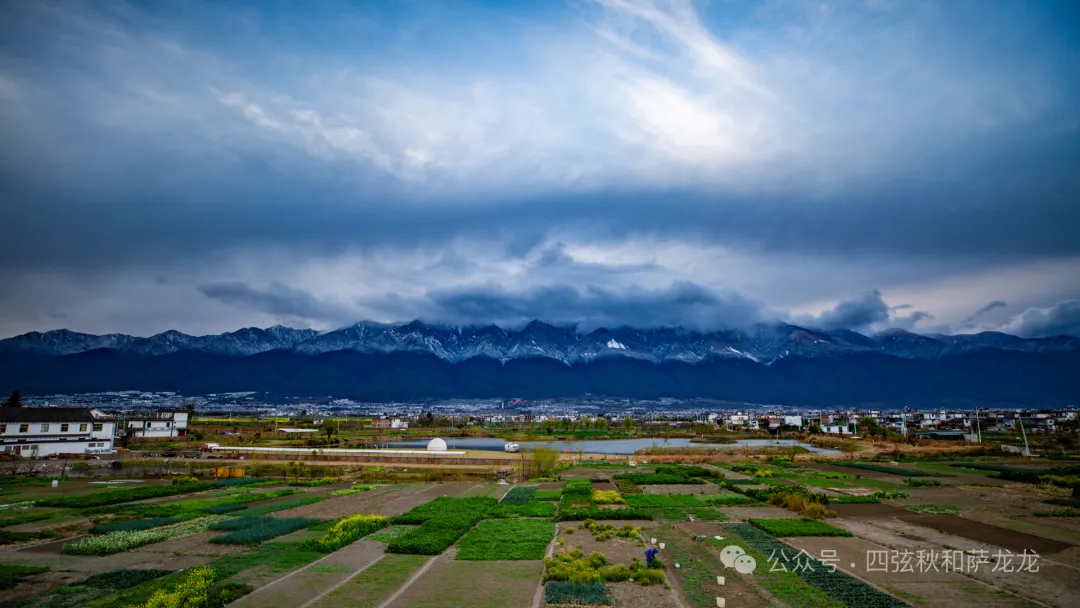
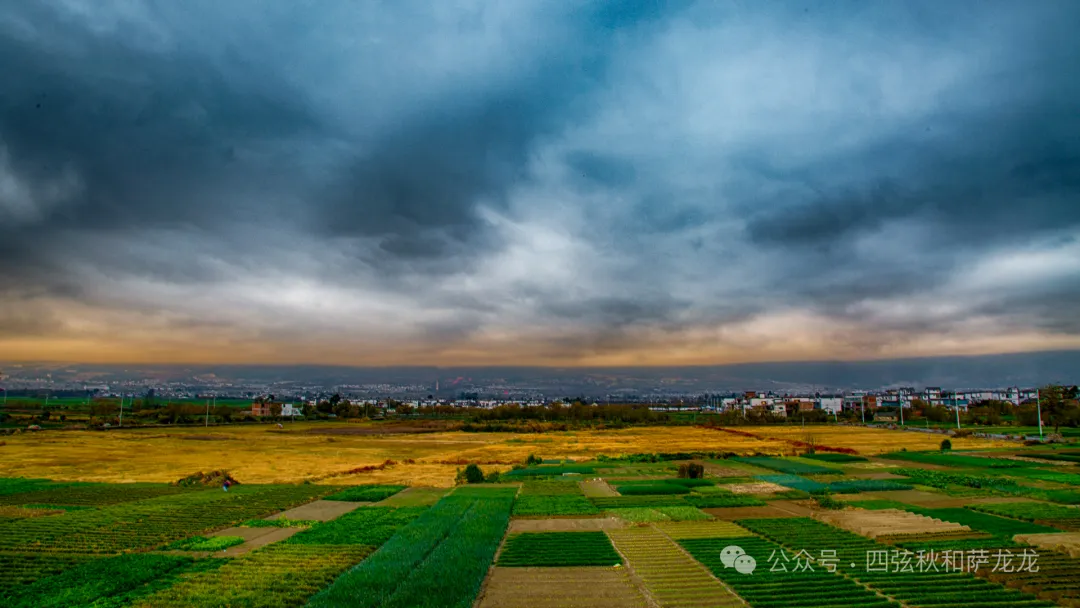
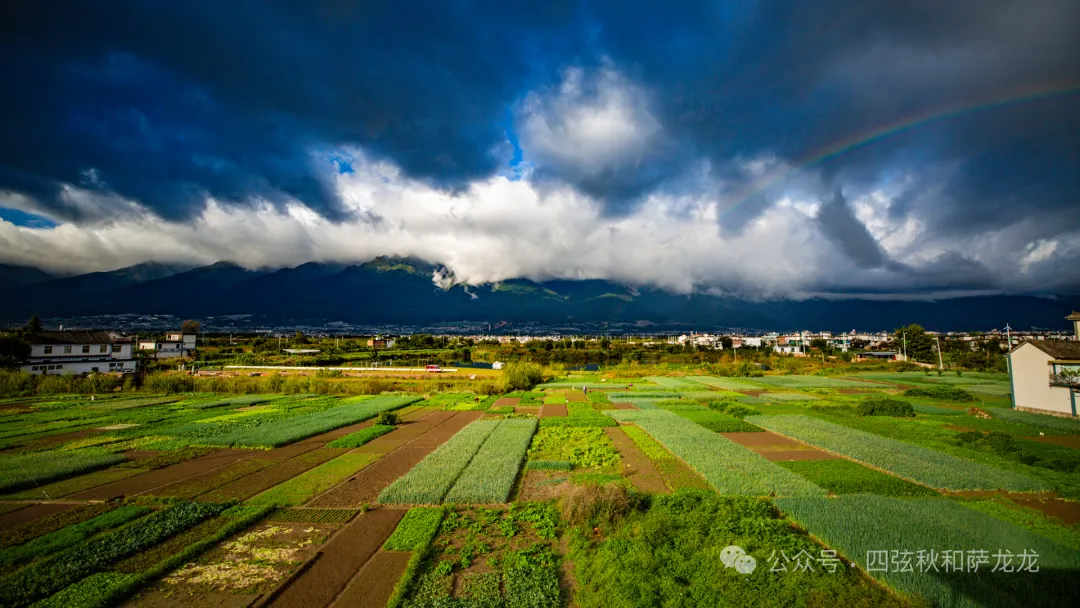
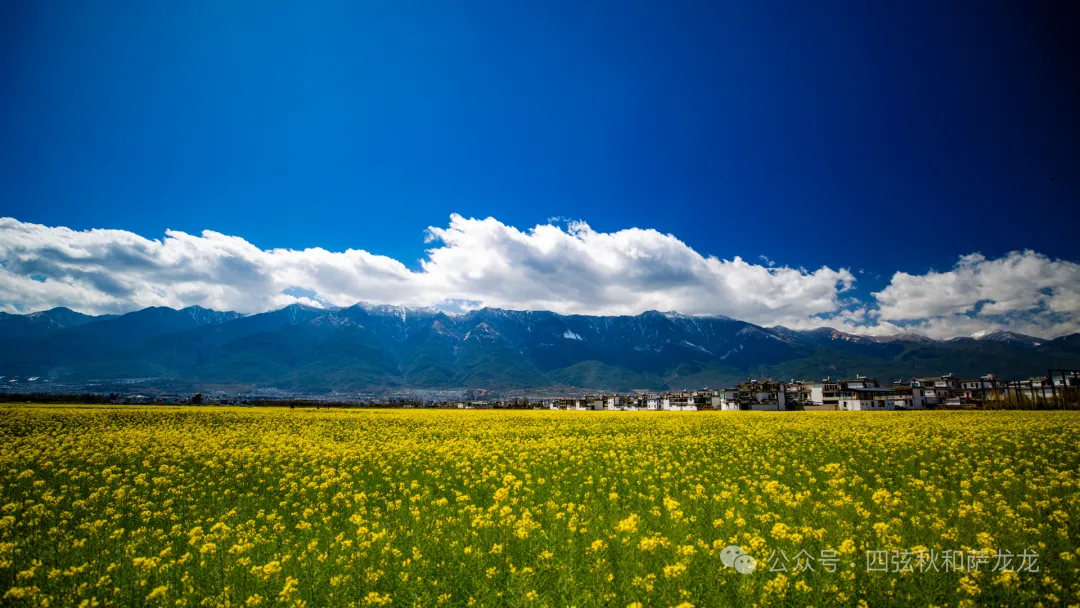
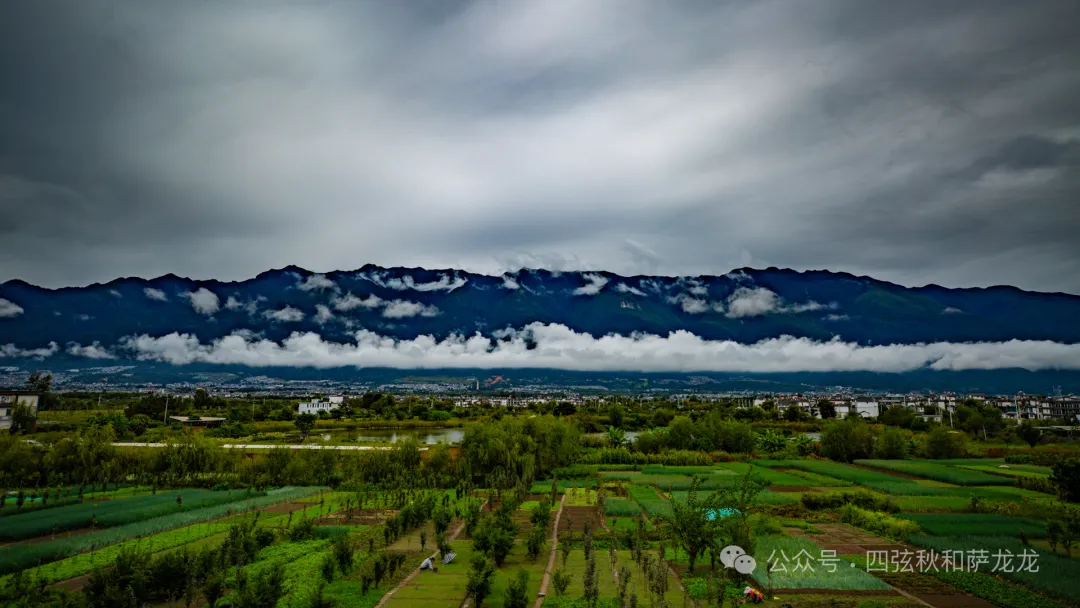
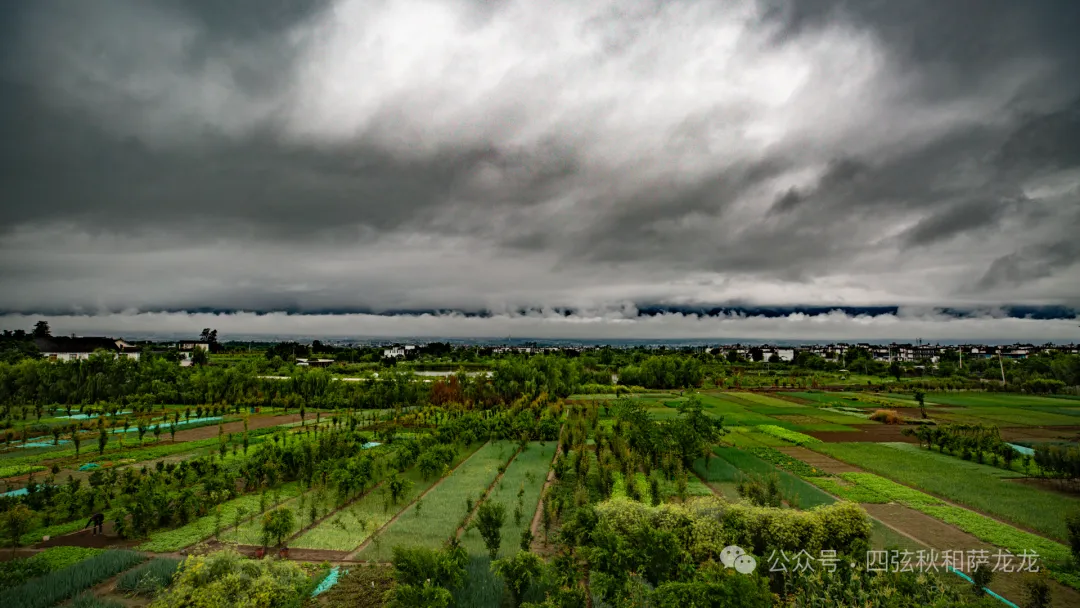
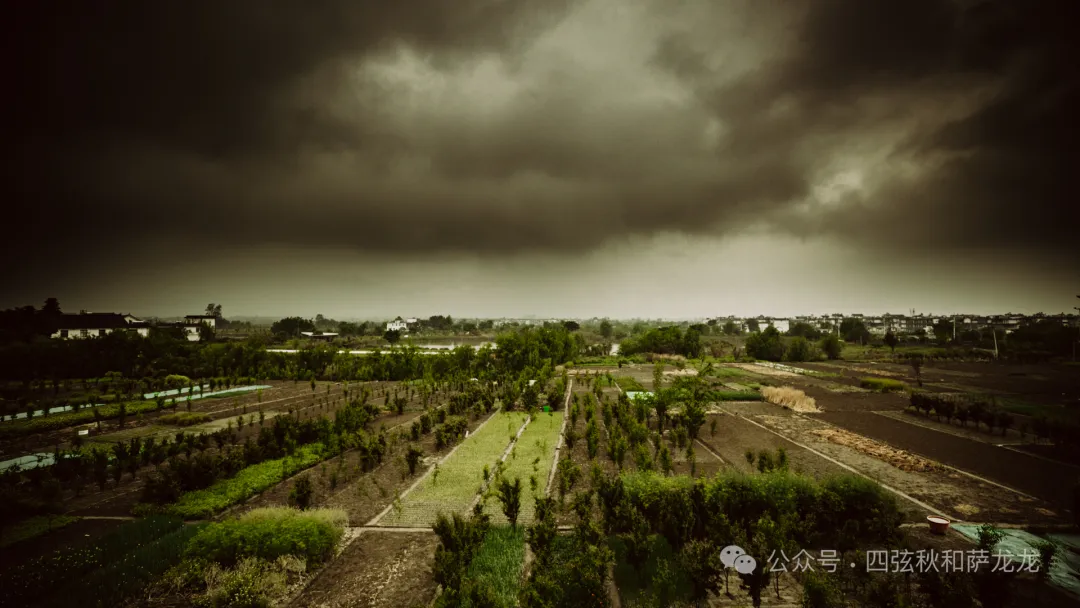
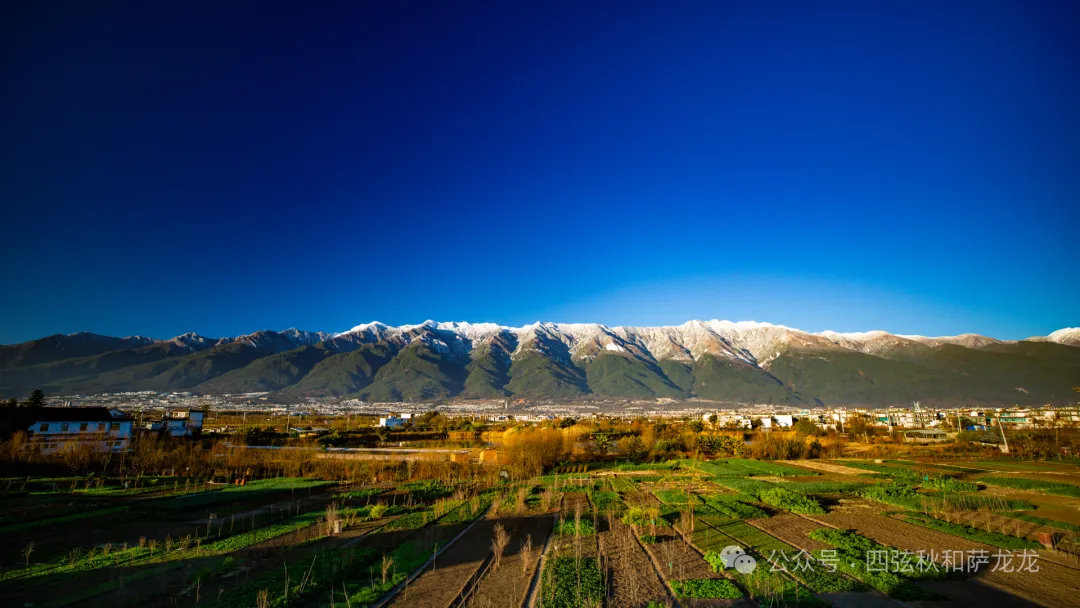
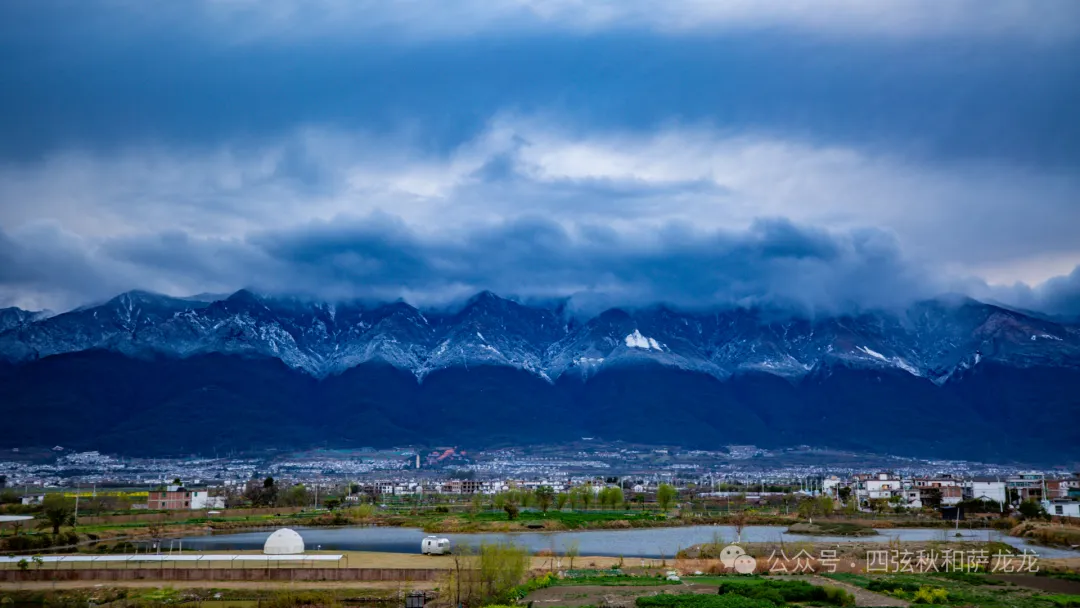
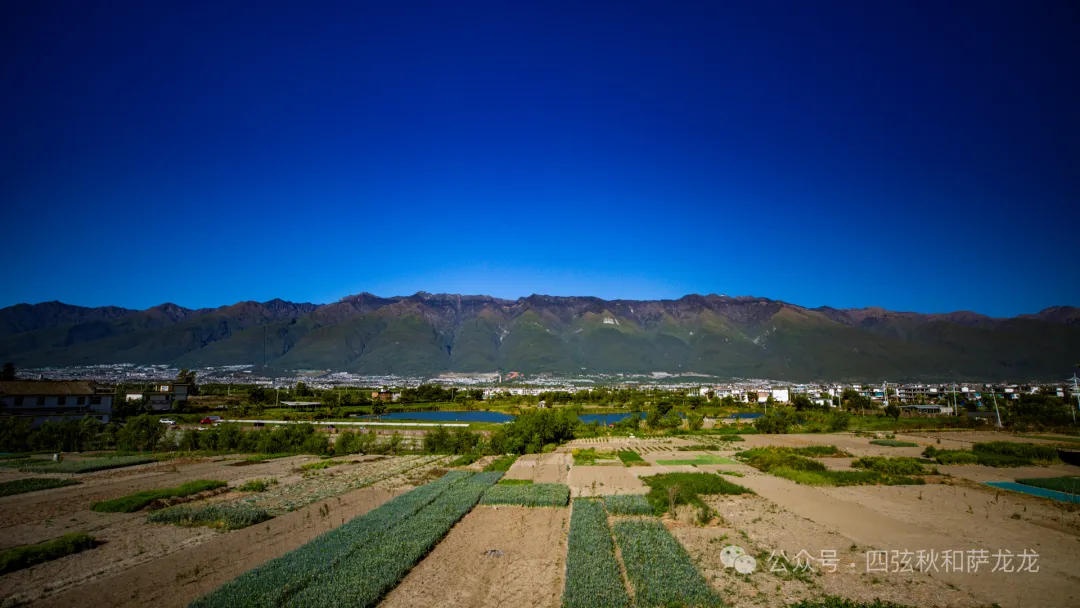
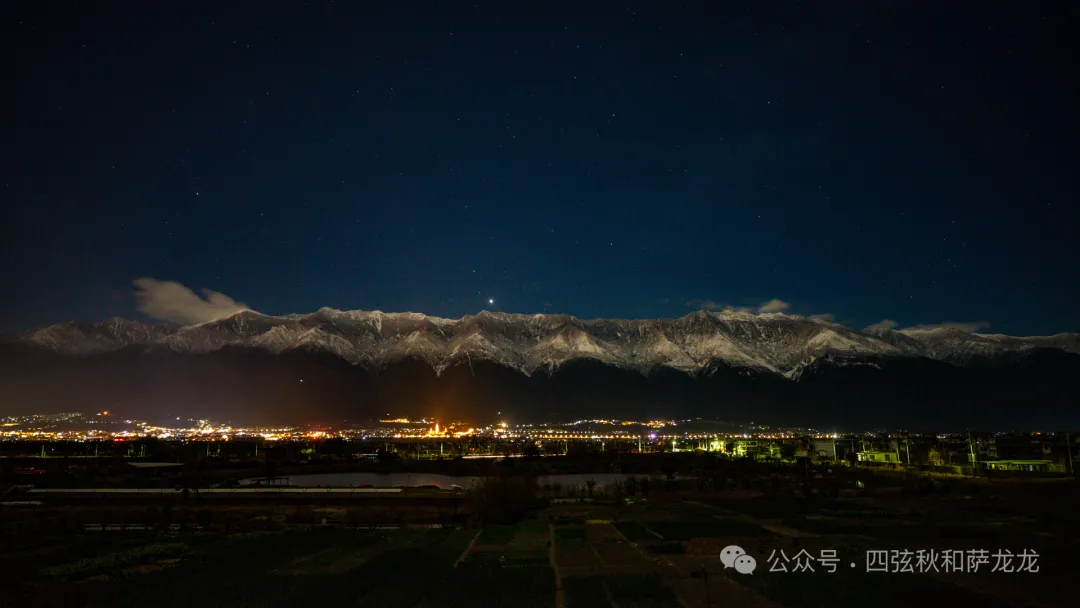
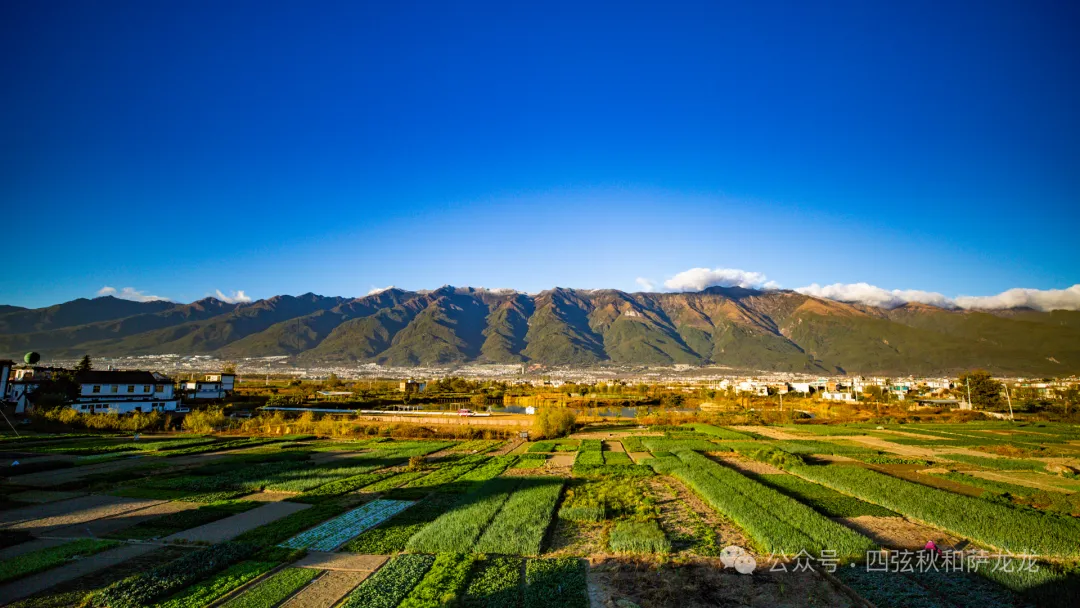
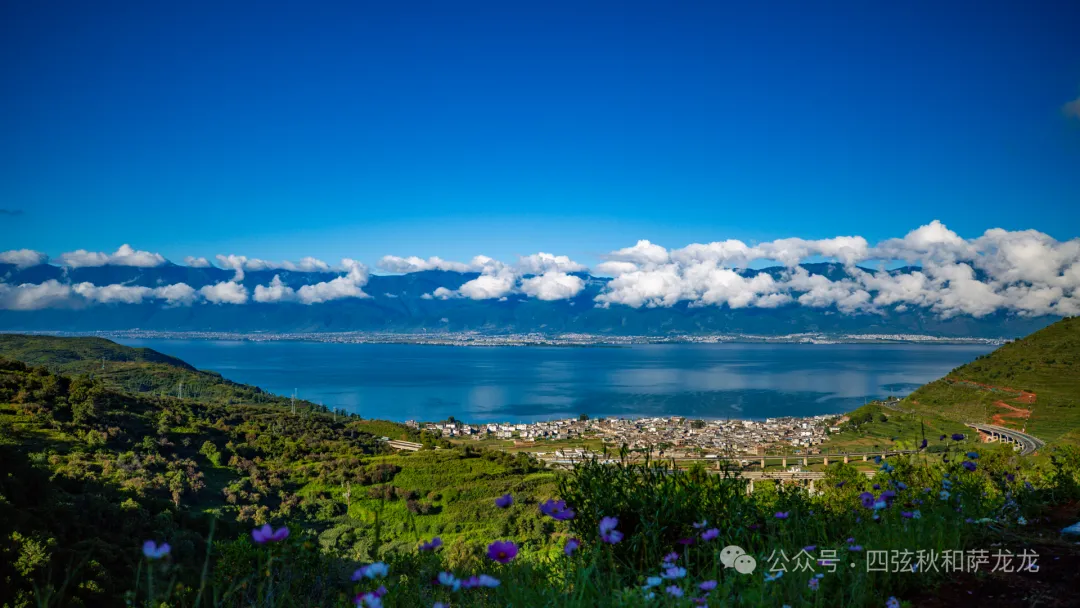
When we settled in Dali, the west terrace of our rented house by Erhai Lake had no obstacles between it and Cangshan, so we could see the entire mountain every day. Over ten years, regardless of the changing seasons, the alternation of dawn and dusk, or clear skies and rain, we always saw Cangshan's distinct personality at different times. The Yudai Road on Cangshan is at an altitude of about 2,600 meters. During the rainy season, a long strip of white clouds floats at the same height in front of the mountain, known as the Jade Belt Cloud. The Jade Belt Cloud splits Cangshan in two at that altitude, and the mountain above and below the cloud is markedly different. From the foot to the cloud base, the mountain is shrouded in mist and haze, hidden under a thin veil, with dim green hues. Above the cloud to the summit, about 1,600 meters high, the air is clear and bright, free of dust, and every serrated outline of the mountain is distinct, with dark peaks bright and gentle. On clear days, especially in winter, standing on the terrace watching the first rays of sunrise from the east of Erhai Lake touch the white ridges of Cangshan, gradually dyeing the mountain in a rosy glow; the slow solitary moon falls from the distant deep sky, finally bidding farewell to Cangshan, sinking into an unseen strange valley. At such times, Cangshan is lonely and indifferent.
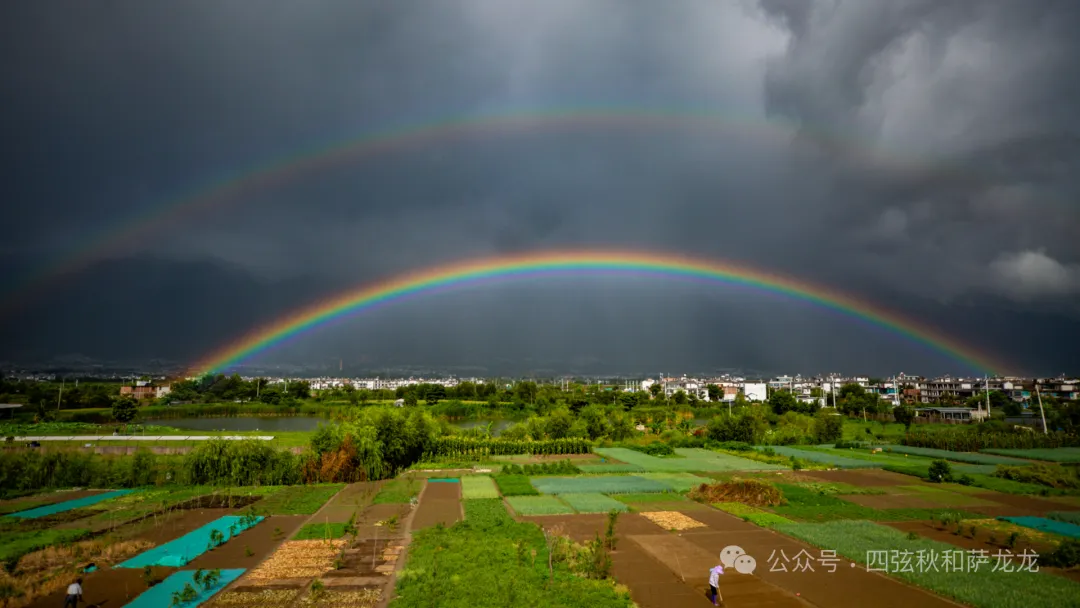
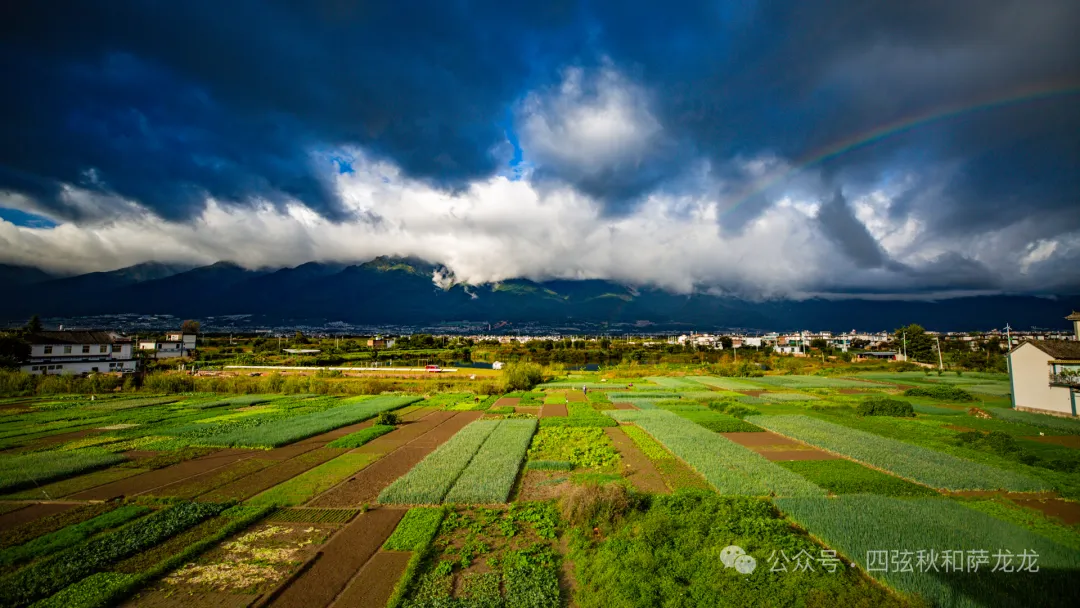
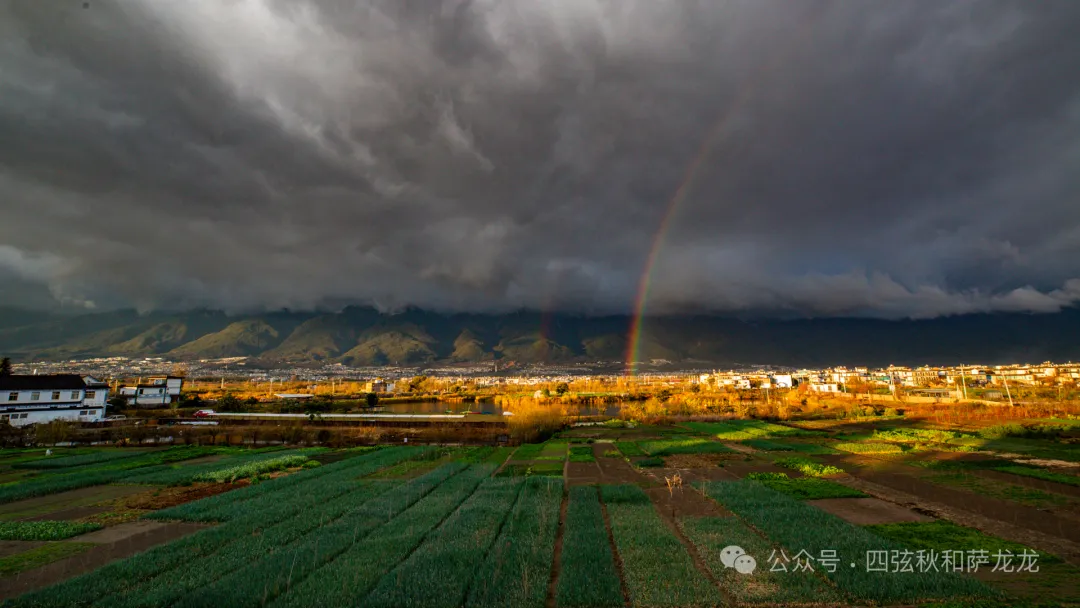
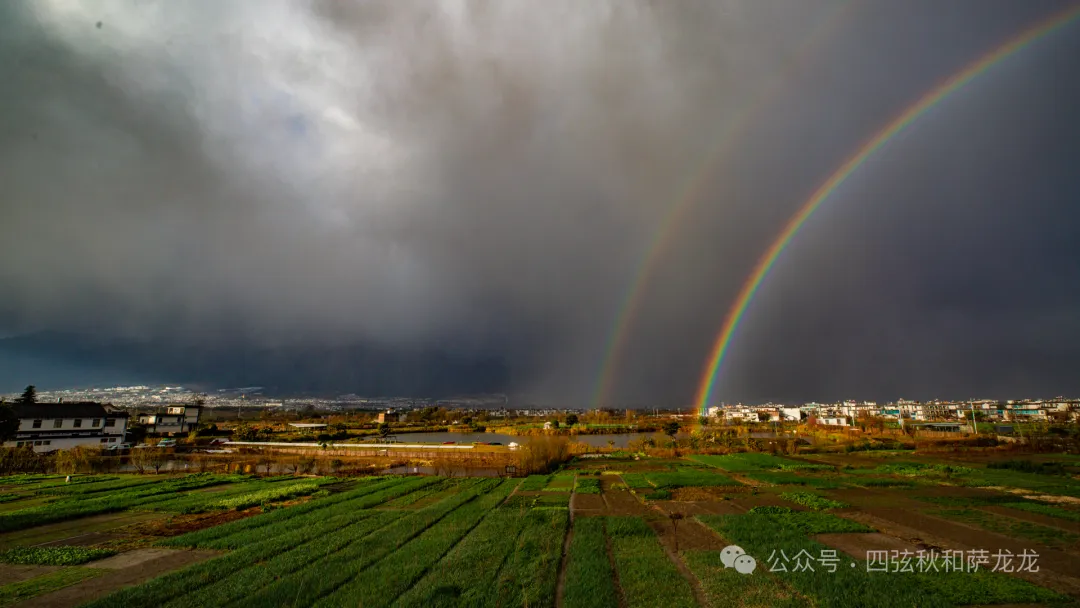
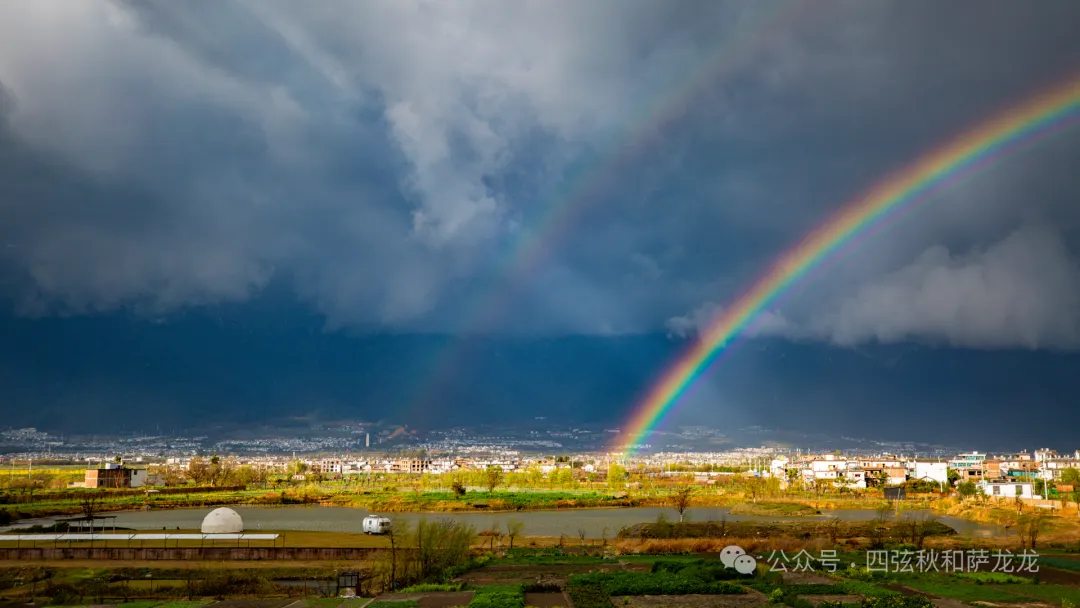
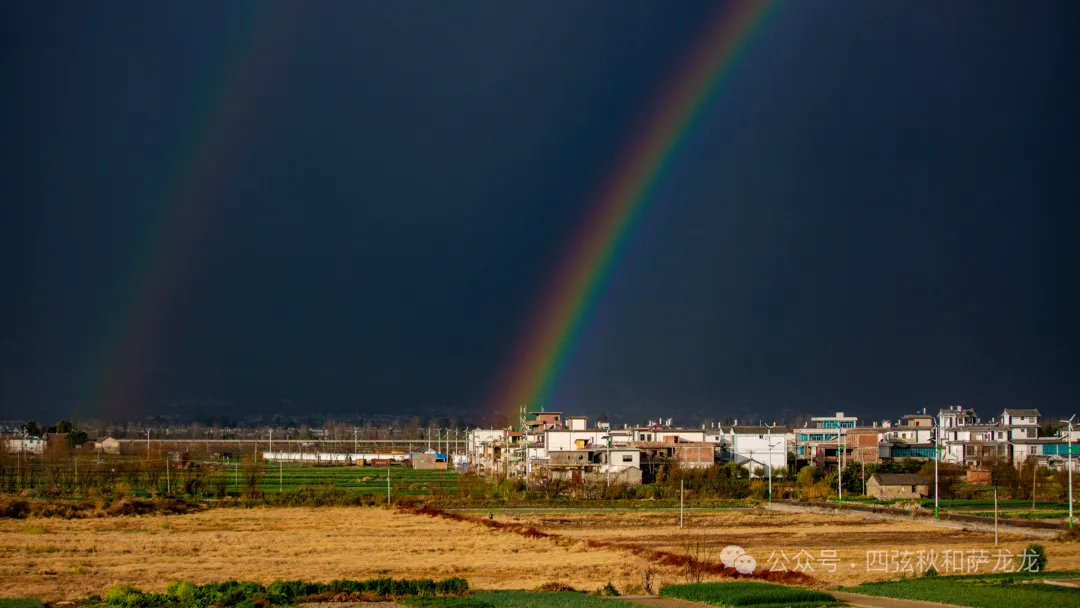
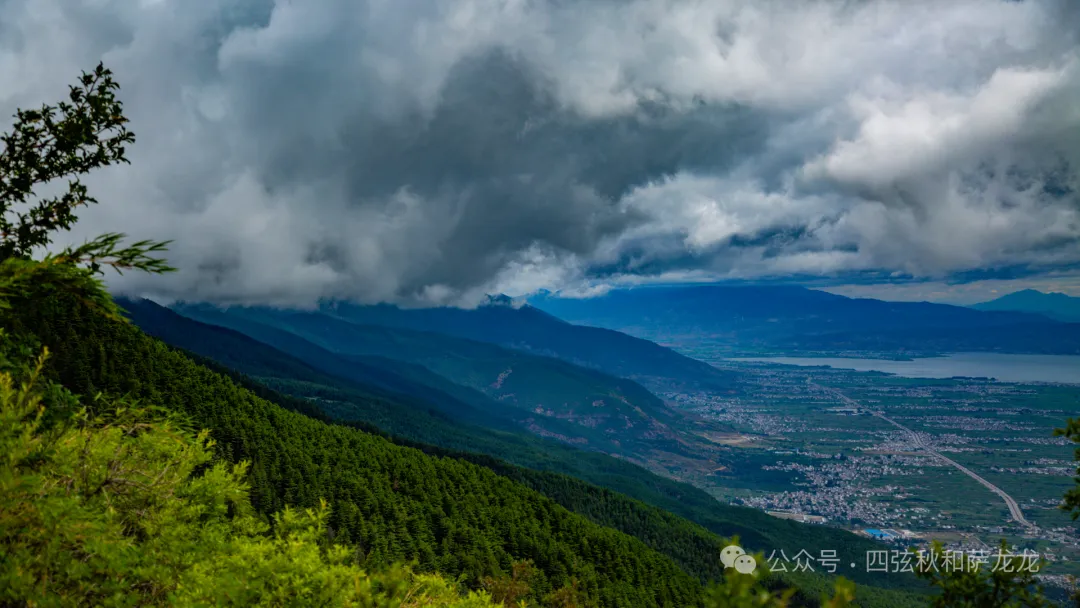
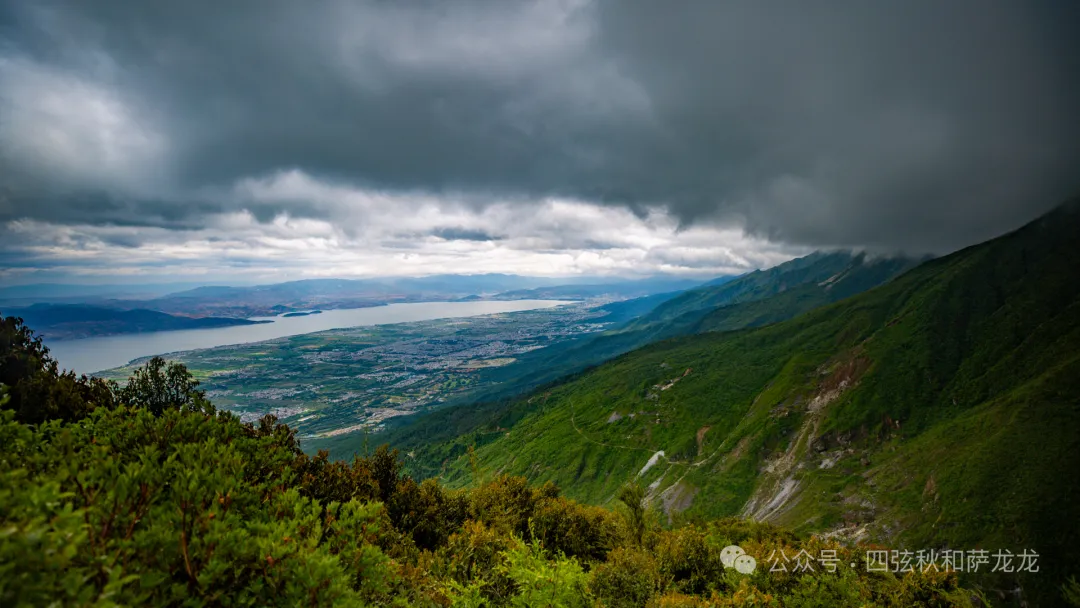
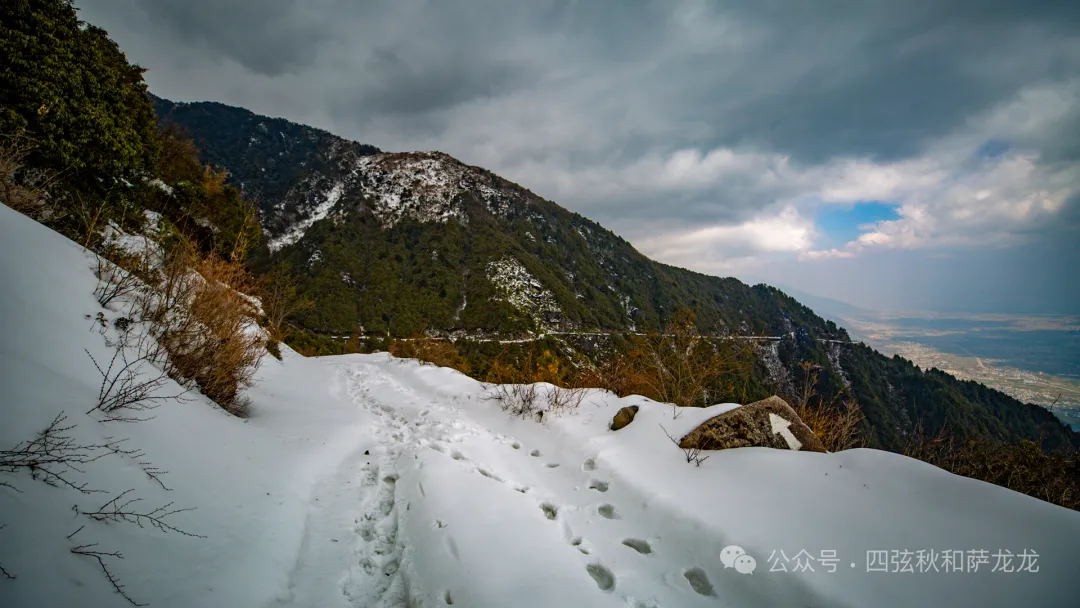
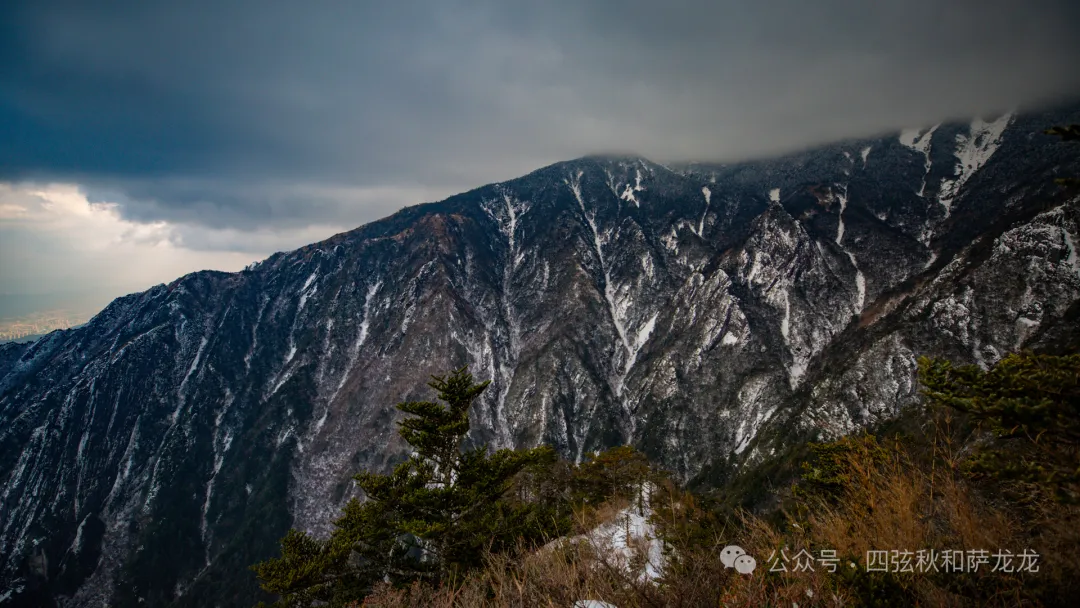
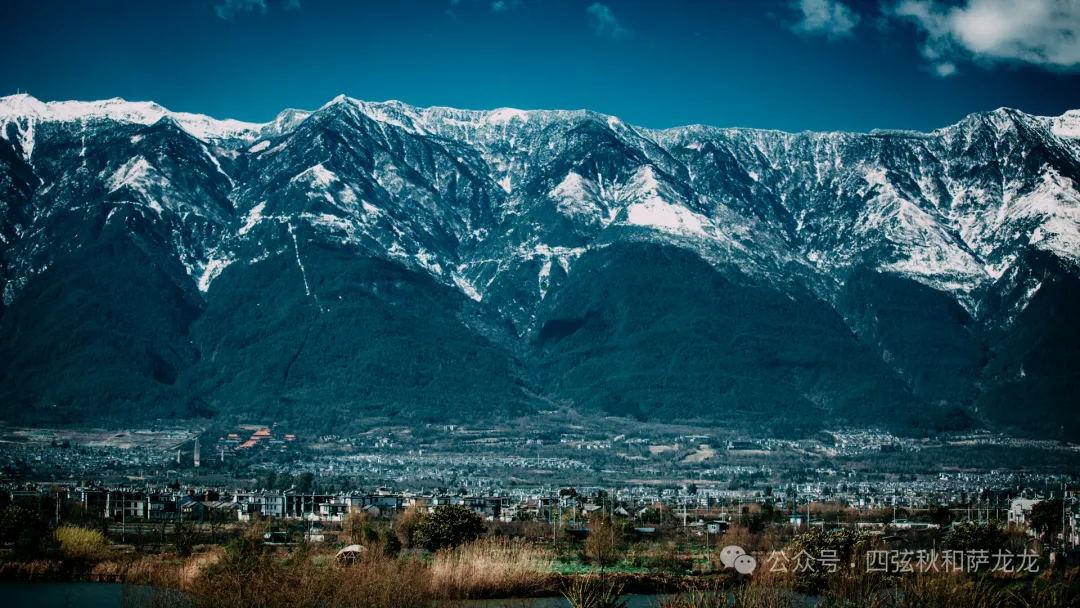
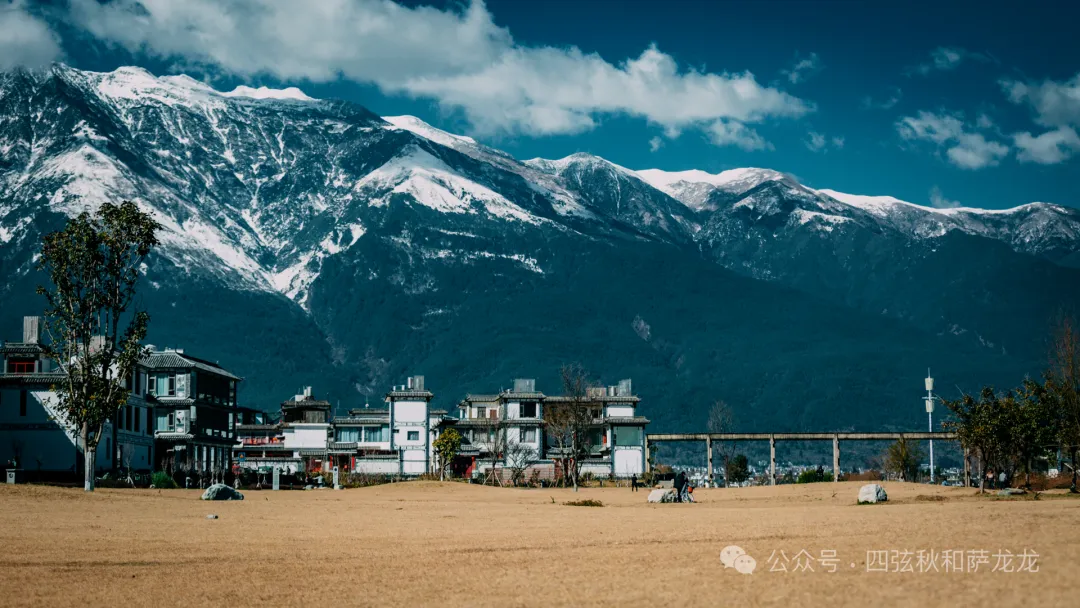
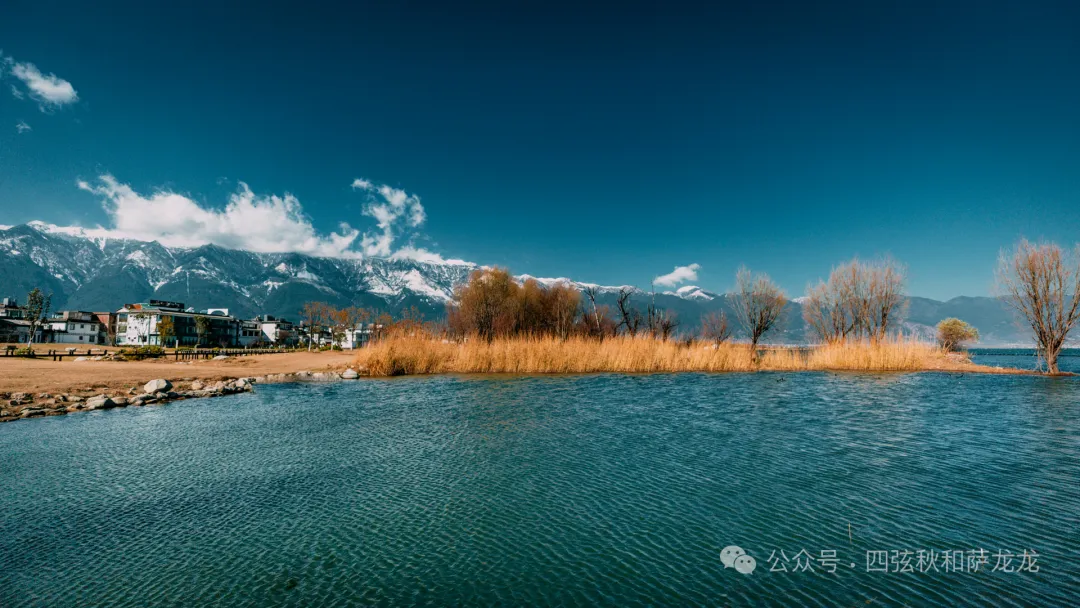
Cangshan has nineteen peaks and eighteen streams, but we know very little about it. We have only climbed one or two of its peaks. I cannot describe how much primitive life and primitive fear lie hidden deep in Cangshan. Over the past ten years, we have taken hundreds of photos of Cangshan, witnessing almost every moment of its constancy and change, like an old friend who visits often but soon leaves, always appearing seven kilometers away with an unfathomable mystery. Sometimes, I wish I were that bird playing by Erhai Lake at dusk, hurrying back to its nest in the mountain before the sunset gathers its last faint light, feeling the steady and enduring pulse of Cangshan in the darkness and silence.