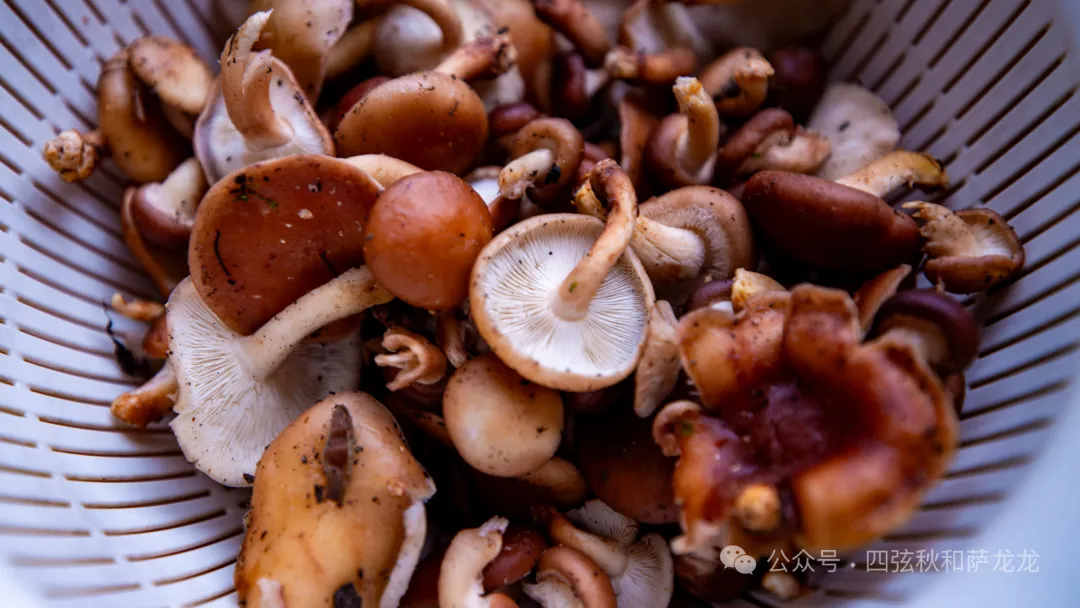

After a week of continuous rain, I think all Yunnan locals, including us outsiders living in Yunnan, have received a text message from the Yunnan Food Safety Office warning people to be cautious about eating mushrooms. As soon as the rainy season begins, wild mushrooms start to emerge. I remember at the end of August last year, with the help of local friends in Weishan, we, who knew nothing about wild mushrooms, enjoyed the most sumptuous wild mushroom feast of our lives. I never expected it to come a full three months earlier this year.
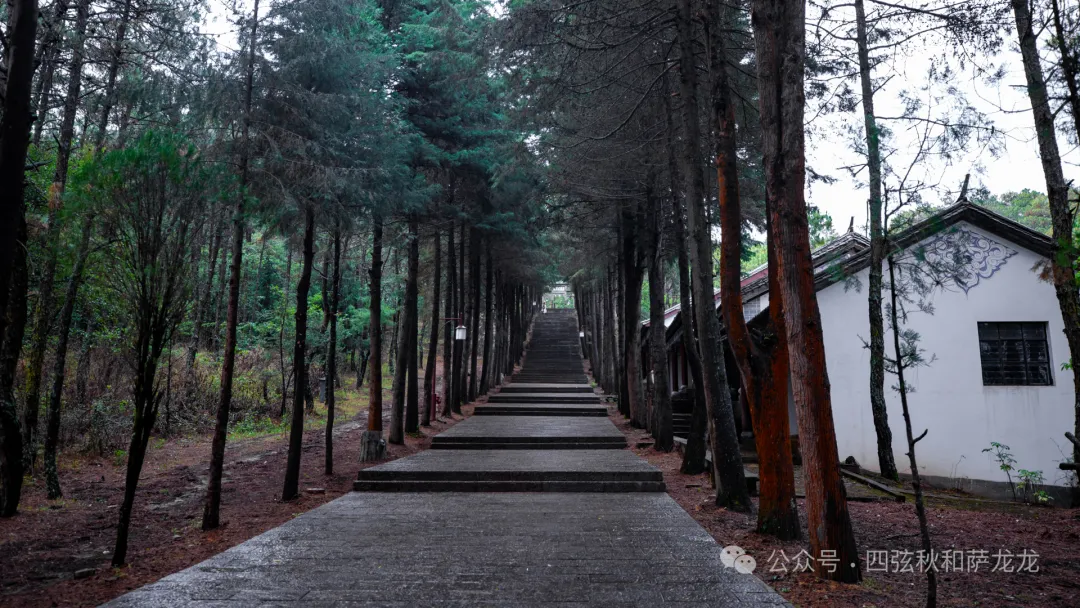
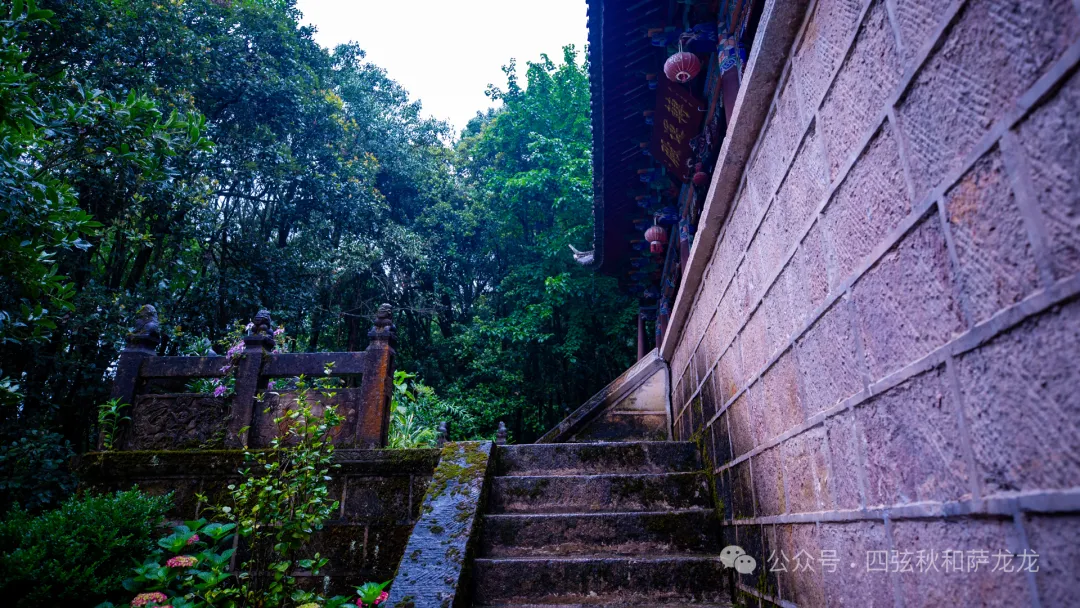
In the morning, the patter of rain outside the window never ceased. I sent a message to Anli asking if her hiking plan was still on. After she confirmed, we immediately took a bus in the heavy rain to Weibao Mountain. Our original goal was to take deep breaths in this huge natural oxygen bar and relax. Besides bringing a bottle of water and some snacks, we also brought a seven-year-old little follower.
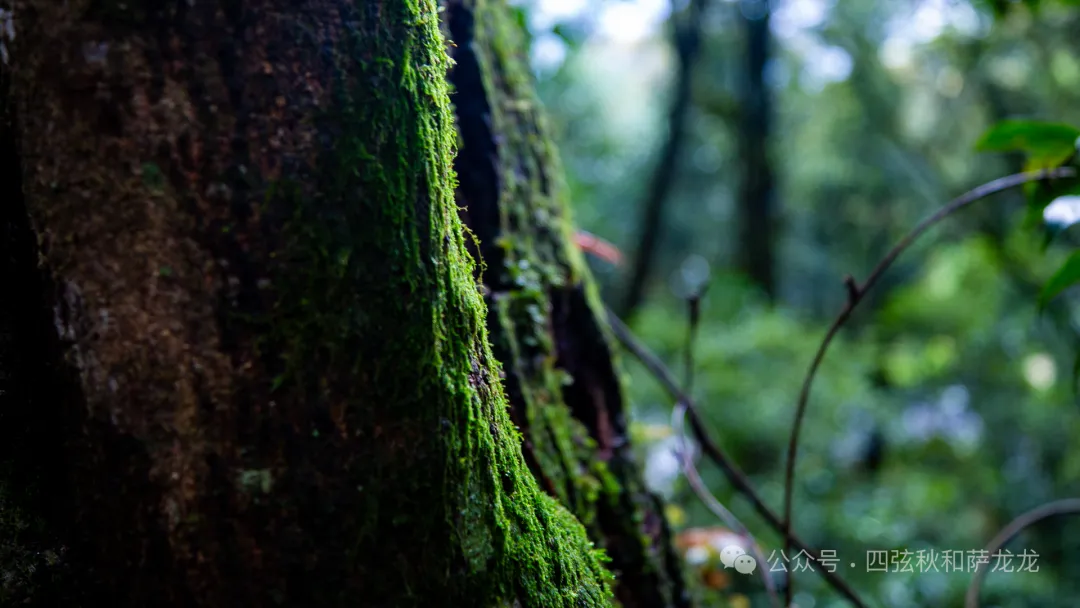
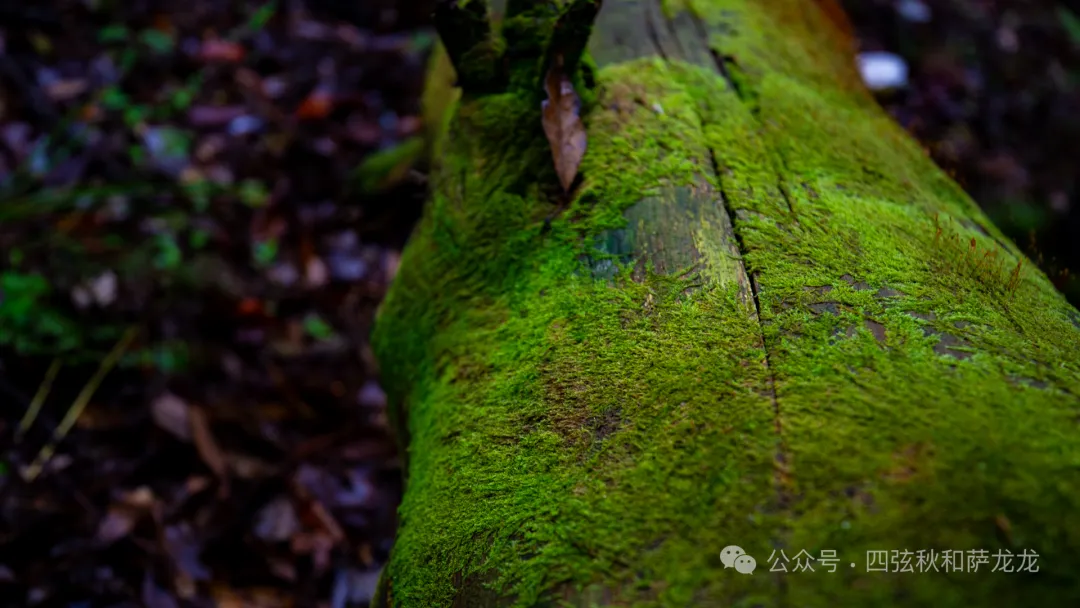
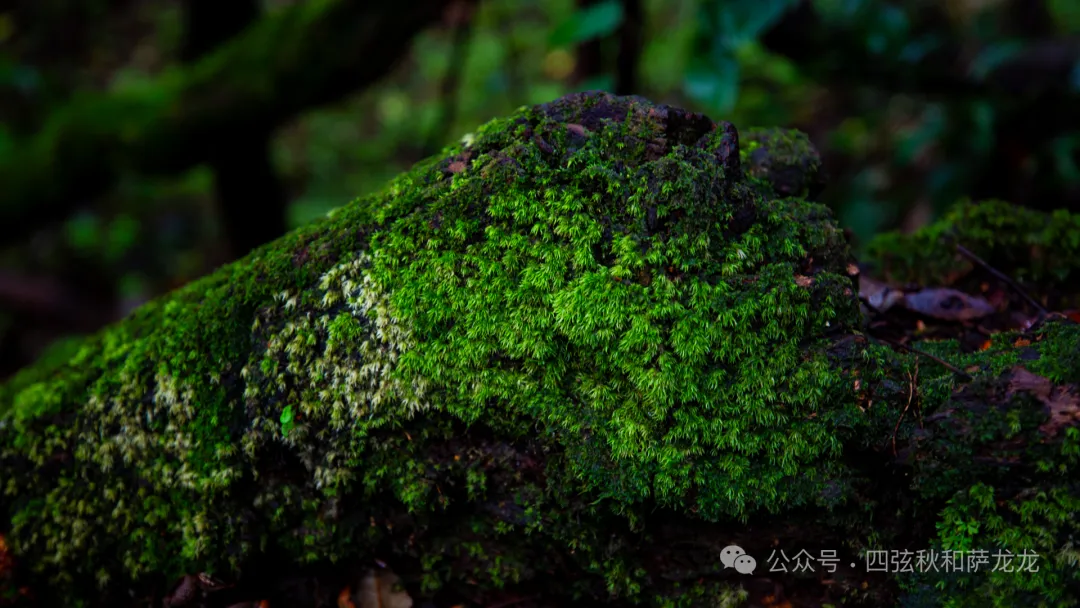
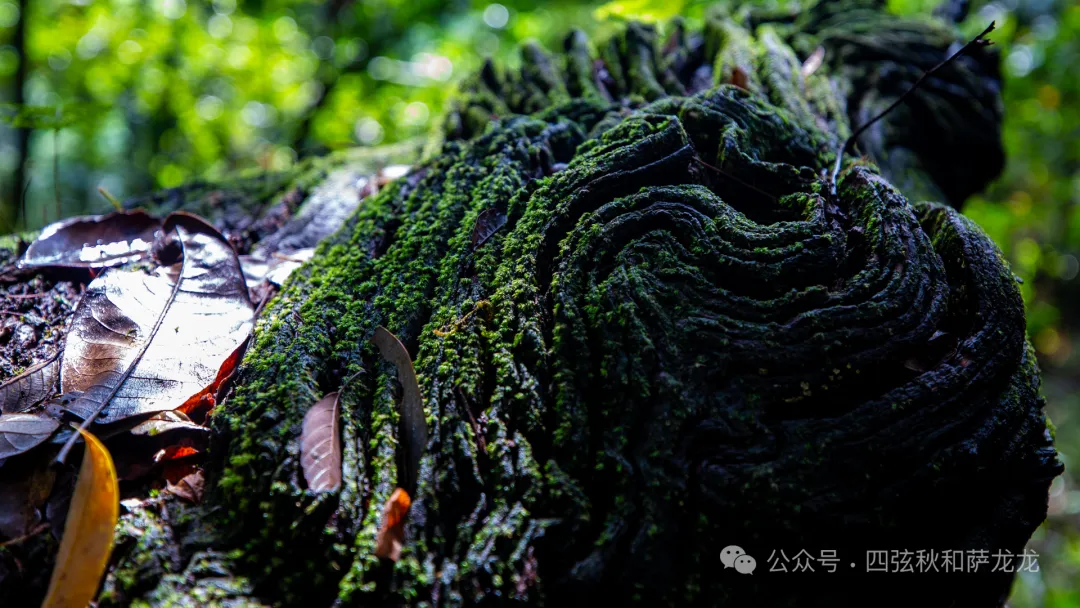
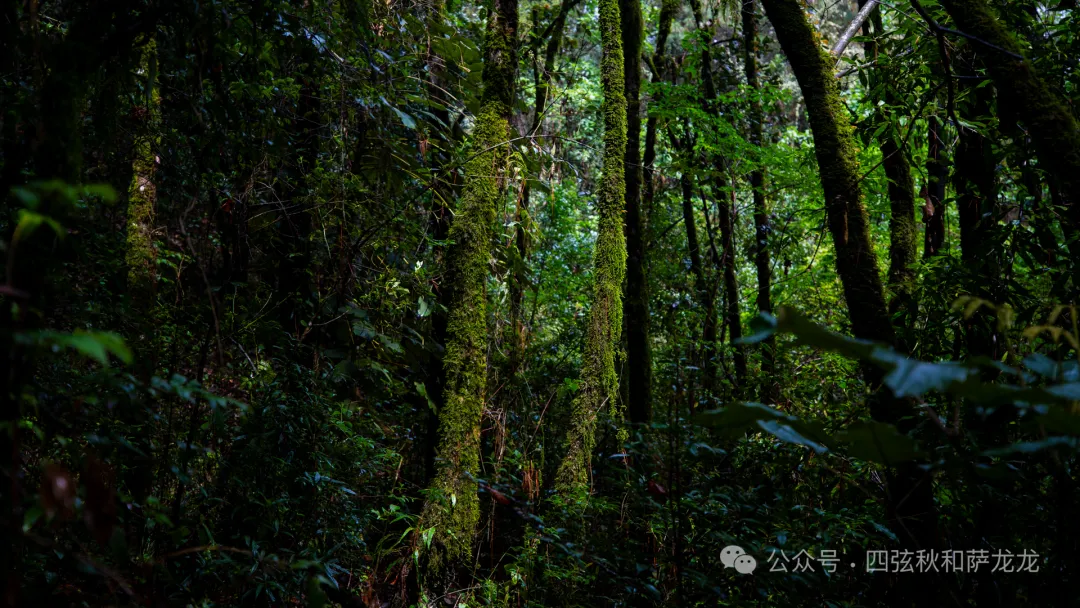
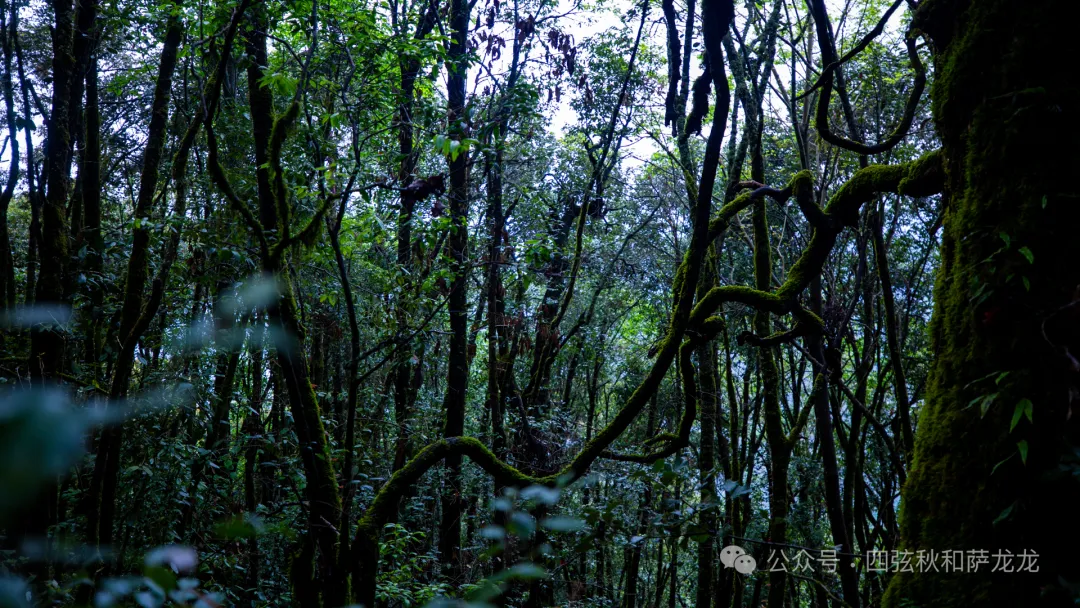
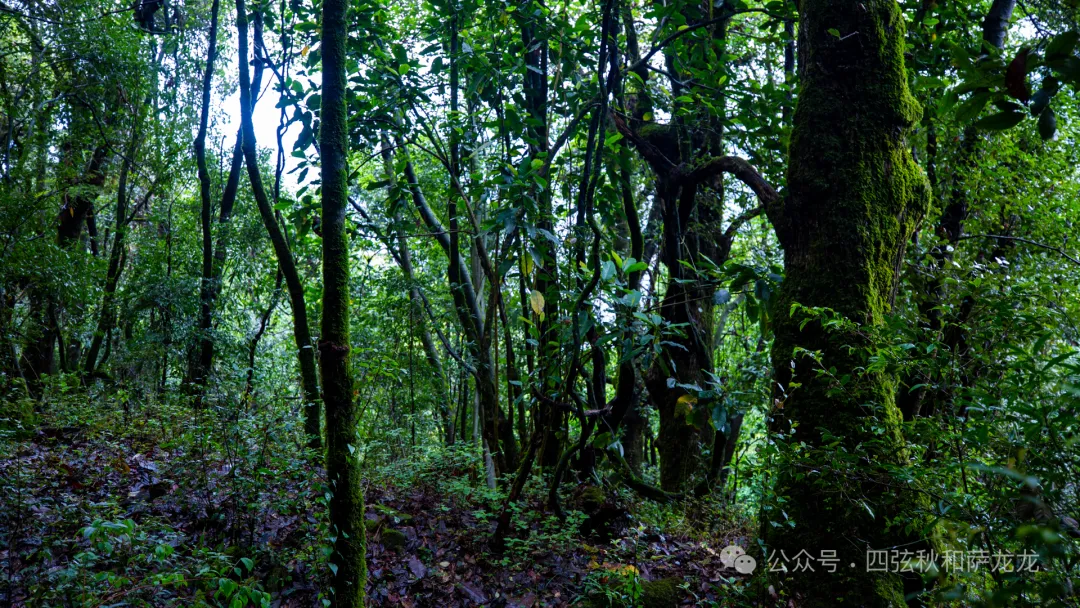
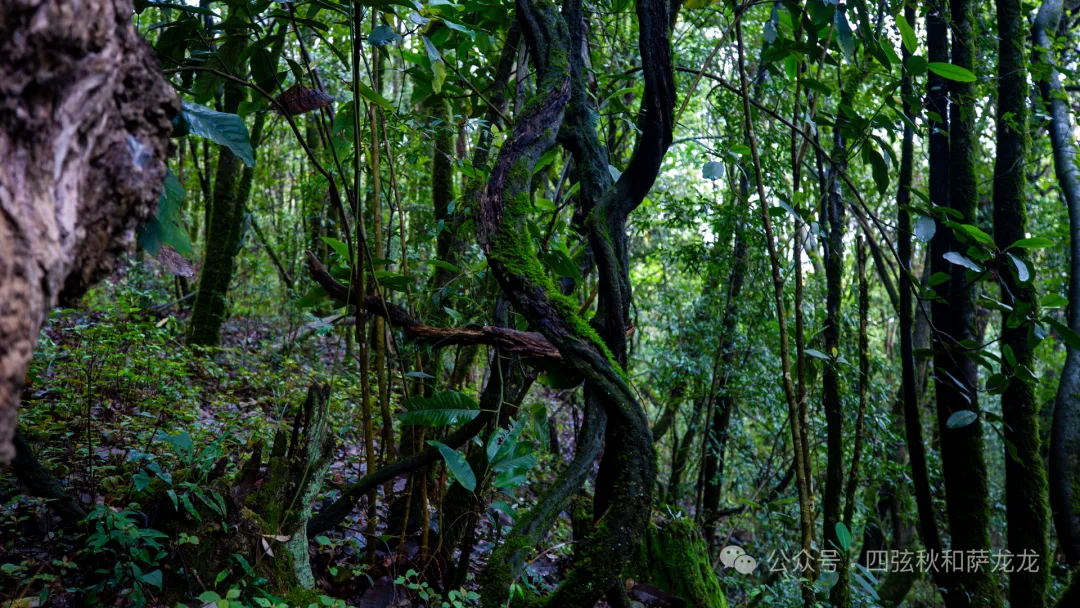
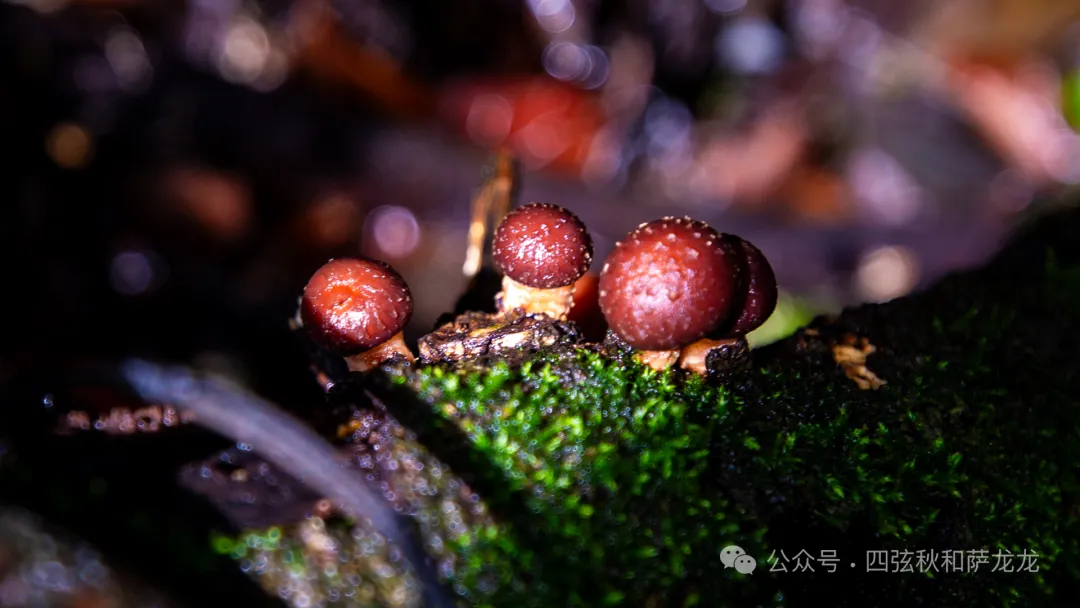
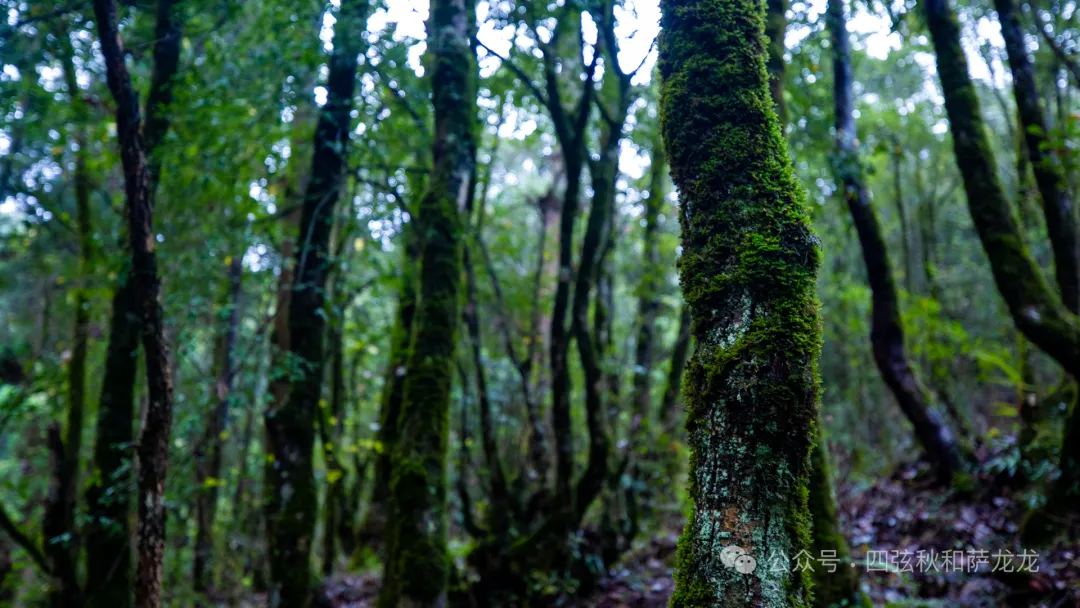
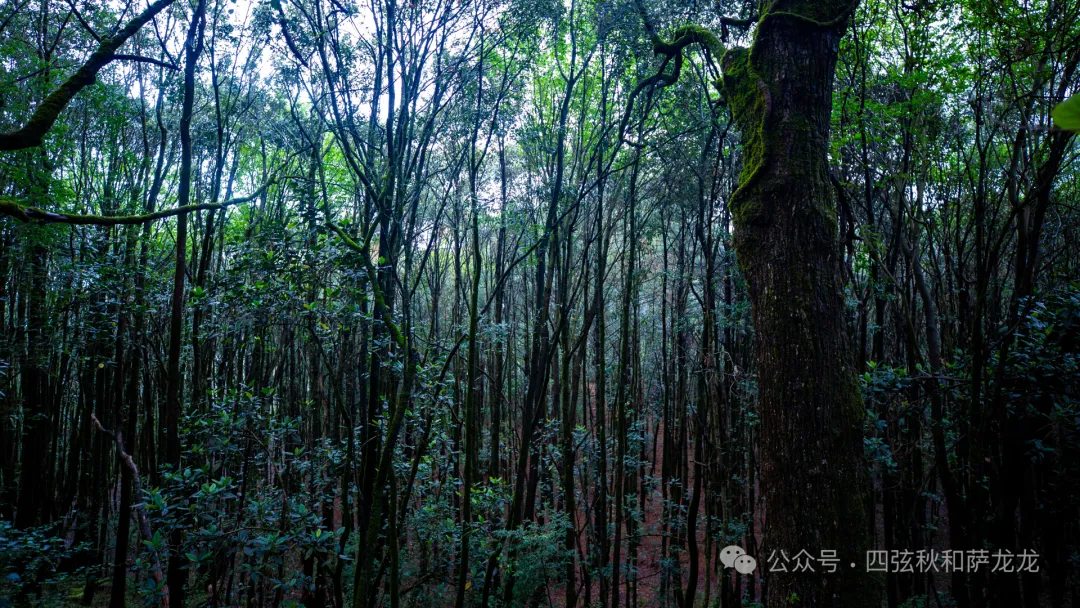
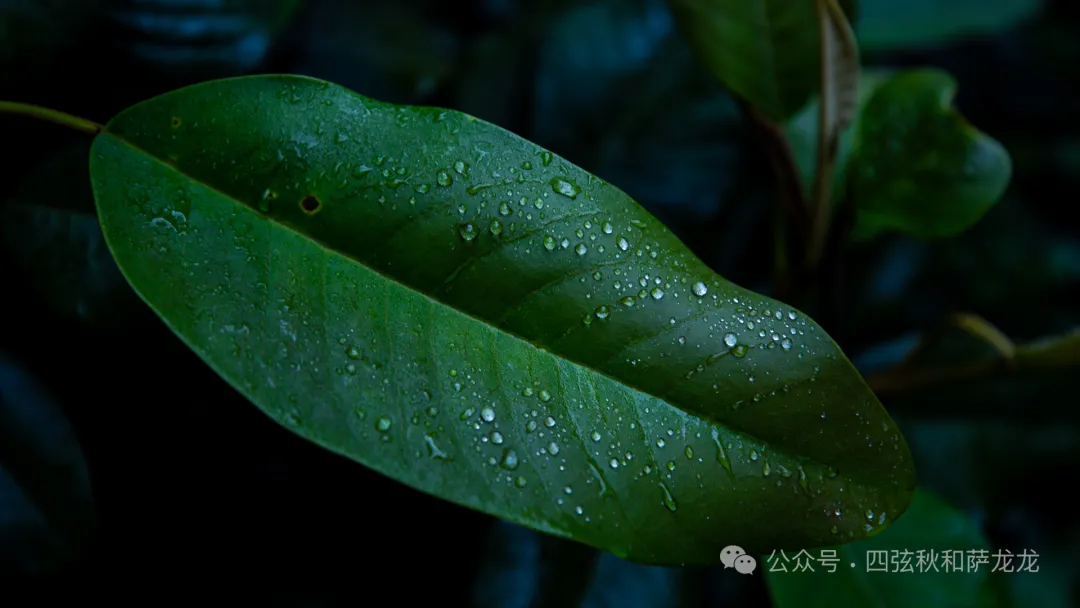
The forest in the early summer rainy season was dark and chilly. Raindrops passed through broad leaves, dripping layer by layer from the treetops, as if whispering. They couldn't penetrate the thick bark and large leaves but were retained by the moss wrapping the tree trunks. This season's moss seemed to live in a microscopic ocean world, full of vitality from the abundant rain. As I immersed myself in this green ocean again, capturing the layered scenery of the forest with my camera, a few delicate mushrooms sprouting from the trunk of a young Castanopsis tree about human height made me exclaim. When Anli saw the wild mushrooms I pointed out, she was also pleasantly surprised. She told me that these edible, thick-fleshed, lightly fragrant brown round mushrooms usually don't appear until the end of June. She began to inspect every Castanopsis tree we passed along the path, afraid of missing the surprise of any wild mushrooms.
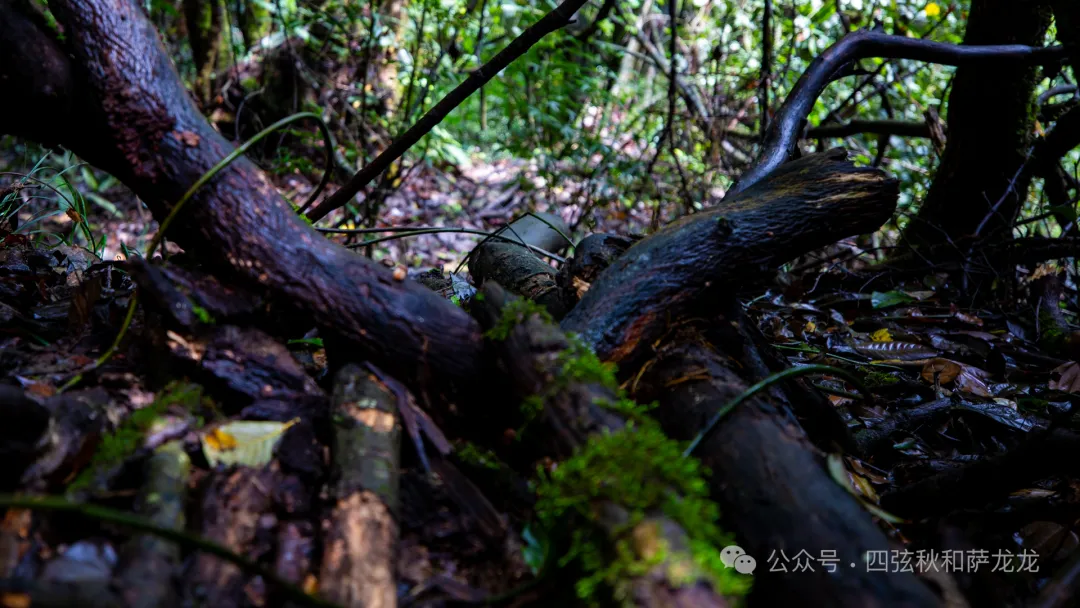
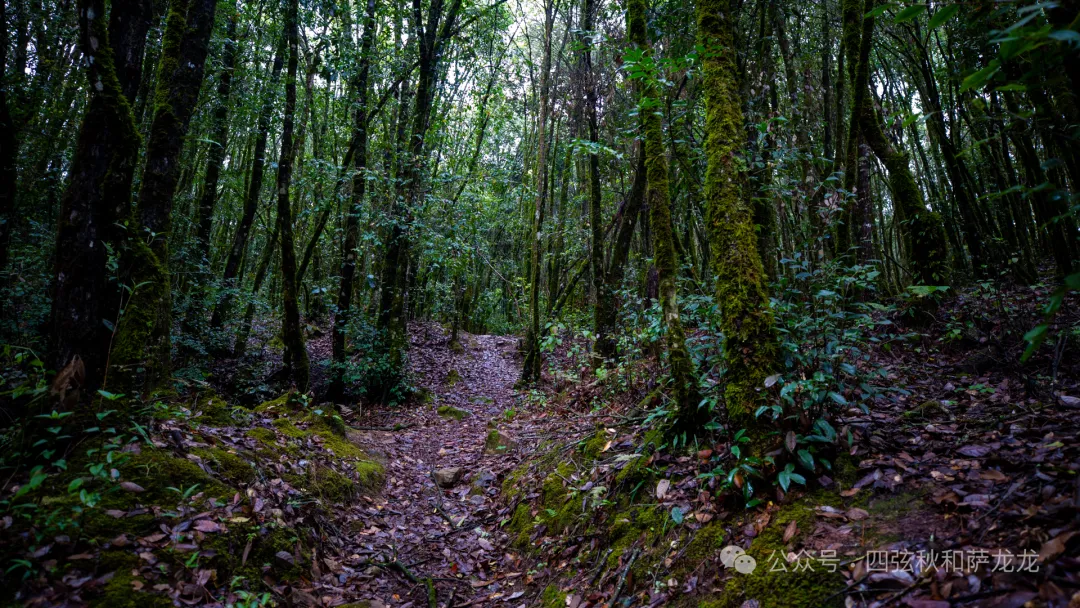
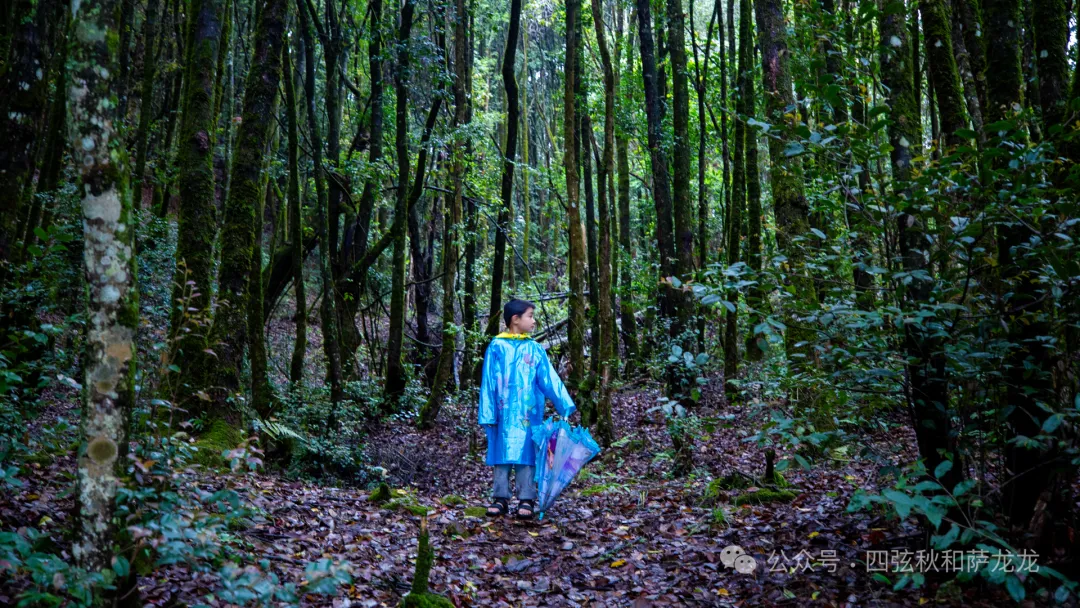
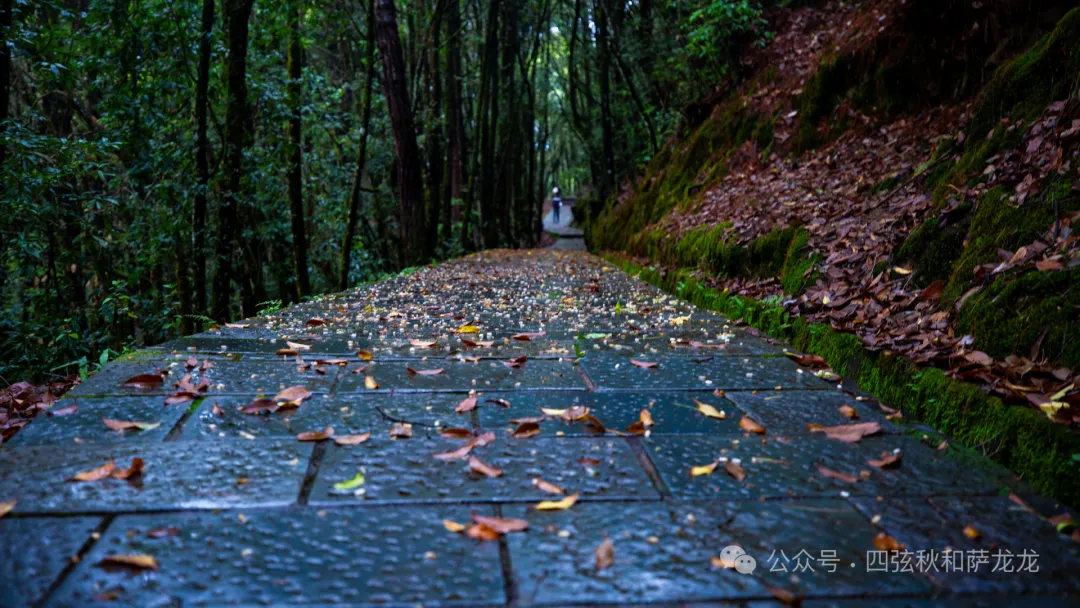
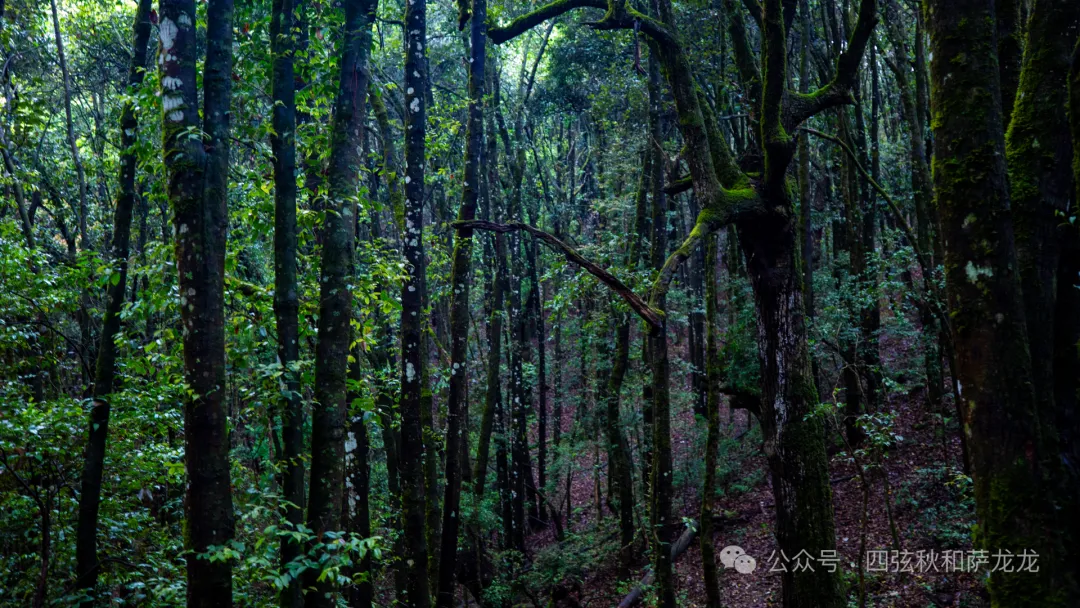
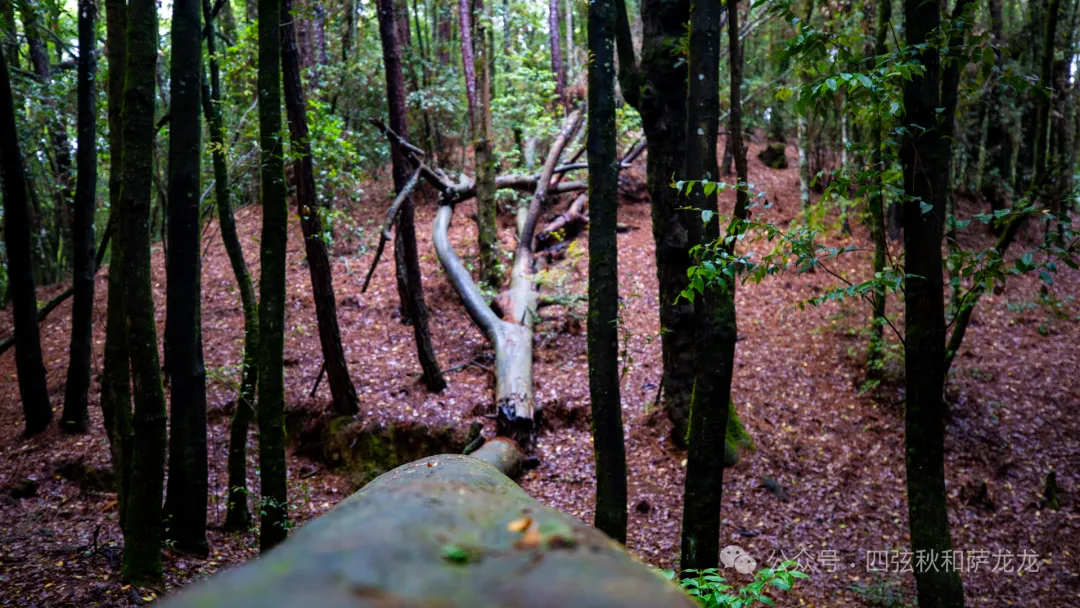
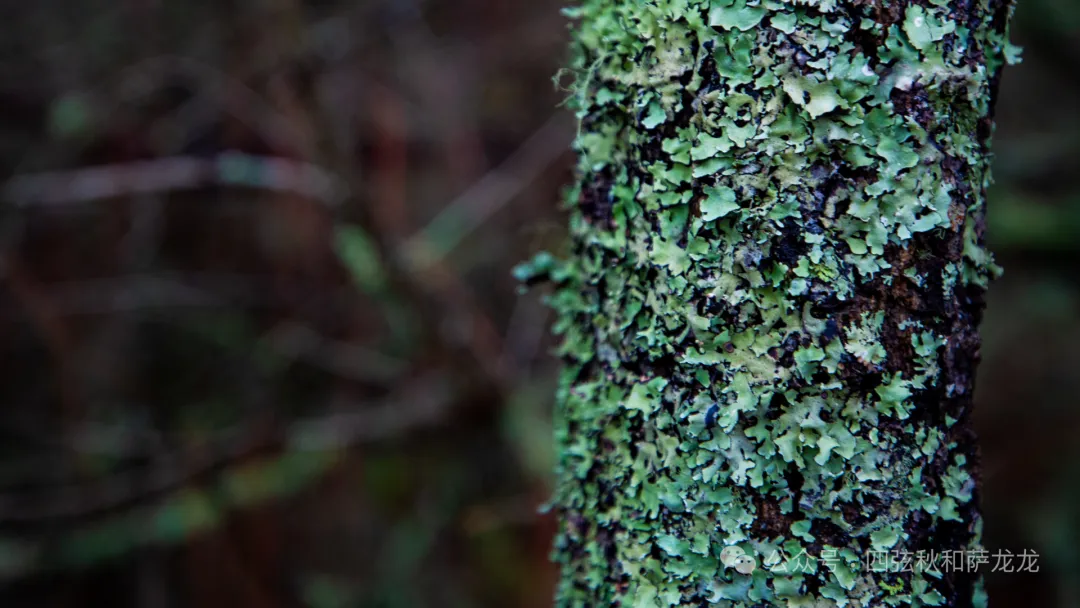
After walking about a kilometer on the stone steps of Weibao Mountain, Anli suggested we leave the main path and follow a gentler forest trail deeper into the jungle to try our luck in the less frequented depths. I was happy to go; why not enjoy a deeper look at the older, more primitive forest? The little follower struggled behind us. I stopped to take photos while waiting for him, while Anli quickly disappeared into the dense forest.
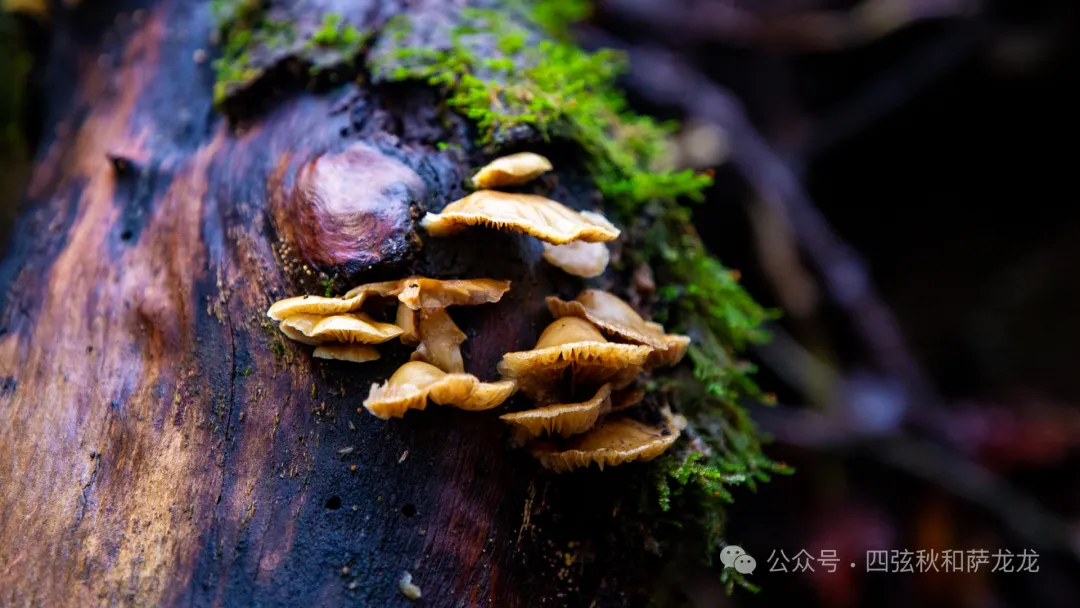
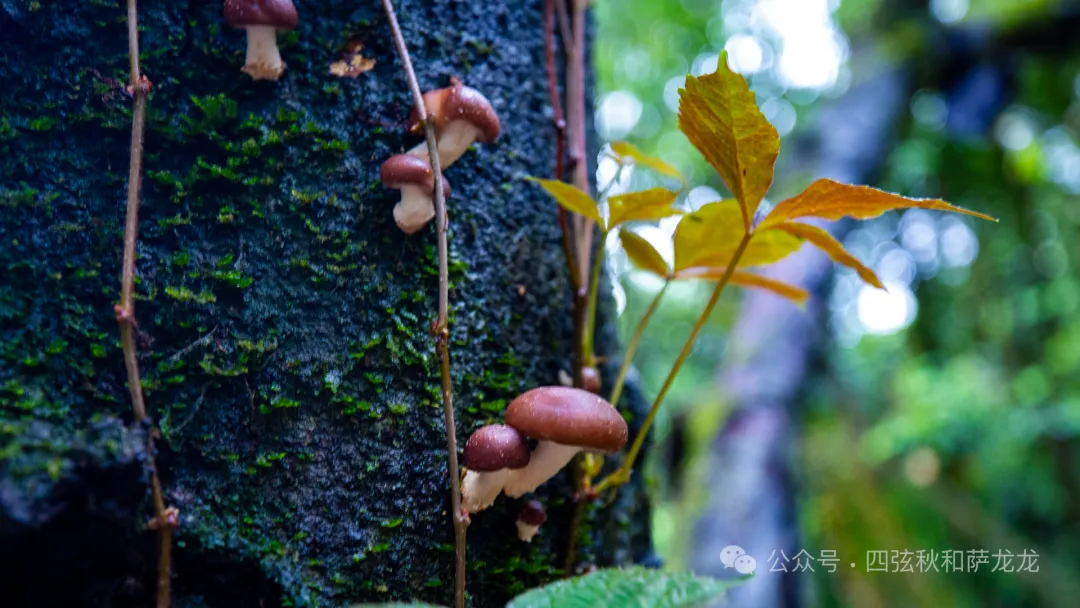
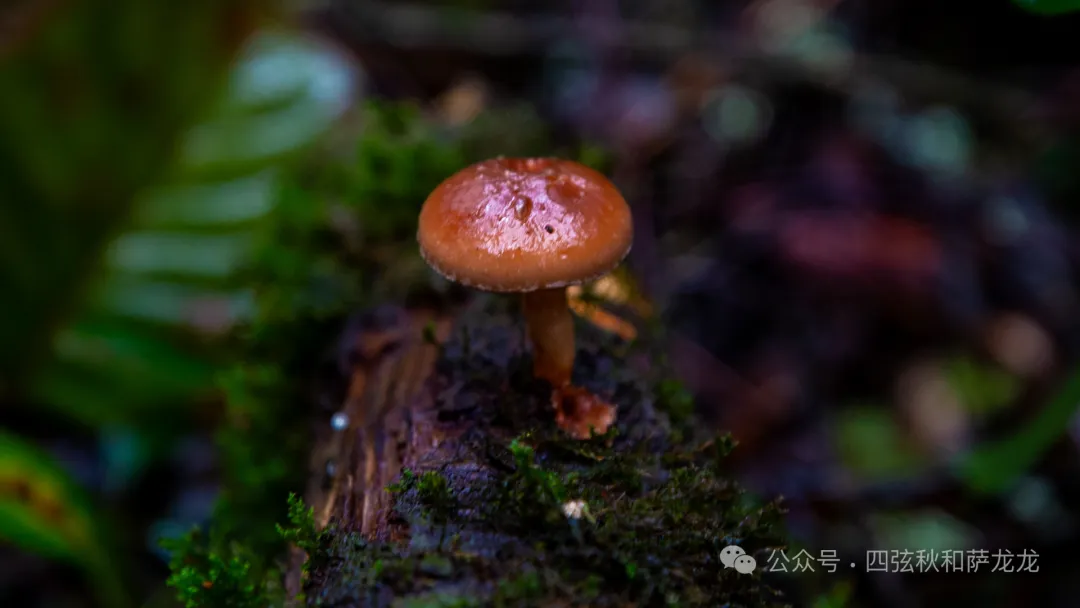
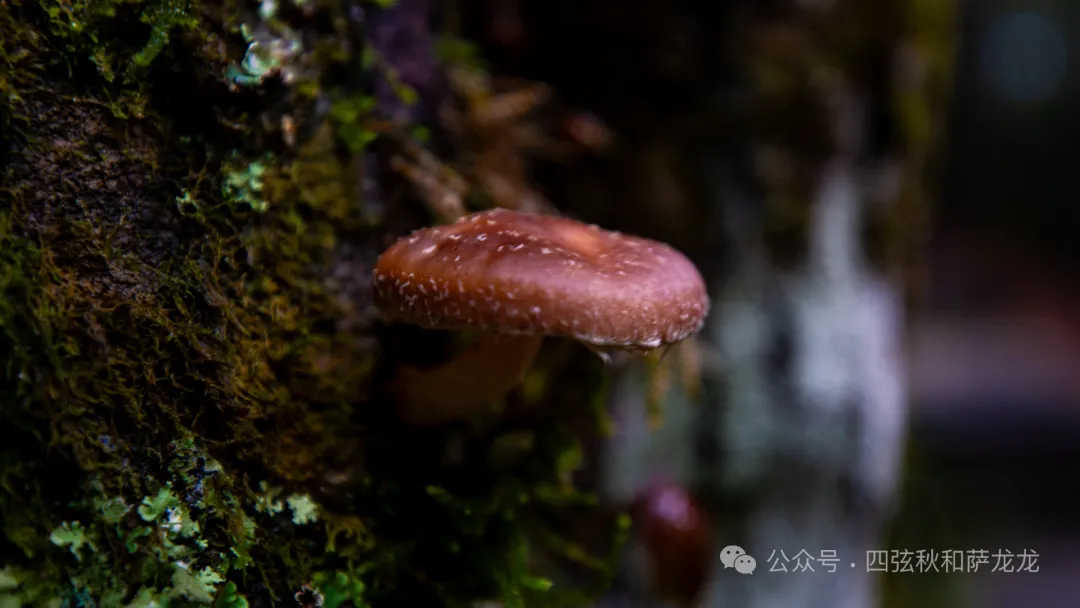
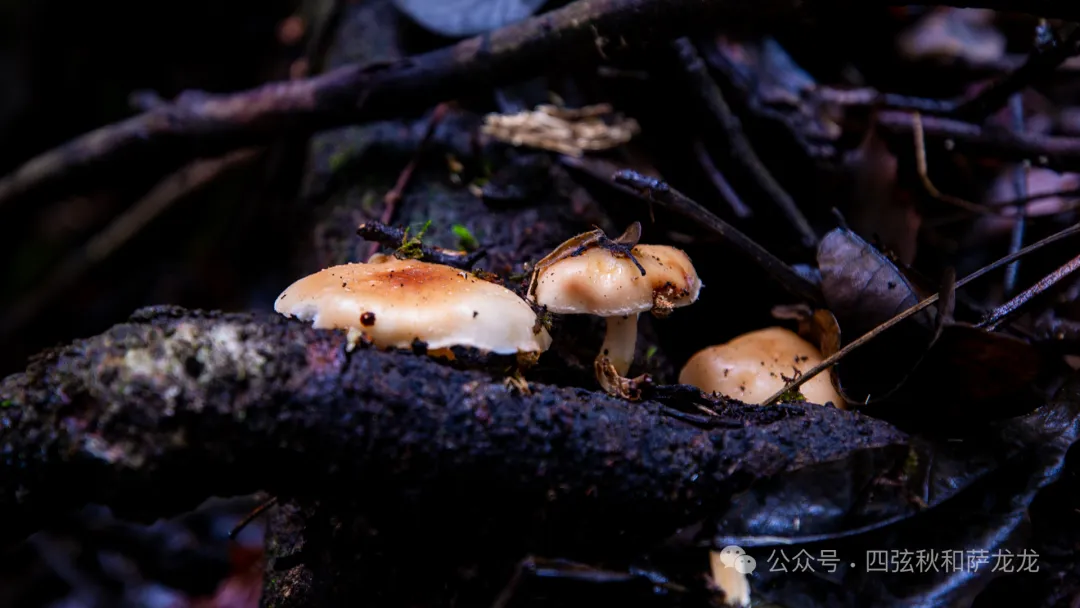
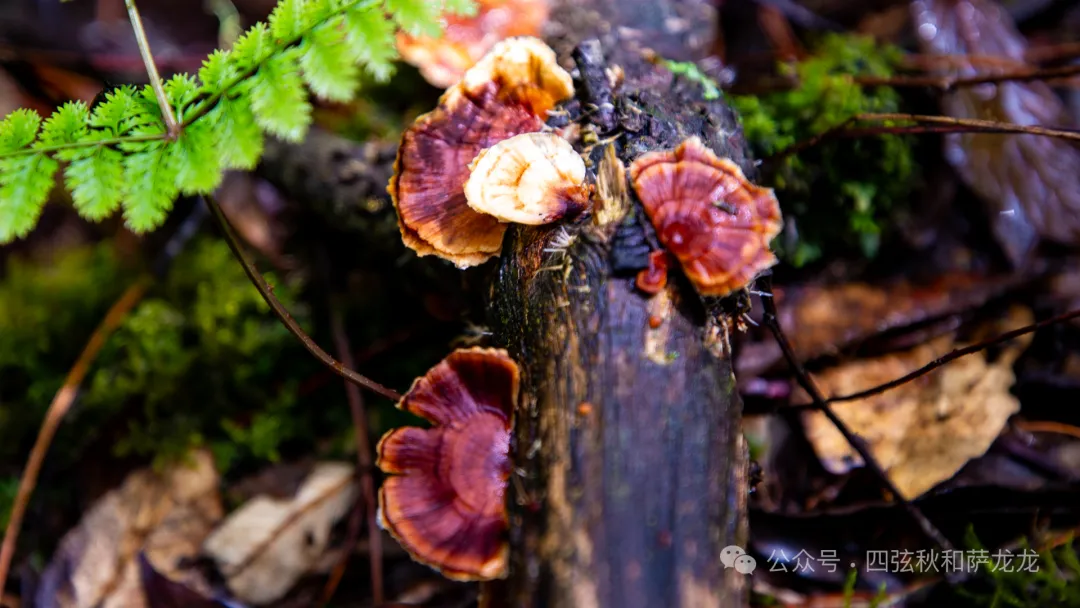
When I was pondering the best angle to photograph a thick vine, Anli's excited and alert call came from the low jungle ahead. She couldn't contain her excitement, telling me she had found a large patch of wild mushrooms. I got excited too, pulling the little follower as we trudged through the soft mountain soil. After sliding down a steep slope, we reached Anli's location. It was a messy wilderness, with several thick adult Castanopsis trunks lying on the leaf-covered forest floor, along with many thinner branches. A strong smell of decay hung in the air, and various unknown foraging insects flew around. Anli pointed to a not-yet-fully-rotted thick branch, where many small round mushrooms had sprouted, with more hidden under the trunk. I bent down and indeed saw a large patch of mushrooms of various sizes, secretly growing in this rarely visited deep forest, breathing and thriving. It was a harmonious encounter; the fungi and the dying trunks intertwined, meeting in the agreed rainy season and parting in the autumn when moisture dwindles. Wild mushrooms seem like persistent visitors, dancing and jumping on the soon-to-vanish trunks year after year, like mischievous children trying to revive the trees. When the trunks turn to dust, they will probably stop visiting.