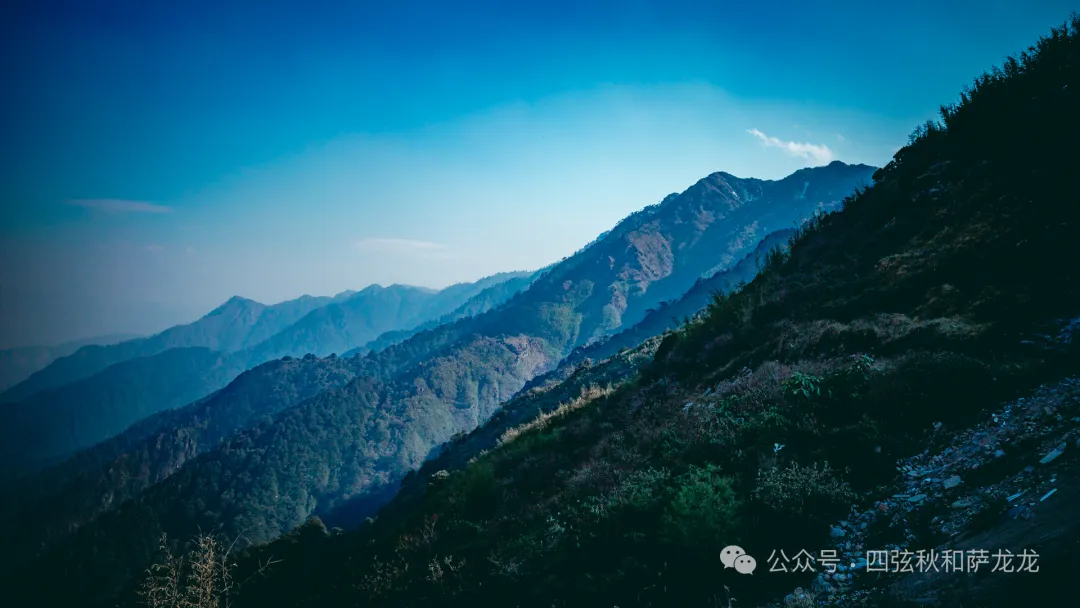

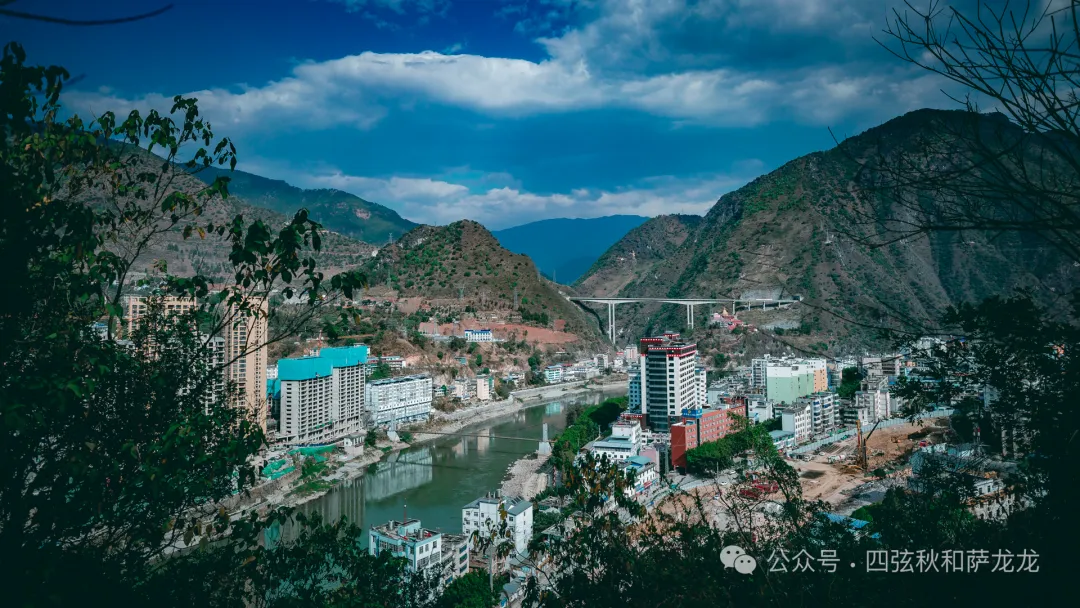
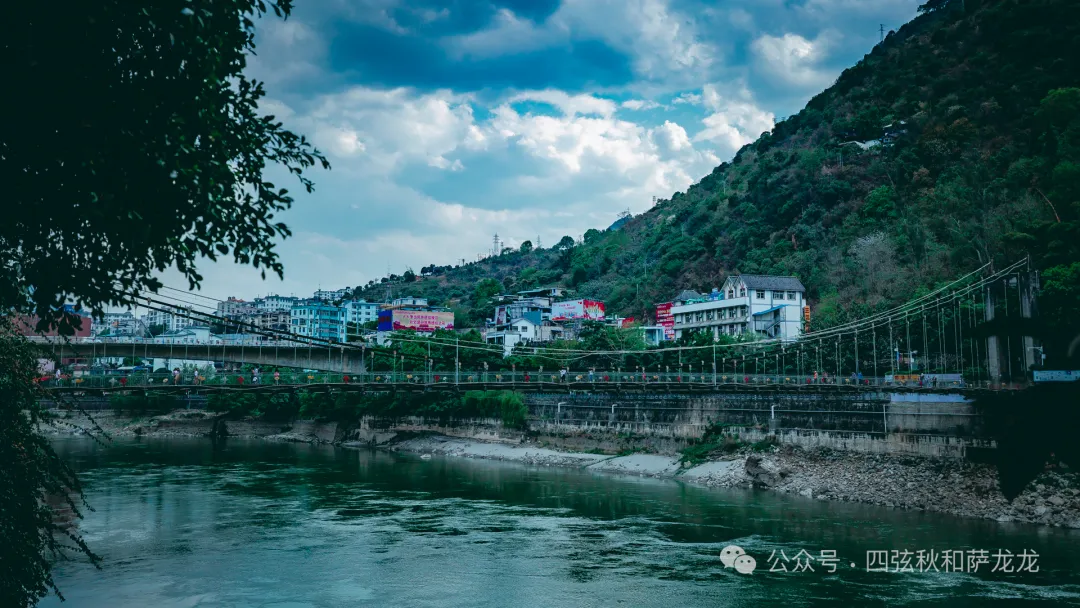
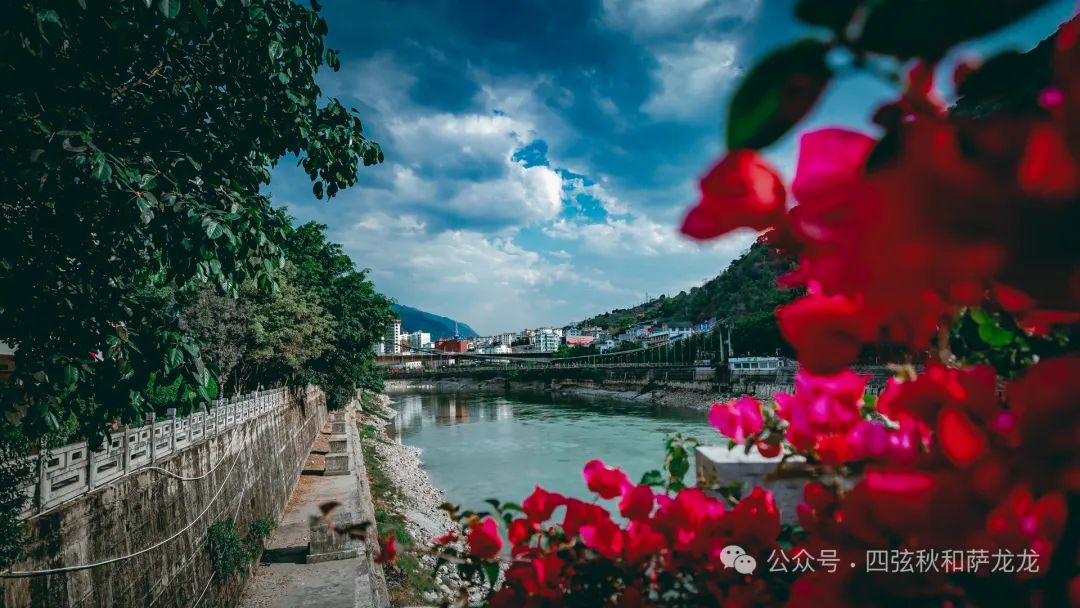
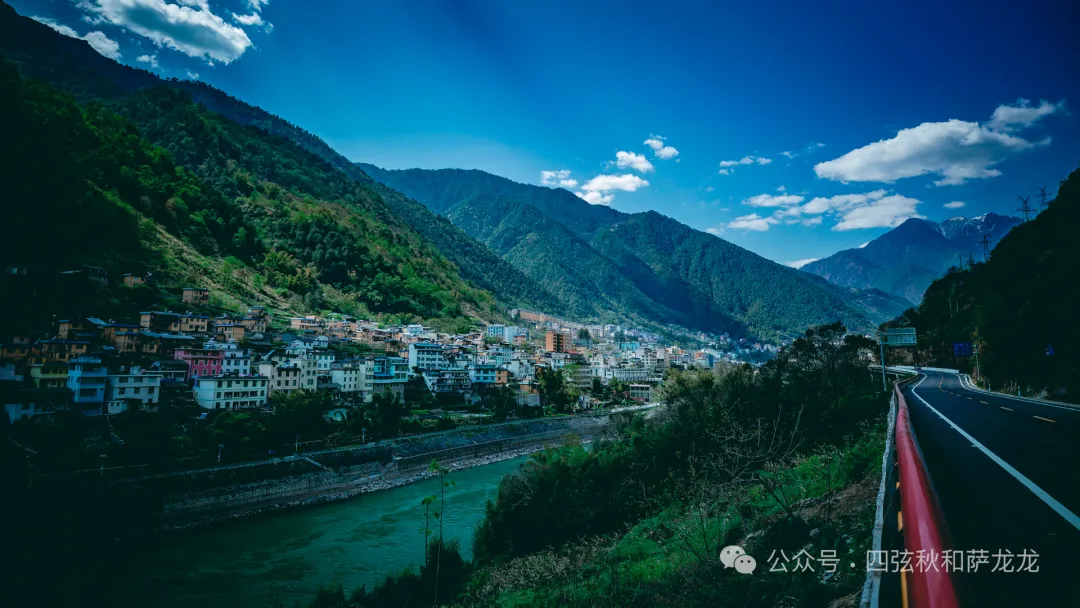
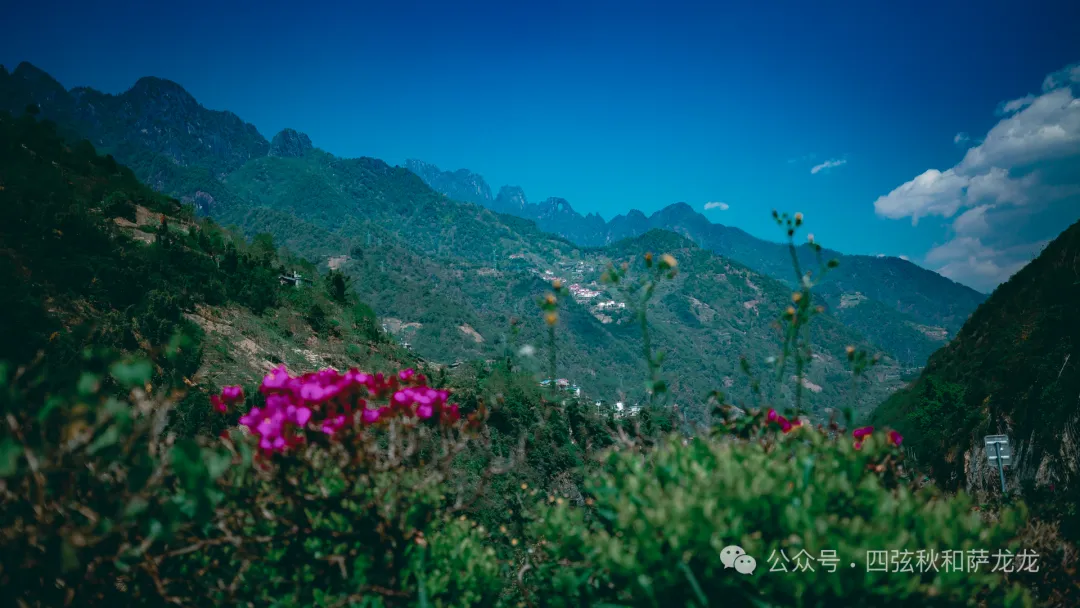
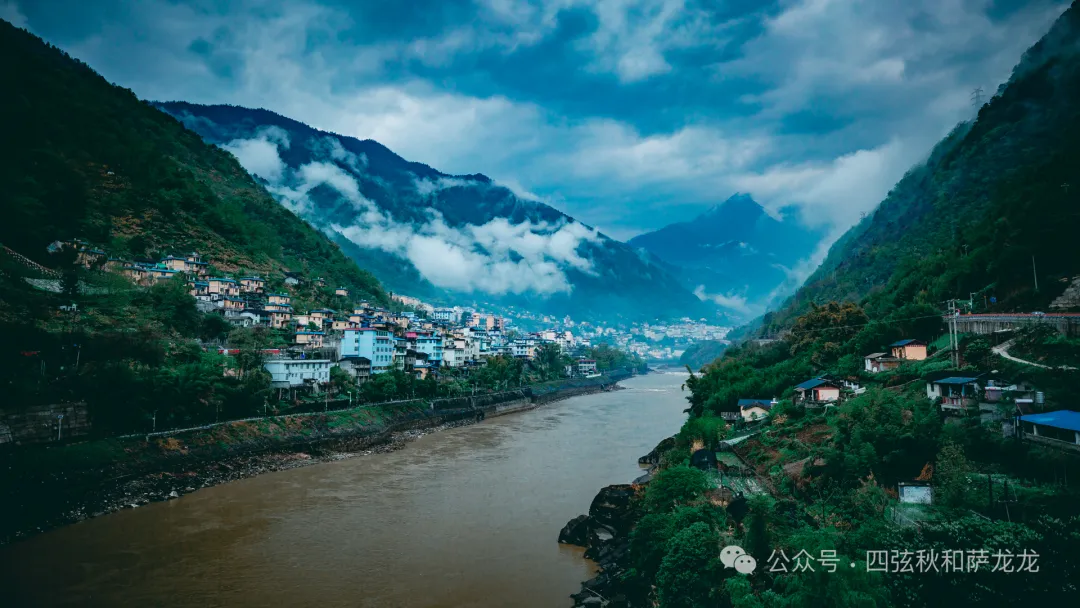
At the end of March 2020, we drove from Dali for 5 hours to reach Lushui City. At that time, Lushui was the newest county-level city in Yunnan Province, established in 2016. The entire city is built in a narrow and cramped valley between the Biluo Snow Mountain and the Gaoligong Mountain. Even visiting in spring, it felt sweltering. After settling in the city, we climbed a hill outside Lushui to overlook the cityscape. Probably due to it being a new city, Lushui was full of demolition and construction, making it dirty and chaotic. Only the roaring Nujiang River cutting through the city, the Biluo Snow Mountain to the east, and the Gaoligong Mountain to the west tried to filter the dust, releasing nature's strong inclusiveness.
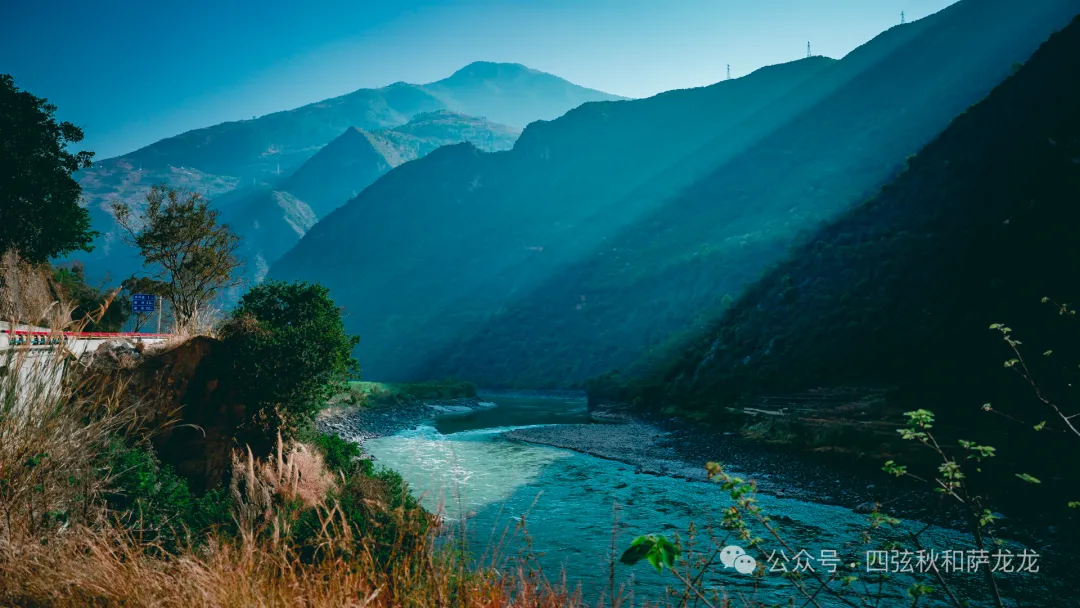
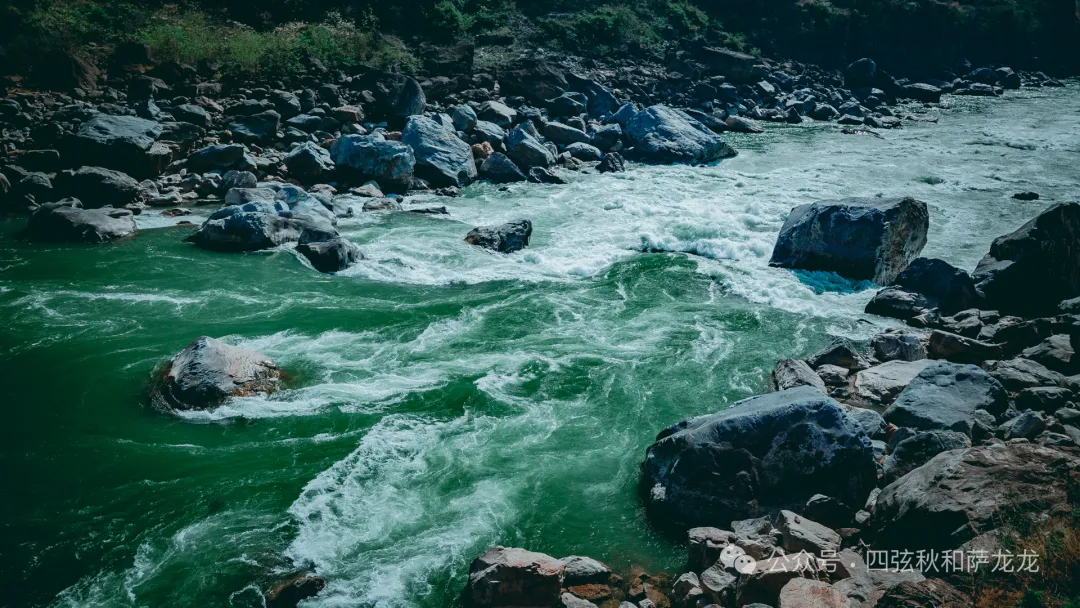
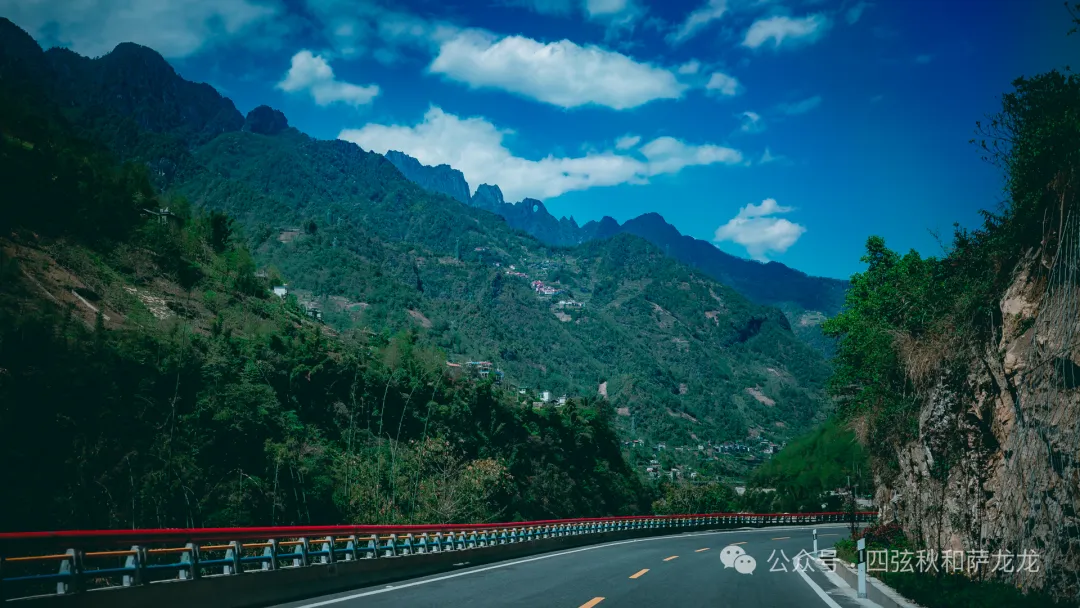
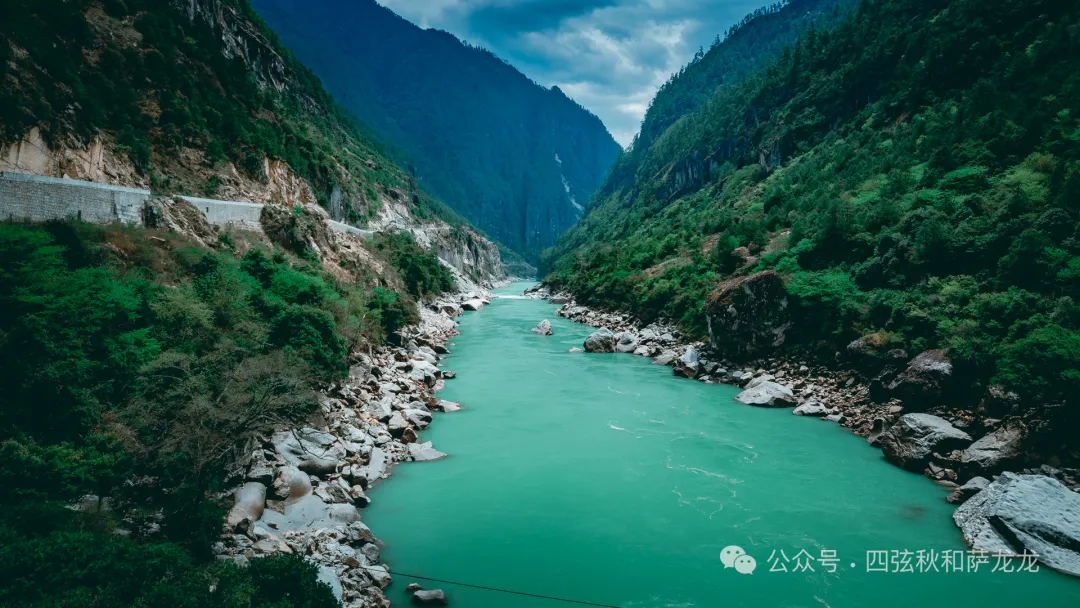
Our plan was to head to Bingzhongluo, nearly 300 kilometers north of Lushui. The next morning, we left the still-under-construction Lushui and drove upstream along the Nujiang on the newly built beautiful highway. Many famous attractions along the way were missed due to our hurry: Laomudeng, Zhiziluo, and Dulongjiang—villages hidden deep in the mountains that we had to pretend not to see. Passing through Fugong County, we only stopped to gaze from a distance. Several Lisu communities around the county were also newly built. Reading the slogans on the community walls, we learned that these residents used to live scattered in the steep forests on both sides of the Nujiang. We wondered if they were adapting to the now seemingly more convenient community life. The crowded small county town on the opposite bank of the Nujiang looked no different from elsewhere, except for a few buildings with distinct Lisu ethnic style, revealing a faint mystery. We knew too little about the Lisu, an ethnic minority living in the mountains and dense forests.
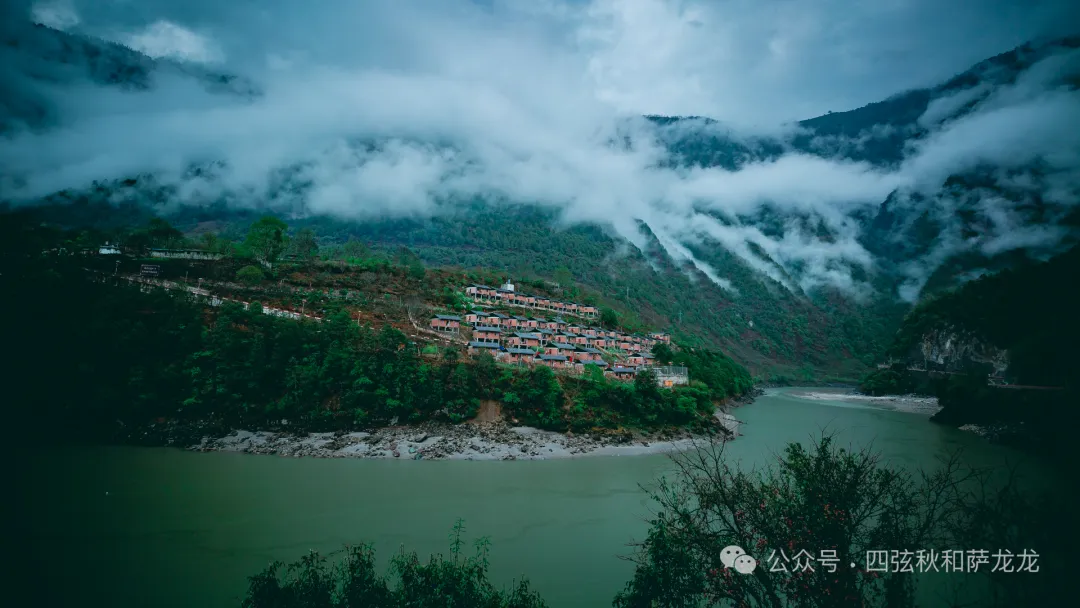
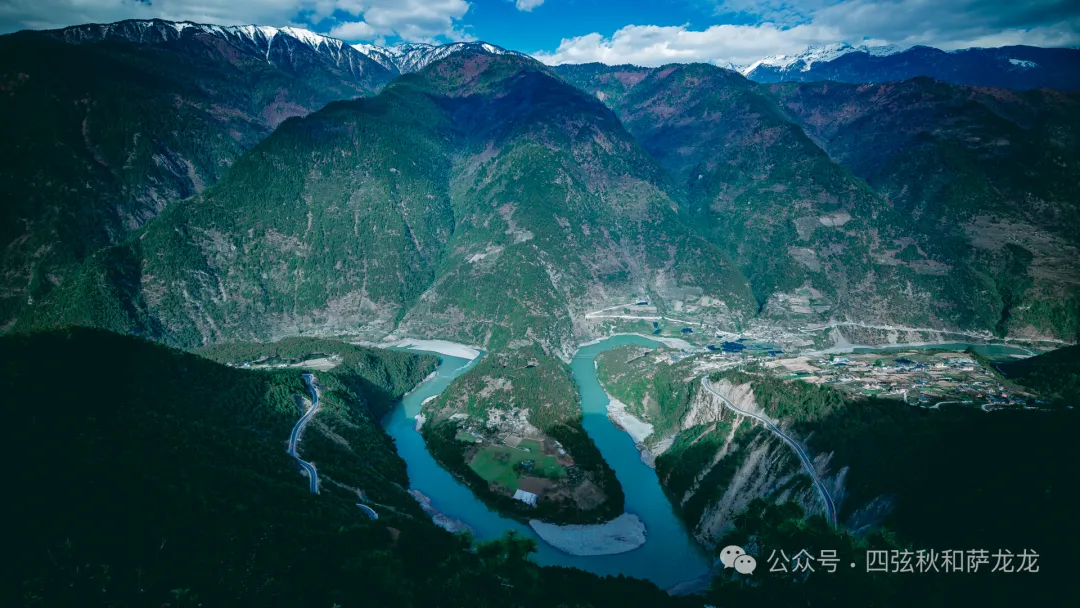
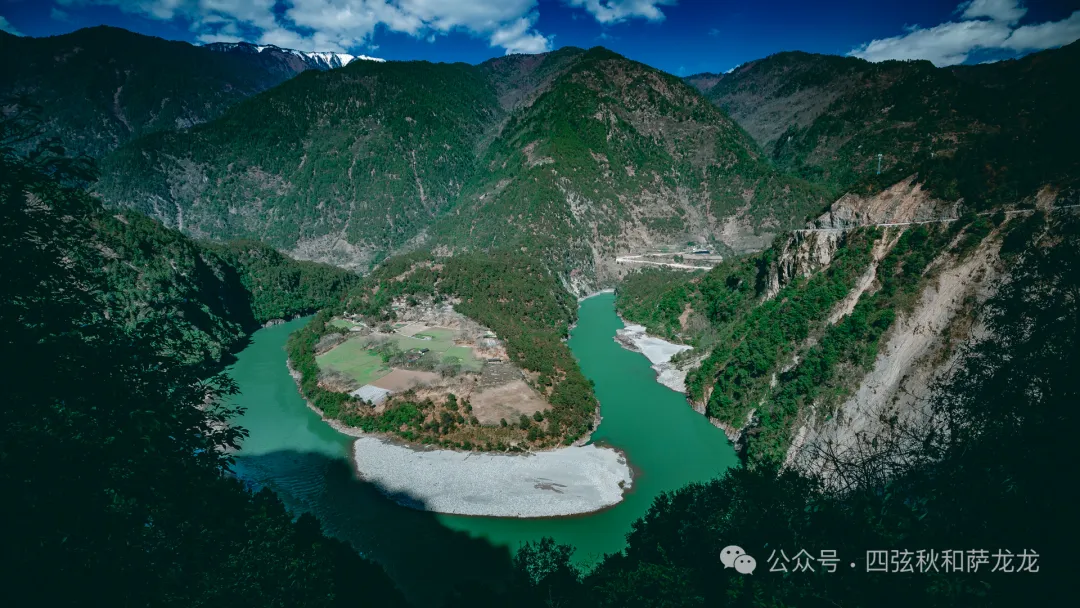
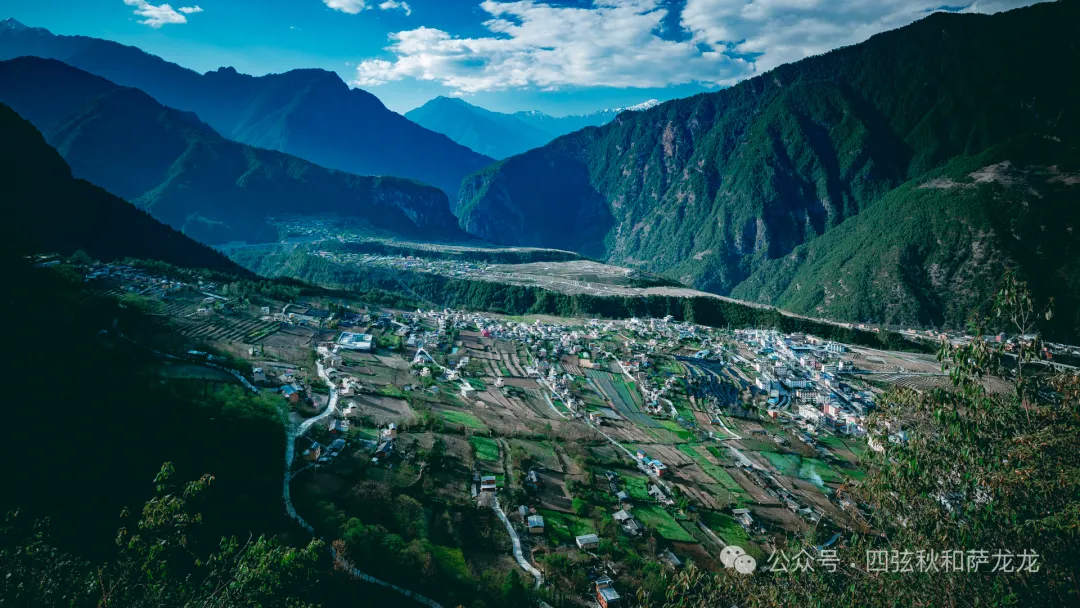
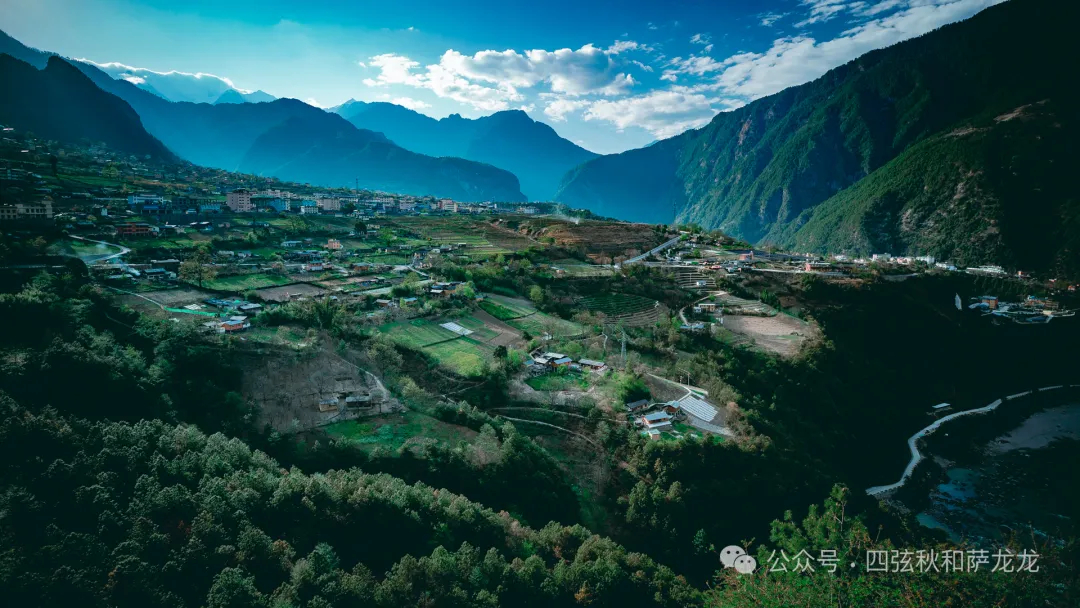
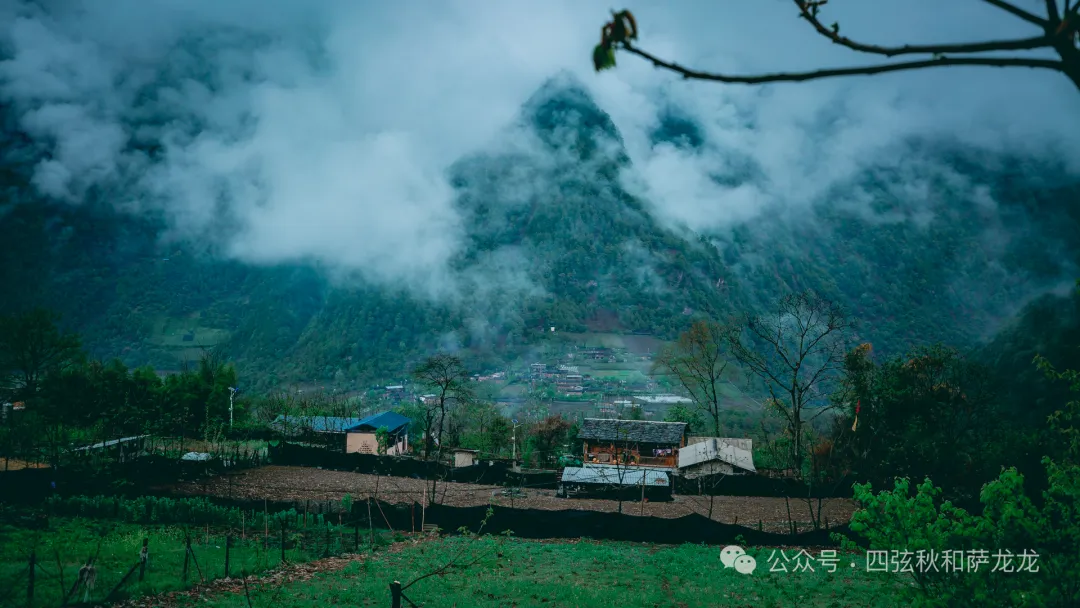
We arrived at Bingzhongluo at 4:30 PM. The innkeeper told us there was a hilltop outside the village overlooking the entire Nujiang Grand Canyon. Ignoring our fatigue, we dropped our bags and immediately headed to the viewing platform 5 kilometers away. Bingzhongluo, built on a huge slope, seemed like a paradise hidden among the mountains under a light mist. Dusk was approaching, and sunlight slanted from the distant western peaks. The village played a prelude to slumber under the fading light, with a few wisps of smoke rising, trying to break free from the ground and join the clouds above. Opposite, the Biluo Snow Mountain stood solemn and silent behind a low peak. The Nujiang at our feet became gentle due to the flat terrain, and the huge omega-shaped bend brought great glory to this remote village. Many people travel thousands of miles here for the reputation of the Nujiang Grand Canyon. The Nujiang flowed quietly away in the direction we came from. How exciting it would be to walk along the river through the primitive forests for a few days, sit on the riverbank, and remember this rushing plateau river at a pace ten times slower than time, getting to know the mysterious forests and the mysterious Lisu people living within!
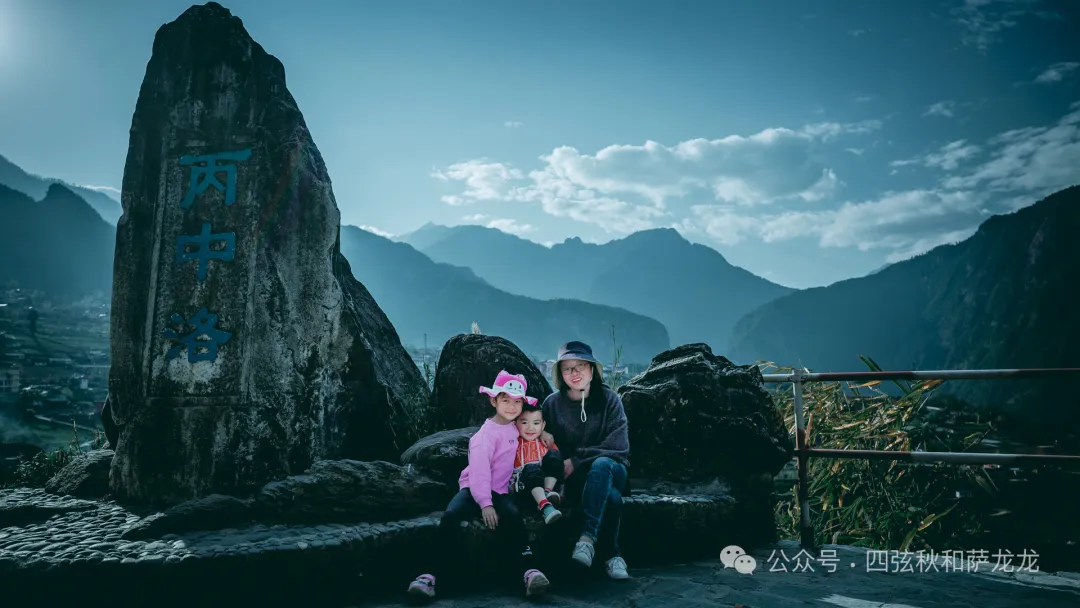
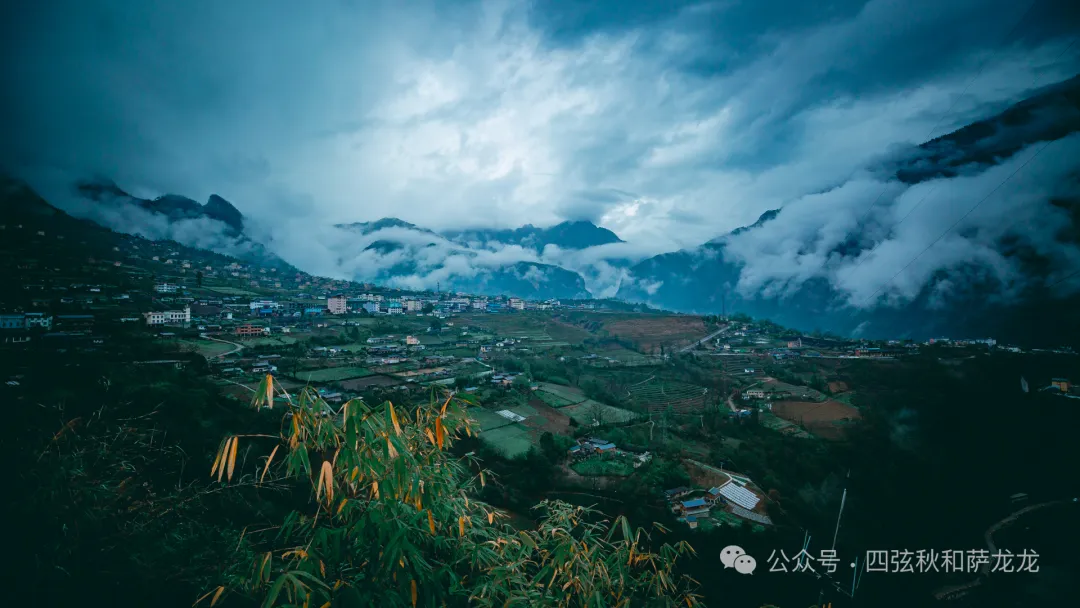
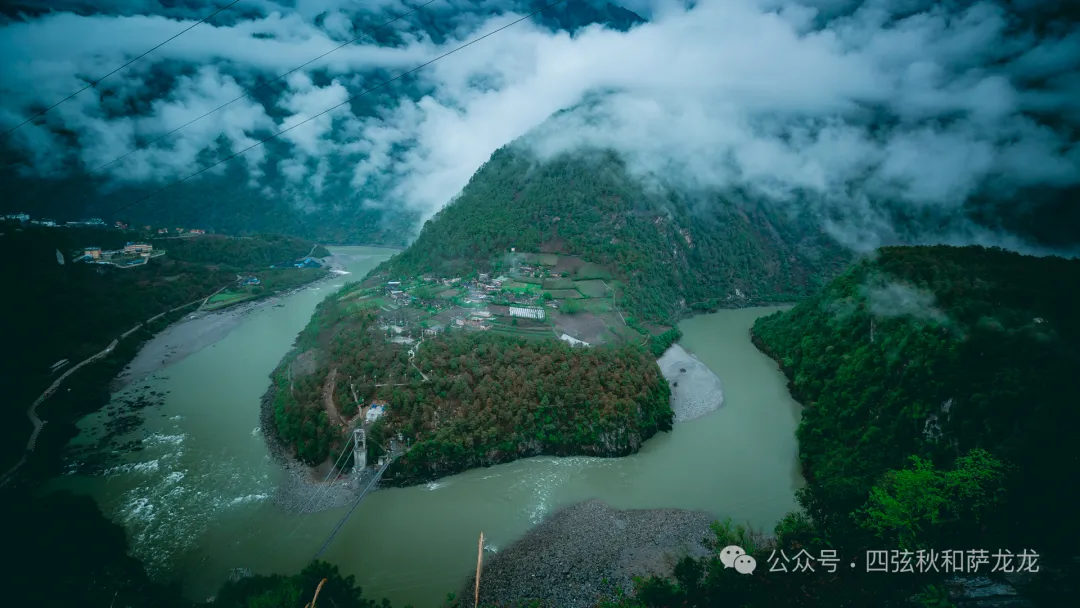
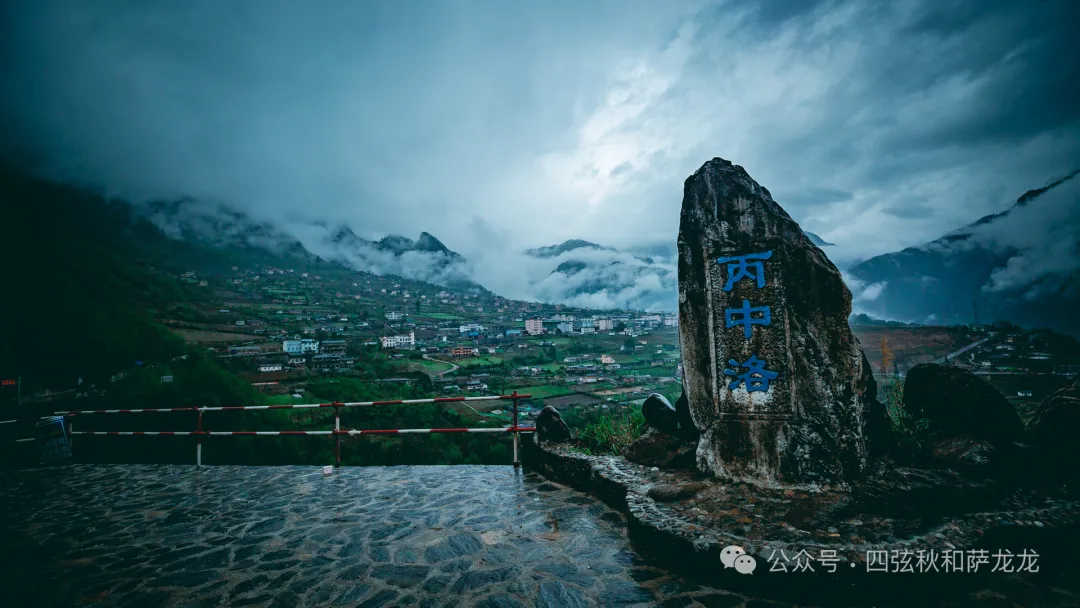
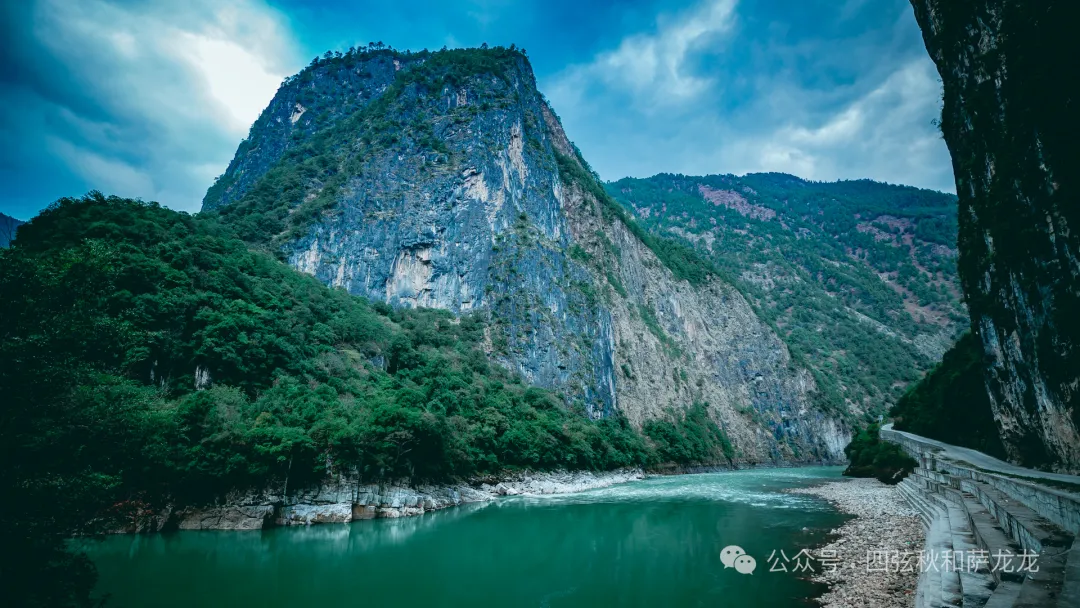
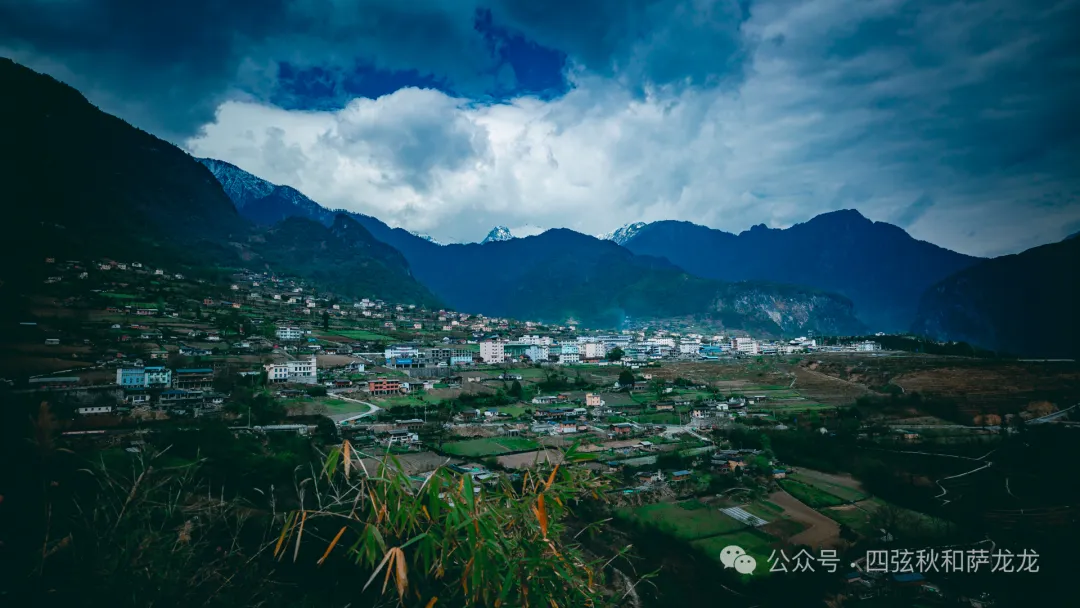
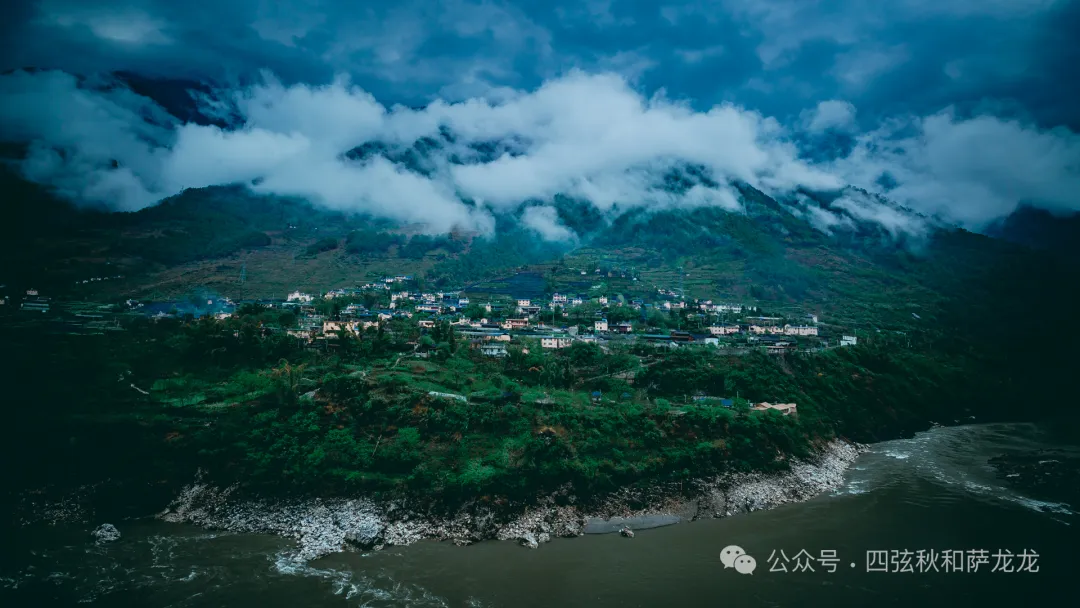
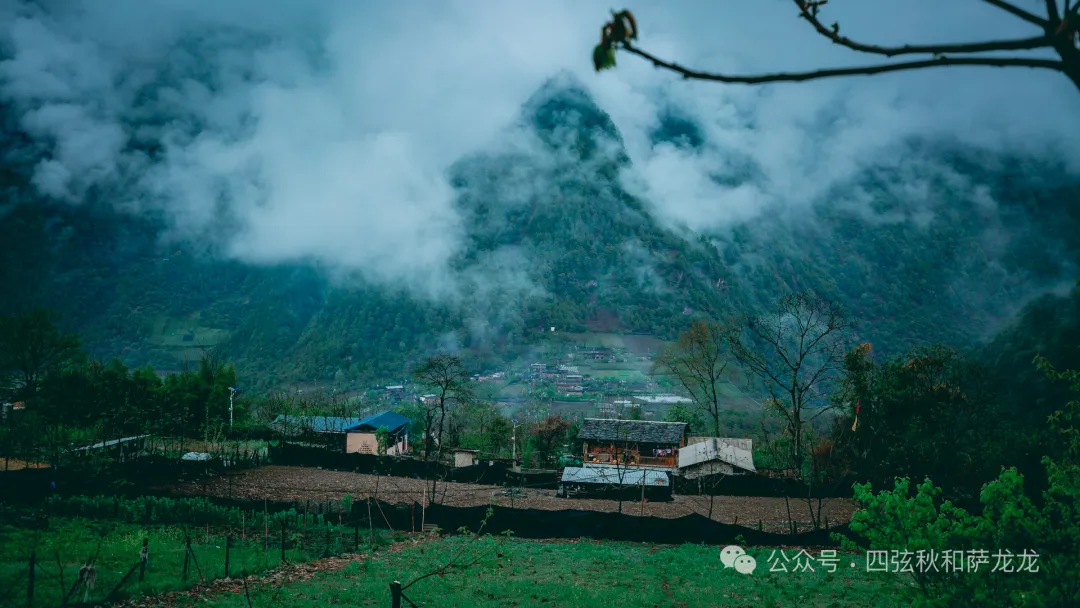
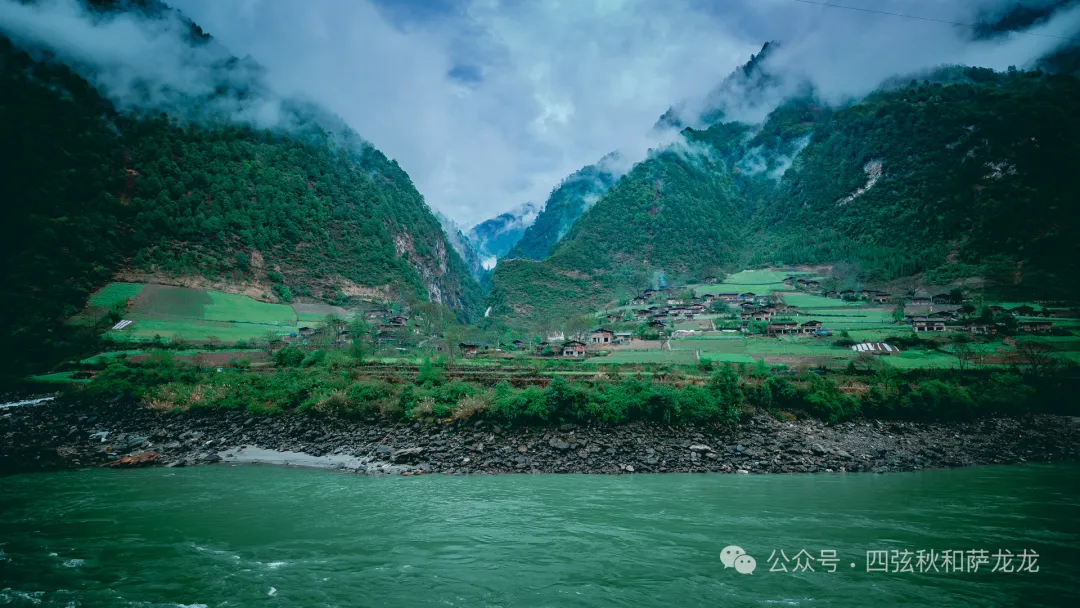
Bingzhongluo, "where humans and gods coexist," woke up in a thick mist. We missed the bloom season at Peach Blossom Island, a small village across the Nujiang, but encountered a pleasant surprise of paradise in Wuli Village, a village near Tibet north of Bingzhongluo. Wuli Village appeared faintly in the drifting mist across the Nujiang, nestled on a large lush slope. Ancient wooden houses were surrounded by patches of green farmland, and distant dog barks added to the village's tranquility. Generations of villagers have lived in this beautiful environment with mountains behind and a river in front. To outsiders, their happiness is unmatched, but only they can deeply understand the simplicity and detachment of their lives. When we returned from the Yunnan-Tibet border, the mist that had shrouded the village had risen to the mountains, and the entire Wuli Village was clearly visible. We could only observe it from across the Nujiang, looking at the village as bystanders without entering to disturb their lives—and that was fine.
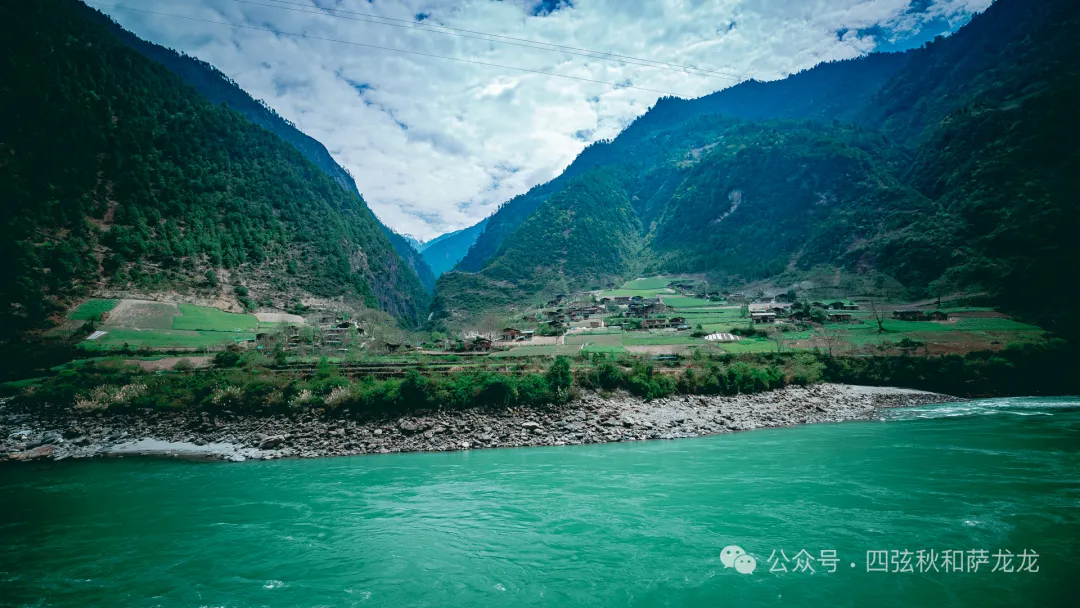
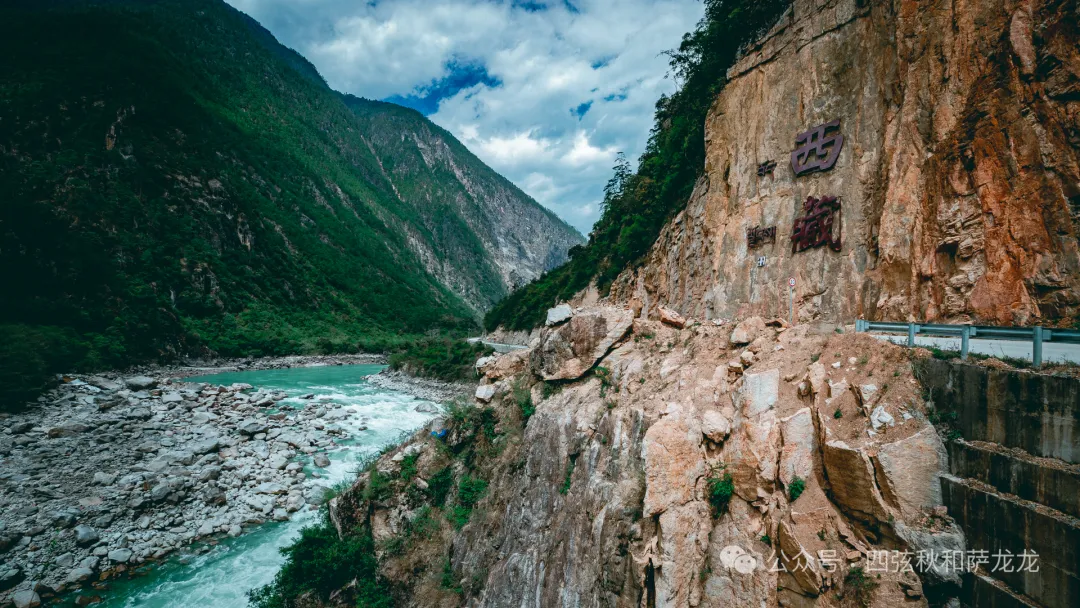
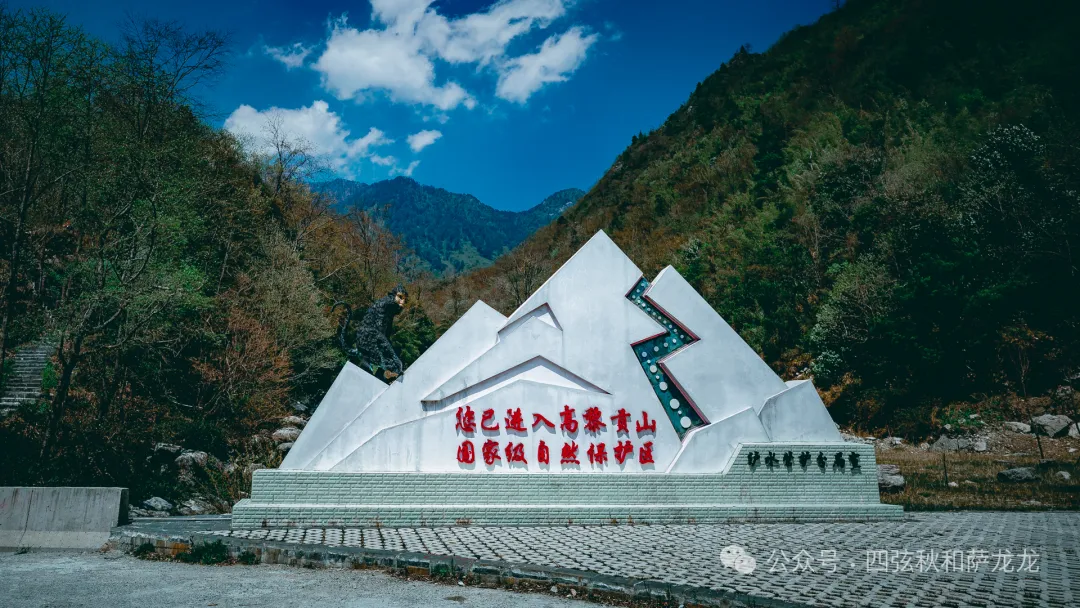
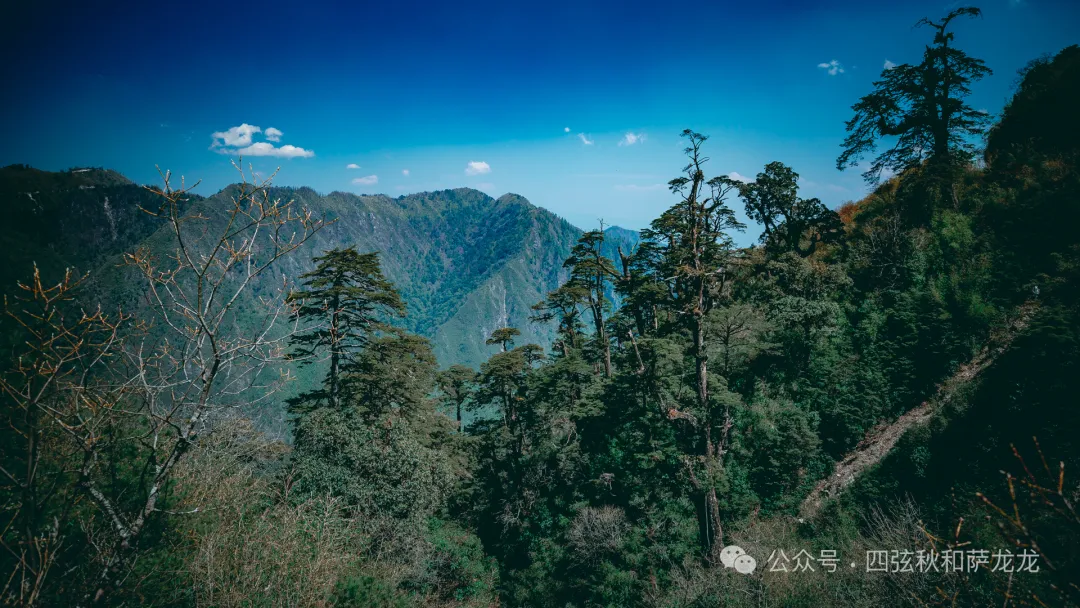
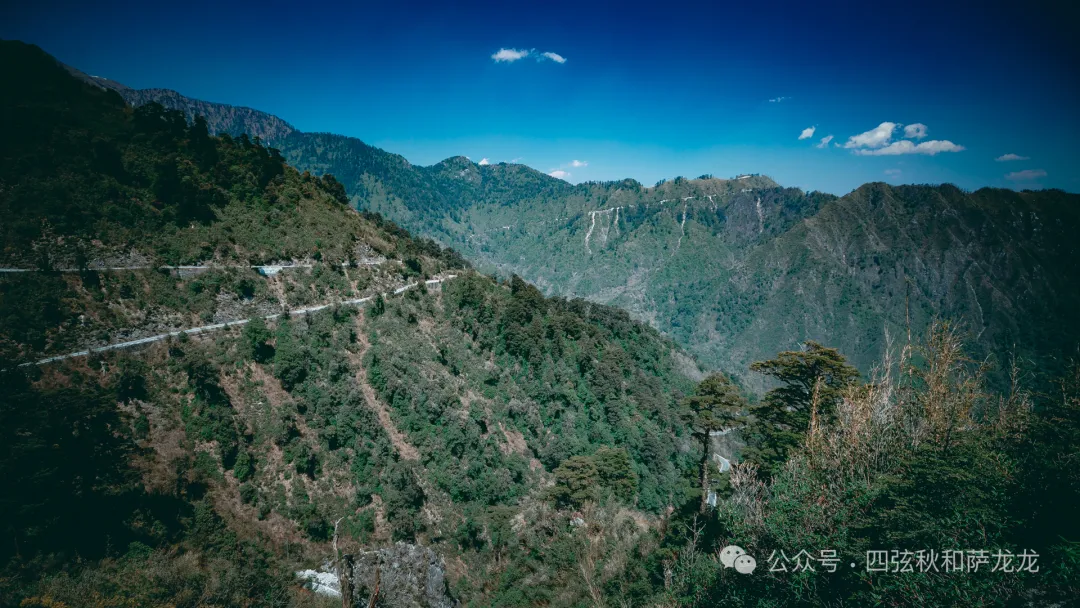
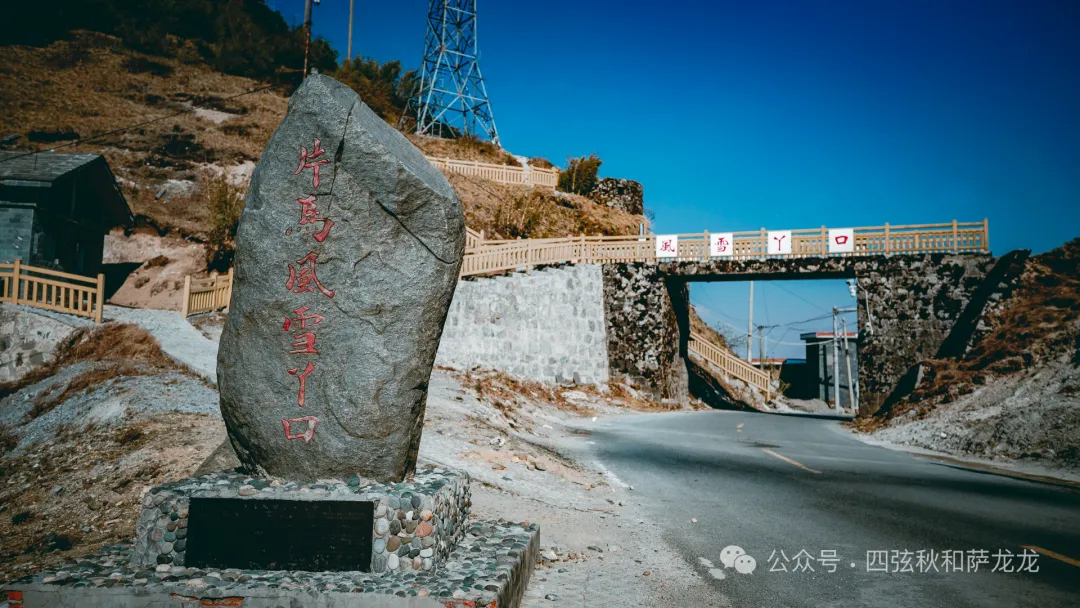
On the way back from Bingzhongluo to Lushui, we took an afternoon to visit Pianma Port deep in the Gaoligong Mountains. Due to the severe pandemic, we saw no other tourists besides our family. We just wanted to see the national gate, but the port staff sternly turned us away. However, the twisted ancient trees and solemn peaks at the top of Gaoligong Mountain somewhat compensated for this failed port trip.
When we traveled from Lushui to Bingzhongluo that year, we happened to encounter the construction of the Degong Highway. Four years have passed, and I wonder if the road has been completed. If it is open, tourists can avoid returning to Lushui and go directly from Gongshan to Deqin, then return to Dali via Lijiang.