
This Dragon Boat Festival, even Weishan, a remote ancient town, is bustling. Early in the morning, there are many more tourists than usual walking on the ancient street, coming and going. To find a secluded place to stay quietly for a while and avoid the peak crowds, you have to go to the mountains outside the city. Weishan is rich in mountain resources. Just two kilometers out of the city, you can go deep into the mountains. In the mountains where nature still dominates, people can easily find a sense of belonging. It is the safety of stepping on solid ground, the calmness of birds perching on branches at sunset.
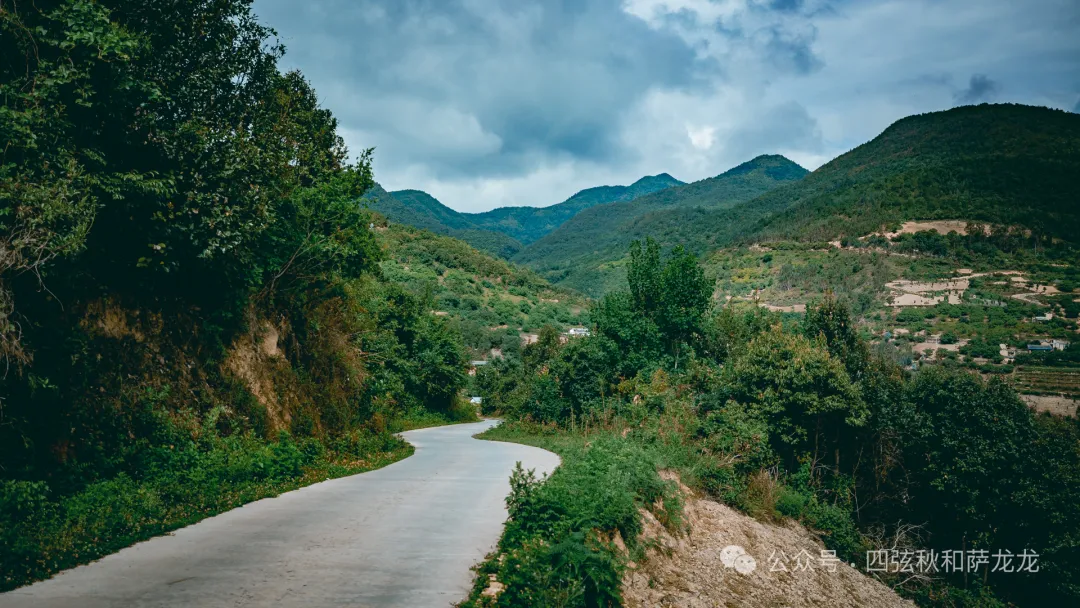
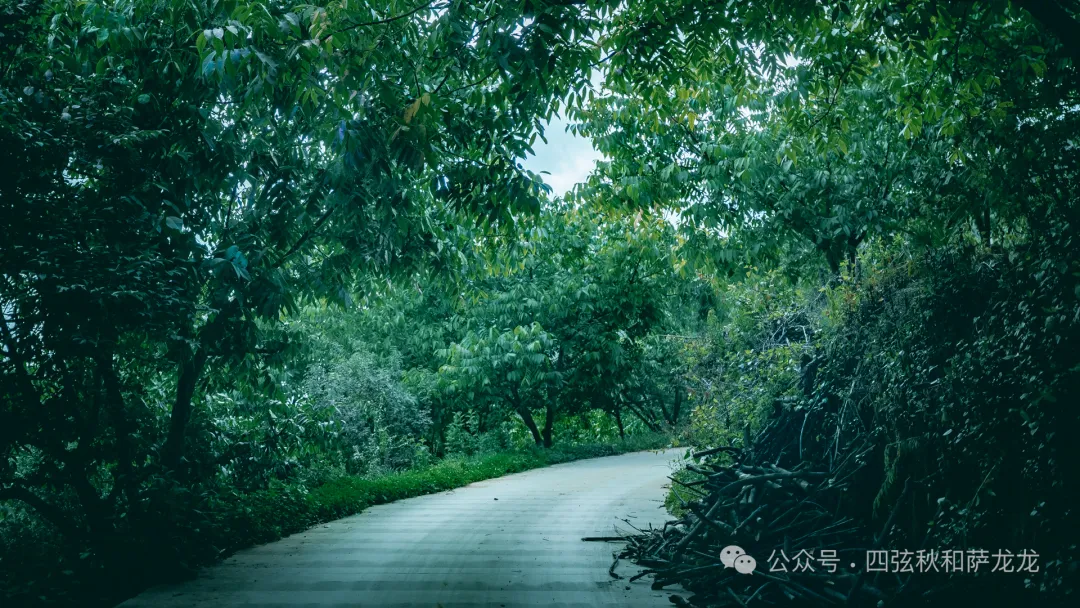
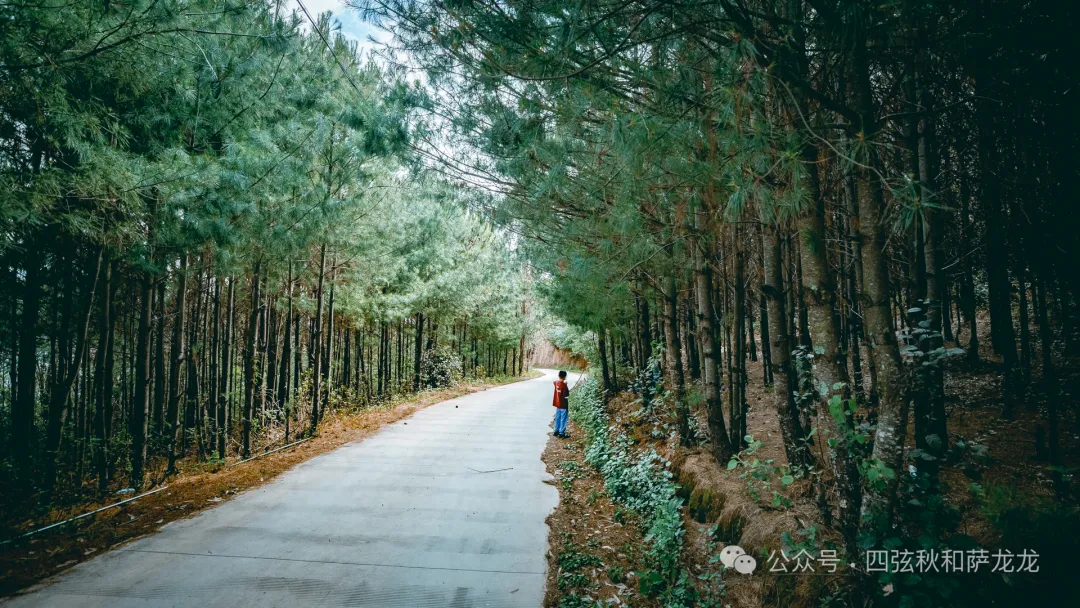
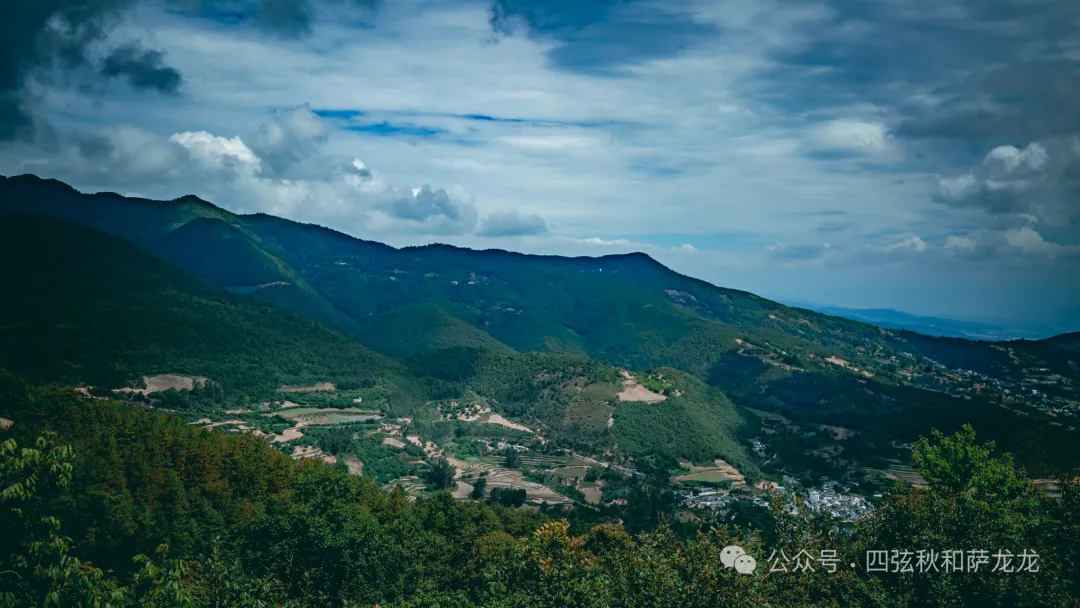
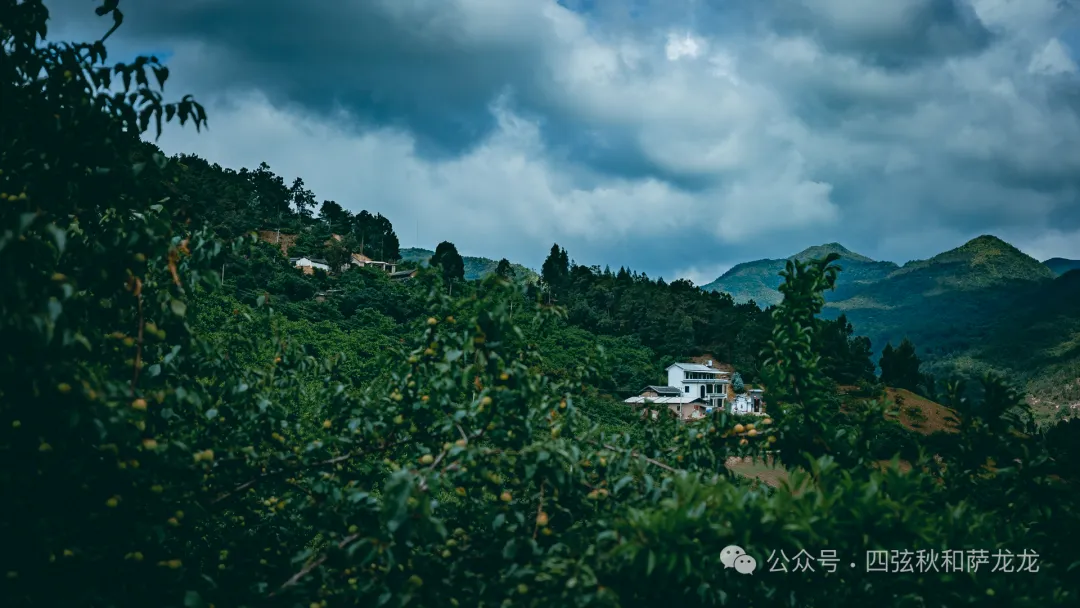
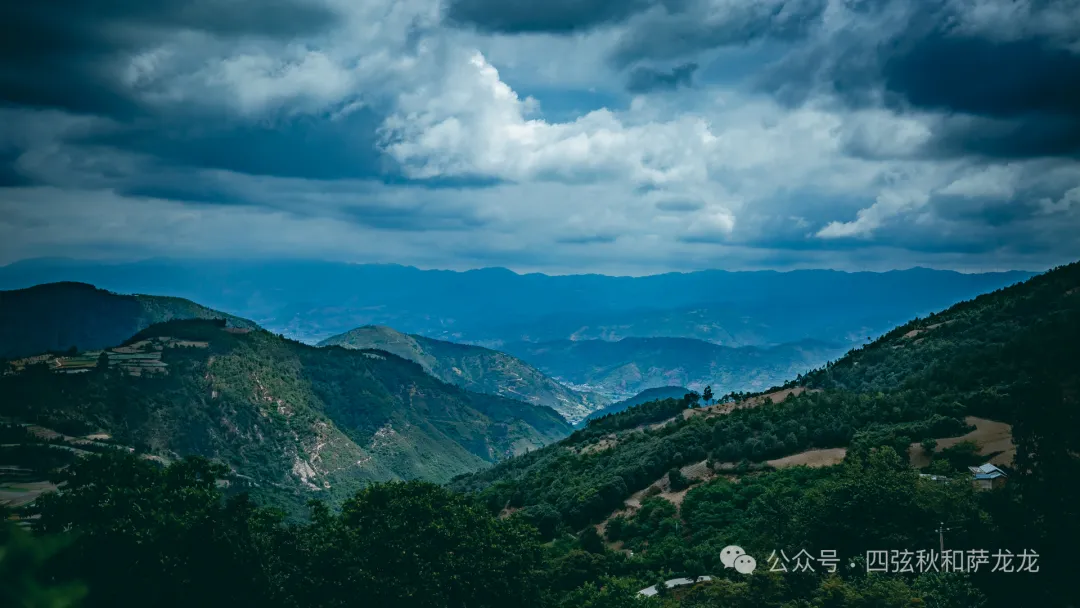
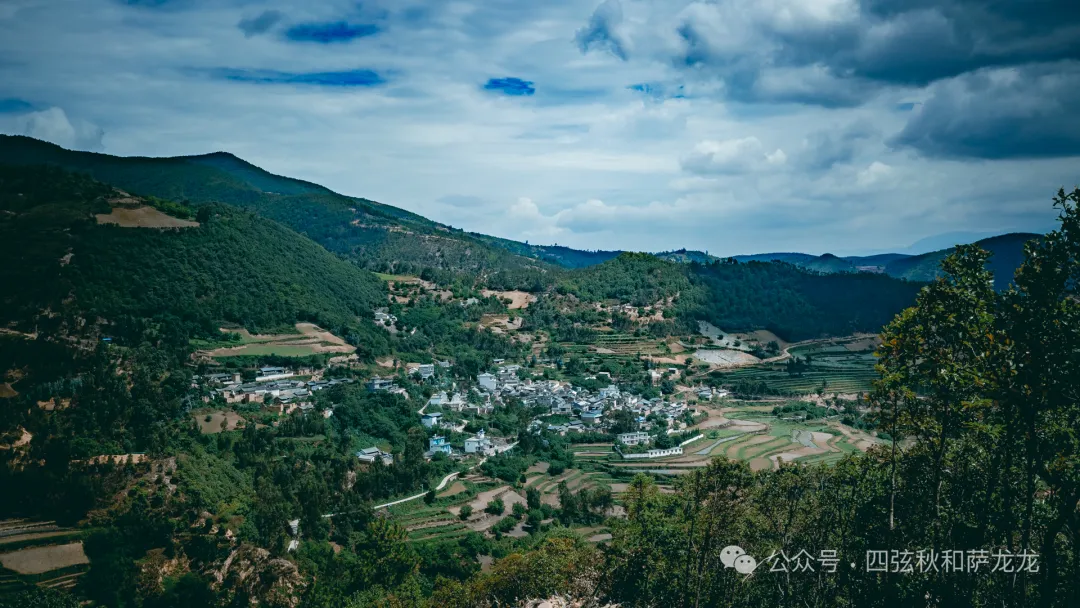
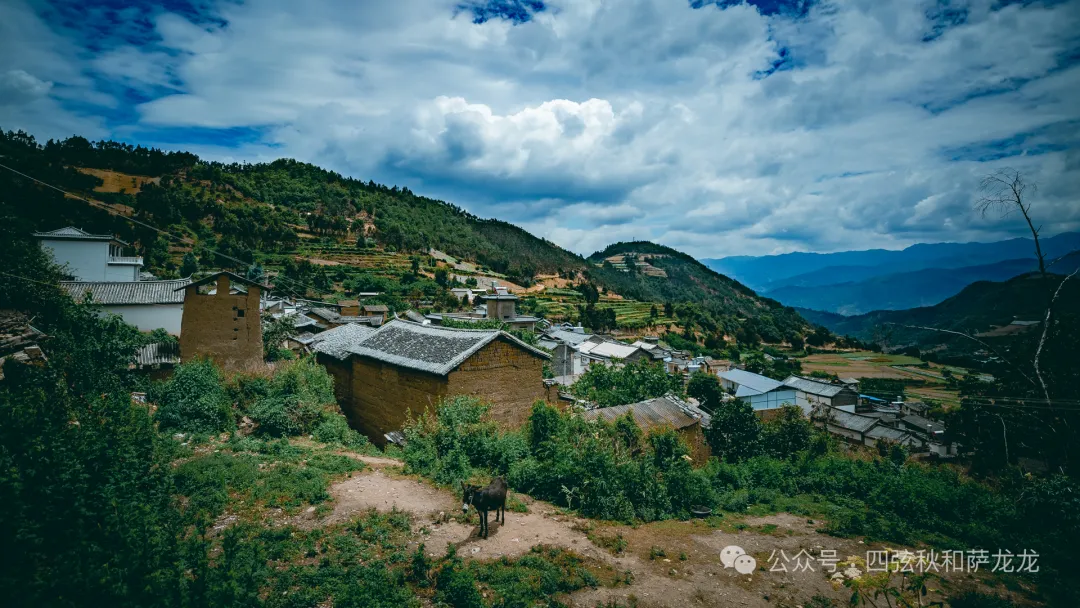
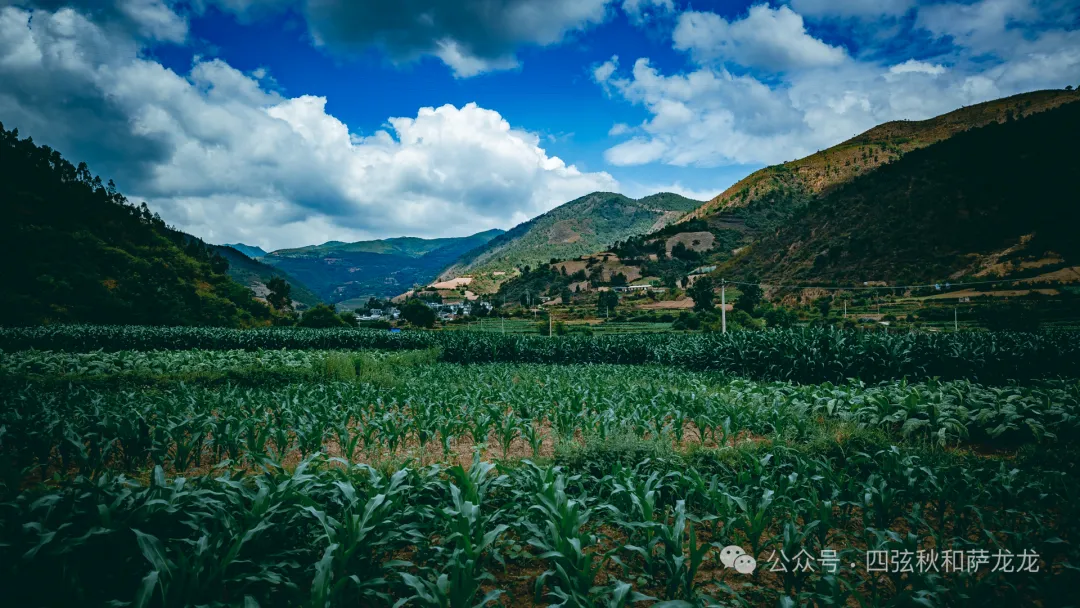
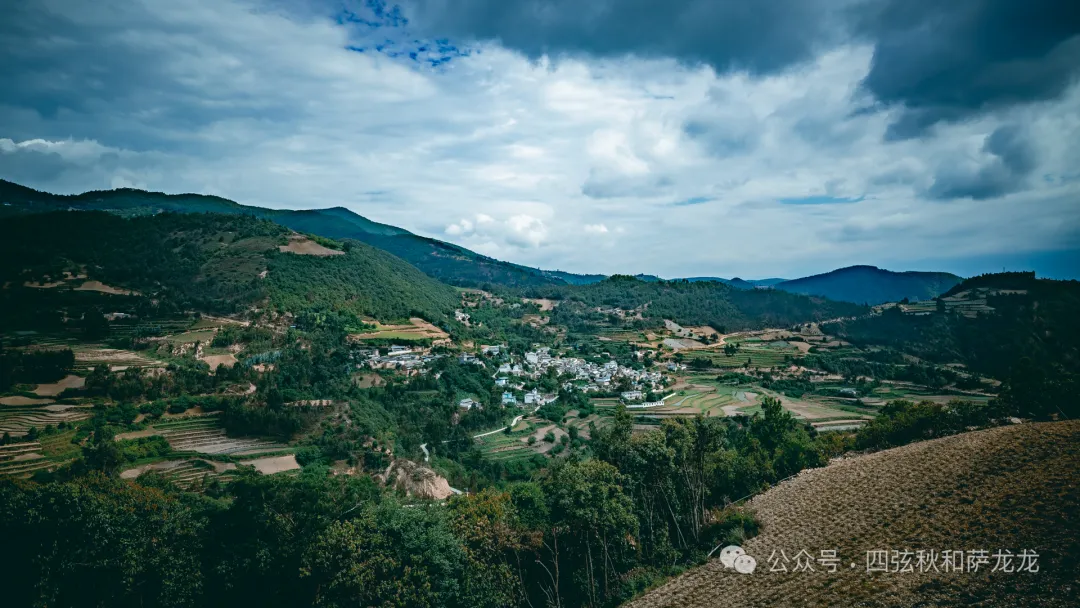
Guboluo, Longtan Village Committee, is located in the western mountains 8 kilometers south of Weishan city. When we found the hydrangea garden in the village, the owner was out and the gate was locked. The hydrangeas in the garden had passed their peak bloom and were beginning to wither. Moreover, only two rows of hydrangeas were planted, a very small scale. Compared to the hydrangea garden, the lush green mountains in the distance were more delightful. We drove up the winding cement road in the village. On the way, we saw a village with many rammed earth old houses on a large open hillside to the north. That was Longtan Village. Although I had passed through Longtan Village several times, I had not paid attention to the buildings there, nor had I looked at the village from this angle. After driving on the cement road for half an hour, we decided to turn around and go to the area with the most concentrated old houses in Longtan Village to find the long-lost rural atmosphere.
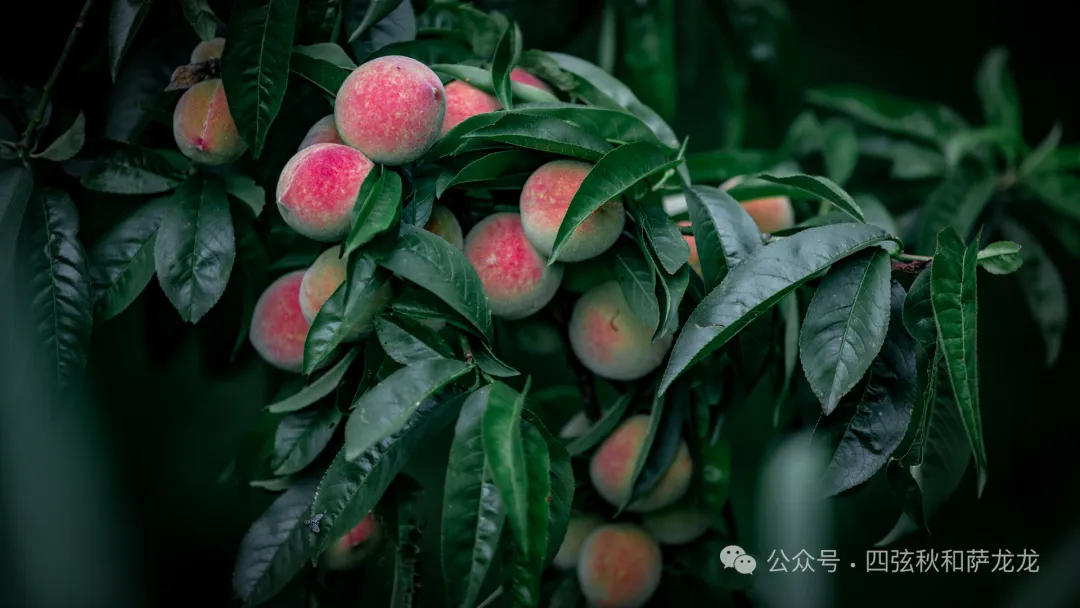
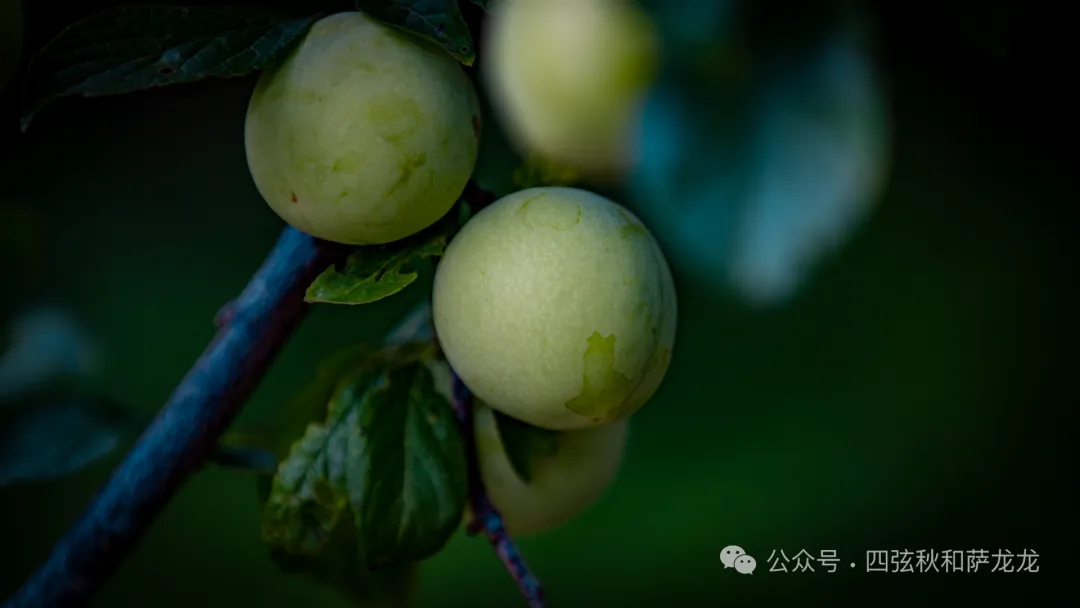
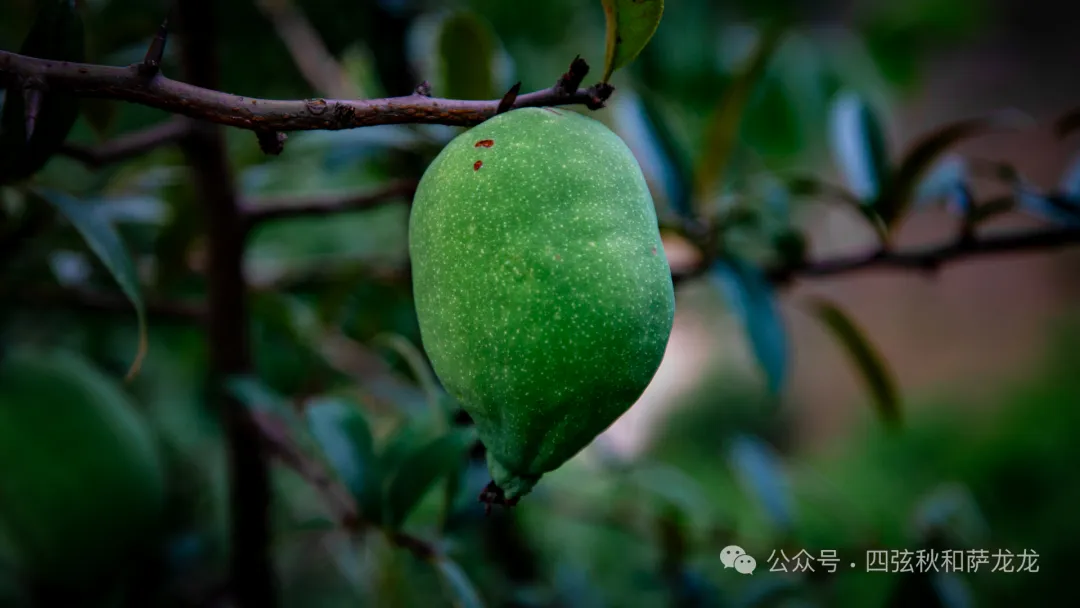
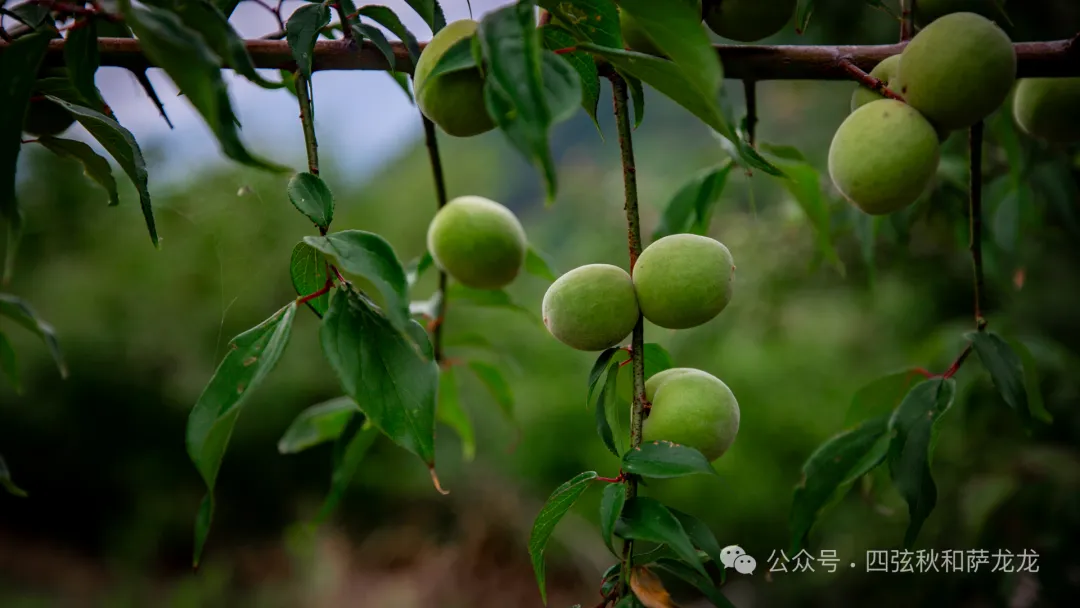
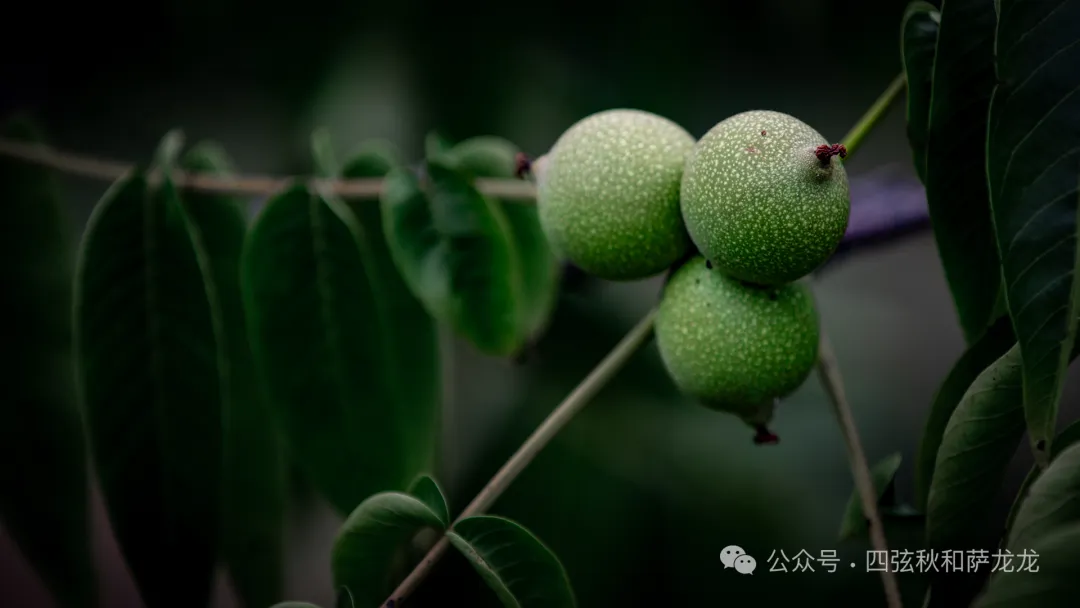
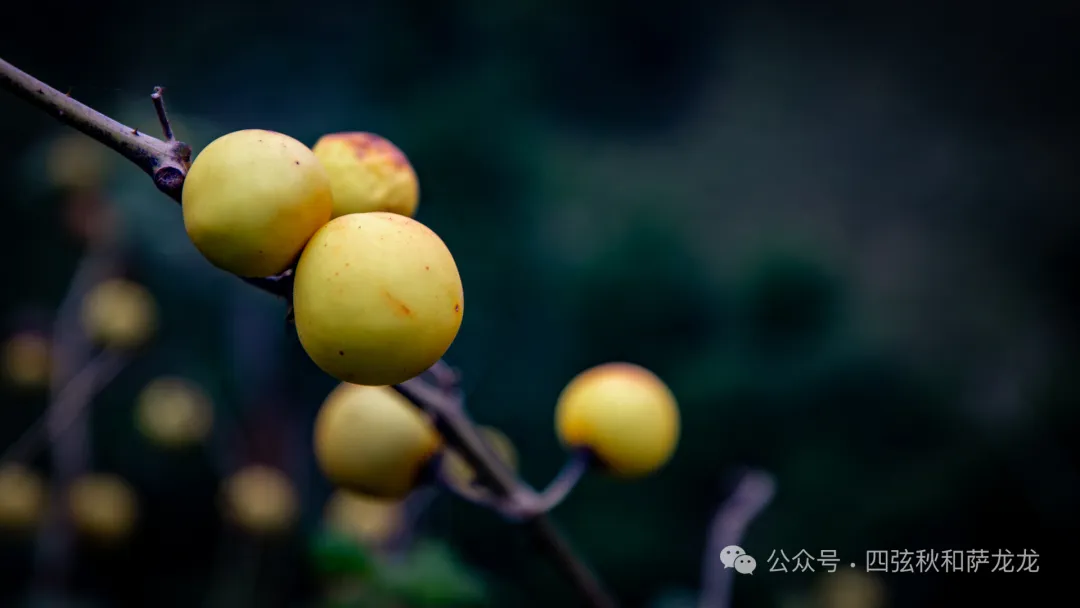
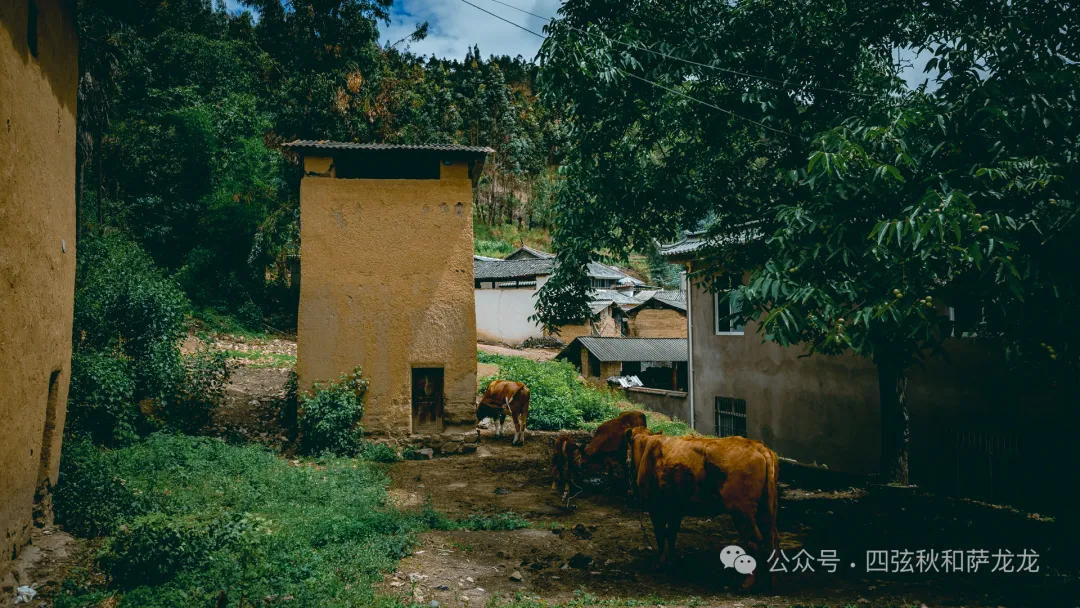
The houses in the village are built on the mountain, mostly facing east, overlooking the famous scenic spot Weibao Mountain opposite. In front of the village is a large patch of well-arranged farmland. This season is the busy farming season, and most villagers are planting crops in the surrounding fields. Only the fruit trees around the village need no care. The dense leaves of walnut trees are already full of fruits, and plum and peach trees are bent by clusters of fruits. Near noon, there are few pedestrians in the village. Only some elderly people sit under the trees to enjoy the cool. The traces of time are etched on their faces, but their smiles are delightful, a pure childlike smile with few traces of age. People living in the mountains always show this contradiction.
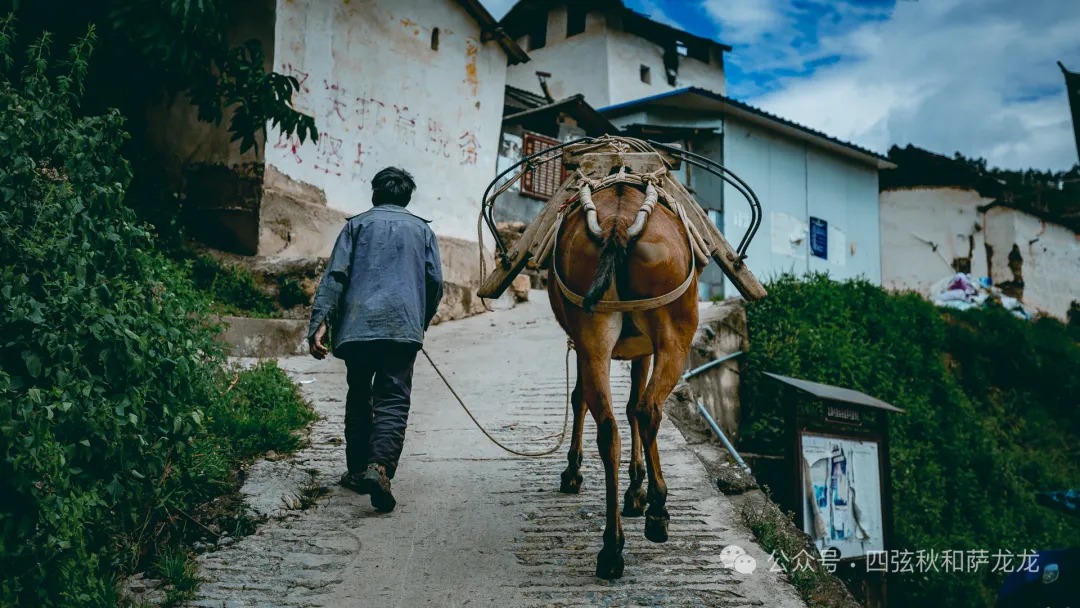
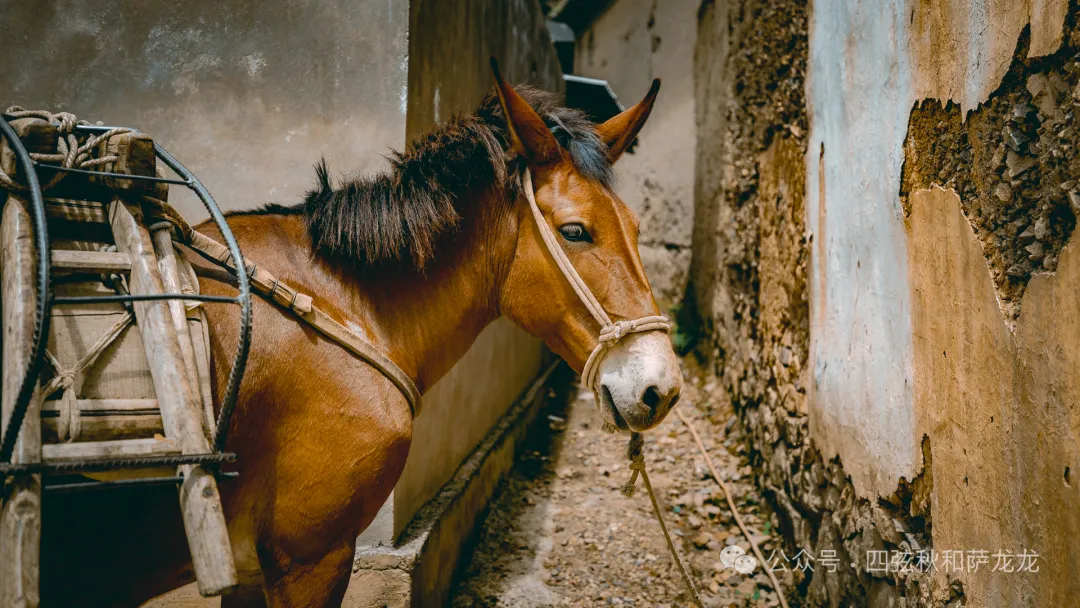
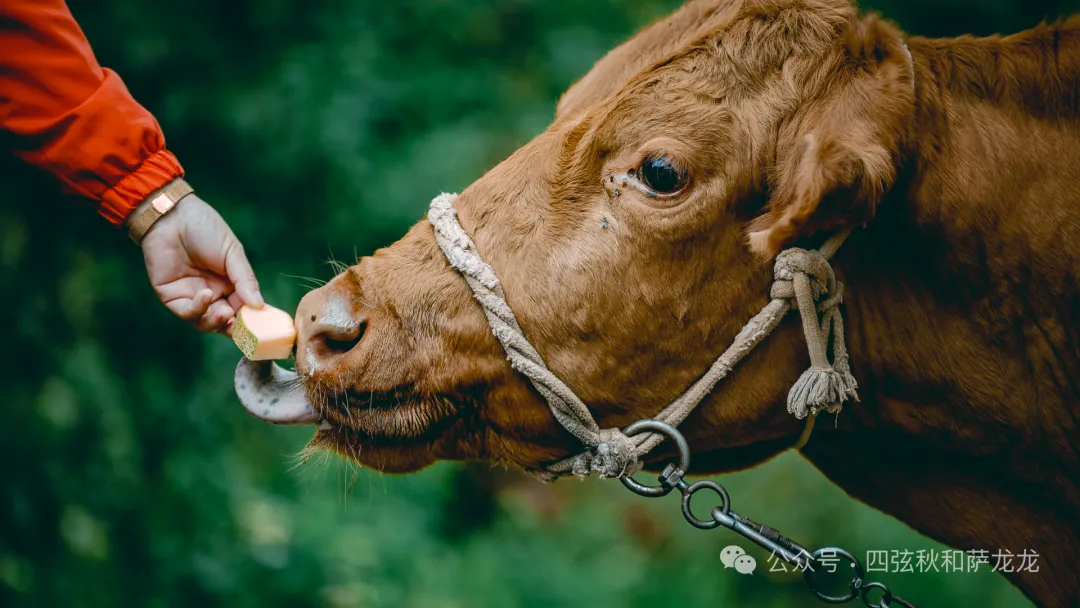
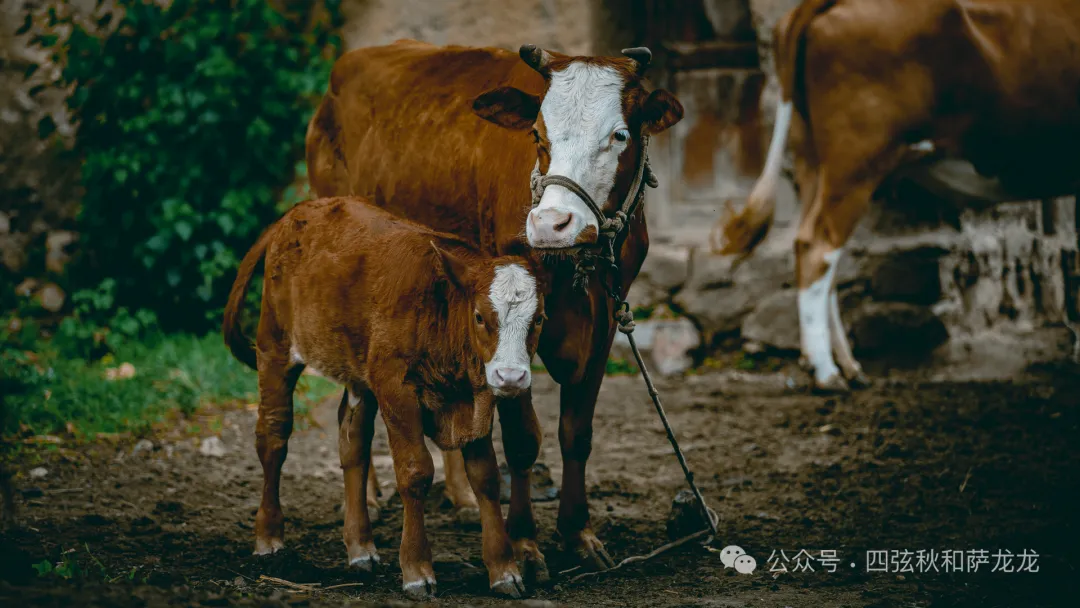
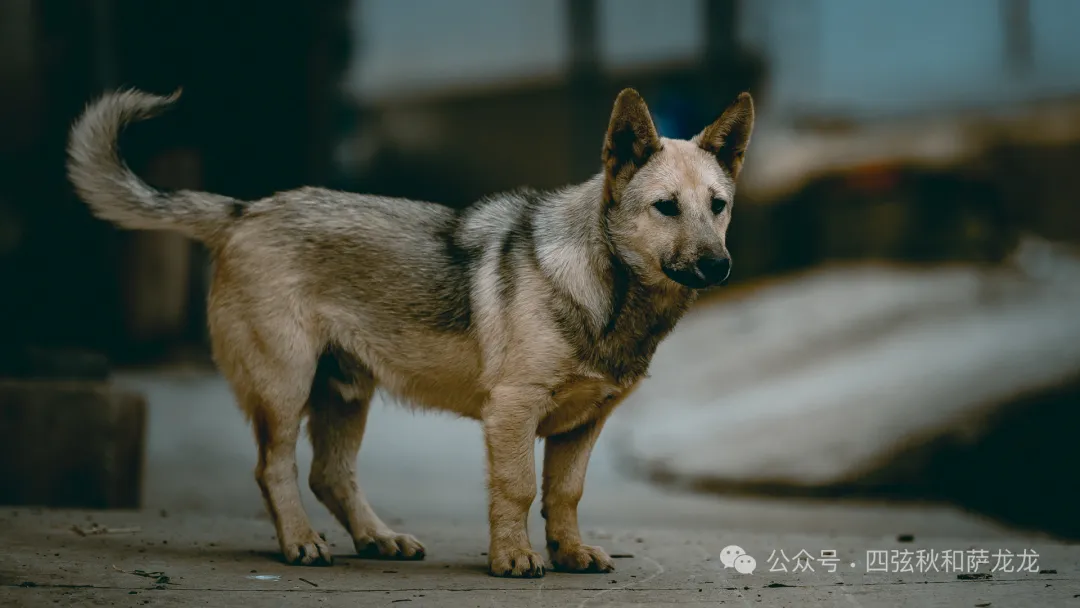
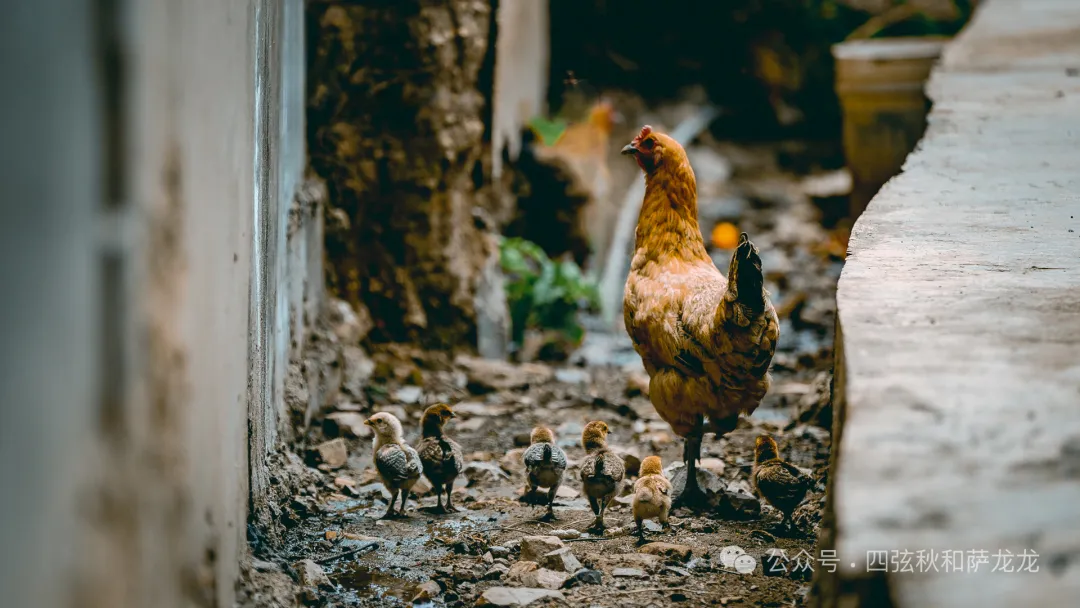
The village is quiet because it is far from the hustle and bustle and deep in the mountains, but walking in the village, you can also find its lively side. The liveliness belongs to another group of "residents" in the village: hens leading newly hatched chicks to forage everywhere, watchdogs moving freely without leashes, magpies flying from the back mountain to the front yard, big white geese chasing strangers... When the villagers scatter in the fields outside the village to farm and herd, these lively special "residents" guard the village and also bring it to life. Together, they play a pastoral song that will comfort the tired farmers at sunset.
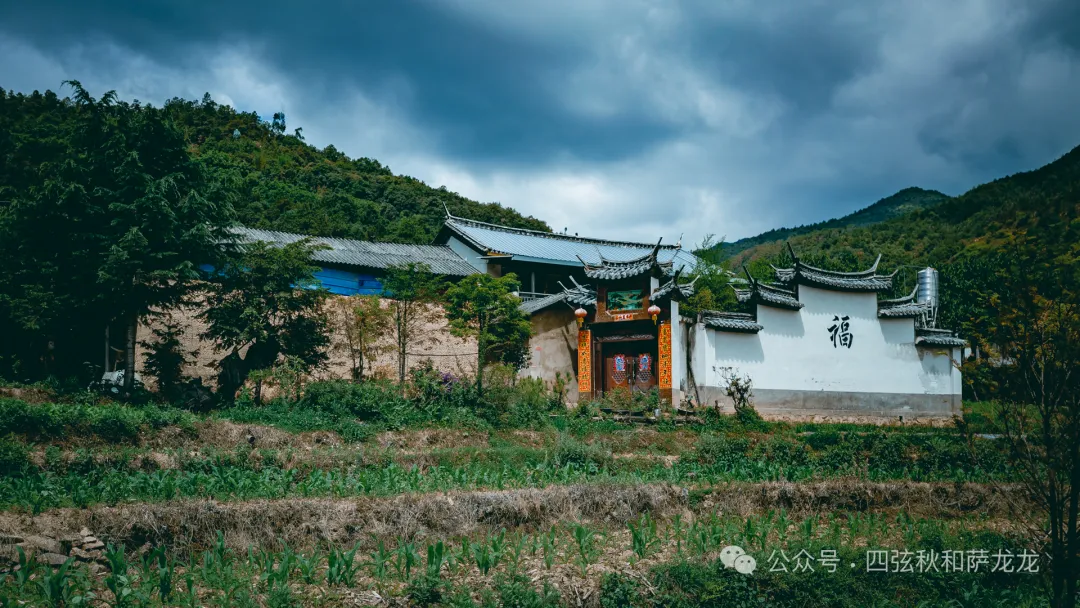
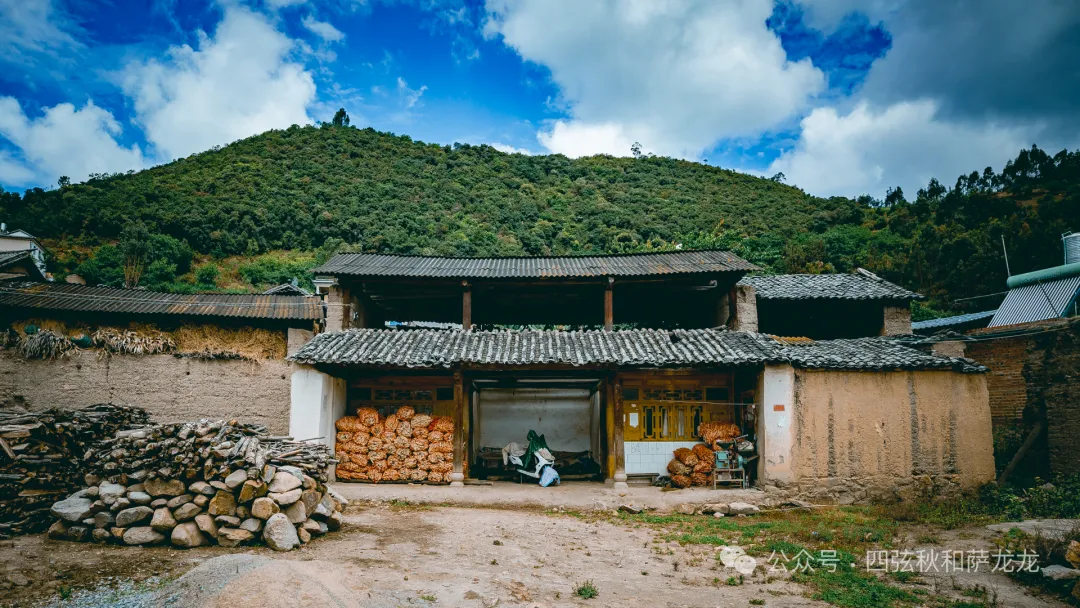
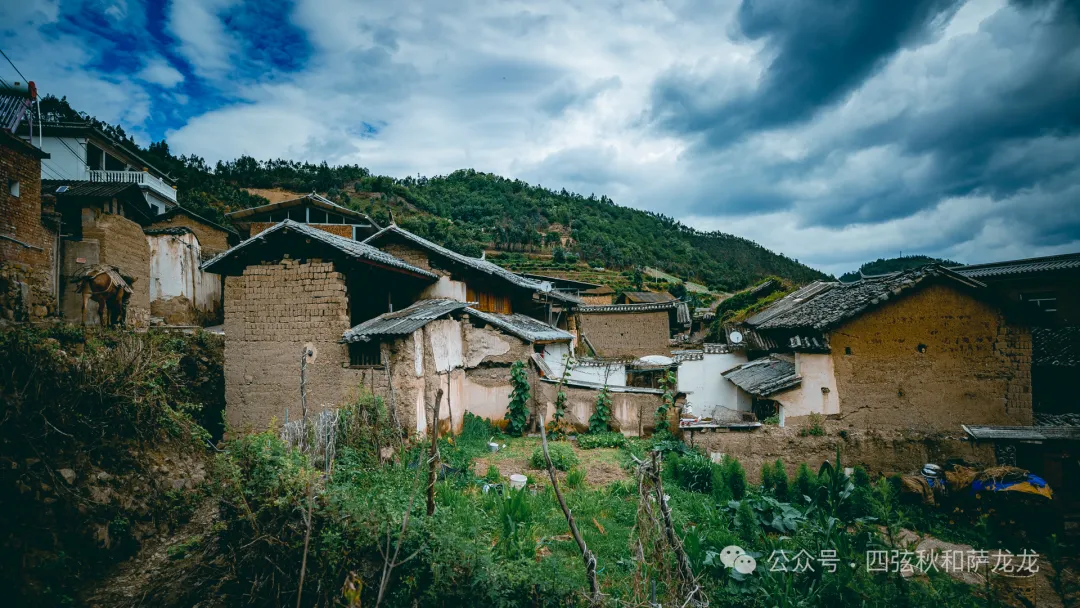
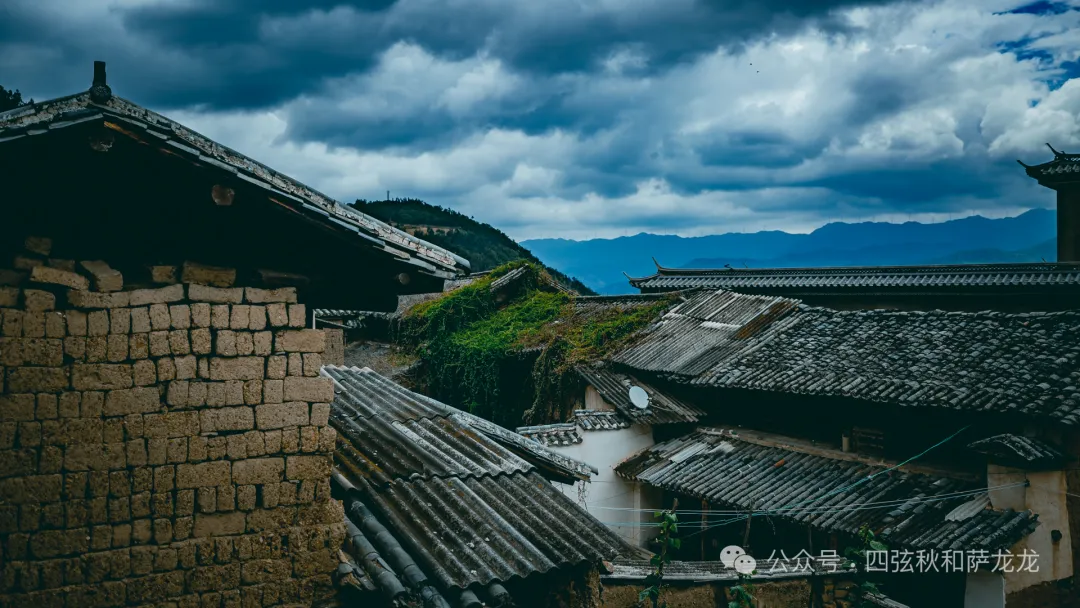
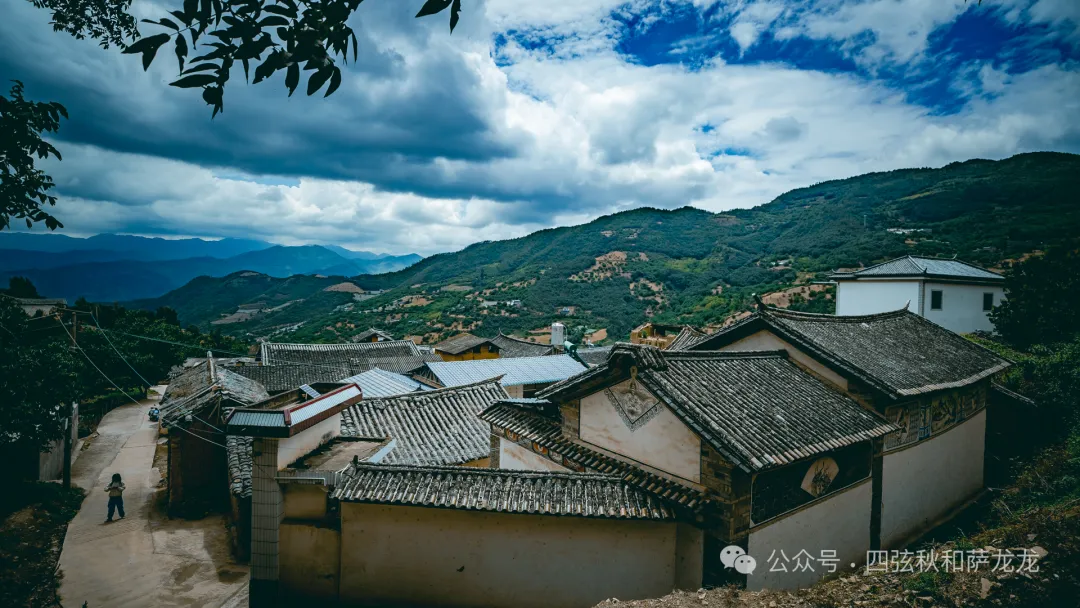
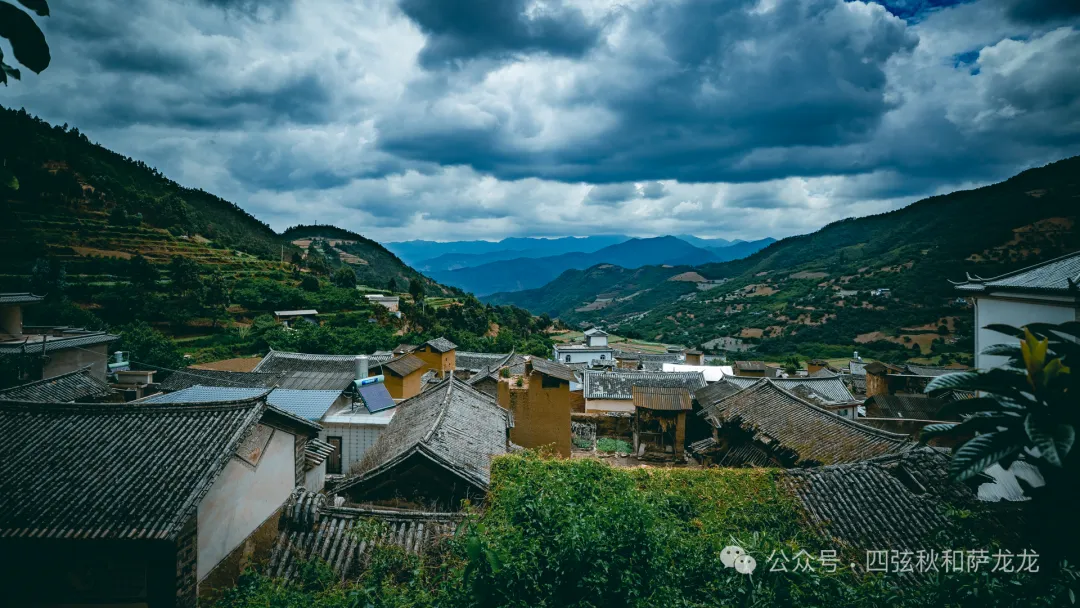
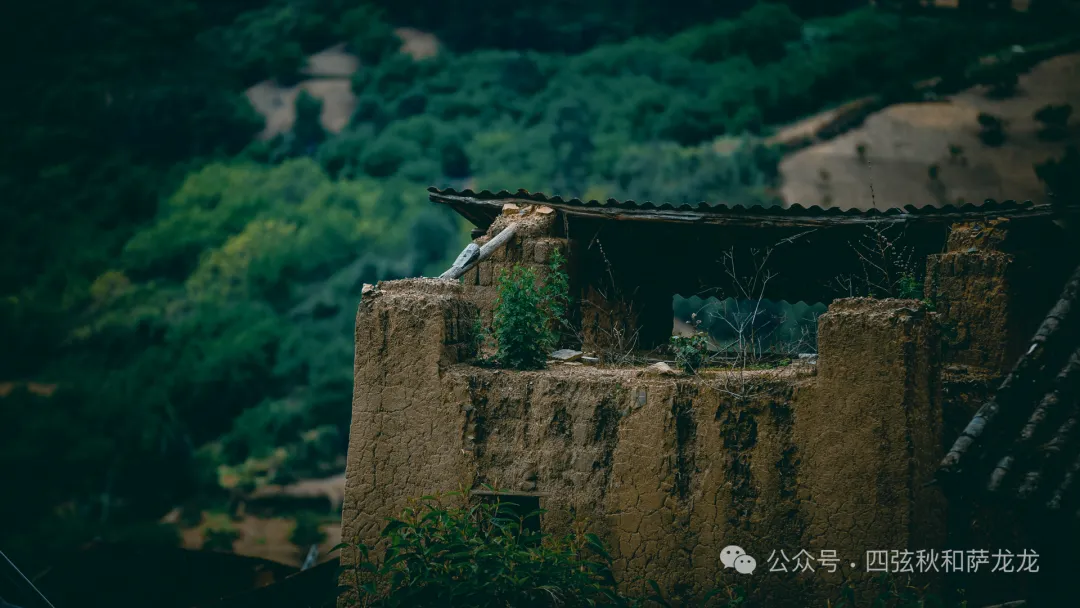
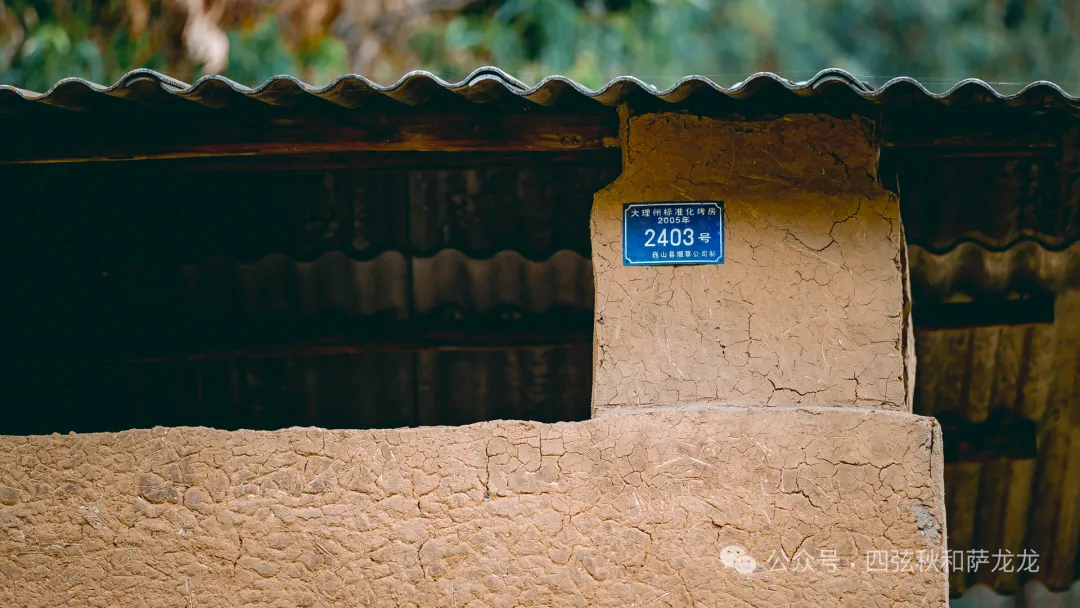
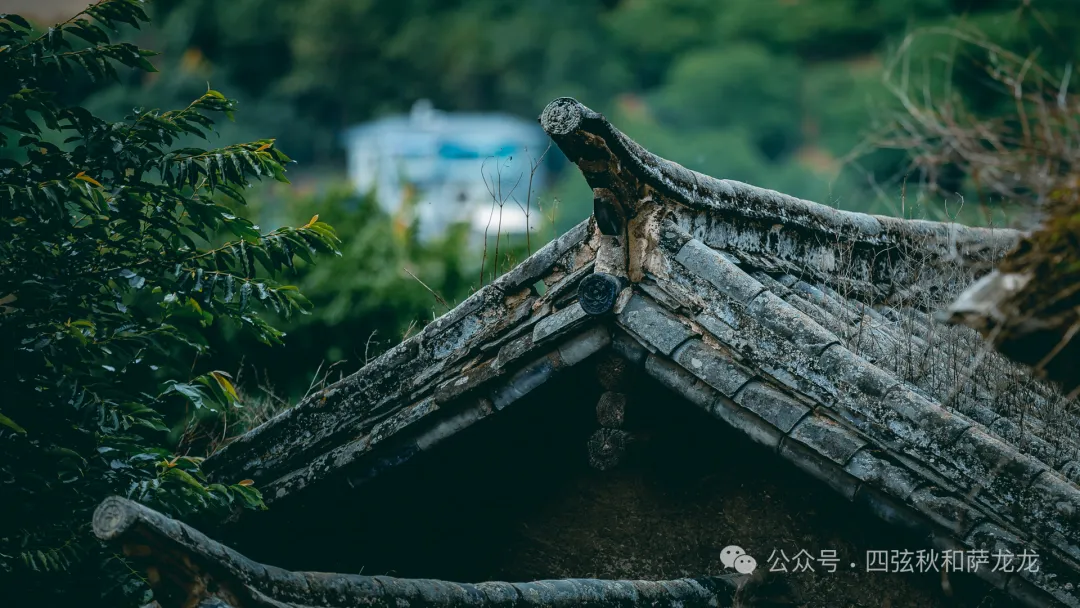
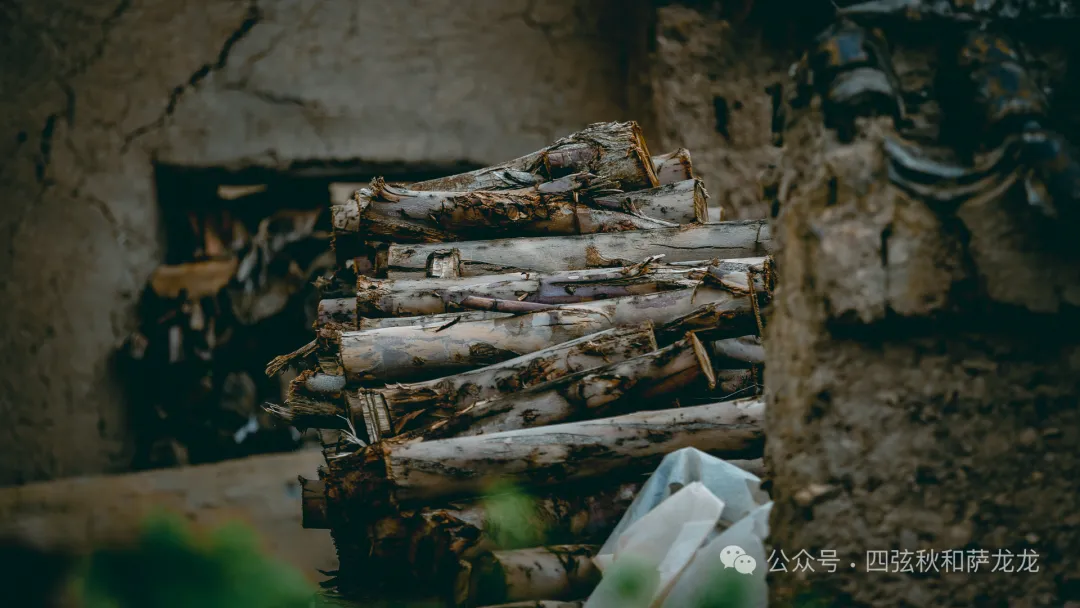
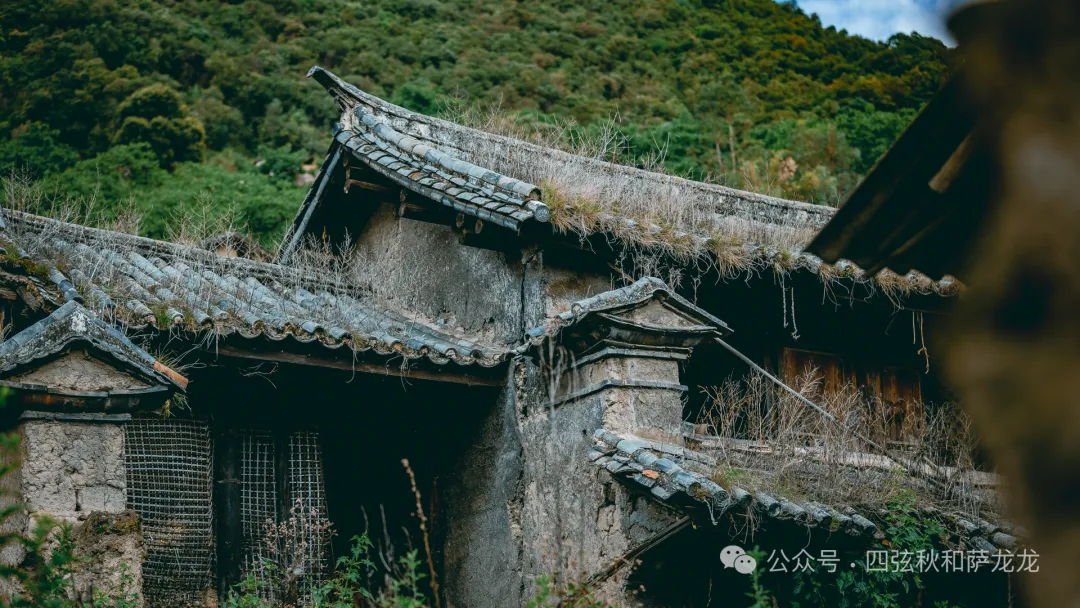
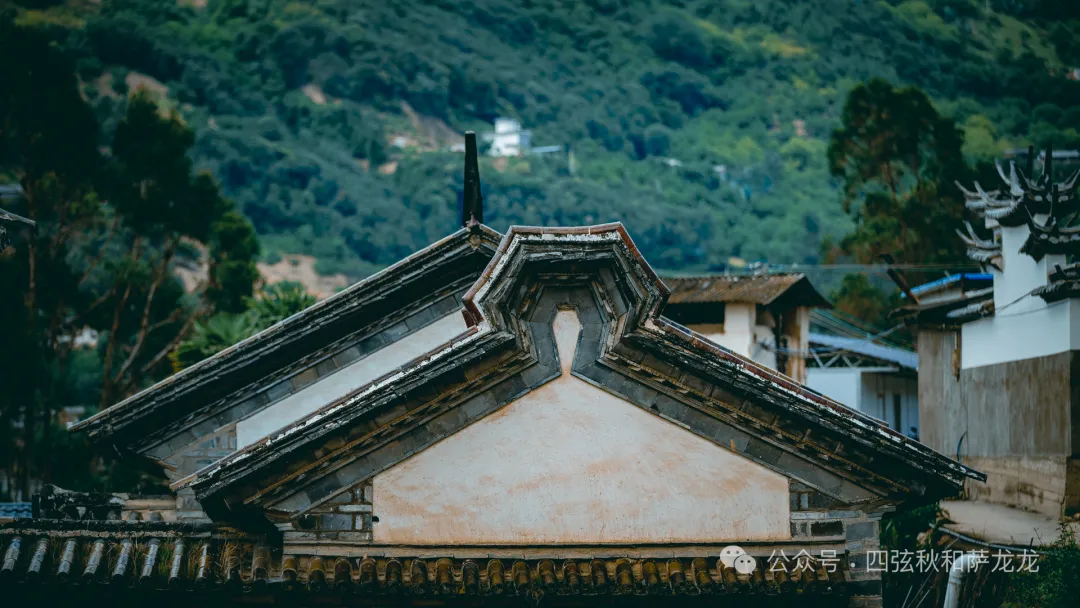
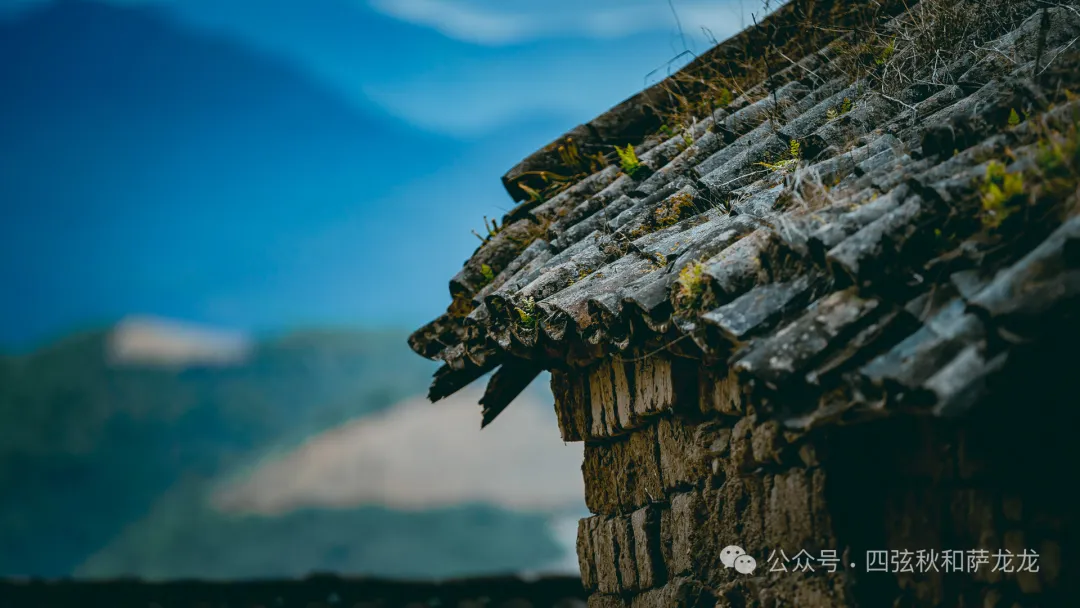
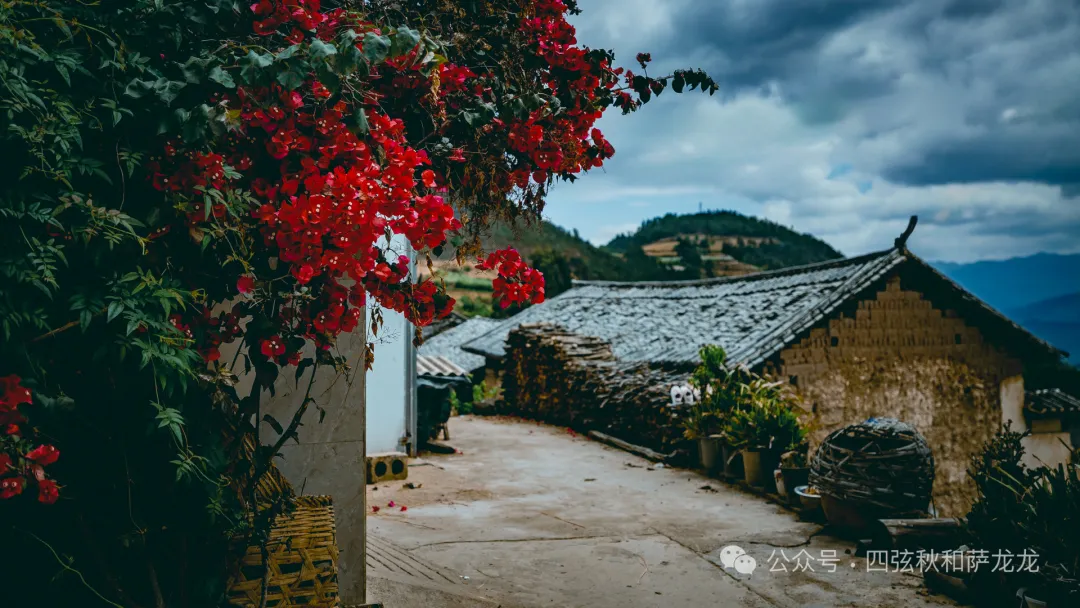
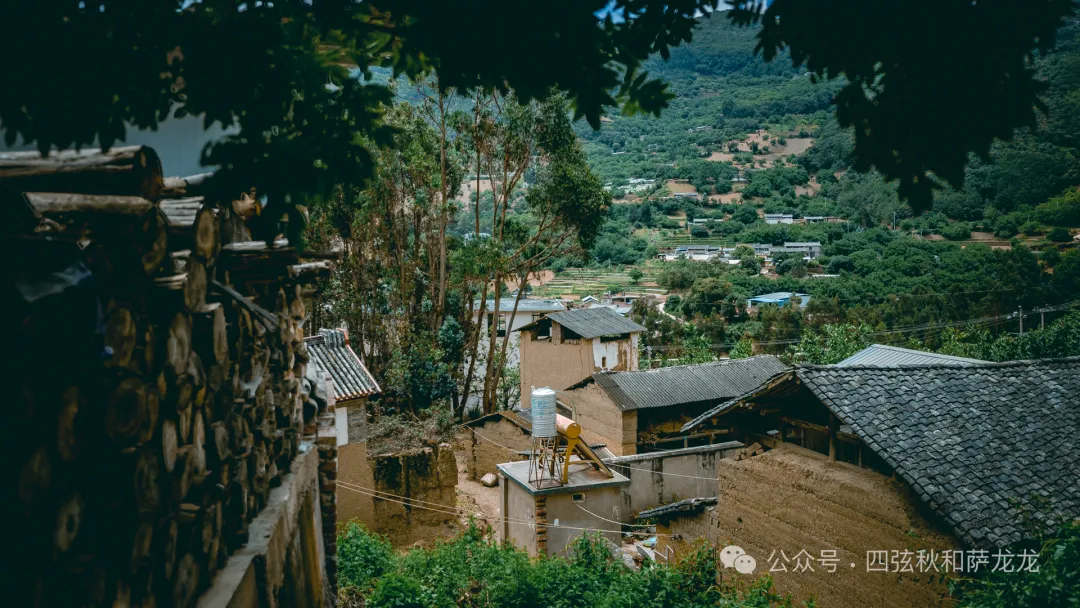
The rammed earth houses in the village are not uniformly planned, so they appear extremely messy and disorderly. Most of the earth houses have collapsed and been abandoned, uninhabited. Returning to dust is their ultimate fate, no doubt. But what about the people who once lived there? Who will know the history of architecture and residence they created, except themselves and their descendants? Over time, even their descendants may forget. However, the rammed earth tobacco curing houses, which look like wartime bunkers, mostly still stand intact in the village. But they have also been abandoned due to loss of value, and returning to dust is only a matter of time.