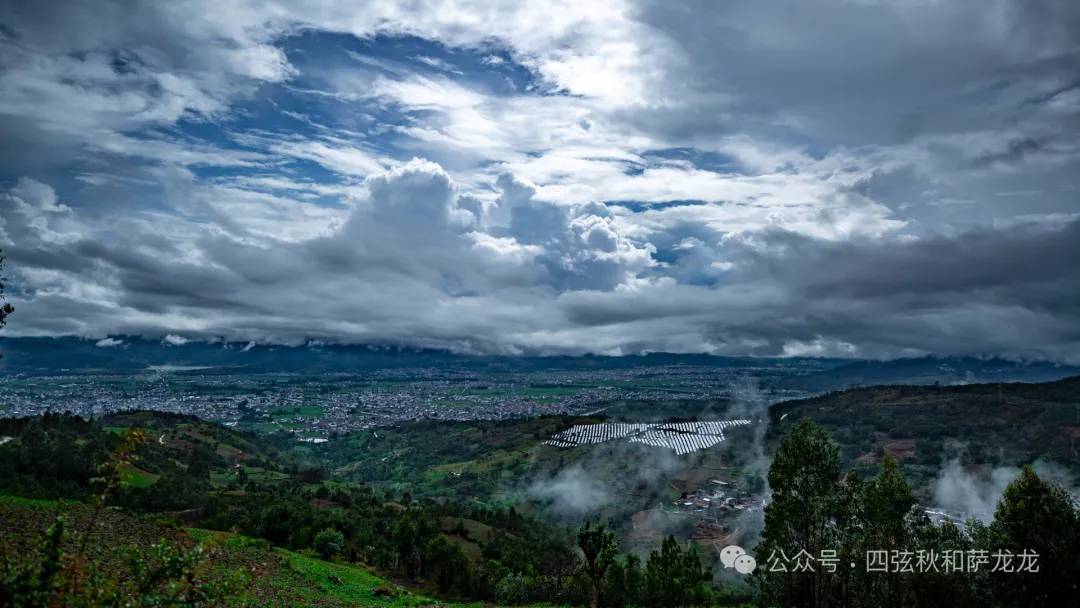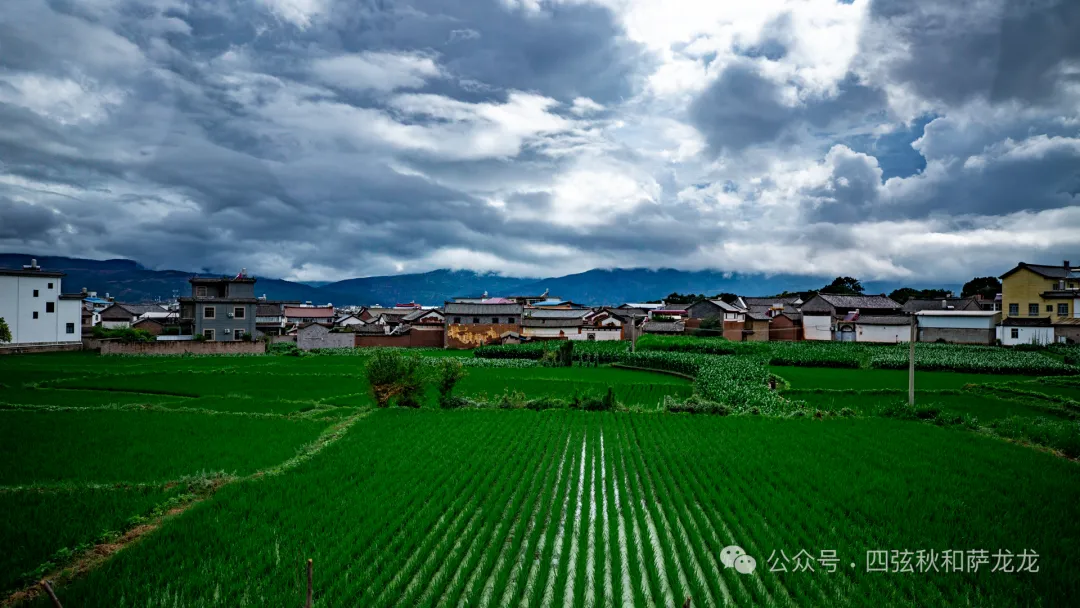

Because of my love for ancient villages, I had long noticed the name Zhuomulang. After moving to Weishan for a year and a half, we finally set foot in this Yi ancient village full of myths and legends. The morning sky was still covered with gray-white clouds, making it hard to tell whether it would be sunny or rainy. Under the pressure of uncertain weather, we drove half-doubtfully towards the northern mountainous area of Weishan. When we came out of Canglu Valley, it was already afternoon, and the rain still hadn't materialized. We decided to go with the flow, regardless of the weather, and visit this long-admired millennium Yi ancient village Zhuomulang.
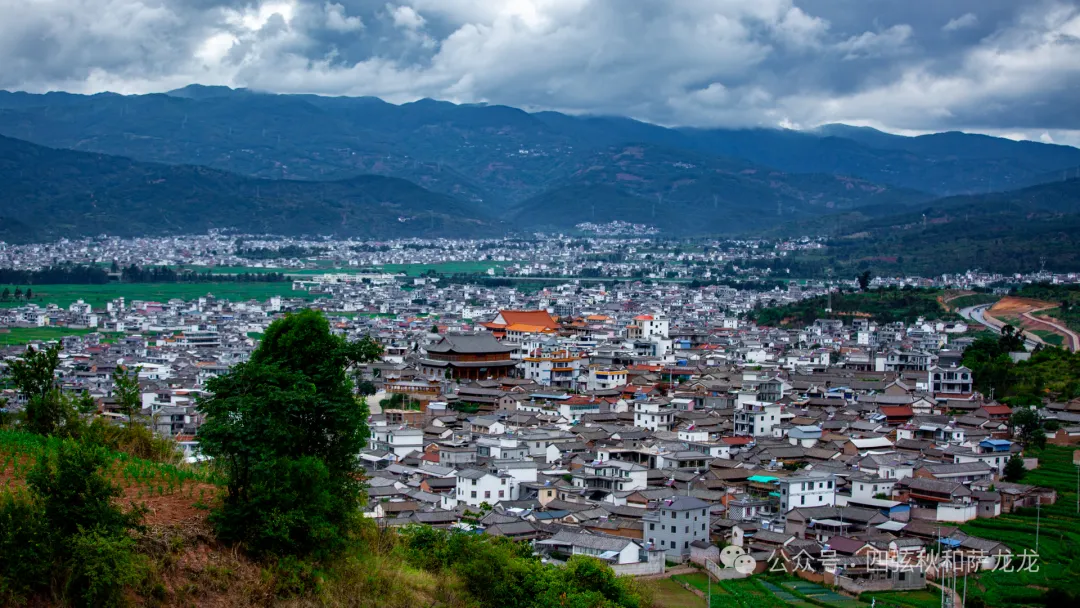
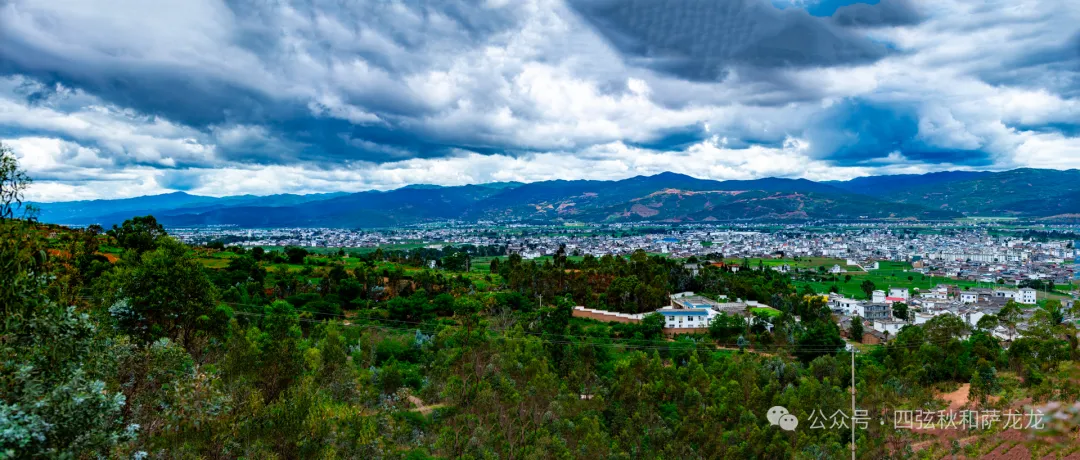
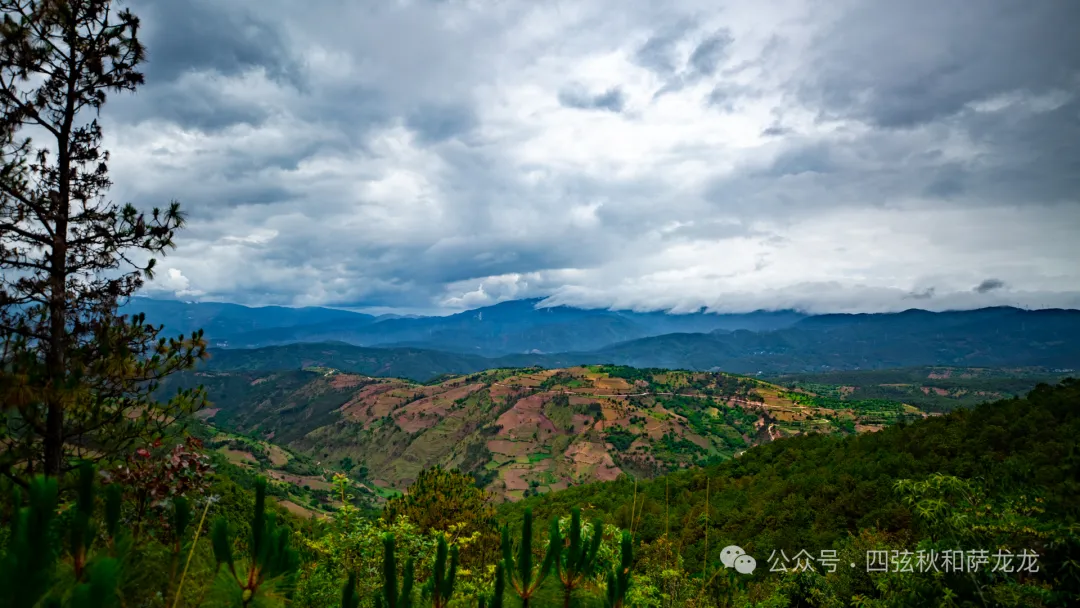
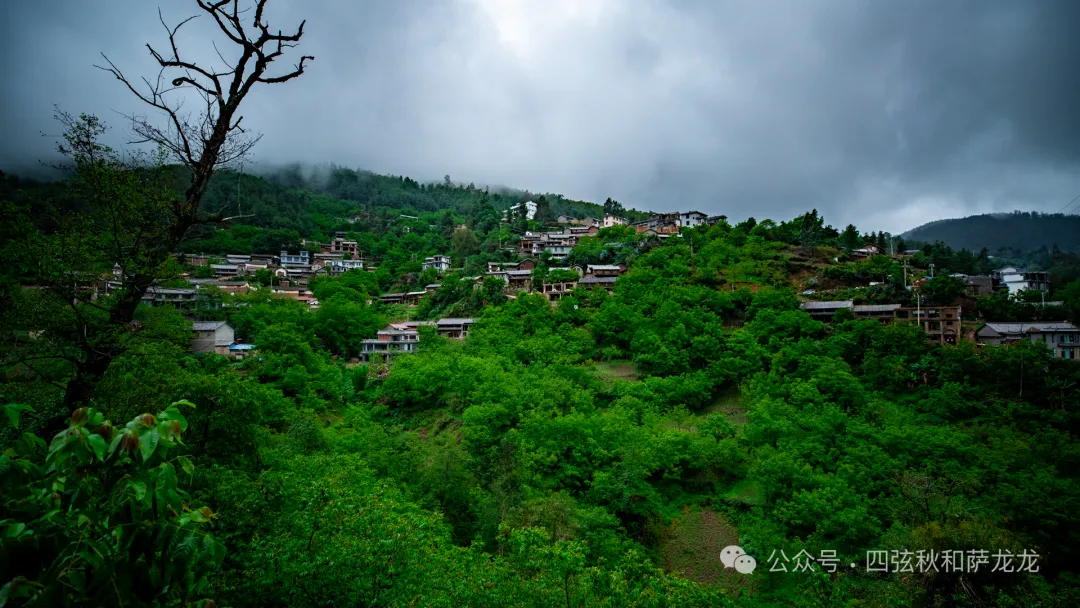
The origin of the name Zhuomulang is quite distinctive. According to legend, everyone in Zhuomulang village can carve wood. The various utensils used in daily life, such as wooden bowls, wooden basins, wooden spoons, wooden troughs, etc., are all carved from wood by themselves. One day, two passersby from outside the mountains passed through the village and saw a young man carving a wooden trough. They asked him what the village was called. The young man misheard and thought they were asking what he was doing, so he replied, "Zhuomulu (Yi language for wooden trough)." The passersby spread the young man's answer, and over time, the village evolved into "Zhuomulang." In Chinese, "lang" means young man, so "Zhuomulang" means a man who carves wood. It was because of the young man's mishearing that the name Zhuomulang emerged from the heavy fog of history, bringing this millennium ancient village hidden deep in the mountains into people's sight.
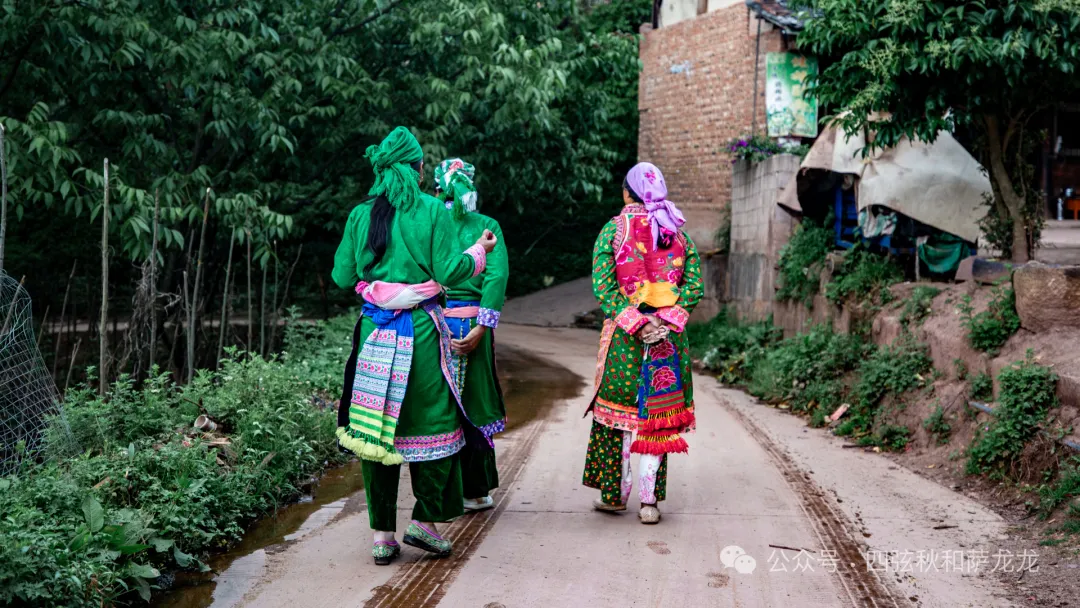
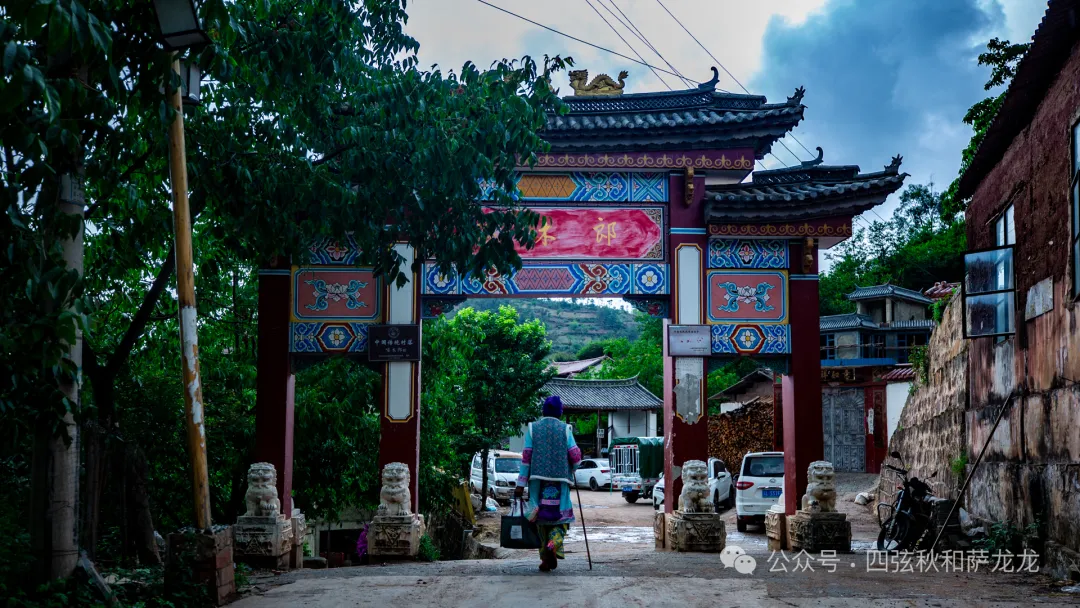
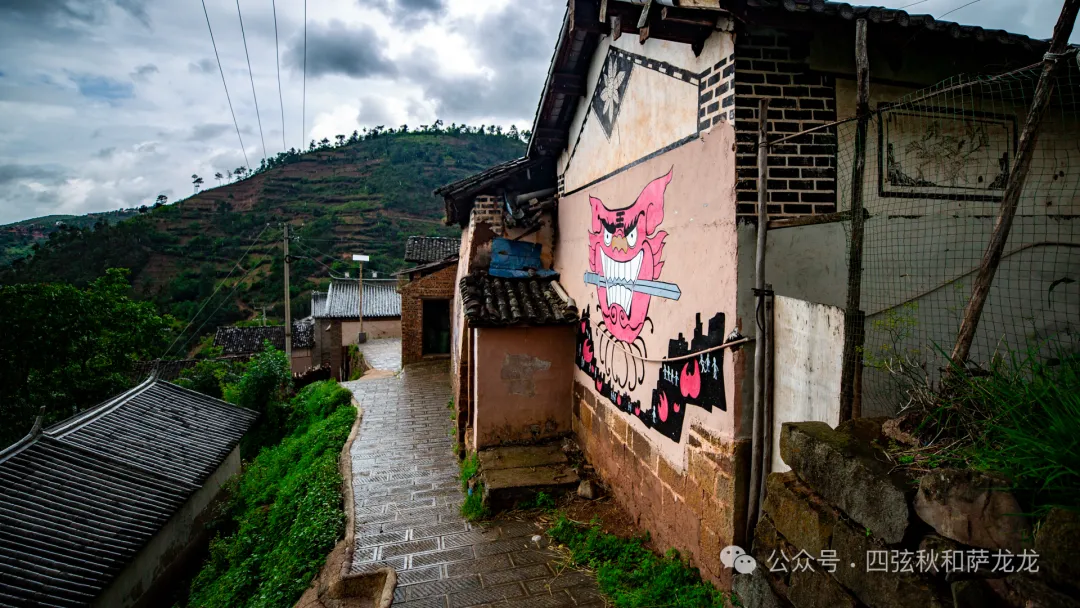
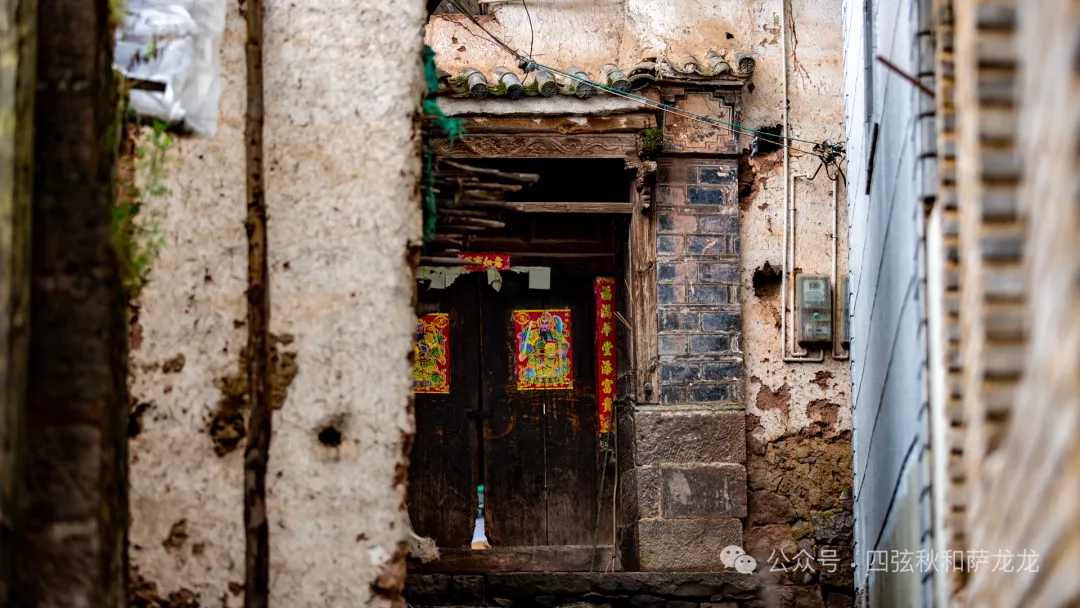
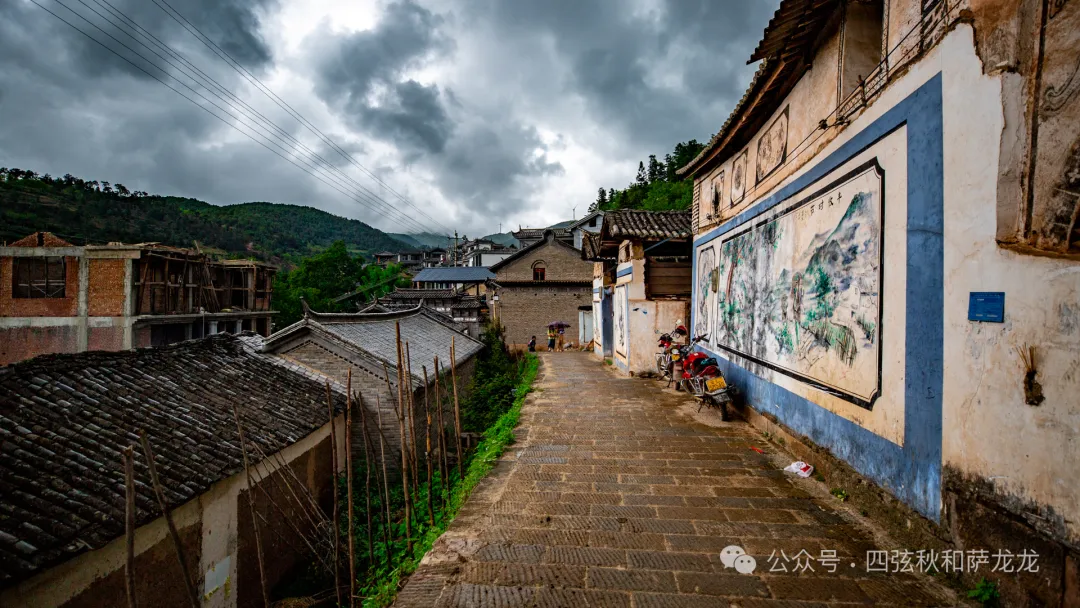
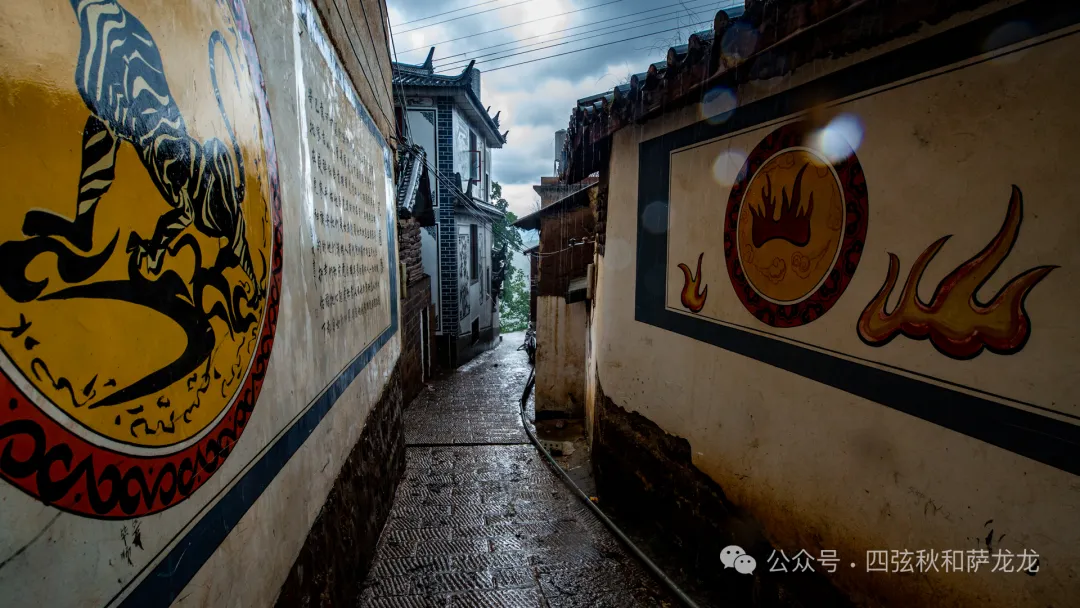
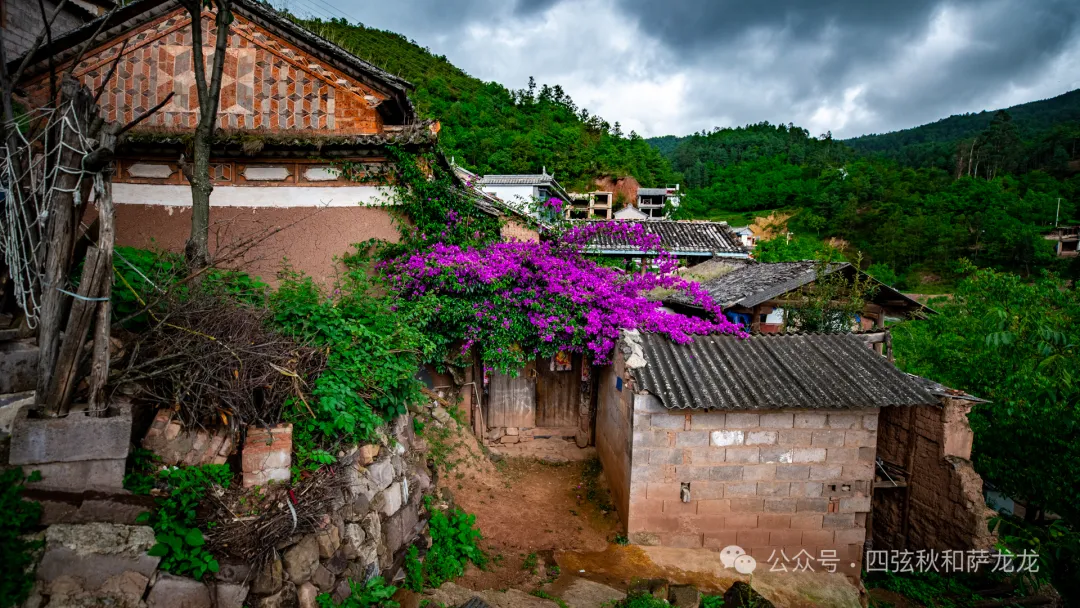
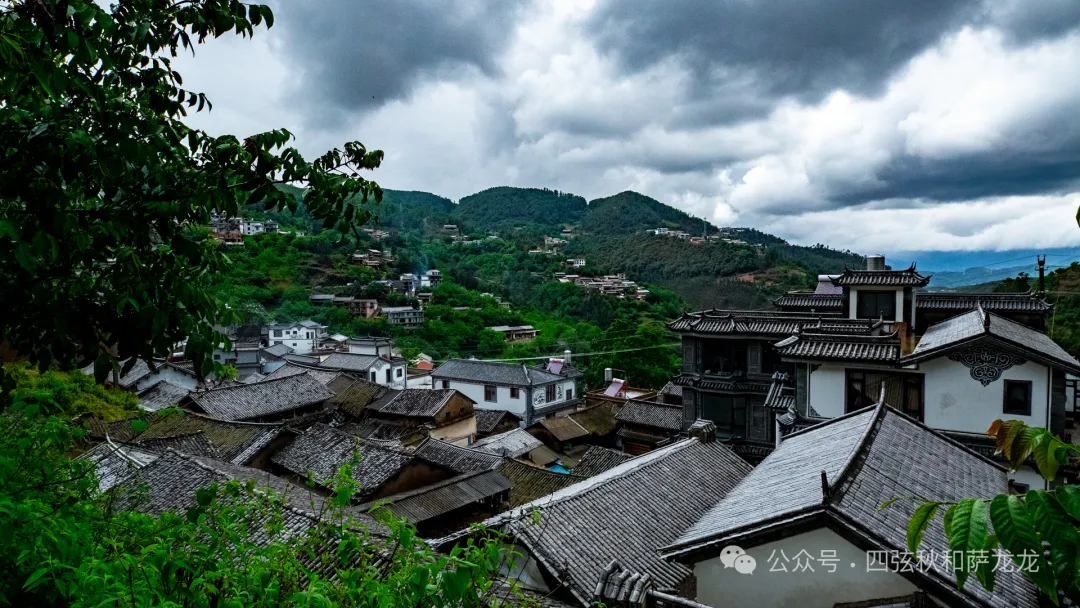
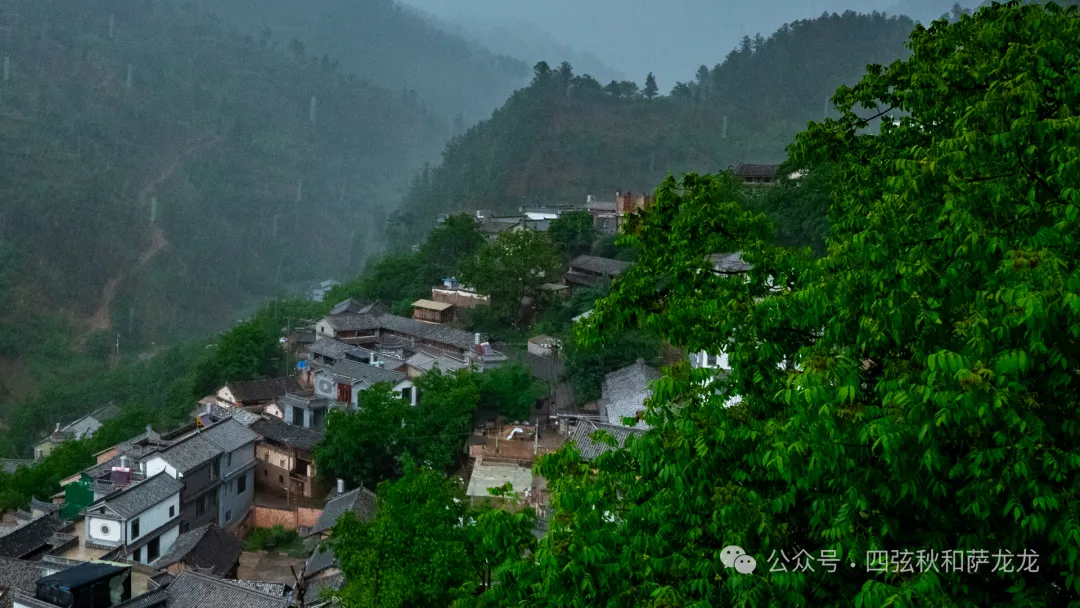
We parked the car about one kilometer away from the destination on a slightly wider cement road and began walking along the village path. Four middle-aged women dressed in green and pink Yi costumes came out of a small alley, chatting as they walked. It is said that these colorfully dressed Zhuomulang villagers are pure descendants of the Nanzhao Kingdom's royal family, and their costumes bear the most distinctive features. Following their directions, we crossed a deep valley and entered this ancient village with walls full of legends.
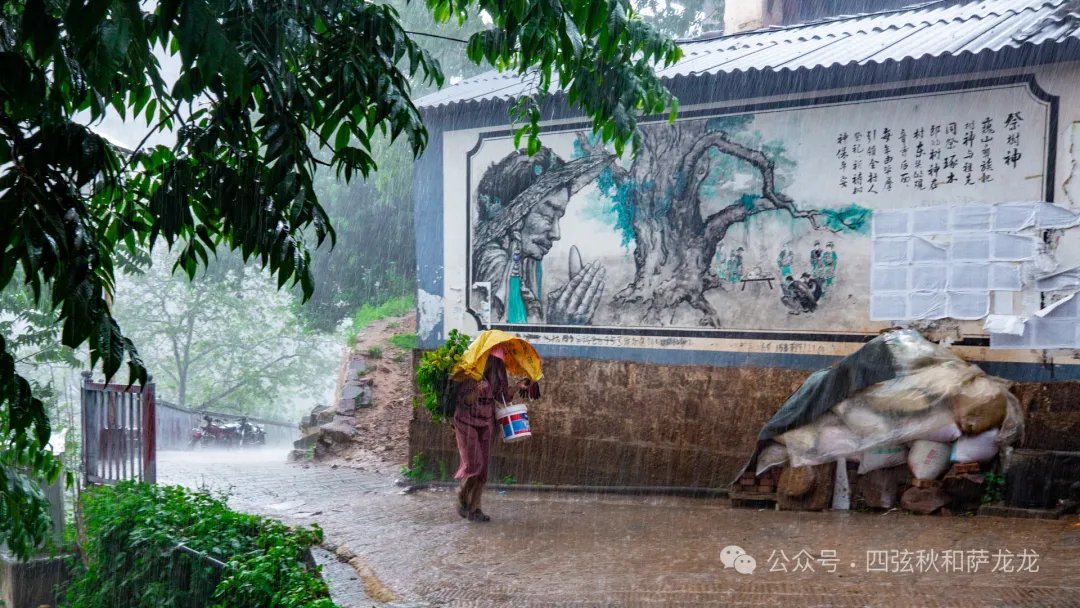
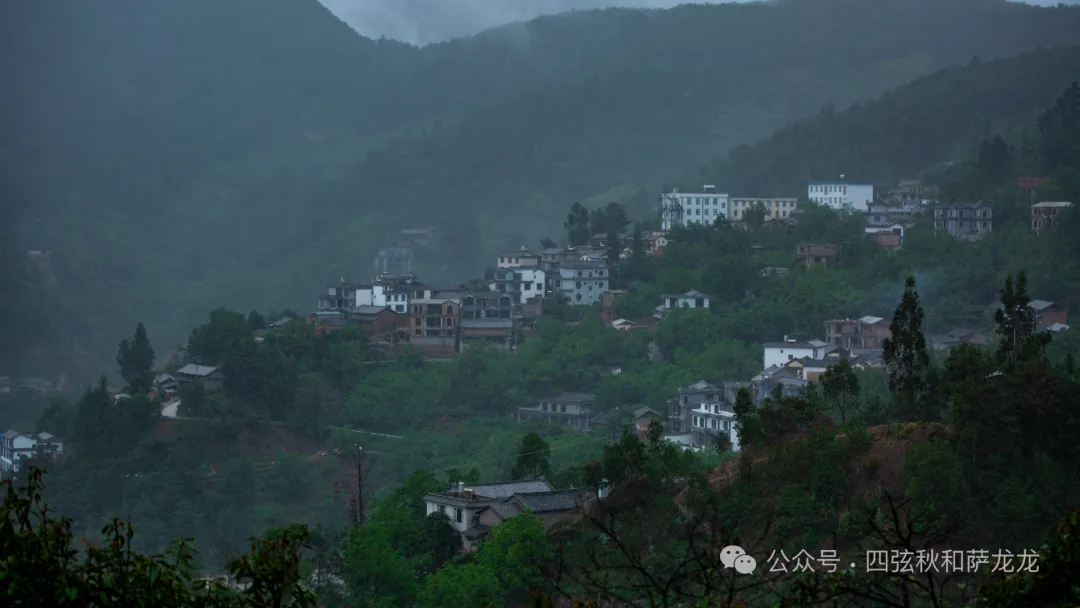
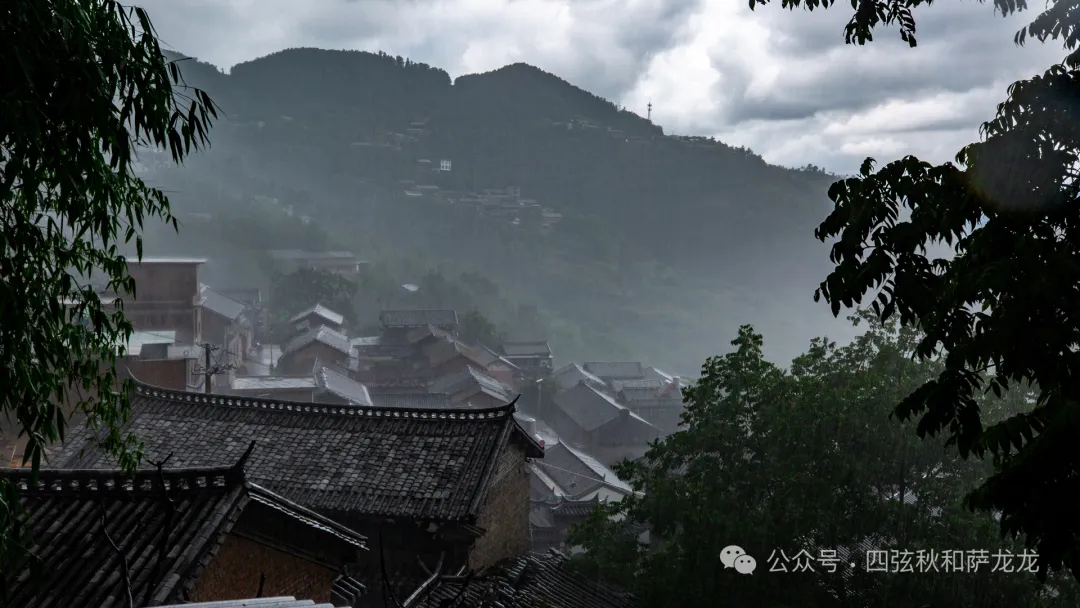
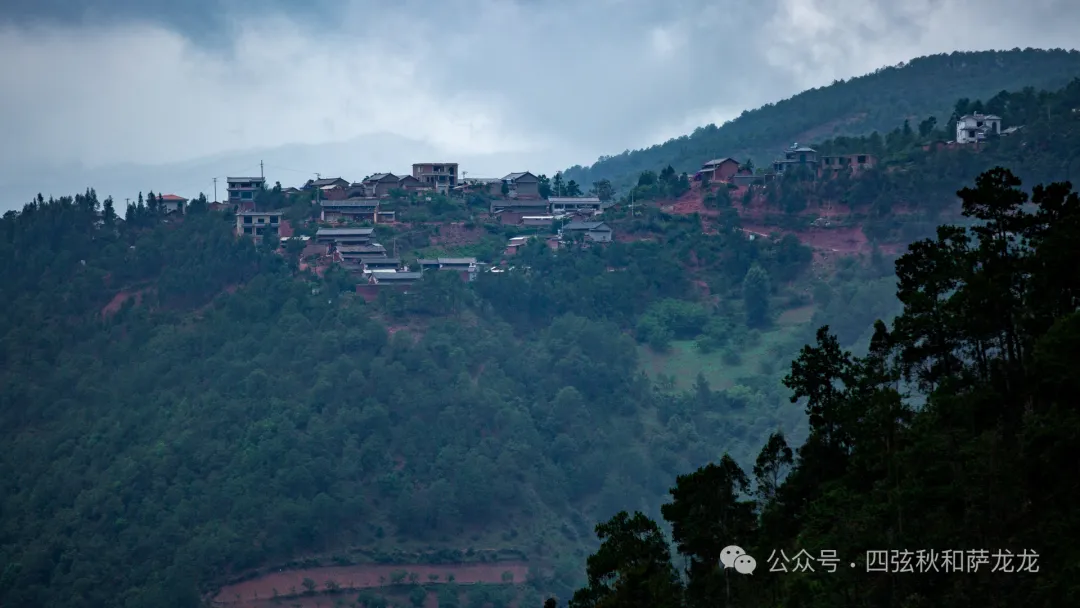
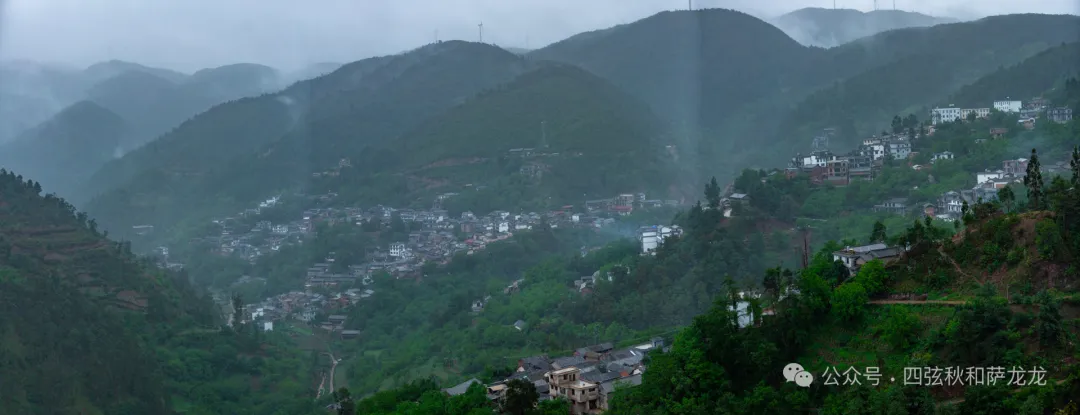
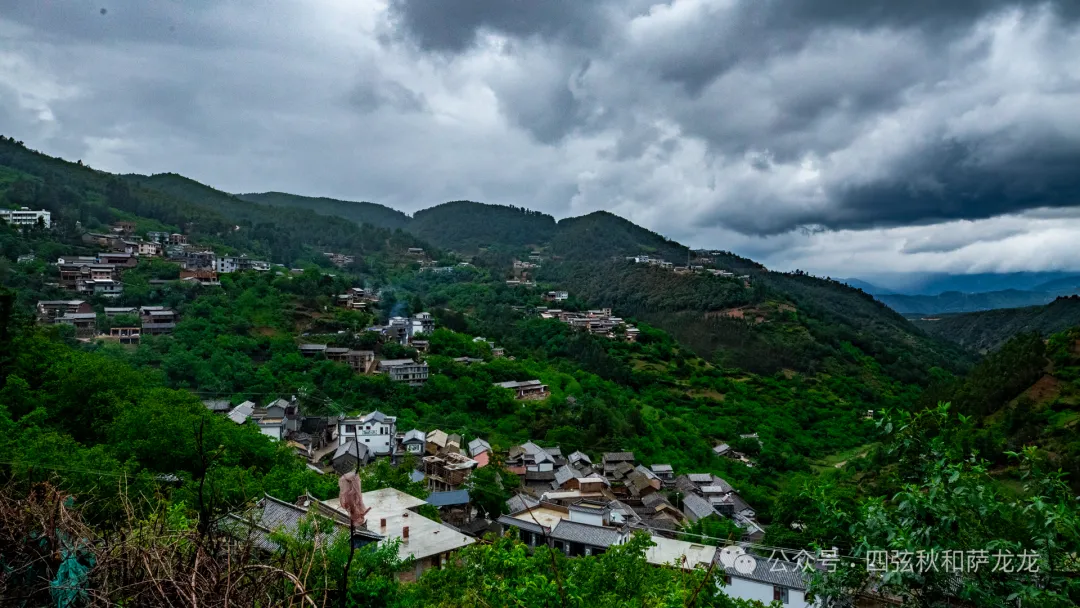
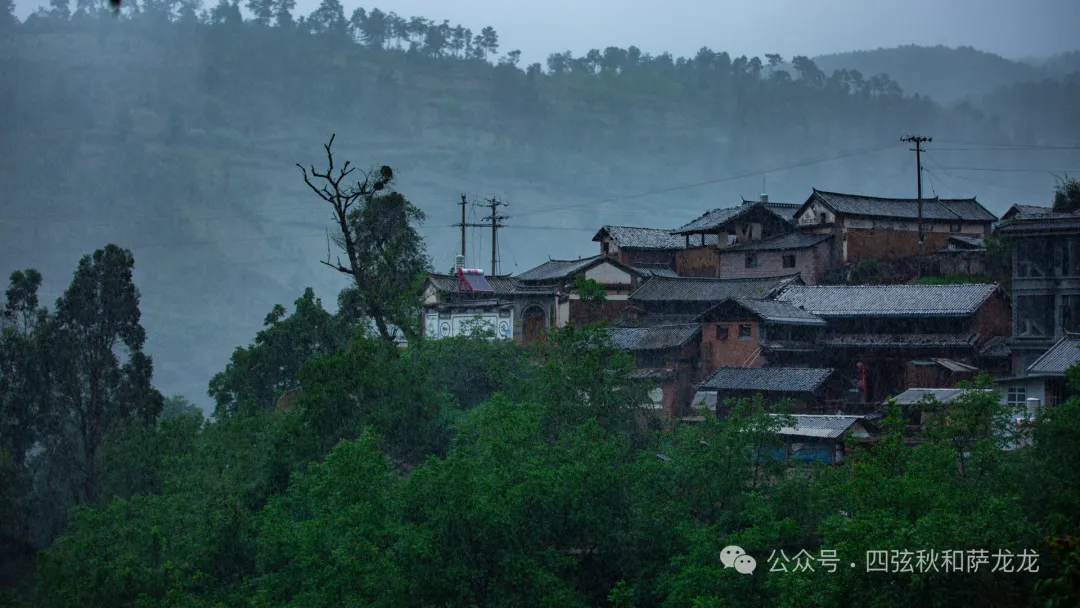
As soon as we entered Zhuomulang village, we encountered a light rain. The sound of rain penetrated the jungle, tapping on layers of leaves, like broken bird songs falling on every inch of land. Soon the light rain turned into a downpour, and we had to take shelter under a narrow eaves. Two farming villagers also took shelter with us. Seeing one of the peasant women carrying a full basket of green leaves and tender branches, I was very curious. The peasant woman told me that these were plum tree branches used to feed sheep. We had a fateful encounter with another peasant woman who was spraying pesticides. We met her twice; the first time was during the rain shelter, and when we were returning, we encountered her again in the valley during heavy rain. She was in a hurry to visit her elderly mother who was herding sheep not far outside the village. The village in the heavy rain was hidden in a thick mist. The rain had a color, a thick green, surging down from the mountaintop towards the valley, floating over the entire village. I tried to focus my vision to see through the obstacles and discern the strange sight, only to find that it was indeed a flowing green surging through the mountains. When the mist on the mountain shoulders thinned, you could see the bright green of the summer jungle. When the jungle on the mountain shoulders was covered by thick clouds and the mist on the mountainside thinned, the bright green surged to the mountainside. What a fantastic and real visual experience!
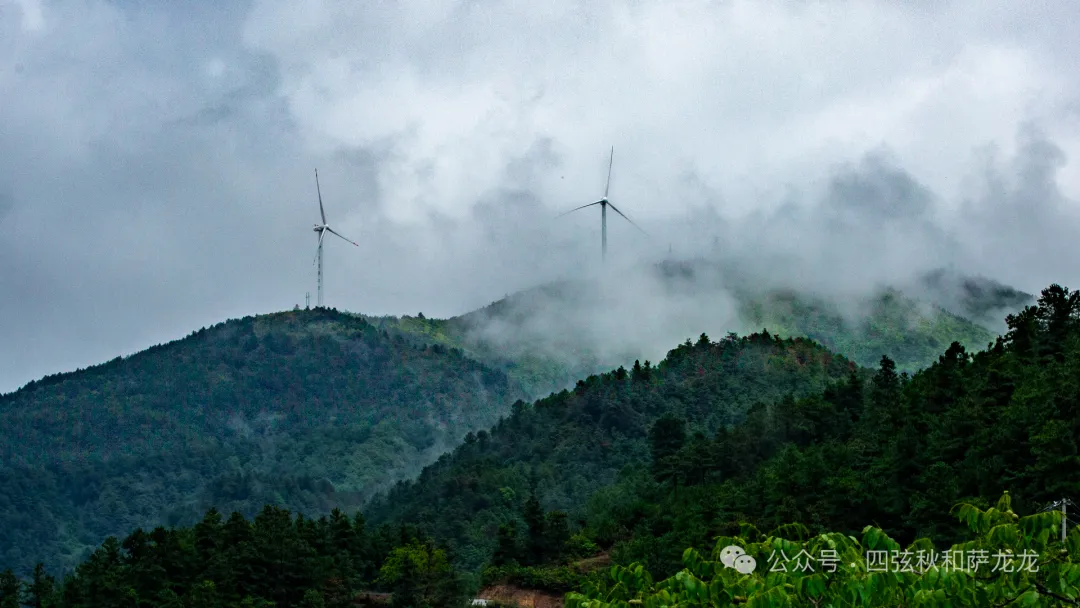

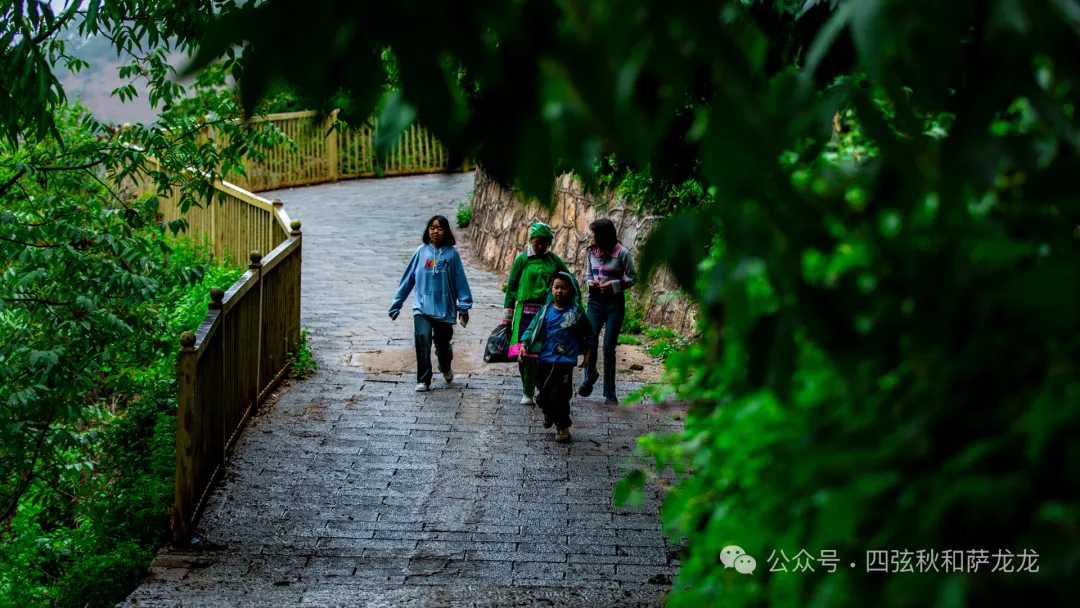
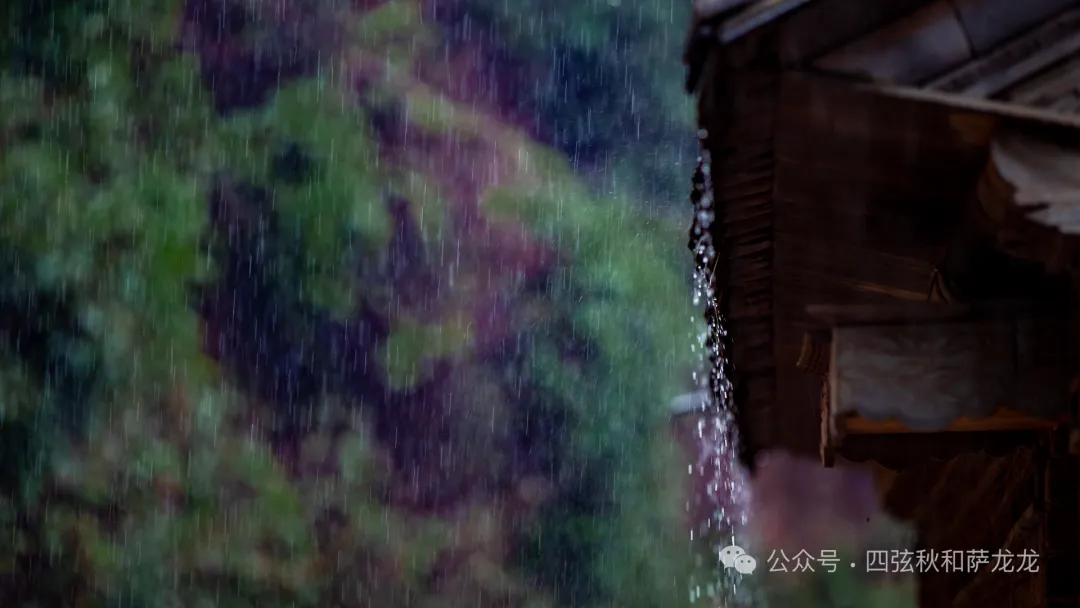
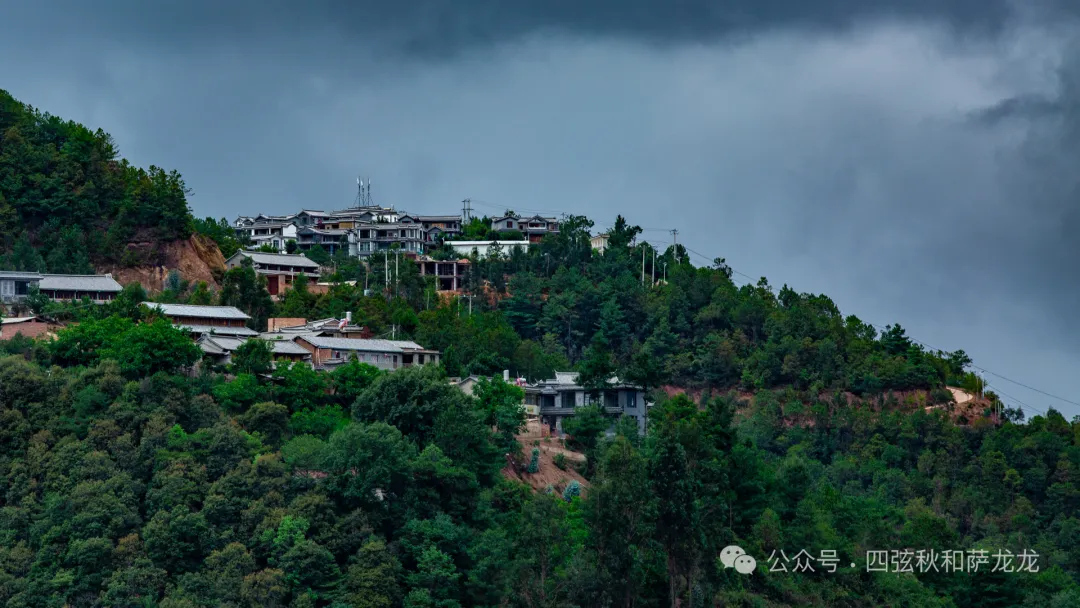
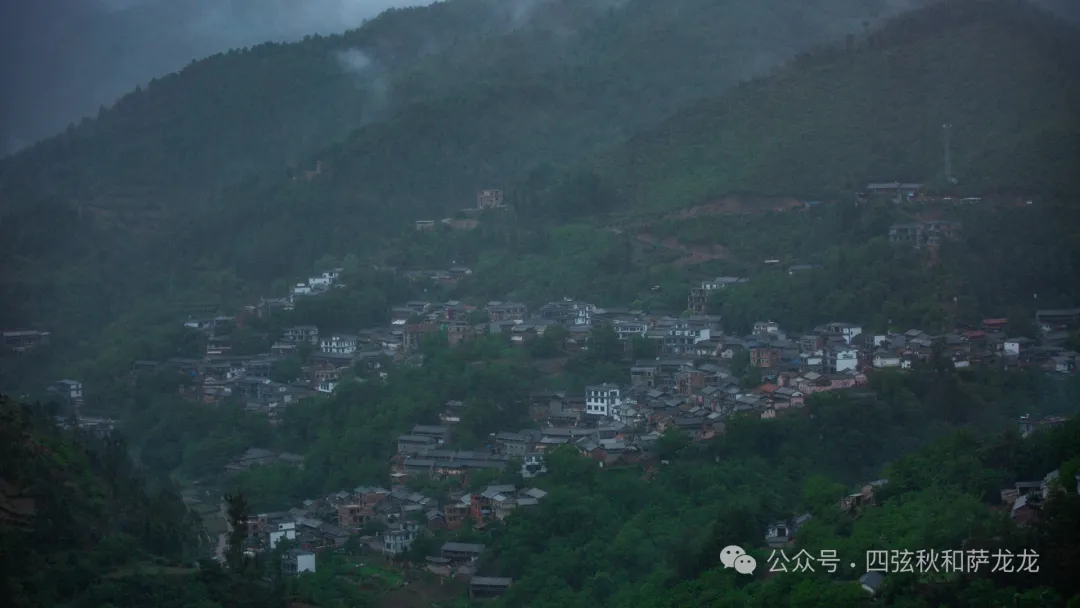
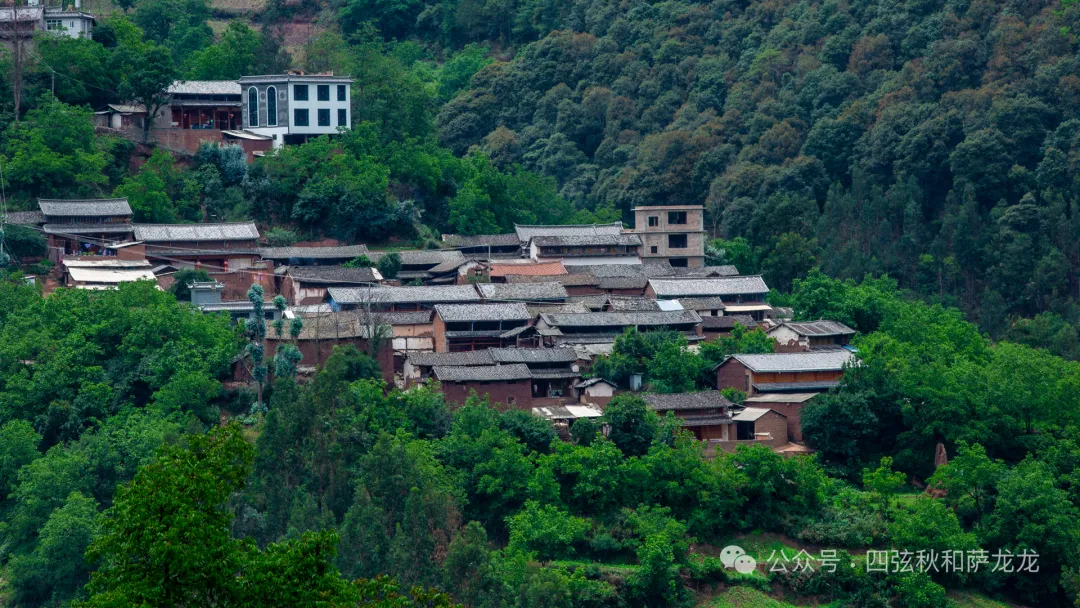
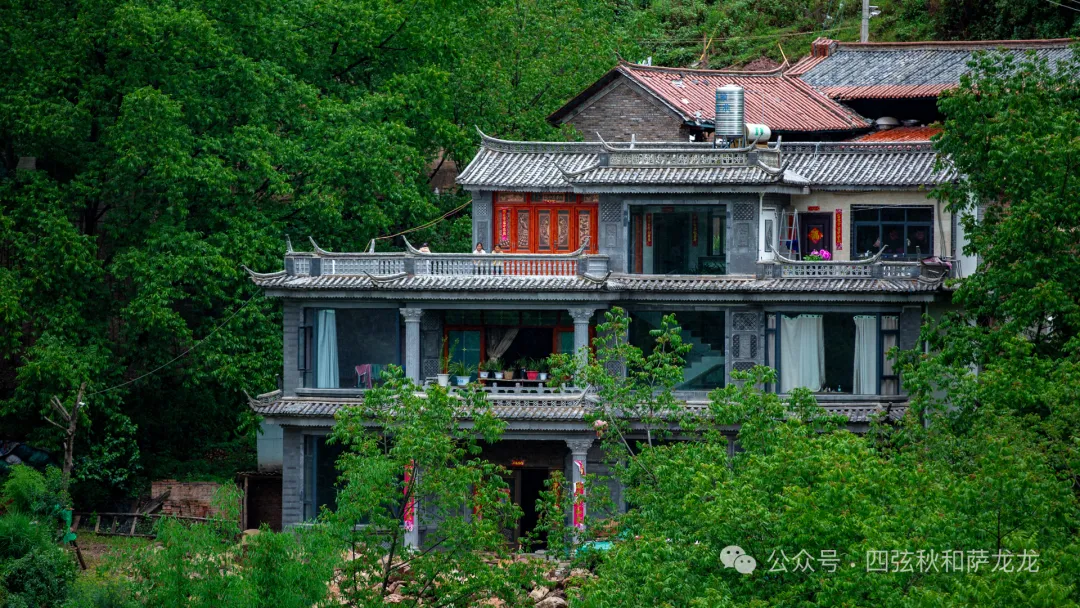
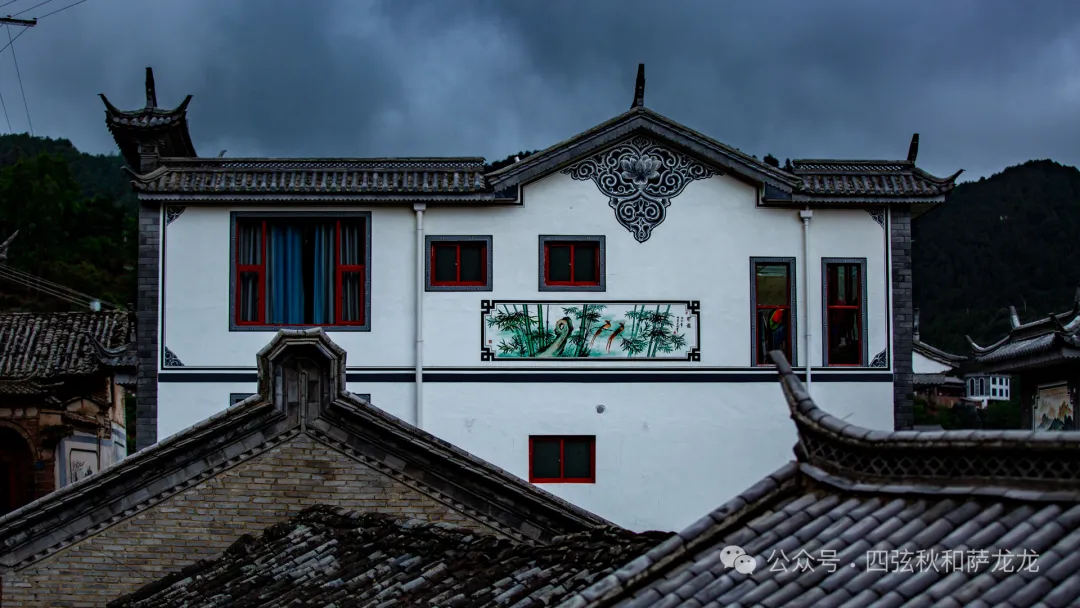
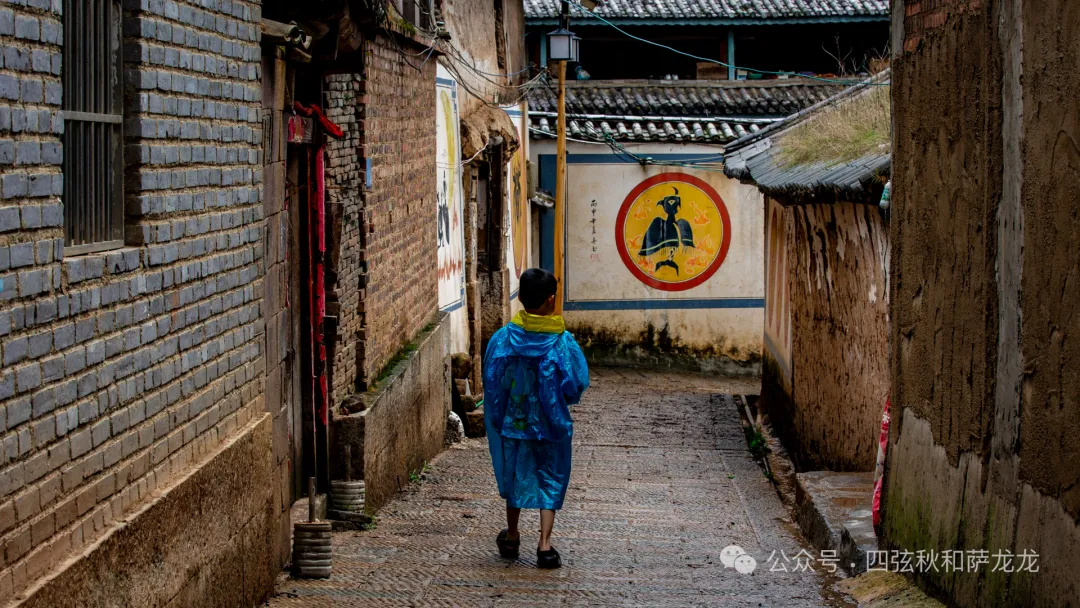
The thick clouds above finally turned entirely into rain flowing through the mountains, and we could walk freely in the village again. Seeing a legend about a tree god on a wall, I asked a passing villager where the sacred tree was. The villager told me that the tree had died long ago. Zhuomulang village is built in a huge valley. The wind turbines on the top of the mountain behind the village spin endlessly, like a fairyland. On the opposite mountaintop and mountainside, there are also large scattered houses, like a huge sky city. The low, old houses in the city are gradually being replaced by new cement buildings, and the children running in the village rarely wear ethnic costumes anymore. Years later, will only the name Zhuomulang completely belong to Zhuomulang?
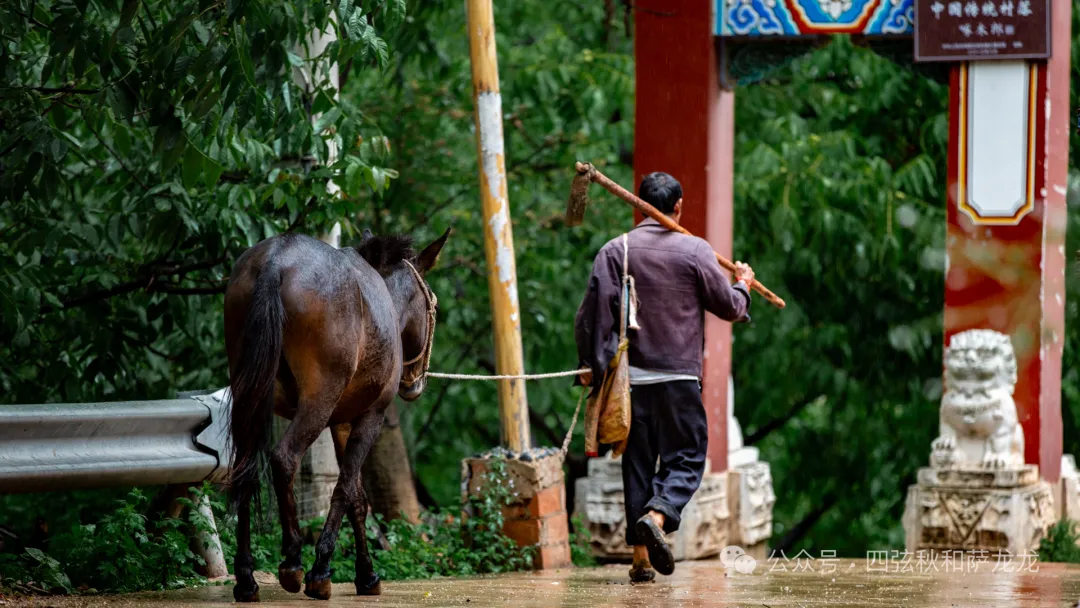
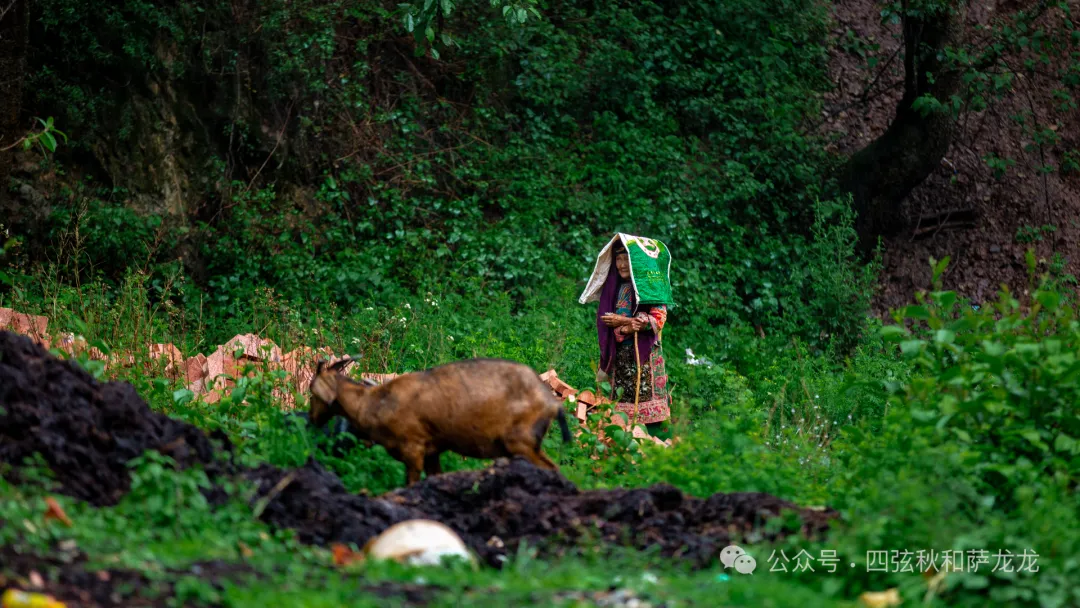
We left Zhuomulang with amazement and some regret, encountering an elderly couple herding sheep in the heavy rain. In a fleeting glance, I saw the old woman, her head covered with a transparent plastic sheet, sitting on a cement traffic post by the road, staring blankly at the rain-washed ground, unmoved by the wind and rain beating her thin body, like a wooden sculpture. At that moment, she seemed to truly merge into the wind and rain, becoming part of them, with dampness as one of her characteristics. And the goats she was herding were devouring the wind and rain, as part of nature, eventually giving back to her.