
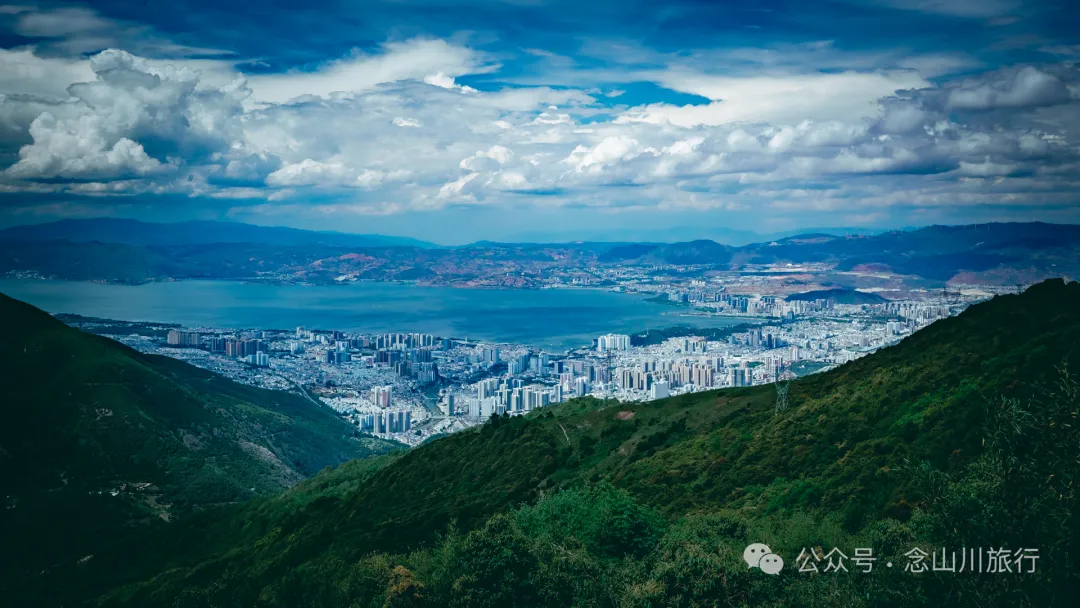
Mount Zhemo, a high mountain stretching between Xiaguan in Dali city and Weishan County, serves not only as an administrative boundary between the two regions but also as a natural barrier separating the Bai people of Dali from the Yi people of Weishan. Before the opening of the Dali-Lincang Expressway, traveling between the two places required crossing the mountain range where Mount Zhemo lies. Now, most vehicles pass directly through the mountain's belly, leaving the winding mountain roads increasingly desolate, along with the mist and greenery that once filled the air.
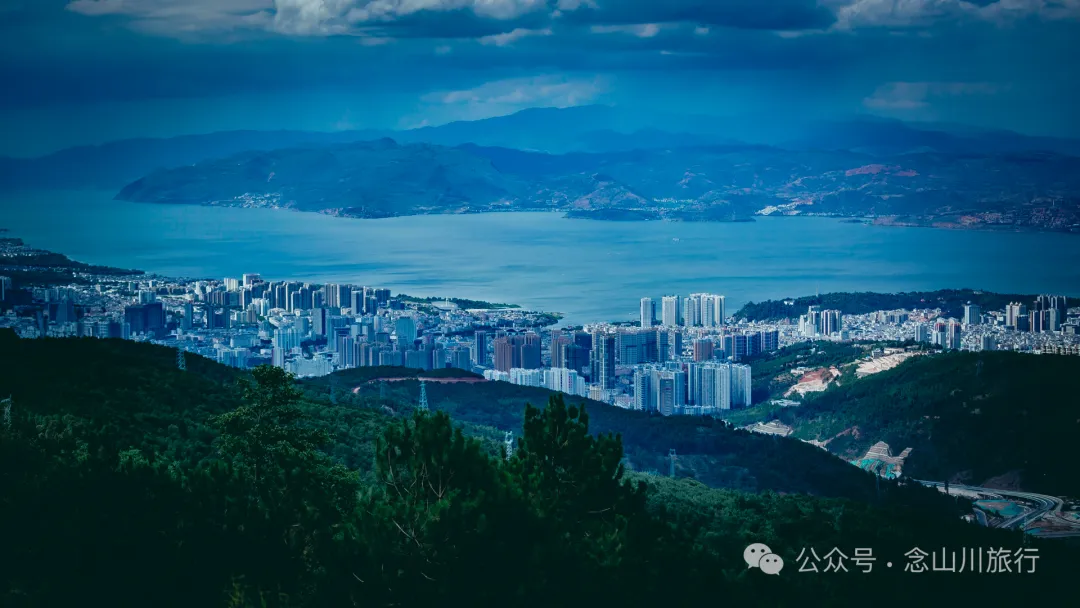
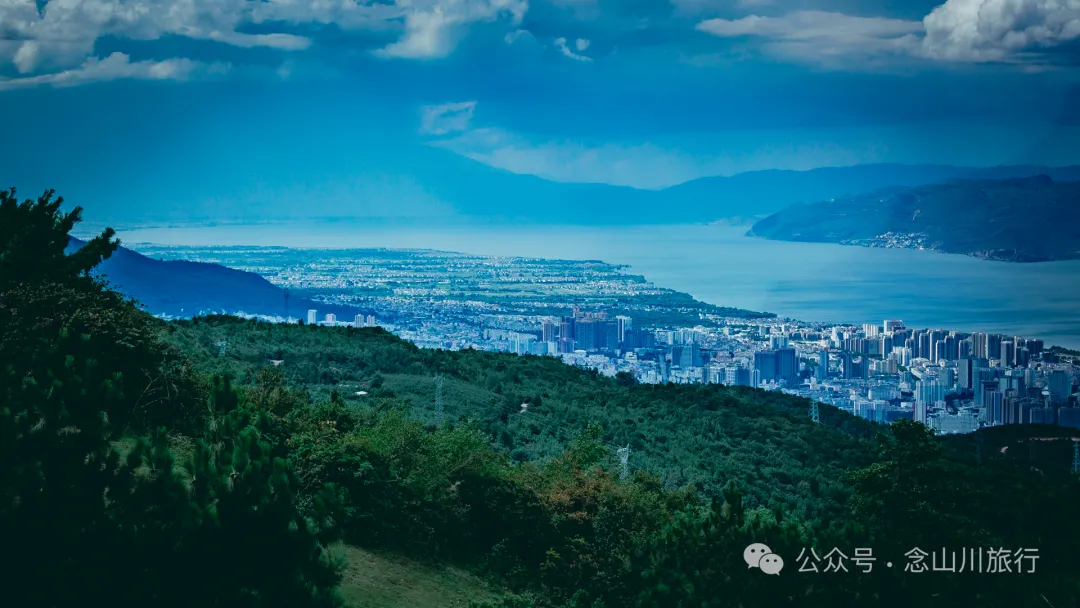
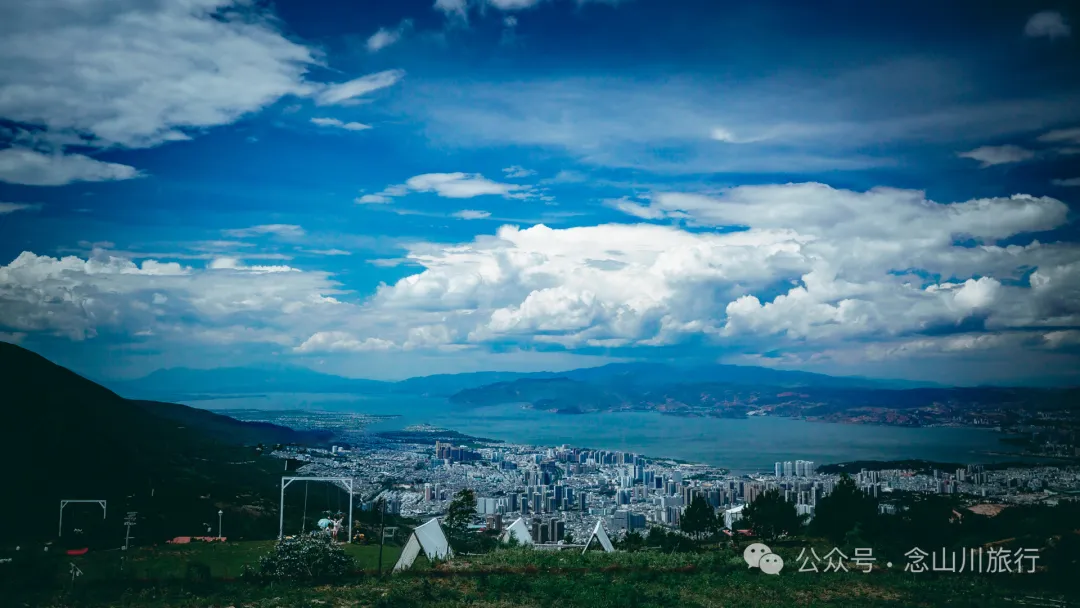
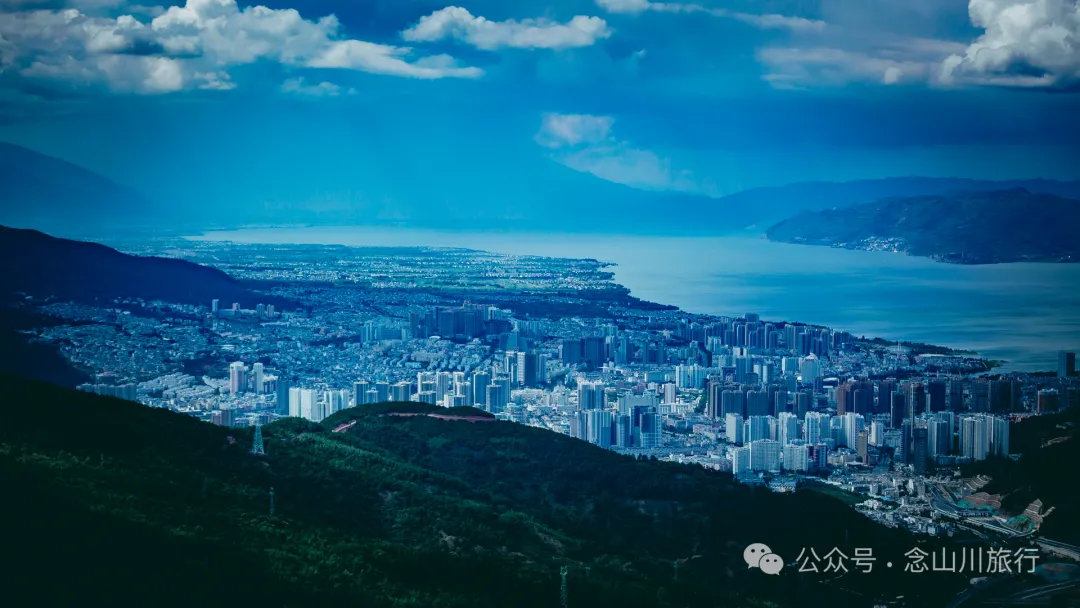
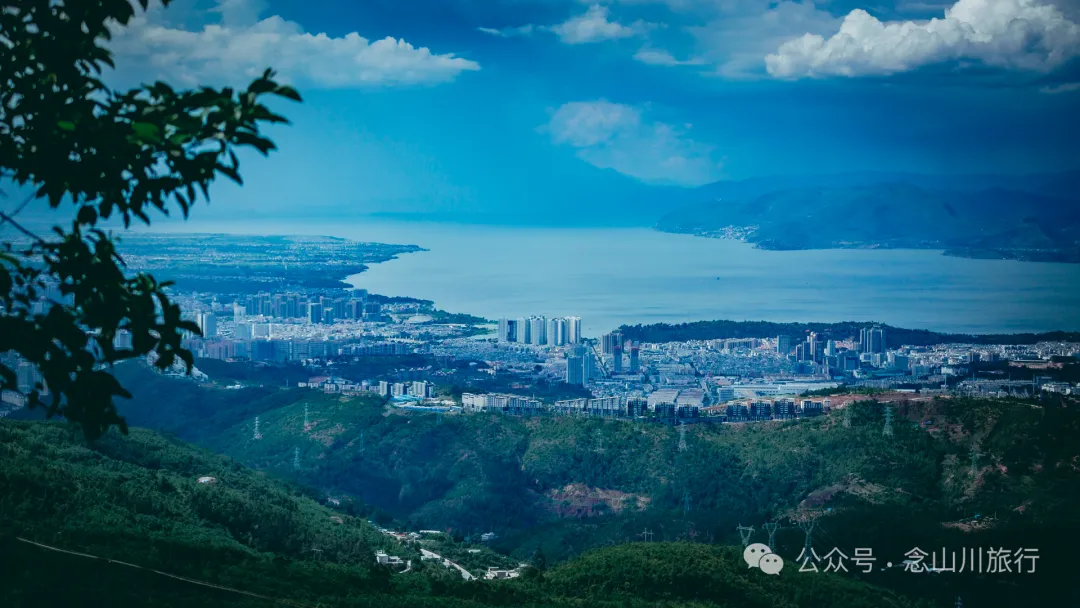
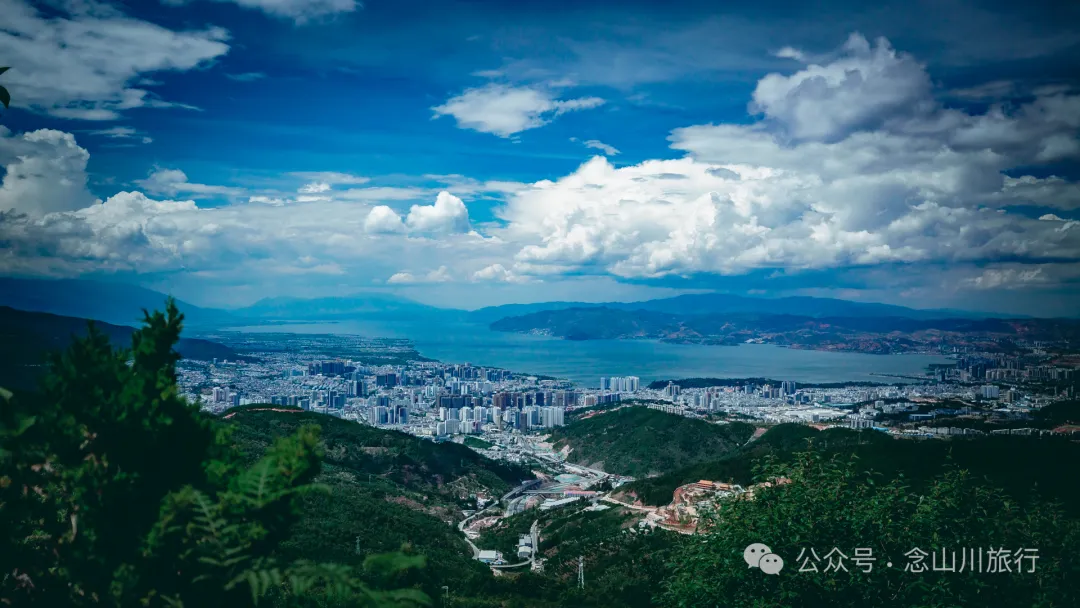
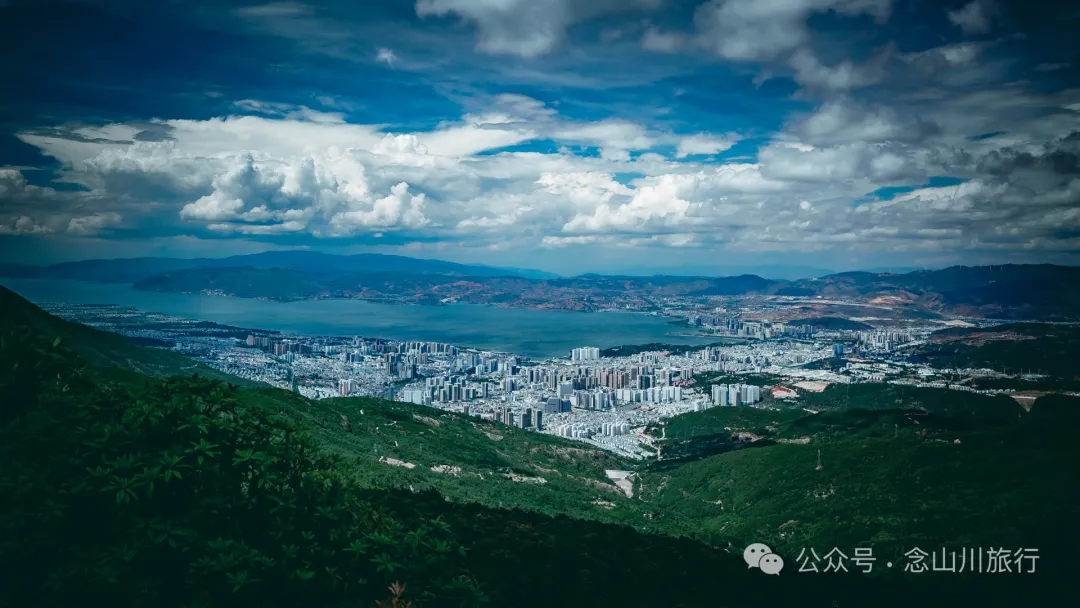
We drove up National Highway 215, and near the summit, we turned onto a narrow concrete road leading to Mount Zhemo, followed by a long stretch of stone road. This stone road was built specifically for the wind turbines standing on the peak; the surface was fairly flat, with a slight bumpiness. We soon reached the summit, where Erhai Lake, with a circumference of about 120 kilometers to the north, lay fully spread out on the flat land beneath us. We could accurately point out the ecological corridor, Longkan Pier, Caicun Pier, Haishe Park, Shuanglang, and Haidong within our field of vision. In the distance, low mountains clung to the smooth base of the clouds, and Xiaguan city was peaceful and serene, like an elderly person, with distance drowning out all noise.
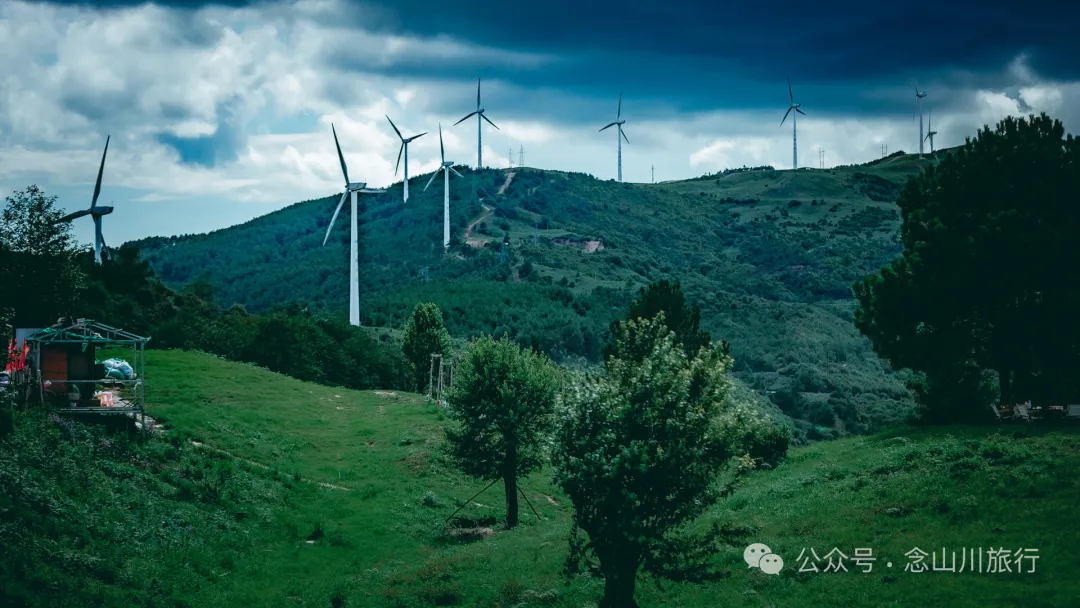
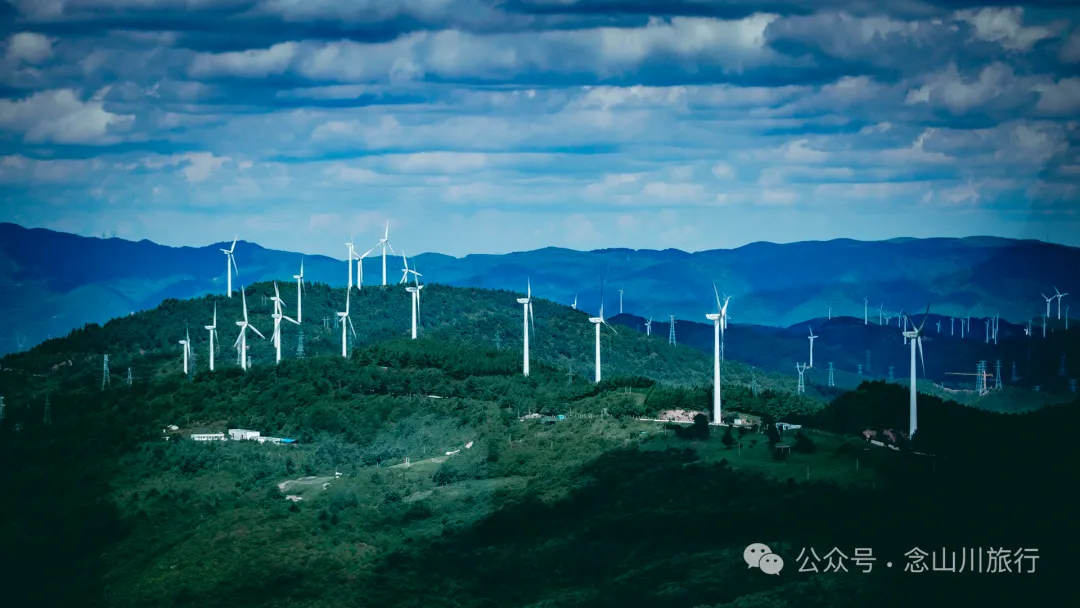
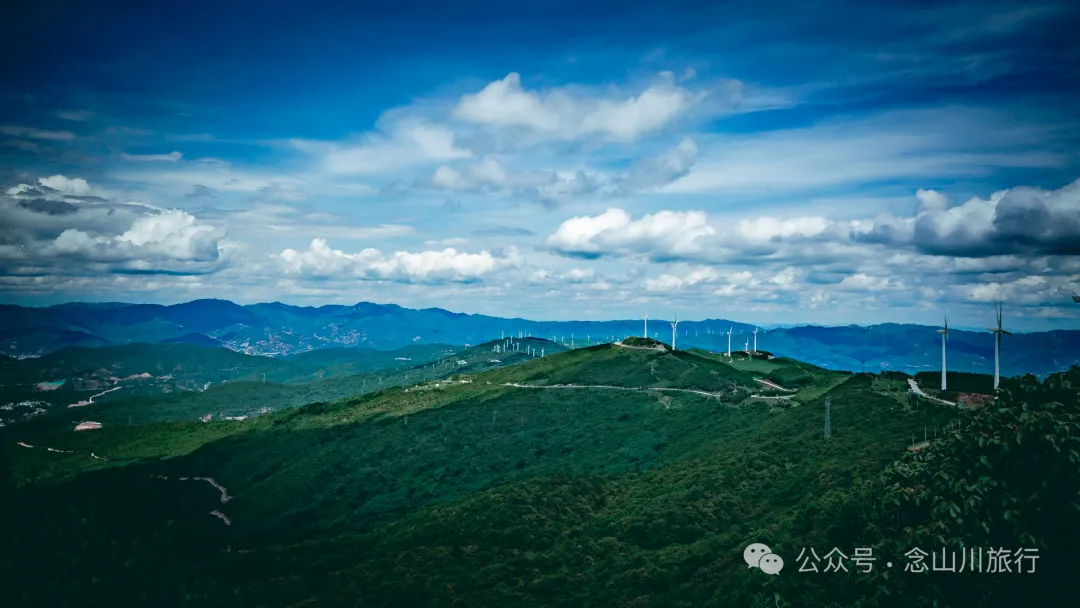
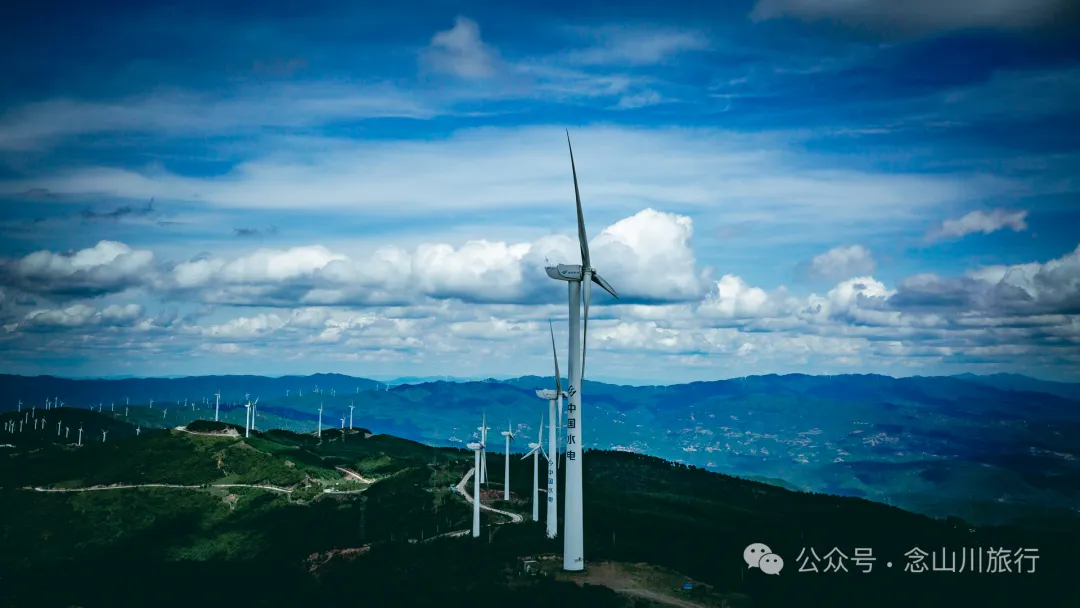
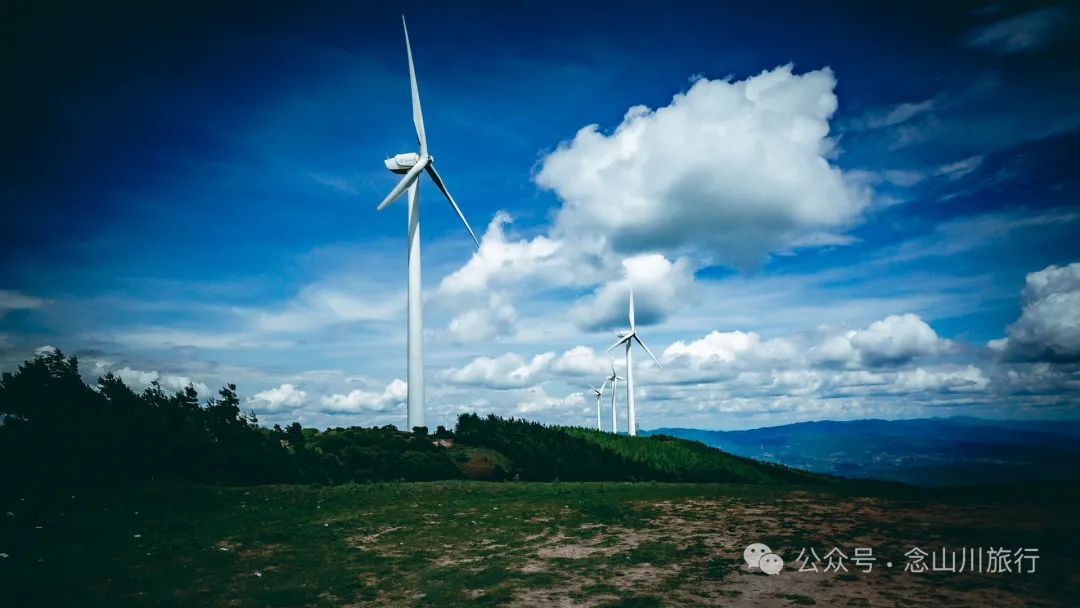
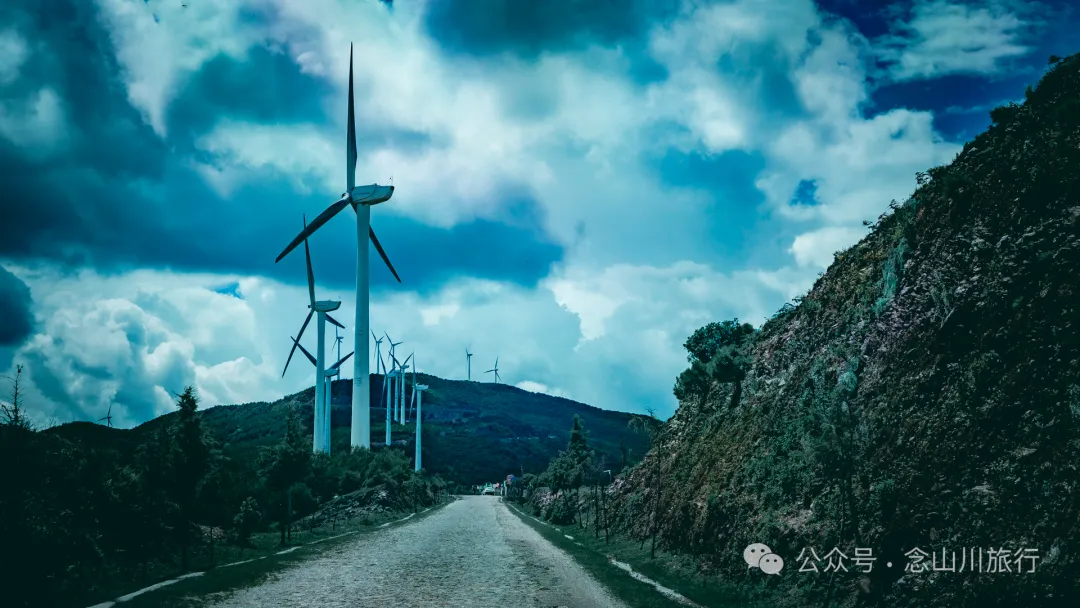
As far as the wind turbines on the summit can see, the hiking trails extend. The upright turbines stand like dandelions planted by giants, with white clouds as their seeds flying everywhere. They stretch endlessly into the distance, and countless distant mountains are filled with mysterious power. No one can know everything about the distance, so they yearn for it. For beautiful things that are unreachable, many people chase after them. Once they arrive, they always find that there is an even farther distance beyond their dreams, and thus new goals to pursue.
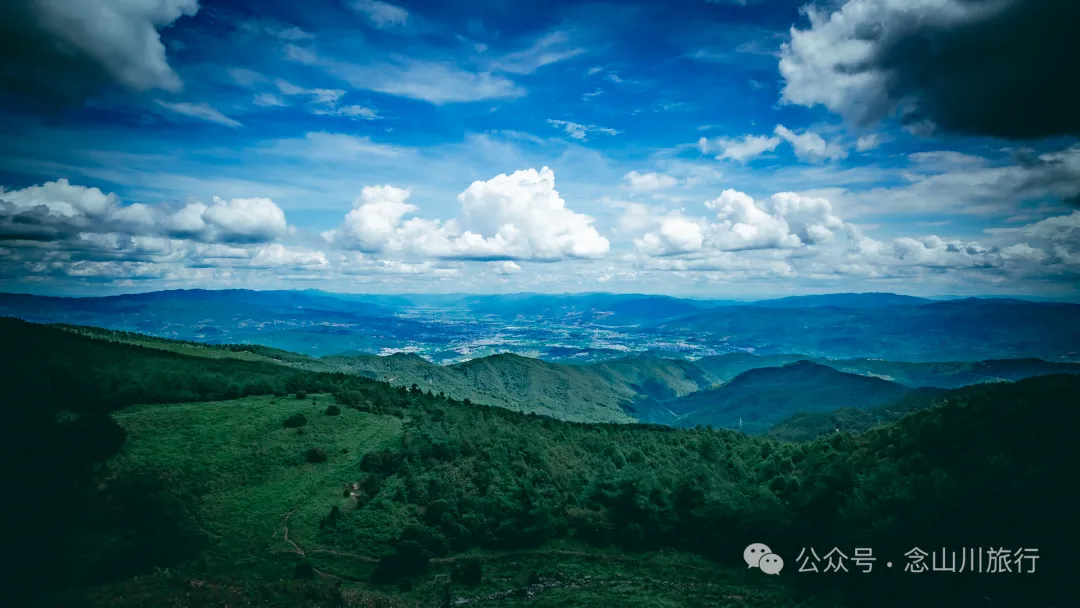
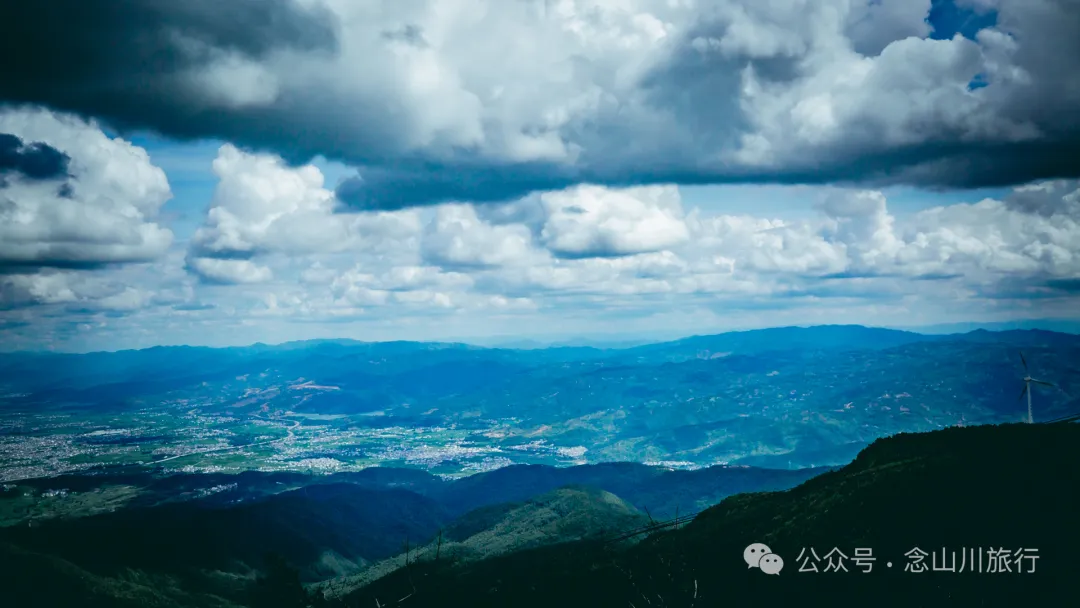
When we turned to face south, we were pleasantly surprised to find that standing on Mount Zhemo, we could see the entire Weishan Basin. From Dacang Town at the foot of the mountain to Weibao Mountain Township at the end of the basin, this basin, about 40 kilometers long from north to south and 3 to 4 kilometers wide from east to west, is where we live—Weishan. Surrounded by countless mountains stretching endlessly until our vision blurs, this was the first time we saw the full view of the Weishan Basin. I, who had vowed to explore all of Weishan, felt a bit daunted. Without three to five years, how could one cover this land full of mountains and rivers?
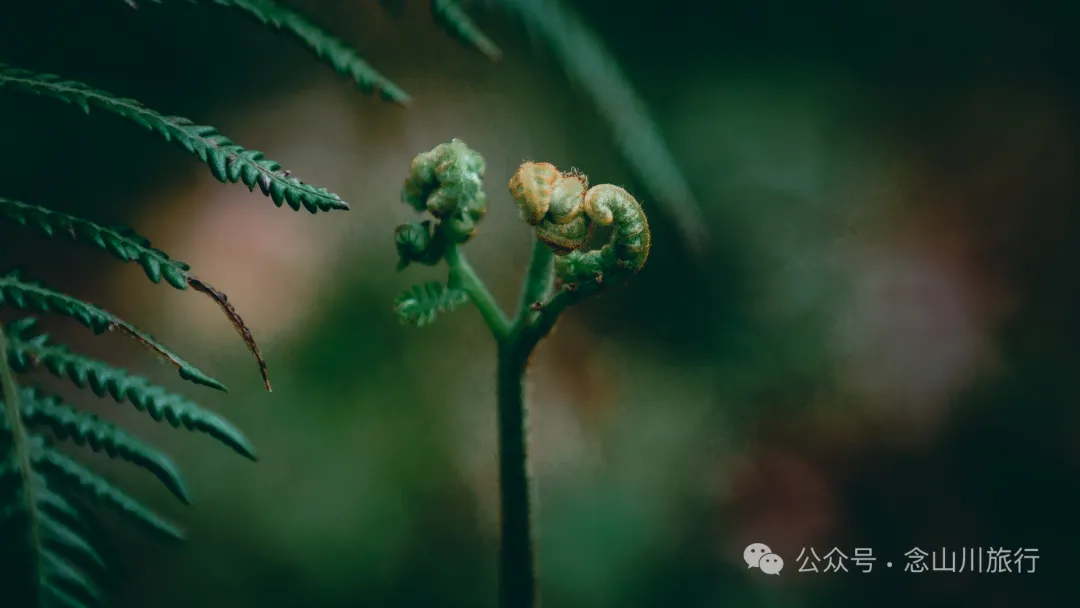
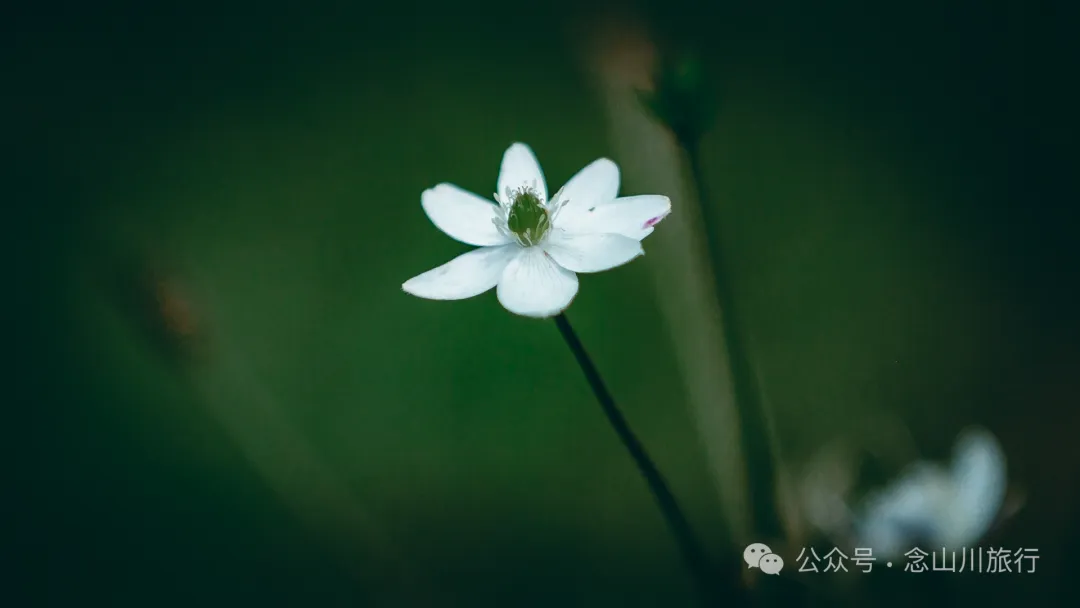
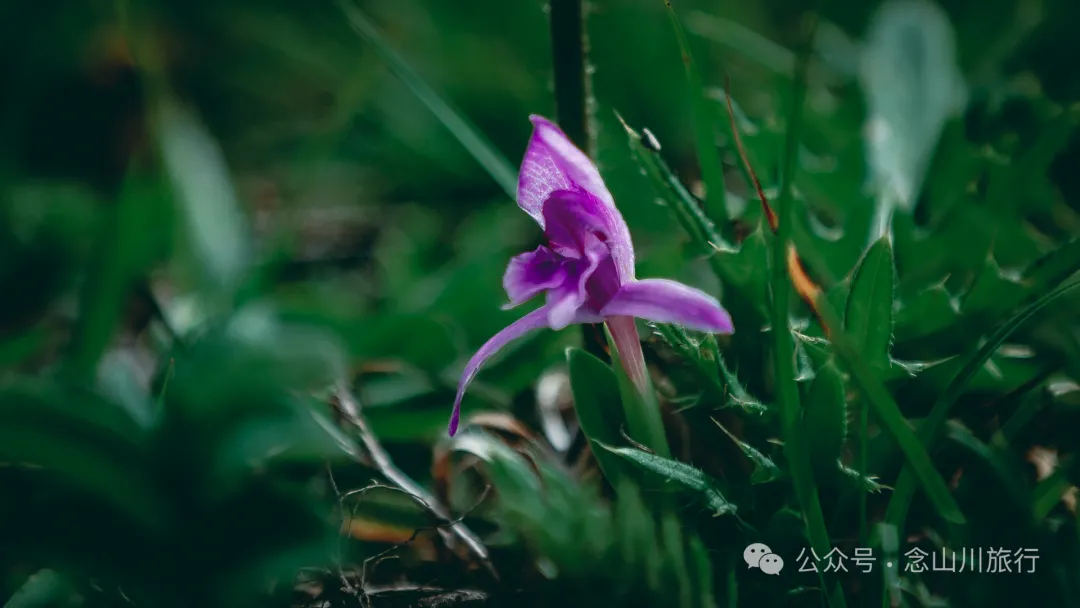
There are not many alpine meadows on Mount Zhemo; the few sizable ones with good views along the stone road are all fenced off. We climbed a steeper summit, where nearby wind turbines whirred and leisurely turned their blades. The wild grass on the summit was full of purple Roscoea, a strangely shaped wildflower I often see in the vegetable market of Weishan County. It turns out to be a herbal medicine for moistening the lungs, stopping coughs, and treating asthma. As for the alpine ferns of this season, they have grown into full leaves, left unpicked.