
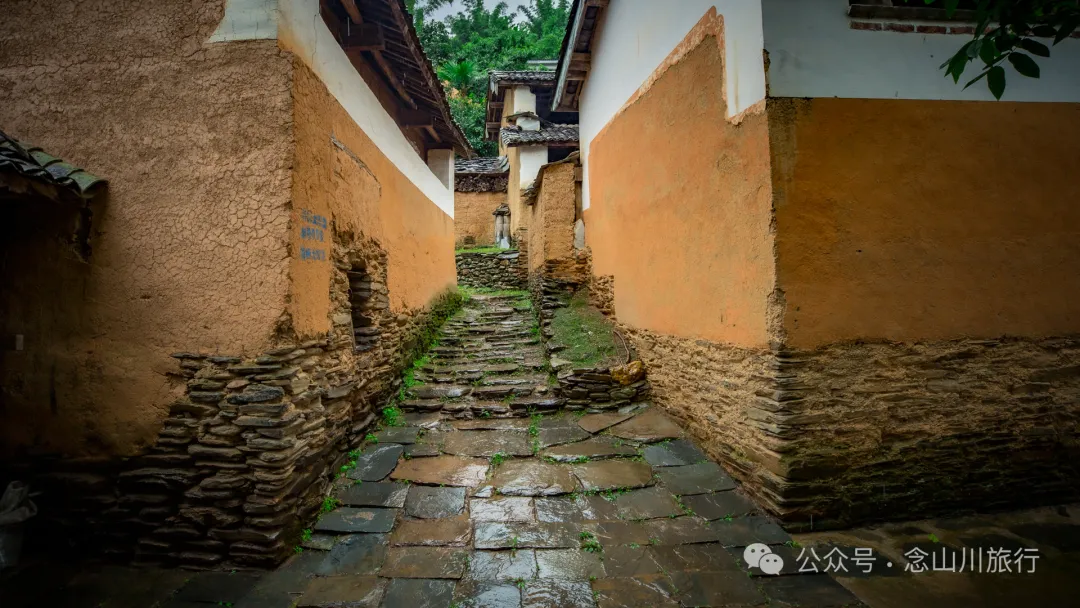
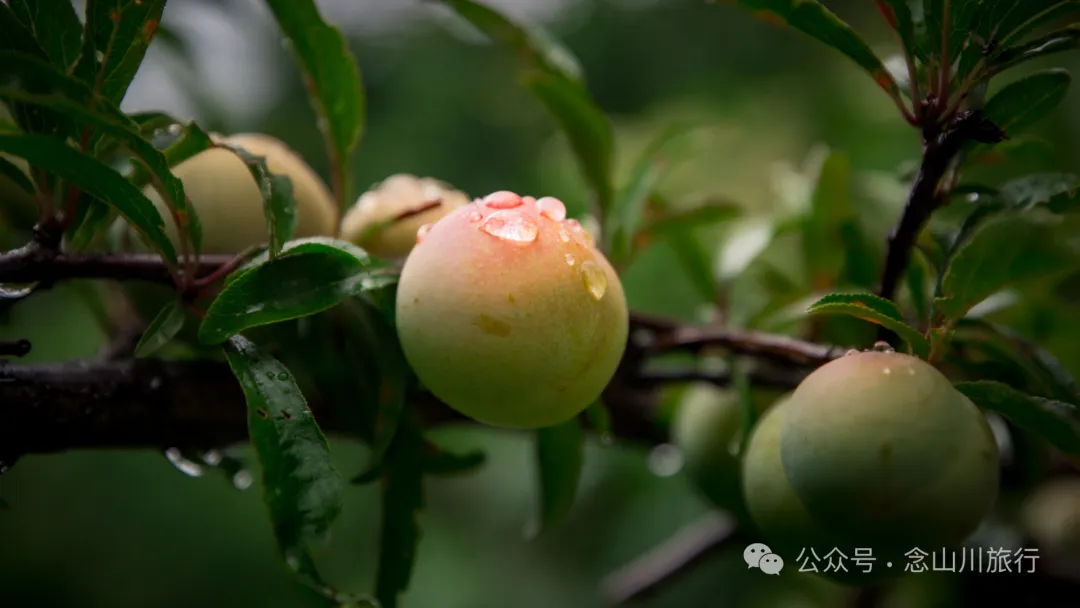
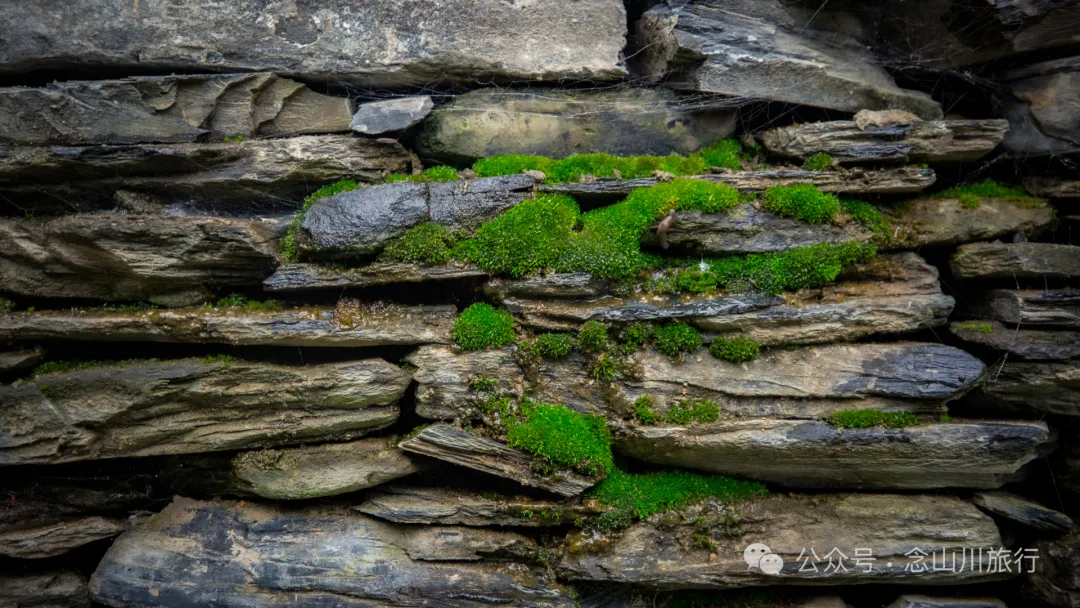
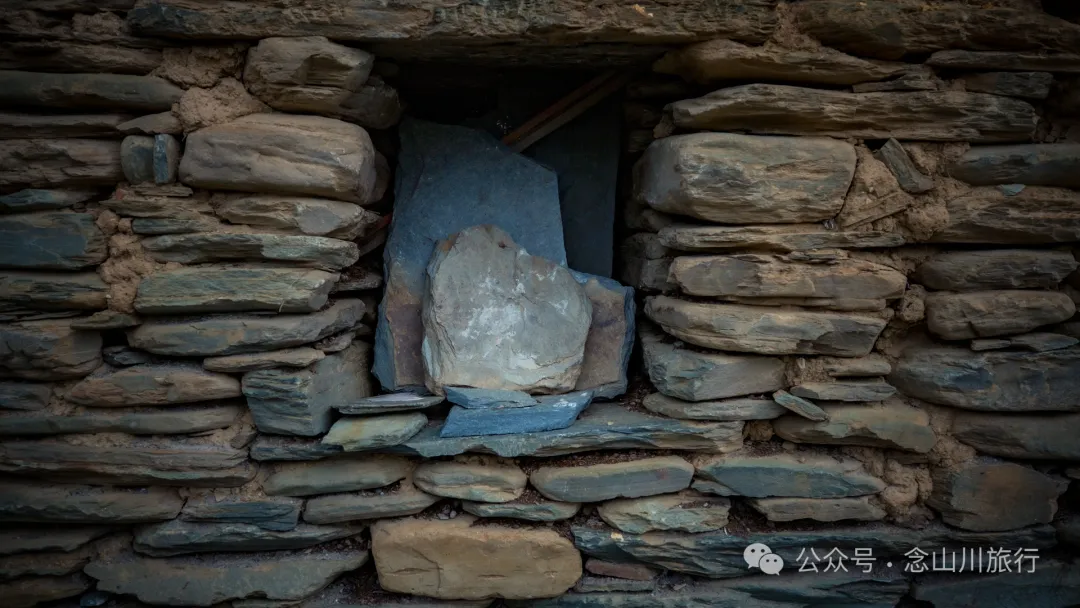
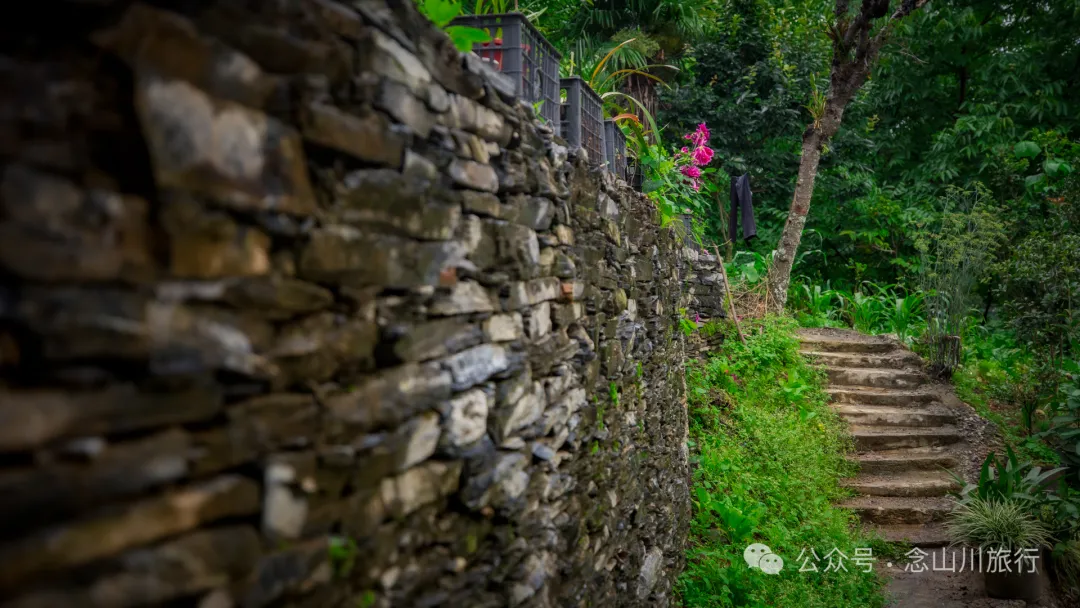
To reach the alpine meadow of Mibila Village, one must pass through Laobuju Village. A friend told me there are two forks in the village leading to the meadow, but he suggested I take the second one, not only because the stone wall at the entrance of a house on that path is exquisite, but also because I would pass a slope and a deep ditch scattered with fallen peaches and plums, offering a unique charm. As my friend described this, I immediately thought of Wang Wei's lines: 'In the rain, mountain fruits fall; under the lamp, insects chirp.' Walking through the village in the rainy season with an umbrella as a passerby, I found Laobuju to be a village full of poetry, with a strong Jiangnan character.

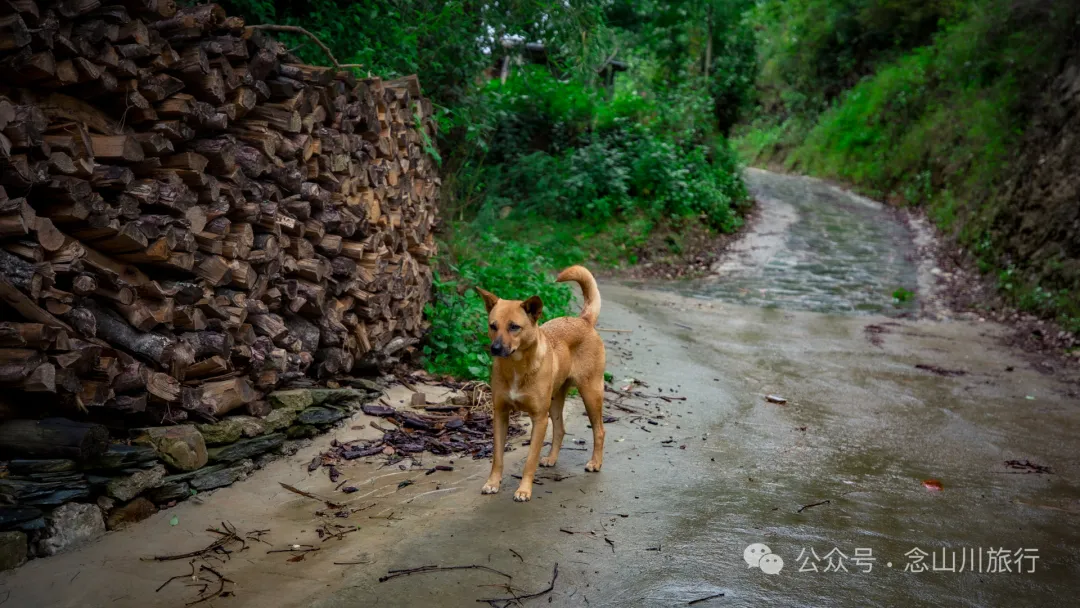
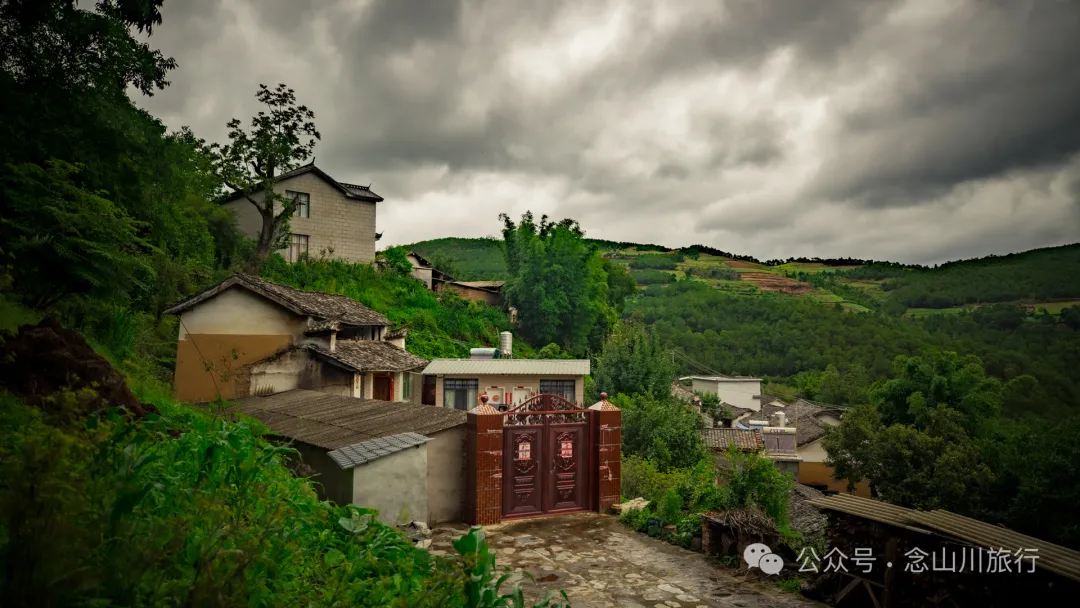
In the early morning, Laobuju Village was quiet and serene in the rain. 'In the wind and rain, the roosters crow.' As a stranger entering the village, I heard not a single dog bark, only the crowing of roosters from near and far. This was something I had never encountered in other mountain villages. On my way back, I met two yellow dogs by the roadside. Even at close range, they did not bark threateningly. One male dog curiously approached me with friendly eyes. The other female dog kept a wary distance, occasionally emitting low growls with a stern expression. This was the most unfriendly face I encountered in the village, yet even she did not bark.
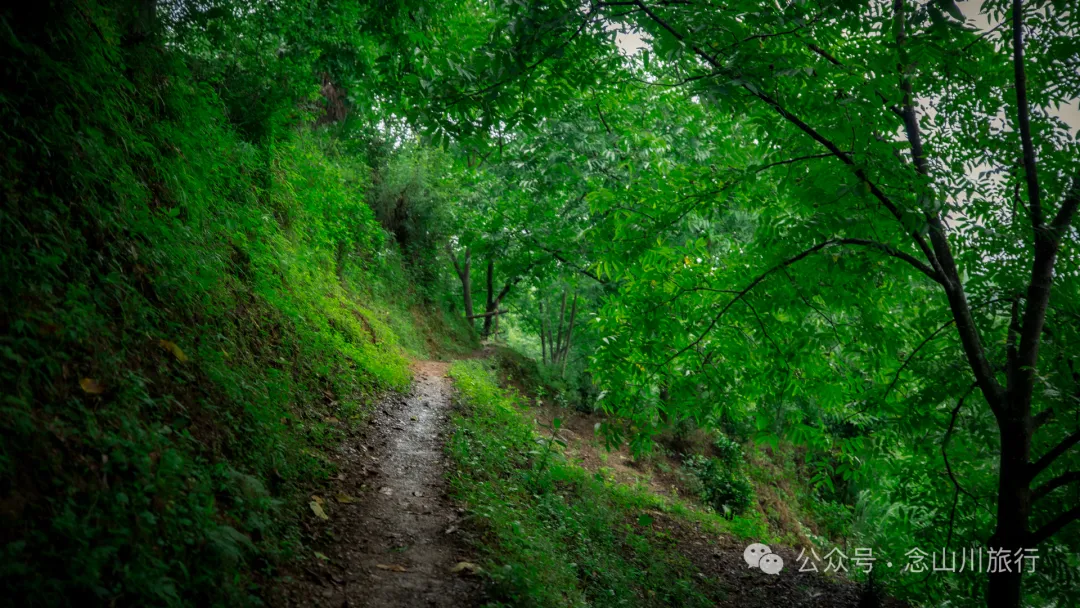
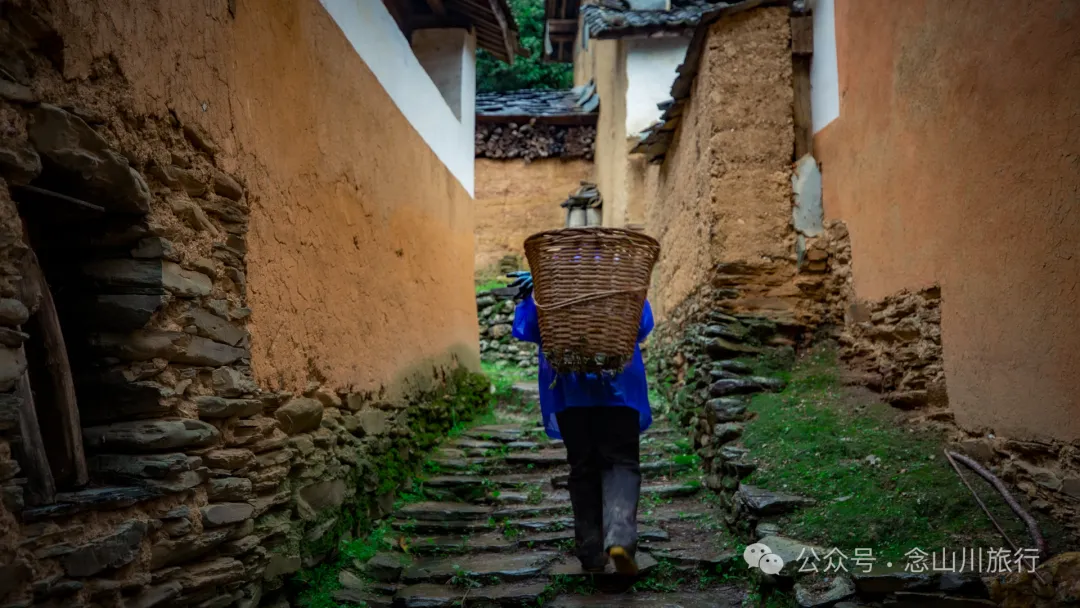
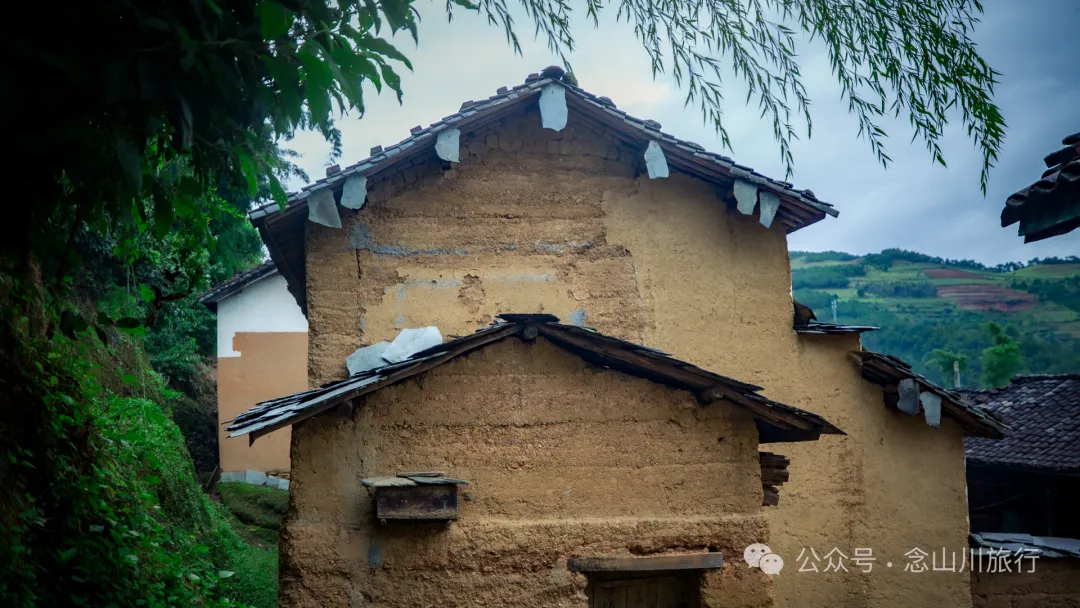
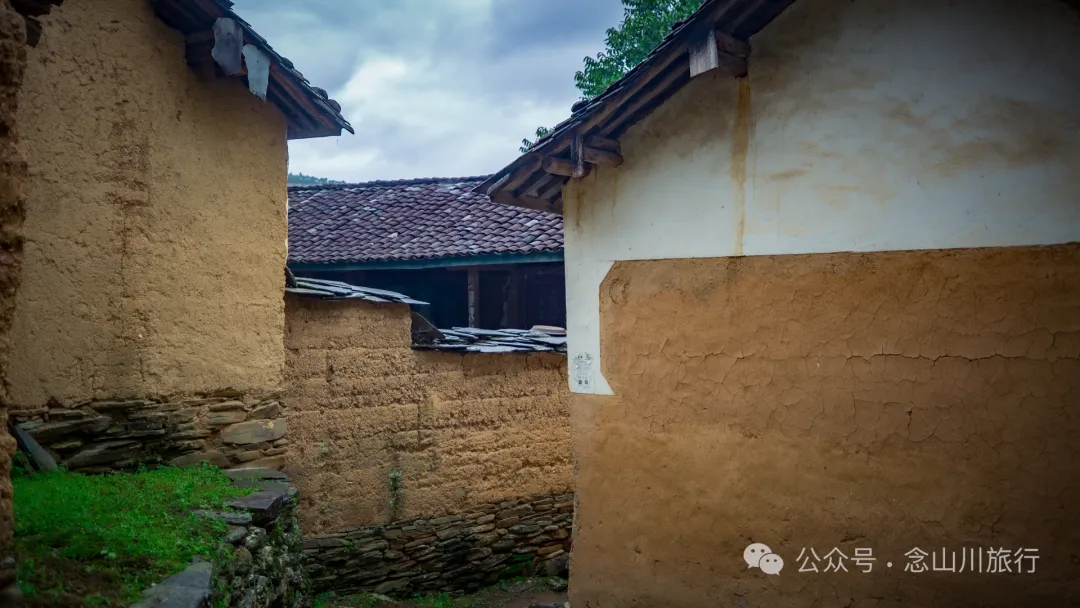
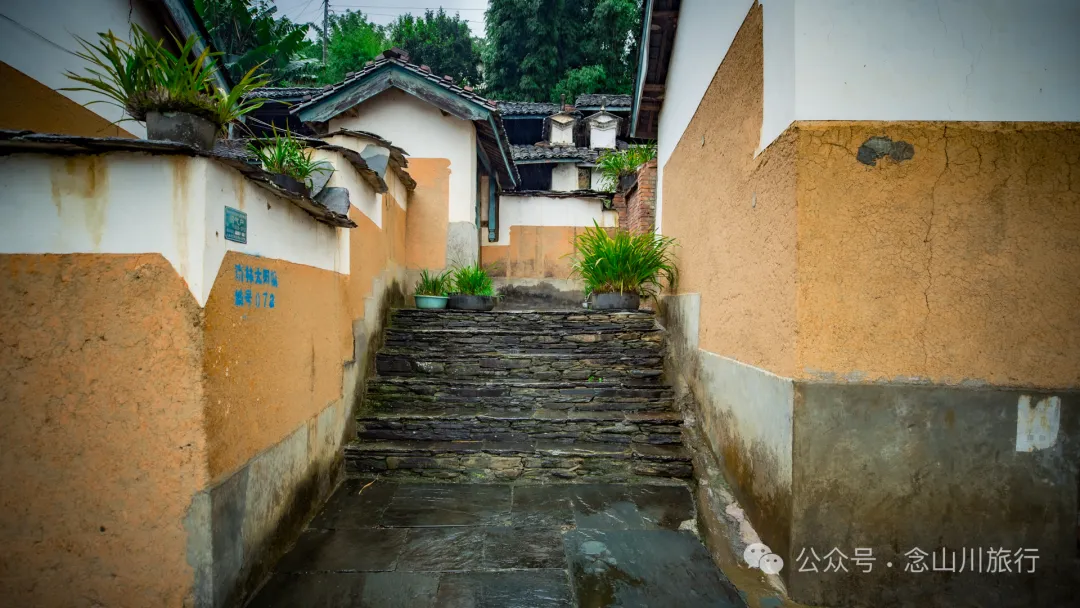
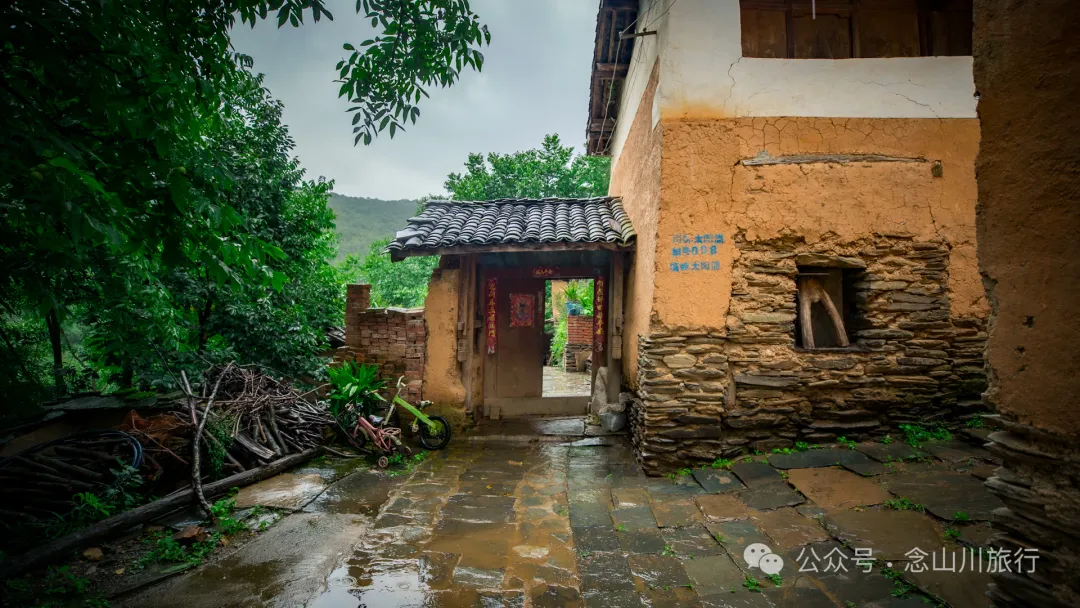
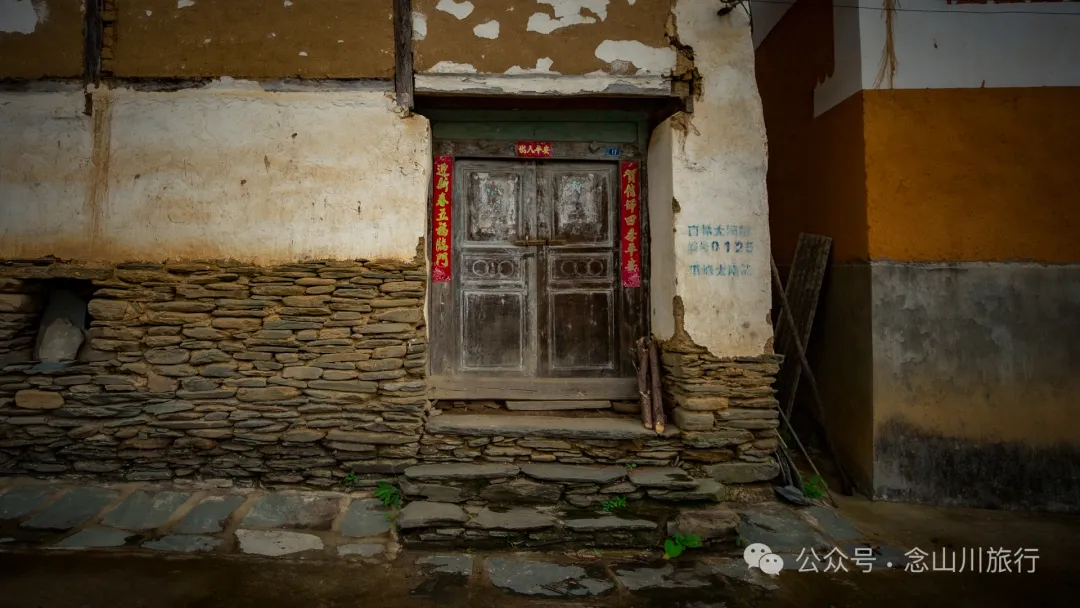
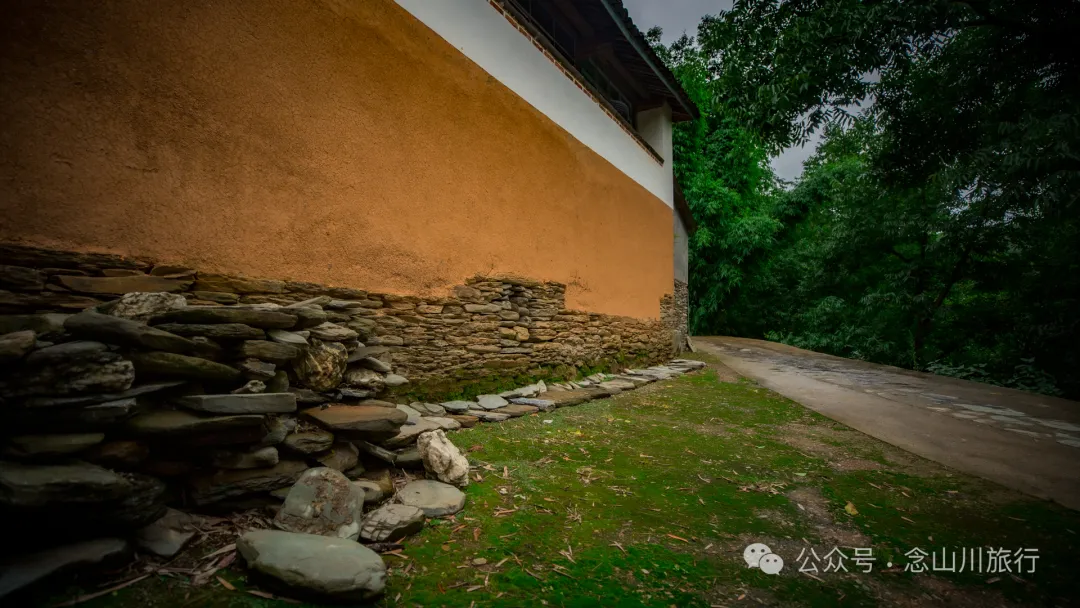
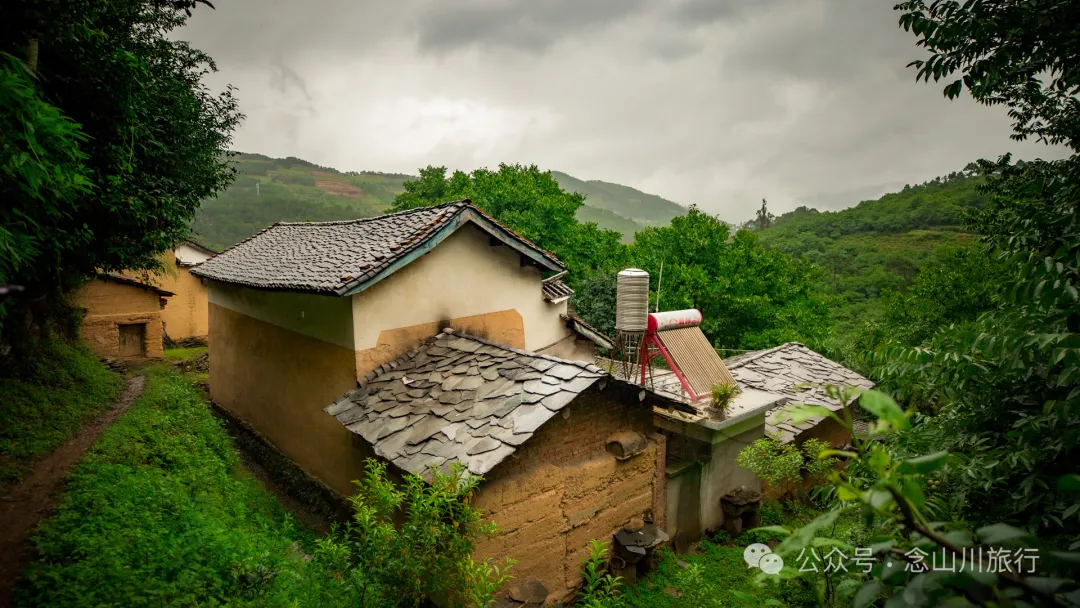
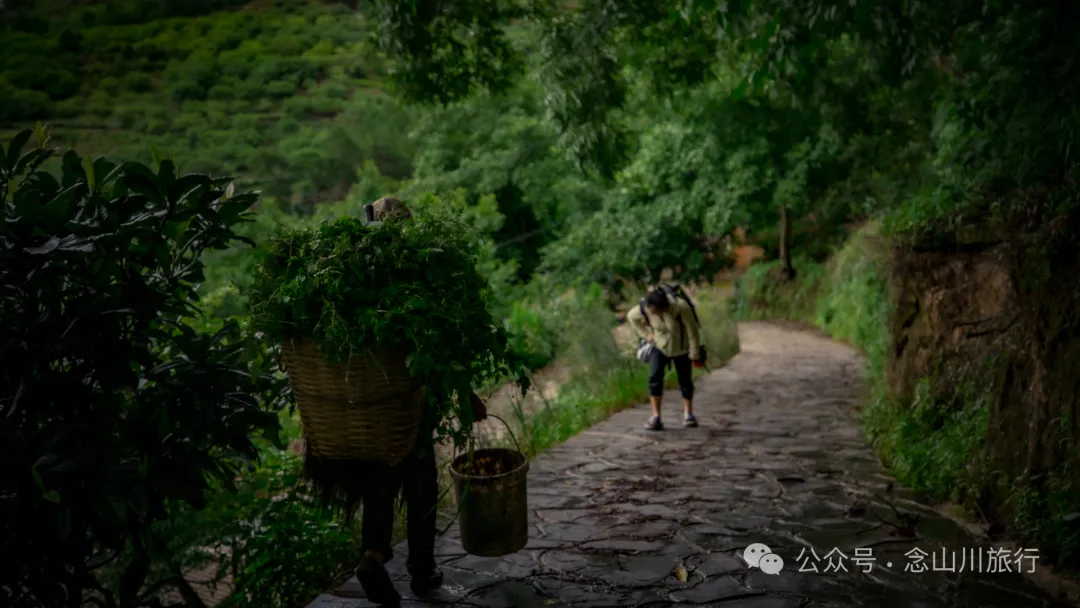
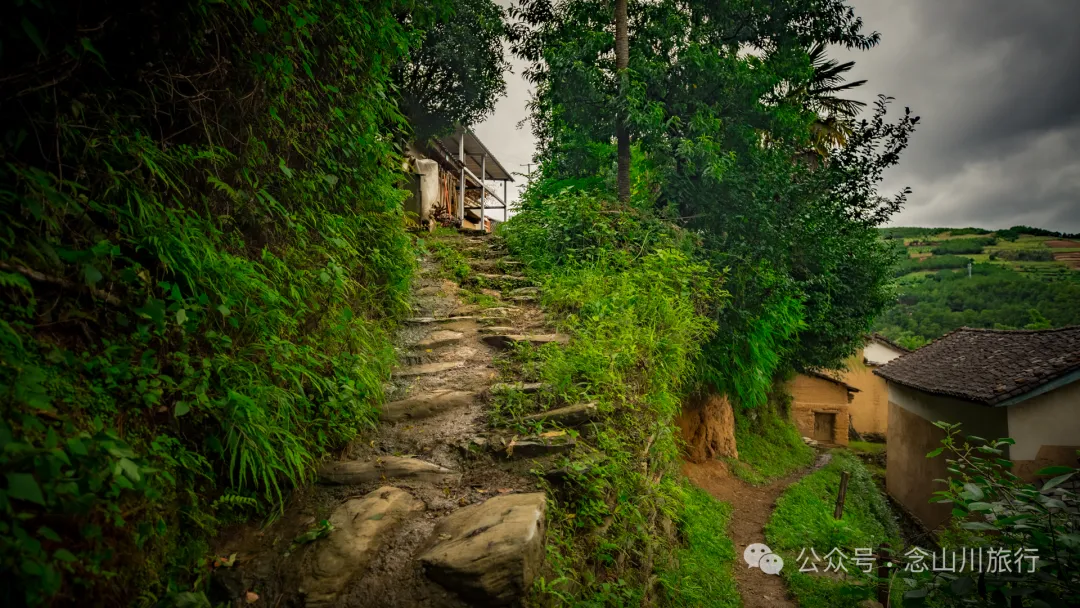
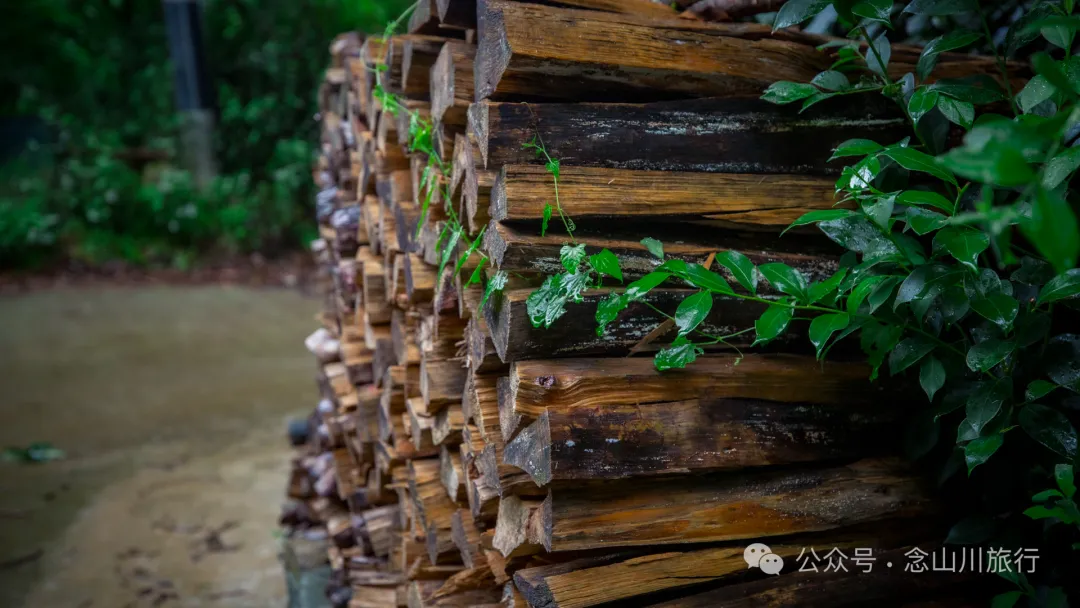
The paths in the village are paved with bluestone slabs from the nearby mountains, clean and tidy, with no litter along the sides. Neatly stacked firewood, cut to uniform lengths and thicknesses, lined the roadside, soaked through by the rain. This firewood, sourced from the mountains, is the most common necessity in the village, ultimately destined for the stove. But the wisps of smoke rising from its burning have warmed countless people and now evoke deep nostalgia. 'A wisp of smoke from a bamboo village, doors closed deep in the rain.' Most houses in Laobuju Village have their doors tightly shut, with a short wooden bar across the handle serving as a 'lock.' The foundations of the houses are mostly built with sedimentary rocks from the mountains, the main walls are rammed earth, and the steps and roofs are paved with shale, giving a rustic and natural feel.

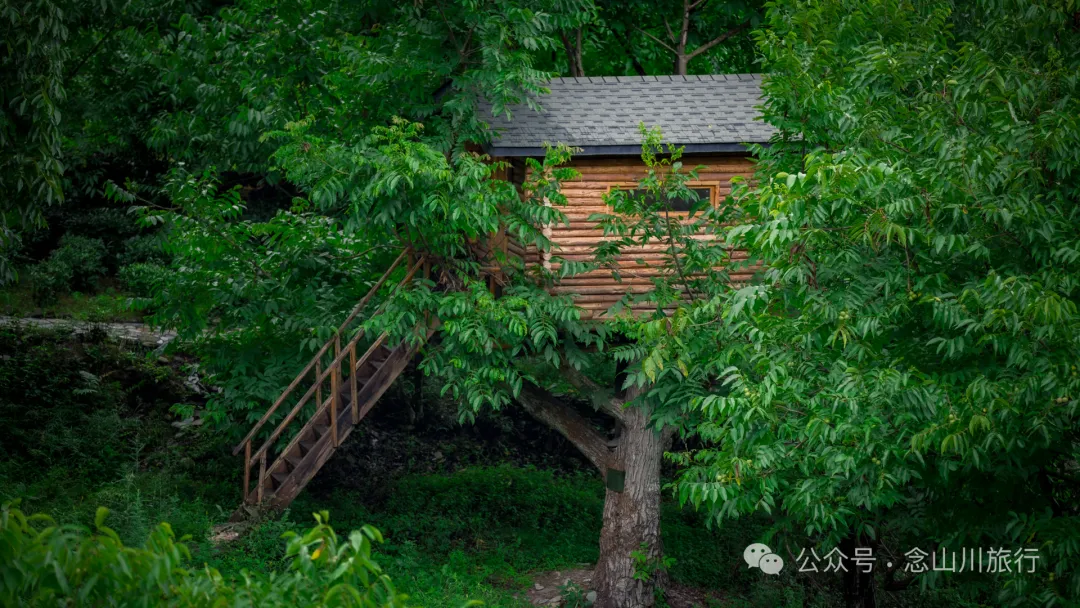
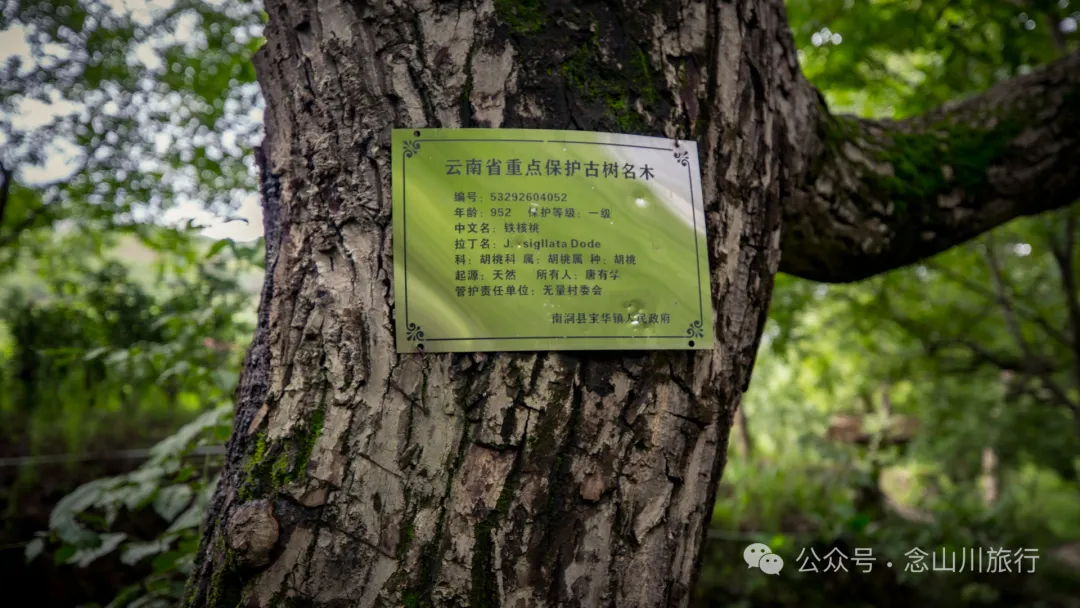
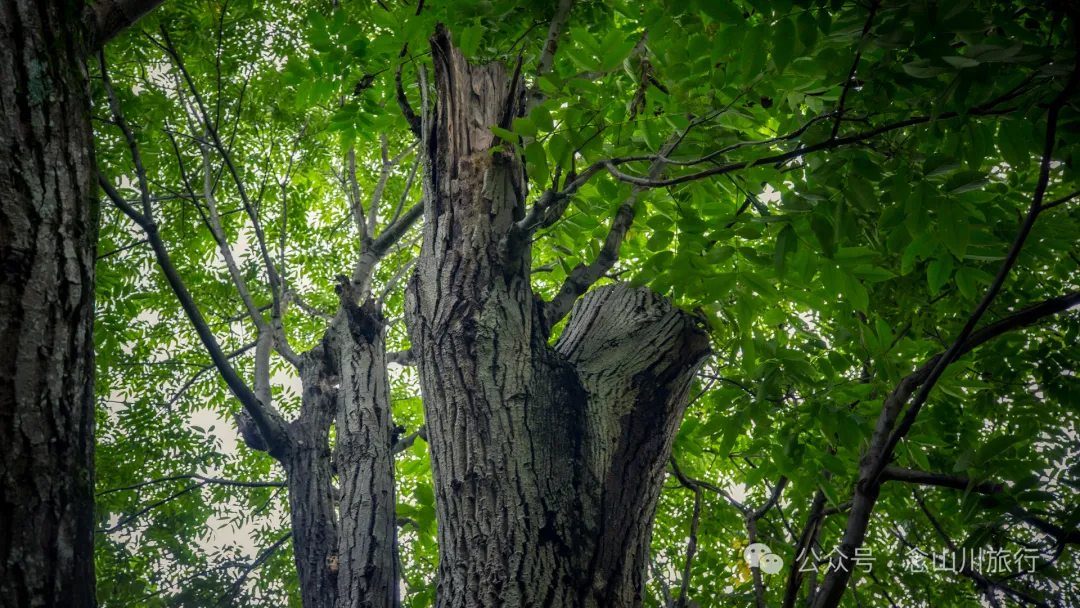
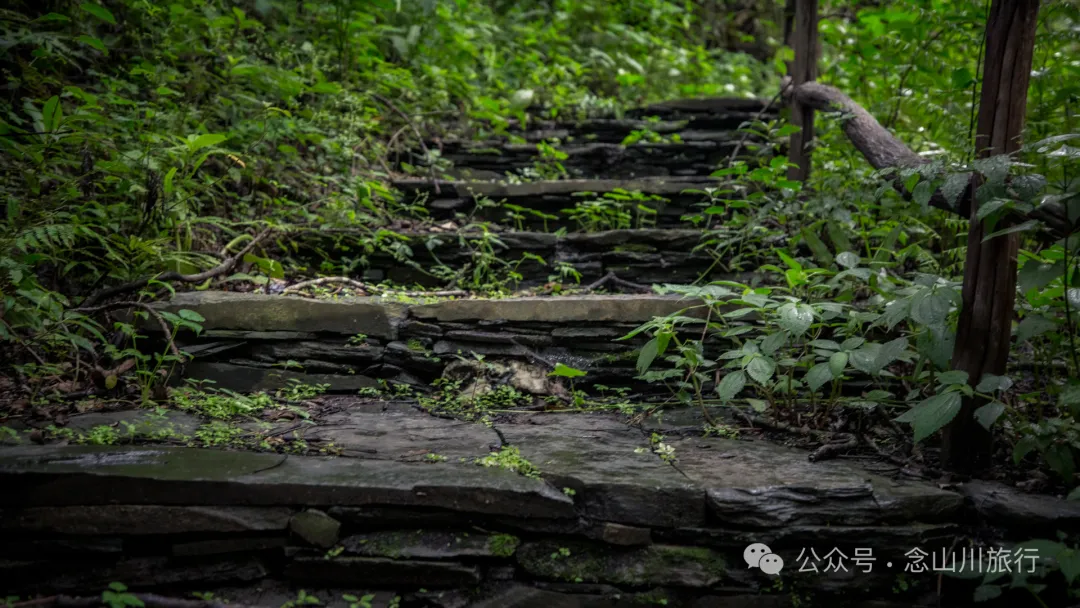
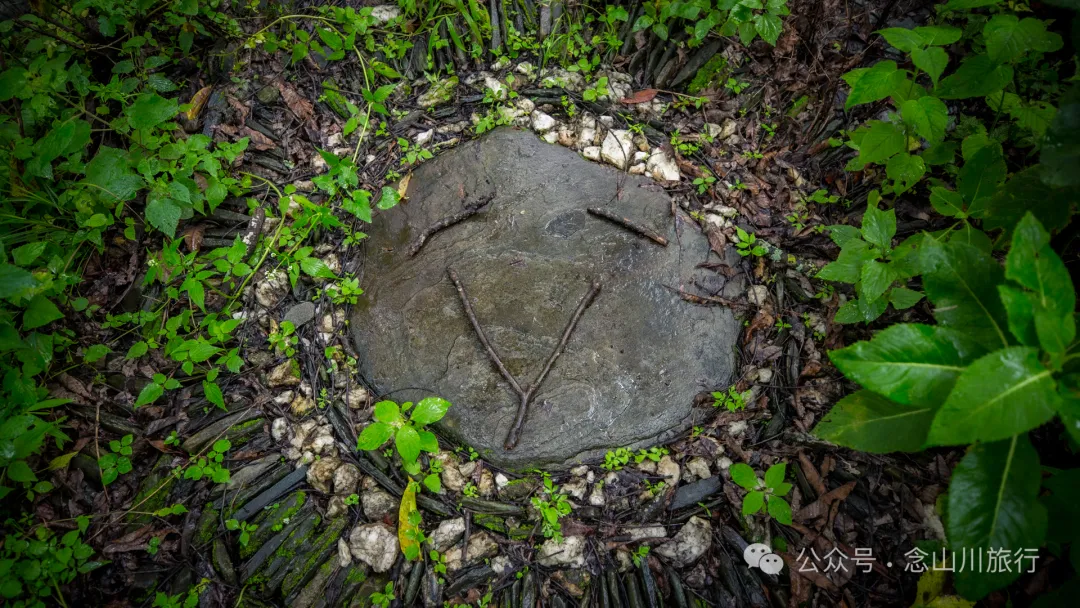
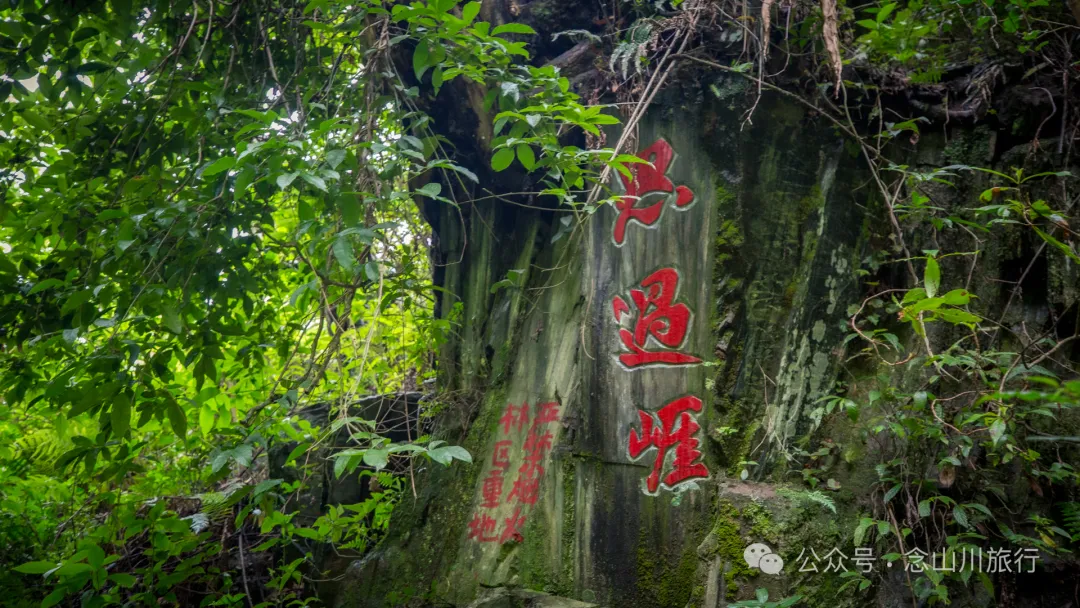

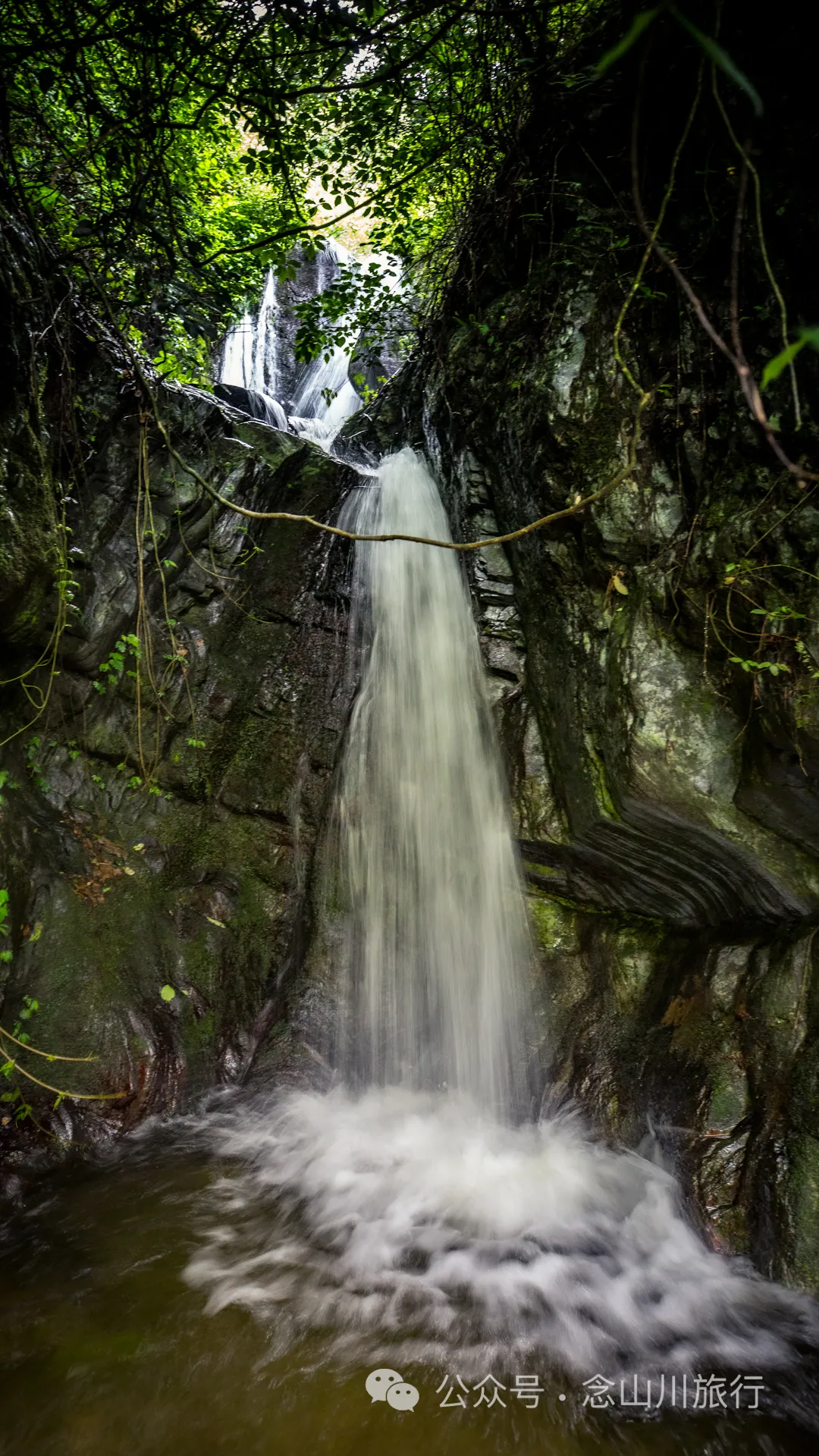
In the northern valley of Laobuju Village, there is a streamside path leading to the western mountains. The path is also paved with bluestone slabs, flanked by many 900-year-old wild iron walnut trees that block out the sun. At the end of the path stands a sheer cliff, with a waterfall cascading from a gap. Standing a few meters away behind a railing, I felt a strong gust of air. Above the waterfall was another smaller cascade, beyond which I could see nothing clearly. 'Where the forest ended, the water source was found, and there was a mountain with a small opening, as if there was light.' Standing at this entrance reminiscent of 'The Peach Blossom Spring,' I strained to look upward, hoping to discover the utopia described by Tao Yuanming, but my view was blocked by rocks and tangled trees, and I saw nothing.
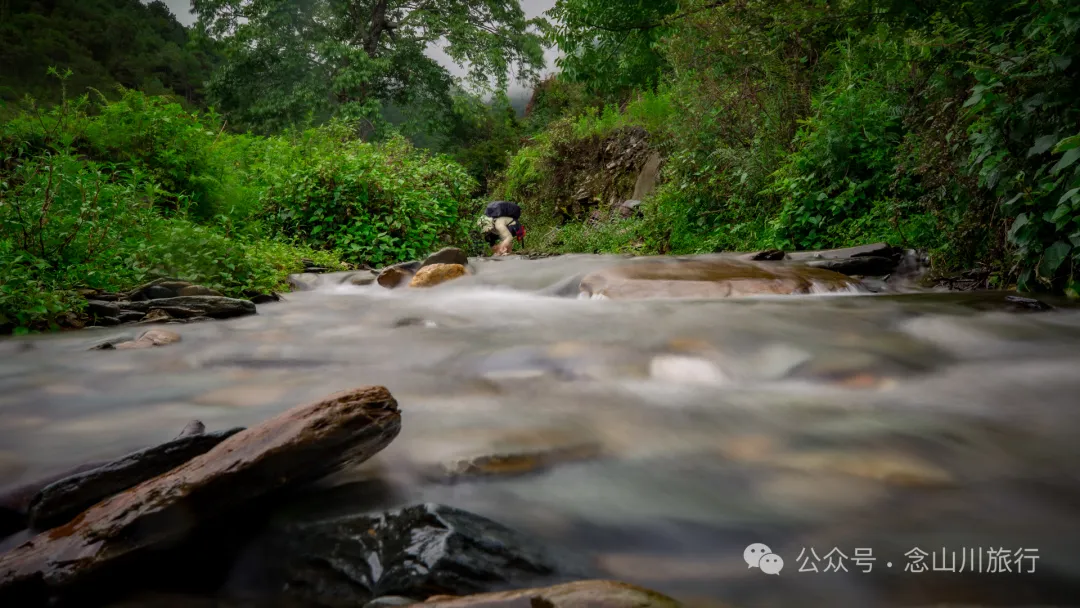
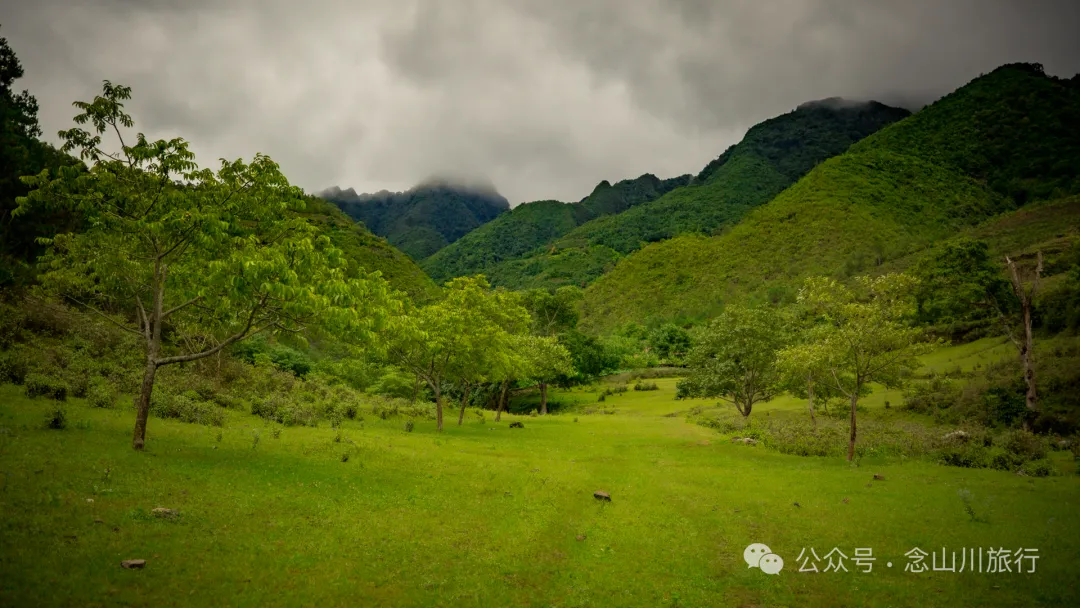
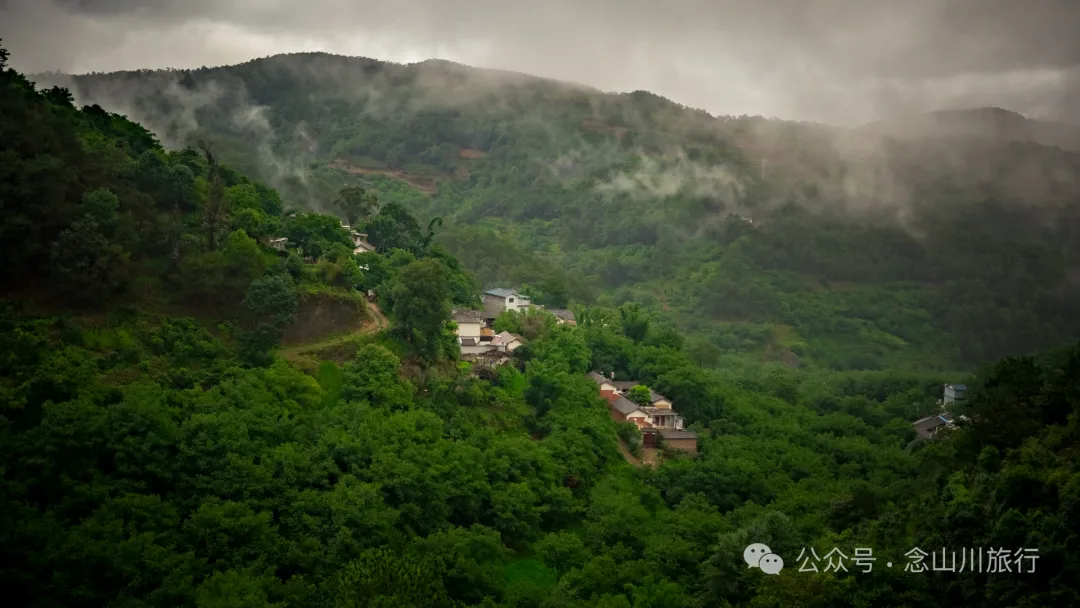
To the north of the village are ancient paths, streams, tea mountains, and strange peaks; to the south is a vast alpine meadow. Laobuju Village is hidden within these diverse natural landscapes, quietly waiting under the distant Goddess Peak. Uncle Rao, the owner of the tea mountain, is a native of Laobuju Village. From chatting with him, I learned that the villagers are not indigenous Yi people but Han Chinese who migrated from Fuzhou Prefecture, Jiangxi, during the Hongwu period of the Ming Dynasty. All villagers share the surname Rao. According to Uncle Rao, to escape floods, their ancestors trekked over mountains from Midu to Nanjian, finally stopping here and settling in this mountain that bore some resemblance to their distant homeland. After centuries of wind and rain, Laobuju Village has developed its own unique language and customs over time. The villagers continue to live in this quiet village with a deeper sense of nostalgia. Perhaps a distant wisp of smoke will inspire their journey to trace their roots.